
Starting a pantry from scratch can feel overwhelming, especially when you’re not sure what’s truly essential. With so many ingredients available, it’s easy to overspend or end up with items you rarely use. A well-built pantry, however, isn’t about quantity, but about choosing versatile ingredients that deliver consistent flavor. When done right, it becomes the foundation for quick, satisfying meals without constant grocery trips.
The goal isn’t to recreate a professional kitchen, but to stock items that support how you actually cook and eat. By focusing on flavor, flexibility, and shelf life, you can create a pantry that makes cooking easier rather than more complicated. You’ll also find that having the right basics on hand encourages you to cook more often.
Start With Core Flavor Builders
The foundation of any great pantry begins with ingredients that add depth and richness to your meals. Items like olive oil, garlic, onions, and basic spices such as salt, pepper, and paprika are essential for building flavor. These ingredients are used across many cuisines, which makes them incredibly versatile. Keeping them stocked ensures you can start almost any dish without hesitation. They also form the base of countless recipes, making them indispensable.
Dried herbs and spices expand your ability to create variety without needing fresh ingredients every time. Options like oregano, cumin, chili powder, and thyme allow you to shift flavors depending on what you’re cooking. You don’t need dozens of spices, but having a balanced selection makes a noticeable difference.
Condiments are another key part of building flavor without extra effort. Soy sauce, vinegar, mustard, and hot sauce can quickly transform simple ingredients into something more complex. These items often have long shelf lives, which makes them practical pantry staples. A small collection of condiments can dramatically expand your cooking options. They also help you adjust the taste at the end of cooking, which adds flexibility.
Broths and stocks, whether boxed or concentrated, provide a flavorful base for soups, grains, and sauces. They add depth that water alone can’t replicate. Keeping a few options on hand allows you to enhance dishes without extra preparation. These are especially useful when you need to build flavor quickly. They also help create more cohesive and satisfying meals.
Stock Versatile Staples, You’ll Actually Use
A functional pantry relies on ingredients that can be used in multiple ways across different meals. Items like rice, pasta, canned beans, and lentils provide a solid base for a wide range of dishes. These staples are affordable, easy to store, and adaptable to many cuisines.
Canned goods offer convenience without sacrificing too much quality. Tomatoes, coconut milk, and chickpeas are especially useful for quick meals. They reduce preparation time and help you create dishes with minimal effort. Choosing a few reliable options ensures you’re not overwhelmed by choices. It also helps keep your pantry organized and purposeful.
Grains like quinoa, oats, and couscous add variety and nutritional balance to your pantry. They cook relatively quickly and can be used in both savory and sweet dishes. Having a mix of grains allows you to change textures and flavors without much effort.
Shelf-stable proteins, such as canned tuna or nut butters, add substance to your pantry. These items make it easier to create filling meals without relying entirely on fresh ingredients. They’re especially helpful for quick lunches or last-minute dinners.
Organize and Maintain for Long-Term Use
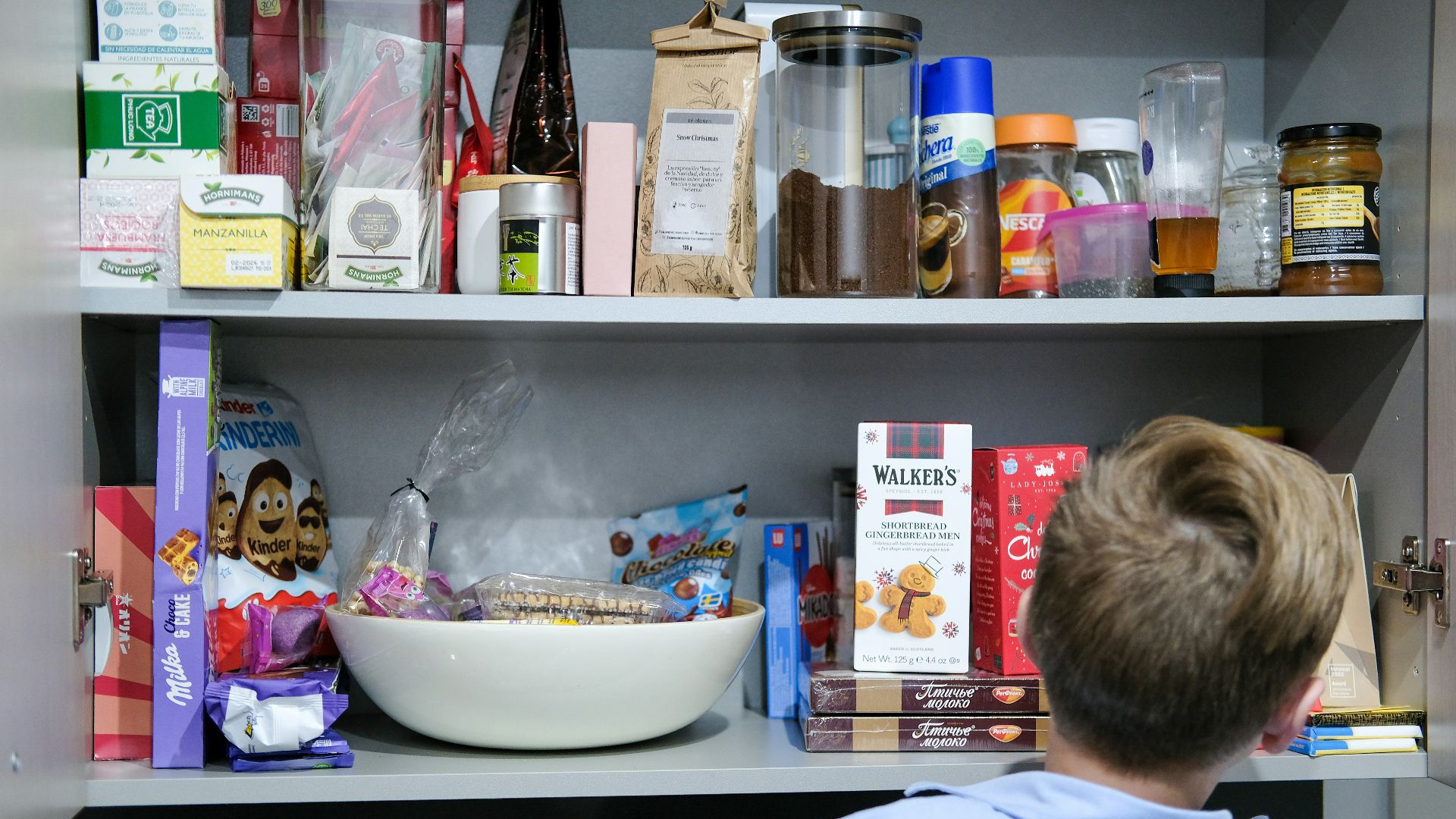
Building a pantry is only the first step, as maintaining it is just as important. Keeping items organized makes it easier to see what you have and avoid unnecessary purchases. Grouping similar ingredients helps streamline your cooking process.
Rotating your ingredients ensures that older items are used before newer ones. This simple habit helps prevent waste and keeps everything fresh. It’s helpful to check expiration dates occasionally and plan meals around items that need to be used soon.
You’ll also want to avoid overstocking, especially when you’re just starting. Buying too much at once can lead to clutter and unused items. It’s better to build your pantry gradually based on what you actually use. This approach helps you refine your choices over time. It also keeps your pantry manageable and practical.
Finally, updating your pantry based on your cooking habits keeps it relevant. As your preferences change, your pantry should reflect those shifts. You might find yourself using certain ingredients more often and others less. Adjusting accordingly helps you maintain a system that works for you.
A flavor-packed pantry isn’t built overnight, but with the right approach, it becomes one of the most useful parts of your kitchen. By focusing on versatile ingredients, strong flavor foundations, and thoughtful organization, you can create a system that supports everyday cooking. You don’t need to have everything, just the right things that work well together.
KEEP ON READING
You’re Storing Tomatoes Wrong in This Heat
You’re Storing Potatoes Wrong in This Heat
You’re Storing Peppers Wrong in This Heat