I Let My Neighbor Fix My Porch For Free. Three Weeks Later, He Asked For Something That Made My Blood Run Cold
I Let My Neighbor Fix My Porch For Free. Three Weeks Later, He Asked For Something That Made My Blood Run Cold
I Let My Neighbor Fix My Porch For Free. Three Weeks Later, He Asked For Something That Made My Blood Run Cold
The Porch That Started Everything
I'm Carol, and I'm sixty-four years old. I've lived in the same small house for over thirty years, the kind of place where neighbors still wave and people know each other's names. My husband James passed away two years ago, and since then I've learned to handle things myself—calling plumbers when pipes leak, hiring electricians when outlets stop working, that sort of thing. But the front porch had become a real problem. It sagged in the middle and creaked so badly I worried someone might fall through. Every time I walked across it, I felt the boards give a little under my feet. I knew it needed professional work, the kind that would cost real money. I kept putting it off, not wanting to dip into my savings, but eventually I couldn't ignore it anymore. The porch was getting worse, and I was running out of excuses. I started calling around for estimates, bracing myself for the numbers I'd hear. Looking back now, I wish I'd just paid someone and been done with it. I had no idea that deciding to fix that porch would change everything.
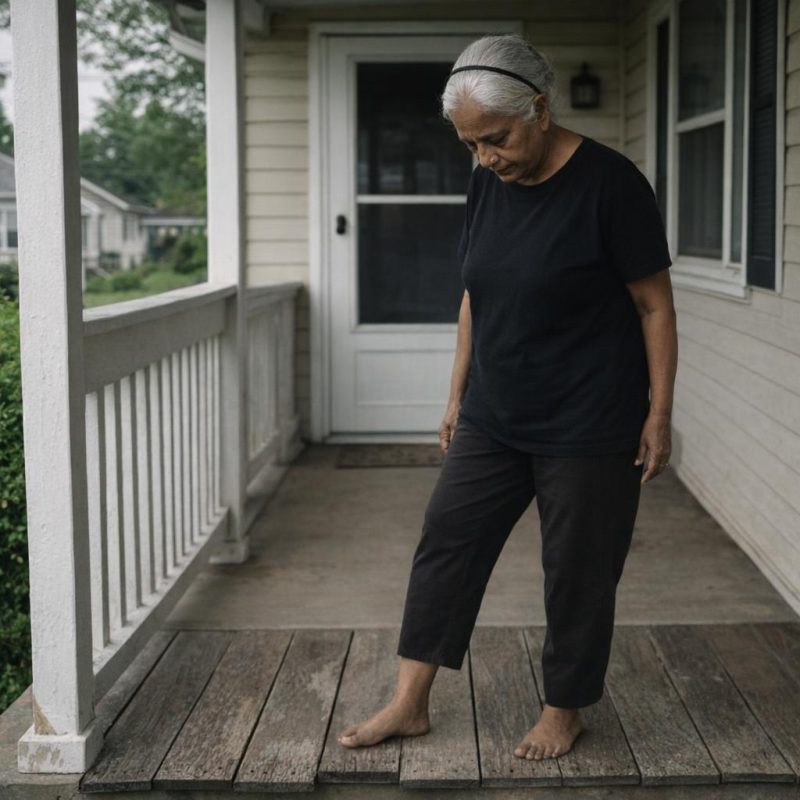 Image by RM AI
A Generous Neighbor
Raymond lived across the street. He'd moved in maybe three or four months earlier, one of those quiet arrivals where you see the moving truck and wave but don't really connect. We'd exchanged hellos a few times, the kind of brief neighborly acknowledgment you give someone you don't actually know. So I was surprised when he crossed the street one afternoon and stopped at the bottom of my driveway. He introduced himself more formally than before, shaking my hand and asking about the porch. He'd noticed it was in bad shape, he said. I felt a little embarrassed that it was so obvious. Then he told me he used to do construction work, that he had experience with this kind of repair. Before I could ask anything else, he made an offer that caught me completely off guard. He'd fix the porch for free, he said. No charge for labor or materials. He didn't like seeing a porch in such bad shape, and he had the time. I stood there trying to process what he'd just said. He said he used to do construction work and didn't like seeing a porch in bad shape.
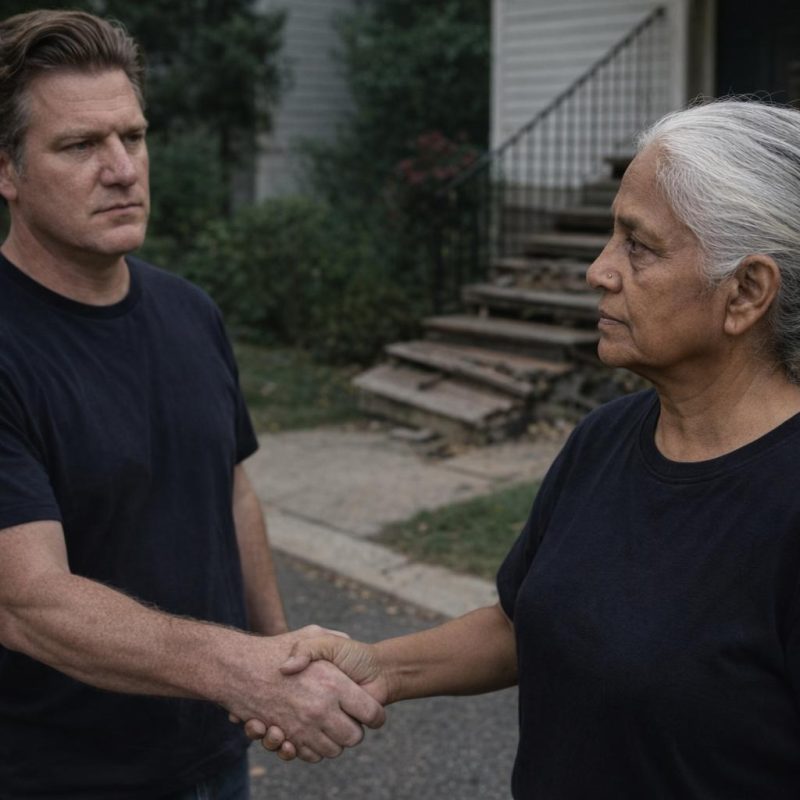 Image by RM AI
Accepting Help
I didn't know what to say at first. You don't expect that kind of generosity from someone you barely know, and part of me felt uncomfortable accepting such a big favor. But the money I'd save was significant, more than I wanted to admit. I kept thinking about my savings account and how much those estimates had scared me. Raymond stood there waiting for an answer, patient and calm. I heard myself explaining that my late husband James used to handle these kinds of repairs before he passed, that I wasn't used to asking for help. When I said James's name, something flickered across Raymond's face. It was quick, just a momentary shift in his expression that I couldn't quite read. Maybe sympathy, maybe something else. It was gone before I could figure it out. I told myself I was overthinking it, that he was just being kind. The practical part of me won out. I thanked him and said yes, I'd appreciate the help. We agreed he'd start in a day or two. I mentioned that my late husband James used to handle these kinds of repairs, and Raymond's expression flickered with something I couldn't quite read.
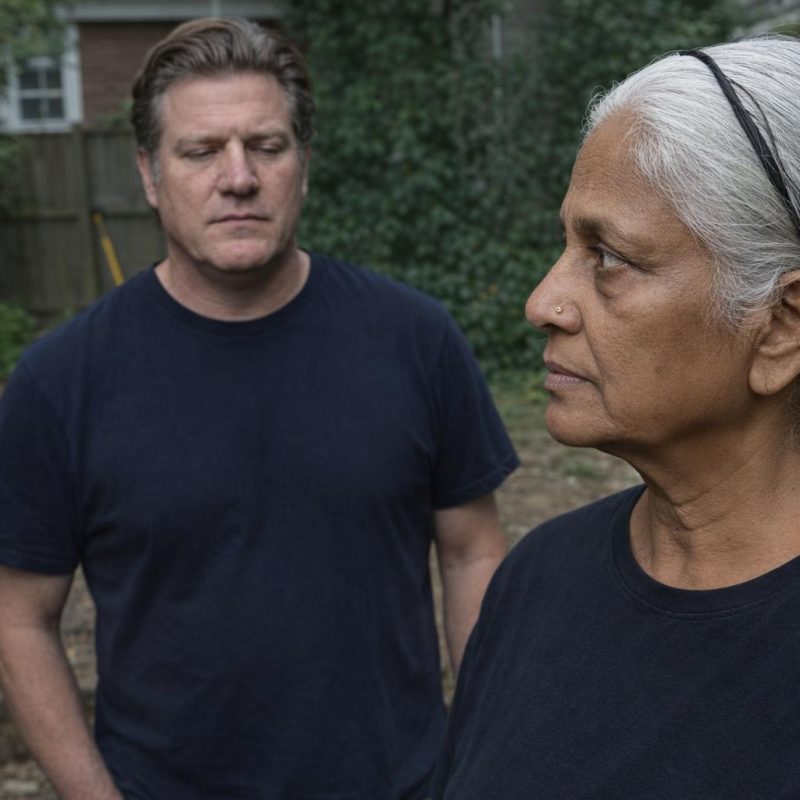 Image by RM AI
The First Morning
Raymond showed up the next morning earlier than I expected. I was still in my robe when I heard his truck pull up. He had tools and lumber, everything organized and professional-looking. I watched from the window as he started examining the porch, measuring boards and testing the support beams. He worked methodically, like someone who knew exactly what he was doing. I got dressed and made coffee, thinking I should at least offer him some hospitality. When I brought out two mugs, he was crouched down inspecting the foundation. I said good morning and held out the coffee. He glanced up, gave a polite nod, and said no thank you. Just like that. Then he turned back to his work without another word. I stood there for a moment holding both mugs, feeling a little foolish. I told myself he was just focused, that some people work better without distractions. I went back inside and drank my coffee alone at the kitchen table. When I brought out coffee, he politely declined and turned back to his work without another word.
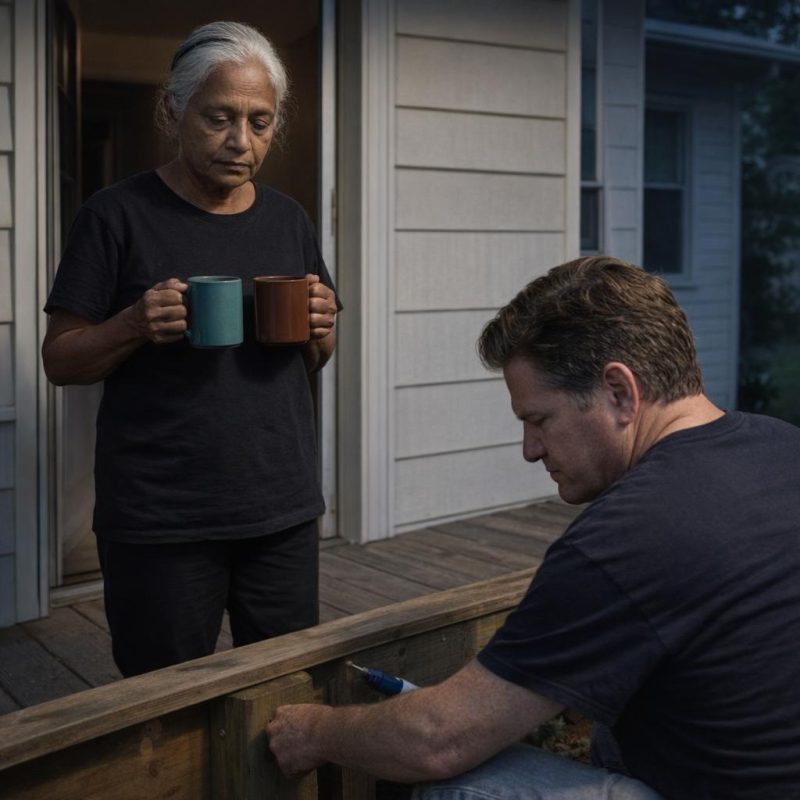 Image by RM AI
Small Talk and Silence
The second day, I tried again. I brought a chair out onto the lawn and sat where I could watch him work, thinking maybe we could have a conversation. I asked where he'd moved from, what had brought him to our neighborhood. He said something vague about needing a change, never looking up from the board he was measuring. I asked about his construction background, what kind of projects he'd worked on before. He mentioned commercial buildings, gave a one-word answer, then nothing else. I kept trying, asking about whether he liked the area, if he'd found the good grocery store yet. Short answers, sometimes just a nod. After my third or fourth question, he simply stopped responding altogether. He just kept working as if I hadn't spoken at all. I sat there in silence for a few more minutes, feeling awkward and a little hurt. Finally I went back inside, telling myself he was just one of those people who concentrate deeply on their work. Some folks are like that, I thought. Private. Focused. It didn't mean anything. After my third or fourth question, he simply stopped responding and continued working as if I hadn't spoken.
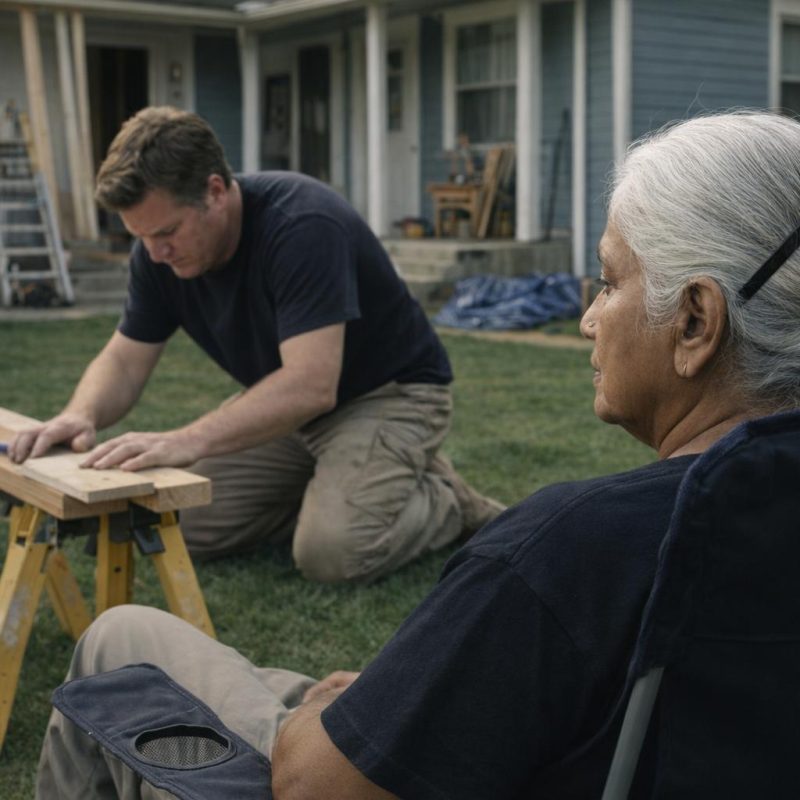 Image by RM AI
Refusing Kindness
By the third day, I'd stopped trying to engage him. I brought out a glass of cold lemonade anyway, because it felt wrong not to offer something on a warm afternoon. He refused it the same way he'd refused everything else, with a brief shake of his head and no explanation. I was turning to go back inside when I noticed where he was looking. He wasn't looking at the porch. His attention was fixed on my house, specifically on the windows. He was studying them, his gaze moving from one to the next in a way that made me pause on the steps. Something about it felt off, though I couldn't say why. I felt a small flutter in my chest, something I couldn't quite name. I went inside and watched him from the kitchen for a minute. He'd gone back to work on the porch, but I couldn't shake the feeling that something had been off about that moment. I told myself I was being paranoid, that grief had made me jumpy about normal things. He was looking at the windows, studying them in a way that made me pause.
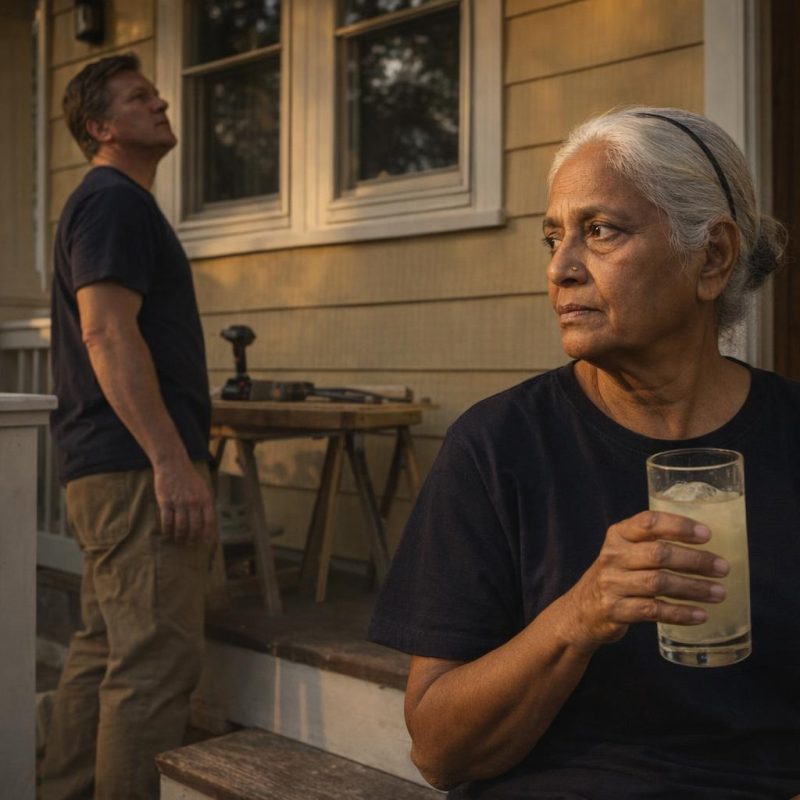 Image by RM AI
Watching the Wrong Thing
The next afternoon, I was washing dishes when I happened to glance out the kitchen window. Raymond was standing completely still in the middle of the yard, facing the house. He wasn't working. He wasn't doing anything except staring at my living room window. I watched him for several seconds, waiting for him to move or pick up a tool. He just stood there, motionless, his eyes fixed on that window like he was trying to see through the glass. My heart started beating faster. I dried my hands and opened the front door, calling out to ask if everything was all right. He turned his head slowly, looked at me for a moment, then turned back to the porch and picked up his hammer. No answer. No explanation. Just back to work as if nothing had happened. I closed the door and stood in my entryway feeling confused and unsettled. That night I kept replaying it in my mind, trying to figure out what he'd been looking at. The curtains had been closed. There was nothing to see. That night I kept thinking about the way he'd been looking at the window, as if he was trying to see inside.
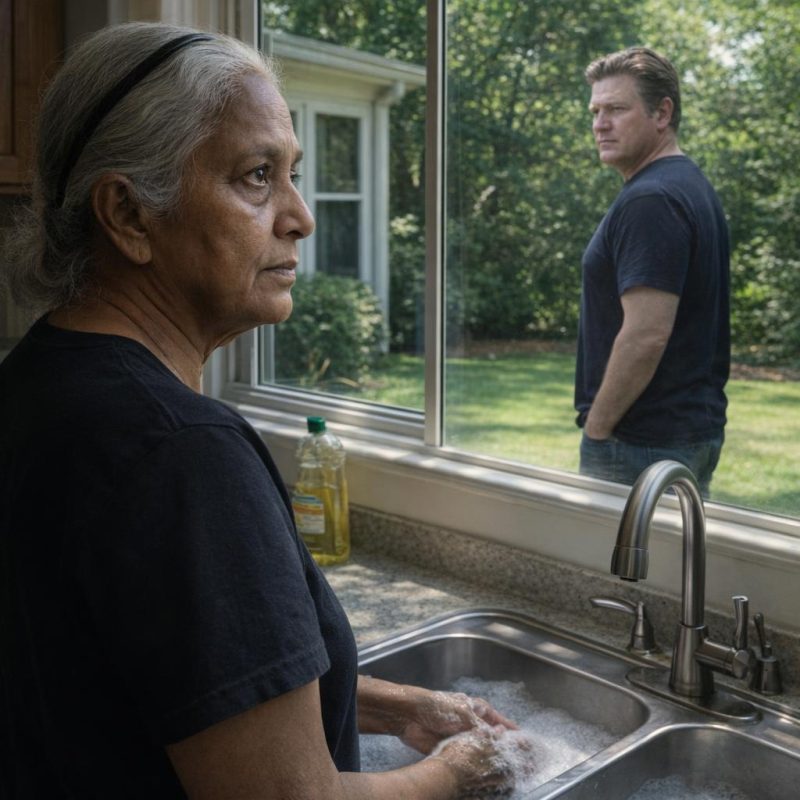 Image by RM AI
Beautiful Work
Raymond finished the porch by Friday afternoon. I have to admit, it looked beautiful. The boards were level and solid, the railings sturdy, the whole structure restored to something better than it had been in years. I walked across it several times, testing it, and felt nothing but firm, even support under my feet. The work was excellent, professional quality. I felt a wave of relief that the project was done and that uncomfortable dynamic could finally end. When Raymond packed up his tools, I went inside and got my checkbook. I knew we'd agreed on free, but it felt wrong not to pay him something, at least for the materials. I wrote a check for two hundred dollars and brought it outside. He looked at the check, then at me, and shook his head. He wouldn't take it. He smiled when he refused, but something about that smile bothered me. It didn't reach his eyes, didn't have any warmth in it. It was just a movement of his mouth. When I tried to pay him anyway, despite our agreement, he refused the money with a smile that didn't quite reach his eyes.
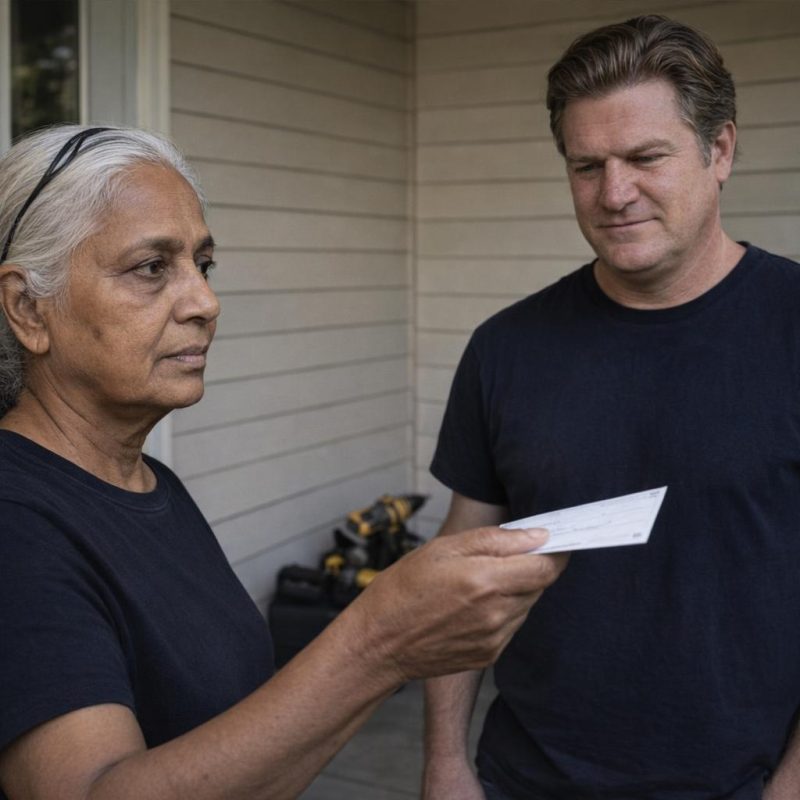 Image by RM AI
The Favor
He folded the check once and handed it back to me. "I don't need your money, Carol," he said, and the way he used my name felt too familiar, like we were closer than we actually were. "I'll just ask you for something later. When the time is right." He said it so casually, like he was talking about borrowing a cup of sugar. I laughed, this nervous little sound that came out before I could stop it. "Oh, okay," I said, trying to match his casual tone. "Sure, just let me know." But even as I said it, something felt wrong about the exchange. He smiled again, that same smile that didn't reach his eyes, and picked up his toolbox. "I will," he said. "Don't worry." Then he walked across the street to his house, and I stood there on my beautiful new porch holding a check he wouldn't take, feeling like I'd just agreed to something without understanding what it was. That night, I couldn't sleep. I kept replaying his words in my mind, the way he'd said "when the time is right," like he'd already decided when that would be. I lay there in the dark, staring at the ceiling, wondering what I'd gotten myself into. I couldn't shake the feeling that I had agreed to something without knowing it.
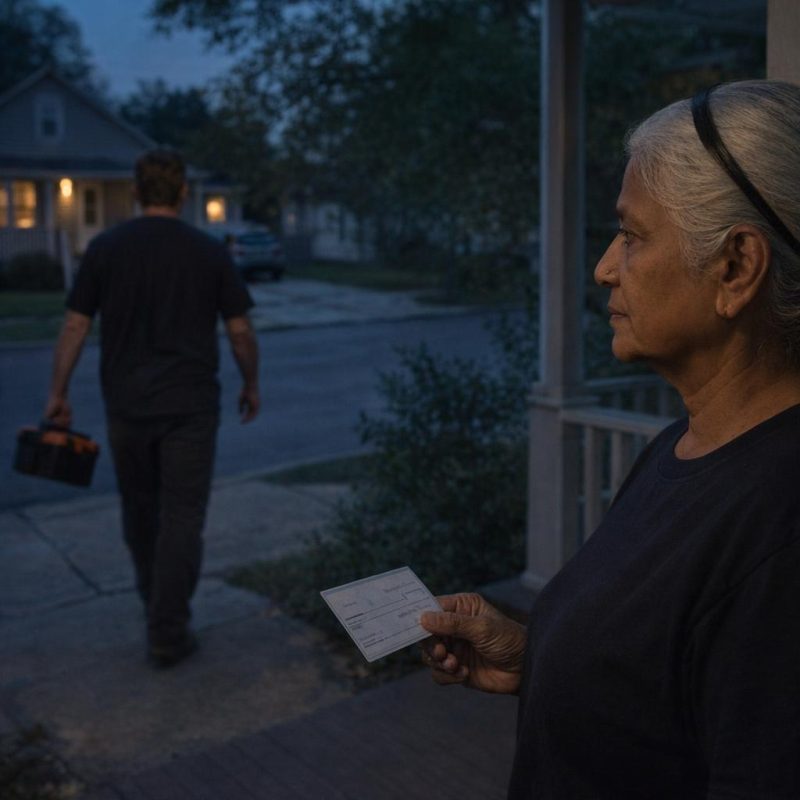 Image by RM AI
Sleepless Questions
I must have turned those words over in my mind a hundred times that night. "When the time is right." What did that even mean? Maybe he just wanted help with something around his house. Maybe he needed a ride somewhere, or wanted me to water his plants while he was away. Those were normal neighbor things. Reasonable things. But then why phrase it that way? Why not just say what he wanted? I tried to convince myself I was overreacting. Grief does strange things to your mind, I know that. Living alone, you start seeing threats where there aren't any. You get paranoid. James had been gone for two years, and maybe I was still adjusting to being on my own, still learning to trust my judgment without him to talk things through with. By three in the morning, I'd almost convinced myself it was nothing. Just an awkward way of declining payment. Some people are uncomfortable with money, with the transactional nature of neighborly help. Maybe Raymond was one of those people. By morning, I had almost succeeded in dismissing my concerns, but a small knot of unease remained in my chest.
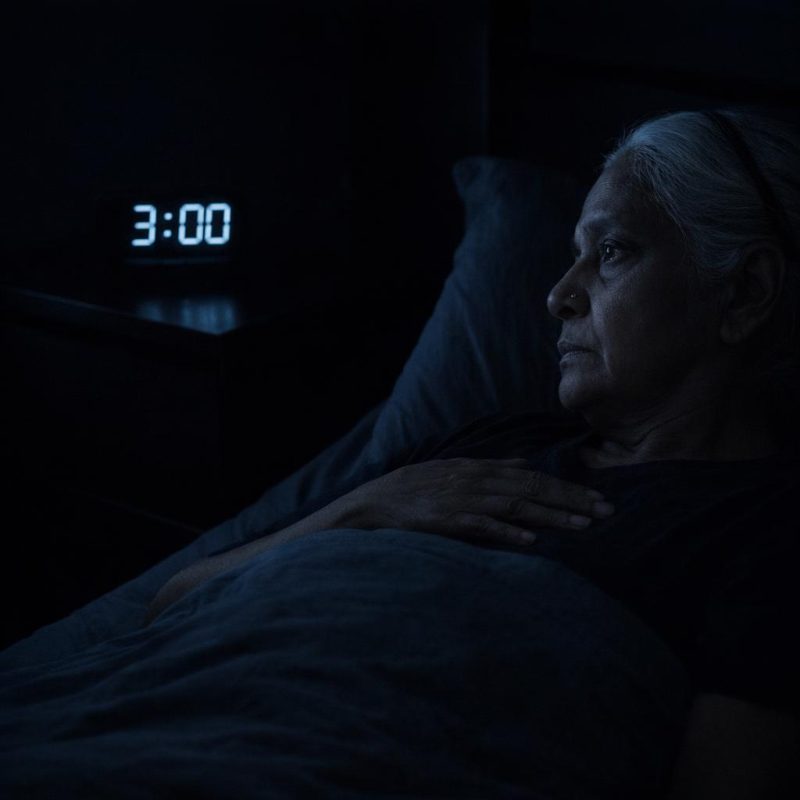 Image by RM AI
Waiting
The next few days passed quietly. I didn't see Raymond at all, except for glimpses of him coming and going across the street. Normal things. Leaving for work in the morning, coming home in the evening, taking out his trash on Tuesday. I found myself watching his house more than I wanted to admit, looking for anything unusual. But there was nothing. Just a neighbor living his life. I used the porch every morning with my coffee, and it was solid and beautiful. The work really was excellent. By the third day, I started to feel a little foolish. By the fourth day, I was embarrassed about how much mental energy I'd wasted on a simple comment. On the fifth day, I saw him getting his mail and he waved at me, just a normal friendly wave, and I waved back. See? I told myself. Everything is fine. You let your imagination run away with you. I went about my routines, grocery shopping on Wednesday, book club on Thursday, lunch with my sister on Friday. Life continued normally, and nothing bad happened. After five days of silence, I started to feel foolish for worrying at all.
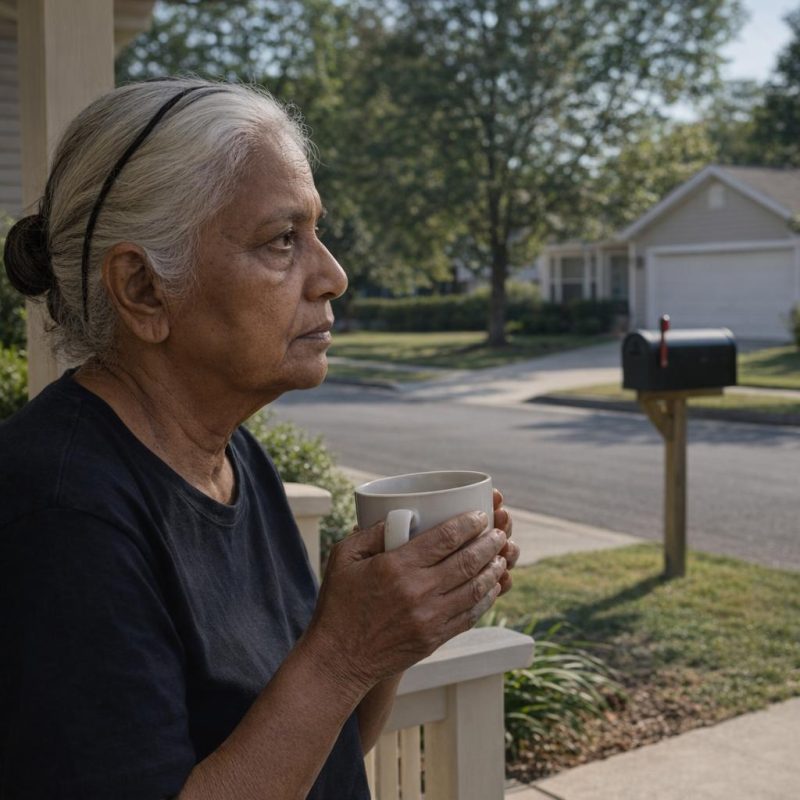 Image by RM AI
Fool's Relief
Two full weeks went by. Fourteen days of normal life, of Raymond being just a regular neighbor across the street. I saw him washing his car one Saturday. I saw him carrying in groceries. Once he was out front trimming his hedges, and we exchanged pleasantries about the weather. Nothing strange. Nothing uncomfortable. I felt increasingly ridiculous about that sleepless night I'd spent analyzing his words. This is what loneliness does, I thought. This is what happens when you spend too much time alone with your thoughts. I'd let grief turn me into someone suspicious and fearful, someone who saw threats in kind gestures. Raymond had done me a favor, refused payment like a good neighbor should, and made an offhand comment about returning the favor someday. That was it. That was the whole story. I criticized myself for being paranoid, for letting my imagination create problems where none existed. The porch looked beautiful. I used it every day. Nothing bad had happened, and nothing bad was going to happen. I told myself I'd let loneliness and grief turn me into someone who saw threats where there were none.
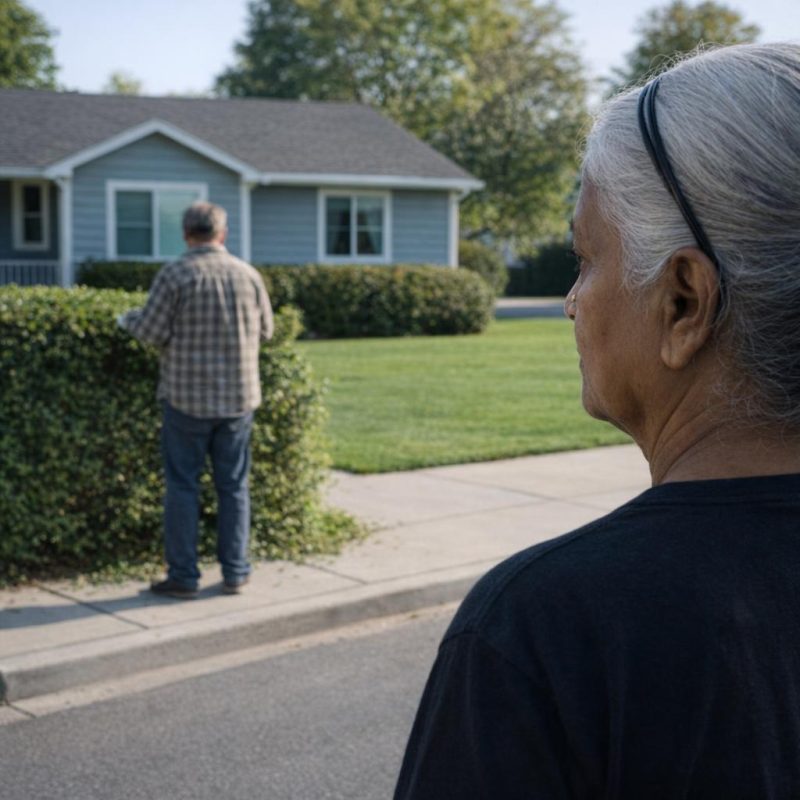 Image by RM AI
Waiting on My Porch
I pulled into my driveway on a Tuesday afternoon, the back seat full of grocery bags, and my heart stopped. Raymond was sitting on my porch. Not standing near it, not walking past it. Sitting on it, on one of my chairs, like he'd been waiting for me. Like we'd made an appointment and I was late. I sat in my car for a moment, hands still on the steering wheel, trying to process what I was seeing. He'd seen me pull up. He was looking right at me. There was no pretending I hadn't noticed him, no way to avoid this. I got out slowly, opened the back door, and pulled out two grocery bags. My hands were shaking slightly. Raymond stood up as I approached, and that sinking feeling from two weeks ago came rushing back, stronger this time. "Hi Carol," he said, his voice calm and pleasant. "Hope you don't mind. I was hoping to catch you." I did mind. I minded very much. But what could I say? He was already there, standing on my porch, and I had to walk past him to get to my own front door. He stood up slowly when he saw my car, and my stomach dropped even before he spoke.
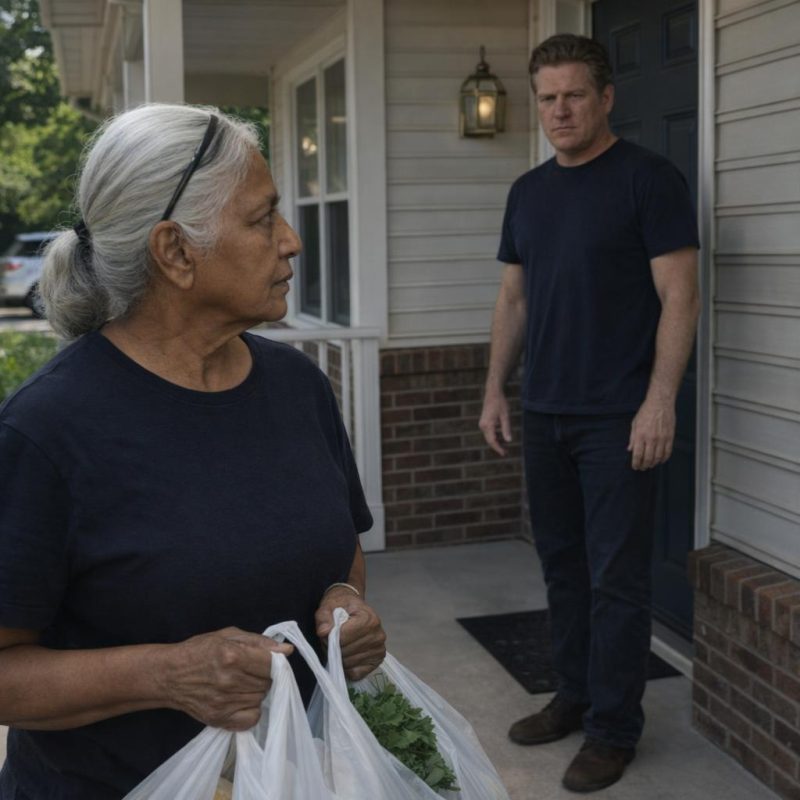 Image by RM AI
Calling In the Debt
"I wanted to talk to you about that favor," Raymond said, like we were continuing a conversation we'd started yesterday instead of two weeks ago. "The one I mentioned when I finished your porch." I set the grocery bags down, buying myself a moment. "Oh," I said, trying to keep my voice normal. "Sure. What do you need?" I was hoping for something simple. Help moving furniture. A ride to the airport. Something I could do quickly and be done with this whole uncomfortable situation. Raymond didn't move from where he stood. He looked completely at ease, like he had every right to be on my porch, waiting for me. "I appreciate you asking," he said, which was a strange thing to say since I hadn't really had a choice. "It's nothing too complicated." He paused, and I realized I was holding my breath. "I just need a favor in return for the work I did. That's fair, right?" The way he said it, so reasonable and calm, made it sound like we were negotiating a business deal. Like this was all perfectly normal. When I asked what he needed, trying to keep my voice steady, his next words made me go cold.
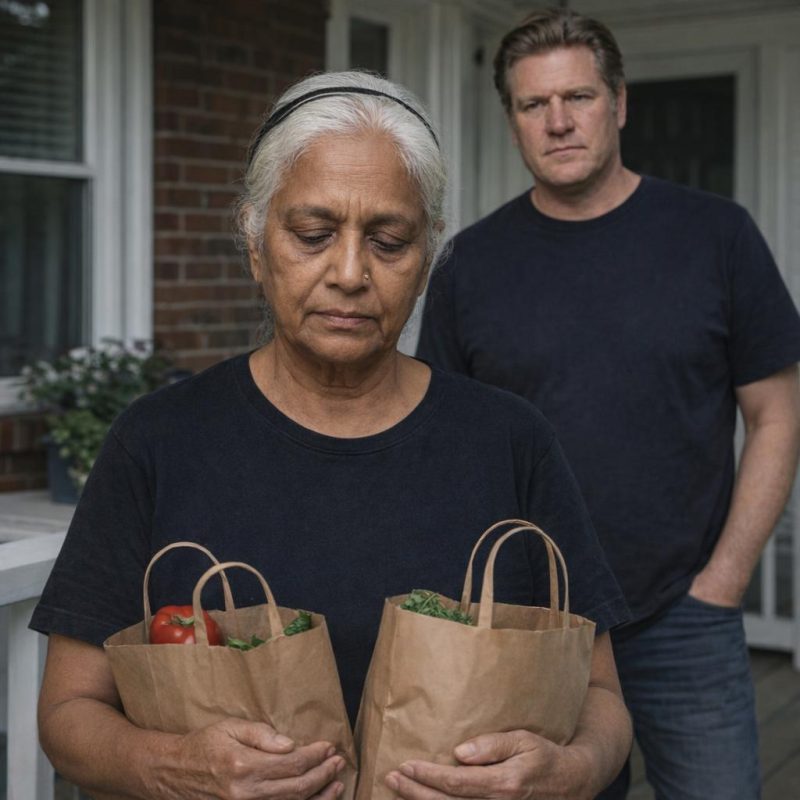 Image by RM AI
Access
"I need access to your house for one evening," Raymond said. Just like that. Matter-of-fact, like he was asking to borrow a ladder. "Just a few hours. You'd need to leave, go visit your sister or see a movie or something. And when you come back, I'll be gone." I stared at him. "I don't understand," I said, though I understood perfectly well what he was asking. I just couldn't believe he was actually asking it. "What do you need to do in my house?" "That's the thing," he said, and his voice stayed calm, almost friendly. "No questions asked. That's part of the favor. You let me in, you leave for the evening, and you don't ask why." My blood ran cold. I couldn't think of a single legitimate reason someone would ask for this. Not one. Every instinct I had was screaming that this was wrong, that this was dangerous. "Raymond, I can't—" I started, but he held up his hand. "I did a lot of work on that porch," he said. "Good work. And we had an agreement." He wasn't angry. He wasn't threatening. He was just stating facts, waiting for my answer like he fully expected me to say yes. My blood ran cold as I realized he was serious, and he was expecting me to agree.
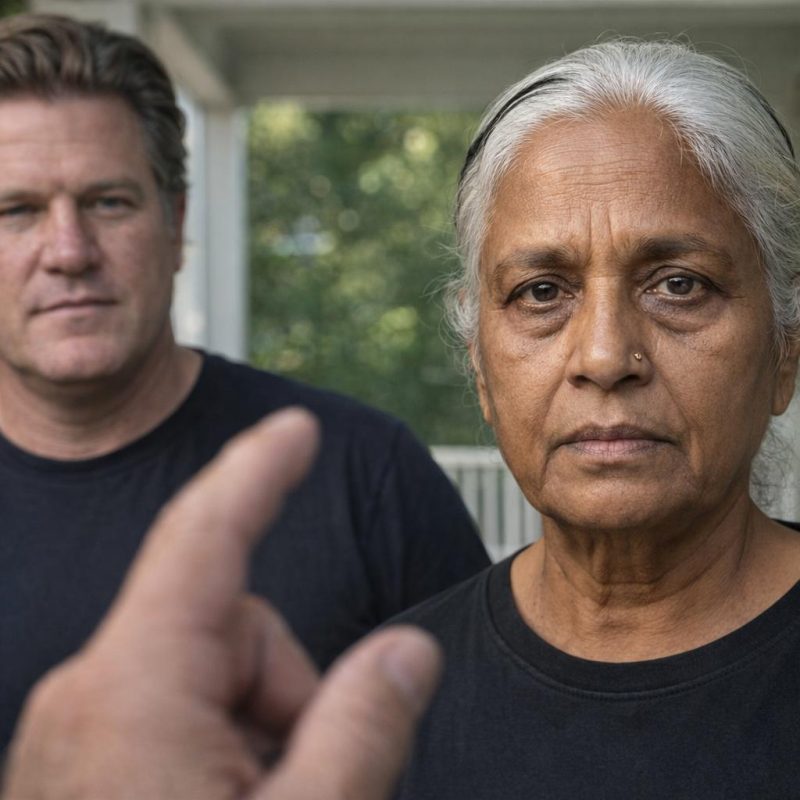 Image by RM AI
Refusal
"That's not possible," I said, and I was proud that my voice came out firm and clear. "I'm not comfortable with that. I can't let someone into my house alone. I'm sorry, but no." For a moment, Raymond's expression didn't change. Then something shifted in his face. Not anger, exactly. Something harder. More certain. The pleasant neighbor mask slipped away, and what was underneath was cold and determined. "Carol," he said, and now my name sounded different in his mouth. "We had an agreement. I fixed your porch, and you agreed to repay me. Remember? You tried to give me money, and I said I'd ask for something else instead. You agreed to that." "I didn't agree to this," I said. "I didn't know what you were going to ask for." "But you agreed," he repeated, like that was all that mattered. "You gave me your word. And I expect you to keep it." He wasn't yelling. He wasn't making threats. But the certainty in his voice was more frightening than anger would have been. He believed he had a right to this. He believed I owed him. He reminded me that I had agreed to repay him for the porch work, and he expected me to keep my word.
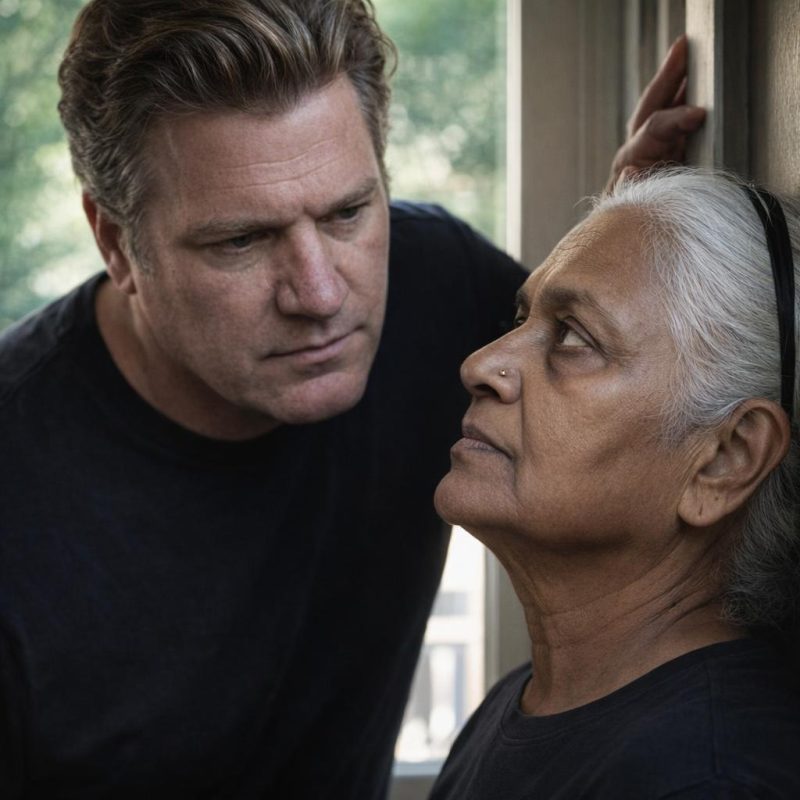 Image by RM AI
The Unspoken Agreement
I tried again to explain that I'd never agreed to anything like this, that accepting help with my porch wasn't the same as giving him permission to enter my home whenever he wanted. But Raymond just looked at me with that same calm certainty, like I was the one being unreasonable. "You said you'd repay me," he repeated. "Those were your exact words. I remember them clearly." And the terrible thing was, I had said that. I'd stood right here on this porch and told him I wanted to pay him back somehow. But I'd meant money, or maybe baking him something, or helping him with a project of his own. I'd never imagined this. "I didn't mean—" I started, but he held up one hand. "I'm not asking you to decide right now," he said, his voice still measured and calm. "Think about it. But remember, Carol, a person's word means something. At least, it used to." Then he turned and walked down my porch steps, across my lawn, and back to his own house with the same unhurried pace he'd used when he first came over. I stood there watching him go, my heart pounding, feeling like I'd just made the worst mistake of my life by ever accepting his help in the first place.
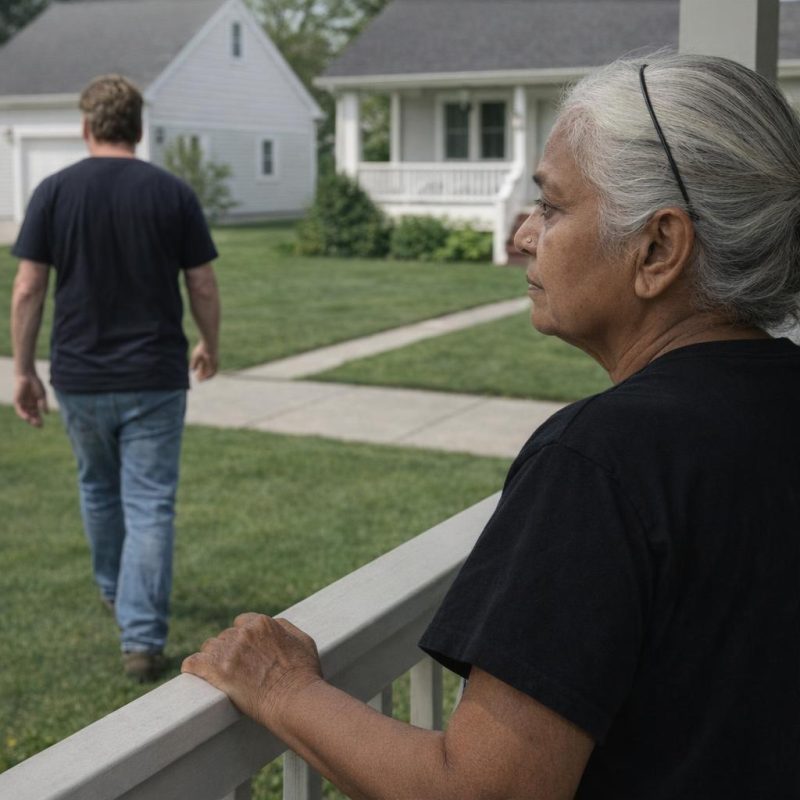 Image by RM AI
Seeking Counsel
That evening, I called Linda. We'd been friends since our kids were in elementary school together, and she was one of the few people I could talk to about anything without feeling judged. I told her everything—the porch repair, Raymond's strange request, the way he'd acted like I owed him this. Part of me hoped she'd laugh and tell me I was overreacting, that Raymond was just socially awkward and didn't realize how his request sounded. But Linda didn't laugh. The line went quiet for a long moment, and I could hear her breathing on the other end. "Carol," she finally said, her voice serious in a way that made my stomach drop. "That's not normal. No one asks for something like that unless there's a reason." I felt my throat tighten. "What do you mean?" "I mean," Linda said carefully, "why would anyone need unsupervised access to someone else's home? What could he possibly need to do there that you couldn't be present for?" I didn't have an answer. And Linda's validation of my fear, instead of dismissing it, made everything feel suddenly more real and more frightening than it had been before.
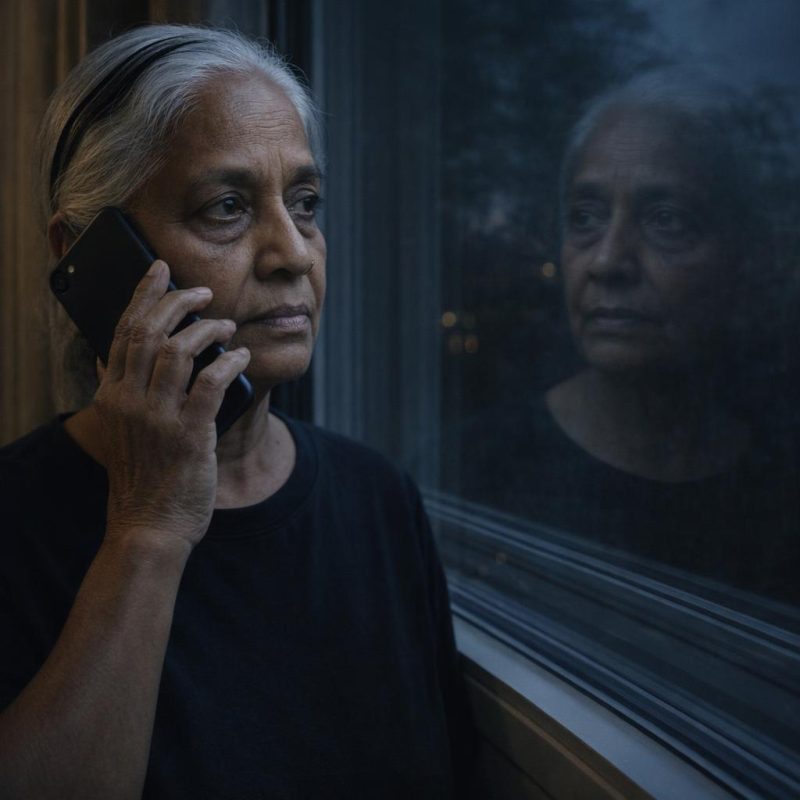 Image by RM AI
Be Careful
Linda urged me to be careful around Raymond, to keep my doors locked and not engage with him alone if I could help it. "You should look into his background," she said. "Find out who he really is. Ask around the neighborhood. See if anyone knows anything about him." She offered to come stay with me for a few days if I felt unsafe, but I told her I'd be okay. I didn't want to seem like I was panicking. After we hung up, though, I sat at my kitchen table for a long time, staring at the wall. Linda's concern had made my own fear feel justified, and that somehow made it worse. I realized I knew almost nothing about Raymond. I didn't know where he'd moved from, what he did for work, whether he had family. I'd accepted his help without asking any of the basic questions you'd normally ask a neighbor. I'd been so grateful for the assistance, so relieved not to have to deal with the porch myself, that I'd let a stranger into my life without a second thought. And now that stranger believed I owed him access to my home. I sat there in my kitchen, realizing I knew almost nothing about the man who had just claimed I owed him access to my home.
 Image by RM AI
Investigation Begins
The next morning, I decided to take action. I wasn't going to just sit around feeling afraid. I needed to understand who Raymond was and what I was dealing with. I started with the internet, searching for his name along with our town and state. I found almost nothing—no social media profiles, no news articles, no professional listings. I tried different variations of his name, different search engines, but the results were frustratingly sparse. Most people leave some kind of digital footprint these days, even if it's just a LinkedIn profile or a mention in a local news article. But Raymond seemed to have none of that. I made notes about what I did know: he'd moved in about four months ago, he lived alone as far as I could tell, he seemed to have basic handyman skills. It wasn't much. I decided I'd need to talk to other neighbors, see if anyone knew more than I did. Maybe someone had actually had a conversation with him, learned something about his background. The lack of information itself felt wrong, like trying to research someone who didn't want to be found. What I found in those first few searches only made my unease grow deeper.
 Image by RM AI
The Man Who Left No Trace
Over the next two days, I made a point of talking to neighbors I'd known for years. I asked Mrs. Patterson next door if she knew anything about Raymond. She said he seemed nice enough but kept to himself. I ran into Tom from three houses down while getting my mail, and he said Raymond had helped him move some furniture once but they'd barely talked beyond that. Everyone had the same story—Raymond was quiet, polite, private. No one knew where he'd worked before, or why he'd moved to our neighborhood, or whether he had family anywhere. No one had been inside his house. No one had shared more than surface-level pleasantries with him. The more people I talked to, the stranger it seemed. In a neighborhood like ours, where people generally knew each other's business, Raymond was a blank space. He'd been here four months and remained essentially unknown. I compiled what little information I had, writing it down in a notebook like I was building some kind of case file. But when I looked at what I'd written, it added up to almost nothing. The lack of information felt wrong, like trying to grab something that kept slipping through my fingers.
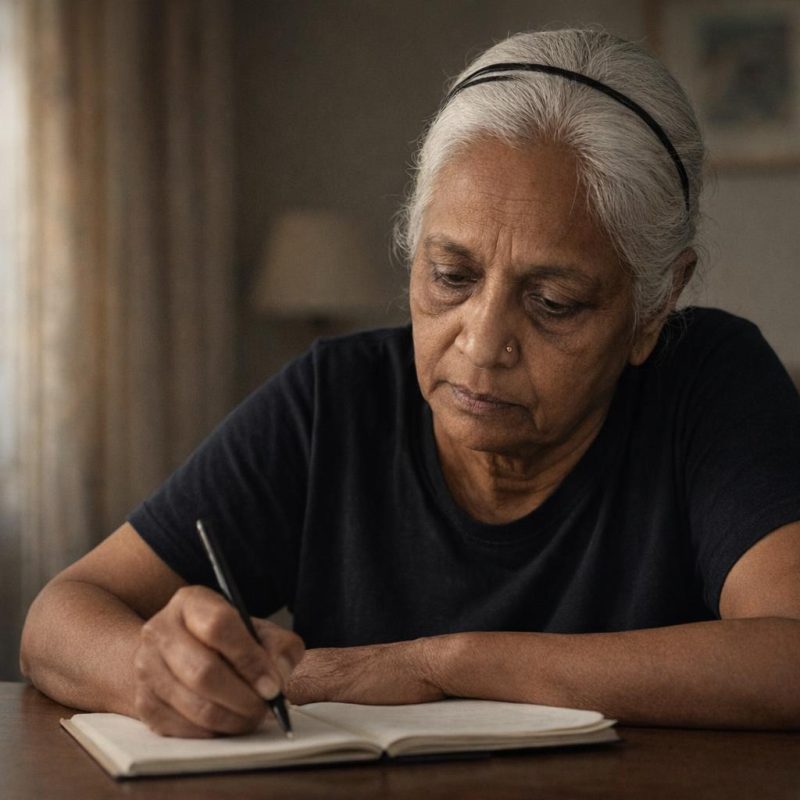 Image by RM AI
Things Out of Place
A few days after my conversation with Raymond, I started noticing small things around my house that seemed off. A kitchen drawer I was certain I'd closed was slightly ajar when I came downstairs in the morning. A chair in my living room was angled differently than I remembered leaving it the night before. I found a cabinet door open in the bathroom, and I could have sworn I'd shut it. At first, I blamed my memory. I was sixty-four years old, and maybe I was becoming forgetful. Maybe grief over James was affecting me more than I realized, making me distracted and careless. I tried to pay closer attention to how I left things, making mental notes before I went to bed. But over the next few days, more small discrepancies appeared. A book on the coffee table that I thought I'd put back on the shelf. The kitchen curtain pulled slightly more open than I'd left it. Nothing major, nothing I could point to with absolute certainty. But the feeling grew stronger each time I noticed something new. I started to doubt myself, wondering if I was losing my grip on reality or if something else was happening that I couldn't quite see.
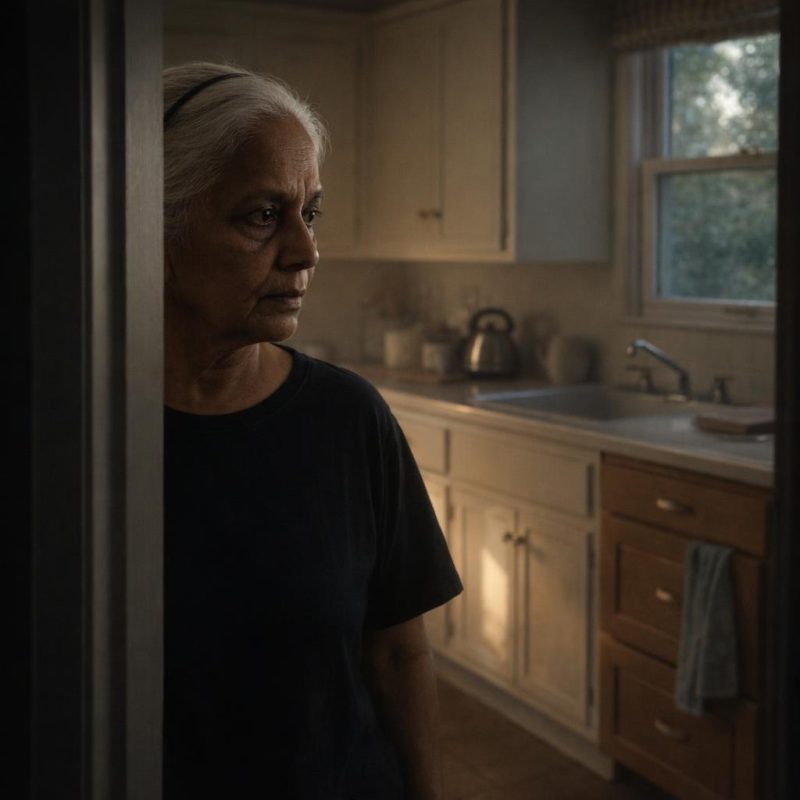 Image by RM AI
Watching Everything
I decided to test myself. I began deliberately arranging items in specific ways before going to bed, taking mental photographs of exactly how I left each room. I placed a pen at a precise angle on the kitchen counter. I positioned a coaster on the coffee table with its edge aligned to the wood grain. I closed all the cabinet doors and made sure every drawer was fully shut. The next morning, I checked everything carefully. The pen had been moved slightly. The coaster was in a different position. And when I walked into the living room, my heart stopped. There was a framed photograph of James and me, taken on our anniversary three years ago. I kept it on the mantel, always in the same spot. But now it was sitting on the coffee table, propped against a stack of magazines. I stood there staring at it, my hands starting to shake. I knew I hadn't moved it. I was absolutely certain. There was no way I could have forgotten moving that particular photograph—it was too important, too deliberate a placement. Someone had been in my house. Someone had touched my things, moved my photograph of James. When I found a photograph of James and me moved from the mantel to the coffee table, I knew something was wrong.
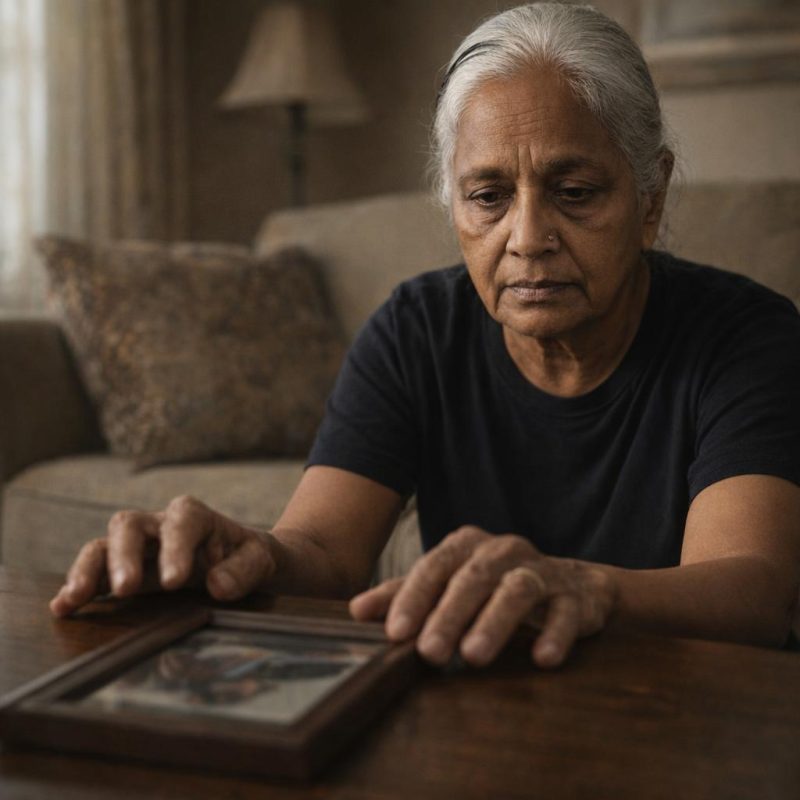 Image by RM AI
Installing Eyes
I drove to an electronics store that afternoon, my hands gripping the steering wheel tighter than necessary. Inside, a young clerk asked if he could help me find anything. "I need a security camera," I said, trying to keep my voice steady. "Something simple. I want to be able to monitor my house while I'm traveling." It was a lie—I had no plans to go anywhere—but I didn't want to explain the real reason to a stranger. He showed me a basic camera system that connected to my phone, and I bought it without haggling over the price. That evening, I installed it in my living room. The instructions were straightforward enough, though it took me longer than it probably should have. I positioned the camera on a bookshelf, angling it toward the front door and the main living area. It had a clear view of the mantel where the photograph had been, and the coffee table where I'd found it. My hands shook while I set it up, and I had to stop twice to steady myself. When it was finally activated and recording, I sat on my couch and stared at the small red light that indicated it was working. That evening I installed it in my living room, angling it toward the front door, and tried to ignore how my hands shook while I set it up.
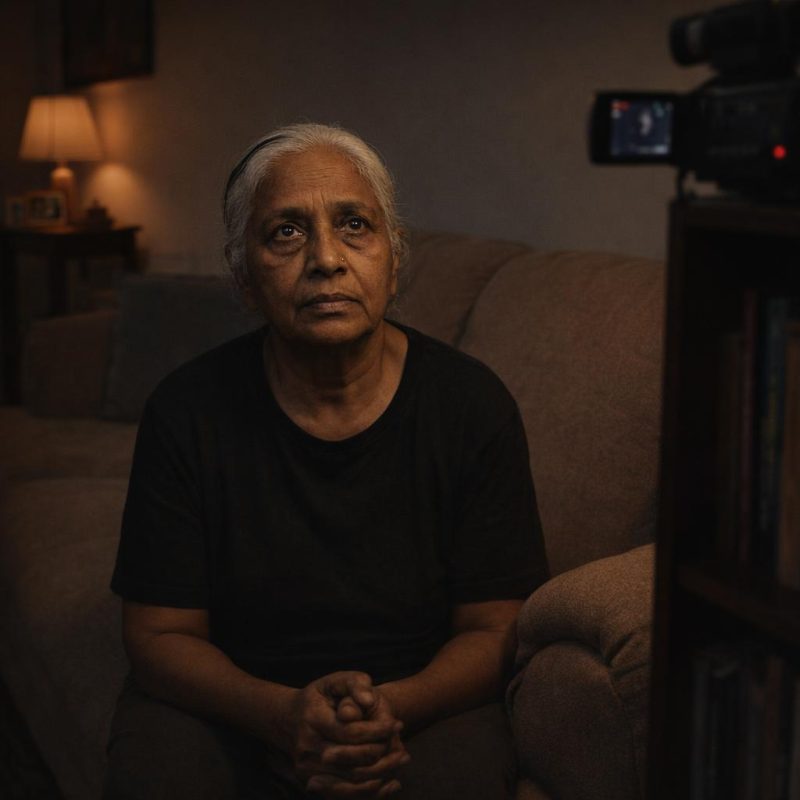 Image by RM AI
Waiting for Evidence
I checked the camera footage every morning after that first night, sitting at my kitchen table with my phone and a cup of coffee that usually went cold before I finished it. The first night showed exactly what I expected—me moving through my evening routine, turning off lights, heading upstairs around ten. Nothing unusual. The second night was the same. Just me, alone in my house, doing ordinary things. By the third day, I started feeling foolish. I'd spent money I didn't really have on a camera system because of what? A photograph that moved? A feeling? Maybe I was losing it. Maybe grief did this to people—made them paranoid and suspicious of kind neighbors who fixed porches for free. That evening, I almost didn't check the footage. I was tired of looking at recordings of my empty living room. But I pulled up the app anyway, scrolling through the timeline. My stomach dropped when I saw it. The recording showed activity at two in the morning, a solid block of motion detection when I'd been asleep upstairs. I hadn't watched it yet. I just stared at that timestamp, my hands starting to shake, knowing that something had happened in my house while I slept.
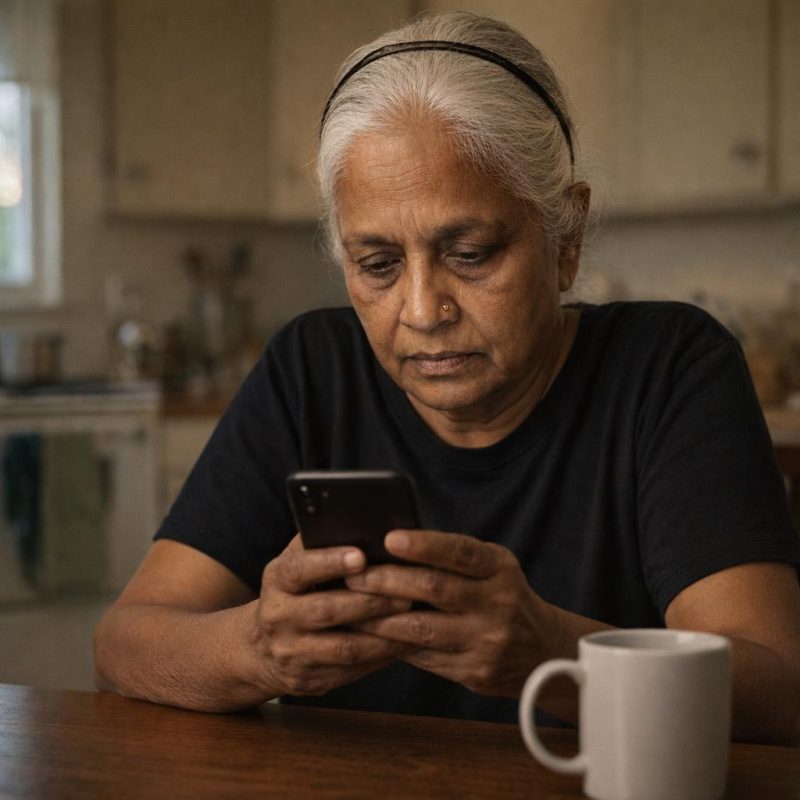 Image by RM AI
Proof
I sat there for a full minute before I could make myself tap the playback button. The footage started, showing my dark living room lit only by the streetlight coming through the window. Then the front door opened. Raymond walked in like he was coming home from work. He had a key. He used it normally, no fumbling or forcing, just turned it in the lock and stepped inside. My breath caught in my throat. He moved through my living room slowly, looking around with that same calm expression he'd worn when he fixed my porch. There was no hurry to him, no furtiveness. He walked like he belonged there, like he had every right to be in my house at two in the morning while I slept upstairs. I watched him move past the camera's view toward the kitchen, then return a moment later. The whole time, his face showed nothing—no guilt, no nervousness, nothing. My hands shook so badly I almost dropped the phone, but I couldn't stop watching him move through my home with that terrible, casual confidence.
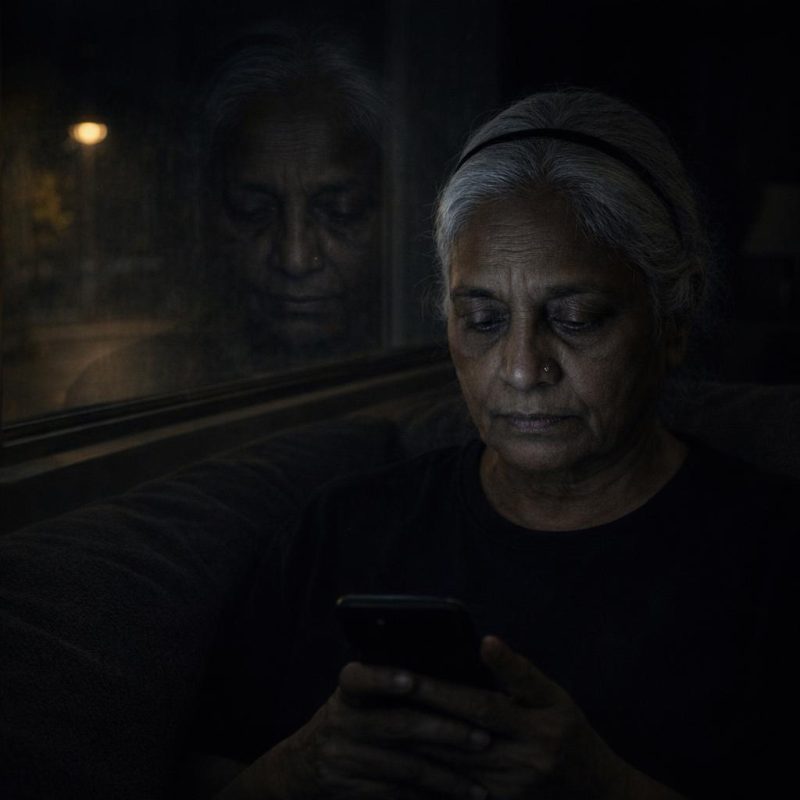 Image by RM AI
Examining My Life
I forced myself to keep watching as Raymond opened my kitchen cabinets one by one, looking inside each without taking anything. He examined items on my shelves, picking up a ceramic bowl James had bought me for our anniversary, turning it over in his hands before setting it back exactly where it had been. Then he moved to the mantel. He stood in front of the photograph of James—the same one I'd found on the coffee table—and just stared at it. For nearly a full minute, he didn't move. His expression was completely unreadable, neither angry nor sad nor anything I could identify. He just studied my dead husband's face like he was memorizing it. Finally, he set the photo down and continued his slow circuit of my living room, touching nothing else, disturbing nothing obviously. Then he left, locking the door behind him with that same casual ease. I sat there staring at my phone screen long after the footage ended. He hadn't taken anything. That somehow made it worse than if he'd simply been a thief looking for valuables. This was something else entirely, something purposeful that I couldn't understand, and that terrified me more than anything.
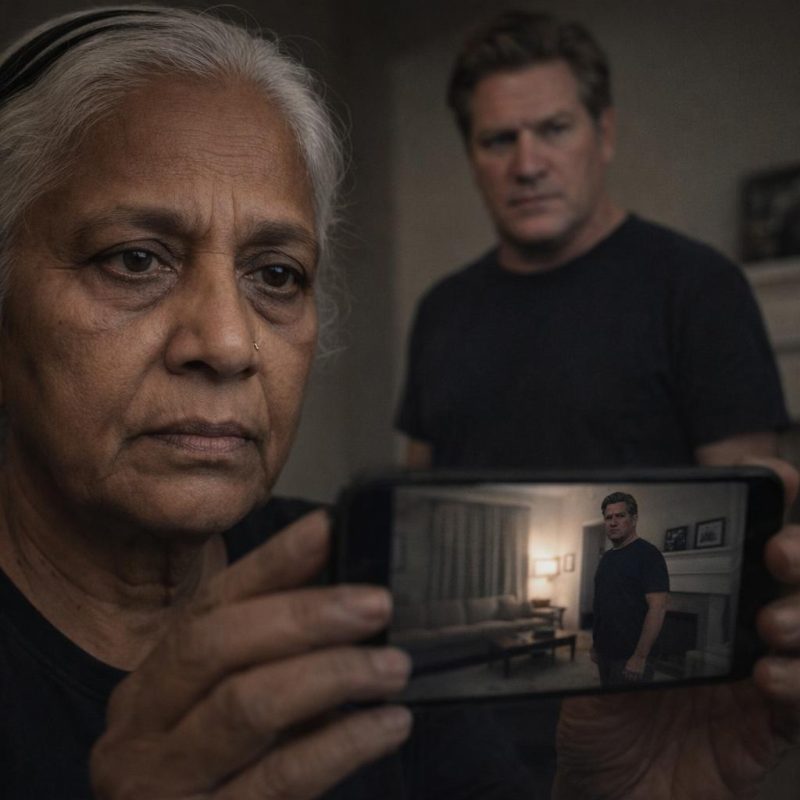 Image by RM AI
Bringing Evidence to the Police
I didn't sleep the rest of that night. As soon as it was light enough to be reasonable, I drove straight to the police station with my phone clutched in my hand. The officer at the desk directed me to Officer Martinez, a man in his forties with kind eyes and a patient way of listening. I told him everything—the porch repair, the photograph, the camera footage. He watched the video carefully, his expression growing more serious as Raymond moved through my living room. When it finished, he asked me to play it again. Then he started asking questions. How long had I known Raymond? Had I ever given him a key? Did I know if my late husband had given anyone a key? Did I know where Raymond had lived before moving to the neighborhood? I realized with growing helplessness that I had no answers. I'd never given Raymond a key. I had no idea if James had given keys to anyone, or if copies existed somewhere I didn't know about. I'd accepted help from a stranger and now that stranger had been walking through my house while I slept, and I couldn't even explain how he'd gotten inside.
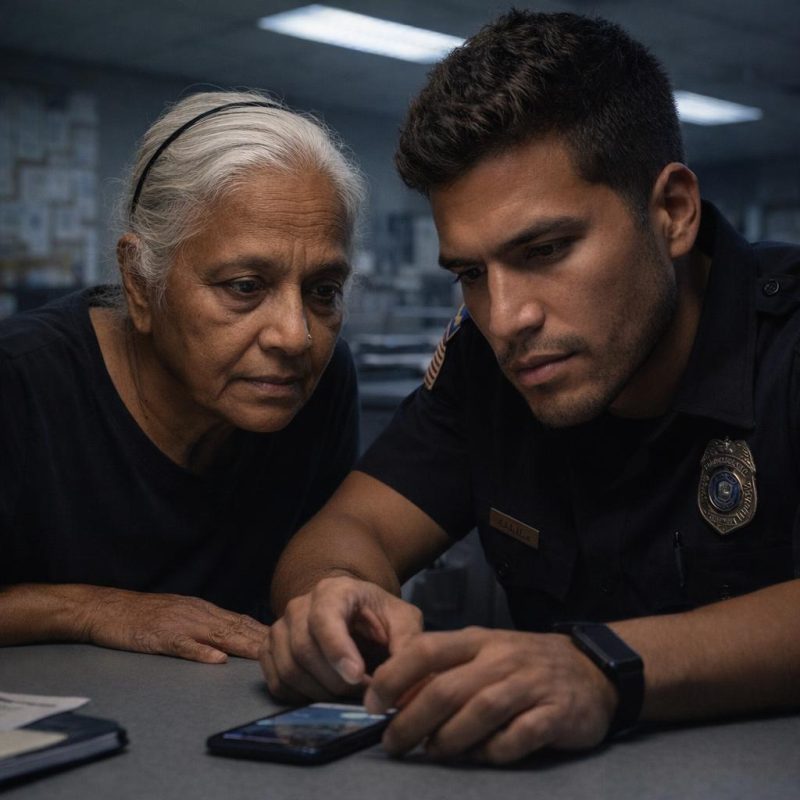 Image by RM AI
Legal Limitations
Officer Martinez was sympathetic but honest in a way that made my chest tighten. Without evidence of theft or property damage, and without proof that Raymond had obtained the key illegally, it would be difficult to file charges that would stick. If Raymond claimed he'd been given the key legitimately—by James, by a previous owner, by anyone—it became a civil matter, not a criminal one. He assured me they would document everything, file a report, and keep the footage on record. But I could see in his face what he wasn't quite saying directly. He told me to change my locks immediately. He said to call 911 if Raymond appeared threatening or tried to contact me. He advised me to document any further incidents. His words were professional and careful, but what I heard underneath them was clear enough. I was essentially on my own. The police could write reports and give advice, but they couldn't station an officer outside my house. They couldn't arrest someone for having a key unless I could prove he'd stolen it. I left the station feeling more alone than I had since James died, understanding that whatever was happening, I'd have to protect myself.
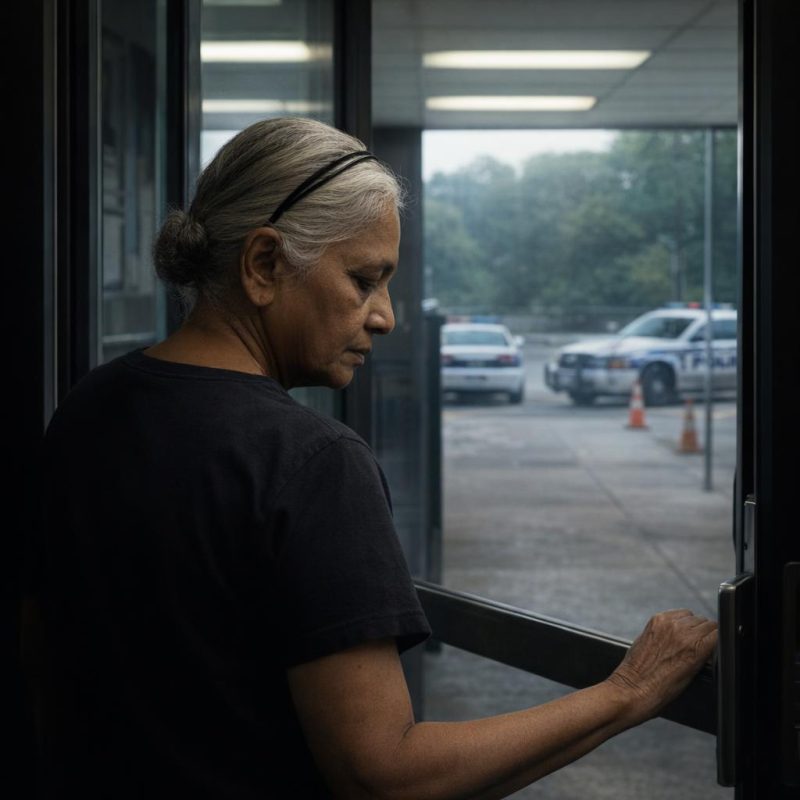 Image by RM AI
New Locks
I called a locksmith from my car in the police station parking lot. Tom arrived at my house within two hours, a capable-looking man in his fifties with a tool belt and an efficient manner. I watched as he removed the old lock from my front door, the mechanism coming apart in his hands. He installed a new deadbolt, solid and heavy, then did the same for the back door and the side entrance I barely used. He worked quickly, testing each lock multiple times. When he handed me the keys—the only copies, he assured me—he asked if I'd had a break-in or lost my keys. I told him I just wanted better security, not trusting myself to explain that someone had been walking through my house with a key I'd never given him. Tom nodded like he'd heard that before and didn't push for details. I paid him and watched him drive away, then went through the house testing every lock myself. The deadbolts were solid. The keys were new. No one else had copies. I felt somewhat safer, but I knew deep down that locks were only part of the problem. Raymond had gotten in once. What would stop him from trying something else?
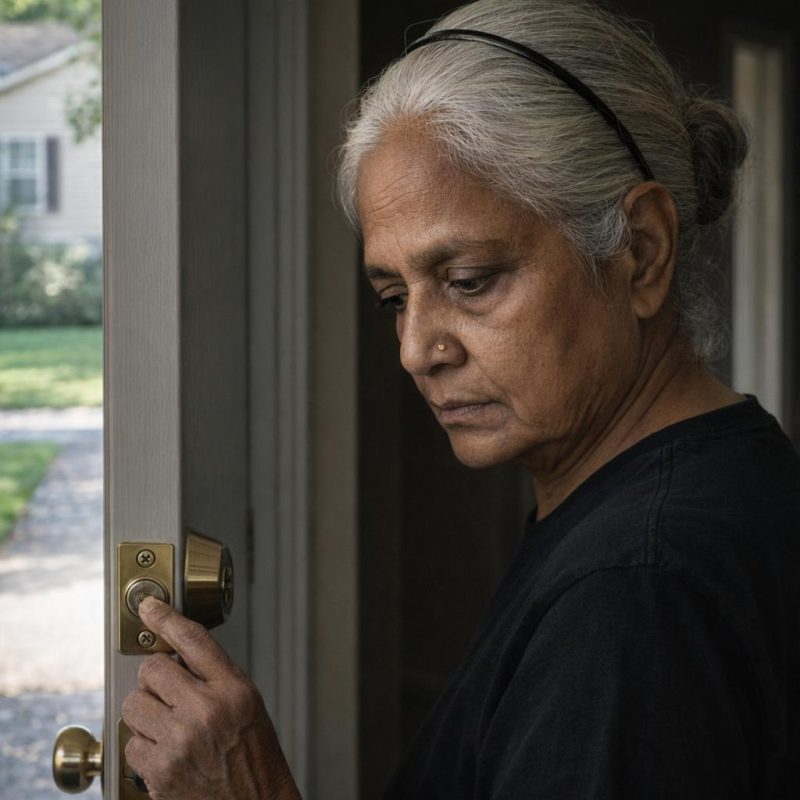 Image by RM AI
Waiting Again
The next few days passed in a strange, tense quiet. I checked my camera footage every morning, my coffee going cold beside me while I scrolled through hours of nothing. The first night after the new locks showed only me, moving through my evening routine. The second night, the same. By the third night, I started to hope that maybe the locks had been enough. Maybe Raymond had tried the door, found it changed, and given up. Maybe I'd finally done something that worked. Then came the fourth night. I pulled up the footage that morning and felt my stomach clench. There he was on my front porch at one-thirty in the morning, clearly visible in the glow of my porch light. He tried the door handle, found it locked, and didn't seem surprised or frustrated. He just stood there for a moment, then walked slowly around the side of my house, disappearing from the camera's view. I imagined him checking my windows, testing them one by one with that same methodical calm. The new locks had kept him out, but watching him circle my house like he was taking inventory made one thing terribly clear. He wasn't giving up.
 Image by RM AI
The Long-Time Neighbor
I needed to know more about Raymond, about the house he was renting, about anything that might help me understand what was happening. Mrs. Henderson had lived on our street longer than anyone—she'd been here when James and I moved in twenty years ago. I'd seen her watching from her window often enough to know she paid attention to the neighborhood. I walked over that afternoon with a container of cookies I'd baked, using the pretense of being neighborly. She invited me in, clearly pleased to have company, and we chatted about the weather and the new family two houses down. Then I steered the conversation toward Raymond's rental house across the street. Mrs. Henderson's expression shifted, becoming more animated. That house had gone through several tenants in the past year, she told me. A couple had left after three months with no explanation. Then a family with two children had moved in, but they'd left quite suddenly in the middle of the night, their moving truck pulling away at two in the morning. The landlord had trouble keeping anyone there for long. She didn't know much about Raymond himself—he was very quiet, kept to himself—but that house seemed to have some kind of problem she couldn't quite put her finger on.
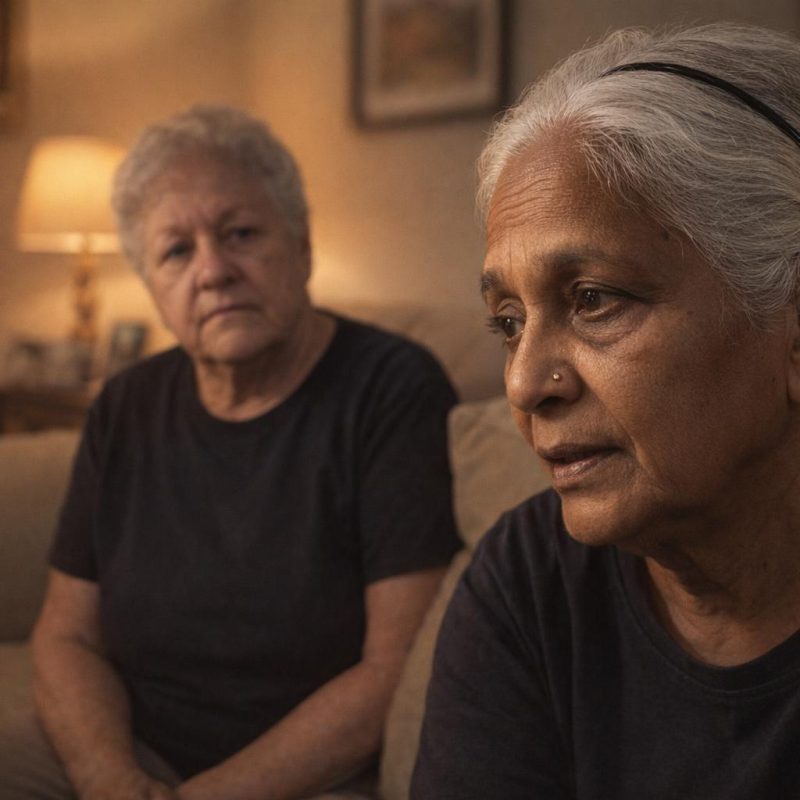 Image by RM AI
Patterns of Occupancy
That evening, I sat at my computer and started searching for information about Raymond's rental house. It took some digging through county property records, but I found the landlord's name and rental history. What I discovered made my stomach tighten. The house had changed tenants three times in the past fourteen months. The first tenant had stayed only four months. The second made it to three months. The current occupant—Raymond—had been there just over two months now. I pulled up records for the other houses on our street, comparing them. The Hendersons had been in their home for thirty-two years. The family two doors down had been there for eight years. Even the rental property at the end of the block had kept the same tenant for three years running. I searched for reviews or complaints about Raymond's house, anything that might explain why people kept leaving. Nothing came up. No reports of structural problems, no pest issues, no neighborhood complaints. The house itself seemed fine. I sat back in my chair, staring at the screen. What had made three different tenants leave so quickly? And more importantly—did Raymond know about the house's history when he moved in, or was he about to become the fourth person to leave after just a few months?
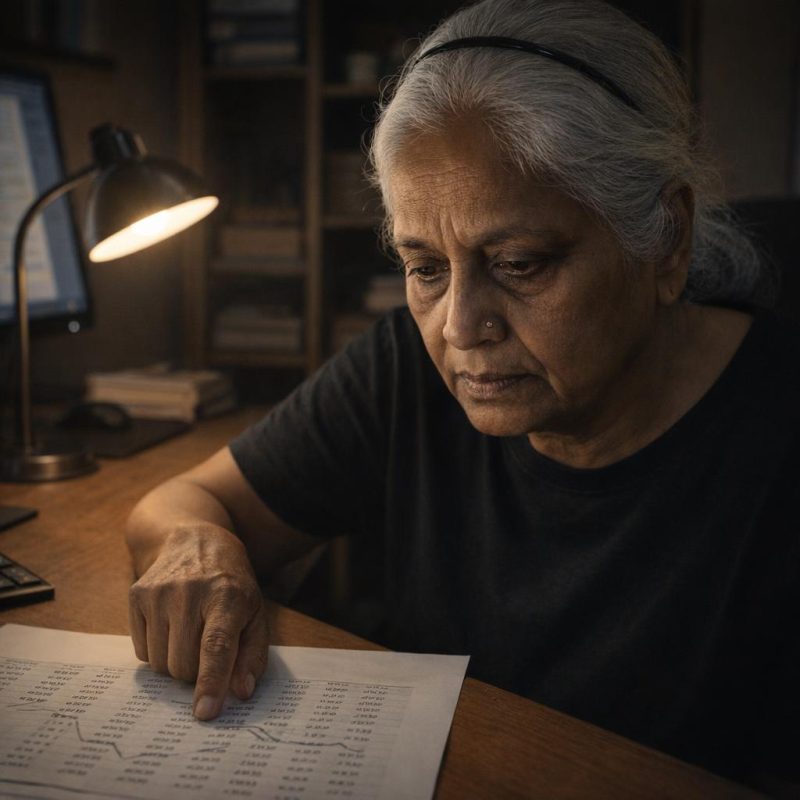 Image by RM AI
The Return
Two days later, I was bringing groceries in from my car when I saw him. Raymond was sitting on my front porch, waiting. My heart jumped into my throat. The grocery bags suddenly felt heavy in my hands. He stood up slowly when he saw me, making no sudden movements, just rising to his feet with that same calm deliberateness I'd seen before. My first instinct was to get back in the car and drive away, but where would I go? This was my house. I forced my feet to keep moving up the walkway, even though every instinct screamed at me to run. He didn't block my path or move toward me. He just stood there, watching me approach with those observant eyes. I expected anger—I'd changed the locks, gone to the police, made it clear he wasn't welcome. But his face showed no rage, no frustration. Instead, he looked at me with that same unsettling certainty I'd seen the first time he'd asked to come inside. Like he knew something I didn't. Like this was all going exactly as he'd expected it would. I gripped my grocery bags tighter and kept walking toward my own front door, toward him.
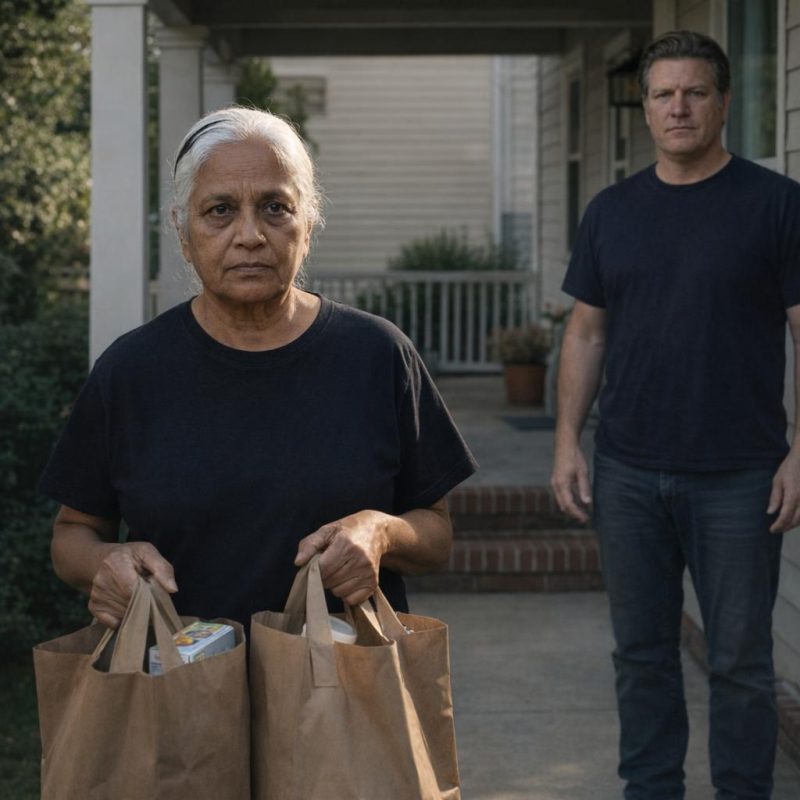 Image by RM AI
Making Things Harder
"You made this harder than it needed to be," Raymond said as I reached the porch steps. His voice was calm, almost disappointed. "The locks. The police. None of that was necessary." I stopped, staring at him. "You broke into my house. You had no right to be here." "I didn't break anything," he said. "You gave me a key, remember?" "For the porch work. Not to wander through my home whenever you felt like it." He tilted his head slightly, as if I'd missed something obvious. "You should have trusted me. This could have been simple." The way he said it—like I'd violated some agreement between us, like I was the one who'd done something wrong—made my blood boil. "What do you want?" I demanded. "Just tell me what you really want from me." Raymond looked at me for a long moment, and something shifted in his expression. "I want to understand," he said quietly. "I've been trying to understand for a long time now." The words sent a chill through me. A long time. Not weeks. Not since he'd moved in. He'd been thinking about this, planning this, for much longer than I'd realized.
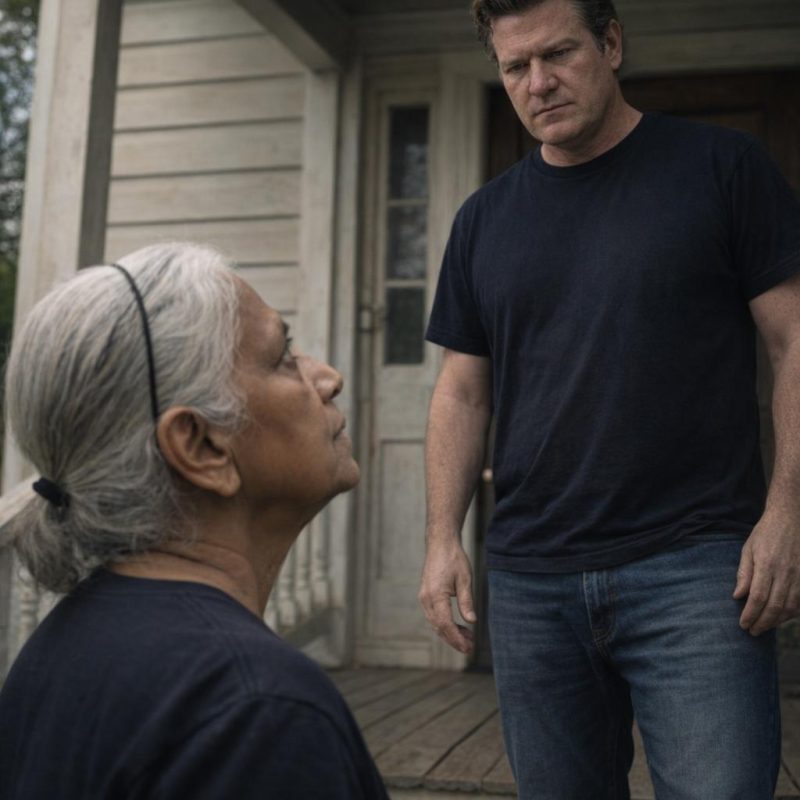 Image by RM AI
Demanding the Truth
"Understand what?" I asked, refusing to move from my spot. The grocery bags were cutting into my hands, but I wasn't going to let him deflect with vague statements anymore. "Tell me what you want or leave my property." Raymond studied my face, his eyes moving across my features like he was trying to read something written there. The silence stretched between us. Finally, he spoke. "I want to understand what your husband did. And why." The words hit me like cold water. "My husband? James has been dead for two years. What does he have to do with any of this?" "Everything," Raymond said simply. "This is about what James did." I shook my head, confused and angry. "What are you talking about? James was a good man. He never—" "Are you sure about that?" Raymond interrupted. "Are you sure you knew everything about him?" "Yes," I said, but even as the word left my mouth, doubt crept in. James had kept his business life separate from our home. He'd always said he didn't want to burden me with work stress. I'd accepted that. But now, standing here with Raymond watching me with those knowing eyes, I wondered what I'd really known about my husband's life.
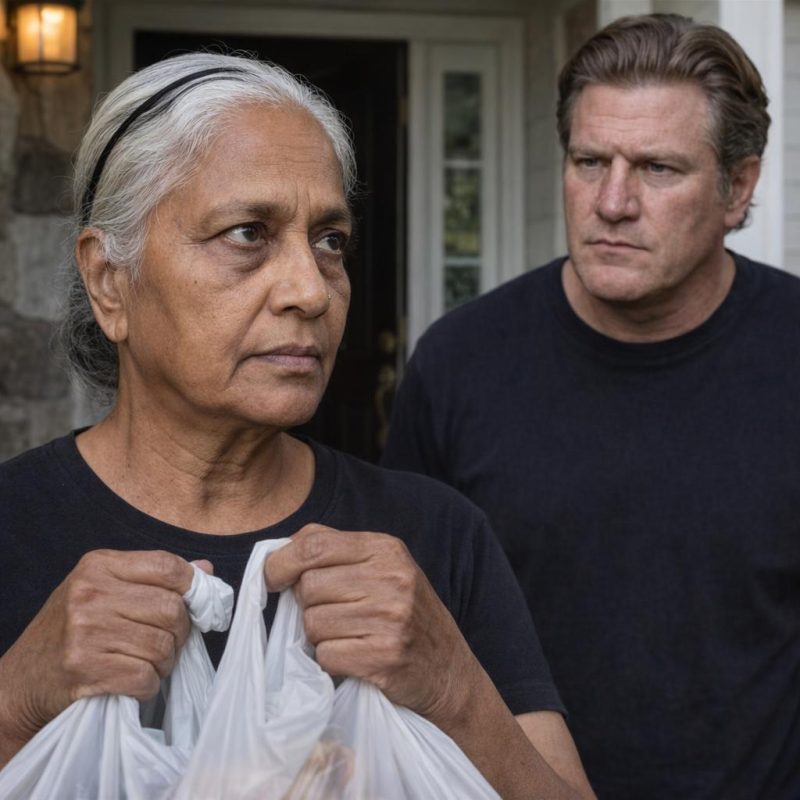 Image by RM AI
The Watching
"I didn't just move in and notice your porch," Raymond said, his voice still maddeningly calm. "I've been watching your house for months. Since last spring." The admission made my skin crawl. "You've been watching me?" "I needed to understand the situation first," he said, as if this were perfectly reasonable. "I observed your routines. When you left for errands. When you had visitors. How you spent your days." My hands started shaking. "That's stalking. That's—" "That's preparation," he corrected. "The porch repair was the best way to approach you. You needed help, and I could provide it. It gave me a reason to be here." I felt sick. Nothing about our interaction had been coincidental. The timing, the offer, the way he'd been so helpful and patient—it had all been calculated. "Why would you watch me for months?" I demanded. "What could possibly justify that?" "I told you. I needed to understand." "That's not an answer!" Raymond's expression didn't change. The casual way he admitted to surveilling me, like it was just another task he'd completed, made it so much worse. He saw nothing wrong with what he'd done. Nothing wrong with invading my privacy, studying my life, planning his approach. I'd invited him into my home, trusted him, and the entire time he'd been playing out some plan I didn't understand.
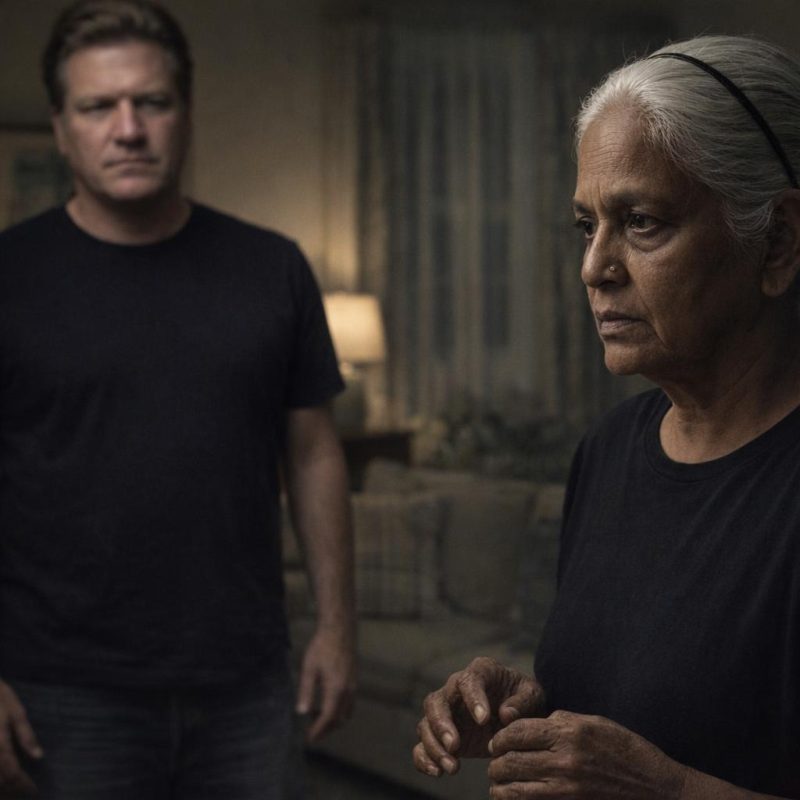 Image by RM AI
The Connection
"Your husband did something years ago," Raymond said, and for the first time I heard real emotion in his voice. Bitterness. "Something that affected my family. I need to know why he did it." "You have the wrong person," I said immediately. "James was a businessman, yes, but he was fair. He was honest. He wouldn't—" "Wouldn't he?" Raymond's eyes locked onto mine. "Are you certain? Did you know everything about his business dealings?" I opened my mouth to say yes, but the word stuck in my throat. The truth was, I didn't. James had kept that part of his life separate. He'd come home and we'd talk about our day, about the garden, about plans for the weekend. But his work? His partnerships and deals and business decisions? He'd said it was boring, that I didn't need to worry about it. And I'd accepted that. "James was a good man," I said, but my voice sounded weaker now. "He must have been," Raymond said quietly. "To you. In this house. But what about the people he dealt with in business? What about the families affected by his decisions?" The question hung in the air between us. I wanted to defend James, to insist Raymond had it all wrong. But standing there, I realized how little I actually knew about what my husband had done in the thirty years he'd run his business.
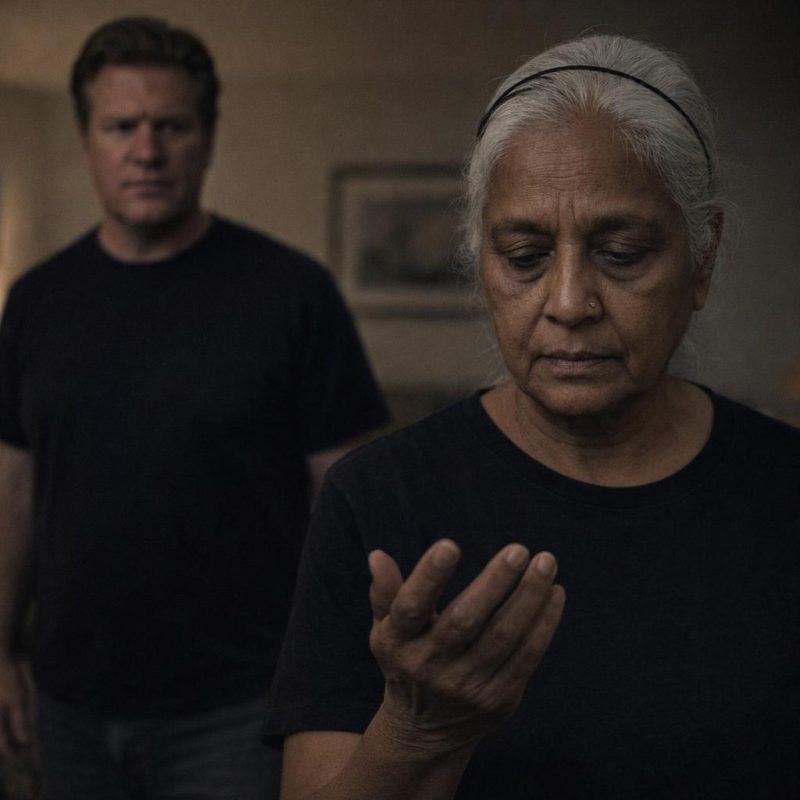 Image by RM AI
Business Dealings
"Your husband had a commercial real estate partnership in the late eighties," Raymond said. "He and two other men bought properties, developed them, sold them. Do you remember that?" I did, vaguely. James had been excited about that venture. "He worked with several partners over the years," I said carefully. "There was a deal that went bad," Raymond continued. "A strip mall development that was supposed to be a sure thing. One of the partners put everything he had into it—his savings, his house, everything. When the deal fell through, that man lost it all." The details were coming too easily, too specifically. Raymond had researched this extensively. "James mentioned some deals that didn't work out," I admitted. "Business involves risk. That's not—" "Did he ever mention Thomas Brennan?" Raymond asked. The name hit me like a physical thing. Thomas Brennan. It sounded familiar, like something I'd heard years ago and forgotten. "I... I'm not sure," I said. "Maybe. The name sounds familiar." "He should have mentioned him," Raymond said. "Thomas Brennan was the partner who lost everything. His business, his home, his marriage. All because of a deal your husband walked away from unscathed." I stood there with my grocery bags, ice cream probably melting, trying to remember. Had James mentioned that name? Had there been a partnership that ended badly? I couldn't recall the details, and that terrified me.
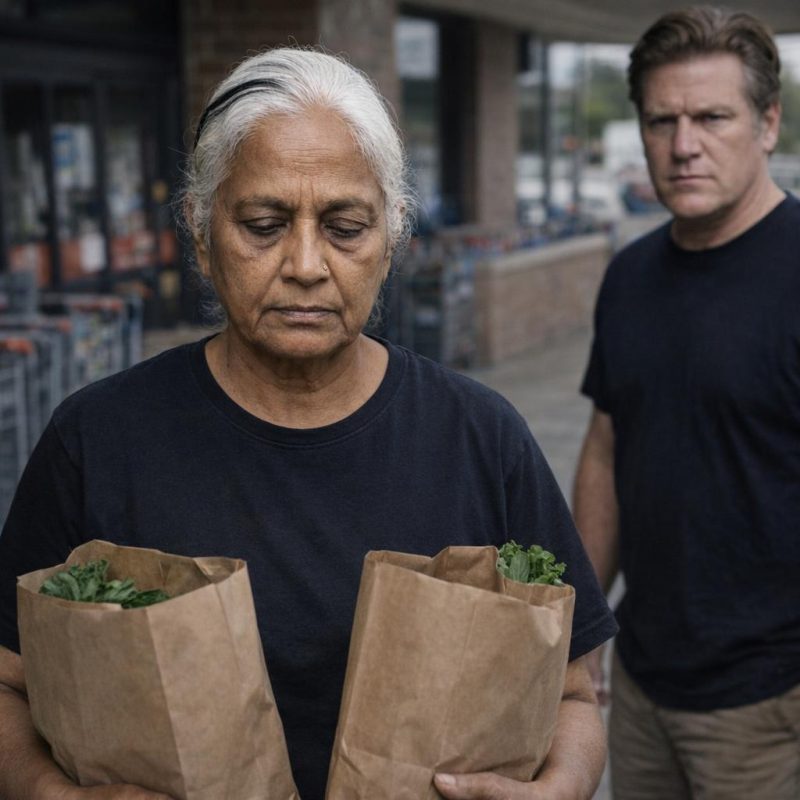 Image by RM AI
Secrets Kept
Raymond left without saying anything else, just walked down my porch steps and across the street to his rental house. I went inside, put the groceries away mechanically, my mind spinning. I kept replaying the conversation, the name Thomas Brennan echoing in my head. James had kept his business life separate from me. I'd always known that, accepted it as normal. He'd come home and leave work at the office, and I'd thought that was healthy. But now I wondered what I'd really known about the man I'd been married to for forty-two years. Had he ruined someone's life? Had he walked away from a failed deal while his partner lost everything? I sat at the kitchen table as the afternoon light faded, thinking about the boxes in the attic. After James died, I'd gone through his personal things—his clothes, his books, the photos and mementos from our life together. But there was one box I'd left untouched. A box of business papers, old documents and letters from his working years. I'd told myself I'd sort through it eventually, but I never had. Now I realized I needed to look through those papers. Somewhere in that box might be answers about Thomas Brennan, about what James had done, about what Raymond really wanted from me.
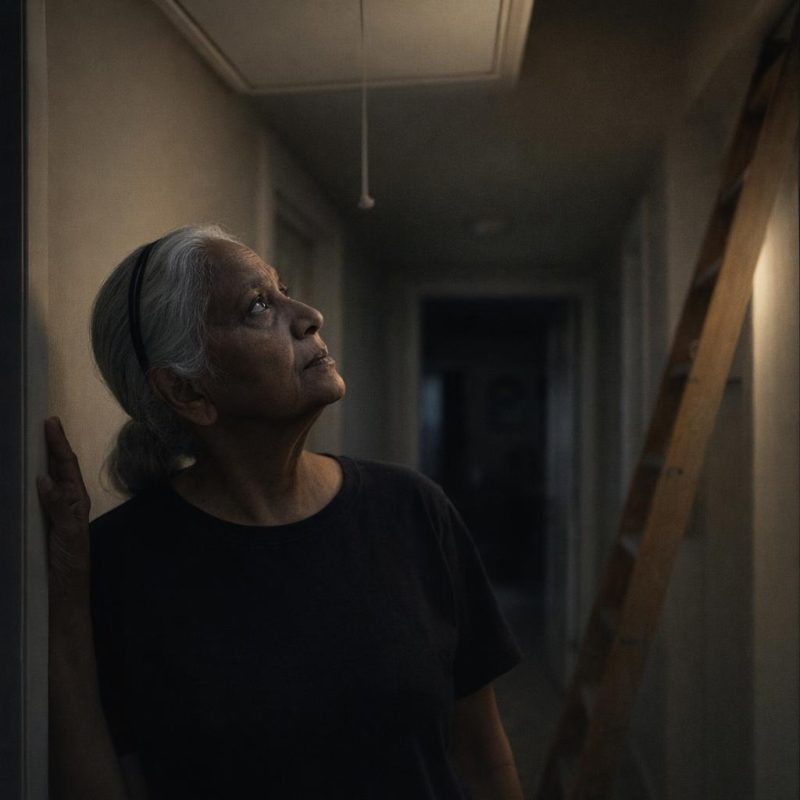 Image by RM AI
Into the Attic
I stood at the bottom of the attic stairs for a long moment, flashlight in hand, trying to convince myself to climb. I hadn't been up there since the week after James died, when I'd stored away the last of his things I couldn't bear to look at every day. The pull-down ladder creaked as I unfolded it, and dust motes swirled in the beam of my flashlight. The attic smelled like old cardboard and insulation, that particular mustiness of a space that holds things people want to forget. I climbed slowly, my knees protesting each step. At the top, I swept the flashlight across the cramped space. Boxes were stacked everywhere, labeled in my own handwriting from two years ago. Christmas decorations. James's clothes. Books. Photo albums. I moved past them all, deeper into the attic, toward the far corner where I'd shoved the things I hadn't wanted to deal with. Old furniture cast strange shadows in the flashlight beam. And then I saw it, pushed back behind a broken chair and a stack of old suitcases, almost hidden from view. The box was shoved into the darkest corner, behind old furniture, as if someone had wanted it to stay hidden.
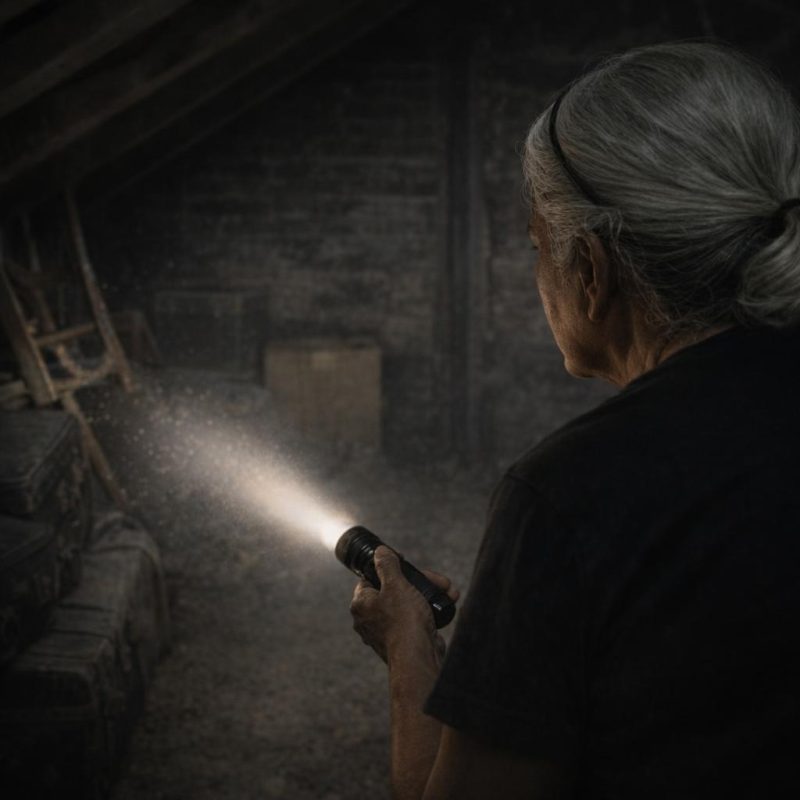 Image by RM AI
The Hidden Box
I pulled the box out into the light and sat down on the attic floor, my heart pounding harder than the climb warranted. The cardboard was thick with dust. I opened the flaps and found myself staring at stacks of papers, folders, and envelopes I'd never seen before. I started pulling things out carefully. Business contracts with names I didn't recognize. Partnership agreements from companies I'd never heard James mention. Financial records showing investments and deals from decades ago, all neatly organized but completely foreign to me. How had I been married to this man for forty-two years and known nothing about any of this? The documents went back to the late eighties, roughly thirty years ago, when James was building his career and I was home raising our daughter. I'd thought I understood his work life, at least in broad strokes. But these papers told a different story, one of complex dealings and partnerships that he'd kept entirely separate from our home. At the bottom of the box, beneath all the business documents, I found a folder of letters tied together with a rubber band. The handwriting on the envelopes was unfamiliar, and the paper had yellowed with age.
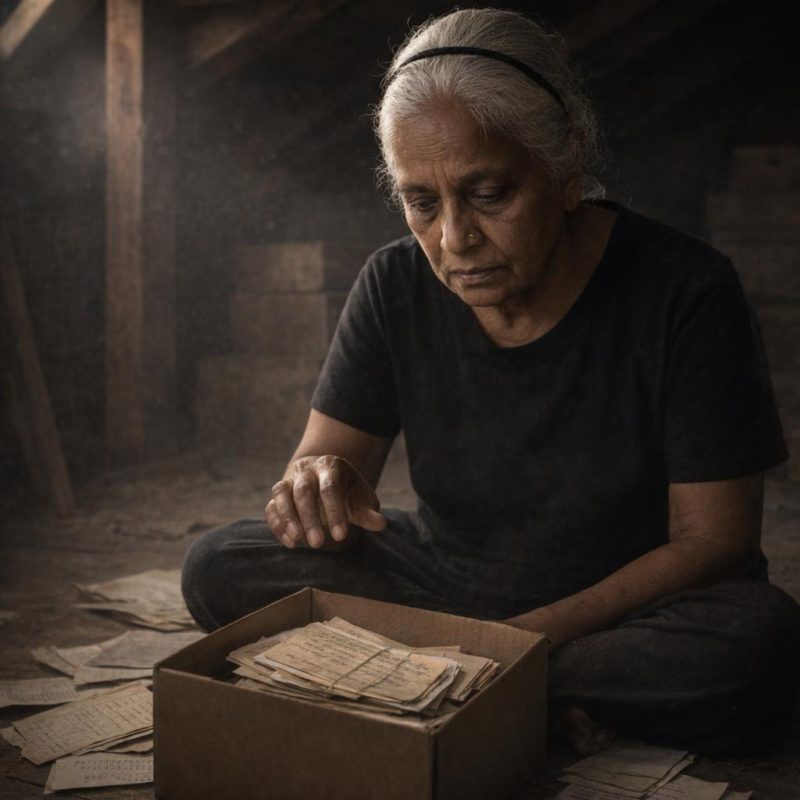 Image by RM AI
Letters from the Past
I slipped off the rubber band and unfolded the first letter. It was dated March 1987, written in neat handwriting, addressed to James at his old office. The signature at the bottom read Thomas Brennan. My stomach tightened. The early letters were cordial, discussing a business partnership and investment opportunities. Thomas wrote about his excitement for their venture, about the potential he saw in their collaboration. But as I worked through the stack chronologically, the tone shifted. By 1989, the letters had turned cold and accusatory. Thomas wrote that James had made decisions without consulting him, that he'd acted in his own interest at Thomas's expense. One letter detailed how Thomas had lost significant money when James pulled out of a deal they'd both invested in. Another described how Thomas had been forced to sell his home to cover debts. The final letters were desperate, angry, full of words like betrayal and destruction. And then, at the very bottom of the stack, I found a letter in different handwriting, shakier and more emotional. It wasn't from Thomas. The final letter in the stack was written in a different hand, a desperate plea from someone who claimed James had destroyed their family.
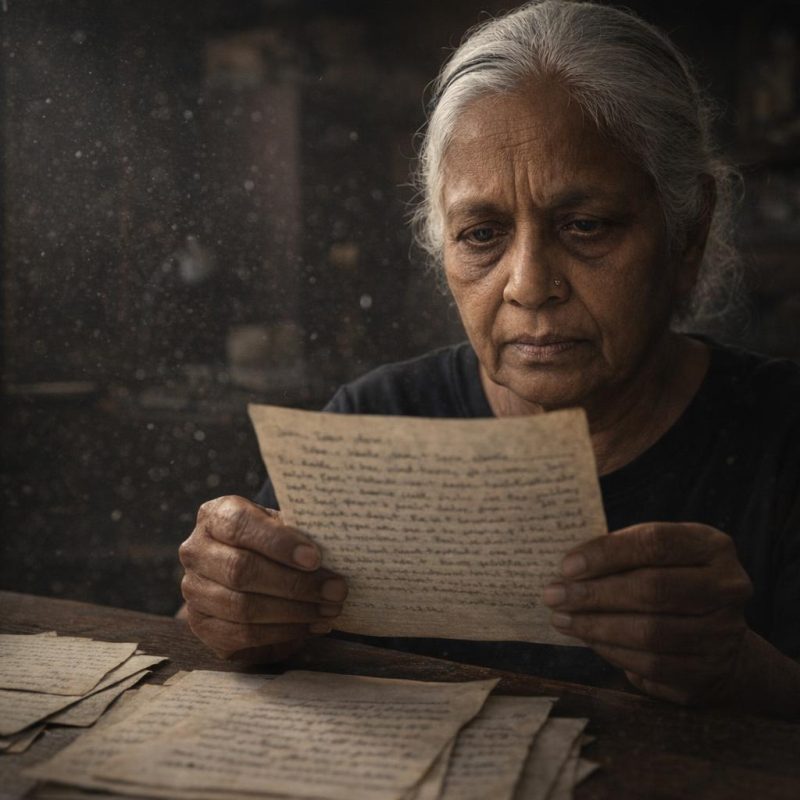 Image by RM AI
The Ruin of Thomas Brennan
I spread all the documents out on the attic floor, arranging them in order, piecing together a story I'd never known existed. Thomas Brennan had invested everything in a partnership with James. They'd planned to develop commercial properties together, pooling their resources and expertise. But somewhere along the way, James had made a decision that protected his own investment while leaving Thomas exposed. The letters showed Thomas scrambling to save himself, borrowing money, selling assets, trying to recover from losses that James had somehow avoided. By 1990, Thomas had lost his business, his home, and his savings. The letters grew more bitter with each one, Thomas writing that James had known exactly what would happen, that he'd chosen to save himself and let his partner drown. I felt sick reading them, imagining James coming home to me each night while Thomas Brennan's life fell apart. And then there was that final letter, the one not written by Thomas. It mentioned his young son, a boy who would grow up knowing what James had done to their family. One letter mentioned that Thomas had a young son who would grow up knowing what James had done to their family.
 Image by RM AI
The Name That Changed Everything
I stared at the name on the letters, reading it over and over. Thomas Brennan. Thomas Brennan. And then it hit me like a physical blow. Raymond's last name. When he'd first introduced himself at my door, he'd said his full name. Raymond Brennan. The same last name. The same family. I sat there on the attic floor, the letters scattered around me, and felt the world tilt. The boy mentioned in these letters, Thomas's young son who would have been maybe five or six years old in 1990, would be in his late thirties now. Exactly Raymond's age. It wasn't a coincidence. It couldn't be. Raymond was Thomas Brennan's son. He'd grown up watching his father lose everything, hearing the name James mentioned with bitterness and blame. And now he was living across the street from me, had been watching my house for months before he ever knocked on my door. The porch repair, the questions about James, the interest in the photographs, none of it had been random neighborly kindness. Raymond was Thomas Brennan's son, and he had come looking for the man who destroyed his father.
 Image by RM AI
Nothing Was Random
I sat surrounded by the scattered documents, my hands shaking, understanding now that every single moment of Raymond's presence in my life had been calculated. He hadn't just happened to rent the house across the street. He'd chosen it. He'd moved in and watched me for months, learning my routines, waiting for the right moment to approach. The porch repair had been his opening, his way to get close to me, to earn my trust. Every question he'd asked about James, every time he'd looked at the photographs on my walls, every conversation we'd had, it had all been part of something that started long before I ever knew his name. I thought about how carefully he'd played it, how patient he'd been. He could have confronted me immediately, could have shown up at my door angry and demanding answers. But instead he'd taken his time, building a relationship, making himself seem helpful and kind. I'd invited him into my home. I'd trusted him. I'd felt grateful to him. And all of it had been part of a plan that began thirty years ago when James made choices I'd known nothing about. He had moved into that house, watched me for months, and engineered his way into my trust, all because of what James did thirty years ago.
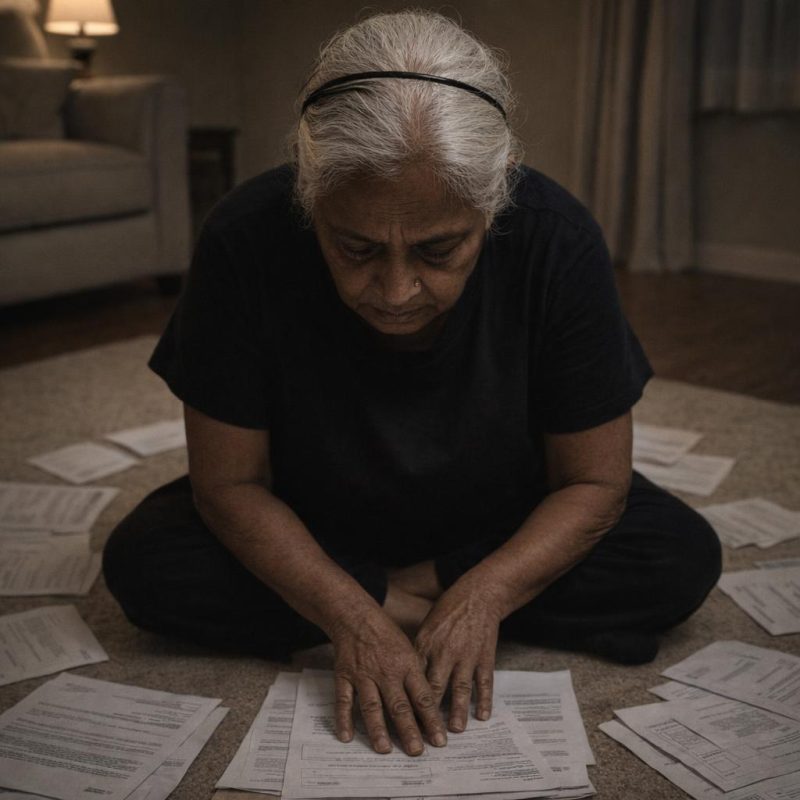 Image by RM AI
Months of Watching
I thought about all those months before Raymond had knocked on my door. How many times had I moved through my house, completely unaware that someone was watching? How many mornings had I sat at my kitchen table with my coffee, visible through the window, while Raymond observed from across the street? He'd seen me in my grief, in my loneliness, in all the private moments I'd thought were mine alone. He'd learned my schedule, knew when I went to the grocery store, when I worked in the garden, when I turned off my lights at night. Every routine, every vulnerable moment, had been witnessed and catalogued. I felt violated in a way I couldn't quite articulate. My life after James's death had been so small, so quiet, and I'd thought I was invisible in my grief. But I hadn't been invisible at all. I'd been studied. Raymond had watched me for months, learning everything he needed to know before making his approach. And I still didn't know what he ultimately wanted from me. Revenge? Answers? Money? Some kind of confession or apology for what James had done? The question that haunted me now was not what he had seen, but what he still intended to do.
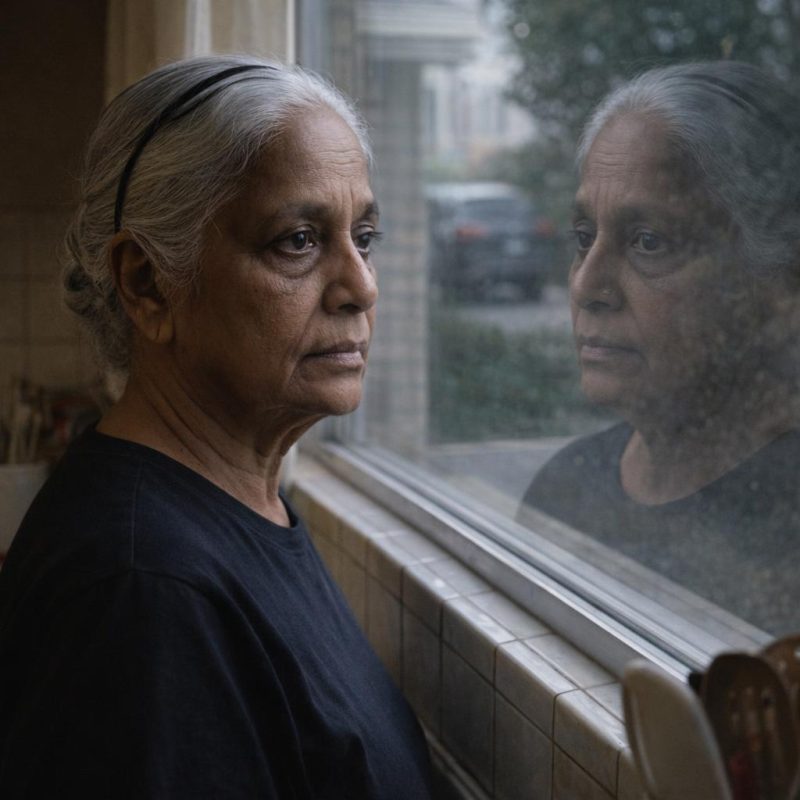 Image by RM AI
Fight or Flight
I sat in my living room as evening fell, holding my phone in my lap, paralyzed by the weight of what I now knew. I could call Officer Martinez again. This time I had real information, proof that Raymond had a motive for targeting me, evidence of a connection between our families that explained everything. Maybe the police could do something with that. But what would I tell them? That Raymond had fixed my porch and asked to see my husband's grave? That he'd watched my house before introducing himself? None of it was illegal. I thought about confronting Raymond directly, walking across the street and telling him I knew who he was, demanding to know what he wanted from me. But that felt dangerous in a way I couldn't quite define. Or I could just leave. Pack a bag, drive to Linda's house, stay there until I figured out what to do next. Running felt like cowardice, like abandoning the home James and I had built together. But staying meant facing whatever Raymond had spent years preparing for, and I had no idea what that might be. I sat there as the room grew dark around me, unable to commit to any choice. Running would mean leaving behind everything I had built, but staying meant facing whatever Raymond had spent years preparing for.
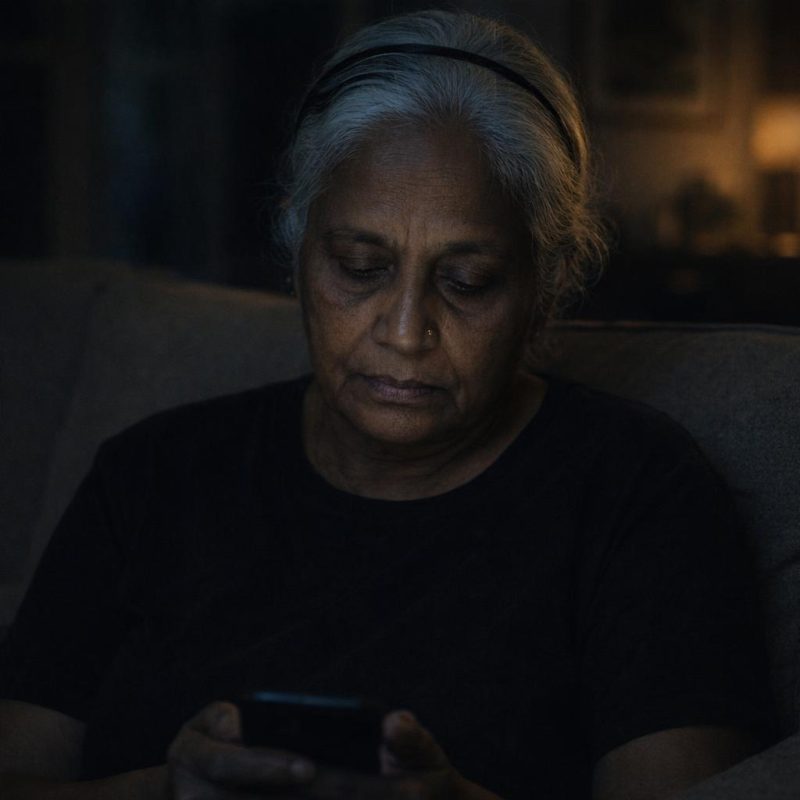 Image by RM AI
Researching Thomas Brennan
I couldn't just sit there in the dark anymore, paralyzed by fear and indecision. I needed more information before I could figure out what to do next. I turned on every light in the living room and opened my laptop, typing Thomas Brennan's name into the search bar with shaking fingers. The first results were sparse—a few business listings from the late 1980s, mentions in local chamber of commerce records. I added James's name to the search and found a newspaper article from 1987 about a business partnership dispute. The article was brief, clinical in its language, but it confirmed what the letters had suggested. Thomas Brennan's company had gone bankrupt after the deal fell apart. I kept searching, adding different terms, trying different databases. Public records. Obituaries. Historical newspaper archives. And then I found it. Thomas Brennan had died in 1992. Five years after losing everything. The obituary was short, mentioning he was survived by his wife Margaret and son Raymond, age ten. I sat back from the screen, my chest tight. Raymond had been a child when his father died, just a little boy who'd watched his family fall apart. What I'd found was worse than the letters had suggested—Thomas Brennan had died within five years of losing everything.
 Image by RM AI
The Death of Thomas Brennan
I spent the next hour reading everything I could find about Thomas Brennan's final years. The articles painted a picture of a man who'd been completely broken by what happened. One piece from a local business journal described how he'd struggled to find work after the bankruptcy, how his reputation had been damaged by the failed partnership. Another mentioned he'd lost his home, that his family had been forced to move to a smaller apartment across town. The language in his obituary was careful, but I could read between the lines. Depression. Financial ruin. A man who never recovered from losing his livelihood. I thought about Raymond, ten years old, watching his father sink into despair. Growing up knowing that someone had caused this, that his family's suffering had a name and a face. James's face. I felt something shift inside me—not quite sympathy for Raymond, but an understanding of the weight he'd been carrying. This wasn't just about money or business. This was about a child who'd lost his father, who'd grown up in the shadow of that loss. Raymond had spent his entire life knowing what James did, and now he'd finally found the house where his father's destroyer had lived.
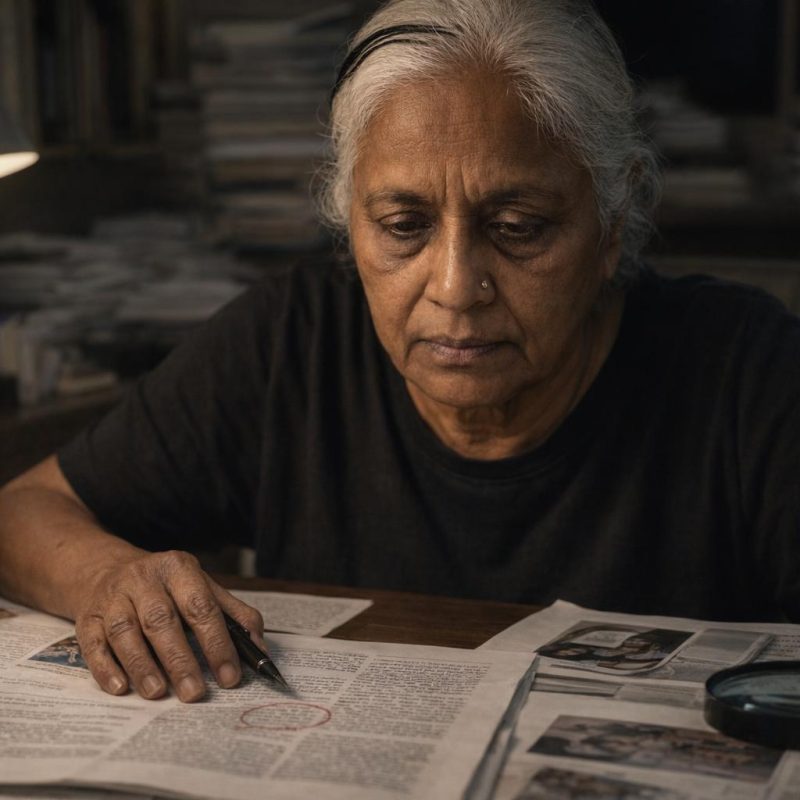 Image by RM AI
Setting the Terms
I picked up my phone and called Linda. She answered on the second ring, and I told her everything—about the letters, about Thomas Brennan, about Raymond being that little boy from the obituary. She listened without interrupting, and when I finished, she said exactly what I expected: "You need to be careful, Carol. Understanding why doesn't make him safe." But she also understood why I couldn't just run or call the police. I needed to face this, to hear Raymond's side directly. We worked out a plan together. I would write Raymond a note asking him to meet me on my porch tomorrow afternoon. Daylight. Outside where neighbors could see. Linda would park down the street and watch the whole time. If anything felt wrong, she'd call the police immediately. I wrote the note carefully, keeping it simple: "I know who you are. We need to talk. Tomorrow at 2pm on my porch." I walked across the street in the fading light and slipped it into his mailbox, my heart pounding so hard I could hear it in my ears. I slipped the note into his mailbox and walked back to my house, knowing that tomorrow I would finally face the truth.
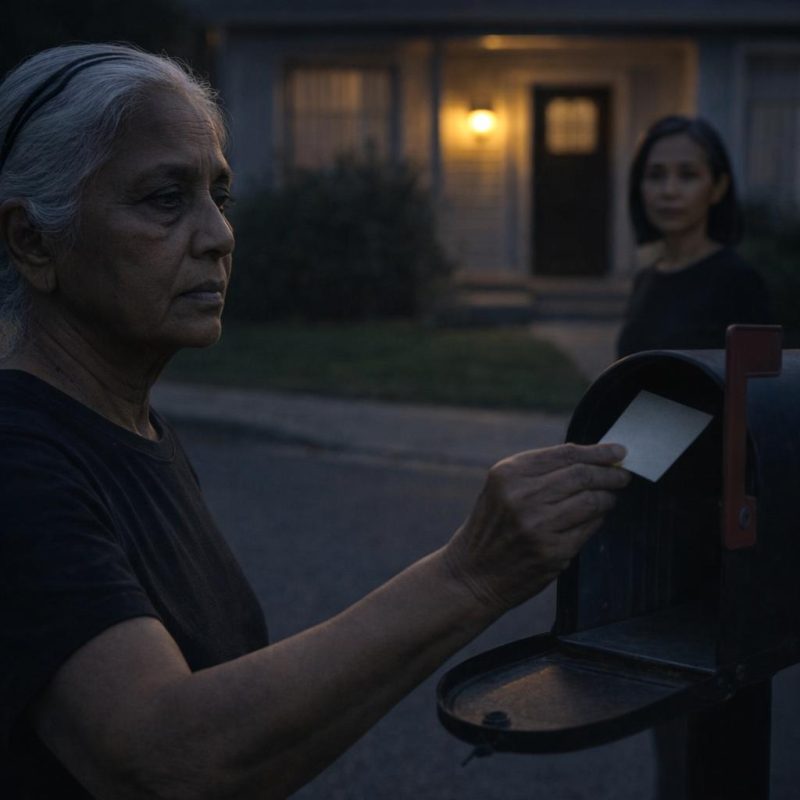 Image by RM AI
Facing Raymond
I sat on my porch the next afternoon, watching the clock on my phone tick toward two. Linda had texted me twenty minutes earlier to say she was parked down the street with a clear view of my house. My hands were clammy despite the cool air. At exactly two o'clock, Raymond's front door opened. He walked across the street with that same measured pace I'd seen so many times before, but today his shoulders looked tense. He started to climb my porch steps, and before he could say hello or ask why I'd summoned him, I spoke. "I know who you are," I said, my voice steadier than I felt. "You're Thomas Brennan's son." He stopped mid-step, his expression shifting from careful neutrality to genuine surprise. For a long moment, he just stared at me, and I watched something that looked almost like relief wash over his face. Not anger. Not the cold calculation I'd been bracing for. Relief. He let out a slow breath and asked, "How did you find out?" His voice was quiet, almost gentle, and that somehow made everything feel more surreal. His expression shifted from surprise to something that looked almost like relief, and he asked how I had found out.
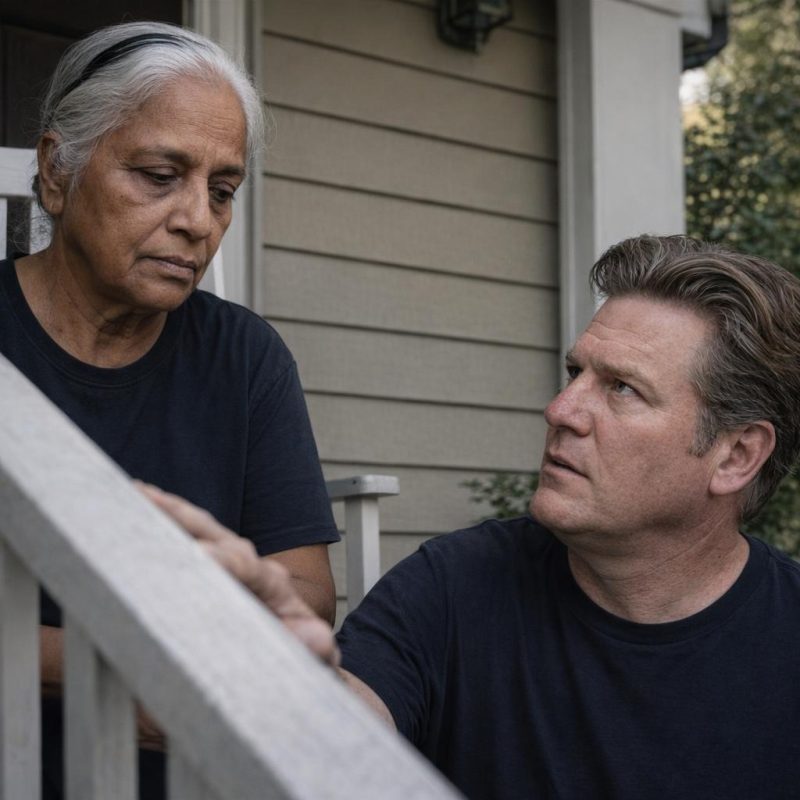 Image by RM AI
His Father's Story
I told him about the box in the attic, about finding his father's letters to James. Raymond nodded slowly and sat down in one of my porch chairs without asking permission, as if the weight of being recognized had taken something out of him. Then he started talking. He told me about his father—not the businessman from the articles, but the man he remembered as a child. Thomas Brennan had been hardworking, honest, someone who believed that if you did right by people, they'd do right by you. The partnership with James was supposed to be his big break, the opportunity that would secure his family's future. Raymond's voice was measured as he described watching everything fall apart. His father losing the business first, then their house, then his sense of purpose. "He was never the same after," Raymond said, looking past me at something I couldn't see. "I was ten when he died. I spent my whole life trying to understand what happened and why." He looked directly at me then. "You're the only person left who might have answers." He said he had spent his entire adult life trying to understand what happened and why, and I was the only person left who might have answers.
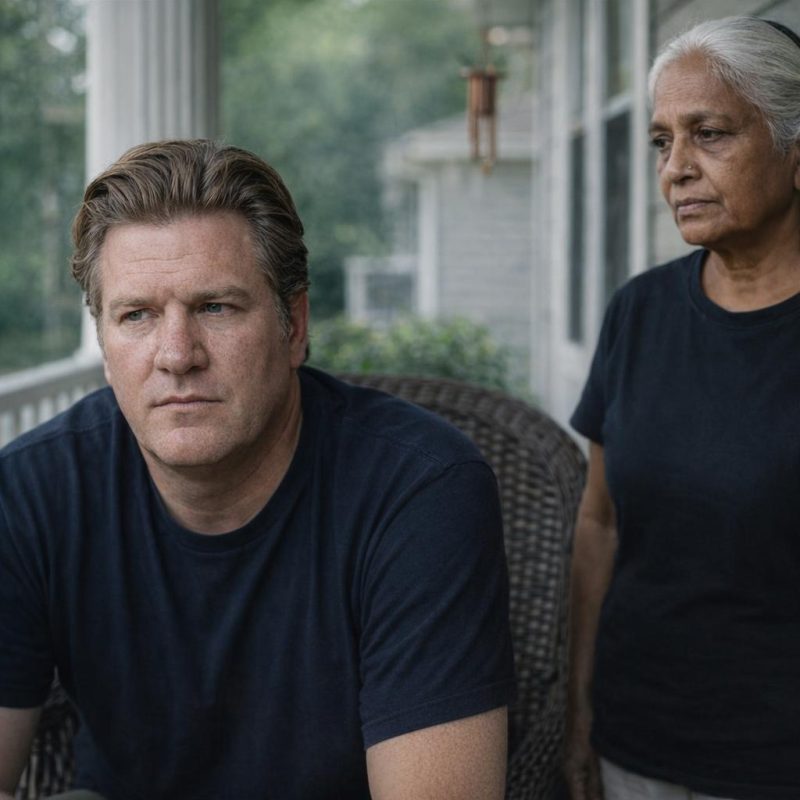 Image by RM AI
A Family Destroyed
Raymond kept talking, and I kept listening. He described what came after his father's death—the way his mother had worked two, sometimes three jobs to keep them afloat. How they'd moved from apartment to apartment, never staying anywhere long enough for him to make real friends. He talked about the shame that followed them, the way his mother's face would tighten whenever someone asked about his father. "I grew up knowing someone had done this to us," he said. "That we were struggling because of choices someone else made. My mom never said James's name, but I found papers, old documents. I pieced it together over the years." As an adult, he'd started researching in earnest, tracking down every detail he could find about the business deal and about James. Eventually, he'd found my address. He looked at me with an expression I couldn't quite read. "I didn't come here for revenge," he said. "I never wanted to hurt you. I just needed to understand why my father had to lose everything so that James could prosper." He said he never wanted revenge, only to understand why his father had to lose everything so that James could prosper.
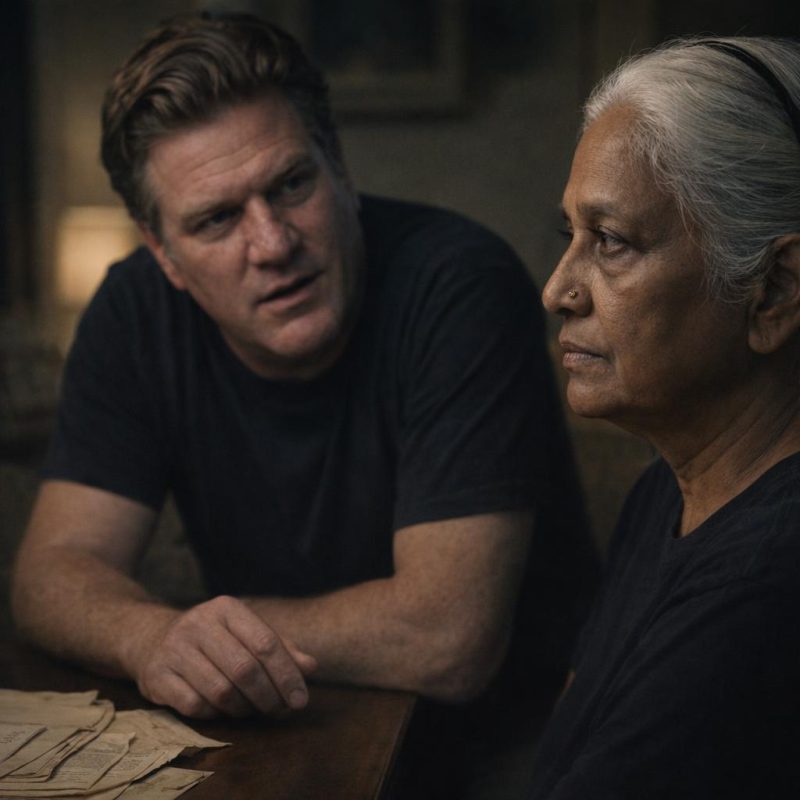 Image by RM AI
What He Really Wanted
"I know how it must have looked," Raymond continued, his voice carrying a tremor I hadn't heard before. "Watching your house, fixing your porch, coming inside when you weren't there. I know it was wrong." He rubbed his face with both hands. "But I needed to see how he lived, what kind of life he built with what he took from my family. I needed to understand the man who destroyed my father." He explained that he'd never had a plan beyond that—no scheme to hurt me or take anything from me. He'd just been trying to fill in the gaps of a story that had haunted him for thirty years. "Every time I tried to just knock on your door and ask, I couldn't do it," he said. "How do you start that conversation? Hi, I'm the son of the man your husband ruined?" His hands were shaking slightly. "I'm sorry I frightened you. That was never what I wanted. I just need closure. I need to finally understand what happened to my family." He looked at me with raw vulnerability. "Will you tell me anything you know about James's business dealings? Anything that might finally explain what happened?" He asked me to tell him anything I knew about James's business dealings, anything that might finally explain what happened to his family.
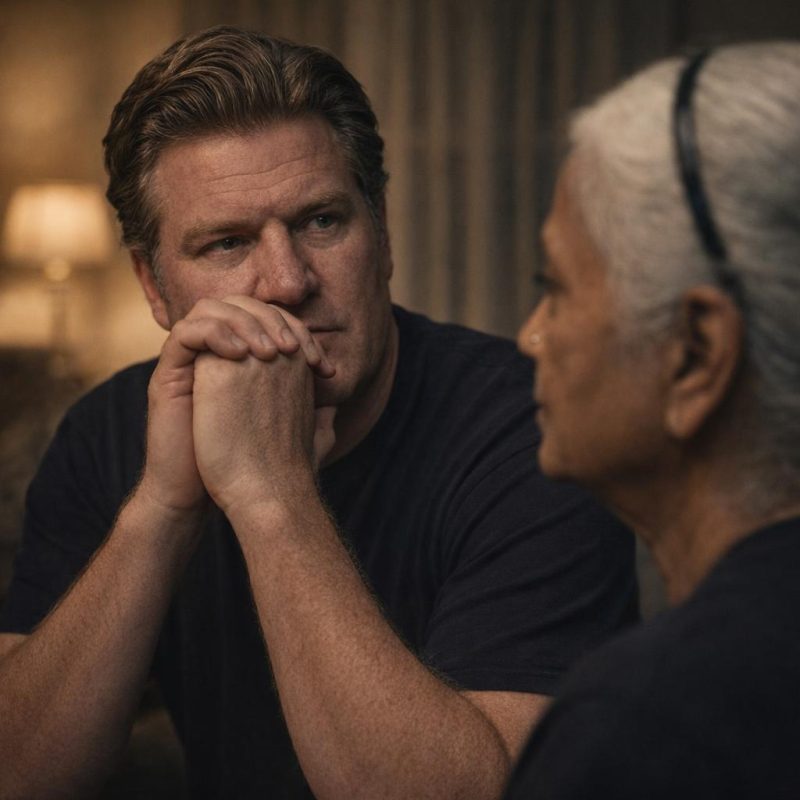 Image by RM AI
What I Knew About James
I took a deep breath and started talking. I told Raymond what I could remember about James's work life—the long hours at the office, the stress he sometimes brought home but never fully explained. I admitted that James had kept his business dealings separate from our home life, that I'd trusted him and never pushed for details I probably should have asked about. "He was a good husband," I said, and my voice cracked slightly. "But I'm realizing now that I didn't know everything about who he was as a businessman." Raymond listened intently, and I could see him absorbing every word, trying to build a complete picture from fragments. Then I stood up. "Wait here," I said. I went inside and retrieved the box of documents and letters from where I'd left it on the dining room table. When I came back out, I handed it to Raymond. "These are your father's letters to James. And James's notes. Maybe they'll help you understand." Raymond opened the box with trembling hands. He pulled out one of his father's letters, and I watched his eyes move across the handwriting. His hands shook harder, and tears formed in his eyes as he read words his father had written decades ago. I watched his hands tremble as he held his father's handwriting for the first time in decades.
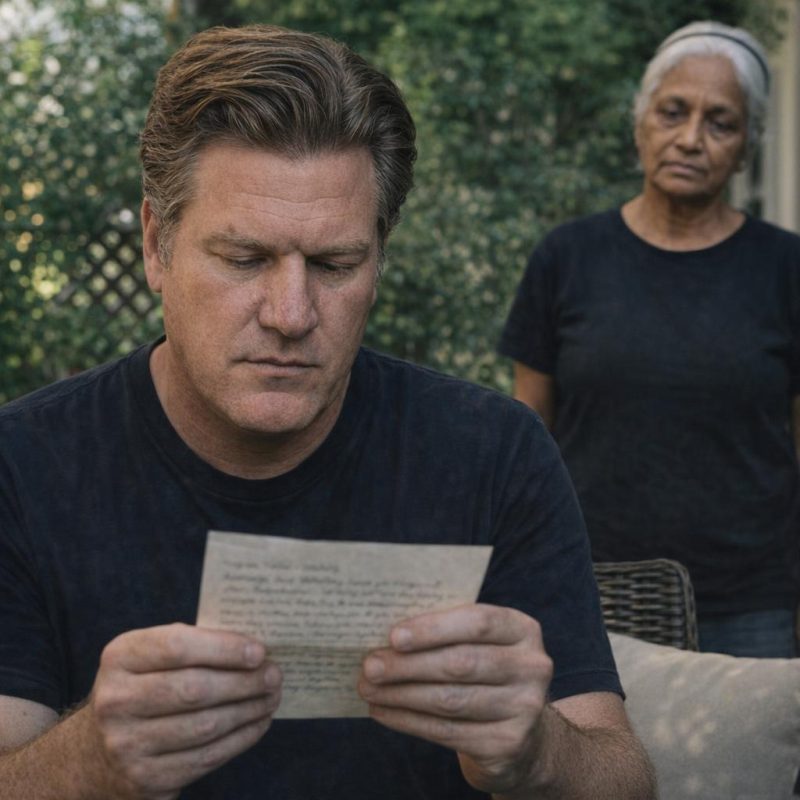 Image by RM AI
Piecing Together the Truth
We sat together on my porch for hours, spreading the documents between us like pieces of a puzzle we both needed to solve. Raymond read his father's letters aloud, his voice breaking on certain phrases, while I filled in what I knew about James's side of things. The story that emerged wasn't the simple tale of villain and victim that either of us had expected. James had made a business decision that was technically legal but morally gray—when their partnership started failing, he'd protected his own interests first. The contract they'd signed gave James control when things went south, and he'd exercised that control without mercy. Thomas Brennan had invested more than he could afford to lose, trusting that his friend would look out for him. James hadn't stolen anything, hadn't broken any laws, but he hadn't extended a hand to save his partner either. He'd walked away whole while Thomas lost everything. Raymond's hands shook as he read his father's final letter to James, the one begging for help that had gone unanswered. "He wasn't evil," Raymond said quietly, looking at me with red-rimmed eyes. "Your husband. He was just... human. Selfish, maybe, but human." I nodded, feeling the weight of that truth settle over both of us. The reality was more complicated than either of us had wanted it to be, and somehow that made it harder to bear.
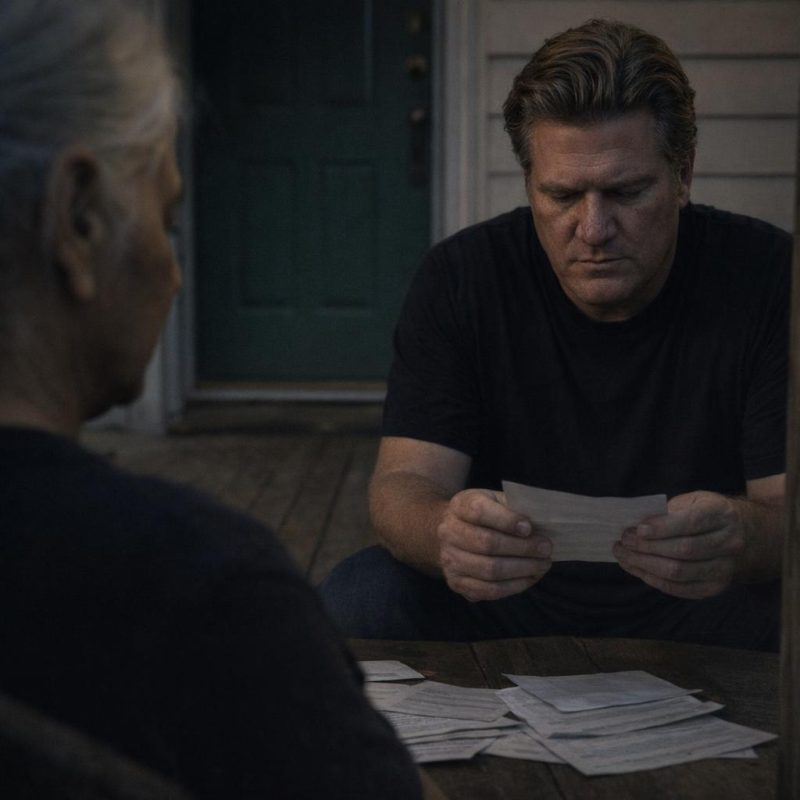 Image by RM AI
Closure
The sun was setting by the time we finished going through the last document. Raymond sat back in the chair, exhausted, holding one of his father's letters against his chest. "Thank you," he said, and his voice was barely above a whisper. "For not slamming the door in my face. For letting me understand." I told him I was sorry for what his father had gone through, and I meant it. Raymond apologized for the fear he'd caused me, for the manipulation and the watching and the careful orchestration of our encounters. He admitted he should have just knocked on my door from the beginning, but he'd been afraid I wouldn't listen, afraid I'd protect James's memory at all costs. I accepted his apology while acknowledging that what he'd put me through had been genuinely frightening. We sat in silence for a moment, both of us drained. Then Raymond stood, carefully placing the letters back in the box. "I should go," he said. I walked him to the edge of the porch, watching as he descended the steps he'd repaired weeks ago. He turned back once, gave me a small nod, and then walked across the street to the rental house. I realized, standing there in the fading light, that I might never see him again.
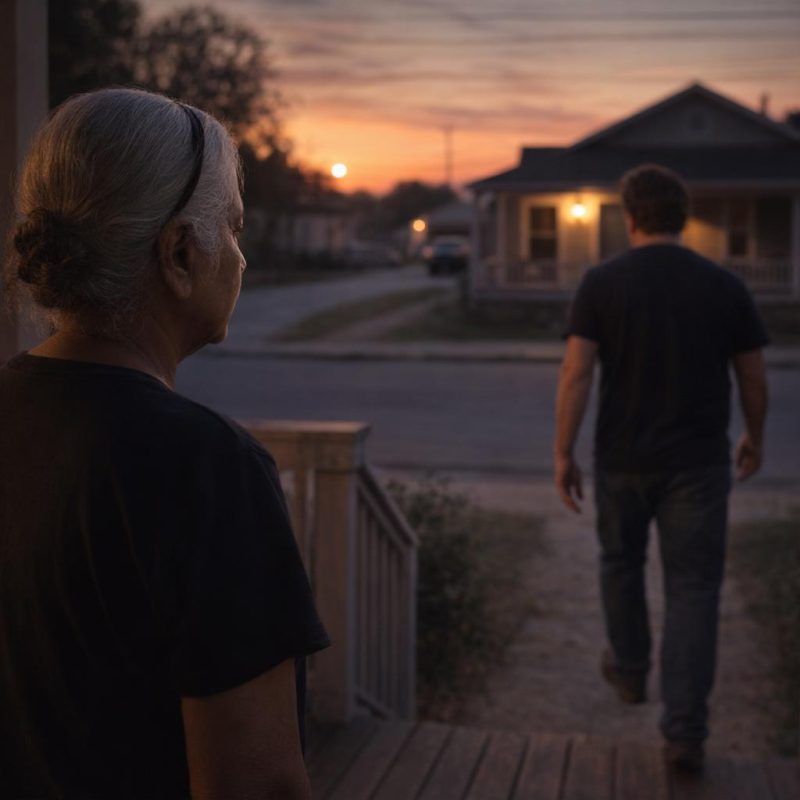 Image by RM AI
The Days After
Three days later, I saw the moving truck pull up across the street. I watched from my living room window as Raymond carried boxes out of the rental house, loading them methodically into the truck bed. He worked alone, and he never looked toward my house. It took him two days to pack everything, and by the end of the week, the house stood empty again, the FOR RENT sign back in the yard. Linda came over the day after Raymond left, and I told her everything—the full conversation, the documents, the complicated truth about James and Thomas Brennan. She listened without interrupting, her sharp eyes studying my face. When I finished, she asked me the question I'd been avoiding: "Do you feel safer now that he's gone?" I opened my mouth to say yes, but the word wouldn't come. I didn't feel unsafe, exactly. Raymond had gotten what he came for and left peacefully. But I didn't feel settled either. The experience had cracked something open inside me, changed how I saw my own history. I'd spent thirty years thinking I knew who James was, and now I understood there had been parts of him I'd never seen. Linda waited for my answer, and I finally just shook my head, unable to put the feeling into words.
 Image by RM AI
Doors That Don't Close
I've been sitting on my porch a lot these past few evenings, watching the empty house across the street as the light fades. The porch beneath me is solid and beautiful, every board perfectly placed, every nail driven true. Raymond did good work—I have to give him that. But every time I sit here, I think about the price of that work, the weight of the truth it eventually cost me. I look at James's chair, still sitting beside mine, and I wonder if I ever really knew the man I married. He was kind to me, loving in his way, but he'd also been capable of walking away from a friend's ruin without looking back. I think about Raymond, wherever he is now, and I wonder if our conversation truly gave him the closure he needed or if I just opened old wounds wider. Some questions don't have clean answers. Some doors, once opened, don't fully close again. I've accepted that I'll carry this uncertainty with me, this knowledge that the past is more complicated than I wanted it to be. I take a breath and watch the street, the familiar houses, the life I've built here. The porch was solid beneath me, but nothing else felt certain anymore.
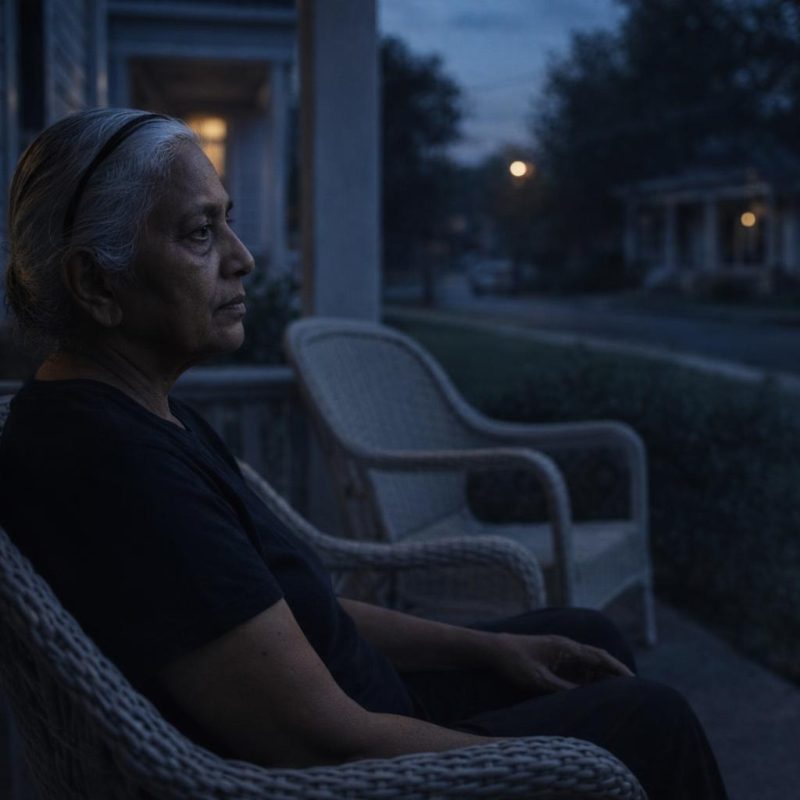 Image by RM AI
KEEP ON READING