It's Not Just You, There's A Reason Little Debbies Doesn't Taste Good Anymore
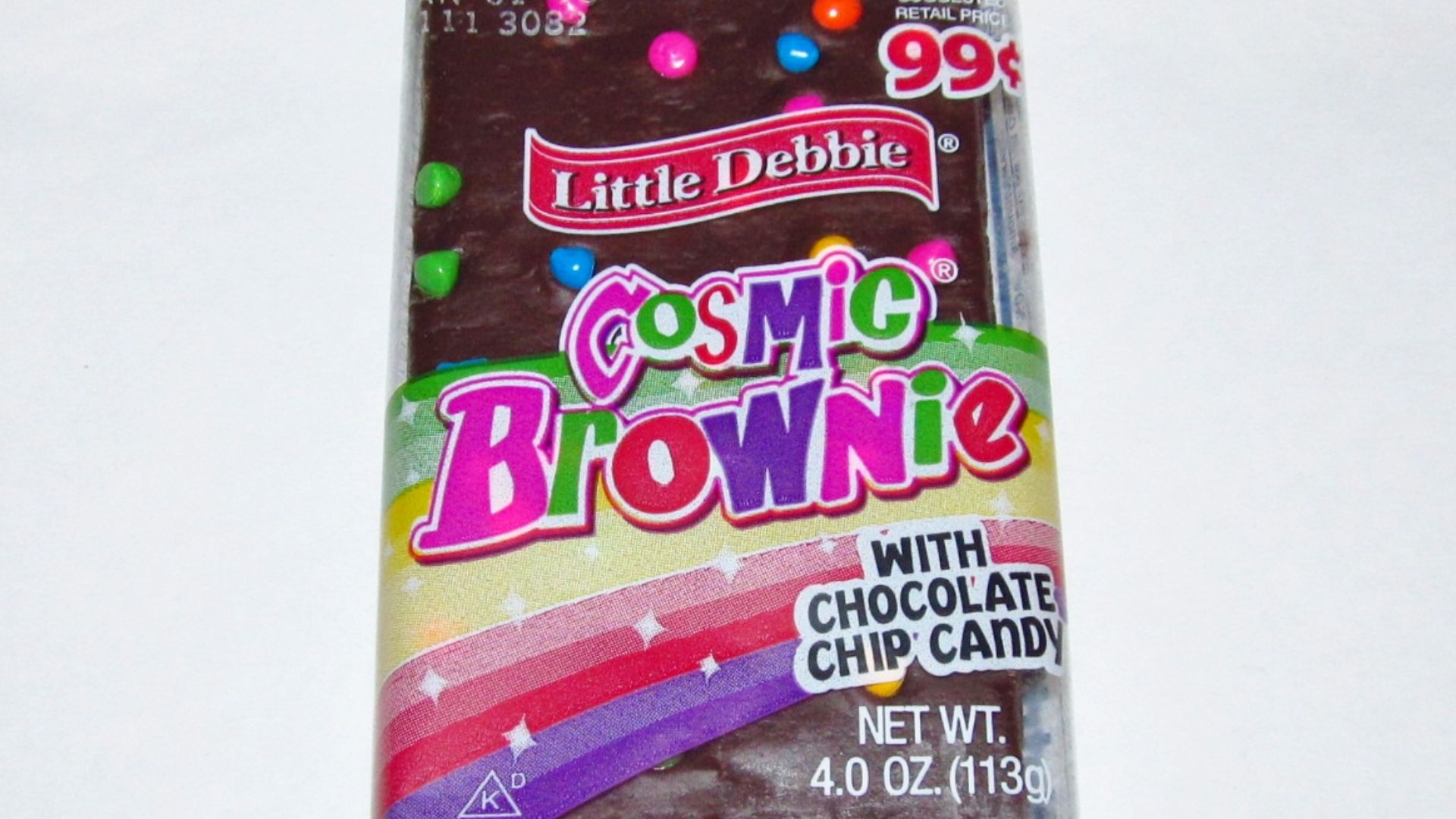
If you’ve recently bitten into a Cosmic Brownie or an Oatmeal Creme Pie and felt a wave of disappointment instead of nostalgia, you aren't alone. For many of us, these snacks were the gold standard of childhood treats, offering a specific, sugary bliss that defined our lunchbox experience. Lately, however, fans across the country have been taking to social media to complain that the texture feels different and the flavor just isn't hitting the same way it did back in the day. It’s easy to write this off as our taste buds maturing or our memories being a bit too generous, but there are actually some very real, concrete reasons behind these changes.
The truth is that the snack industry has been undergoing a massive transformation behind the scenes due to new health regulations and shifting supply chains. While the iconic red-cheeked girl on the box looks exactly the same as she did in the sixties, the chemistry inside that cellophane wrapper has evolved significantly. From the removal of certain artificial ingredients to the way these cakes are manufactured, the recipe you remember from twenty years ago probably doesn't exist anymore. You’re essentially eating a modern reconstruction of a classic, and your palate is sharp enough to notice the difference.
The Great Dye Departure
Artificial food coloring is disappearing from favorite snack cakes. McKee Foods, maker of Little Debbie snacks, recently revealed it is eliminating artificial food coloring like Red No. 3 and Red No. 40 in an effort to get ahead of FDA regulations and consumer health concerns. Food color doesn’t really impact flavor from a technical standpoint, but the brain strongly associates the visual “richness” of food with how flavorful it is. Take away the glow given to rainbow sprinkles by petroleum byproducts, and the brain may convince itself that the colors don’t taste as intense.
Companies are working on replacements made from natural foods like beet juice or turmeric, but these solutions don’t bind to cakes and sprinkles as well as synthetic colors do. Natural colors can leave a dull, earthy aftertaste or oral texture that changes how the whole snack is experienced. Colors may appear faded or “muddy” next to the bright fluorescents of yesteryear. The brain registers all of these changes, and suddenly that perfectly geometric cupcake doesn’t seem so “special.”
Changing the structure of these dye chemicals can affect how long a snack lasts before going stale, so companies will likely alter other parts of the recipe to accommodate natural food coloring. If the way a coloring agent binds to fats and sugars changes, it may literally influence what is tasted as the snack metabolizes in the mouth. Either way, the byproducts of a delicate process aimed at making something as healthy as possible without sacrificing nostalgia are what end up being experienced. It is positive that companies are trying, but if someone grew up on the “bad” version, the “good” version will probably never taste as good.
The Shift in Fats and Oils
If there has been a notice that Nutty Bars feel a bit more waxy or Swiss Rolls don't have that same melt-in-your-mouth quality, the evolution of edible oils is likely responsible. Over the last decade, the food industry has moved away from partially hydrogenated oils, which were the primary source of trans fats. While these were terrible for heart health, they provided a very specific, creamy texture and a long shelf life that defined processed snacks. Replacing them with palm oil or soybean oil blends has significantly changed the melting point of cream fillings and the snap of chocolate coatings.
Palm oil is now the go-to substitute because it is cheap and stays solid at room temperature, but it has a very different "mouthfeel" than older fats. It can sometimes leave a thin, greasy film on the roof of the mouth that masks the more delicate flavors of cocoa or vanilla. The "creme" inside an Oatmeal Creme Pie may feel a bit more like shortening and less like the fluffy, airy frosting remembered from earlier years. Because these oils behave differently during the baking process, cakes can also end up feeling a bit drier or more crumbly.
Additionally, supply chain inconsistencies have led many companies to alternate between different oil providers or mixes more often than before. A change in fat ratios alters something known as "flavor release," which refers to how quickly sugar and saltiness are perceived in the mouth. Too thick of oils, or oils that do not melt at appropriate temperatures, can reduce that satisfying rush of sweetness. No, this is not imagination; the particle structure that makes up the consistency of favorite treats has been redesigned from the ground up.
And if there has been a notice that a favorite "Big Pack" is not as big as remembered, shrinkflation in grocery stores may be responsible. In order to maintain a magic "$5" price, companies will commonly decrease the size of individual cakes or use lower-quality ingredients. This can mean less fudge on a brownie, or even a smaller amount of cream in a cupcake. Sure, a few millimeters of chocolate may not seem like a big deal to some, but it completely throws off the cake-to-frosting ratio known and loved.