 rumpleteaser from Nagoya, Japan on Wikimedia
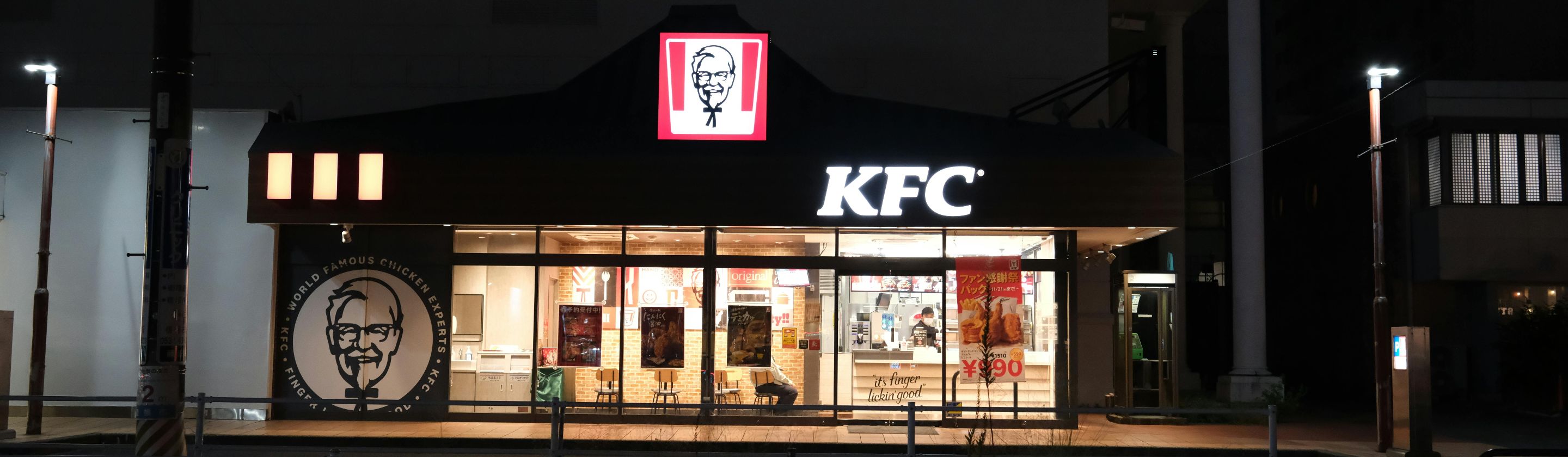
Picture this: it's Christmas Eve in Tokyo, and families across the city aren't gathering around roast turkey or glazed ham. Instead, they're picking up buckets of fried chicken from KFC, often ordered weeks in advance. This isn't some quirky outlier—roughly 3.6 million Japanese families make KFC part of their Christmas celebration every year, with the chain raking in about a third of its annual revenue during the holiday season.
The Colonel's Christmas Revolution
The phenomenon started in 1970, sparked by one of the most successful marketing campaigns in fast-food history. Takeshi Okawara, the manager of the first KFC in Japan, overheard foreign customers lamenting the absence of turkey for Christmas dinner. Turkey simply wasn't part of Japanese cuisine, and finding one in Tokyo was nearly impossible. Okawara saw an opportunity.
He pitched the idea of "Christmas chicken" as a substitute, and KFC Japan launched the "Kurisumasu ni wa Kentakkii!" campaign—"Kentucky for Christmas!" The timing was perfect. Japan had accepted Christmas as a romantic, secular holiday rather than a religious one, creating a blank canvas for new traditions.
Building A National Tradition From Scratch
What makes this story remarkable is that Japan had no established Christmas dinner tradition to displace. Christianity represents less than 2% of Japan's population, so Christmas wasn't rooted in family customs or religious observance. Instead, it evolved into a celebration of romance, illuminations, and gift-giving—a festive occasion without the weight of generations of tradition.
KFC filled this vacuum brilliantly. The company introduced the "Party Barrel" in 1974, a special Christmas package featuring chicken, cake, and wine. They marketed it as sophisticated and Western, tapping into Japan's post-war fascination with American culture. Print ads and television commercials positioned KFC as the authentic way to celebrate Christmas "the Western way," even though Americans certainly weren't lining up at KFC for their holiday meals.
The campaign resonated so deeply that ordering KFC for Christmas became a status symbol. Families began placing orders up to two months in advance. On Christmas Eve, lines snake around city blocks, and some locations require reservations. The special Christmas meal—often called the "Christmas Party Barrel"—comes beautifully packaged with premium chicken, sides, and even a small Christmas cake.
The Legacy Of A Marketing Masterpiece
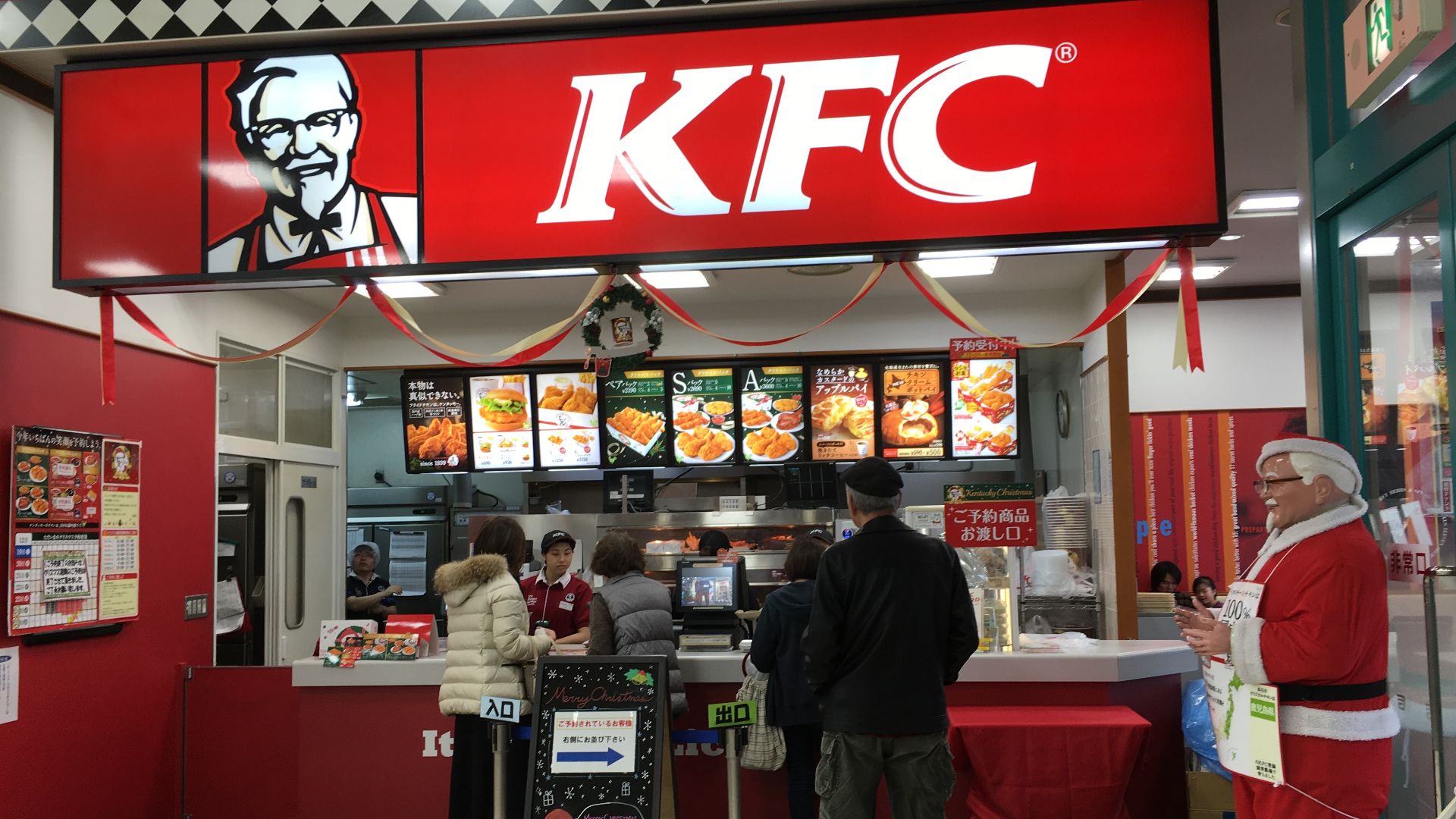
Today, Japan's KFC Christmas tradition stands as one of history's most successful examples of manufactured culture. What started as creative problem-solving by a single restaurant manager became a nationwide phenomenon that's endured for over five decades. The tradition has become so deeply ingrained in Japanese Christmas culture that many young Japanese people assume it's how Christmas is celebrated worldwide.
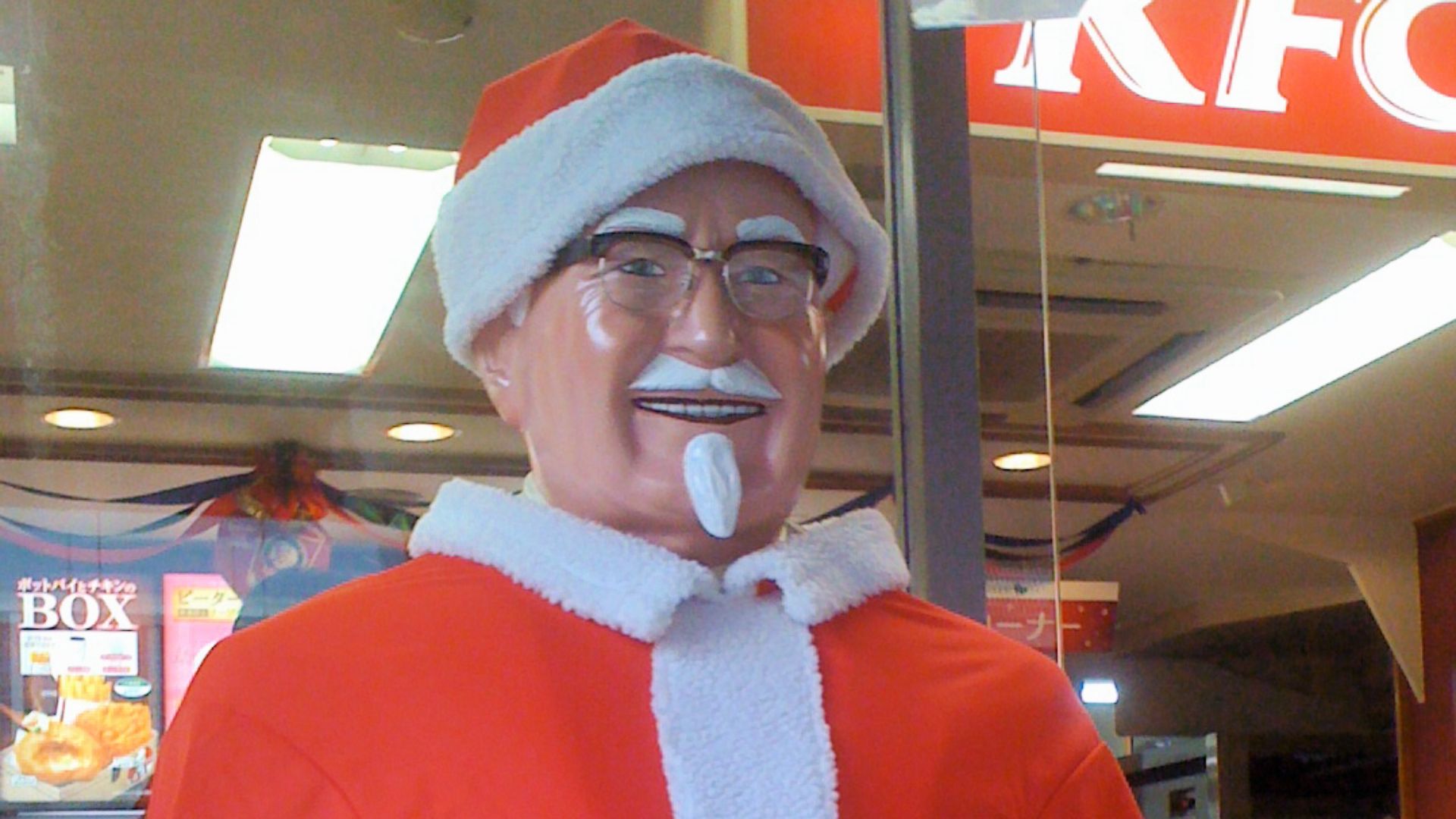
The Colonel's face has become as synonymous with Japanese Christmas as Santa Claus himself—stores even dress their Colonel Sanders statues in Santa suits. It's living proof of how holidays evolve, how marketing can shape culture, and how a bucket of fried chicken became the centerpiece of Christmas for an entire nation.
KEEP ON READING
20 Dishes That Built Modern American Cuisine