Should You Salt Pasta Water? 20 Controversial Food Debates And Their Correct Answers
Should You Salt Pasta Water? 20 Controversial Food Debates And Their Correct Answers
Turns Out There's a Scientific Answer
Whether it’s the doneness of a steak or washing chicken before use, food is one thing everyone has a strong opinion on. This often leads to heated kitchen confrontations, but in reality, there is a scientific answer to these debates. With that in mind, here are 20 common kitchen conflicts and their evidence-based solutions.
1. Salting Your Pasta Water
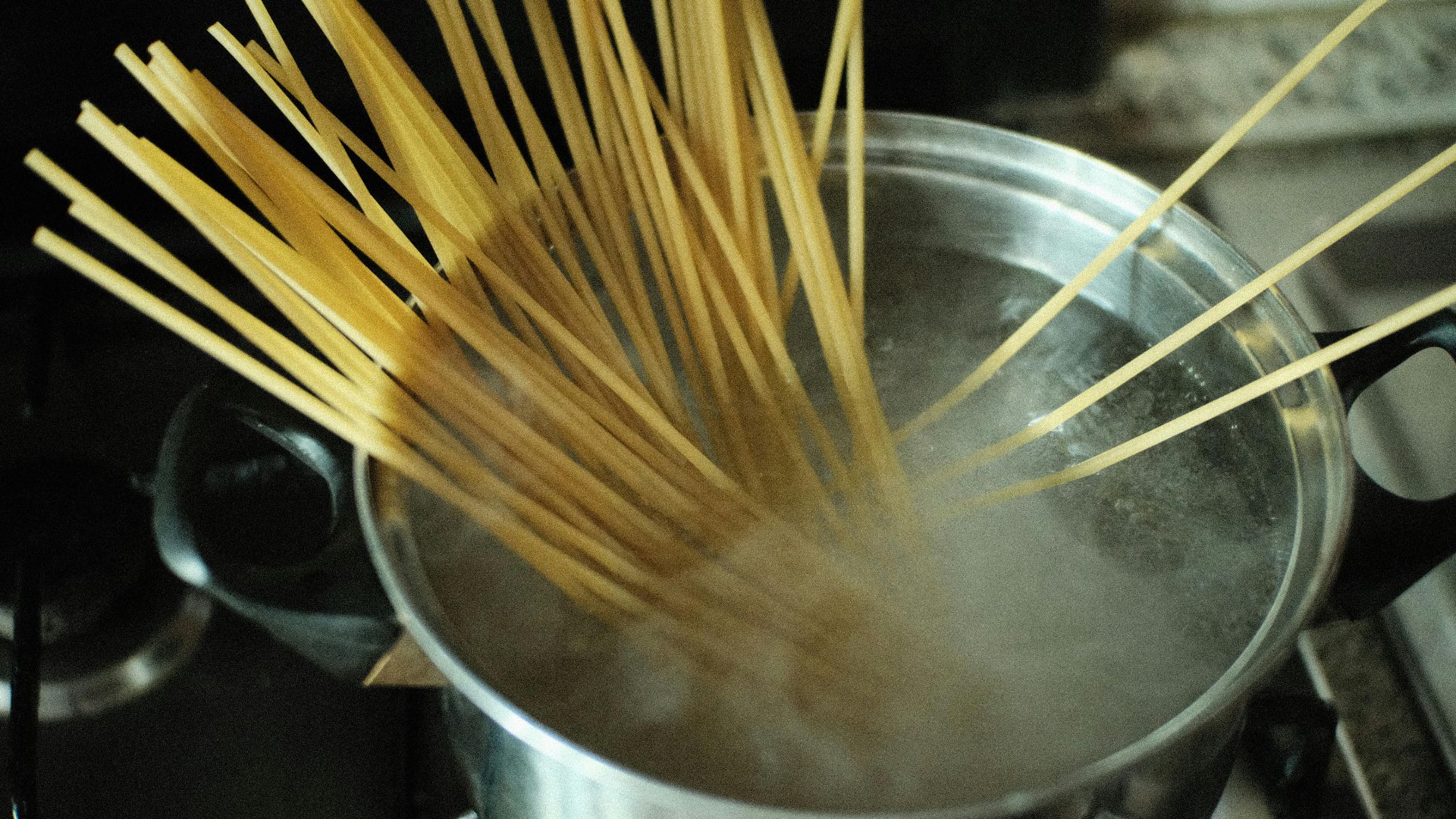
You absolutely must add a generous palmful of salt to the pot once the water reaches a rolling boil. As the dough absorbs the water, it’ll also take on some of that salty flavor. Without it, your finished product will taste bland regardless of how much seasoning you put on top.
2. Storing Tomatoes in the Fridge
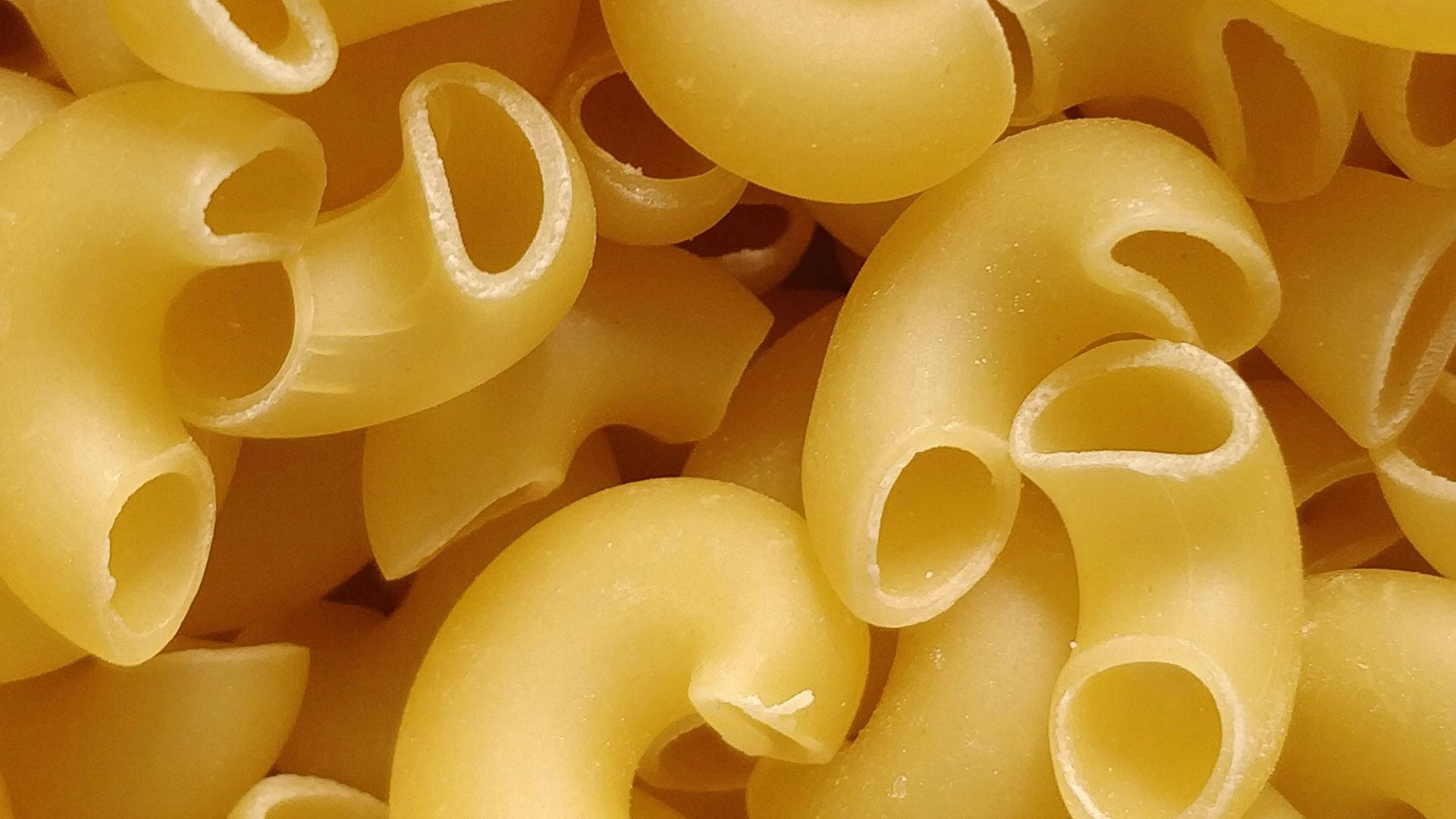
Just like pasta, tomatoes absorb their environment. Putting them in the fridge will dry them out and leave you with a mealy texture. The cold dulls their flavors as well. Instead, store tomatoes on the counter until you’re ready to use them.
3. Rinsing Raw Chicken
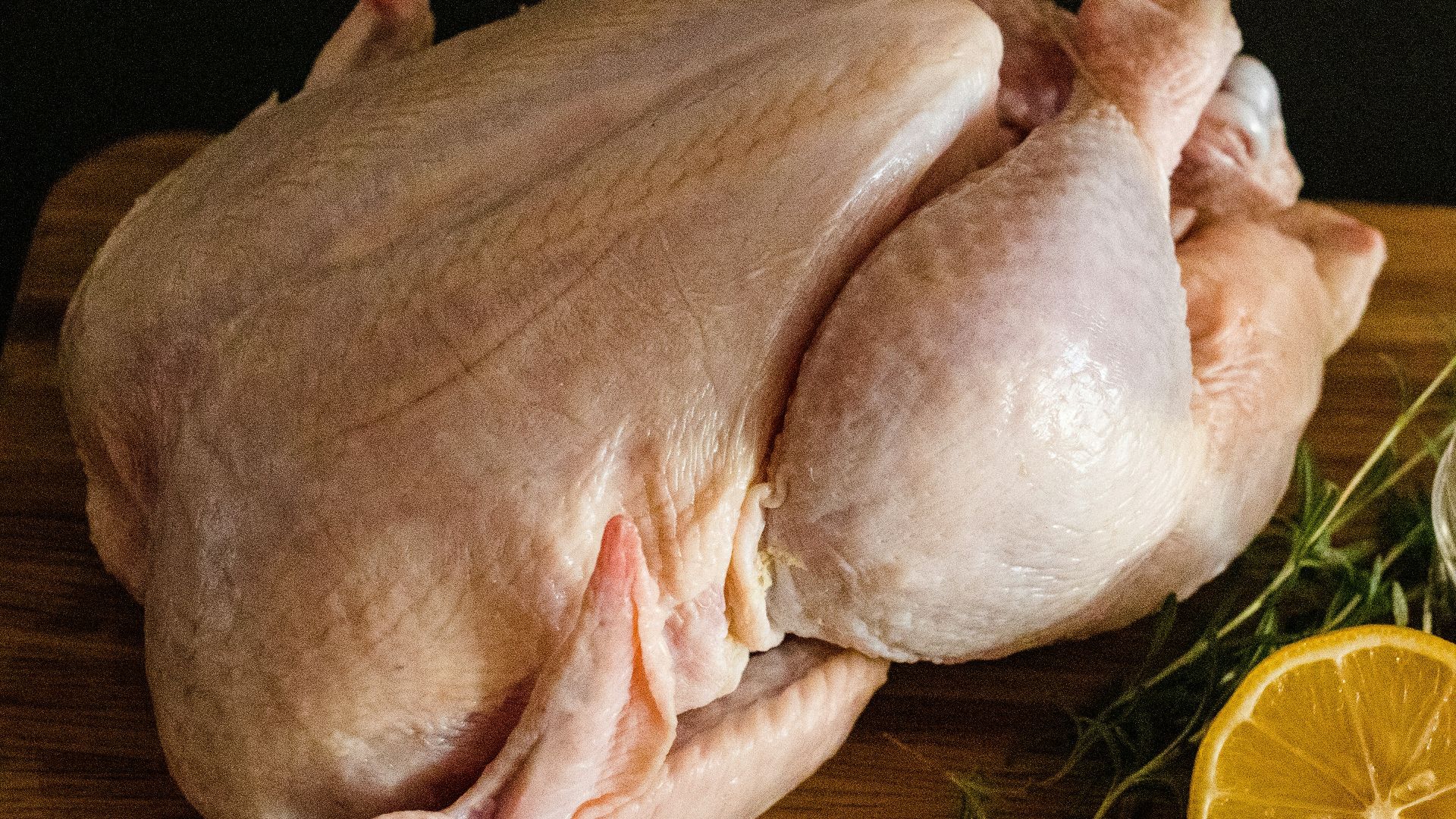
Washing your meat is undoubtedly a good way to spread bacteria across your countertops. Instead of rinsing chicken, pork, or other meats before cooking, just pat them dry with a paper towel. Not only will this prevent bacteria from getting everywhere in your kitchen, but it’ll help the meat get extra crispy.
4. Pineapple on Pizza
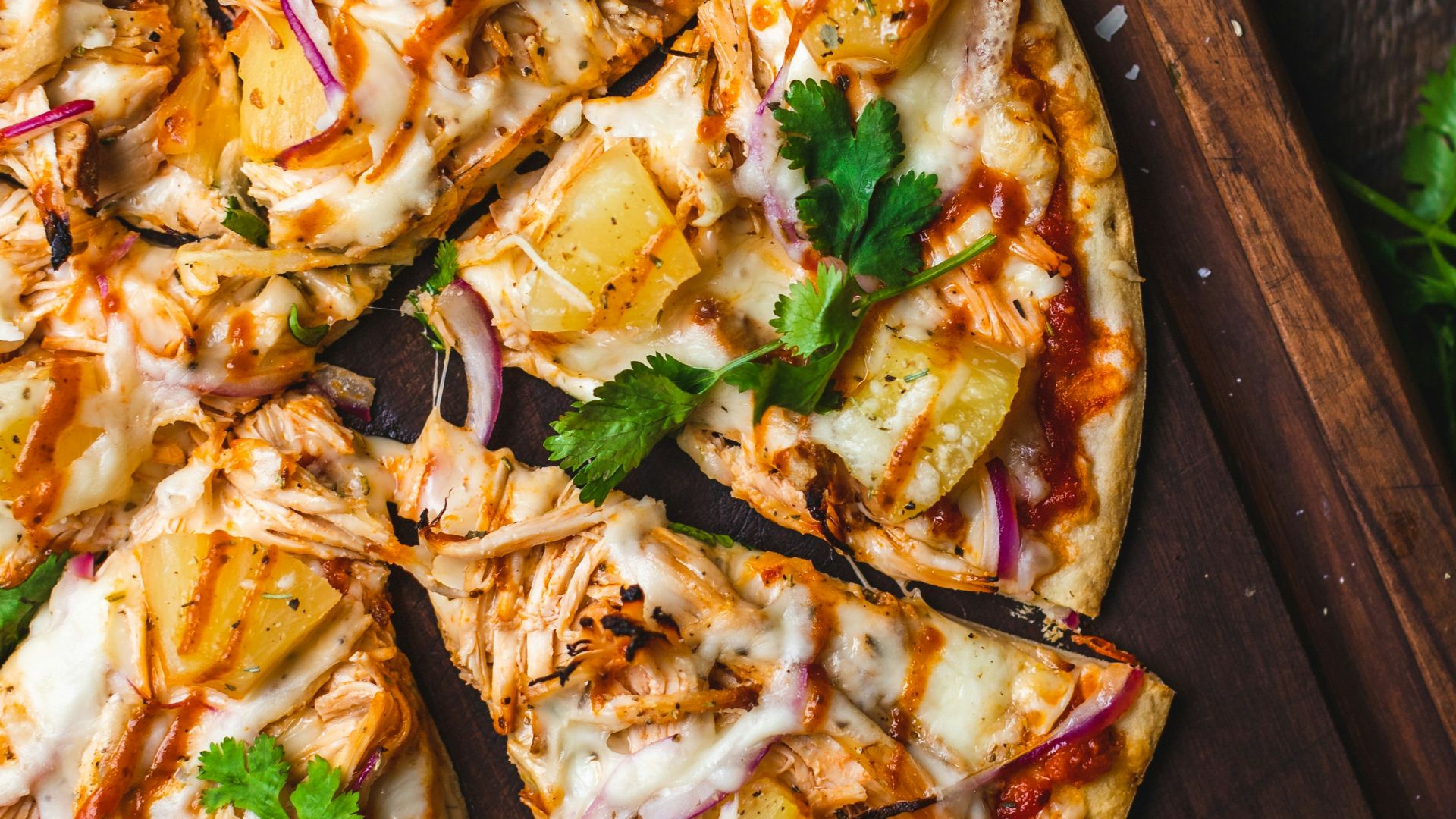
Sweet pineapple counters the saltiness of cured meats like ham and bacon. It also plays well with the acidity of your typical tomato sauce. Balancing sweet and salty flavors is a fundamental principle in cooking.
5. The Best Way to Store Bread
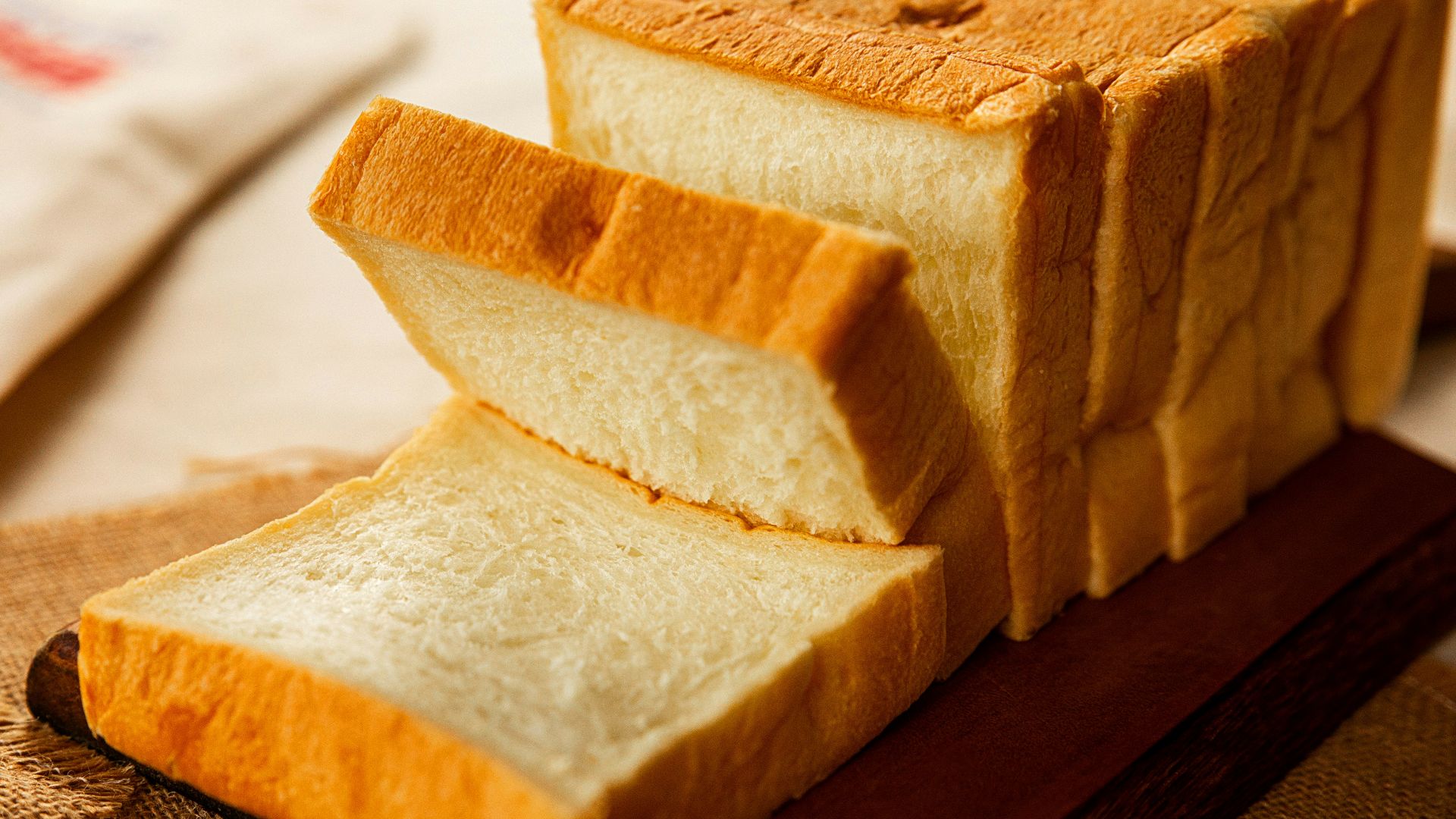
You should never store bread in the fridge. The low temperatures quicken the starch molecule recrystallization process, otherwise known as staling. The best way to keep your bread fresh is to leave it on the counter in a sealed bag or container.
6. Peeling Every Vegetable
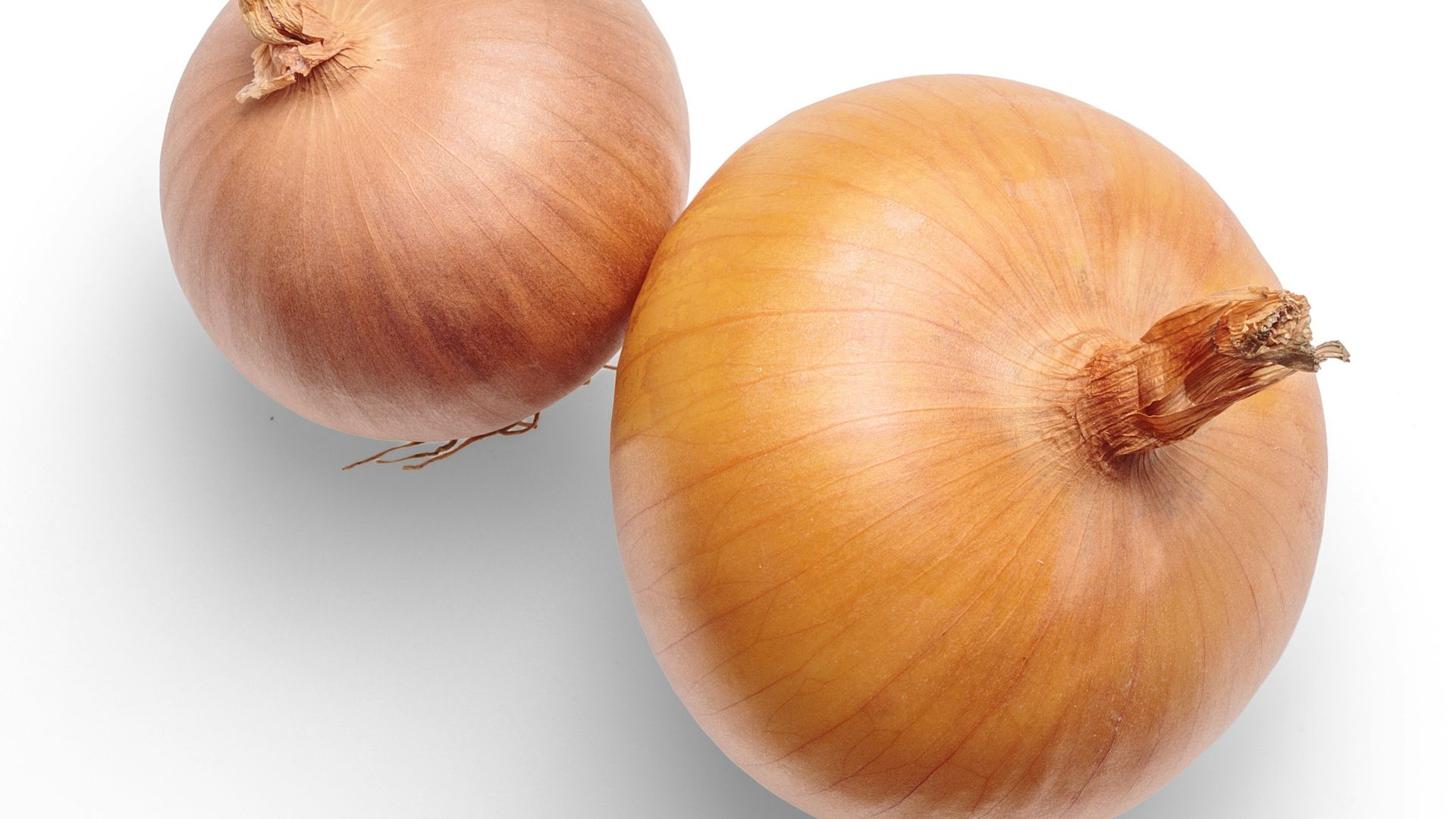
Onions, potatoes, and carrots are all great examples of vegetables that don’t need to be peeled. The majority of nutrients and flavor lie in or just below the skin. Scrub veggies with a vegetable brush or sponge to remove any lingering dirt instead.
7. Adding Oil to Boiling Water
Many people pour olive oil into their pasta water to prevent sticking, but this actually stops the sauce from clinging to the noodles later on. The oil creates a slick coating that causes your delicious marinara to slide right off. Simply stirring the pasta a few times during the first couple of minutes is a far more effective way to keep things separated.
8. Thawing Meat on the Counter
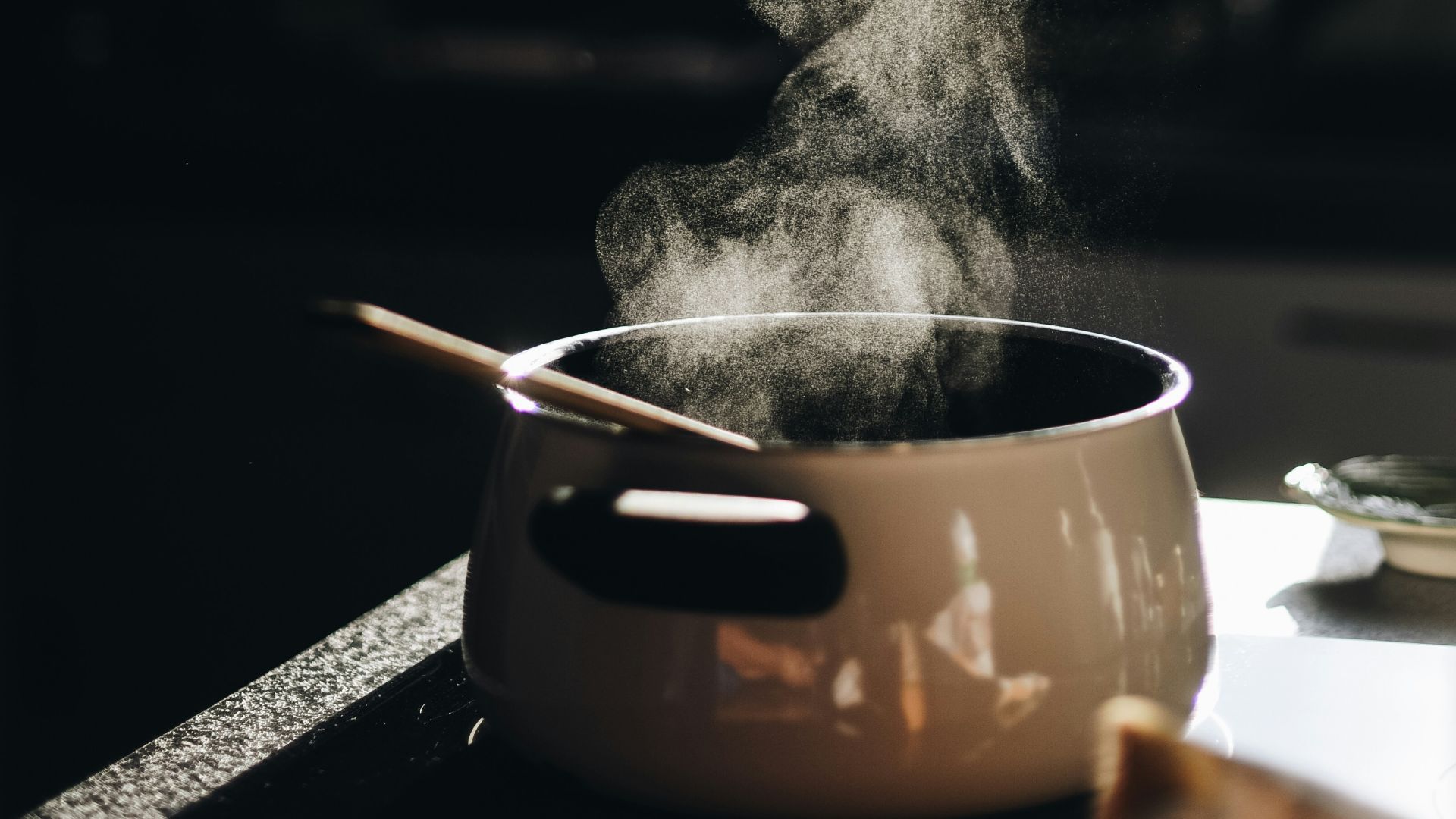
Unless you want to eat raw meat around the edges and frozen meat in the middle, thaw meat in the fridge or in a bowl of cold water. You can defrost it in the microwave as well, but that can severely affect the quality of the meat. Just remember that if you’re using the cold water method, the meat must be cooked immediately after thawing.
9. Washing Cast Iron with Soap
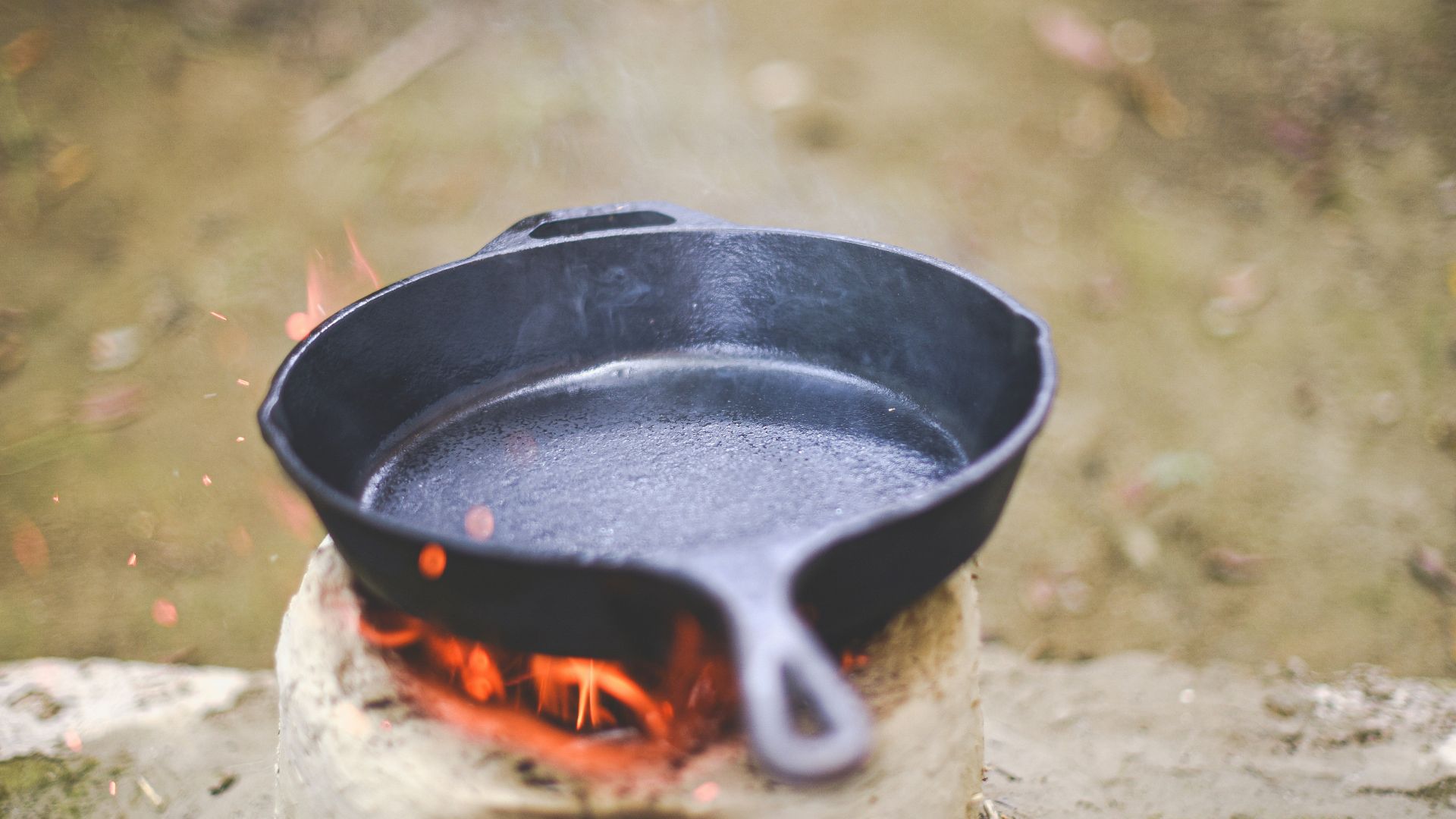
There was a time when washing cast iron with soap would destroy its seasoning. That time was when soap was made using lye as a cleaning agent. Nowadays, most soaps are too mild to damage your pans’ build-up of carbon.
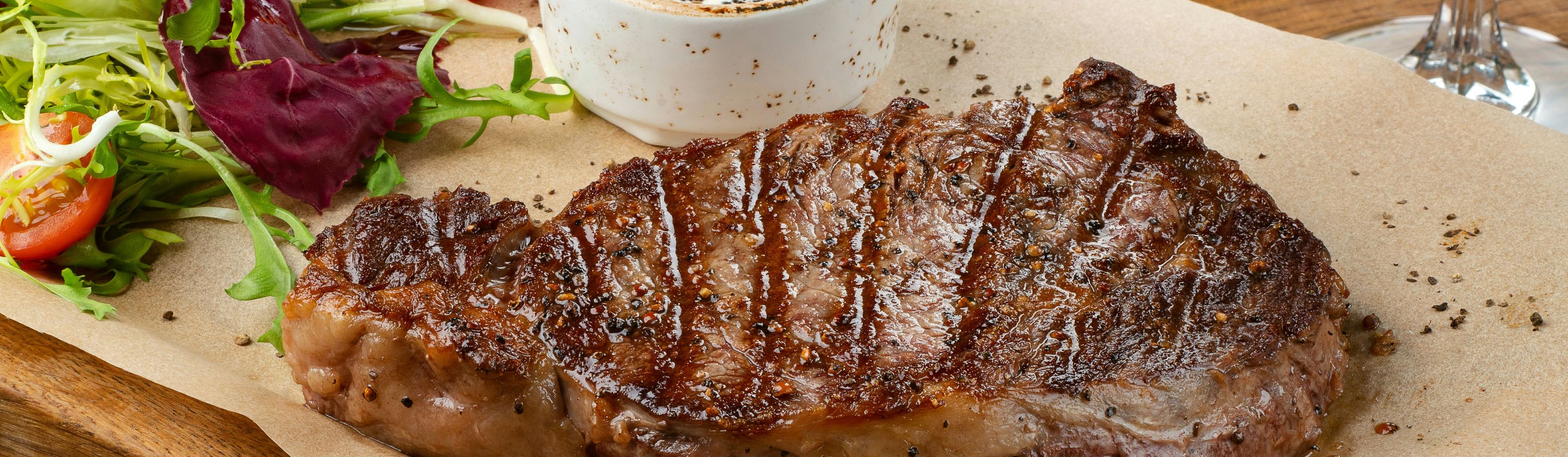
10. Cooking Steak to Well-Done
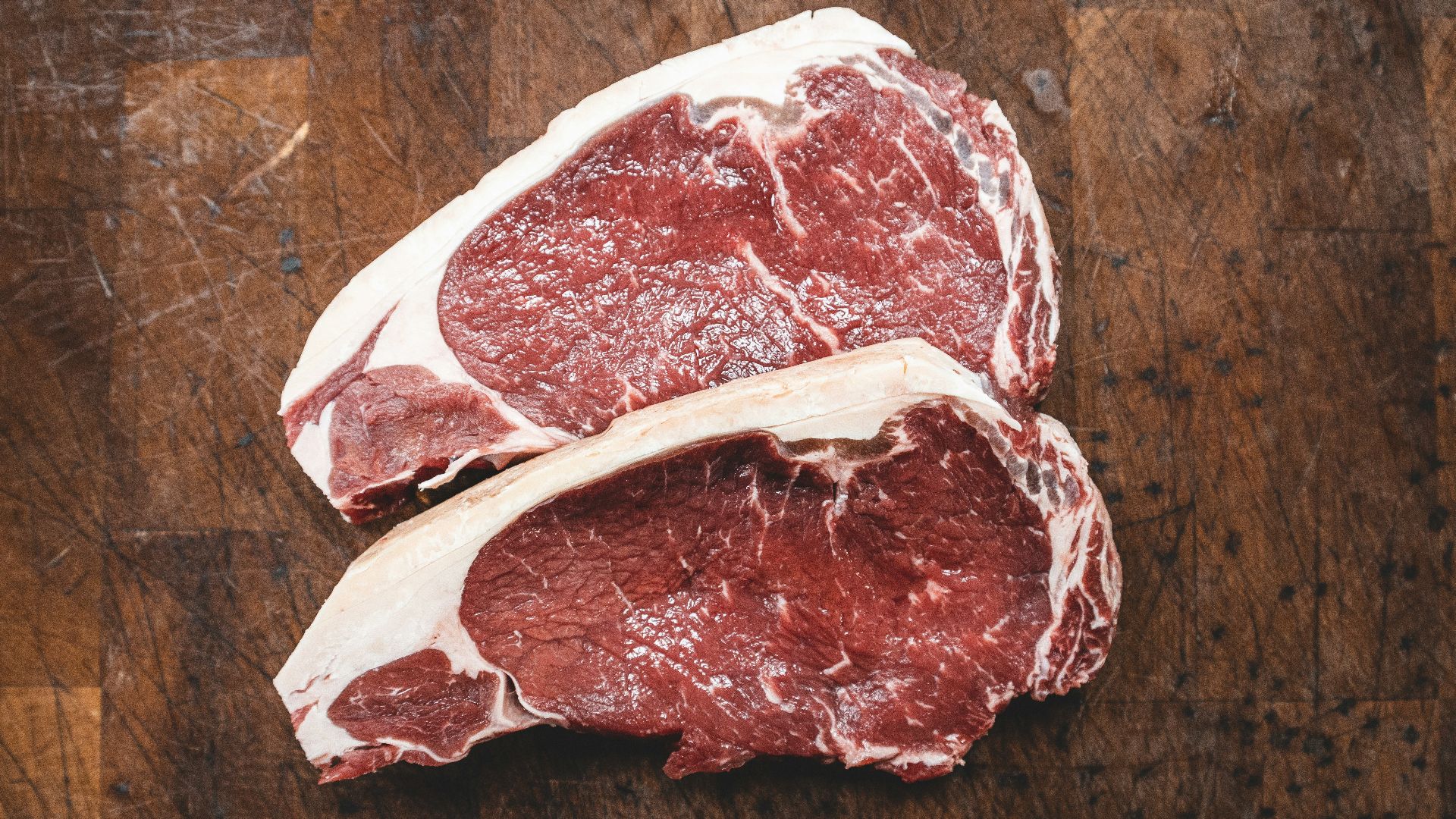
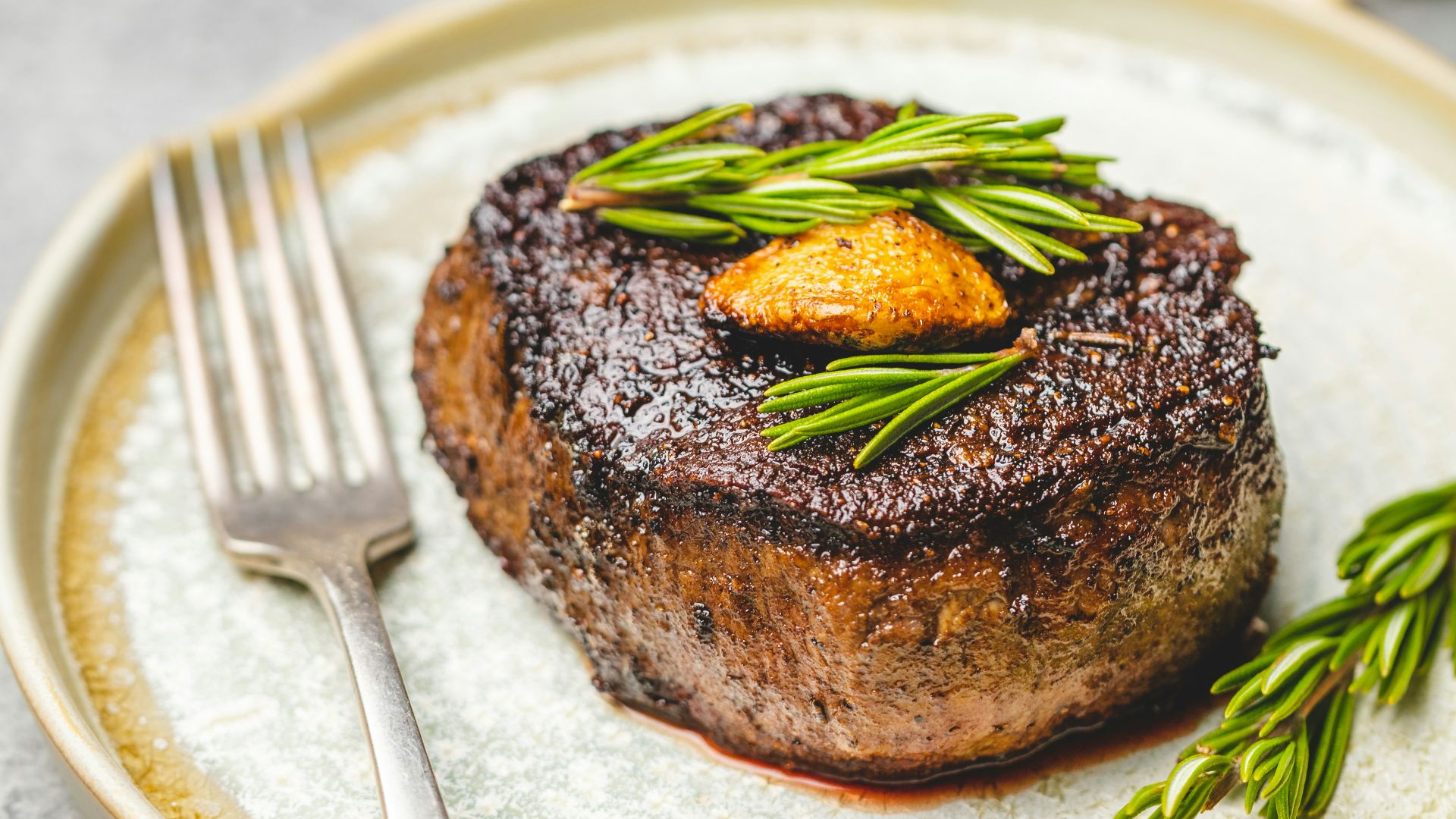
Ordering a high-quality cut of beef well-done effectively removes the moisture and tenderness that make the meat worth the price tag. Most chefs recommend a medium-rare finish because it allows the fats to render beautifully while keeping the fibers soft. You'll get a much more flavorful experience if you're willing to embrace a little bit of pink in the center.
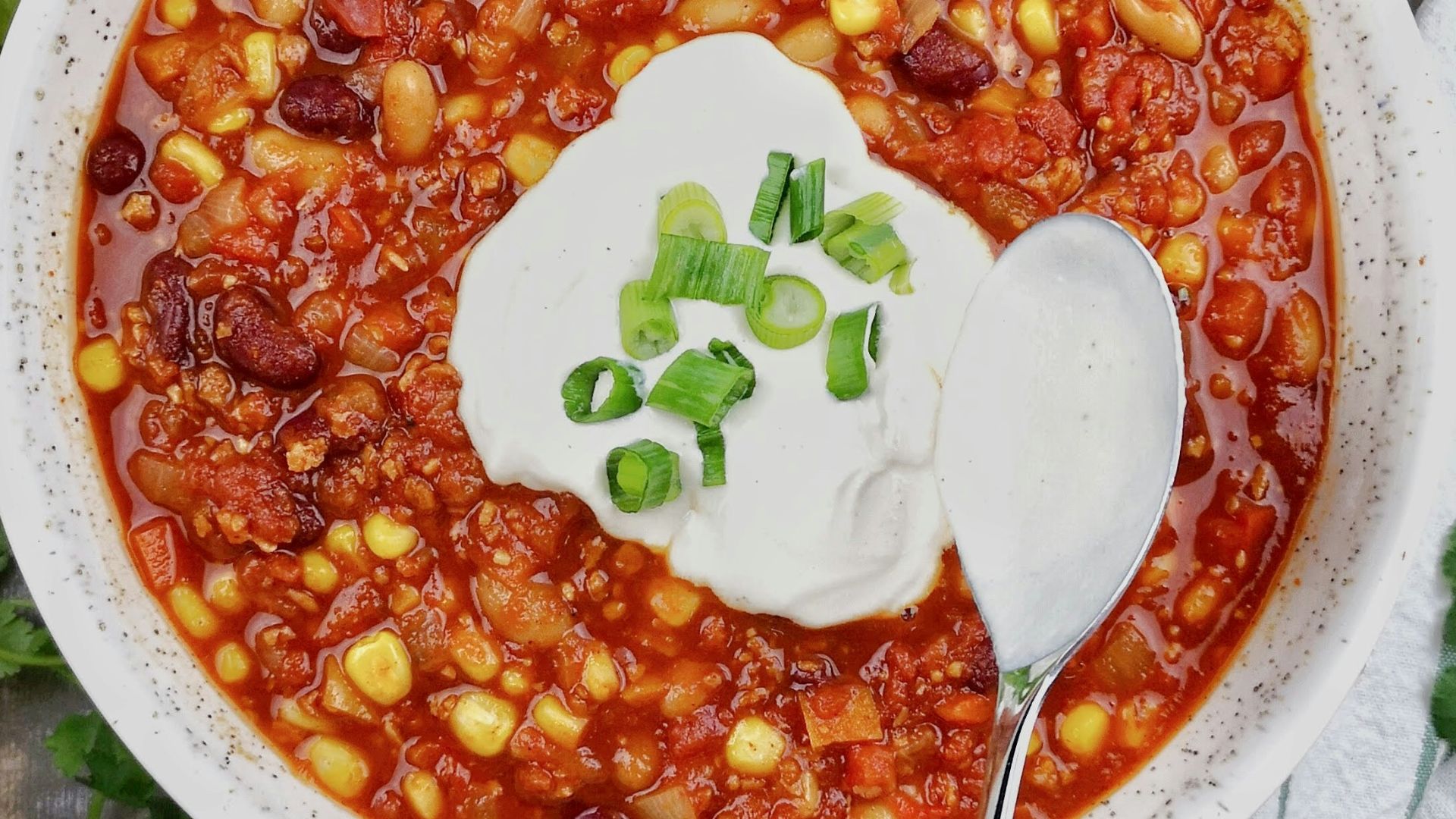
11. Beans in Chili
Sure, Texans may insist chili has no place for beans, but they’re an excellent way to add protein and texture to your dish. That doesn’t make them right, of course; it’s simply a stance on culinary tradition. If beans in your chili feels like the right move to you, don’t let popular opinion stop you from adding kidney or pinto beans to the pot.
 stephanie monfette on Unsplash
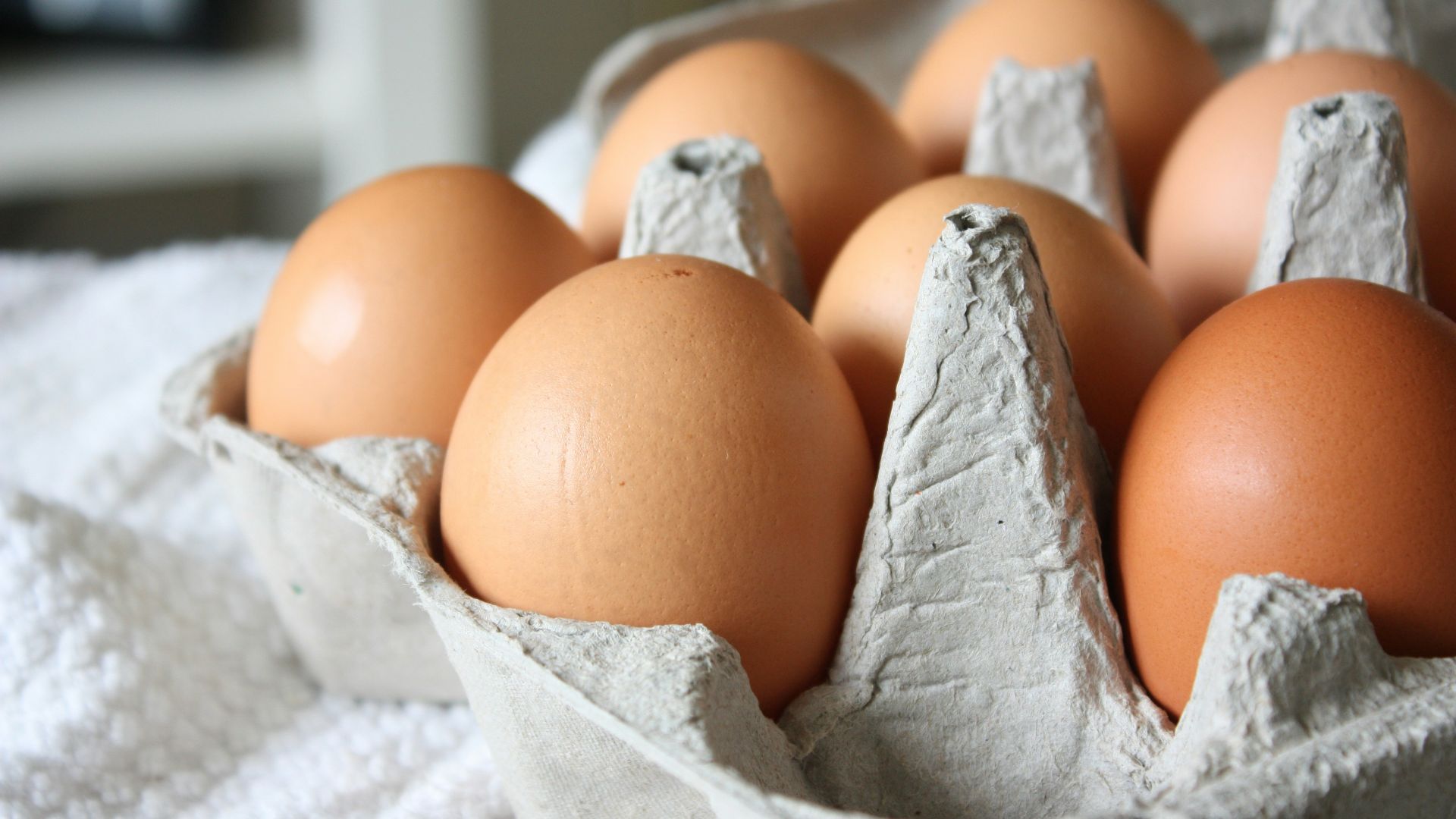
12. Storing Eggs on the Door
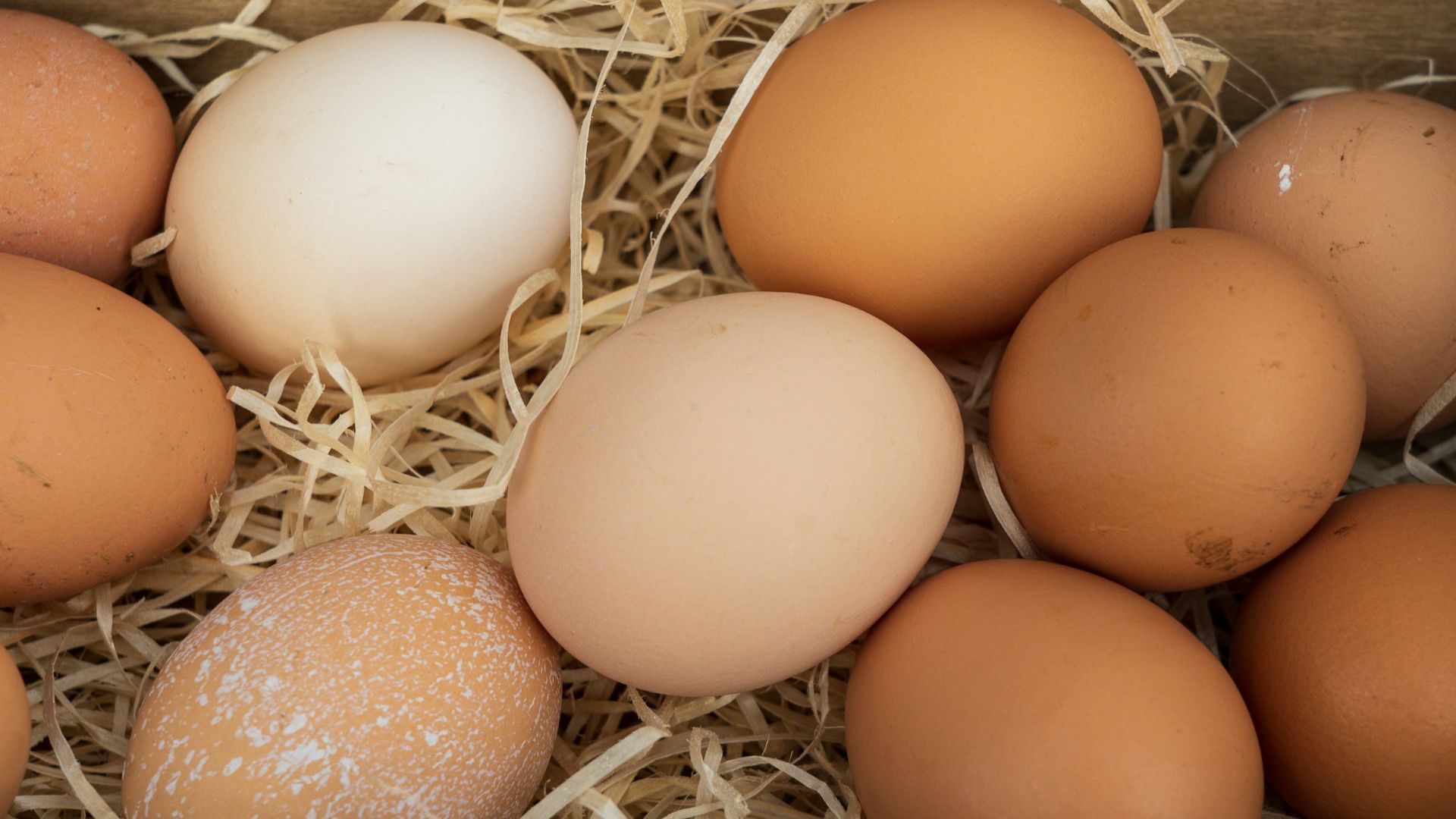
The door of your fridge is the place with the least consistent temperature because it’s opened so frequently. For this reason, storing eggs in their original carton in the middle of the refrigerator is ideal. You’ll ensure your egg whites and yolks stay fresher longer for all your baking needs.
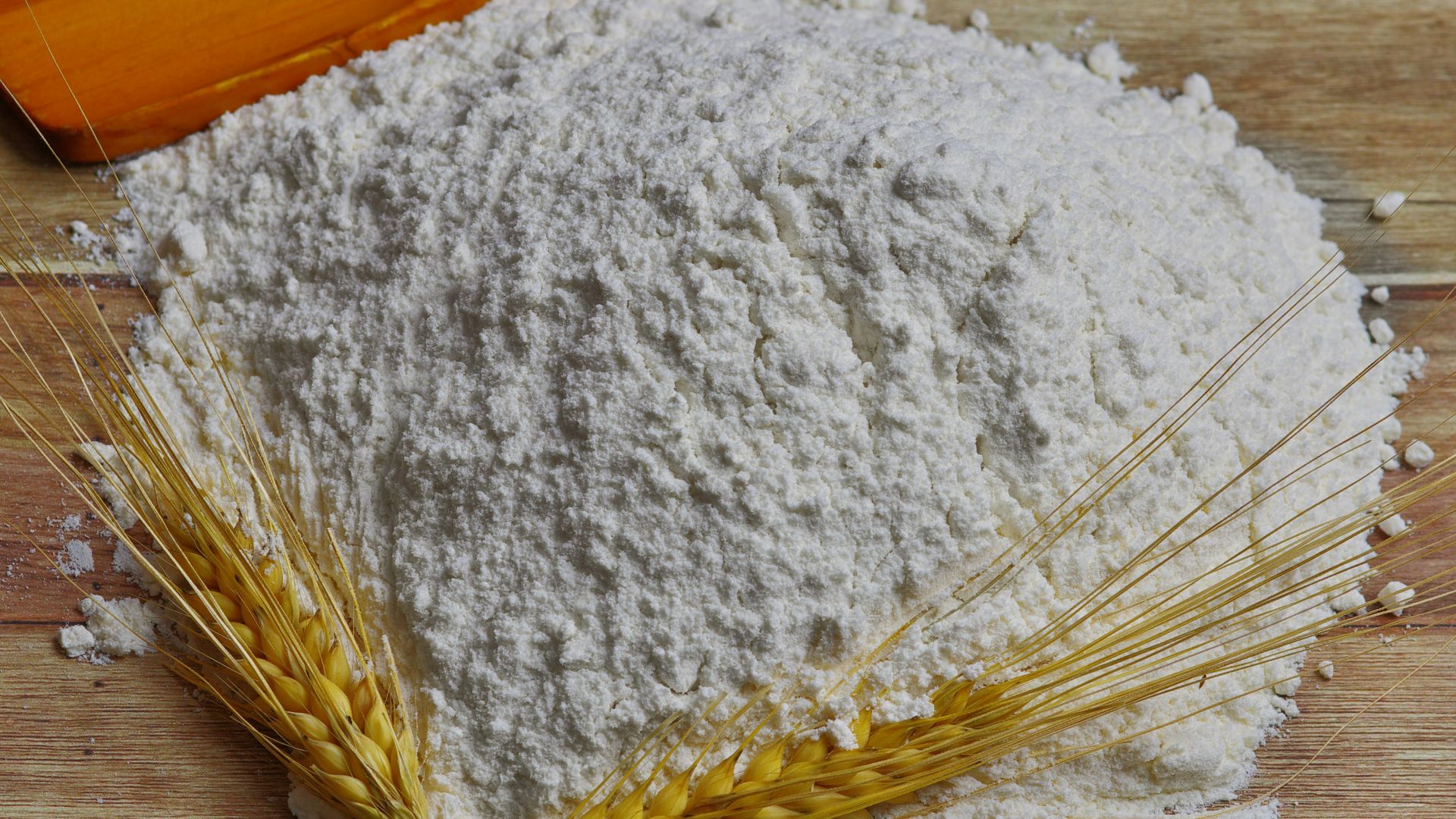
13. Sifting Flour for Baking
Unless you’re trying to create a particularly airy dessert like sponge cake, flour is already going to be as fine as you need it to be. Commercial flour is largely pre-sifted, so taking the time to do so yourself can be a redundant pain. Instead, simply whisk your dry ingredients together to avoid clumps.
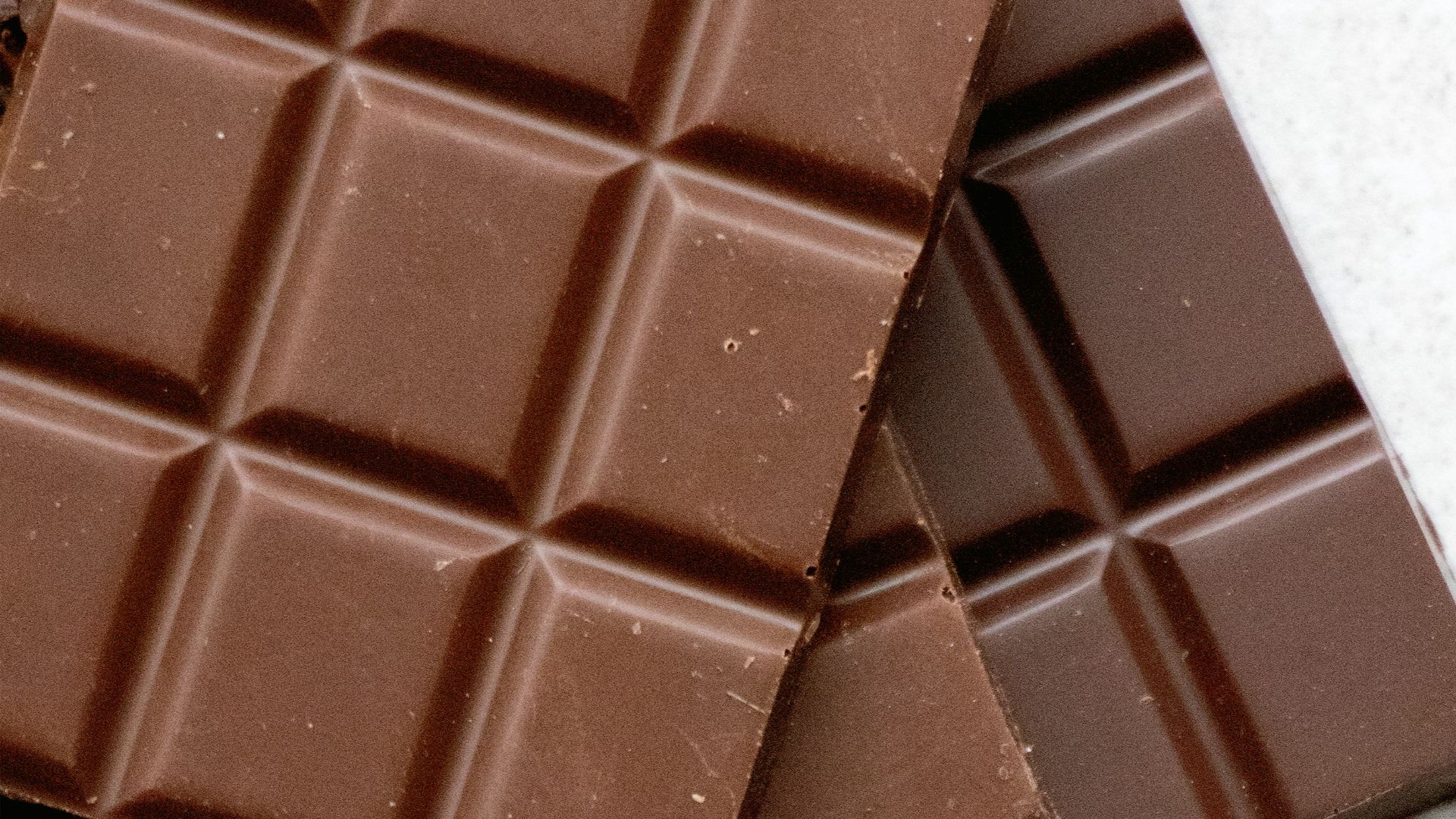
14. Chocolate in the Refrigerator
Chocolate tastes best when it’s stored at room temperature because the cooler fridge air dulls the smell. Think about it: when you bite into chocolate straight from the fridge, you don’t get that wonderful scent as the cocoa butter melts. Plus, who wants to stand there waiting for their bar to soften?
15. Using Wooden Cutting Boards
Wood cutting boards are often scorned because many people believe bacteria can get caught in the pores of the wood. In truth, the enzymes in wood can help eliminate bacteria. Plastic cutting boards only build up more and more knife scratches, some of which you can’t even see.

16. The Proper Ratio for Coffee
Get a scale if you want your coffee to actually taste the same every day. Coffee scoops are not universal, meaning they can greatly vary the amount of coffee you use. For example, light roast coffee is less dense than dark roast coffee.

17. Salting Eggs Before Cooking
Many people think that adding salt to their eggs before cooking will give them rubbery eggs. But if you season your eggs with salt at least fifteen minutes before cooking them, it allows the sodium to penetrate the egg proteins, making your eggs more tender during cooking. Give it a try next time.
18. Ketchup on a Hot Dog
In certain cities, putting ketchup on a frankfurter is considered a major culinary offense. Mustard and onions provide a sharp bite that many feel complements the savory meat much better than sugary tomato paste. Of course, your kitchen is your kingdom, so feel free to use whatever condiments make your taste buds happy with this one.
19. Breaking Spaghetti in Half
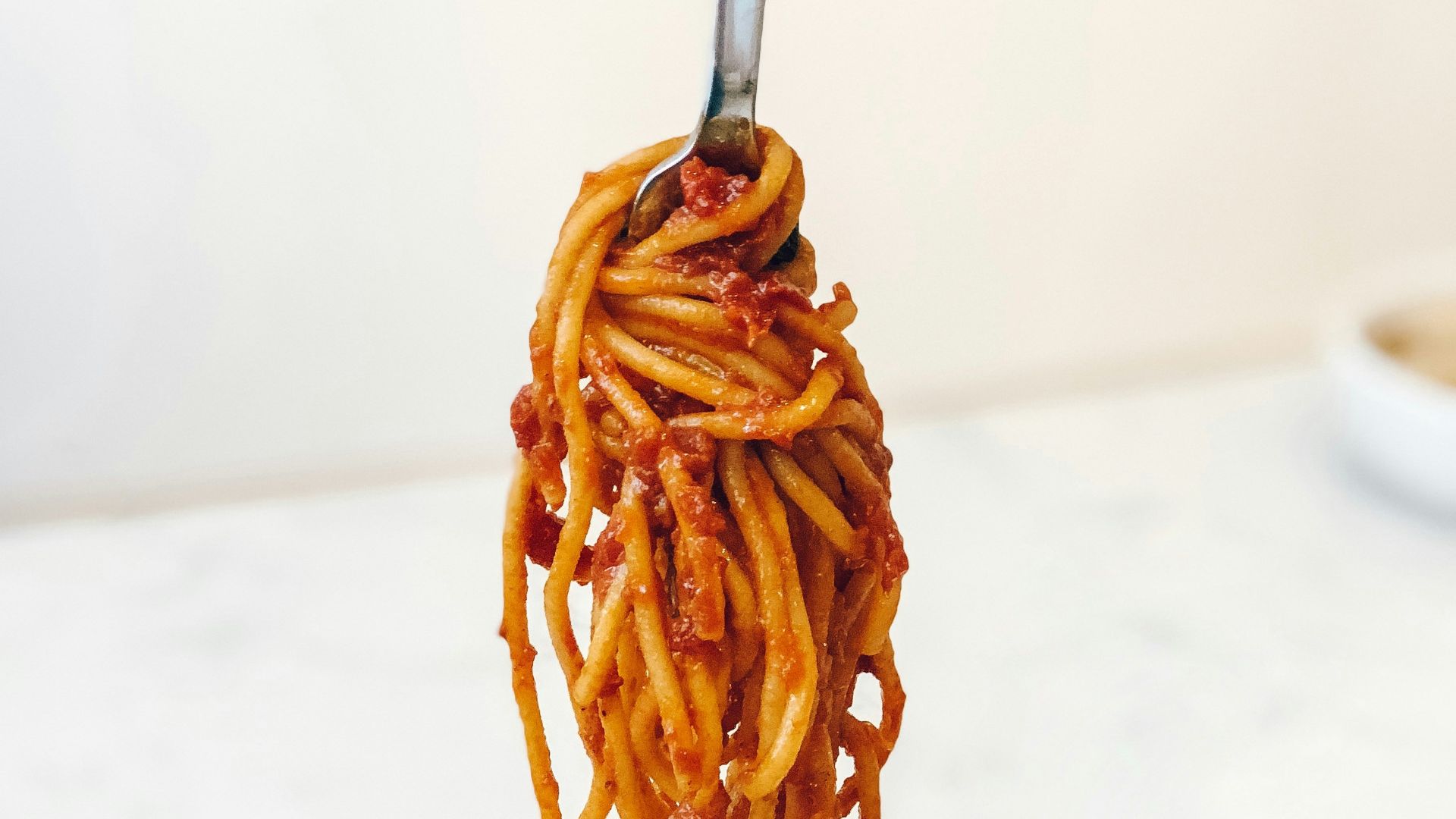
Does your pasta always fall out of your fork when you eat spaghetti? Try not breaking the noodles in half. The ends are what help your fork hold the sauce, making sure every bite is perfect.
20. Checking Meat Doneness by Touch
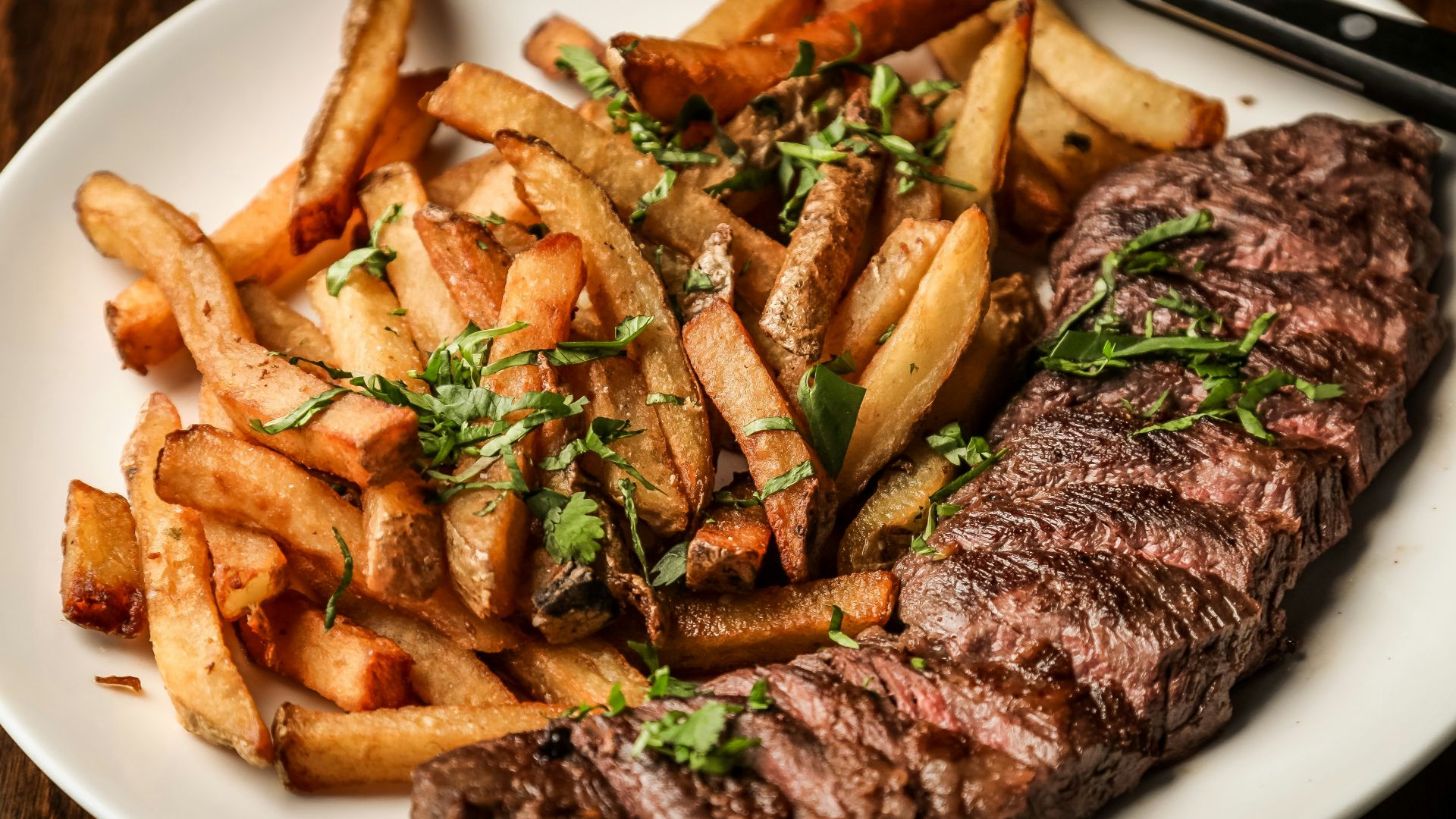
While the "finger test" is a popular trick for checking steaks, it’s notoriously unreliable because everyone’s hands and steaks feel slightly different. Unless you want to serve undercooked protein, buy a meat thermometer.
KEEP ON READING

20 Foods Used in Fertility Rituals Around the World
20 Foods That Taste Better the Next Day
10 Worst Campbell Soup Flavors & The 10 Best Ones