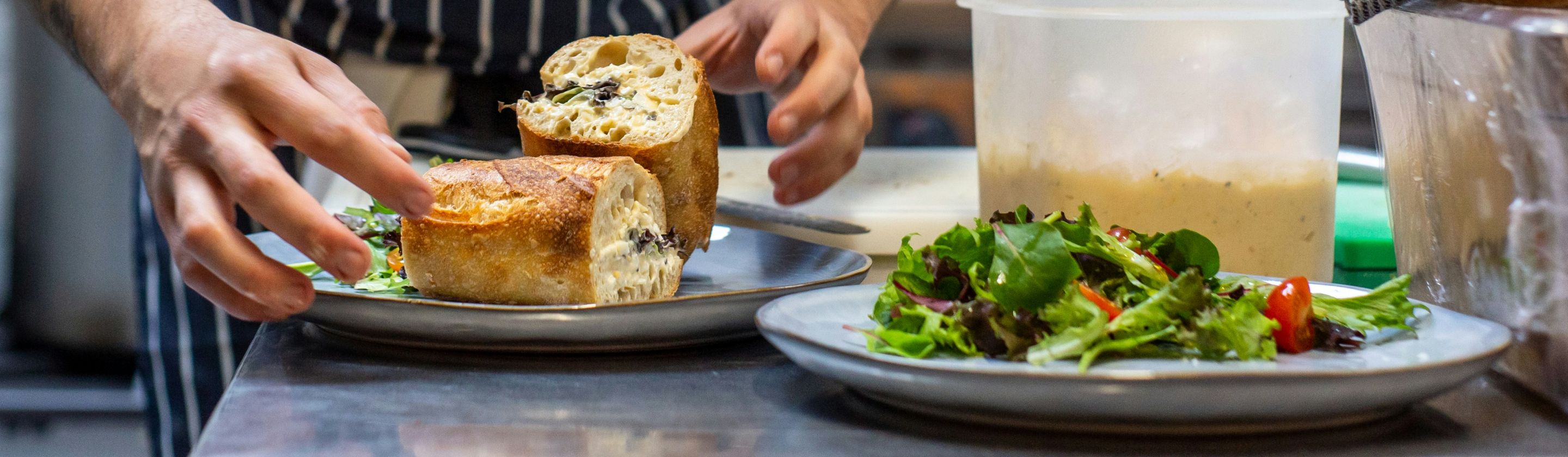
Surviving The Kitchen Chaos
Have you ever watched Gordon Ramsay cooking on TV and thought, "I could do that too"? Hold your spatula right there, future chef! The culinary world isn't just about Instagram-worthy plating and celebrity status. It's a wild rollercoaster where passion meets brutal reality. In this list, we'll explore the challenges and rewards of being a chef. First, let's start with the drawbacks that'll make you question everything.
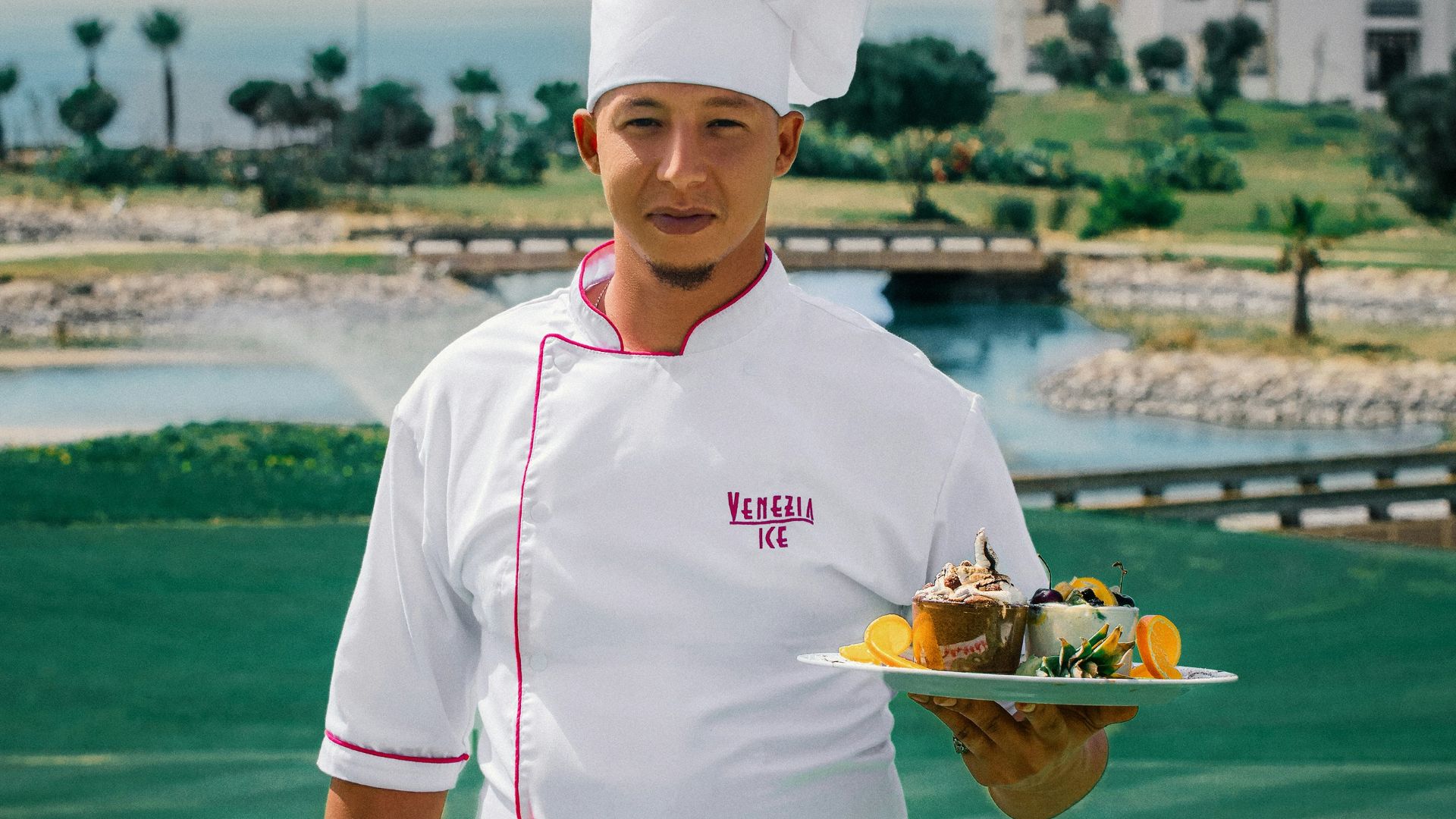
1. Long Working Hours
Step into any busy kitchen, and you’ll see chefs working nine hours with barely a pause. In upscale restaurants, shifts stretch even longer as demand grows. This schedule quickly becomes a routine that many chefs have to adapt.
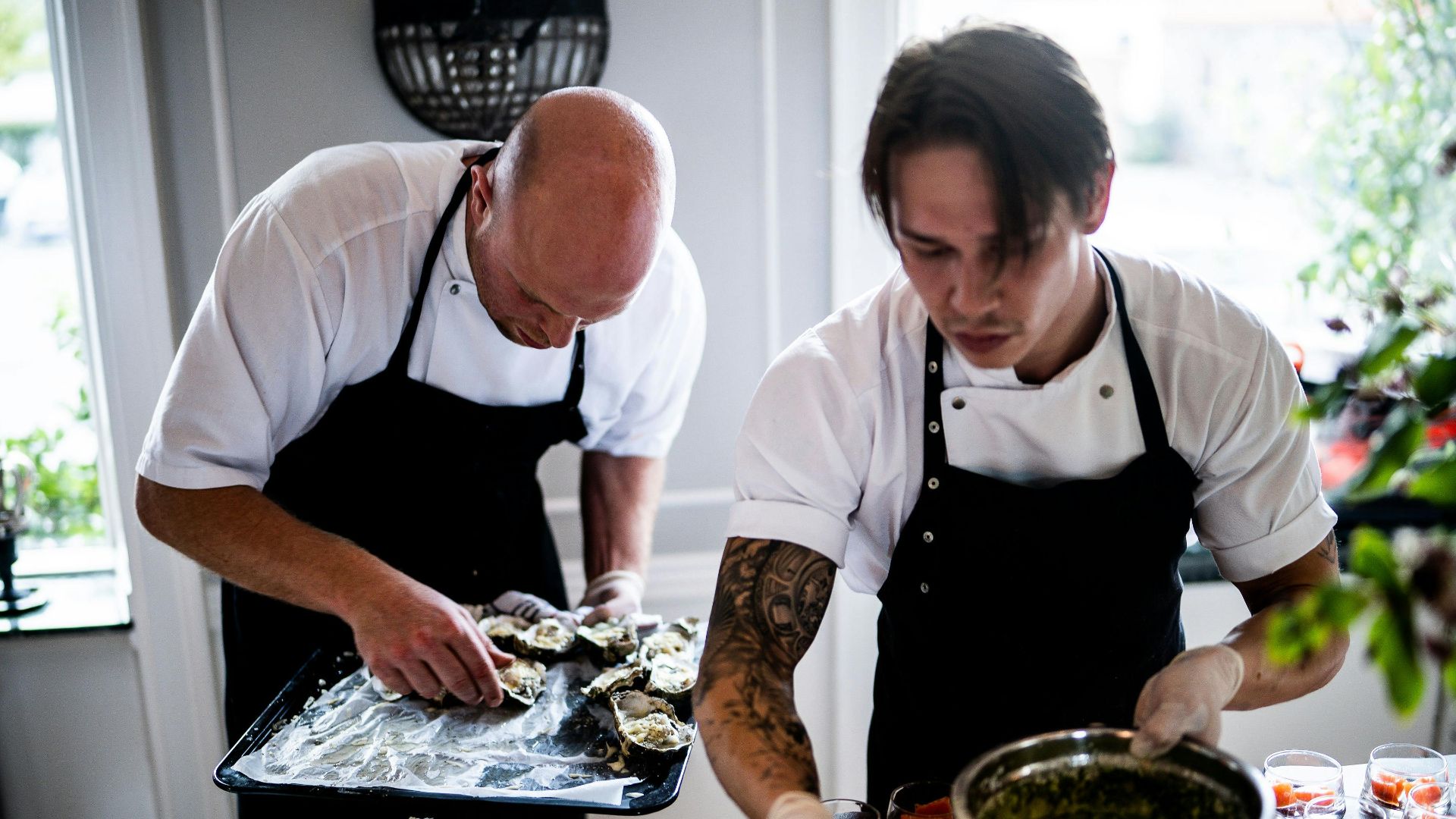
2. No Holidays
When holidays fill restaurants with hungry guests, kitchens rarely slow down. Chefs have to sacrifice personal celebrations to keep the service running smoothly. If the staff fall short, even scheduled days off sometimes turn into workdays, leaving family gatherings waiting on the sidelines.
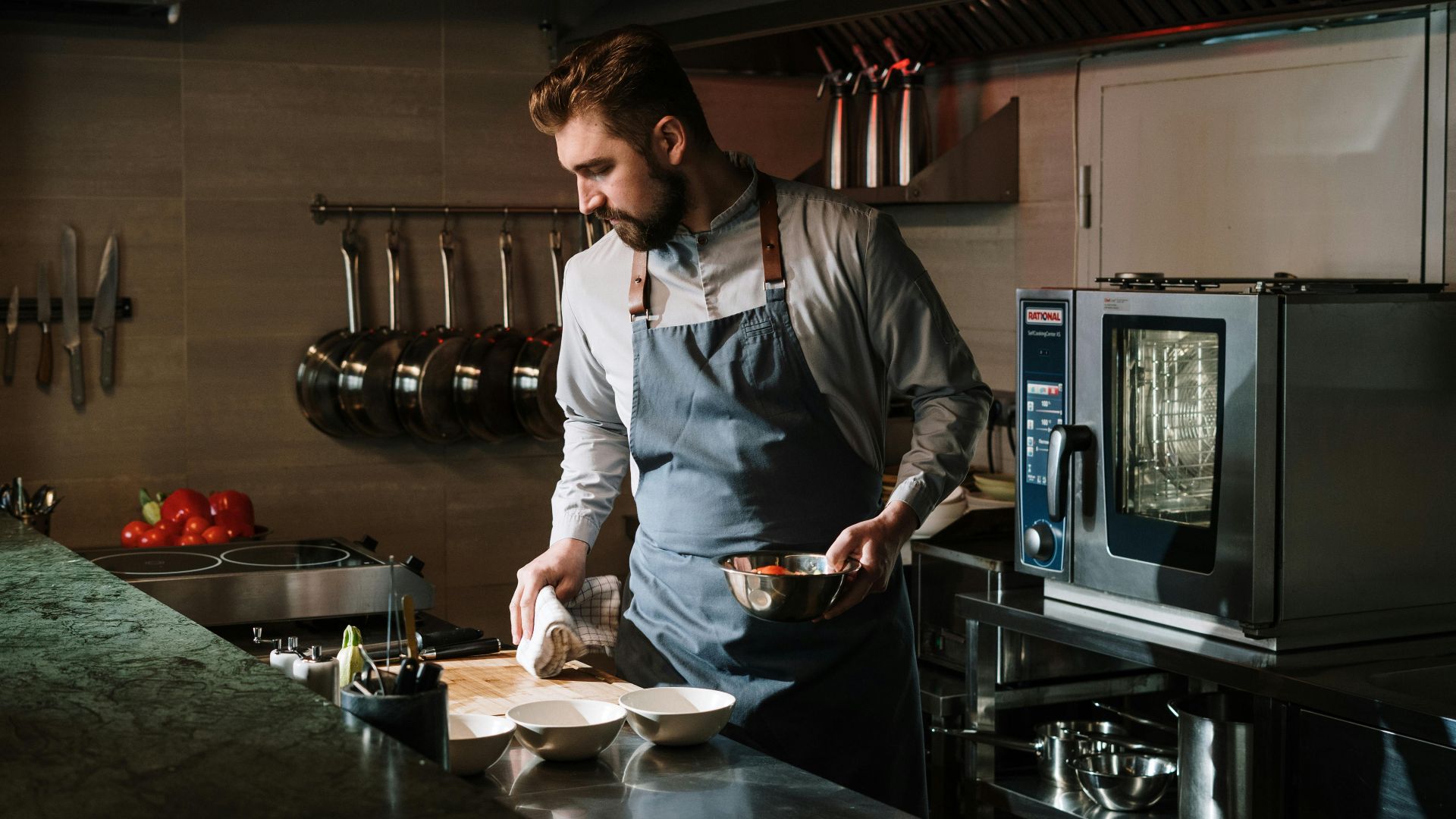
3. Pressure To Make Perfect Meals
Every plate leaving the kitchen carries the chef’s reputation, so presentation and taste matter immensely. Executive chefs have to check details very closely and sometimes join in meal preparation, too. Delivering consistent quality under time pressure also drains energy.
4. Hot Kitchens
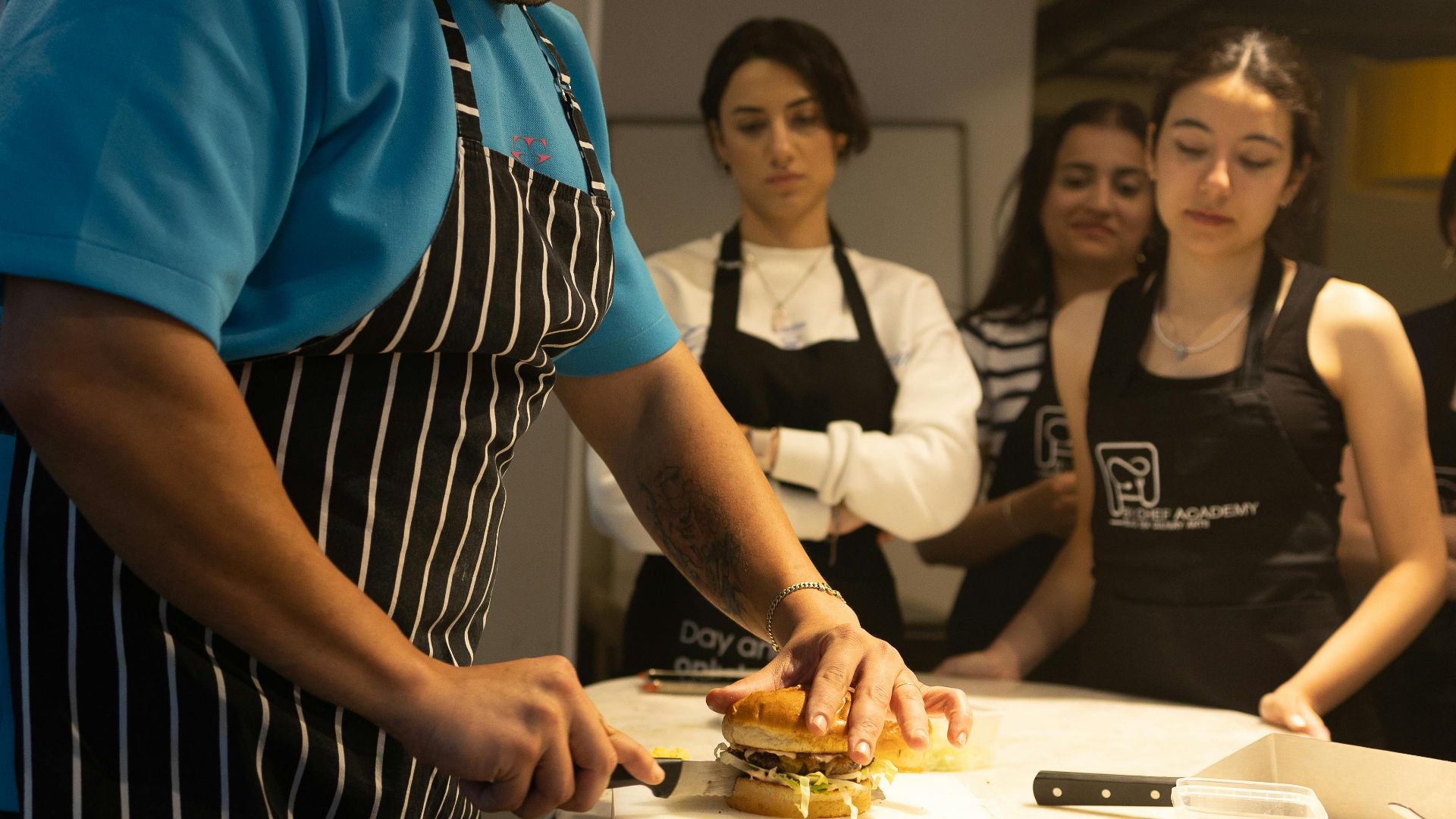
Step into a busy kitchen and the heat hits immediately. Ovens, grills, and boiling pots make the air heavy, adding physical fatigue to long shifts. Constant exposure to such high temperatures becomes one of the most grueling aspects of culinary work.
5. Demanding Customers
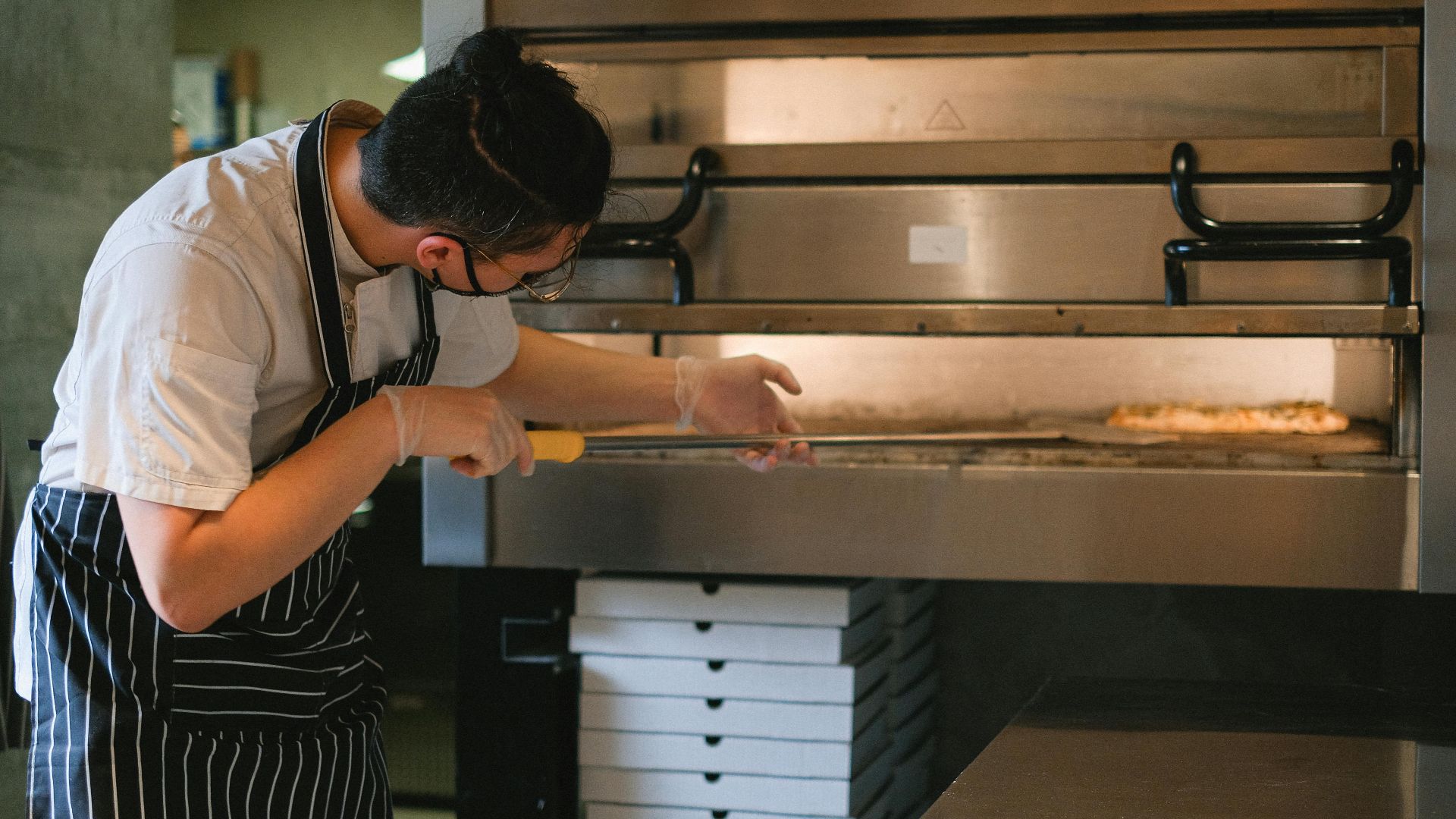
Endless customizations may delight guests in the short term, but put strain on a busy kitchen. Chefs juggle tweaks, and the very flavors and presentation that made the spot special can drift as feedback tugs menus in every direction.
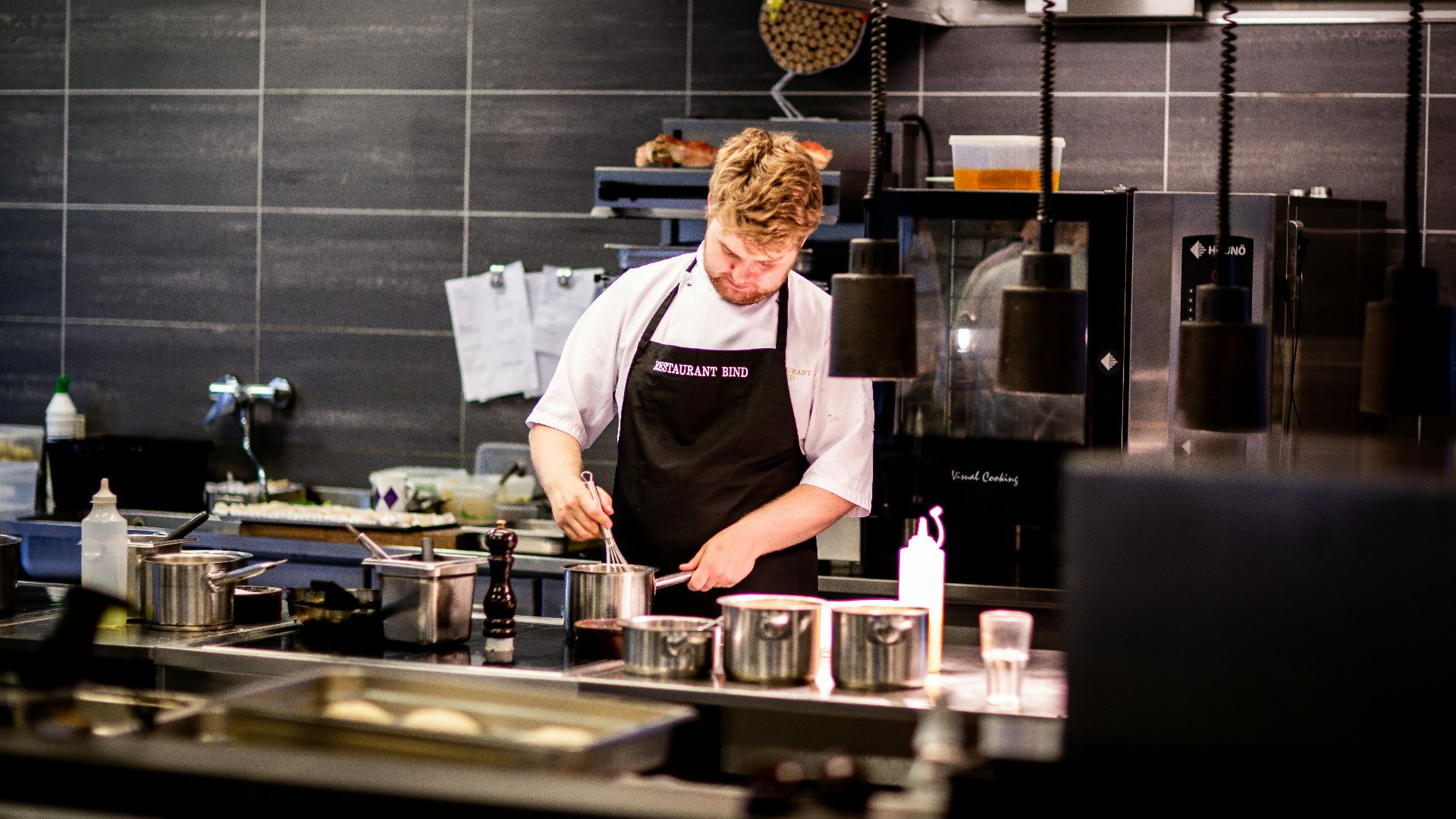
 ANTONI SHKRABA production on Pexels
6. Injuries While Cooking
Working around sharp kitchen utensils carries obvious risks. Even with strict safety routines, accidents sometimes happen in the rush of service. Many kitchens hold refresher meetings on best practices in hopes of reducing injuries while also keeping up the speed that modern dining demands.
7. Arguments In Kitchens
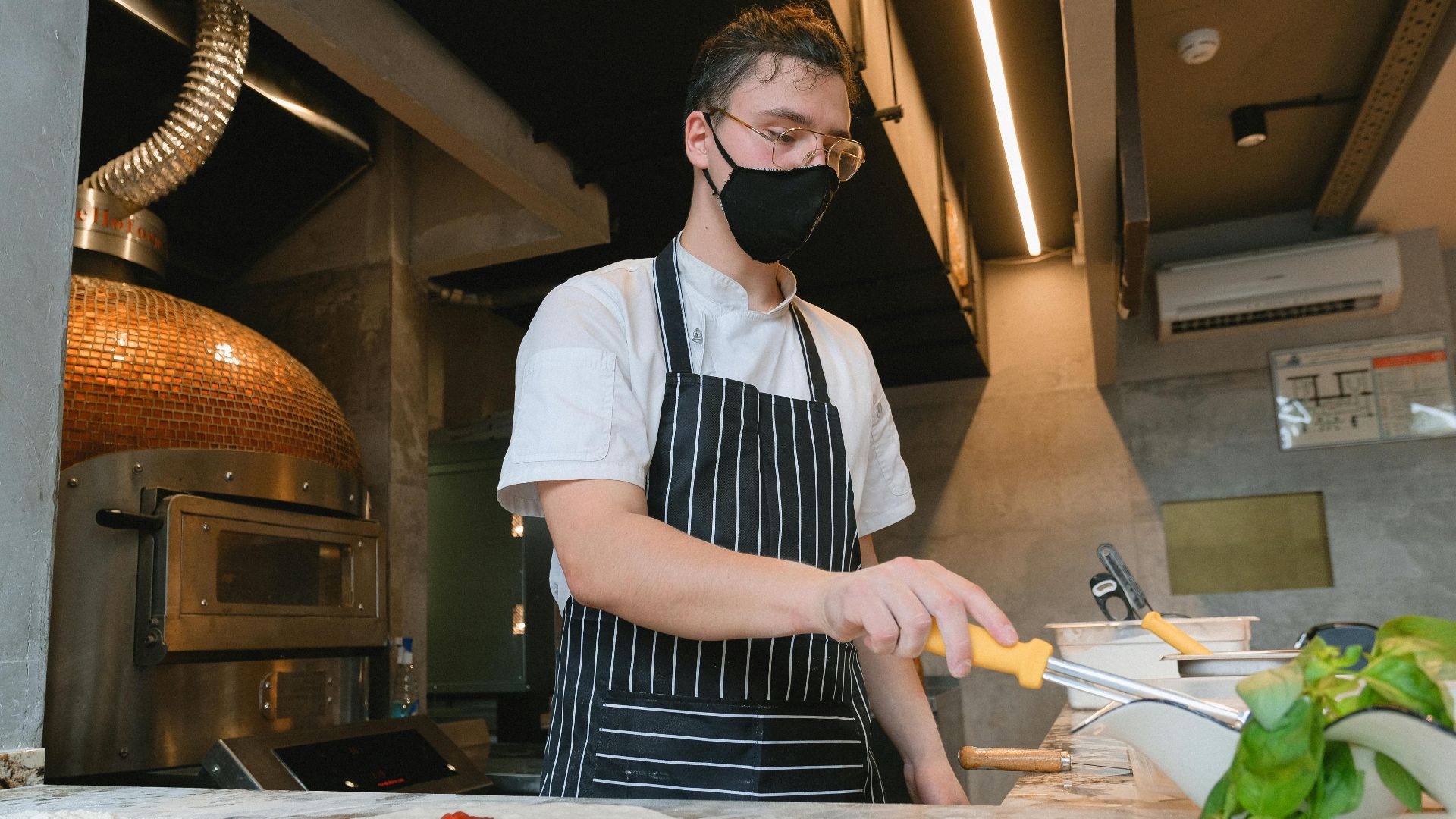
Heavy rushes sometimes push kitchens past their limit. Executive chefs jump in to fix problems, but repeated blowups chip away at trust. Over time, what should be a learning moment turns into a cycle of stress and frustration.
8. Last-Minute Menu Changes
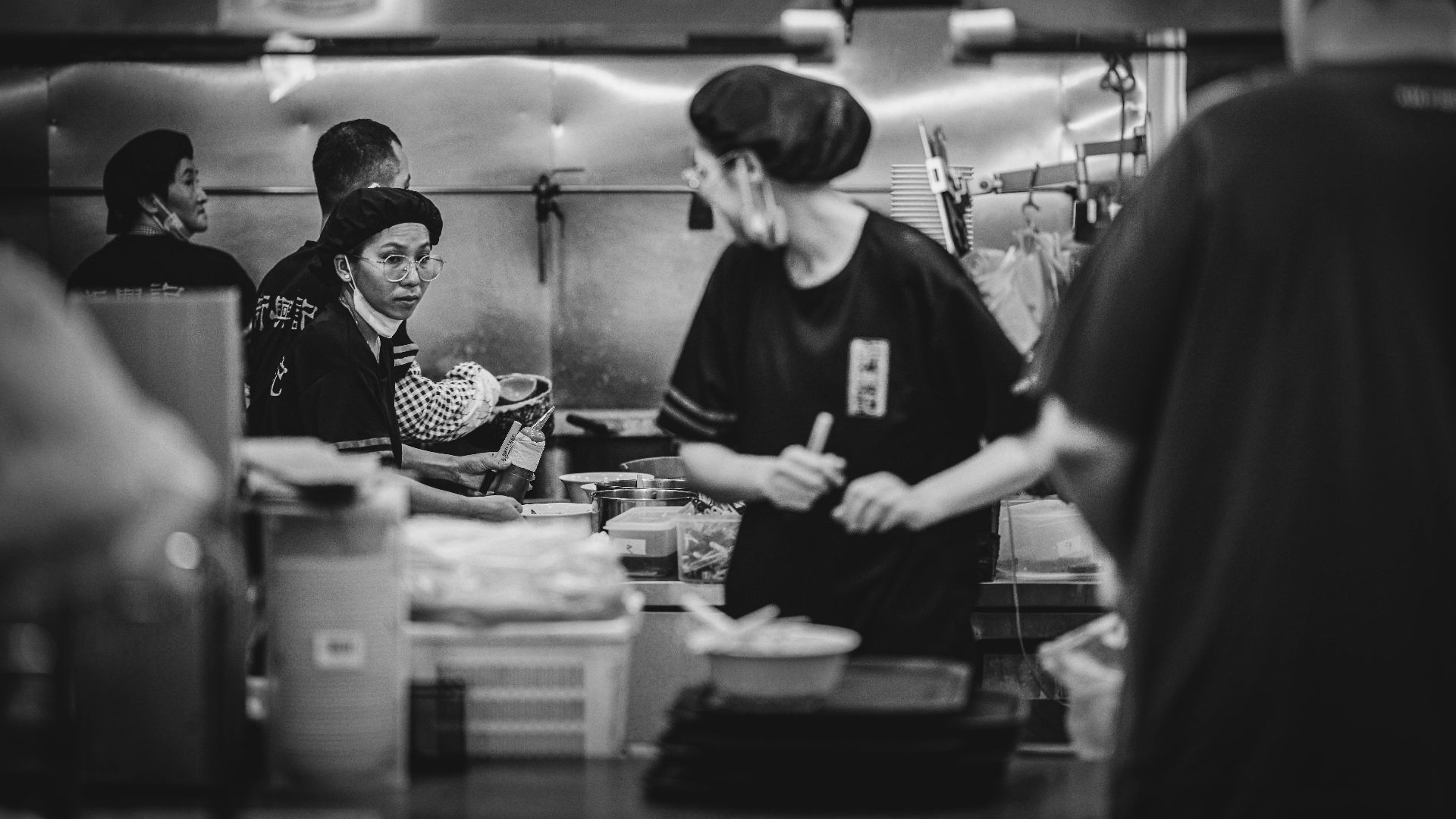
Sometimes ingredients run out or unexpected requests arrive mid-service. In such situations, chefs quickly adjust recipes to keep everything moving smoothly for guests. Thinking on their feet becomes second nature, ensuring no one leaves disappointed.

9. Cooking Fast But Well
As dinner service fills up, timing becomes everything. Chefs coordinate orders and staff movements so that every dish arrives fresh and flawless. Balancing speed with precision feels like a performance, one that keeps adrenaline pumping and challenging teams to stay organized under constant pressure.
10. Competing With Other Chefs
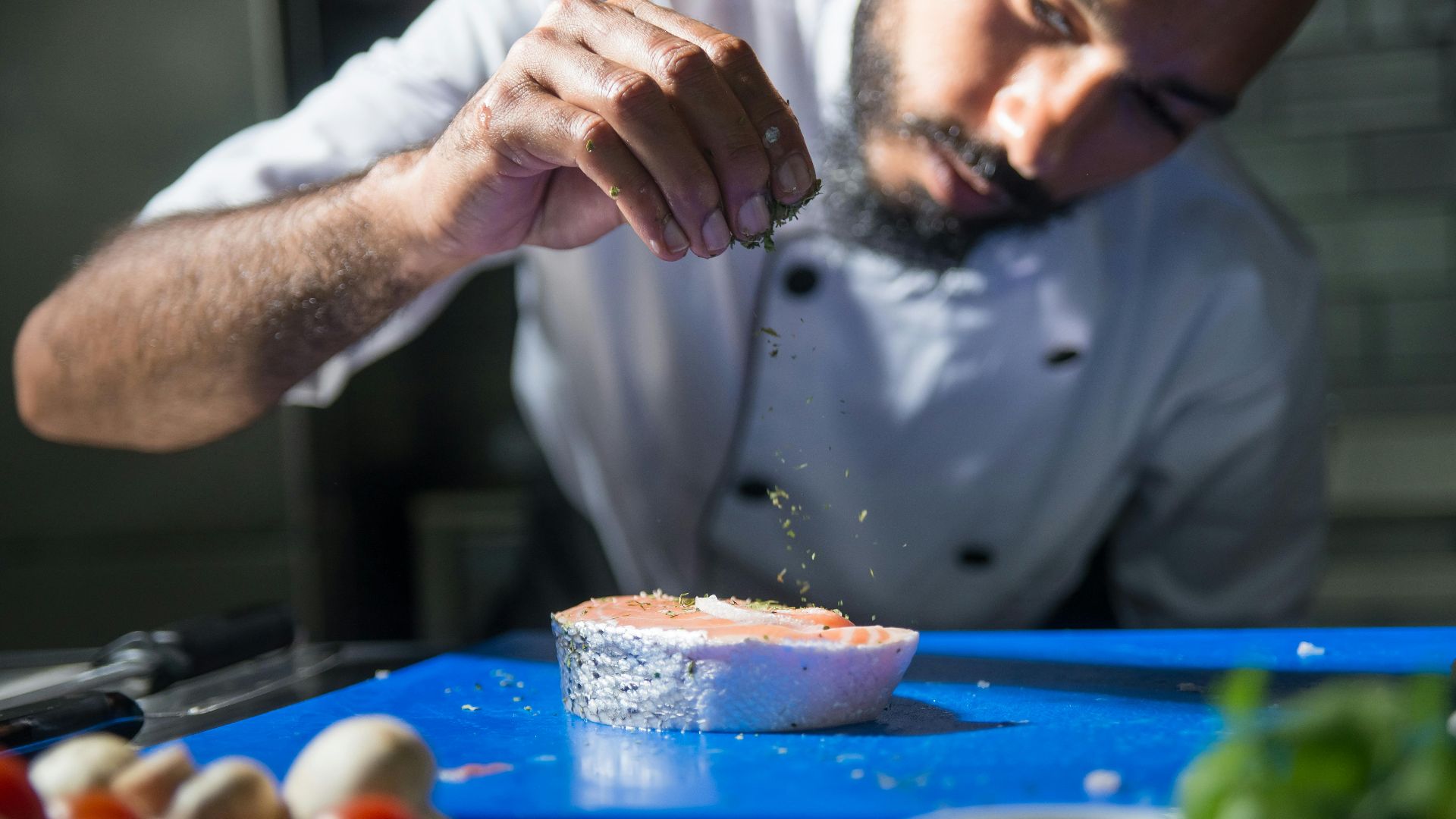
Constant competition in the kitchen adds relentless pressure. Long hours, intense expectations, and the need to outperform peers leave little room for balance. Even experienced chefs feel the strain, as the race to stay ahead can be mentally and physically exhausting.
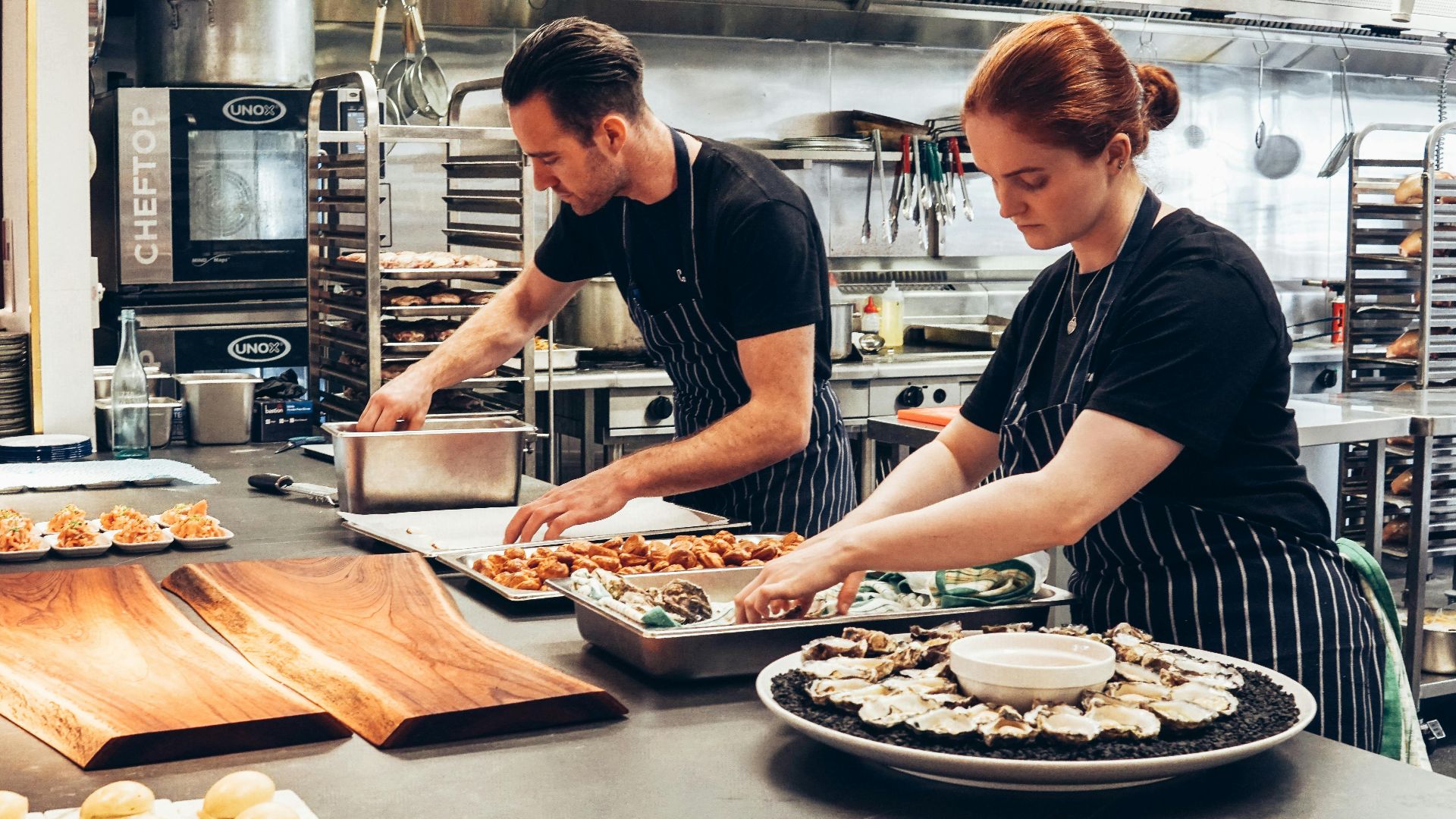
Since we’ve discovered the struggles behind the apron, let’s turn our attention to the triumphs that bring joy to every shift.
1. Creating Dishes That Wow People
Chefs bring creativity to every plate by blending flavors and textures that surprise diners in the best way. Many say their skills feel well utilized in the kitchen, with some giving their work five-star ratings. Presentation becomes part of the art and turns meals into memorable experiences.

2. Turning Passion Into A Paycheck
Passion transforms into a livelihood when chefs enter the industry. Many earn around $62,640 annually, sometimes crossing $30 hourly. Yet the paycheck is just the beginning, as some move into writing, teaching, or online spaces where their craft reaches wider audiences.
3. Traveling For Culinary Inspiration
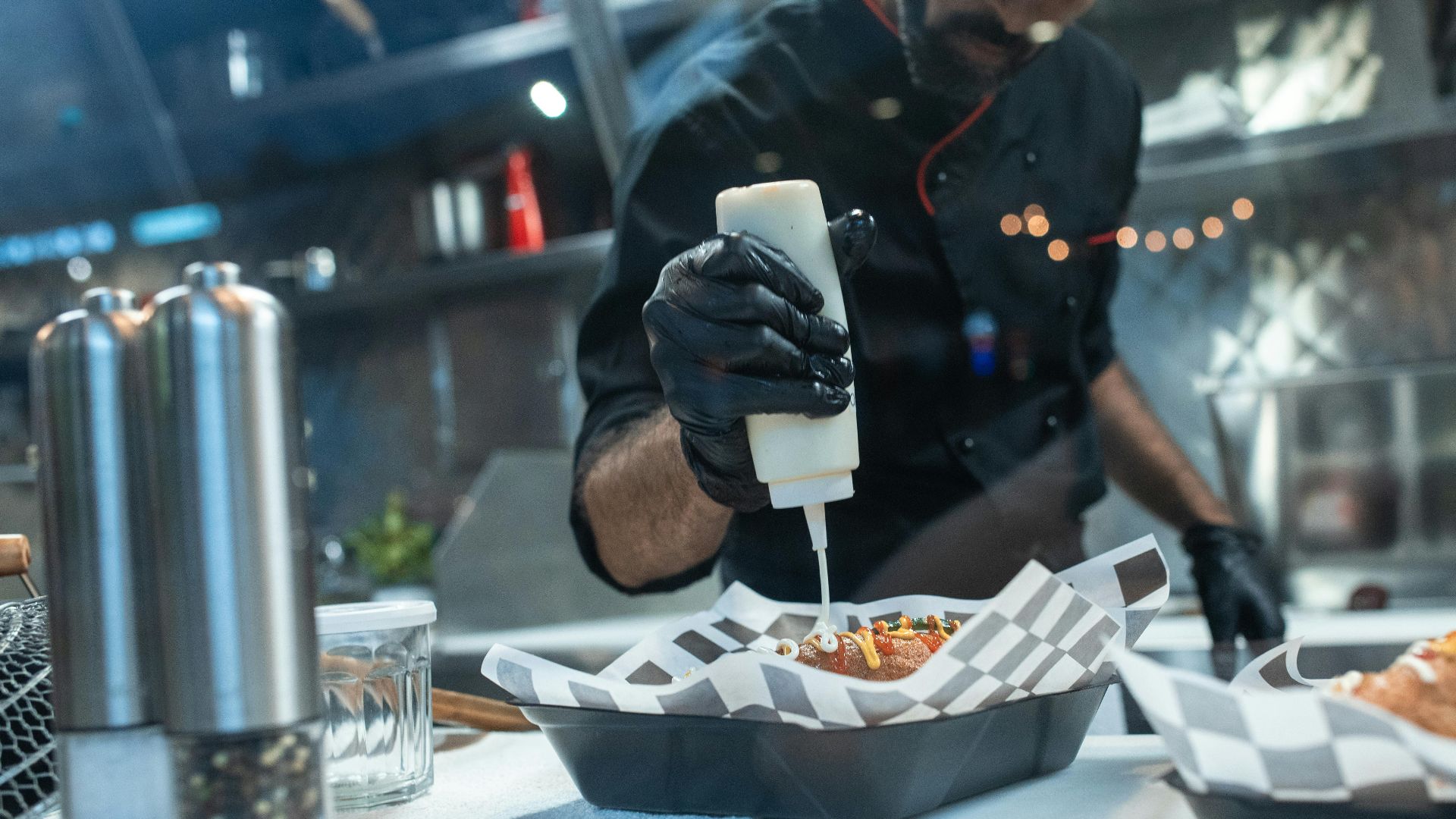
Exploring new places exposes chefs to ingredients and techniques they might never encounter otherwise. Travel enriches their cooking style and sparks creativity with every dish they prepare. Some even learn new languages along the way, which makes their culinary journeys both educational and adventurous in unexpected ways.
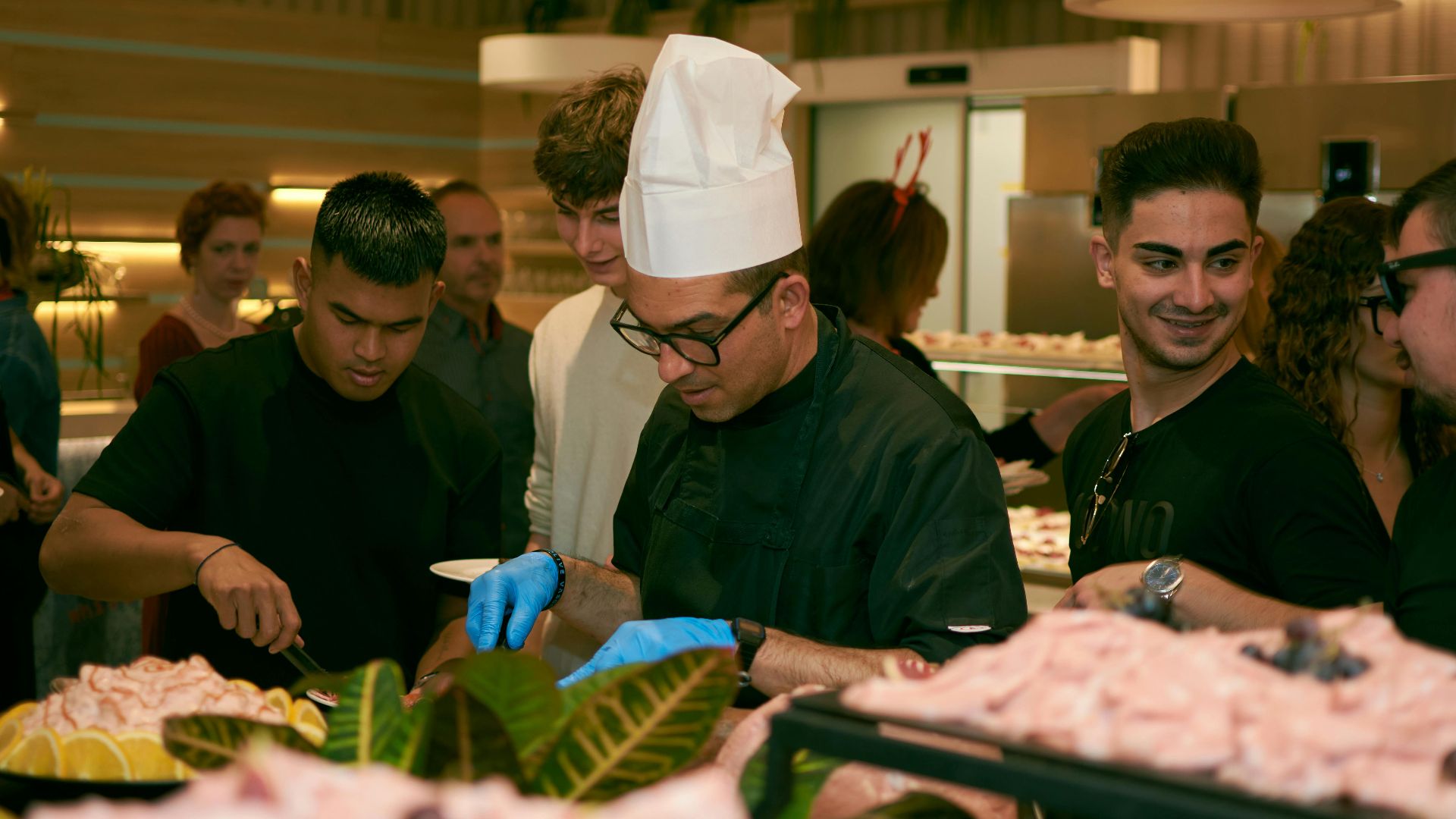
4. Celebrating Cultural Food Traditions
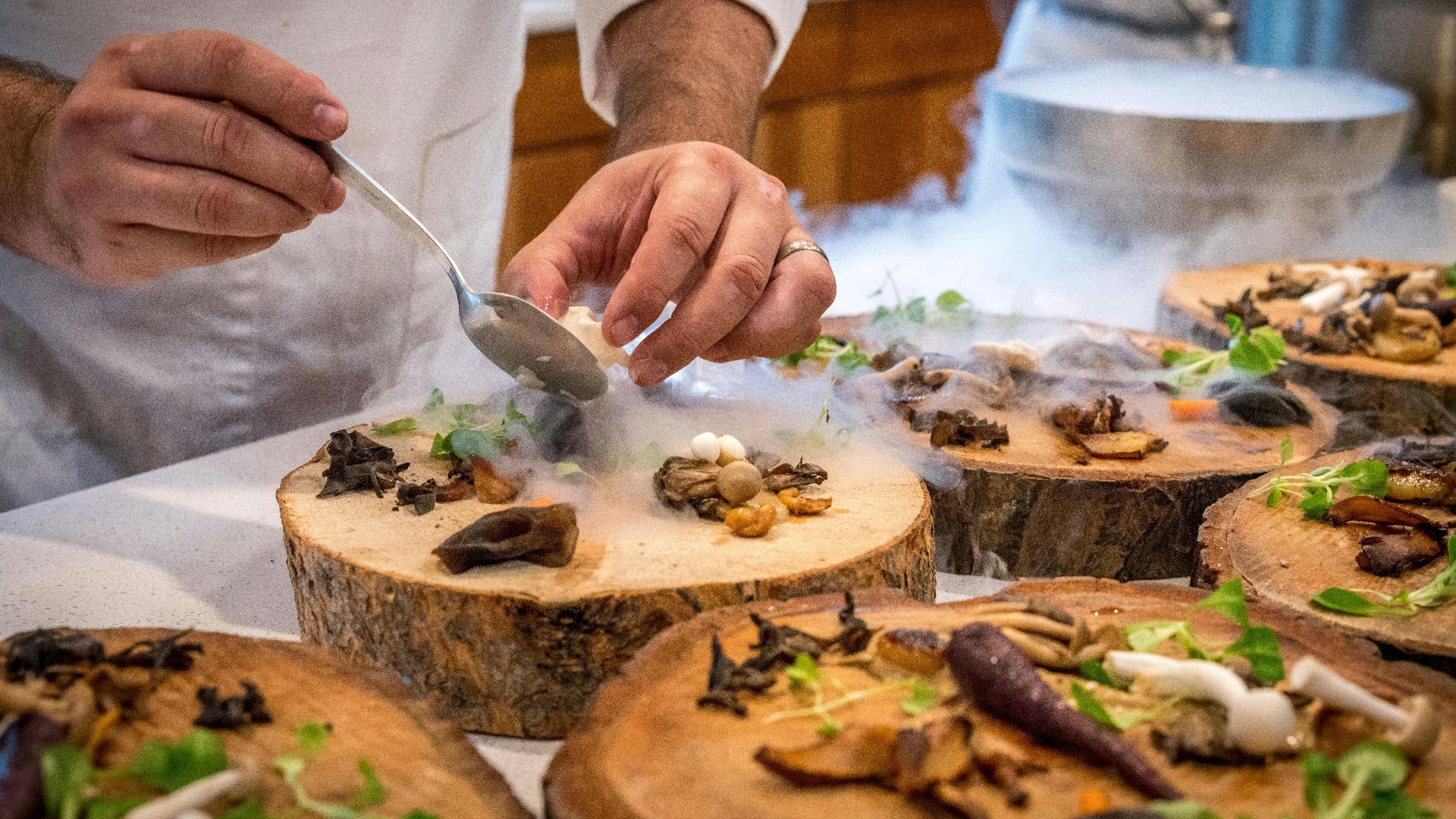
One of the greatest rewards of being a chef is carrying forward traditions. Recipes passed down for generations live on in professional kitchens, where chefs celebrate heritage, share authentic flavors with guests, and preserve stories that give food its deeper meaning.
 Kinz-studio Photographe on Pexels
5. Seeing Instant Feedback
Instant reactions are part of what makes being a chef so satisfying. Watching guests smile after a first taste is rewarding. With platforms like Instagram or TikTok, many chefs also enjoy seeing how diners share and review their creations.

6. Teaching Other Cooks
Passing on knowledge is part of kitchen culture, with experienced chefs mentoring apprentices who bring fresh energy. Many find teaching deeply fulfilling, especially when young cooks develop skills that transform them into confident professionals ready to create their own culinary paths.

7. Building A Loyal Customer Base
Consistently serving delicious food often turns first-time visitors into regulars who keep coming back. Chefs who enjoy their work environment tend to connect better with guests and form relationships that go beyond just cooking. Over time, customers feel like friends rather than strangers at the table.
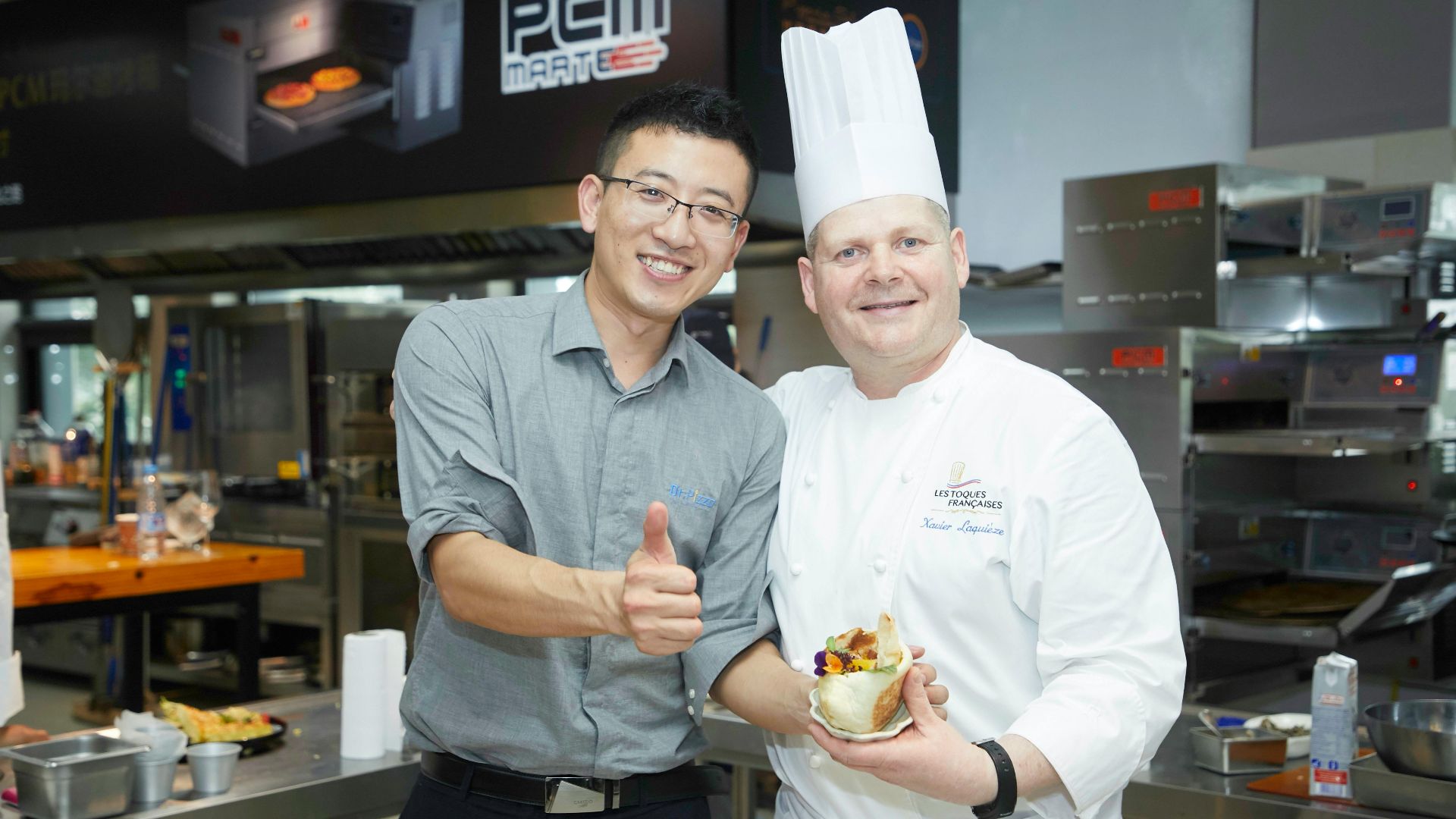
8. Networking With Fellow Chefs
Industry events and collaborations help chefs discover new techniques and form valuable connections. With so many professionals in the field, networking often leads to opportunities in kitchens across the country or even the world.
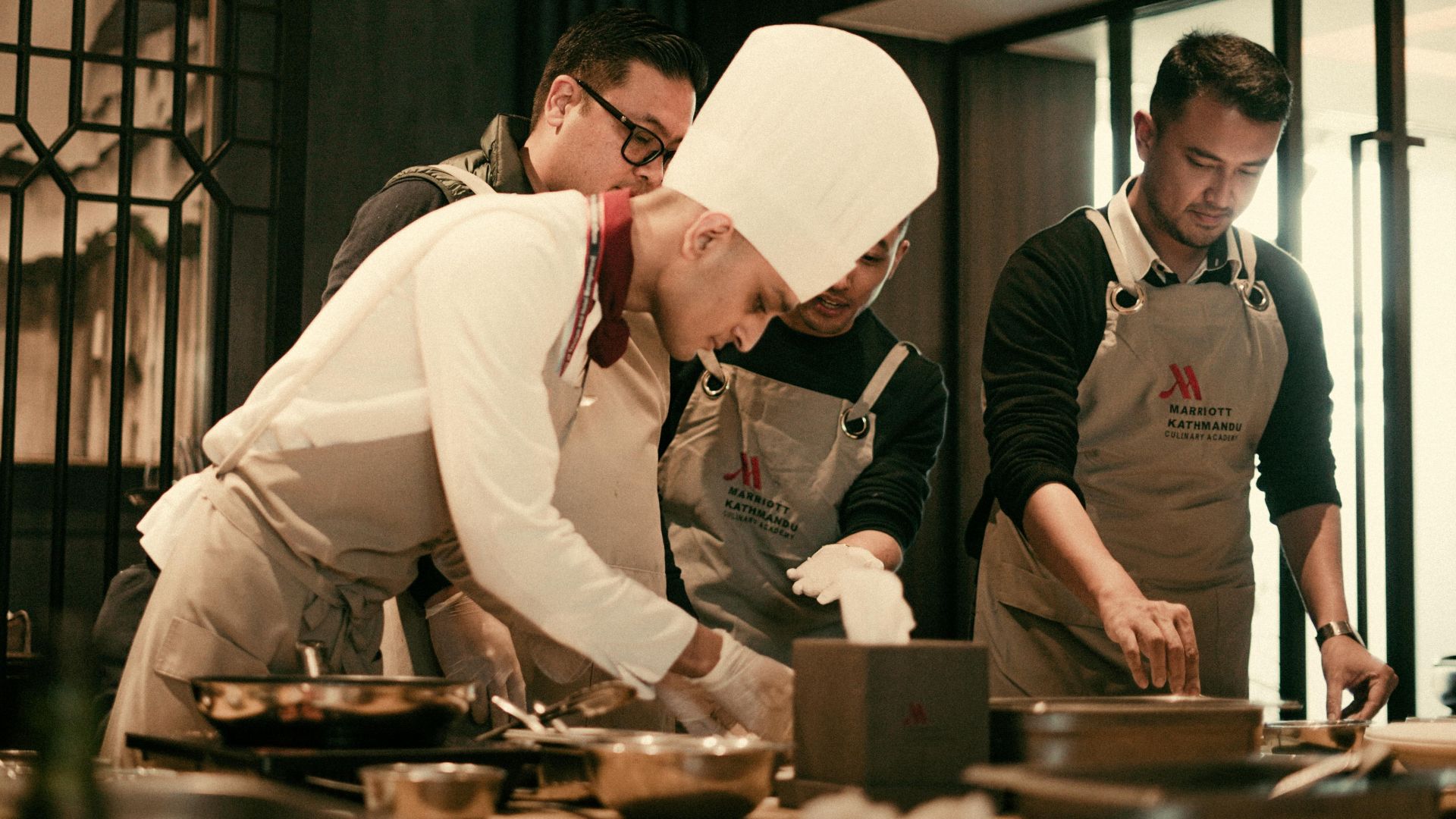
9. Sharing Food At Big Events
From weddings to corporate gatherings, large events give chefs the chance to cook for hundreds at once. Many enjoy the challenge of creating themed menus or banquet spreads that keep guests talking long after the celebration ends.
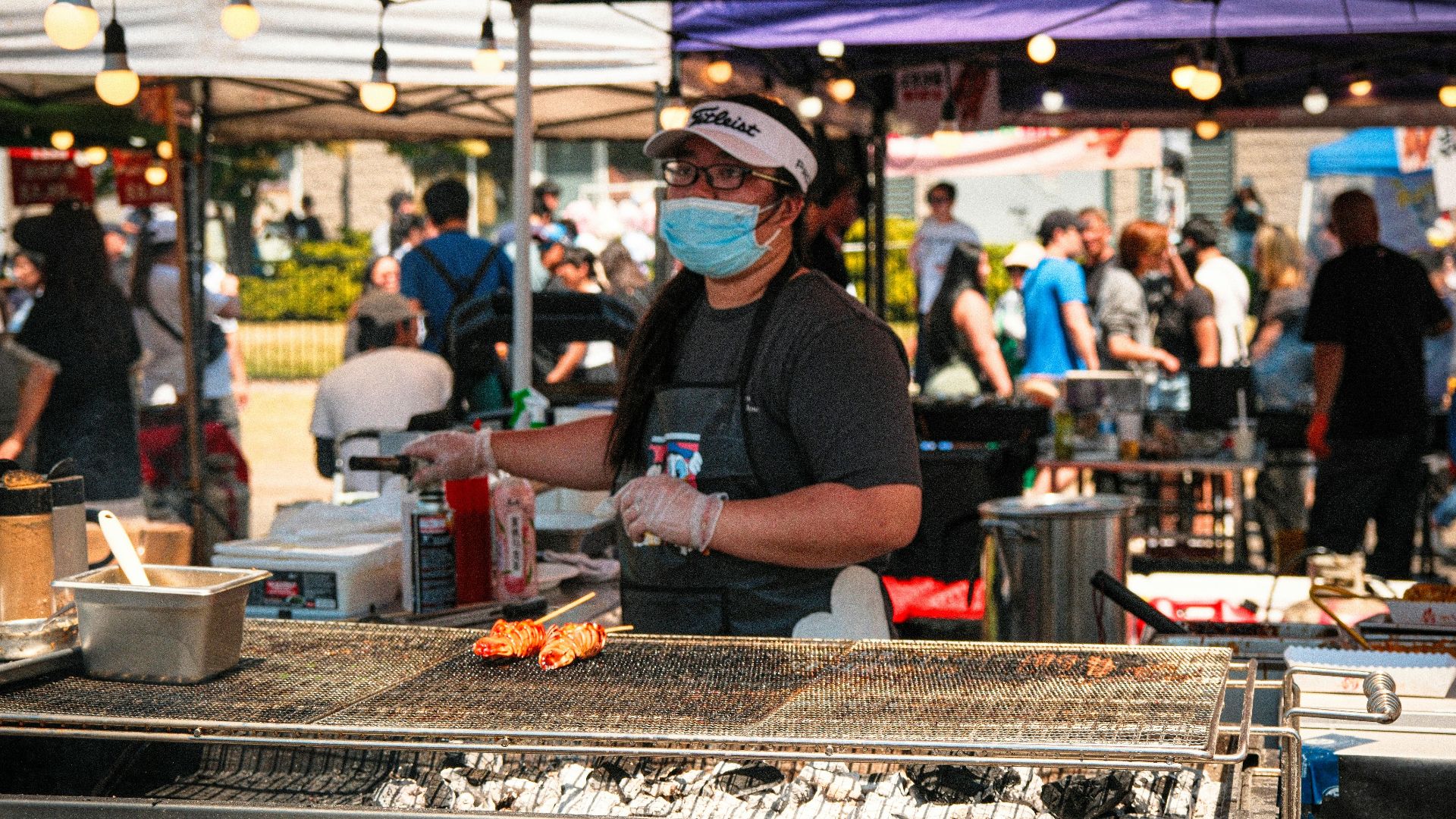
10. Bringing Comfort Through Cooking
Food often becomes a source of comfort, especially in challenging times. Chefs find meaning in preparing dishes that bring warmth and happiness to people’s lives. This emotional connection adds depth to their work and makes every meal feel personal.
KEEP ON READING