Family meals do much more than satisfy hunger at the end of the day. They introduce children to flavors, traditions, and eating habits that often stay with them well into adulthood. Although everyone's experiences are different, the foods shared around the family table frequently become the foundation for lifelong preferences and routines. Those shared experiences often become some of the strongest memories people carry into adult life.
Many people don't realize how early these influences begin or how lasting they can be. Repeated exposure to certain ingredients, cooking styles, and mealtime conversations helps shape not only what people enjoy eating but also how they think about food itself. Those everyday moments can quietly influence choices for decades to come. Over time, these small routines become part of a family's identity as much as their favorite recipes.
Early Exposure Builds Familiarity And Preference
Children are naturally cautious about unfamiliar foods, but repeated exposure increases the likelihood that they'll eventually accept and even enjoy them. A vegetable that's rejected several times may become a favorite after enough low-pressure opportunities to try it again. Patience often has a greater impact than forcing children to clean their plates. Positive experiences at the table help create curiosity instead of resistance.
Family meals also introduce children to the flavors that become their personal definition of comfort food. Whether it's homemade soup, roasted chicken, rice dishes, or fresh bread, those familiar meals often remain emotionally meaningful throughout adulthood. Many people continue preparing similar recipes long after they've left home. Even the aroma of those dishes can bring back vivid memories years later.
The variety served during childhood can influence how adventurous someone becomes as an adult. Families that regularly include different cuisines, spices, and ingredients often help children become more comfortable trying unfamiliar foods later in life. That openness tends to develop gradually through repeated positive experiences rather than a single memorable meal. As confidence grows, trying new foods begins to feel exciting instead of intimidating.
Mealtime Habits Often Last For Decades
The atmosphere surrounding family meals can be just as influential as the food itself. Sitting together without constant distractions encourages slower eating, conversation, and greater awareness of hunger and fullness. Those habits often carry into adult routines without people consciously realizing it. They also help create a healthier relationship with both food and family interaction.
Children also learn by watching the adults around them. When parents or caregivers regularly enjoy balanced meals, eat a variety of foods, and demonstrate moderation, those behaviors become familiar examples instead of abstract advice. Consistent modeling is often more effective than repeated lectures about healthy eating. Young children often imitate what they see long before they understand why those habits matter.
Family traditions surrounding holidays and celebrations also leave lasting impressions. Special recipes become connected with birthdays, vacations, and important milestones, creating positive emotional associations that endure for many years. Passing those traditions along to future generations helps preserve both recipes and family history. Those traditions often become something family members look forward to throughout the year.
Food Becomes Part Of Family Identity
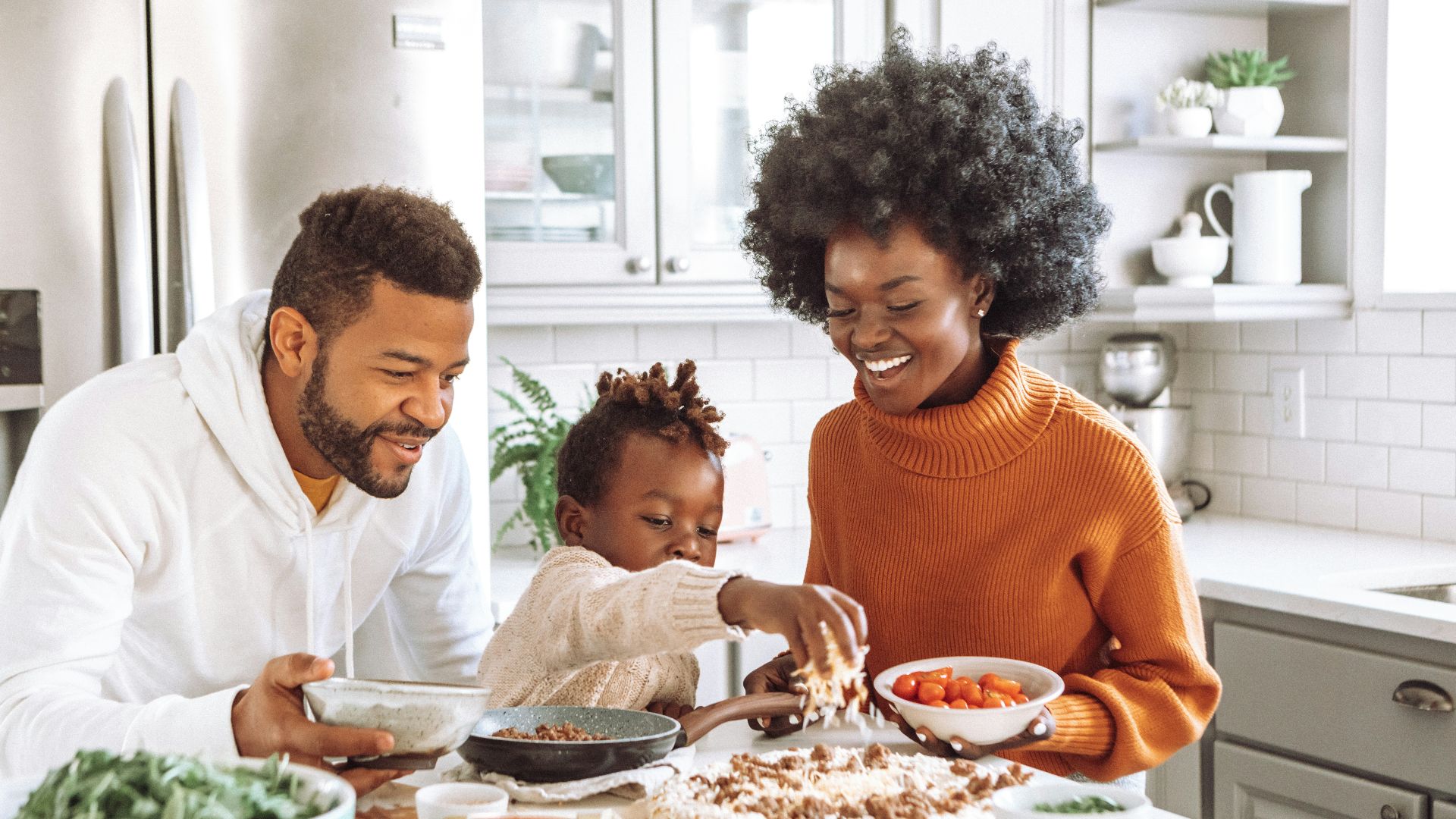 Jimmy Dean on UnsplashMany families develop signature dishes that become closely associated with home. Certain meals may be requested at every gathering because they represent comfort, familiarity, and shared memories rather than simply good flavor. Those recipes often become treasured traditions that connect multiple generations. They also give younger family members something meaningful to pass along in the future.
Family meals also teach practical skills that influence eating habits throughout adulthood. Children who regularly observe grocery shopping, meal planning, cooking, and cleaning up afterward often become more confident in preparing their own meals later in life. That confidence makes it easier to maintain balanced eating habits when living independently. Learning these skills early can also make everyday cooking feel less overwhelming.
Even when adults intentionally explore new cuisines or adopt different diets, many still return to the flavors they grew up with during stressful or celebratory times. Early food memories create powerful emotional connections that are difficult to replace completely. Rather than limiting future choices, those familiar meals often provide a comforting foundation while people continue expanding their tastes. They serve as reminders that food is often connected to people and experiences as much as flavor itself.
Family meals don't determine every food preference someone will have, but they often establish patterns that last for decades. The flavors, routines, traditions, and conversations shared around the dinner table become part of how people experience food throughout their lives. By creating positive mealtime experiences today, families can help build healthy relationships with food that continue long after children become adults. Even simple dinners enjoyed together consistently can leave a lasting impact that extends across generations.
KEEP ON READING

20 Theme Park Snacks People Fly In Just to Eat

20 American Restaurants Your Grandparents Loved


20 Foods You Can't Eat Without Teeth