Foods That Fill You Up Quick
To bypass that annoying gnawing hunger that rears its head throughout the day, you probably opt for more satiating picks, say, protein bars or a bowl of oatmeal or a cottage cheese dip with quinoa crisps. But eat your fill (pun intended) of these foods, and you might just experience the uncomfortable, opposite end of the spectrum: bloating. Ironically, as nutritious as many bloating-prone foods are, which are often packed with fiber, protein, or complex carbohydrates, the way your body digests them and how much you eat at once can both play a major part in the gases that build up during digestion. If your stomach tends to feel tight after meals, you might want to watch out for these 20 super-filling foods.
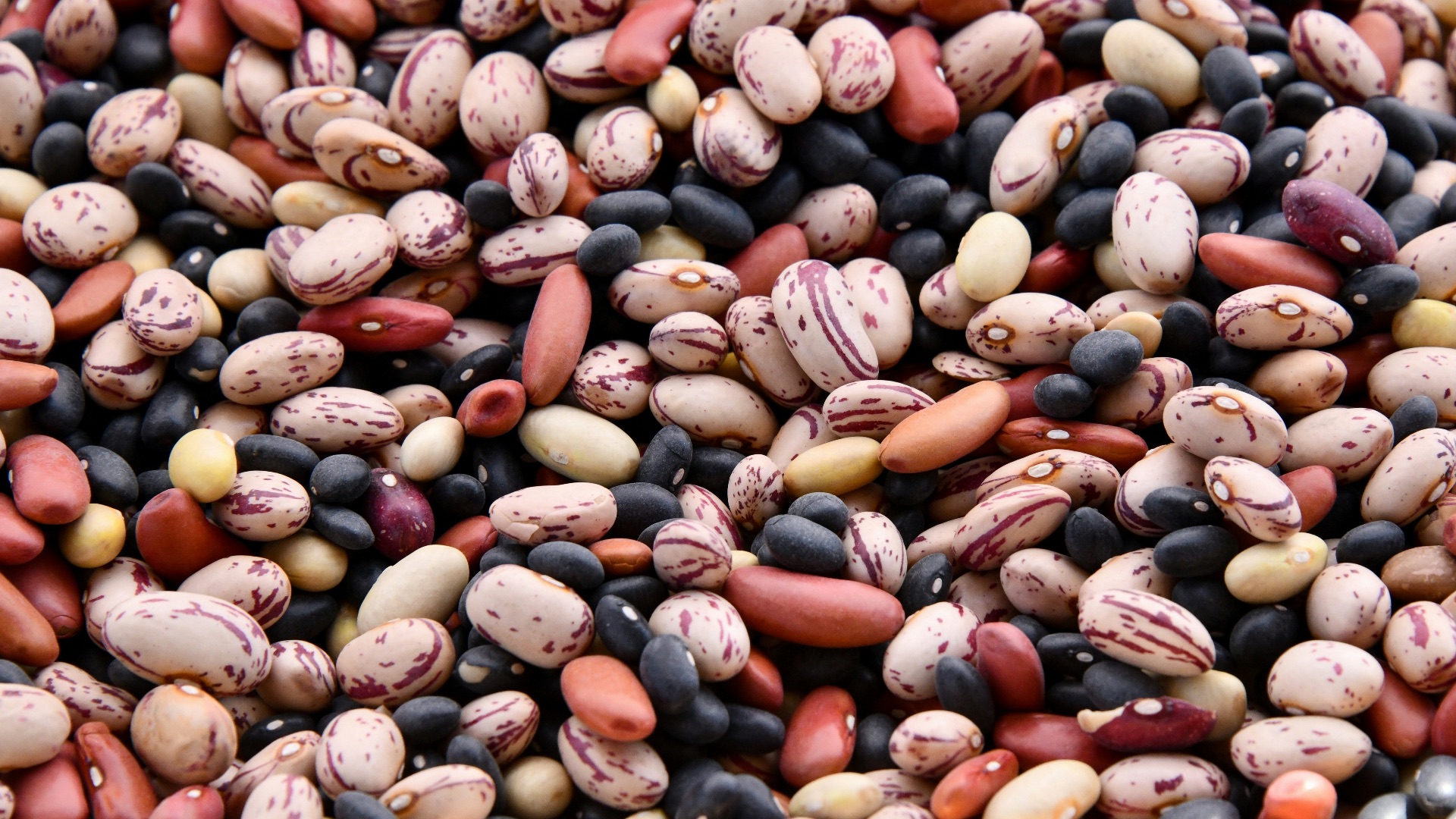
1. Beans
Beans are famous for being hearty, affordable, and full of fiber, but they’re also one of the most common foods linked to bloating. They contain complex sugars that your body doesn’t fully break down in the small intestine, so bacteria in the gut handle the rest. That process can create gas, especially if you’re not used to eating beans often. Smaller portions and thorough rinsing can make them easier to tolerate.
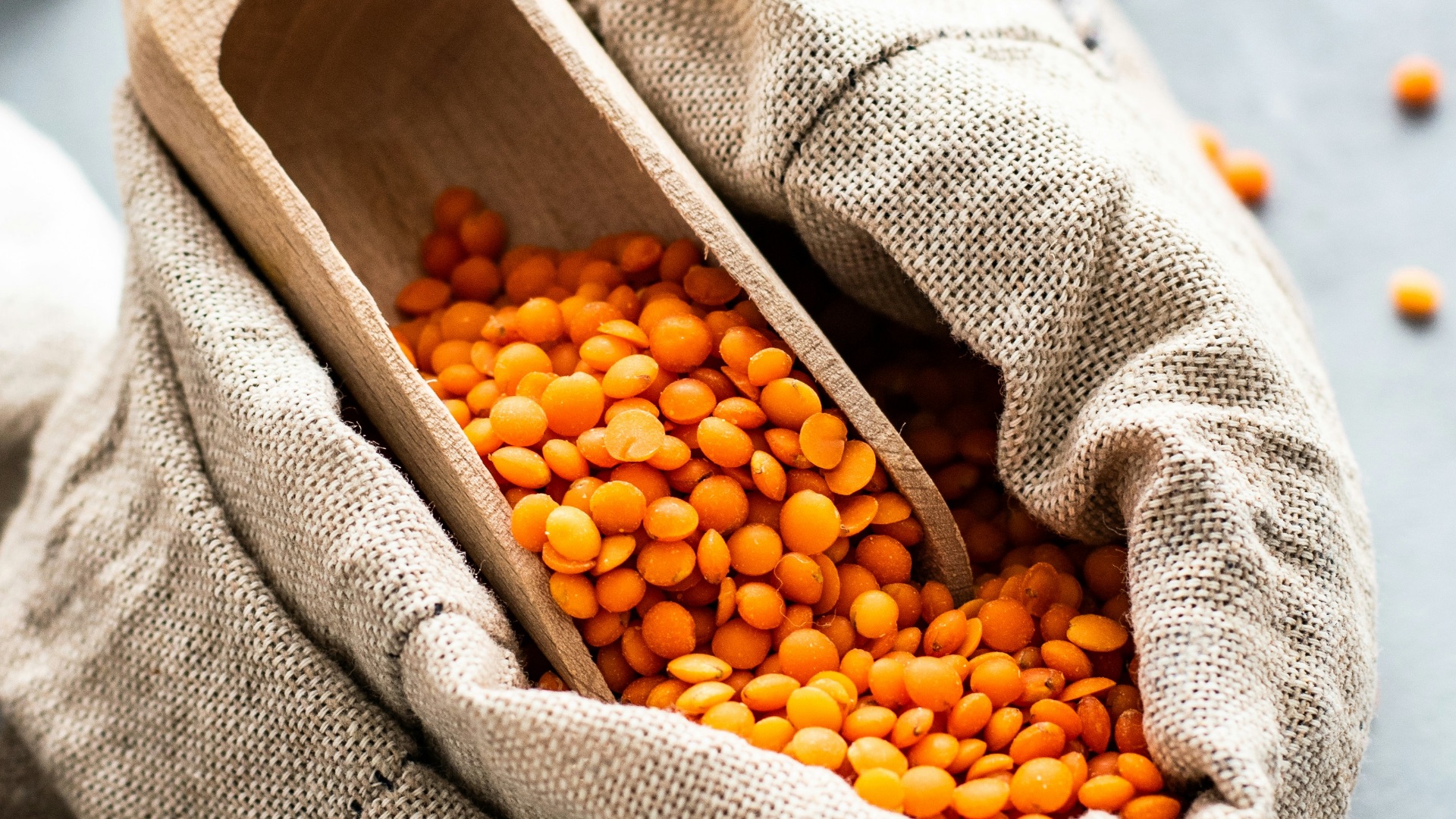
2. Lentils
Lentils are filling because they bring together plant-based protein, fiber, and slow-digesting carbohydrates in one small serving. That same combination can also make your stomach feel stretched after a bowl of lentil soup or a lentil-heavy salad. They’re especially likely to cause bloating when you eat a large portion quickly or add them to a meal that already has a lot of fiber. Soaking and cooking them well can help reduce some of the discomfort.
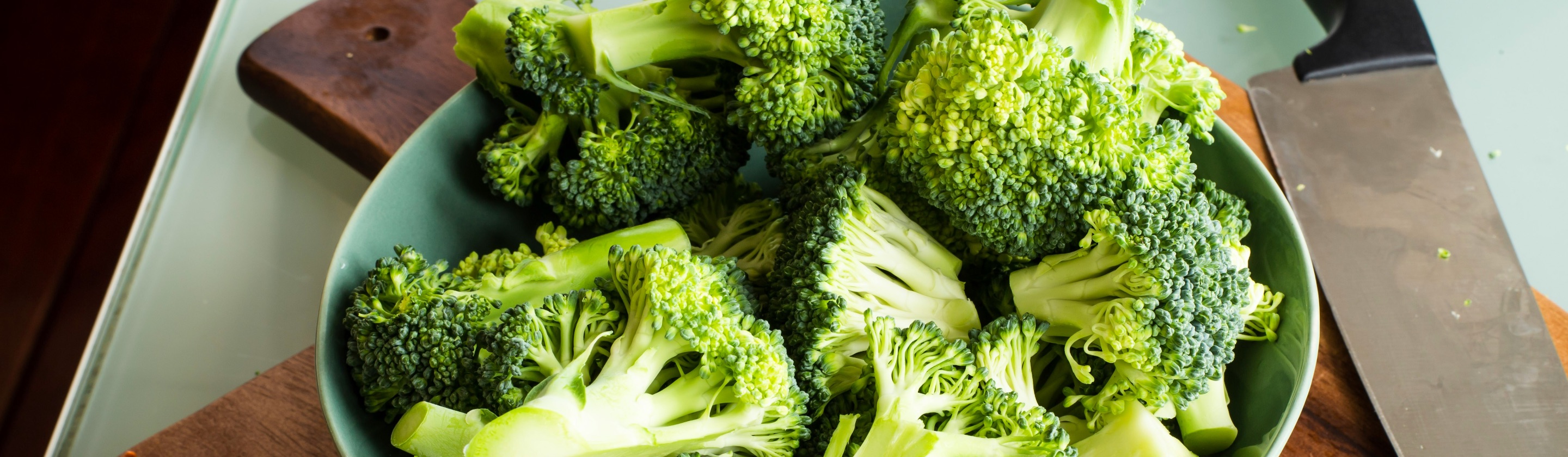
3. Broccoli
Broccoli is nutritious and satisfying, but it can also leave you feeling puffy soon after eating it. It belongs to the cruciferous vegetable family, which contains compounds that can produce gas during digestion. Raw broccoli tends to be more noticeable for some people because it takes extra work for the body to break down. Steaming it until tender may make it gentler while still keeping it filling.
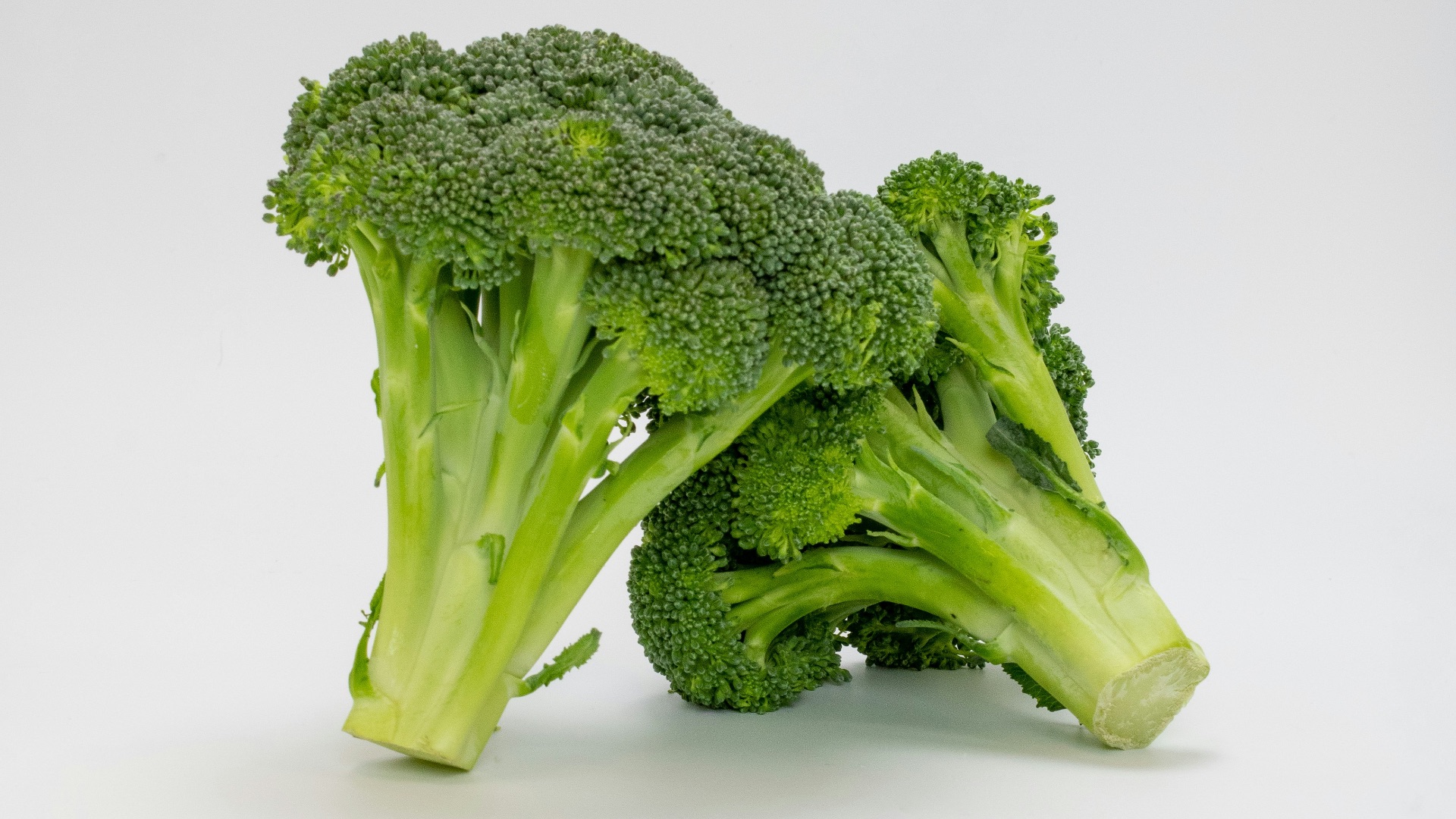 Katherine Jenswold on Unsplash
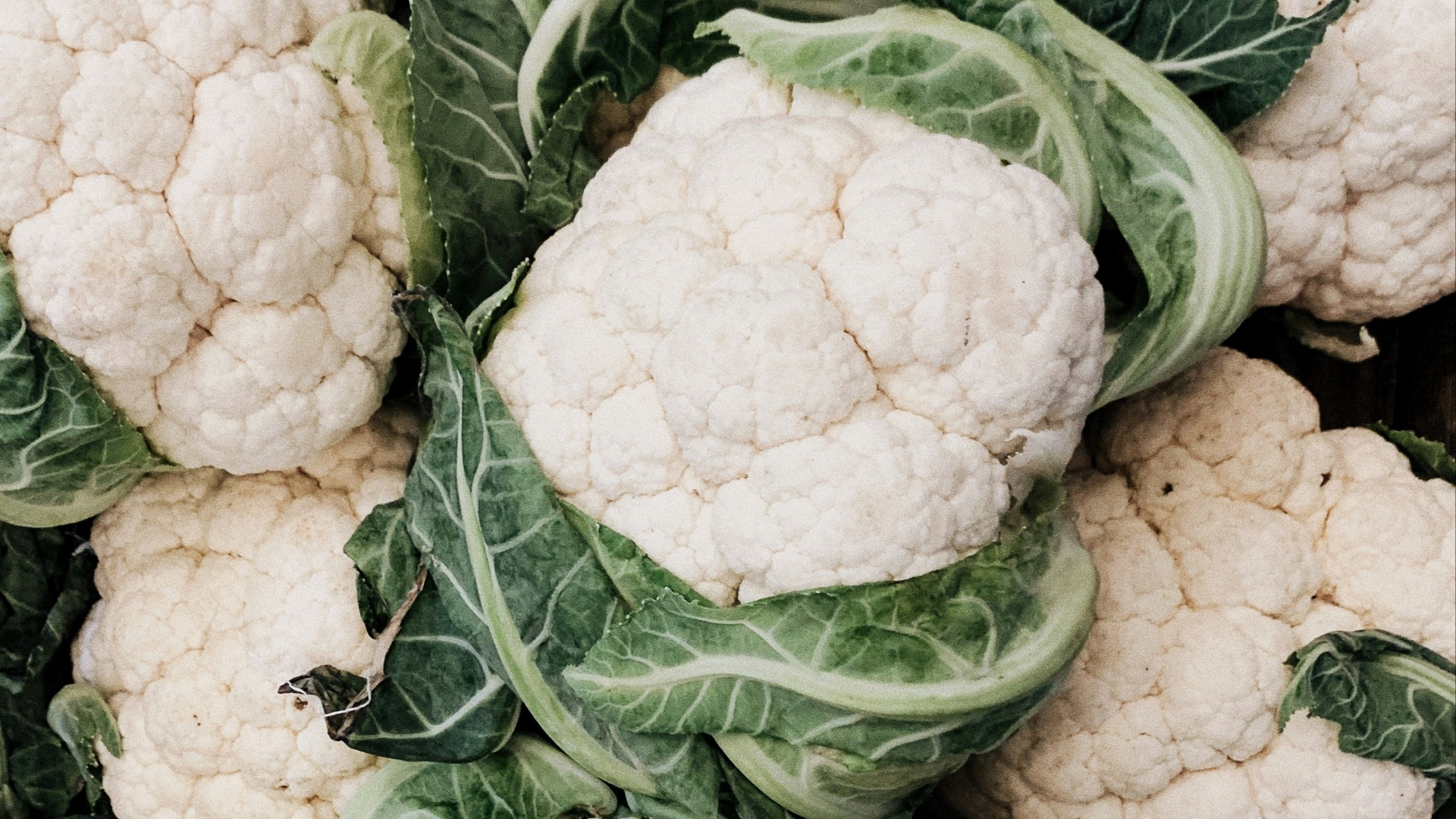
4. Cauliflower
Cauliflower has become a popular swap for rice, pizza crust, and mashed potatoes, partly because it’s bulky without being very calorie-dense. The problem is that eating a lot of it at once can make bloating more likely. Like broccoli, cauliflower contains fermentable carbohydrates that can lead to gas as they move through the digestive system. It can be especially noticeable when cauliflower is used as the base of an entire meal.
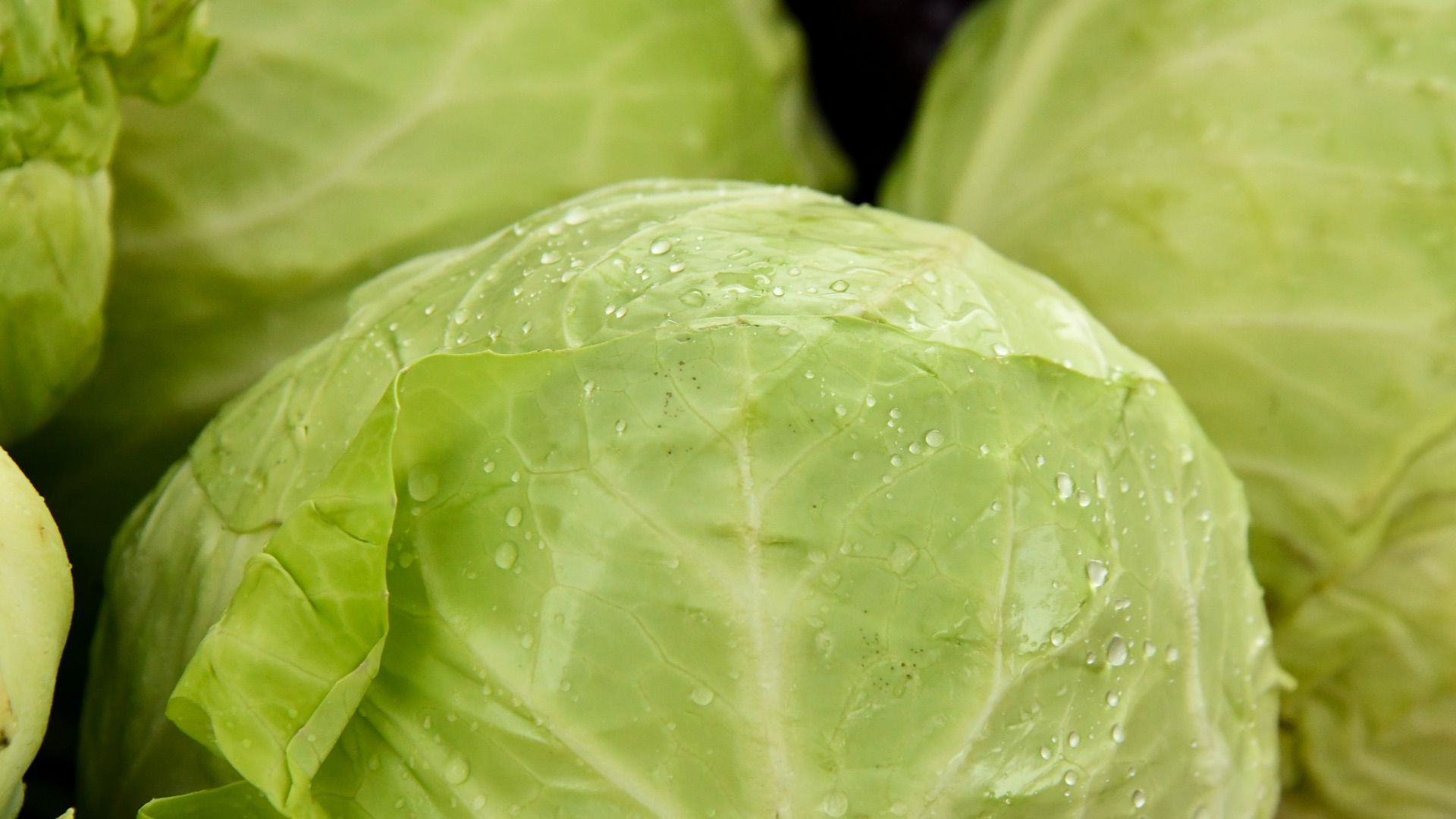
5. Cabbage
Cabbage can make a meal feel much more substantial, whether it’s served raw in slaw, cooked into soup, or wrapped around fillings. It’s also a common bloating trigger because it contains fiber and sulfur-containing compounds that can be difficult for some people to digest. Raw cabbage may hit harder than cooked cabbage because it stays firmer and takes longer to break down. If cabbage bothers you, smaller servings can make a big difference.
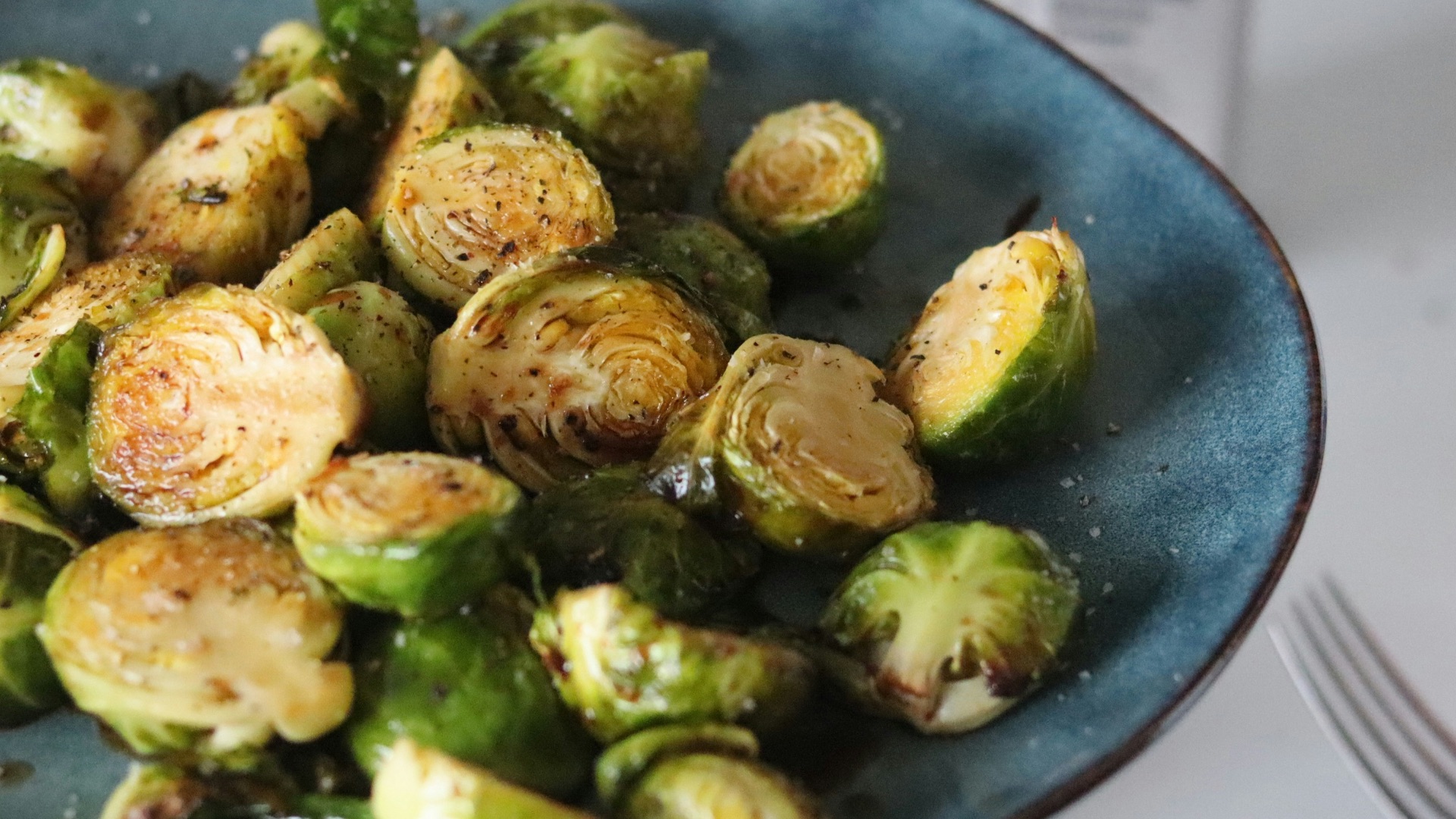
6. Brussels Sprouts
Brussels sprouts are dense, fiber-rich, and surprisingly filling for such small vegetables. They can also cause bloating quickly, especially when served in large portions or paired with other heavy foods. Their natural carbohydrates may ferment in the gut, which can leave you feeling full in an uncomfortable way. Roasting them until soft may help, but they can still be a challenge for sensitive stomachs.
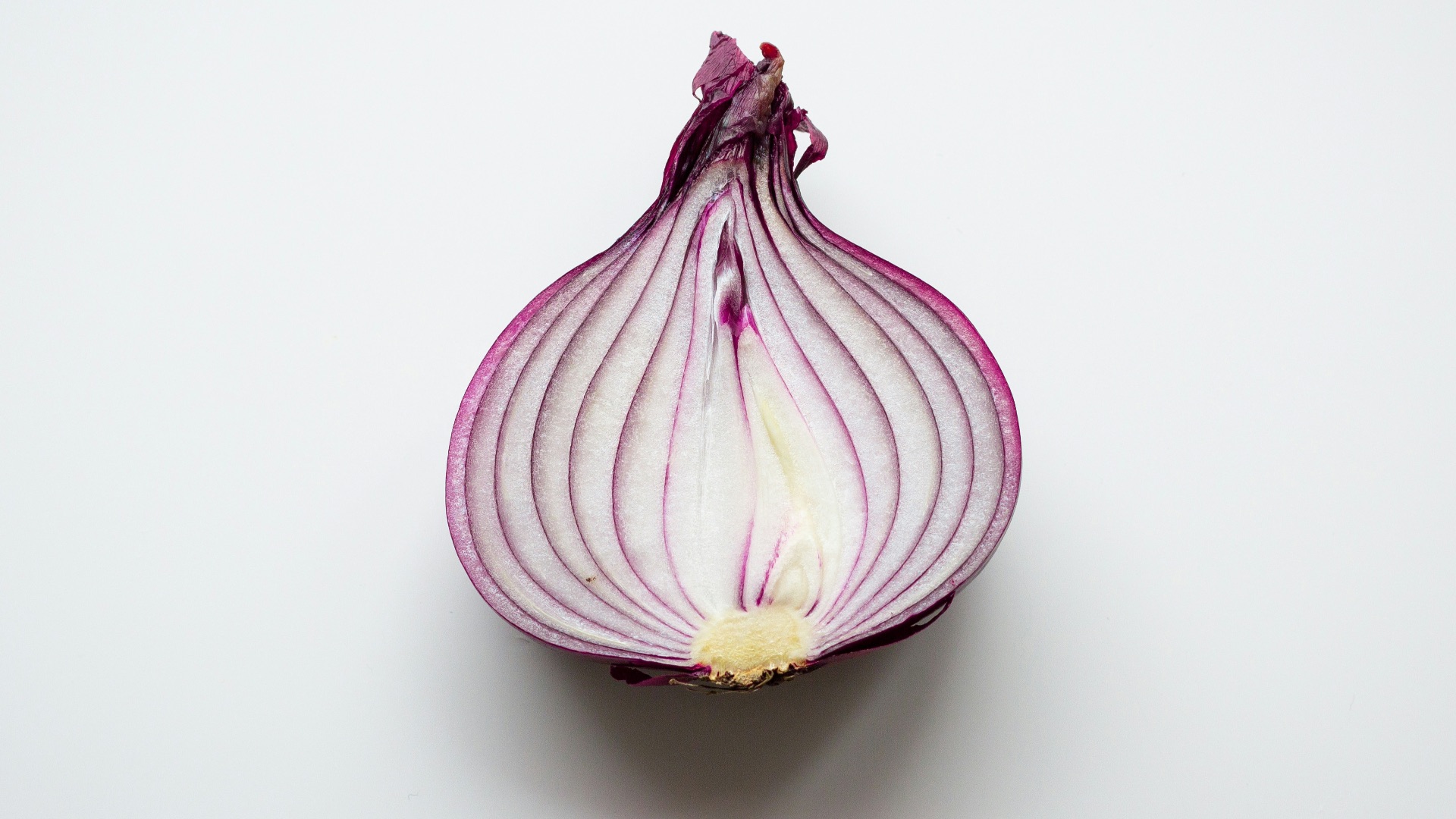
7. Onions
Onions add flavor to countless meals, but they can also make a dish more likely to cause bloating. They contain fructans, a type of carbohydrate that some people have trouble digesting. Because onions are used in soups, sauces, sandwiches, and cooked dishes, you may not always realize they’re the ingredient making you feel swollen. Cooked onions may be easier for some people, though they can still cause trouble.
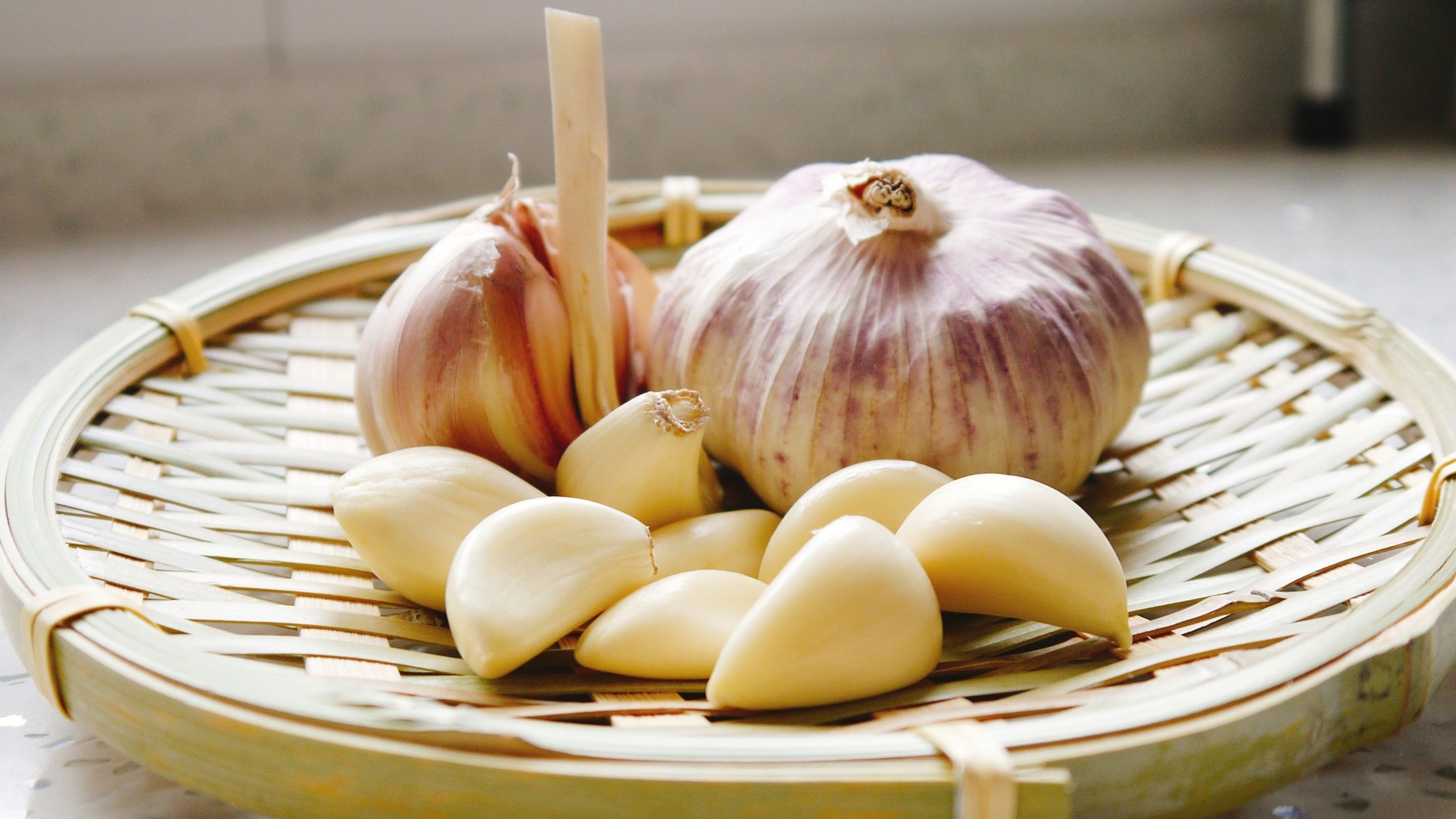
8. Garlic
Garlic is often used in small amounts, but even a little can lead to bloating for people who are sensitive to it. Like onions, garlic contains fructans that may ferment during digestion. It can feel frustrating because garlic is usually tucked into seasoning blends, dressings, marinades, and sauces rather than served as a main ingredient. If you often feel bloated after savory meals, garlic may be one of the hidden causes.
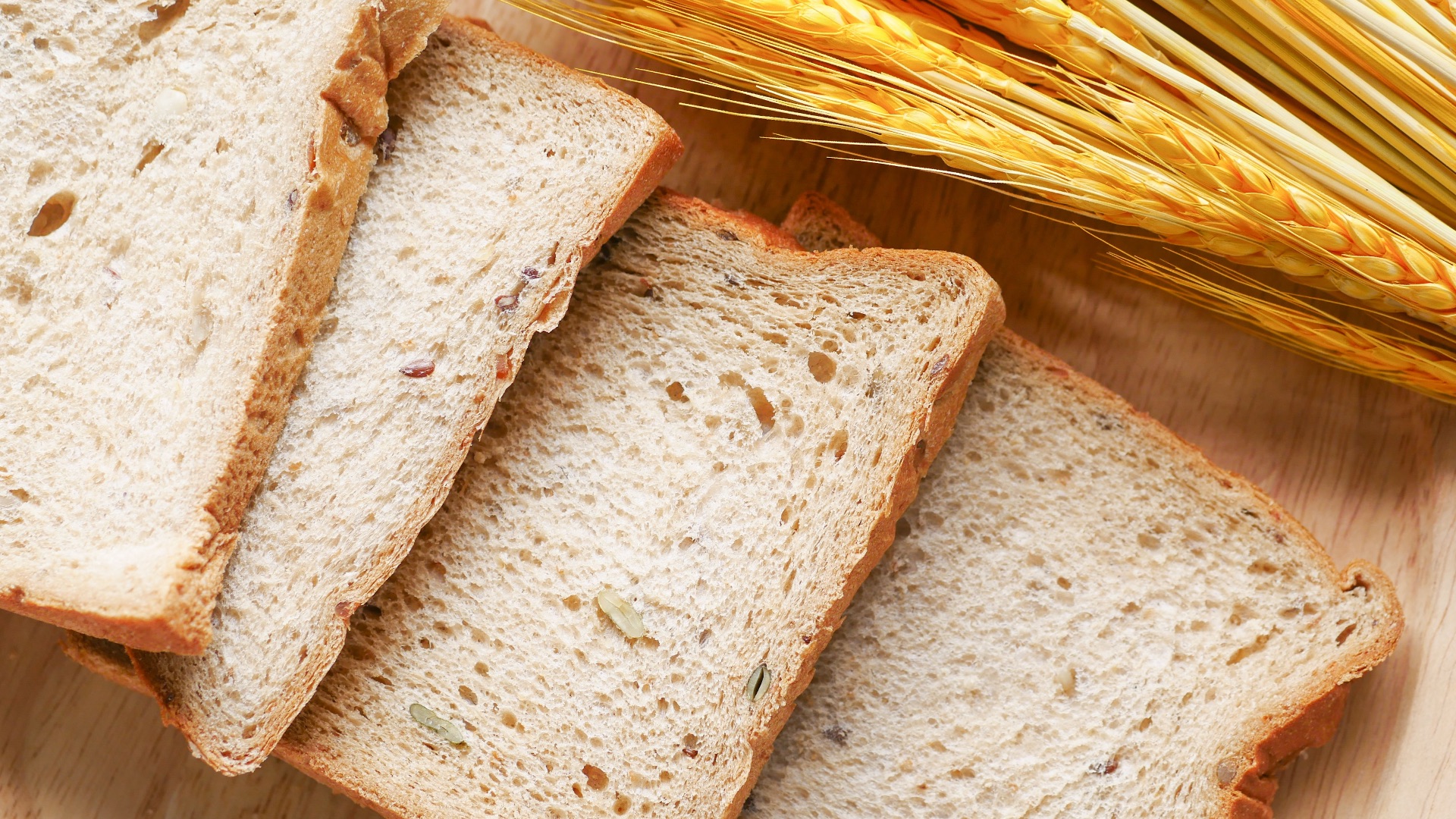
9. Whole Wheat Bread
Whole wheat bread can be more filling than white bread because it usually has more fiber and a denser texture. For some people, that extra fiber is exactly what makes it sit heavily in the stomach. Wheat also contains fructans, which may contribute to gas and bloating in sensitive digestive systems. Eating several slices at once or pairing them with other high-fiber foods can make the effect stronger.
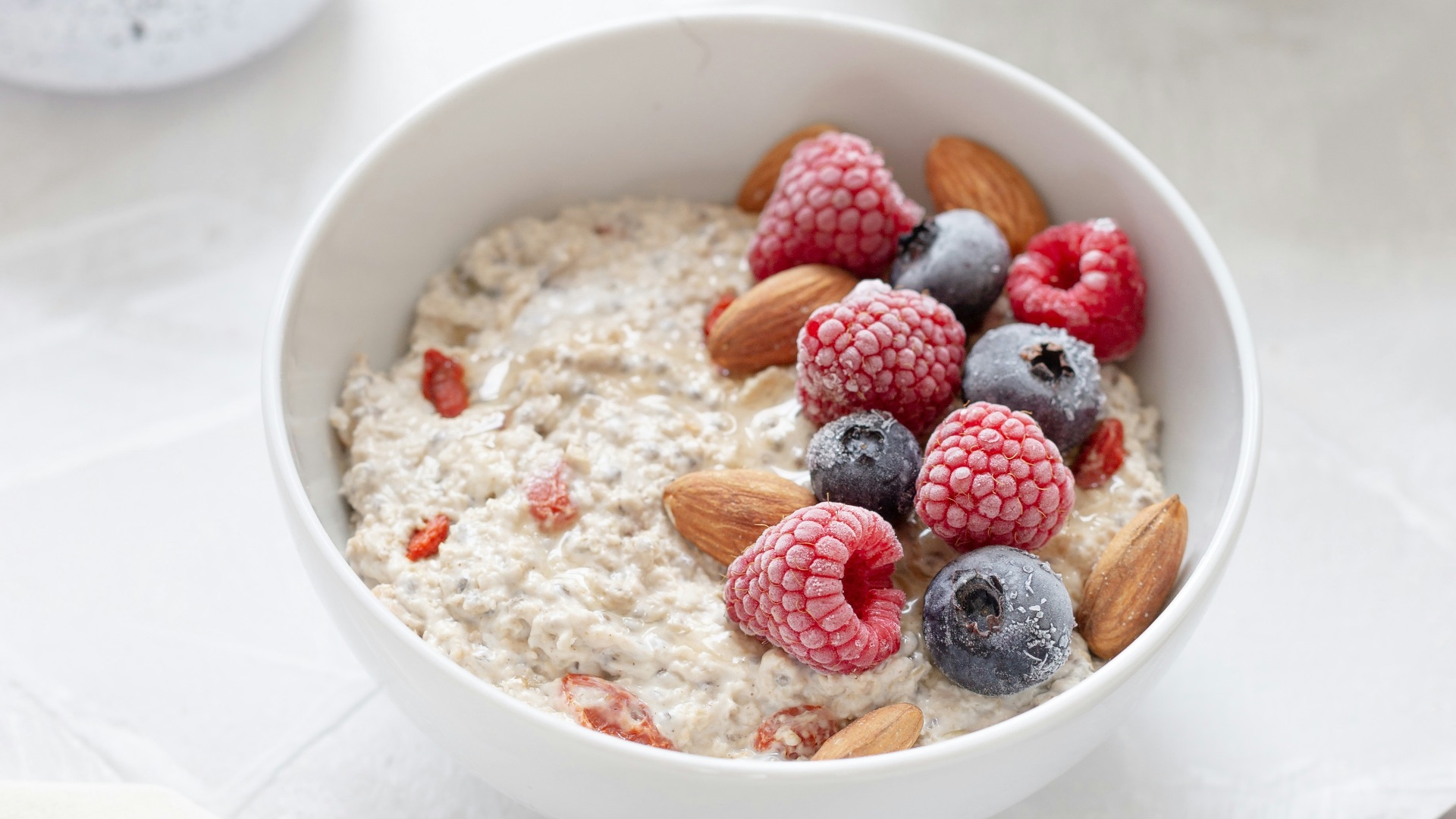
10. Oatmeal
Oatmeal has a reputation as a satisfying breakfast, and for good reason. Its soluble fiber absorbs water and helps you stay full, but that same quality can make your stomach feel overly expanded. Big bowls of oats, especially with added fruit, seeds, or protein powder, can become a lot for your digestive system to handle at once. Drinking water and starting with a moderate portion can help keep it more comfortable.
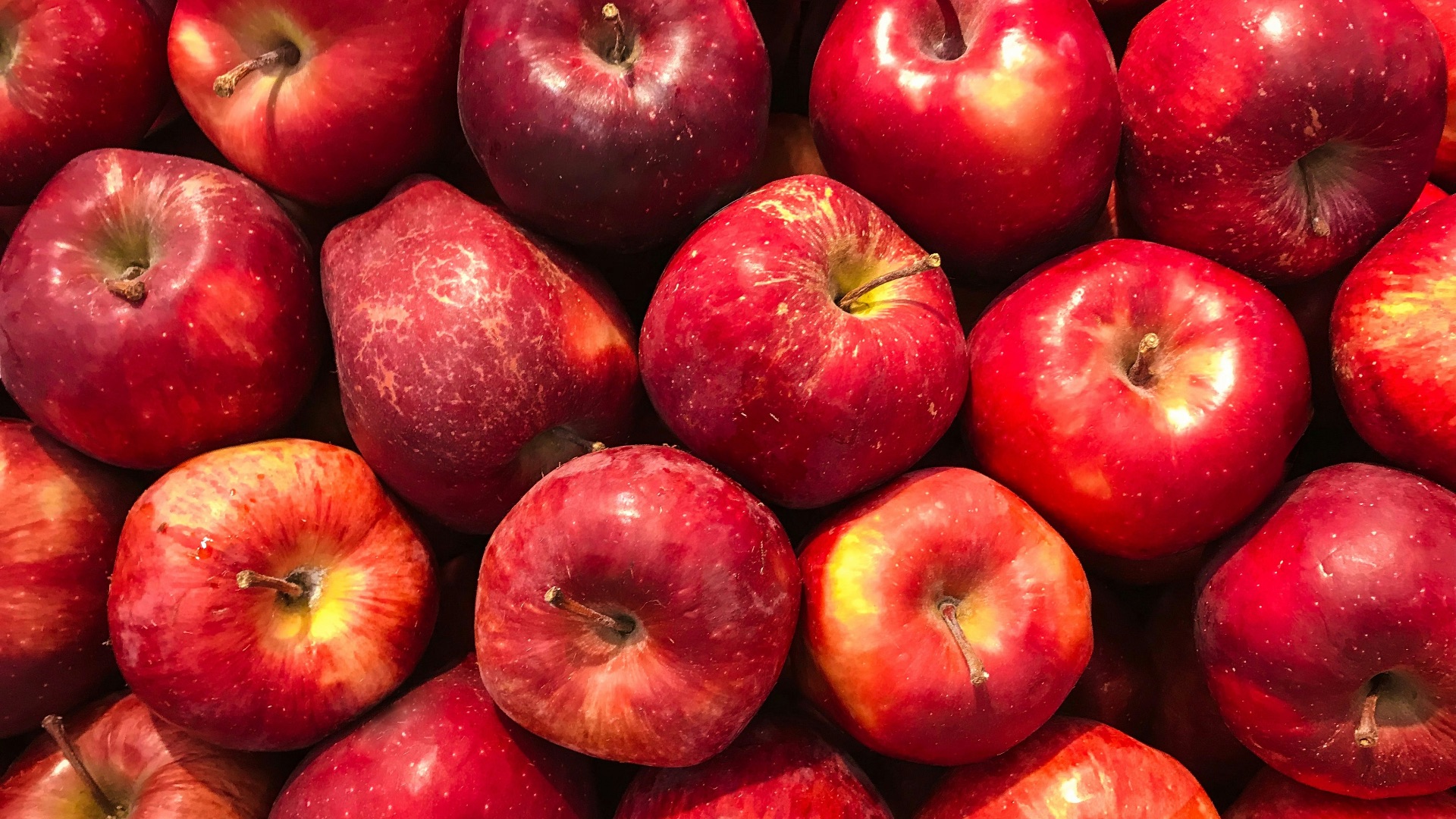
11. Apples
Apples are crisp, portable, and filling because they contain fiber and plenty of water. They also contain fructose and sorbitol, which can cause bloating in some people. Eating apples on an empty stomach may make the effect more noticeable, especially if you eat them quickly. Peeling the apple or choosing a smaller one may reduce the heaviness without removing it from your diet entirely.
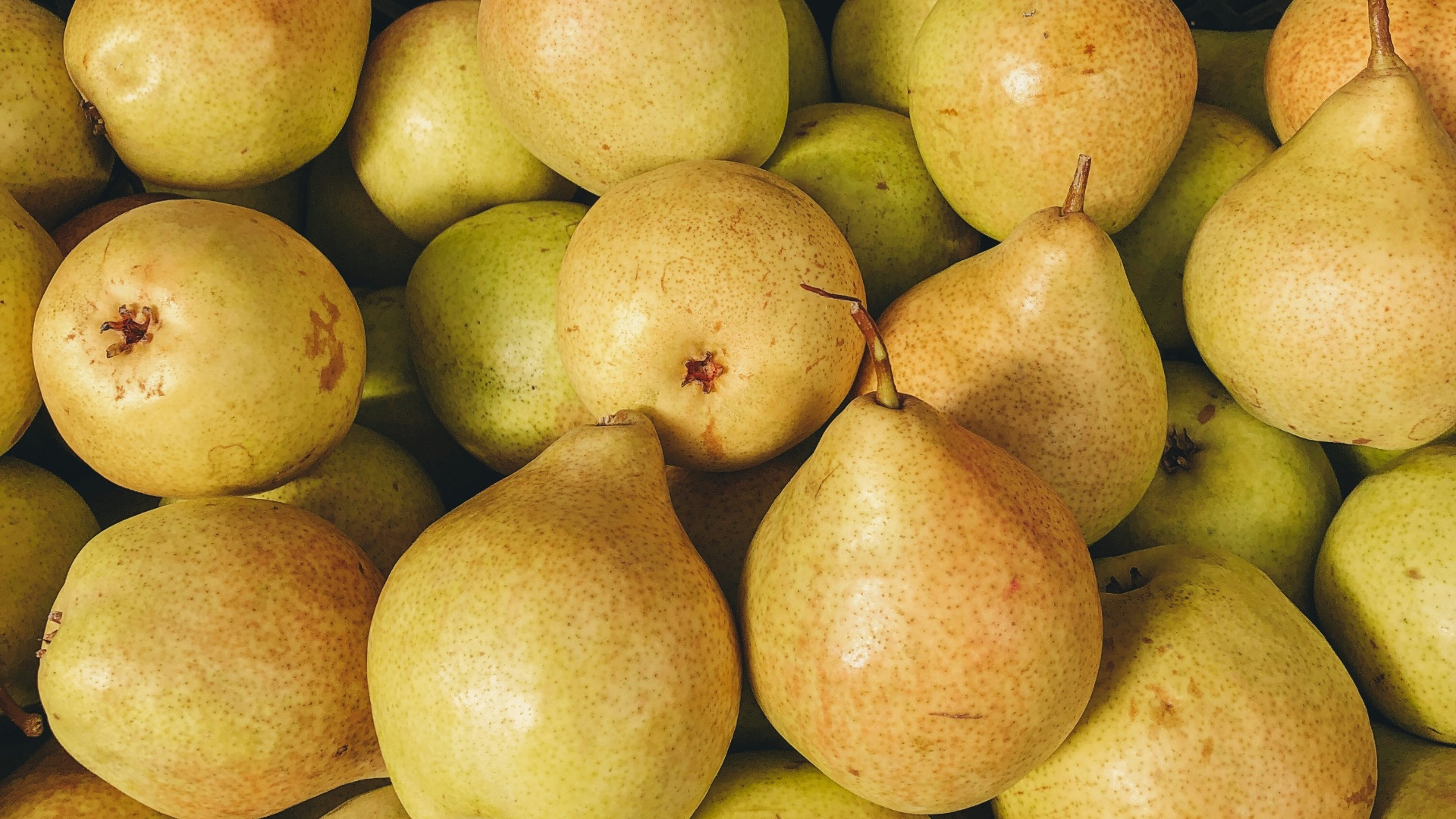
12. Pears
Pears can feel surprisingly filling for a fruit, largely because they’re high in fiber and water. They also contain sorbitol, a sugar alcohol that can pull water into the intestines and contribute to bloating. For people with sensitive digestion, even one large pear can lead to fullness that feels more uncomfortable than satisfying. Ripe pears may be softer to chew, but they can still be tough on some stomachs.
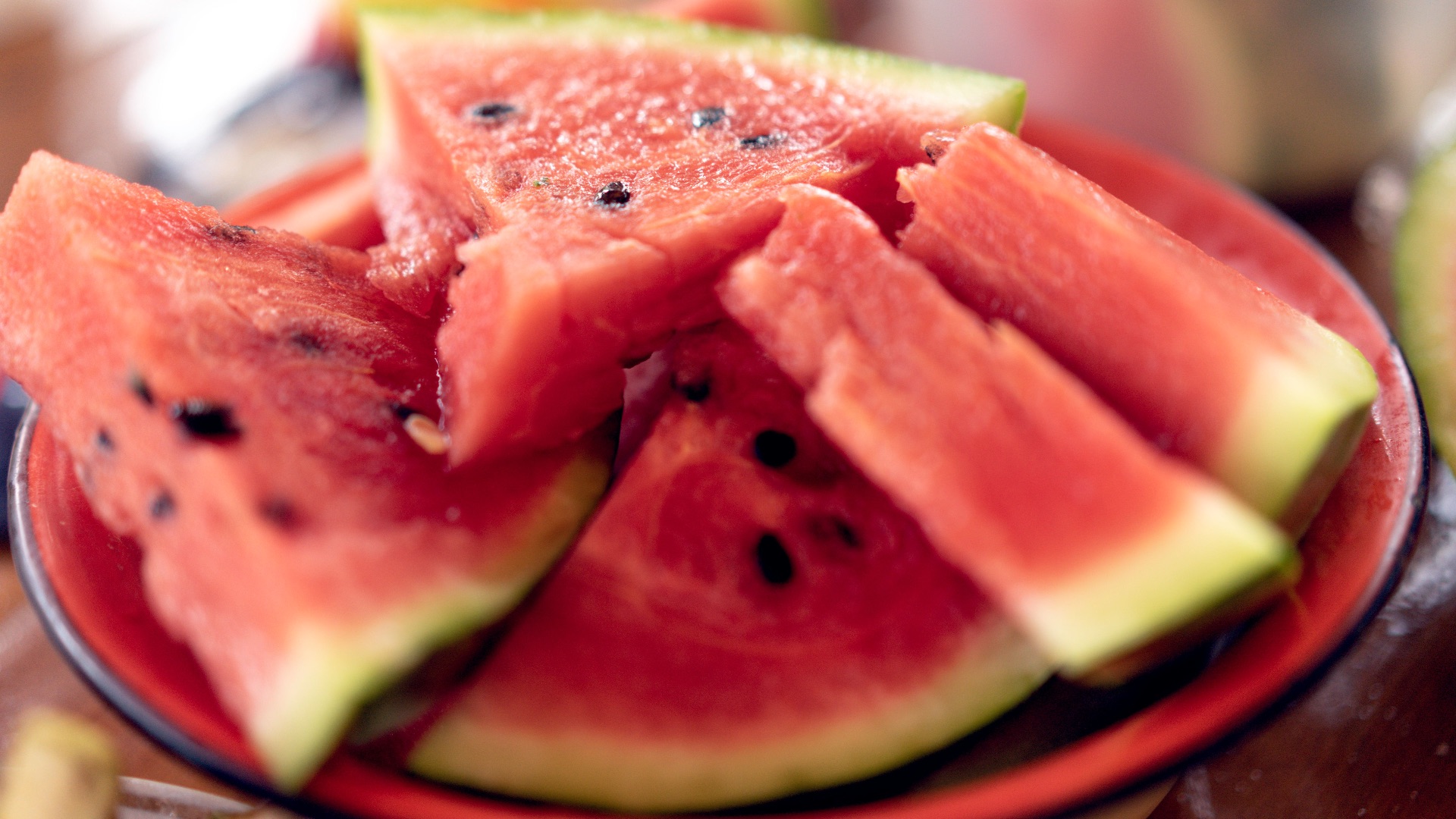
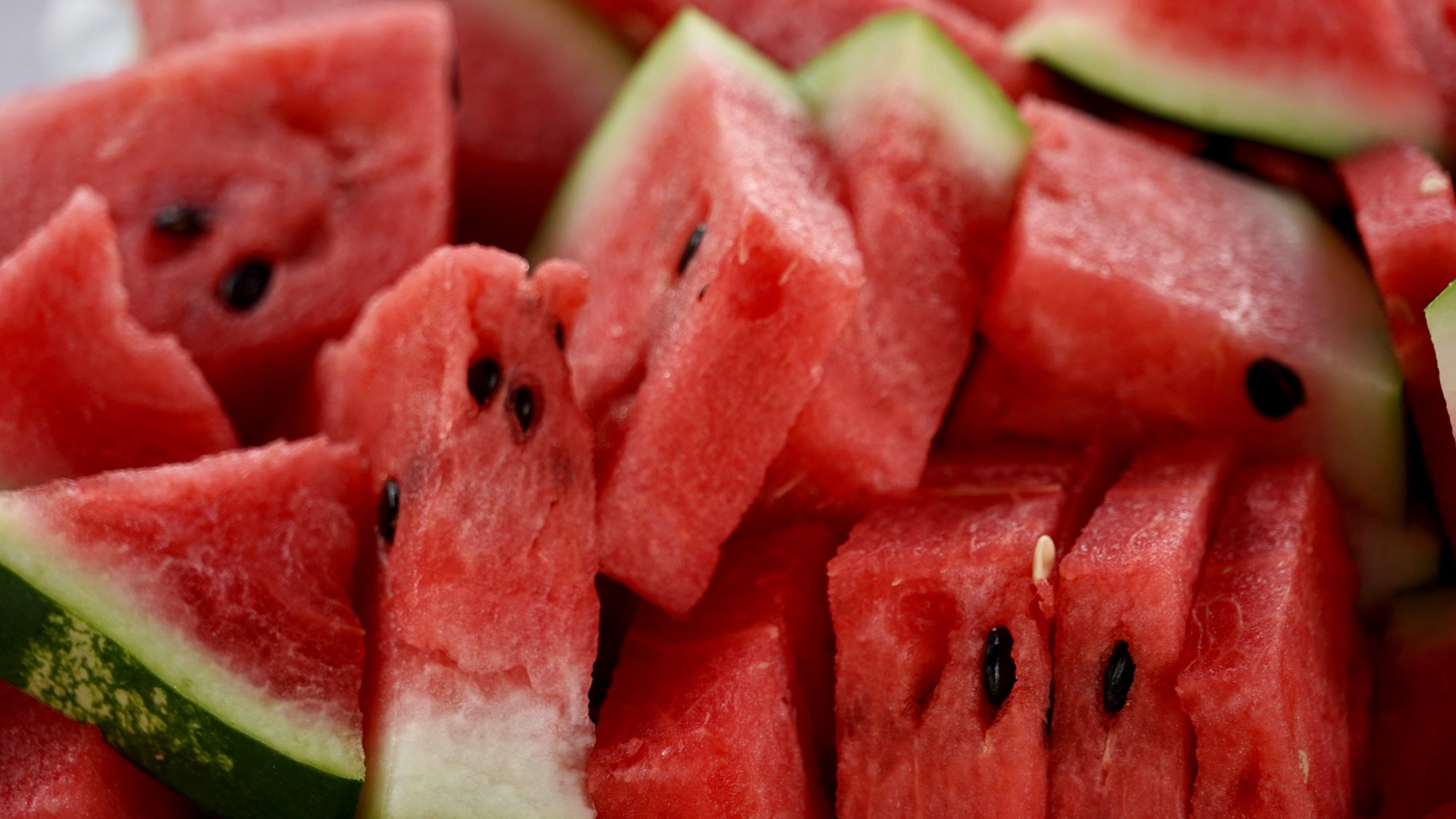
13. Watermelon
Watermelon may seem light because it’s mostly water, but a large serving can still leave you feeling bloated. Its high water content can make your stomach feel physically full, while its natural sugars may be harder for some people to digest. Because it’s easy to eat several cups at once, the bloating can show up faster than expected. Keeping portions smaller can help you enjoy it without feeling overloaded.
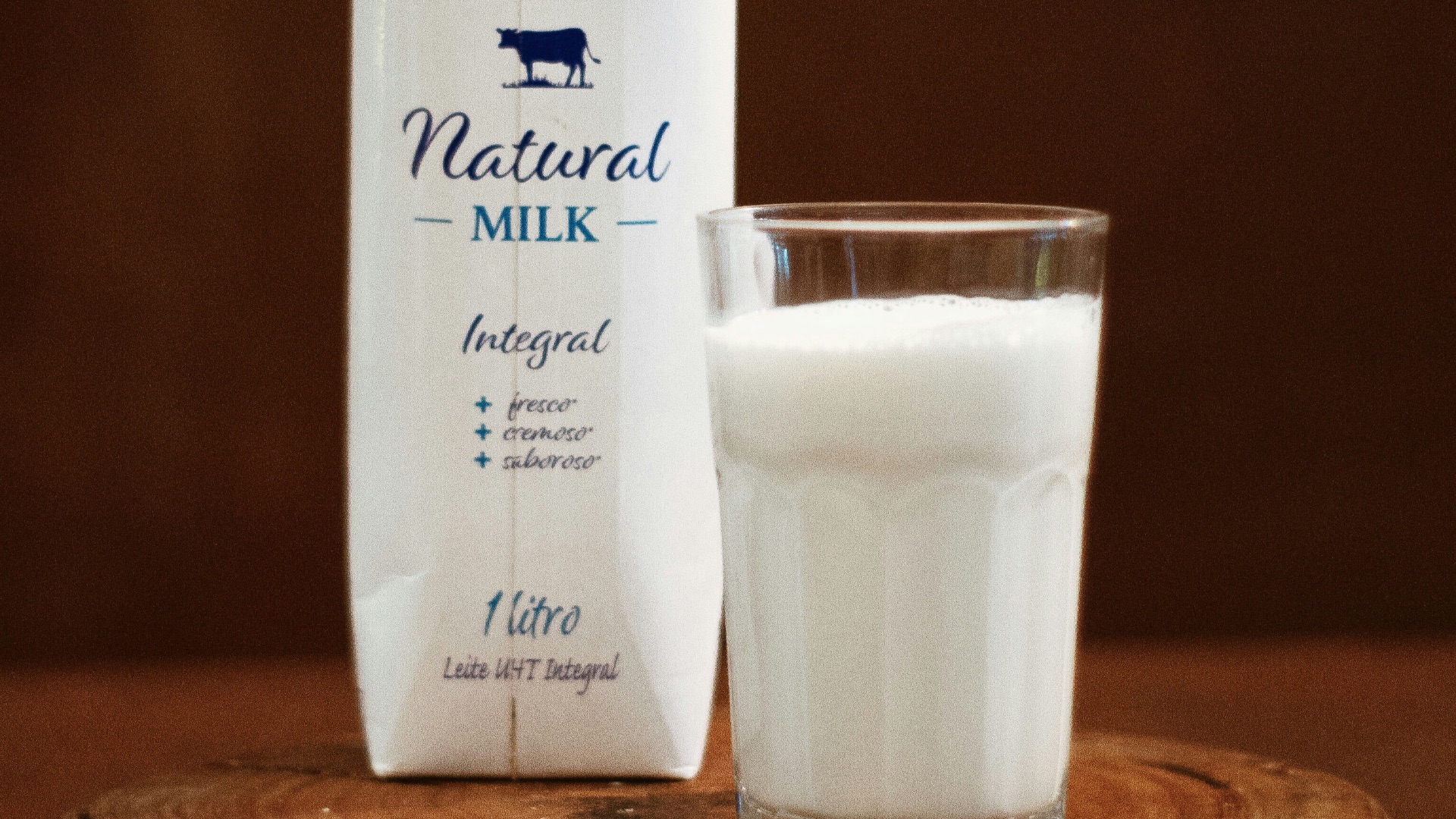
14. Dairy Milk
Milk can be filling because it contains fluid, protein, fat, and carbohydrates in one drink. For anyone who has trouble digesting lactose, it can also bring bloating, gas, and stomach discomfort. The effect may be stronger when milk is paired with cereal, coffee, smoothies, or protein shakes because the total volume adds up quickly. Lactose-free milk may be a better option for people who notice this pattern.
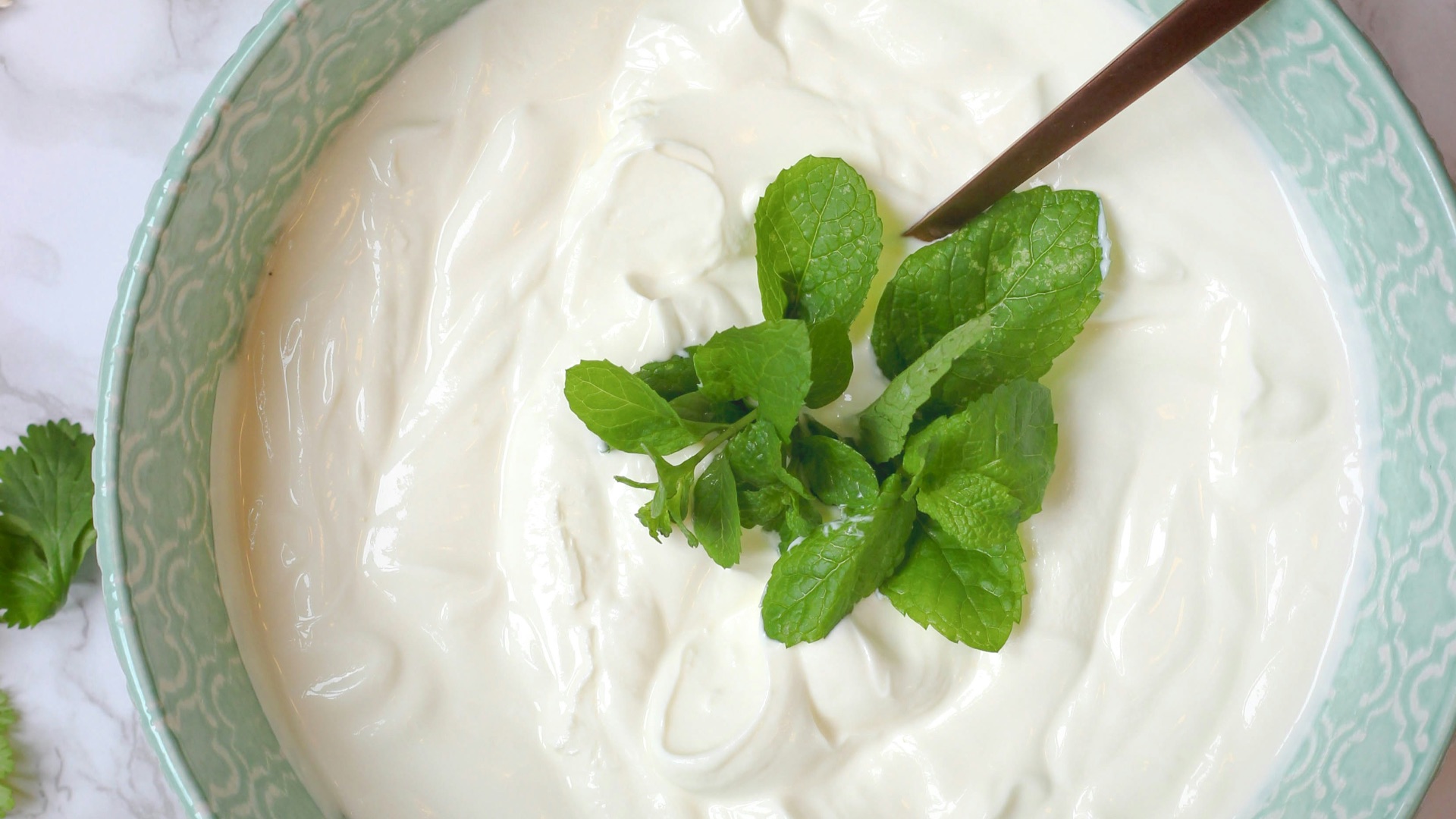
15. Greek Yogurt
Greek yogurt is thick, protein-rich, and filling, which makes it a popular breakfast or snack. Still, it can cause bloating if you’re sensitive to lactose or if you choose varieties with added sweeteners. Some flavored yogurts also contain sugar alcohols or added fibers that may make digestion more uncomfortable. Plain options with simple ingredients are often easier to assess because there are fewer possible triggers.
 micheile henderson on Unsplash
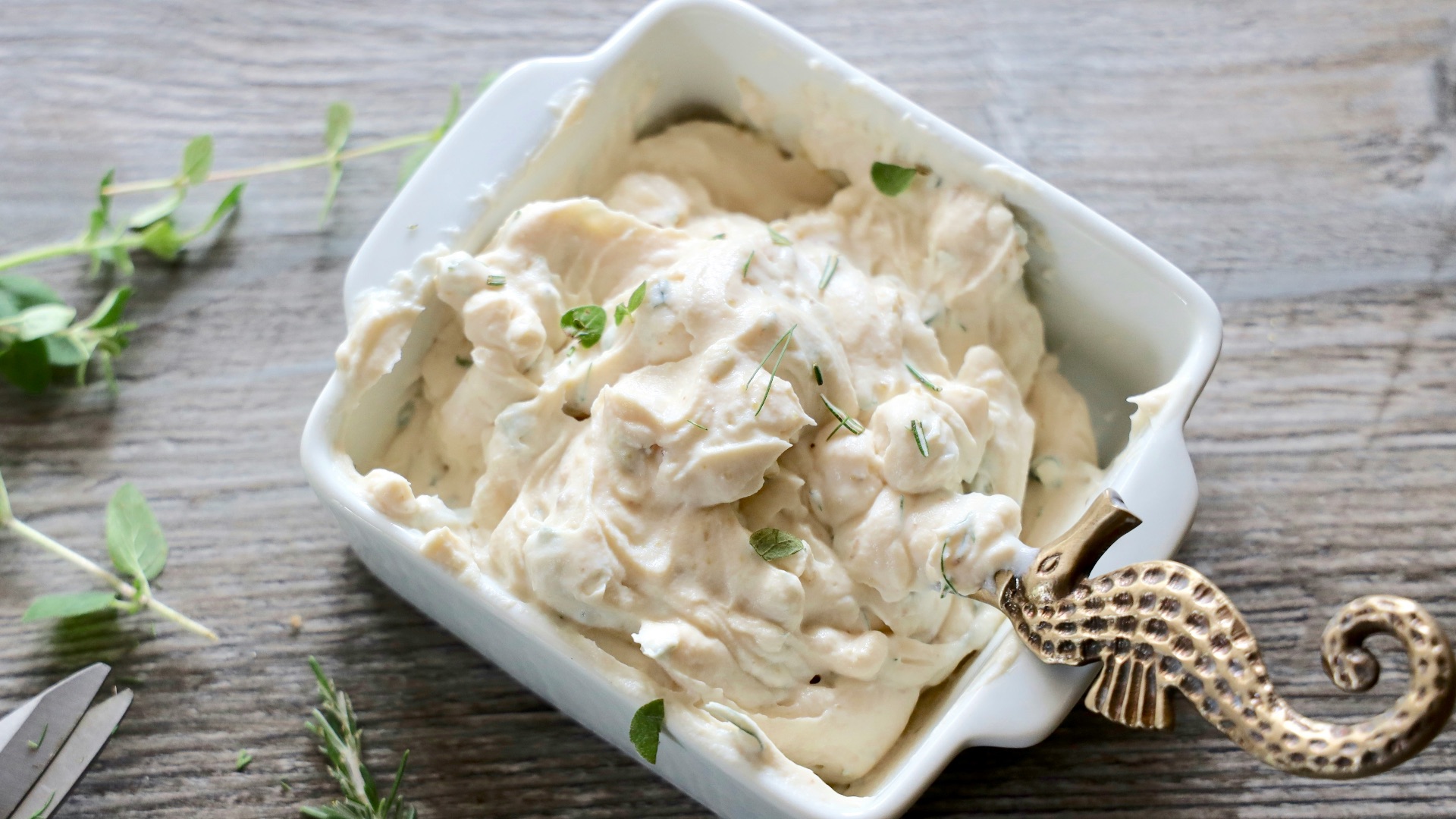
16. Cottage Cheese
Cottage cheese packs a lot of protein into a small bowl, so it can make you feel full very quickly. It can also cause bloating in people who don’t tolerate lactose well, and the high sodium content in some brands may add to that heavy, swollen feeling by encouraging water retention. Checking labels and eating a smaller serving can help you figure out whether it’s the protein, lactose, salt, or portion size that’s bothering you.
17. Protein Bars
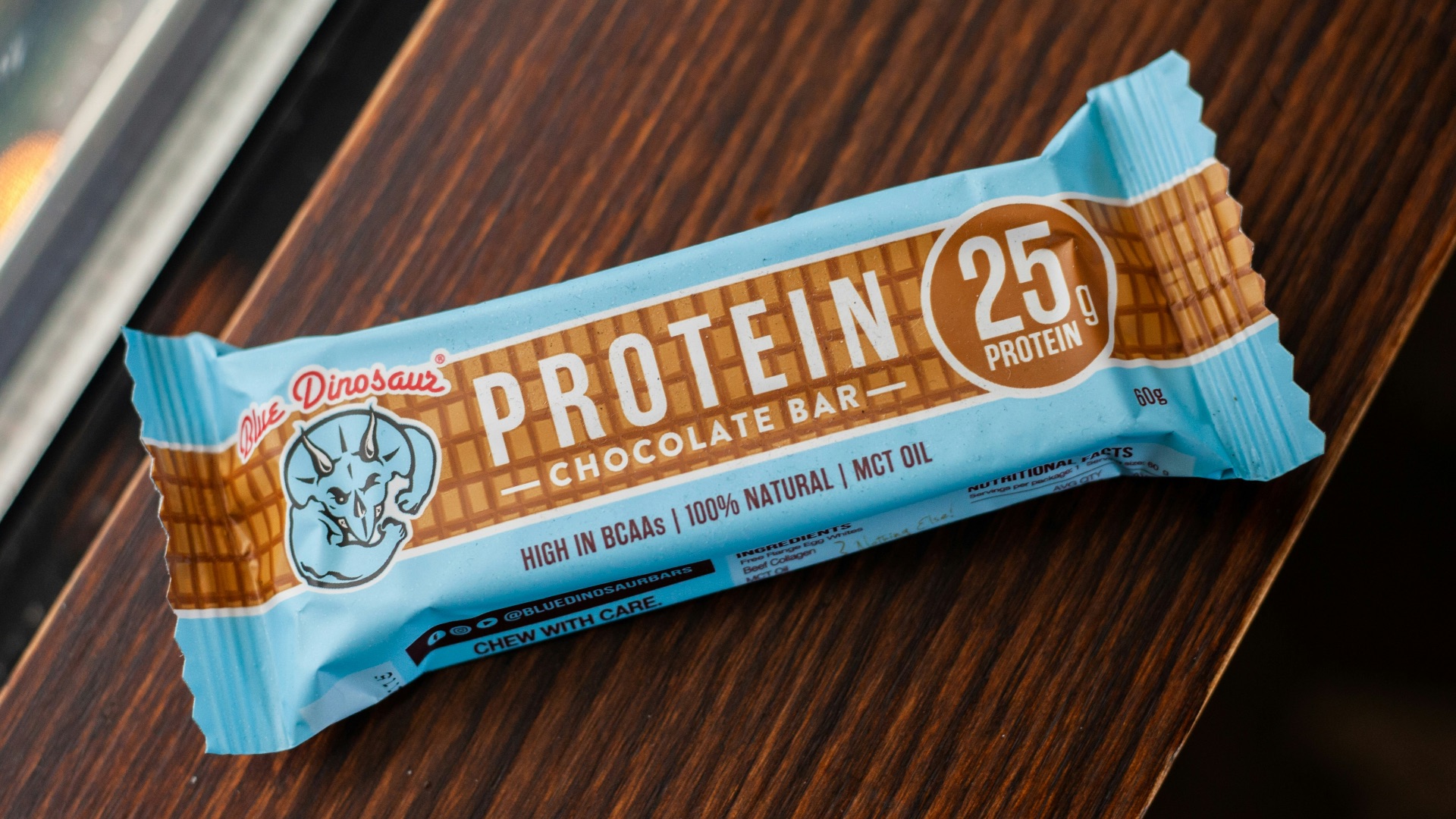
Protein bars are designed to satiate hunger and make you feel full longer, but that convenience can come with digestive side effects. Many bars contain sugar alcohols, added fibers, or protein concentrates that can lead to bloating. Since they’re often eaten quickly, your stomach may feel crowded before your body has time to settle. A shorter ingredient list can be a useful clue when you’re trying to find a bar that doesn’t leave you uncomfortable.
18. Popcorn
Your favorite movie snack might be relatively light by weight, but the natural volume of popcorn can stretch your stomach, especially if you polish off a large bowl while snacking distractedly. Adding butter, salt, or seasonings may also make the bloated feeling worse for some people. Eating it slowly can help you notice fullness before you go too far.

19. Carbonated Drinks
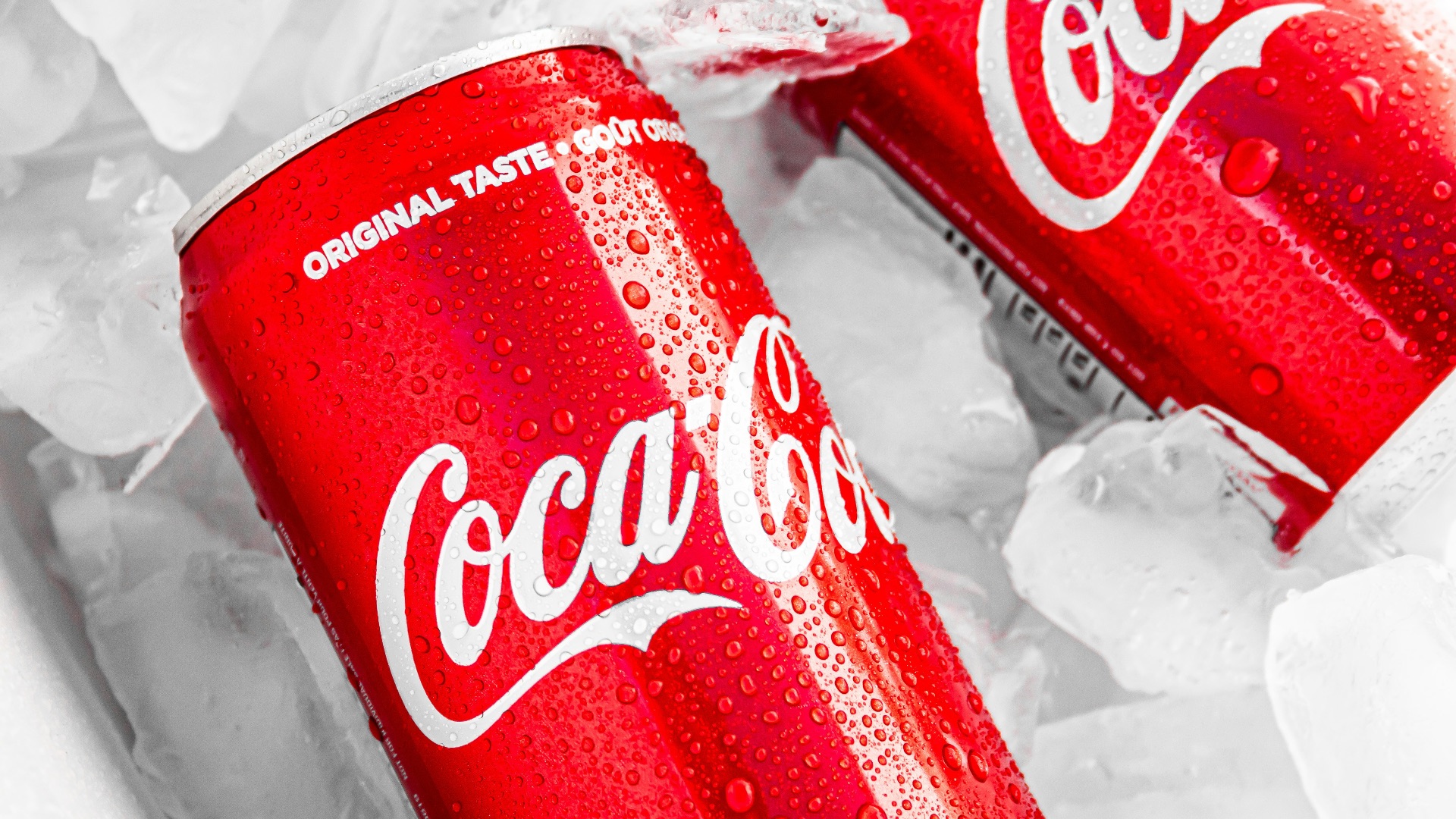
Crack open a can of soda, and you'll probably feel instantly bloated after only a few sips; you can blame that on the extra gas it brings into your stomach. Even if the drink itself doesn’t seem heavy (say, sparkling water), the carbonation can create uncomfortable pressure. Regular soda may also add a lot of sugar, while diet versions can contain sweeteners that bother some people’s digestion. If you’re already eating a filling meal, a carbonated drink can make that full feeling show up much sooner.
20. Chickpeas
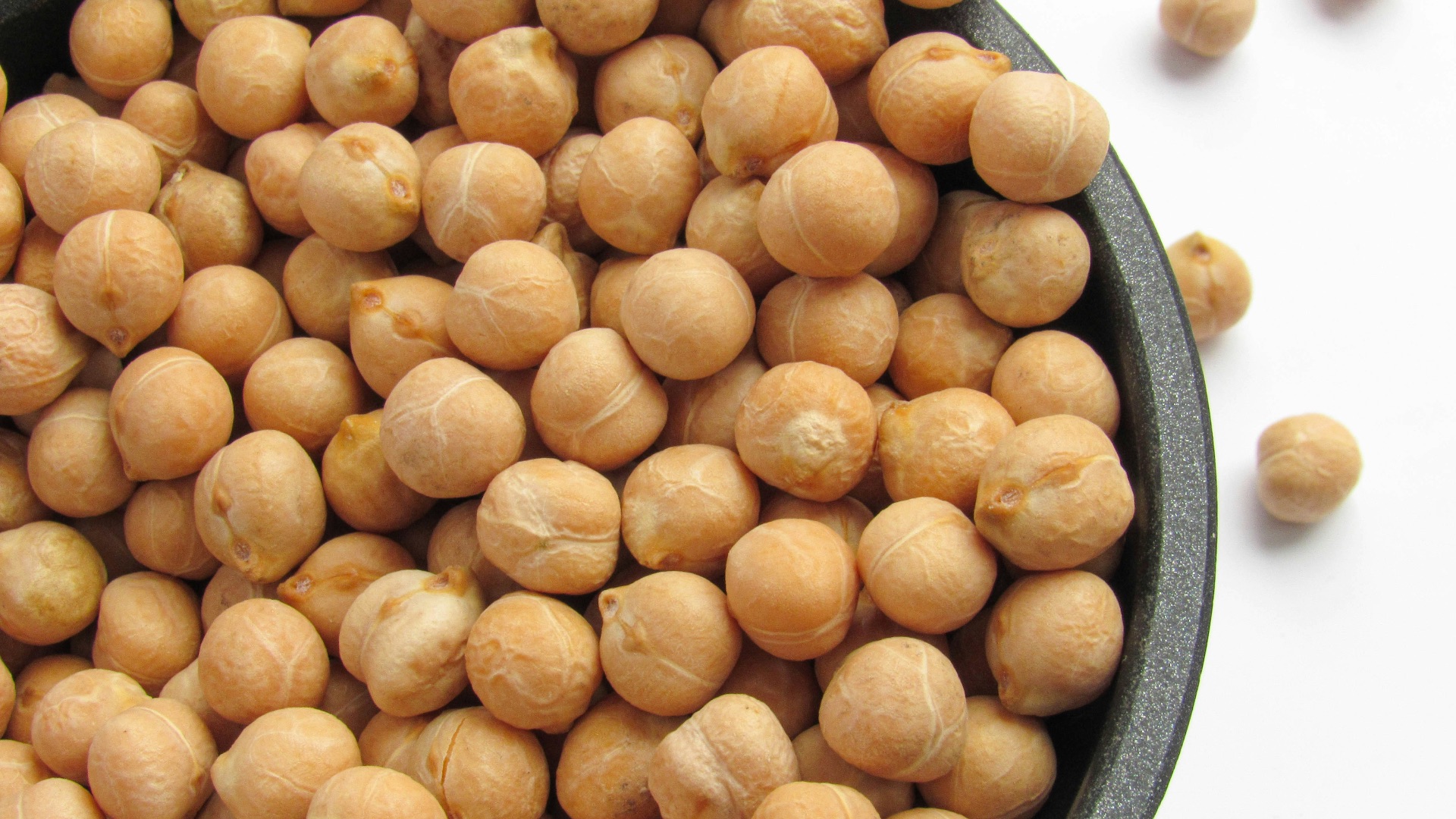
Chickpeas are filling in salads, bowls, soups, and hummus because they contain both fiber and plant-based protein. They can also cause bloating for the same reason beans do: their carbohydrates can ferment in the gut. Hummus may be especially sneaky because it’s easy to eat more than you realize with pita, crackers, or vegetables. Rinsing canned chickpeas well and starting with a modest portion can make them more manageable.
KEEP ON READING
The 5 Most Consumed Foods in the Entire World