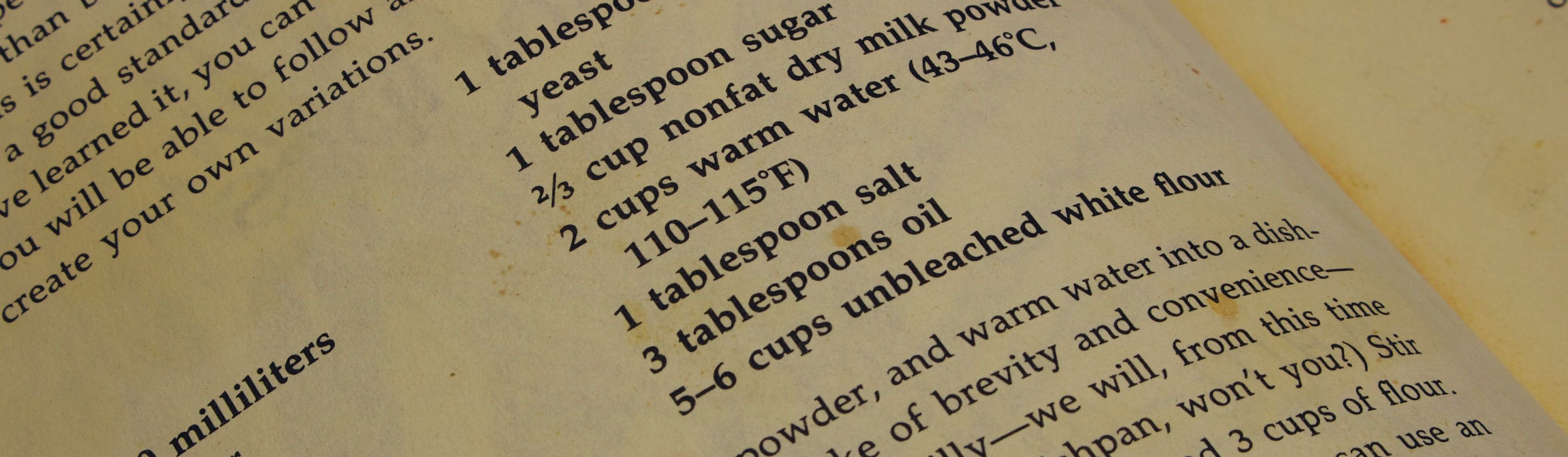

There you are, innocently following a so-called “easy” recipe that should only take about 20 minutes to make. You get all your ingredients, you prep all the cookware…and next thing you know, the whole dish took about an hour to make.
It’s a tale as old as time: understated meal prep in cookbooks and recipe sites alike. But why do we live in such madness? Why do the authors list such unattainable timeframes, leaving us stranded in the kitchen, covered in flour, alone and afraid? Don’t you worry—you’re not the only person this has happened to, and it’s high time we explored a few reasons behind the insanity!
The Clock is Running
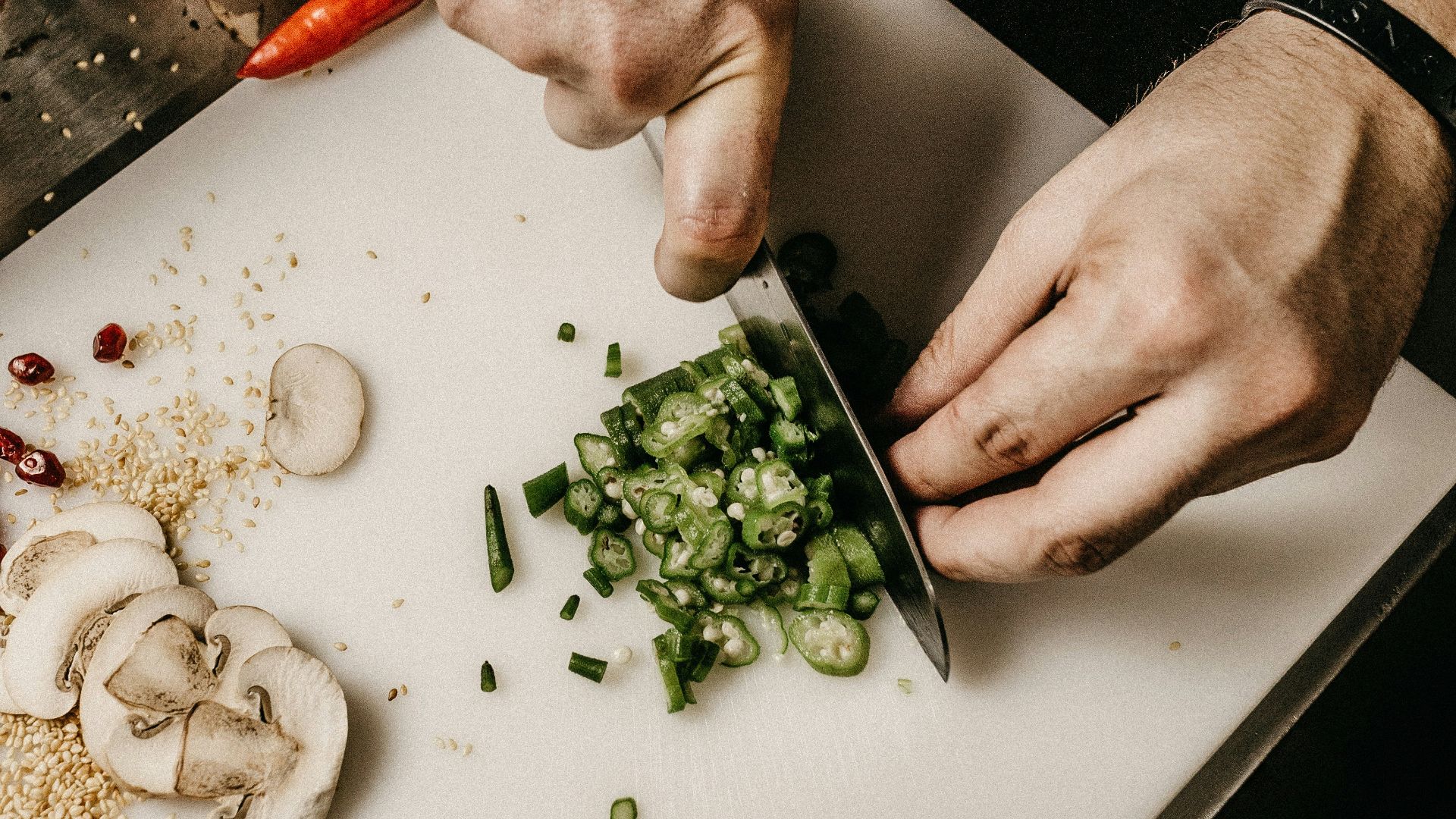
We know it’s hard, but try not to feel bad about your skills in the kitchen. Those pesky times actually have a few hidden, unspoken rules that add a lot more time on the clock. First of all, time actually starts after you prep everything, not before. Chopping onions and peeling garlic don’t seem like a big deal, but those activities eat up precious minutes.
Another huge aspect is that some cookbooks don’t account for skill level. A Michelin-star chef isn’t exactly perturbed by dicing carrots or managing multiple pans on the stovetop. Naturally, that discrepancy only eats away at our time in the kitchen, making a simple pasta dish a whole ordeal.
A lot of it also boils down to marketing. The easier a recipe seems, the better it fares with busy parents or lazy home cooks. There’s nothing wrong with that, of course! But just like everything nowadays, companies and influencers know how to prey on your vulnerabilities; as they say, time is money.
What Can You Do About It?
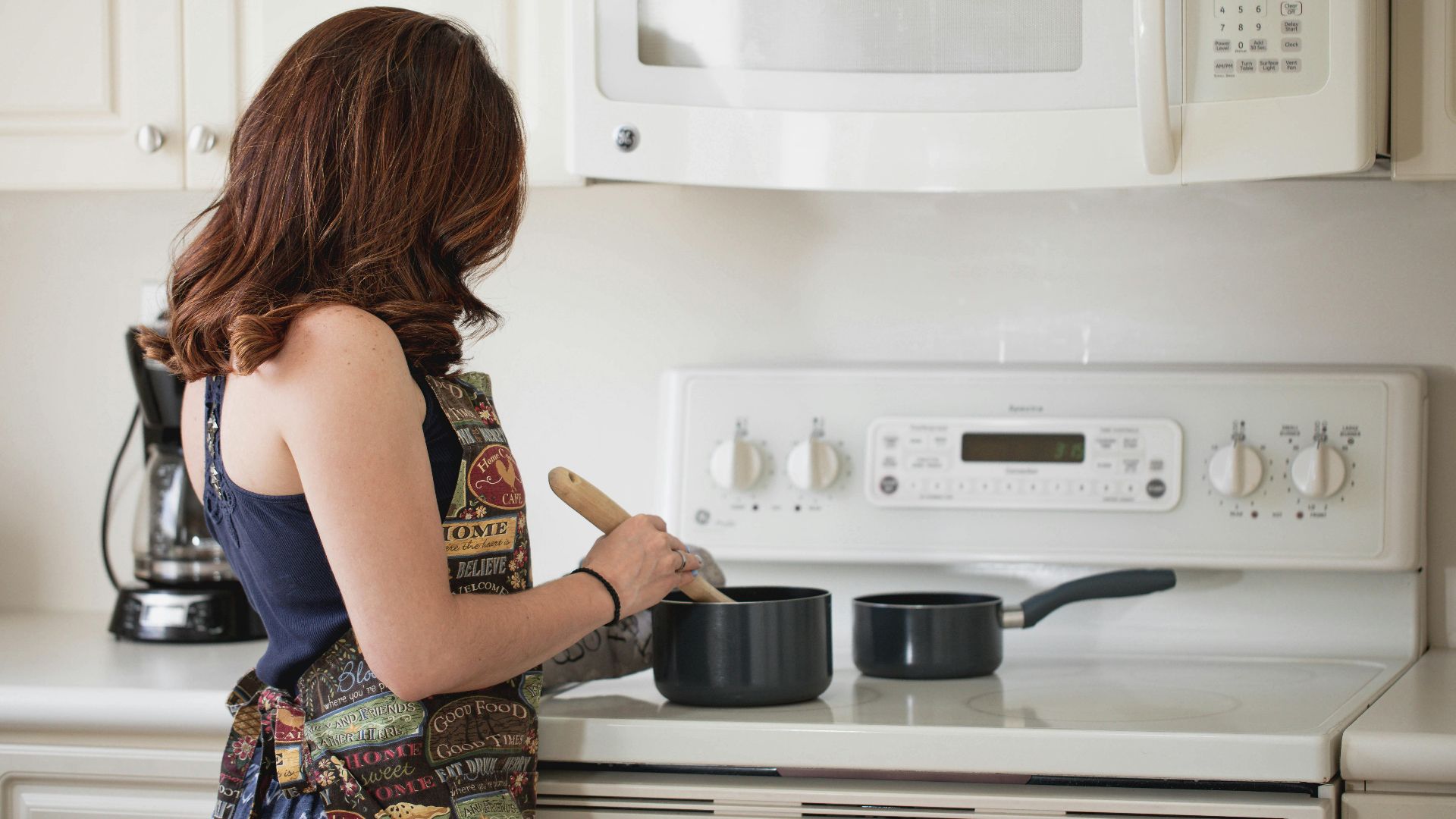
First and foremost, even if your first attempt is a disaster, you always get better the longer you stick with something. As we mentioned, professional cooks have mastered their way around the kitchen, and when you spend more time in your own, you’ll become more efficient and balance the same number of tasks that they do. (You just won’t have a sous chef to bark at.)
It’s also worthwhile to read ahead before you cook anything. Now that we know time starts after prep, comb through your recipe and see how much is actually involved. If you just need to dump a few ingredients in a pot, then you’re probably okay. But if you need to peel carrots, chop peppers, and make your own roux…the clock ticks by much faster.
If you’re new to a recipe, a good rule of thumb is to tack on an additional 50% to your prep time. In fact, some home cooks add upwards of 80-100%! You might not need it in the future, but it’s worth eradicating the headache on your first go.
Make it Easier on Yourself
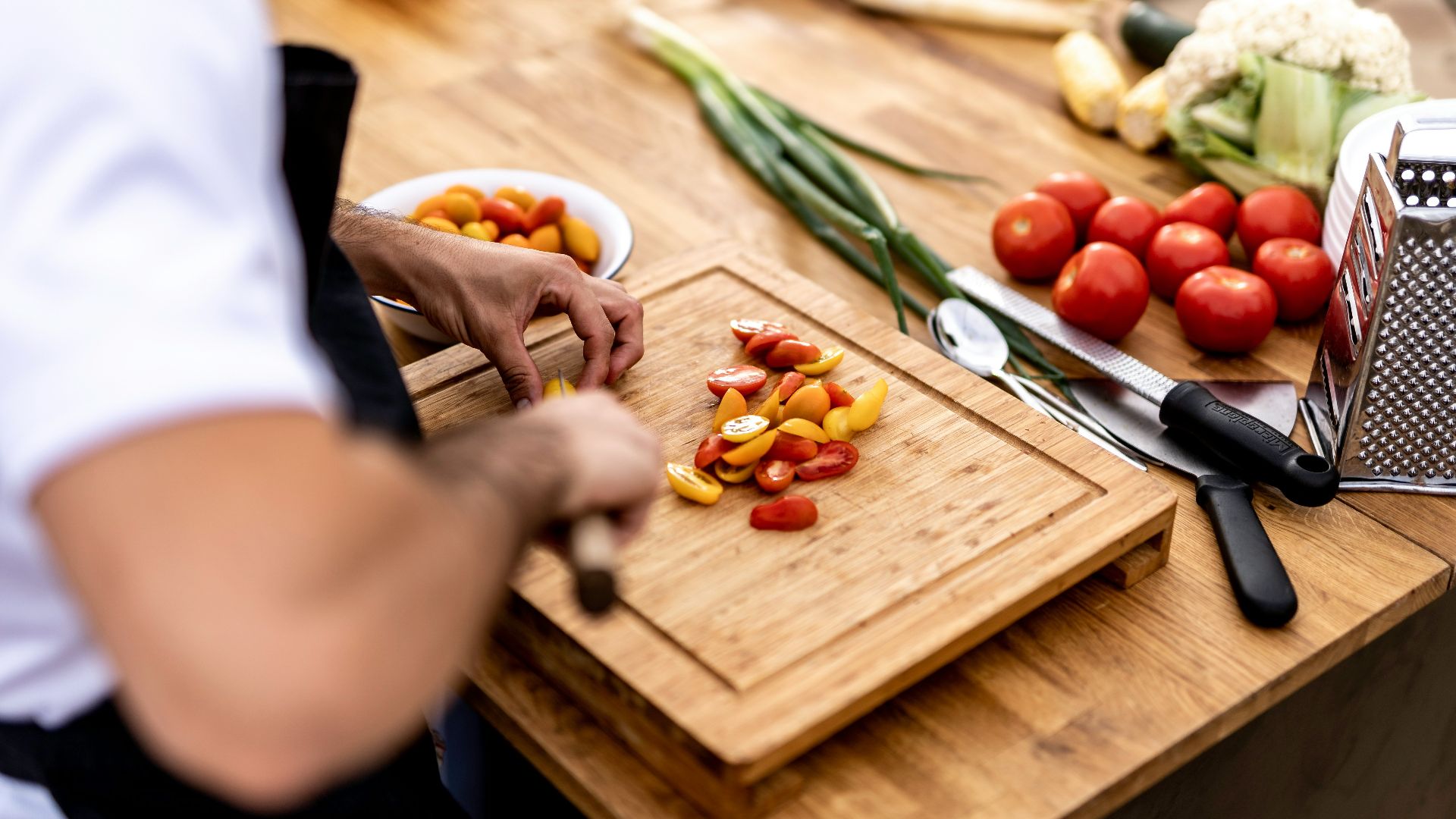
What a lot of cookbooks don’t reveal is that the better your equipment, the faster things will go. Of course, authors can’t just suggest that you buy a primo oven, but outdated models don’t heat up as quickly. You know your appliances better than any recipe site, so take that into account as well.
However, the one item you should always have—and the one that makes prep easier—is a good knife. We won’t lie: they aren’t cheap. But good knives not only shave seconds off the clock, they also protect you in the long run (it’s a heck of a lot harder to slice through potatoes with a dull blade). The more time you spend in the kitchen, the faster you’ll be, too.
You can also prep ahead of time! Thankfully, plenty of easy recipes don’t actually require that much prep, allowing you to slice and dice in just a few minutes. Time how long it takes to cook after you have everything ready; that number is probably closer to the one listed.
Don’t get too down on yourself if recipes take longer than expected. Between the skill differences and hidden meanings, many home cooks feel defeated by pigs in a blanket. Now that you know what to look for, you can stay ahead of the curve. And let’s be honest, you can also ditch whatever cookbooks have the most disingenuous times.
KEEP ON READING

20 Fast Food Items With Surprisingly Weird Origins