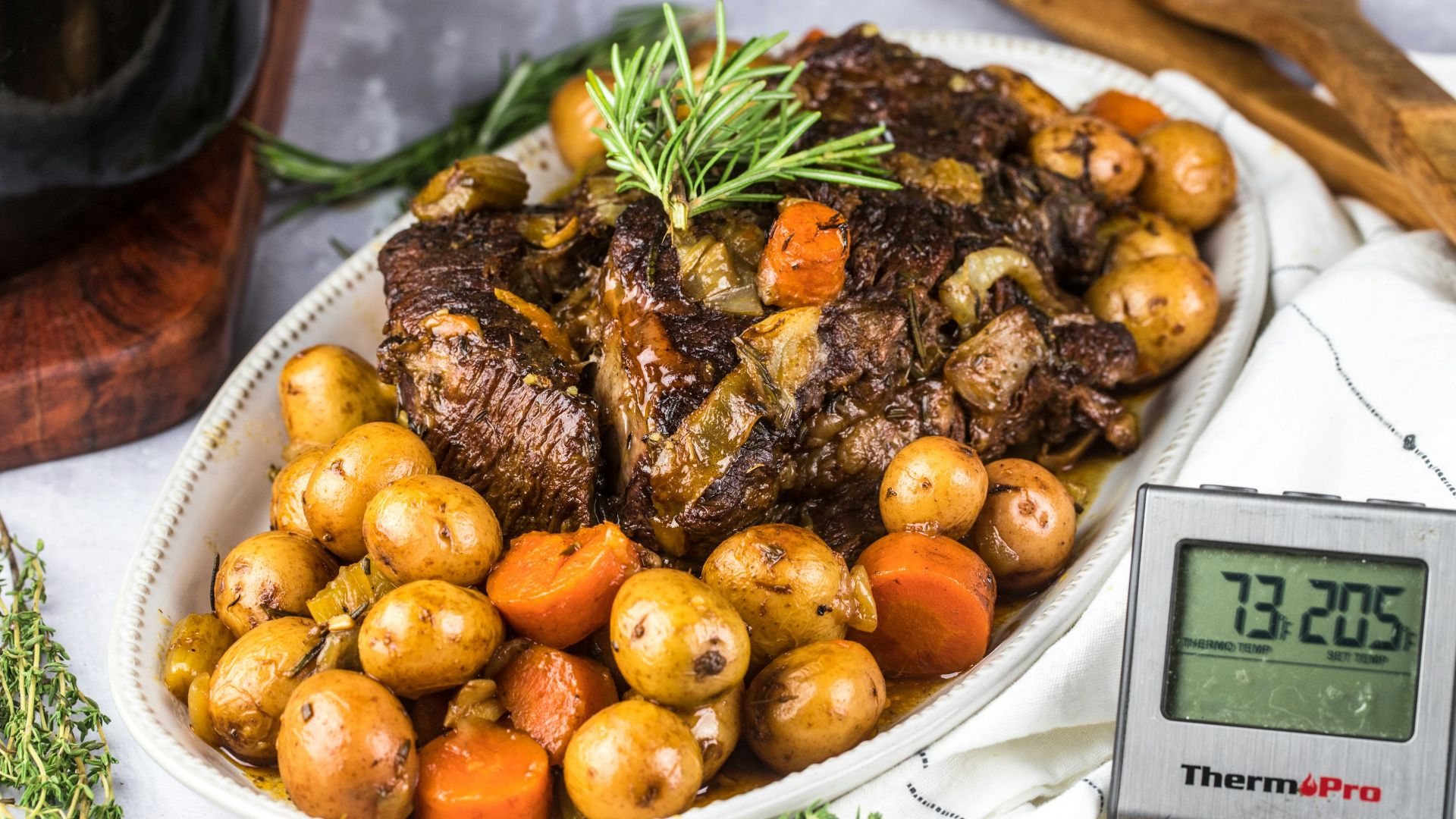
Dinner during the 1950s was more than just a meal. It was a daily ritual that reflected family values, stability, and even postwar prosperity and happiness. Few dishes captured the 1950s better than the traditional pot roast. It was slow-cooked, tender, hearty, and comforting, and thanks to these qualities, it easily earned its place on countless dinner tables.
The pot roast was a symbol of the economic realities and cultural expectations of the era, in addition to being practical and delicious. These elements converged to make pot roast one of the most beloved meals of the decade.
Let's take a closer look at pot roast to understand its cultural significance and what's made it such an enduring classic.
A Practical Meal for the Postwar Era
After World War II, many American families wanted to rebuild their routines and were also forced to stretch resources responsibly. Prosperity was on the rise, but frugality was still required and considered a virtue, especially for single-income families. Pot roast fits perfectly into this mindset and lifestyle.
Pot roast allowed home cooks to turn less expensive cuts of beef into a tender, flavorful meal through slow cooking. It allowed people to maximize value and minimize waste. One roast could easily feed a family of four or more, and there were usually leftovers for sandwiches, hash, or a soup. It was a complete and economical one-dish meal that didn't require a lot of cooking and attention.
Ideal for the Cooking Culture of the 1950s
1950s cooking valued predictability and routine. Recipes had to be reliable and family-friendly. Pot roast checked all of these boxes and required minimal hands-on cooking, so you had time to take care of other responsibilities. It didn't matter if you cooked it in the oven or on a stovetop; pot roast rewarded patience.
Cookbooks and women's magazines were keen to feature pot roast recipes, reinforcing its status as a reliable dinner option even for busy families. The seasoning was also simple. It usually just required salt, pepper, bay leaves, and maybe a bit of broth.
It Reflected The Values of Family and Comfort
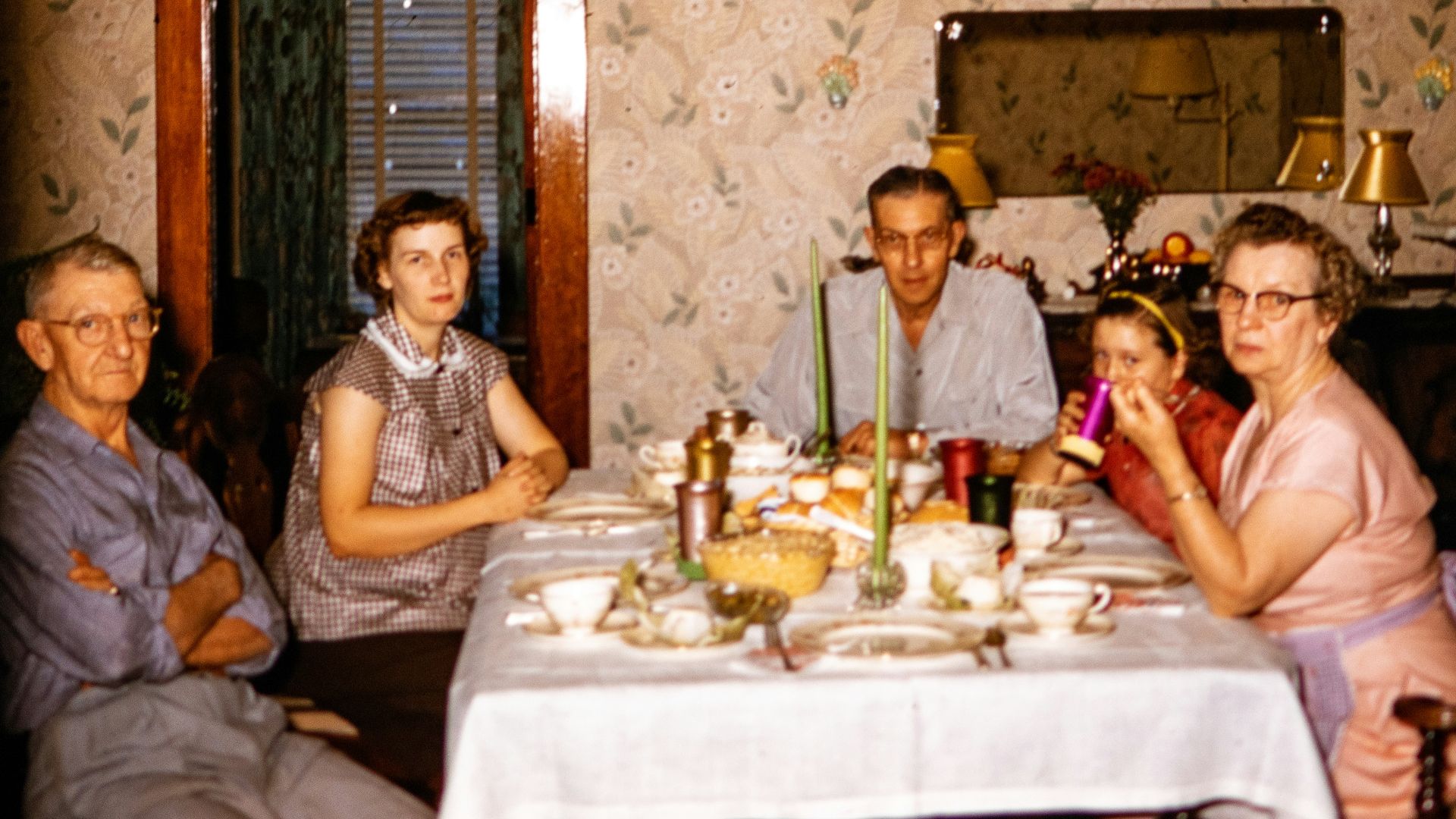
Pot roast held emotional weight beyond its practical benefits. The 1950s focused on the importance of family meals, which were treated as sacred. Dinner was when households reconnected, and pot roast was part of this ritual.
A pot roast slow-cooking throughout the afternoon had an intoxicating aroma that carried throughout the evening. It reminded people of warmth, comfort, care, and stability. It was safe and familiar at a time when the world was in flux. Just as important, pot roast conveyed hospitality and effort, even if it was super simple to make.
The pot roast became a 1950s dinner staple because it perfectly met the needs of the time. It was easy to make, economical, nourishing, and comforting. It was more than just a page in a recipe book. It enveloped and conveyed the values of the era. While food trends have evolved, the legacy of the pot roast remains.
KEEP ON READING

20 Foods With Shocking Origins You'd Never Believe
20 Food Requests Only Spoiled People Ask For


Do Vitamin Supplements Actually Make You Healthier?