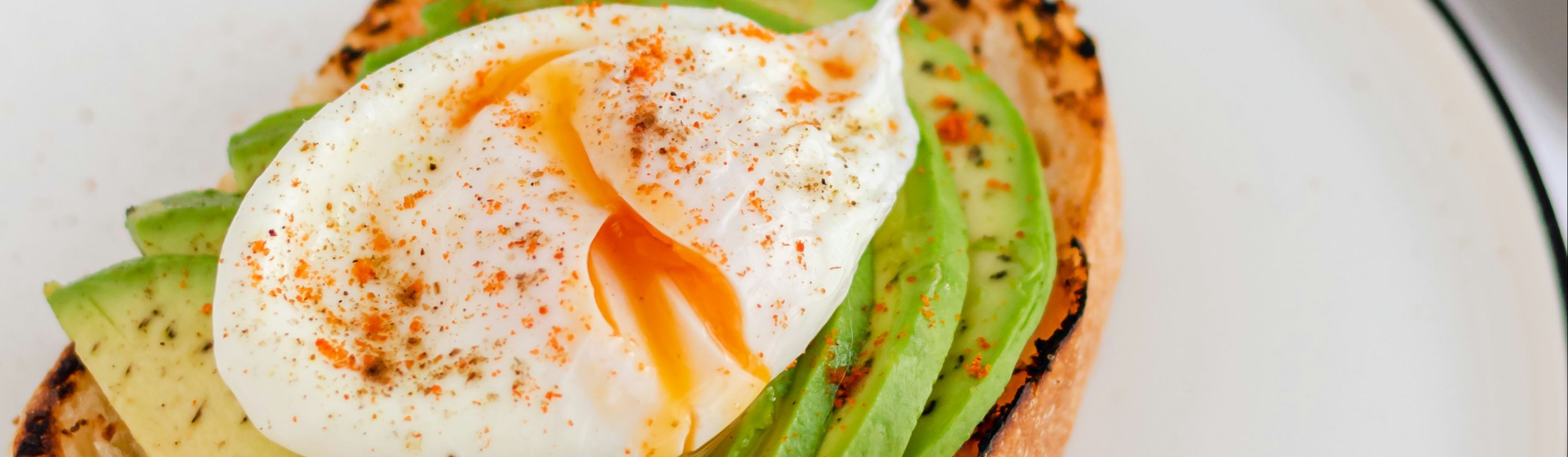

Eggs Benedict has a reputation for being a diner-only dish, but nothing about it actually requires a commercial kitchen. The real appeal comes from how the parts work together: a crisp muffin, warm Canadian bacon, a soft poached egg, and a creamy hollandaise that pulls everything into harmony.
Many people assume the process demands expert-level skill, yet each step stays manageable once you understand what matters. The ingredients are easy to find, and the techniques are familiar. Instead of saving Benedict for special outings, you can recreate it with confidence and enjoy a relaxed weekend breakfast that feels a touch more special.
Build A Solid Base: English Muffins And Canadian Bacon
A good Eggs Benedict starts with a base that can handle moisture without falling apart. English muffins work well because their texture creates crisp edges after toasting, giving the dish a strong foundation. Canadian bacon also fits the job. It browns quickly, stays firm, and adds a gentle smoky flavor. A quick sear in a skillet brings out that flavor while keeping the slices tender.
Most home kitchens overlook the importance of heat management, yet keeping the base warm makes the entire dish taste better. Tucking the toasted muffins and browned bacon in a low oven buys you time to work on the eggs and the sauce. That warmth prevents the bread from softening too early and helps every layer hold its shape.
Mastering Poached Eggs The Easy Way
Poached eggs look tricky, but in reality, a few small choices help the whole process. Fresh eggs always hold their form better because their whites remain tight. Keeping the water at a gentle simmer instead of a full boil also matters because calmer movement protects the shape of the egg. A splash of vinegar also helps the proteins set quickly, giving the egg a neater outline without changing the taste.
Crack the eggs into a small cup so you can ease it into the water. Give it three to four minutes in a gentle simmer for that firm white and runny yolk everyone wants, and then lift it out with a slotted spoon. When the egg looks smooth and drained, you’re ready to add it to the stack.
Hollandaise Sauce Without The Stress

Hollandaise may seem intimidating because it relies on heat and timing, but the technique becomes friendly once you break it down. The sauce starts with yolks, butter, and lemon juice, and it thickens gently when warmed. A heatproof bowl over simmering water offers enough control to avoid curdling the yolks. The steady warmth helps the proteins firm slowly and create the silky texture that hollandaise is known for.
You need to add the melted butter in a slow stream while whisking. This creates an even blend that stays smooth instead of separating. A pinch of salt rounds out the flavor, and a little extra lemon brightens the sauce. When spooned over warm eggs, hollandaise brings everything together and gives Eggs Benedict the richness people love. With practice, the process feels predictable and surprisingly quick, turning a simple morning meal into something diner-worthy right at home.
KEEP ON READING




20 Dishes That Built Modern American Cuisine