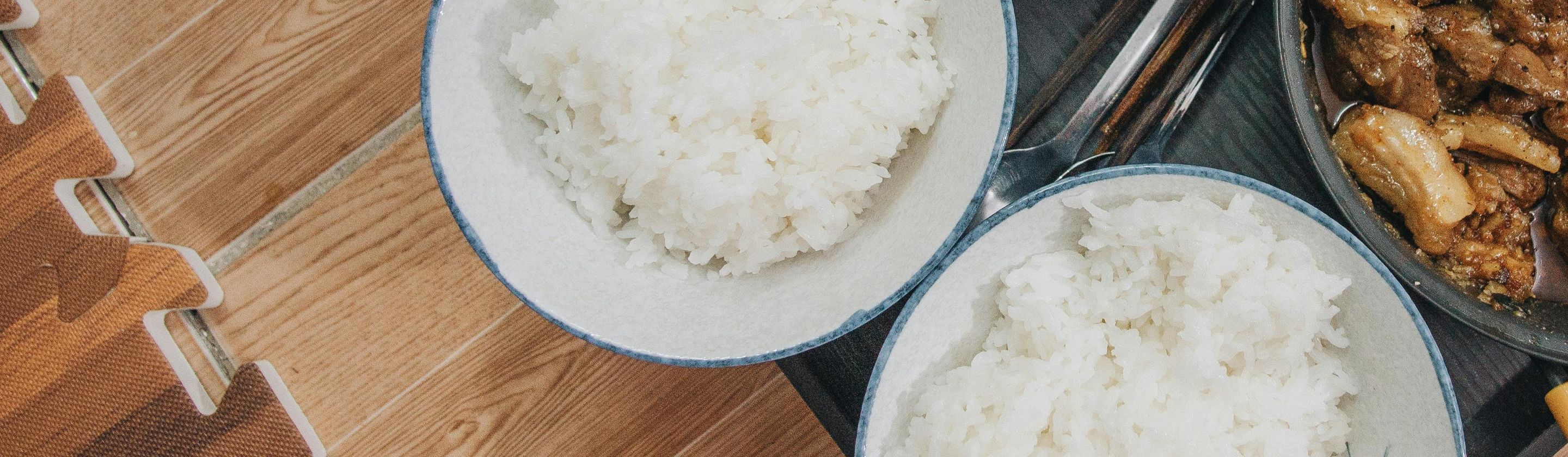
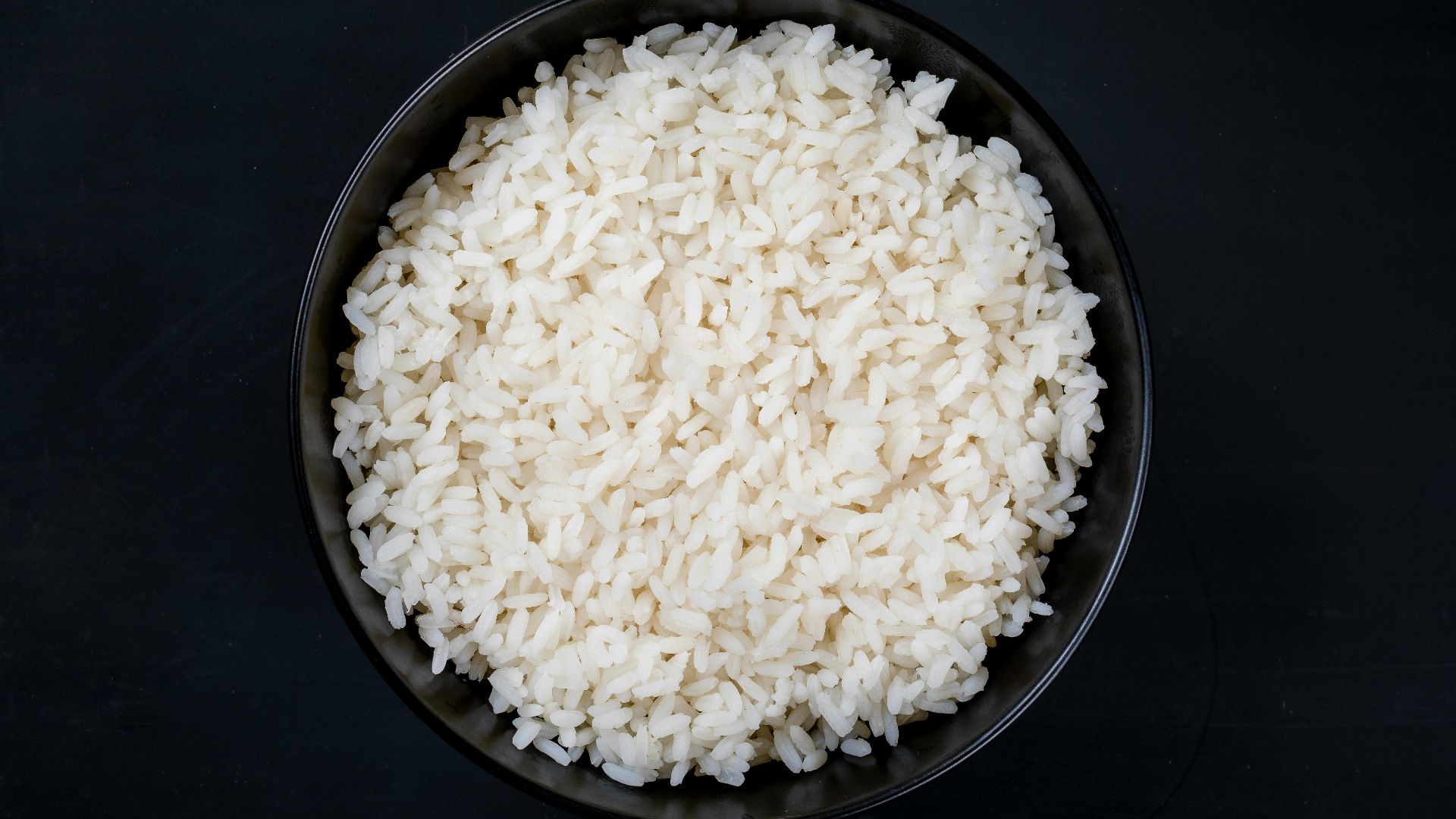
Rice carries a reputation for being easy, yet many home cooks know how quickly a pot can shift from promising to soggy. One moment, the grains look perfect, and the next, they slump into a heavy, wet pile that refuses to hold shape.
This common kitchen problem happens for simple reasons, usually involving too much water, too much heat, or too much steam. When the pot turns soft, the best approach is to pause and understand what happened instead of tossing the whole batch. Once the cause becomes clear, the fix usually follows. Mushy rice doesn’t have to feel like a failure. It only needs a method that brings the texture back into balance while keeping the meal moving.
When The Rice Turns Wet And Heavy
A pot becomes mushy most often because excess water remains after cooking. The grains absorb more than they should, and the extra moisture pushes them past the point of firmness. Spreading the rice on a baking sheet gives it room to breathe. Warm air circulates easily across a thin layer, allowing steam to rise instead of settling back into the pot. As the grains cool slightly, they regain separation and lose that soggy weight.
A second option uses gentle heat to dry the rice slowly. Returning the pot to the stove on low, with the lid removed, lets moisture escape at a steady pace. A light stir every few minutes keeps the grains from sticking while the surface releases steam. This approach works well for long-grain varieties because their structure responds quickly once excess moisture evaporates. After drying, the rice becomes workable again for bowls, sides, or mixed dishes.
When The Grains Clump Together
Clumping usually begins when loose starch coats the grains or when the pot holds more steam than needed. Rinsing uncooked rice before boiling rinses away surface starch and helps future batches stay separate. When a cooked batch already feels sticky, lifting it gently with a fork helps create airflow. The grains loosen as they move, and the pile becomes less dense.
If the clumps stay firm, a quick re-steam brings relief. Placing the rice in a lined steamer basket and warming it briefly encourages circulation around every cluster. The steam softens the exterior without adding water to the center, making it easier to separate the grains. This technique works especially well for jasmine and basmati, which are meant to stay fluffy when cooked correctly.
When The Texture Feels Past Saving
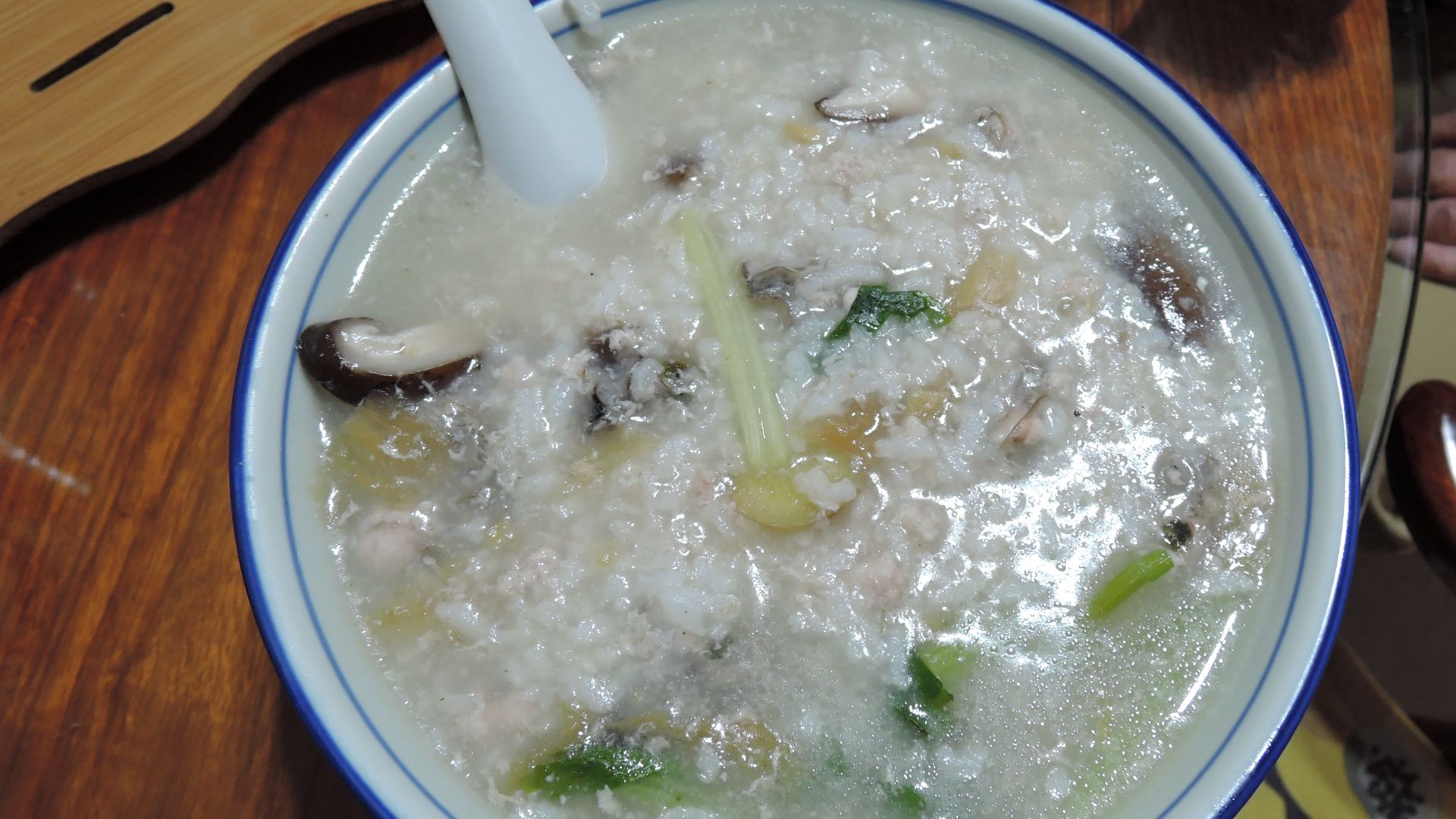
Sometimes the rice loses enough structure that it cannot return to its original form. Instead of treating that as a dead end, many cooks turn it into a new dish. Soft rice works naturally in fritters, rice cakes, or patties because the starch acts as a binder. Mushy rice also adapts well to soups and congee, as they thicken the broth to create a dish that feels warm and comforting.
When viewed as an ingredient rather than a problem, mushy rice opens the door to flexible cooking rather than wasted food.
KEEP ON READING

10 Healthy School Snacks to Pack for Your Kid

Why Some Foods Become Comfort Foods

10 Foods Gen Z Is Bringing Back From the Dead
Why Leftover Rice Deserves Extra Caution
20 Grandpa Flavors You Get Judged For Liking