Pesto has a way of making even a simple weeknight dinner feel like something special.
But as much as people obsess over getting the sauce right, the noodles matter just as much. Once you choose the right shape, every bite lands just the way you expect. And that’s what this is all about, so keep reading to find the pasta that makes your pesto shine.
Why Shape Matters
Think of pesto as a sauce that likes to cling. It doesn’t behave the way tomato or cream sauces do, so your noodle choice needs to help it along. Texture, thickness, and shape all play a role. Certain cuts of pasta offer tiny crevices and curves where pesto can settle, while others create a smooth surface that lets it slip away.
Short pasta tends to be ideal because of the way pesto naturally nestles into pockets and ridges. That said, some long noodles work surprisingly well, especially when they have enough twist or width.
The Best Pasta Shapes To Pair With Pesto
The fun part is exploring how each pasta handles pesto’s texture and intensity. Below are some of the best options for you to consider.
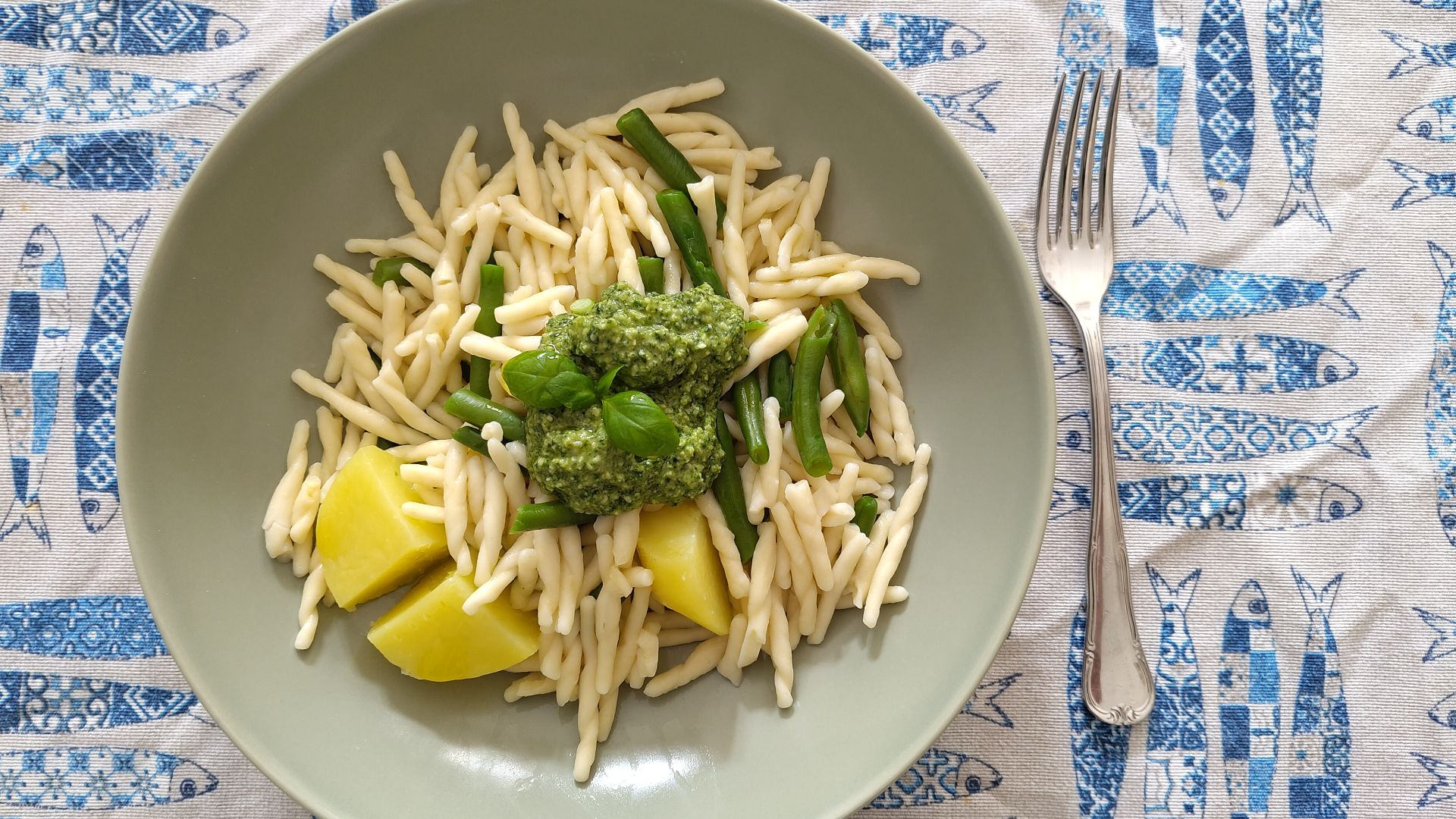
Trofie: This hand-rolled, twisted shape comes from Liguria, the birthplace of pesto. Each piece curls just enough to catch and hold the sauce. The chewiness of trofie also stands up well.
Fusilli: Its tight spirals grab onto every bit of basil and pine nut. The swirl pattern helps the sauce travel into the pasta rather than sit on the surface.
Orecchiette: Each little cup holds a pocket of pesto that bursts with flavor. For anyone who prefers a slightly more concentrated pop of pesto with each forkful, orecchiette makes a great choice.
Gemelli: That little twist gives pesto plenty of places to settle without overwhelming the bite. Gemelli has a nice springy texture that stands up well to heavier pestos, especially ones with walnuts or arugula added for extra punch.
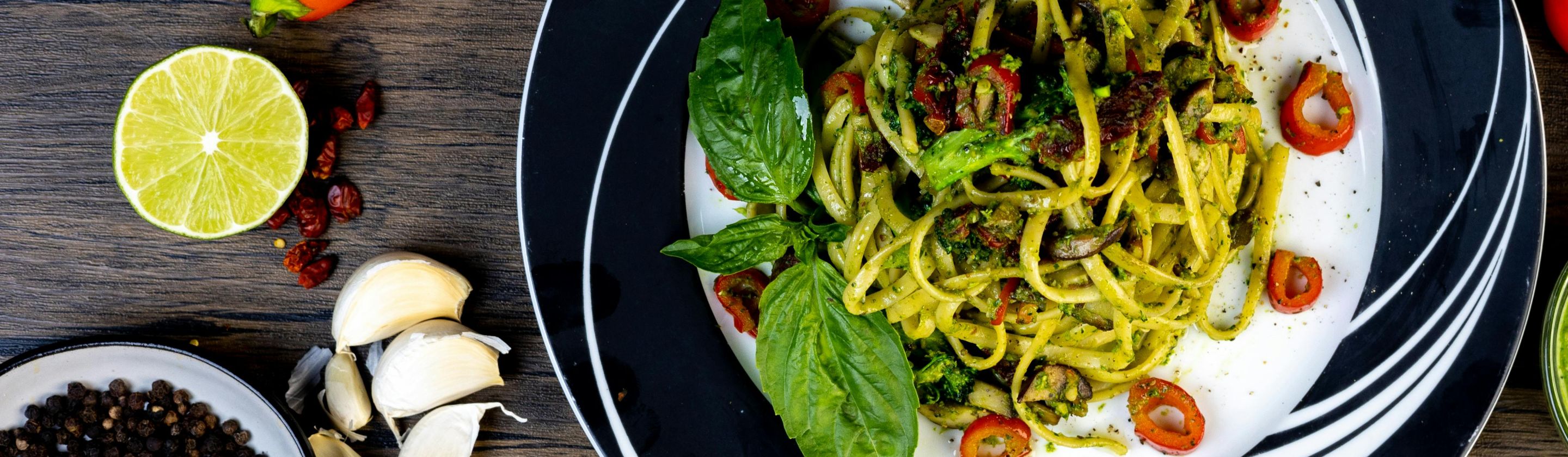
Linguine: Its flat, wide surface lets the sauce cling better than rounded strands like spaghetti. It creates a silky texture when tossed with pesto, almost like the sauce becomes part of the noodle.
Casarecce: Casarecce coils slightly like a loose scroll. Pesto tucks into these spaces so well that every strand picks up flavor without feeling heavy. It creates a rustic, homemade feel that fits beautifully with fresh basil pesto.
Cooking Tips For Perfect Pesto Pasta
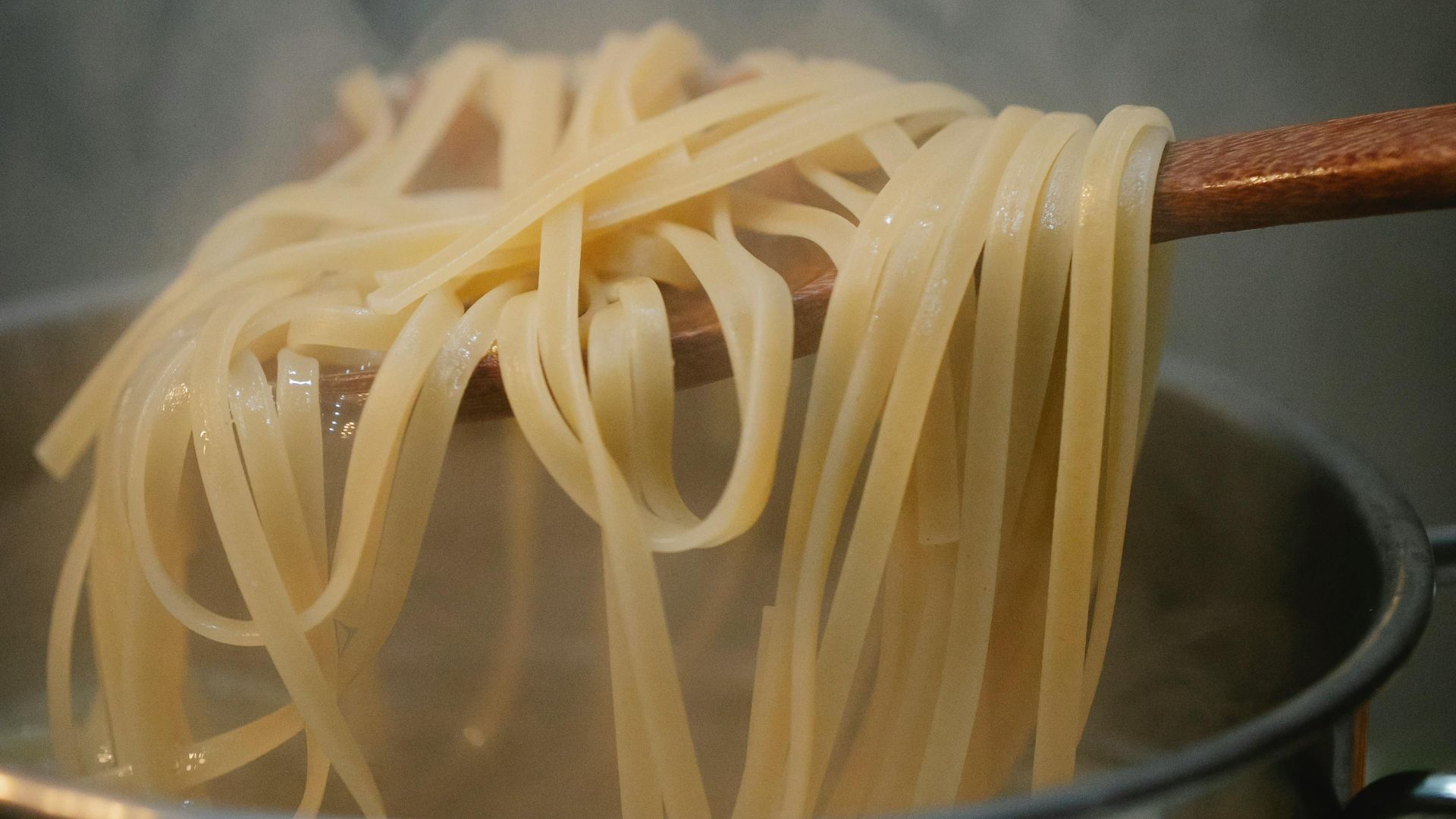
Getting the pasta shape right is only half the story. Once your noodles are cooked, reserve a cup of that starchy pasta water before draining. Toss the hot pasta with pesto and add splashes of the reserved water until the sauce coats every piece smoothly. The starch acts like glue, helping everything stick together. Don't actually cook the pesto on heat—just warm it gently with the pasta so the basil stays bright and the cheese remains creamy. Add a final touch of extra‑virgin olive oil to lock in flavor and add richness.
These small steps turn ordinary pesto pasta into something worth remembering.
KEEP ON READING
You’re Storing Tomatoes Wrong in This Heat
You’re Storing Potatoes Wrong in This Heat
You’re Storing Peppers Wrong in This Heat
You’re Storing Carrots Wrong in This Heat