Most people cook eggs too hot. Egg proteins start to coagulate around 144°F for whites and 149°F for yolks, according to food science research. When you crank the heat, those proteins tighten up too fast, squeezing out moisture and turning your scrambled eggs into little chunks of rubber.
For scrambled eggs specifically, medium-low heat is your friend. Yes, it takes longer, but the difference is soft creamy curds instead of that cafeteria texture we've all learned to tolerate. French chefs cook scrambled eggs over barely simmering water for this exact reason. Slow, gentle heat creates the silkiest results.
Omelets, on the other hand, need slightly higher heat to set the bottom quickly, somewhere between medium and medium-high. You want that first side to cook in about a minute, maybe ninety seconds. Any longer and you're making a scrambled egg pancake.
Fresh Eggs Are Overrated for Some Things
Everyone talks about farm-fresh eggs like they're automatically better for everything. They're not. A study from the USDA found that eggs that are 7-10 days old actually peel more easily when hard-boiled than eggs that are 1-3 days old. As the egg ages, the pH changes, allowing the membrane to separate from the shell more readily.
For poaching or frying, fresh wins. The whites are thicker, more cohesive and hold together instead of spreading into lacy wisps across your pan. If you've ever cracked an egg and the watery white just runs everywhere, that’s likely because your egg is several days old.
Room temperature matters more than people think, especially for boiled eggs. Cold eggs straight from the fridge are more likely to crack when they hit hot water. Let them sit out for fifteen or twenty minutes first or start them in cold water and bring everything up to temperature together.
The Ice Bath Isn't Optional
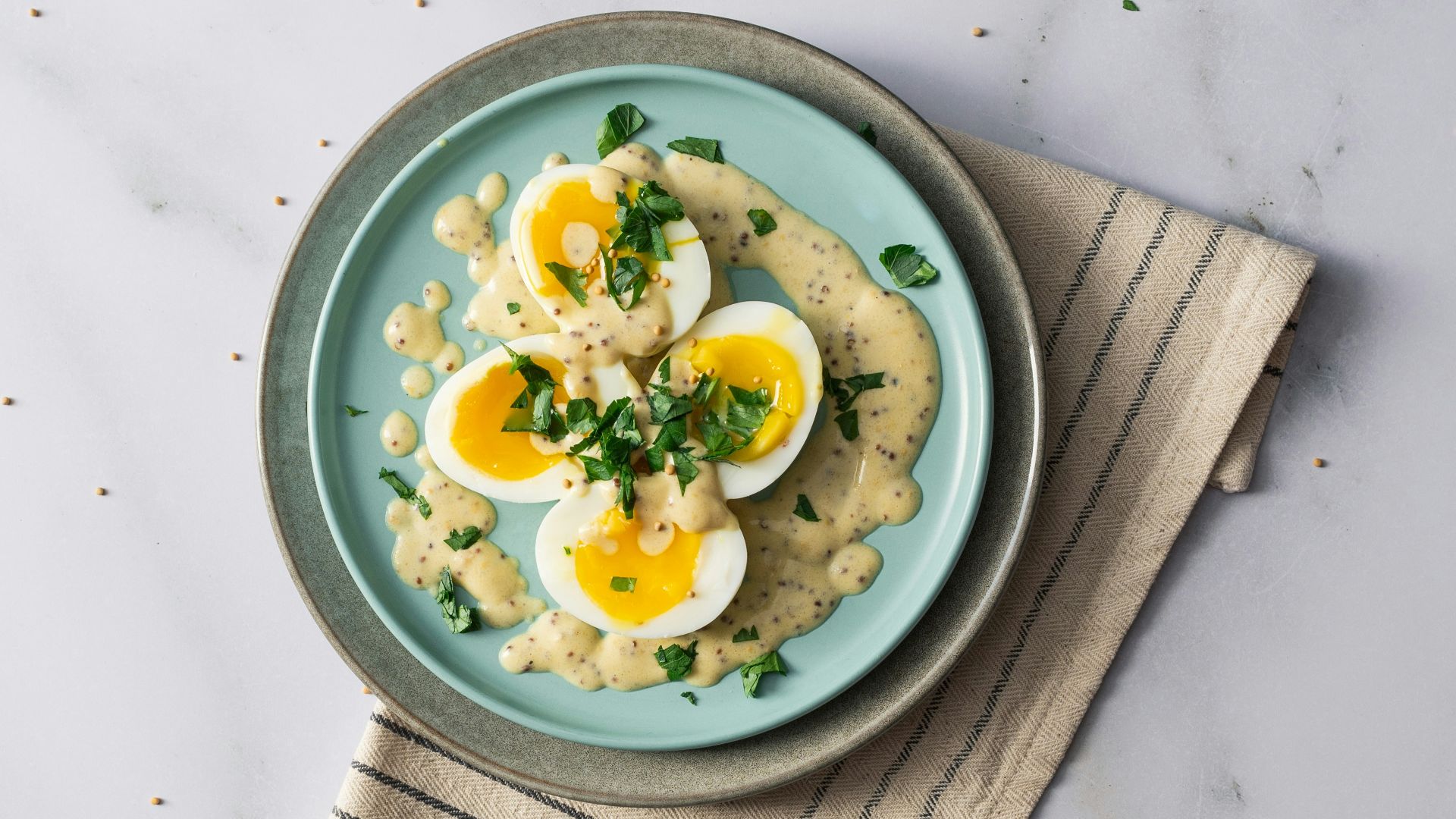
Hard-boiled eggs need an ice bath the second they're done cooking. Not a minute later when you've finished checking your phone. Right away. The residual heat keeps cooking the eggs even after you've drained the water, and that's how you get those greenish rings around the yolk, as hydrogen sulfide reacts with iron at high temperatures.
An ice bath stops the cooking immediately. Plunge those eggs into a bowl of ice water for at least five minutes. Ten is better. This also makes them easier to peel because the egg contracts slightly and pulls away from the shell.
The perfect formula for hard-boiled eggs is bring your water to a boil, add your eggs, reduce to a gentle simmer, and cook for exactly 11 minutes. After, put it straight into ice water. That gives you fully set whites and yolks that are creamy in the center, not chalky.
Fat Matters More Than You Think
You need fat to cook eggs. For scrambled eggs, mix a little butter or cream into the raw eggs before cooking. This does something magical: the fat coats the proteins and prevents them from bonding too tightly with each other, resulting in a fluffier, more tender result.
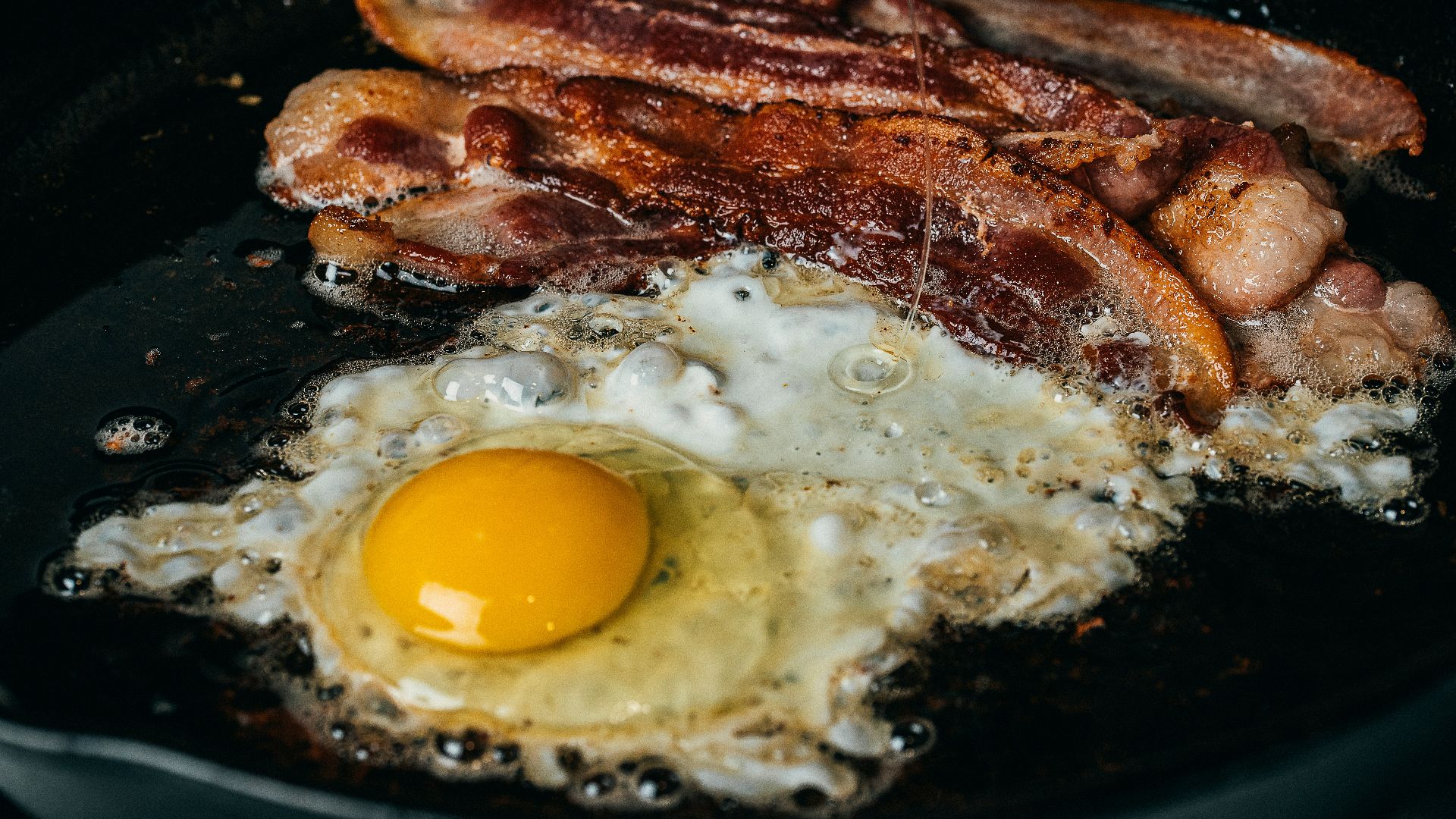
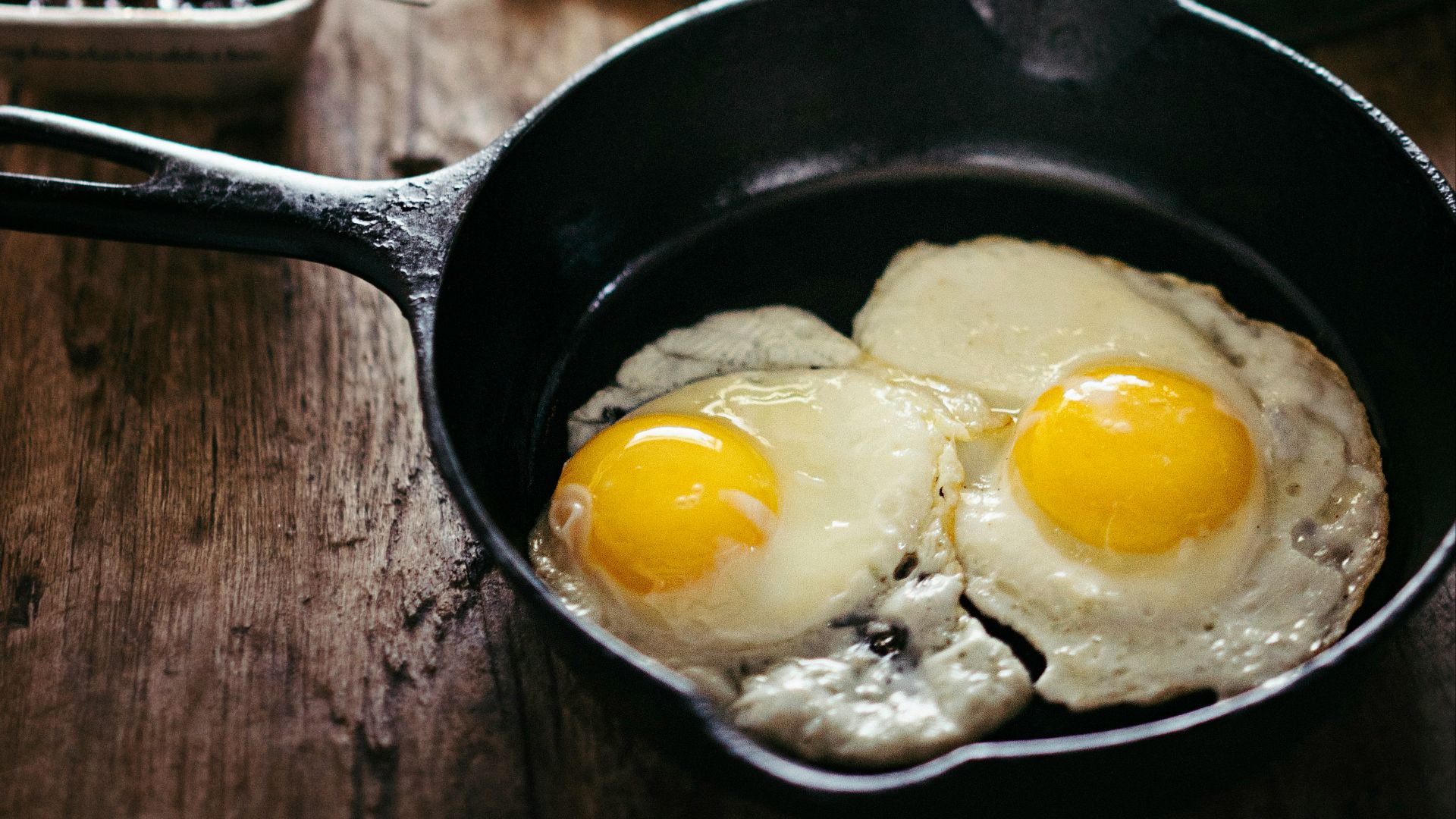
For fried eggs, the pan needs to be properly heated with enough fat that the egg sizzles gently when it hits. You should hear a soft fff sound. Whether you’re using butter, olive oil, or bacon fat, don't be stingy. There’s nothing worse than eggs glued to a dry pan.
Some people add a lid to steam the tops. That's fine if you like your yolks fully set, but the better method is to tilt the pan and spoon hot oil over the whites until they're set.
Salt Timing Changes Everything
When you salt your eggs, it affects their texture. Salt dissolved in raw eggs loosens the protein structure, which helps make scrambled eggs more tender. Be sure to mix it in before cooking, seasoning generously.
For fried or poached eggs, salt after cooking. Salt on raw whites can create weird little pockmarks or tough spots as a result of how salt affects surface tension and protein bonding. The science gets complicated, but the solution doesn't: wait until the eggs are on your plate.
Quite honestly, most egg disappointments come down to impatience. We're hungry, and we rush because we want breakfast now. So slow down and let the eggs do their thing.
KEEP ON READING
20 Food-Related Art Projects