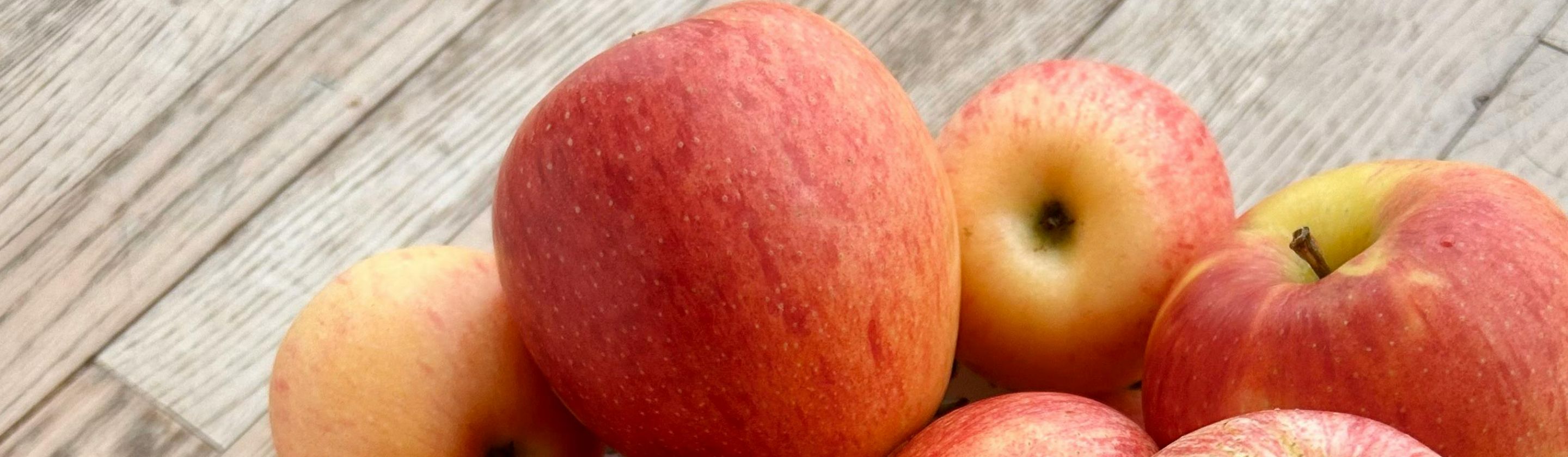
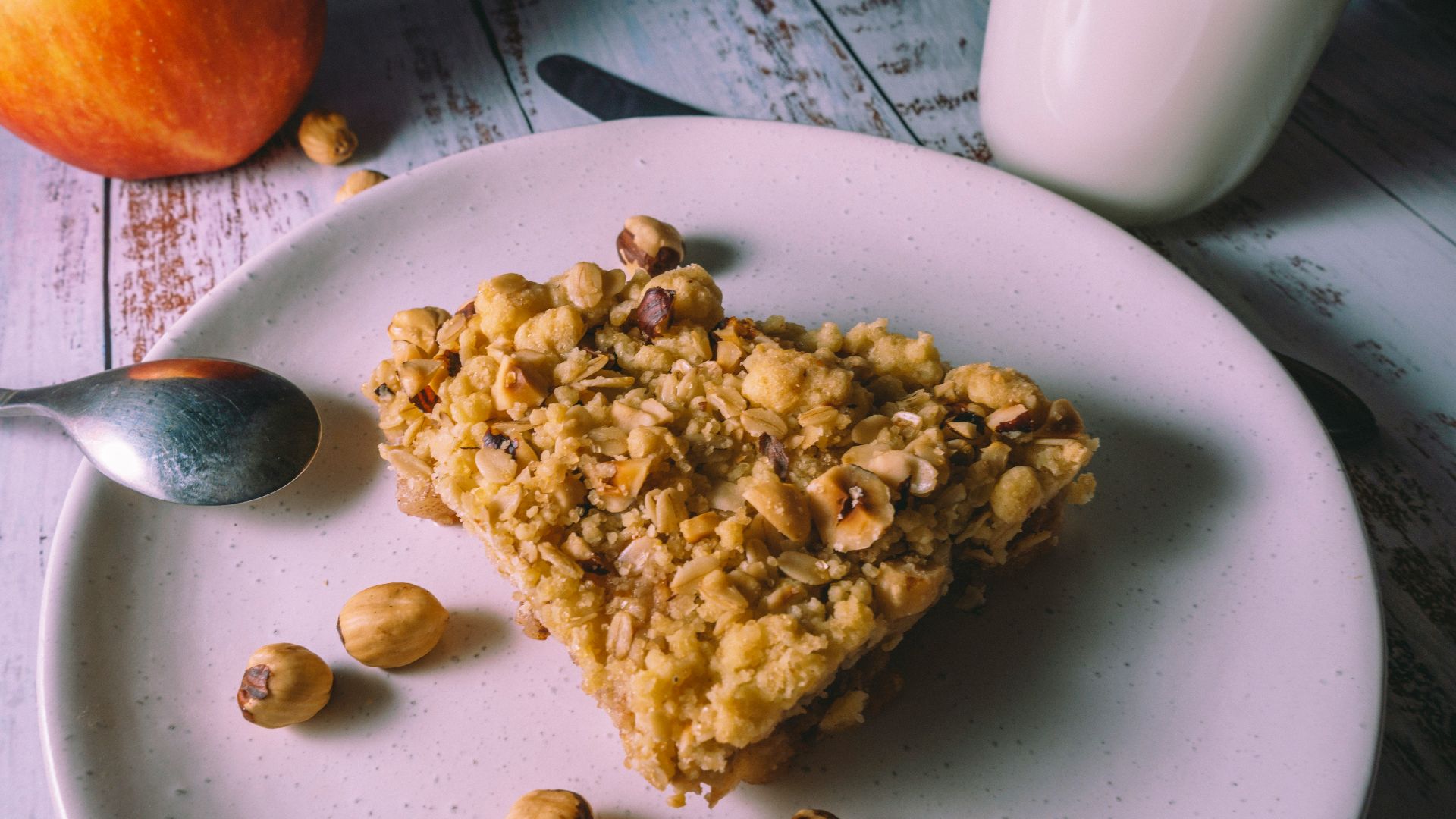
The first scent of apple crumble drifting through a kitchen feels like home—butter melting into sugar and fruit bubbling beneath a crisp golden top. Yet what truly decides whether the dessert becomes perfect comfort or quiet disappointment isn’t the topping or spice blend. It begins with the apple. Some hold their shape and bring bright flavor; others dissolve into sweet mush.
That’s why understanding which apples behave best in the oven is the secret to turning an ordinary crumble into something unforgettable.
The Science Of Texture And Taste
Apples react differently to heat, and that difference defines the crumble’s texture. Baking draws out moisture while softening the fruit’s flesh, and the best apples keep their shape long enough to provide gentle resistance to each bite, creating a contrast with the topping’s crunch. Tart, firm varieties such as Granny Smith excel because their acidity survives the heat, and their flesh breaks down slowly. That combination gives structure and balance, allowing the sugar and butter to complement rather than drown the fruit.
Plus, sugar level influences not only sweetness but also moisture. Sweeter apples caramelize beautifully, producing golden edges and a richer aroma. Yet too much natural sugar causes excessive liquid, weighing down the topping, which is why bakers often mix firm tart apples with milder sweet ones. The result is a filling that glistens without drowning.
The Apples That Make Magic
As mentioned above, Granny Smith remains the classic choice, as it pairs beautifully with cinnamon or nutmeg, spices that need acidity to come alive.
Honeycrisp apples also shine in crumbles. Their name suits them: firm, juicy, and subtly floral. They keep their shape under heat while releasing just enough juice to coat the fruit mixture. When blended with a tart variety such as Braeburn or Pink Lady, they create a complex flavor profile—bright at first, mellow in the finish.
Similarly, Braeburn apples bring a natural spiciness that deepens as they bake, and Jonagold and Jonathan varieties share similar traits, with Jonathan offering a cider-like tartness that holds up well. Together, these apples give the crumble a layered personality, crisp at the top and gently yielding beneath.
The Apples That Let You Down
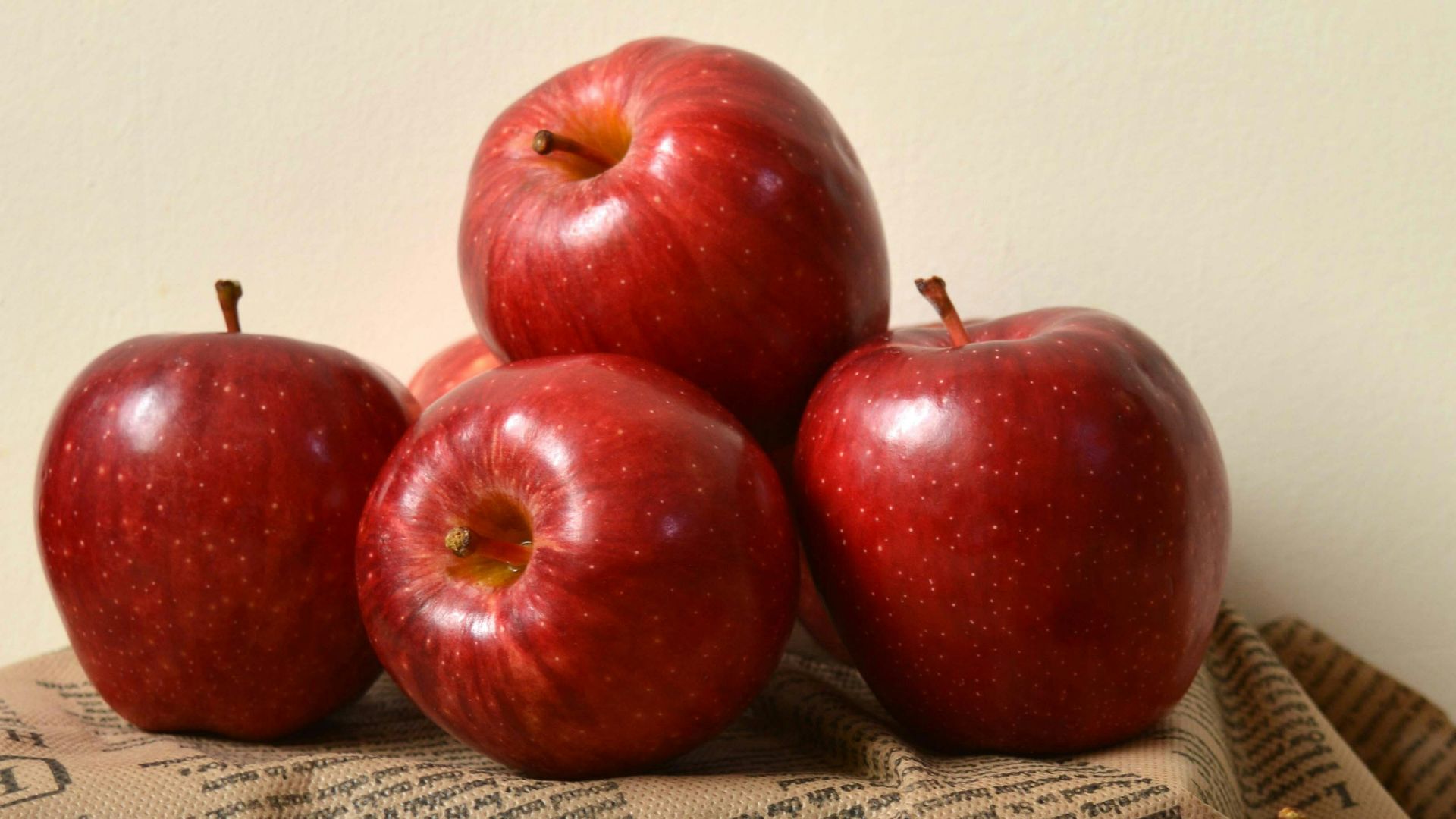
Not every apple enjoys the oven. Red Delicious, though popular for snacking, turns soft and bland once heated. Its grainy texture collapses, releasing water that seeps into the topping and ruins crispness. The same happens with McIntosh, whose tender flesh disintegrates into sauce. While lovely for apple butter or compote, they simply lack the stamina a crumble requires.
Gala and Fuji apples also struggle for similar reasons, as their juices can thin out and wash away flavor, producing a syrupy base instead of a bright filling, though some bakers note Fuji performs better in fresh specimens for less structured desserts.
Hence, understanding each apple’s behavior turns baking into intuition, as some melt, some resist, and some surprise you with the balance they bring when combined.
KEEP ON READING
The 5 Most Consumed Foods in the Entire World