
You Should Really Stop Eating These Foods Every Day

There’s nothing wrong with having favorite foods, especially when they’re convenient, affordable, and taste good. There’s also nothing wrong with indulging in things that are bad for you once in a while. But the key phrase there is once in a while. Some people take great liberties with everyday staples that aren't doing your health any favors, particularly when they become permanent fixtures in your diet.
Fortunately, eating healthier doesn't mean giving up everything you enjoy or surviving on salads for the rest of your life. It's more about recognizing which foods are best reserved as an occasional treat—and some of the biggest offenders might already be sitting in your refrigerator or pantry.
Breakfast Foods That Aren't As Healthy as They Seem
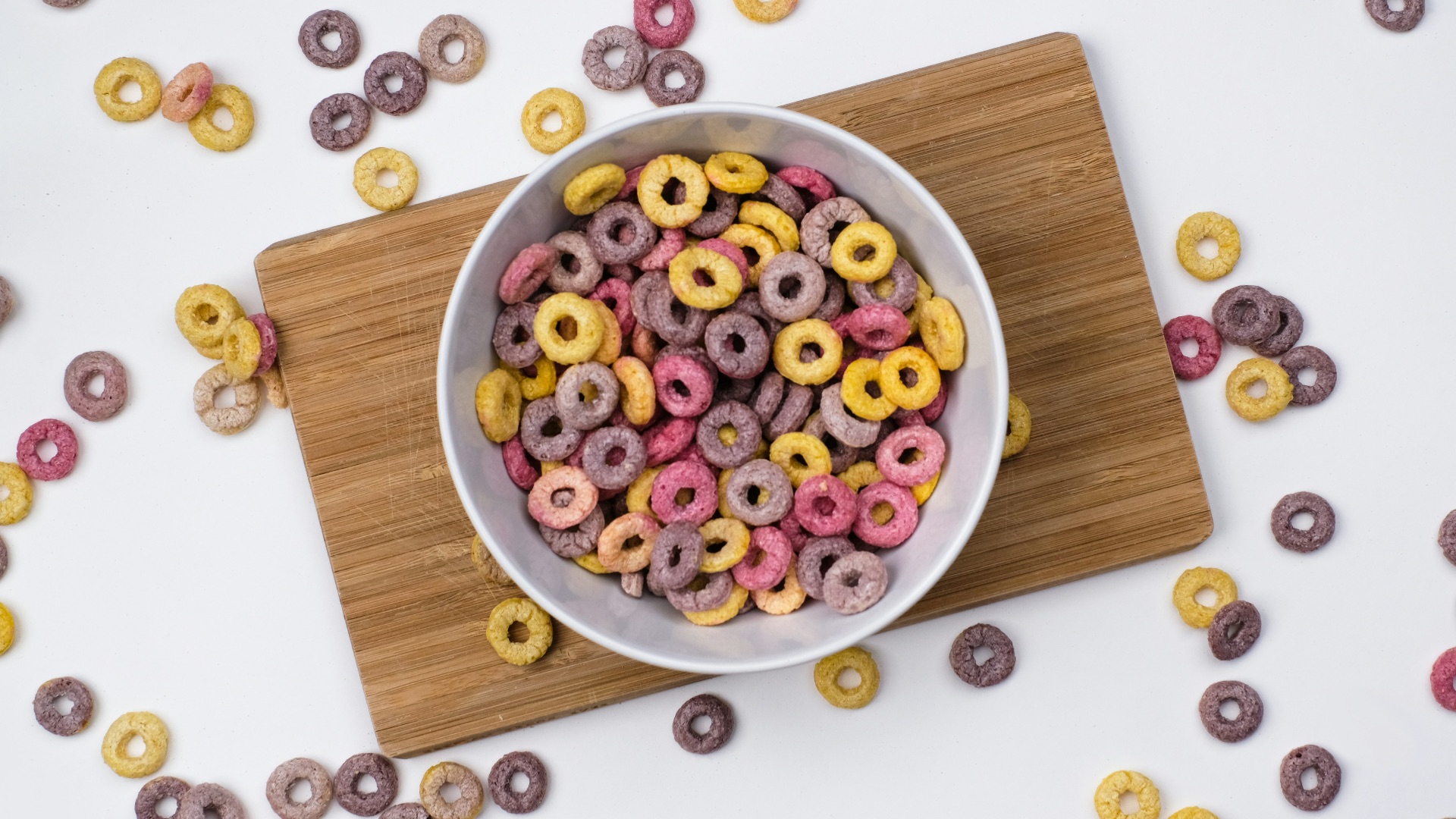
There was a time when cereal was touted as the best thing to kick off your day. While that’s still true for some varieties, many popular boxes are closer to dessert than a nutritious meal. Frosted Flakes, Froot Loops, and other sweetened cereals have tons of added sugar while offering relatively little in the way of actual nutrients. Naturally, eating them every morning can make it harder to maintain a balanced diet.
Flavored yogurt is another breakfast favorite that deserves closer inspection. Although yogurt provides protein and calcium, certain fruit-flavored varieties have all kinds of added sugar—sometimes without much actual fruit. Do yourself a favor and keep away from the flavored stuff. You’re much better off with plain Greek yogurt topped with fresh berries.
Then there's the beloved breakfast pastry, whether it's a glazed donut, cinnamon roll, or packaged muffin. These convenient treats combine everything you don’t want first thing in the morning: refined flour, added sugar, and significant amounts of fat. An occasional bakery visit is perfectly fine, but making pastries your standard breakfast isn’t the way to go. The more we think about it, the crazier it seems that a muffin with OJ seemed “healthy” 30 years ago!
Everyday Lunches and Dinners Worth Reconsidering
Deli meat sandwiches are practically synonymous with quick lunches, particularly when there's little time to prepare something elaborate.
However, frequently eating processed meats increases your exposure to sodium and compounds associated with colorectal cancer risk. We’re not saying you have to abandon sandwiches altogether, but you should try filling them with freshly cooked chicken, tuna, or hummus instead.
Don’t assume it’s just the deli counter, either. Canned soups might seem like a sensible dinner solution, but unfortunately, many conventional varieties contain high amounts of sodium, sometimes providing a substantial portion of your daily recommended limit in one can. If you can’t turn down a bargain on the canned stuff, that’s okay. All you need to do is compare nutrition labels or prepare homemade soup using low-sodium broth and plenty of vegetables.
And speaking of copious sodium, instant ramen is another pantry favorite that wins people over with its affordability and convenience. The noodles themselves aren't automatically unhealthy, but packaged varieties rely on salty seasoning packets and offer limited protein or vegetables in return. If ramen is your regular lunch, you really need to use less seasoning and add ingredients like eggs, spinach, mushrooms, or leftover chicken to create a more balanced meal.
Snacks and Drinks Add Up

Potato chips don’t last very long in the cupboard—even though we try to parcel out the bag as best we can! But when you eat without portioning, you’re only inviting trouble. In fact, many varieties are high in sodium and provide relatively little fiber, making it easy to consume generous portions without feeling satisfied.
There is a solution, though. Rather than reaching for chips automatically, try air-popped popcorn with your favorite seasonings when you're craving something crunchy.
Don’t be fooled by granola bars, either. We know they’re often advertised as wholesome snacks, but their nutritional value varies considerably between brands. Some have enough added sugar to resemble candy bars, especially when they’re coated in chocolate or filled with syrups. To keep your heart healthy, you need to look for options containing nuts, whole grains, and modest amounts of added sugar instead of assuming every granola bar is the same.
By this point, you’ve likely heard that soda is another popular culprit for poor health—and there’s truth to that. Regular soda delivers large amounts of added sugar without the fiber that accompanies naturally sweet foods like fruit. According to the American Heart Association, minimizing added sugars is an important part of protecting cardiovascular health, making water or unsweetened sparkling water better everyday choices.
While we’re on the topic of drinks, don't overlook those innocent-looking bottled coffee drinks and flavored creamers. Some sweetened lattes and ready-to-drink coffees contain enough added sugar to turn an ordinary caffeine break into a significant source of extra calories!
Ultimately, healthier eating isn't about declaring your favorite comfort foods permanently off-limits. The real difference comes from what you eat consistently, so keep the foods you love for occasional enjoyment while building everyday meals around more nutritious ingredients.