Heat Isn’t Always About Spice
People often assume every bold or warming flavor comes directly from spicy peppers, but many ingredients create heat sensations without actually being spicy at all. Some add warmth through acidity, sharpness, bitterness, or aromatic intensity, while others deliver the kind of true fire that leaves you reaching for water immediately. Understanding the difference can completely change how you balance flavors in cooking, especially if you enjoy bold food without overwhelming heat. Whether you prefer subtle warmth or serious spice levels, certain ingredients consistently stand out once you know what they actually bring to a dish. Here are 10 ingredients that add heat without spice and 10 that bring real fire.
 ax. markazi babaiyan on Pexels
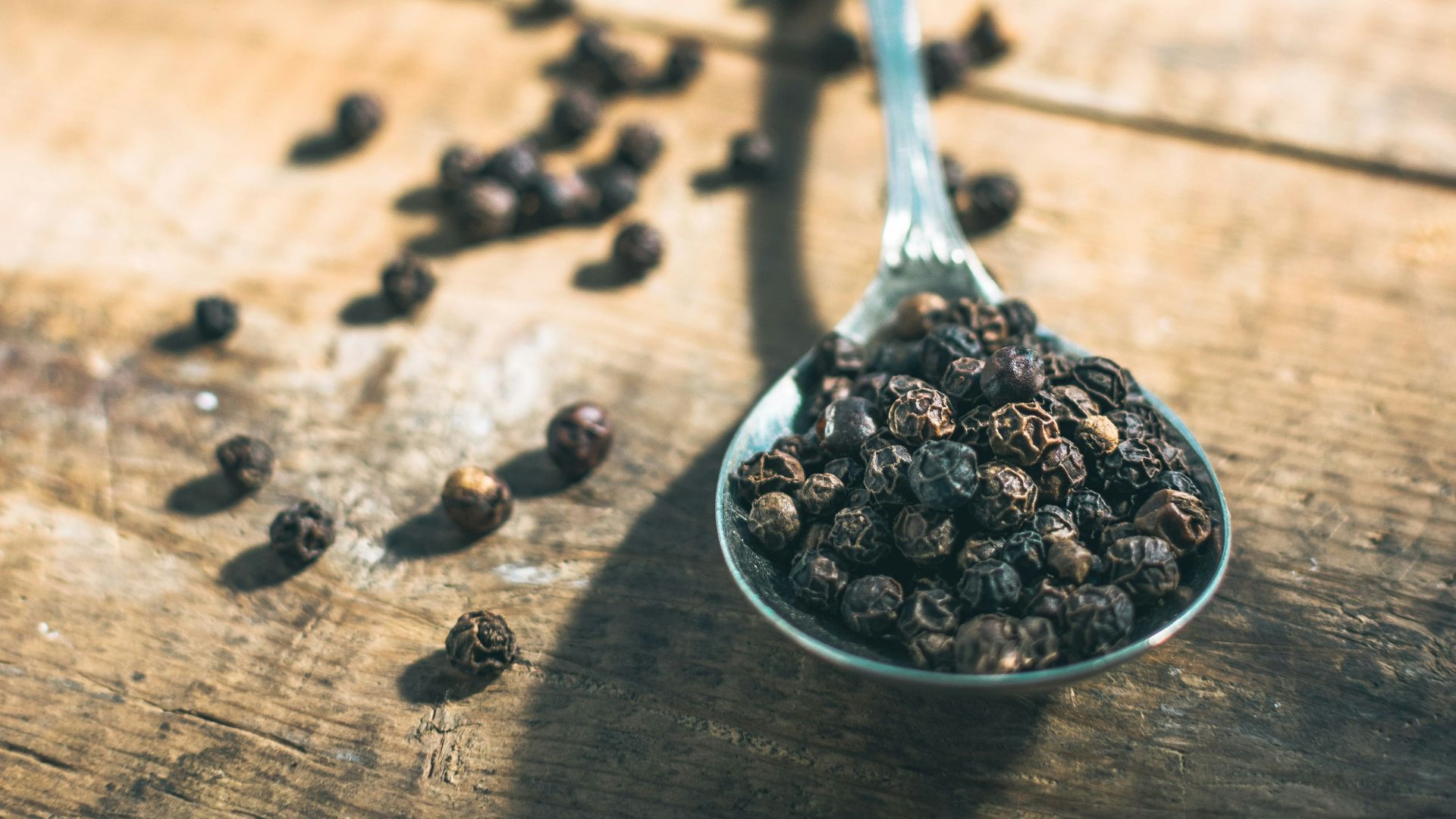
1. Black Pepper
Black pepper creates a warming sensation that builds gradually without the intense burn associated with chili peppers. Freshly cracked pepper especially adds sharpness and depth to meats, soups, and pasta dishes. Larger amounts can feel surprisingly bold without technically becoming spicy.
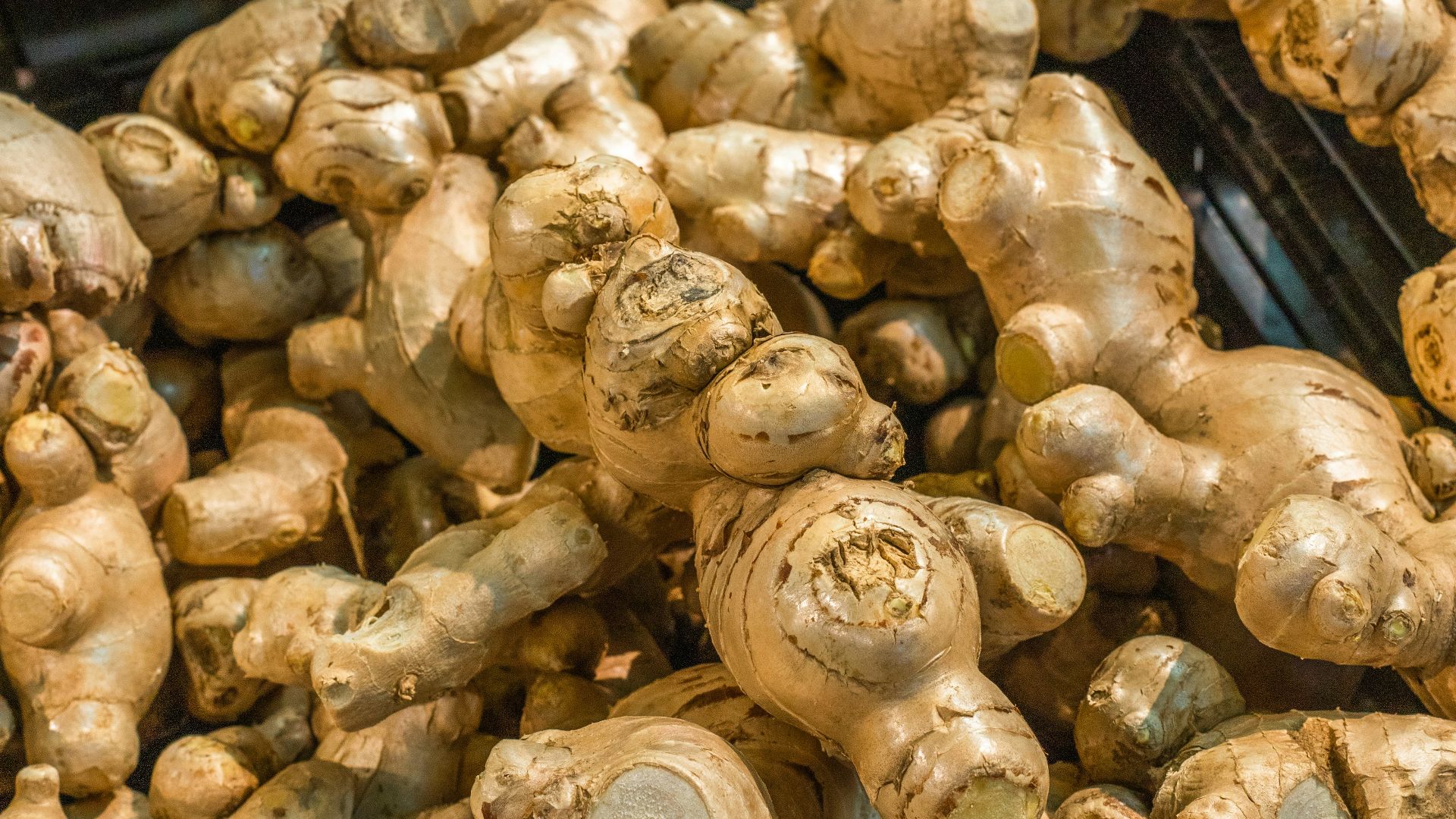
2. Ginger
Fresh ginger brings warmth and brightness that spreads quickly through both sweet and savory recipes. The sharp flavor feels lively rather than aggressively hot, especially in teas, stir-fries, and marinades. Raw ginger tends to taste stronger than cooked versions.
3. Horseradish
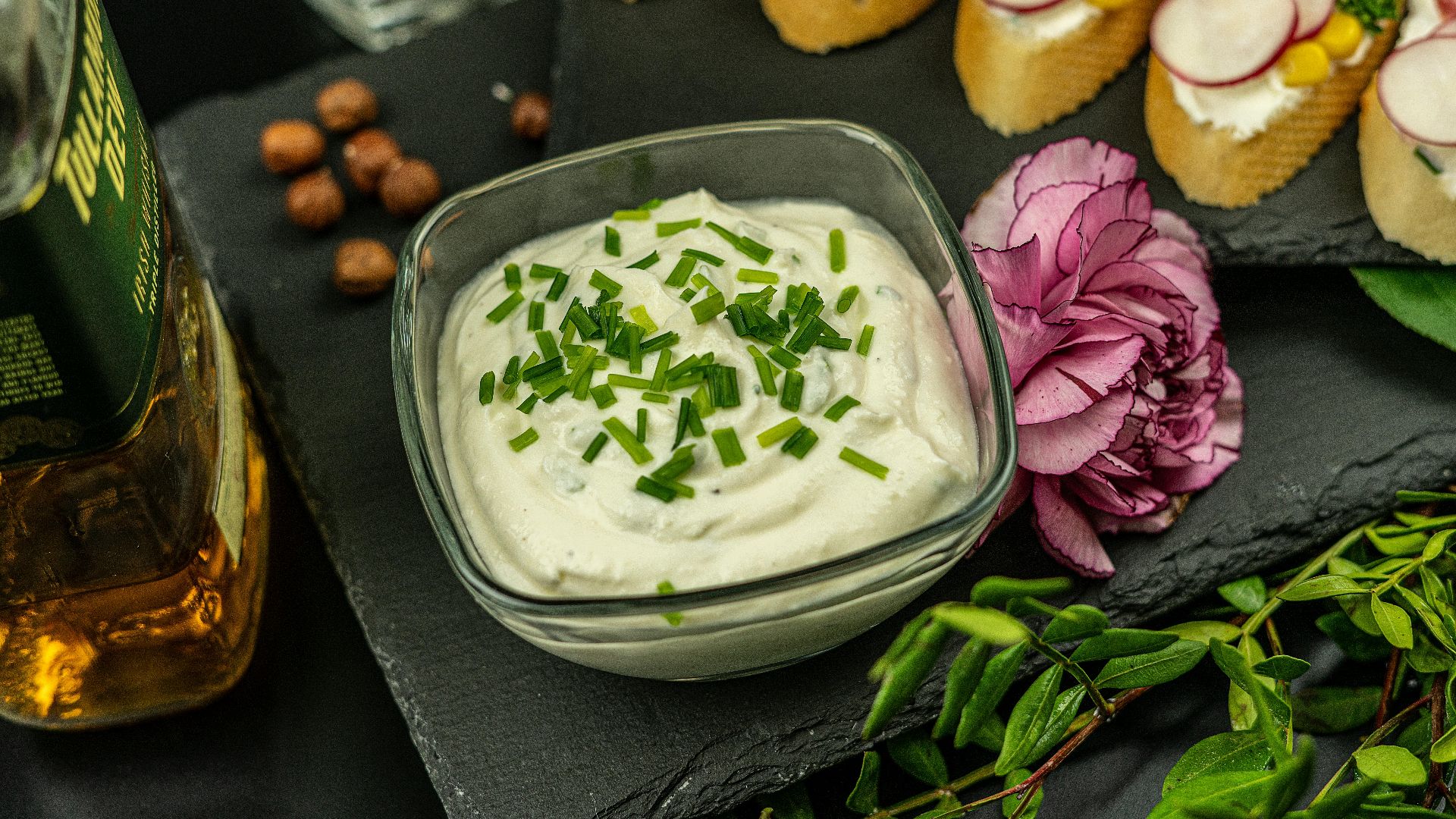
Horseradish delivers intense heat through the nose instead of lingering on the tongue as chili peppers do. The sharp bite fades relatively quickly, which makes it popular in sauces and seafood dishes. Prepared horseradish usually tastes milder than freshly grated versions.
4. Mustard
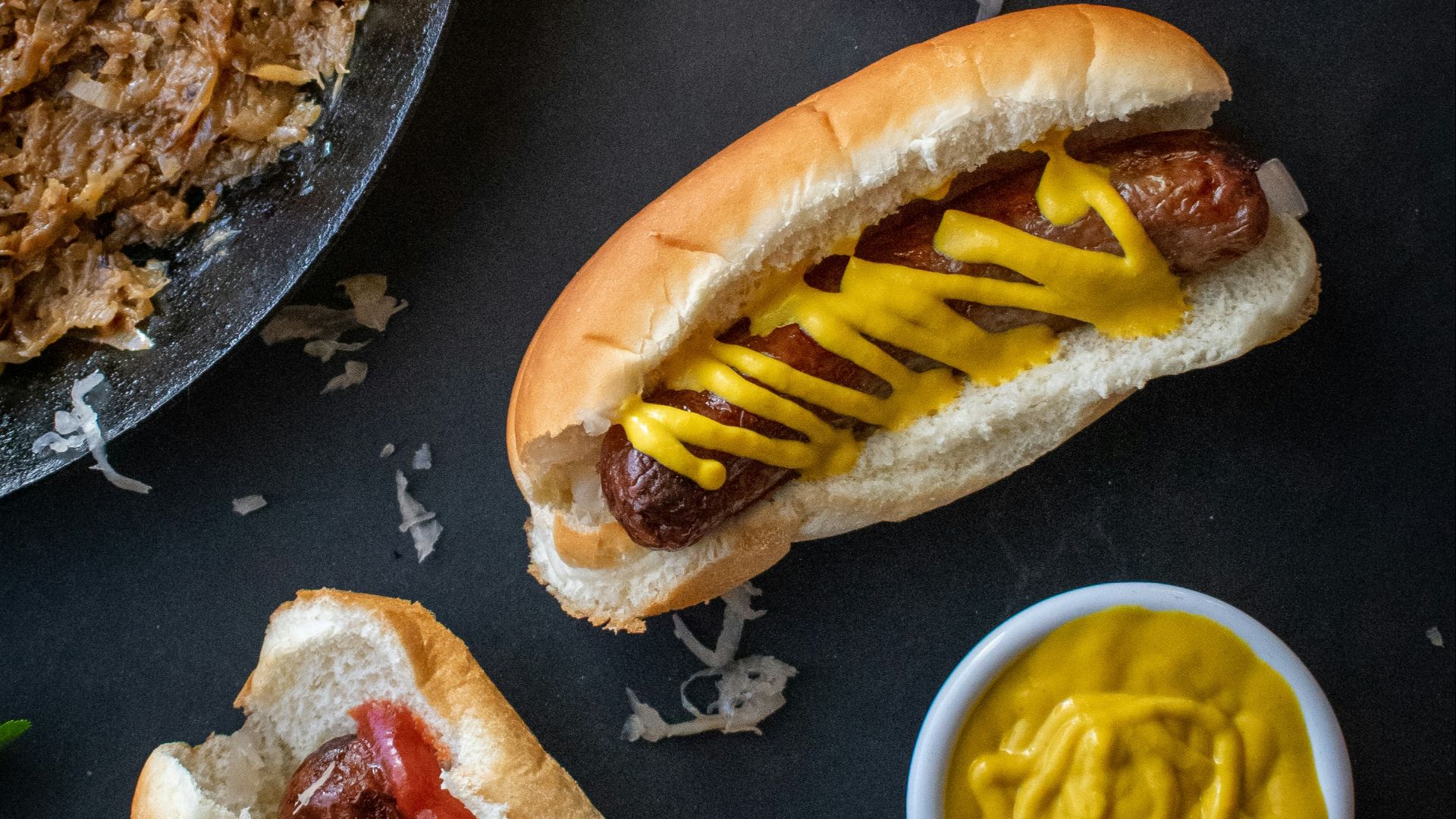
Mustard seeds and prepared mustard create a sharp warming effect that cuts through rich foods especially well. Dijon and spicy brown varieties often feel stronger because of their concentrated flavor. The sensation usually disappears faster than traditional spice heat.
5. Wasabi
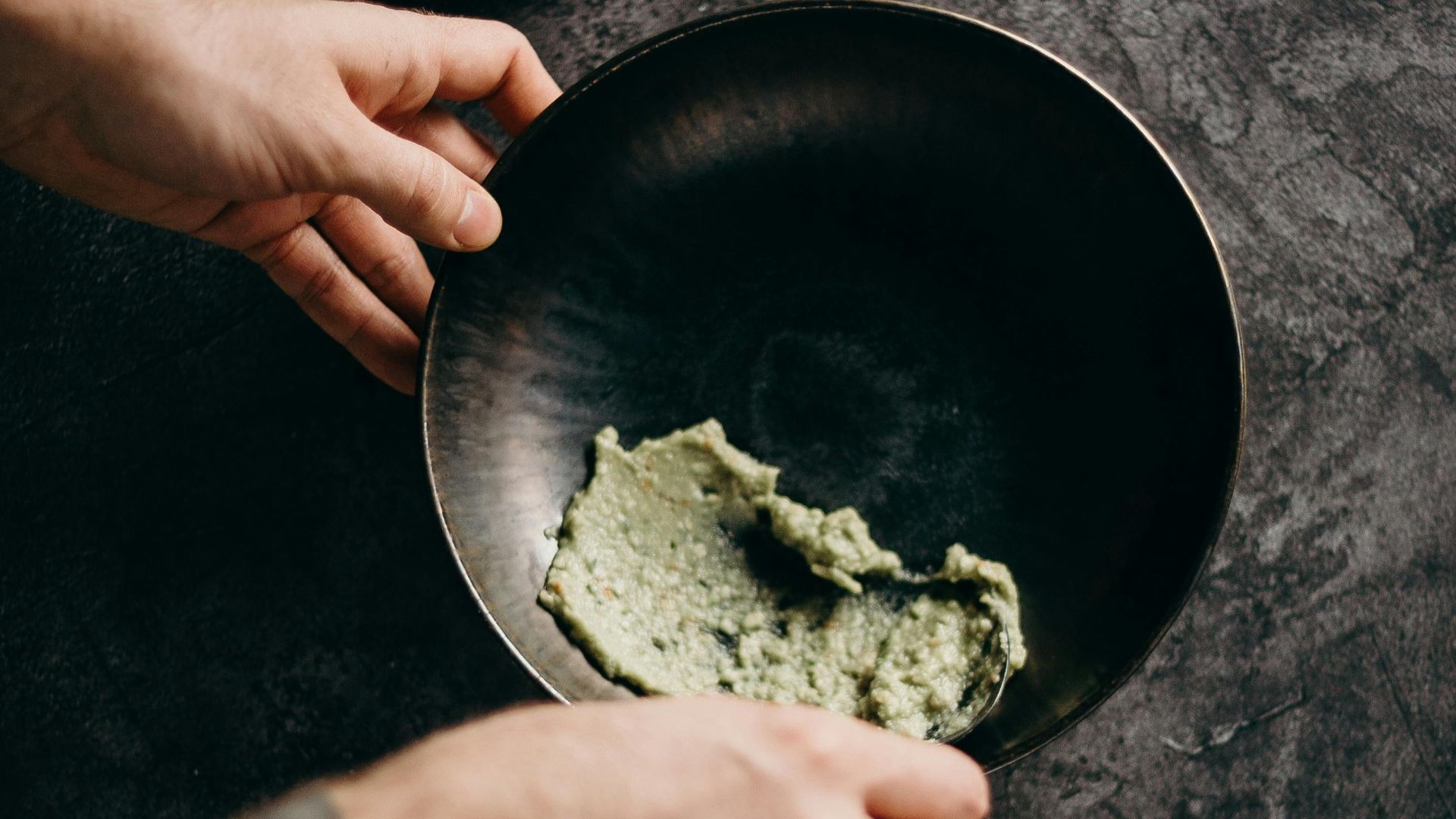
Wasabi produces a powerful sinus-clearing sensation that feels completely different from pepper-based heat. Authentic wasabi is actually less overwhelming than many imitation versions served with sushi. The flavor also fades quickly instead of lingering for several minutes.
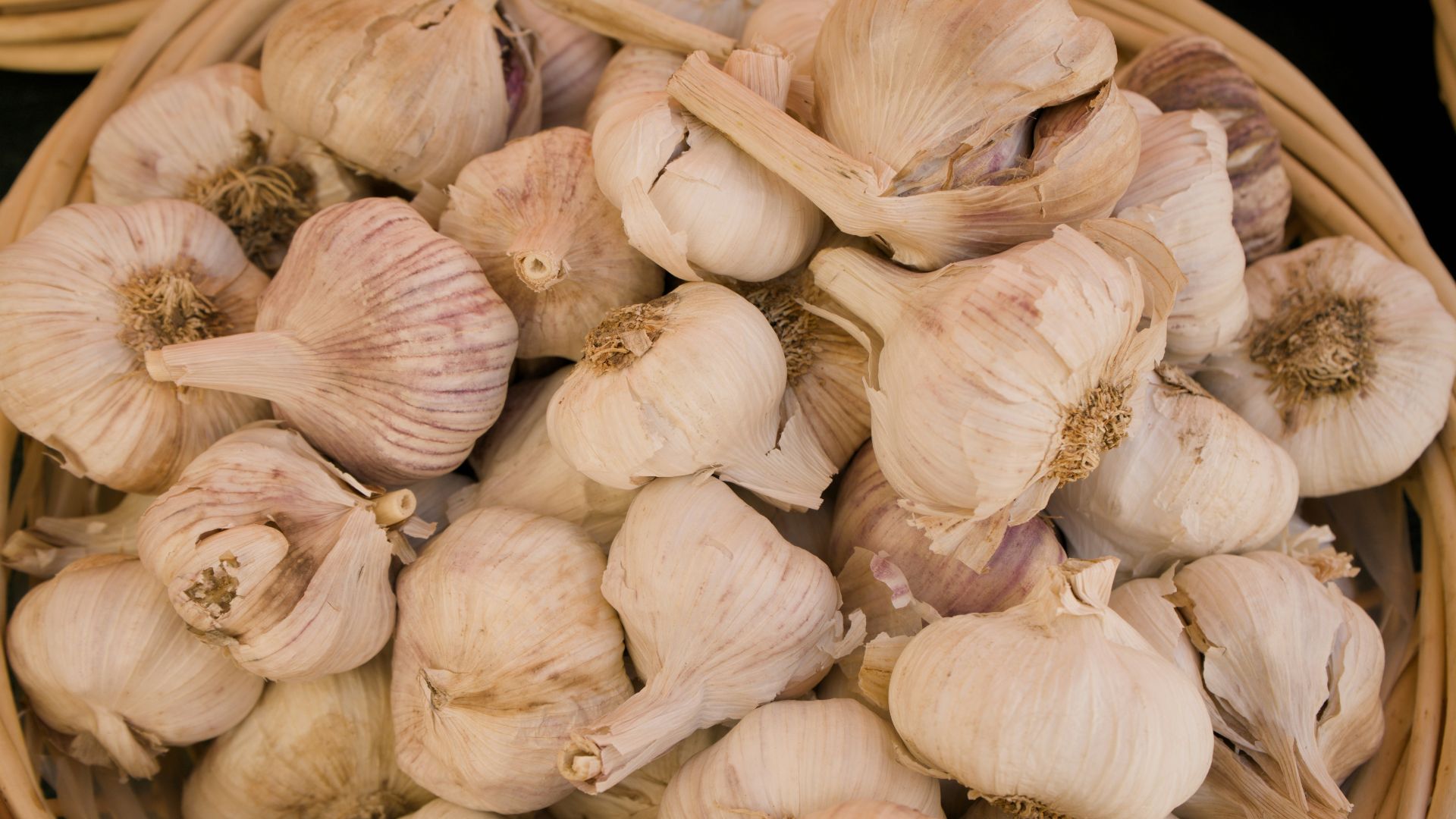
6. Raw Garlic
Fresh garlic can feel surprisingly hot and sharp when eaten uncooked in dressings, dips, or sauces. The intensity softens dramatically once cooked, which changes both the flavor and heat sensation. Strong raw garlic often creates more warmth than people expect.
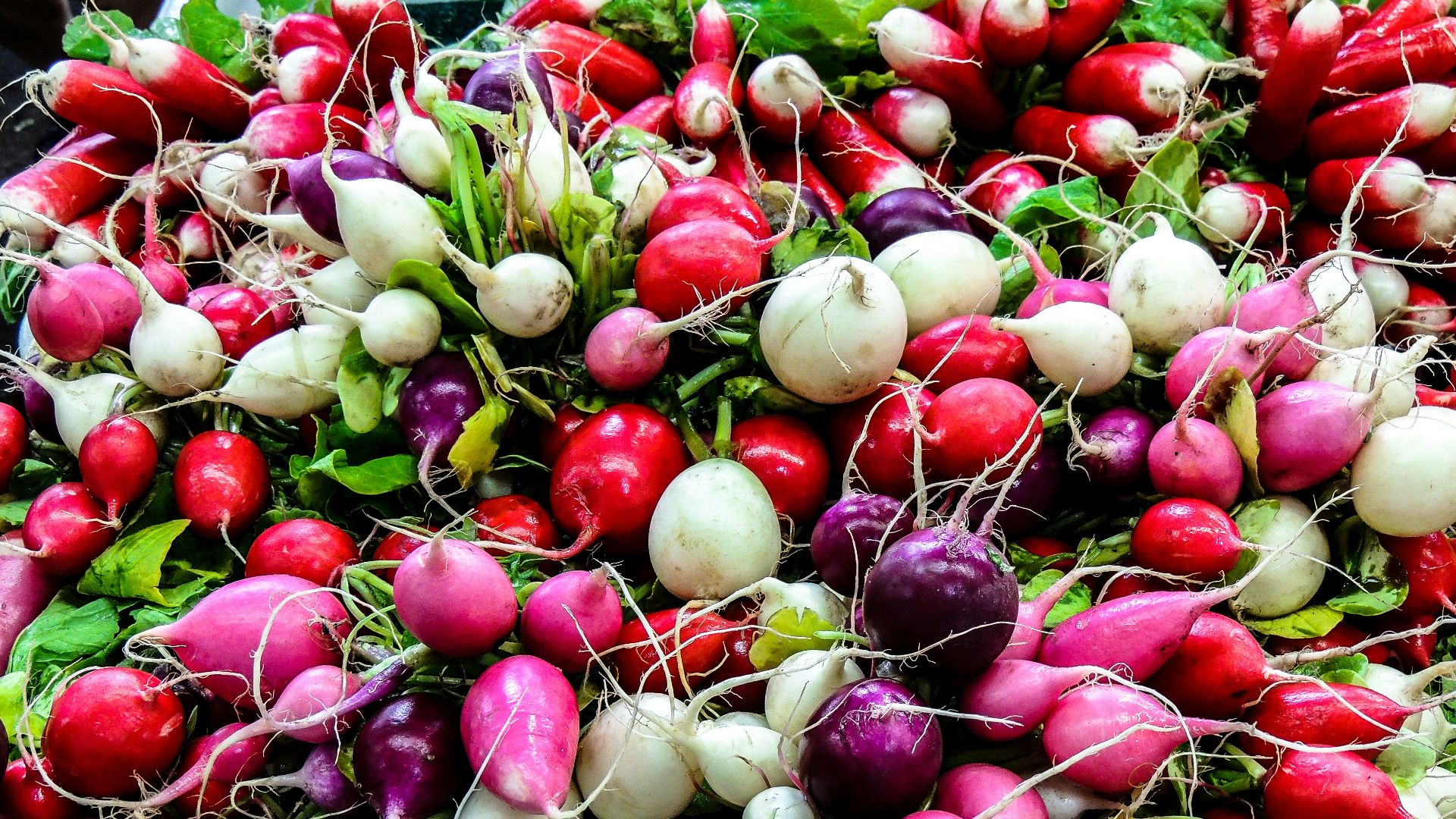
7. Radishes
Radishes contain a peppery bite that becomes stronger in larger varieties or when eaten raw. Their crisp texture and mild sharpness work especially well in salads and tacos. Pickling them usually softens some of that natural heat.
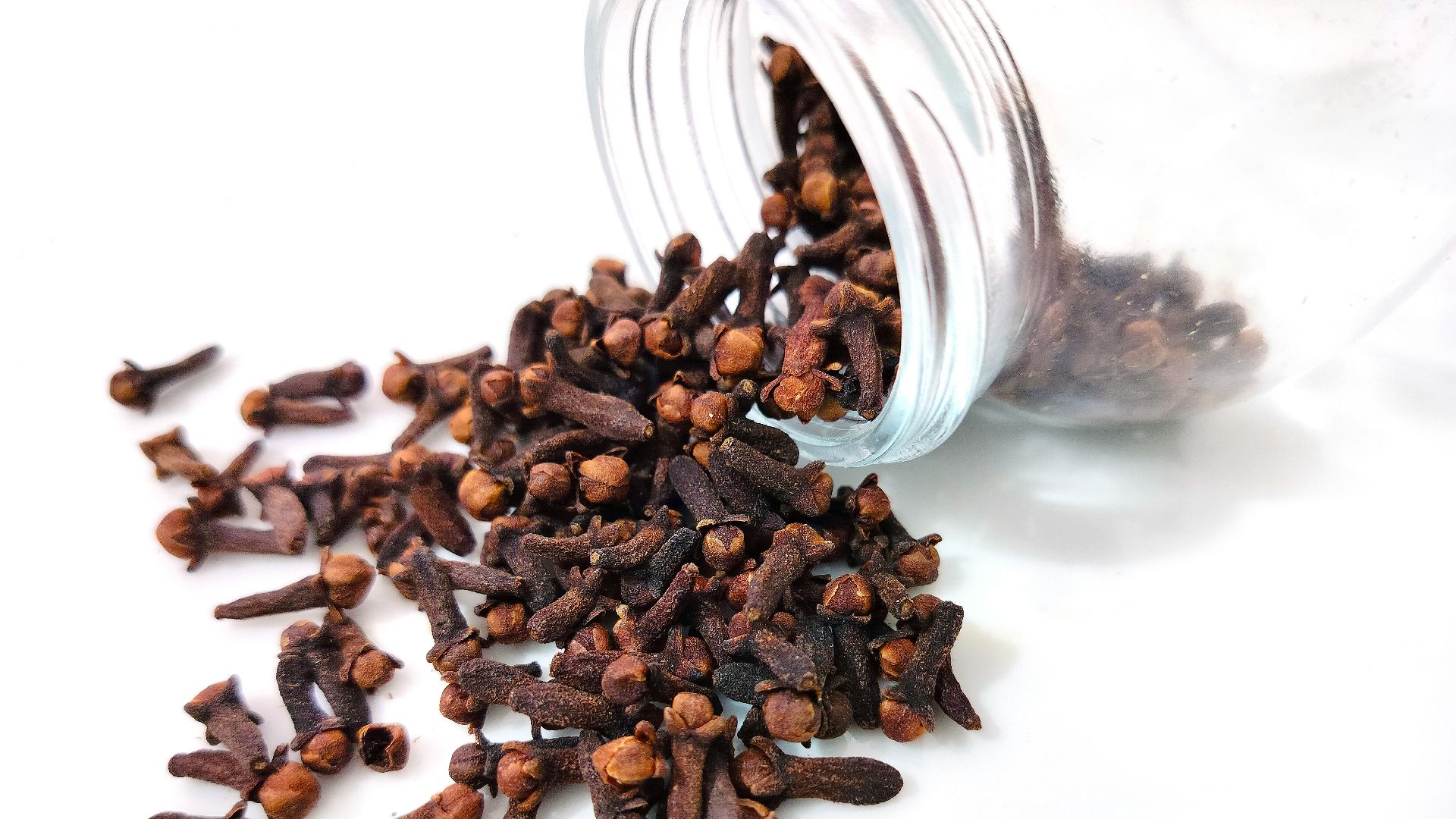
8. Cloves
Cloves add deep warmth to baked goods, sauces, and drinks without creating actual spice burn. The strong aromatic flavor can quickly dominate recipes if overused. Small amounts, however, create noticeable warmth in both sweet and savory cooking.
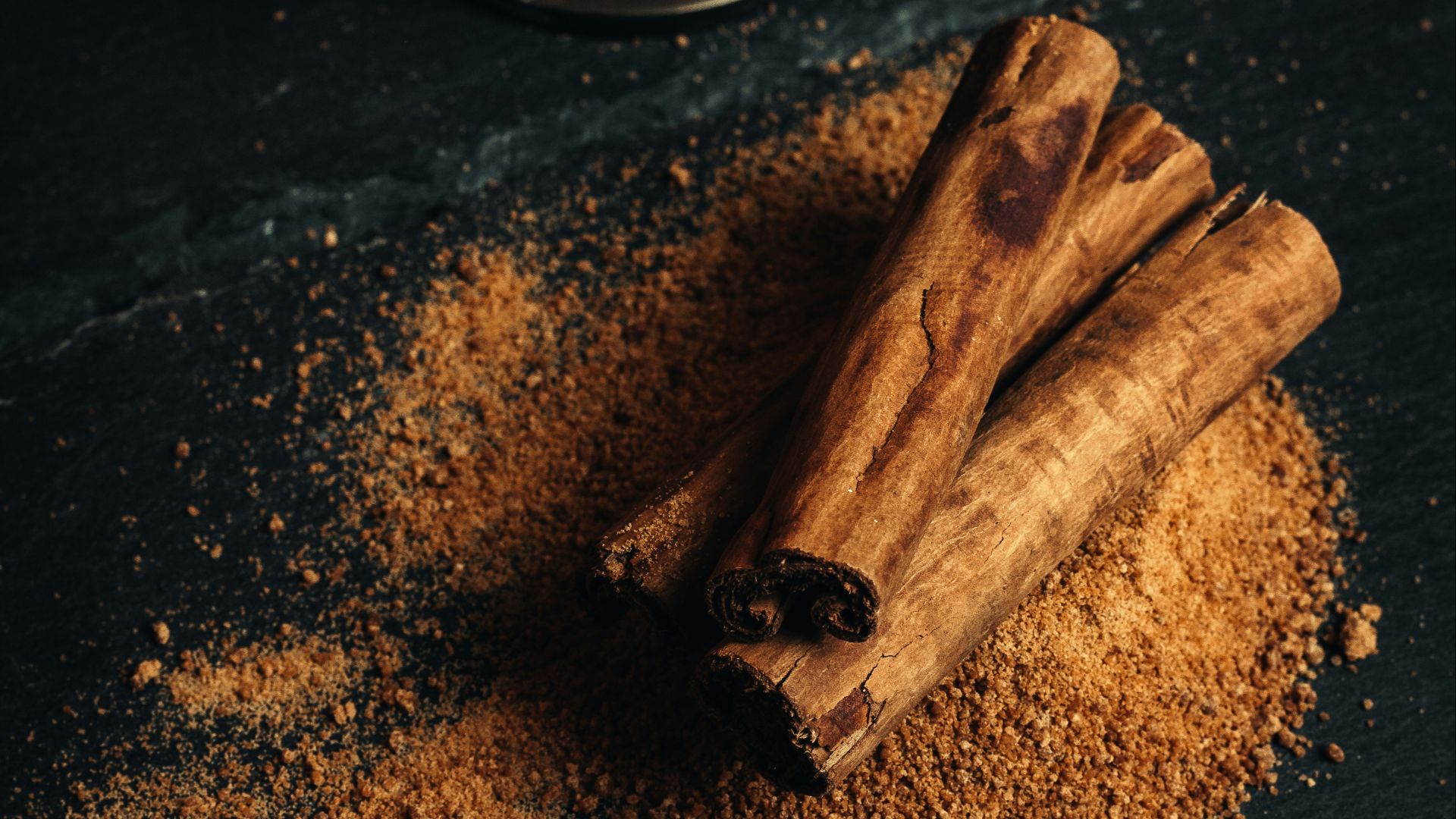
9. Cinnamon
Cinnamon creates a gentle warming sensation that feels comforting rather than spicy. Stronger varieties like cassia cinnamon often taste bolder and sharper than softer Ceylon versions. It also pairs surprisingly well with savory dishes involving meat or roasted vegetables.
10. Raw Onion
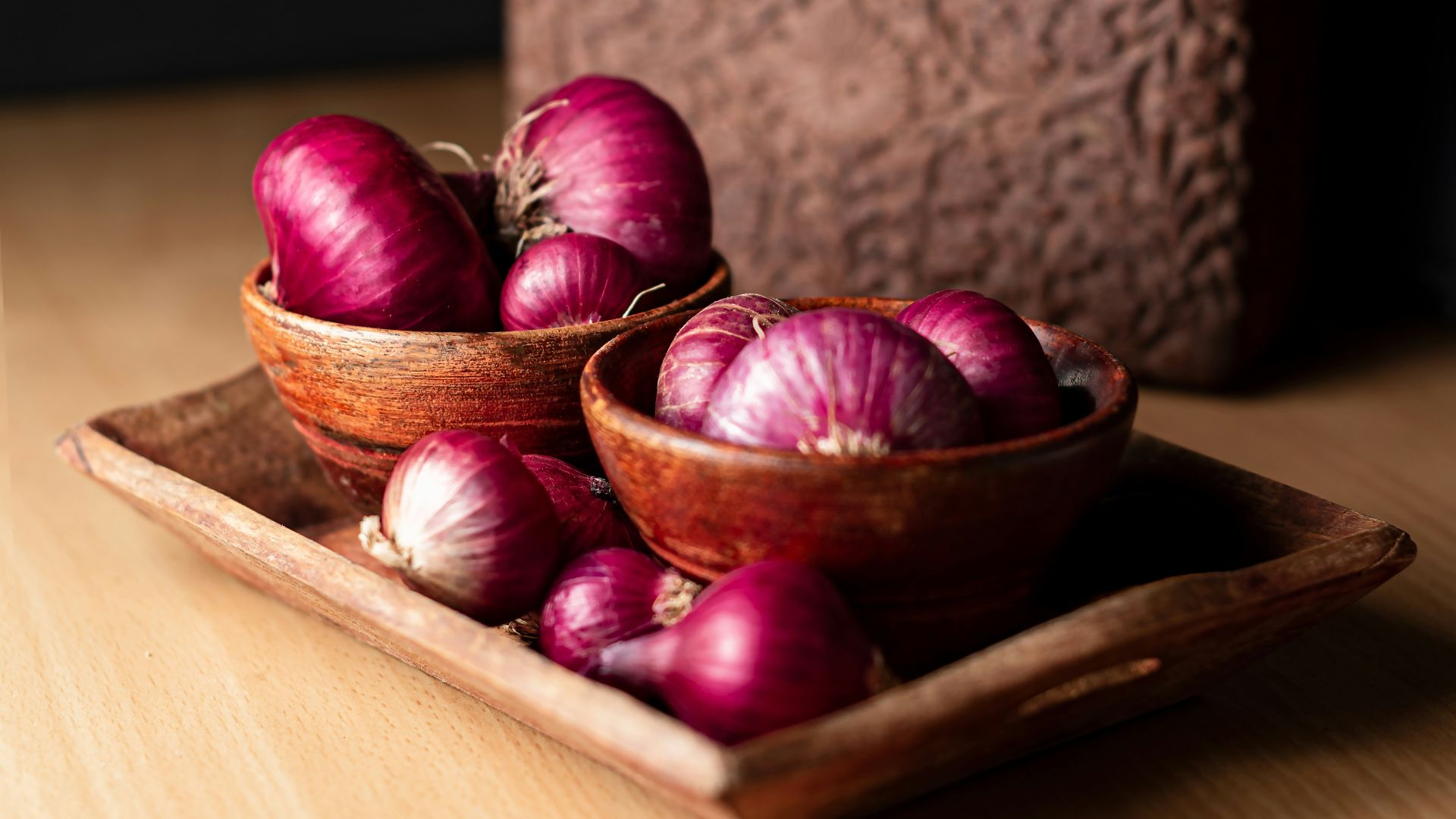
Certain raw onions create a sharp bite that feels almost hot when eaten fresh. Red onions and stronger white onions tend to have the most noticeable intensity. Cooking them slowly removes much of that sharpness and turns the flavor sweeter instead.
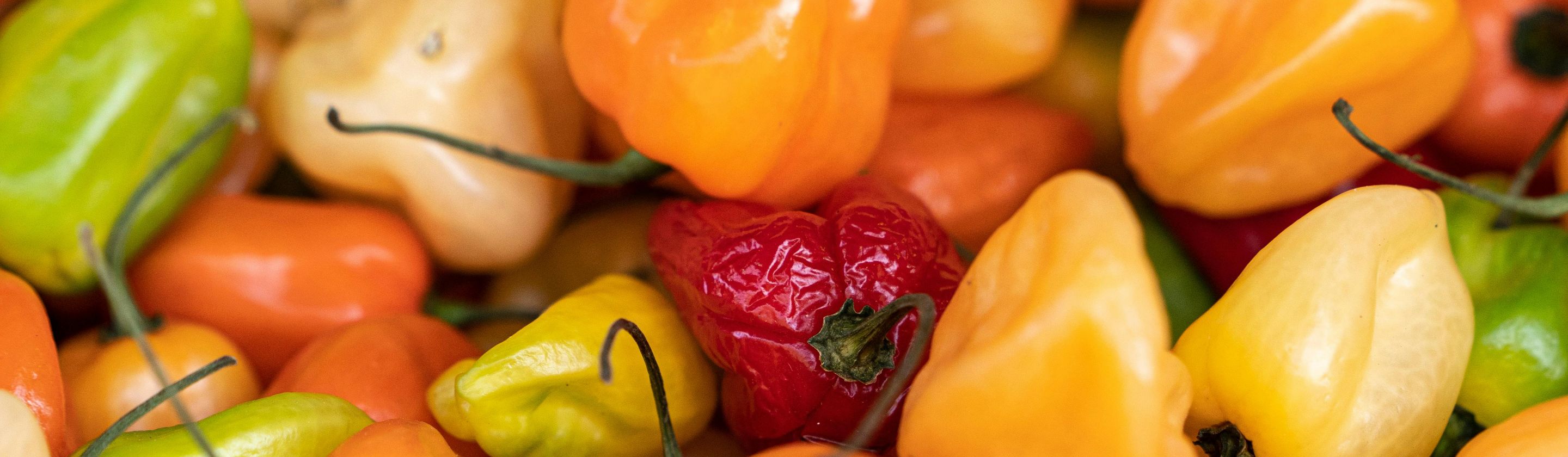
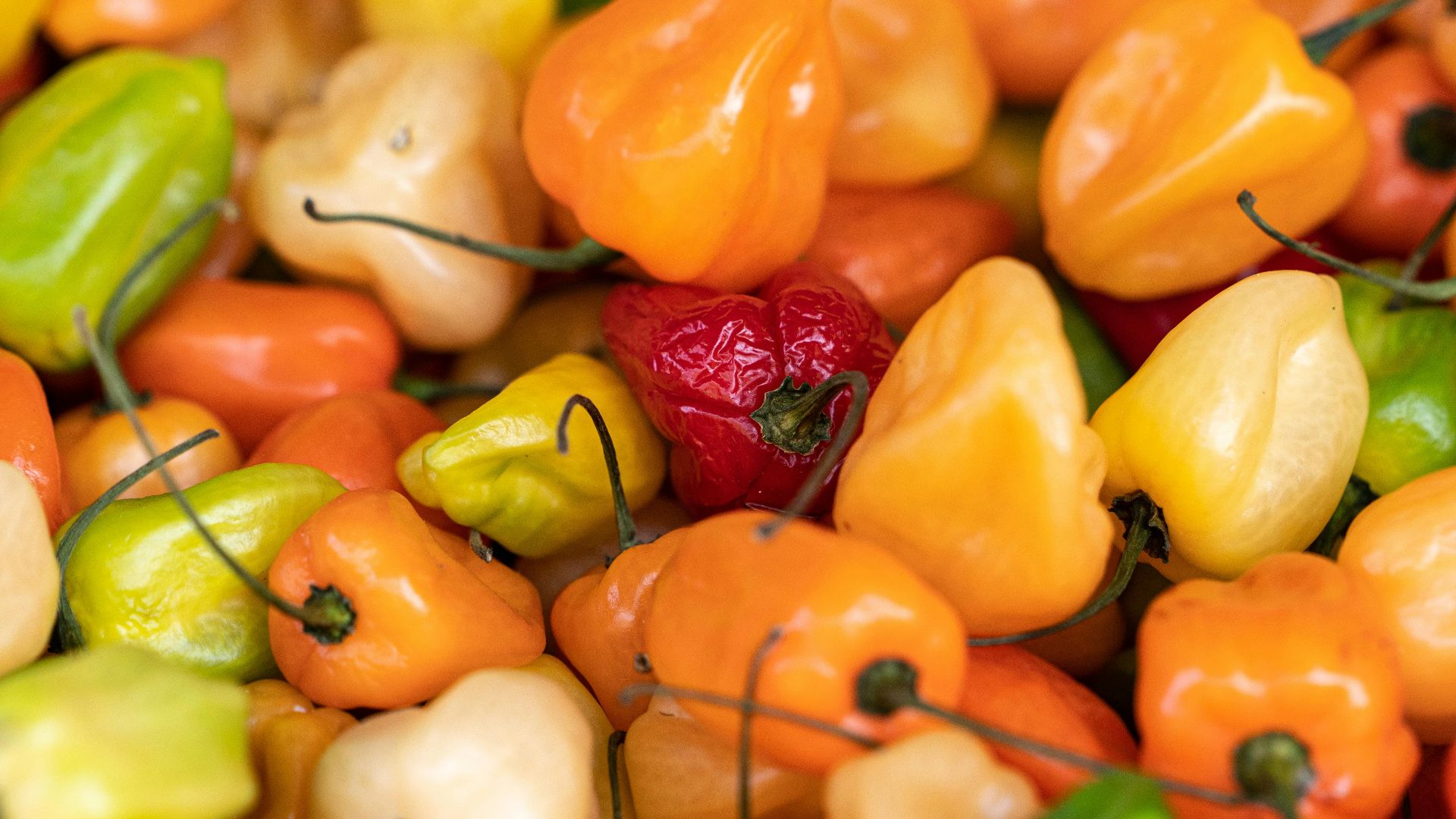
1. Habanero Peppers
Habaneros deliver serious heat while still carrying a fruity flavor underneath the burn. Even small amounts can dramatically raise the spice level of sauces or marinades. The heat also tends to linger much longer than milder peppers.
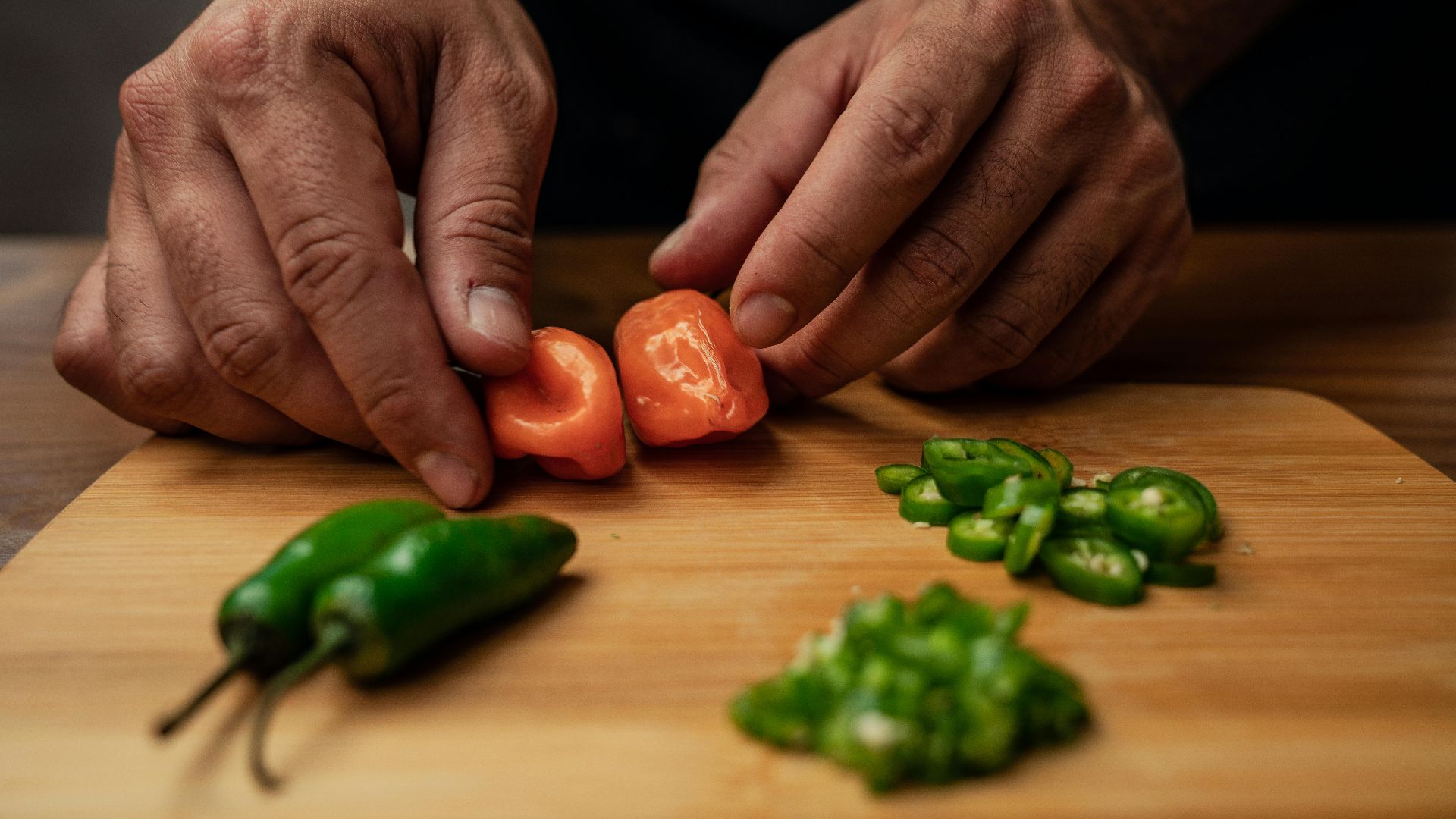
2. Ghost Peppers
Ghost peppers became internationally famous for their extreme heat levels and intense lingering burn. Many hot sauces use very small quantities because the spice can easily overpower entire dishes. The heat builds steadily instead of hitting immediately.
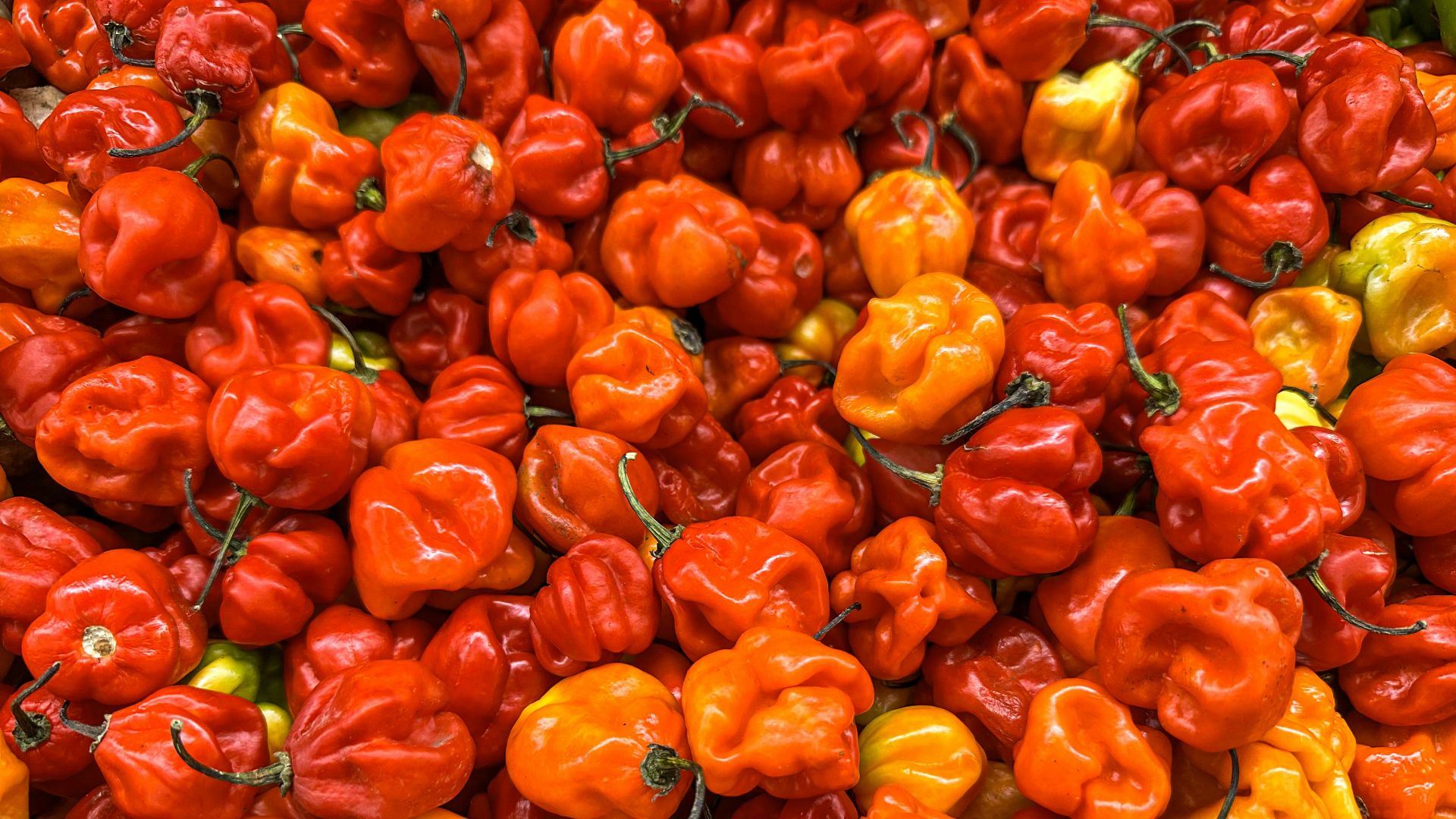
3. Scotch Bonnet Peppers
Scotch bonnets are common in Caribbean cooking because they combine sweetness with very high heat. They work especially well in jerk marinades, stews, and pepper sauces. Their fruity flavor makes them more complex than many people expect.
4. Thai Bird’s Eye Chilies
These tiny peppers deliver sharp, immediate heat that spreads quickly through stir-fries and curries. Despite their small size, they’re significantly hotter than standard jalapeños. Many Southeast Asian dishes rely on them for clean, direct spice.
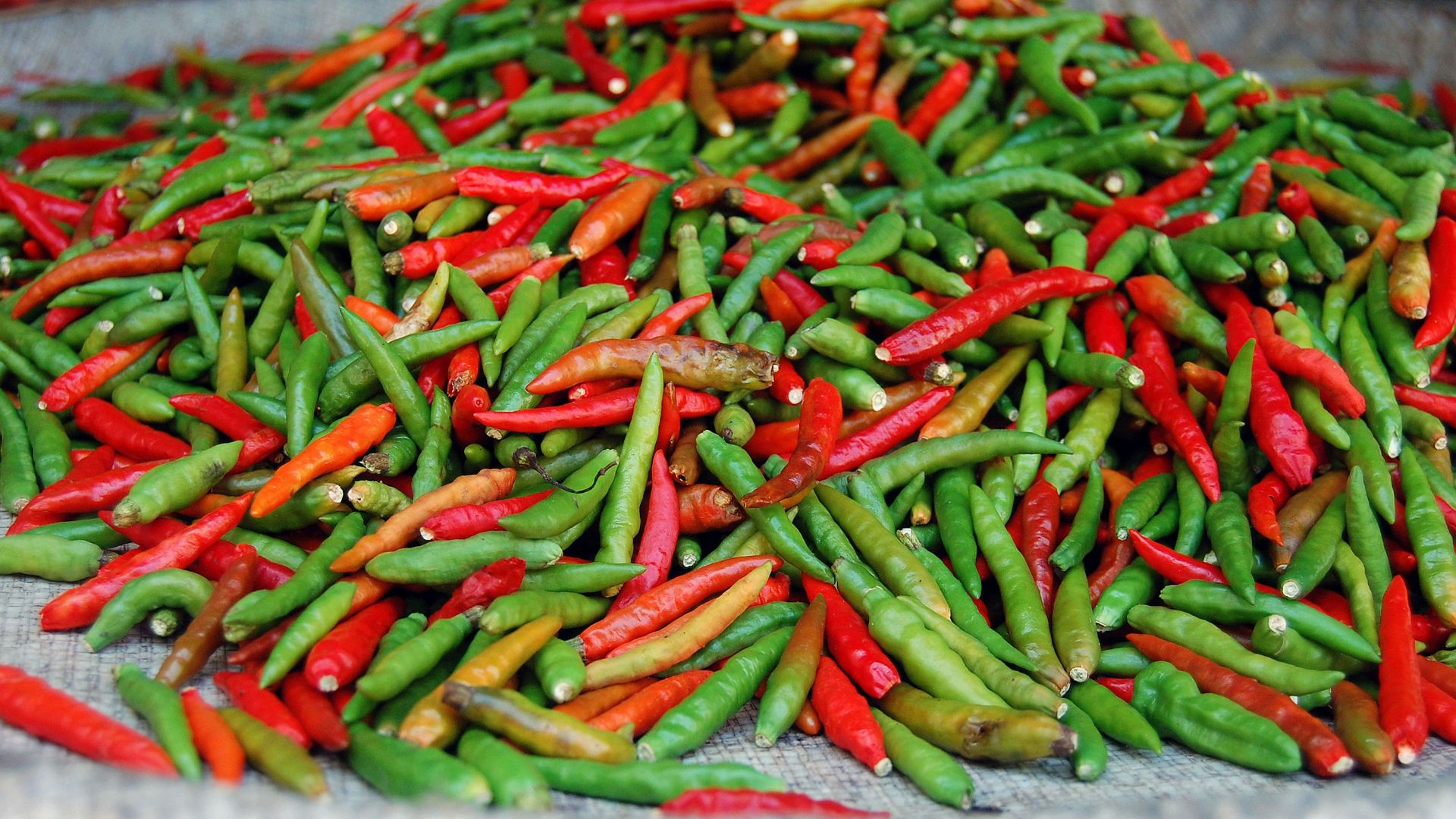
5. Carolina Reapers
Carolina reapers remain among the hottest peppers ever cultivated commercially. The intense burn can become overwhelming even in extremely small amounts. Many people use them more for hot sauce challenges than everyday cooking.
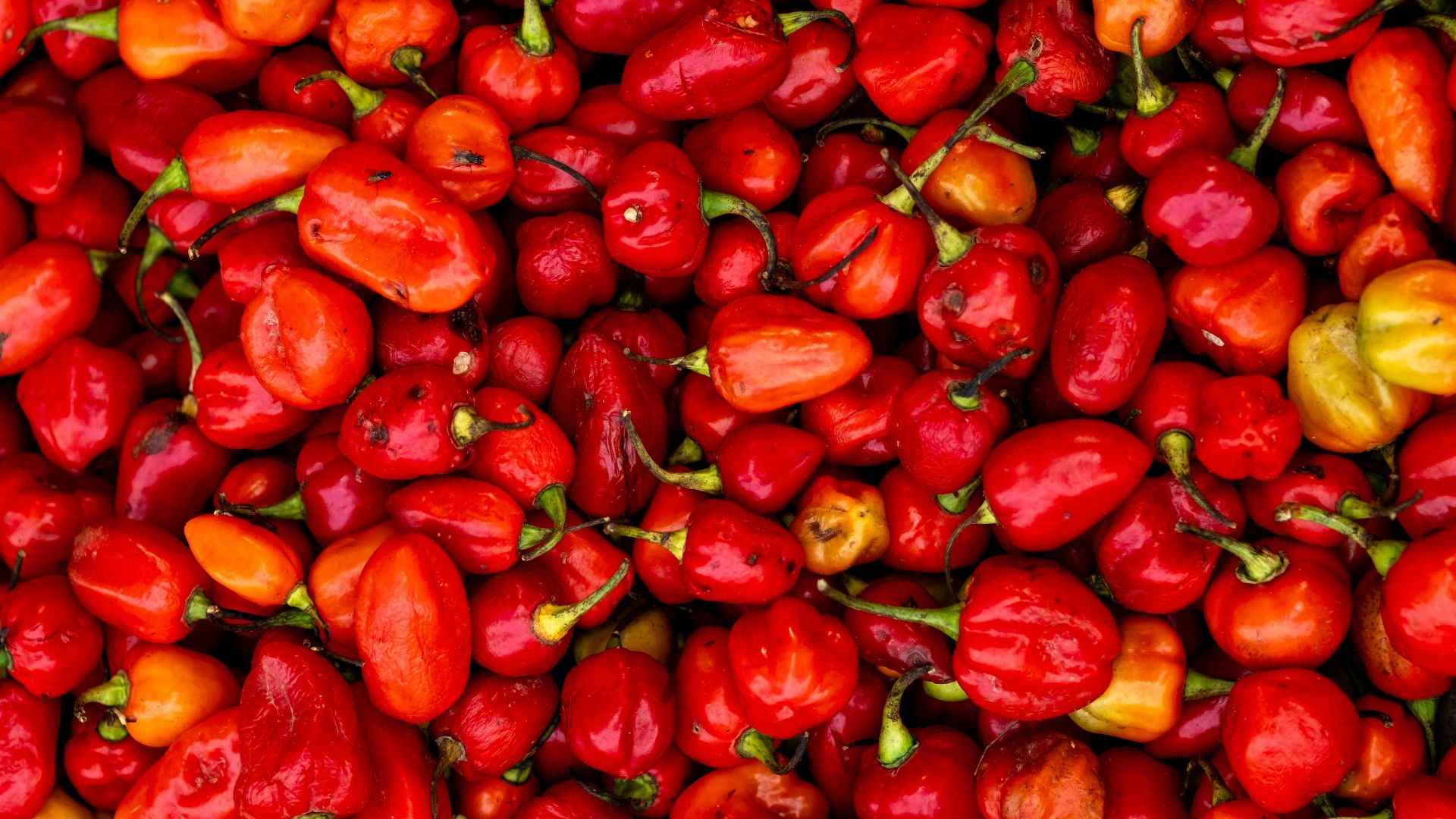
6. Serrano Peppers
Serranos offer a brighter and hotter alternative to jalapeños while remaining manageable for many cooks. Their crisp flavor works especially well in fresh salsas and sauces. Keeping the seeds dramatically increases the heat level.
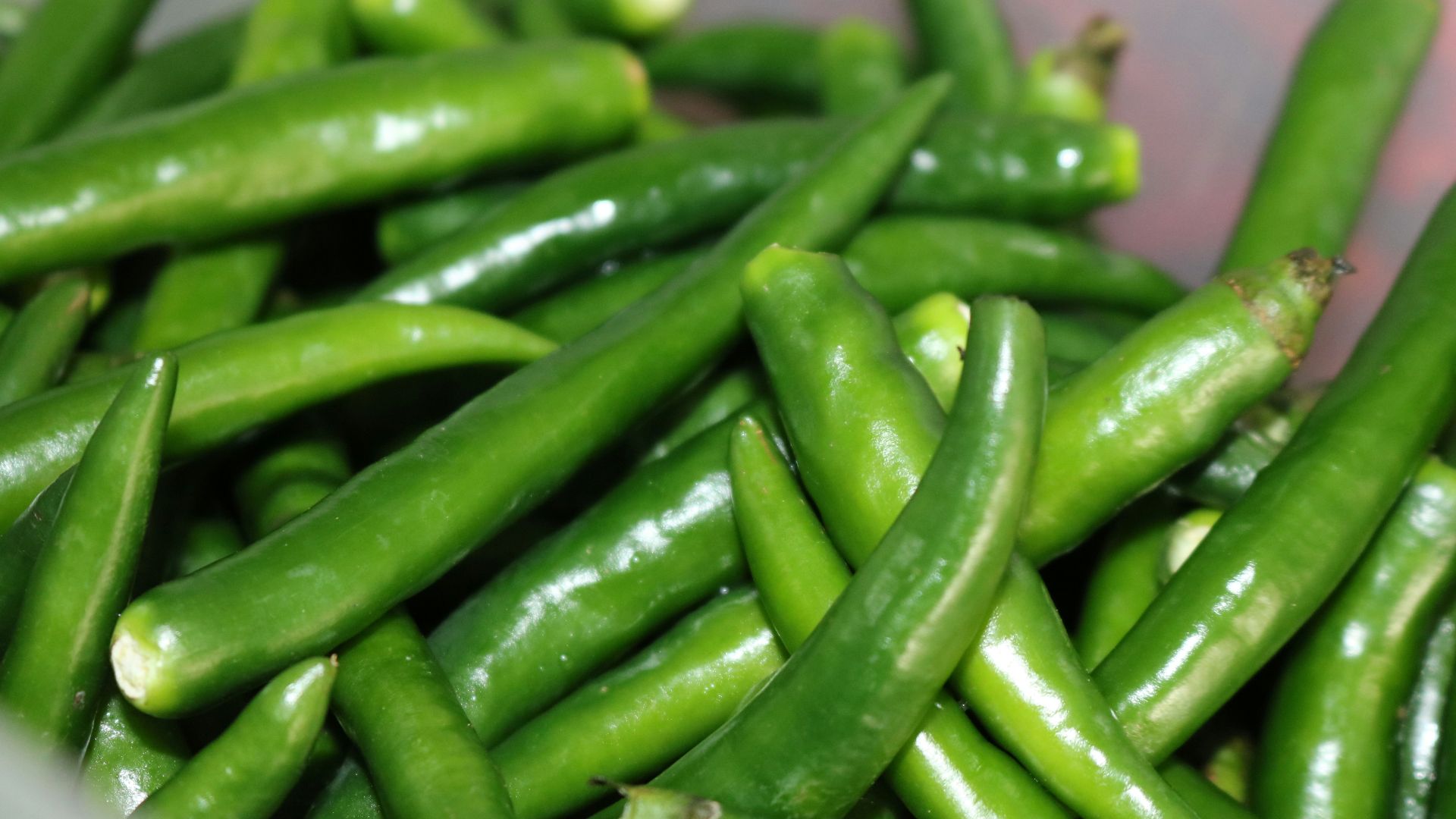
7. Chili Crisp
Chili crisp combines hot peppers, oil, garlic, and crunchy aromatics into a condiment with layered heat. Some versions stay relatively mild, but others build serious spice quickly after a few bites. The oil also spreads heat evenly across dishes.
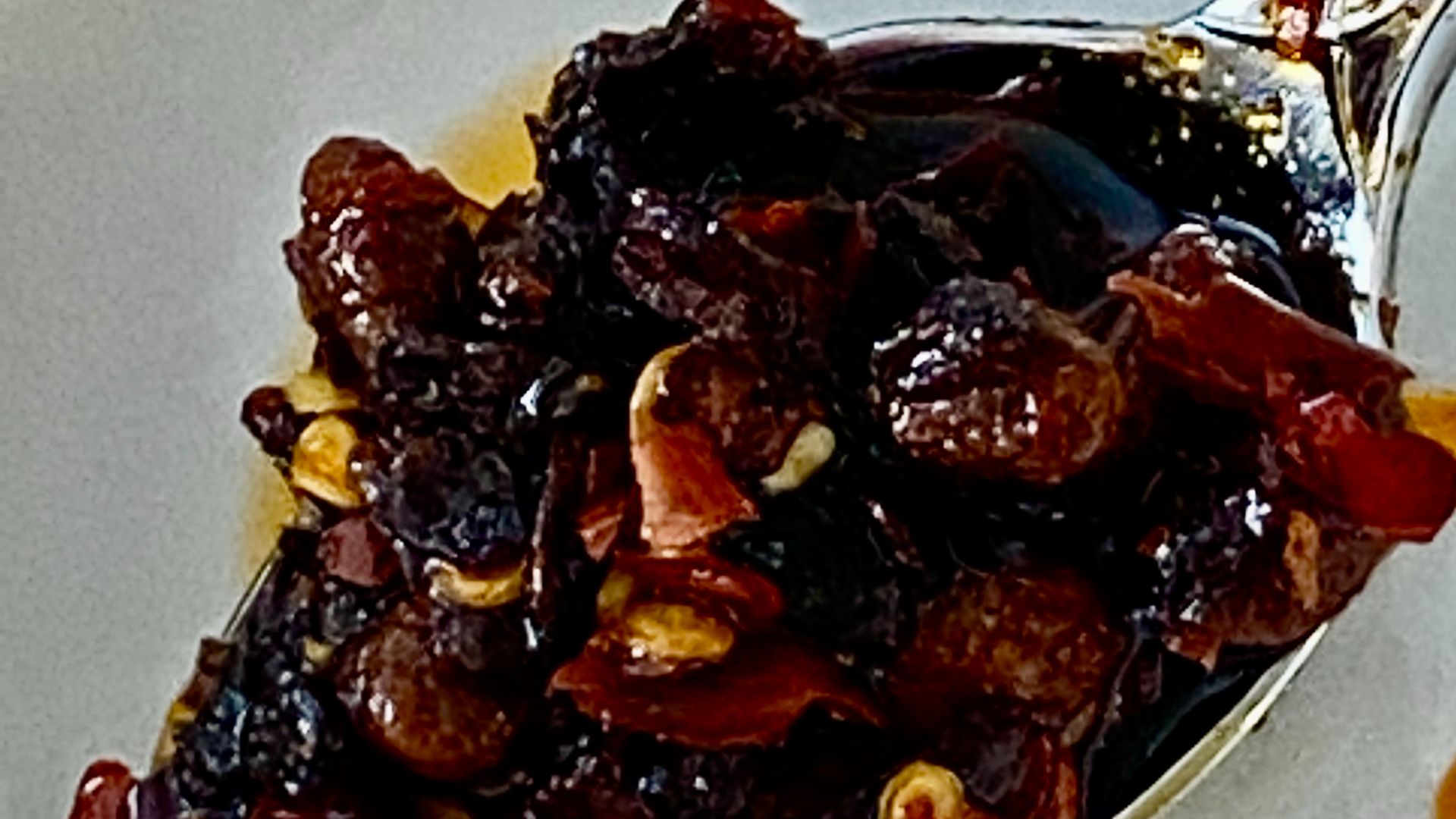
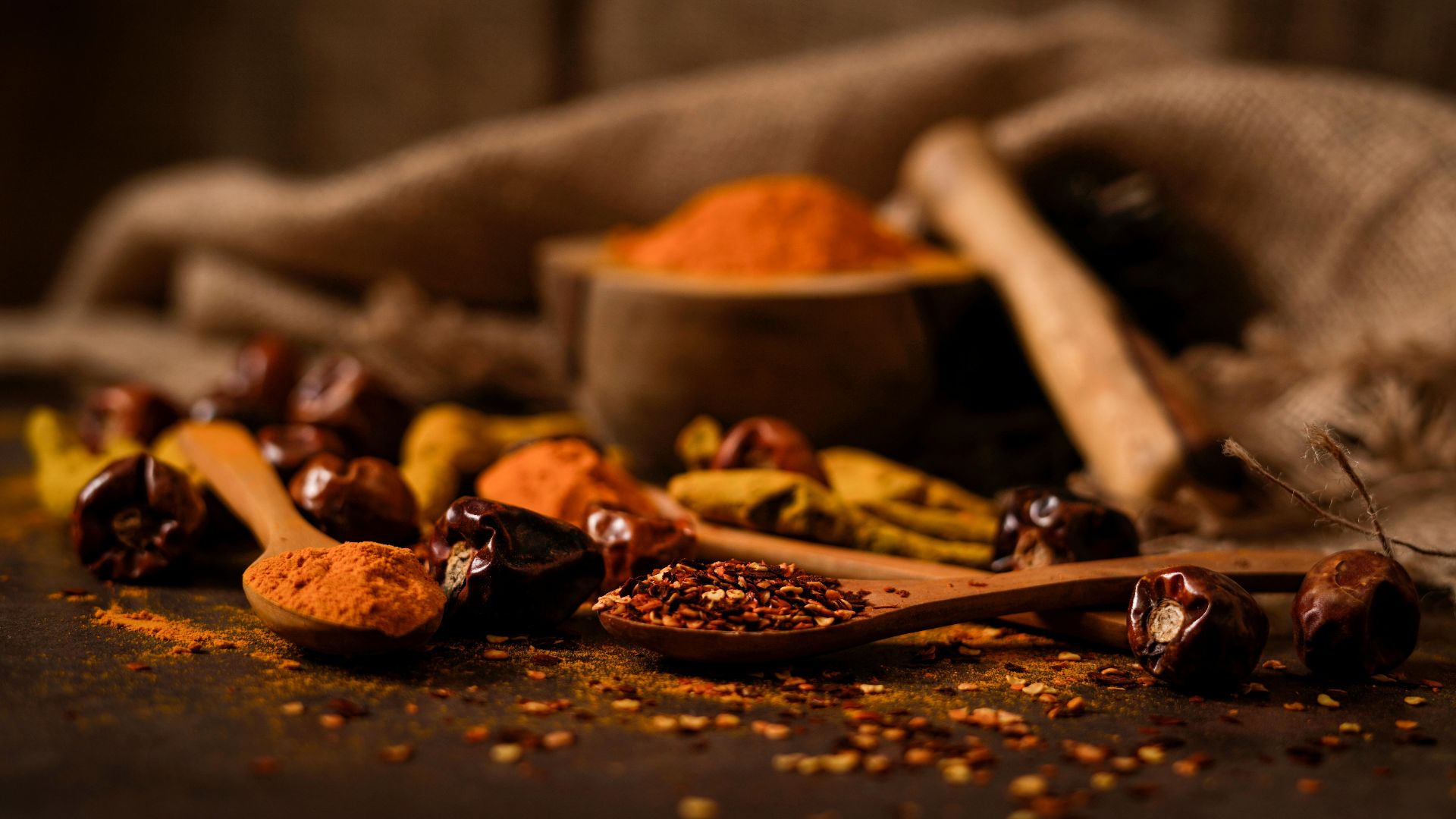
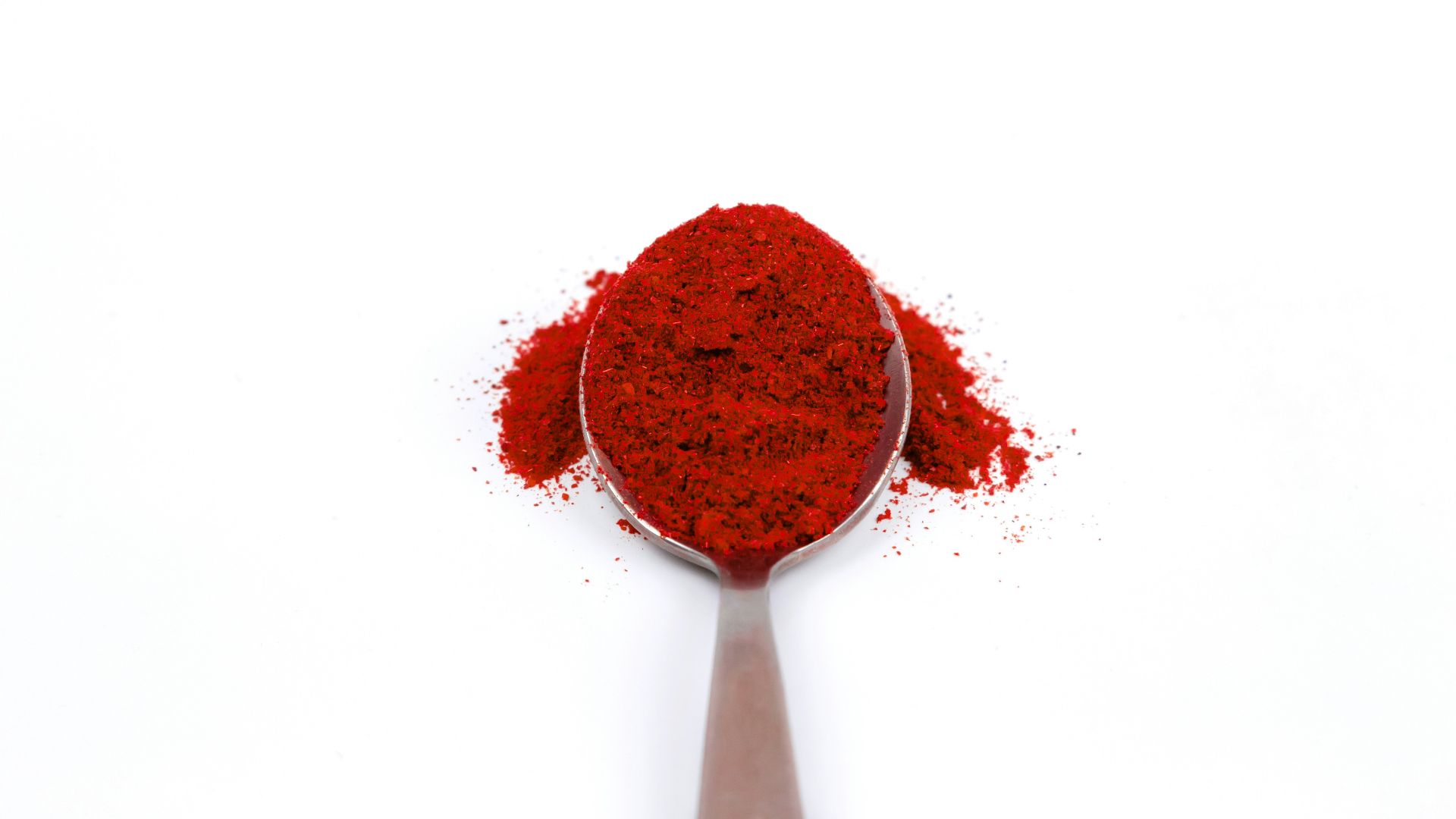
8. Cayenne Pepper
Ground cayenne adds straightforward heat without changing the flavor profile too dramatically. It blends easily into soups, sauces, and dry rubs because of its fine texture. Even small pinches can noticeably increase spice levels.
 Volodymyr Hryshchenko on Unsplash
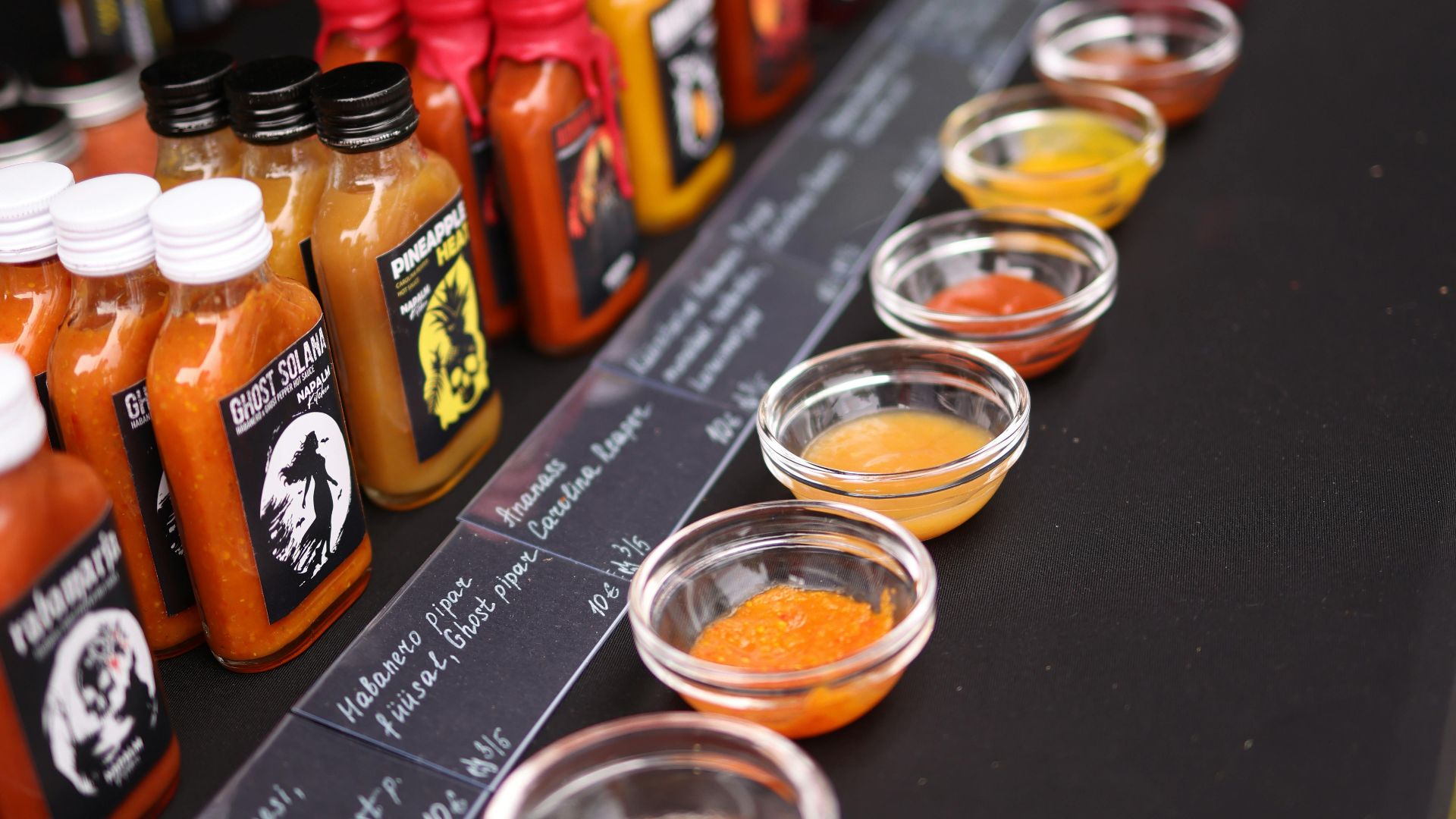
9. Hot Sauce Concentrates
Concentrated hot sauces made with pepper extracts create intense heat far beyond standard table sauces. Many are designed specifically for extreme spice lovers rather than casual cooking.
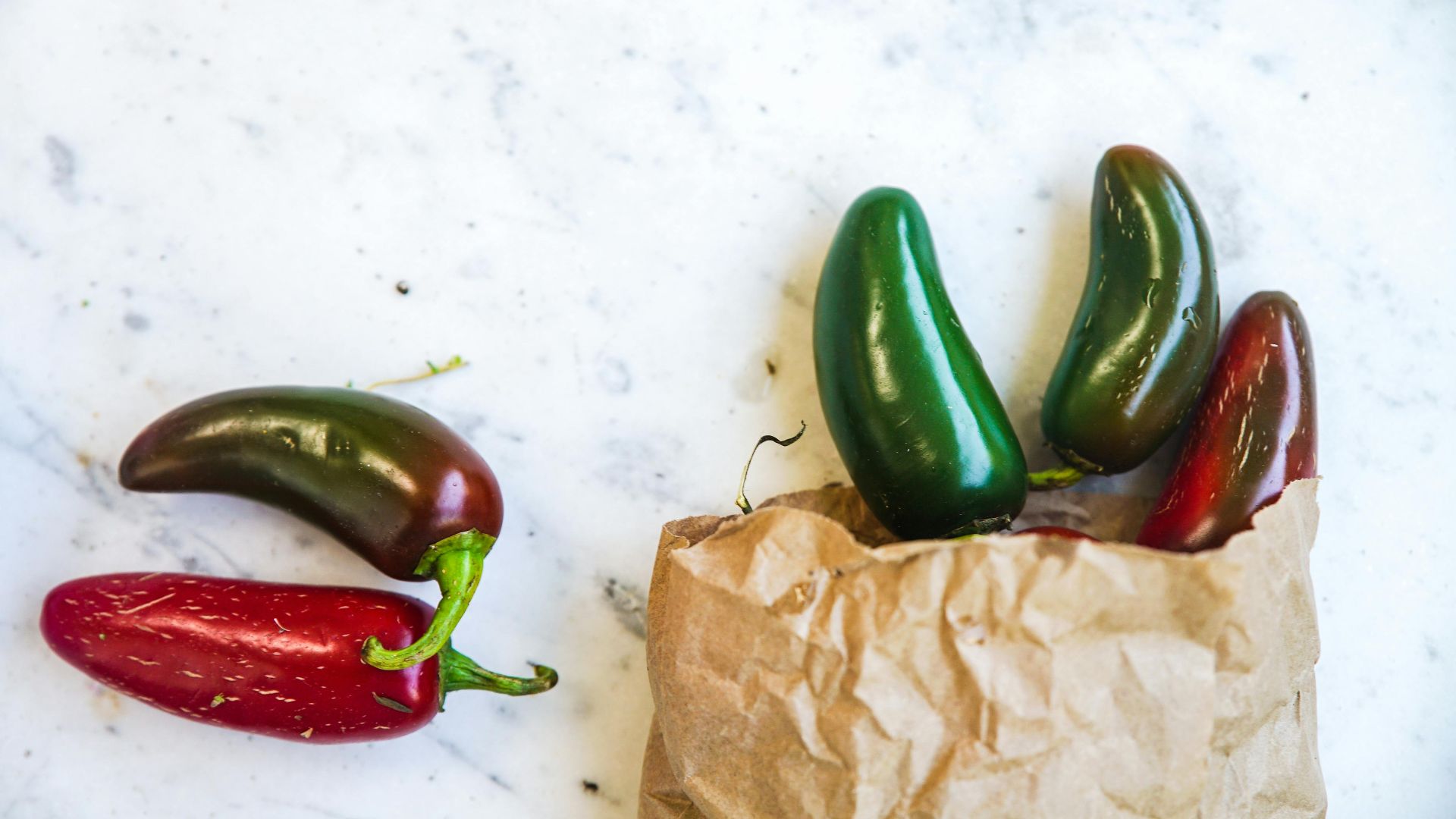
10. Fresh Jalapeños With Seeds
Jalapeños become significantly hotter when the seeds and inner membranes remain intact during cooking. Fresh peppers also tend to taste brighter and spicier than pickled versions. Grilling them can slightly soften the heat while adding smokiness.