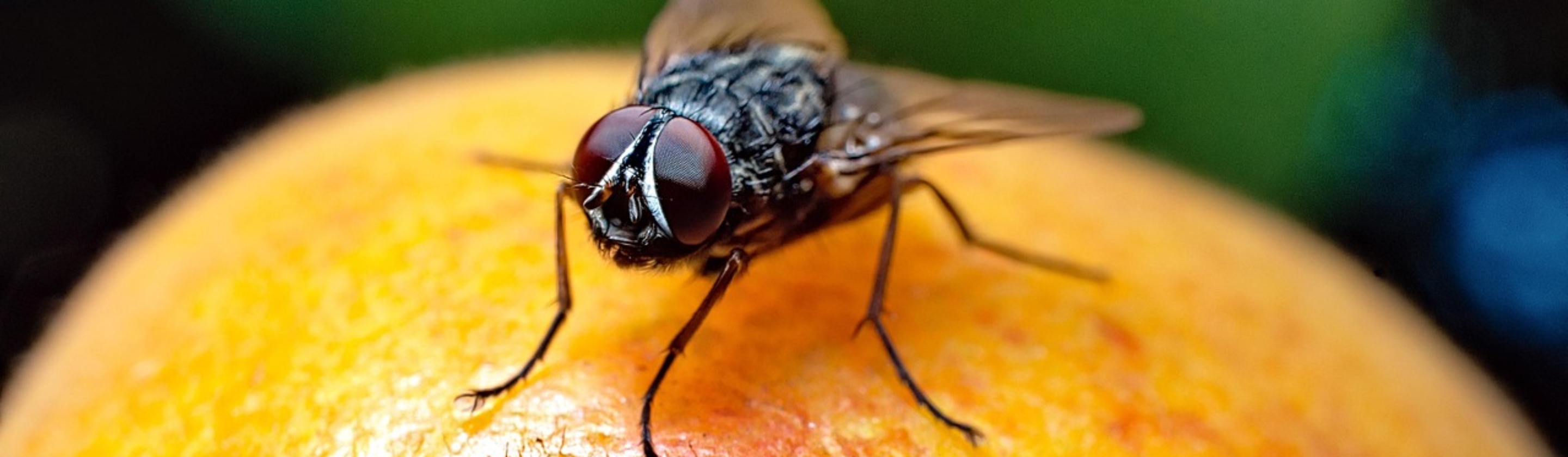
Annoying Kitchen Pests
Ever brought home bananas, only for your kitchen to be infested with fruit flies the next morning? You're not alone, though your habits are probably not helping you out, either. Since these tiny pests are drawn to ripe, fermenting, and sugary materials, many everyday kitchen items can become a problem before you even notice them. So, how can you prevent them from taking over? Here are 10 things that are attracting fruit flies in your kitchen, and 10 ways to make your space less inviting to these persistent buggers.
1. Overripe Fruit on the Counter
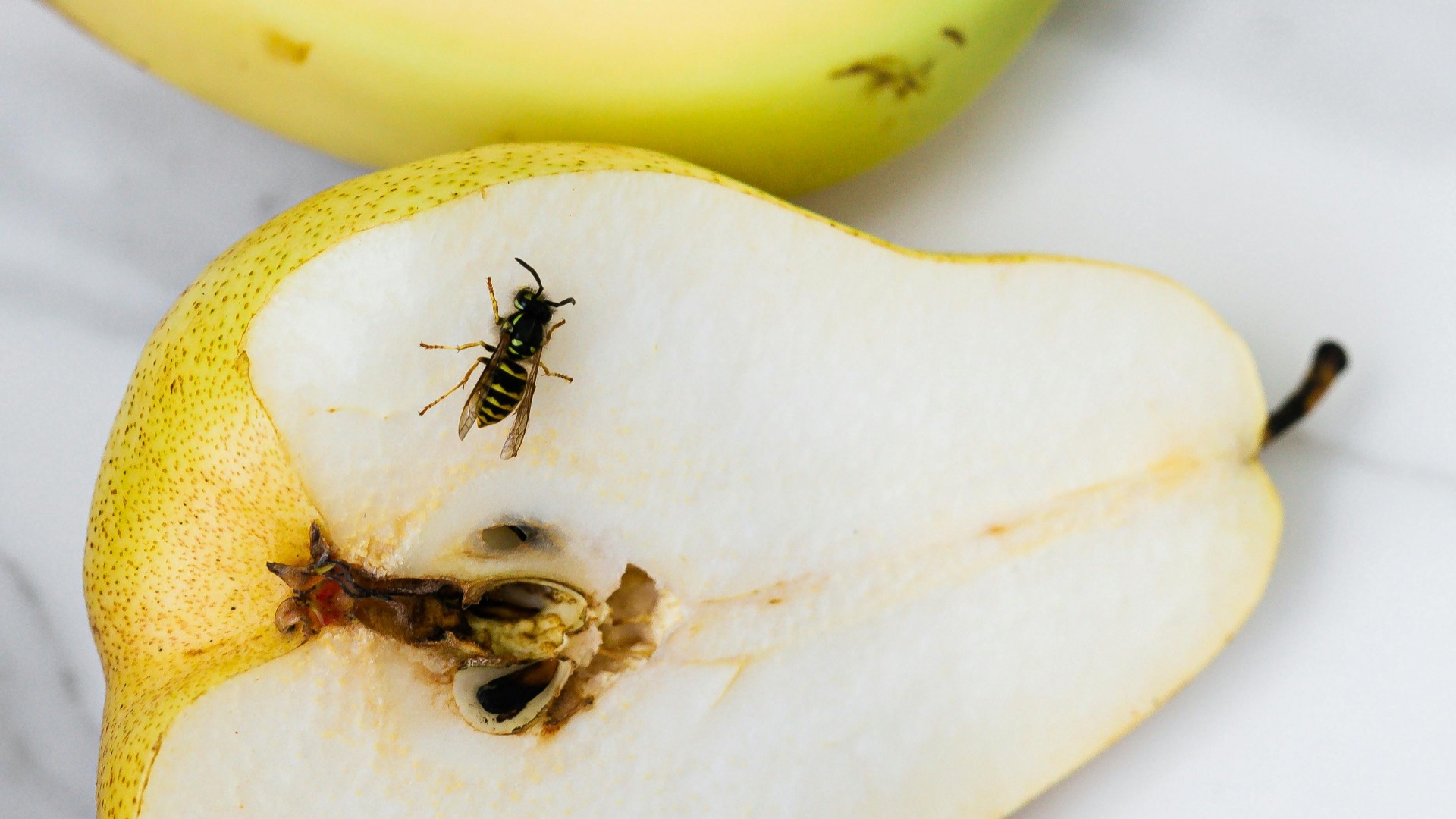
Fruit flies are especially drawn to bananas, peaches, berries, tomatoes, and other produce once it starts to soften. As fruit ripens, it releases sweet, fermented odors that can attract flies from nearby areas. Even one bruised piece sitting in a bowl can become a breeding spot if it’s left too long. If your fruit is past its prime, it’s better to use it, refrigerate it, or toss it before it becomes a problem.
 Desirae Hayes-Vitor on Unsplash
2. Open or Sticky Juice Containers
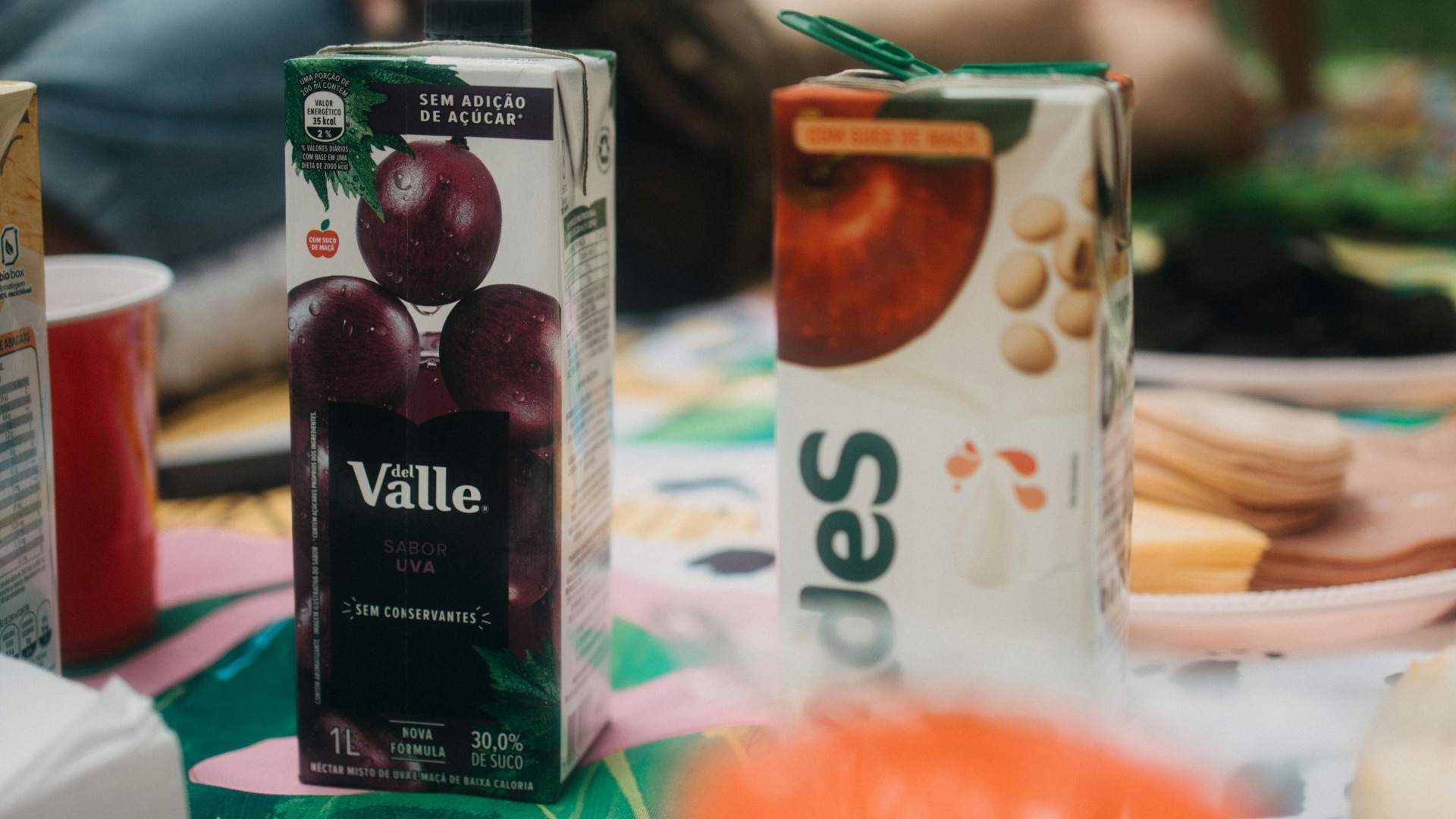
Juice bottles, cartons, and cups can attract fruit flies when sugary residue collects around the rim or lid. Even a small splash on the outside of a container can be enough to draw them in. Kids’ cups, smoothie glasses, and unfinished juice boxes are especially easy to overlook after a busy morning. Rinsing them right away helps remove the sweet scent before flies find it.
3. Dirty Dishes in the Sink
A sink full of plates, cups, and utensils can become a buffet for fruit flies when bits of fruit, sauce, wine, or dessert remain behind. They don’t need much food to stick around, and damp dishes make the area even more appealing. If dishes sit overnight, the odors become stronger and harder to ignore. Washing or at least rinsing dishes soon after use can make a noticeable difference.
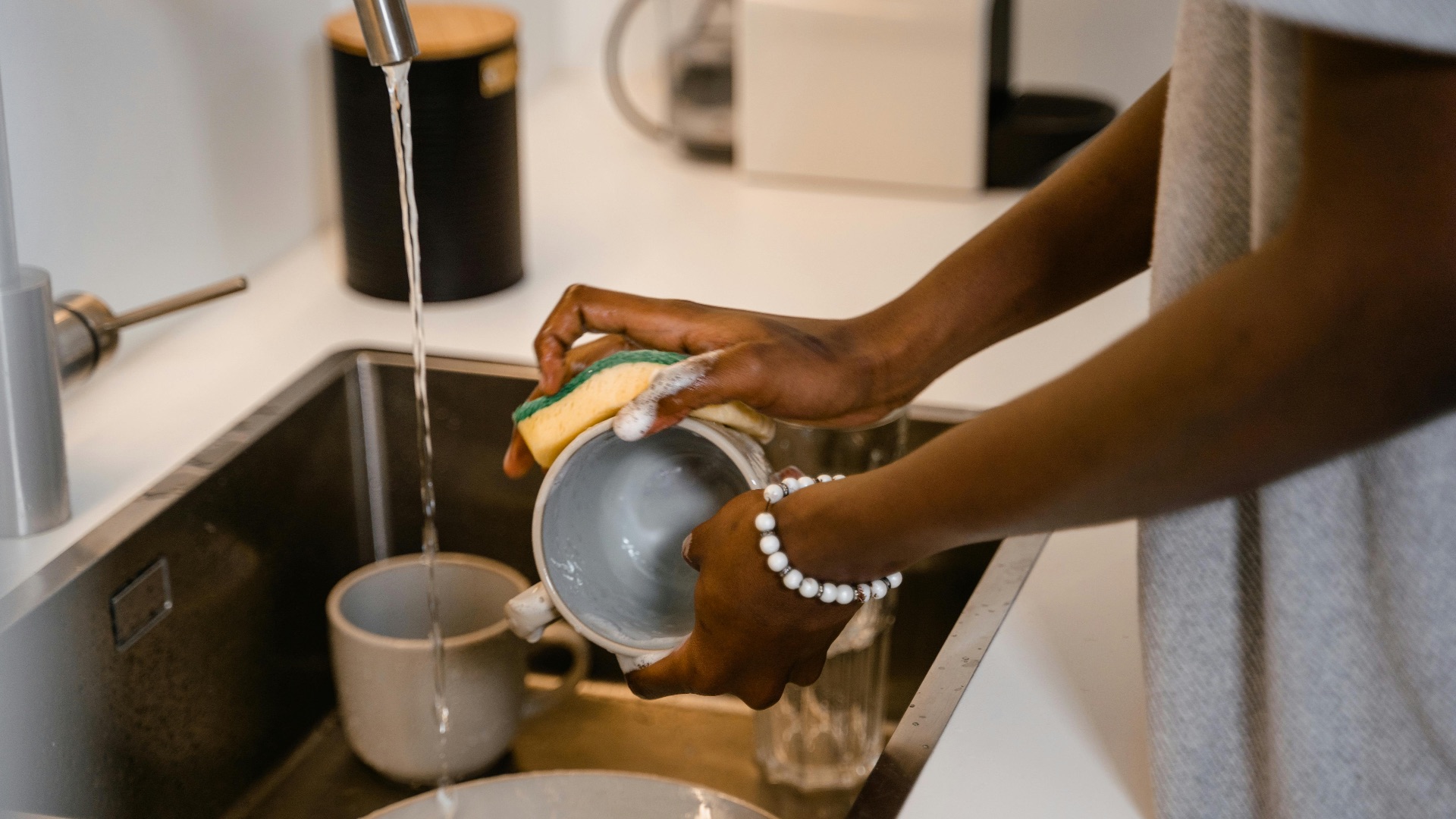
4. Food Scraps in the Garbage Can
Kitchen trash is one of the most common fruit fly magnets because it often contains peels, cores, leftovers, and packaging with food residue. As scraps break down, they create exactly the kind of smell fruit flies seek out. A trash can without a tight lid can make the issue worse, especially during warm weather. Taking out the garbage regularly keeps those odors from building up.
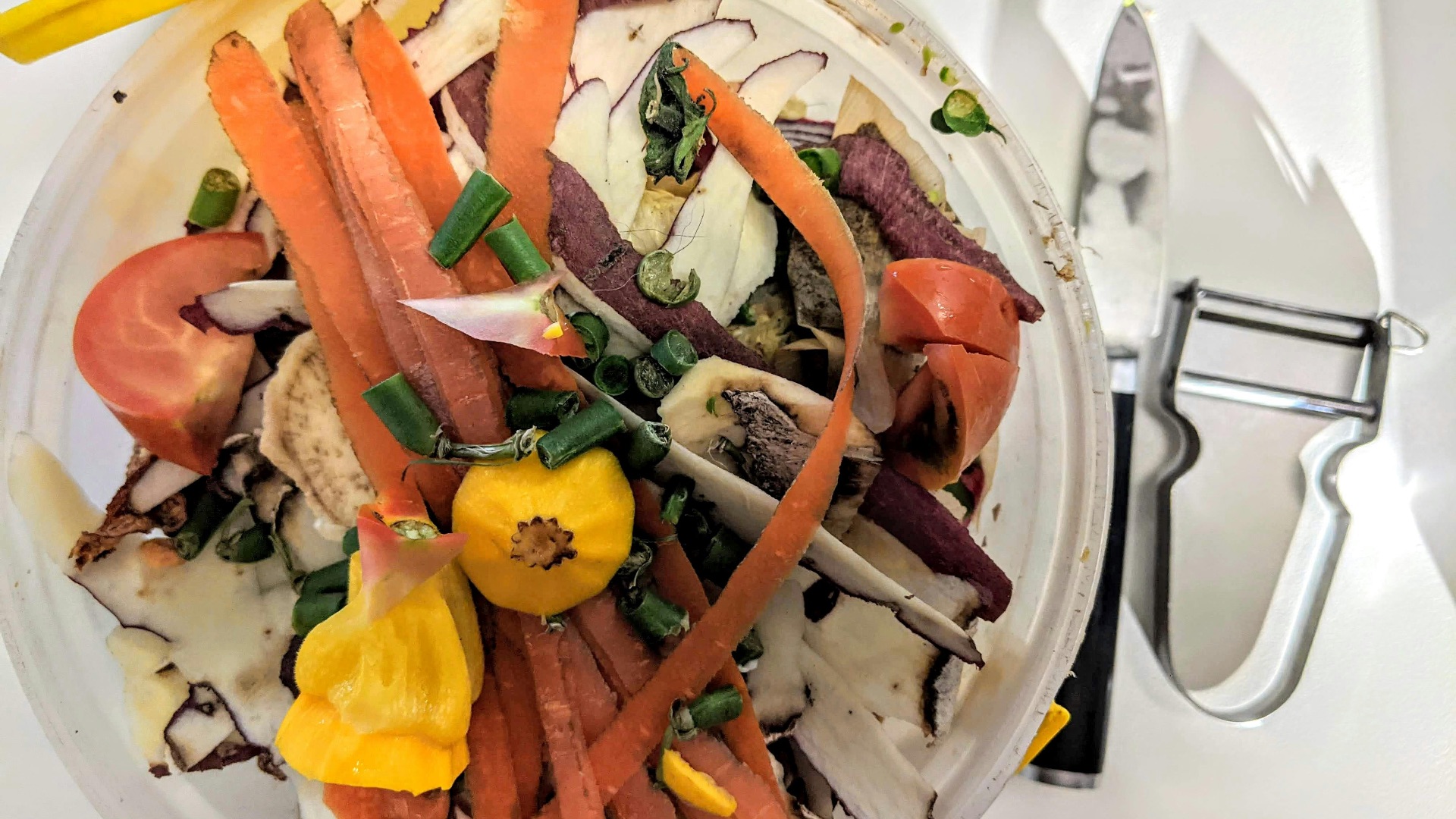
5. Compost Buckets Indoors
A countertop compost container is convenient, but it can also attract fruit flies if scraps sit too long. Banana peels, melon rinds, apple cores, and coffee grounds mixed with food waste can ferment quickly indoors. Even containers with lids can become an issue if they aren’t emptied and washed often. Composting still works well in the kitchen, but it needs a routine to stay pest-free.
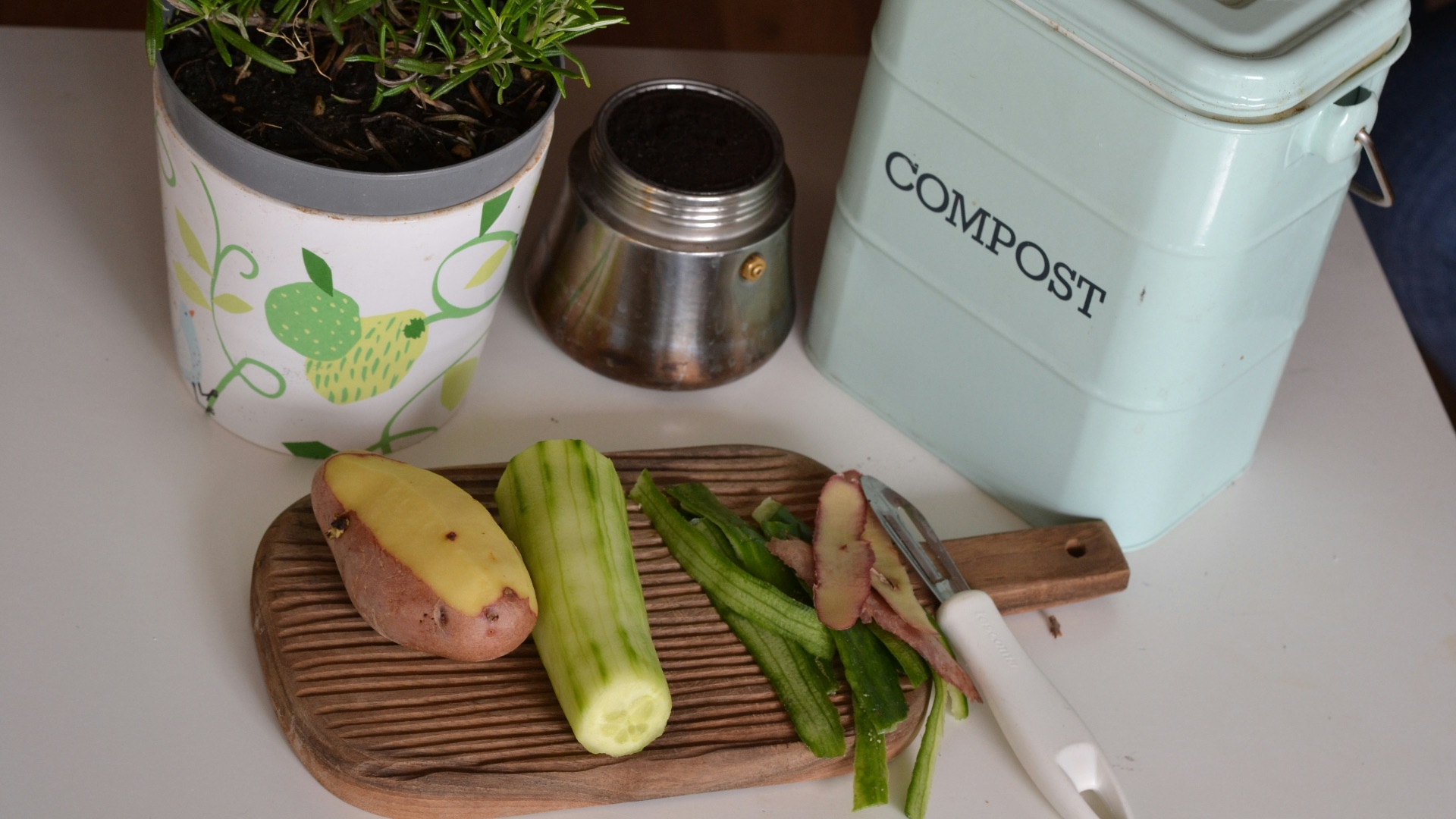
6. Damp Sponges and Dishcloths
Fruit flies aren’t only interested in obvious food; they can also be drawn to damp cleaning items that hold tiny particles of residue. Sponges, dishcloths, and scrub pads can trap sugar, grease, and fruit juices after you wipe down counters. When they stay wet near the sink, they create a spot that feels favorable for pests. Rinsing them thoroughly and letting them dry helps keep them from becoming part of the problem.
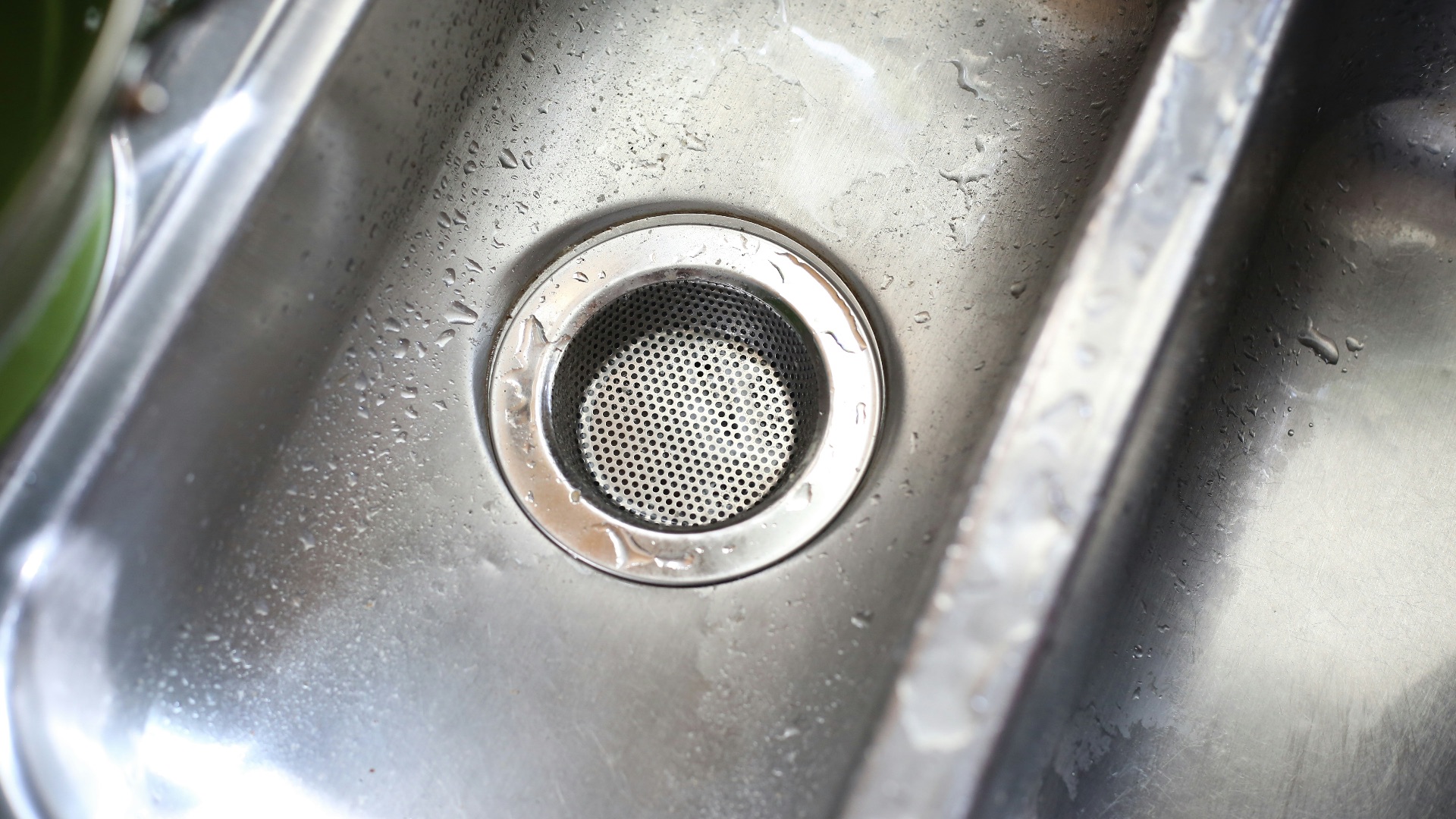
7. Residue Around the Drain
Kitchen drains can attract fruit flies when food particles, grease, and organic buildup collect inside the pipe. You may not see the residue, but fruit flies can detect the smell and use the damp area to linger. This is especially common if you use the sink often but don’t flush the drain thoroughly. A drain that smells slightly sour or stale deserves attention before the flies multiply.
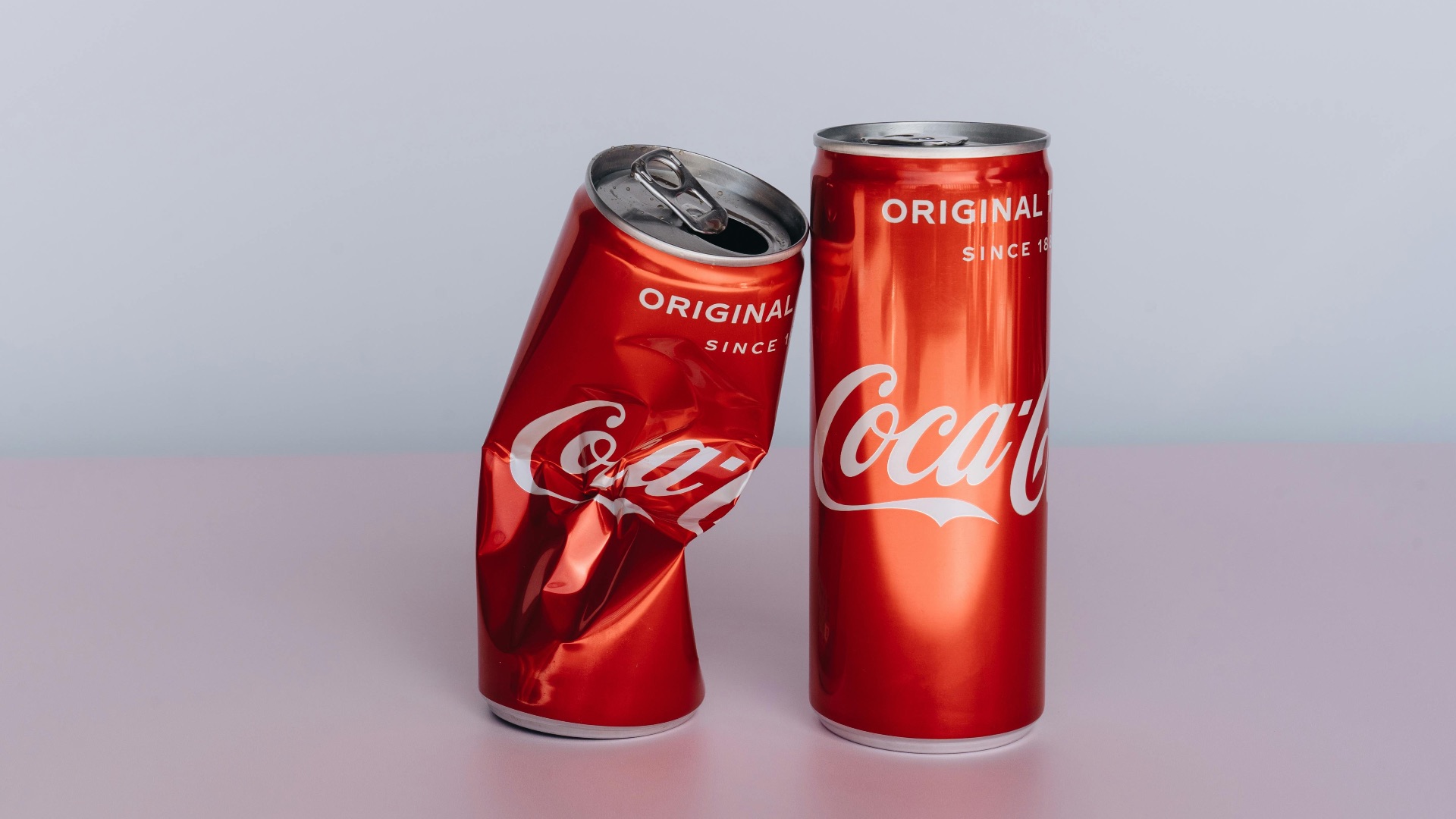
8. Empty Bottles and Cans
Recycling bins often hold soda cans, beer bottles, wine bottles, and kombucha containers with just enough liquid left inside to attract fruit flies. Sugary or fermented residues are highly appealing, even when the container looks empty. If bottles and cans sit for several days, the smell can build up inside the bin. A quick rinse before recycling can prevent the bin from becoming a hidden source.
9. Crumbs and Spills Under Appliances
Small spills and crumbs under the toaster, microwave, coffee maker, or stand mixer can go unnoticed for weeks. Fruit flies are small enough to find these spots, especially if the residue includes syrup, fruit juice, jam, or pastry filling. Because these areas are often warm and undisturbed, they can keep attracting pests even after the visible kitchen looks clean. Moving appliances during cleaning helps remove the buildup you don’t usually see.

10. Unwashed Produce Bins or Bowls
Fruit bowls, refrigerator drawers, and produce baskets can collect juices, soft bits, and tiny scraps from aging fruits and vegetables. If you replace old produce with fresh items without cleaning the container, the scent may remain. That lingering residue can continue to attract fruit flies even when the new produce looks fine. Washing bowls and drawers periodically helps reset the area instead of carrying the problem forward.
Now that you know what draws fruit flies in, here's how you can prevent them from appearing in your kitchen altogether:
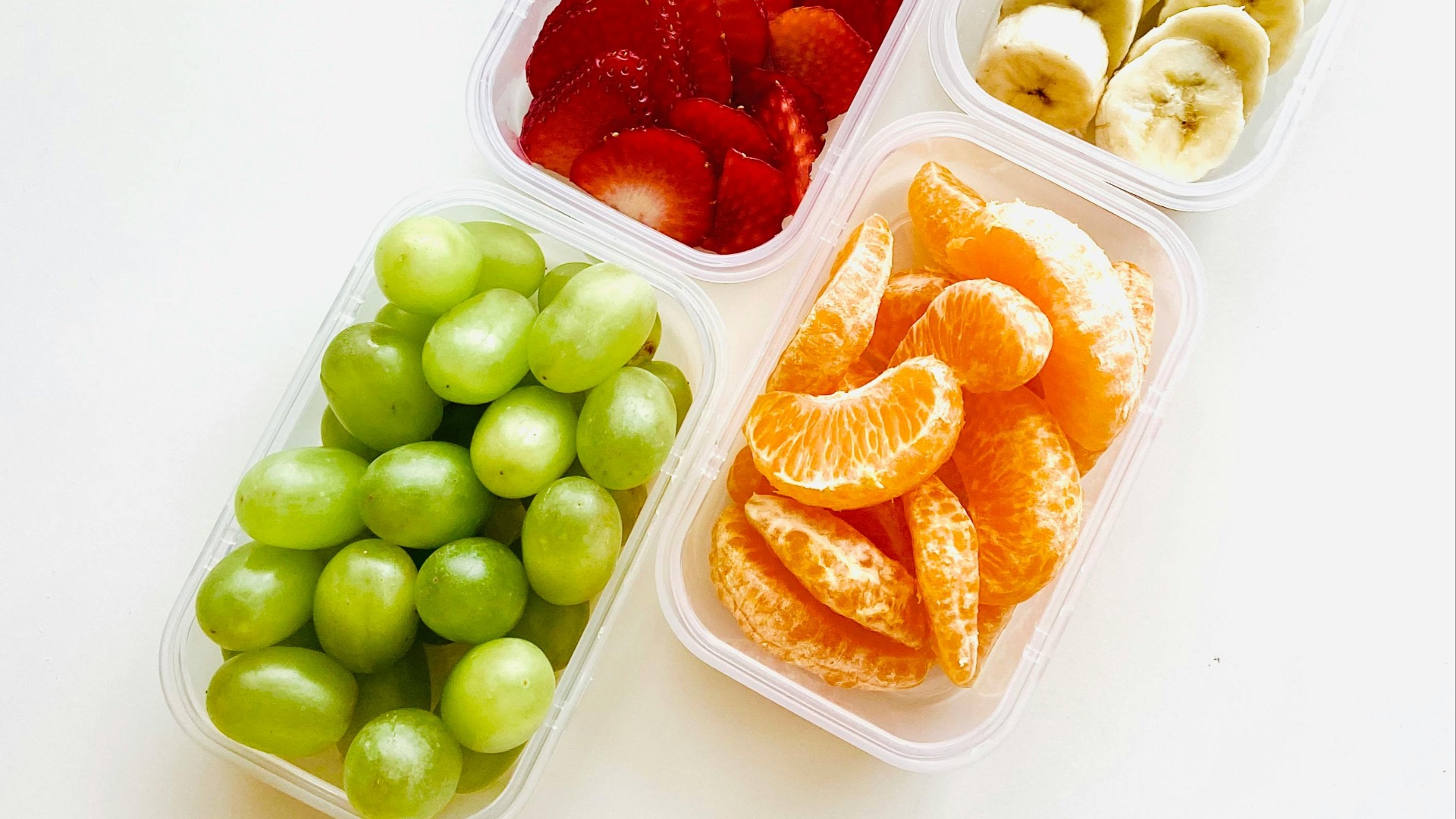
1. Wash Countertop Produce After Bringing It Home
If you’re planning to leave fruit on the counter, wash it after bringing it home so you’re not carrying over sticky residue or tiny pests. Make sure to let the fruit dry fully before placing it in a bowl; excess moisture can make it spoil faster. Produce that’s going straight into the refrigerator doesn’t necessarily need to be washed right away, but doing so can still help if you dry it well before storing.
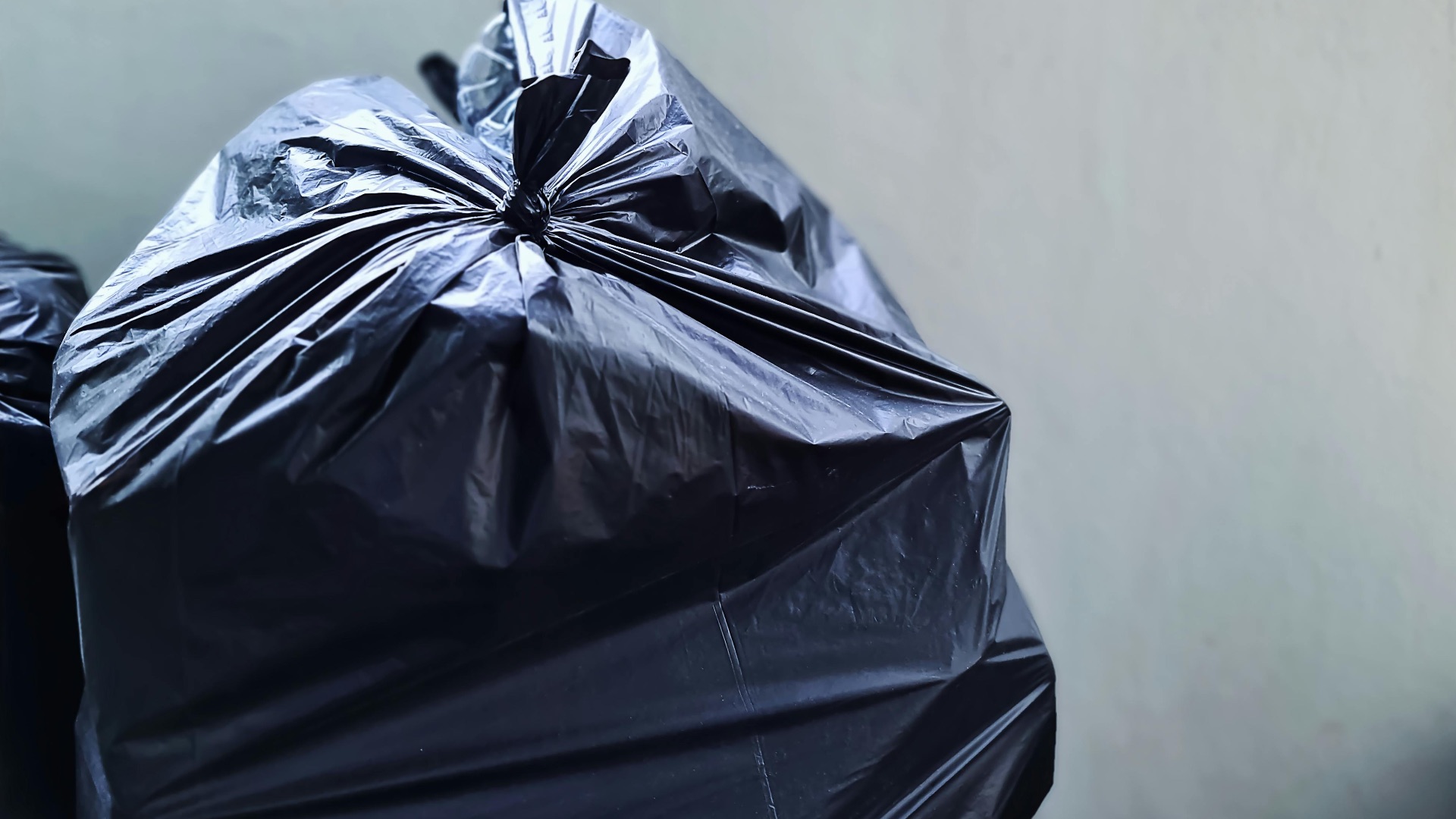
2. Empty the Trash More Often
Kitchen trash should be removed before food scraps have time to ferment. This is especially important after cooking with fruit, cleaning out the fridge, or throwing away leftovers. A lidded trash can also helps contain odors between bag changes. After you take the bag out, check the bottom of the bin for leaks or sticky spots that need cleaning.
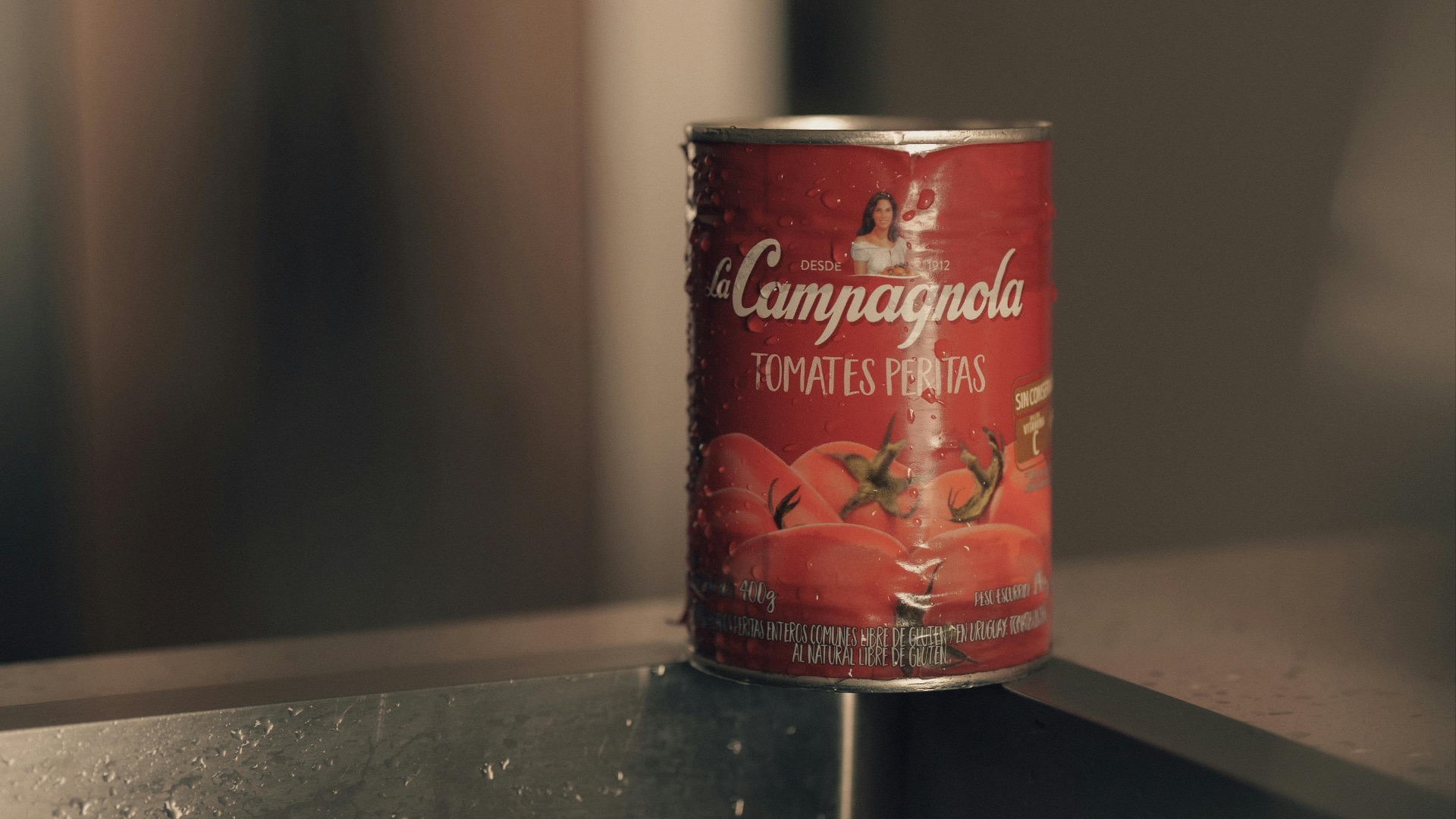
3. Rinse Recyclables Before Tossing Them
Before placing cans, bottles, and jars in the recycling bin, give them a quick rinse with water. You don’t need to scrub every container perfectly, but you do want to remove sugary or fermented residue. This habit is especially helpful with wine bottles, soda cans, juice jars, and beer bottles. Keeping the recycling bin cleaner reduces one of the most overlooked fruit fly attractants.
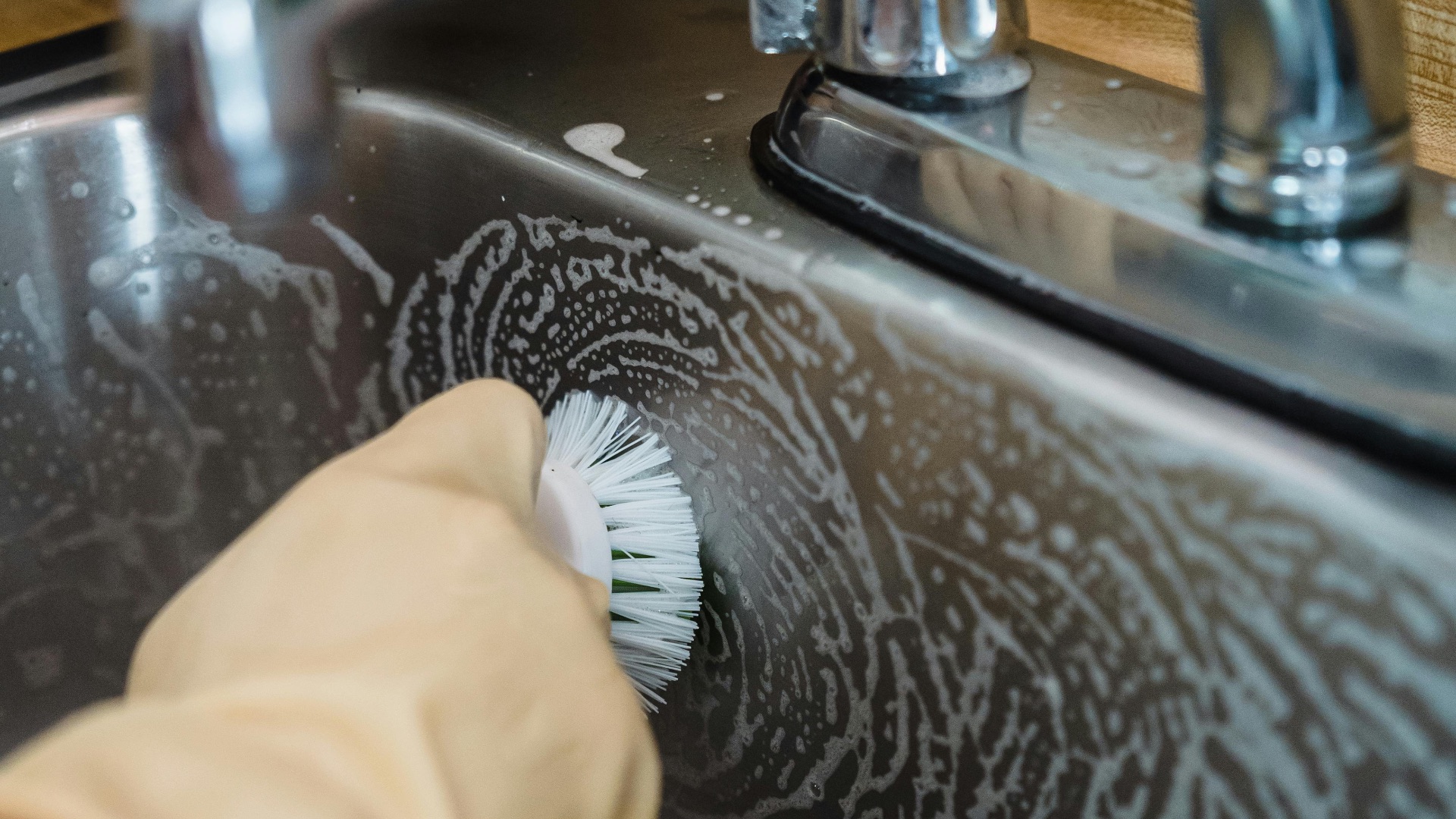
4. Clean the Sink Drain Regularly
A clean drain can go a long way toward preventing fruit flies from settling in. Flush it with hot water, and use a brush or drain-safe cleaner when buildup is visible or odors appear. If you have a garbage disposal, run it thoroughly after food prep and avoid letting scraps sit inside. Paying attention to the drain helps eliminate a pest source you may not immediately suspect.
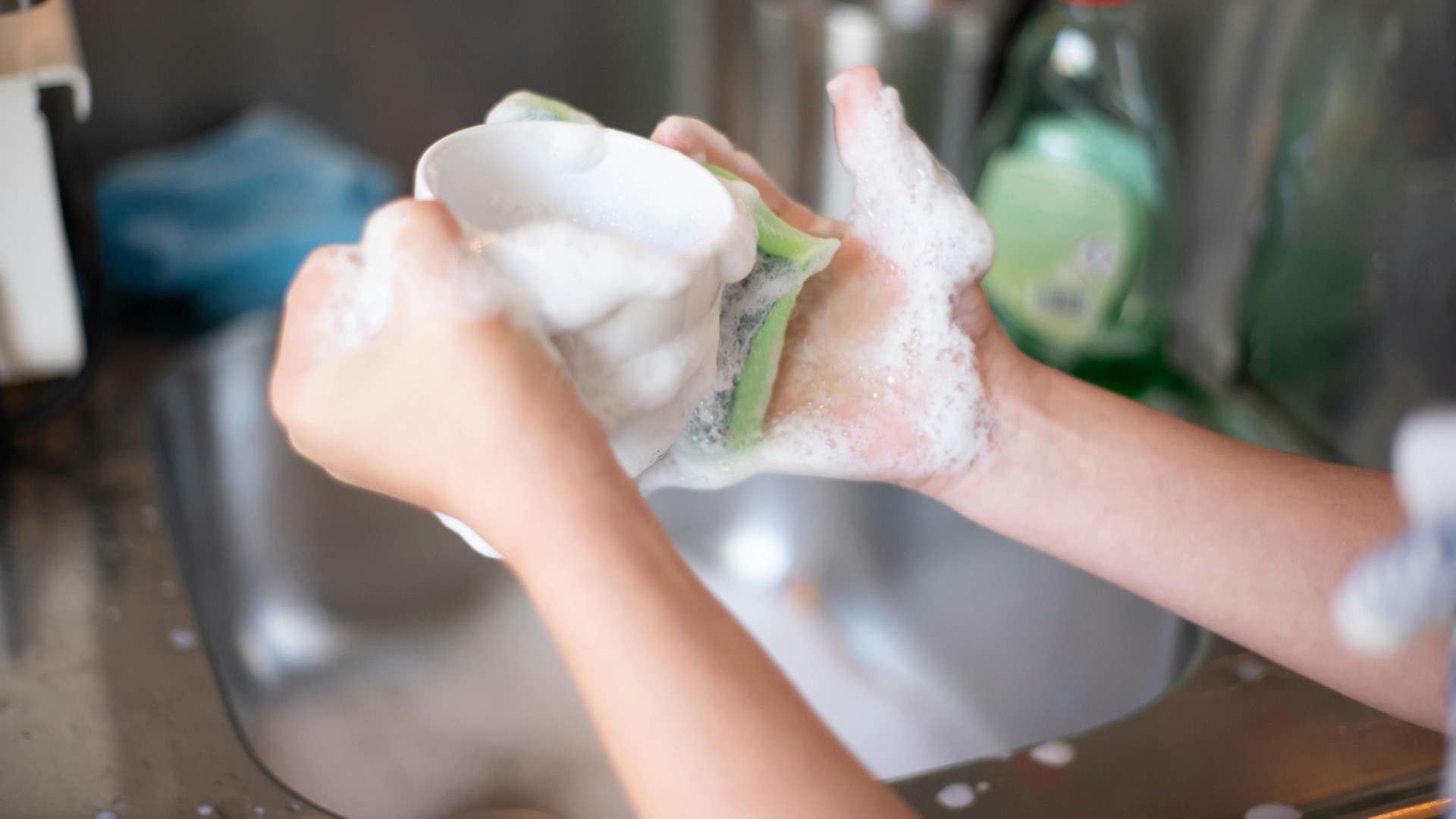
5. Wash Dishes or Rinse Them Promptly
You don’t always have to wash every dish the second you use it, but rinsing food residue away is a smart compromise. Plates with fruit, wine glasses, smoothie cups, and dessert bowls should get attention quickly. This keeps sweet and fermented scents from spreading through the kitchen. If dishes must wait, stacking rinsed items is far better than leaving food-coated ones in the sink.
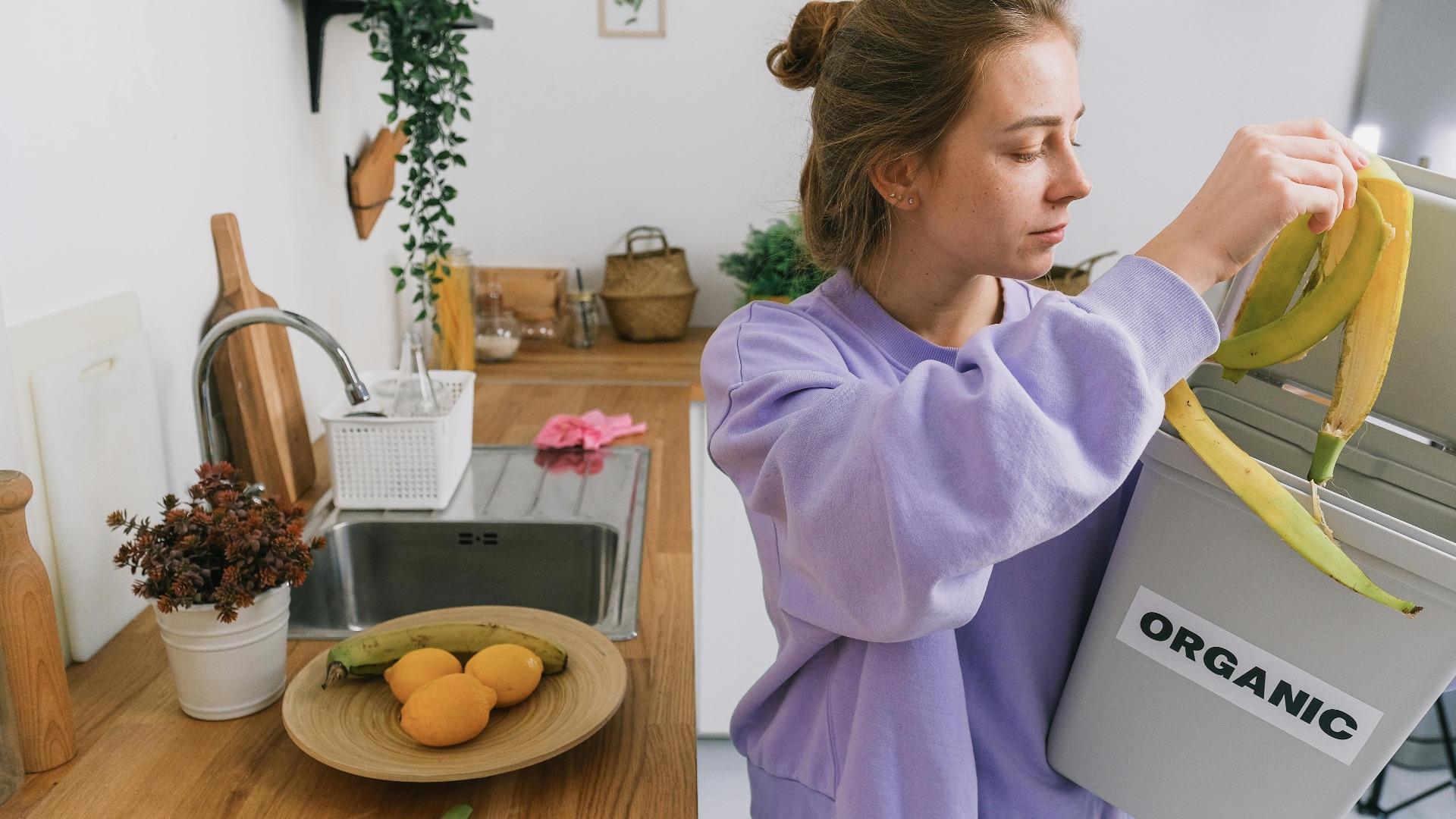
6. Keep Compost Covered and Empty It Frequently
If you keep compost indoors, use a container with a tight-fitting lid and empty it before scraps start breaking down. Lining the container can make cleanup easier, but the bin itself still needs regular washing. Avoid letting fruit peels and soft produce sit for several days in a warm kitchen. A clean, controlled compost routine lets you reduce waste without inviting fruit flies.
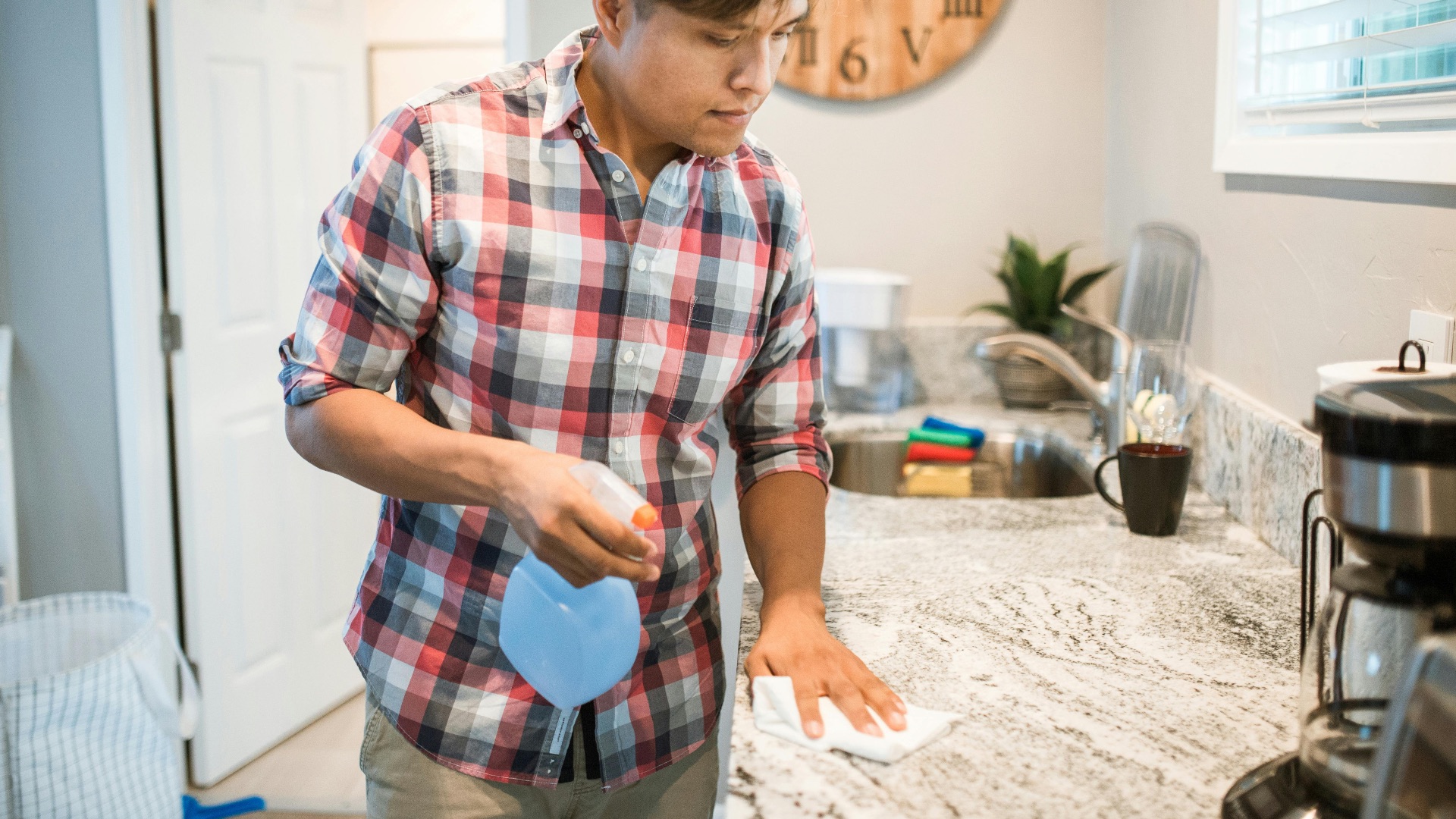
7. Wipe Counters After Food Prep
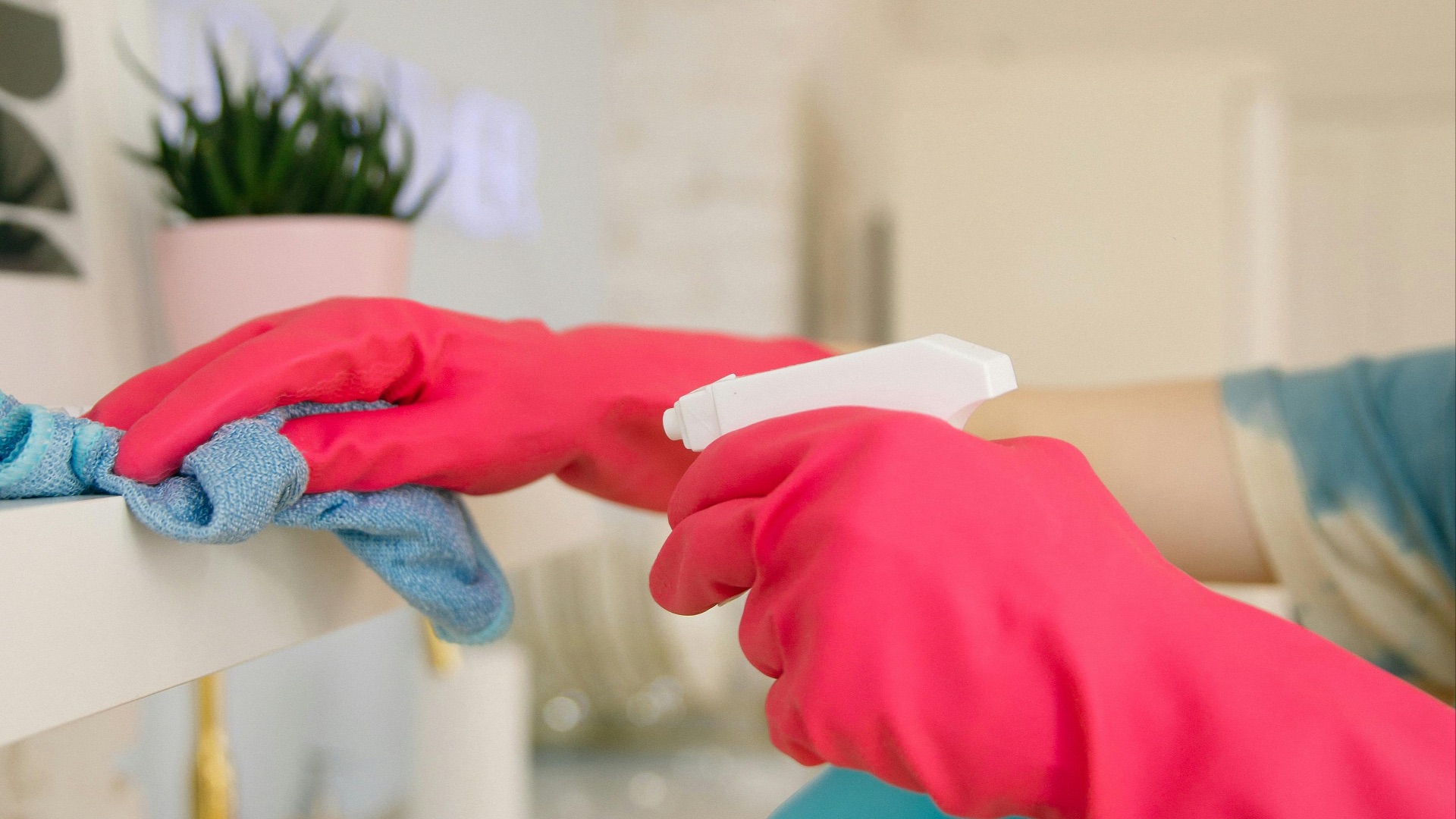
Counters can hold tiny traces of juice, sugar, and produce residue even when they look clean at a glance. After slicing fruit, making smoothies, baking, or pouring sweet drinks, wipe the surface with warm water and a suitable cleaner. Pay attention to corners, cutting board areas, and spaces near small appliances. Removing residue right away makes the kitchen less attractive between deeper cleanings.
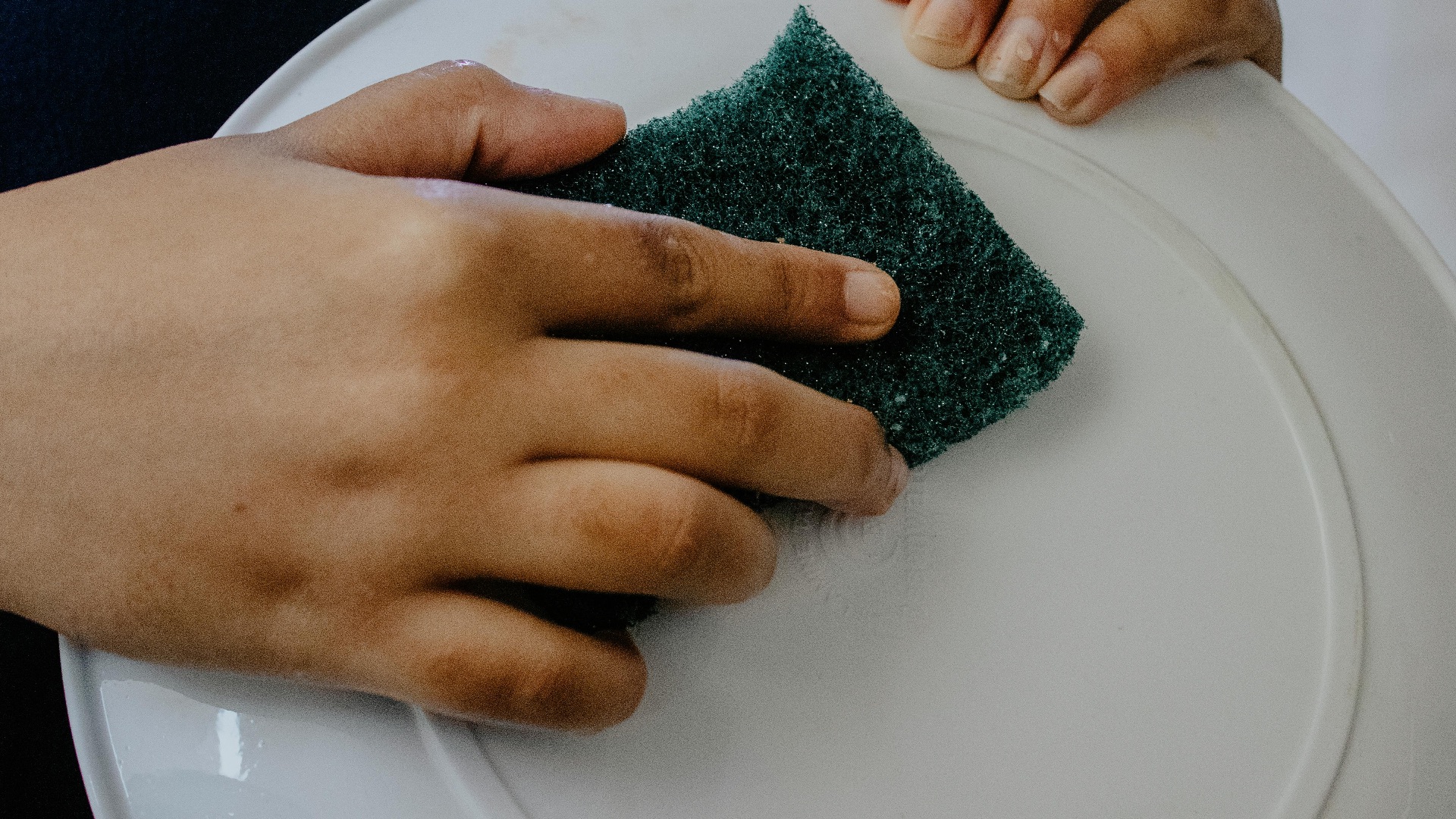
8. Dry Sponges and Dishcloths Between Uses
After using a sponge or dishcloth, rinse it well and place it somewhere it can dry fully. A damp sponge left in the sink can hold both moisture and food particles, which makes it more appealing to pests. Replace worn sponges often, especially if they start to smell or stay wet for long periods. Clean tools do a better job of keeping the whole kitchen under control.
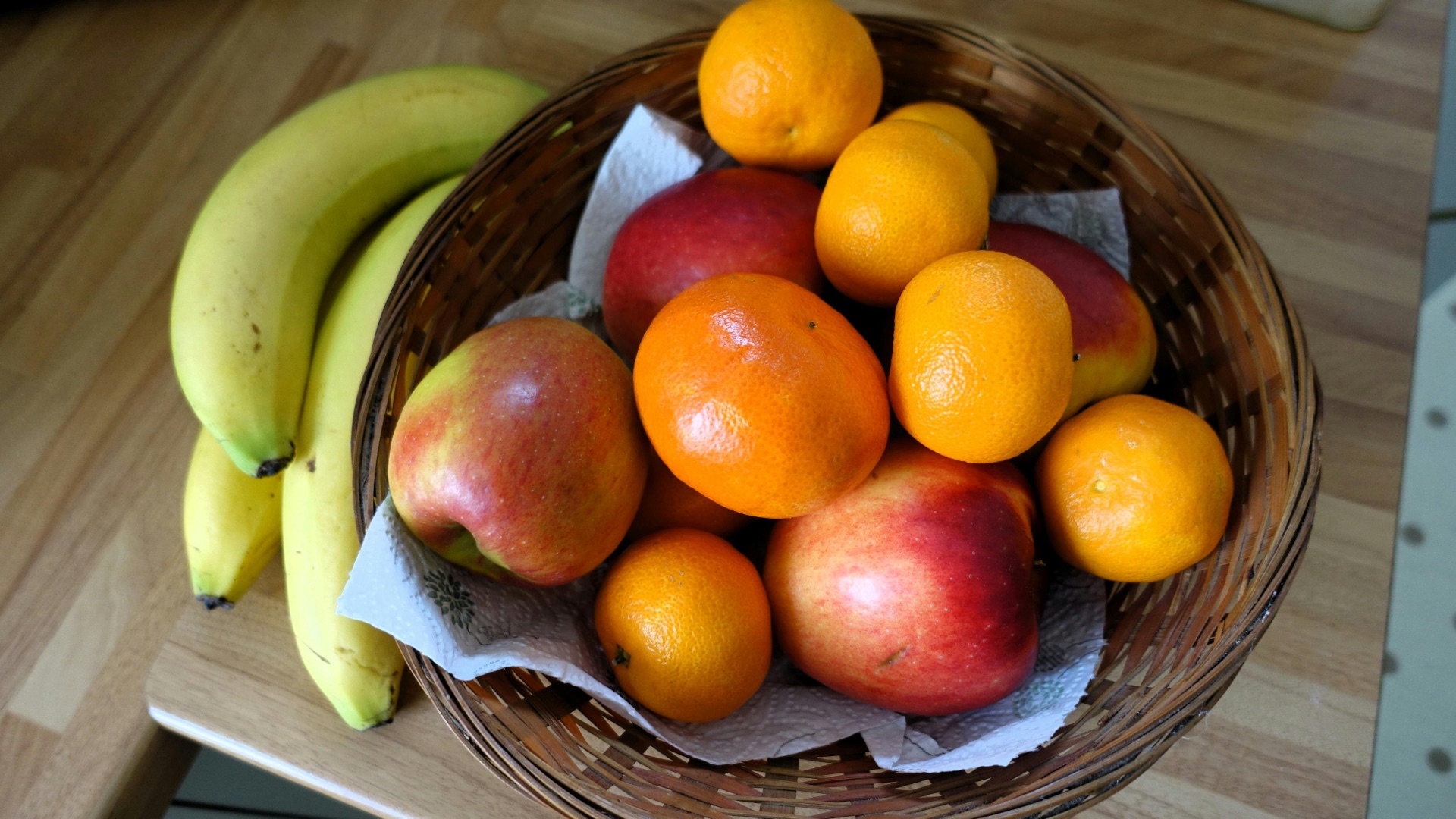
9. Inspect Produce Before Bringing It Inside
Fruit flies can sometimes come home with produce from the grocery store, farmers' market, or garden. Before storing fruits and vegetables, check for bruises, soft spots, splits, or leaking juices. Use damaged produce first, refrigerate it, or discard anything that’s already breaking down. Starting with cleaner, fresher produce lowers the chances of introducing a problem.
10. Clean Hidden Kitchen Areas Weekly
A weekly check under appliances, behind the coffee maker, around the toaster, and near the trash can can prevent small messes from becoming pest attractants. These spots often collect crumbs, sticky drips, and bits of produce that regular counter wiping misses. You don’t need a major deep clean every time, but a consistent pass through hidden areas helps. Fruit fly prevention works best when the obvious and not-so-obvious messes are both handled.
KEEP ON READING
20 Food Requests Only Spoiled People Ask For

20 Hardest Foods on Earth To Eat
Do Vitamin Supplements Actually Make You Healthier?