High blood pressure doesn’t usually come with a warning light, as helpful as that would be. For a lot of people, the first clue is an unexpectedly high number at a routine checkup, and despite your surprise, your day-to-day choices may have already been nudging it upward for a while. And what you put in your body matters: blood pressure can respond quickly to what you eat and drink, especially when sodium or added sugars show up in large amounts.
When a meal delivers a big dose of salt, that can shift fluid balance and raise blood volume; sweet, caffeinated beverages are also a bad call. Not everyone's body reacts the same way, of course, but it's important to keep in mind that the American Heart Association (AHA) notes that cutting sodium—even by 1,000 milligrams a day—can vastly improve blood pressure and heart health. To put that number into perspective, the Centers for Disease Control and Prevention notes that, on average, Americans consume more than 3,300 mg of sodium a day. If you're wondering how you can start lowering your salt intake, here are three major culprits you should avoid.
Processed Meats (Yes, That Means Bacon)
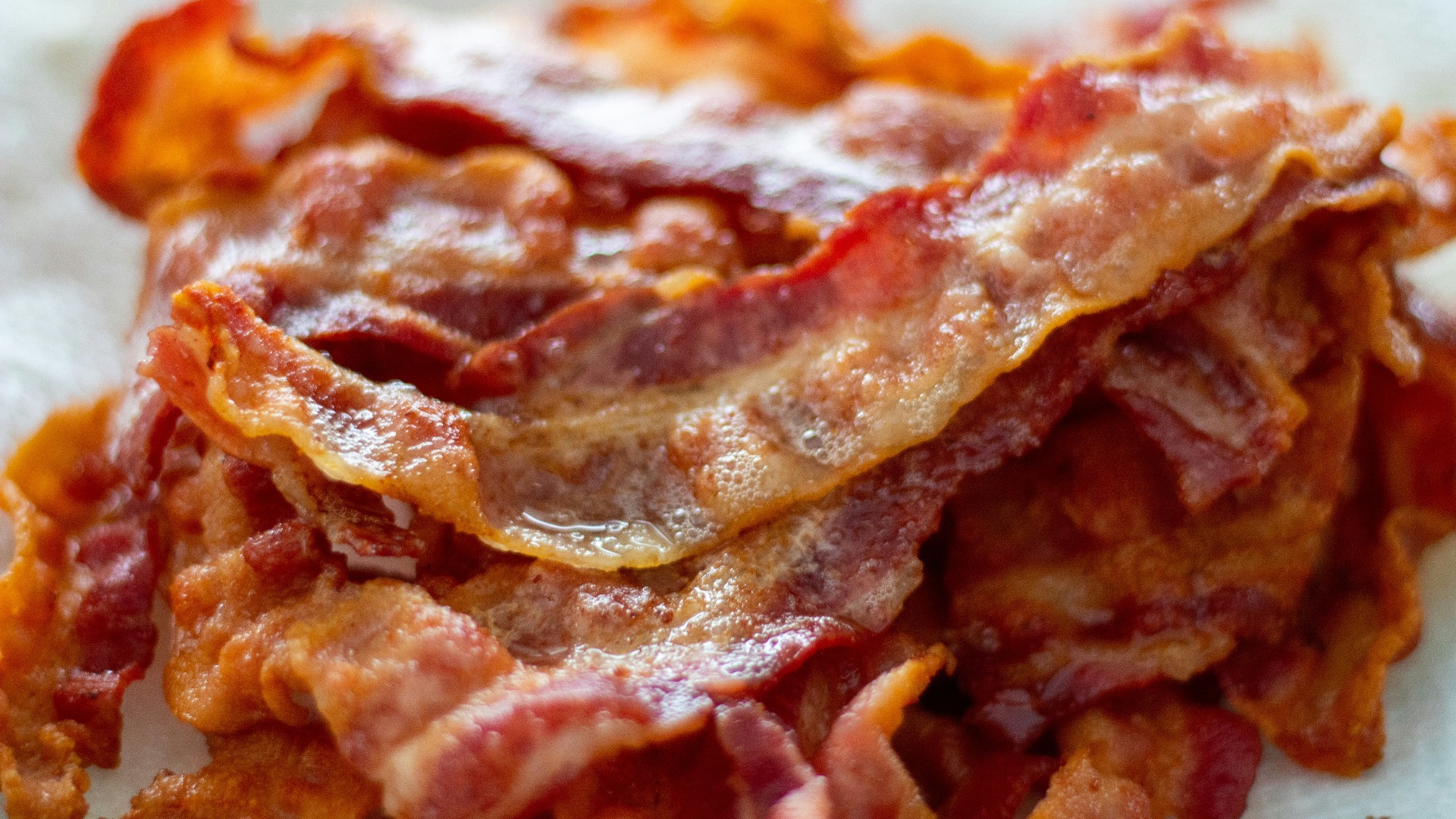
The World Health Organization flags processed foods, including processed meats like bacon, as common sources of higher sodium. Why? Well, that's because processed meats are packed with salt and preservatives, the main seasoning tools used to preserve them and keep the flavor intense. That means bacon, deli slices, sausages, and hot dogs can deliver a lot of sodium in a small portion, which is exactly why your blood pressure can spike drastically so soon after you eat.
To build on that portion bit, you often don't realize how much you're consuming until you're overconsuming. Two strips of bacon can become four, a sandwich can turn into a double-meat order, and you can end up with a sodium-heavy meal before you’ve even tallied the sides or condiments. The AHA recommends no more than 2,300 mg of sodium per day for most adults, with an ideal limit of 1,500 mg per day for many people, especially if you already have high blood pressure.
Instead of treating all meat the same, focus on reducing the processed part and tightening the “how often” and “how much.” Building meals around fresh proteins (or plant proteins) gives you control over salt at the cooking stage, and strong flavors like herbs, citrus, garlic, and vinegar can make a dish pop without relying on cured meat for extra punch. When you do buy packaged meat, compare labels and pick the lowest-sodium option you’ll actually enjoy; that single choice can lower your daily total more than you’d think.
Canned Soup
Sure, canned soup is convenient, but many varieties rely on salt as both a preservative and a flavor booster. Sodium can reach the high hundreds of milligrams in a single serving, and some condensed soups total around 800+ mg in what looks like a modest portion. It's also key to remember that a “serving” often doesn't mean the whole can, so finishing the container can instantly double the sodium you thought you were getting.
What happens next? Higher sodium intake encourages the body to retain more water, which increases blood volume; for many people, that translates into higher blood pressure readings later that day or the next morning. That might not be so concerning if you don't have hypertension, but it's still important to keep your numbers within a safe range.
You don’t have to ban canned soup, but you should reduce your intake and, whenever possible, make your own from scratch. It's also better to choose store-bought varieties that have less than about 400 mg of sodium per serving when you can, and “low sodium” options can make that target easier to hit as well. If the only option available is higher-sodium, dilute it with extra vegetables, no-salt-added beans, or water, then adjust taste with herbs; you’ll cut sodium per bowl while keeping the meal filling.
Soda
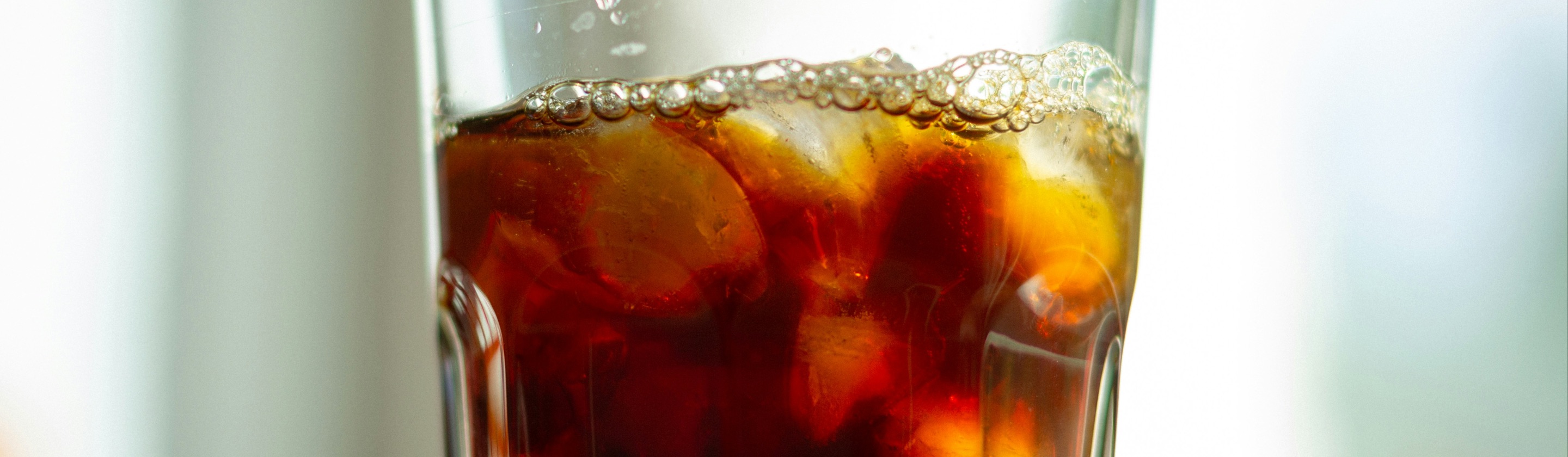
Soda tends to raise blood pressure through a different set of pathways than salty foods, because the main issue is usually added sugar (and, for some types, caffeine). A regular soda delivers a rapid sugar load that can affect metabolic and hormonal responses, and frequent intake is associated with higher cardiovascular risk over time. Research has shown a link between daily sugar-sweetened beverage consumption and increased cardiovascular disease and type 2 diabetes risk, even among people who exercise regularly.
Evidence also connects sugar-sweetened beverages to blood pressure measurements in real-world diets. One study using multiple dietary recalls and repeated blood pressure readings found that higher sugar-sweetened beverage intake and higher sugar intake were associated with higher blood pressure in U.S. and U.K. adults. A separate systematic review on sugar-sweetened beverages and blood pressure likewise concluded that higher intake is related to higher blood pressure and greater risk of hypertension, even though individual studies vary in design and populations.
If soda is a daily habit for you, make the first move something you can repeat, not something that depends on motivation. Keeping water or unsweetened sparkling water cold and within reach makes the default choice easier, and it removes the sugar hit without forcing an all-or-nothing mindset. Pay attention to serving size too; large bottles can turn “one drink” into two or three without you noticing, and that increases the total sugar you’re taking in fast. If you’re managing hypertension, it’s also smart to run beverage changes by your clinician. On that note, you might also want to ask for guidance on how to keep your numbers low and safe.
KEEP ON READING