Which Tools Settle In and Which Ones Don’t
Every kitchen ends up as a testing ground for optimism. Tools arrive with good intentions, usually tied to a recipe, a habit you meant to keep, or a version of yourself who cooks more often. Some objects settle in and start to feel inevitable, like they were always meant to live there. Others chip, warp, or stop working so quickly that the disappointment feels oddly personal. Longevity in the kitchen usually comes down to materials, repairability, and whether a tool tolerates heat, force, and repetition without complaint.
1. Cast-Iron Skillet
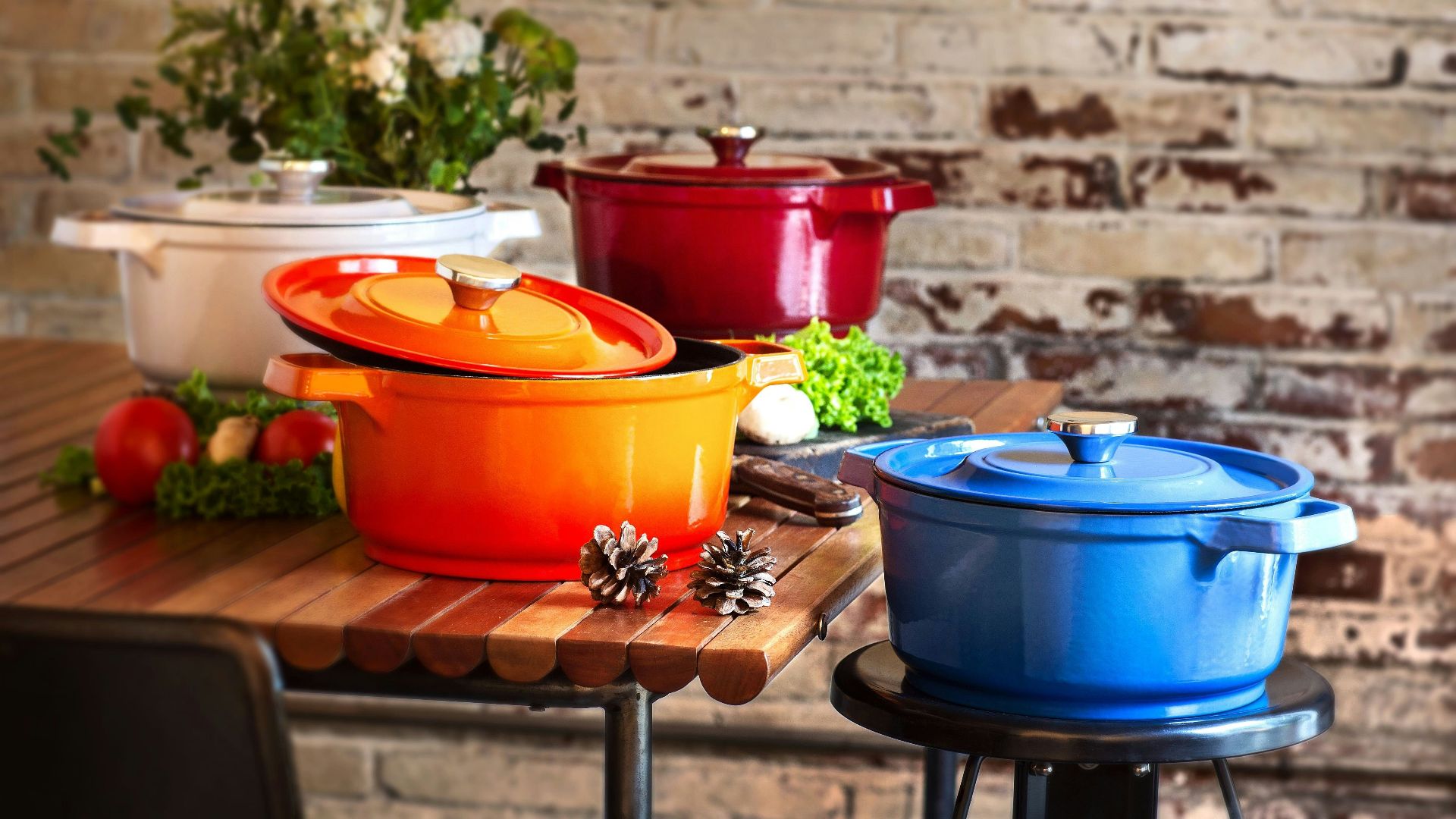
Cast iron cookware has been manufactured in essentially the same way since the 19th century, and companies like Lodge still publish care guides focused on seasoning rather than replacement. Cook’s Illustrated testing has repeatedly shown cast iron outperforms nonstick pans at high heat and resists physical damage. The surface improves after years of frying eggs, roasting vegetables, and baking cornbread.
 Food Photographer | Jennifer Pallian on Unsplash
2. Wooden Cutting Board
Hardwood cutting boards made from maple or walnut can be sanded and re-oiled indefinitely. Research published in the Journal of Food Protection found that wood surfaces can reduce bacterial survival compared to plastic. Knife marks soften over time instead of becoming deep grooves.
3. Stainless Steel Mixing Bowls
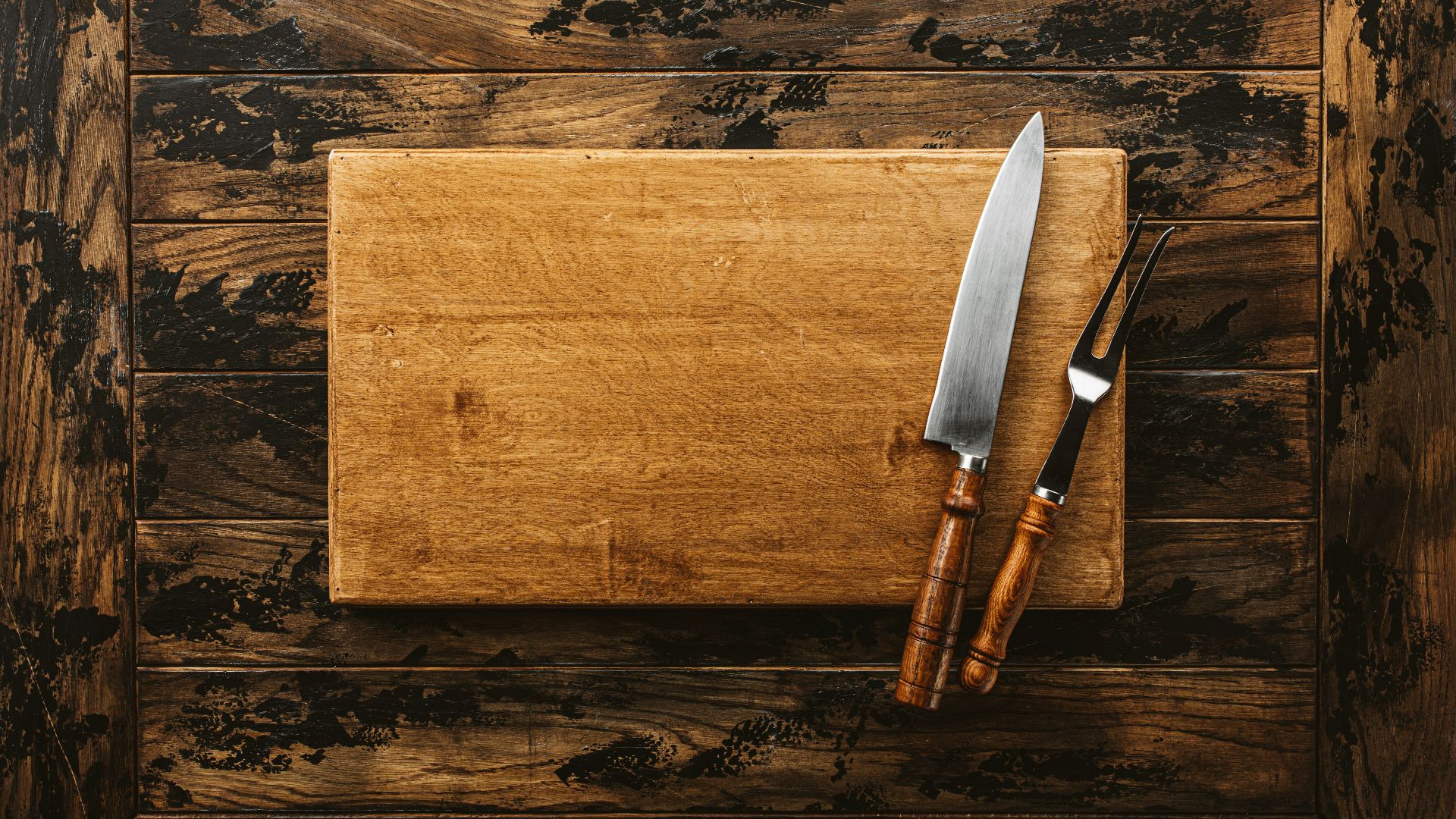
Professional kitchens rely on stainless steel because it does not crack, stain, or absorb odors. NSF-certified stainless steel is designed for repeated commercial use, which translates well to home kitchens. Drop one on tile and it dents slightly, then goes right back to work.
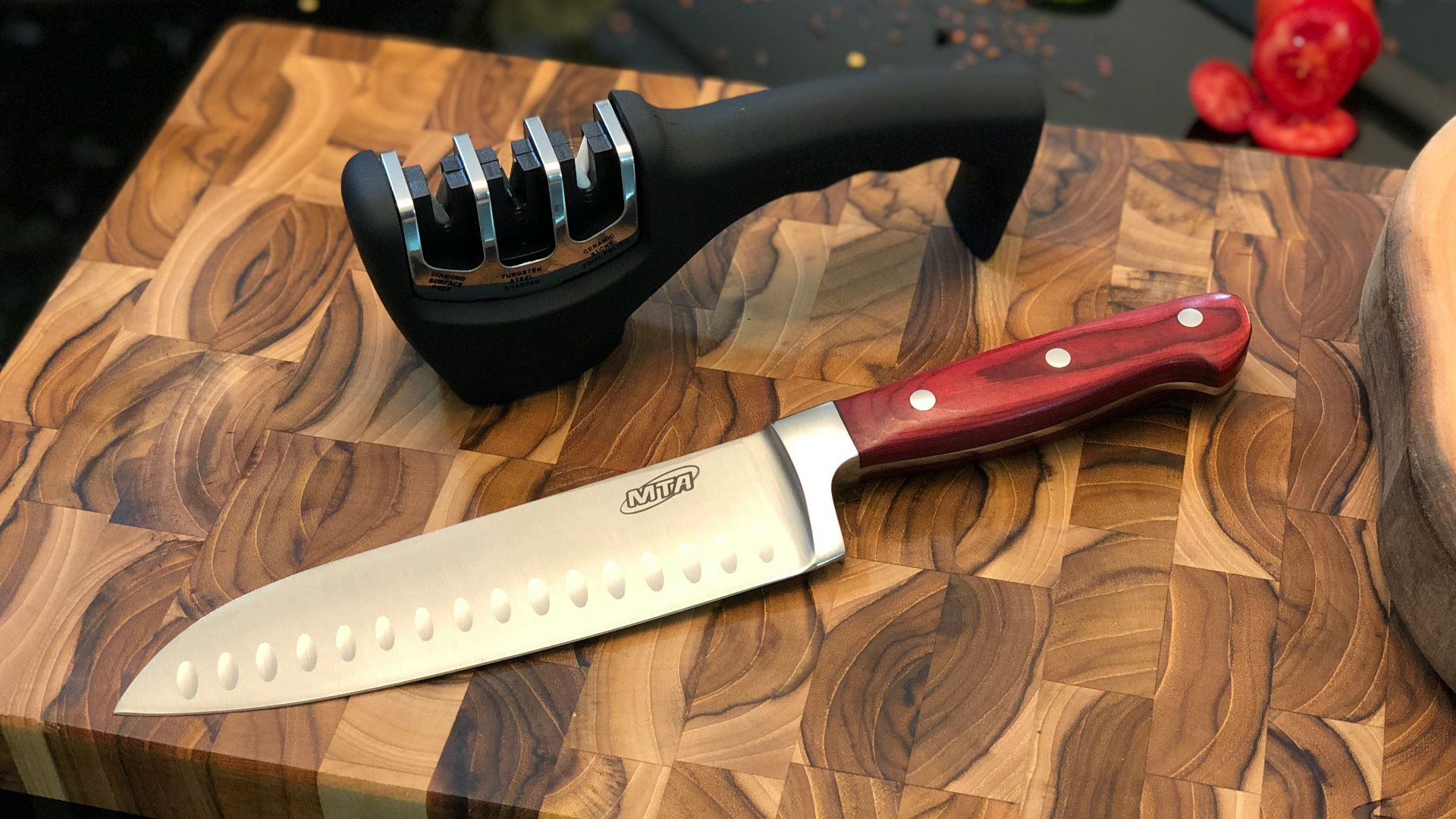
4. Chef’s Knife With A Full Tang
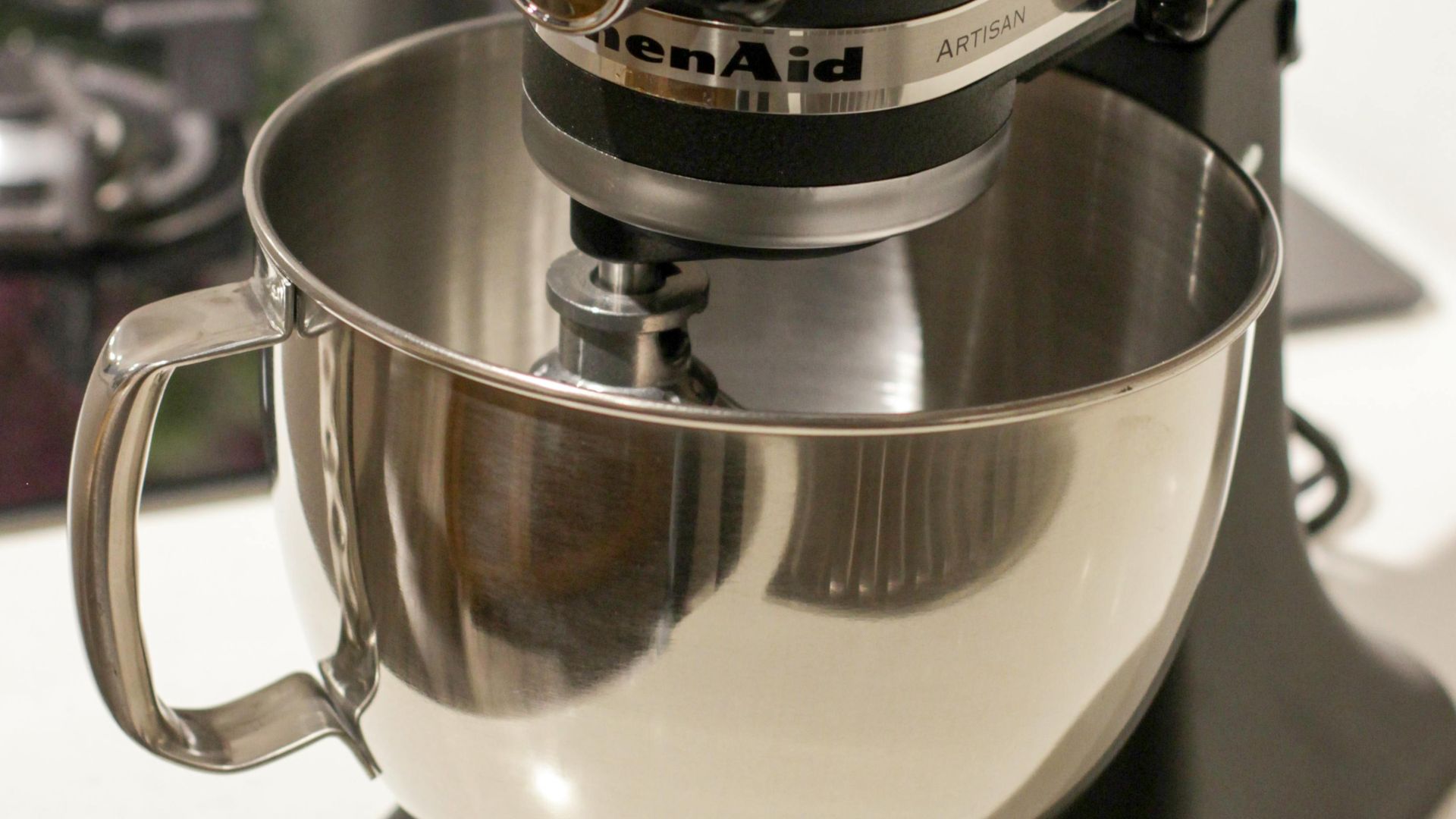
A forged chef’s knife can be sharpened indefinitely, which culinary schools emphasize early in training. Manufacturers like Victorinox and Wüsthof publish sharpening schedules rather than replacement timelines. The handle slowly polishes smooth from years of grip.
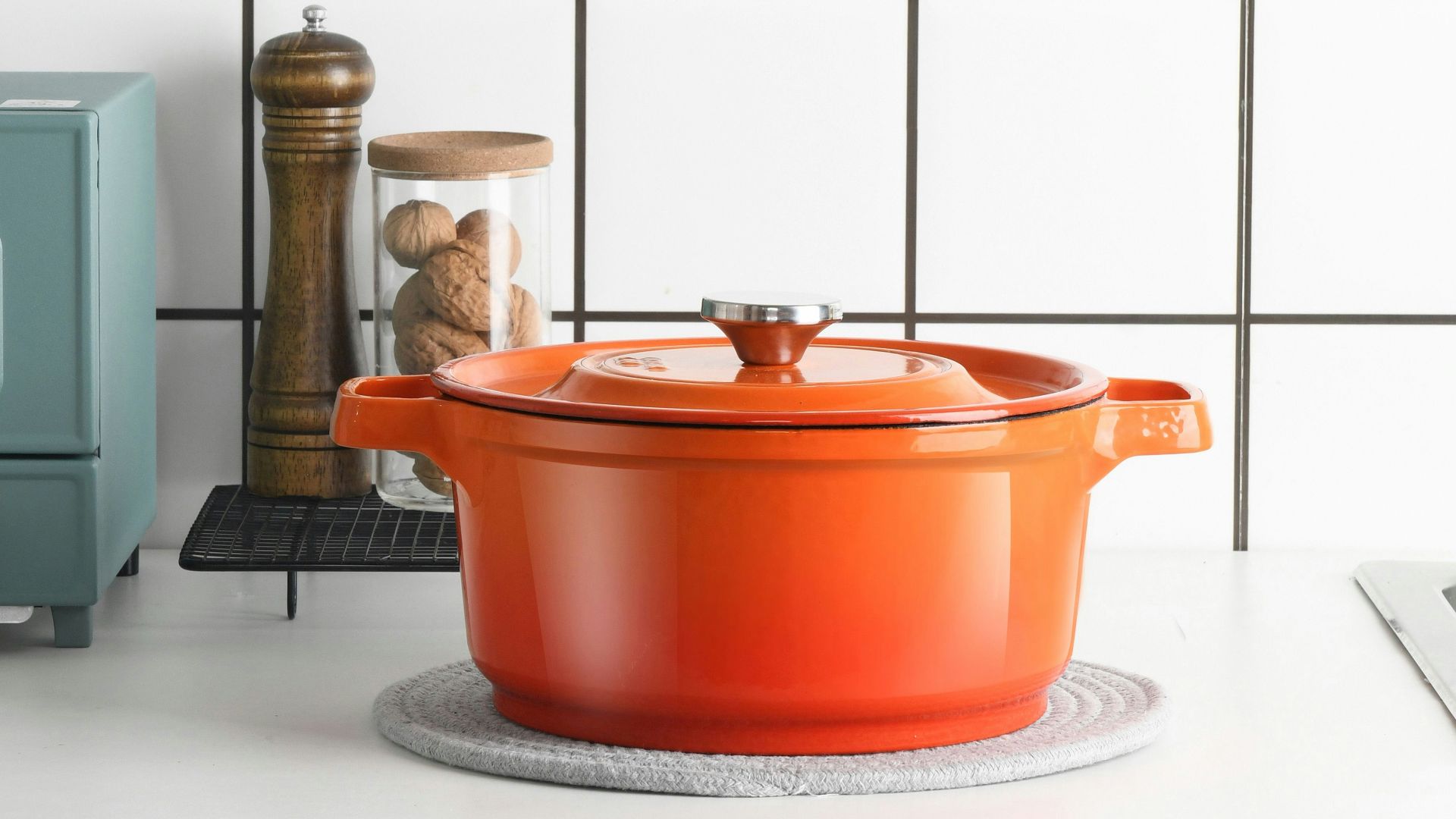
5. Dutch Oven
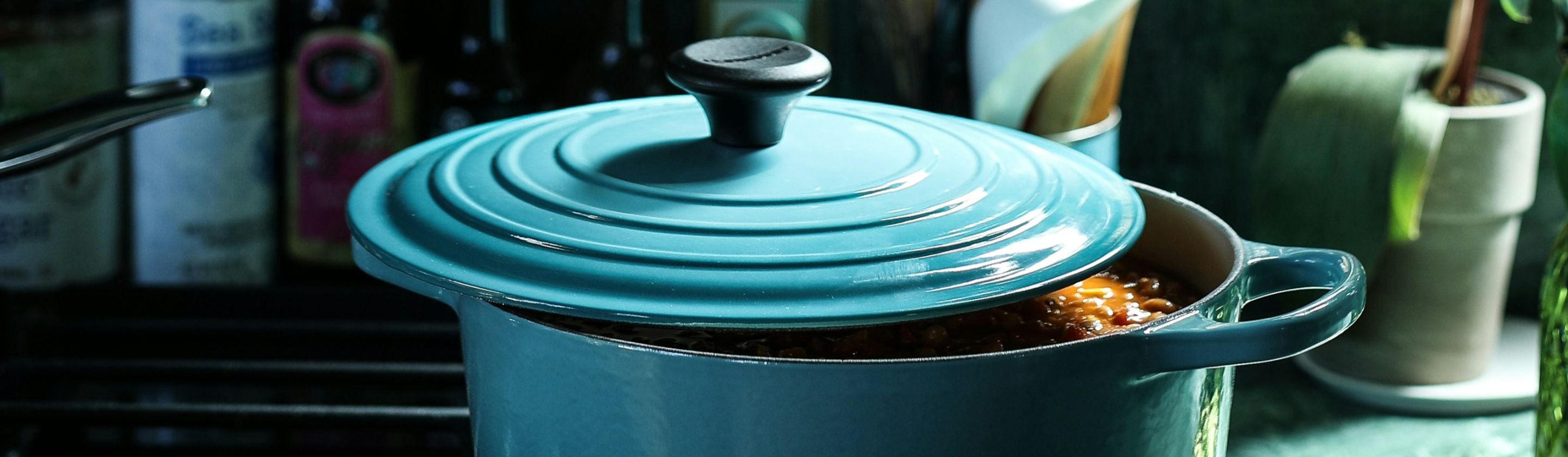
Enameled cast-iron Dutch ovens distribute heat evenly and handle long braises without scorching. Brands like Le Creuset and Staub back their cookware with lifetime warranties, reflecting expected durability. Even with cosmetic chips, many remain reliable for stews and bread baking.
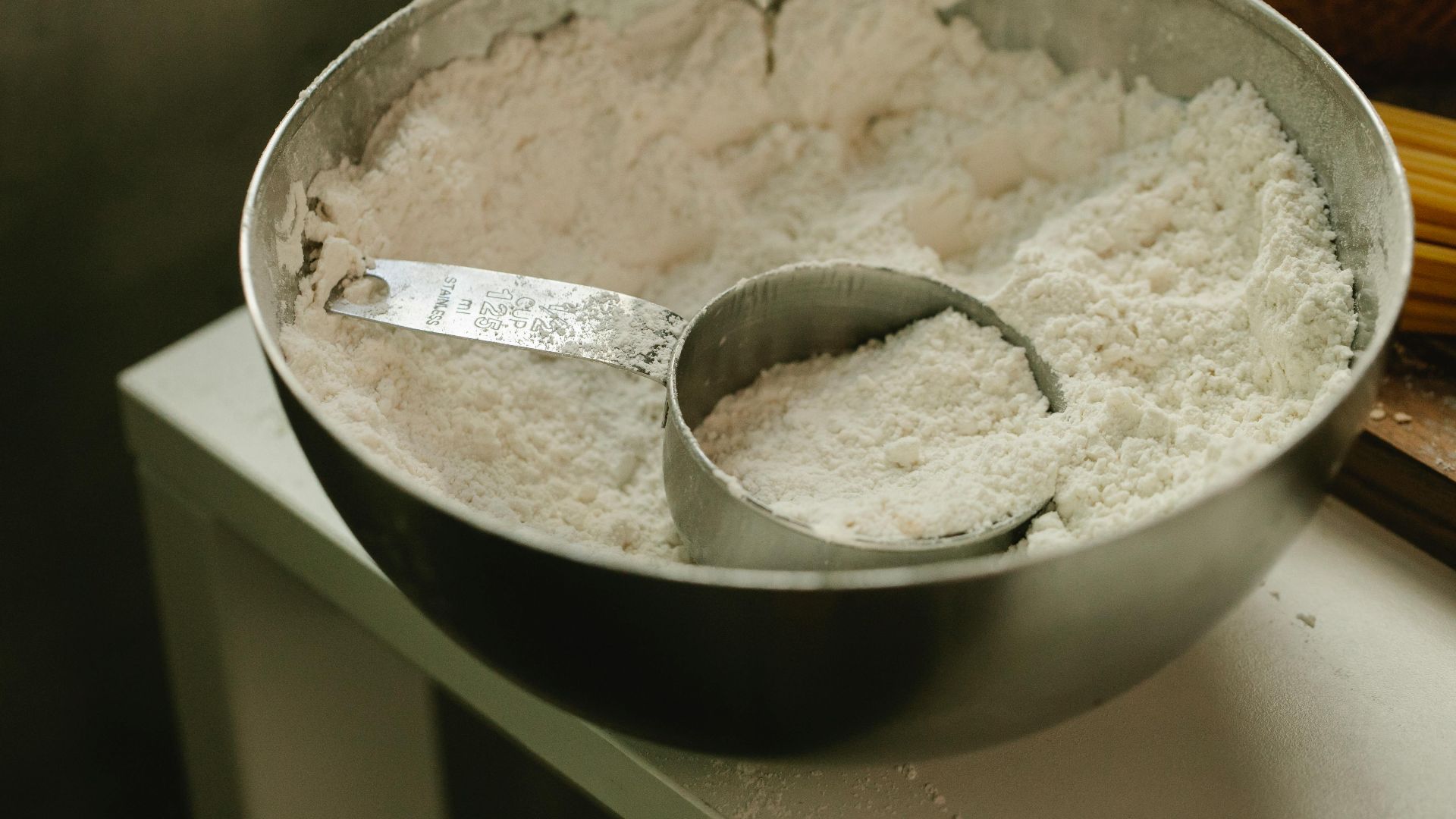
6. Metal Measuring Cups
Stainless steel measuring cups retain their shape and stamped measurements far longer than plastic. America’s Test Kitchen has shown metal cups maintain accuracy after years of use and dishwashing. They clatter loudly in drawers, but the markings stay readable.
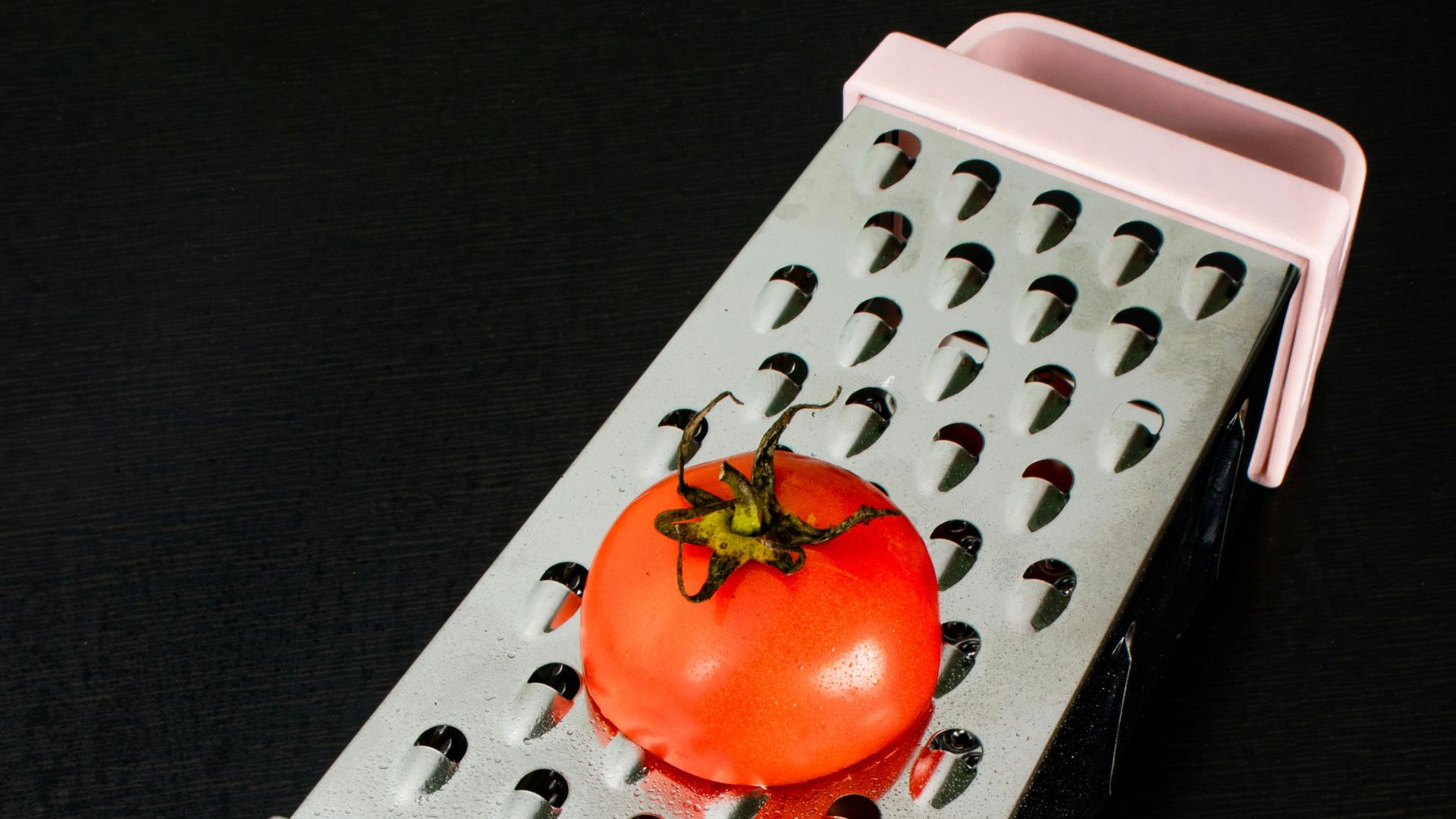
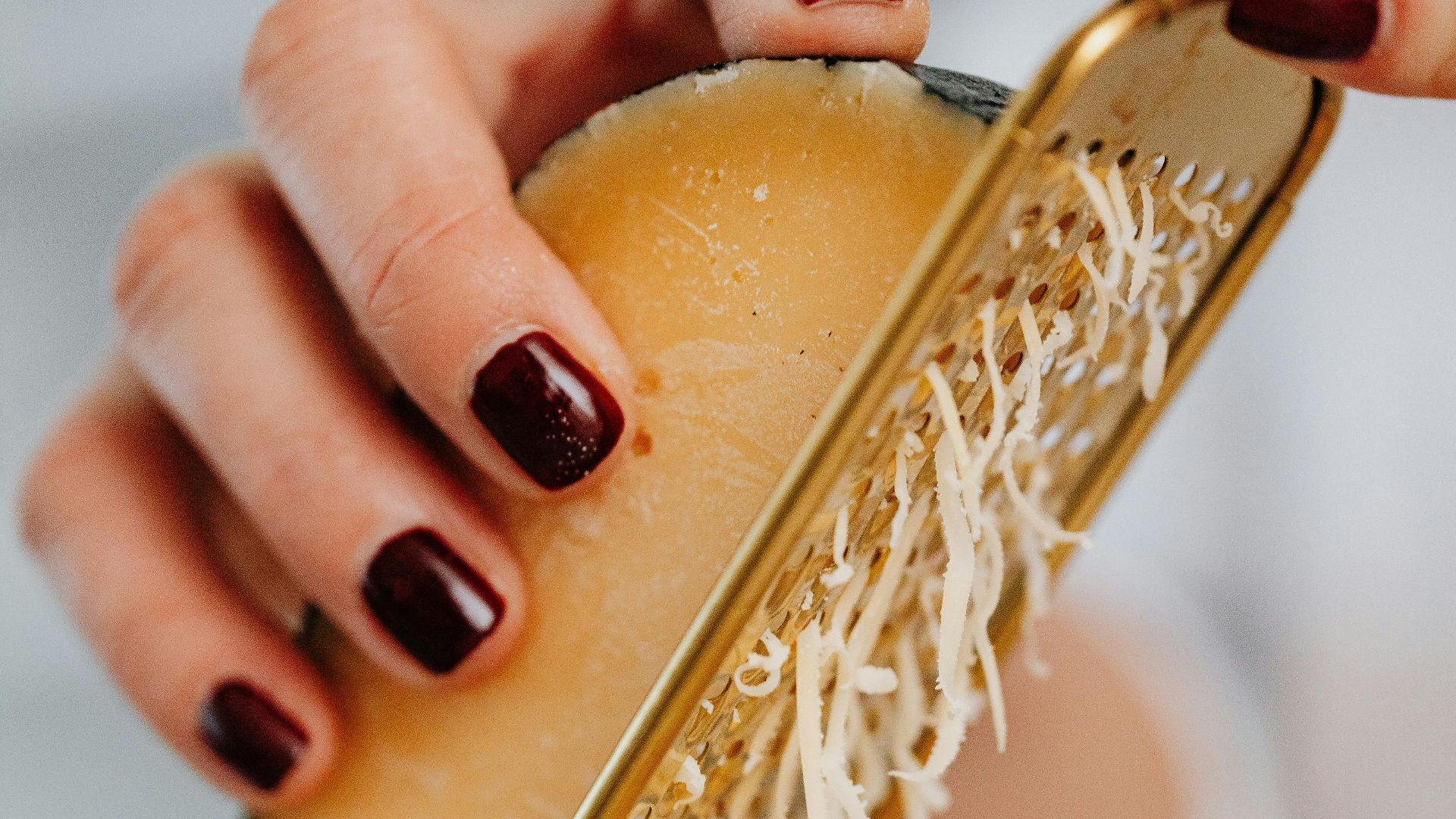
7. Box Grater With Etched Blades
Etched stainless steel blades stay sharp longer than stamped ones, according to manufacturer testing from Microplane. The weight keeps the grater steady when working through hard cheese or citrus zest. The base may slip, but the cutting surface rarely dulls.
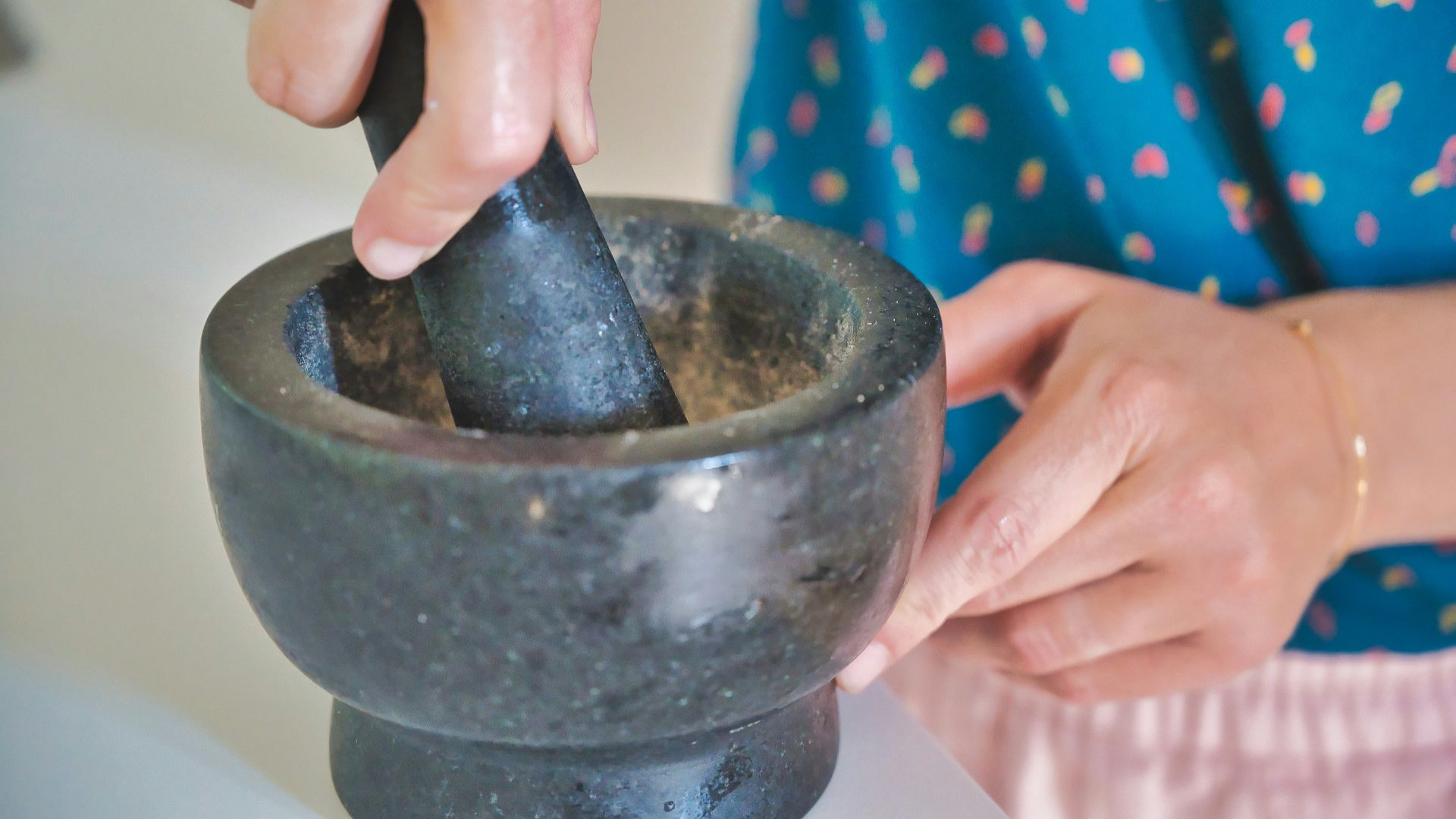
8. Mortar And Pestle
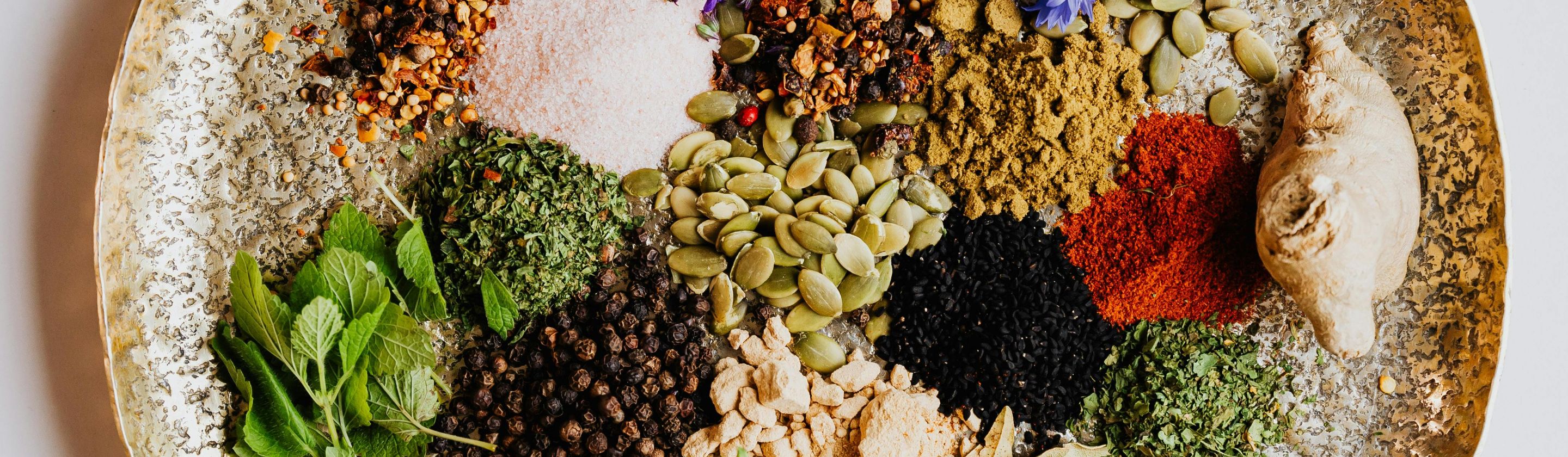
Granite mortars have been used for thousands of years across multiple cuisines. Food historians often point out that the rough surface grips spices instead of skidding over them. Garlic oils linger faintly even after washing.
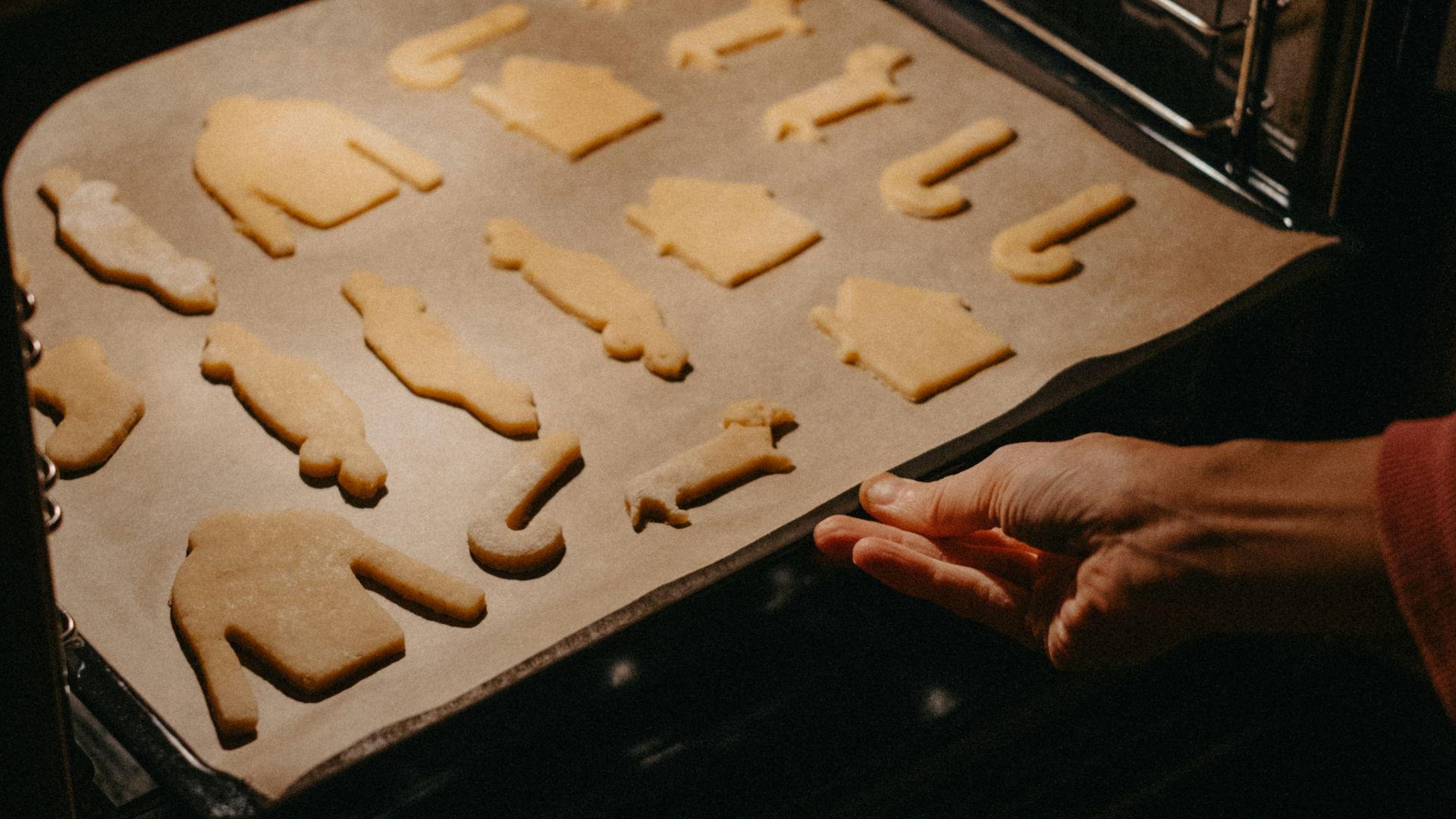
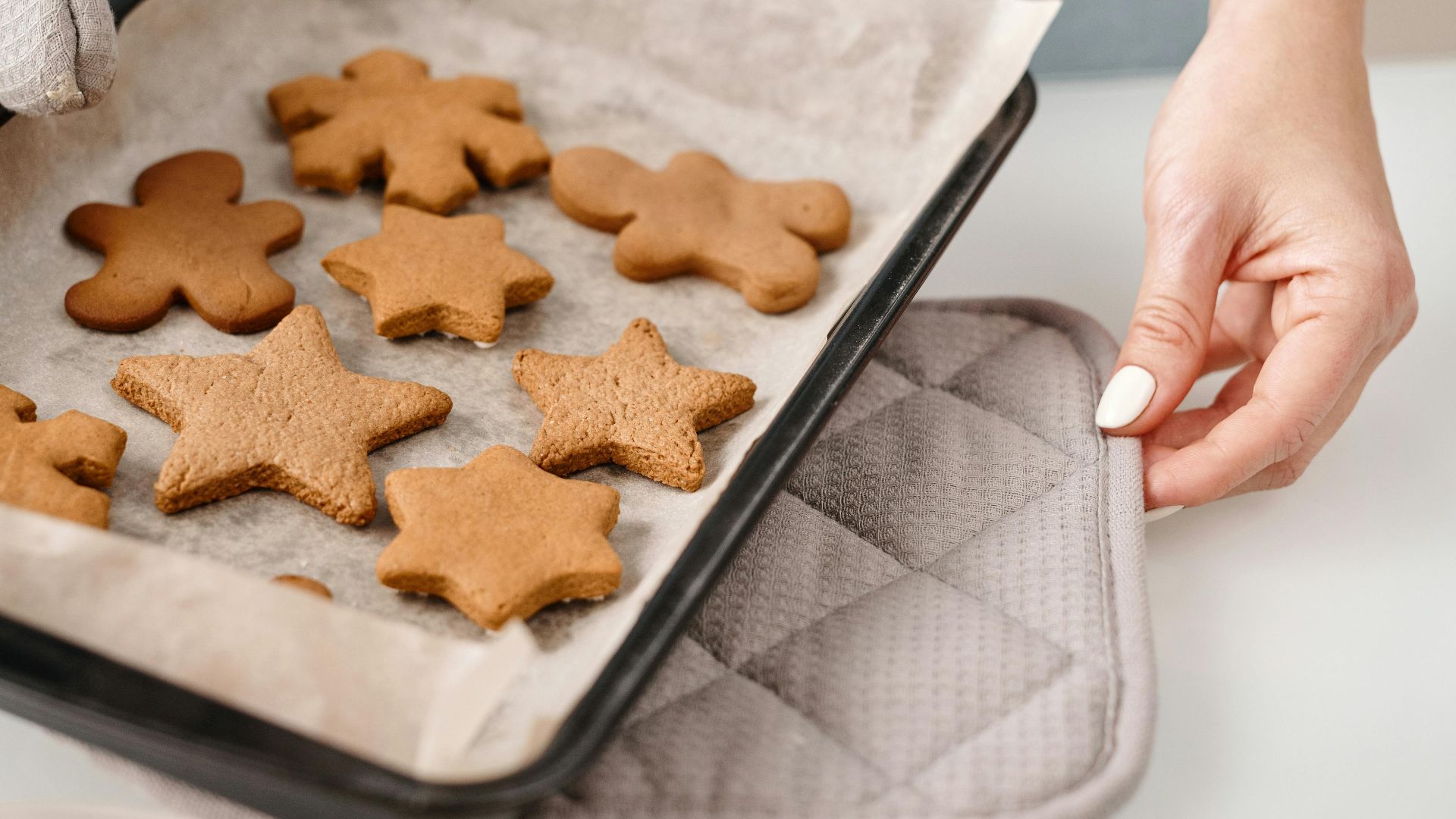
9. Carbon Steel Baking Sheet
Commercial baking sheets are designed for restaurant ovens that run all day. Manufacturers like Nordic Ware recommend them for high-heat roasting because they resist warping. A dark patina builds up and improves browning rather than ruining it.
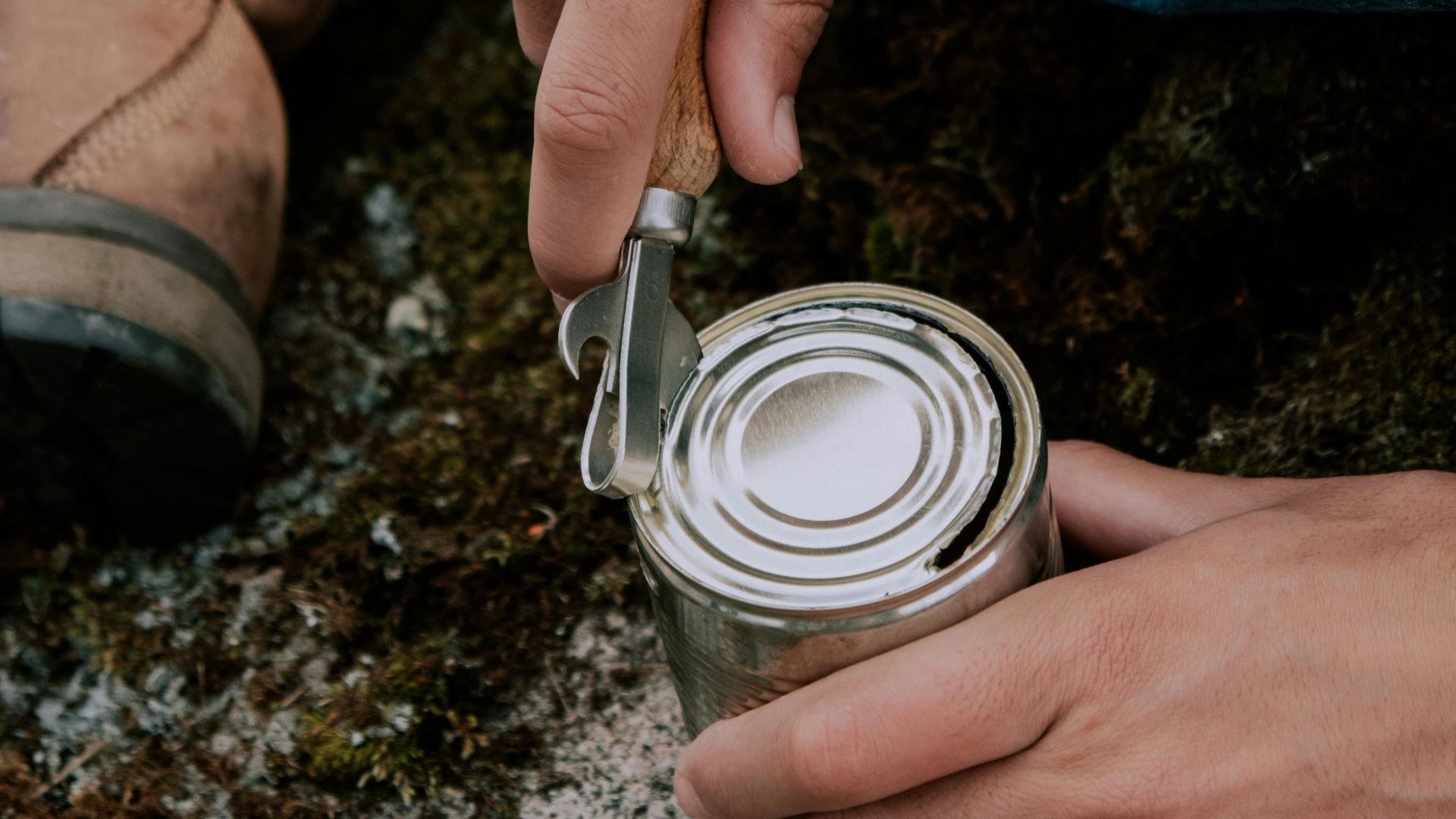
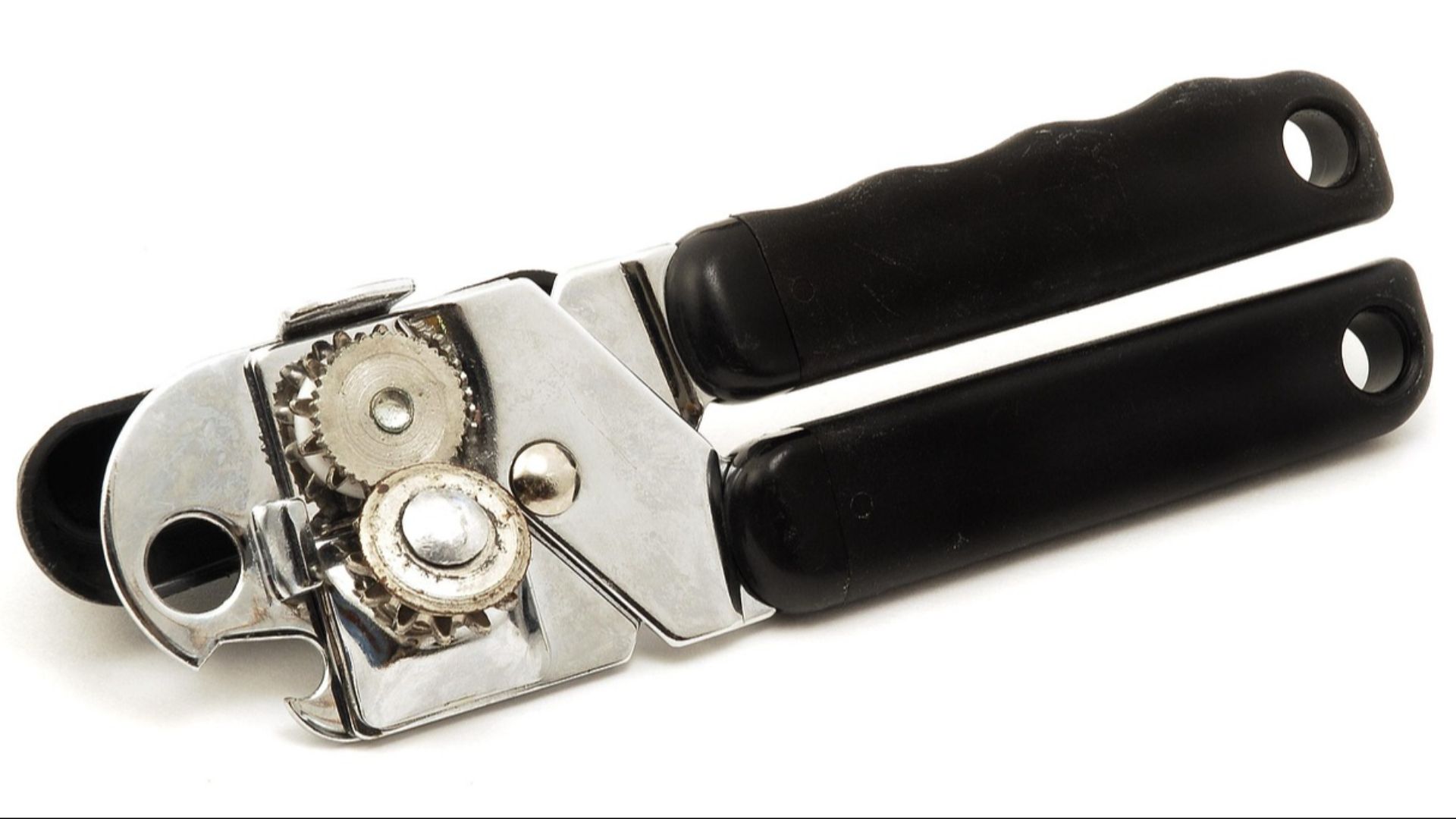
10. Manual Can Opener
All-metal manual can openers rely on simple gears instead of motors. Some designs have remained unchanged for decades, which quietly signals reliability. Turning the handle becomes muscle memory after a while.
Some tools earn loyalty slowly, almost unnoticed. Others reveal their limits fast once daily cooking enters the picture.
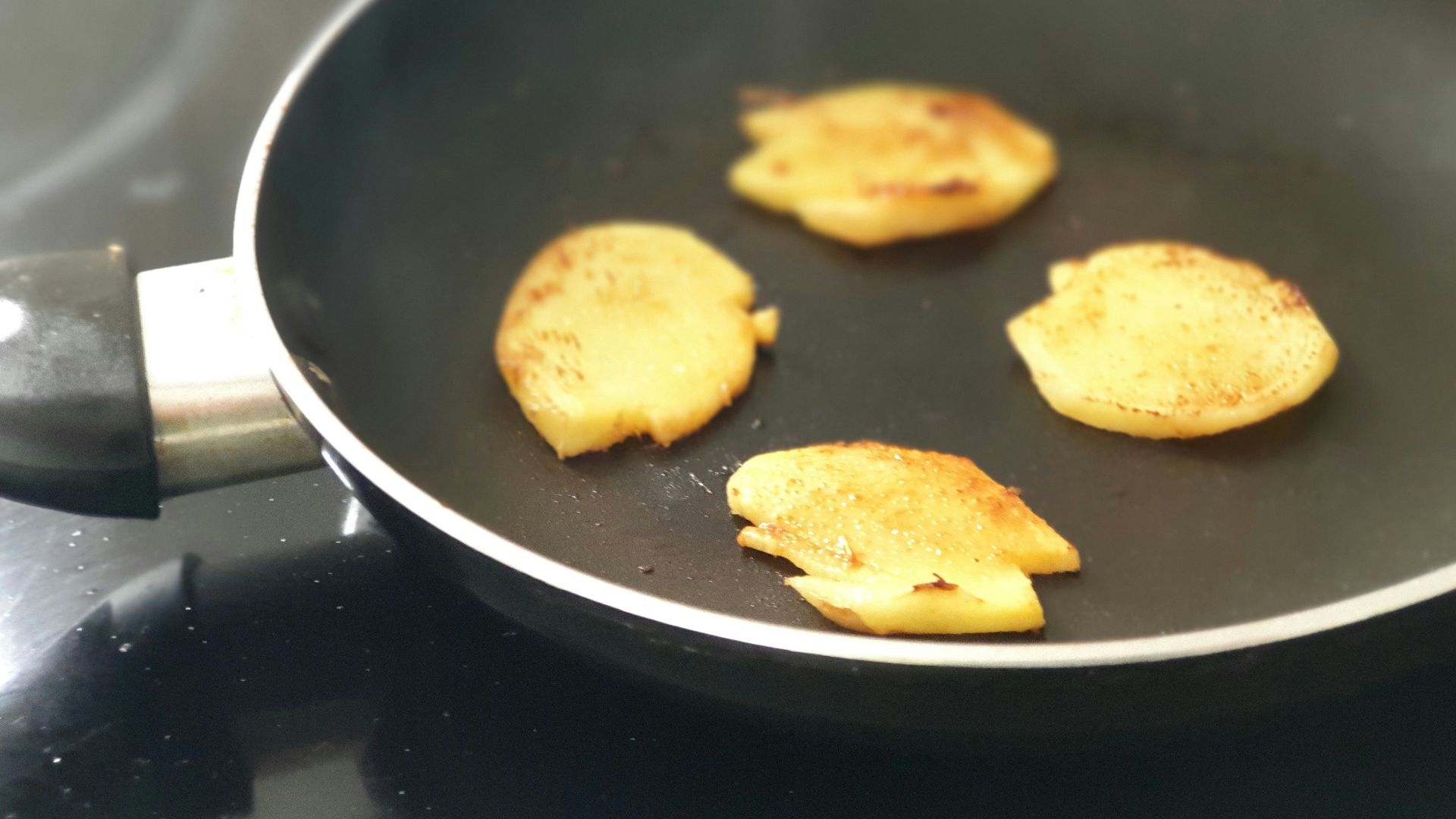
1. Nonstick Frying Pan
Consumer Reports consistently finds that nonstick coatings degrade faster under high heat and frequent use. Scratches appear quickly, even with silicone utensils. Once eggs stick in the center, trust is gone.
2. Plastic Cutting Board
Plastic boards develop deep knife scars that trap moisture and residue. The FDA acknowledges that heavily worn boards are harder to sanitize effectively. Warping in the dishwasher usually ends their run.
3. Cheap Knife Set With Hollow Handles
Stamped blades paired with glued handles loosen as moisture works its way inside. Balance shifts during chopping, which makes prep tiring. These knives often feel dull even after sharpening.

4. Thin Glass Mixing Bowls
Lightweight glass chips easily, especially when stacked. Consumer safety data shows that tempered glass can shatter unexpectedly once damaged. Many cooks lose confidence after one close call on tile.
5. Electric Mini Chopper
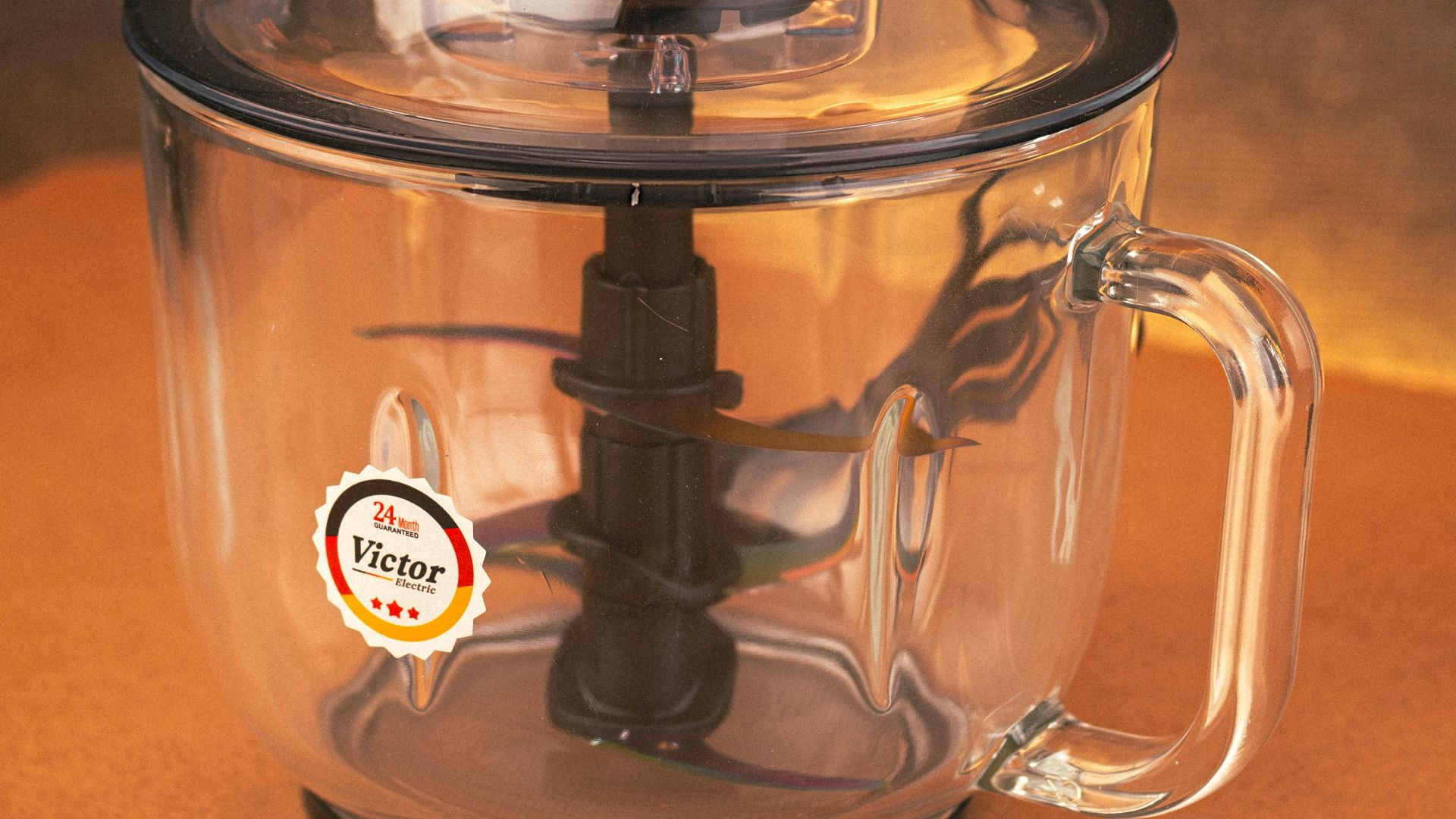
Small motors struggle with nuts, herbs, and thick sauces. Consumer Reports appliance testing shows higher failure rates compared to full-sized processors. Replacement parts rarely justify the effort.
6. Plastic Measuring Cups
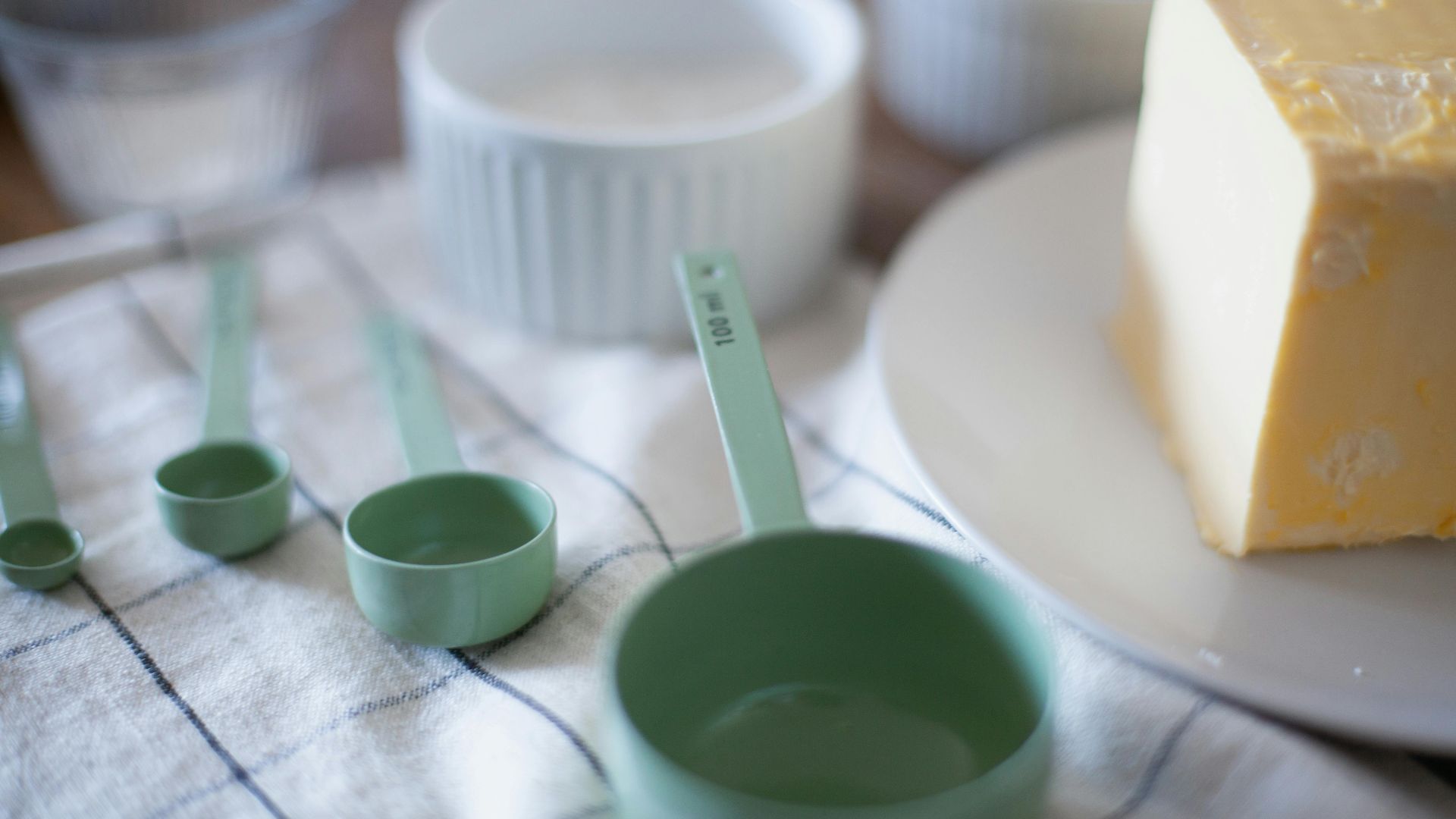
Heat from dishwashers fades measurement lines and weakens handles. Spices like turmeric stain the surface permanently. Accuracy slowly turns into guesswork.
7. Rotary Cheese Grater With Plastic Gears
Hard cheeses strain internal gears, leading to slipping and jams. Cleaning residue from the housing becomes frustrating fast. These tend to fail mid-meal.
8. Nonstick Baking Sheet
High oven temperatures accelerate coating breakdown. Scratches appear quickly under metal spatulas. Uneven browning usually follows.
9. Battery-Powered Can Opener
Battery compartments corrode and motors stall without warning. Once it stops halfway through a can, confidence disappears. These often linger unused until a move forces a decision.
10. Silicone Utensils With Cheap Cores
Low-quality silicone separates from internal cores after repeated heat exposure. Edges soften and trap food residue. The texture changes enough to notice, then enough to avoid.