Sorting Useful Advice From Kitchen Folklore
Cooking rules are often repeated so confidently that questioning them can feel unnecessary, even when the original explanation doesn’t hold up. Some popular tips misunderstand basic food science, while others remain useful despite sounding overly cautious or old-fashioned. Knowing which is which can save you time, improve your results, and prevent a few avoidable food-safety mistakes. Here are 10 cooking myths people still believe & 10 that are surprisingly true.
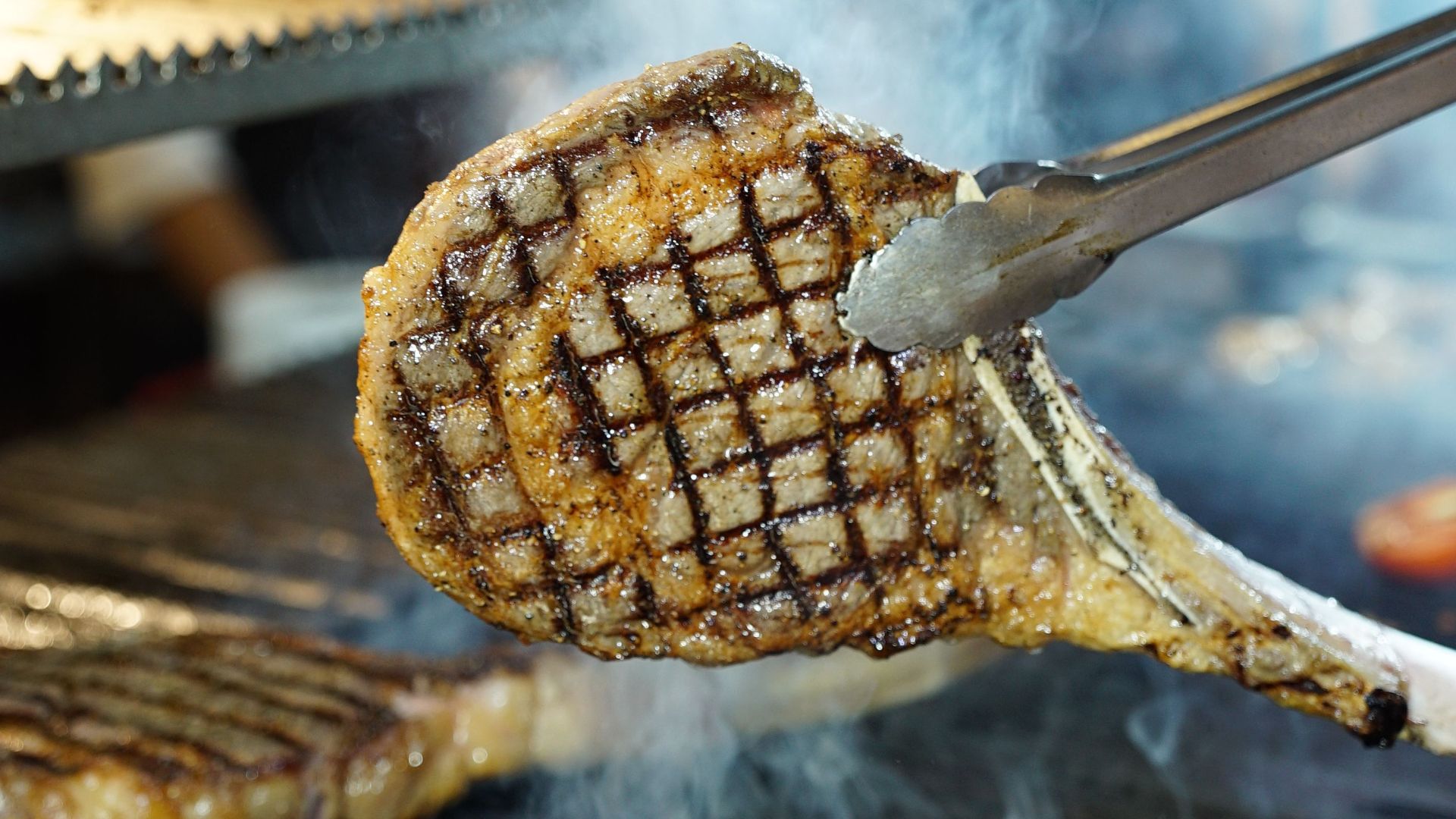
1. Searing Meat Locks In Its Juices
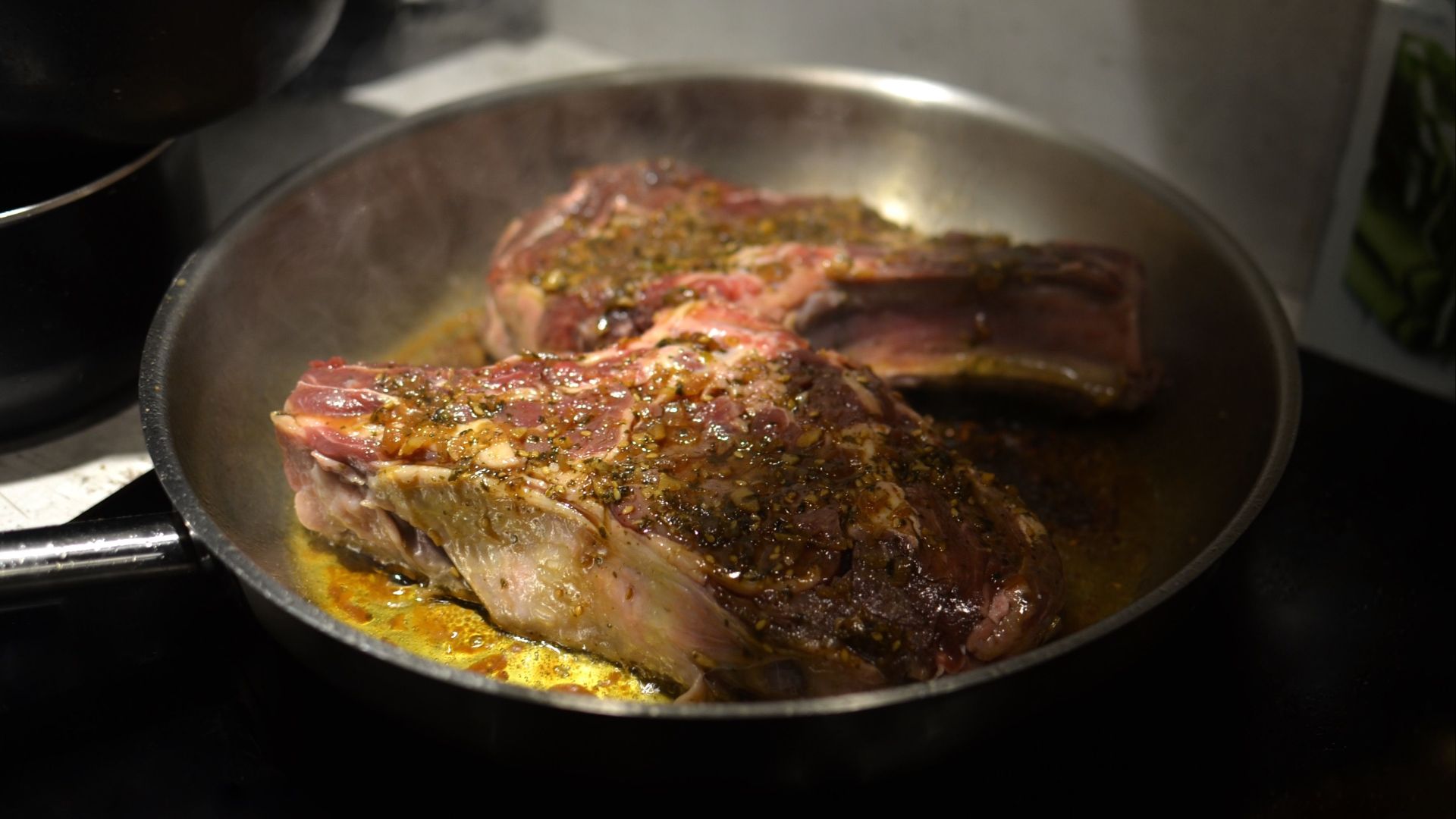
Searing creates flavorful browning through chemical reactions on the meat’s surface, but it doesn’t form a moisture-proof seal. A heavily browned steak can lose as much or more moisture than one cooked gently because high temperatures drive water out.
2. Washing Raw Chicken Makes It Safer
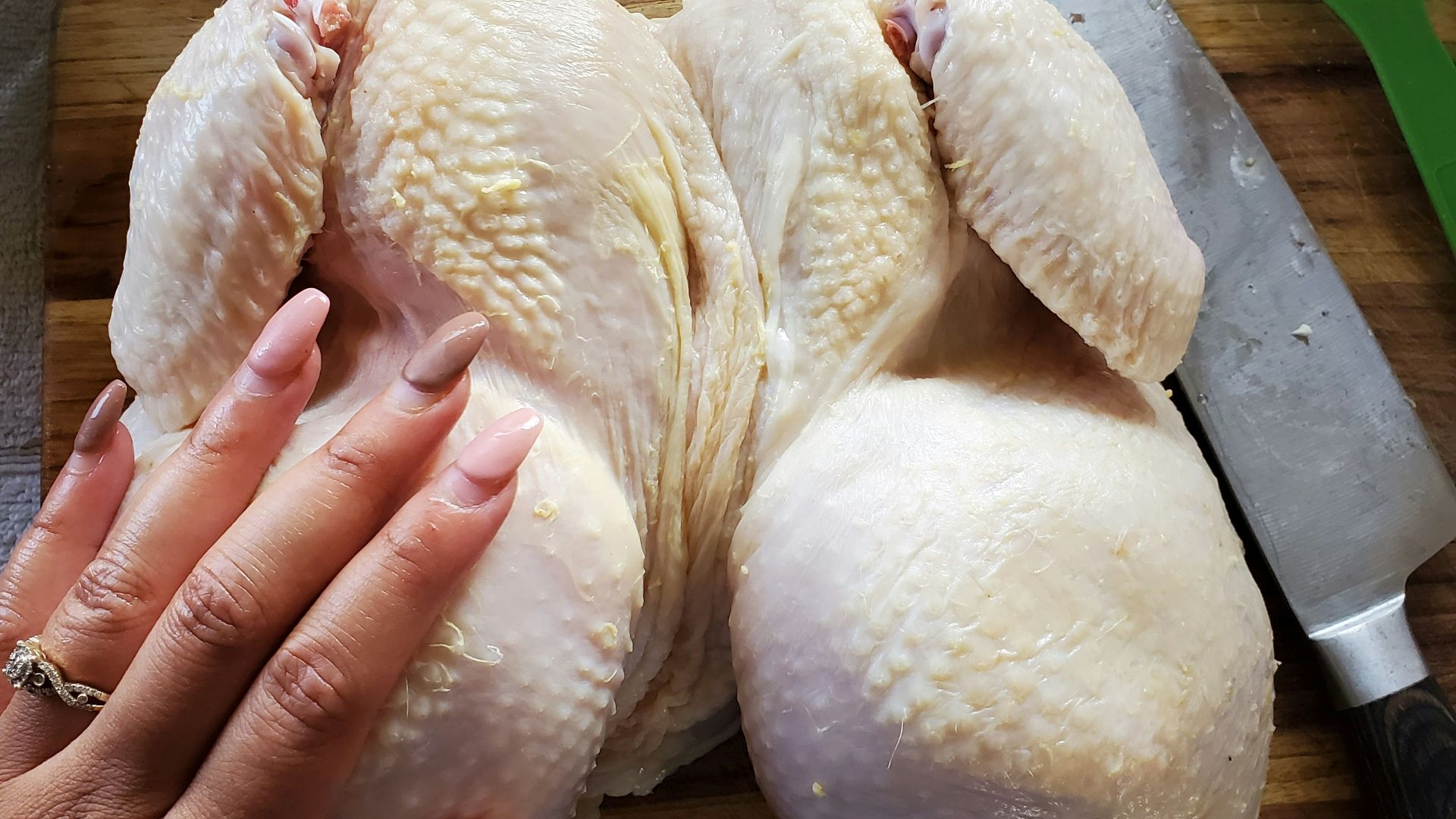
Rinsing chicken under the faucet doesn’t reliably remove the bacteria attached to its surface. Instead, splashing water can spread contaminated droplets onto the sink, countertops, utensils, and nearby food.
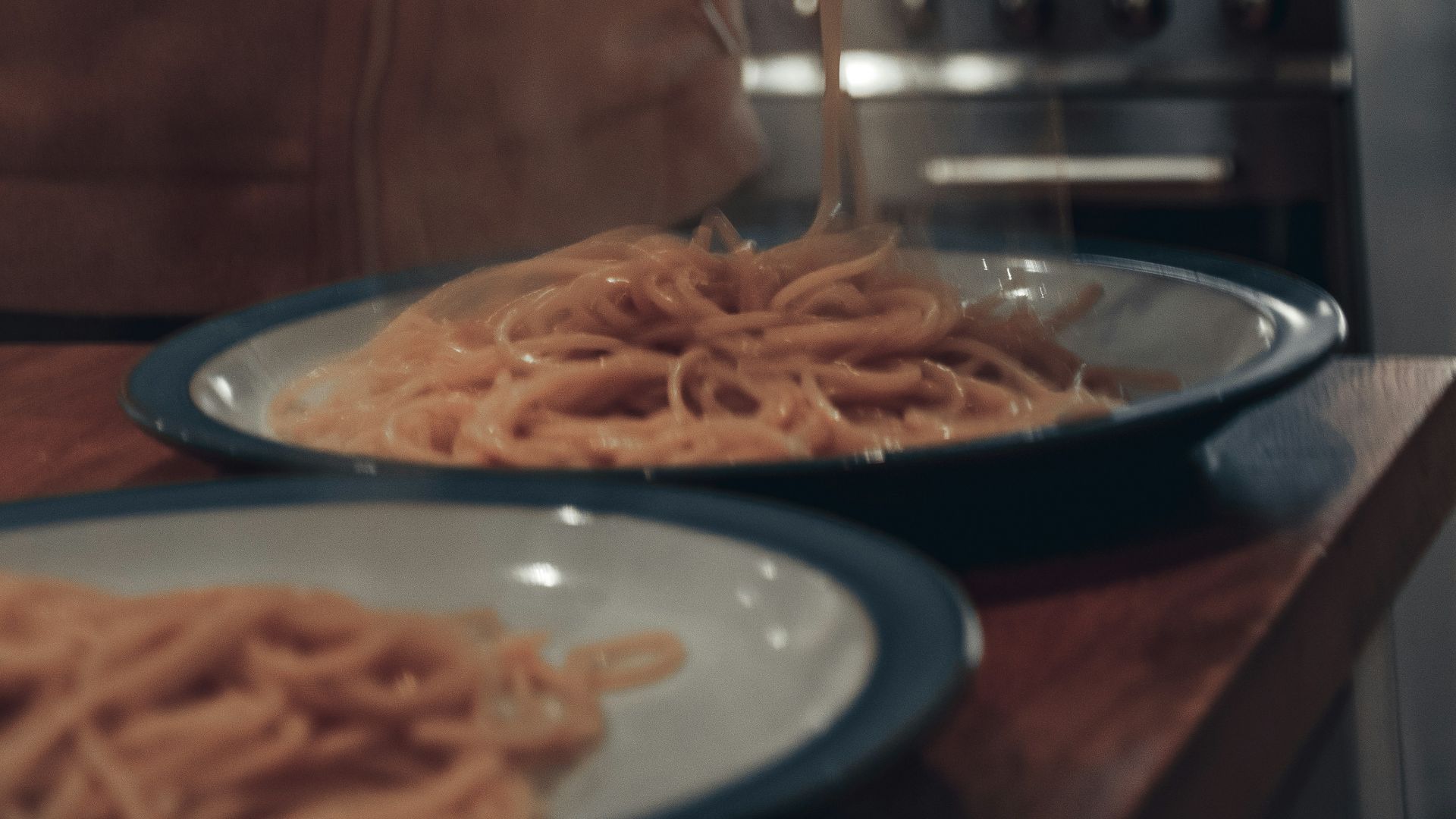
3. Oil Stops Pasta From Sticking
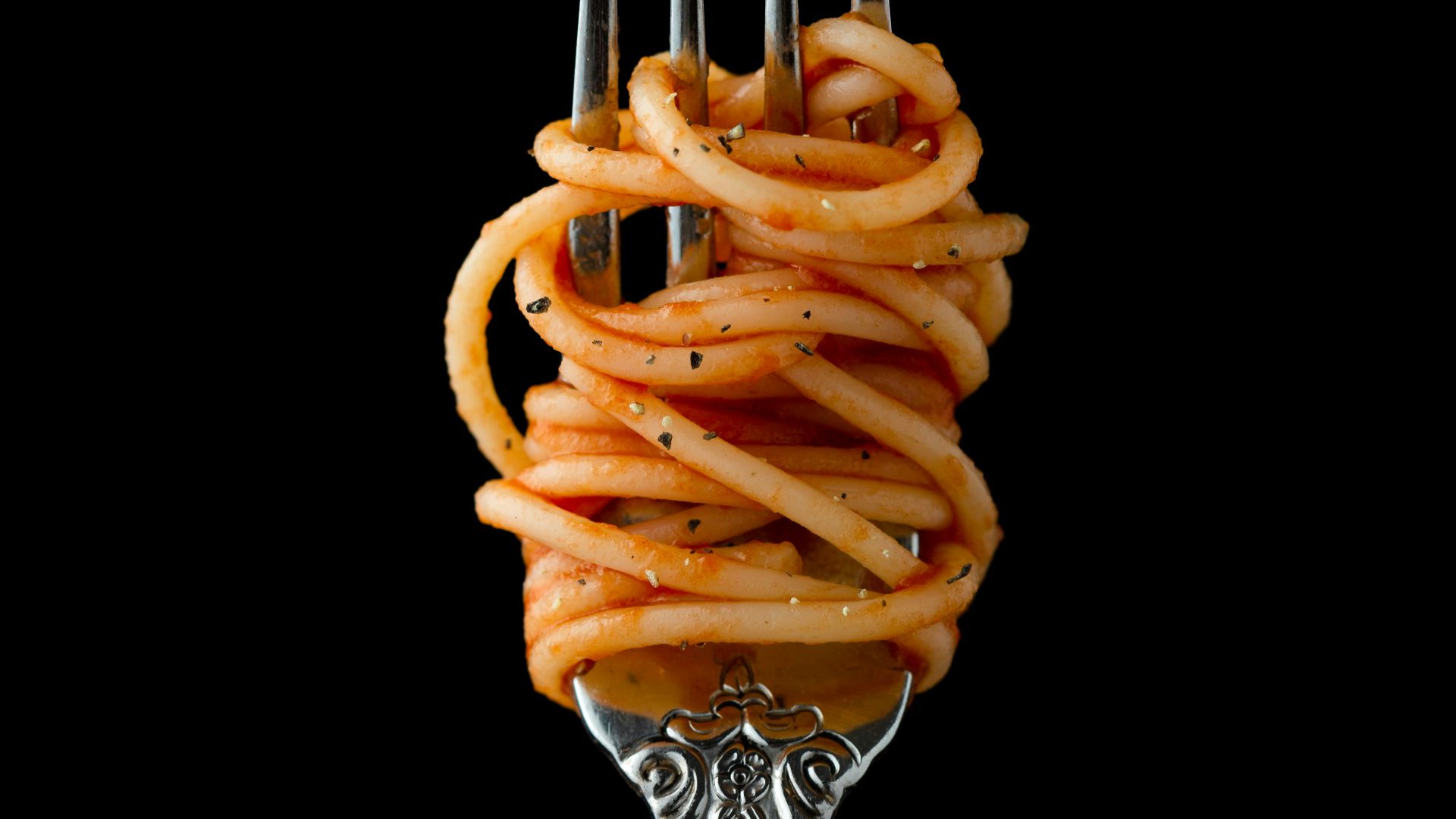
Adding oil to a pot of pasta water mostly leaves it floating on the surface, where it can’t separate submerged noodles effectively. Stirring during the first few minutes is far more useful because that’s when pasta releases starch and pieces are most likely to cling together.
4. Alcohol Always Cooks Out Completely
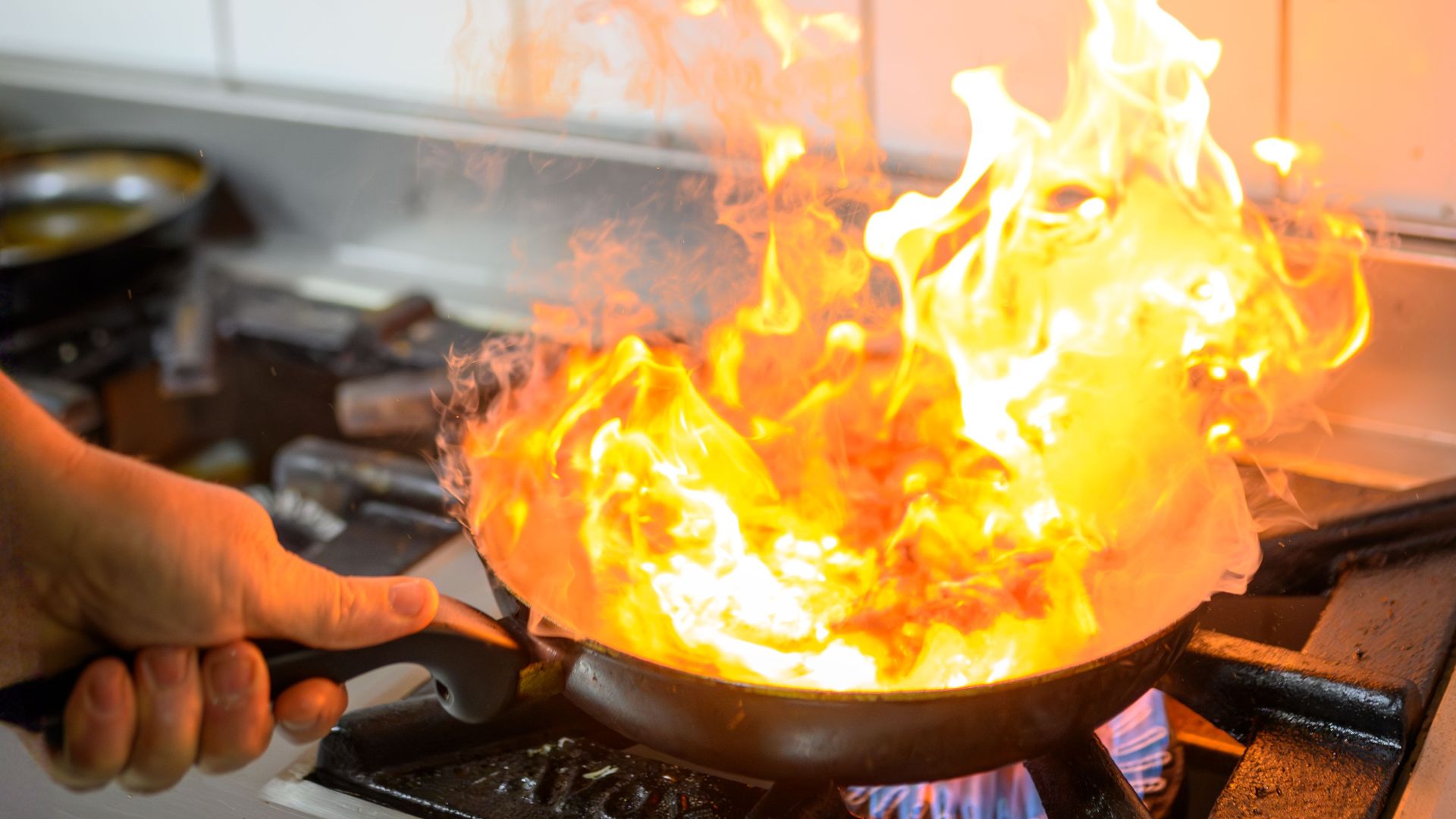
Alcohol begins evaporating during cooking, but that doesn’t mean every trace disappears within a few minutes. The amount remaining depends on the cooking time, temperature, pan size, ingredients, and whether the dish is covered.
 Christopher Welsch Leveroni on Pexels
5. Salt Makes Water Boil Much Faster
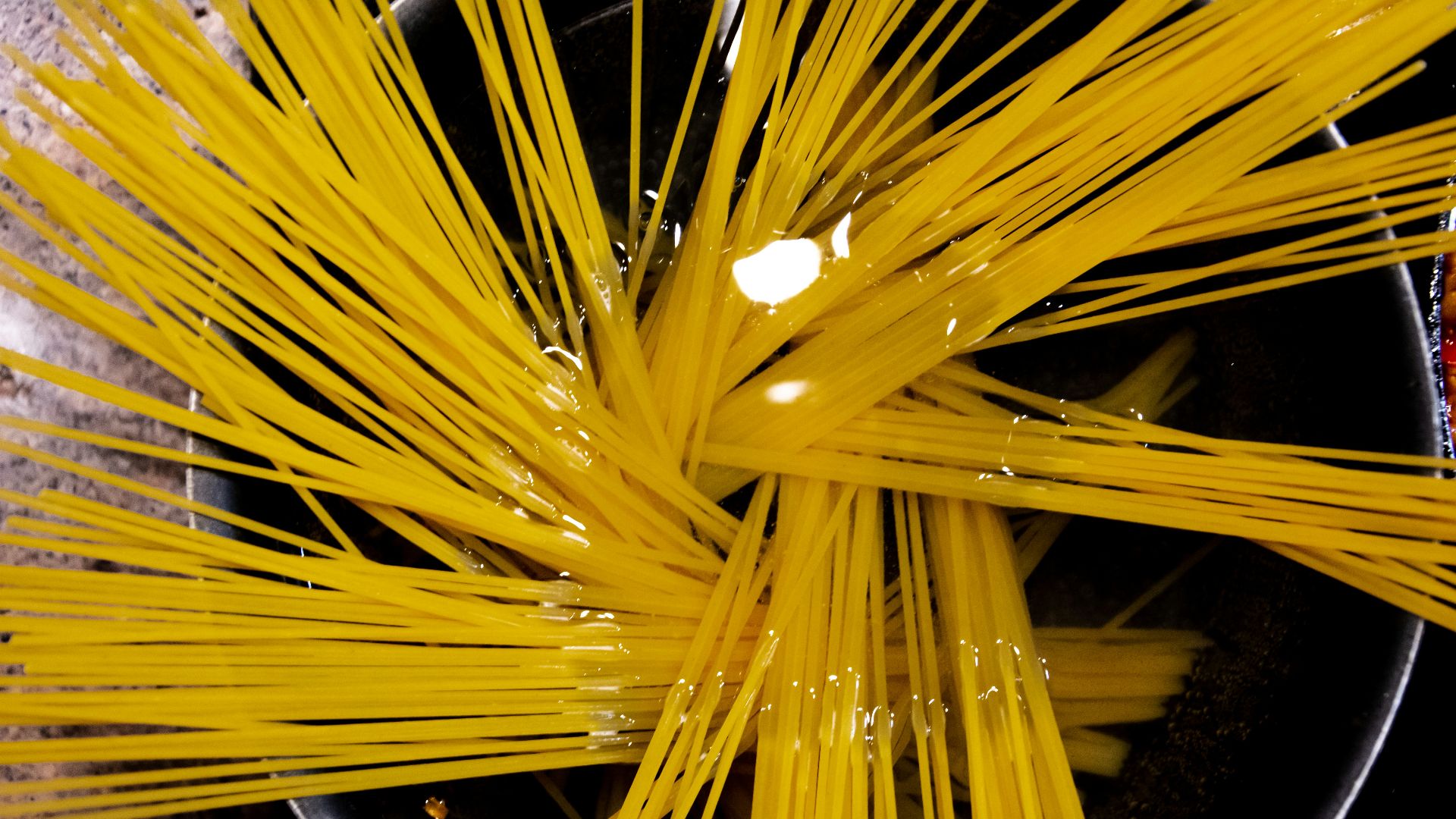
Salt raises water’s boiling point rather than lowering it, although ordinary cooking quantities produce only a very small change. In practice, the difference is too minor to meaningfully delay or accelerate dinner. Salt pasta water because it seasons the noodles as they cook, not because you’re trying to make the bubbles appear sooner.
6. Microwaves Destroy Most Nutrients
Every cooking method can reduce certain nutrients, particularly those that are sensitive to heat or dissolve in water. Microwaving is often relatively gentle because it cooks food quickly and usually requires little added water.

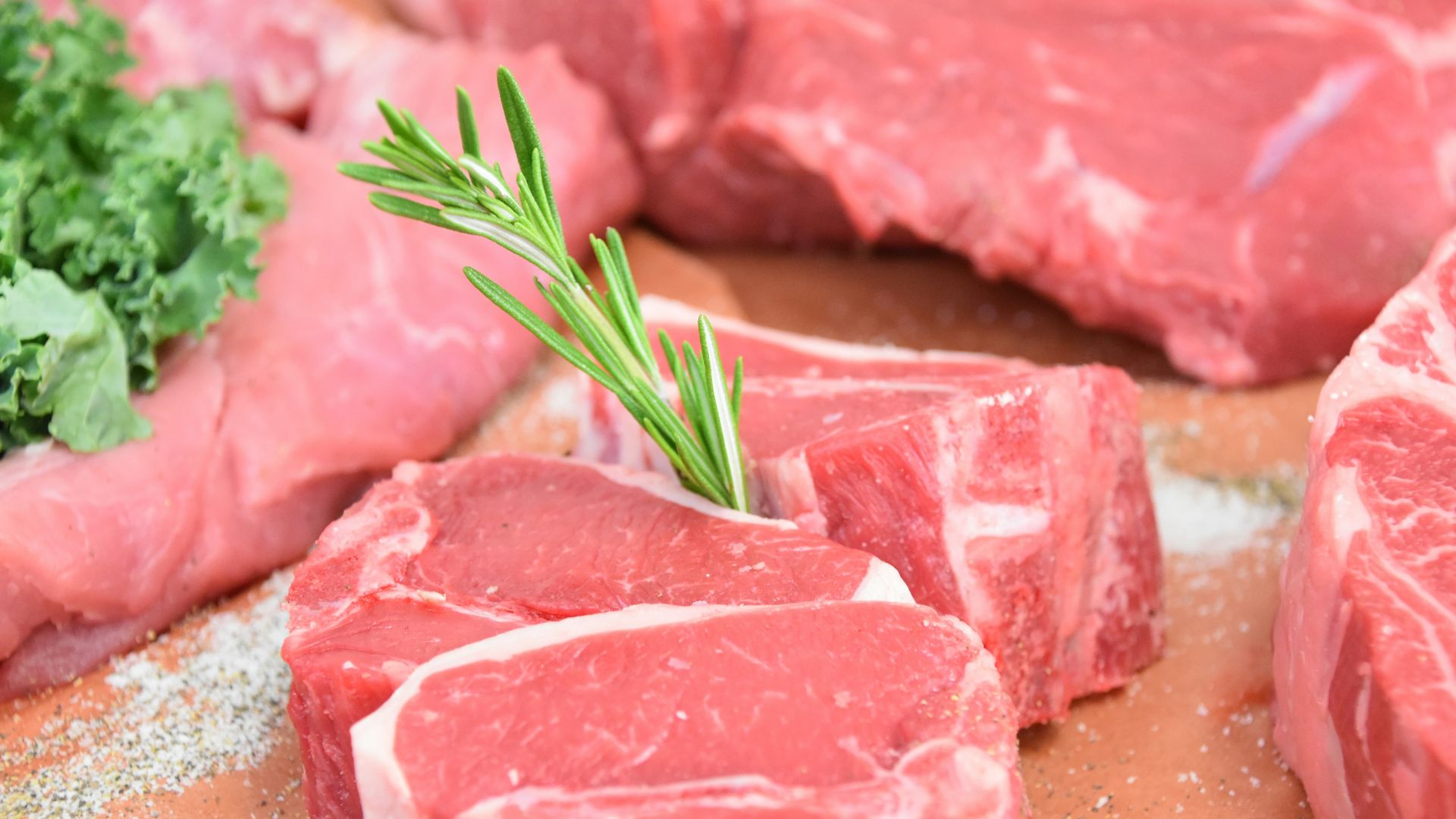
7. Pork Must Be Cooked Until It’s Gray
Older advice encouraged cooking pork until no pink remained, which often produced dry and tough results. Whole cuts can be safe at the recommended internal temperature followed by the proper resting period, even if the center retains a slight rosy color.
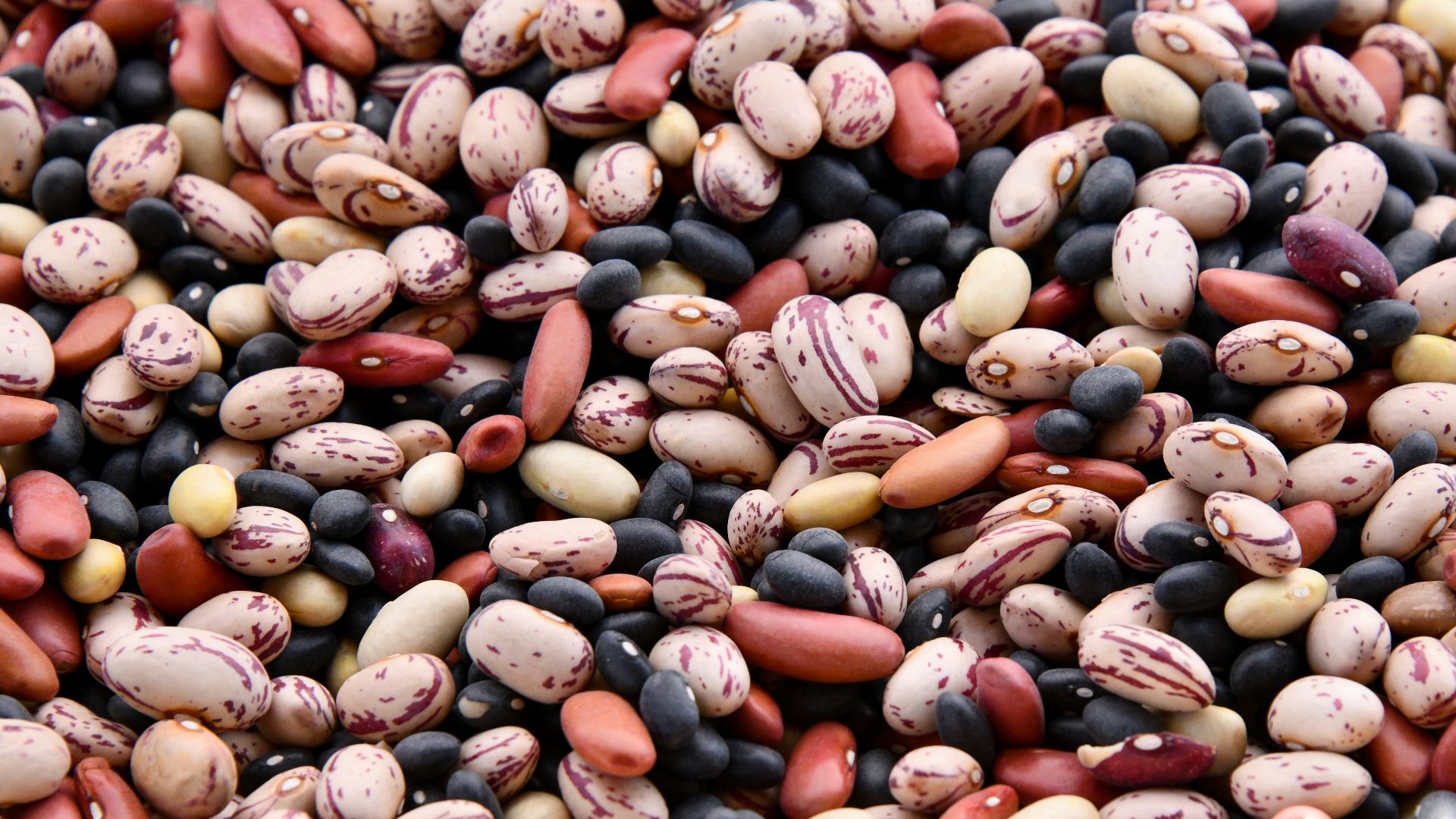
8. Adding Salt Makes Beans Permanently Tough
Salt is frequently blamed when dried beans take a long time to soften, but acidity and the age of the beans are usually more important factors. Tomatoes, vinegar, and other acidic ingredients are generally better added after the beans have begun softening.
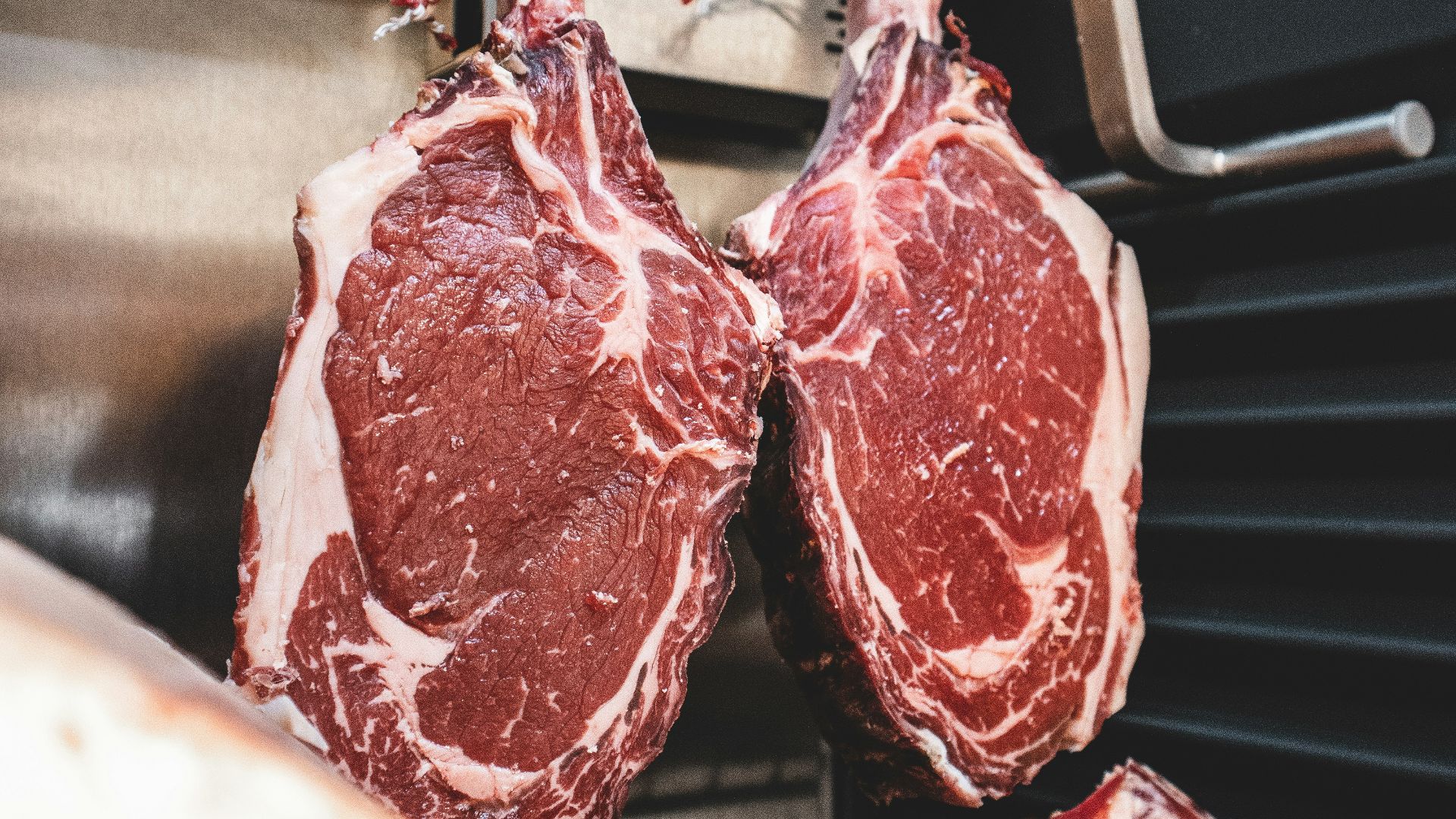
9. Piercing Meat Releases All The Moisture
Poking meat with a thermometer or fork creates a small opening, but it won’t drain the entire cut like a punctured container. The moisture lost through one narrow hole is usually minor compared with the amount expelled through overcooking.
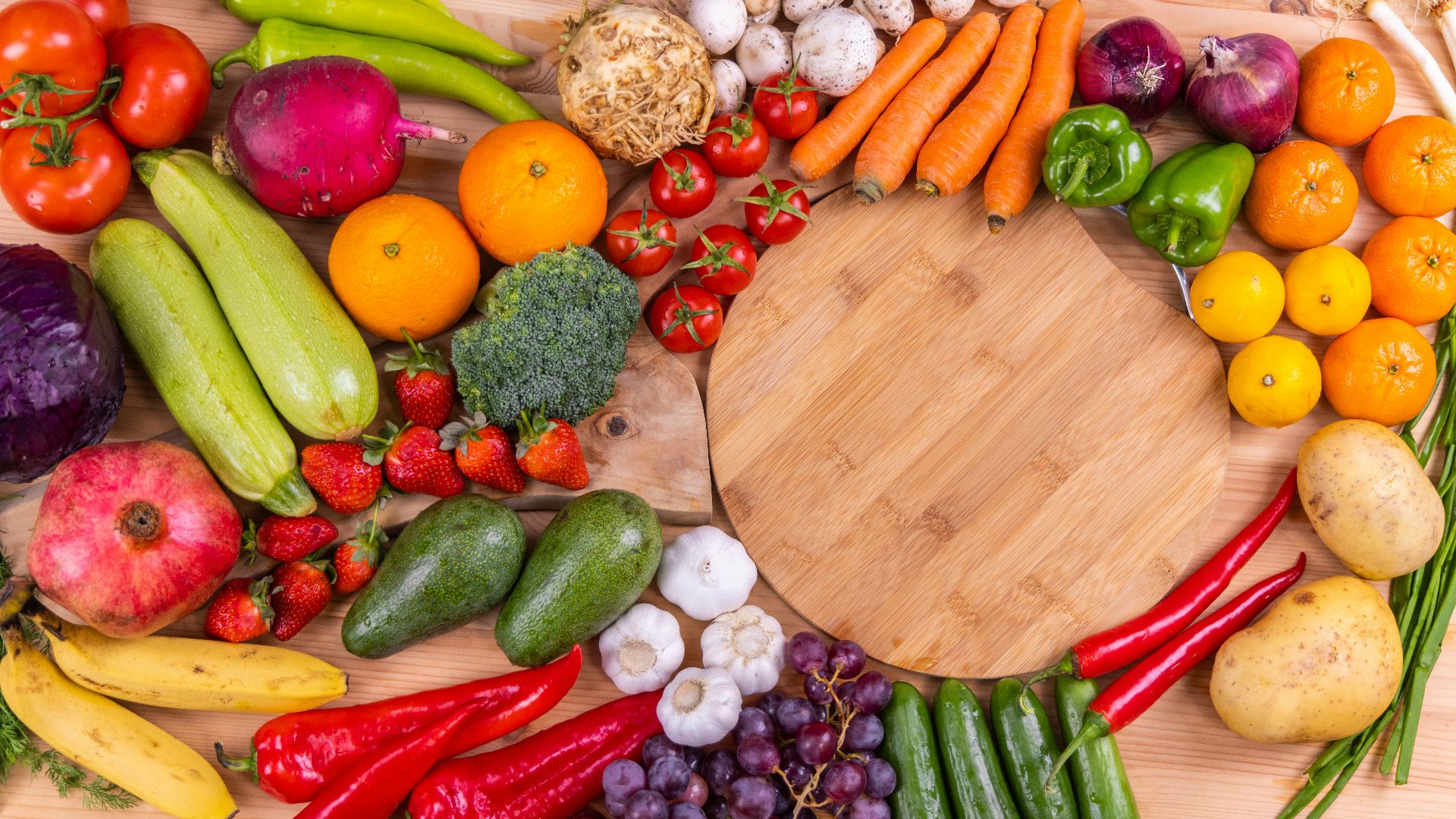
10. Fresh Produce Is Always More Nutritious
Fresh fruits and vegetables can be highly nutritious, but they may spend days being transported, displayed, and stored before reaching your plate. Fresh, frozen, and properly canned options can all contribute valuable nutrition, so choose according to availability, cost, and intended use.
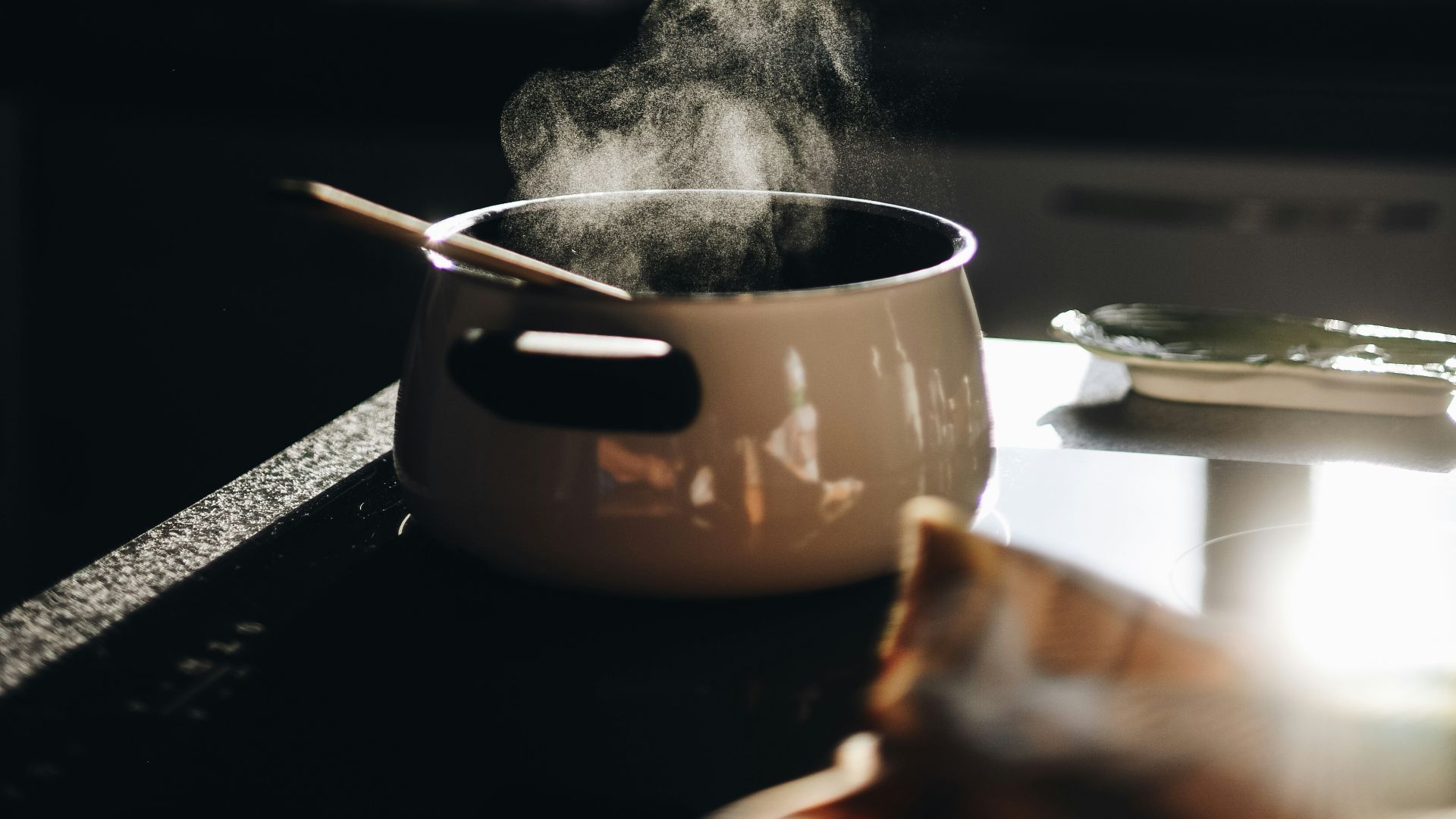
1. A Watched Pot Really Can Boil More Slowly
Watching doesn’t physically affect water, but repeatedly lifting the lid certainly can delay boiling. Removing the lid allows heat and steam to escape, forcing the burner to replace that lost energy. Leaving the pot covered until the water approaches a boil is usually faster and more efficient than checking it every thirty seconds.
2. Resting Dough Can Improve Its Texture
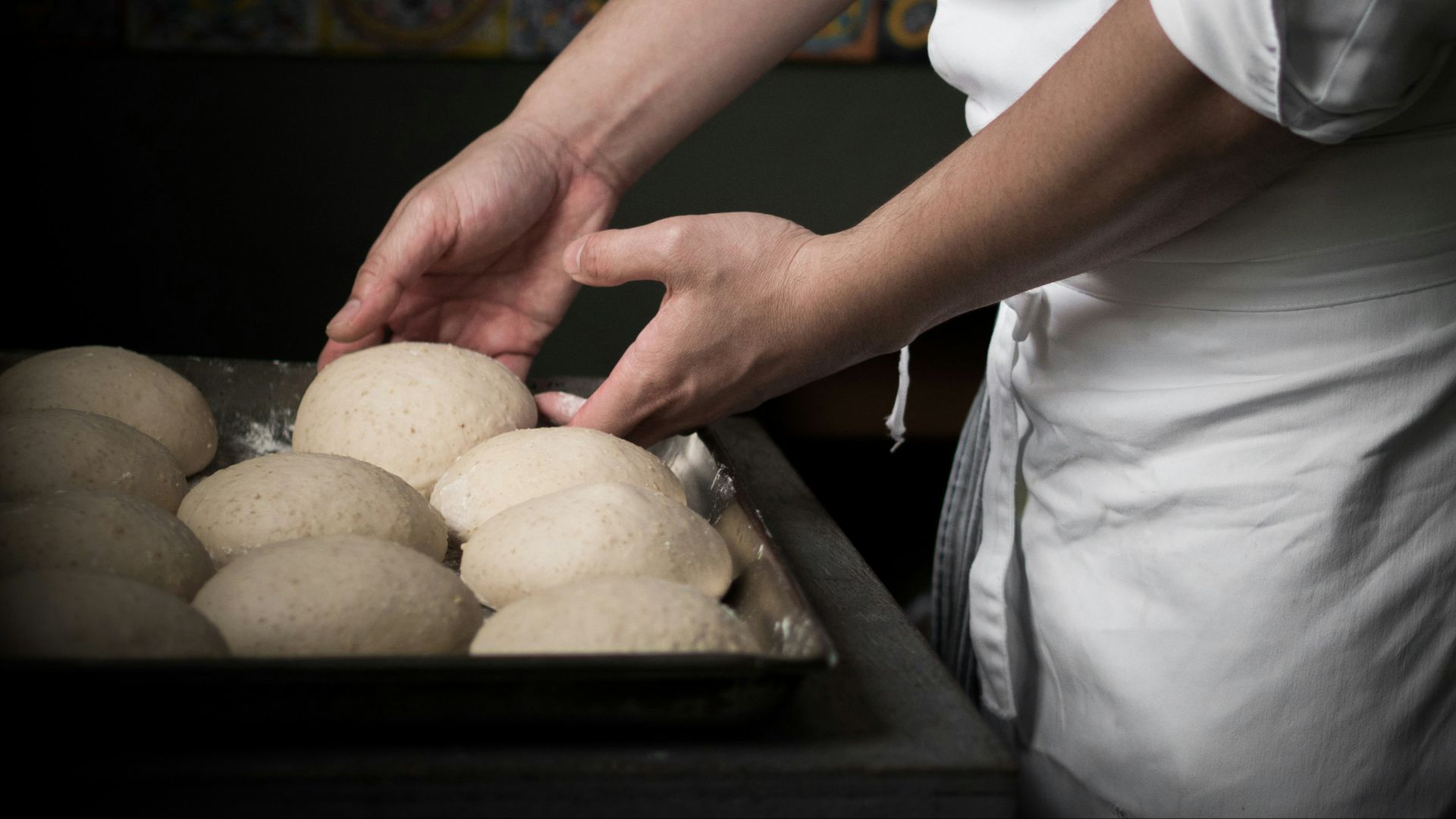
Resting bread, pizza, pastry, or pasta dough gives flour additional time to absorb water more evenly. It can also allow developed gluten to relax, making certain doughs easier to roll or stretch without snapping back.
3. Drying Food Helps It Brown Better
Moisture on the surface of meat, mushrooms, potatoes, or vegetables must evaporate before strong browning can begin. Patting ingredients dry allows surface temperatures to rise more quickly once the food reaches the pan or oven.
 Christine Siracusa on Unsplash
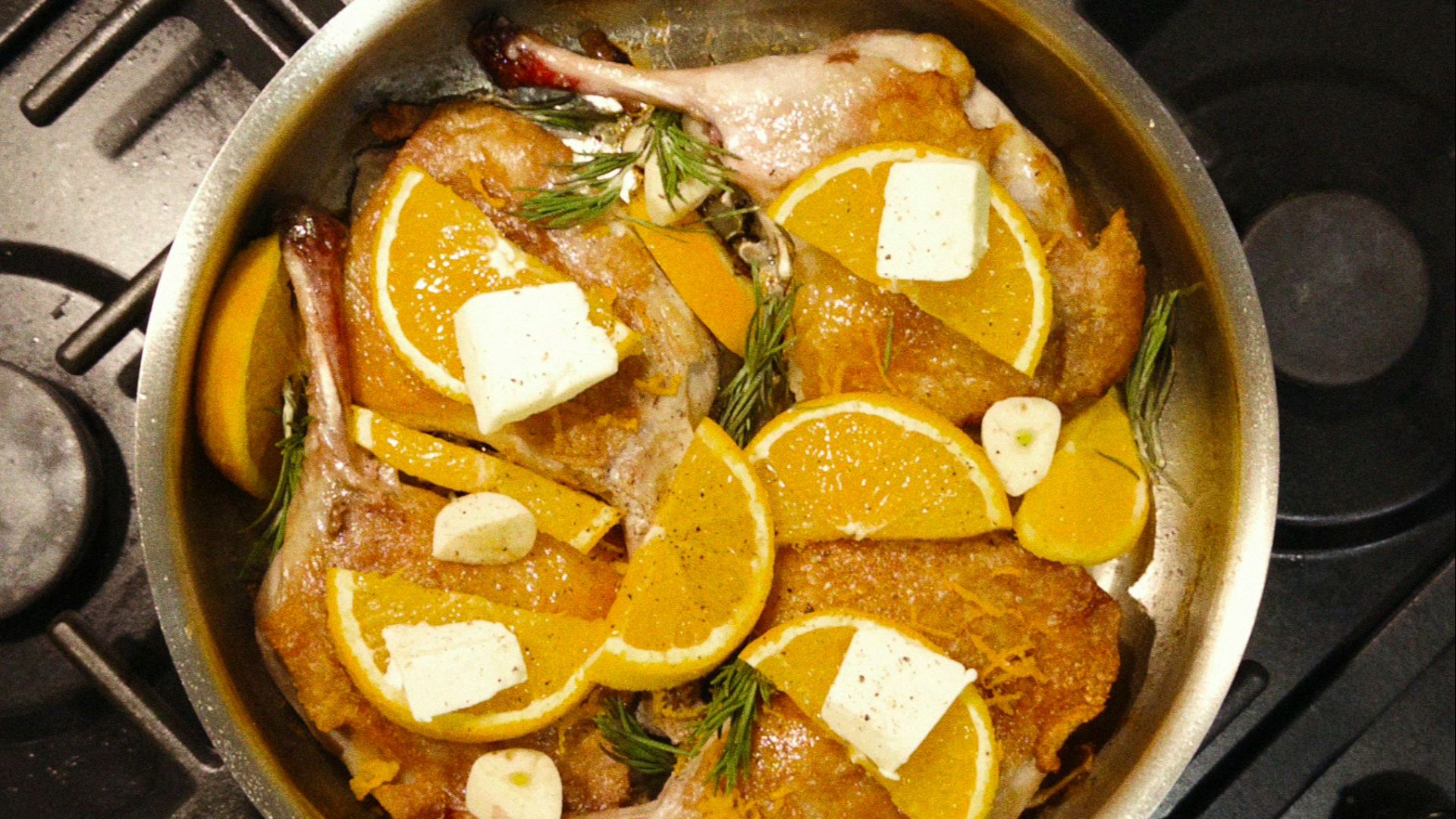
4. Crowding A Pan Can Make Food Soggy
Ingredients release moisture as they cook, and an overcrowded pan traps much of that vapor around the food. Instead of browning efficiently, meat and vegetables may steam in their own liquid.
5. Salting Pasta Water Improves The Noodles
Pasta absorbs water while cooking, which means properly salted water seasons it beneath the surface. Adding salt only after draining can flavor the sauce while leaving the noodles themselves comparatively bland.
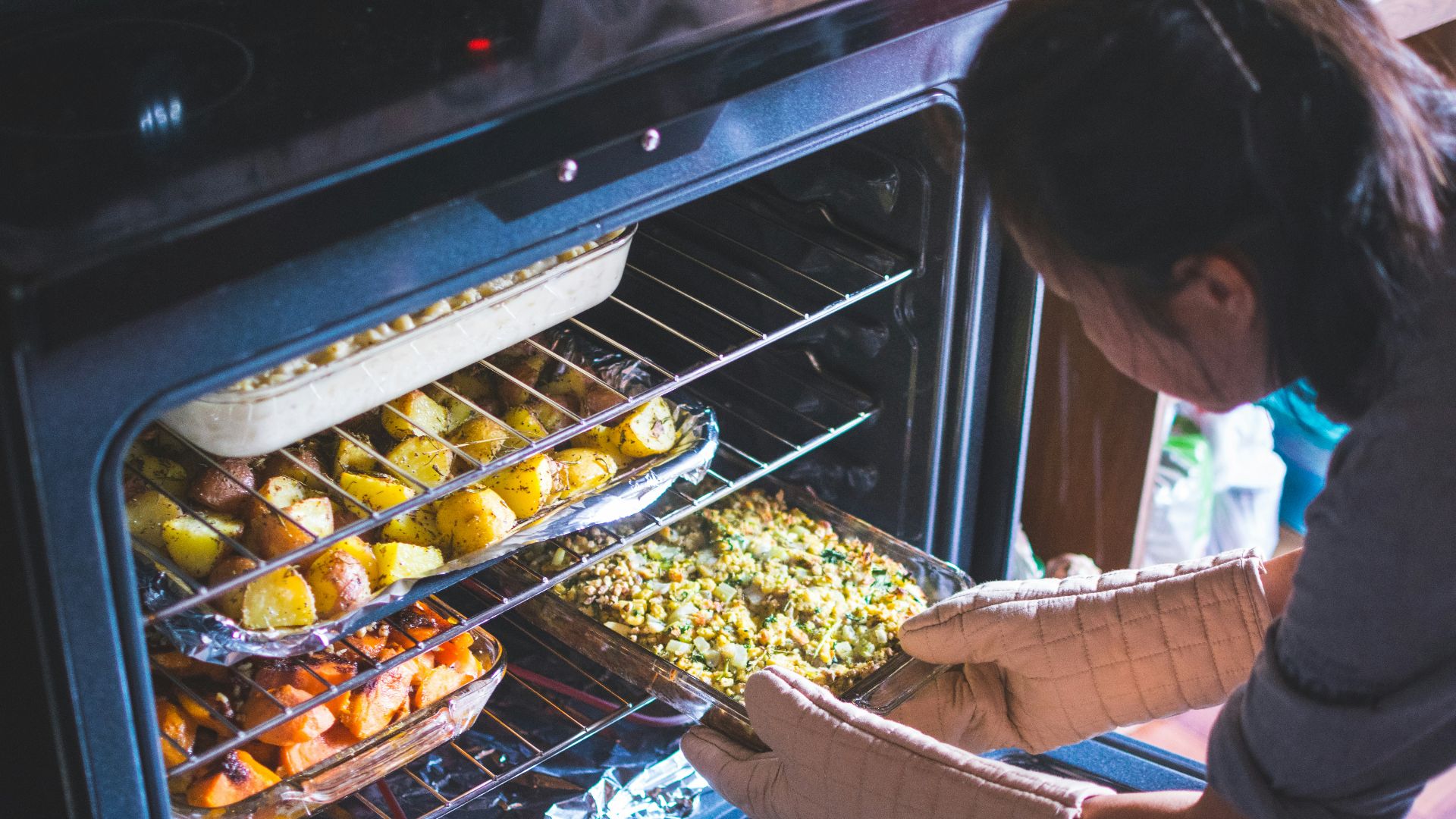
6. Preheating The Oven Usually Matters
Putting food into a cold oven changes the amount of time it spends at lower temperatures, which can alter texture, spread, rise, and browning. Cakes, cookies, breads, and pastries are particularly dependent on predictable heat from the beginning.
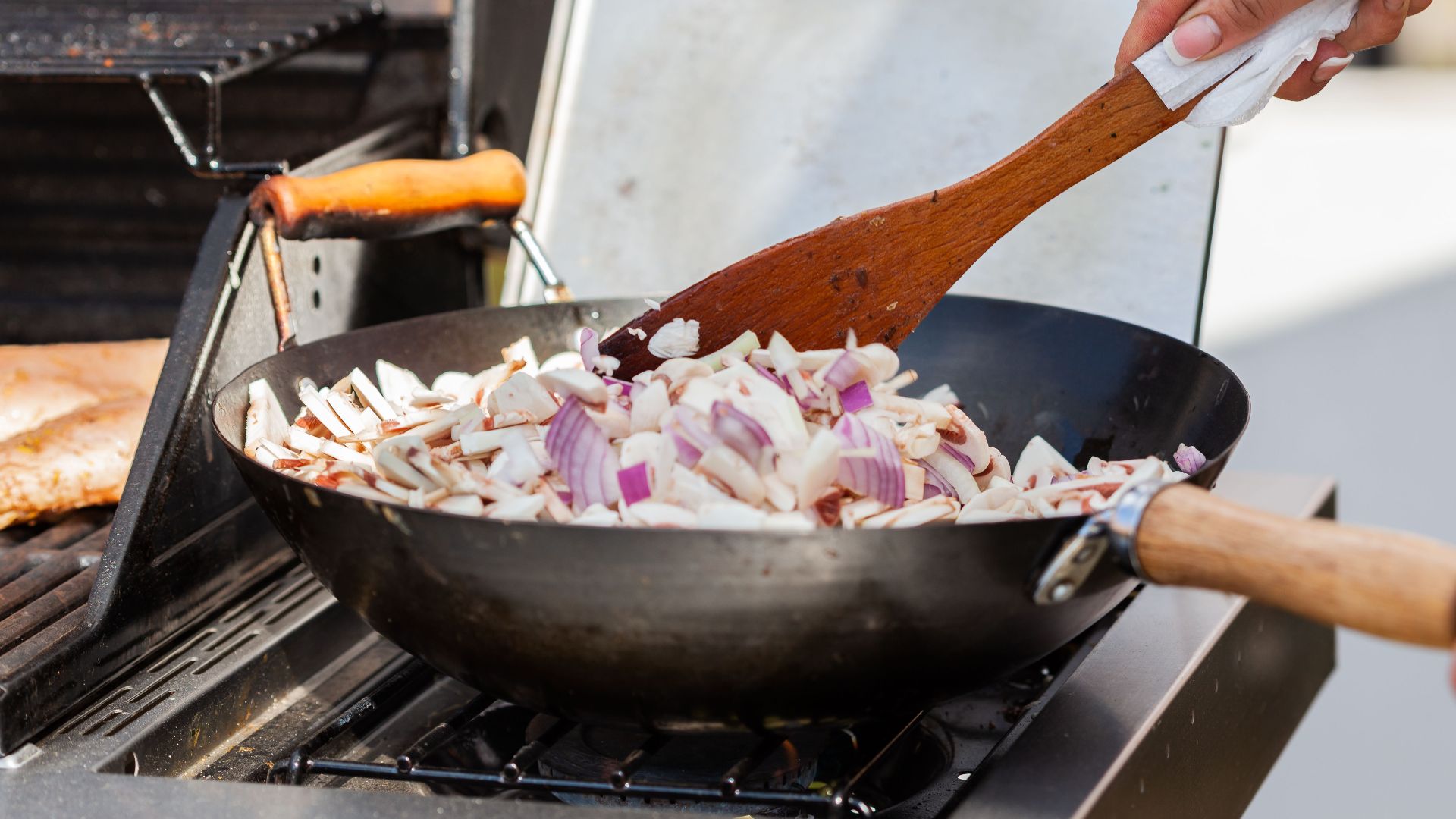
7. Baking Soda Can Help Onions Brown Faster
Baking soda raises the onions’ pH, encouraging browning reactions to occur more quickly. Only a small amount is needed because too much can produce an unpleasant taste and overly soft texture.
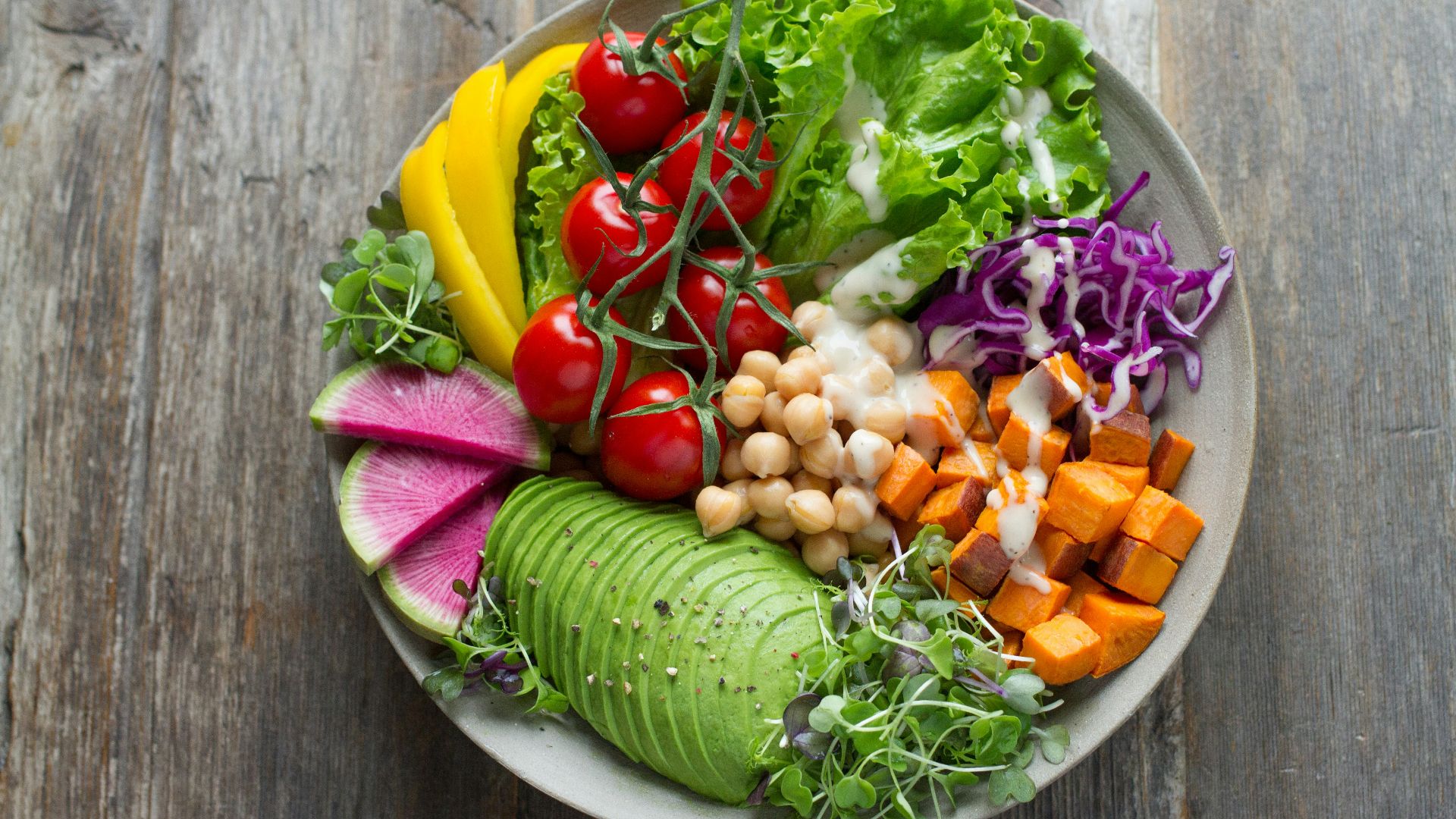
8. Acid Can Keep Vegetables Firm
Acidic ingredients such as tomatoes, vinegar, or lemon juice can slow the softening of certain plant foods during cooking. This is why beans may remain firm for a surprisingly long time when cooked from the beginning in an acidic sauce.
9. Food Continues Cooking After Leaving The Heat
Heat stored near the exterior of meat, casseroles, and baked goods continues moving inward after the food leaves the oven or pan. This process, known as carryover cooking, can raise the internal temperature by several degrees.
10. A Food Thermometer Beats Visual Guesswork
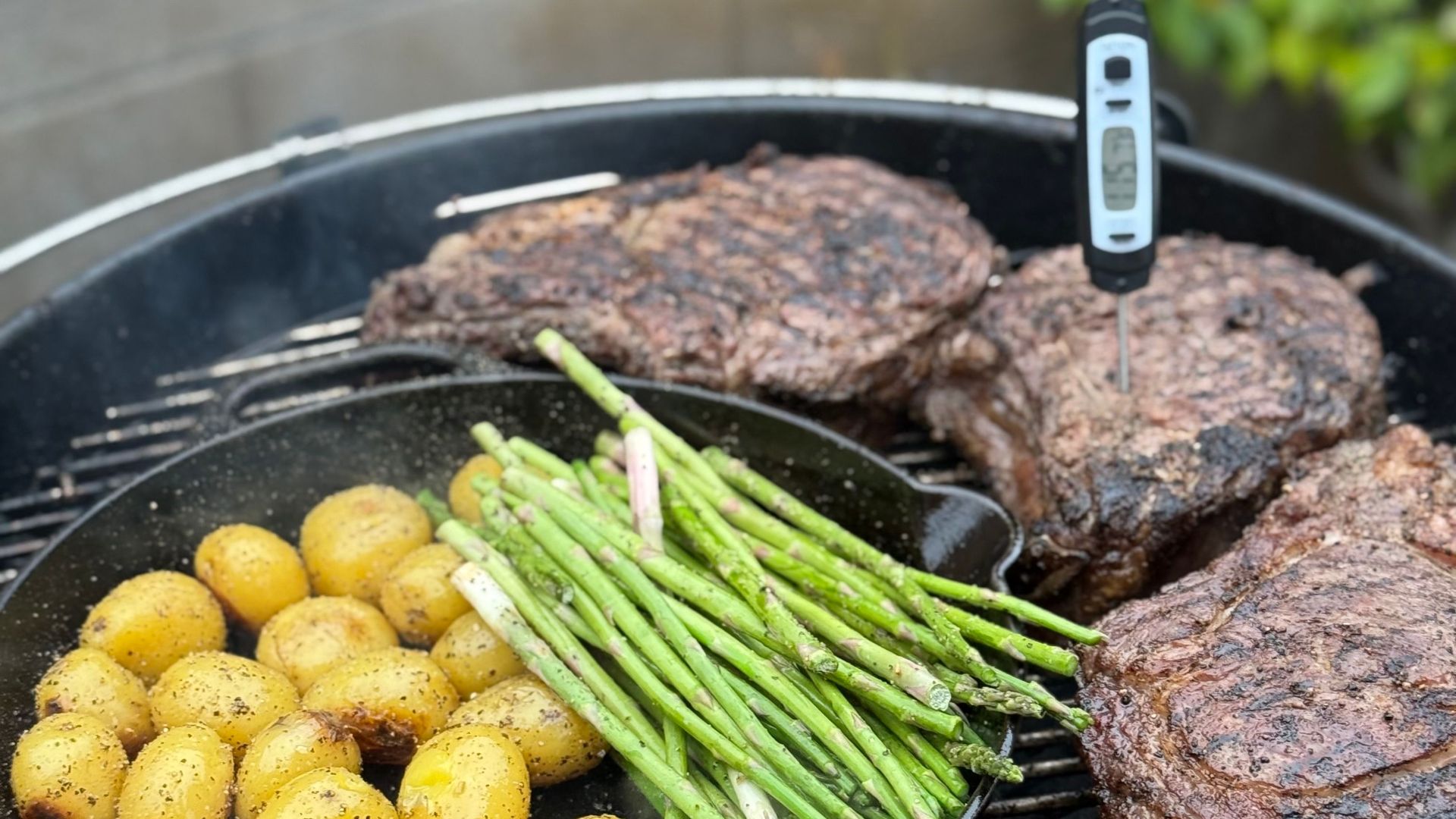
Color, texture, and clear juices aren’t completely reliable indicators that meat or poultry has reached a safe temperature. Ground beef can brown before harmful bacteria have been destroyed, while safely cooked poultry may occasionally retain pink areas. A properly placed thermometer provides an objective reading and reduces both undercooking and unnecessary overcooking.
KEEP ON READING
The 10 Best Fried Chicken Sandwiches & The 10 Worst