Knowing What to Keep and What to Remove
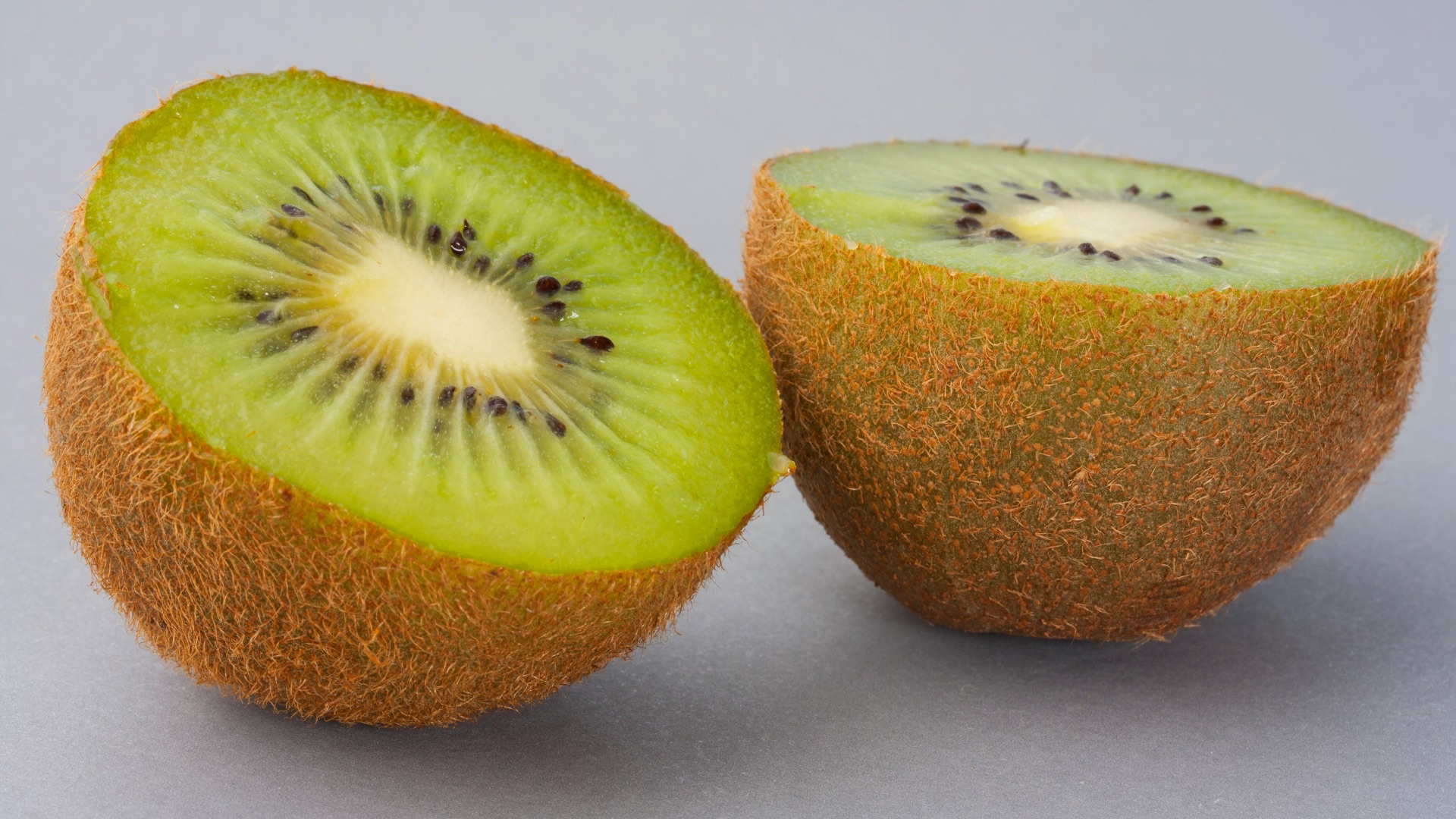
When you pick up a kiwi, what do you do with it? You probably cut it in half and scoop out the inner fruit, right? Well, did you know that not only are you able to eat it whole, fuzzy skin and all, it's also the recommended way to enjoy it if you want to up your fiber intake? It's not just furry kiwis, either; there are plenty of fruits and vegetables out there you might be used to eating peeled when they're actually better eaten in their entirety. Of course, you still want to exercise caution for some others, which may contain irritating components that should be removed before you take a bite. Here are 10 foods you're supposed to eat whole (which helps reduce waste!), and 10 you shouldn't.
1. Apples
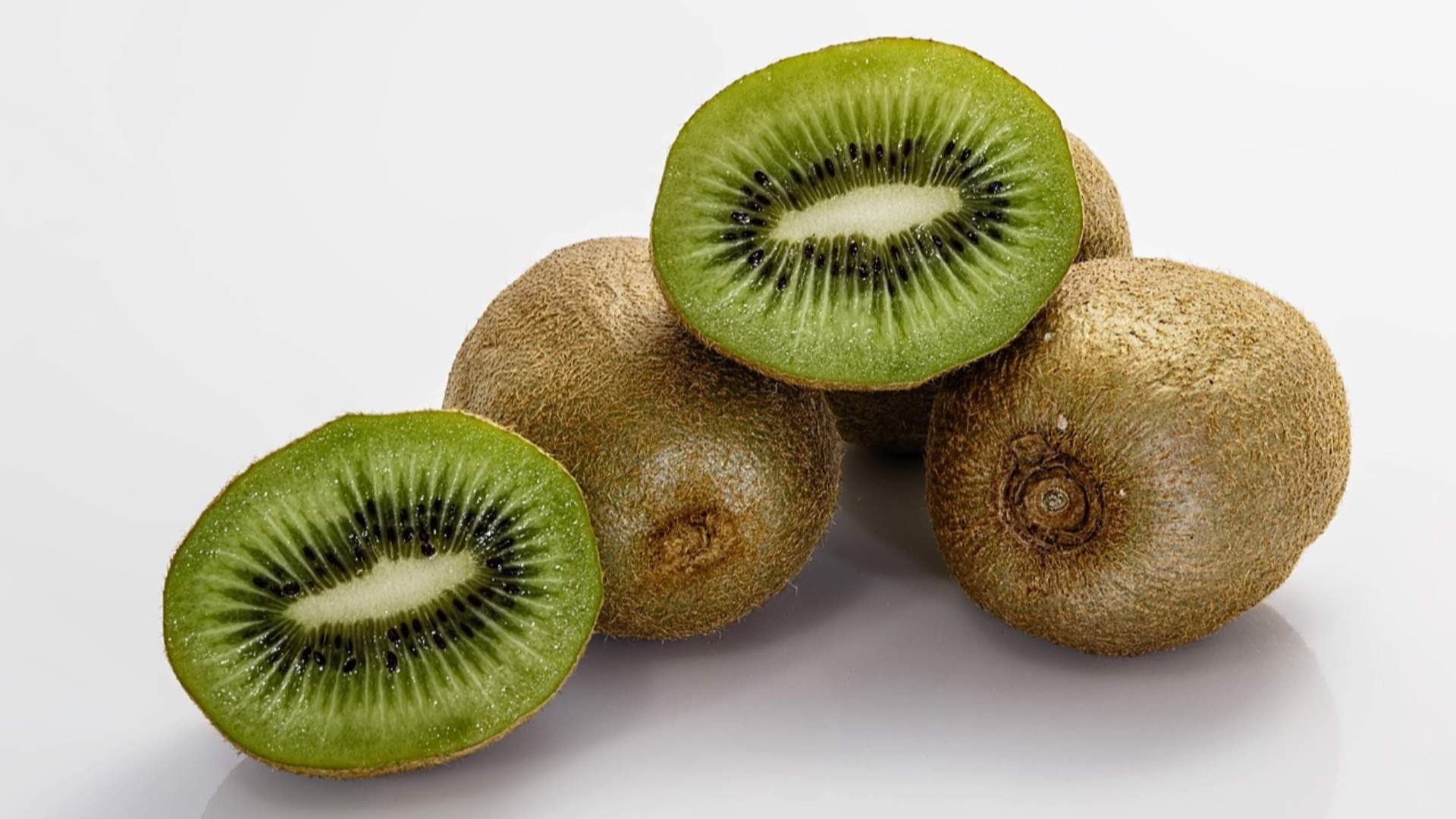
You don't need to peel an apple before eating it, provided you've washed the surface thoroughly. Much of its fiber is concentrated in or just beneath the skin, which also contains beneficial plant compounds. Removing the peel isn't harmful, but it means leaving behind one of the fruit's most useful parts.
2. Potatoes
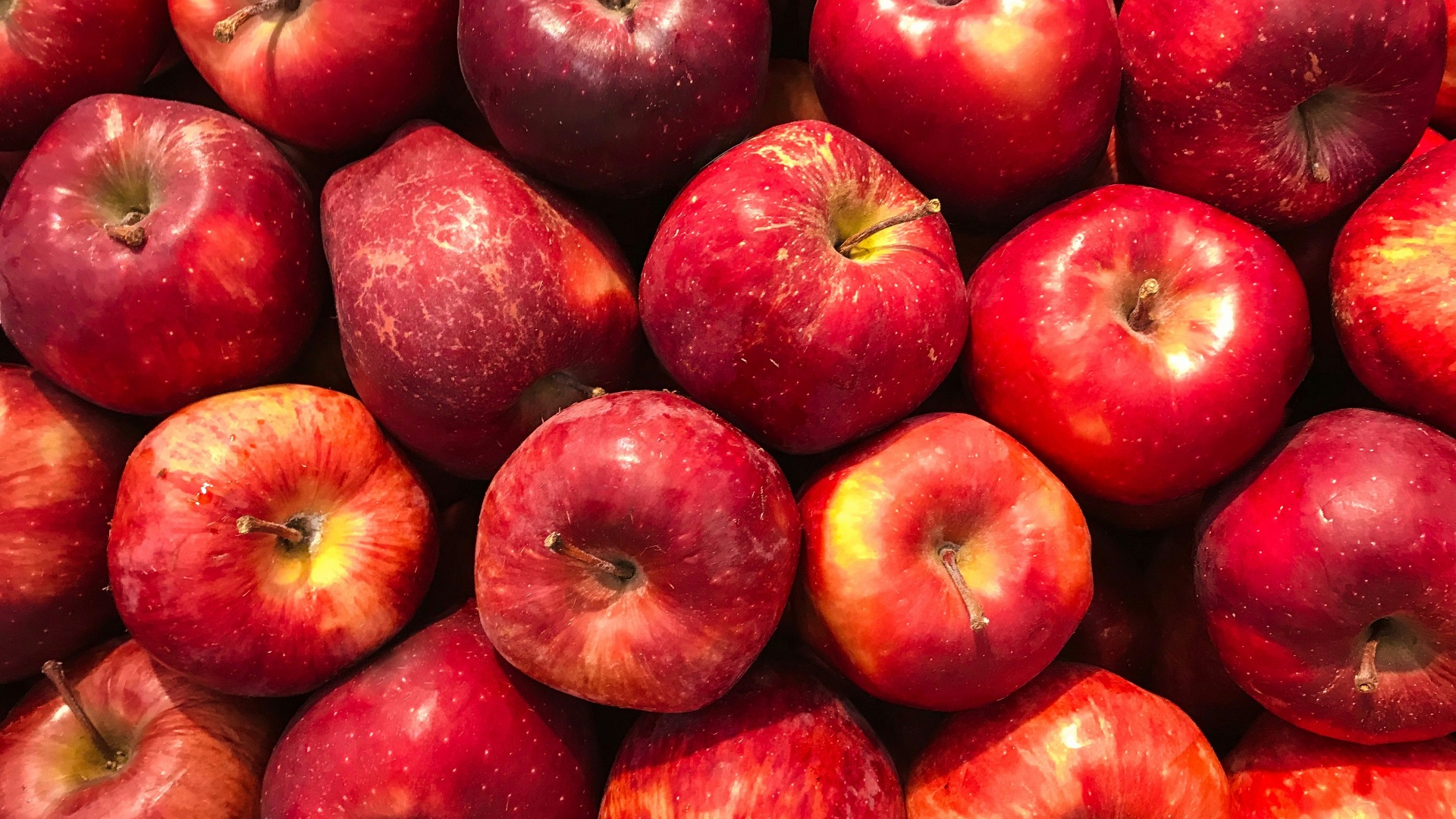
Potato skins are completely edible and can add fiber, potassium, and a satisfying texture to your meal. Scrub the potato well to remove soil, then bake, roast, or boil it with the skin attached. Cut away any green areas, sprouts, or damaged portions rather than eating them.
3. Kiwis
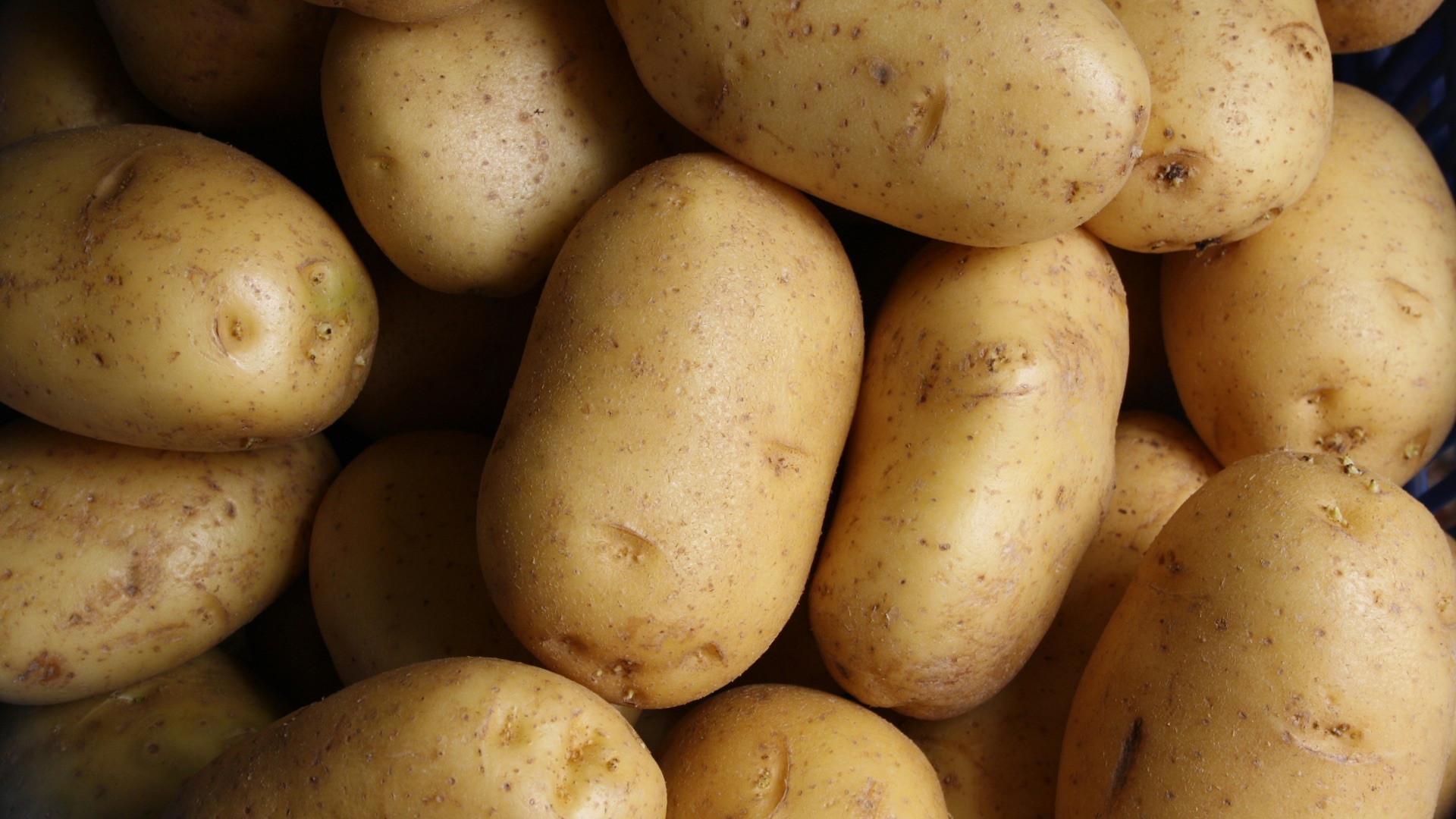
The fuzzy skin of a kiwi might look uninviting, but it's edible and packed with additional fiber. Washing the fruit and rubbing off some of the fuzz can make the texture easier to handle. Eating it whole also saves you from having to scoop the flesh out with a spoon.
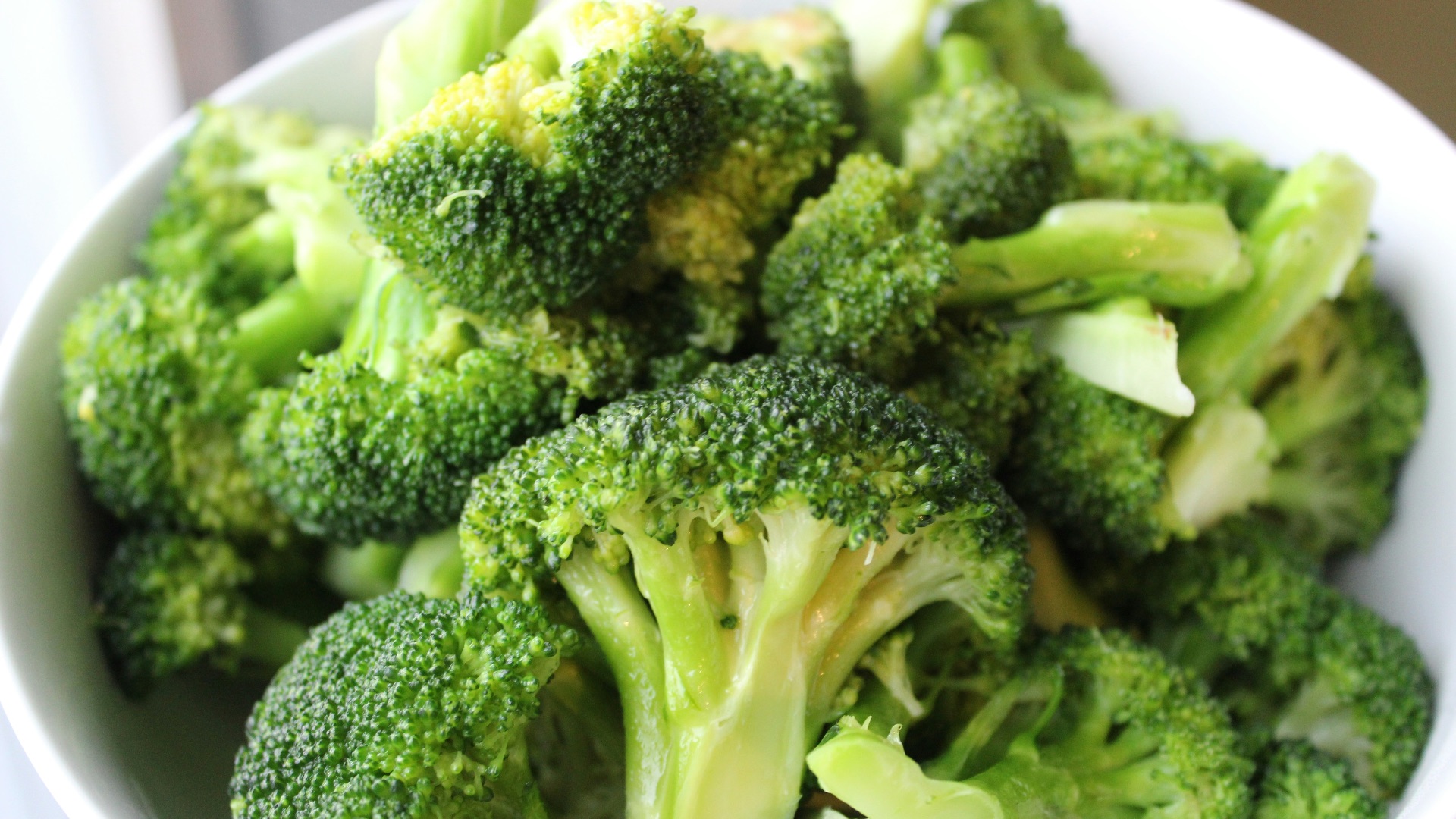
4. Broccoli
Most people cook the florets and discard the thick stalk, even though everything is edible. The stem has a crisp, mild interior once you remove any especially tough outer layer. Slice it thinly for stir-fries, shred it for slaw, or cook it alongside the florets.
 Tyrrell Fitness And Nutrition on Unsplash
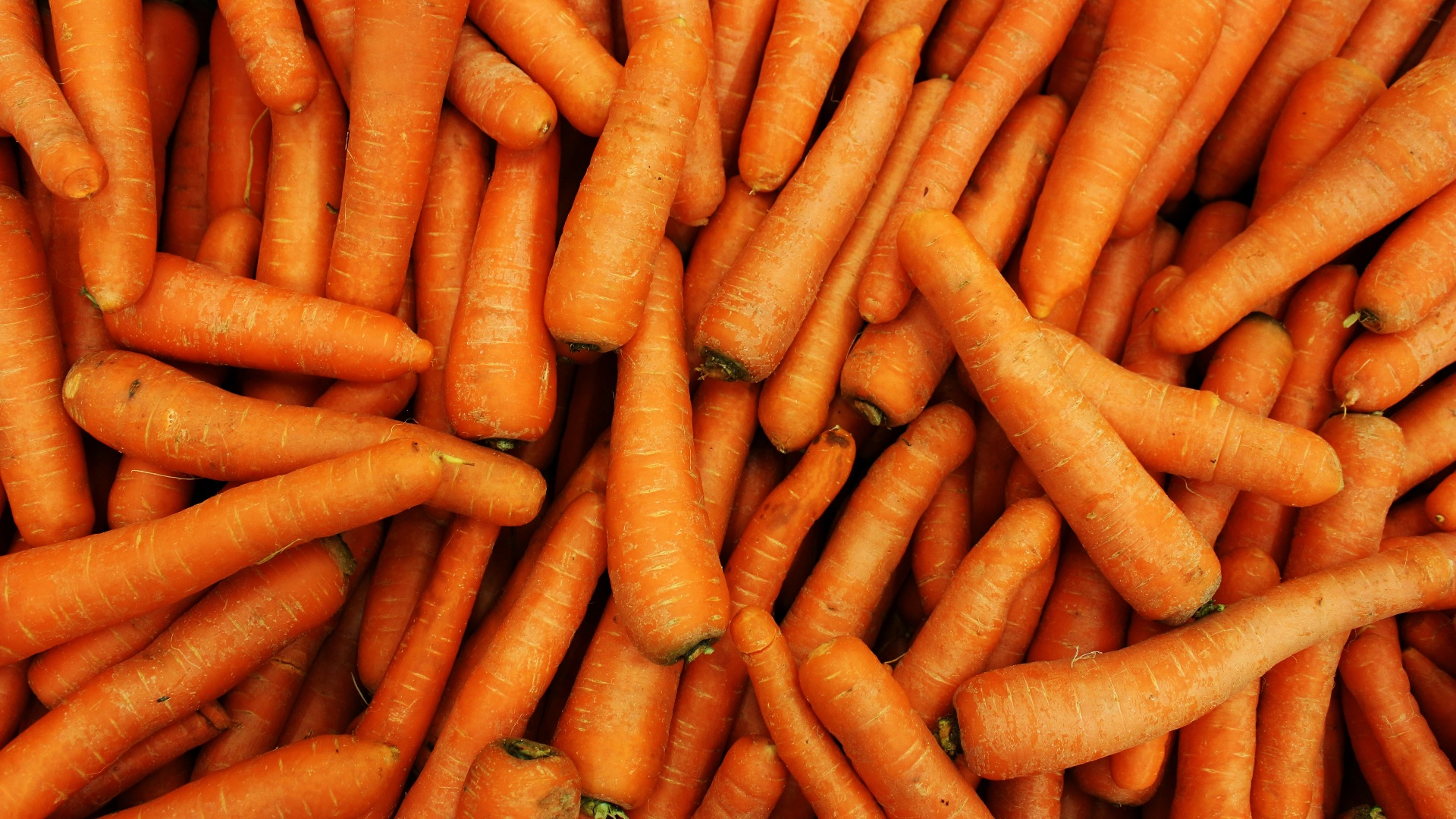
5. Carrots
Carrot skins are so thin that peeling them is often unnecessary. A firm scrub under running water usually removes any remaining soil while preserving more of the outer flesh. Keeping the carrot intact also saves time when you're preparing a large batch.
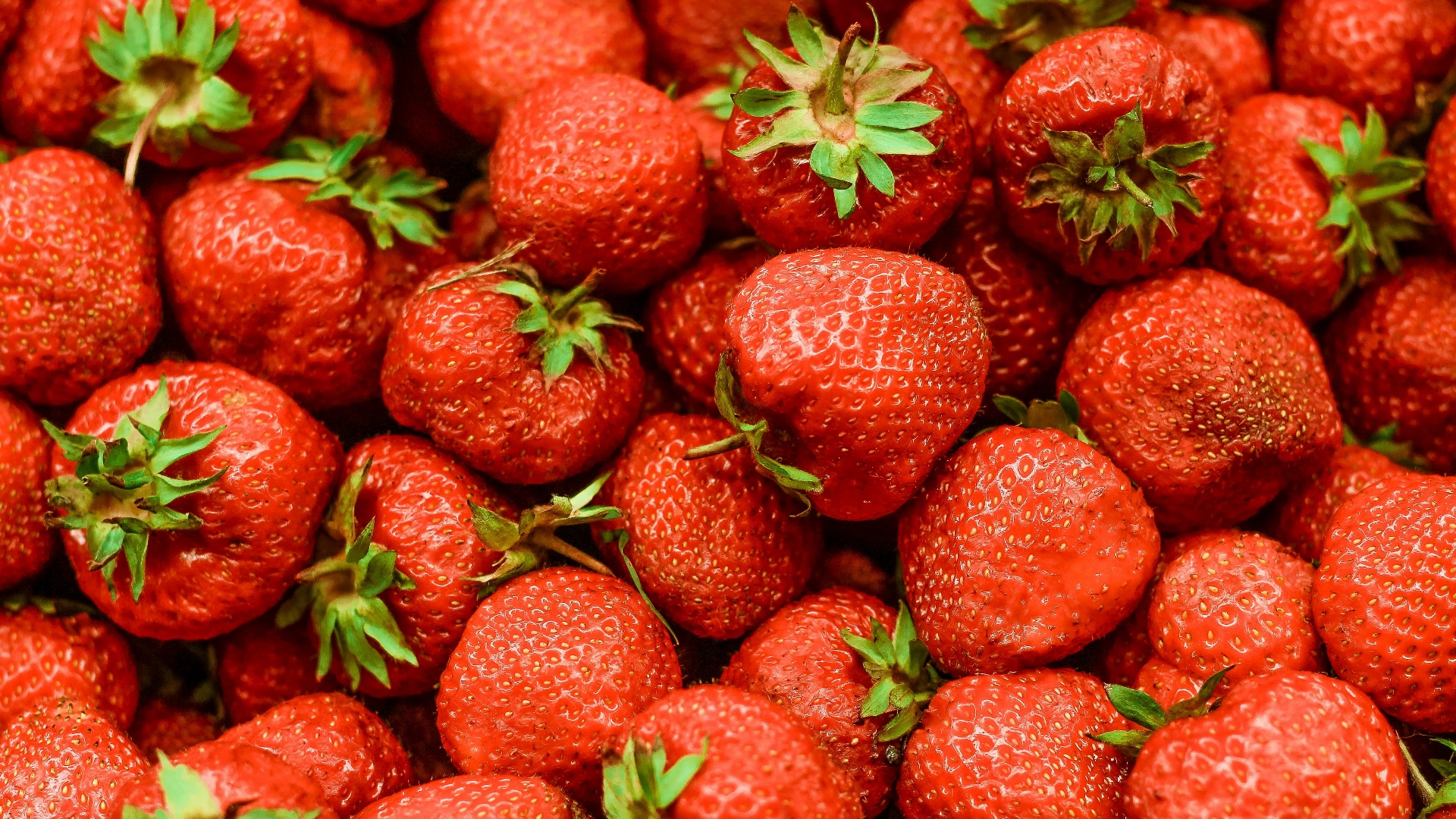
6. Strawberries
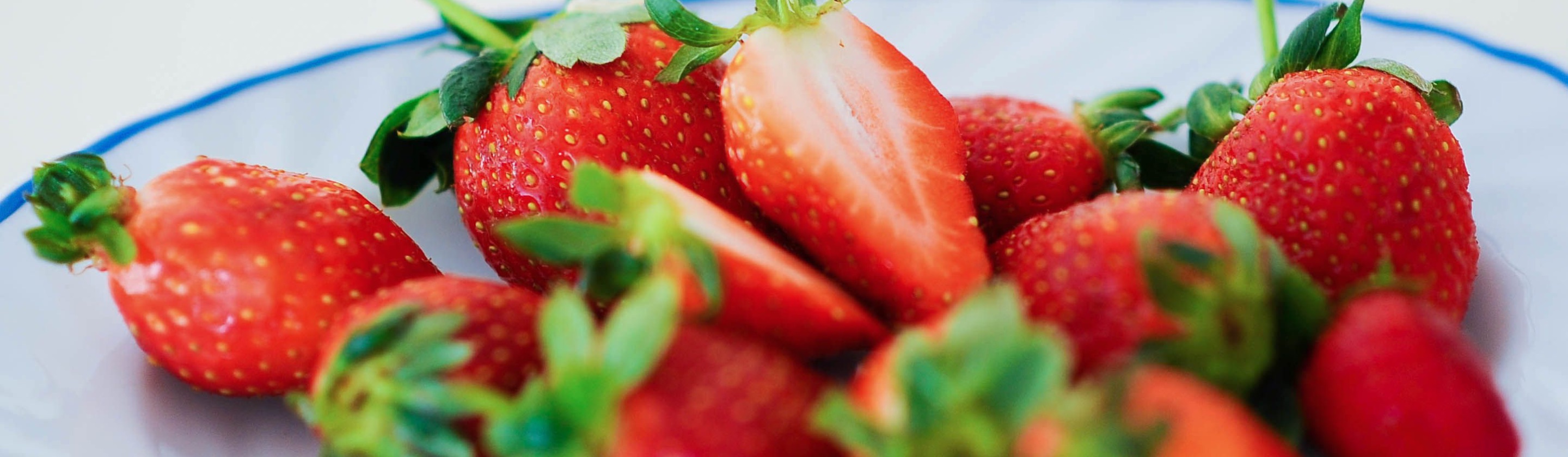
The leafy tops of strawberries are edible, though their grassy texture isn't for everyone. You can blend the entire berry into smoothies or finely chop the tops into salads and sauces. Leaving them attached also prevents you from cutting away some of the sweet fruit beneath the leaves.
7. Figs
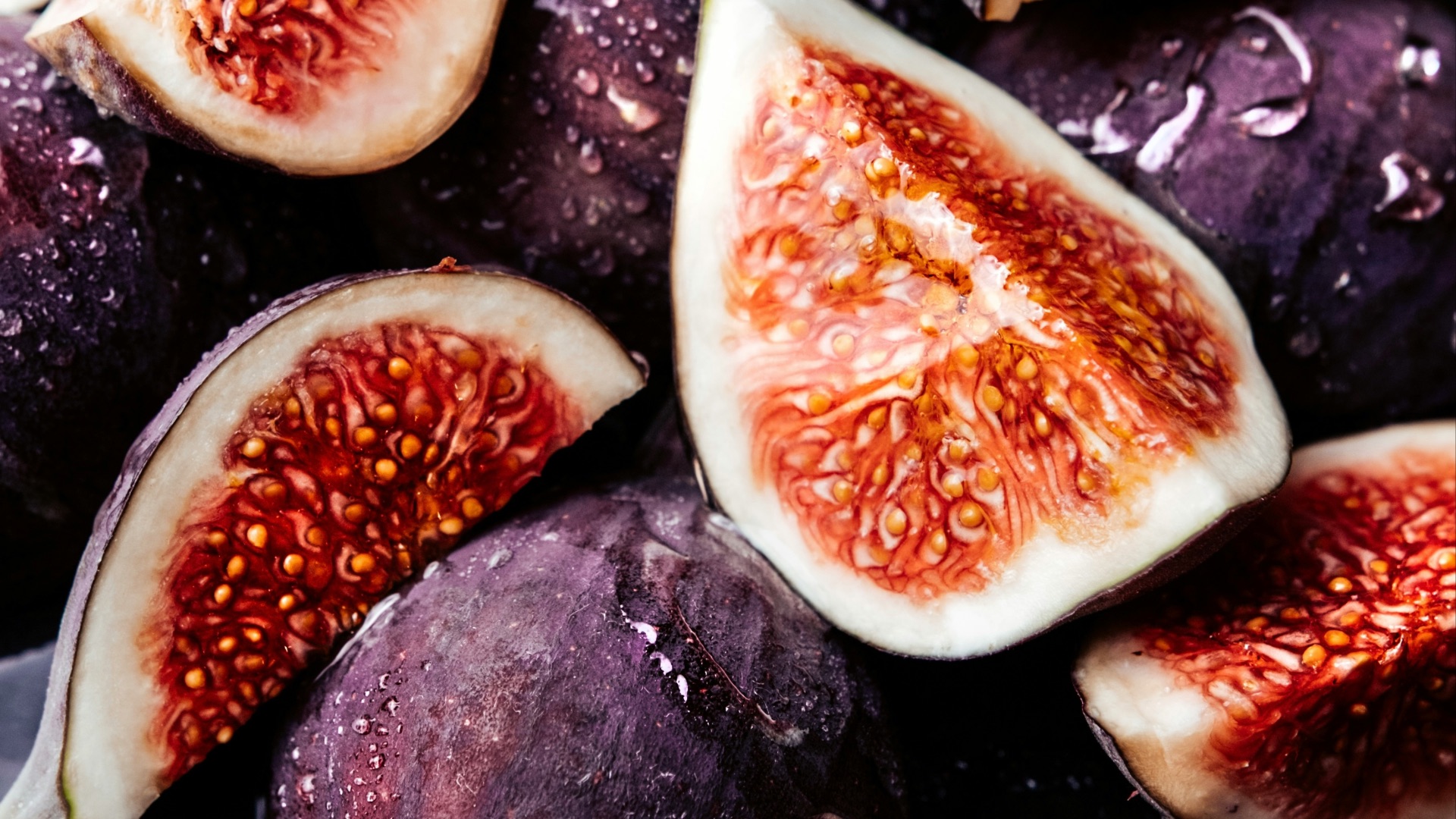
Fresh figs may look as though they need to be peeled or opened first, but nearly the entire fruit is meant to be eaten. Its thin skin, soft interior, and numerous tiny seeds are all edible, so you only need to remove the firm stem at the top. Give the fig a gentle rinse and eat it whole, provided it’s ripe and free from damage or spoilage.
8. Guava
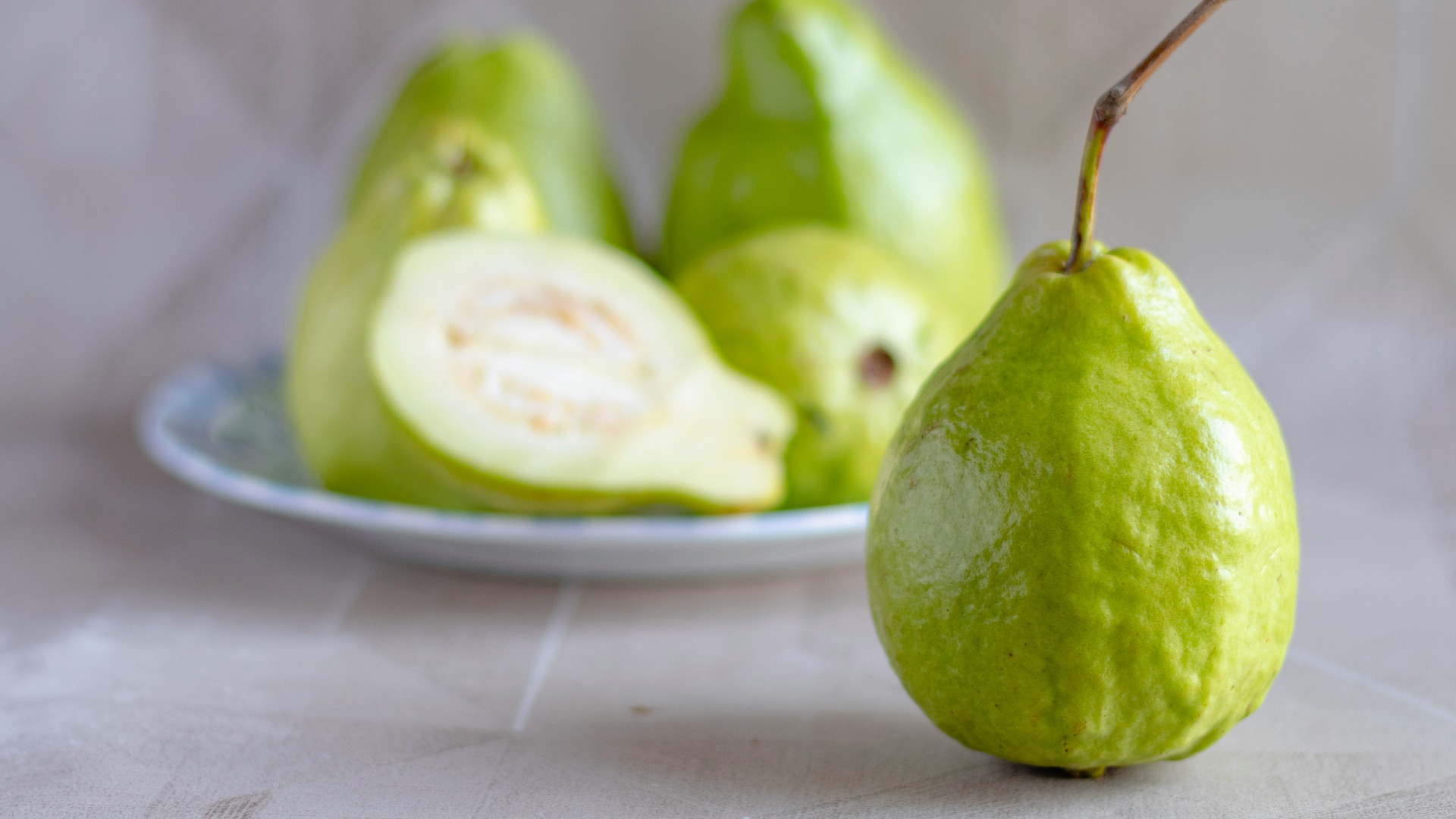
A ripe guava can be washed and eaten with its thin skin and numerous seeds still in place. The peel may taste slightly more bitter than the flesh, while the seeds can be quite firm depending on the variety, but both are edible. Slice it into wedges if biting into the whole fruit feels awkward, and take care not to bite down too forcefully on especially hard seeds.
9. Fuyu Persimmons
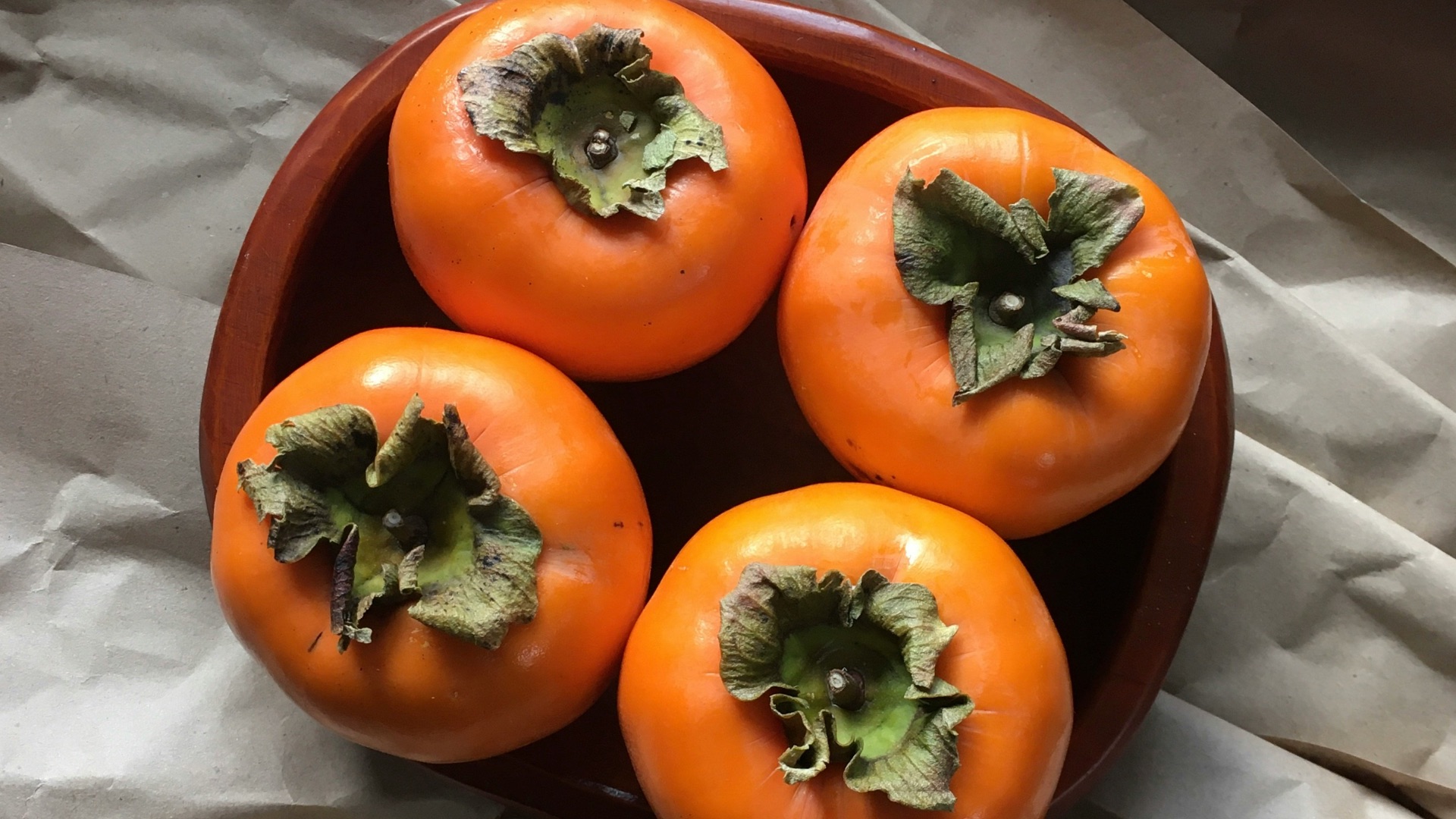
You might think you have to wait until they're softened to eat, but Fuyu persimmons can be eaten while they’re still firm and crisp. Wash the fruit, remove the leafy calyx, and eat the skin and flesh together much as you would an apple. Don’t apply the same advice to firm Hachiya persimmons, which are intensely astringent and should be allowed to soften completely before they’re eaten.
10. Pears
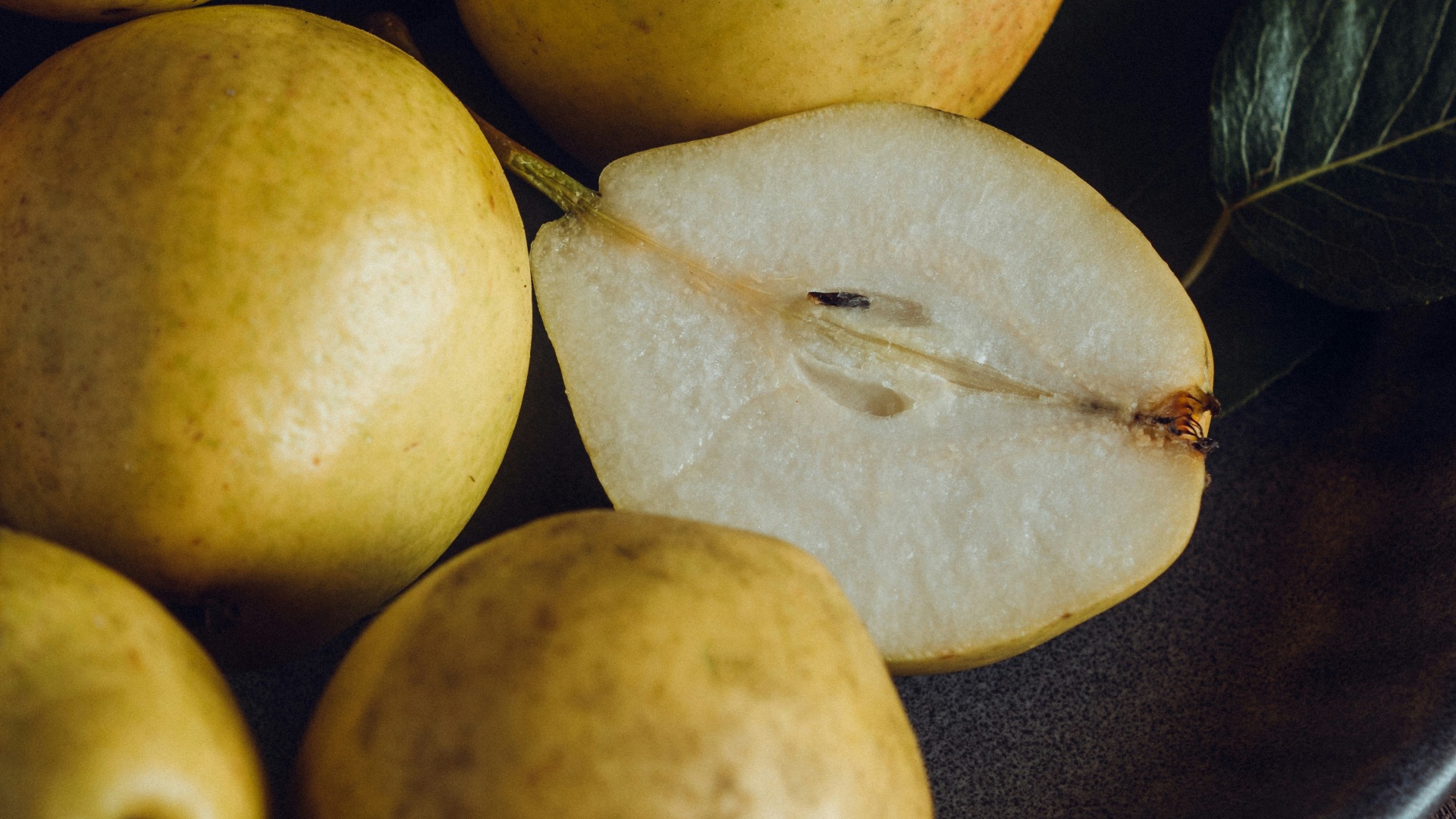
A ripe pear can be washed and eaten from the skin inward, leaving only the central core and stem behind. Its peel contributes fiber and gives the soft flesh a little structure. Since pears bruise easily, eating them with minimal handling can also keep them from becoming overly mushy.
Keeping edible skins, stems, and leaves can make food preparation simpler while cutting down on avoidable waste. But that approach doesn't apply to everything in the produce aisle. Here are 10 foods you shouldn't eat whole.
1. Rhubarb
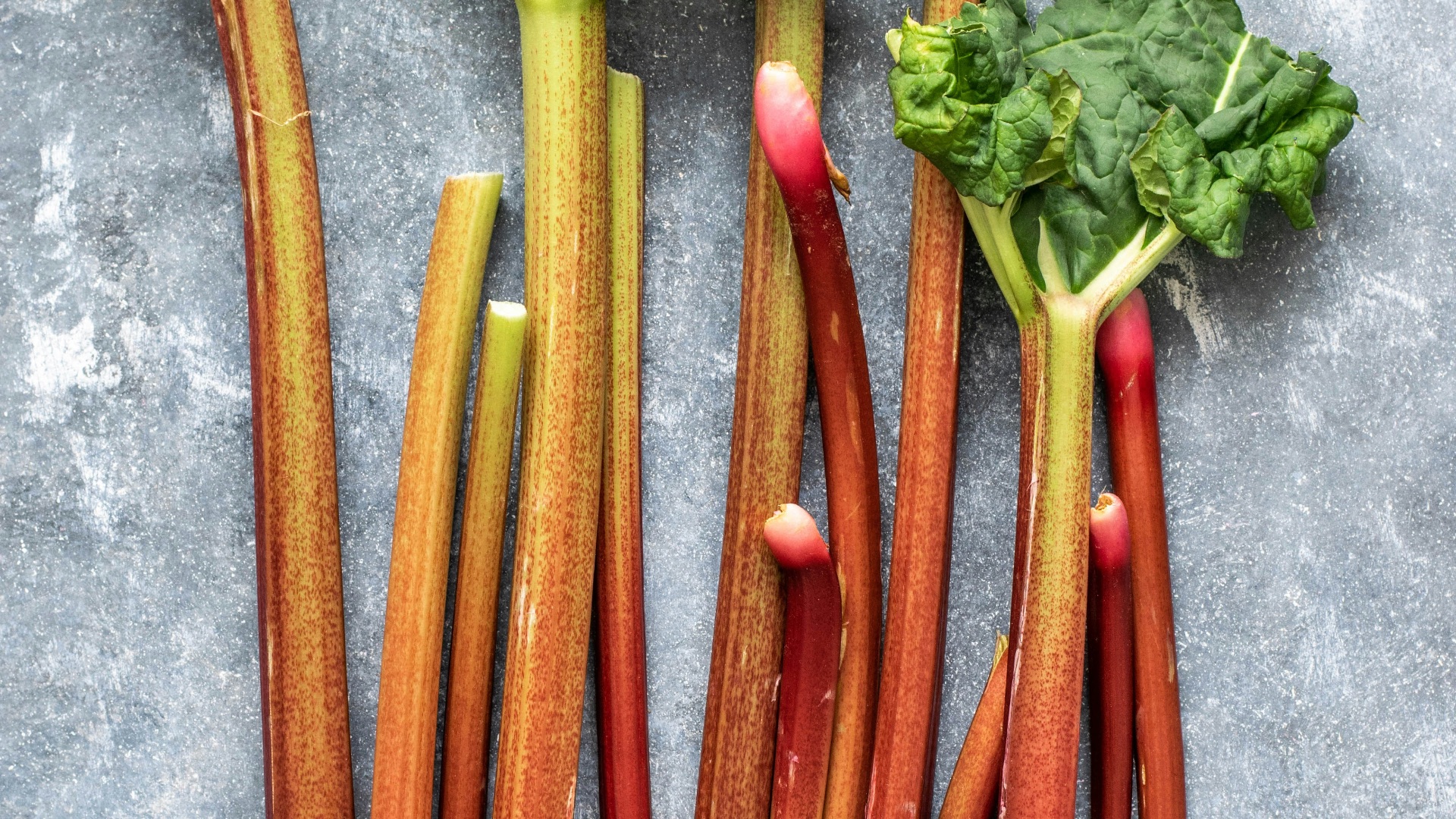
Rhubarb stalks can be cooked into pies, sauces, and desserts, but the attached leaves need to be removed and discarded. The leaves contain high concentrations of oxalates and other compounds that can cause poisoning when consumed. This makes rhubarb one of the clearest examples of a plant whose familiar edible section sits directly beside a potentially harmful one.
2. Cashews
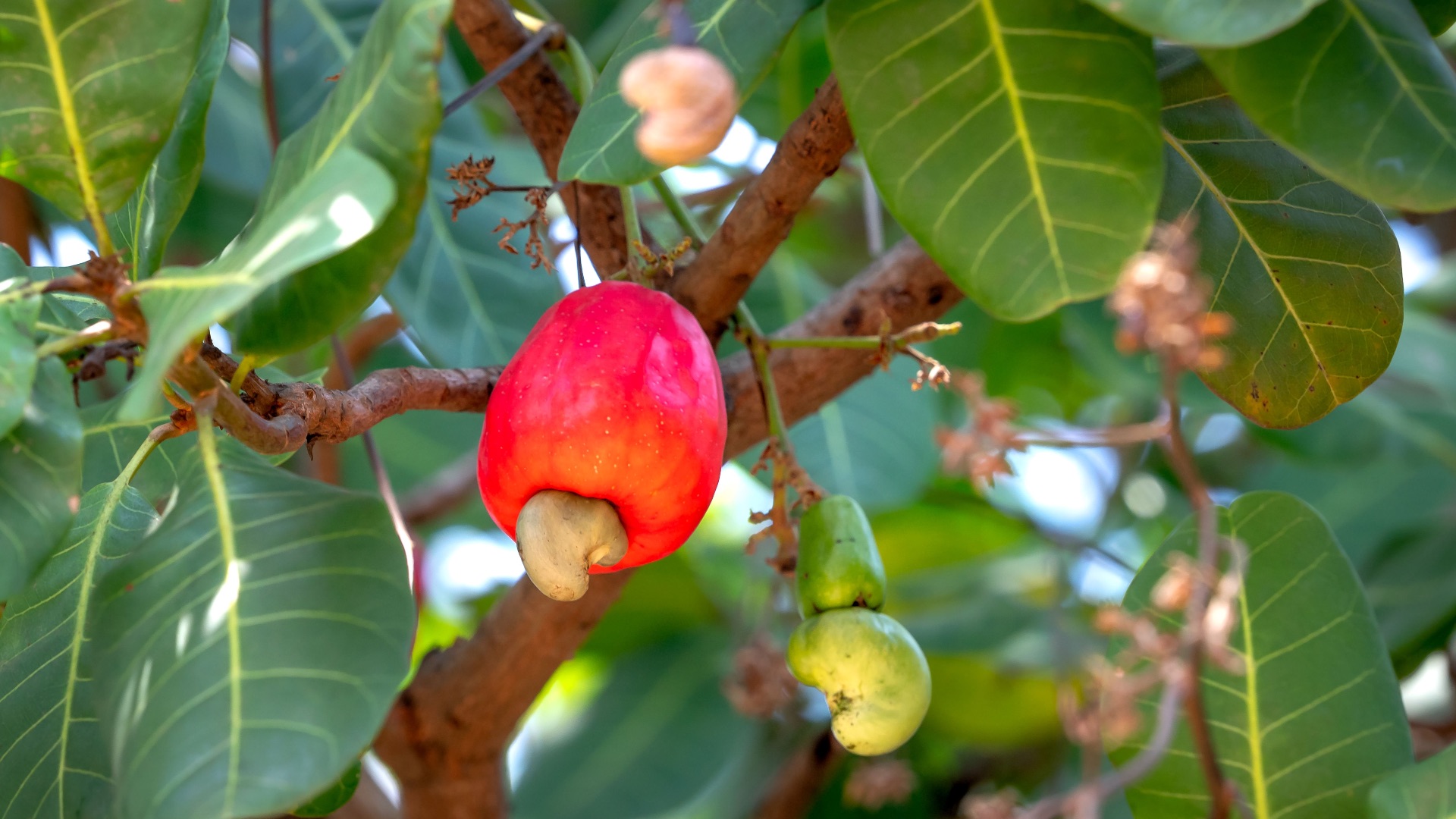
A cashew may look like a food you could simply pick from a tree and eat, but the nuts require processing before they reach stores. Their shells contain an irritating oil related to urushiol, the substance associated with poison ivy reactions. Even products labeled “raw cashews” have usually undergone heat treatment to make them safe.
3. Red Kidney Beans
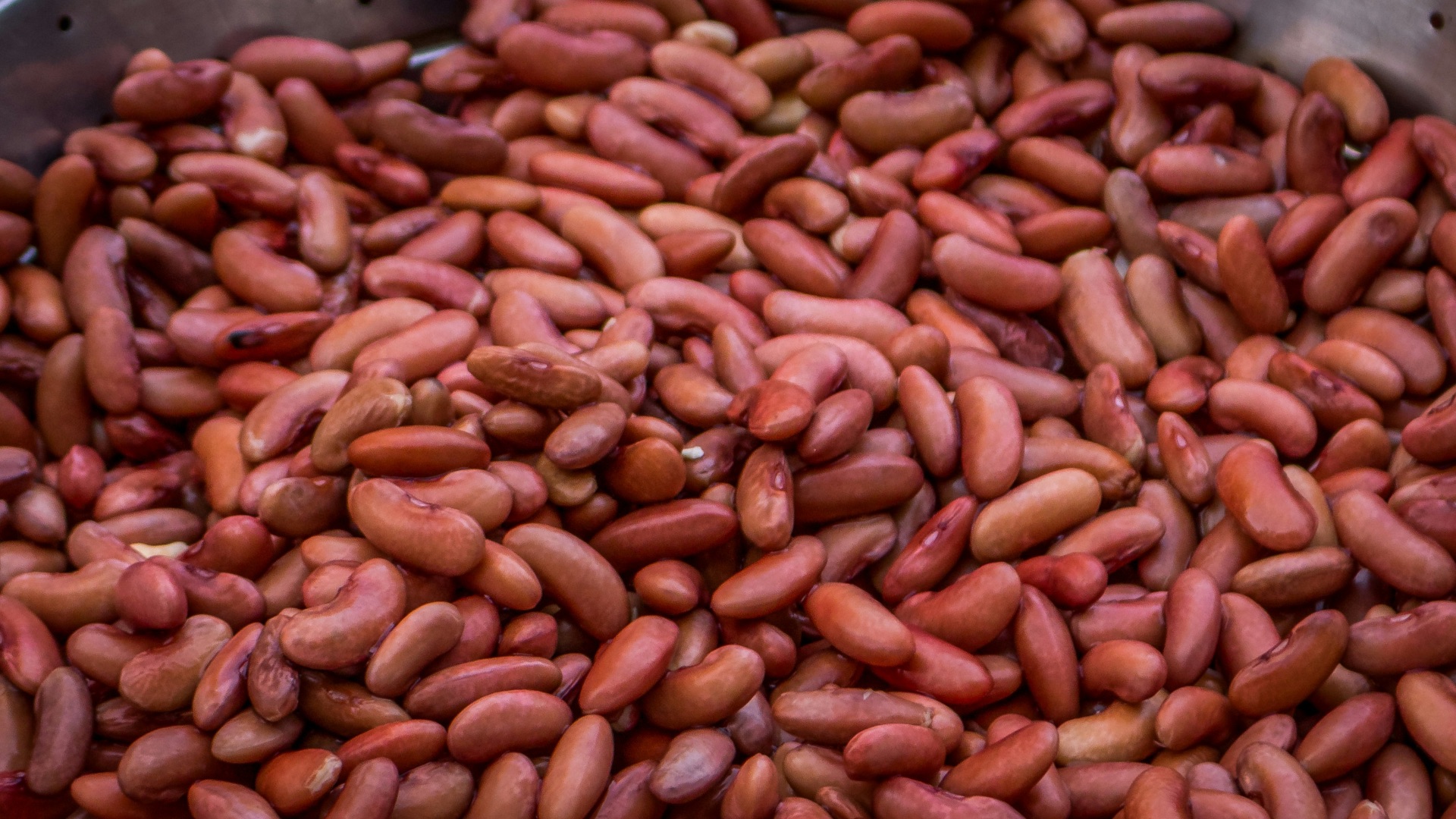
Dried red kidney beans should never be eaten raw or only partially cooked. They naturally contain a lectin called phytohaemagglutinin, which can cause severe nausea, vomiting, and stomach pain when the beans aren’t prepared correctly. Soaking and thoroughly boiling them reduces the lectin to safe levels.
4. Cassava
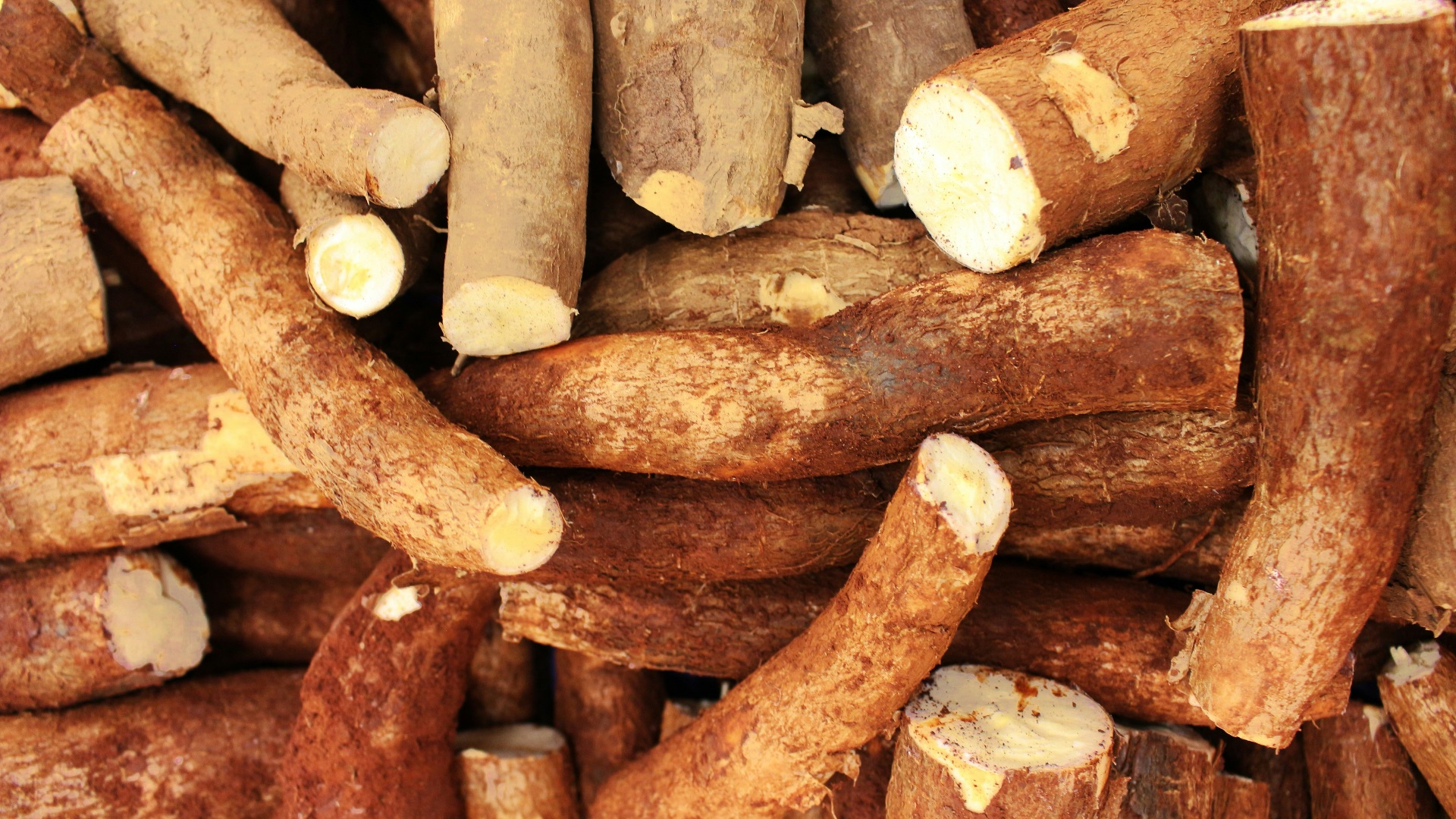
Cassava is a major staple in many parts of the world, but you can’t treat the freshly harvested root like an ordinary raw vegetable. It contains natural cyanogenic compounds, particularly in its peel and in certain varieties, that must be reduced through proper peeling, soaking, fermenting, drying, or cooking. Commercially prepared cassava products have already gone through safety steps that the whole raw root hasn’t.
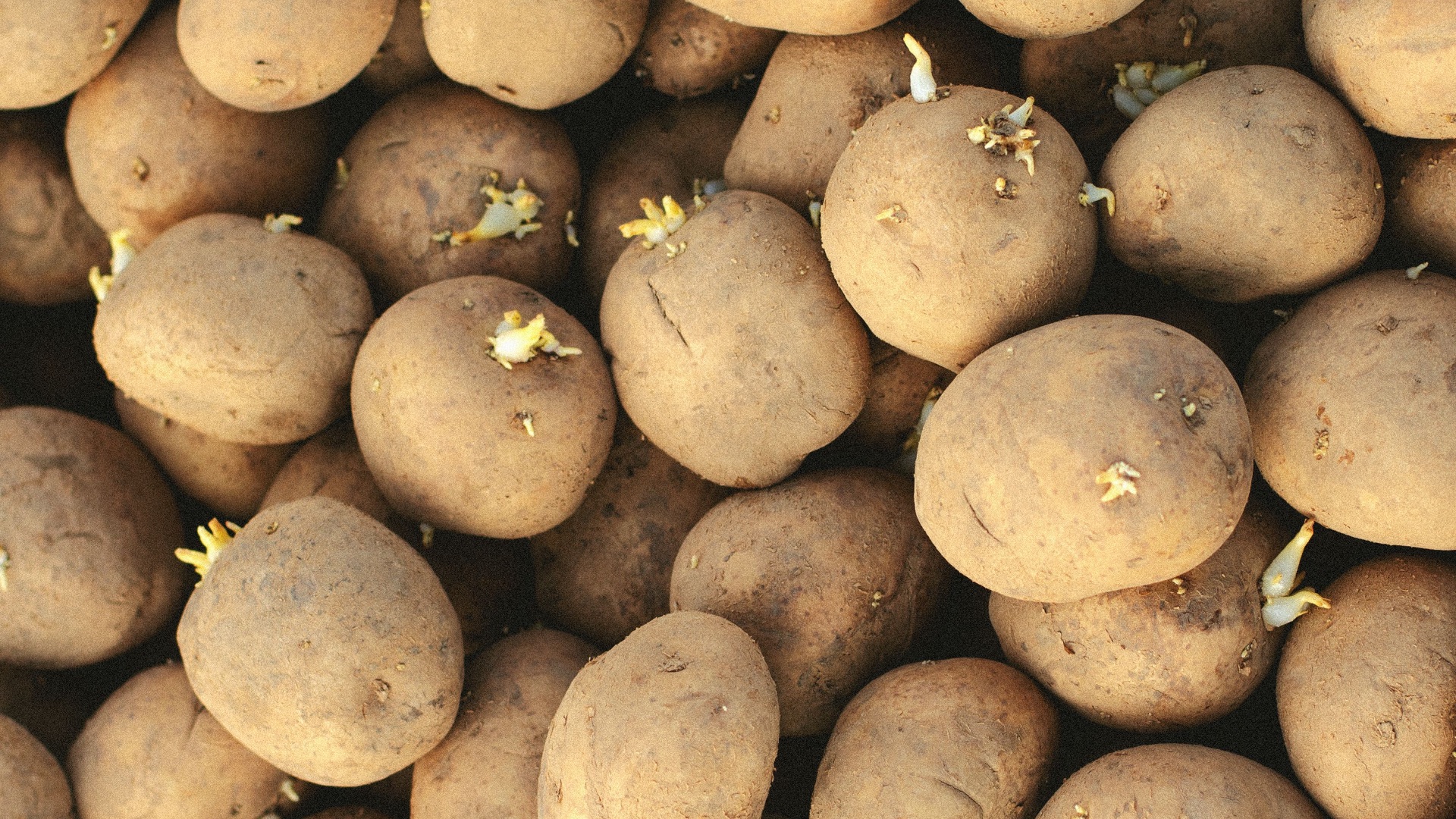
5. Green or Sprouted Potatoes
A normal potato can be eaten with its skin, but that advice changes once the surface turns green or sprouts begin to grow. These areas can contain elevated levels of the glycoalkaloids solanine and chaconine, which may cause digestive and neurological symptoms. Rather than trying to consume every part, discard severely green or heavily sprouted potatoes.
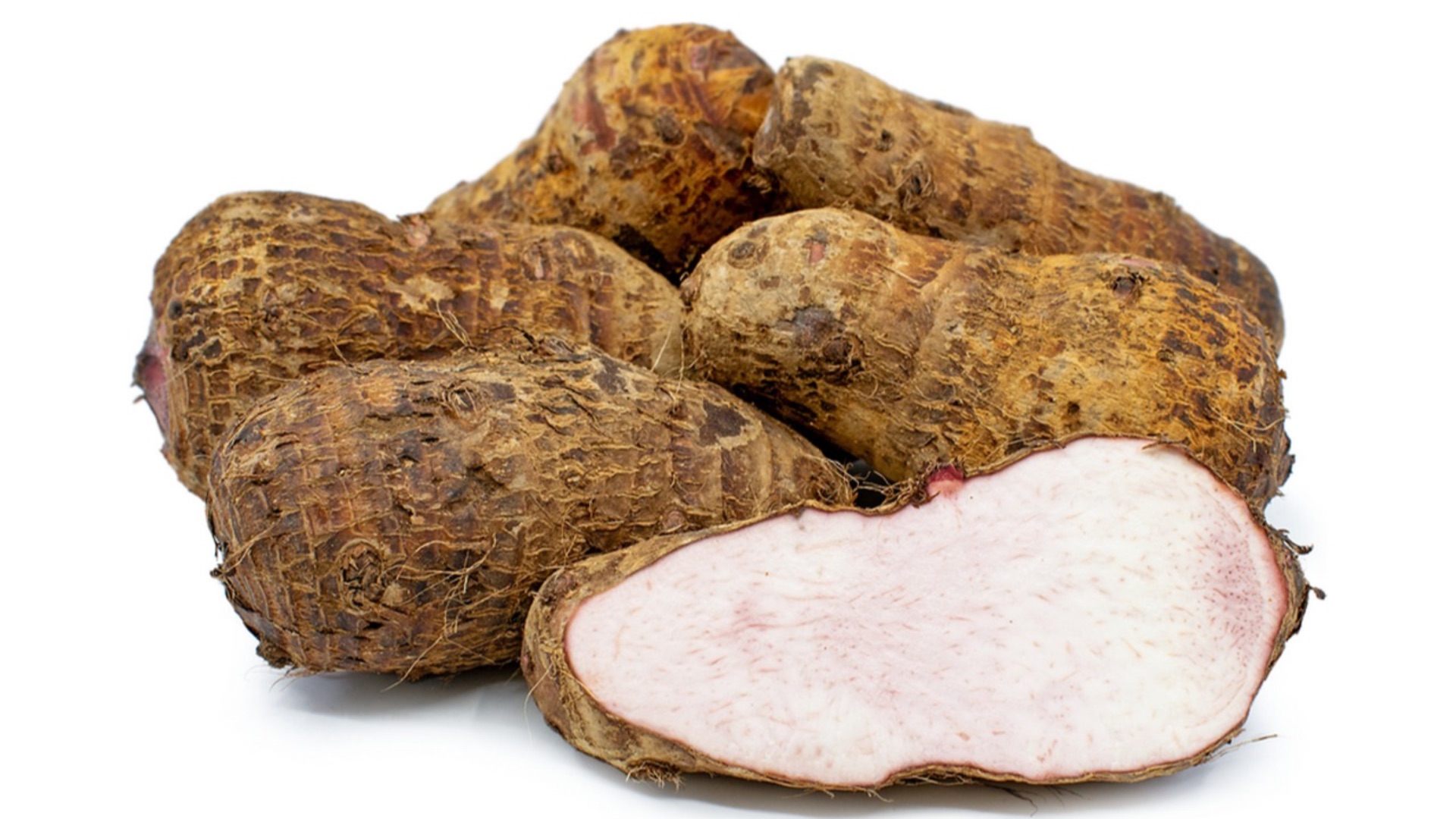
6. Taro
Taro root and leaves are used in many cuisines, yet neither should be sampled raw. The plant contains needle-shaped calcium oxalate crystals that can produce intense burning and irritation in the mouth and throat. Proper cooking breaks down enough of these irritating substances to make taro suitable for eating.
7. Bamboo Shoots
Fresh bamboo shoots need more preparation than their crisp, vegetable-like appearance suggests. Some varieties contain cyanogenic compounds that can release cyanide, so the shoots must be peeled, sliced, and thoroughly boiled before serving. Canned bamboo shoots have normally been processed already, which is why they can be used more conveniently.
 Maurits Bausenhart on Unsplash
8. Ackee
Ackee is Jamaica’s national fruit, but it must ripen and open naturally before its edible flesh can be safely prepared. Unripe ackee contains high levels of hypoglycin, a toxin associated with serious illness known as Jamaican vomiting sickness. The seeds, rind, and pink membrane are also removed, leaving only the properly ripened cream-colored arils.
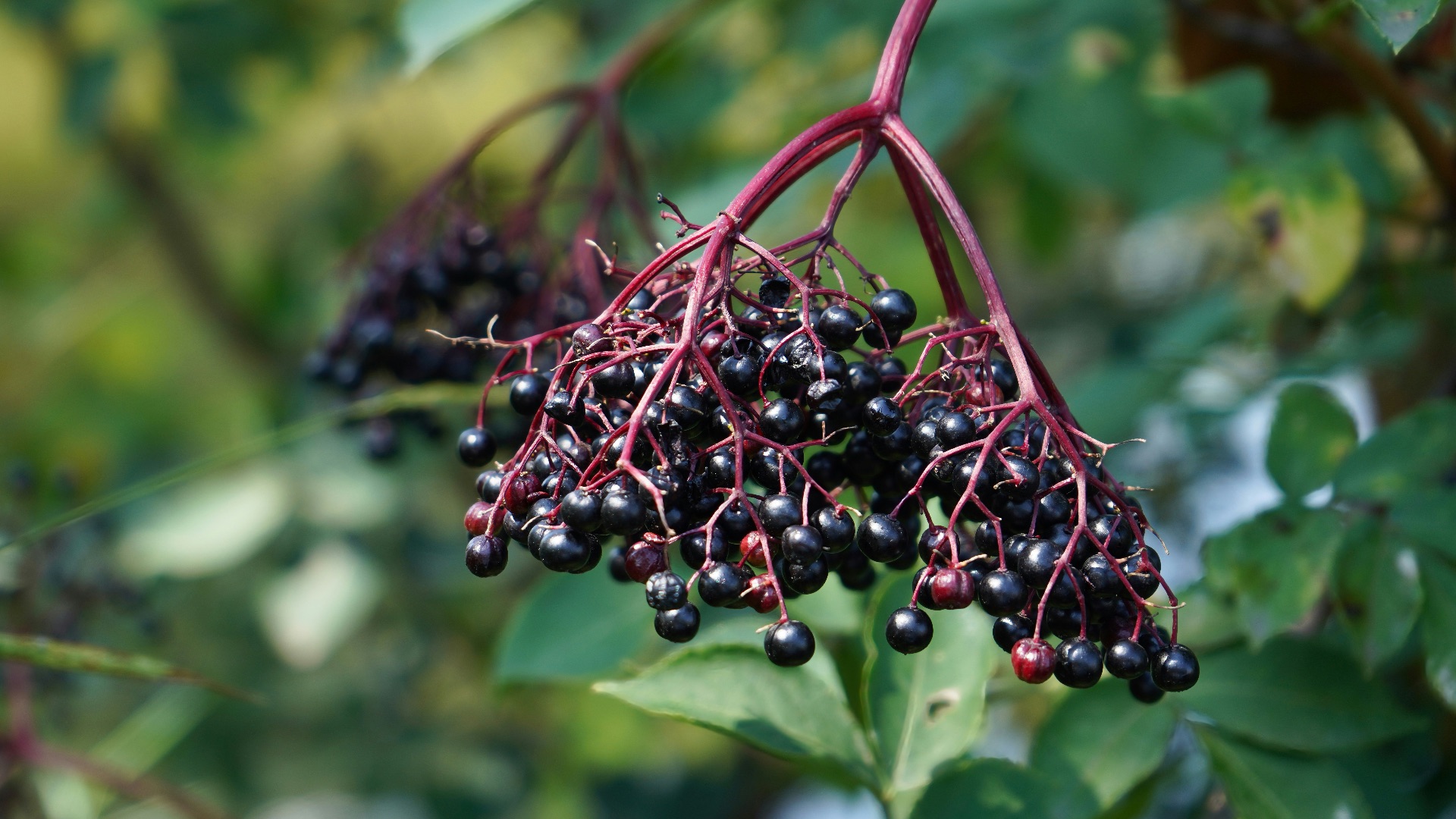
9. Elderberries
Cooked elderberries are commonly used in syrups, jams, and pies, but the fruit shouldn’t be eaten straight from the plant in its complete form. Unripe berries, stems, and leaves contain cyanogenic compounds that may cause nausea, vomiting, or diarrhea. The berries need to be separated from the plant material and cooked before they’re consumed.
10. Mangoes
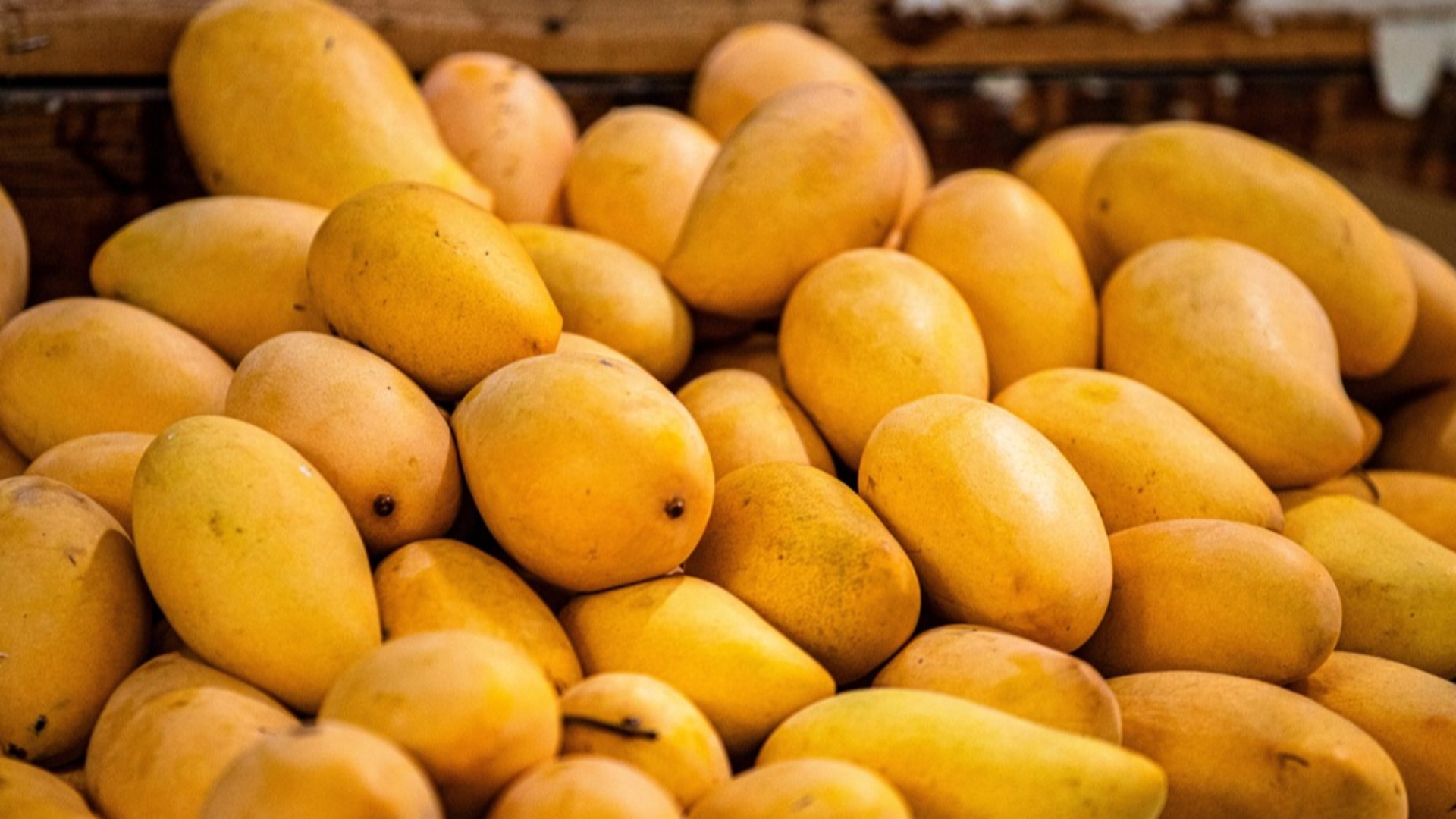
Mango flesh is easy to enjoy, but eating the fruit with the peel attached can cause trouble for sensitive individuals. The skin contains compounds related to those found in poison ivy, and contact may trigger itching, swelling, or a rash around the mouth and hands. Someone who has reacted to poison ivy or mango peel before is better off having the fruit peeled by another person.
KEEP ON READING

The 10 Best Fried Chicken Sandwiches & The 10 Worst