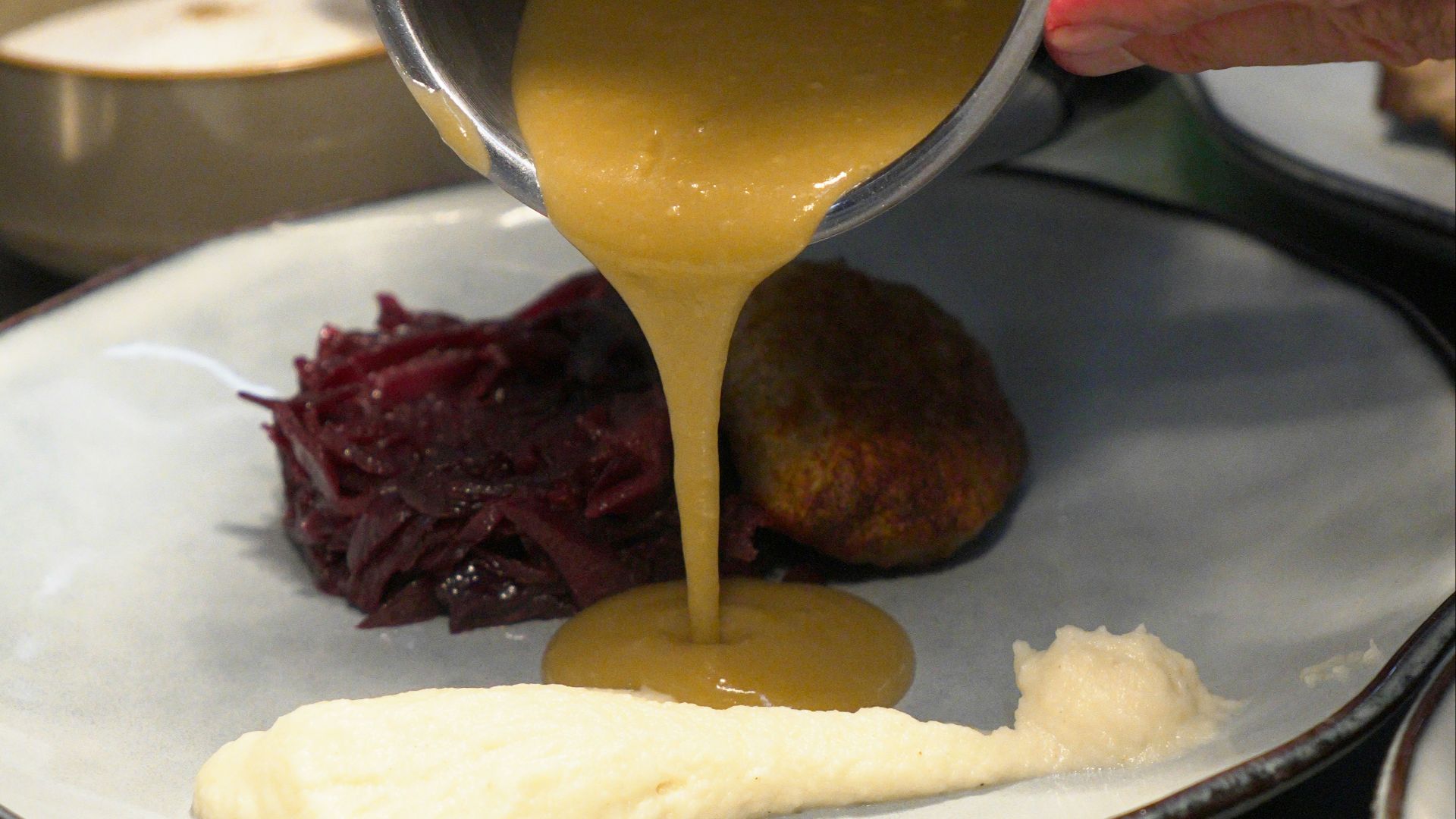
Many professional sauces taste noticeably fuller and more balanced than their homemade counterparts, even when both versions use similar basic ingredients. One reason is that chefs often add a small amount of Dijon mustard, which contributes acidity, gentle heat, saltiness, and savory depth without making every sauce taste strongly of mustard. Used carefully, it can sharpen muted flavors while helping richer ingredients feel less heavy.
Dijon mustard is also practical because it works in hot and cold preparations, from vinaigrettes and pan sauces to cream-based mixtures and glazes. You don’t need much, and the ingredient usually performs best when it supports the rest of the sauce rather than becoming its dominant flavor. Understanding what Dijon does makes it easier to use confidently instead of simply adding a spoonful and hoping for the best.
Dijon Mustard Creates More Balanced Flavor
A sauce can contain plenty of salt and fat yet still taste flat because it lacks acidity. Dijon mustard provides a controlled tang that can brighten butter, cream, cheese, and meat drippings without introducing as much liquid as lemon juice or vinegar. This makes it particularly useful when a sauce already has the right consistency but needs a clearer, livelier finish.
The mustard also contributes a mild pungency that stimulates the palate without creating the intense heat associated with chile peppers. That subtle sharpness can make roasted meat, sautéed vegetables, and rich pasta sauces taste more defined. Since Dijon is smoother and generally less sweet than many prepared yellow mustards, it blends into savory sauces without calling excessive attention to itself.
Salt is another part of Dijon’s effectiveness, although the amount varies between brands. Because mustard adds several flavor elements at once, you should taste the sauce before adding more salt, vinegar, or pepper. A teaspoon may correct multiple problems simultaneously, which is one reason chefs often reach for it during the final stages of cooking.
It Helps Ingredients Stay Smoothly Combined
Oil and water naturally resist mixing, which is why homemade vinaigrettes often separate soon after they’re shaken or whisked. Dijon mustard contains compounds that help stabilize an emulsion, allowing droplets of oil to remain dispersed through vinegar or another water-based liquid. The resulting dressing feels thicker, coats food more evenly, and doesn’t immediately divide into separate layers.
To make a basic vinaigrette, chefs commonly whisk Dijon with vinegar and seasonings before gradually adding oil. Starting with the mustard in the water-based portion helps it perform its emulsifying role more effectively. Pouring the oil slowly while whisking gives the ingredients time to combine, creating a smoother result than adding everything at once.
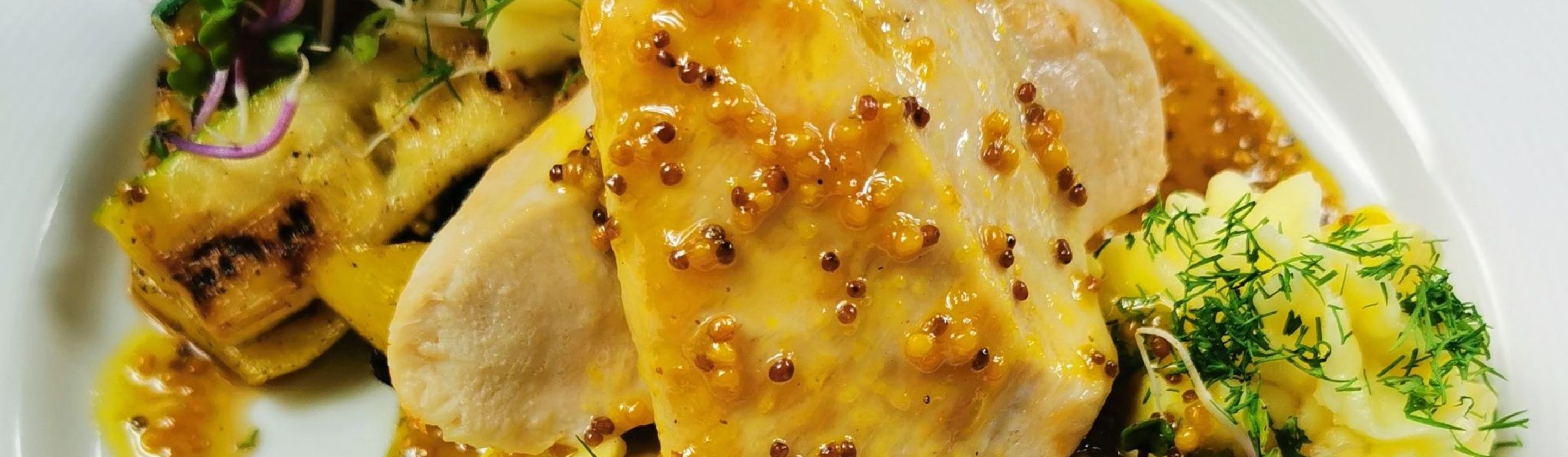
The same principle can improve pan sauces that contain both cooking juices and butter. A small amount of mustard helps the sauce hold together while adding body, which can make it cling more successfully to chicken, pork, beef, or vegetables. It won’t rescue every badly broken sauce, but it makes a stable mixture easier to achieve when the heat and proportions are properly controlled.
A Small Amount Deepens Many Sauces
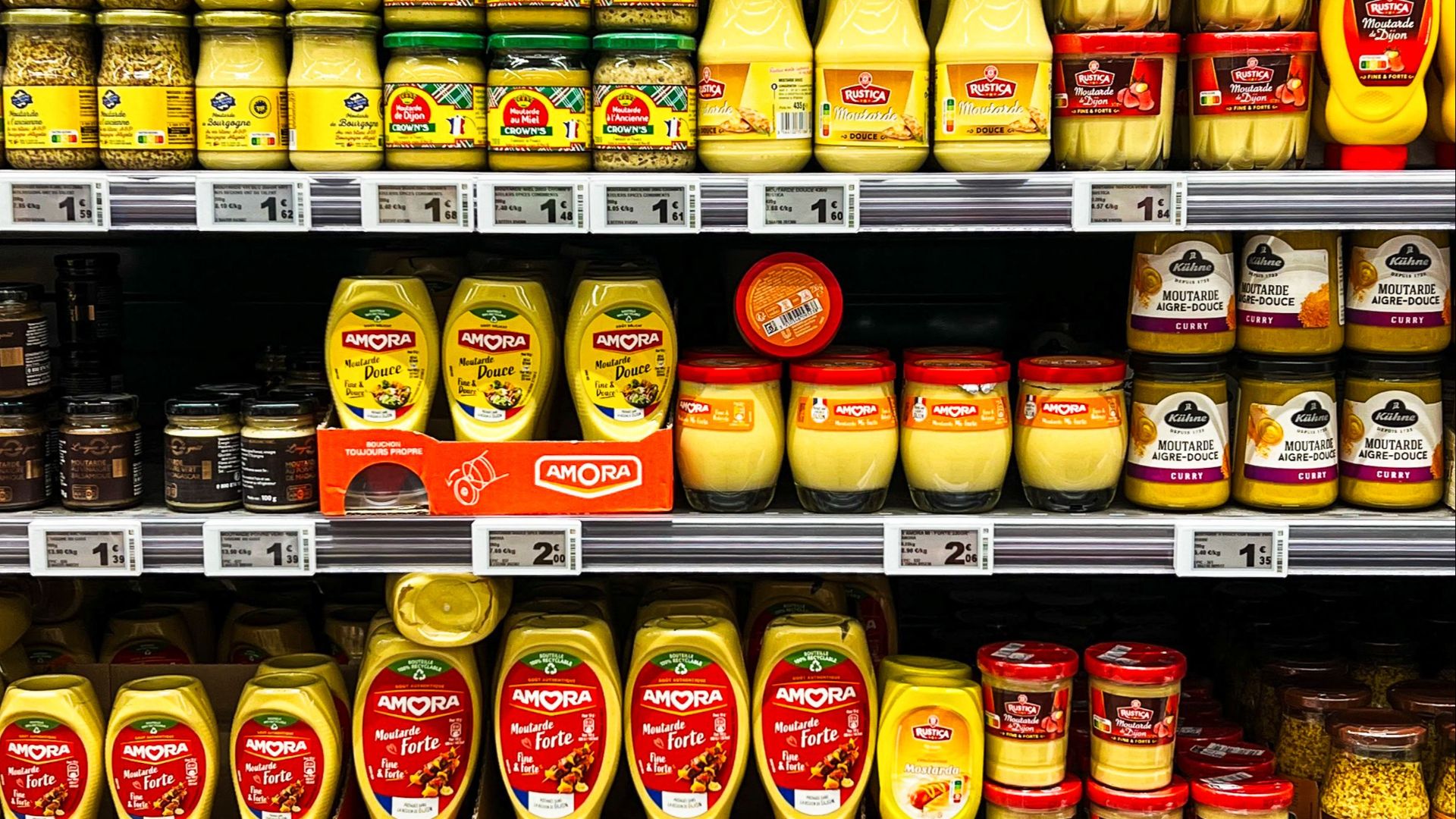
Dijon mustard works especially well in pan sauces because it complements the browned bits left behind after cooking meat. Once the pan has been deglazed with stock, wine, or another liquid, the mustard can be whisked in as the sauce reduces. Its acidity cuts through the richness of the drippings while its savory character reinforces the roasted flavors already present.
Cream sauces can also benefit, although restraint becomes particularly important. Too much mustard may overpower delicate ingredients, but a small spoonful can prevent cream from tasting bland or excessively heavy. It pairs naturally with mushrooms, chicken, ham, leeks, and several cheeses, making it useful in both elegant dishes and practical weeknight meals.
Cold sauces offer even more opportunities because Dijon combines easily with mayonnaise, yogurt, sour cream, herbs, honey, and citrus. It can give sandwich spreads, dipping sauces, potato salads, and slaws greater complexity without requiring a long ingredient list. Even a sweet glaze can benefit from mustard because its acidity and heat keep ingredients such as honey or maple syrup from becoming cloying.
The most useful lesson isn’t that every sauce needs to taste like mustard, but that a small amount of Dijon can solve several problems at once. It brightens rich ingredients, adds savory depth, supports emulsification, and creates a smoother sense of balance when used with restraint. Start with half a teaspoon, taste carefully, and add more only as needed, because the best use of this ingredient is often the one your guests can’t immediately identify.
KEEP ON READING