Flexibility vs. Fundamentals: Knowing What Actually Matters in the Kitchen
Cooking is often filled with “rules,” but not all of them deserve to be followed strictly. Some guidelines exist to ensure safety and consistency, while others are more about tradition than necessity. When you understand which is which, you gain more confidence to experiment without compromising results. Knowing when to bend the rules and when to respect them can make a noticeable difference in how your food turns out. Here are 10 cooking rules you can break and 10 you really shouldn't.

1. Always Follow Recipes Exactly
Recipes are helpful guides, but they aren’t strict laws. You can adjust seasoning, swap ingredients, or tweak quantities based on your preferences. This flexibility allows you to make dishes feel more personal. Over time, you’ll develop a better sense of what works for you.
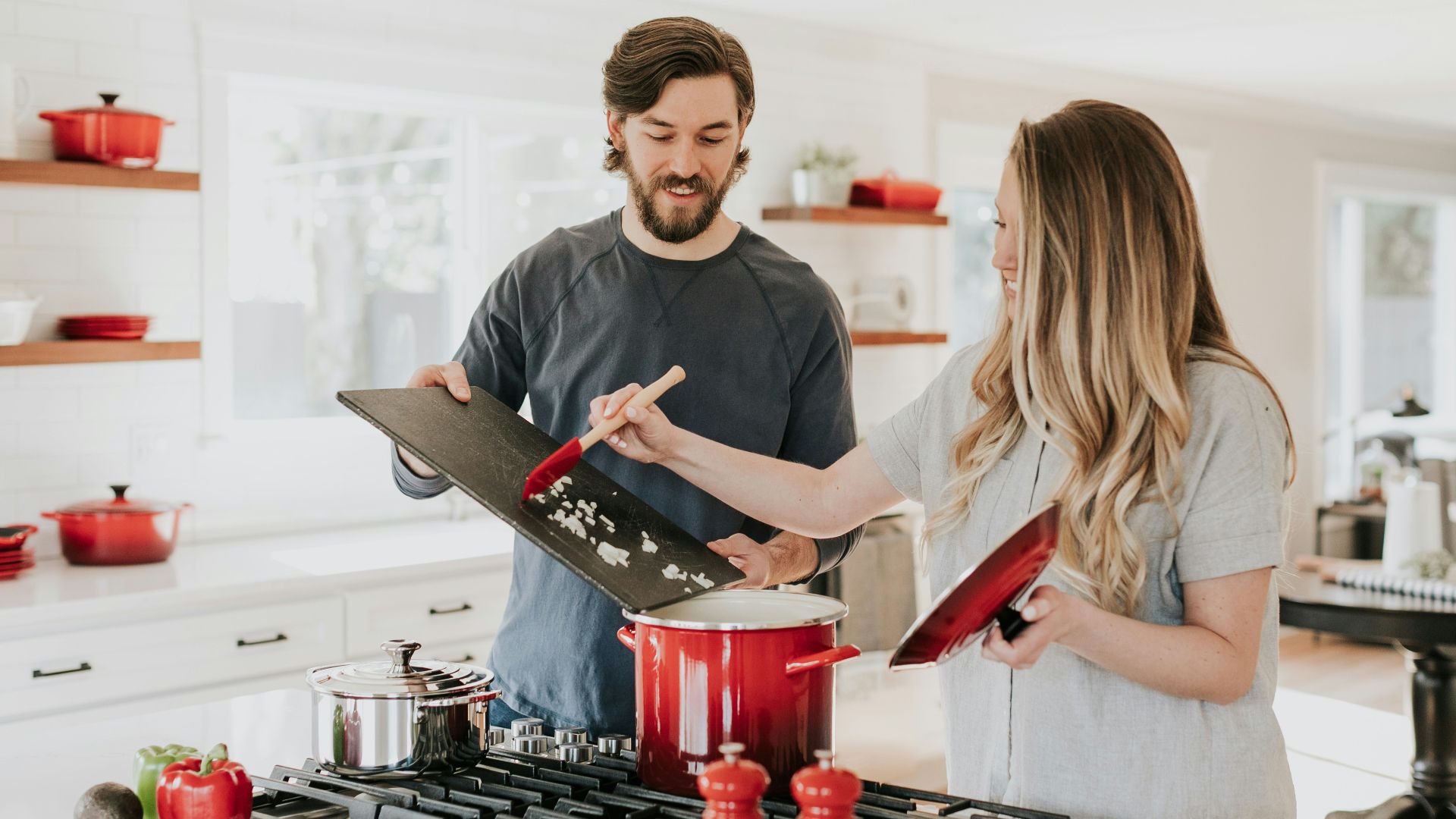
2. Meat Must Always Be Flipped Once
The idea that you should only flip meat once is outdated. Turning it multiple times can actually help it cook more evenly. It reduces the risk of burning one side while the other catches up. What matters more is achieving the right internal temperature.
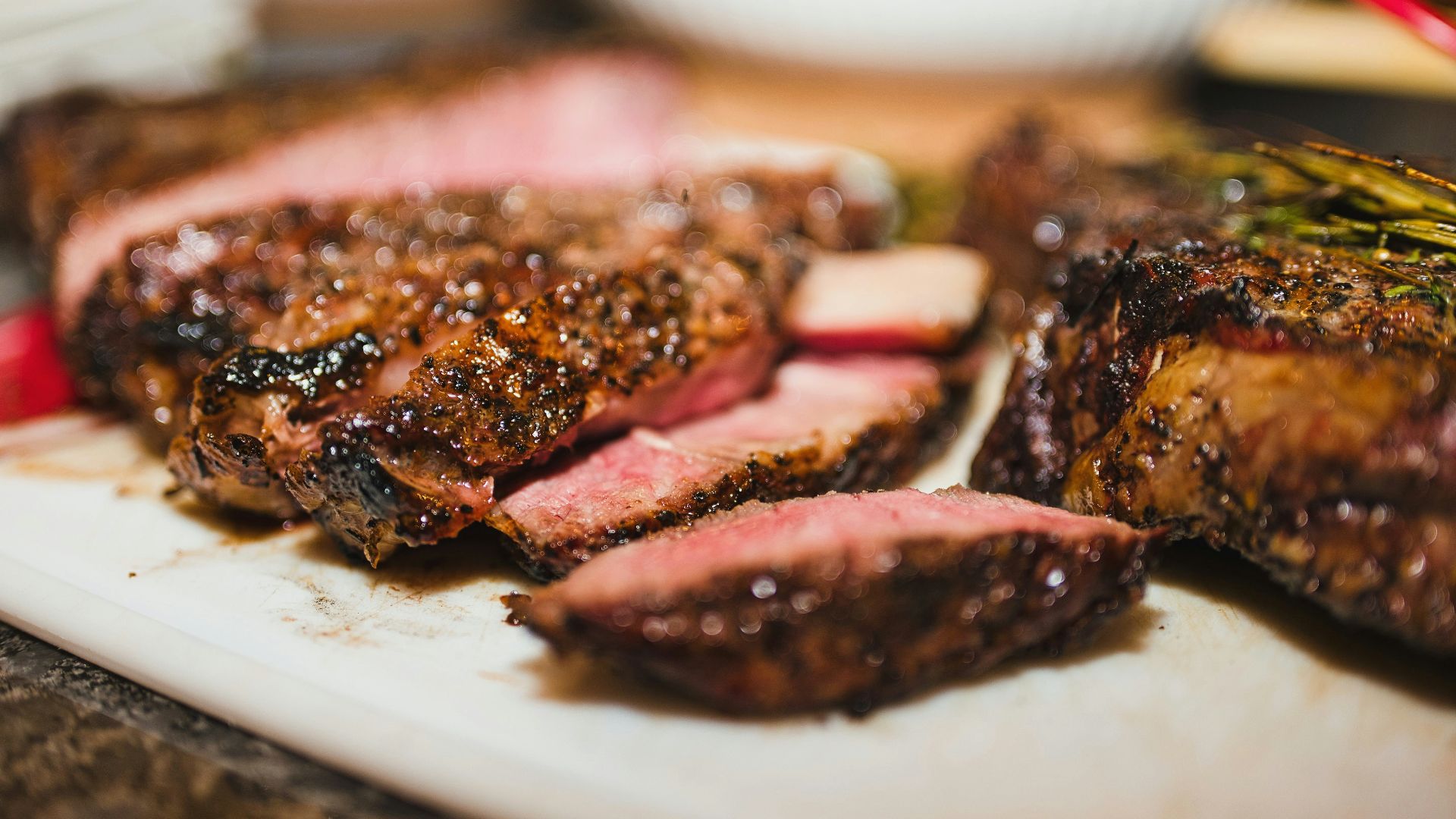
3. Searing “Locks In” Juices
Searing creates flavor through browning, not by sealing moisture inside. Studies have shown that it doesn’t prevent juices from escaping. However, it still plays an important role in developing texture and taste. You can focus on technique rather than myths.
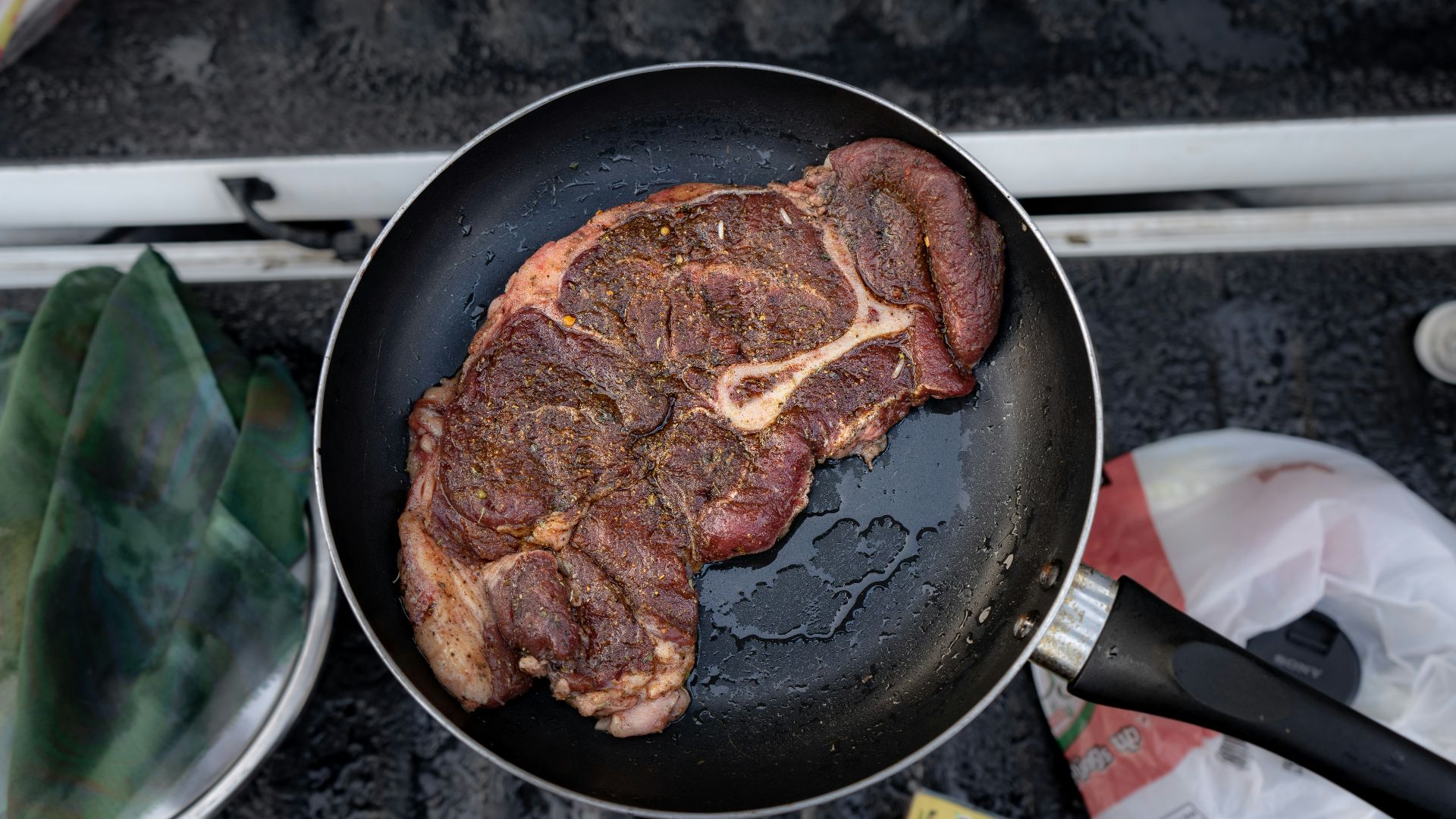
4. You Must Use Fresh Herbs Only
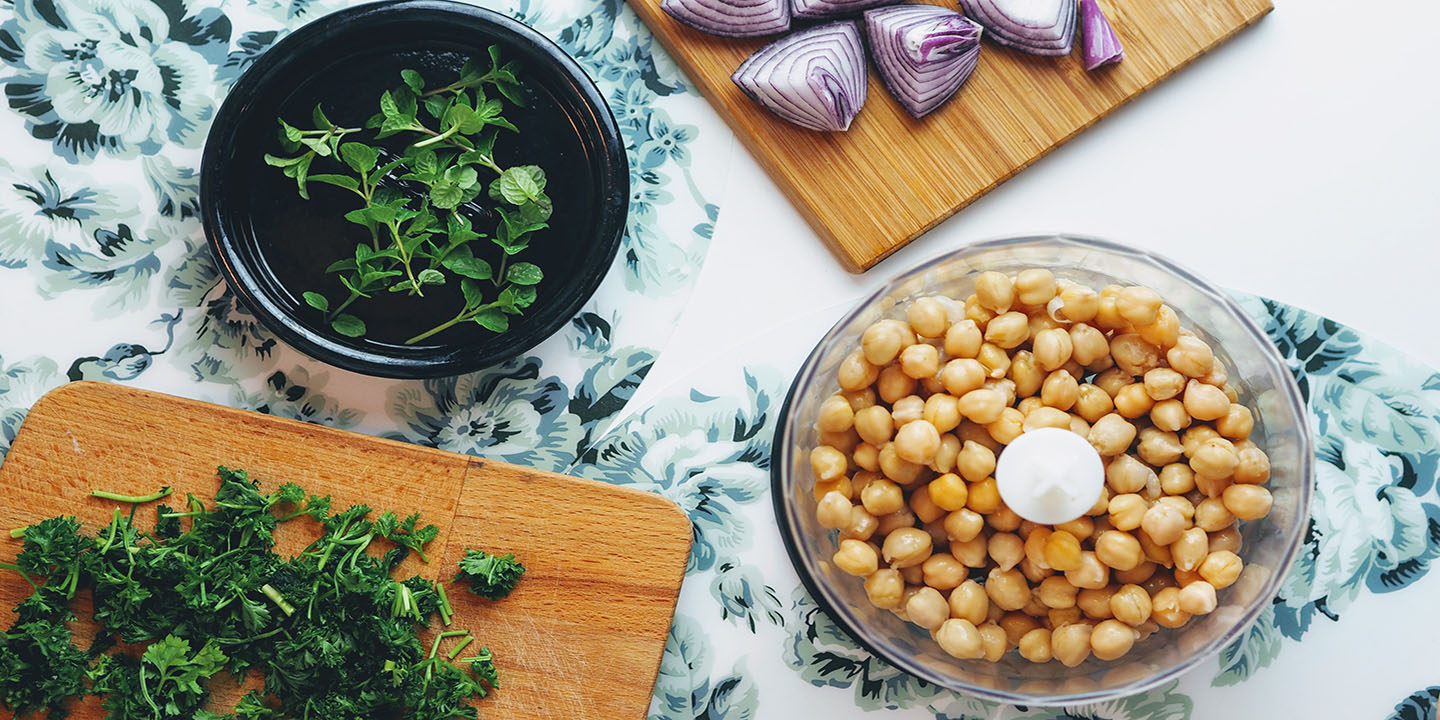
Fresh herbs are great, but dried ones can work just as well in many dishes. They often have a more concentrated flavor and longer shelf life. In slow-cooked meals, dried herbs can even perform better. The key is knowing how to adjust quantities.
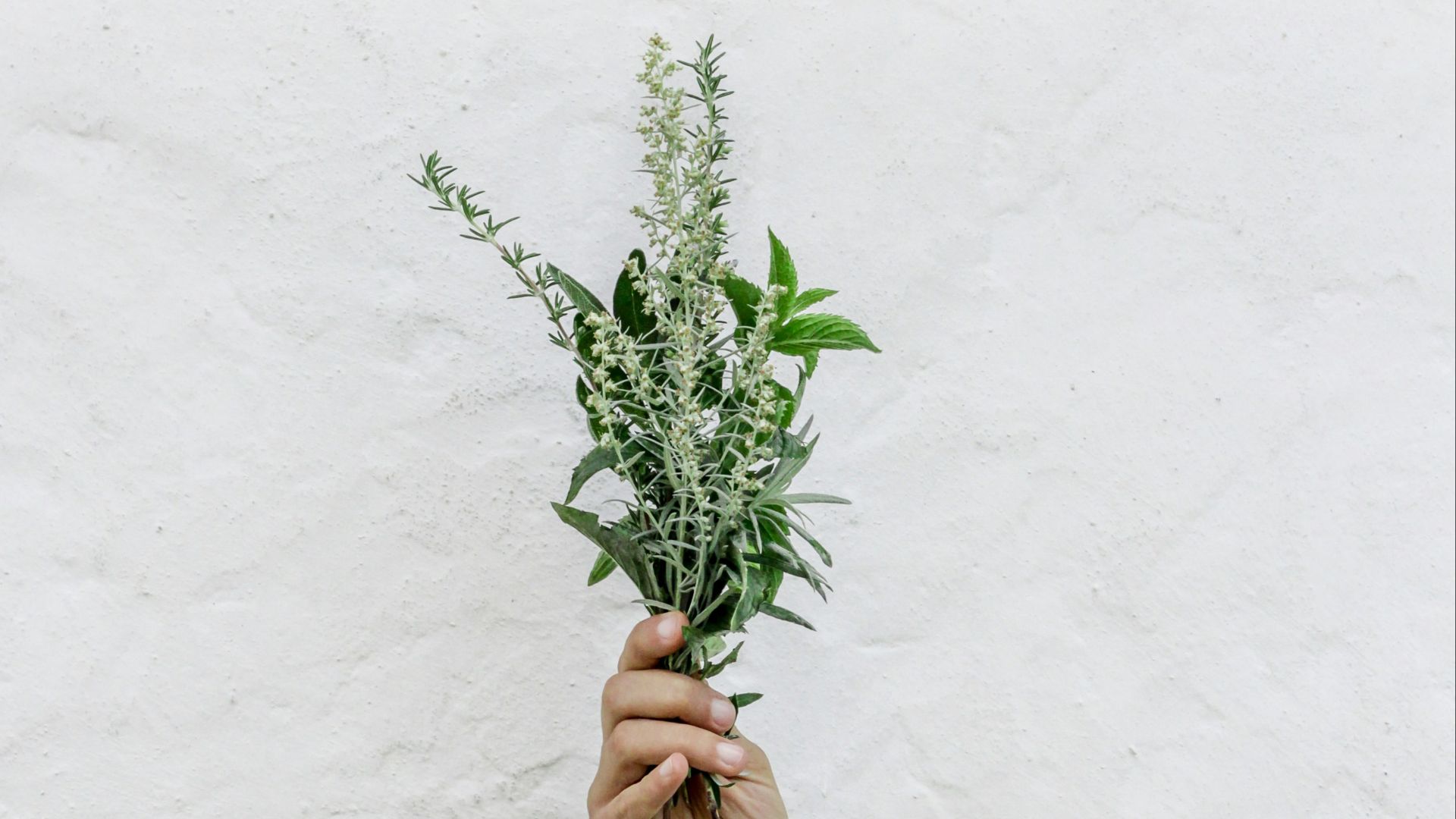
5. Pasta Water Needs Oil
Adding oil to pasta water doesn’t prevent sticking as much as people think. Stirring the pasta during cooking is far more effective. Oil can also make it harder for the sauce to cling later. You’re better off skipping it entirely.
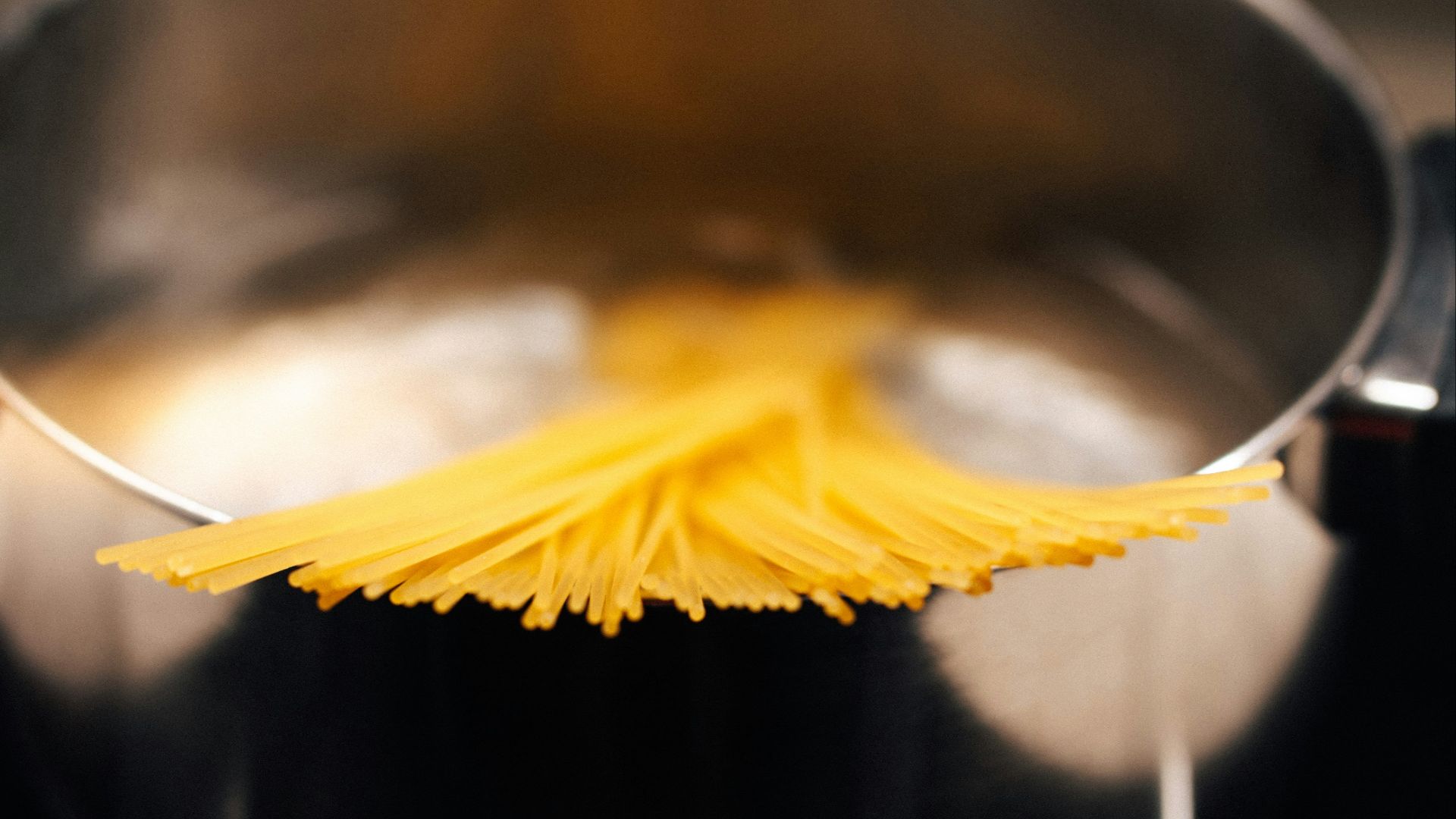
6. You Shouldn’t Wash Mushrooms
Mushrooms can absorb water, but a quick rinse won’t ruin them. Just avoid soaking them for long periods. Patting them dry afterward keeps their texture intact. This makes cleaning them easier without sacrificing quality.
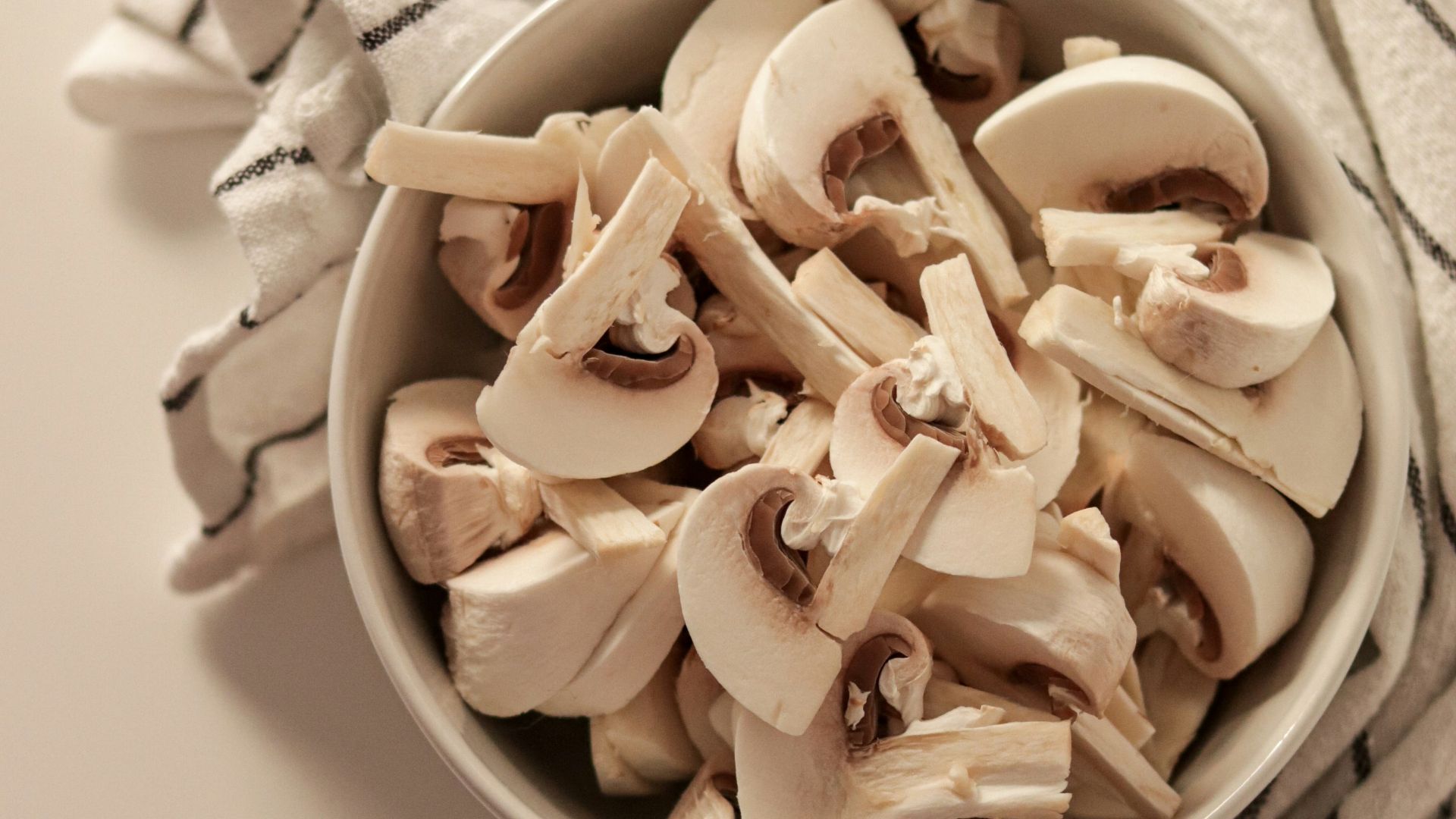
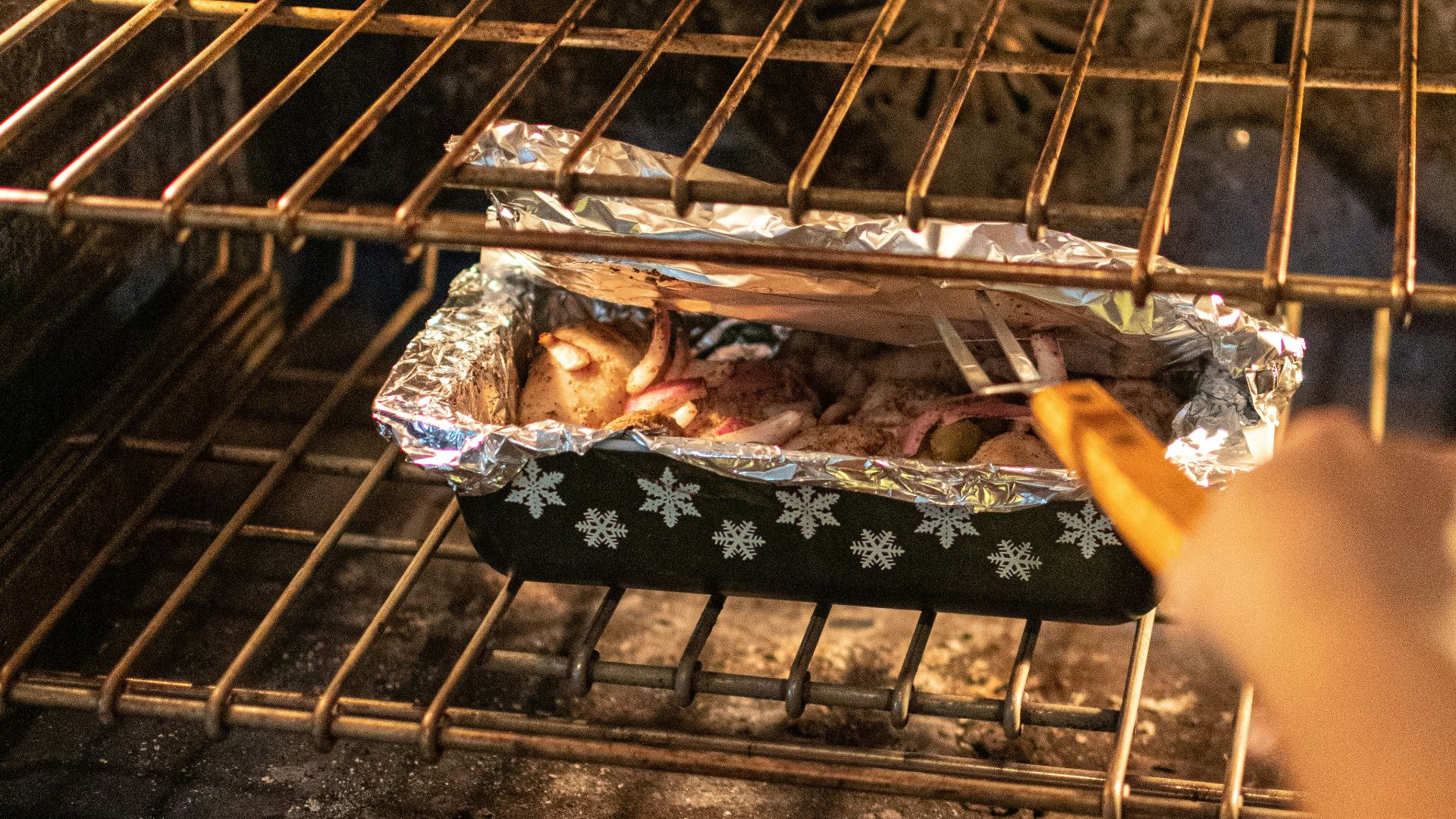
7. You Must Preheat Everything Fully
While preheating is important for many dishes, it’s not always necessary to wait for perfect conditions. Some foods can go into a slightly warming oven or pan without issue. This can even improve certain textures. The key is understanding the recipe’s needs.
8. Only Use High-End Equipment
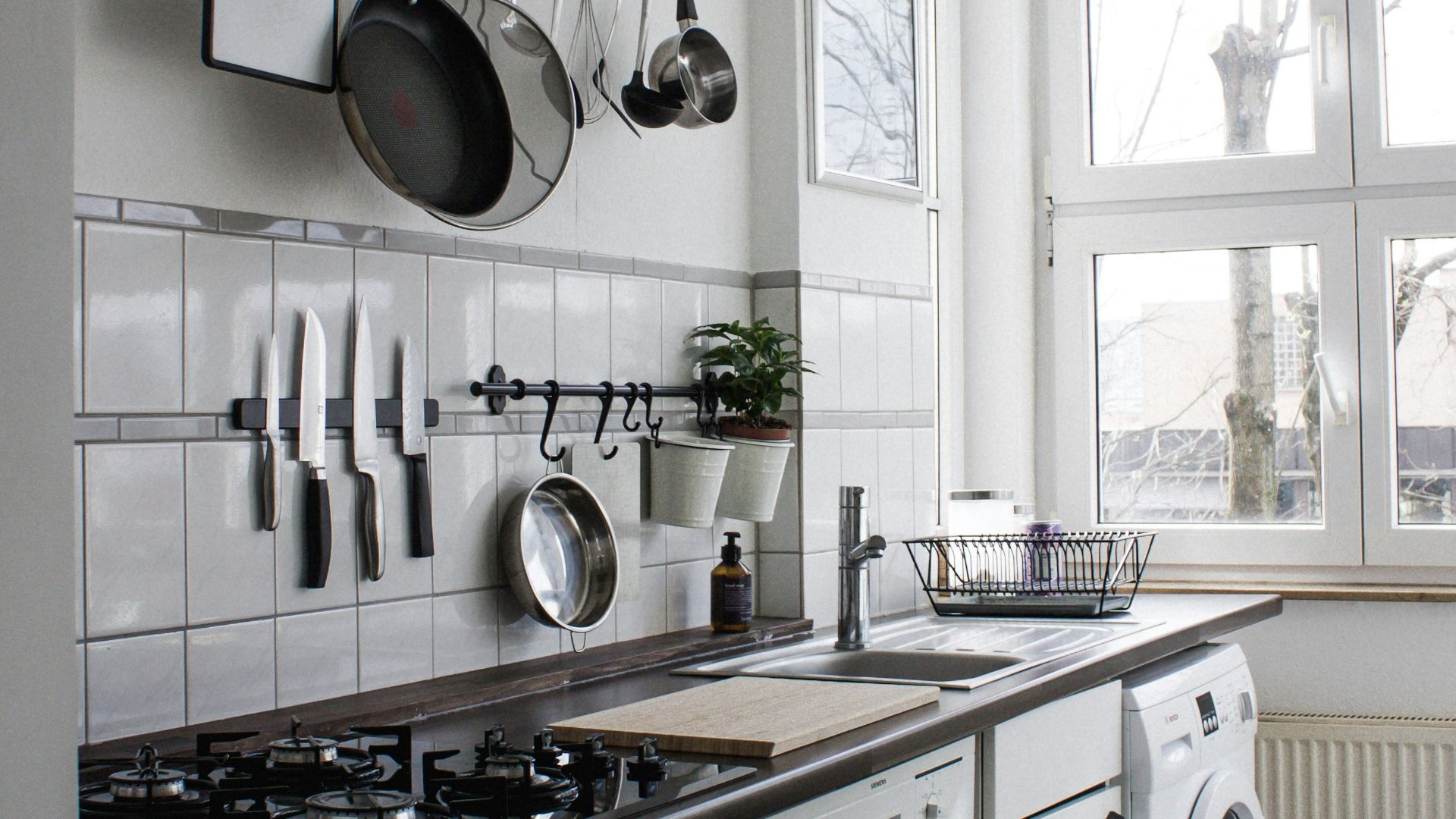
Expensive tools can be helpful, but they aren’t required for good cooking. Basic equipment can produce excellent results when used properly. Skill and technique matter more than price. You can create great meals without investing heavily.
9. Baking Is Always Precise
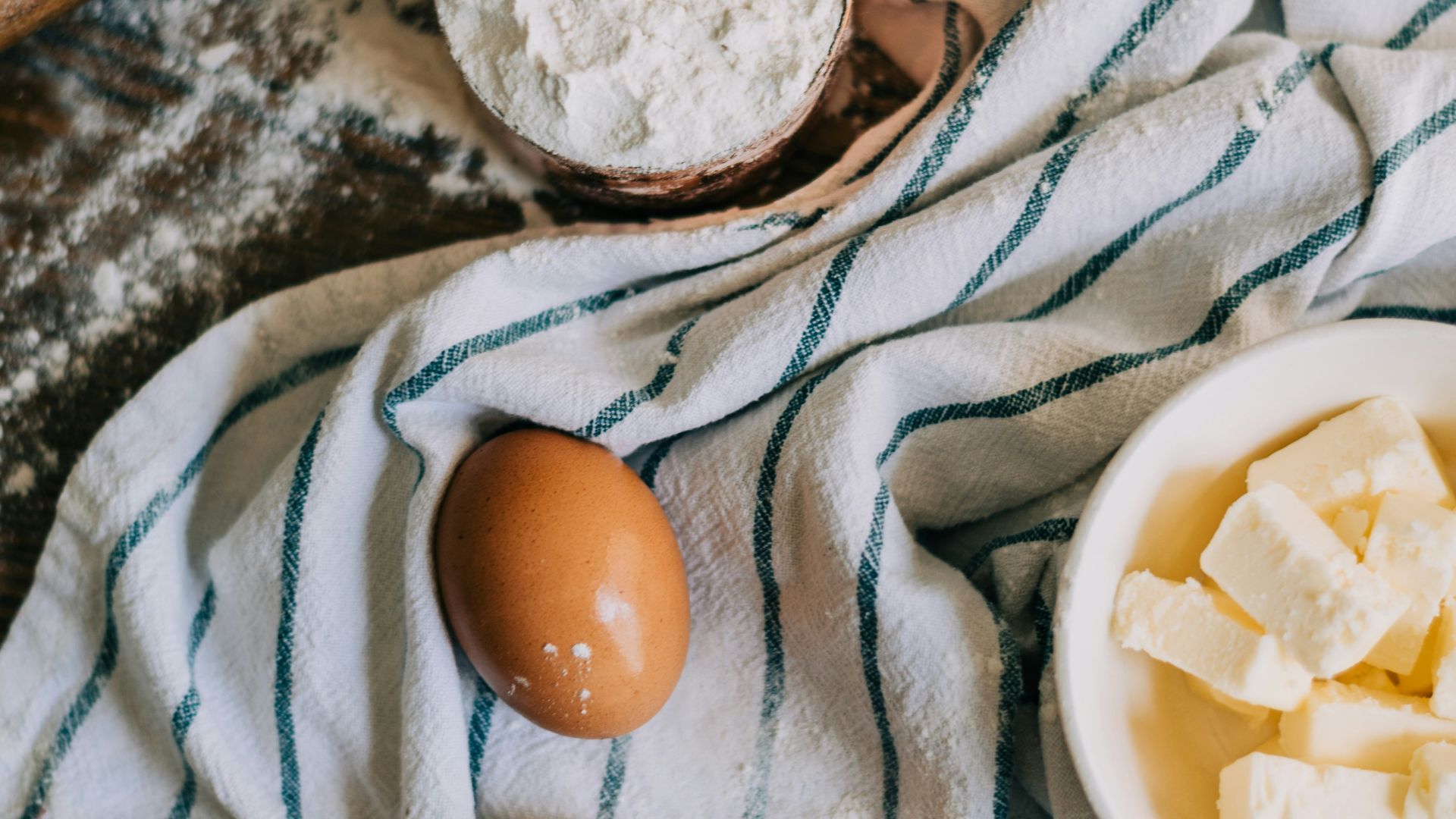
Baking does require accuracy, but there’s still room for small adjustments. Factors like humidity and ingredient variations can affect outcomes. Learning to adapt is part of improving your skills. It’s not as rigid as it’s often portrayed.
10. You Can’t Substitute Ingredients
Ingredient substitutions are often possible with a bit of knowledge. Many items serve similar functions in recipes. For example, yogurt can replace sour cream in certain dishes. Understanding these swaps makes cooking more flexible.
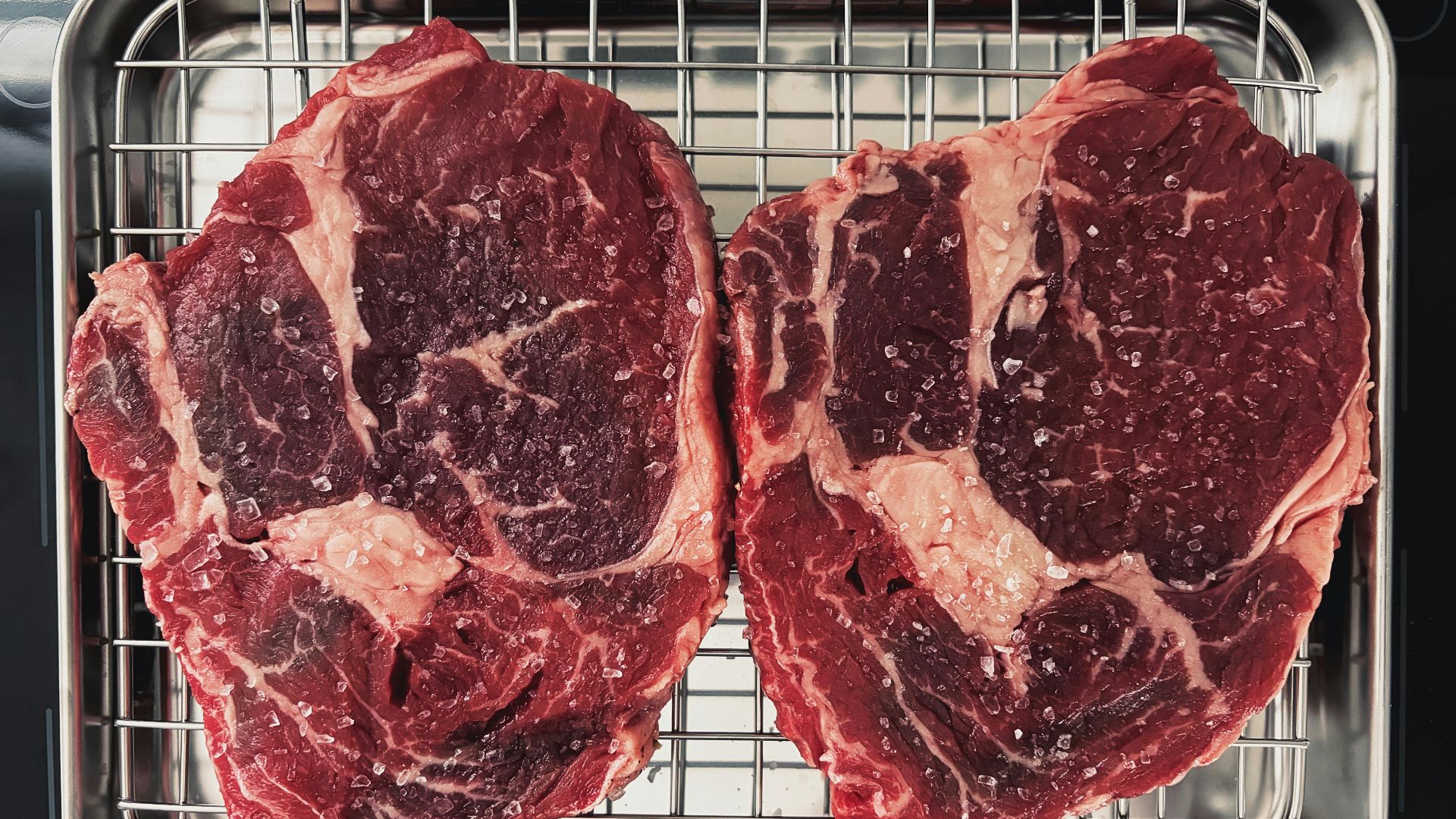
1. Don’t Undercook Meat for Safety
Proper cooking temperatures are essential to prevent foodborne illness. Undercooked meat can carry harmful bacteria such as Salmonella or E. coli. Using a food thermometer helps ensure safety. This is one rule that should always be followed.
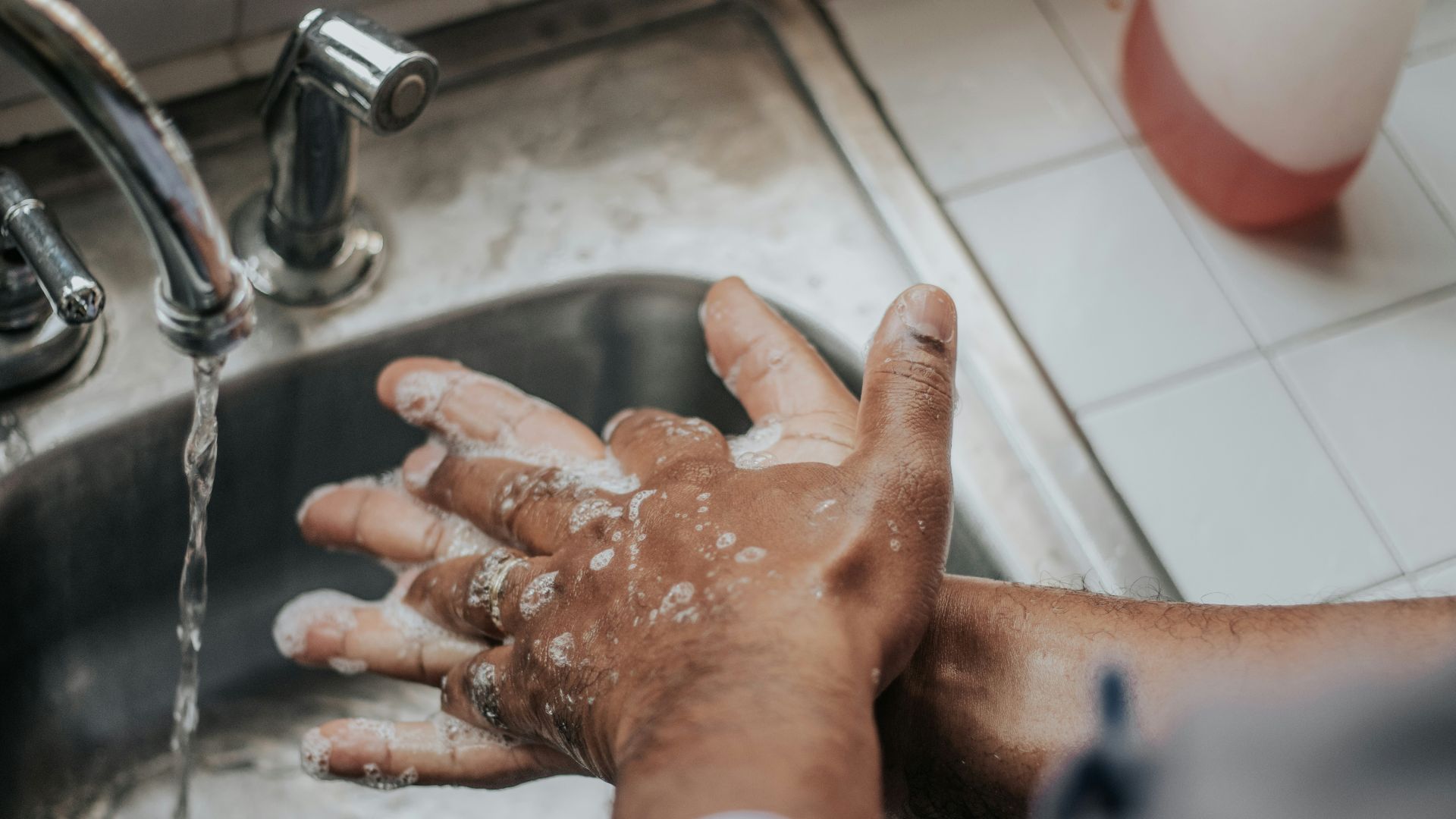
2. Wash Hands and Surfaces Regularly
Food safety depends heavily on cleanliness. Cross-contamination can happen quickly if surfaces aren’t cleaned properly. Washing hands before and after handling food is critical. This simple habit protects your health.
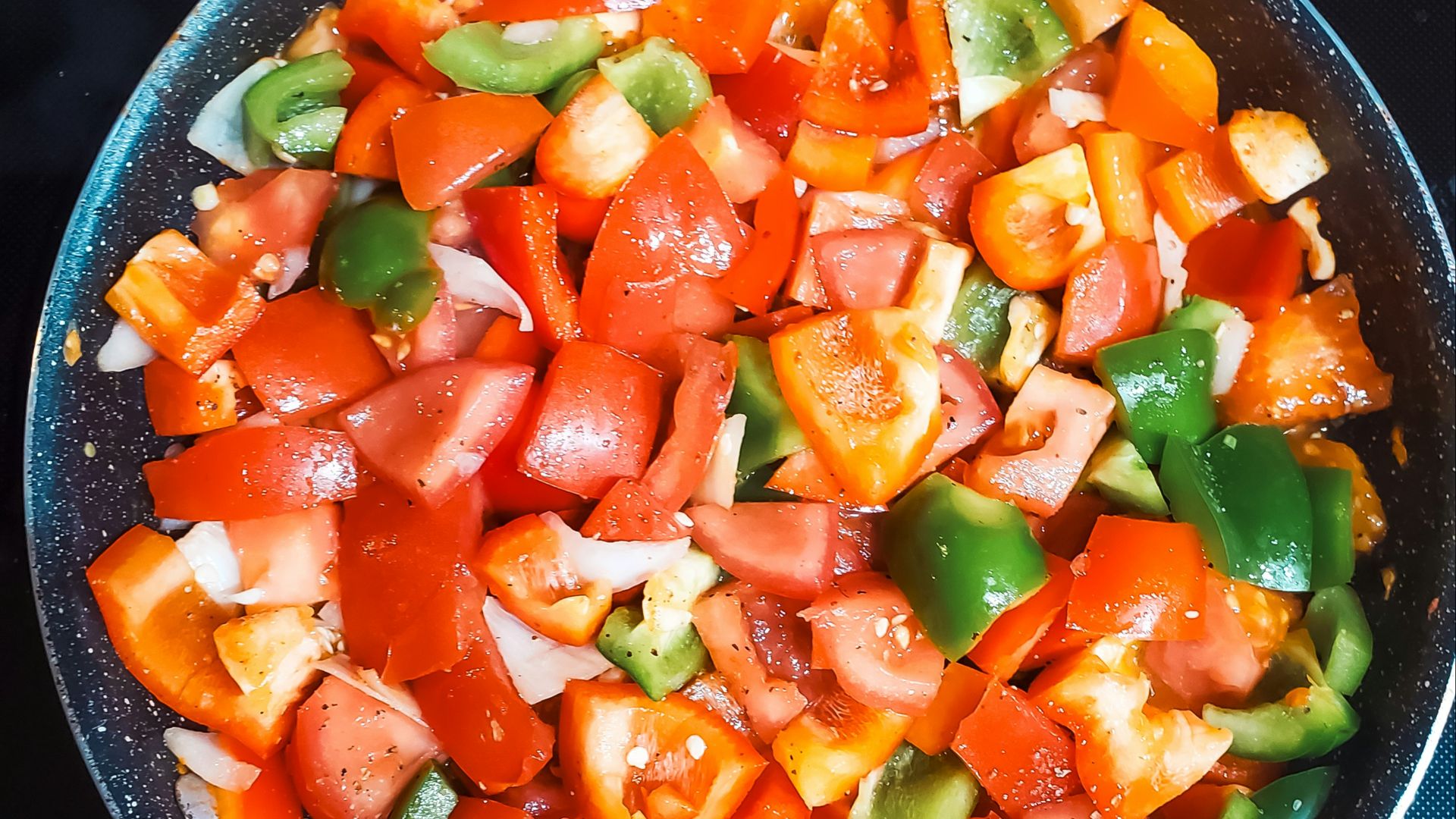
3. Don’t Overcrowd the Pan
Placing too much food in a pan lowers the temperature and prevents proper browning. This leads to steaming instead of searing. Cooking in batches produces better texture and flavor. It’s worth the extra time.
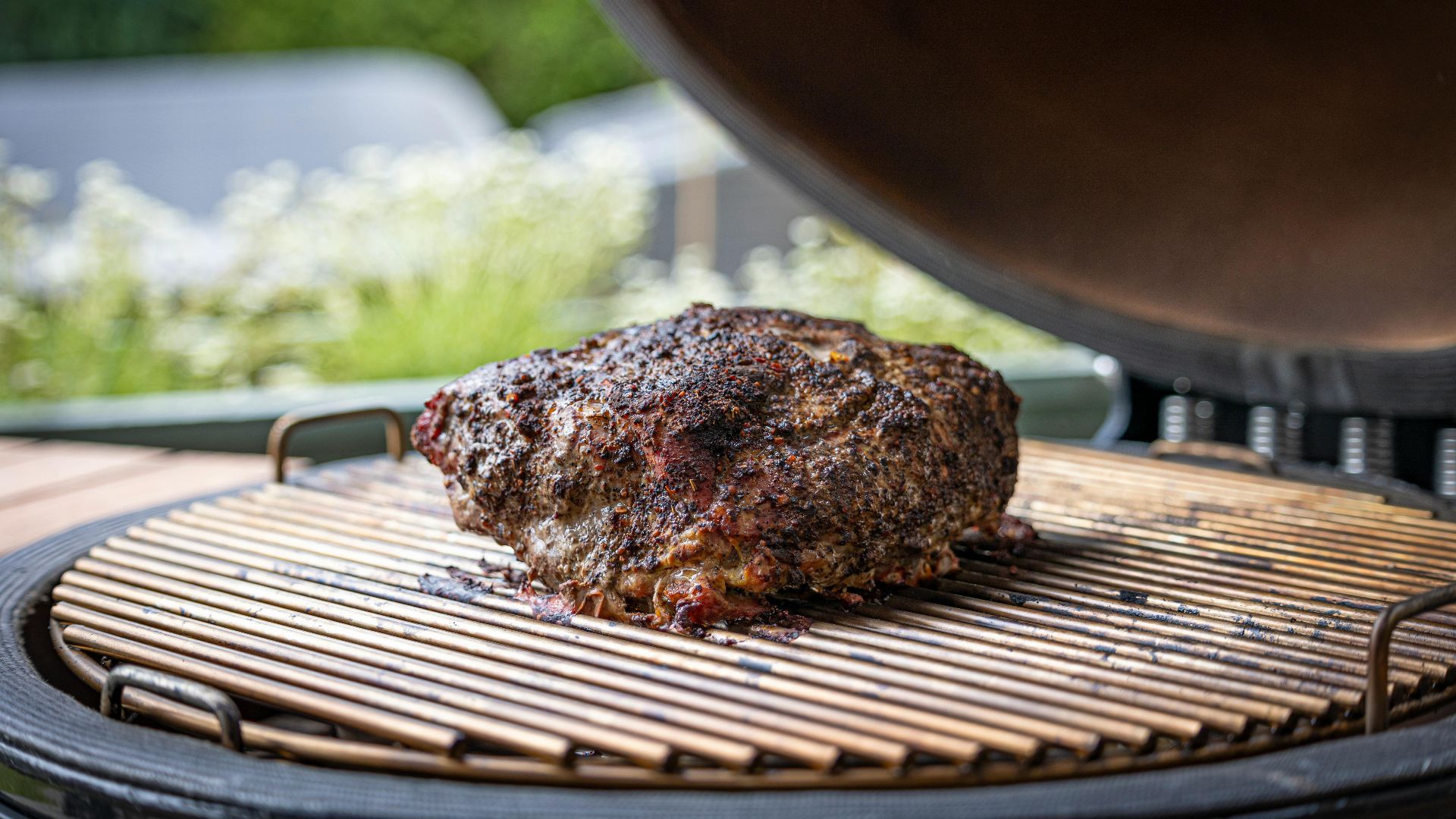
4. Let Meat Rest After Cooking
Resting allows juices to redistribute throughout the meat. Cutting too soon causes moisture to escape, resulting in a drier texture. Giving it a few minutes improves the outcome.
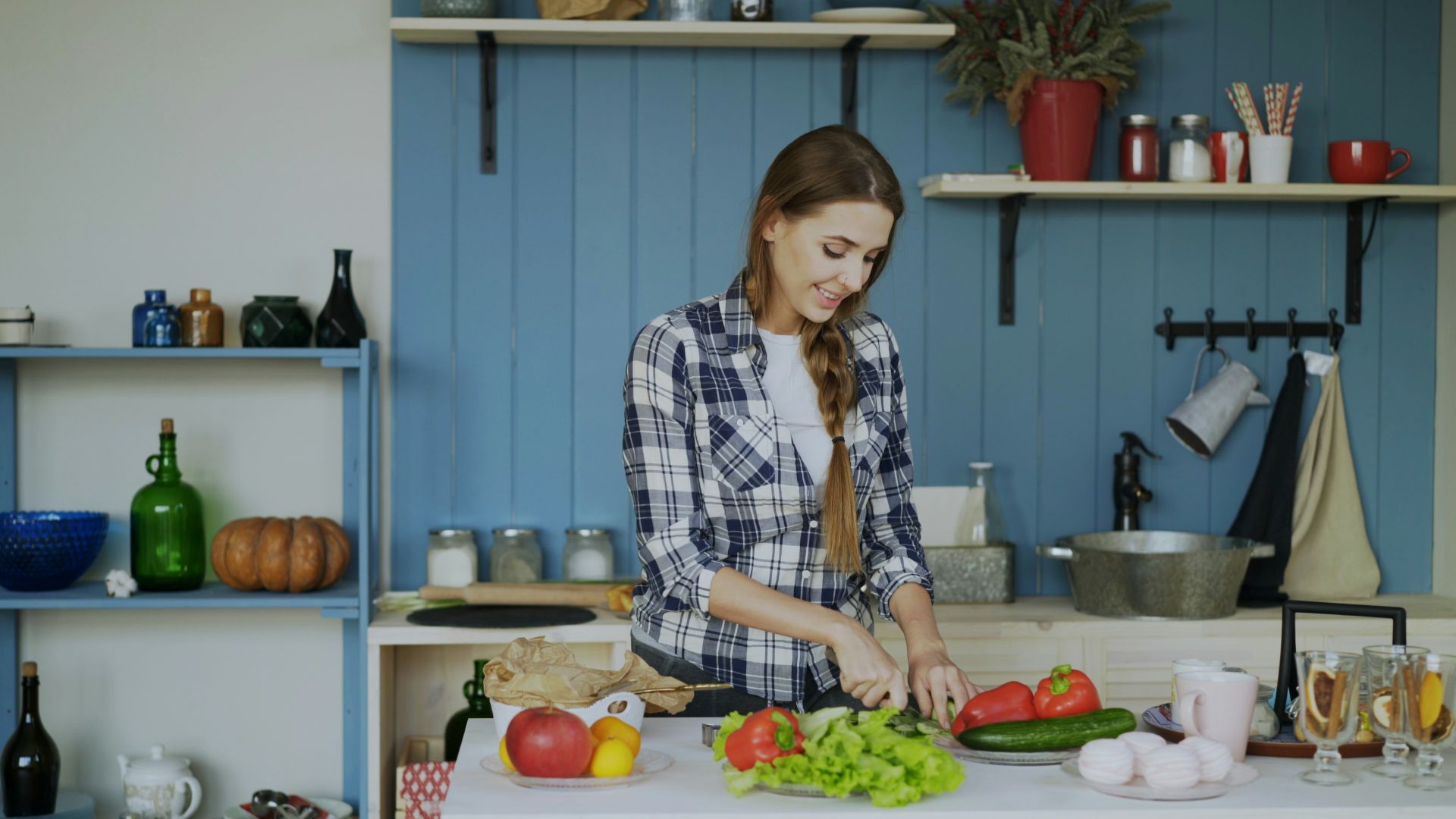
5. Use the Right Knife Technique
Proper knife handling reduces the risk of injury. It also improves efficiency and consistency when cutting ingredients. Keeping knives sharp is part of this process, and afety and precision go hand in hand.
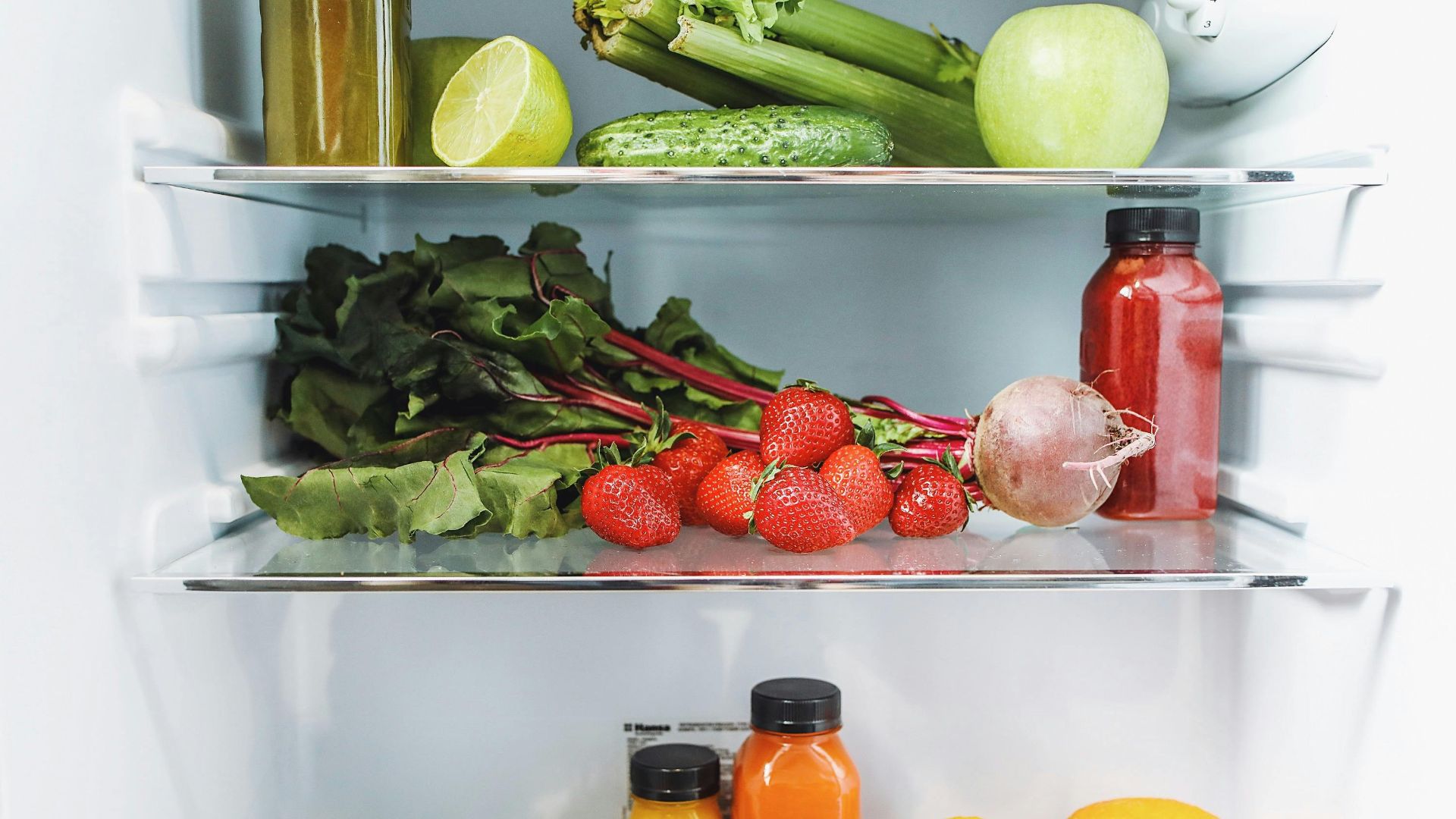
6. Store Food at Safe Temperatures
Perishable foods should be kept out of the “danger zone” between 40°F and 140°F. Bacteria grow rapidly within this range. Refrigeration slows this process significantly. Proper storage is essential for food safety.
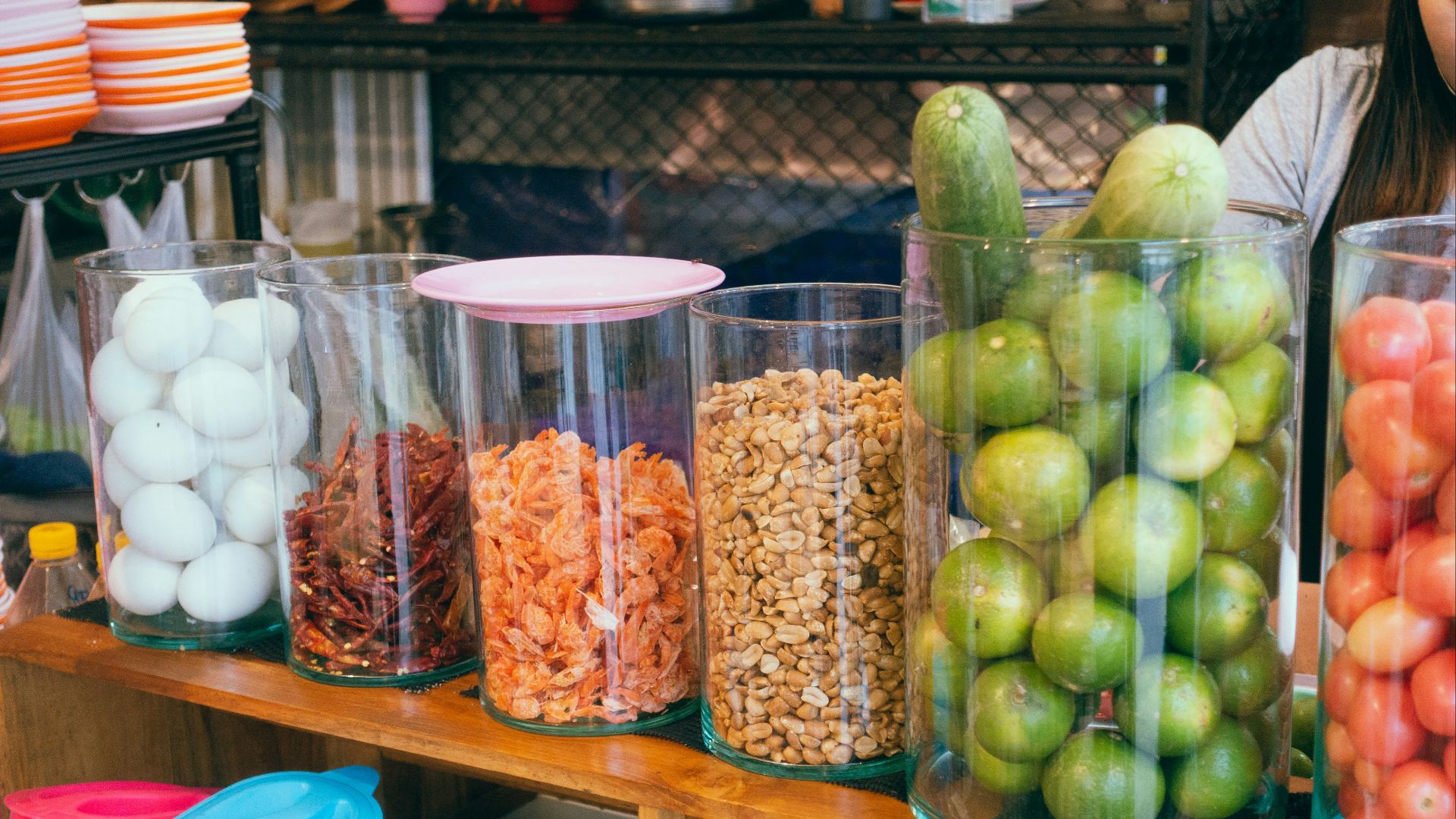
7. Don’t Ignore Expiration Dates
While some foods last longer than labeled, many perishable items should not be used past their safe window. Spoiled ingredients can affect both taste and health. It’s important to check for signs of spoilage. When in doubt, it’s safer to discard.
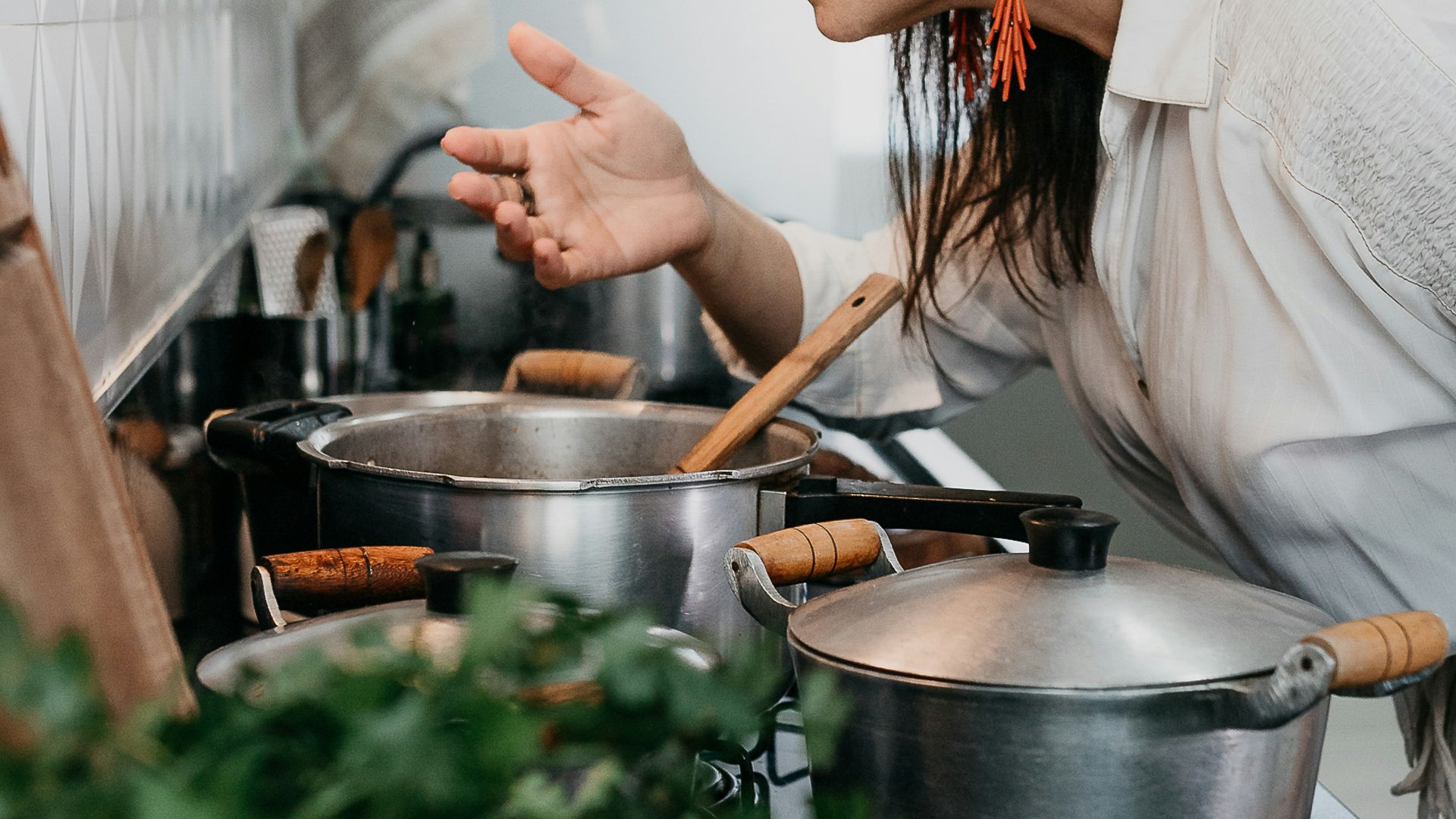
8. Taste as You Cook
Skipping this step can lead to unbalanced flavors. Regular tasting helps you adjust seasoning gradually. It ensures the final dish meets your expectations. This habit improves consistency in your cooking.
9. Follow Baking Measurements Carefully
Accurate measurements are especially important in baking. Small variations can affect texture, rise, and structure. Using proper measuring tools helps maintain consistency. Precision matters more here than in most cooking.
10. Avoid Using Damaged Cookware
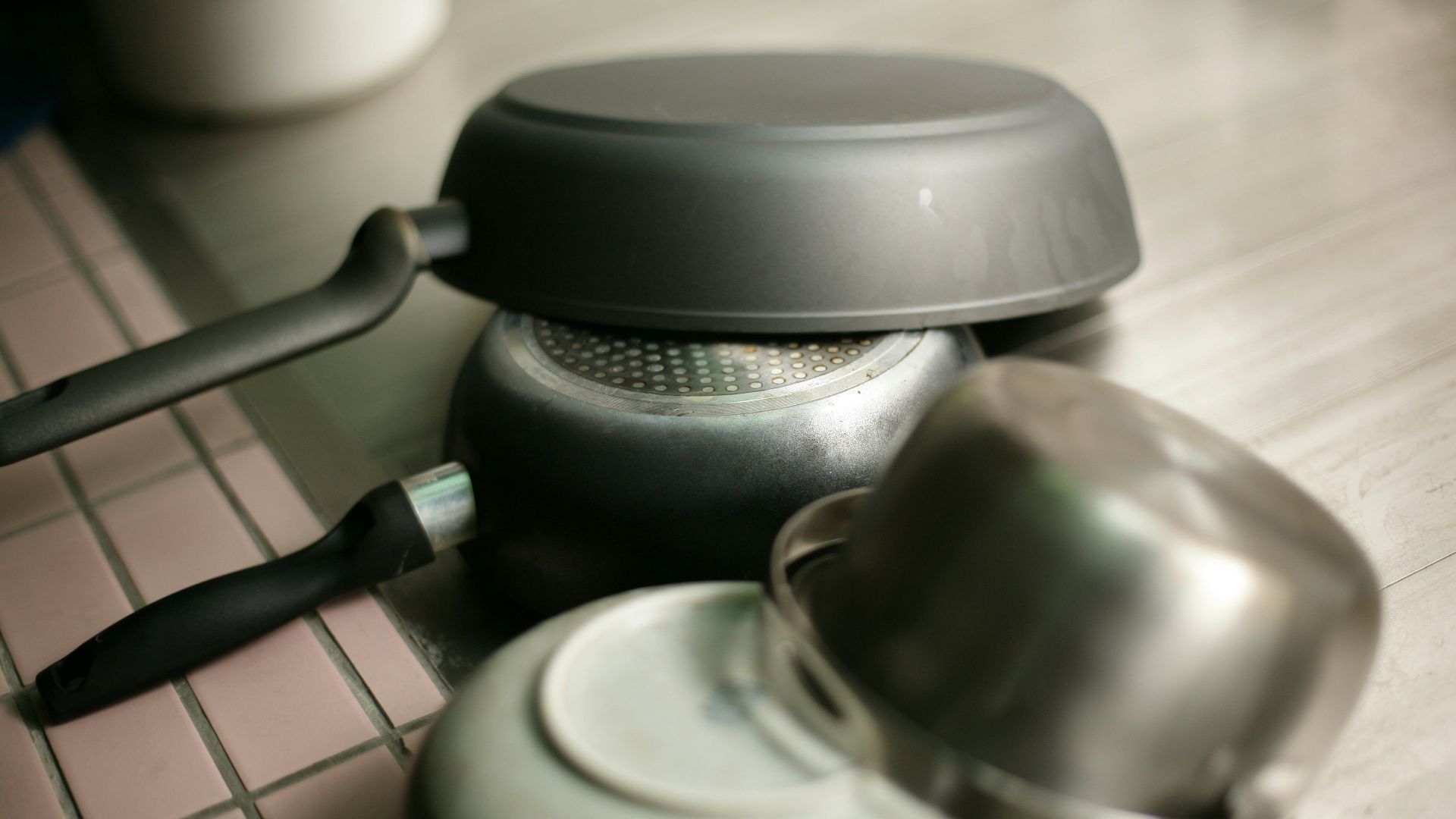
Cookware with peeling coatings or deep scratches can affect both safety and performance. Nonstick surfaces may release unwanted particles when damaged. Using well-maintained tools ensures better results and also protects your health over time.
KEEP ON READING

The Most Popular Signature Dishes Around the World