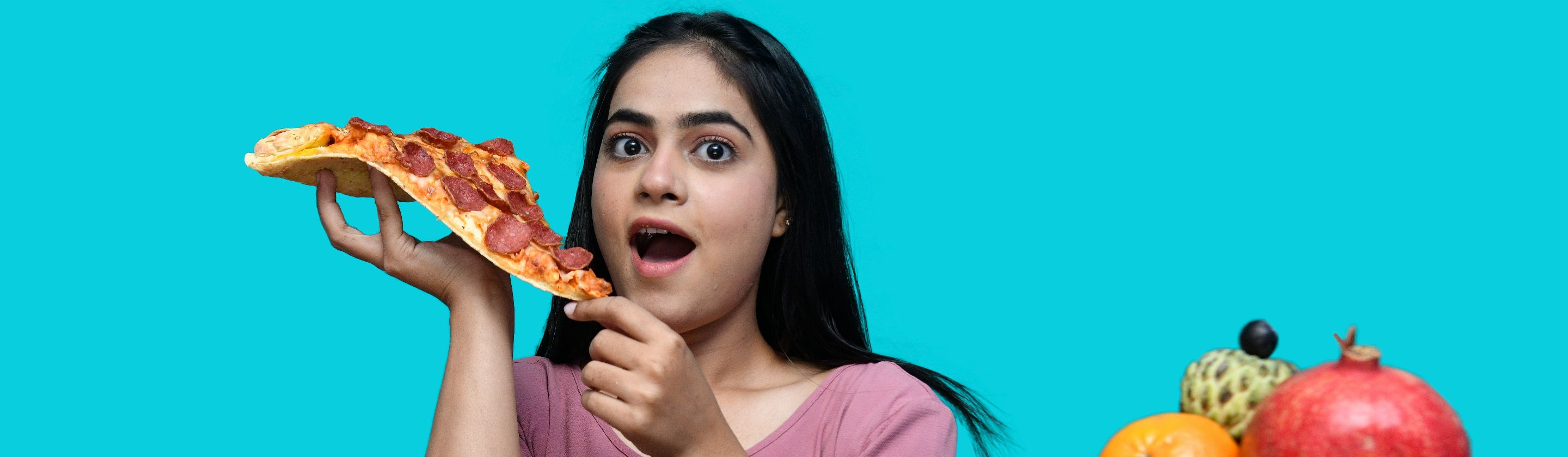

You get home after a very, very long day. What’s one of the first things you do? Sure, you might decide to shed those uncomfortable work clothes or lie in bed for a little bit, but chances are, you’re looking for something yummy to eat. Some habits make a scene. Stress eating usually doesn't. It slips in during the smaller moments, like a rough meeting, a tense drive home, or after you’ve faced a pretty heavy conversation with someone. You’re not the first person to deal with this feeling. Emotional eating is a pretty common way folks like to regulate how they’re feeling.
Looking for food after an emotionally charged event feels almost automatic, and it really comes down to our biology. Short-term stress can briefly shut appetite down, while longer-lasting stress can raise cortisol, which may increase appetite and make eating feel more appealing. So when you feel pulled toward food after a long, draining day, it's not always random. Sometimes it's your body and brain taking a very familiar shortcut.
Why Stress Eating Feels So Immediate
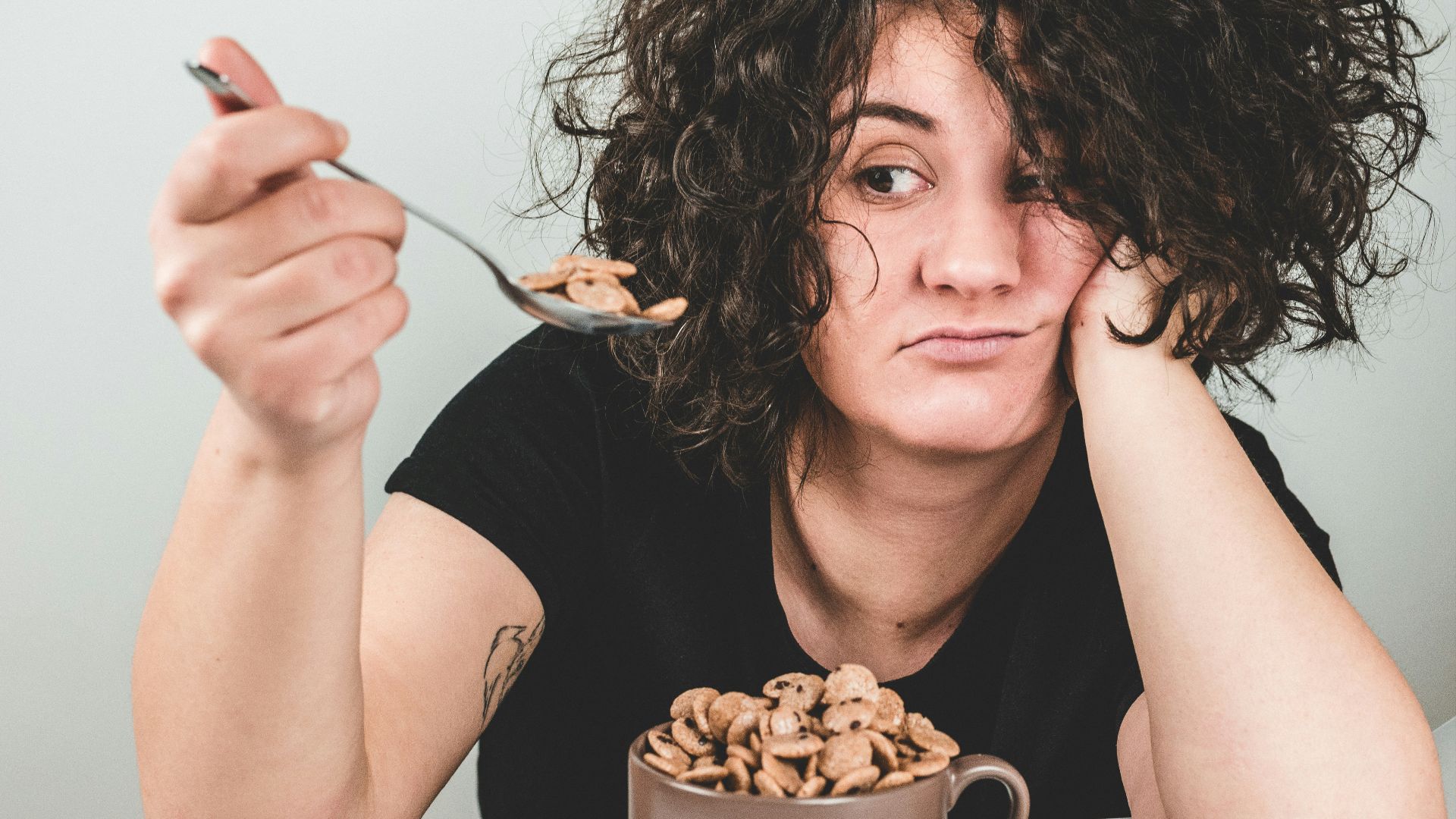
Stress doesn't just change how hungry you feel. It can also change what sounds good. Harvard Health says ongoing stress may raise cortisol and push people toward foods high in fat, sugar, or both, which helps explain why stress cravings tend to go for comfort first and nutrition second. Hence, why you crave ice cream after a breakup and not a salad.
There's also a reward piece to it. Harvard's Nutrition Source says hyperpalatable foods can stimulate hormones and brain reward pathways involved in cravings, including insulin, cortisol, dopamine, leptin, and ghrelin. It also notes that repeated use of those foods for calming or pleasure can condition the brain to want that same response again. The "I just need something salty right now" feeling can get learned and reinforced over time.
Then comes the part that makes the cycle feel rotten. Emotional eating often leads to overeating, especially of sweet, fatty, high-calorie foods, and the relief is short-term. The emotions come back, and guilt can slide in right behind them, which is one reason the same pattern can repeat so easily.
How To Tell Emotional Hunger From Physical Hunger
Physical hunger usually builds slowly. Cleveland Clinic says it's gradual and often tied to the last time you ate. On the other hand, emotional hunger is more likely to be triggered by stress, worry, or fatigue. That difference matters because one is asking for fuel, and the other is usually asking for comfort, distraction, or just a breather.
Emotional hunger also tends to be bossier. Cleveland Clinic describes emotional eating as a normal coping mechanism in response to strong feelings, and its guidance on hunger says emotional cravings often come on suddenly and with urgency. They also tend to get picky. You don't want food in a broad, practical way. You want chips, chocolate, mac and cheese, or whatever your brain has filed under decent sources of immediate comfort.
That doesn't mean every stress snack is some giant red flag. Stress eating is normal behavior. The issue is when it starts happening a lot, feels out of control, becomes your main way of coping, or causes physical or emotional problems. That's when it stops being an occasional reflex.
What Actually Helps Break The Cycle

The first useful step is a pause. Cleveland Clinic recommends the S.T.O.P. technique, which stands for stop, take a breath, observe, and proceed. Its hunger guide also suggests giving yourself five minutes before acting on a craving. That little gap matters more than it sounds like it should. Sometimes it's just enough time to notice that what you actually need is rest, air, comfort, or a break from your desk.
The next piece is giving yourself something else to do with the feeling. A recent Harvard Health summary notes that stress can sometimes sap hunger so much that people skip meals, only to overeat later on. Mayo Clinic suggests practical swaps like deep breathing, taking a walk, listening to music, reading, or calling a friend instead of automatically reaching for food. None of that is magic, obviously, but it does give the urge somewhere else to go.
Then there are the boring basics, which, annoyingly, matter a lot. CDC says adults should get at least seven hours of sleep a day, and its sleep data says about one-third of U.S. adults do not get enough sleep. Mayo Clinic also lists sleep problems and weight gain among the health risks linked to chronic stress. And Cleveland Clinic says it's worth reaching out for help if stress eating feels frequent, out of control, or like your primary coping tool. Breaking the cycle usually isn't about becoming perfectly disciplined. It's more about building a routine where food doesn't have to carry every emotional load by itself.
KEEP ON READING

20 Food Requests Only Spoiled People Ask For


20 Hardest Foods on Earth To Eat

Do Vitamin Supplements Actually Make You Healthier?