You don’t need to cook a full meal from scratch every single day to enjoy variety in your diet. With a bit of planning, you can prepare a few core ingredients and transform them into different meals throughout the week. This approach saves time while still keeping your meals interesting and balanced. It also helps reduce the mental load of daily cooking decisions.
Cooking once and repurposing food isn’t just about convenience, as it also helps reduce waste and improve efficiency in your kitchen. Many ingredients can be used in multiple ways without feeling repetitive when combined creatively. If you structure your meals well, you’ll avoid the boredom that often comes with meal prepping. Over time, this method can make your routine feel more manageable and less repetitive.
Build a Flexible Base That Works Across Meals
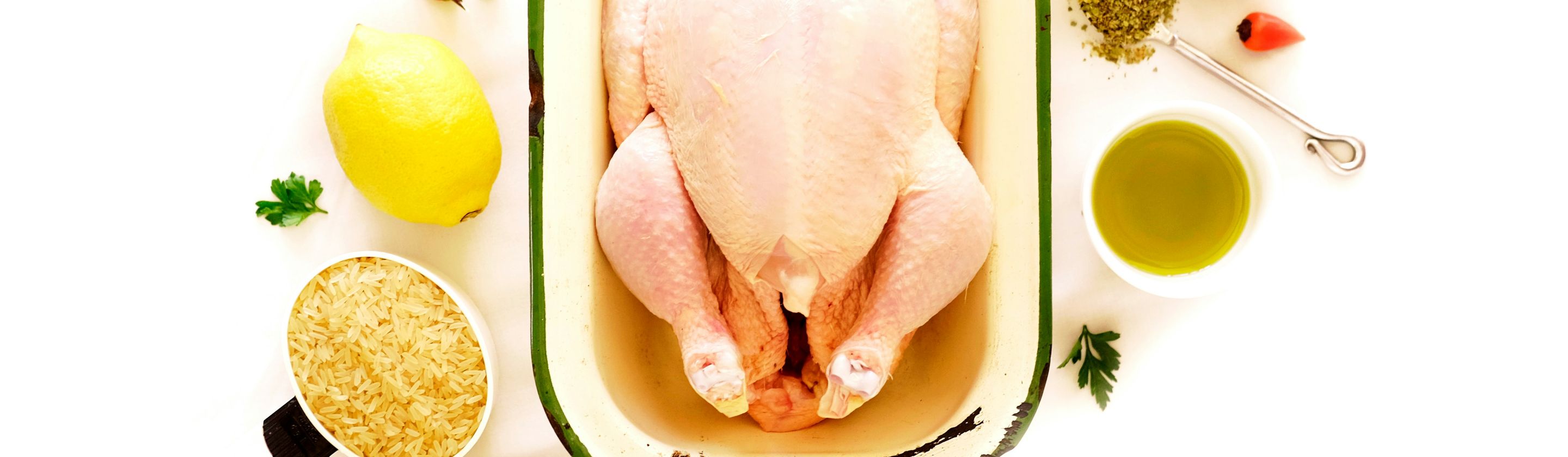
The key to cooking once and eating all week differently is choosing versatile base ingredients. Foods like roasted vegetables, grilled chicken, rice, and pasta can easily be adapted into different dishes. By keeping seasoning simple at the start, you leave room to customize flavors later. This flexibility allows you to create variety without starting from scratch each day.
Preparing these bases in batches helps you stay organized throughout the week. When you cook proteins and grains ahead of time, you reduce the amount of daily effort required. You can store them in separate containers to maintain freshness and quality. This setup gives you the ability to mix and match ingredients as needed.
You’ll want to focus on cooking methods that preserve texture and flavor over time. Roasting, grilling, and steaming are all reliable options that hold up well in storage. Avoid overcooking, as reheating can dry out food quickly. Proper preparation ensures your ingredients remain appealing throughout the week. This makes it easier to stay consistent with your plan. Paying attention to these details helps maintain the quality of your meals.
Change Flavors and Formats to Avoid Repetition
Using the same ingredients doesn’t mean your meals have to taste the same. By switching sauces, spices, and cooking styles, you can create entirely different dishes. For example, grilled chicken can become part of a salad one day and a wrap the next. Adding different seasonings helps transform the overall flavor profile. This approach keeps meals interesting without requiring extra cooking time. It allows you to enjoy variety without complicating your routine.
Presentation also plays a role in how meals feel. Serving food in bowls, wraps, or plates can change the experience significantly. Even small adjustments like adding fresh herbs or toppings can make a difference. These changes help prevent meals from feeling repetitive. It’s a simple way to maintain variety throughout the week. Remember, visual variety can make meals feel more satisfying and enjoyable.
You can also incorporate different cuisines to expand your options. The same base ingredients can be used for Mediterranean, Asian, or Mexican-inspired dishes. This keeps your meals dynamic and enjoyable. Exploring new combinations helps you stay engaged with your food. It also encourages you to try new flavors without extra effort. Over time, this can broaden your overall cooking skills.
Plan to Make the System Work
A successful cook-once approach relies on thoughtful planning. Before you start, consider how each ingredient will be used across multiple meals. This helps you avoid waste and ensures everything gets used efficiently. Writing a rough plan can make the process more manageable. It also gives you a clear direction for the week. Planning reduces uncertainty and saves time later.
Storage is another important factor to consider. Proper containers and refrigeration help maintain the quality of your prepared ingredients. Labeling items with dates can prevent confusion and reduce spoilage. Keeping everything organized makes it easier to assemble meals quickly. This step supports both convenience and food safety. Good storage habits also help extend the life of your ingredients.
You should also leave room for flexibility in your plan. Not every day will go exactly as expected, so it helps to have backup options. Having a few extra ingredients on hand allows you to adjust meals when needed. This keeps the system practical and sustainable over time. It ensures that cooking once remains a helpful habit rather than a rigid routine. Flexibility helps you stick with the approach long term.
Cooking once and eating all week differently is a practical way to save time while still enjoying variety. By focusing on flexible ingredients, creative flavor changes, and thoughtful planning, you can make the most of your time in the kitchen. This approach supports both efficiency and enjoyment, making it easier to maintain consistent, satisfying meals. It’s a method that fits well into busy schedules without sacrificing quality.
KEEP ON READING
20 Apple Desserts Americans Should Serve This Fall

Why Americans Fell In Love With Frozen Meals