10 Reasons Food Courts Are Better Than Restaurants & 10 Why People Still Prefer to Dine In
10 Reasons Food Courts Are Better Than Restaurants & 10 Why People Still Prefer to Dine In
Food Court or Classic Sit-In?
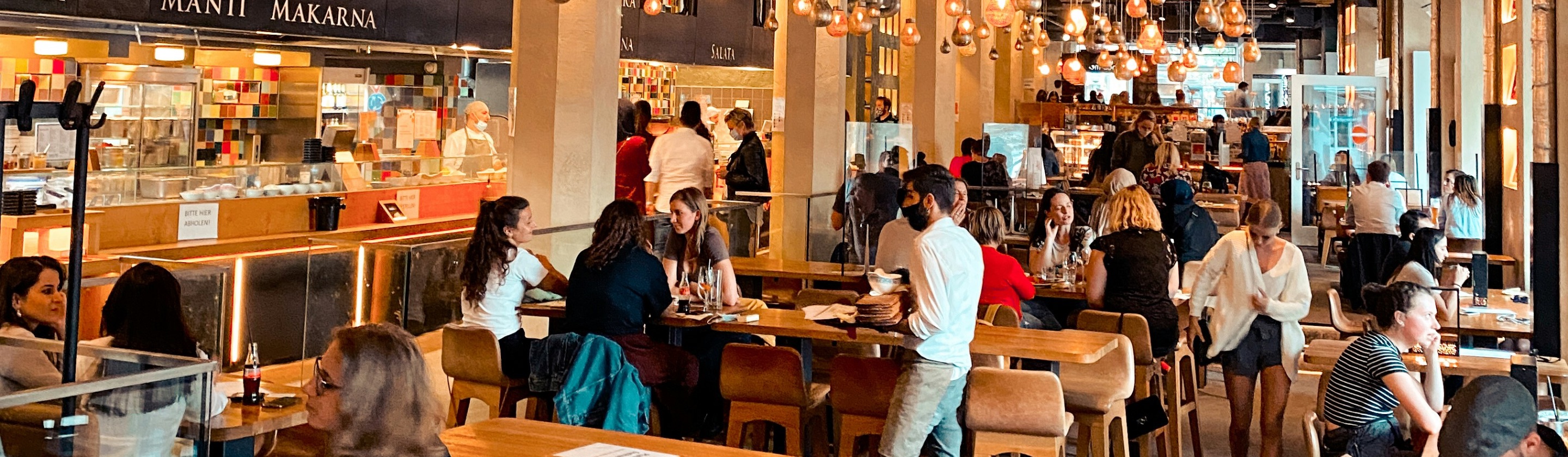
For all the romance attached to restaurants, food courts have started to gain more traction in recent years. And that's no surprise: despite being less polished and rarely designed to flatter anyone’s idea of a perfect meal, food courts are much more convenient, varied, and (thankfully) easier on your wallet. But restaurants might still take the crown when it comes to ambiance and special occasions. Whether you're more for communal dining spaces or prefer a more intimate experience, here's a look at both sides of the argument. Which side are you on?
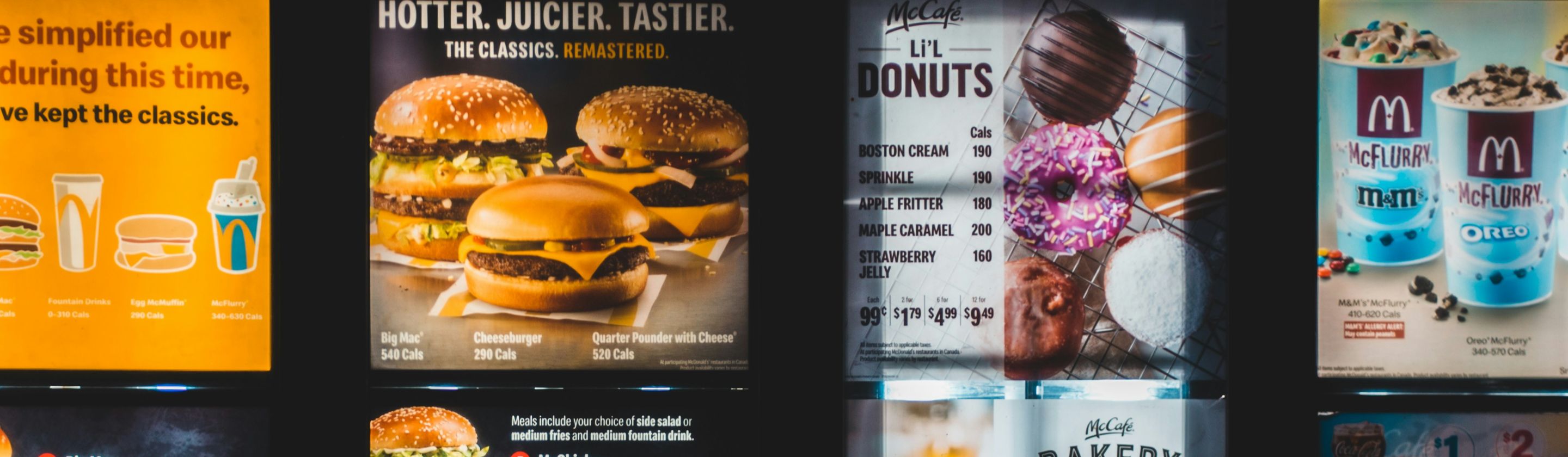
 Connor Scott McManus on Pexels
1. There's More Variety
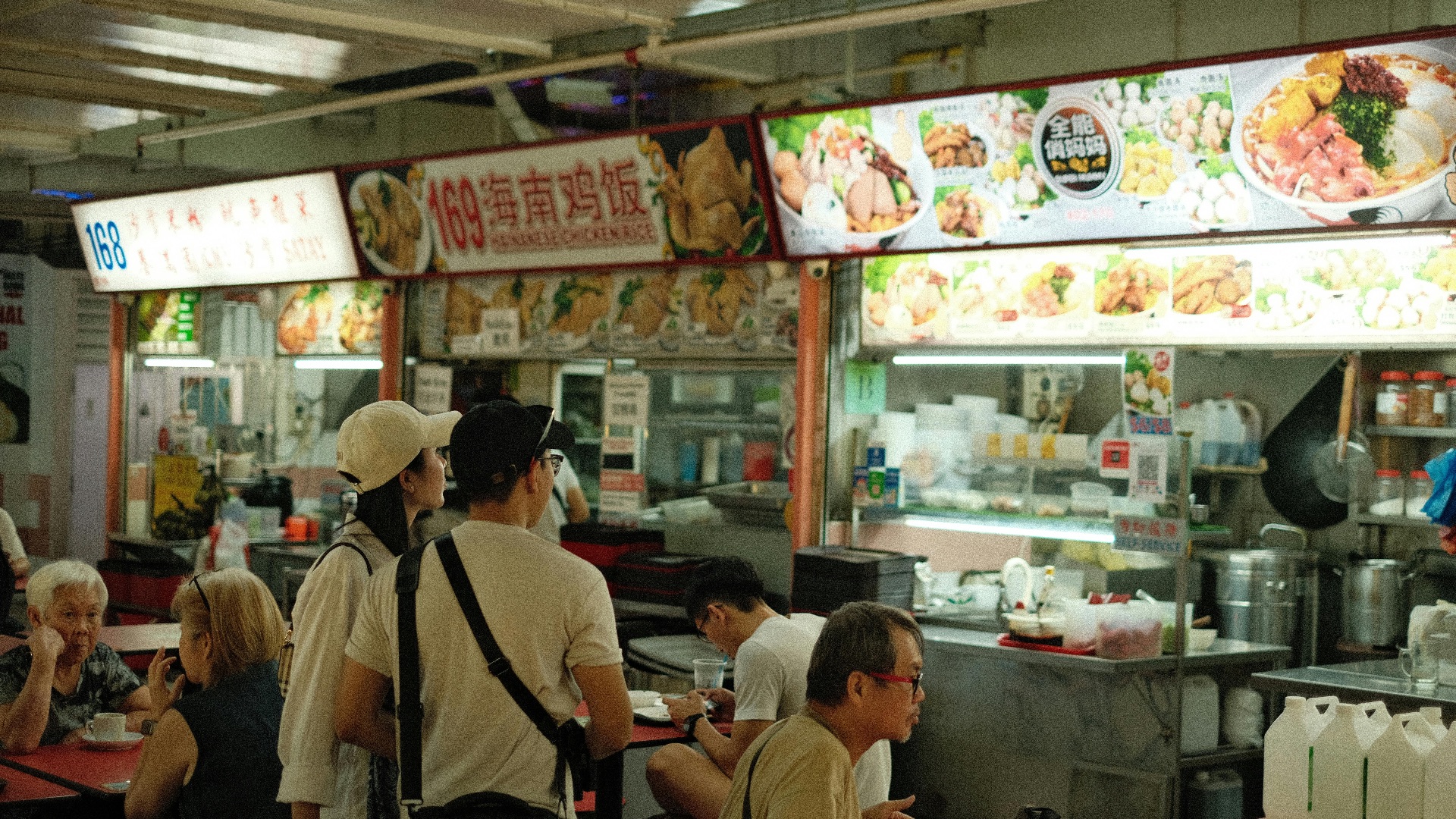
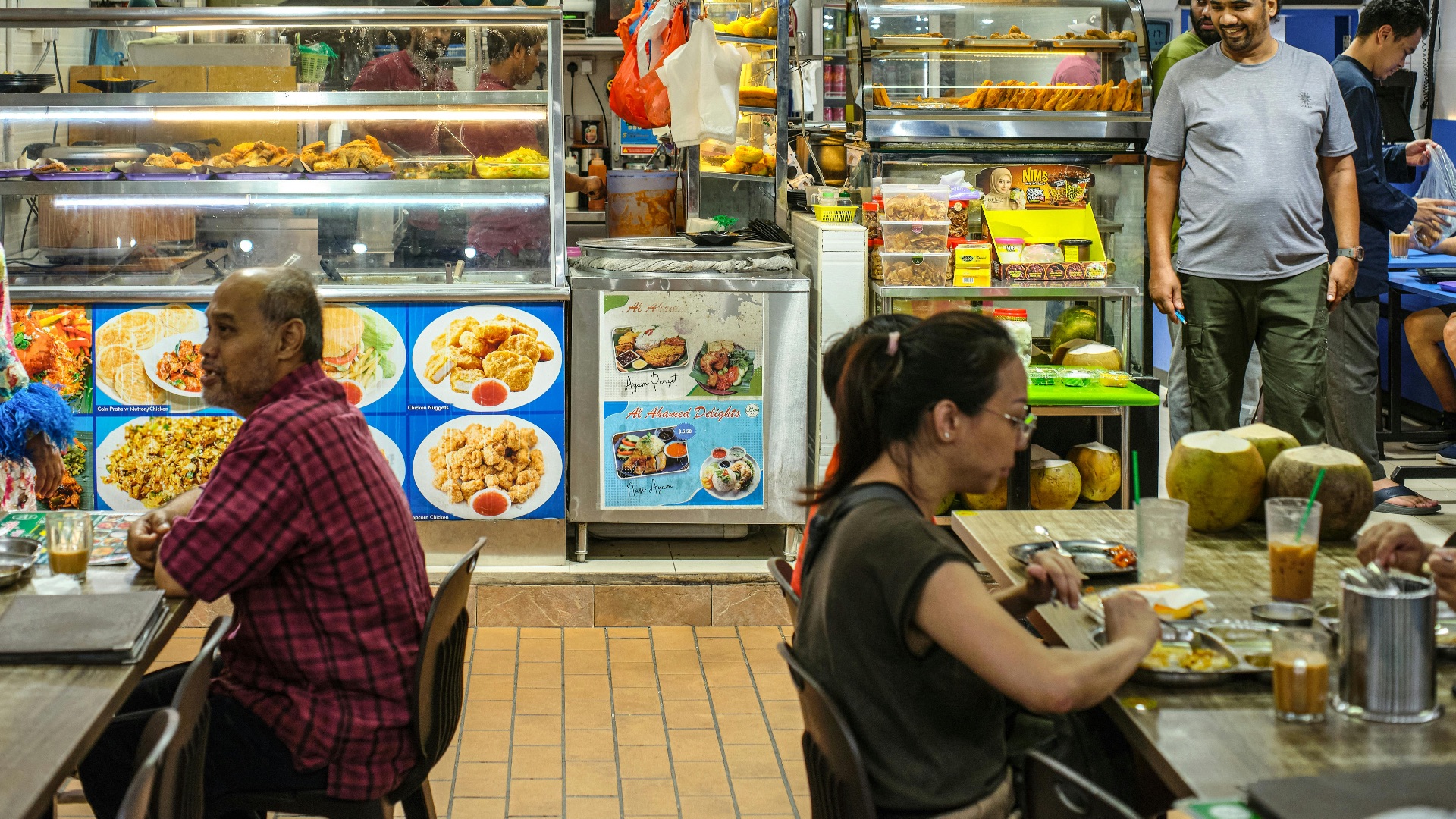
One of the most obvious strengths of a food court is also the one that restaurants can’t really compete with: range. In one compact stretch, you can satisfy a craving for dumplings, fried chicken, salad, pizza, or bubble tea without forcing everyone at the table to pick one cuisine. A food court doesn’t ask people to choose from only one menu, and that alone makes it more useful than many restaurants.
2. Speed Has Its Own Kind of Luxury
There is a point at which efficiency starts to feel indulgent, and food courts understand that better than most dining rooms do. When you’re hungry and busy, being able to order quickly and eat within minutes is a luxury. Restaurants often treat slowness as part of the charm, but that only works when you actually have time to spare.
3. They're Not as Hard on Your Wallet
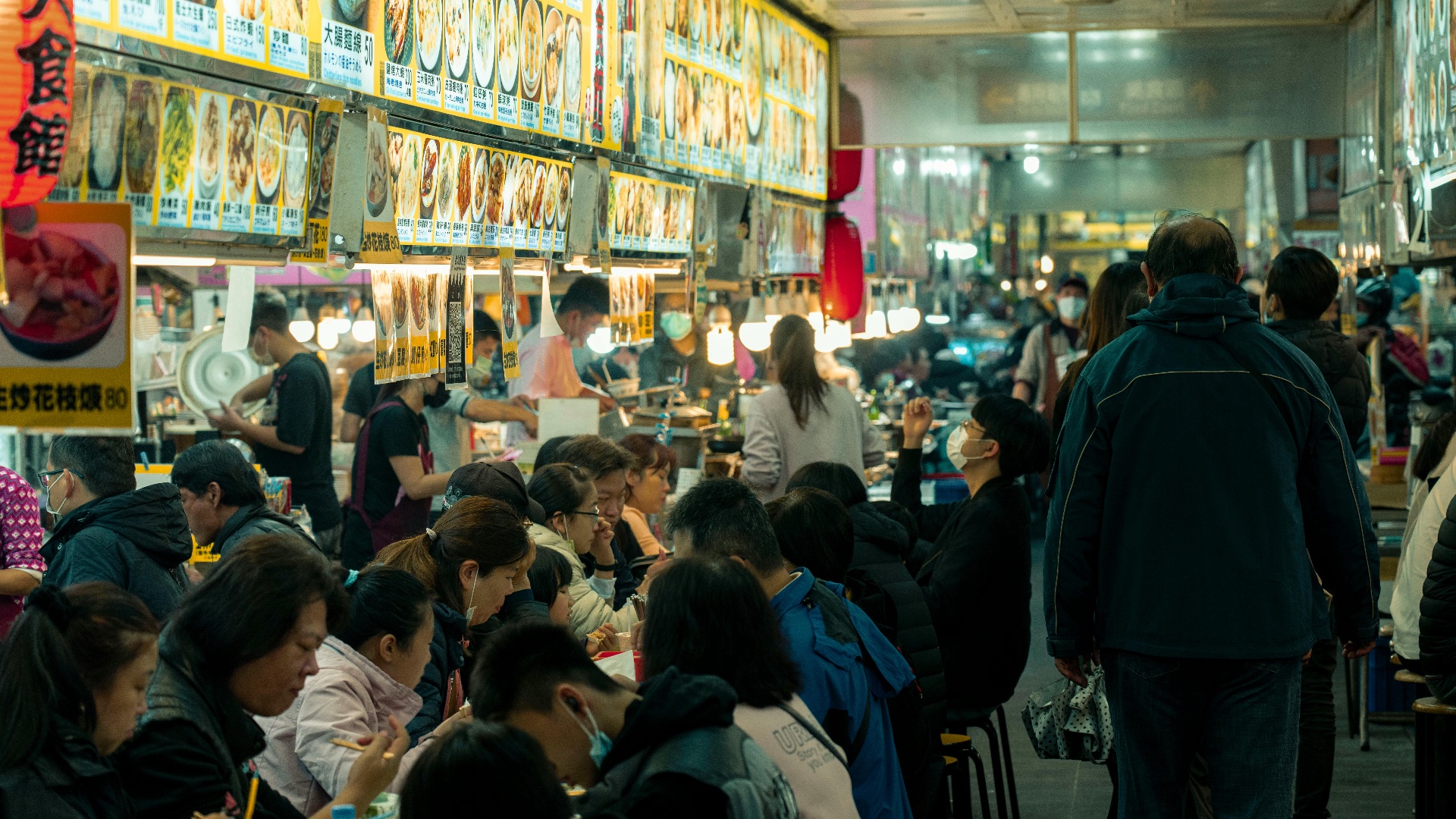
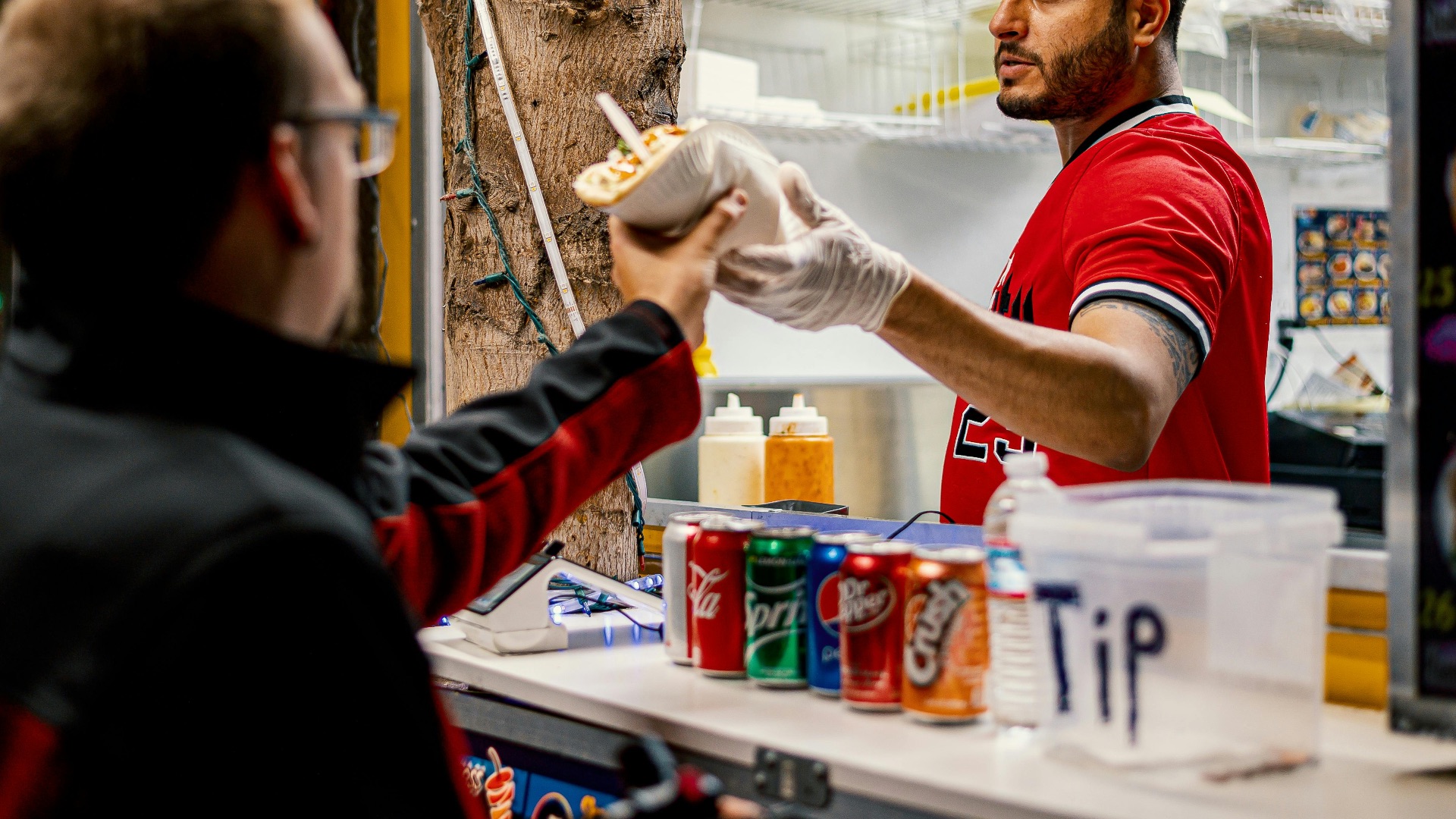
Dining out has become expensive enough that people increasingly notice the difference between paying for food and paying for the entire service around it. Food courts tend to strip that equation back to the essentials, which is part of their appeal. You’re not absorbing the same overhead for service, decor, and prolonged table time, so the meal often feels more proportionate to what you’re spending. For anyone trying to eat out without needing to tip at least 15% on top of the bill, food courts are often the better choice.
4. They’re Better Suited to the Way People Actually Meet
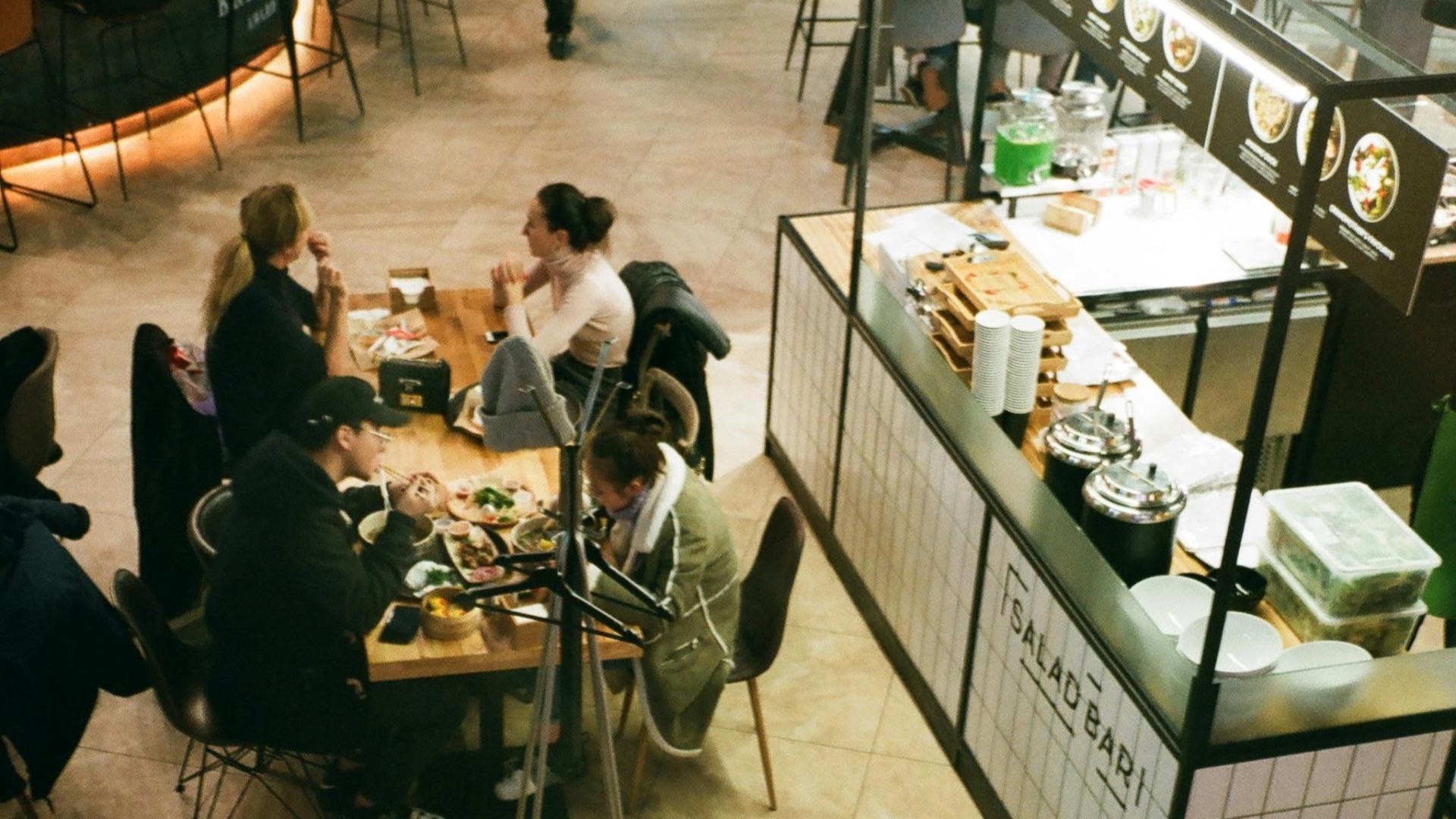
Restaurants still assume, to some extent, that a group will arrive together, sit together, order together, and move through the meal at roughly the same pace. But real life doesn’t always cooperate with that setup. Food courts are far better at accommodating the loose, staggered rhythms of modern social life, where one person is running late, someone else only has 20 minutes to spare, and another just wants coffee and nothing else.
5. There’s No Need to Dress Nice for the Occasion
One understated virtue of a food court is that it asks very little of you beyond showing up hungry. You don’t need to look a certain way, commit to a drawn-out meal, or treat the outing as something more significant than it is. Restaurants, even casual ones, can carry a faint pressure to justify the choice by staying longer, ordering more, or leaning into the ritual of dining out. A food court leaves room for a meal to be exactly what it needs to be and nothing more.
6. Experimenting Feels Easier There
Trying something unfamiliar is much easier when the stakes are low. In a food court, a new dish often feels like a casual decision rather than a bigger commitment (and, not to mention, a higher bill). That usually changes how adventurous people are willing to be. What might feel like a risk in a restaurant can feel pleasantly spontaneous in a food court, and that openness has real appeal.
7. Not Everyone Wants the Same Size Meal
Restaurants are still built around a fairly unified idea of what dining together should look like, which can be limiting when people are operating on entirely different appetites. One person may want a full hot meal, another may only want a smoothie, and someone else may be just holding out for dessert. A food court accommodates everyone's preferences.
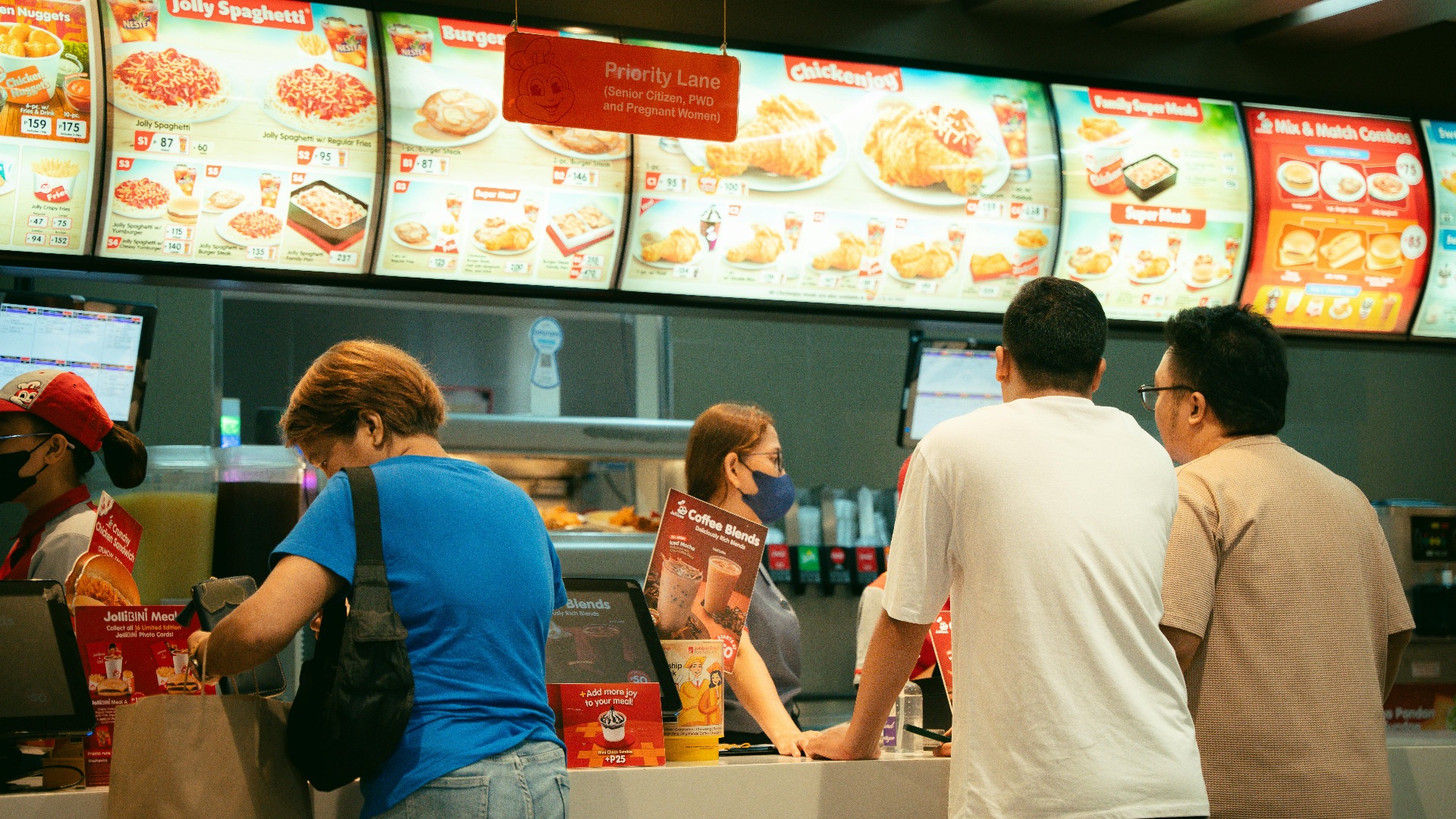
8. You're in Charge of the Experience
At a restaurant, much of the meal is governed by forces outside your control: when someone takes your order, how quickly the kitchen moves, when the check arrives, and how long you get to eat during lunch rush. A food court puts more of that back in your hands: you decide how quickly to order, how long to linger, whether to eat immediately or take something to go. That can make the whole experience feel more comfortable and suited to you.
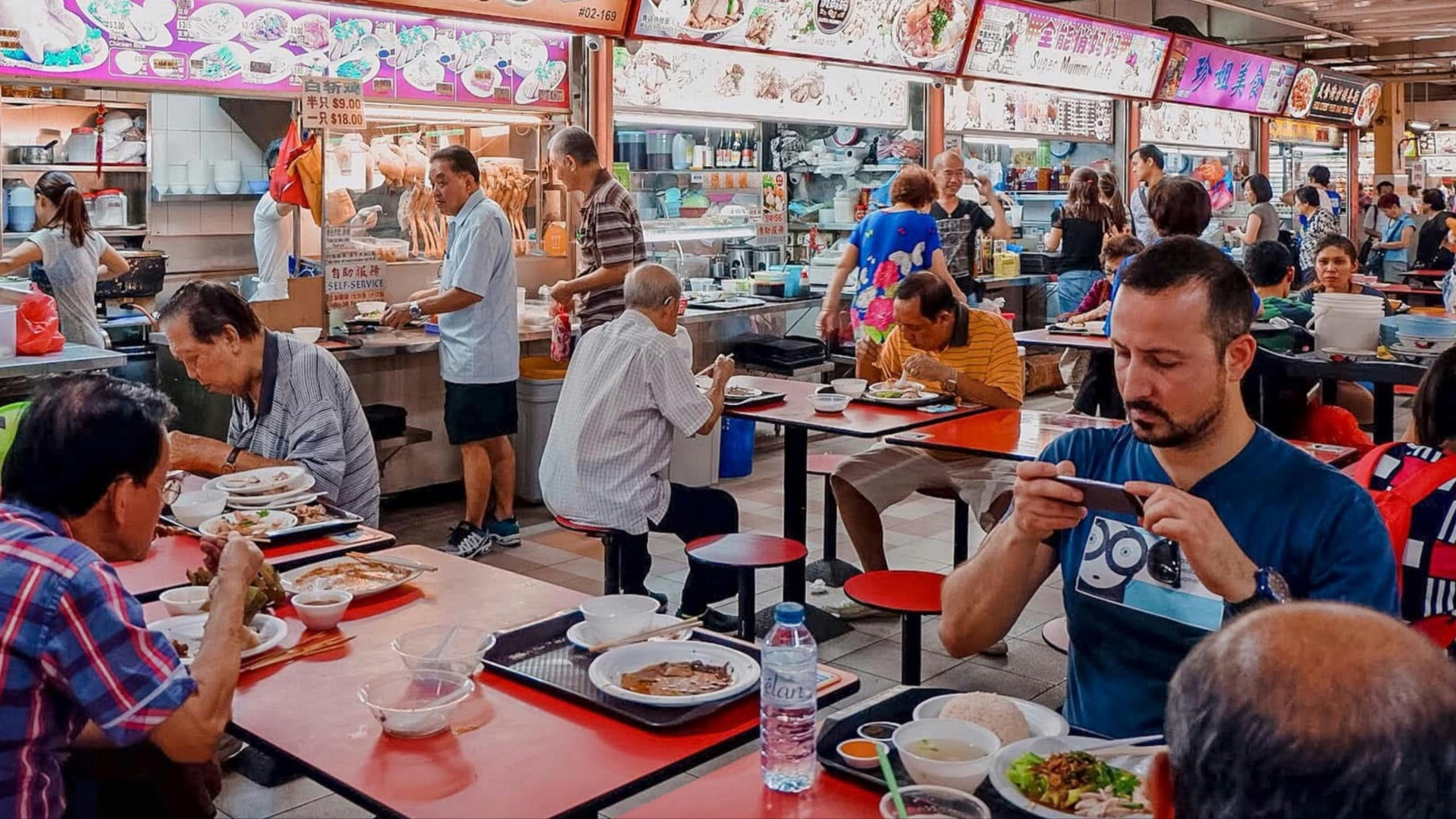
9. Convenience Is Hard to Argue With
Food courts tend to appear exactly where people most need them: shopping centers, airports, transit hubs, office complexes, and other places where hunger arrives in the middle of something else. That means you don’t have to make a separate plan around the meal or build your day around getting there. Very often, the best meal option is simply the one that's most convenient.
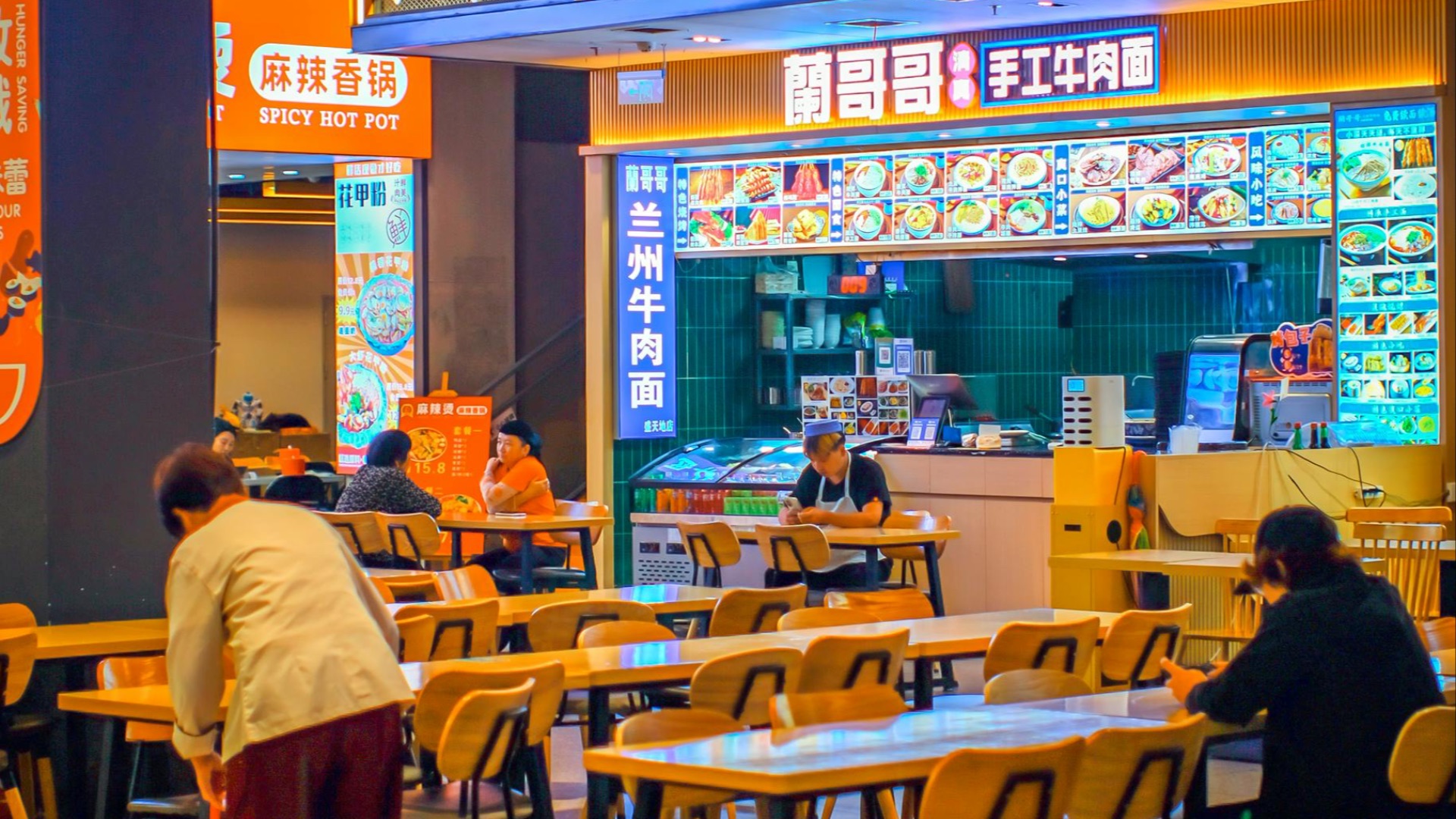
10. Not Every Meal Needs a Narrative
Restaurants often frame dining as an experience, and sometimes that’s welcome. But not every lunch or dinner needs atmosphere and the suggestion that something memorable ought to happen. Food courts are better at accepting the modest reality of everyday eating; sometimes all you want is decent food and a place to sit.
Still, practicality has never been the only thing people want from a meal. For all the convenience and freedom food courts offer, restaurants continue to hold on to diners because they deliver something harder to quantify and, for many, harder to replace.
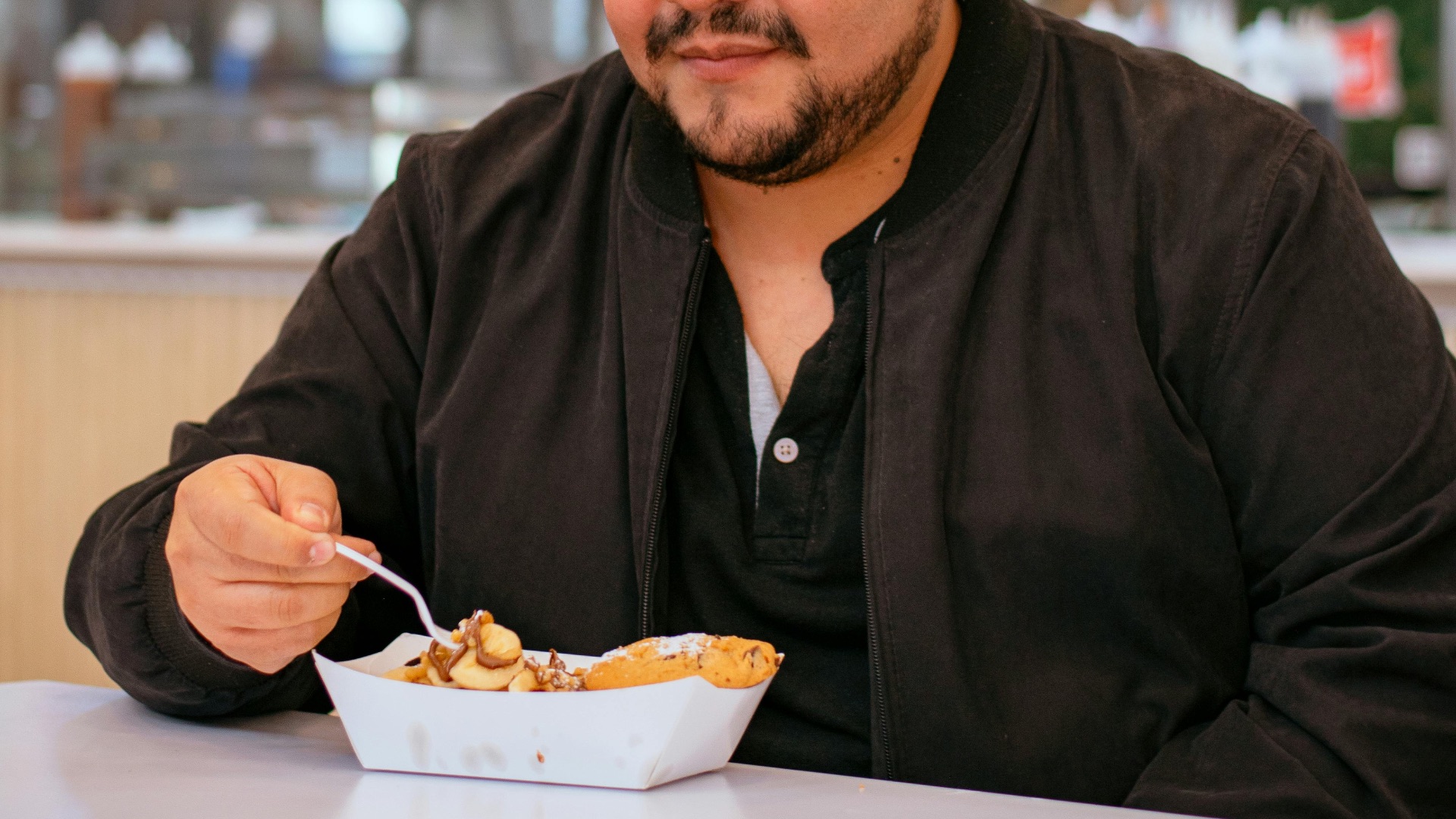
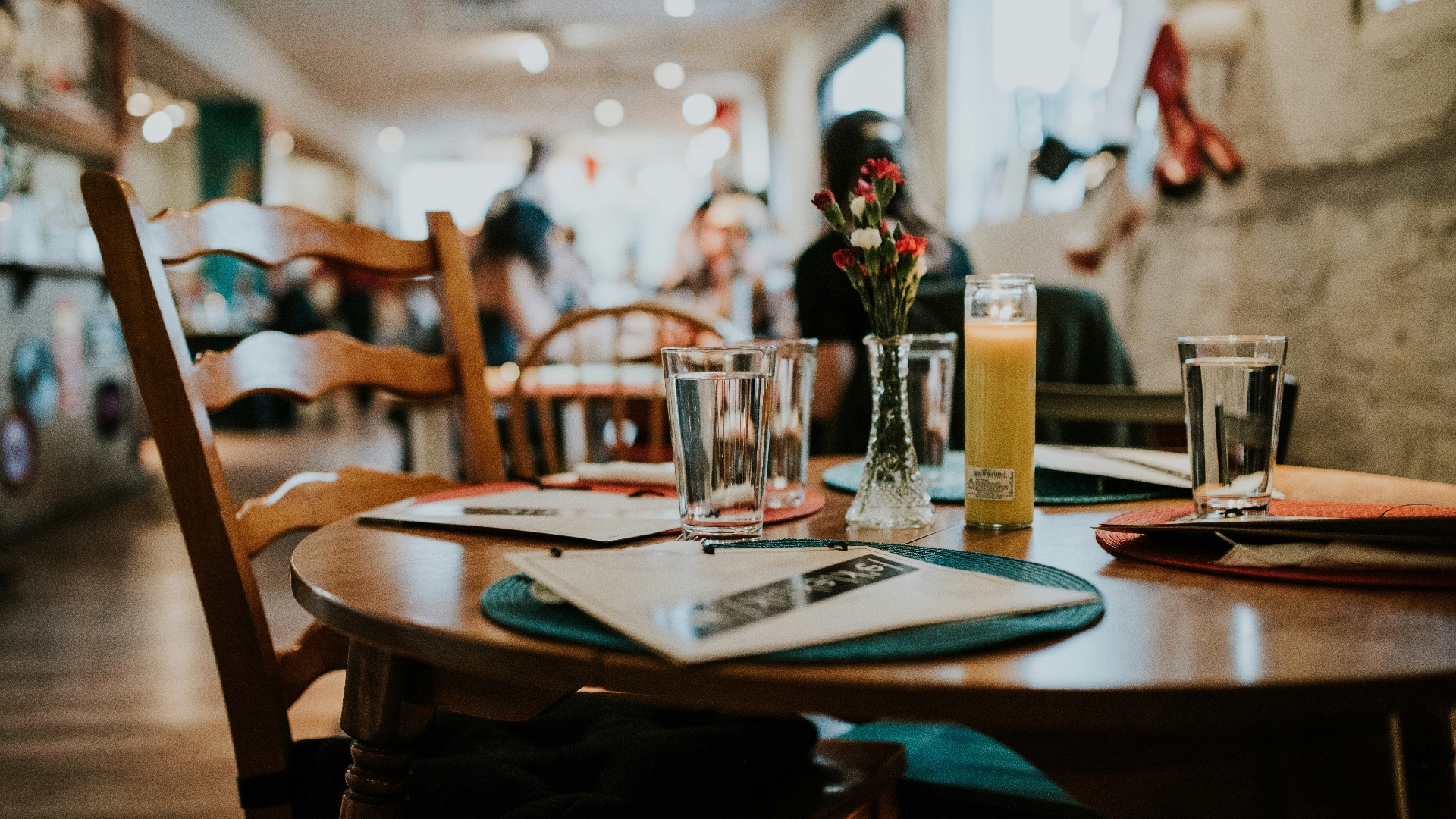
1. Atmosphere Still Shapes Appetite
However much people insist that food should speak for itself, setting still matters. A restaurant can create a mood that changes the way the meal is received, whether through lighting, music, design, or simply the sense that the space was made for lingering. Food courts, by contrast, are usually built around speed and turnover. Many people still prefer restaurants because they enjoy the atmosphere around them as much as the food on the table.
2. Being Served Feels Good
There is a reason table service hasn’t lost its appeal, even in an era obsessed with convenience. Having someone bring water, take your order, pace the meal, and handle the small logistics of dining can make the experience feel curated and special. It removes the self-service quality that defines food courts and reminds diners that, sometimes, part of going out is being looked after for a while.

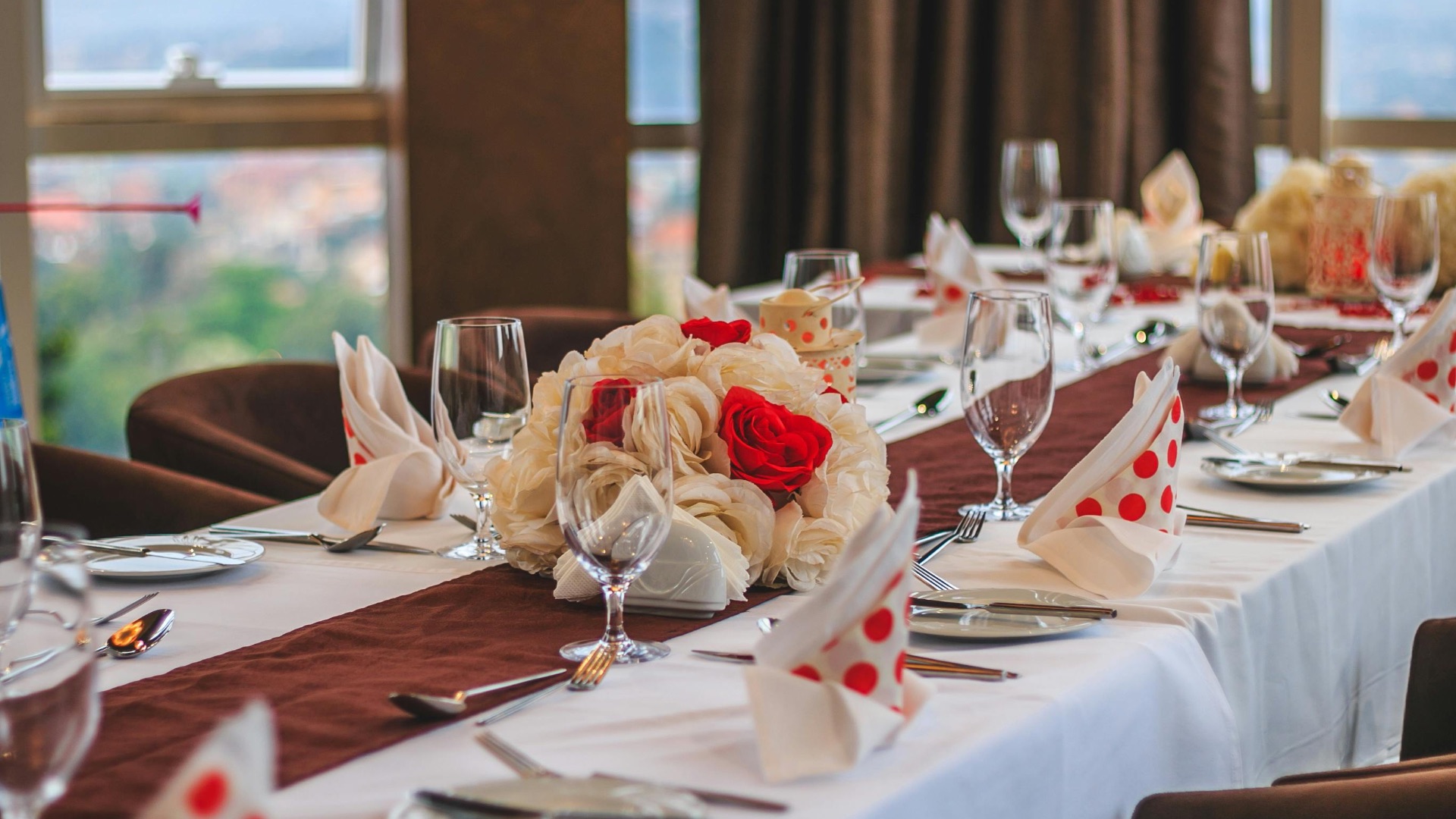
3. Restaurants Give Meals a Sense of Occasion
Even when the food itself is not especially elaborate, a sit-down restaurant has a way of making a meal stand out from the rest of the day. Birthdays, anniversaries, reunions, and dates all benefit from that sense of occasion. A food court may be perfectly serviceable, but it rarely transforms dinner into an event. Restaurants still matter because people often want more from a meal than just convenience.
4. Presentation Matters
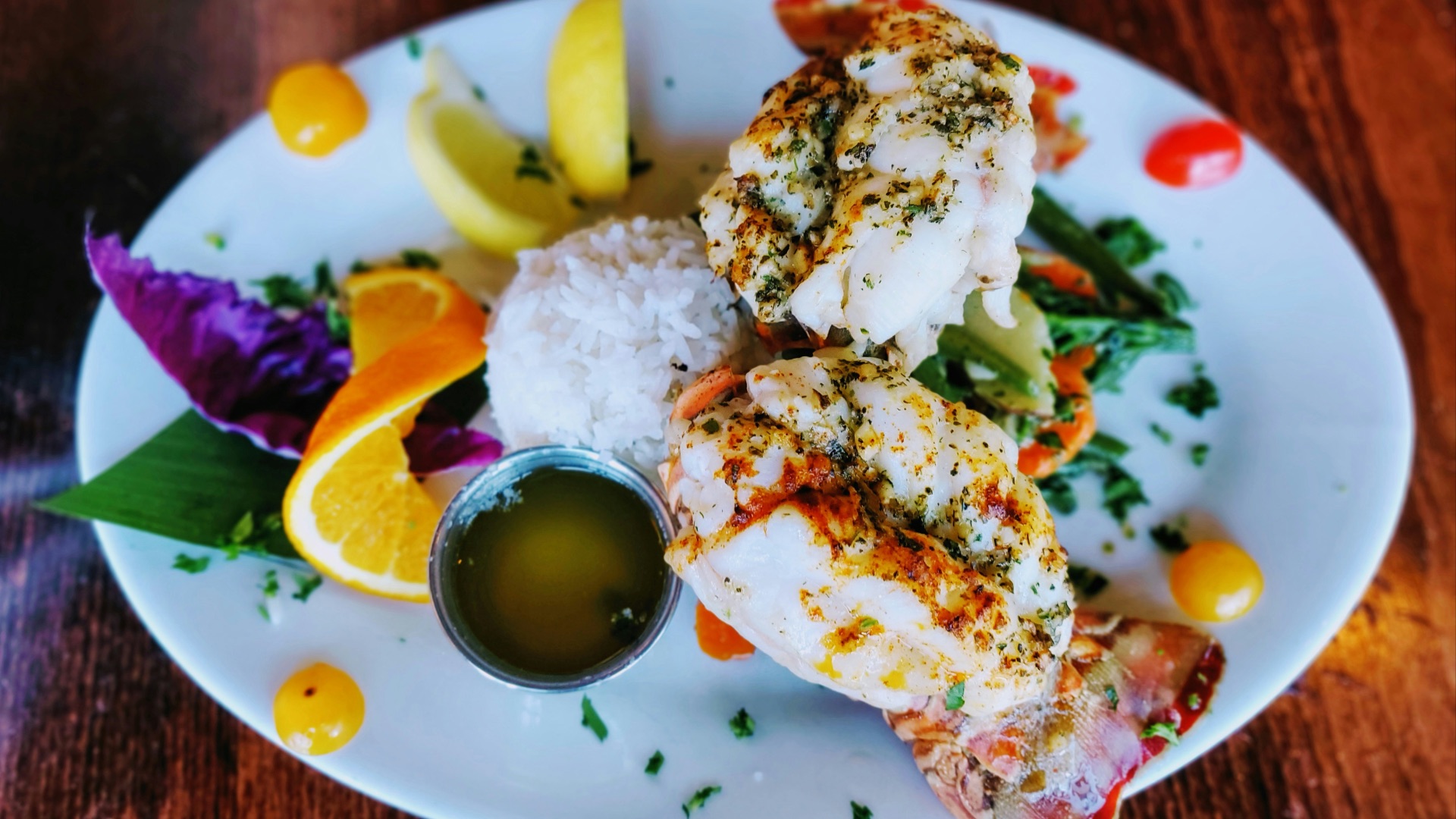
However casual tastes may become, visual appeal remains part of dining pleasure. Restaurants tend to pay closer attention to plating, timing, and composition, which means the meal arrives with a kind of flourish that food courts rarely prioritize. That doesn’t make the food automatically taste better, of course, but it does shape perception. After all, we do eat with our eyes first.
5. They Invite You to Stay
A restaurant often allows you to linger in a way few food courts can. You can settle into conversation, order another drink, pause between courses, and let the meal expand a little beyond the act of eating itself. In a food court, even when no one is hurrying you along, the setting carries a transitory energy that makes staying put feel less natural. For diners who value time at the table, that difference is decisive.
6. Privacy Matters
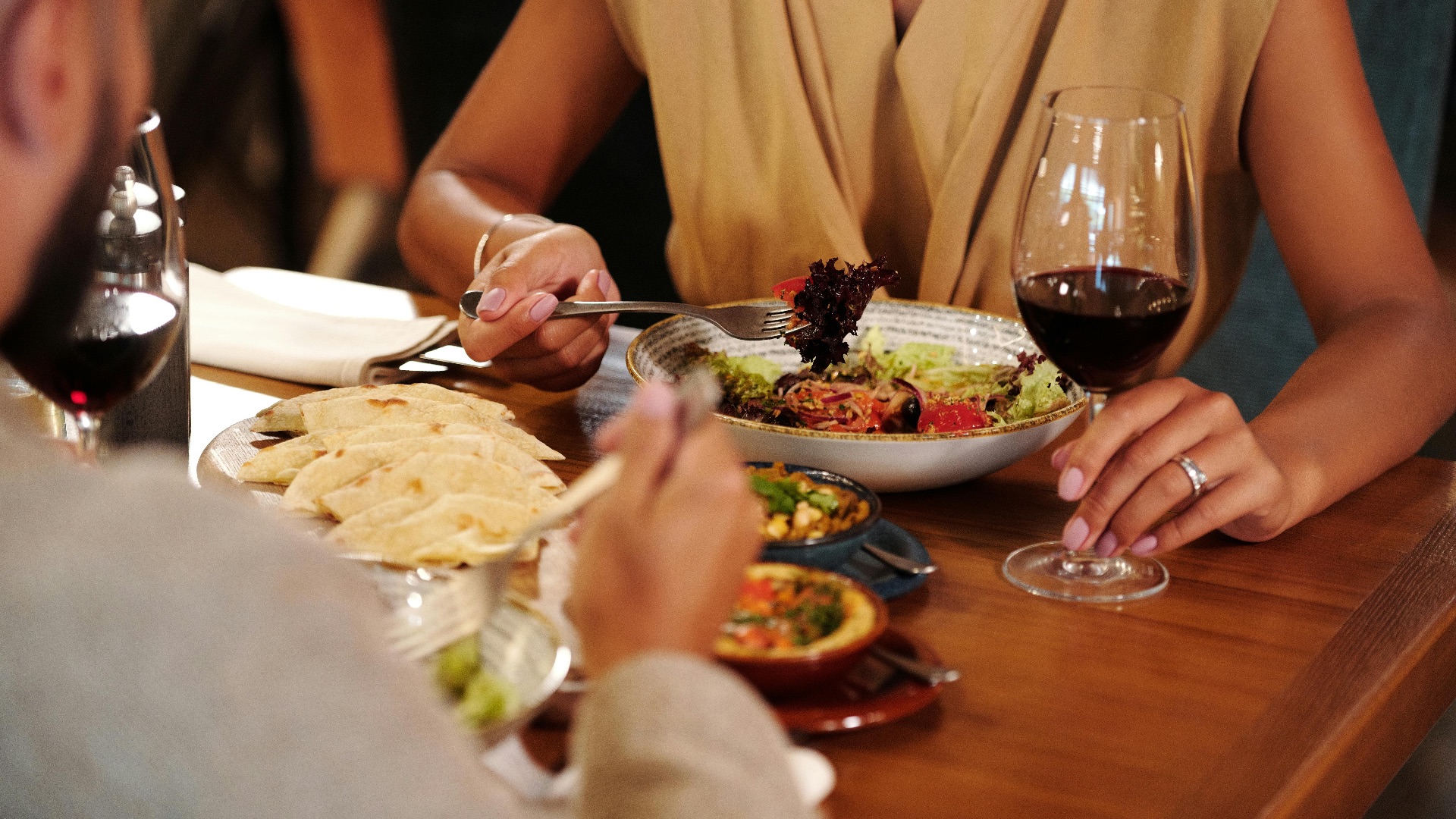
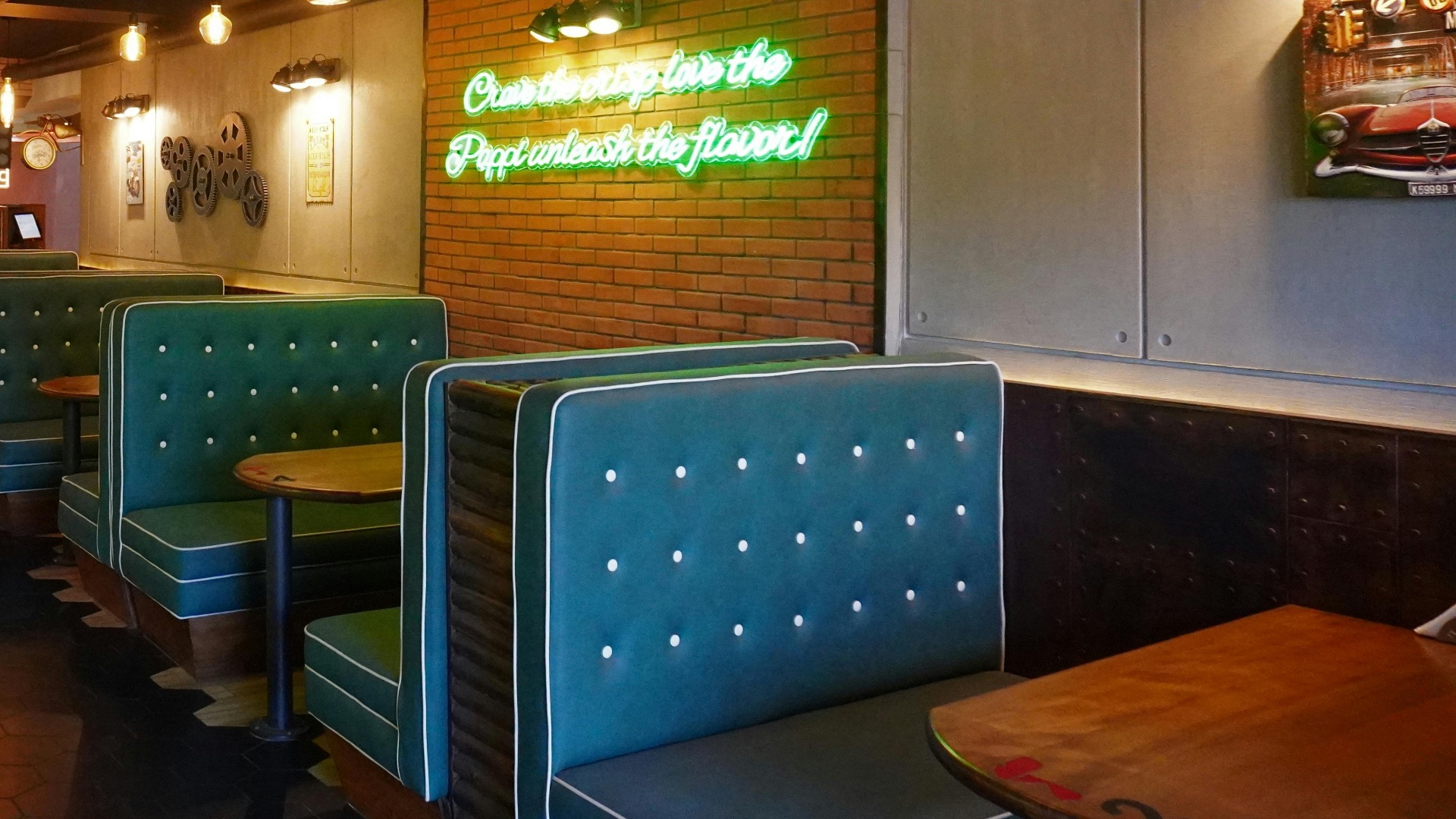
Communal dining spaces can be convenient, but they’re not ideal for every kind of conversation. Restaurants usually provide more separation, whether through booth seating, table spacing, or simply a room designed to hold people in smaller pockets rather than in one open flow. That makes them better suited to intimate dinners, family discussions, or any meal where you’d rather not feel exposed or crammed up beside the people around you. Sometimes people choose restaurants simply because they want space.
7. The Experience Feels More Curated
One of the enduring appeals of a restaurant is that everything belongs to the same idea. The menu, the room, the service, and the pacing are all meant to work together, creating a unified experience rather than a series of separate transactions. Food courts, by design, are more fragmented: the food may be good, but the environment is shared and the meal can feel detached from its surroundings. For many diners, that coherence is part of what makes a restaurant satisfying.
8. It Lets You Slow Down
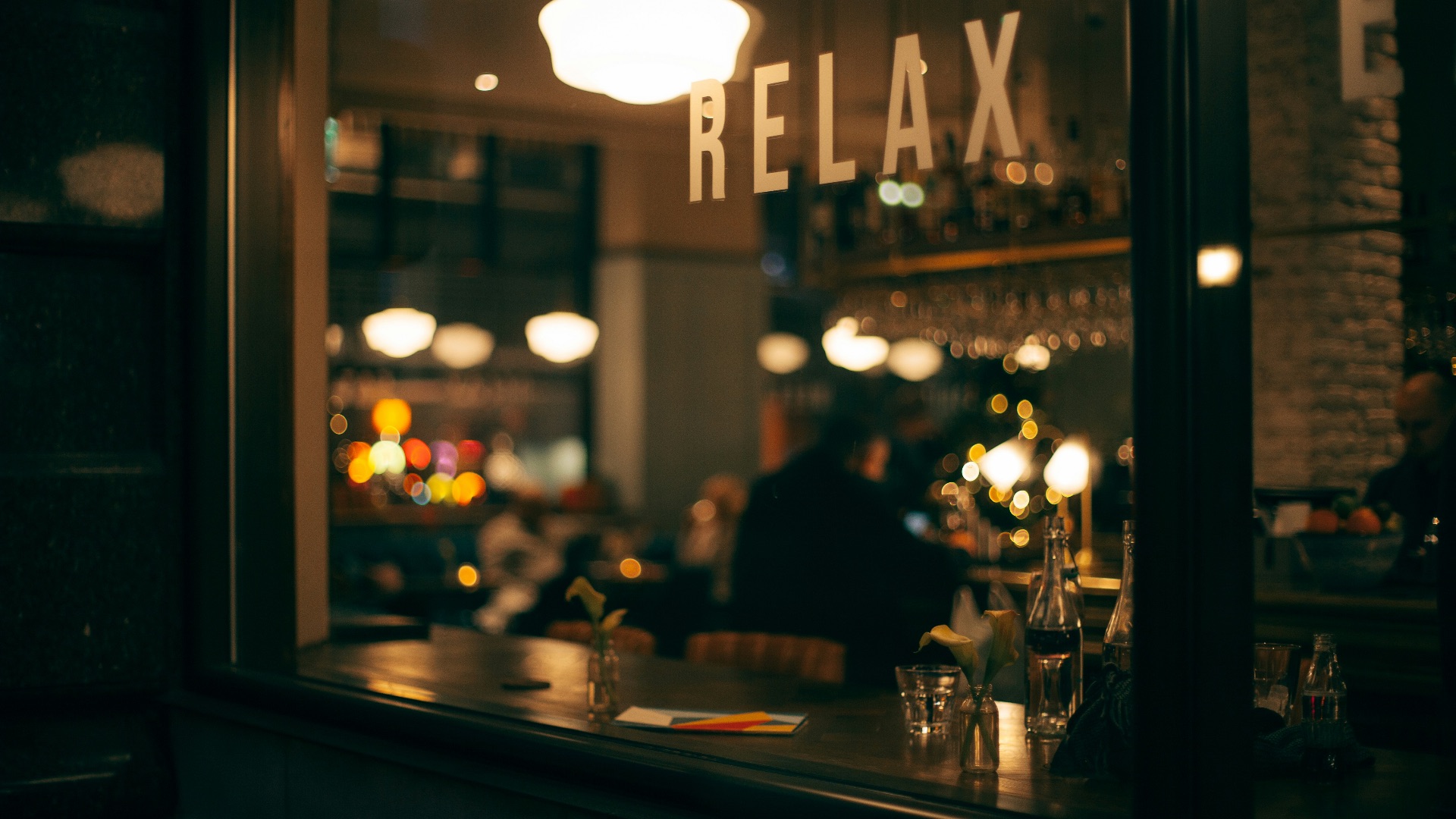
The cult of efficiency has trained people to praise speed almost automatically, but not every good thing improves by happening faster. Restaurants offer a counterpoint to that mindset by allowing a meal to unfold at a more measured pace. You sit, order, wait, eat, and talk without rushing toward the next task quite so quickly. It is better to dine slowly and eat mindfully, after all.
9. Hospitality Adds to the Experience
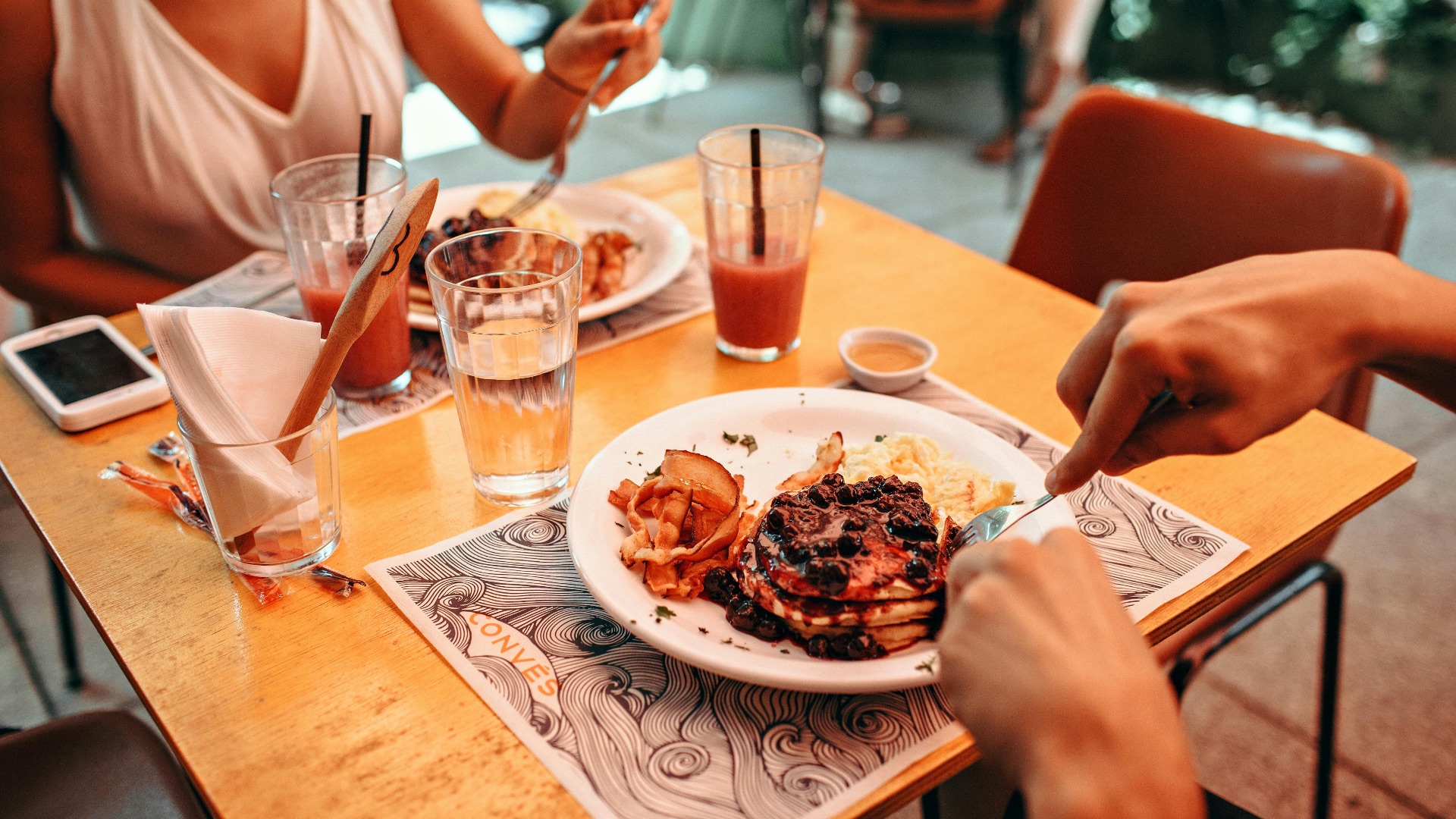
Good restaurant service isn't merely functional. It can guide the meal, sharpen your choices, smooth over problems, and create a sense of ease that elevates the entire outing. A thoughtful recommendation or an attentive server who knows how to read the table can change how the evening feels. Food courts may excel at access and efficiency, but they don’t offer much in the way of hospitality, and plenty of diners still care about that distinction.

10. Dining In Feels More Special
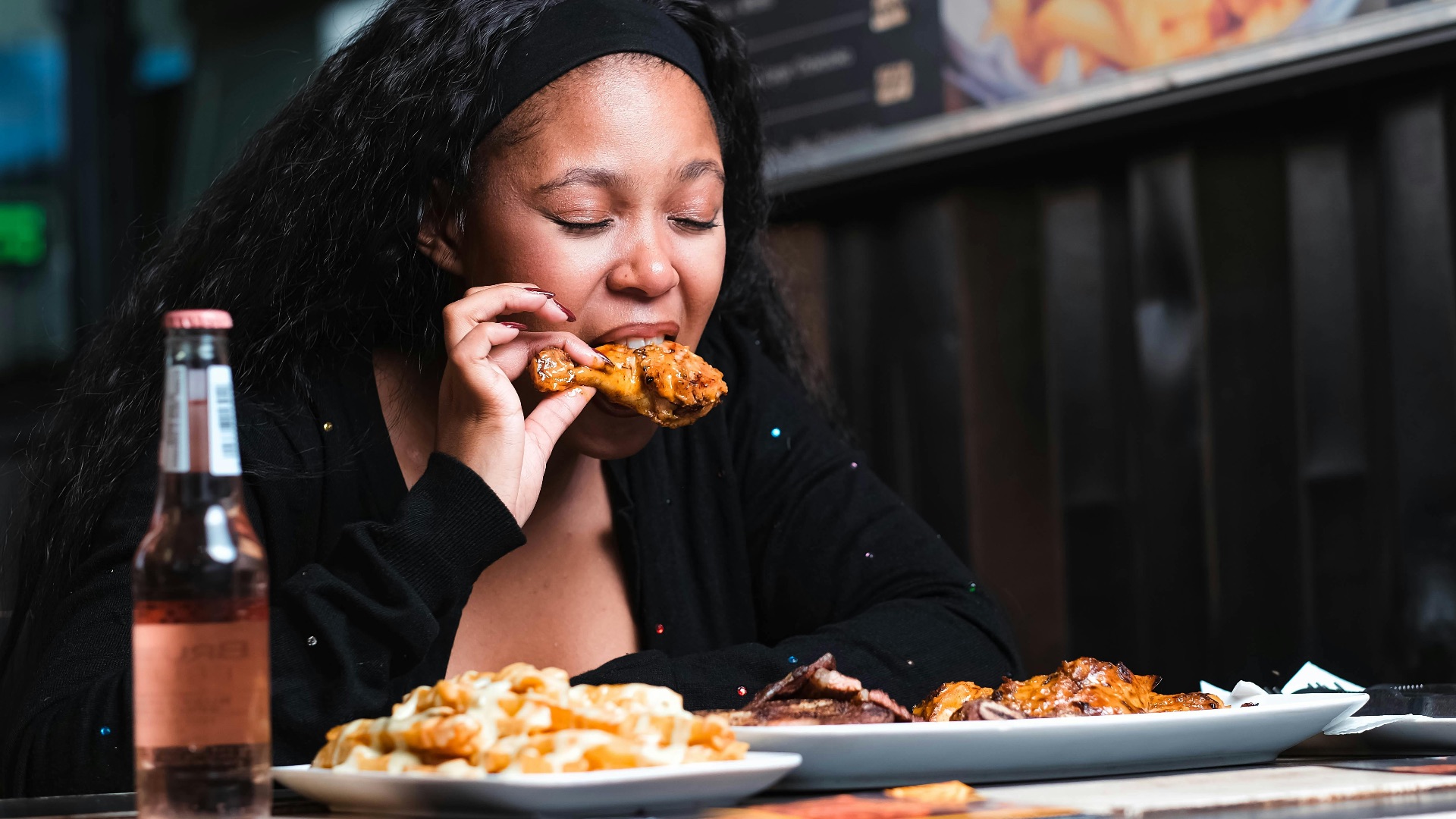
There is, finally, the matter of emotional texture. Going to a restaurant can feel like stepping briefly outside the ordinary routine, even if only for an hour. It turns dinner into a destination rather than a brief stop along the way, which is why people continue to choose it when they want a little more from their evening. Food courts may be more practical in countless situations, sure, but restaurants still take the crown whenever people want the meal to feel special.
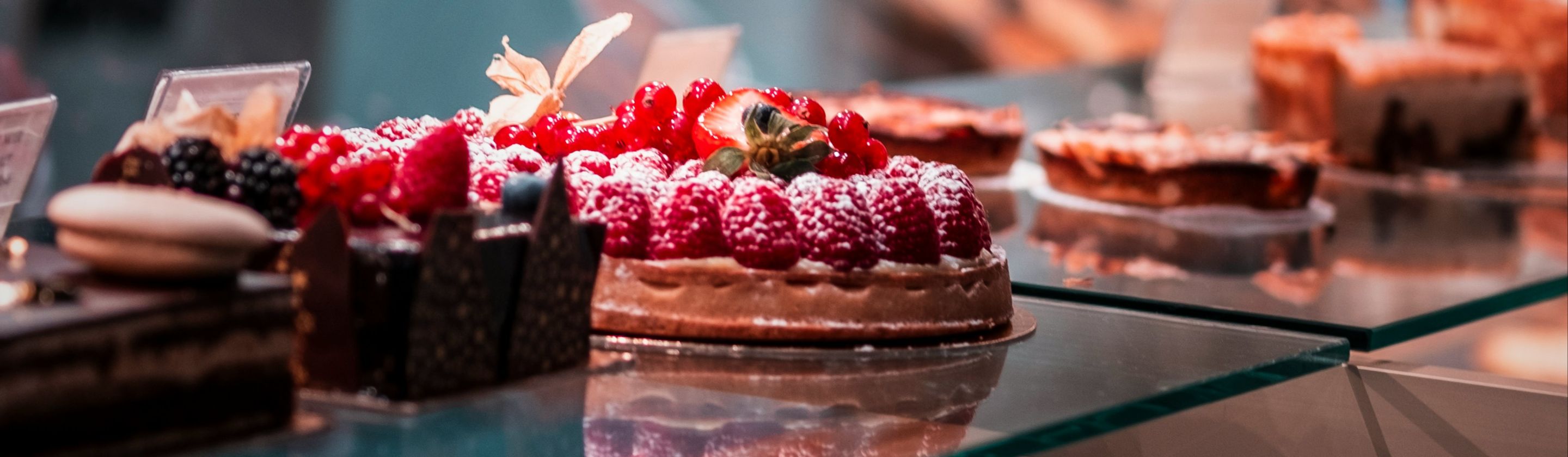
 C'Pho Ngondo R.Rouge on Pexels
KEEP ON READING
20 Fast Food Items With Surprisingly Weird Origins
20 Foods Only Rich Kids Ate Growing Up