10 Food Storage Mistakes Turning Your Snacks Stale & 10 That Keep Them Fresh for Longer
10 Food Storage Mistakes Turning Your Snacks Stale & 10 That Keep Them Fresh for Longer
How to Keep Things Fresh
Ever reached into an open bag of chips only to find them stale? Sure, you might blame it on the food, but freshness and spoilage actually depend more on how you store them. Alas, don't expect your snacks to taste as crisp as they were when you first tore the seal, especially if you didn't take any steps to preserve that crunch. If you want your food to taste fresher for longer, don't make these amateur mistakes.
1. Leaving the Original Bag Wide Open
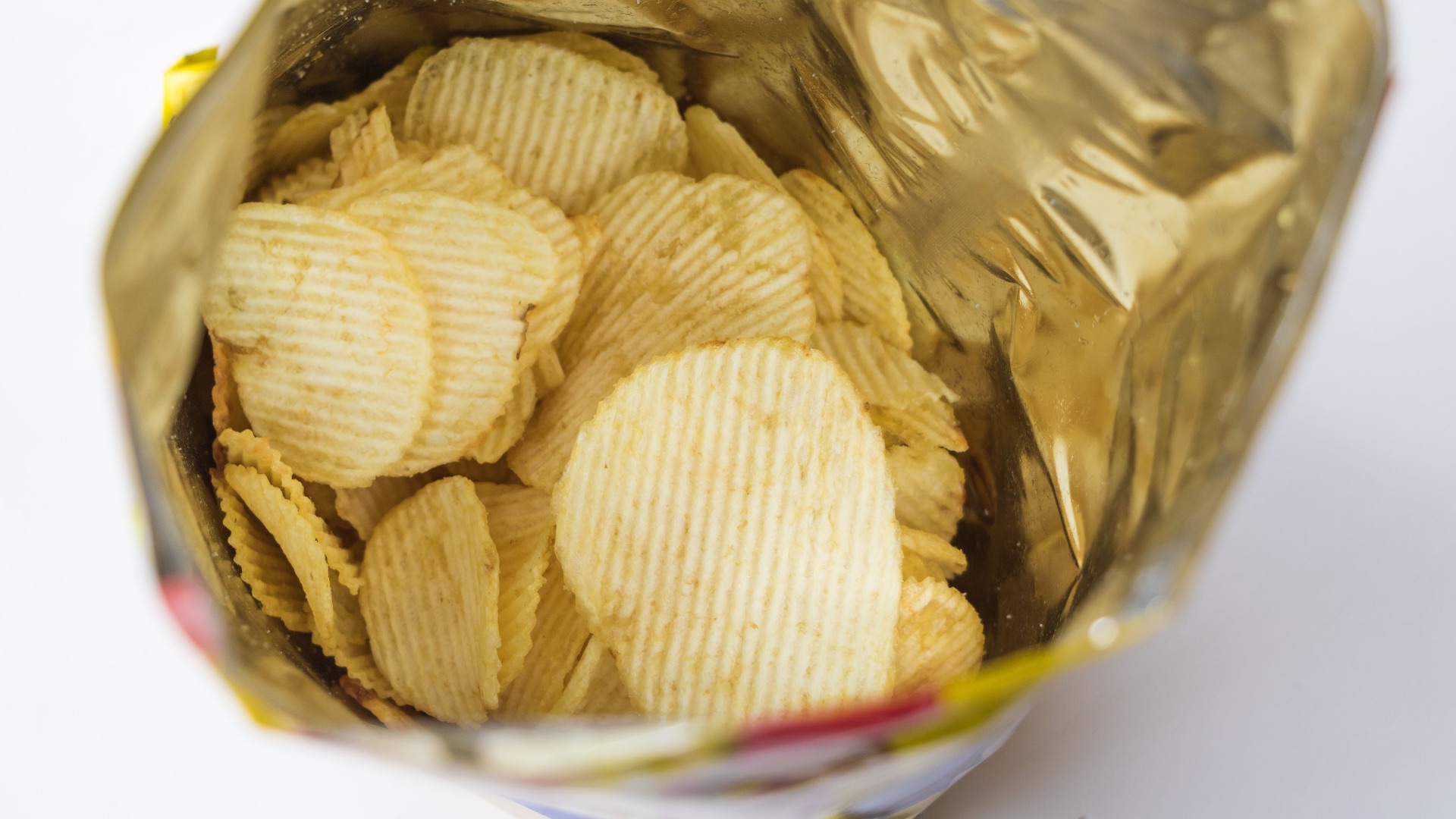
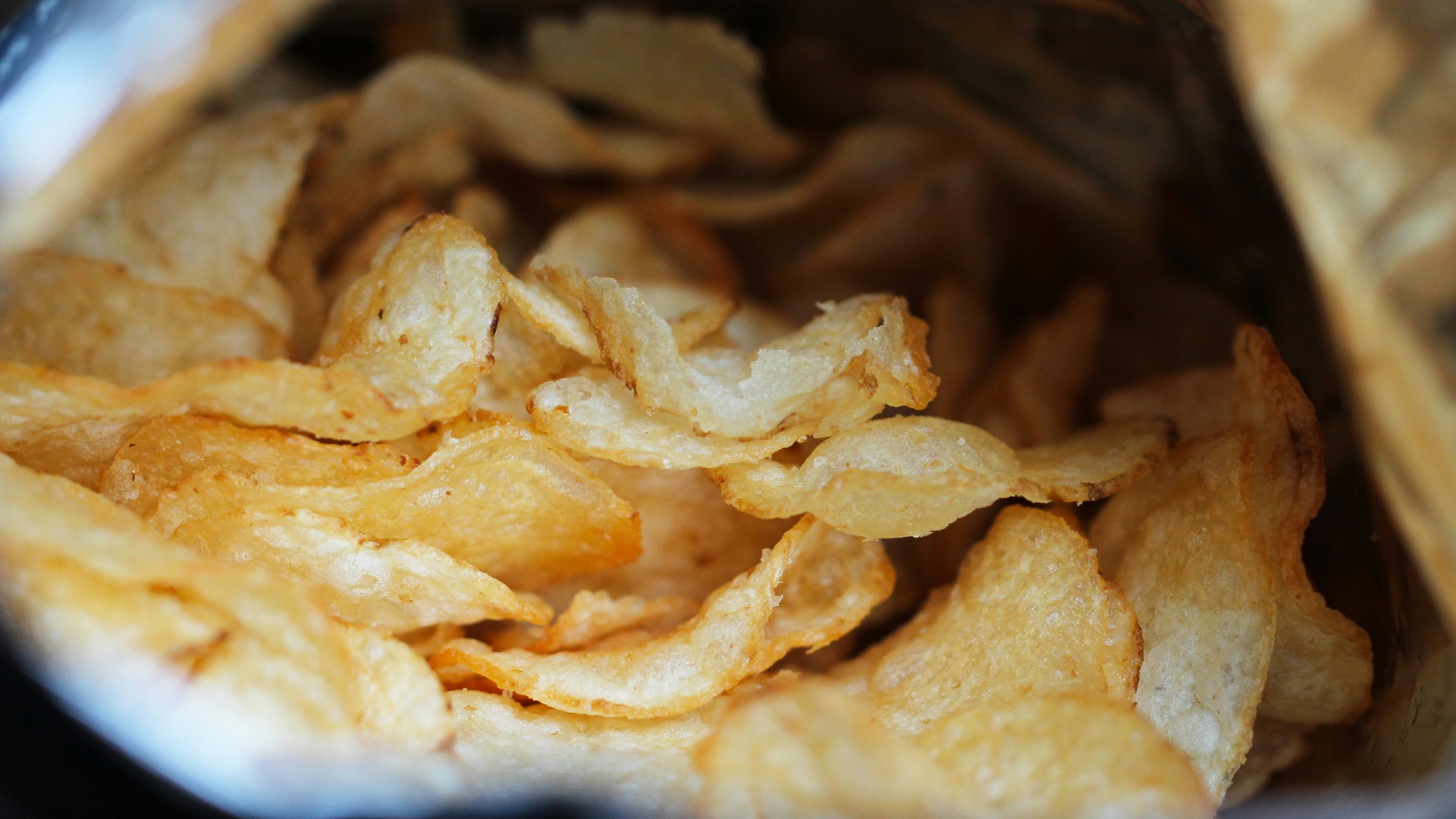
This should go without saying, but never leave your snack bag wide open. Even rolling down the top without actually sealing can introduce plenty of air inside. Before you know it, your crunchy snacks can absorb moisture and gradually lose their crispness. Womp womp.
 Esperanza Doronila on Unsplash
2. Using a Clip Improperly
A bag clip can be useful, but it won't help much if it doesn't create a tight seal. Any small opening can allow fresh air and humidity into the bag, which means your effort was for naught. Before clipping a bag, always make sure to squeeze out excess air and fold the opening several times to improve the seal.
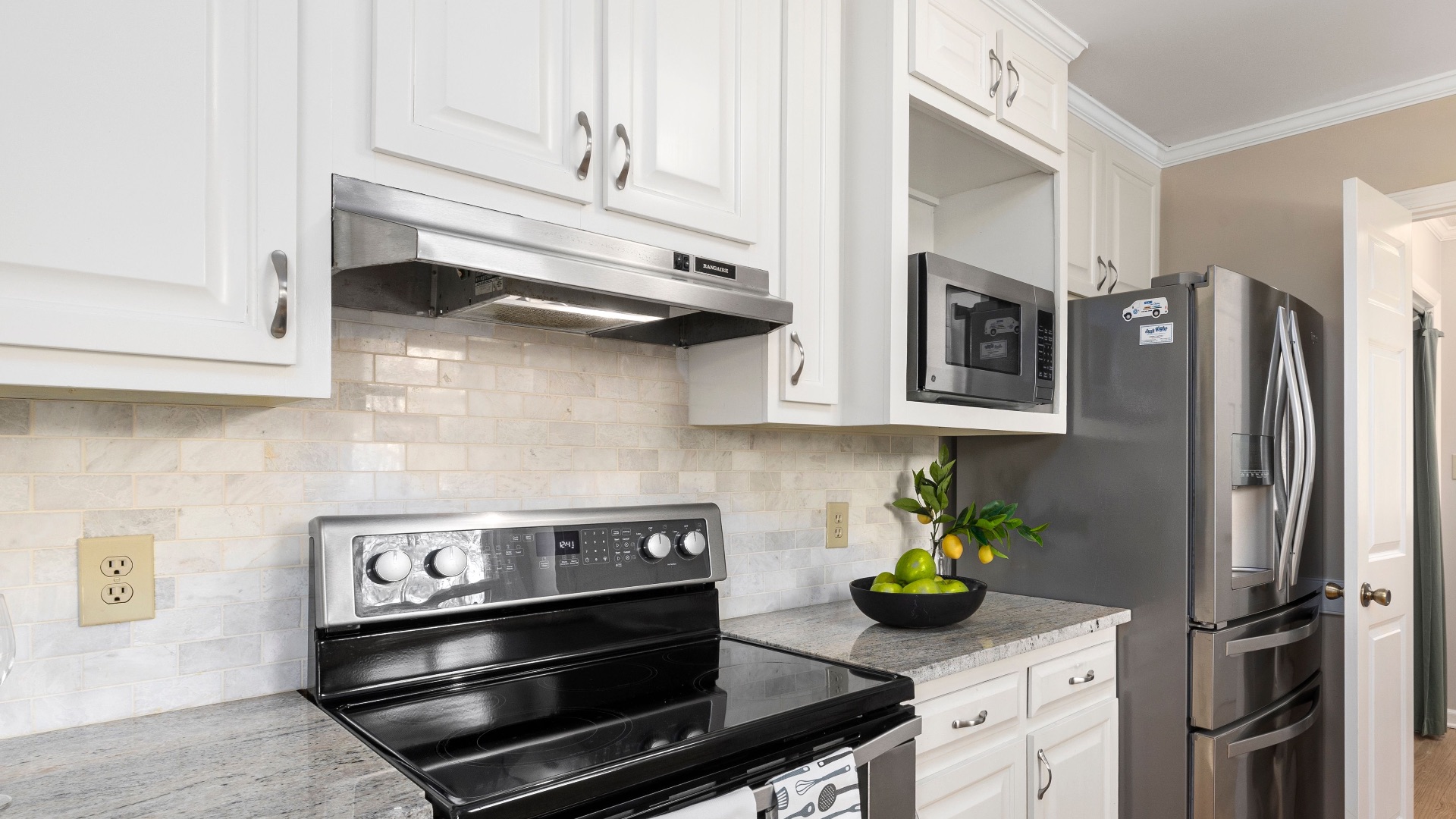
3. Storing Snacks Above the Stove
That cabinet over your stove may seem convenient, but it's often one of the worst places to store your snacks, especially ones that are sensitive to heat and moisture. After all, when you cook, you'll repeatedly send steam upwards, creating a perpetually warm environment for your poor, poor snacks.
4. Putting Crunchy Snacks in the Refrigerator
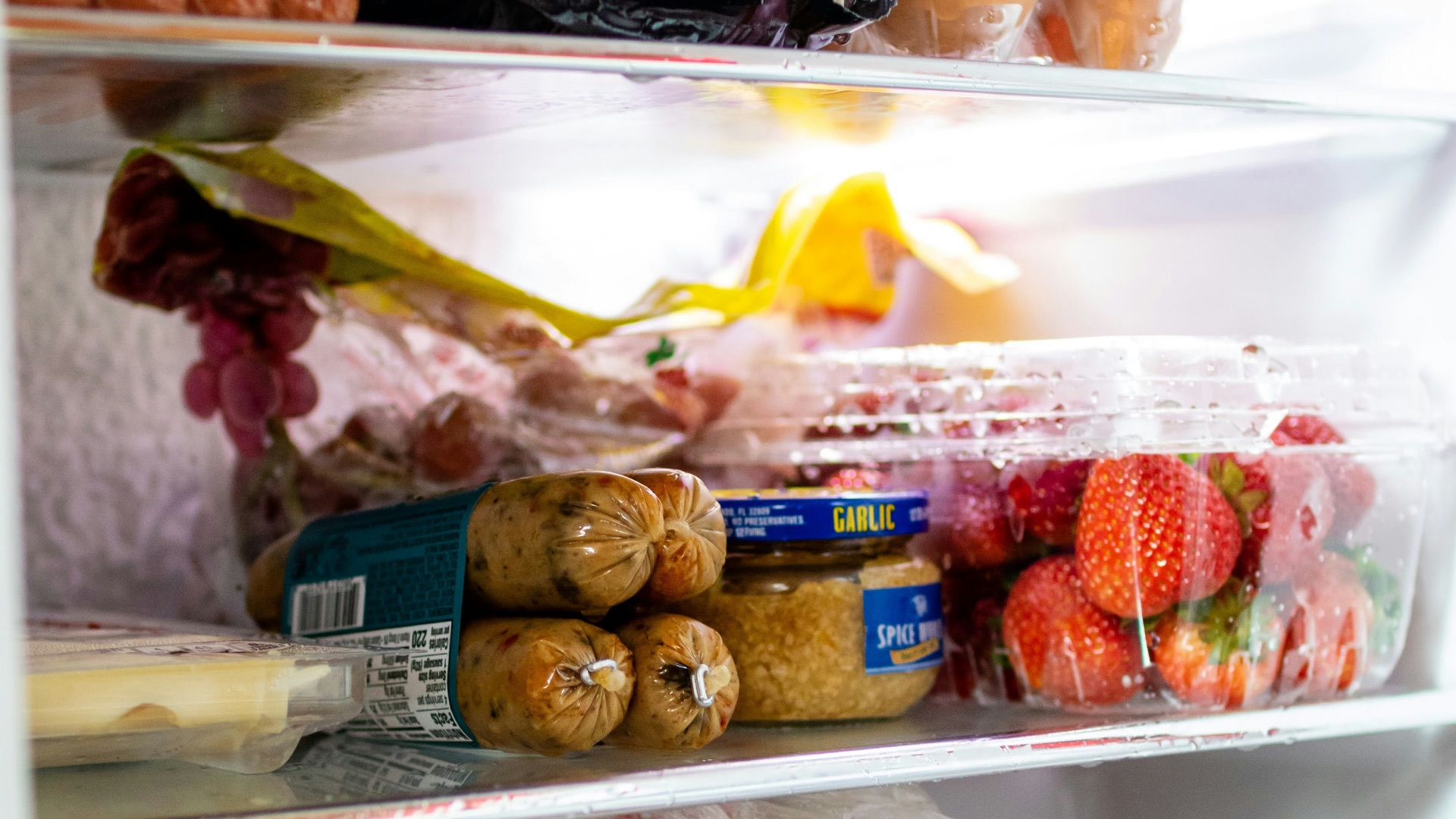
Snack gone stale? Well, all you gotta do is stick it in the refrigerator and it'll go back to normal, right? Wrong. Refrigeration isn't automatically better for every type of food, and doing so can repeatedly expose your snacks to humidity and condensation. Unless the product calls for refrigeration, a cool, dry pantry is more appropriate.
5. Keeping Snacks in Direct Sunlight
Lining up your snacks on an open kitchen shelf seems like a good idea, but if it's a spot that gets plenty of sun, you might want to reconsider. Light and heat can affect flavors and accelerate deterioration, especially in foods containing fats. Again, storing your food in the pantry is probably the better call.
6. Mixing Fresh Snacks with Older Ones
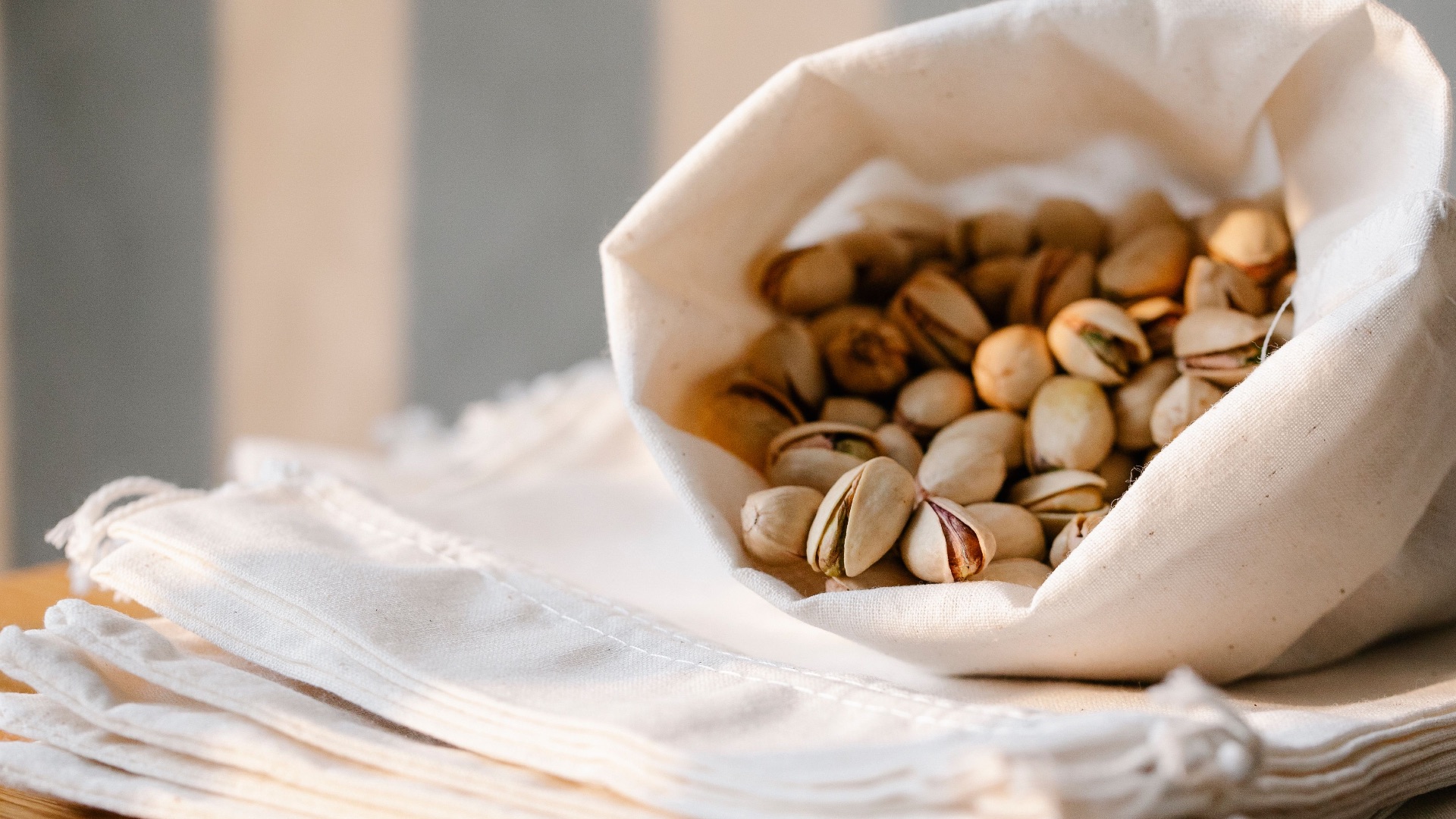
You might be tempted to top off a half-empty container with a newly opened package, but that can actually ruin the freshness of the whole batch. Stick to finishing the older portion first, or, if you must, clean and completely dry the container before refilling it.
7. Using Containers That Aren't Fully Dry
Remember what we said in the previous point about storing your food in a clean, dry container? Make a note of it, because even a small amount of moisture can make your snacks go stale. If you really need them put away and your containers are still wet, put your snacks in Ziploc baggies.
8. Opening Packages Too Early
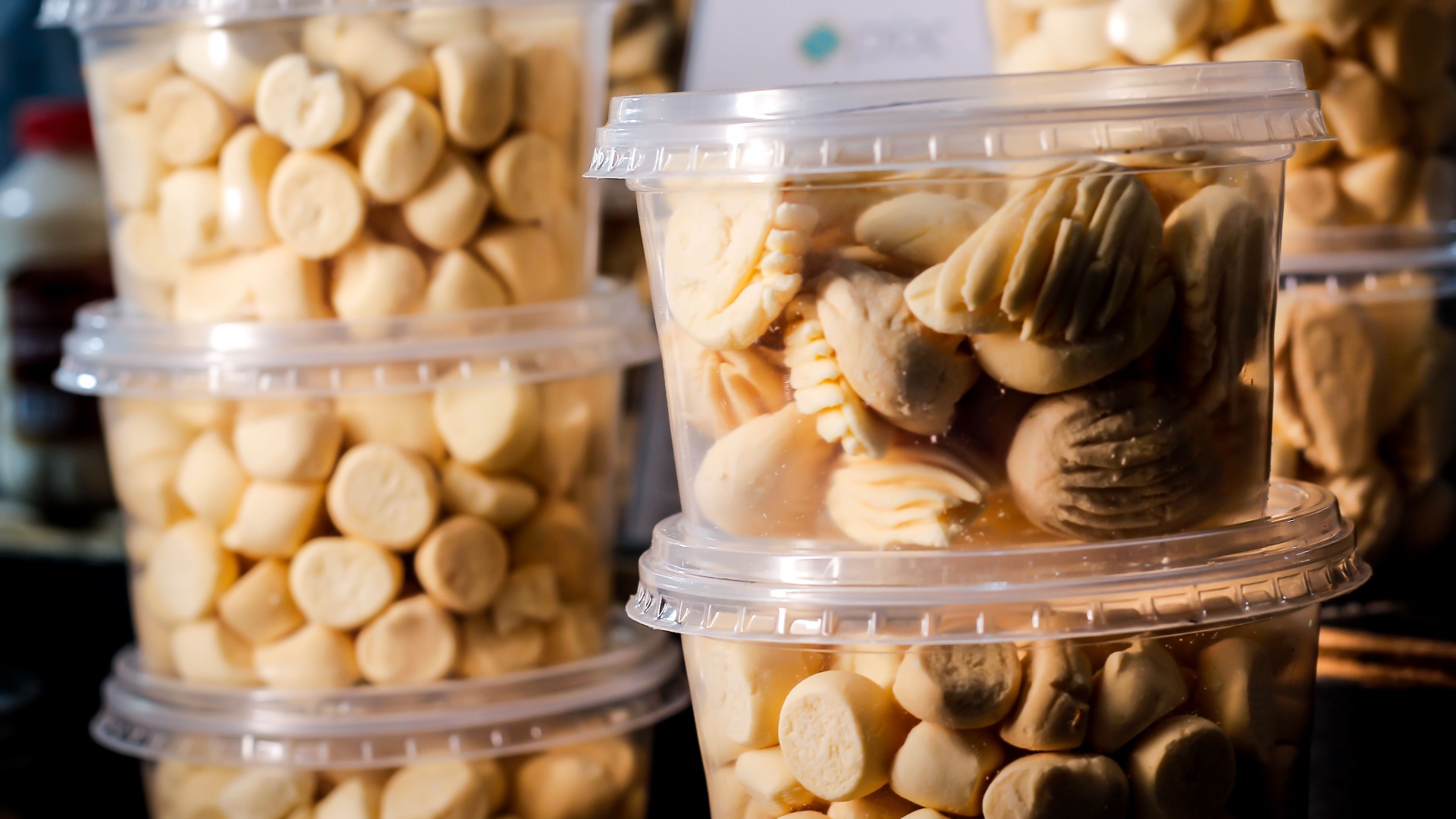
We get it—that family-size bag of chips is tempting. It's calling your name. But if you can't finish bulk packages in one go (and don't get us wrong, you shouldn't), they'll only lose quality the longer they stay sitting out. As much as you might not want to for inflation reasons, it's probably best to buy smaller packages when freshness matters more.
9. Forgetting About Pantry Humidity
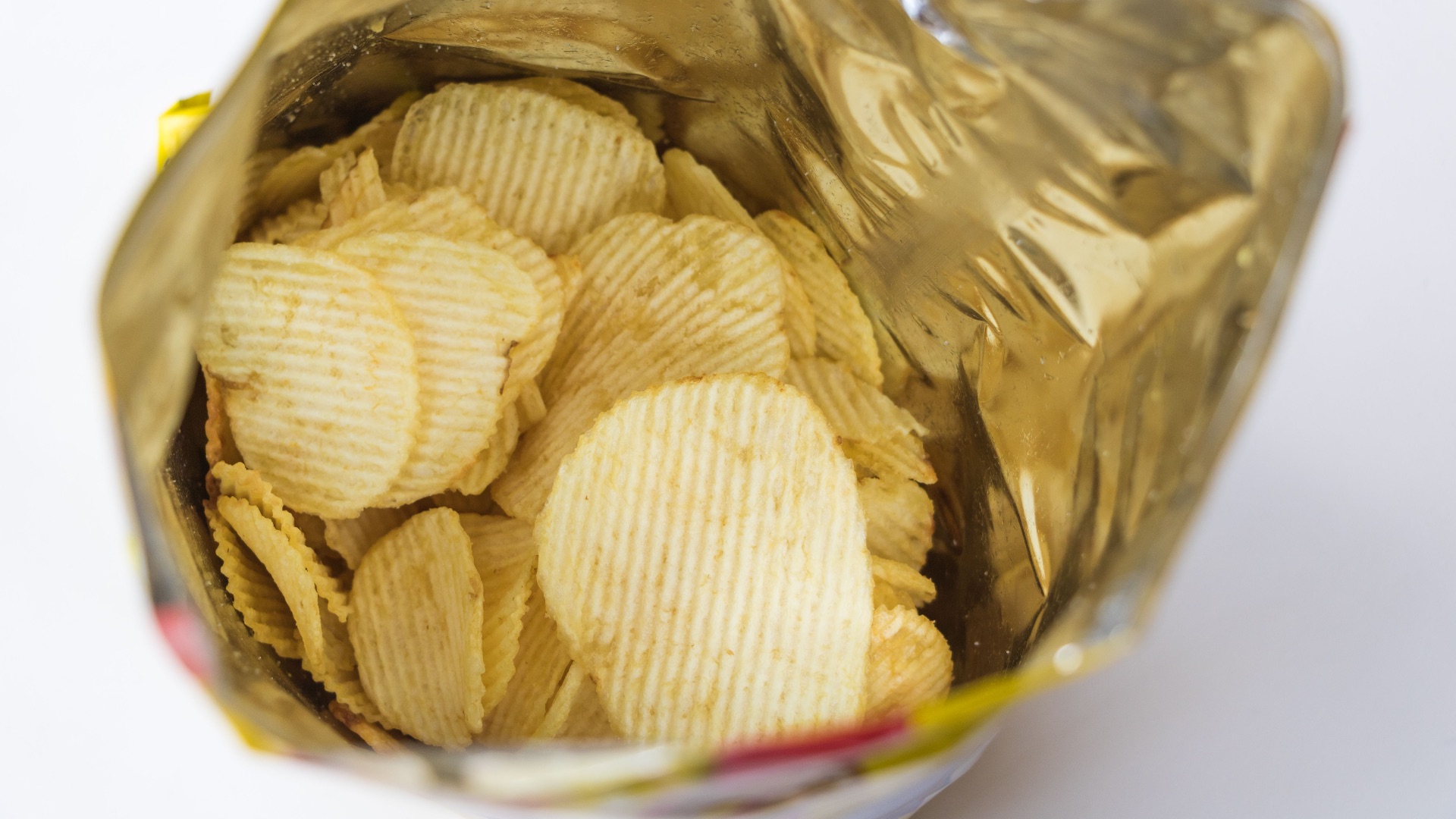
Your pantry might be the best place for most snacks, but it's not always as dry as you might hope in there. Kitchens can become surprisingly humid, which means dry snacks stored in the pantry can still absorb some of that moisture, especially if they're not properly sealed.
 https://kaboompics.com/ on Pexels
10. Leaving Snacks in Damaged Packaging
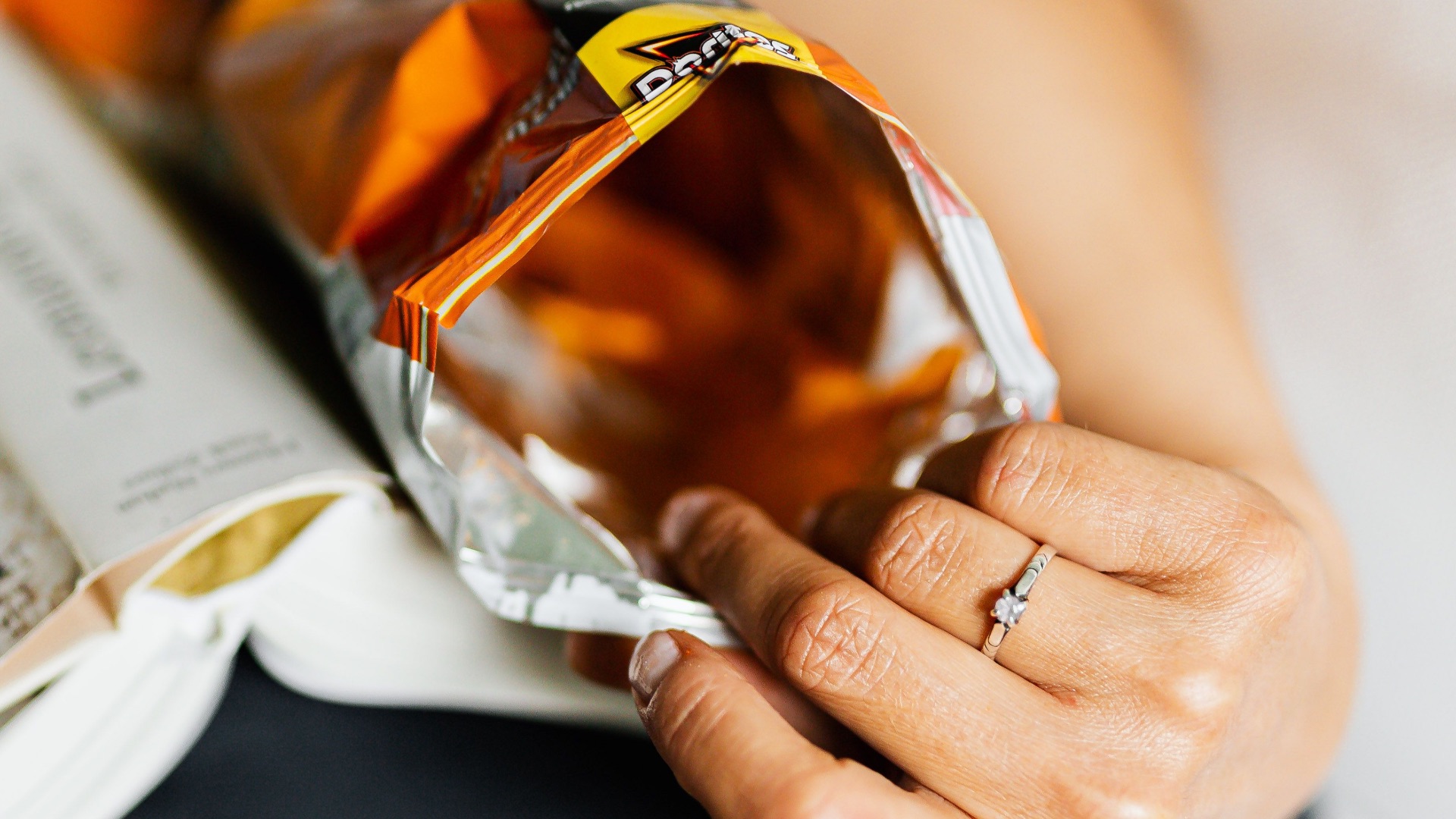
Got too excited and ripped a giant tear in your snack bag? Well, once the packaging has been torn, it can no longer protect the contents from outside air as effectively. If you let them stay in their original bag, don't be surprised if you no longer get that satisfying crunch.
Now that you know what not to do if you want your snacks to stay fresh, let's flip the script and cover what you should do.
 https://kaboompics.com/ on Pexels
1. Transfer Them to Airtight Containers
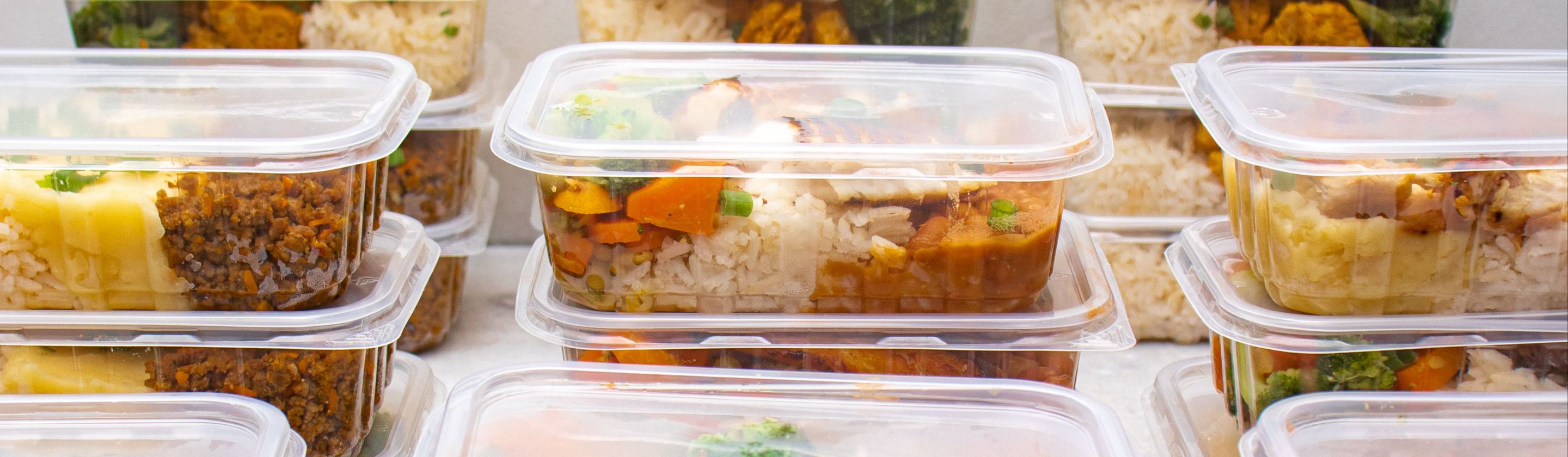
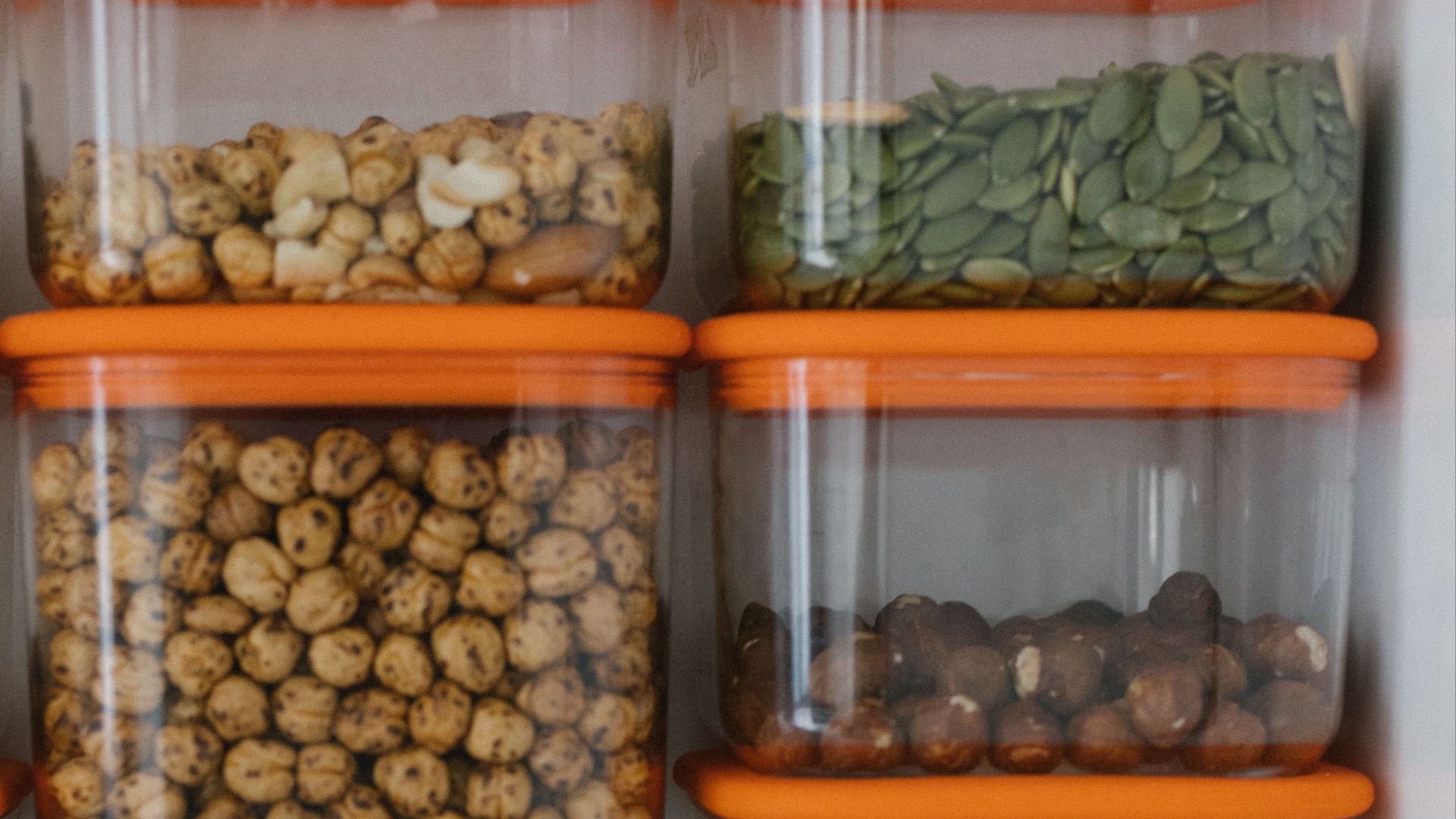
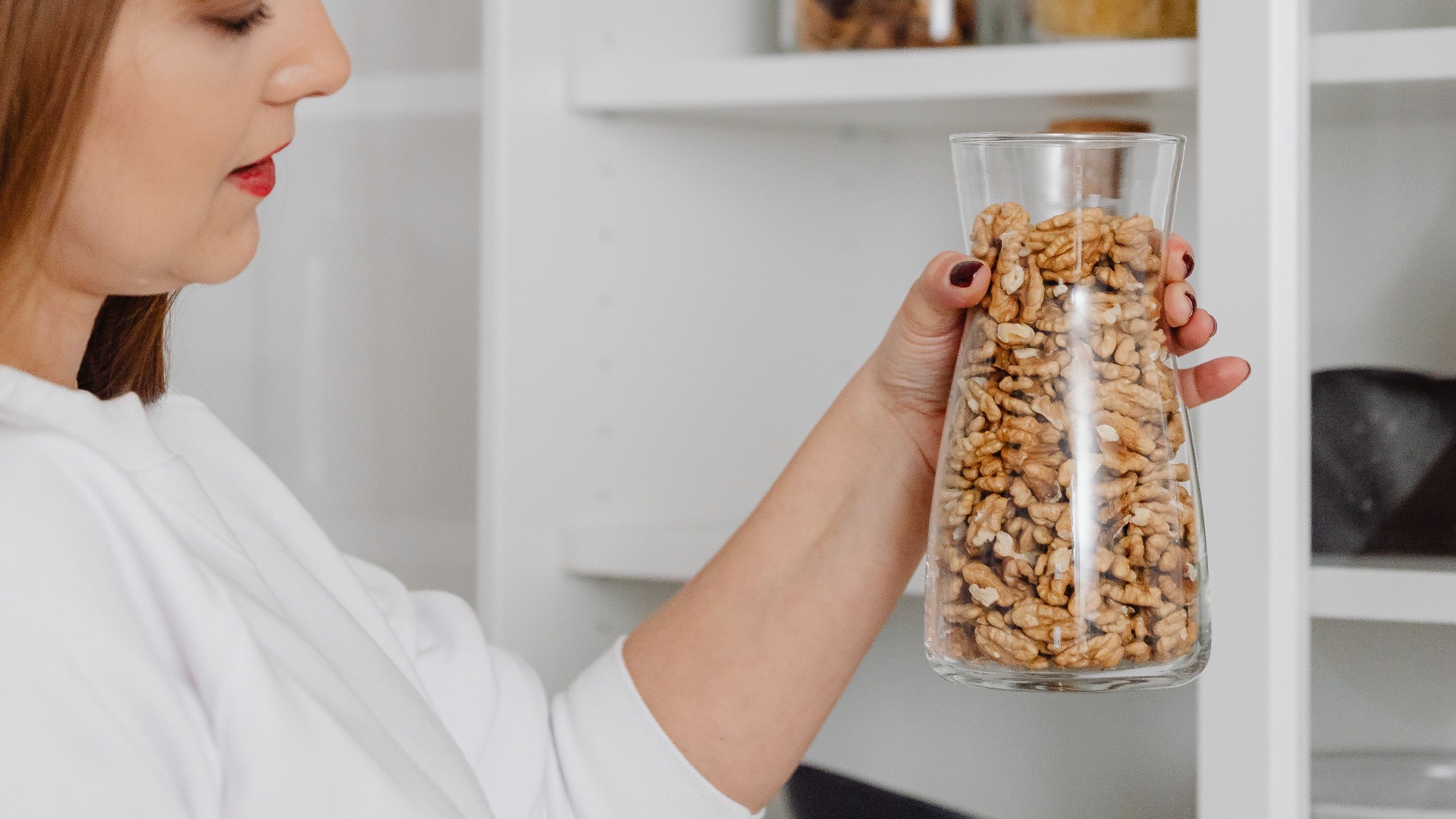
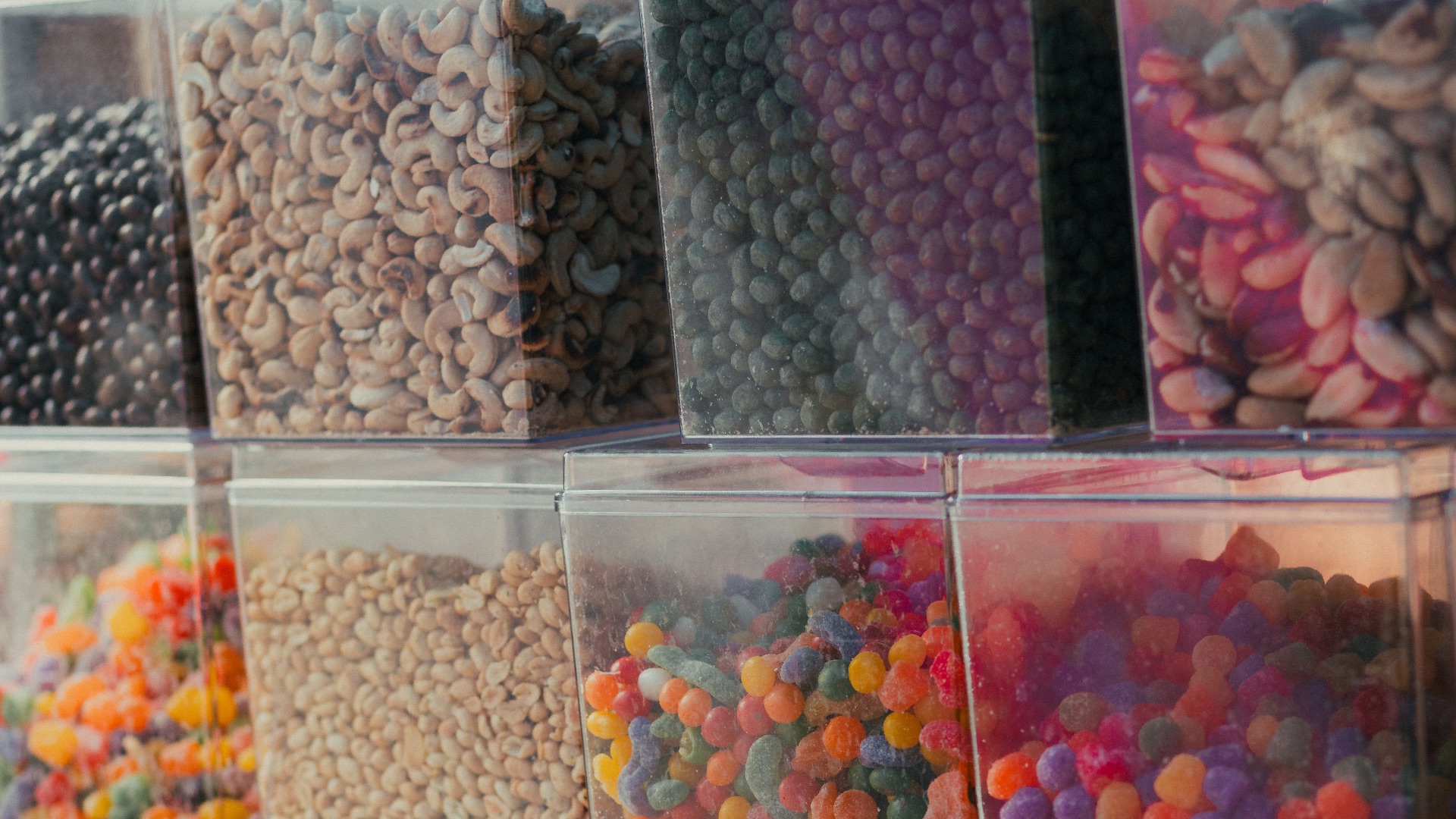
We mentioned this already, but a good airtight container creates an extra barrier between your snacks and the surrounding environment. Just make sure it's completely dry before you pour your food in, and choose a container that's appropriately sized so you aren't leaving a huge pocket of air above it.
2. Remove Excess Air Before Resealing Bags
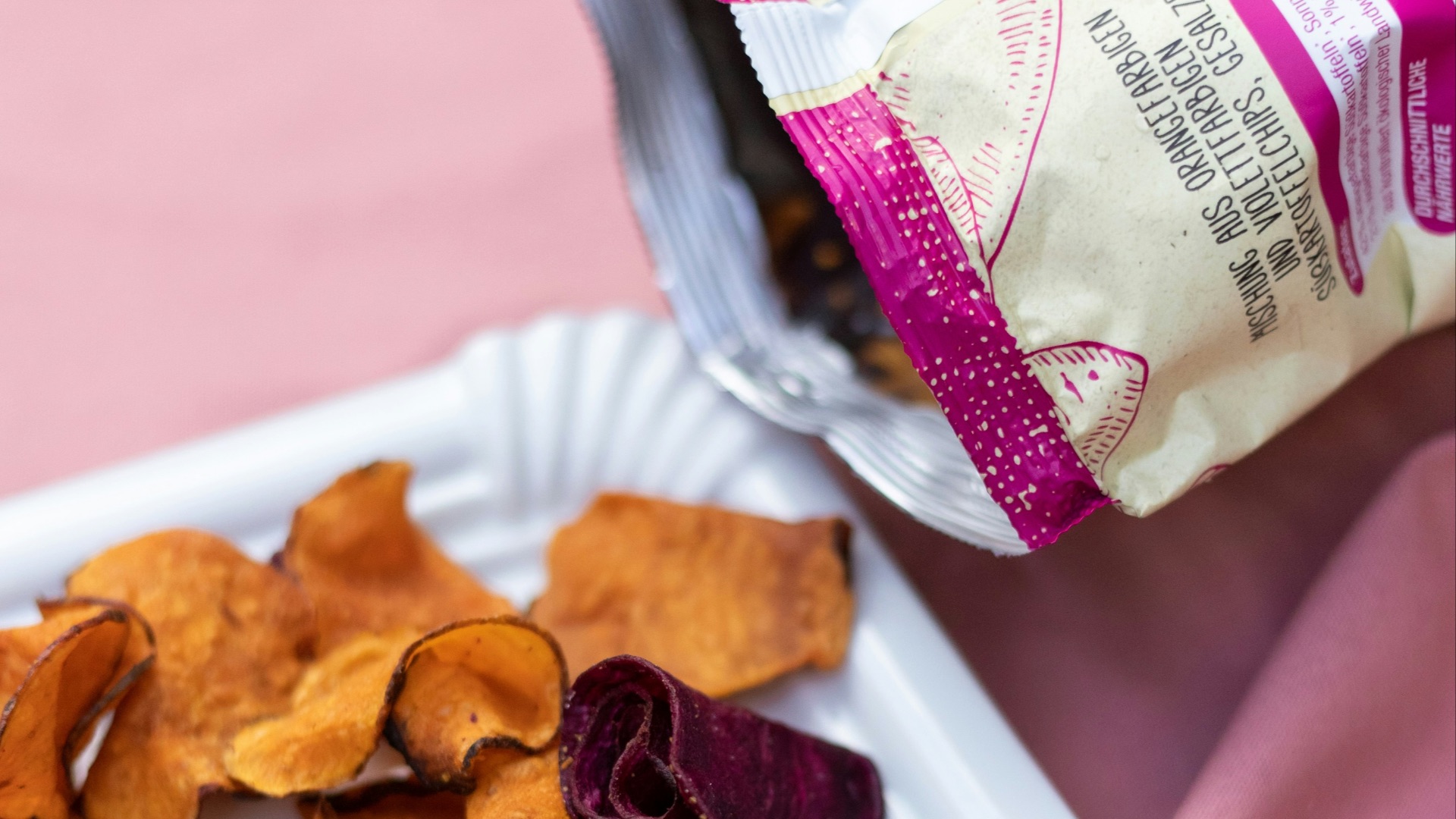
If you prefer to keep snacks in their original packaging, remember to push out as much air as possible before closing the bag. Less air trapped inside means less exposure between servings! Better yet, clip it closed after you've deflated it.
3. Divide Bulk Snacks Into Smaller Portions
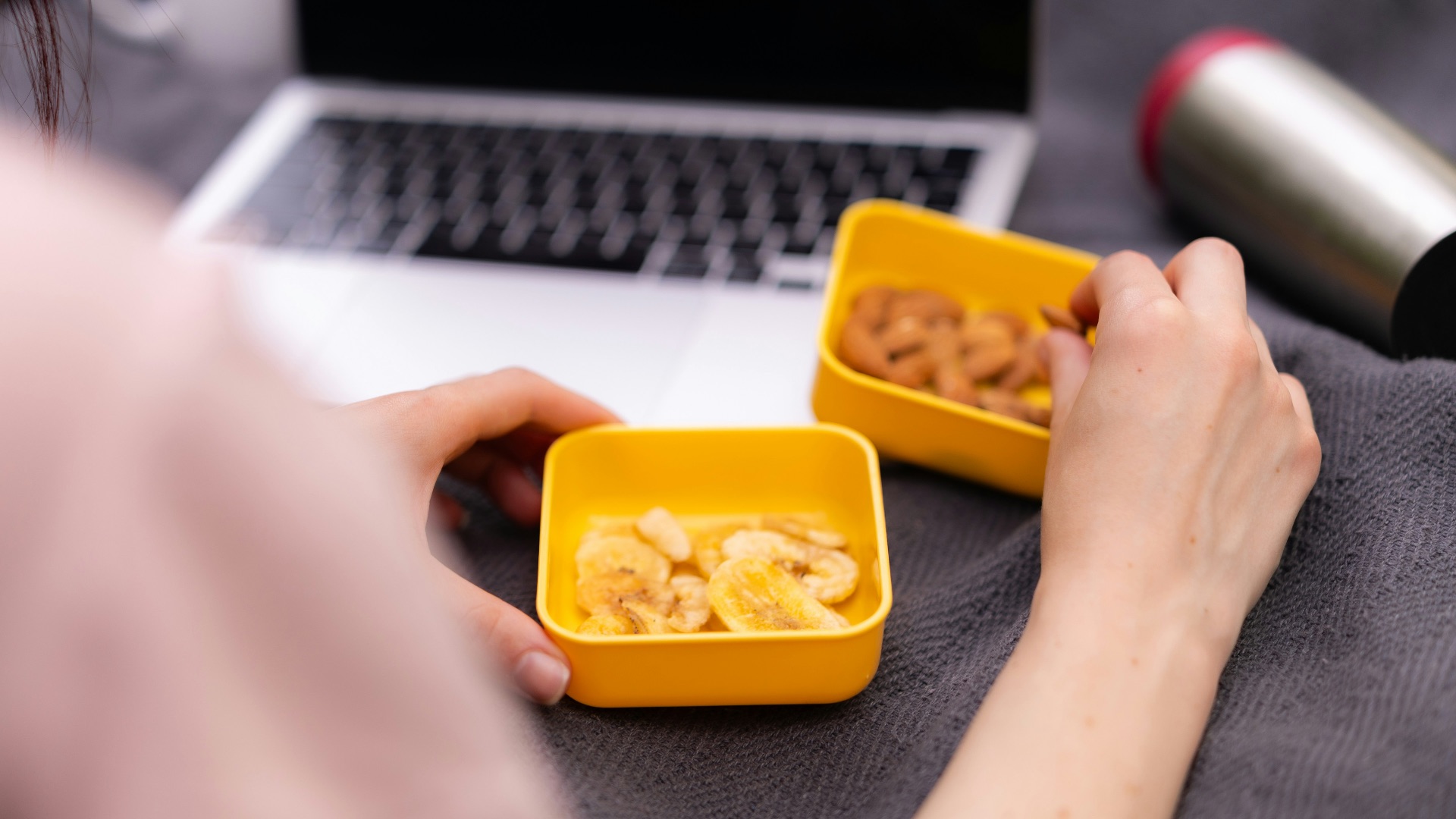
Instead of repeatedly opening one enormous package, separate bulk purchases into several sealed containers or bags. That way, you'll only reach into one sectioned portion while the others remain unopened, reducing the number of times it's exposed to fresh air.
4. Keep the Pantry Cool and Dry
One of the simplest ways to preserve packaged snacks is to find a stable environment that's not exposed to excess heat or moisture. While exact storage needs vary by product, most shelf-stable snacks fare best in a cool, dry place.
5. Reseal Packages Immediately After Serving
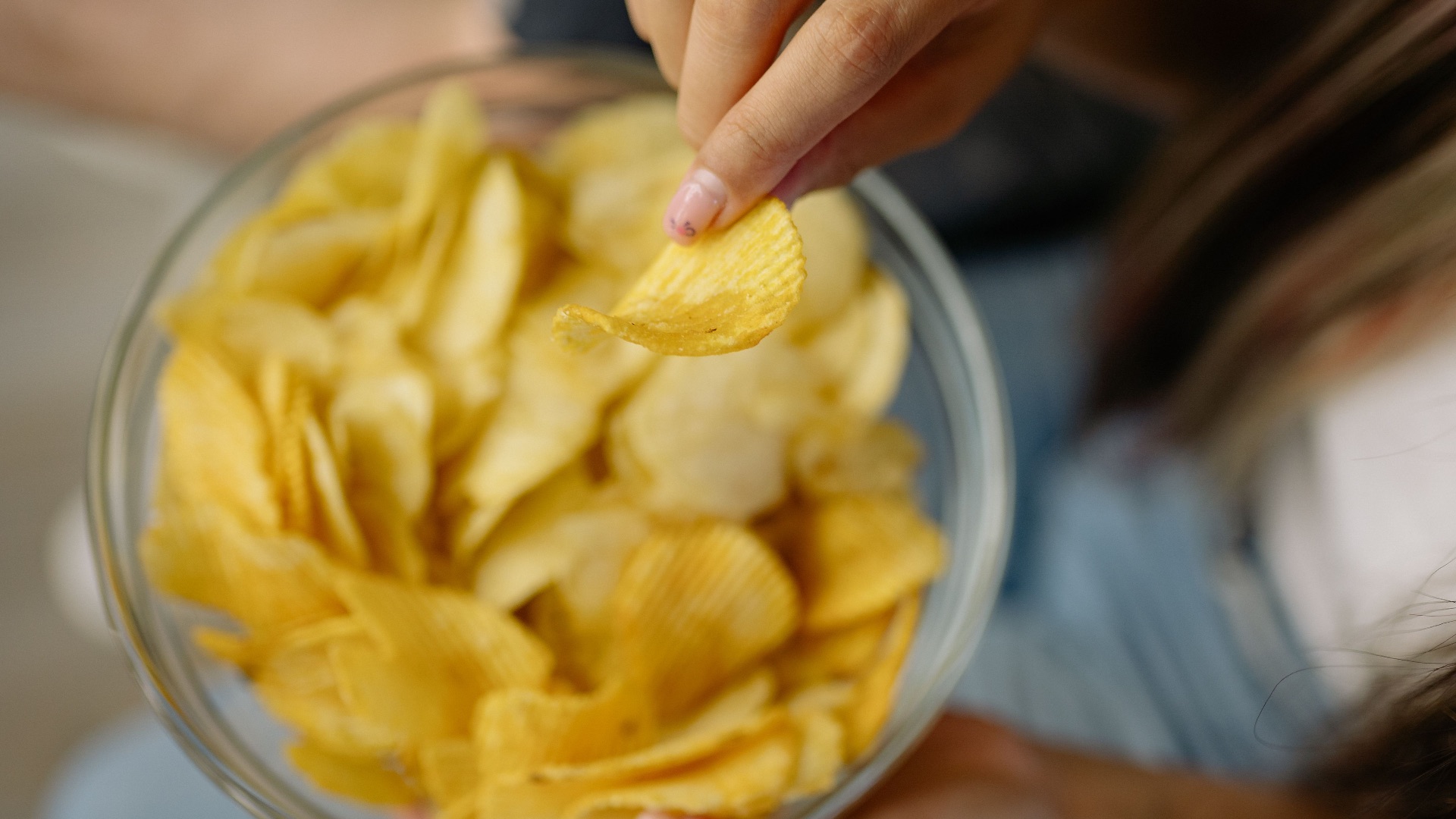
It's easy to leave a bag open while watching TV, but the longer it's kept open, the faster it'll go stale. If you know you won't finish the whole thing, take out what you need and close the package right away. By doing so, you'll also be less likely to accidentally leave it out overnight.
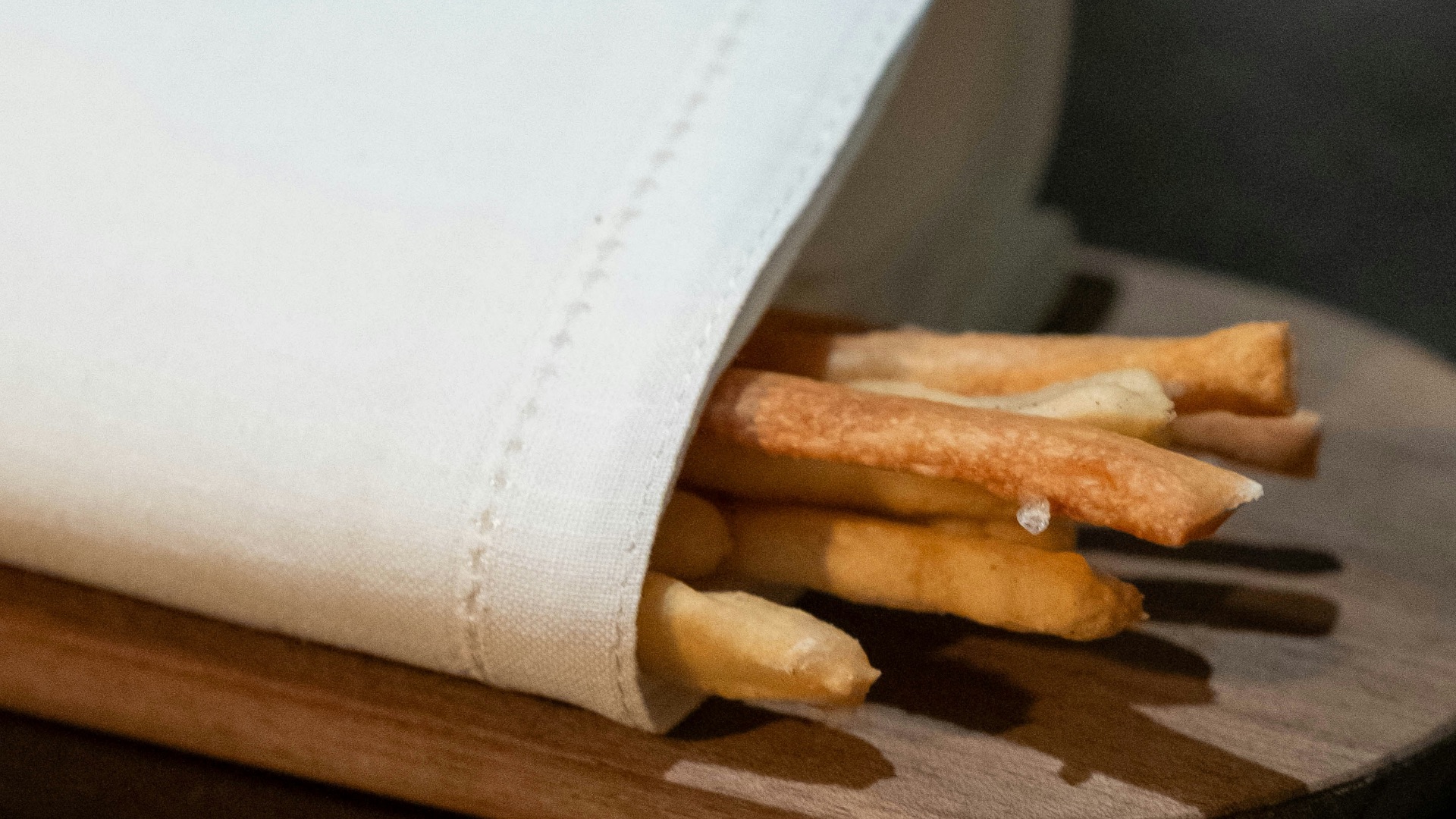
6. Transfer to Smaller Containers as Portions Shrink
A huge storage container may be perfect when you first open a family-size package, but not so much when only a handful remains. It might sound tedious, but moving the leftovers into a smaller airtight container helps prolong their freshness. It's a smart approach for snacks that take several weeks to finish.
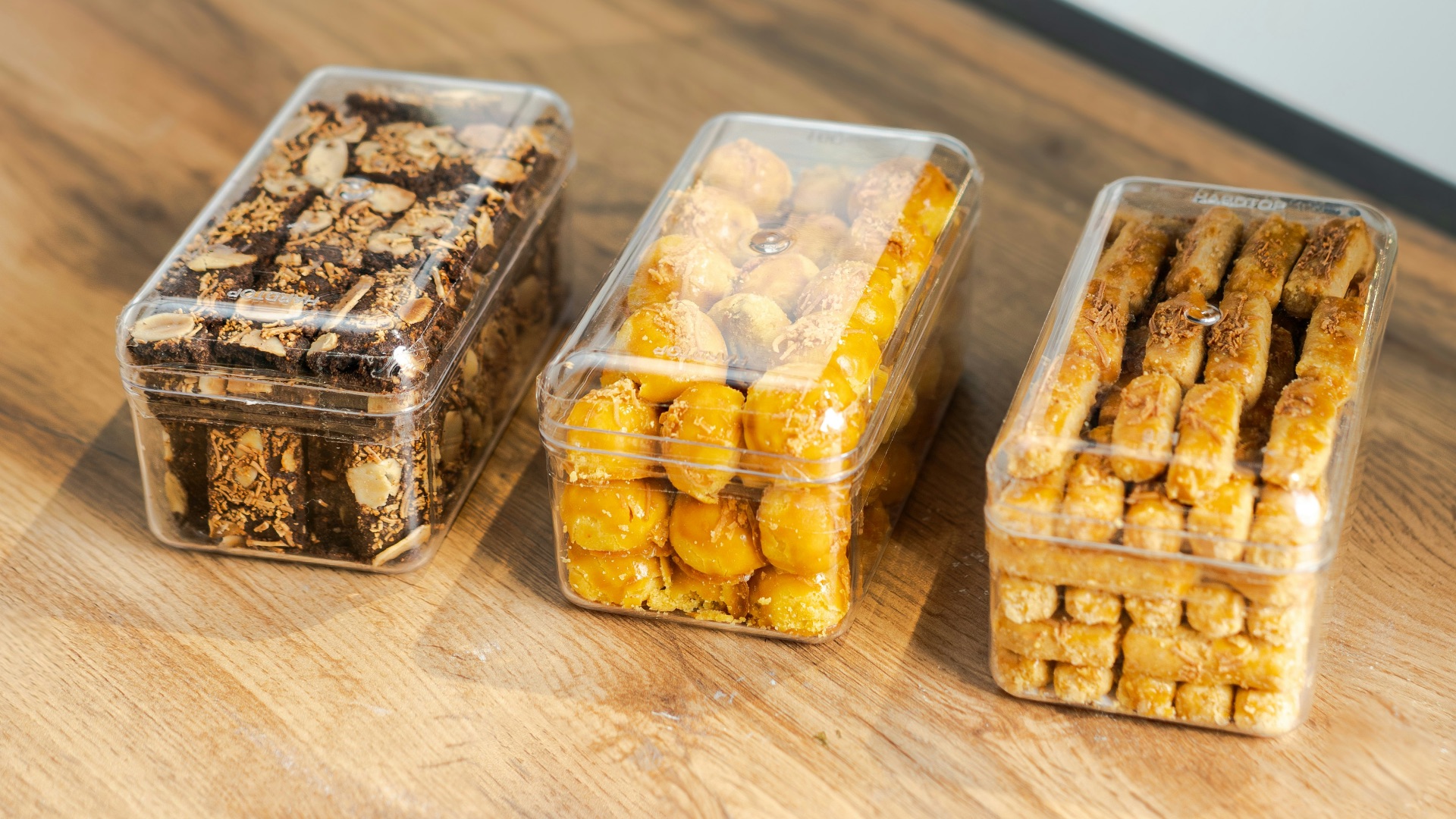
7. Separate Strong-Smelling Foods
Some snacks can absorb odors, so it's best to keep them stored away from pungent foods. If you skip this step, you might bite into a snack that no longer tastes like its intended flavor. Properly sealed containers also provide another layer of protection.
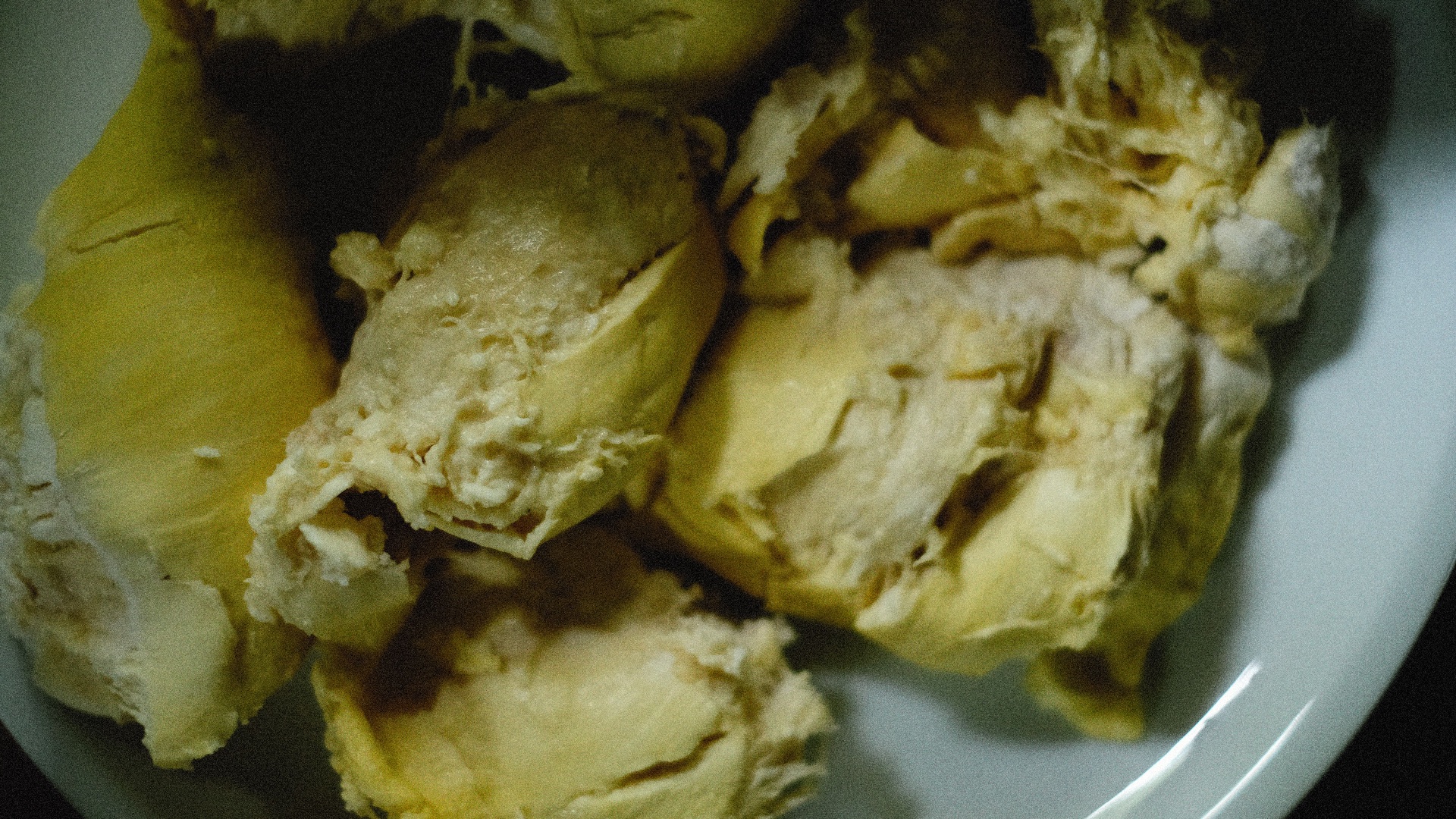
8. Label Containers with Dates
Expiration dates tell you how long an unopened product will maintain its quality, but that only does so much. To make it clearer for you, write down when you opened a snack so that you remember to finish older snacks before opening newer ones. You don't want to keep several similar packages open at once.
9. Rotate Your Snack Supply
Instead of putting new snacks in front of older ones, arrange them by date. This is where your handwritten labels will come in handy! A basic first-in, first-out approach can prevent half-finished packages from being forgotten at the back of the pantry.
10. Freeze Suitable Snacks for Longer Storage
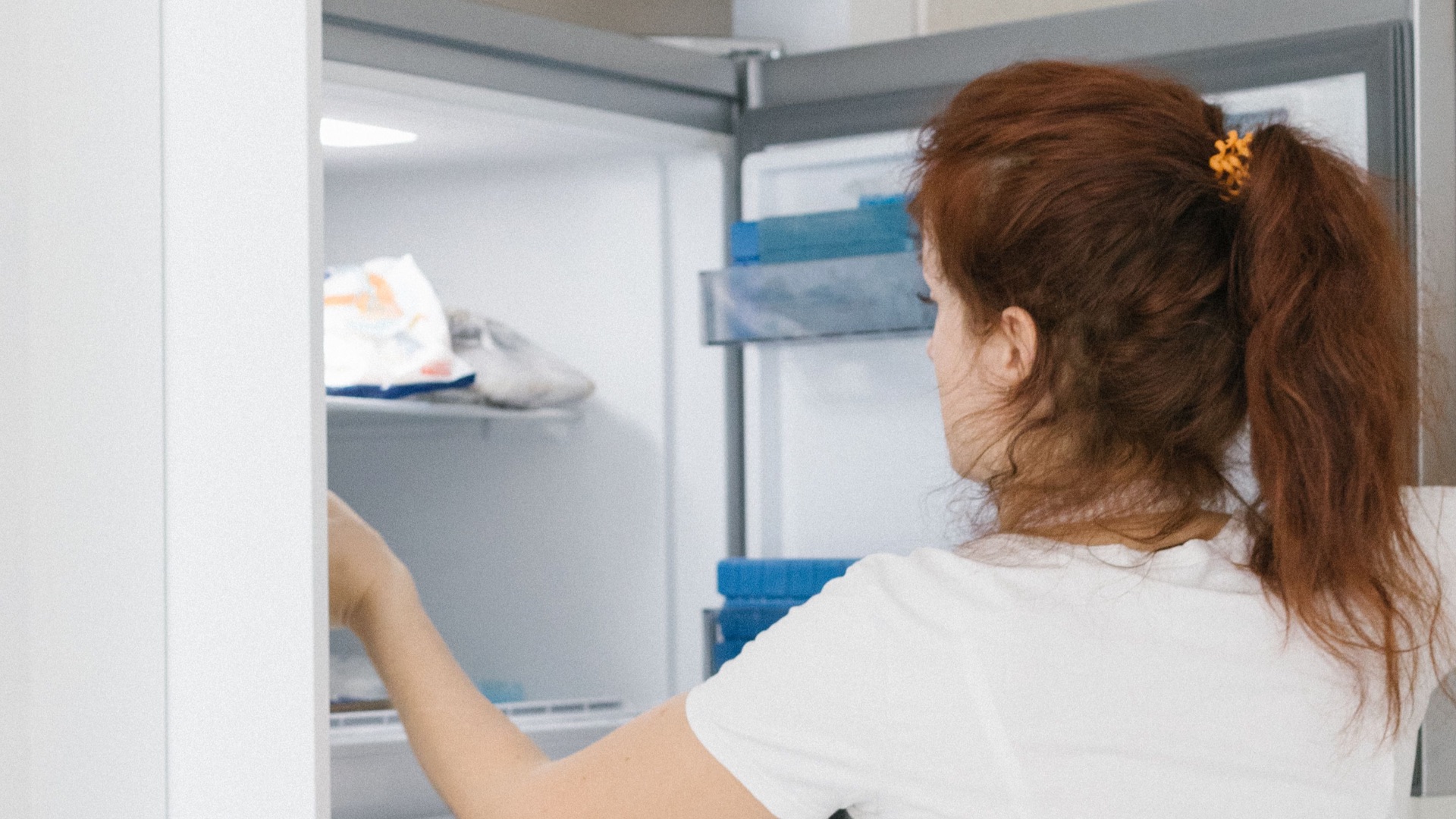
It sounds strange, but some foods can actually be frozen. Freezing slows the processes that reduce quality, though you'll still want to make sure your food is stored in freezer-safe packaging first. Check the specific product before sticking it in the icebox; texture can change drastically in snacks that aren't meant for the cold.
KEEP ON READING
Can You Have an Obsession with Eating Healthy?