10 Foods You Didn't Know Were Made From Rice & 10 Fun Facts About This Versatile Ingredient
10 Foods You Didn't Know Were Made From Rice & 10 Fun Facts About This Versatile Ingredient
The Secret Side Of Rice
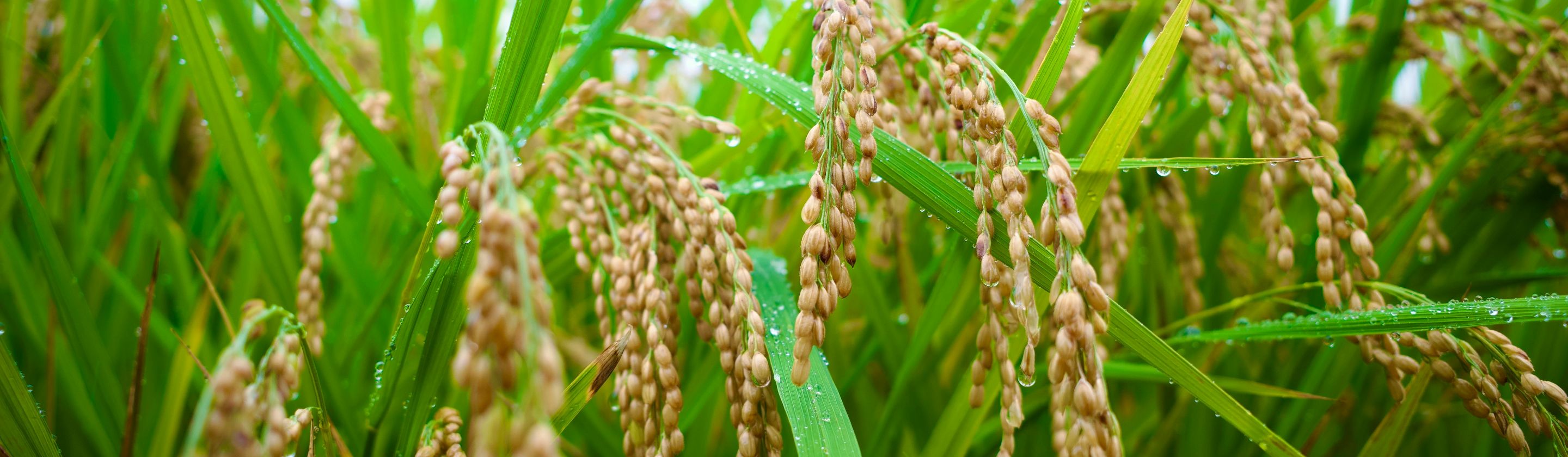
Rice sits on nearly every dinner table across the globe, yet most people have no idea just how far this humble grain's influence extends. This ancient ingredient has mastered the art of disguise, transforming itself into unexpected forms that bear little resemblance to the fluffy white edibles. Let’s take a closer look at some surprising foods where rice shows up in ways you might never expect.
1. Mochi (Japan)
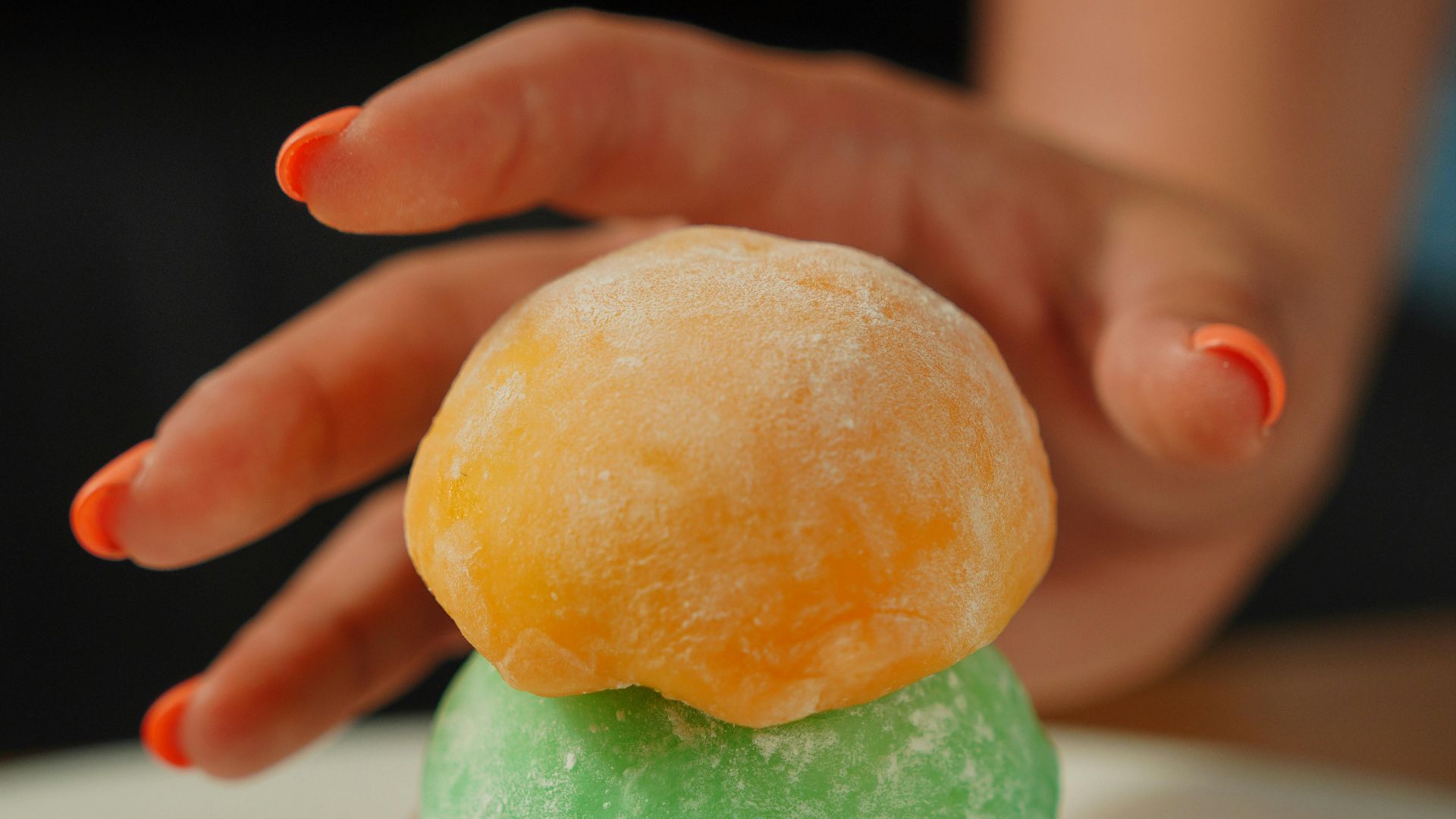
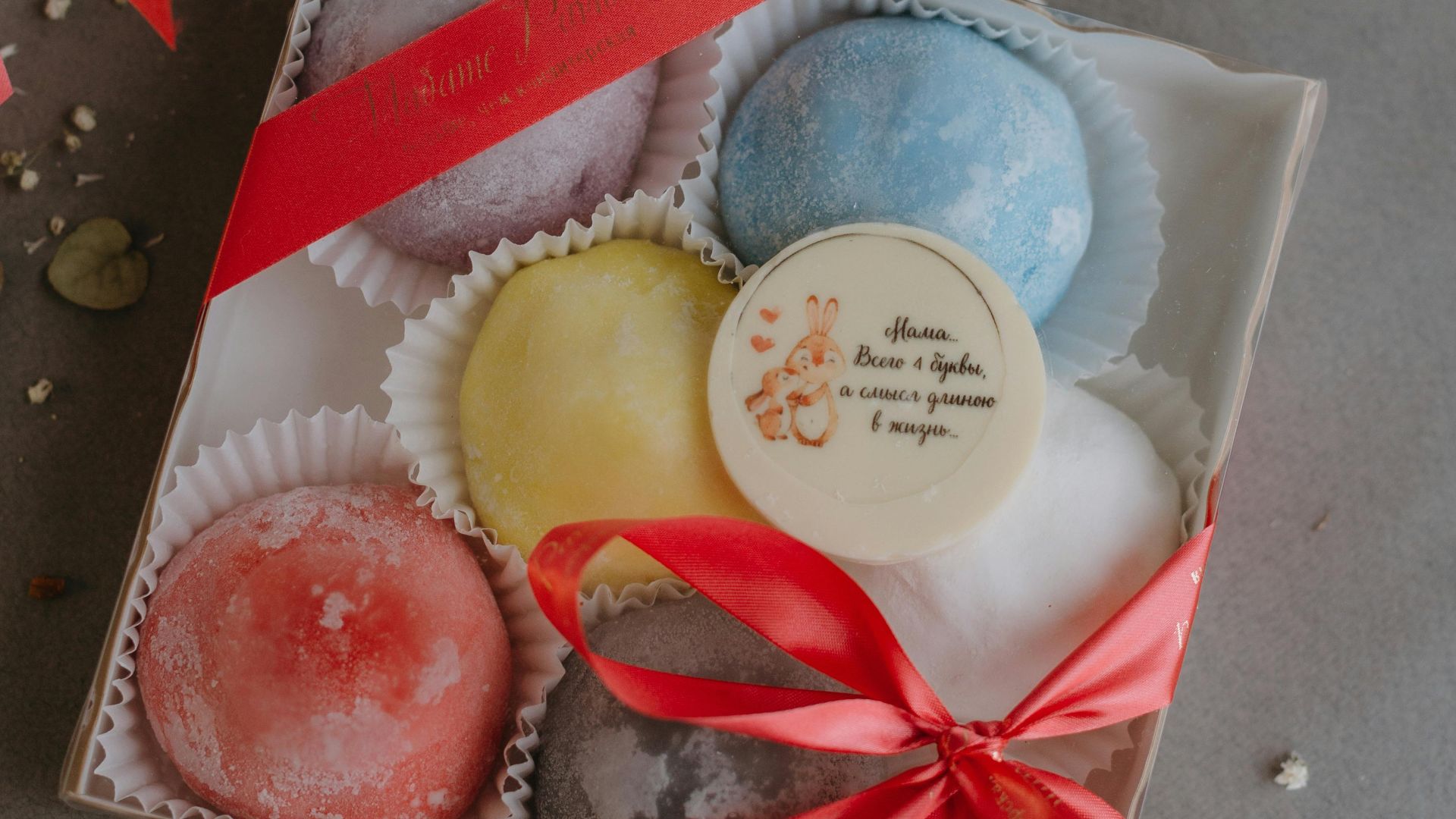
Mochi looks like a specialty dough, but its entire structure comes from pounded glutinous rice. High amylopectin starch creates elasticity without any added binders, which makes it the hidden backbone behind this chewy New Year dessert.
2. Horchata De Arroz (Mexico/Latin America)
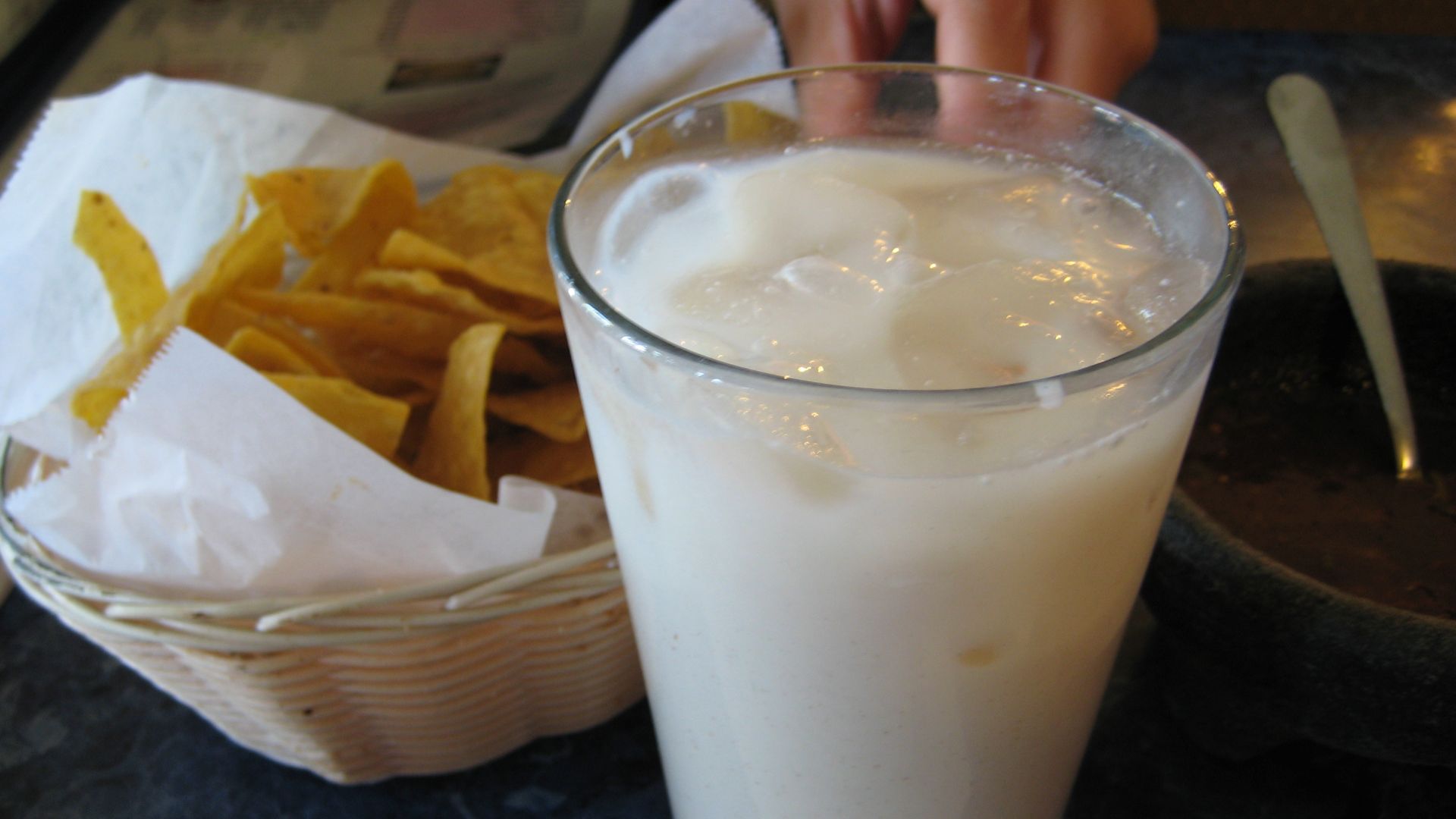
Served cold and spiced, horchata rarely signals “rice” when tasted. Yet the uncooked version forms its creamy base. The dish is blended and strained for a starch-rich body that mimics milk in traditional sweet beverages.
 Ernesto Andrade from Fremont, United States on Wikimedia
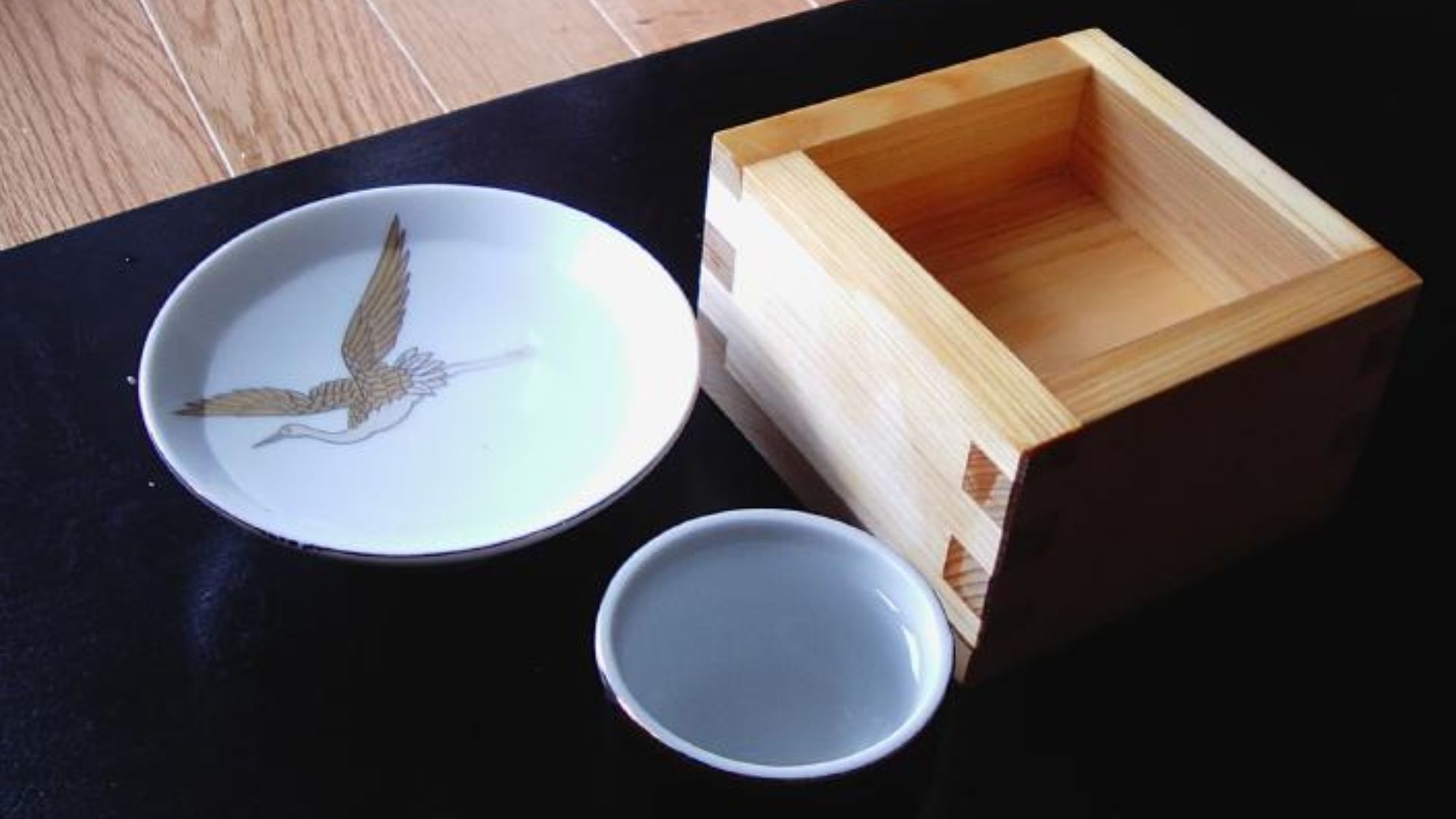
3. Sake (Japan)
Everything about sake depends on rice selection. Brewing-specific varieties are polished to expose pure starch, then fermented into alcohol. The process makes a drink that texturally hides the grain it is entirely built from.
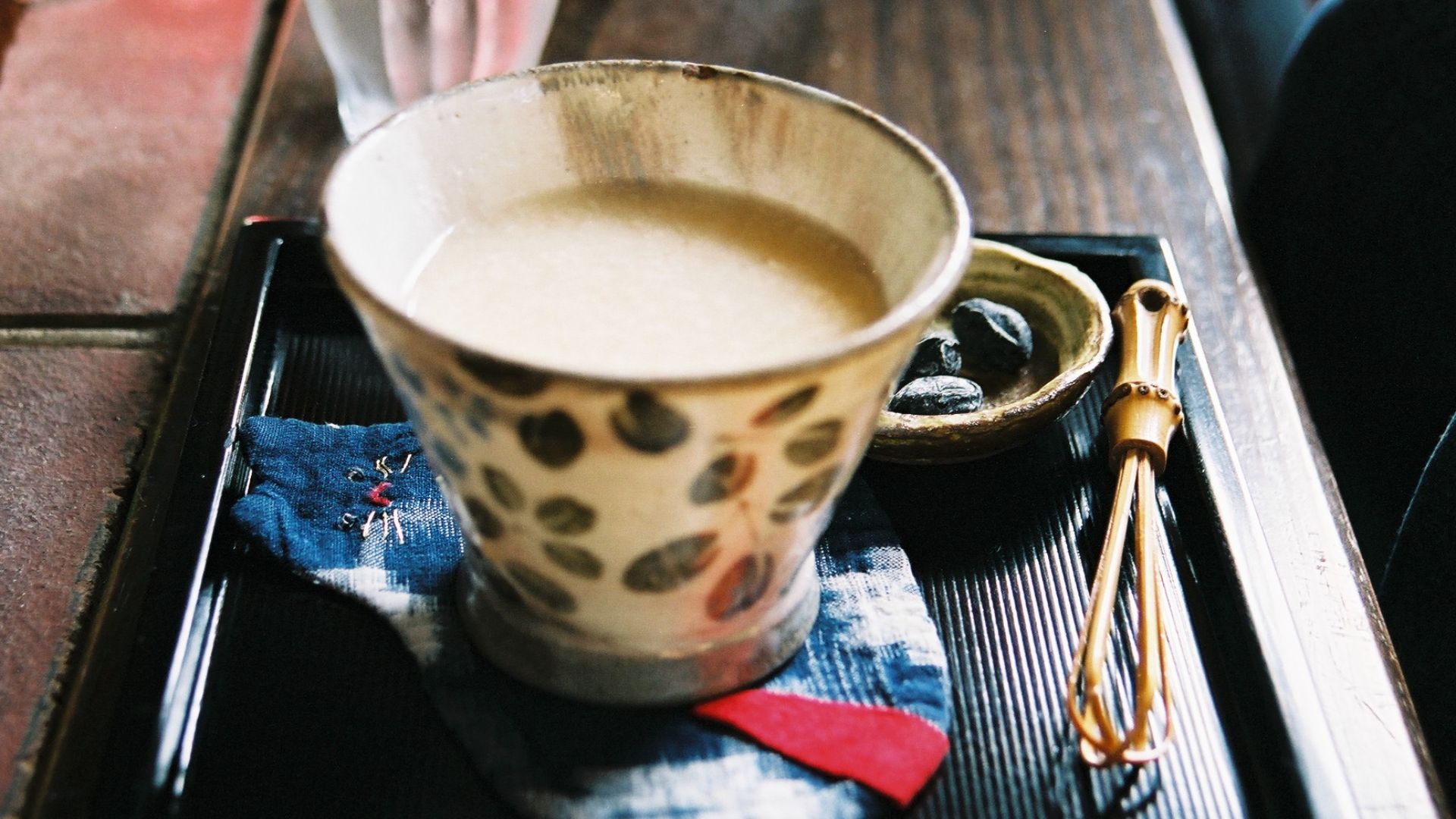
4. Amazake (Japan)
The dish is gently warmed to develop sweetness through enzymatic action without any added sugar. Fermented rice with koji converts starch into natural sugars. This process leads to a probiotic drink that has a natural sweetness.
 emily_harbour_in_july on Wikimedia
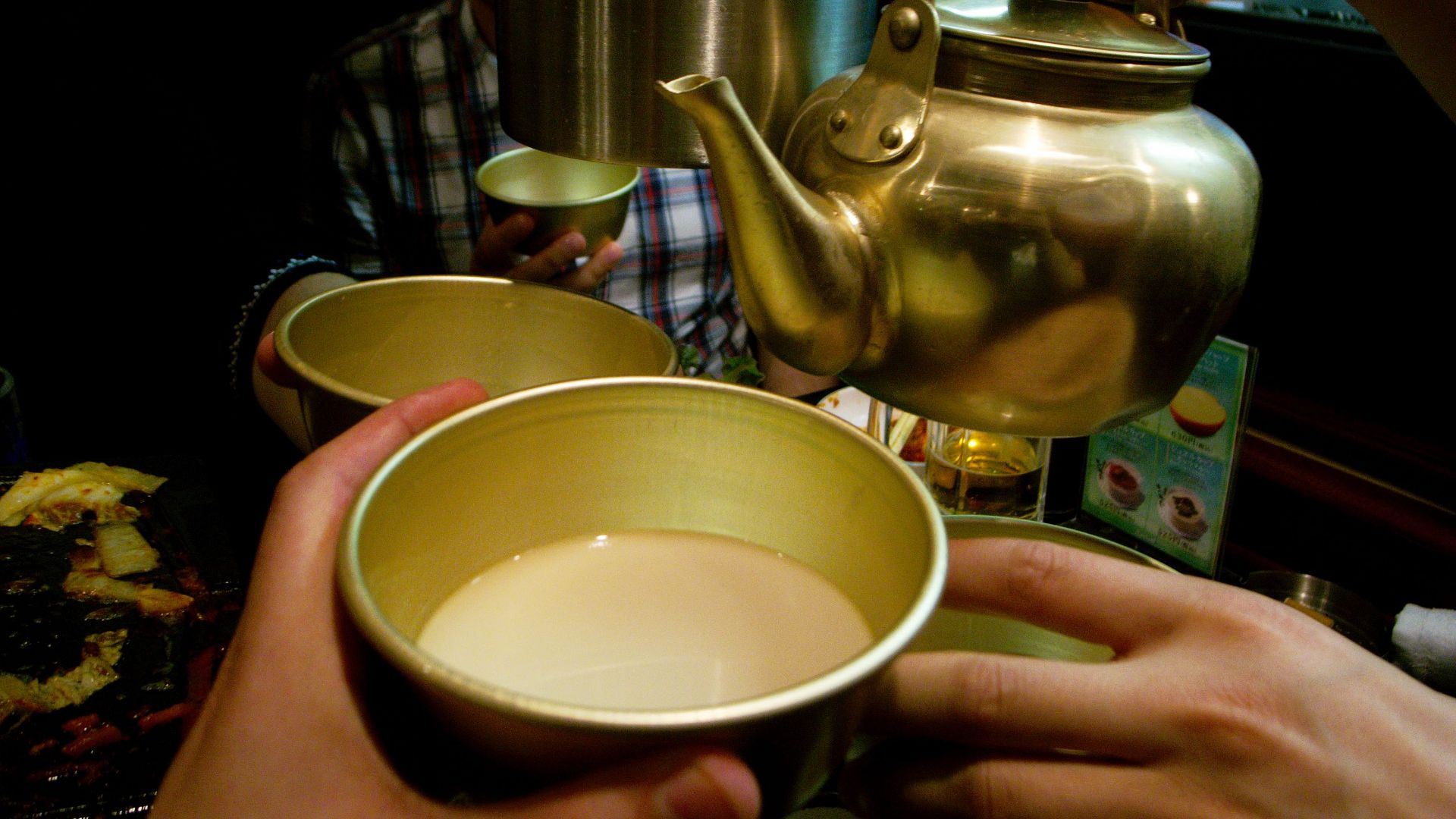
5. Makgeolli (Korea)
At first glance, makgeolli resembles a dairy-based drink rather than a grain wine. However, its cloudy, milky body comes from fermented short-grain rice. As fermentation progresses, rice starch converts into sugars, giving this traditional “farmer’s wine” its gentle texture.
 Jon Åslund from Sweden on Wikimedia
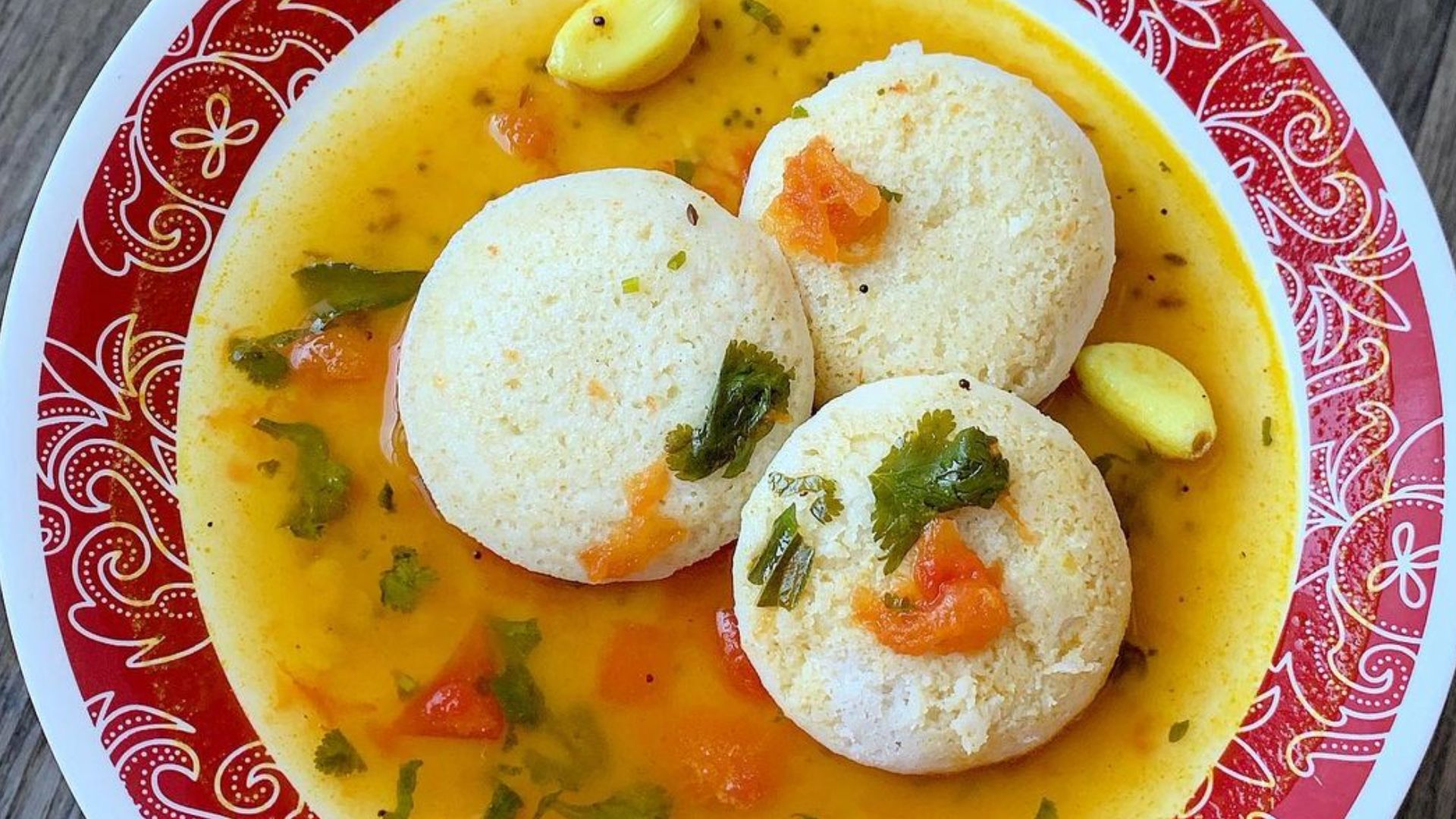
6. Idli (South India)
Idlis rely heavily on rice for structure, despite their lentil reputation. Fermented rice batter forms the spongy crumb, while lentils assist fermentation. The process can take upto 8–12 hours before you can steam them to be ready serve.
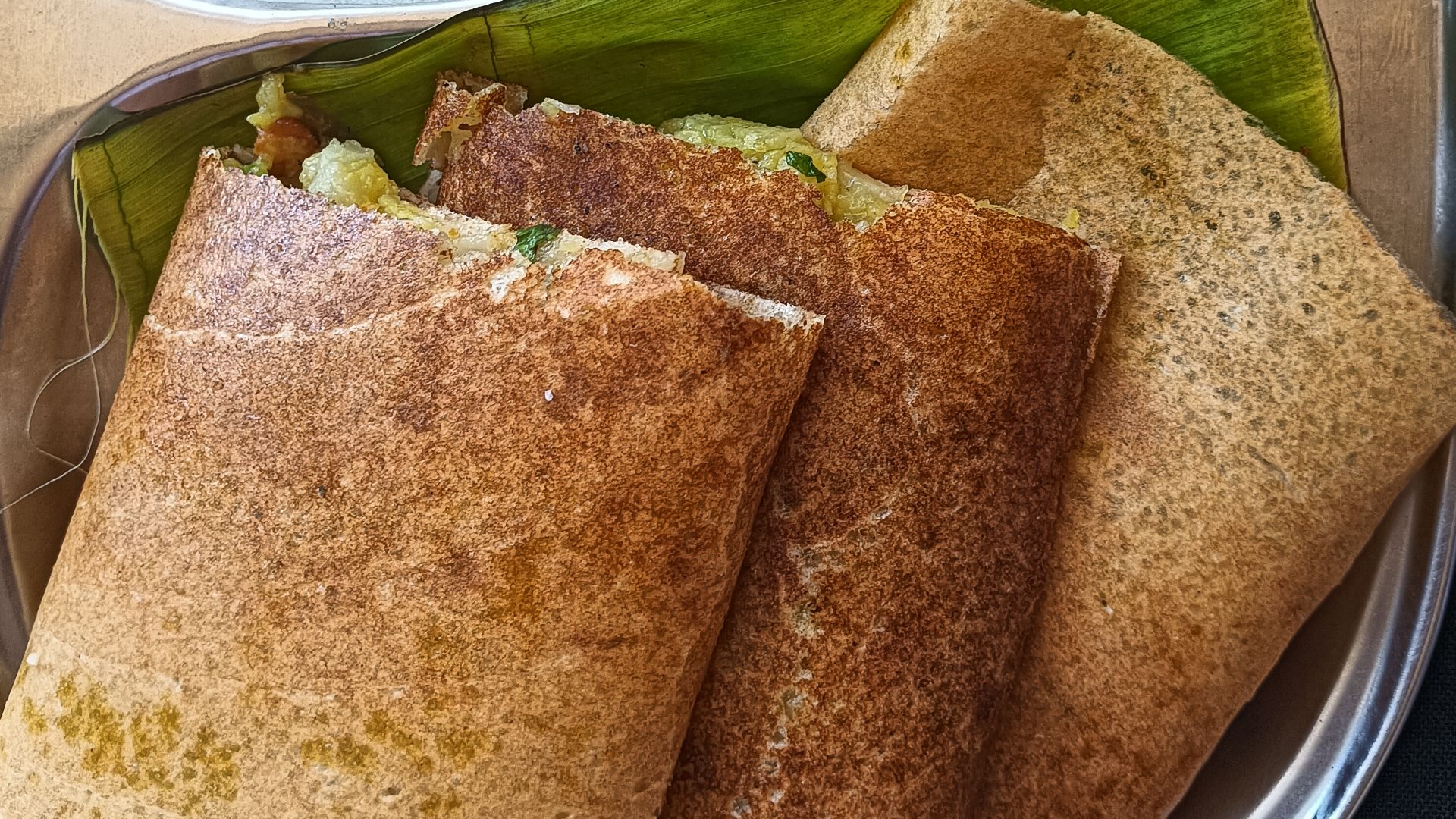
7. Dosa (South India)
Although dosa looks like a simple savory crepe, it depends heavily on rice. In fact, rice dominates the batter, which enables smooth spreading with crisp edges. Meanwhile, fermentation adds tang to the dish. Mix it with sambhar (lentil curry) to enjoy a burst of flavors.
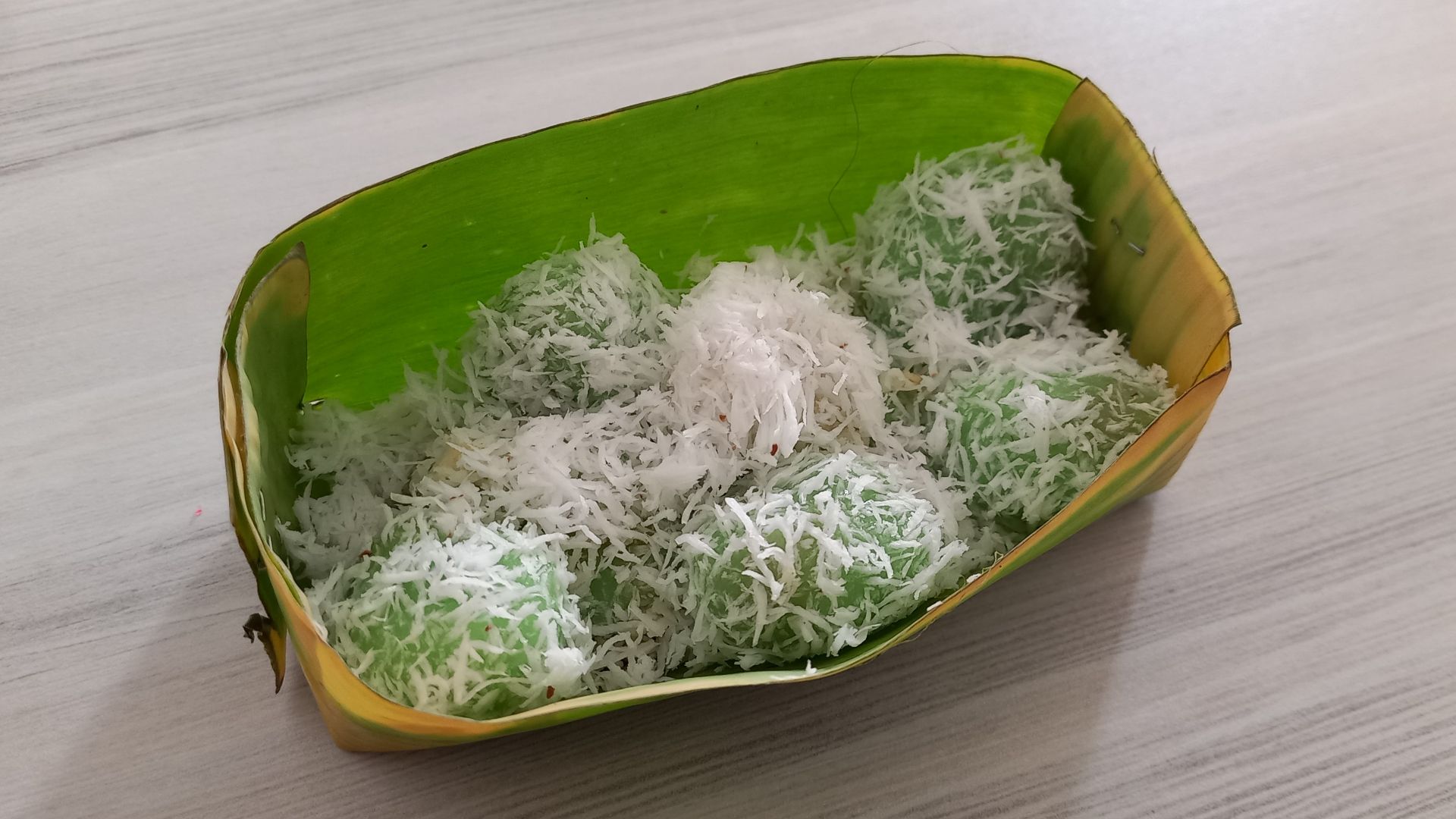
8. Klepon / Ondeh-Ondeh (Indonesia–Malaysia)
Beneath klepon’s bright green exterior lies a structure made entirely from glutinous rice flour. This rice base creates the signature chew. The palm sugar filling and coconut topping add a perfect flavor to the sweet dish.
 Tim WikiPuluran - WikiBanua on Wikimedia
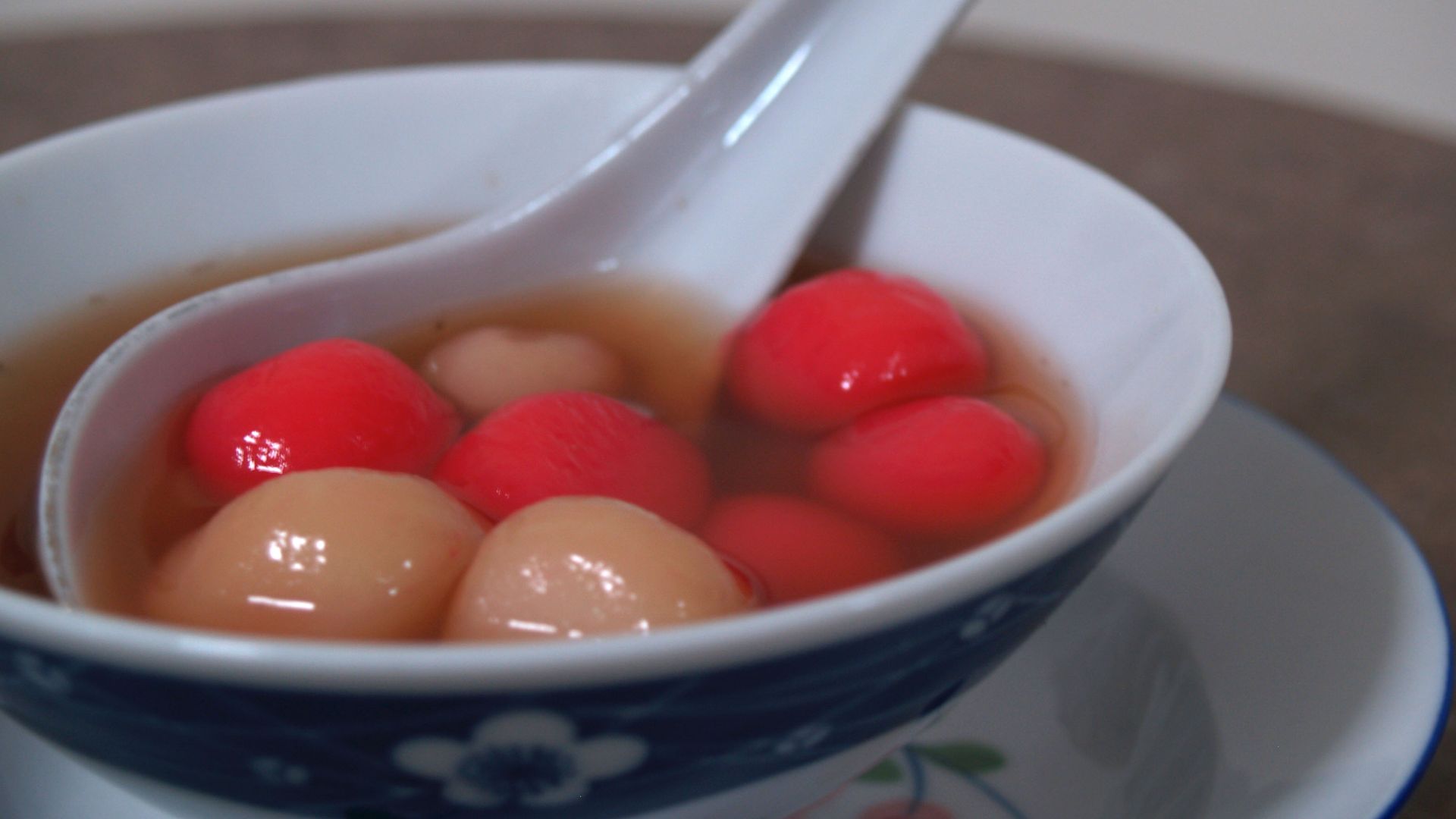
9. Tangyuan (China)
Tangyuan may resemble dumplings, but their bounce comes purely from glutinous rice flour. As the dough cooks, rice starch creates elasticity. Consequently, even filled versions mask the grain, despite rice being central to texture.
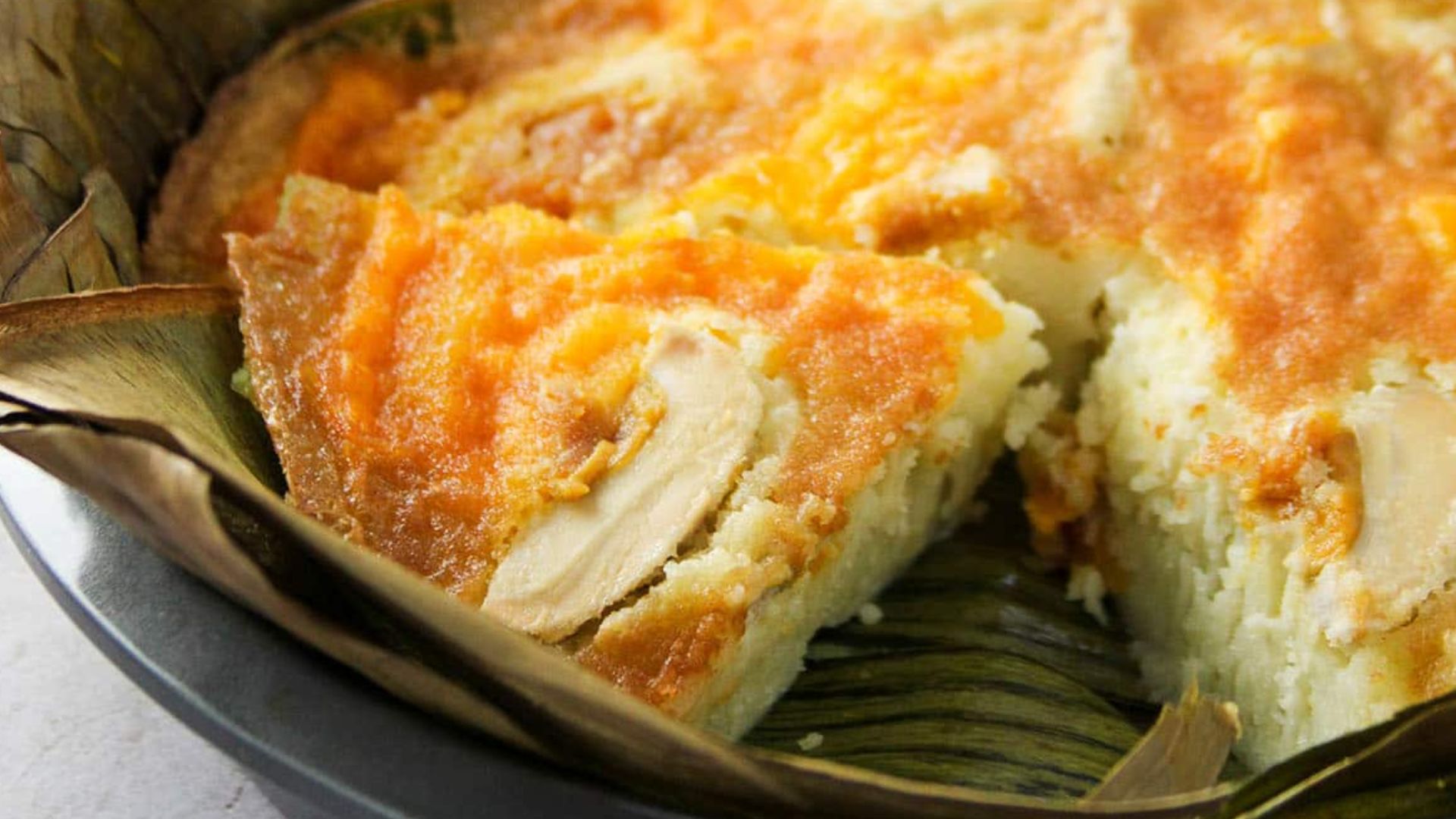
10. Bibingka (Philippines)
What looks like a simple holiday cake is actually rice-based. Bibingka relies on galapong or rice flour for structure to combine regular and glutinous rice. The result is a dense crumb that hides rice beneath coconut, egg, and cheese.
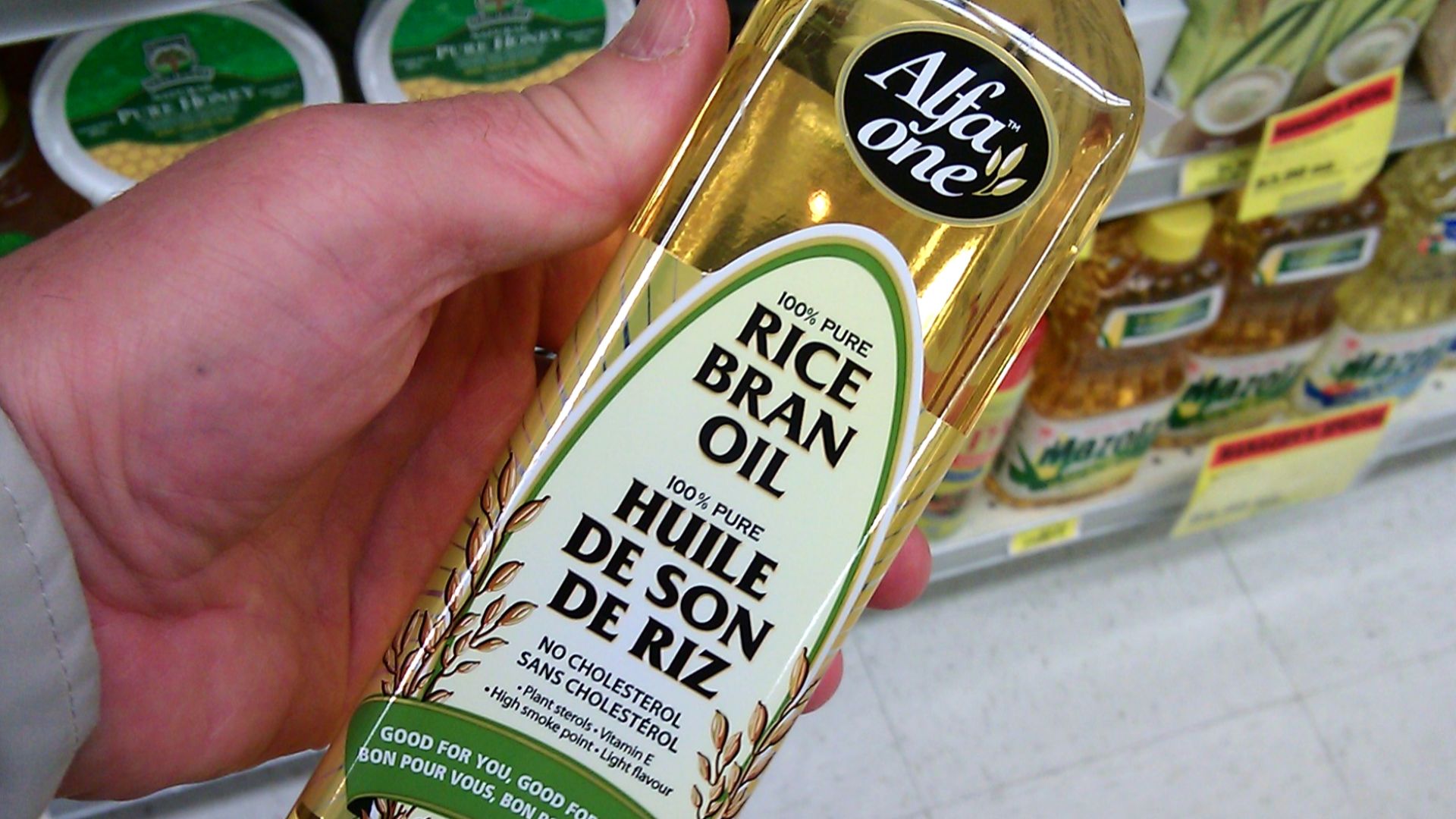
1. The Outer Rice Bran Layer Is Pressed Into Rice Bran Oil
Designed for intense heat, rice bran oil tolerates frying temperatures around 482°F (250°C) without breaking down. The oil is made from the rice bran layer. It delivers antioxidants like oryzanol and vitamin E to offer a sustainable, low-absorption alternative to common frying oils.
 Dennis Sylvester Hurd on Wikimedia
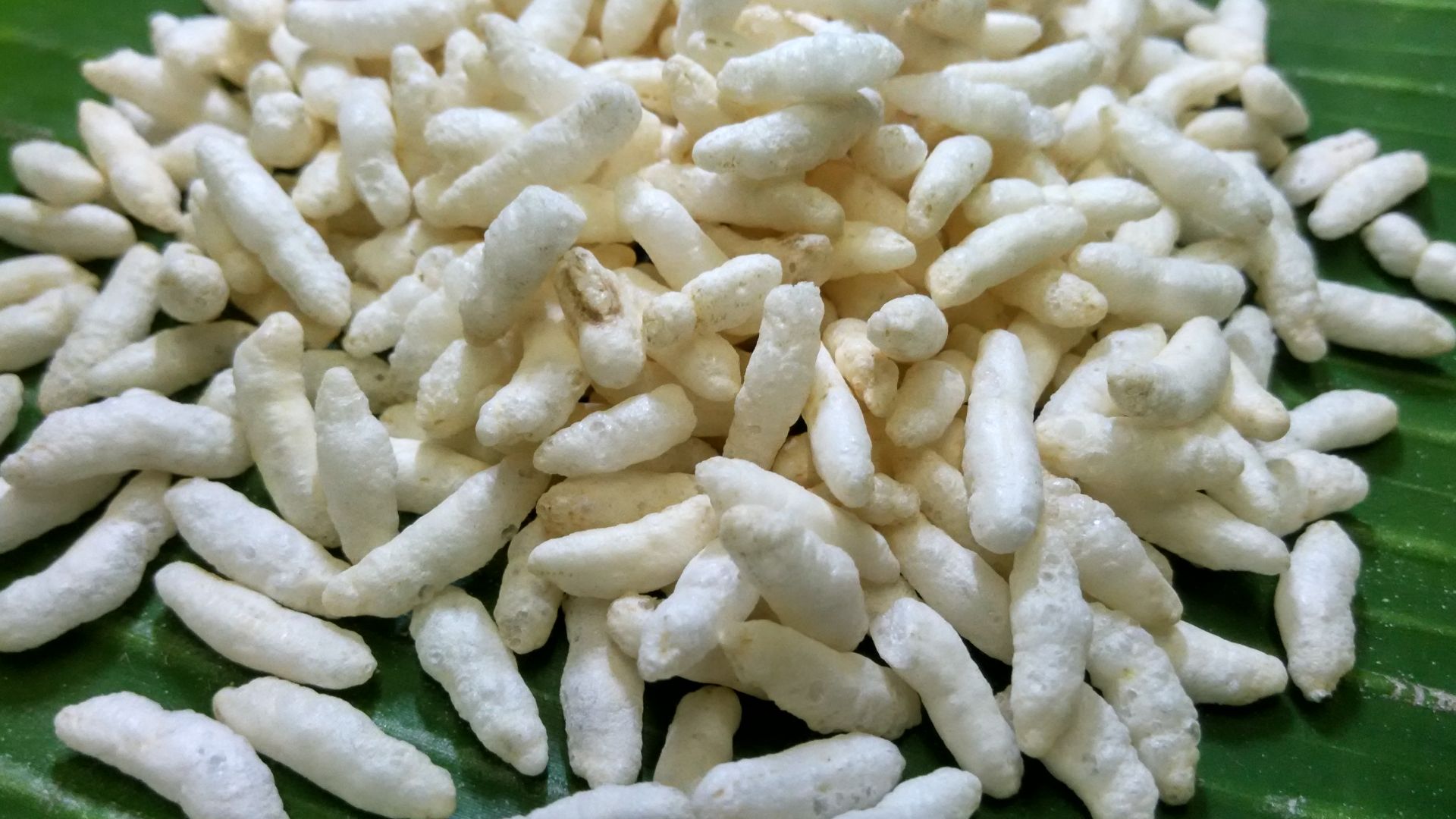
2. Serves As A Versatile Crunchy Base For Cereals
Puffed rice may look like air-filled cereal, but it starts with whole rice kernels exposed to intense heat and pressure. As they expand, rice gains a neutral crunch, which extends its versatility into various snacks and sweet bars.
 Thamizhpparithi Maari on Wikimedia
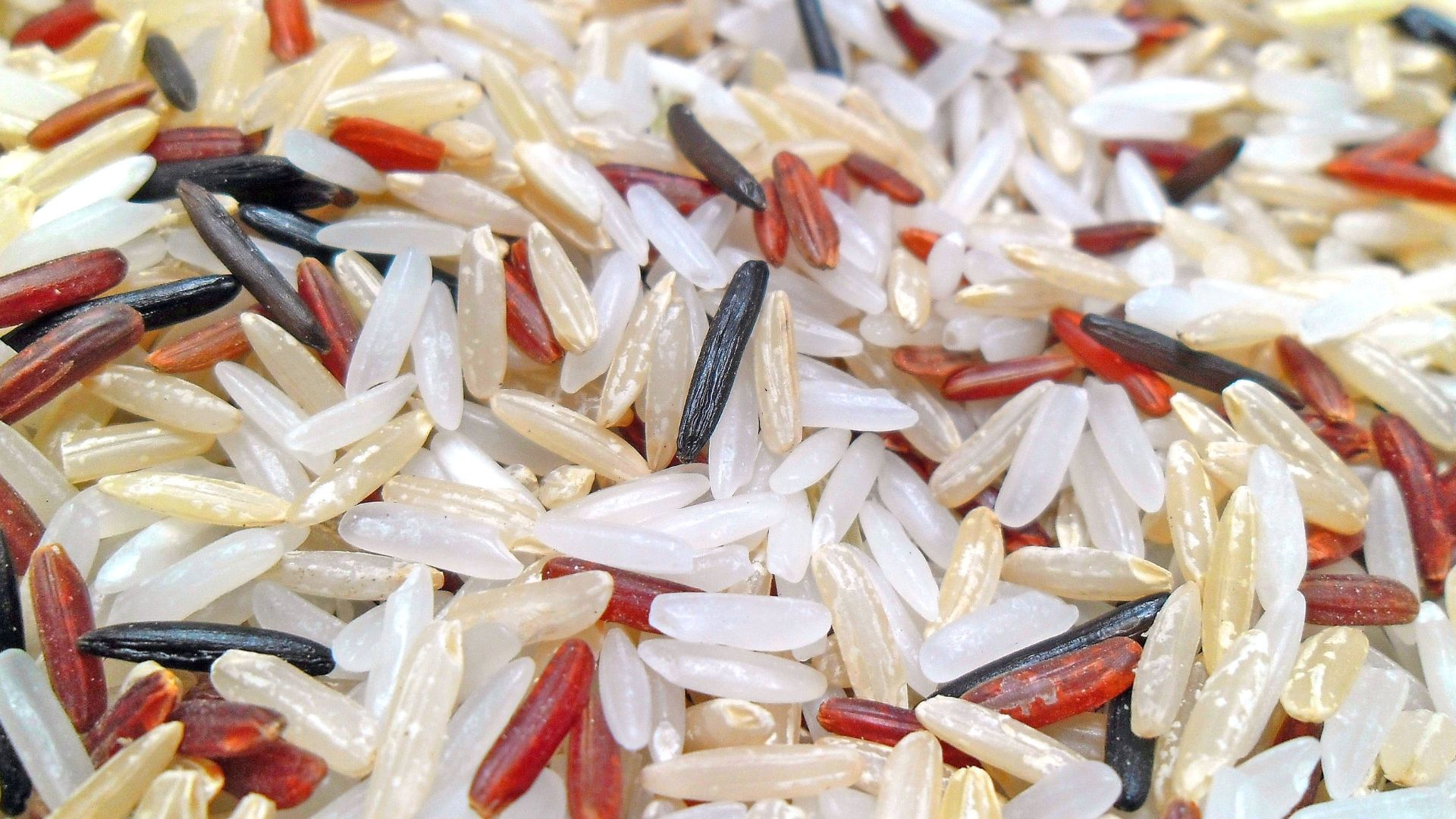
3. A Grain With Thousands Of Identities
There are tens of thousands of documented rice varieties worldwide, each adapted to specific climates along with culinary needs. The genetic diversity allows rice to flourish globally. Interestingly, it can be grown anywhere in the world apart from Antarctica.
4. One Of Humanity’s Oldest Crops
Rice was first domesticated over 9,000 years ago in China’s Yangtze River basin. Archaeological evidence shows early farmers selectively cultivated wild rice. This laid the foundation for settled agriculture in civilizations across Asia.
 Unknown photographerUnknown photographer on Wikimedia
5. Same Grain, Different Finish
Brown rice and white rice originate from the exact same grain. The difference lies in processing: white rice has its bran and germ removed to extend shelf life. Brown rice retains these layers with the nutrients.
6. When Rice Was Money
In several parts of Asia, rice functioned as a form of currency. Farmers paid taxes in rice, wages were measured in grain, and surplus harvests symbolized economic power long before coin-based systems dominated trade.
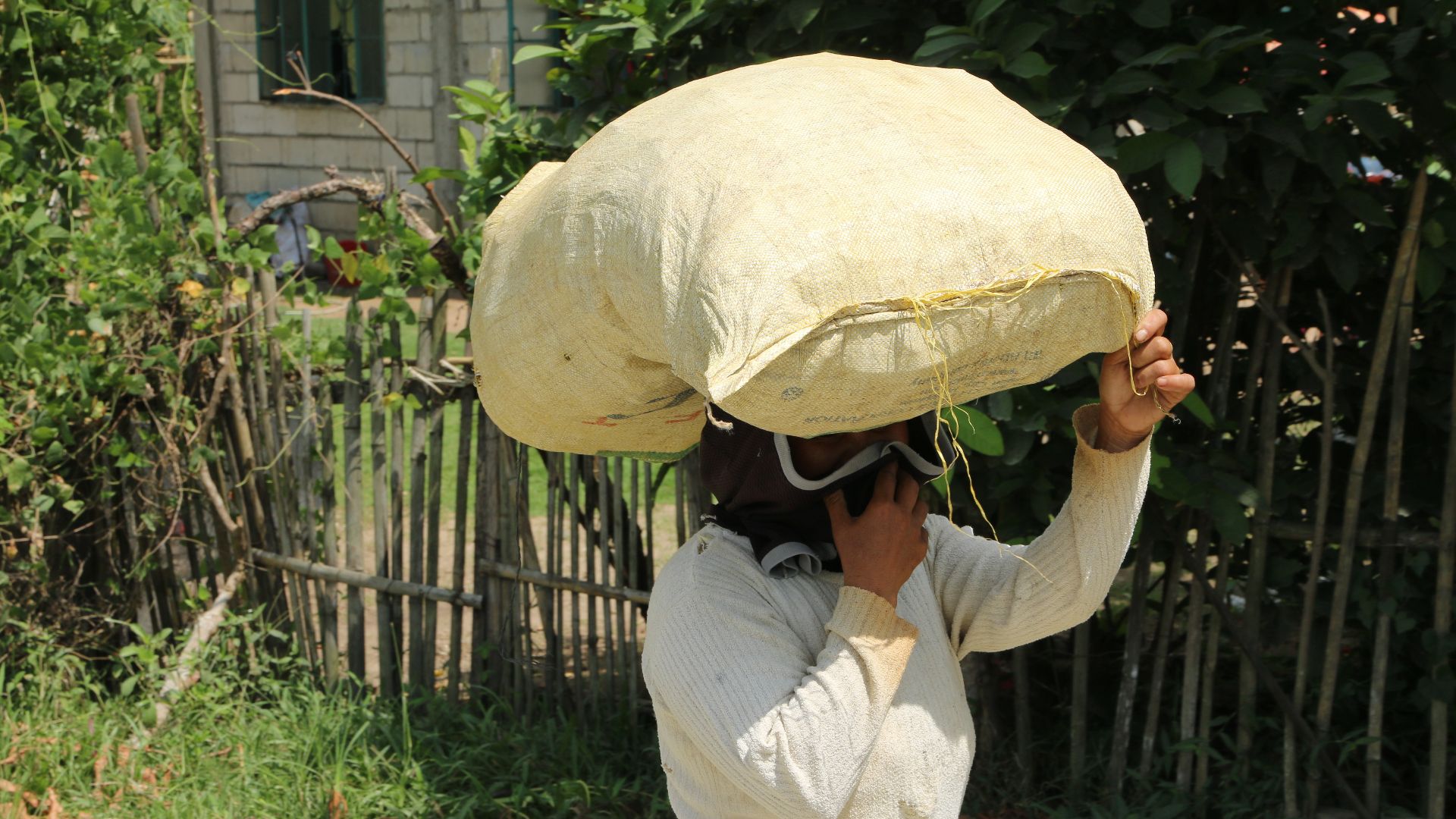
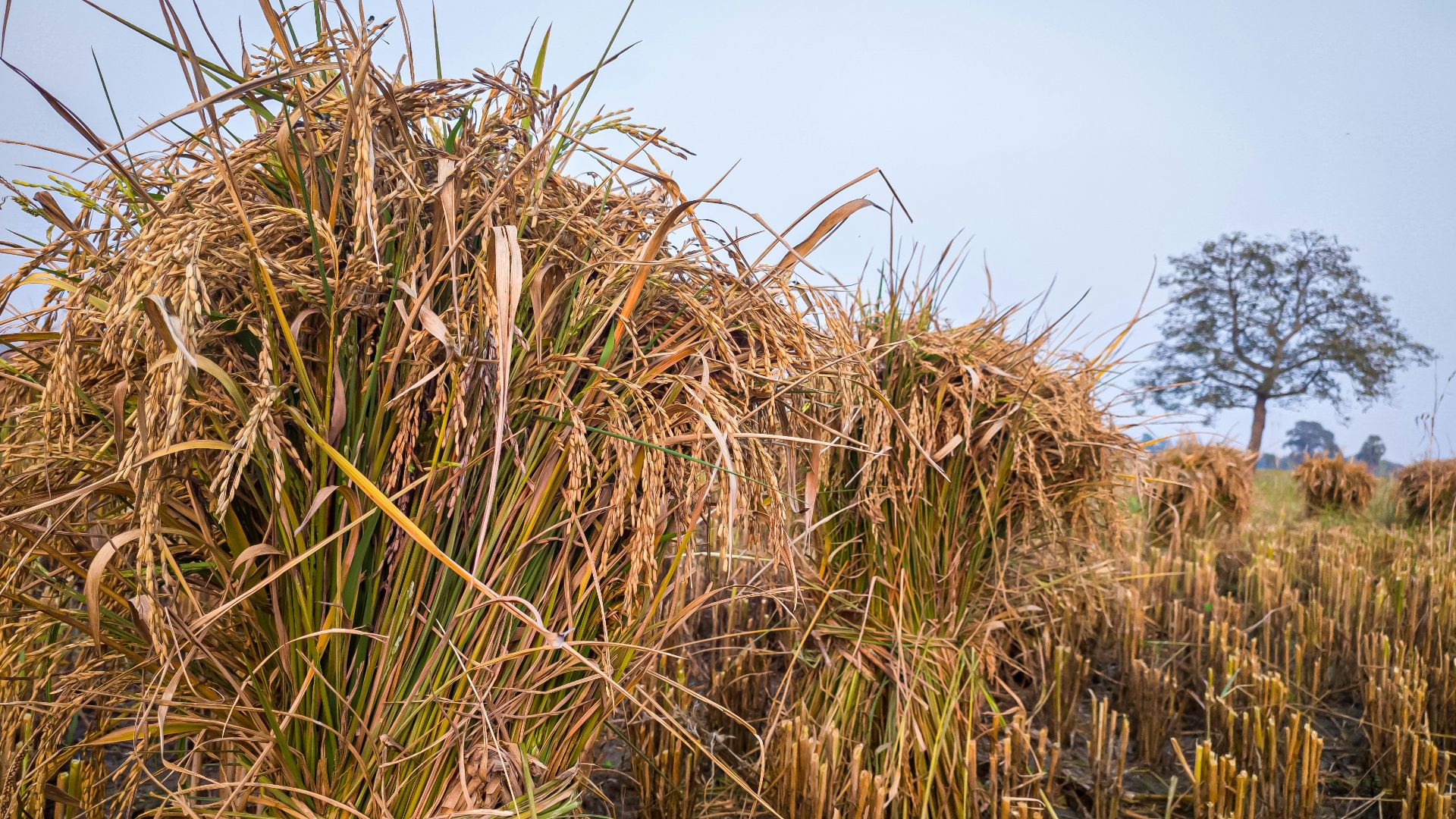
7. From One Grain To Thousands
A single grain of rice can grow into a plant producing thousands of new grains. Each stalk develops multiple panicles. This is how small seed quantities have historically sustained large populations and agricultural economies.
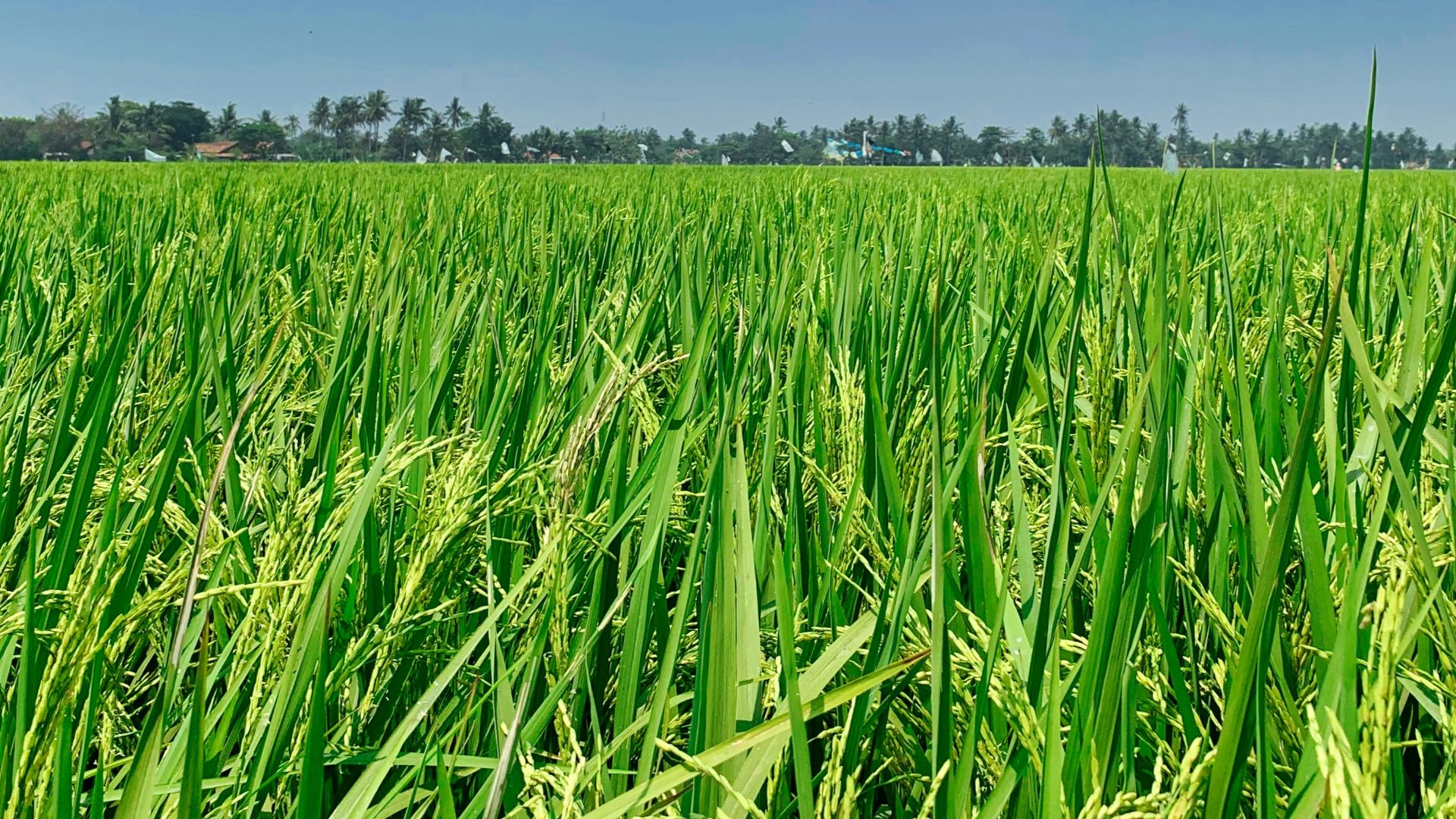 Fajruddin Mudzakkir on Unsplash
8. More Than Just Food
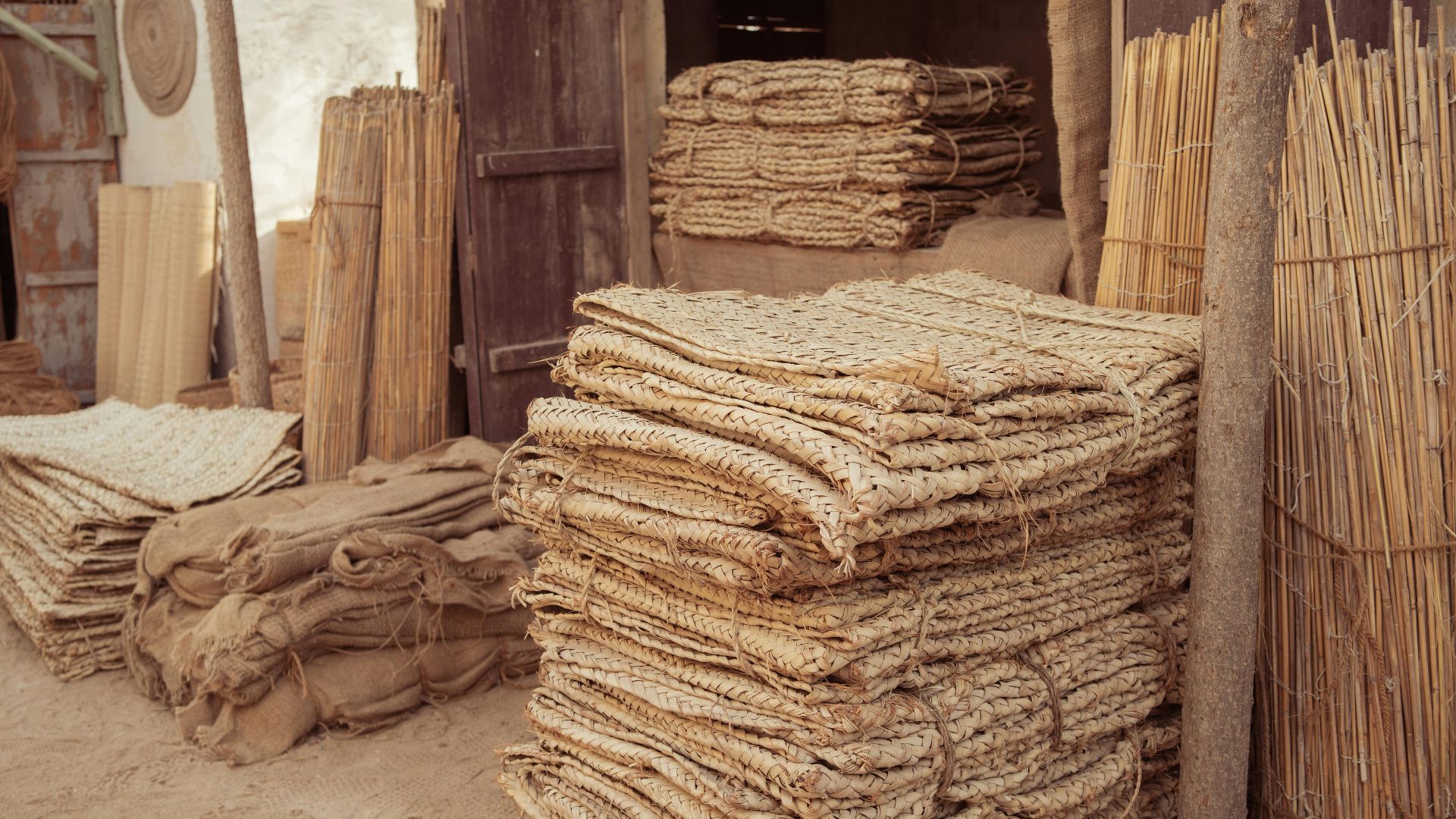
Rice straw rarely goes to waste. After harvest, it is used to make paper, woven mats, roofing materials, and biodegradable packaging. It extends rice’s value beyond nutrition and turns agricultural leftovers into sustainable resources.
9. Why Risotto Turns Creamy Without Cream
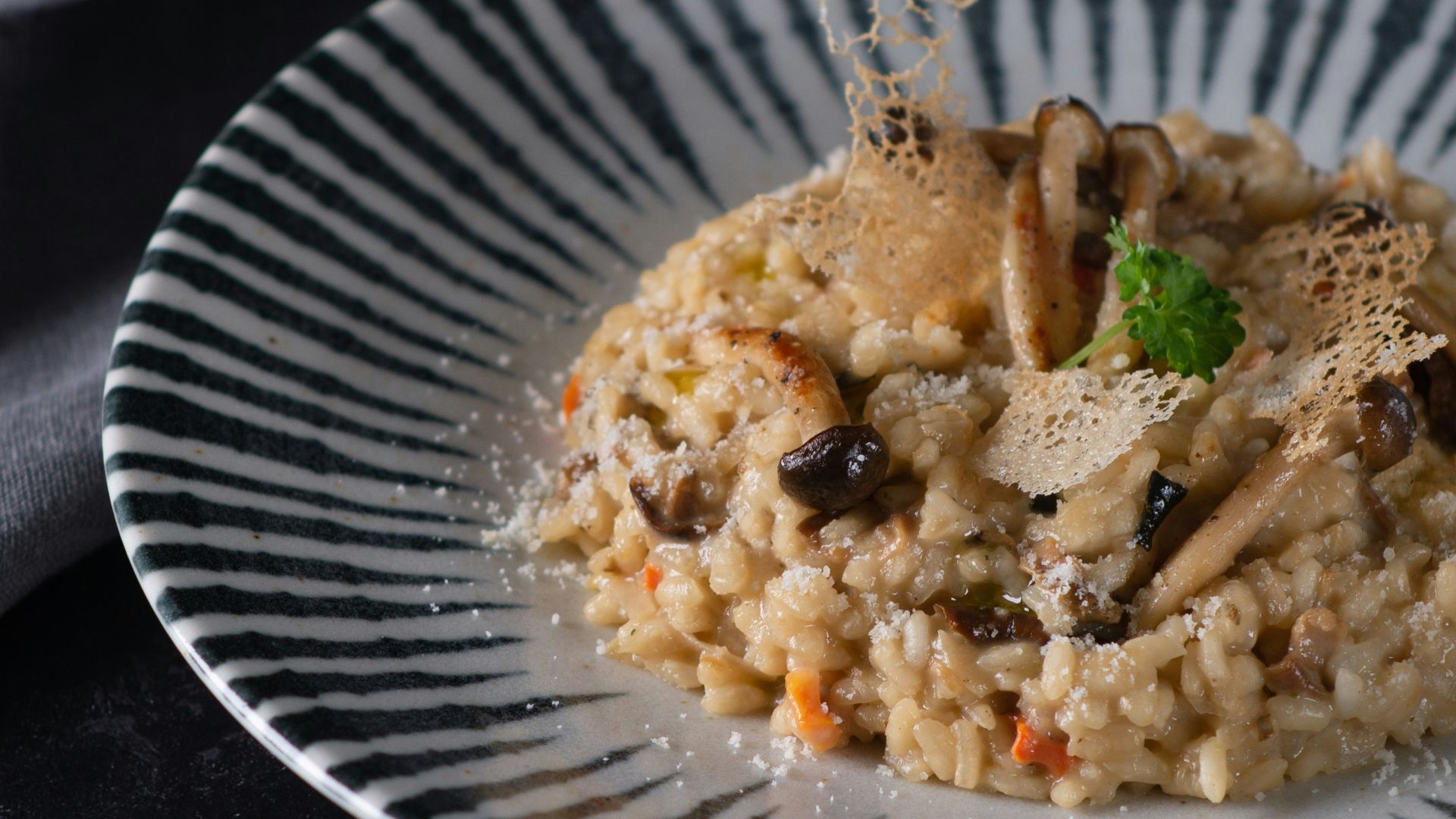
Risotto’s signature texture comes from arborio rice, releasing amylopectin slowly as it’s stirred. The Italian short-grain rice creates a natural sauce through technique and varietal starch behavior, proving rice chemistry can replace added dairy entirely.
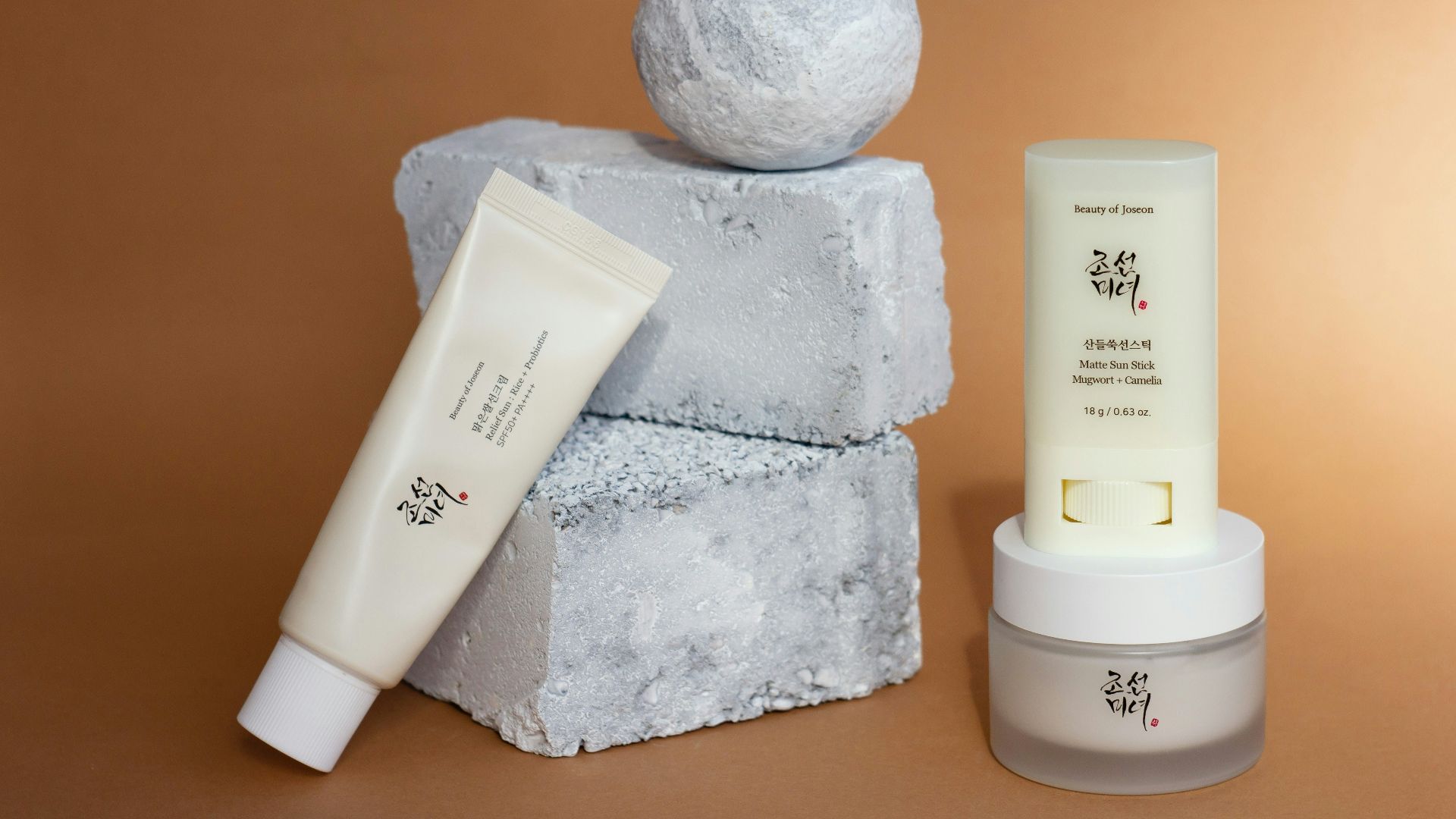
10. Rice In Korean Skincare Rituals
Rice water has been used for centuries in Korean (and broader East Asian) skincare rituals. Traditional practices valued it for its amino acids and antioxidants, which were believed to soften skin while enhancing brightness. Modern cosmetic research uses contemporary Korean skincare formulations to date.
KEEP ON READING