A Simple Guide to Smarter Produce Storage
Figuring out where your fruits and vegetables belong can feel oddly confusing, especially when different advice pops up everywhere you look. The truth is that storage does significantly affect flavor, texture, and the shelf life of your produce. If you want your groceries to taste better and you want to waste less food, it helps to know which items prefer the cold and which ones absolutely don’t. Let’s look at ten fruits and vegetables you should always refrigerate and ten that belong in your pantry, so you can store everything with confidence.

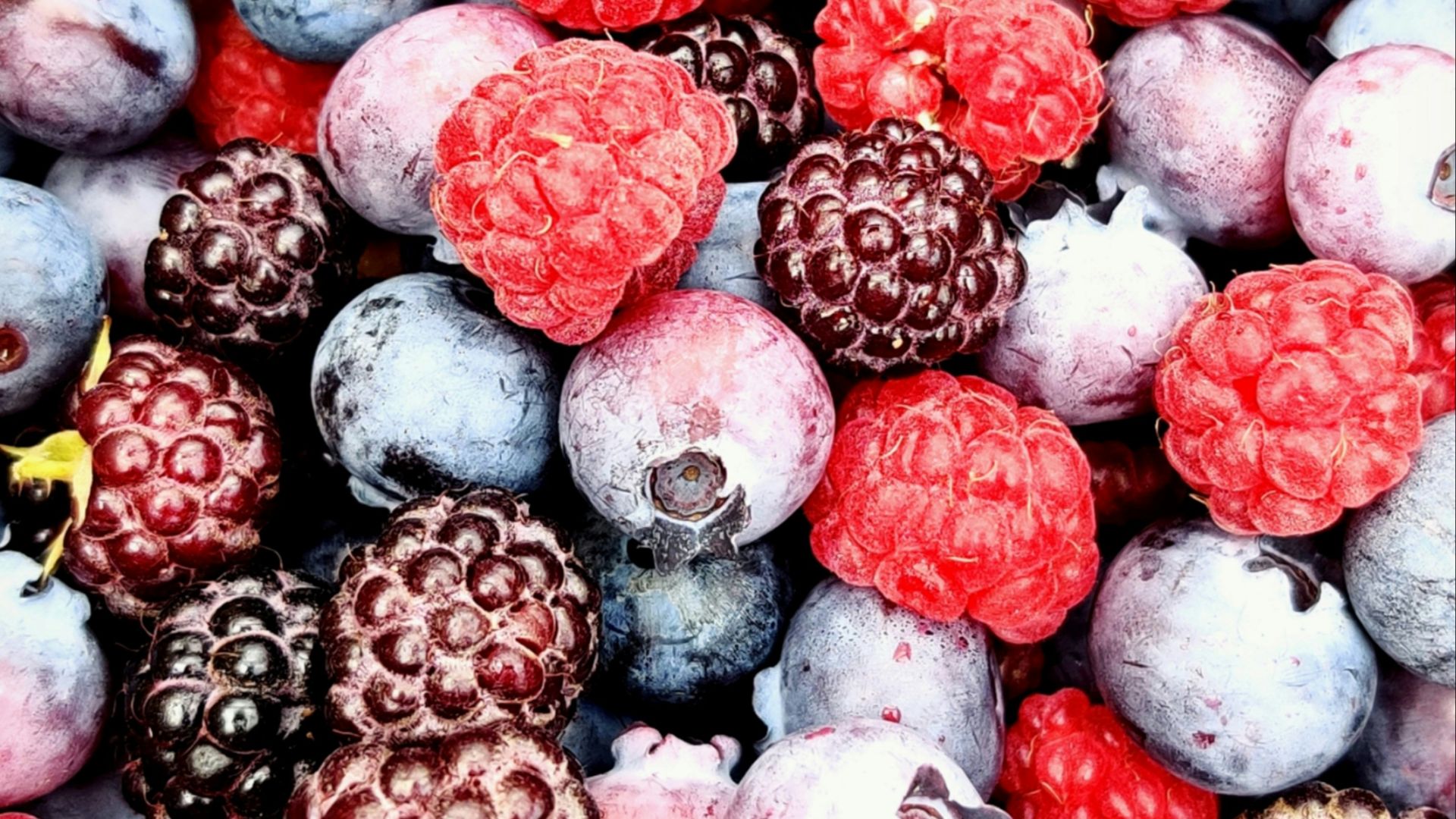
1. Berries
Berries are delicate and tend to spoil quickly if they’re left out on the counter. Keeping them in the refrigerator slows mold growth and helps them stay plump for longer. You should wait to wash them until you’re ready to eat, to prevent excess moisture from speeding up their decay.
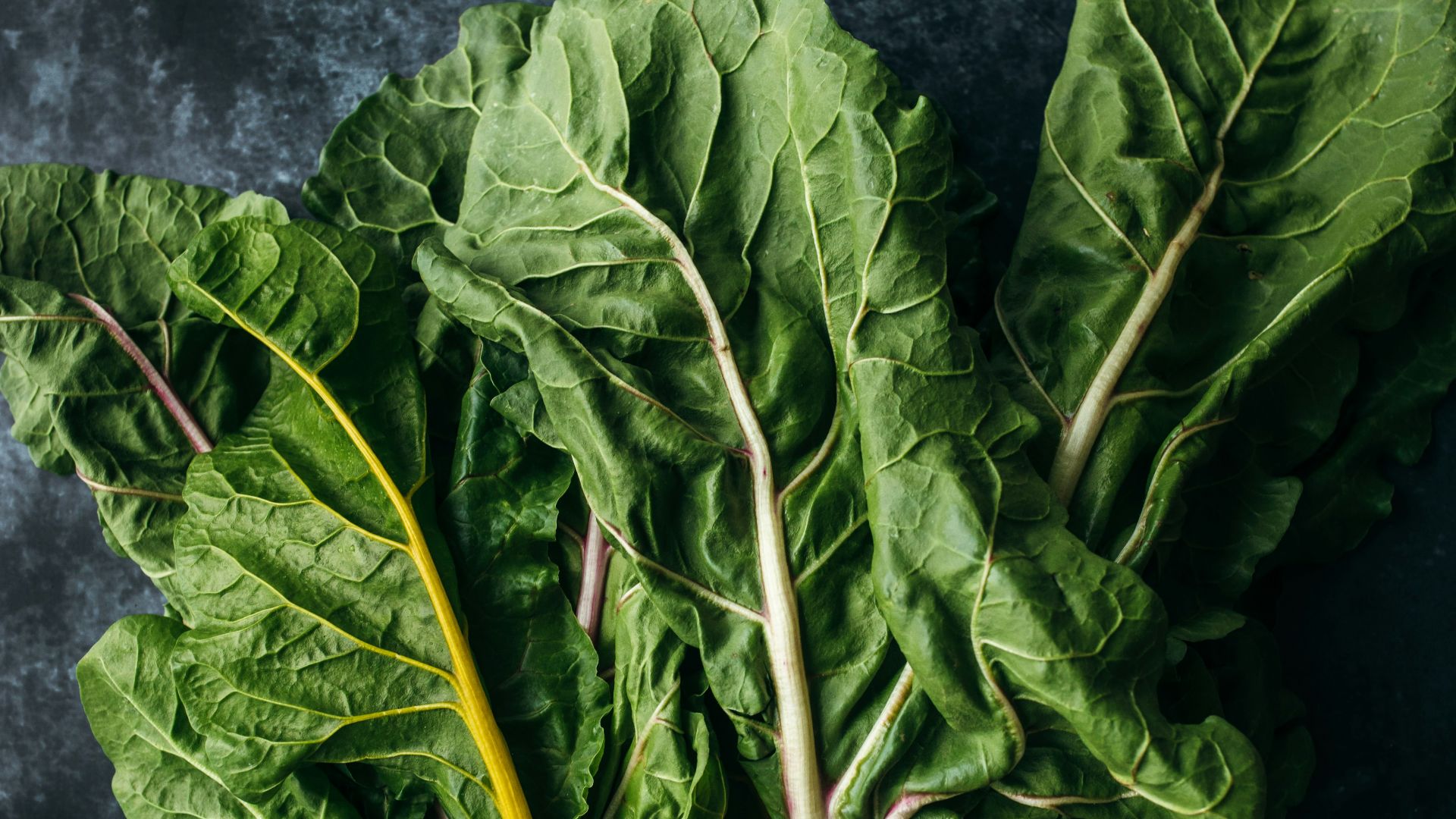
2. Leafy Greens
Lettuce, spinach, and other leafy greens lose moisture fast at room temperature. The fridge helps them stay crisp and vibrant instead of wilting into a sad pile of leaves. Storing them in a breathable bag with a paper towel can make an even bigger difference.
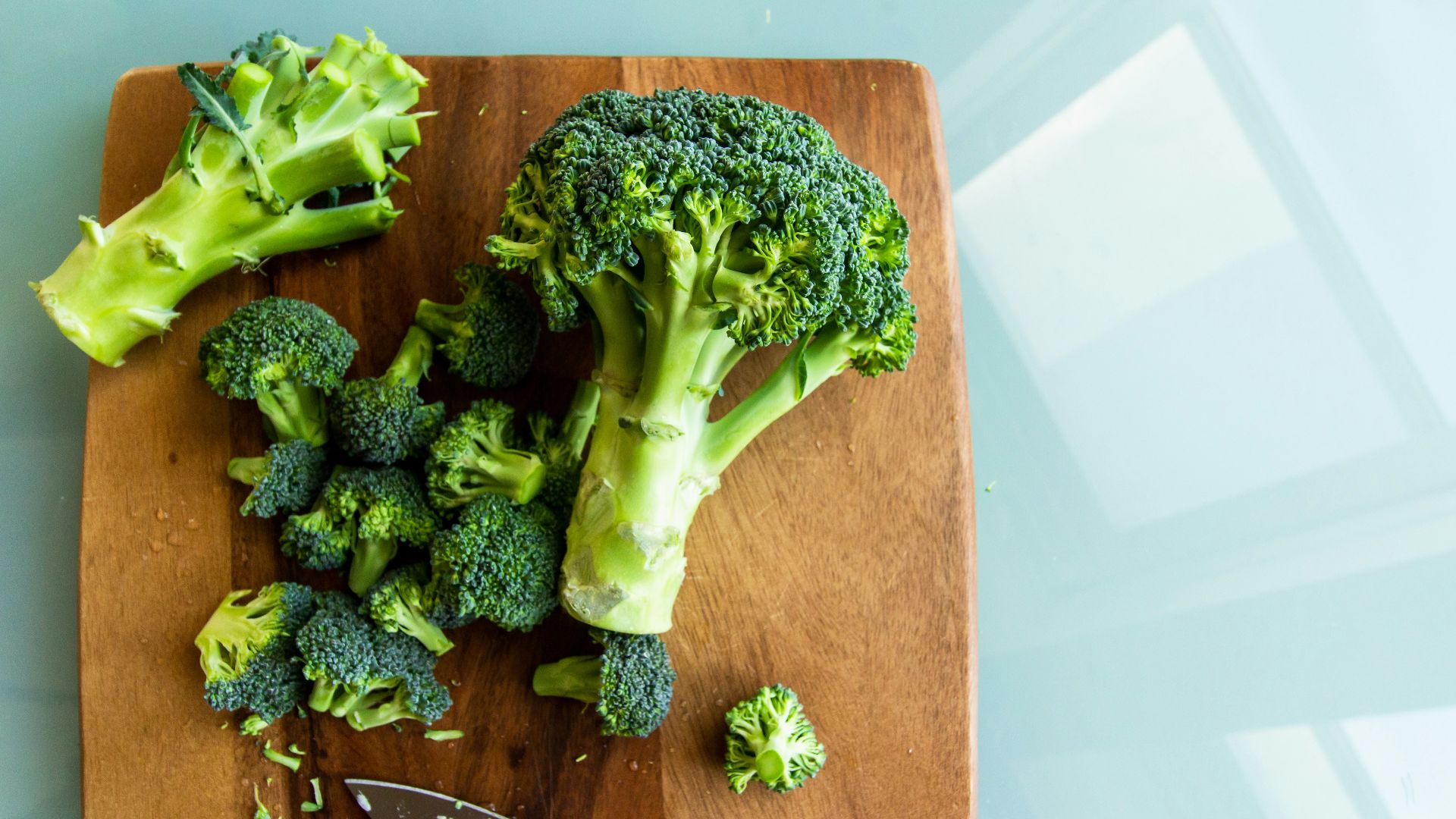
3. Broccoli
Broccoli prefers cool conditions to keep its tight florets from yellowing. When left out, it can quickly develop an unpleasant smell and soft texture. Refrigeration helps preserve both its crunch and nutritional value.
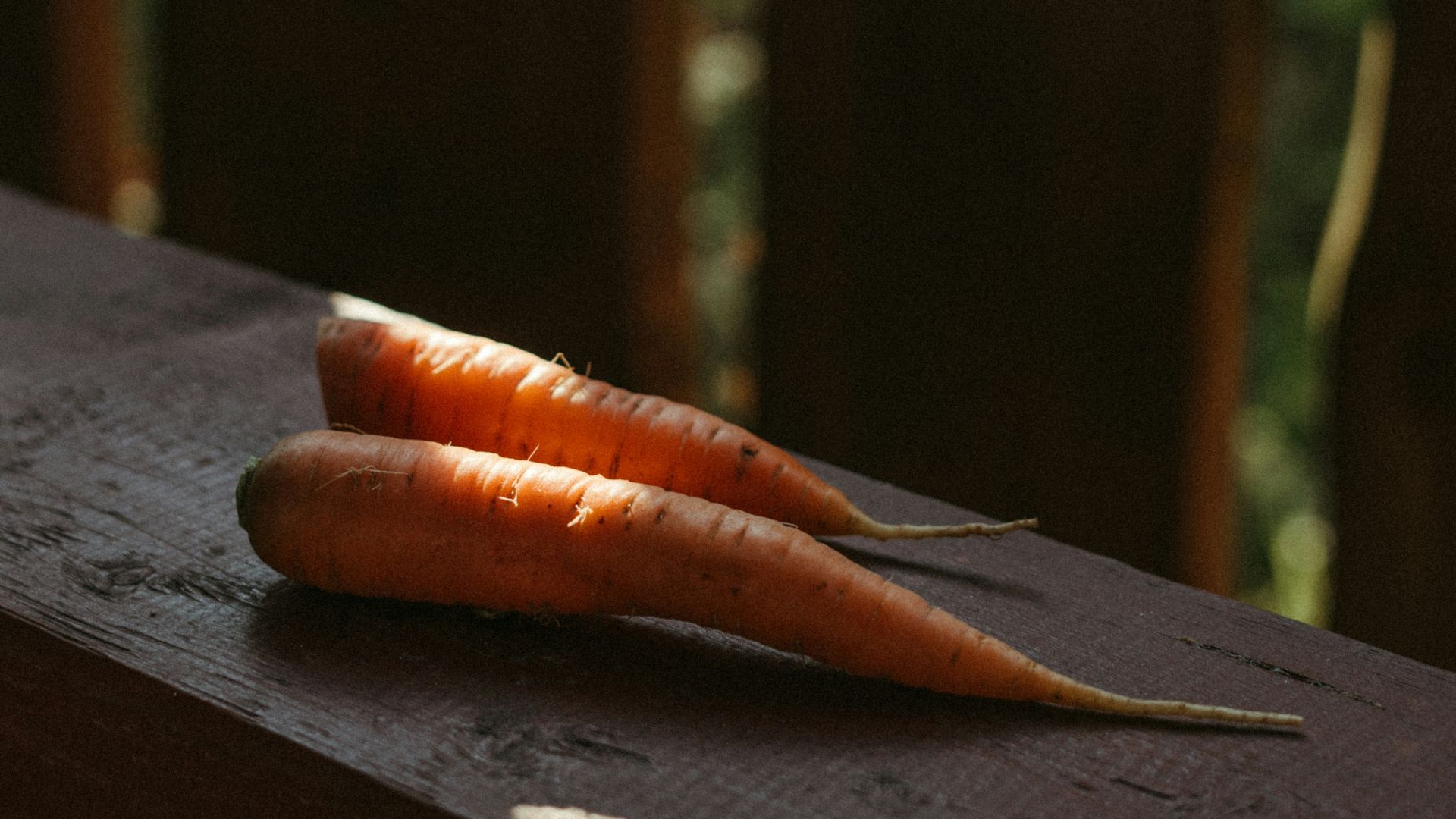
4. Carrots
Carrots do best in the refrigerator because warmth causes them to go limp. Cold storage keeps them firm and slightly sweet for a longer period. If you remove the greens first, they’ll last even longer. This will ensure that they're ready to be added to your next soup or salad.
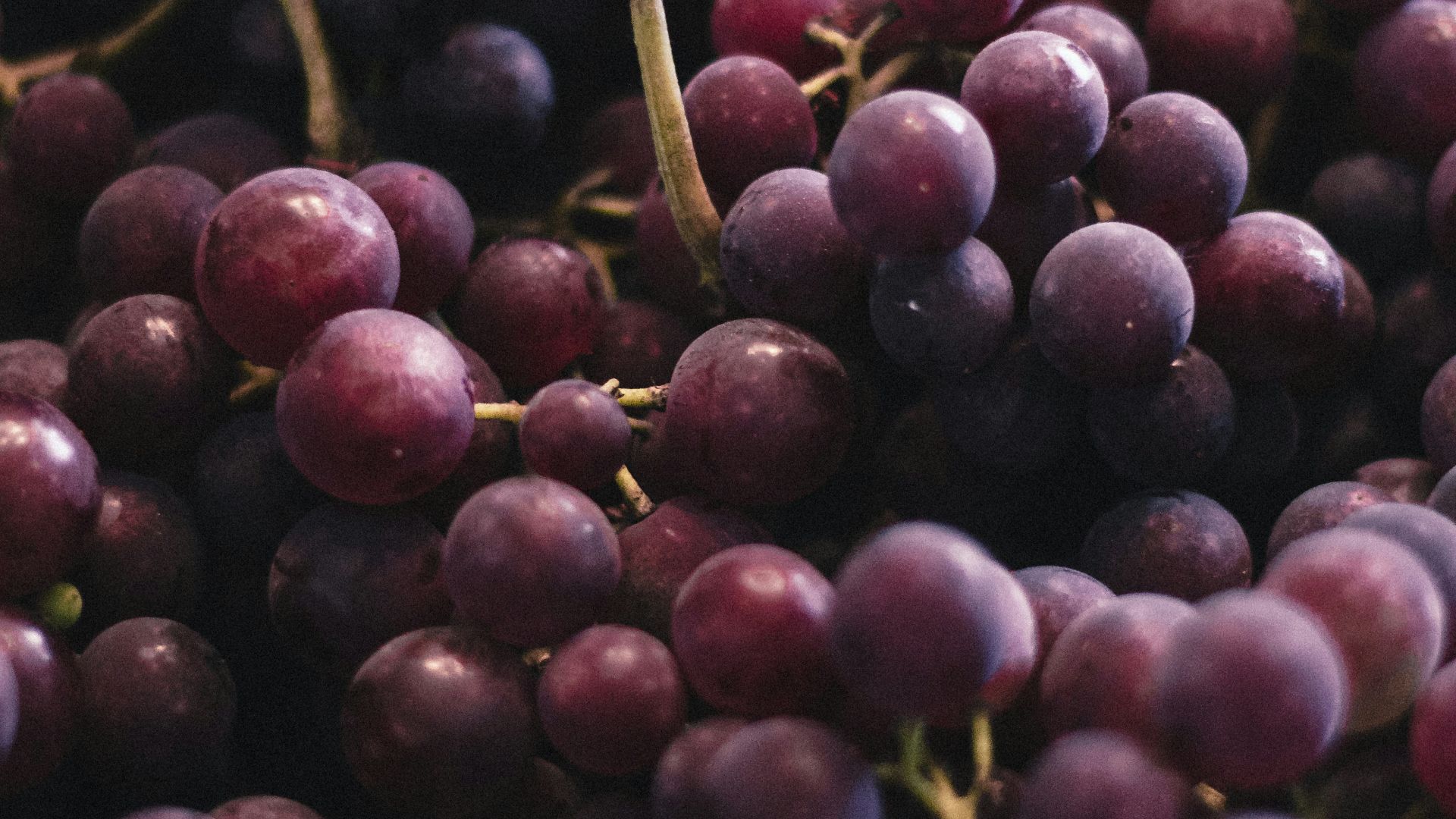
5. Grapes
Grapes are happiest when chilled, which helps maintain their snap and juiciness. Leaving them on the counter often leads to shriveling and fermentation flavors. The fridge also discourages mold from spreading between grapes and infects the entire batch.
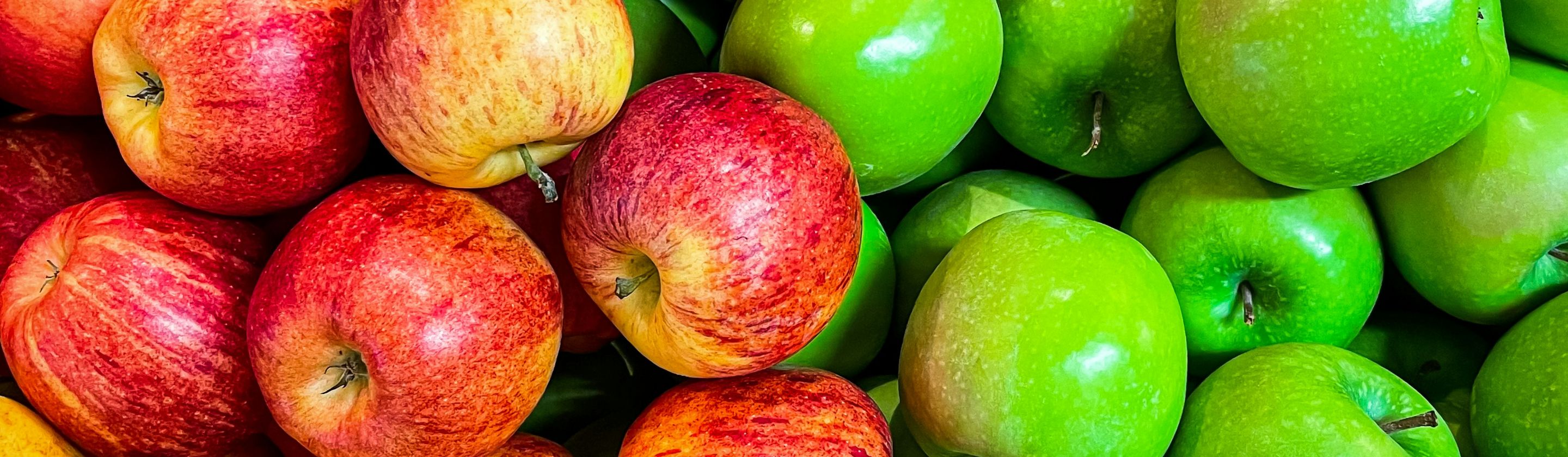
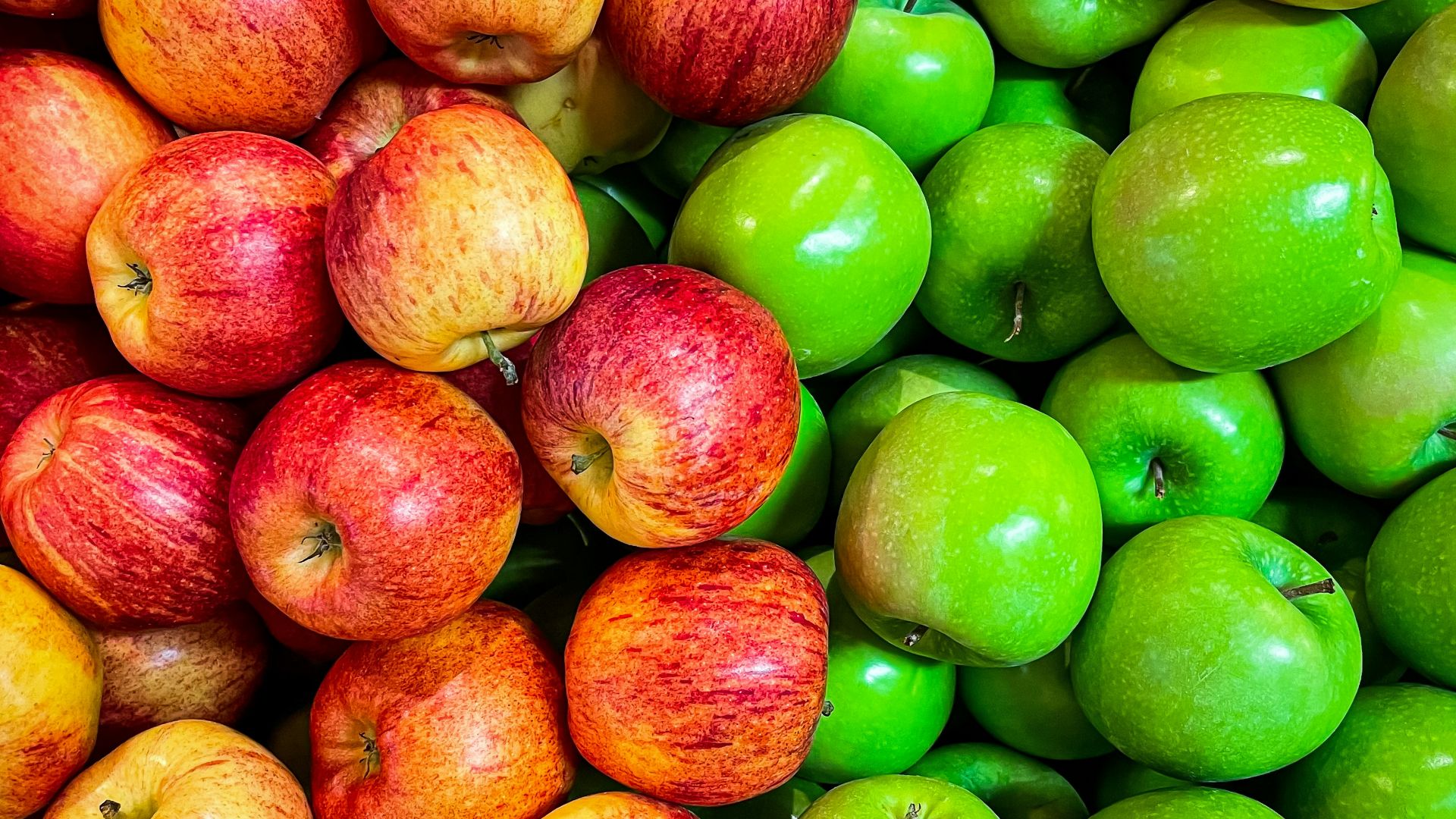
6. Apples
Apples may seem sturdy, but they last far longer in the refrigerator. Cool air slows the ripening process and keeps the flesh crisp. If you leave them out, they’ll soften much faster than you might expect.
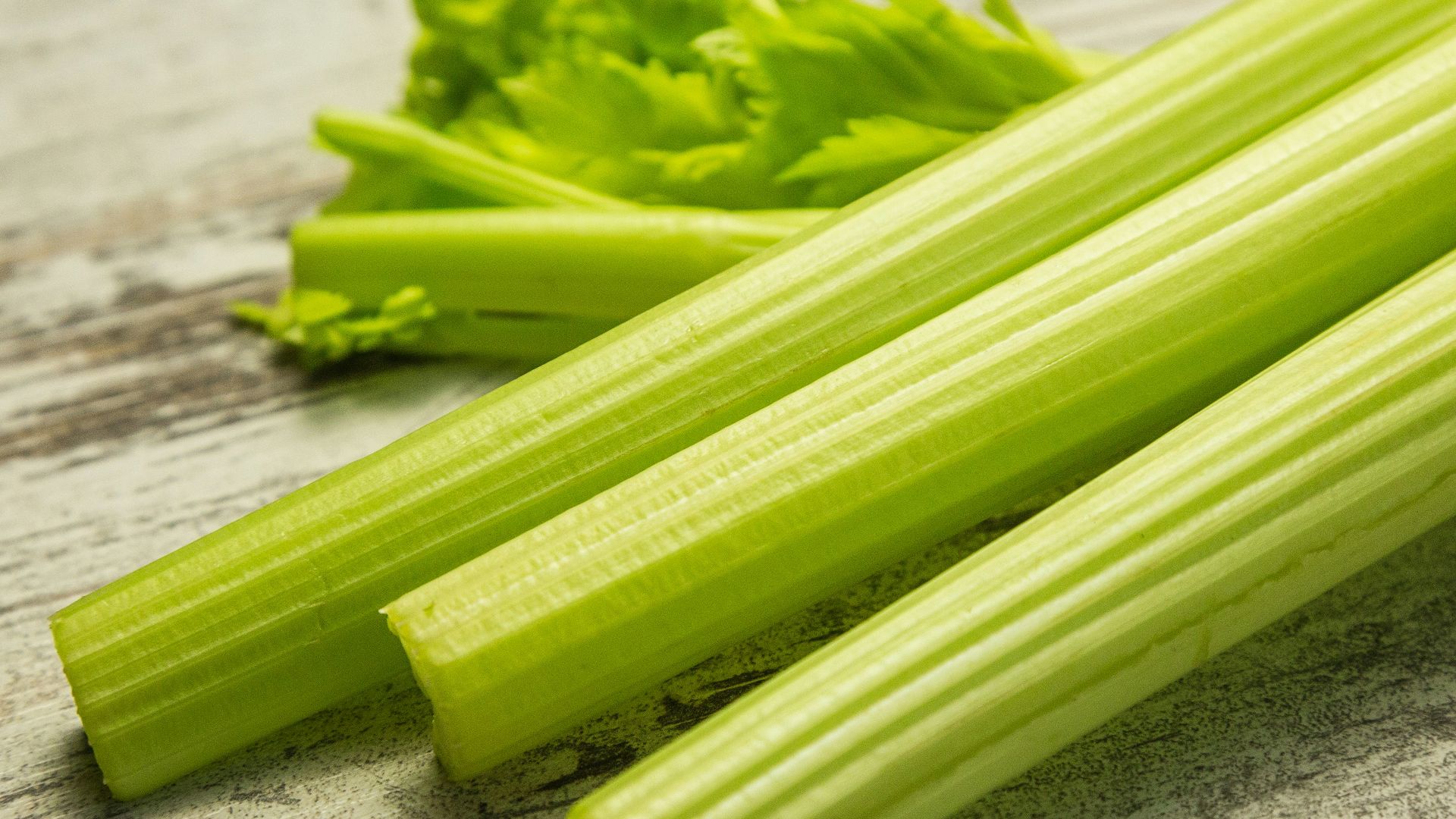
7. Celery
Celery loses water quickly when it’s stored at room temperature. Refrigeration helps it stay crunchy and fresh instead of rubbery. Wrapping it lightly in foil can extend its shelf life.
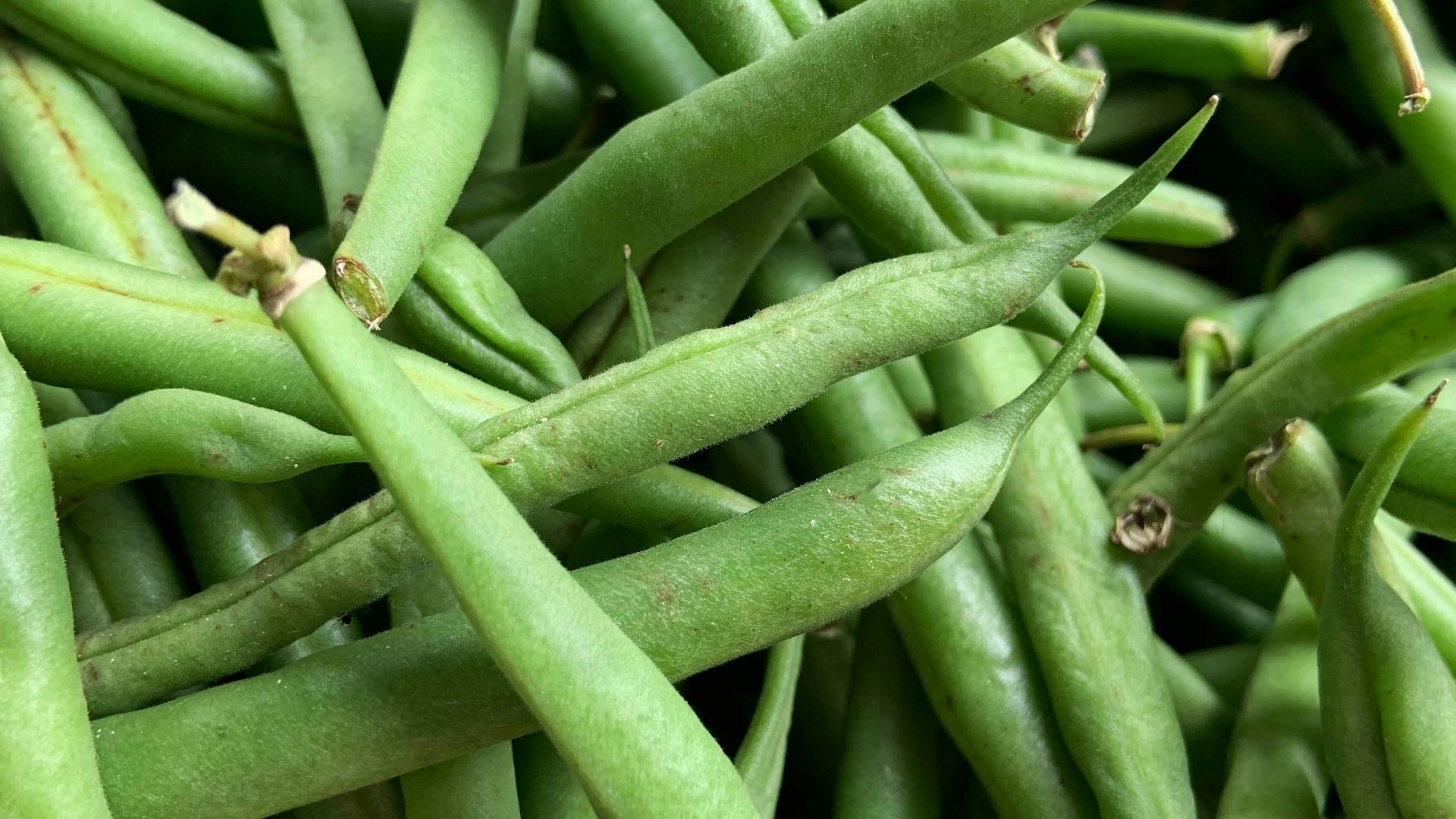
8. Green Beans
Green beans benefit from cold storage to prevent wilting and discoloration. The refrigerator keeps them snappy and bright green. You’ll also notice they hold their flavor better when chilled.
9. Asparagus
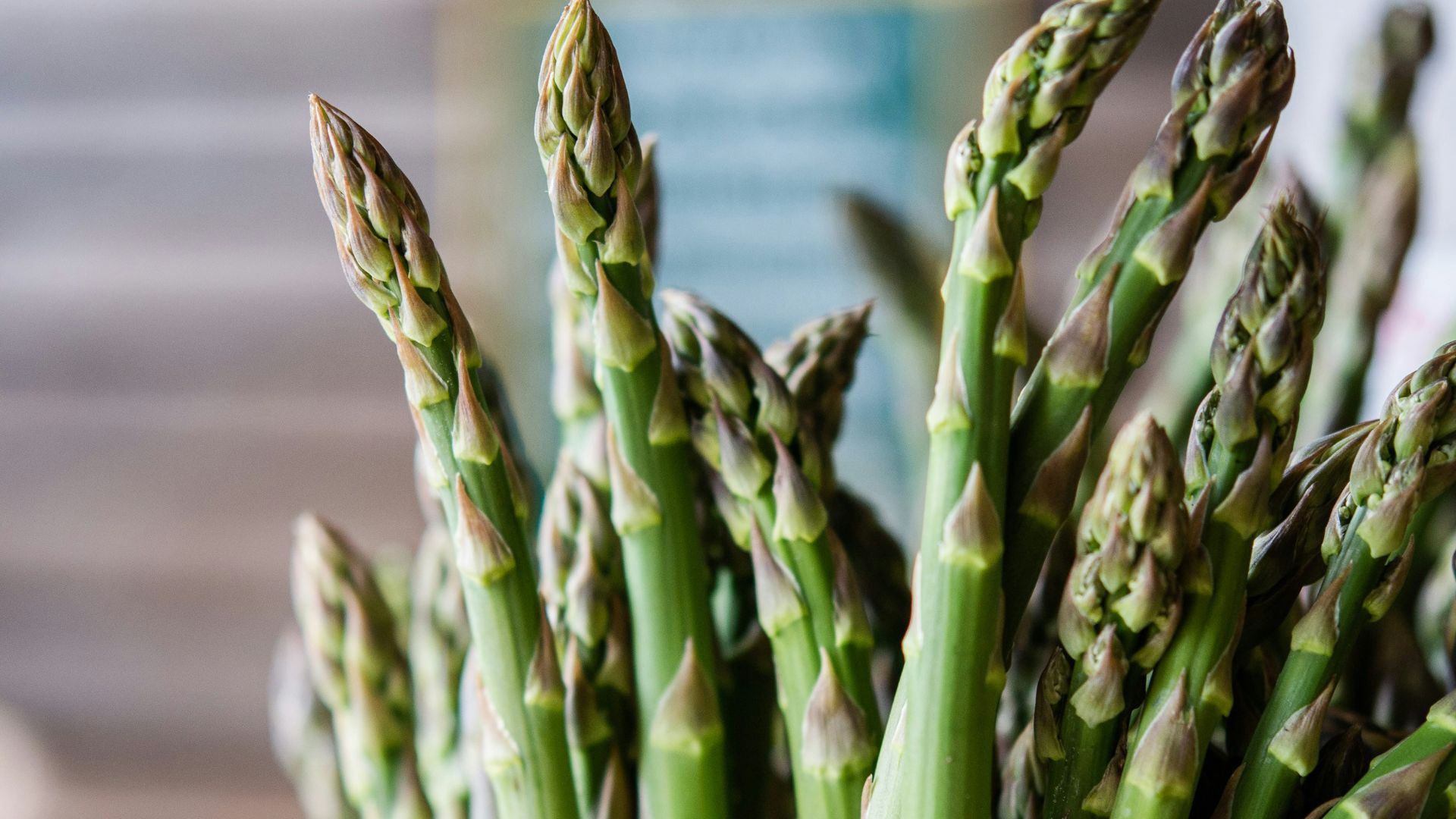
Asparagus dries out fast if it’s left on the counter for too long. The fridge slows moisture loss and keeps the stalks tender. Standing them upright with a little water in the fridge works especially well. The last thing you want is for your asparagus to lose its snap and taste.
10. Mushrooms
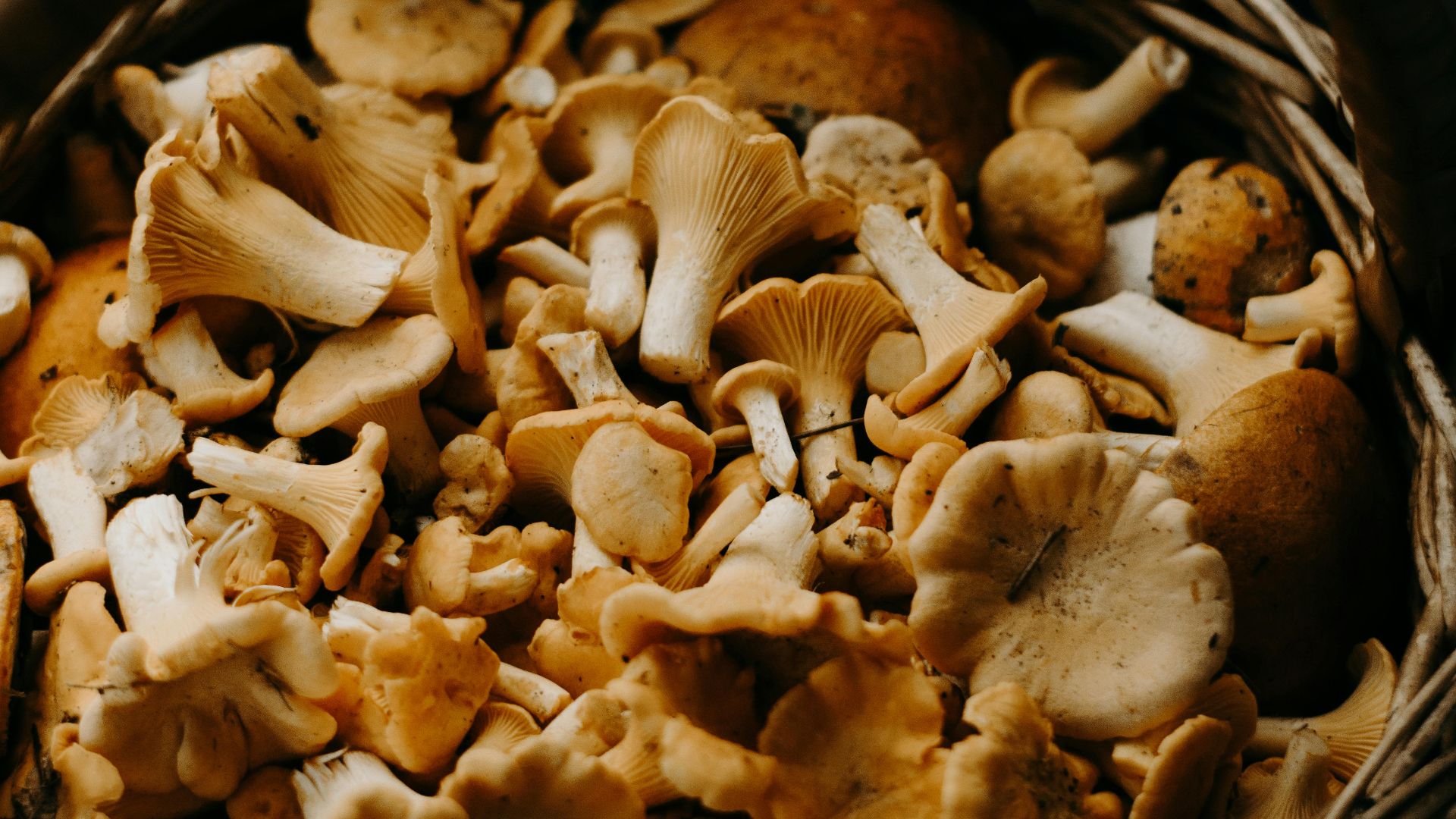
Mushrooms need cool temperatures to prevent sliminess and spoilage. Refrigeration helps them stay dry and firm for several days. A paper bag is better than plastic since it absorbs extra moisture.
1. Tomatoes
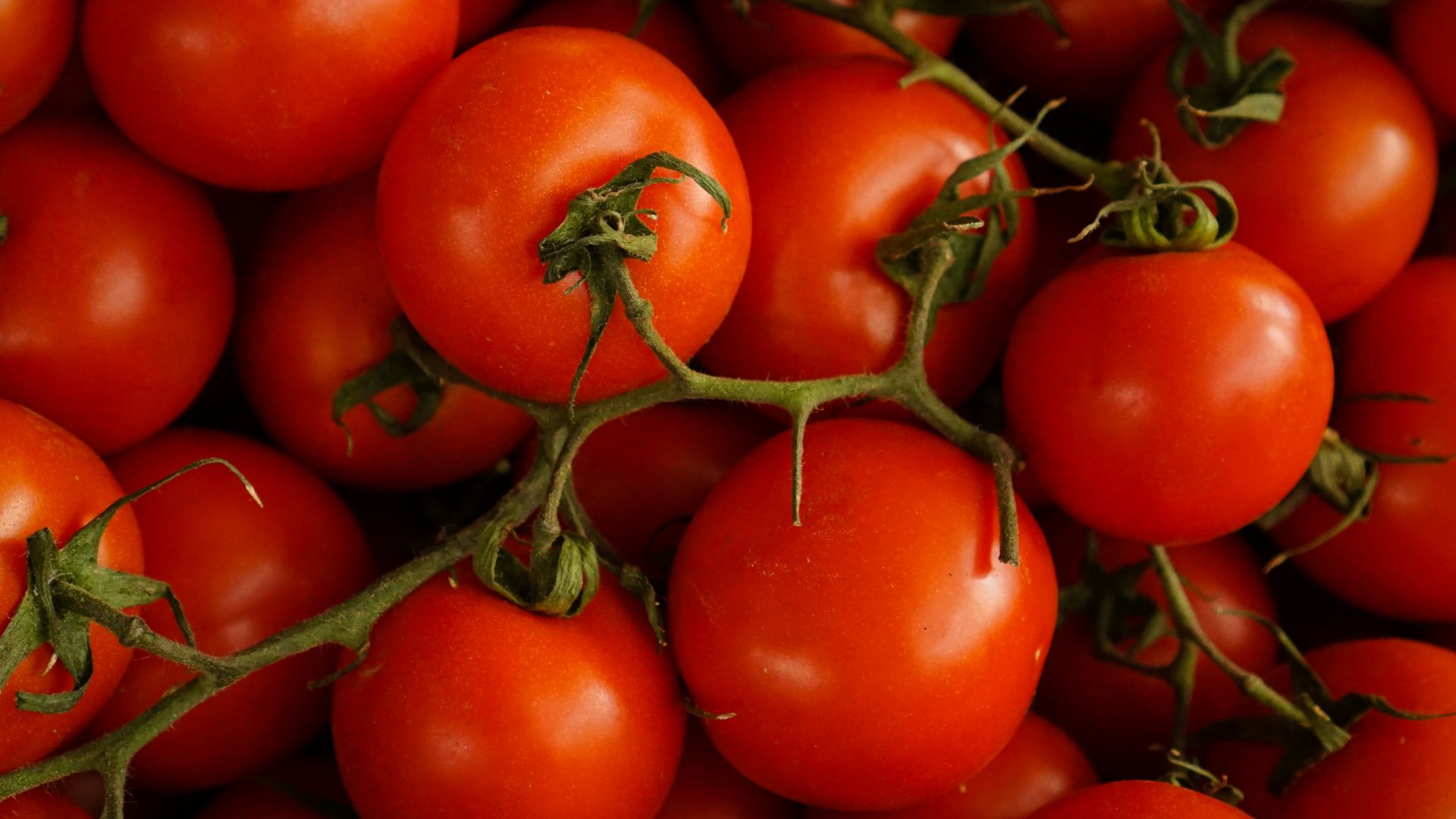
Tomatoes lose their rich flavor and mealy texture when refrigerated. Cold temperatures break down their cell structure and dull their taste. Keeping them on the counter lets them stay juicy and aromatic, ensuring they elevate your next BLT and not wreck it.
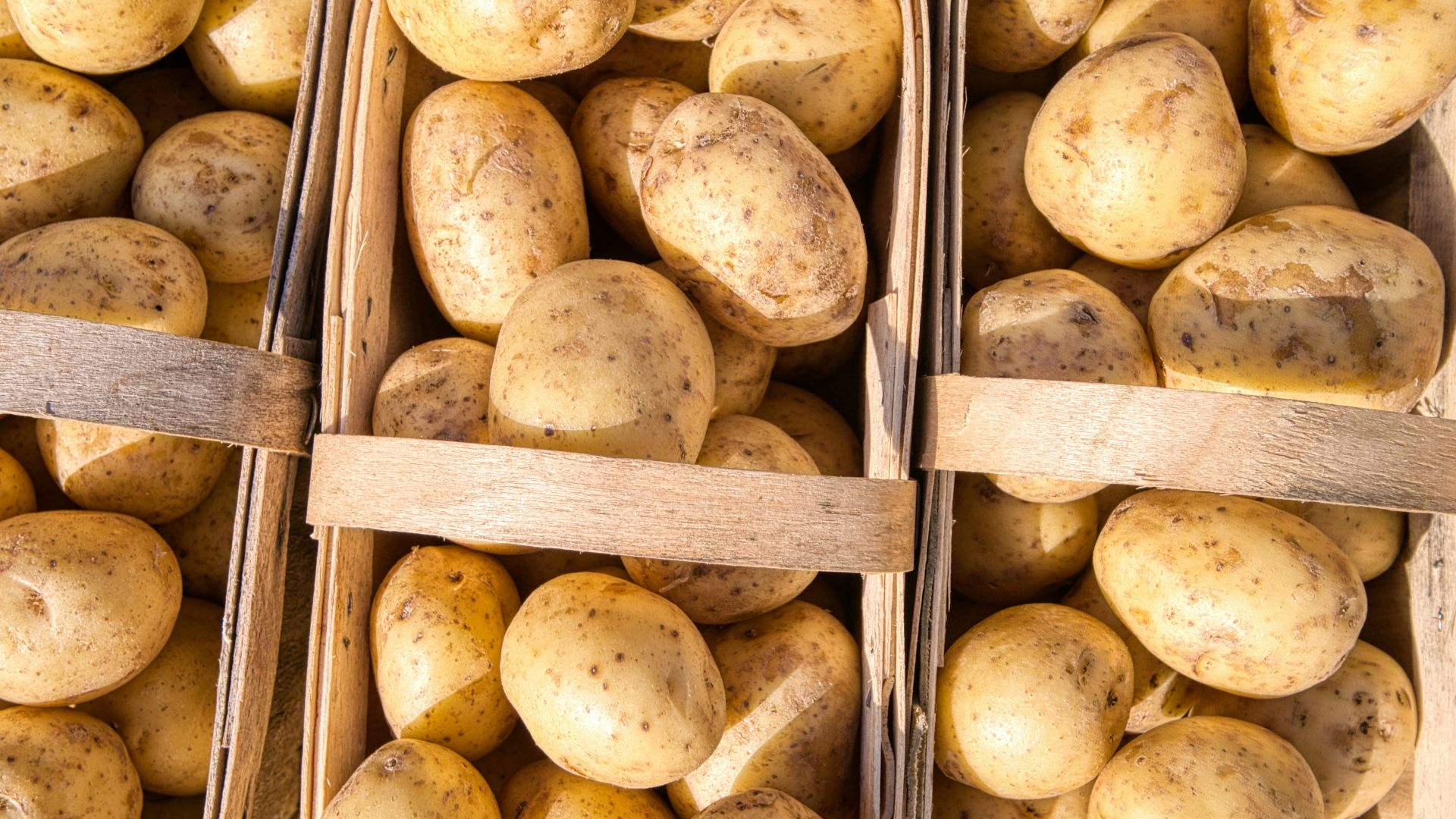
2. Potatoes
Potatoes don’t belong in the fridge because cold air turns their starches into sugar. This can affect both flavor and texture when you cook them. A cool, dark pantry is a much better option.
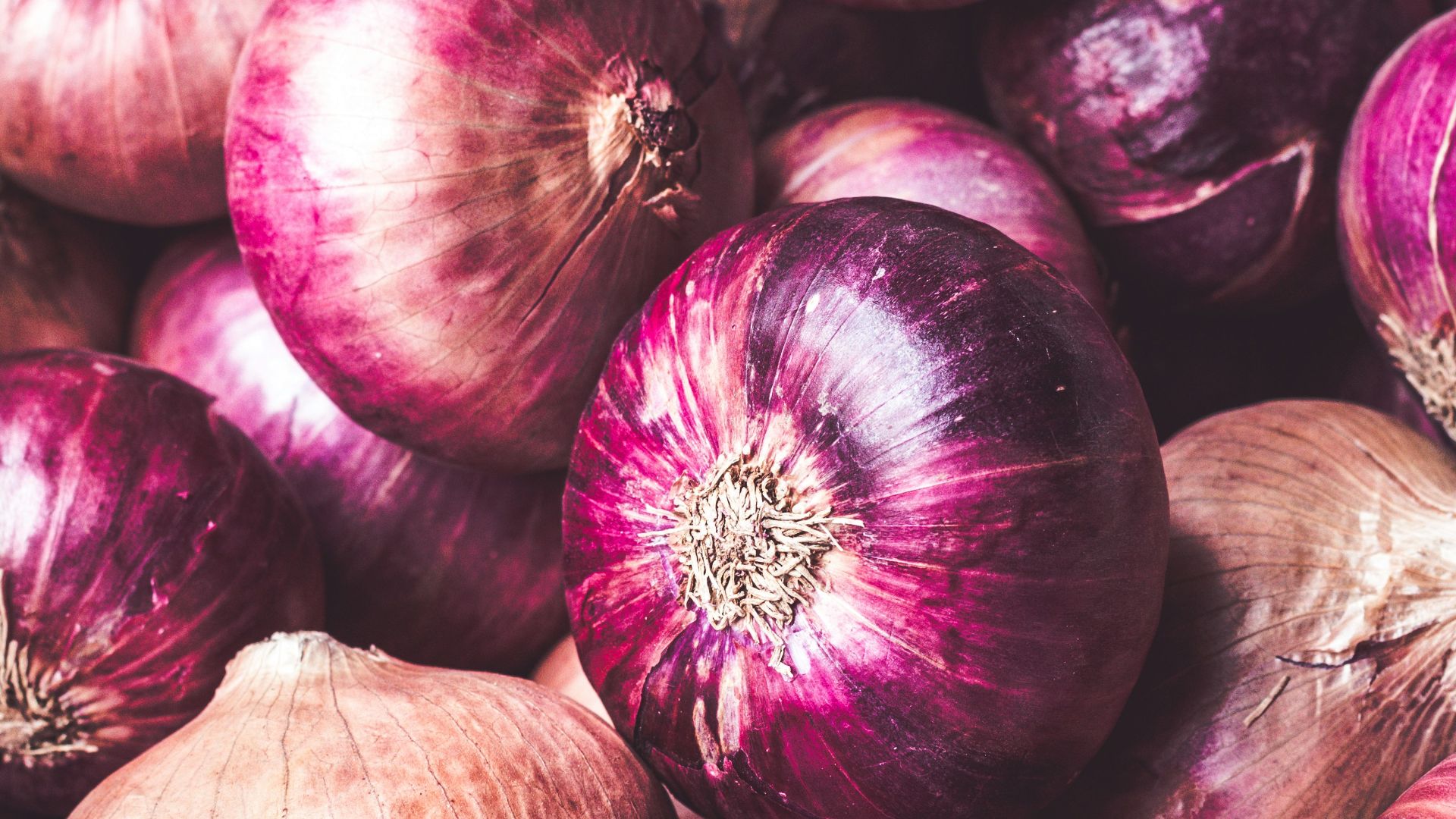
3. Onions
Onions stored in the refrigerator tend to get soft and moldy faster. They prefer a dry, well-ventilated space away from moisture. Keeping them out also helps maintain the sharp bite that makes them unique and a welcome addition to so many meals.
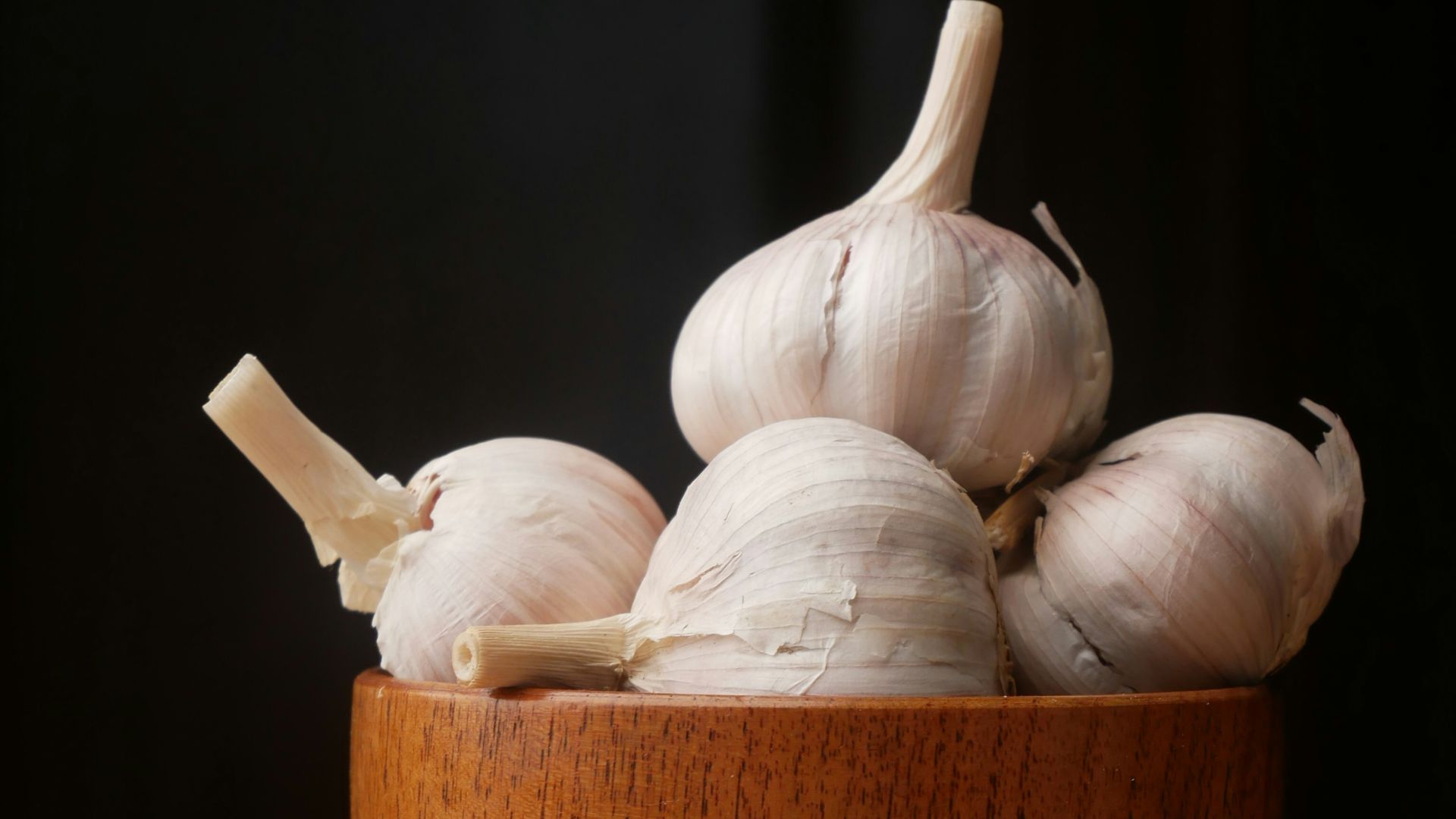
4. Garlic
Garlic doesn’t like the fridge and can sprout more quickly there. Refrigeration also alters its texture, making it rubbery over time. A cool cabinet with good airflow works best.
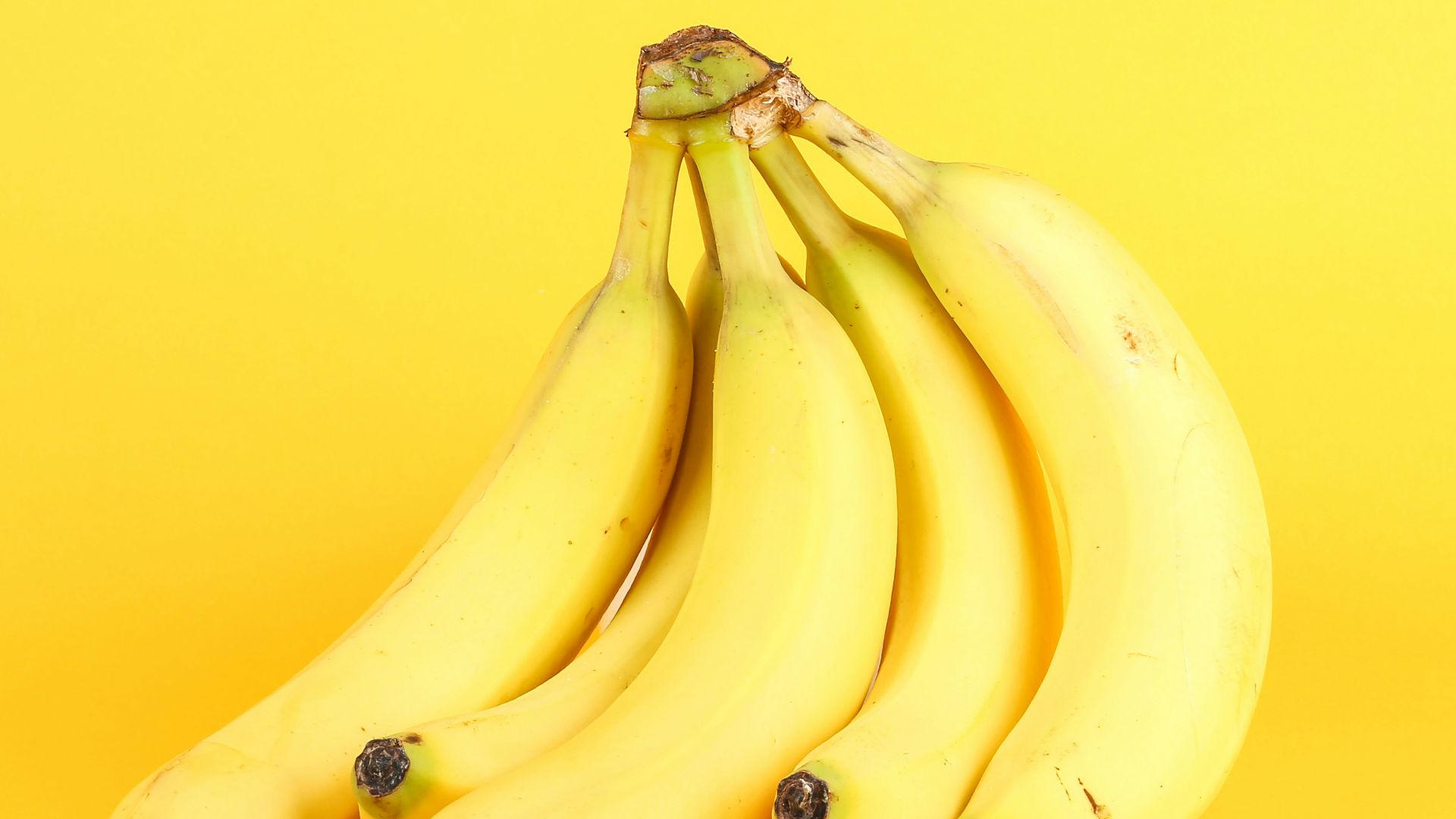
5. Bananas
Bananas react badly to cold temperatures, which causes their skins to turn dark. While the inside may still be edible, the texture and flavor can suffer. Leaving them out allows them to ripen naturally.
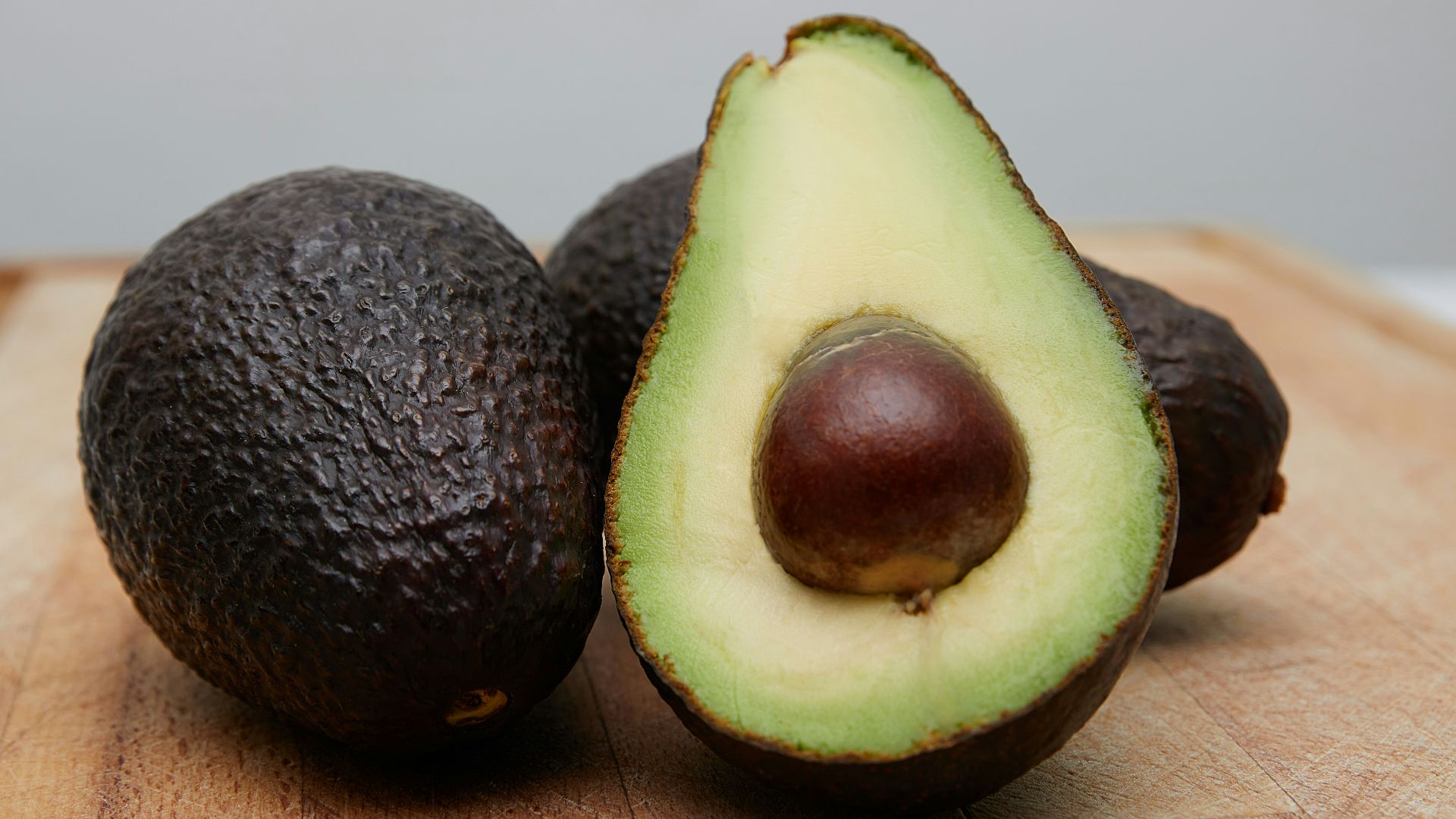
6. Avocados
Unripe avocados shouldn’t be refrigerated because cold temperatures slow the ripening process too much. They’re best kept on the counter until they soften. Once ripe, you can chill them briefly if needed.
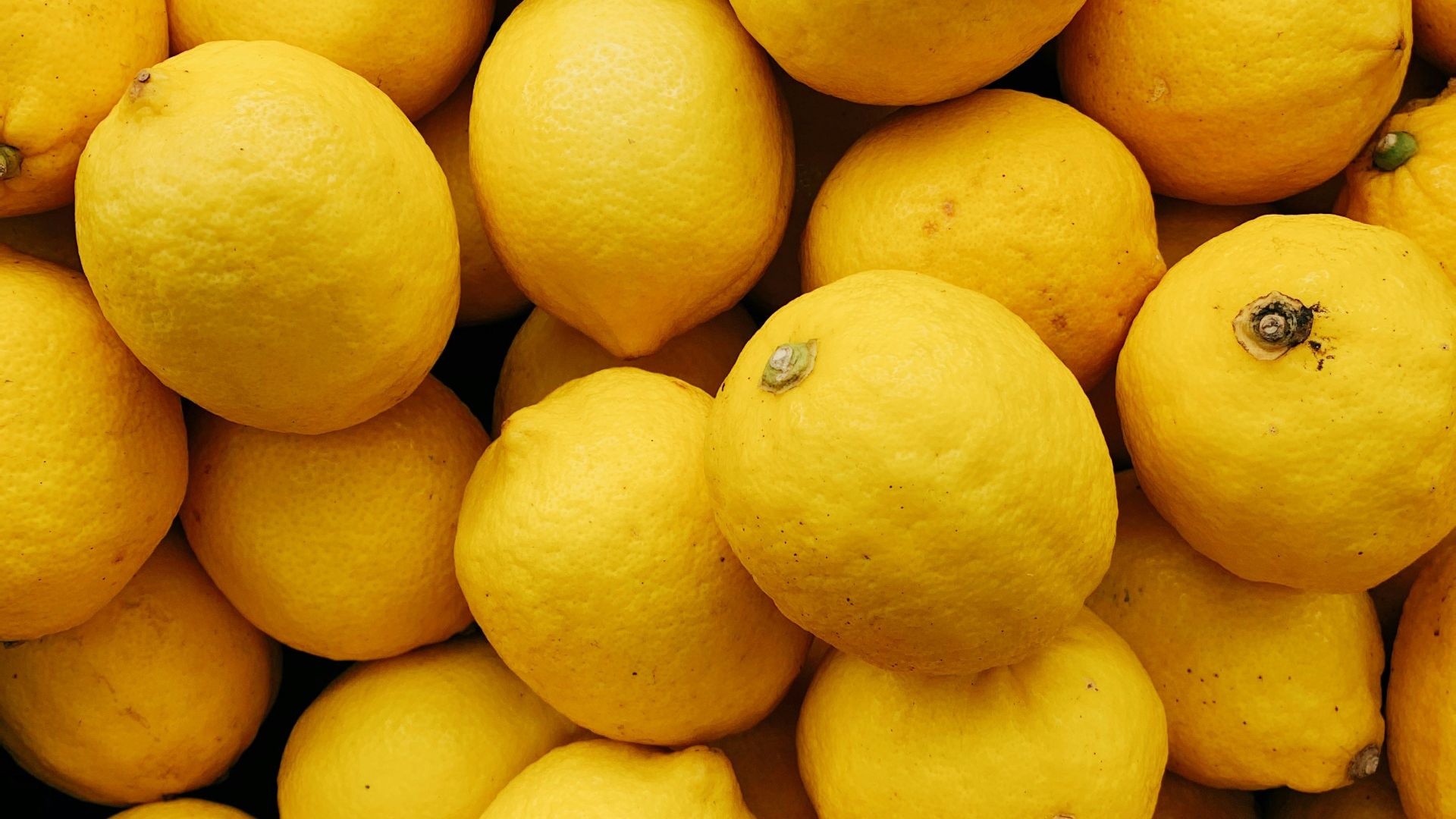
7. Citrus Fruits
Oranges, lemons, and limes hold up well at room temperature for short periods. Refrigeration can dry them out if they sit too long. A fruit bowl keeps them juicy and fragrant.
 Thitiphum Koonjantuek on Unsplash
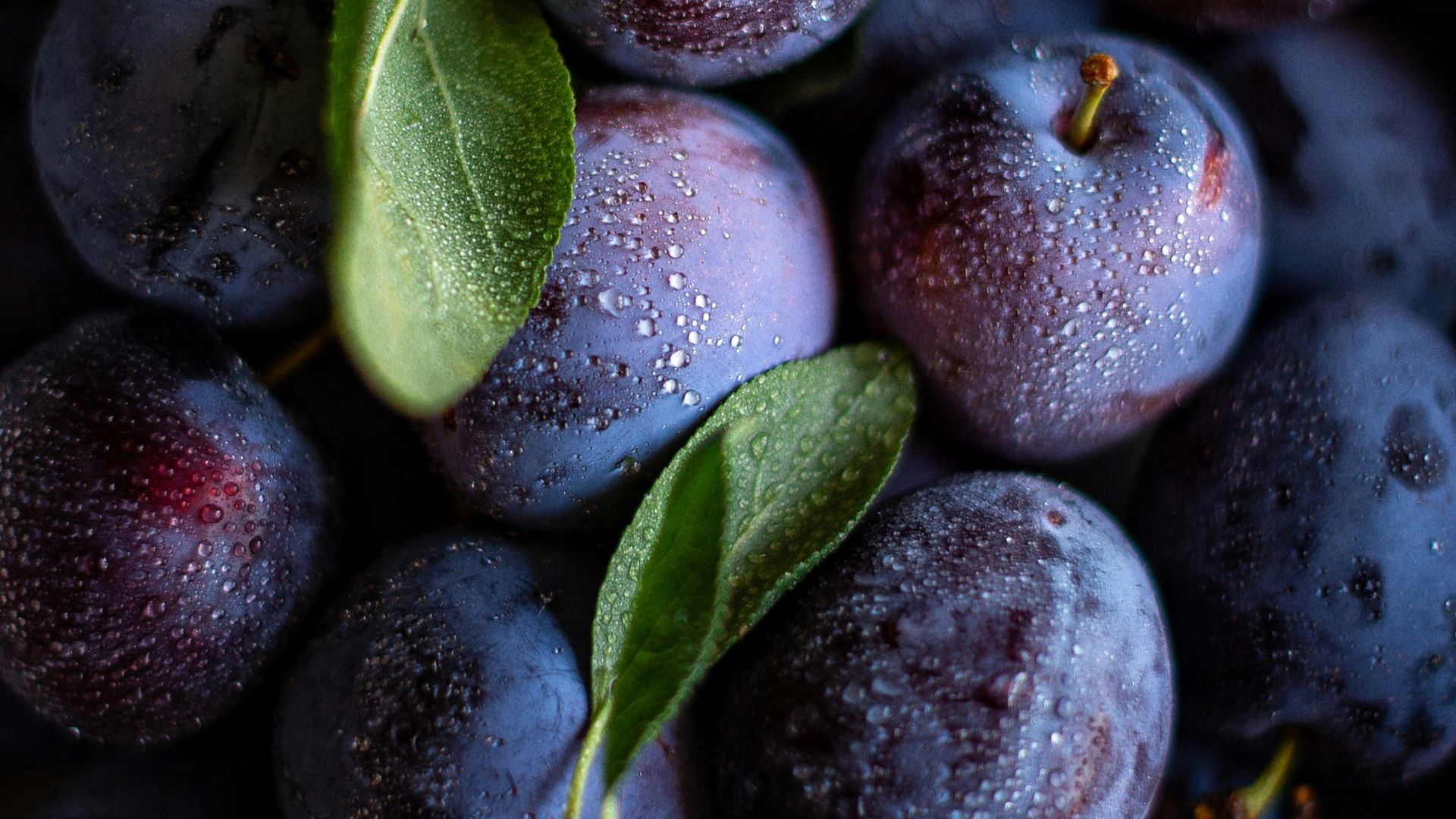
8. Stone Fruits
Peaches, plums, and nectarines lose flavor in the fridge before they’re ripe. Cold air interrupts the ripening process and dulls their sweetness. Letting them mature on the counter delivers better results.
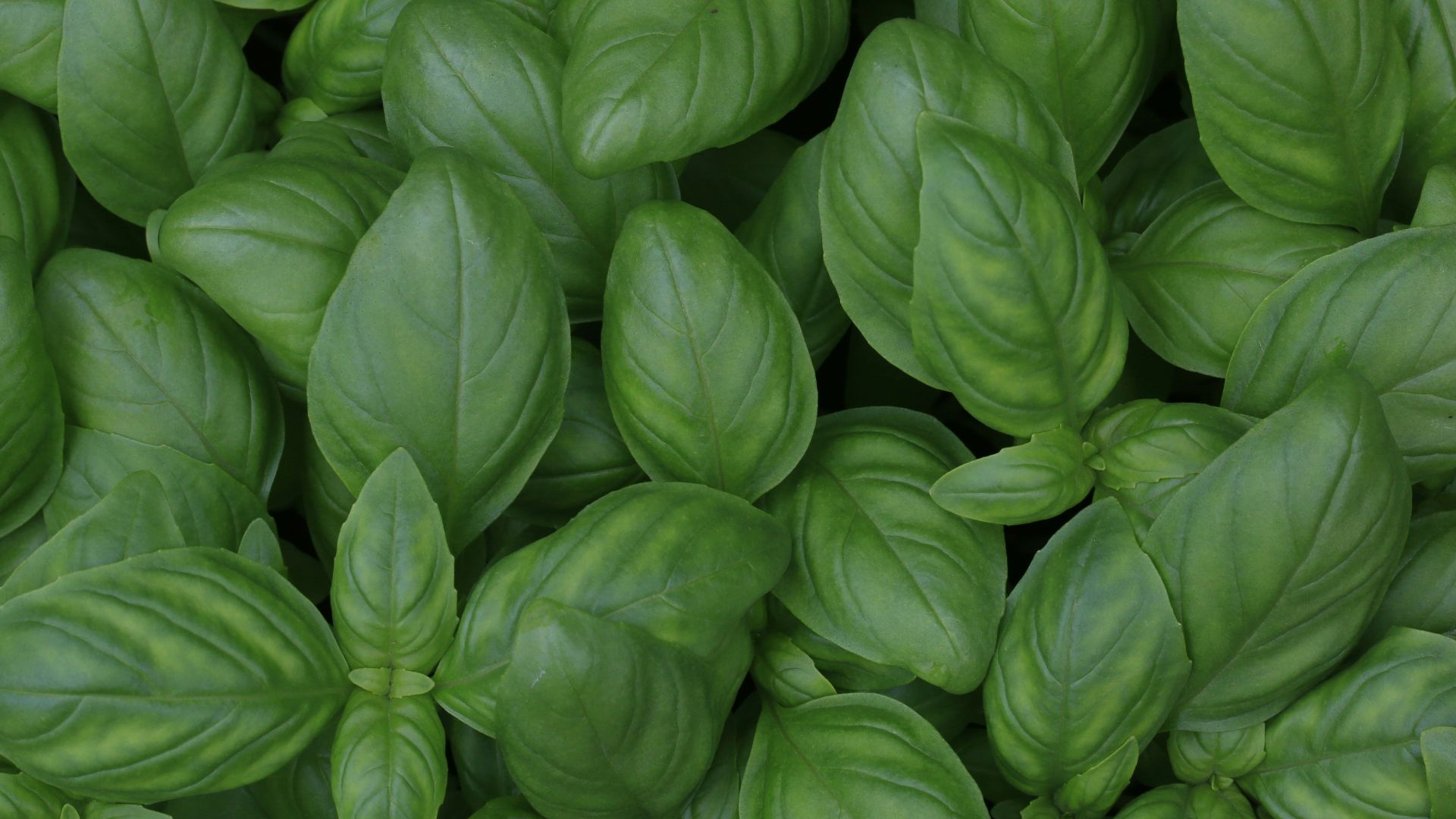
9. Basil
Basil wilts and darkens quickly when refrigerated. It’s sensitive to cold and does best at room temperature. Treat it like a bouquet by keeping the stems in water on your counter. When it comes to fresh herbs, the best approach is to research the appropriate storage method for each, instead of just leaving them on your counter or throwing them in your fridge.
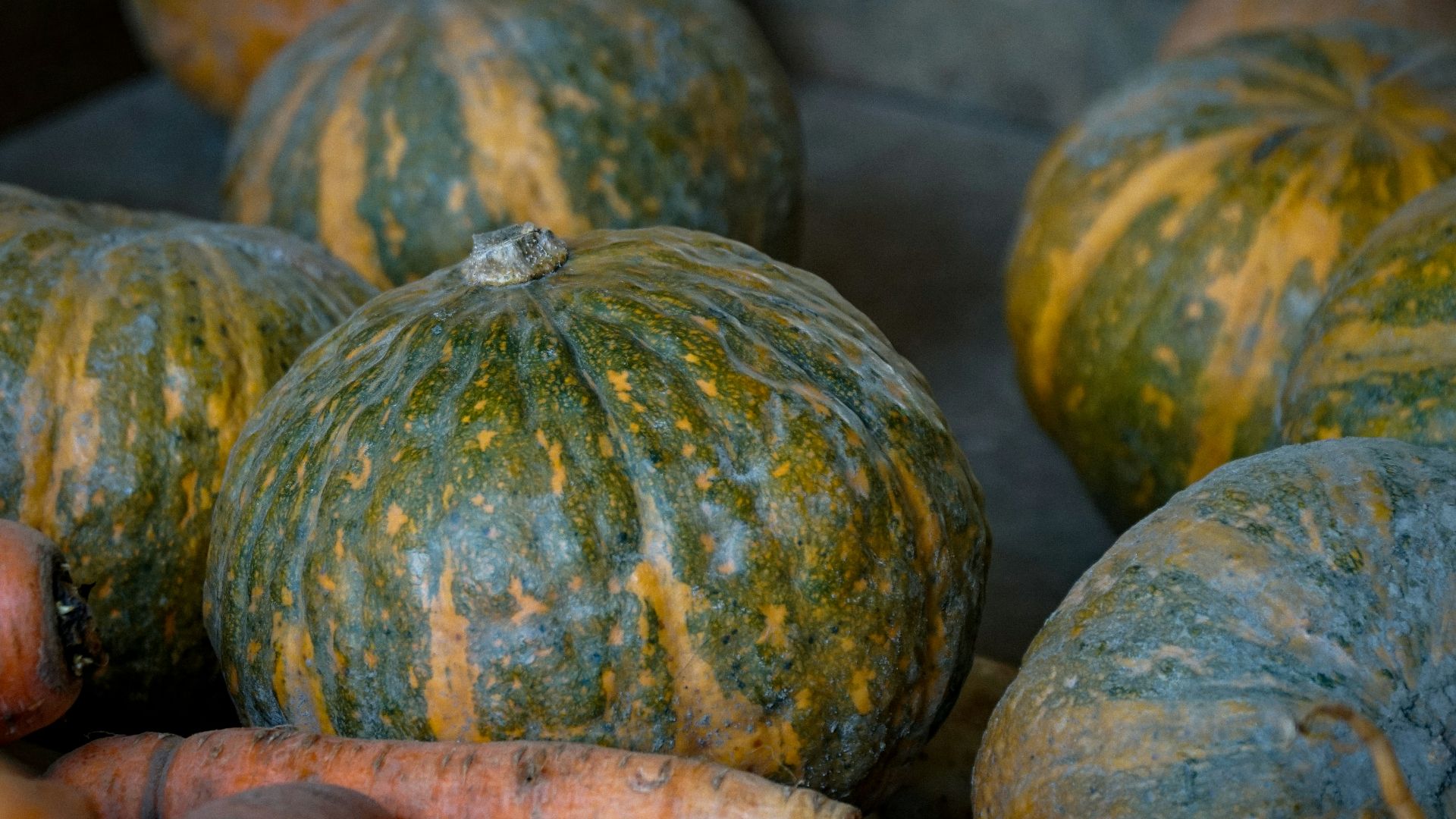
10. Winter Squash
Winter squash varieties like butternut and acorn don’t need refrigeration. Cold temperatures can damage their tough skins and shorten their storage life. A cool, dry spot in your kitchen is ideal. This is also good news as larger squashes can be tough to store inside a fridge.