Small Changes, Big Flavor Results
A recipe can look perfect on paper and still fall flat once it hits the table, usually because one ingredient quietly throws everything out of balance. Some additions overpower texture, mute flavor, or create unpleasant bitterness, while others can completely revive a dish that seemed headed for disaster. If you've ever wondered why one batch tastes dull and another tastes restaurant-quality, the difference often comes down to a few surprisingly important ingredients and how they're used. Here are 10 ingredients that ruin a recipe and 10 that rescue it every time.

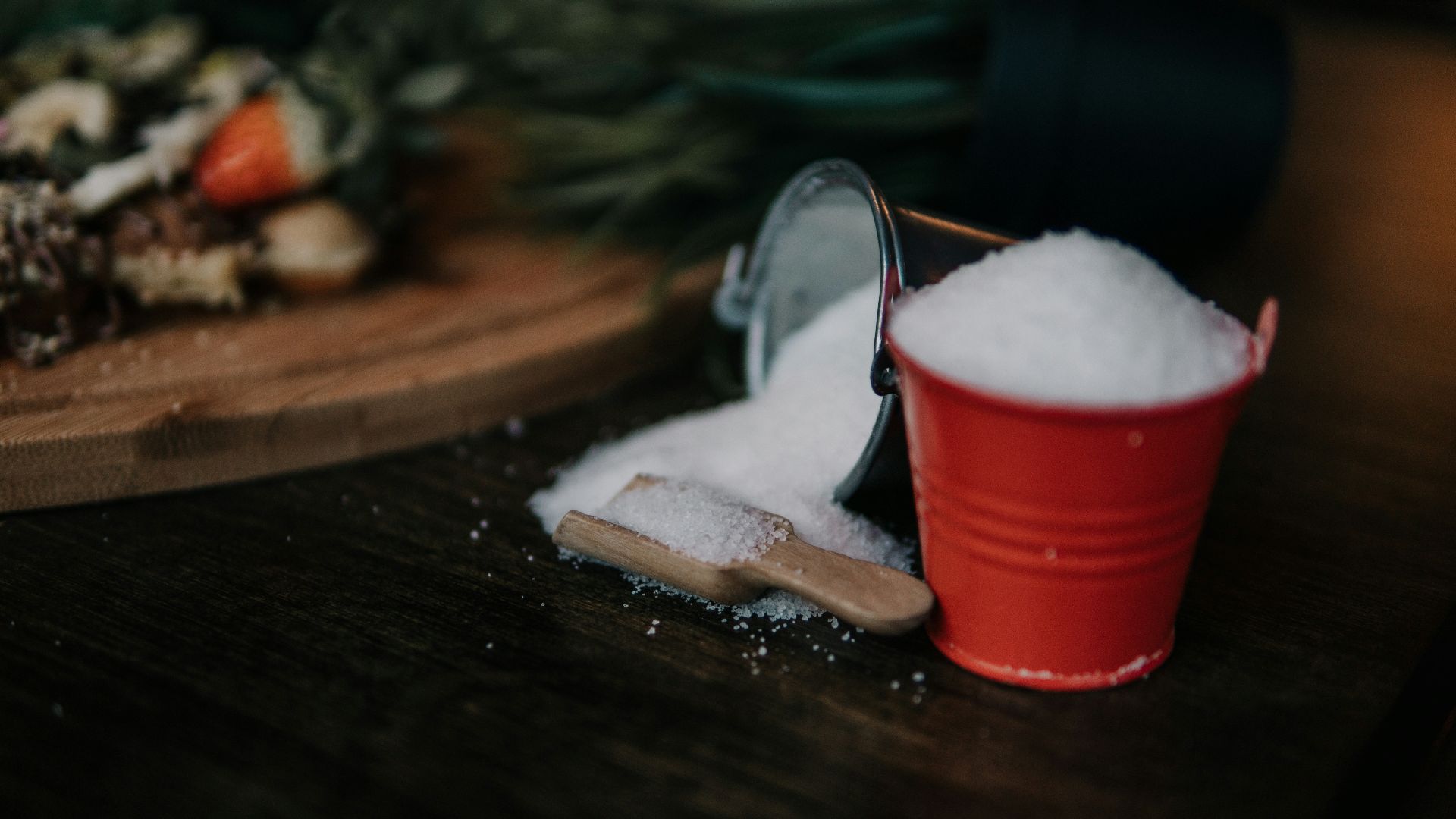
1. Too Much Salt
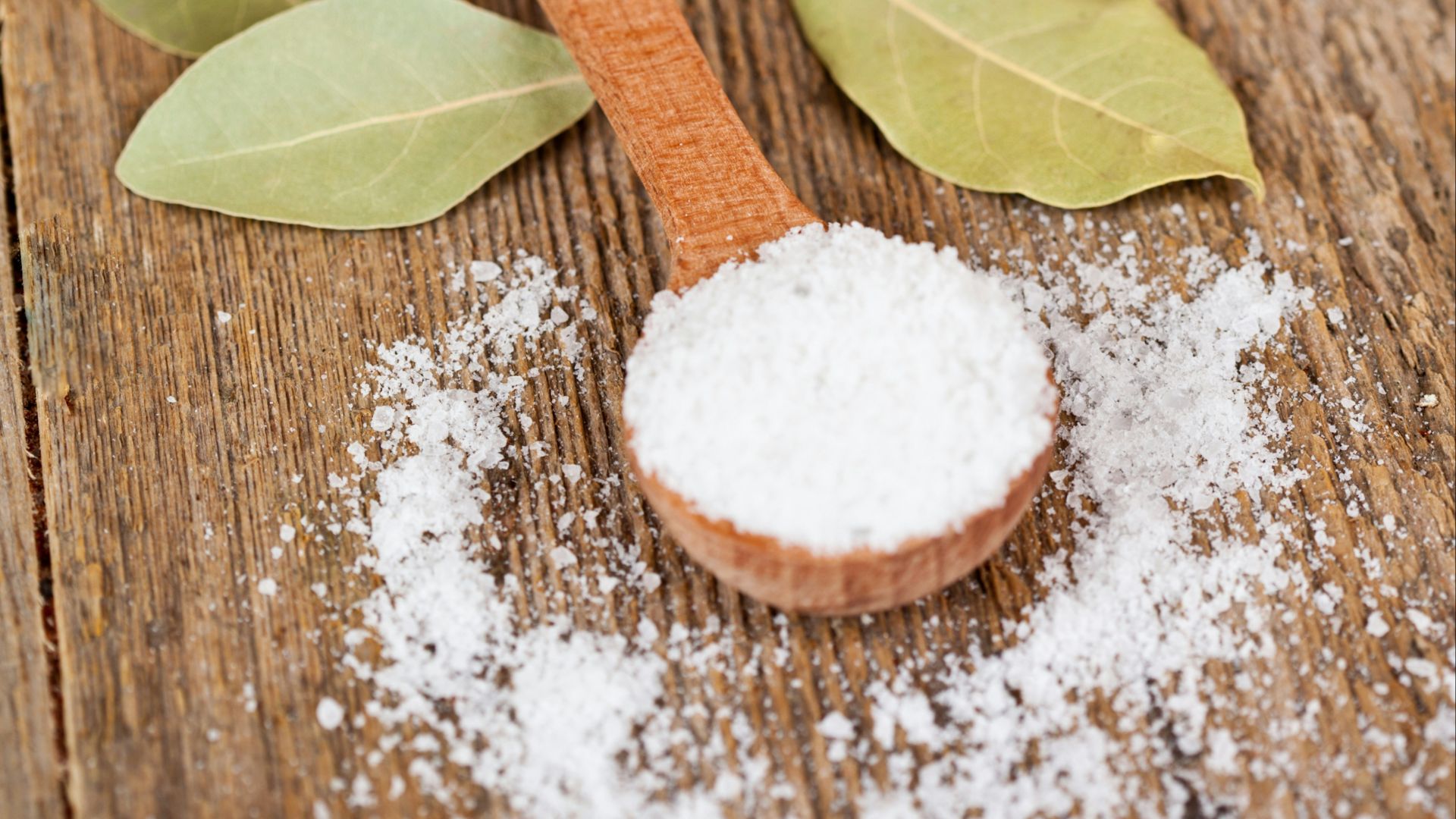
Salt improves flavor in small amounts, but once you cross the line, it overwhelms every other ingredient in the dish. Soups, sauces, and pasta water are especially easy to over-season because flavors concentrate as liquids reduce.
2. Artificial Vanilla Extract
Cheap imitation vanilla tends to leave desserts tasting sharp instead of warm and balanced. Since many artificial versions rely heavily on synthetic vanillin, the flavor can seem one-dimensional in cookies, frostings, and cakes. You usually notice the difference most in recipes with only a handful of ingredients because there's nowhere for the flavor to hide.

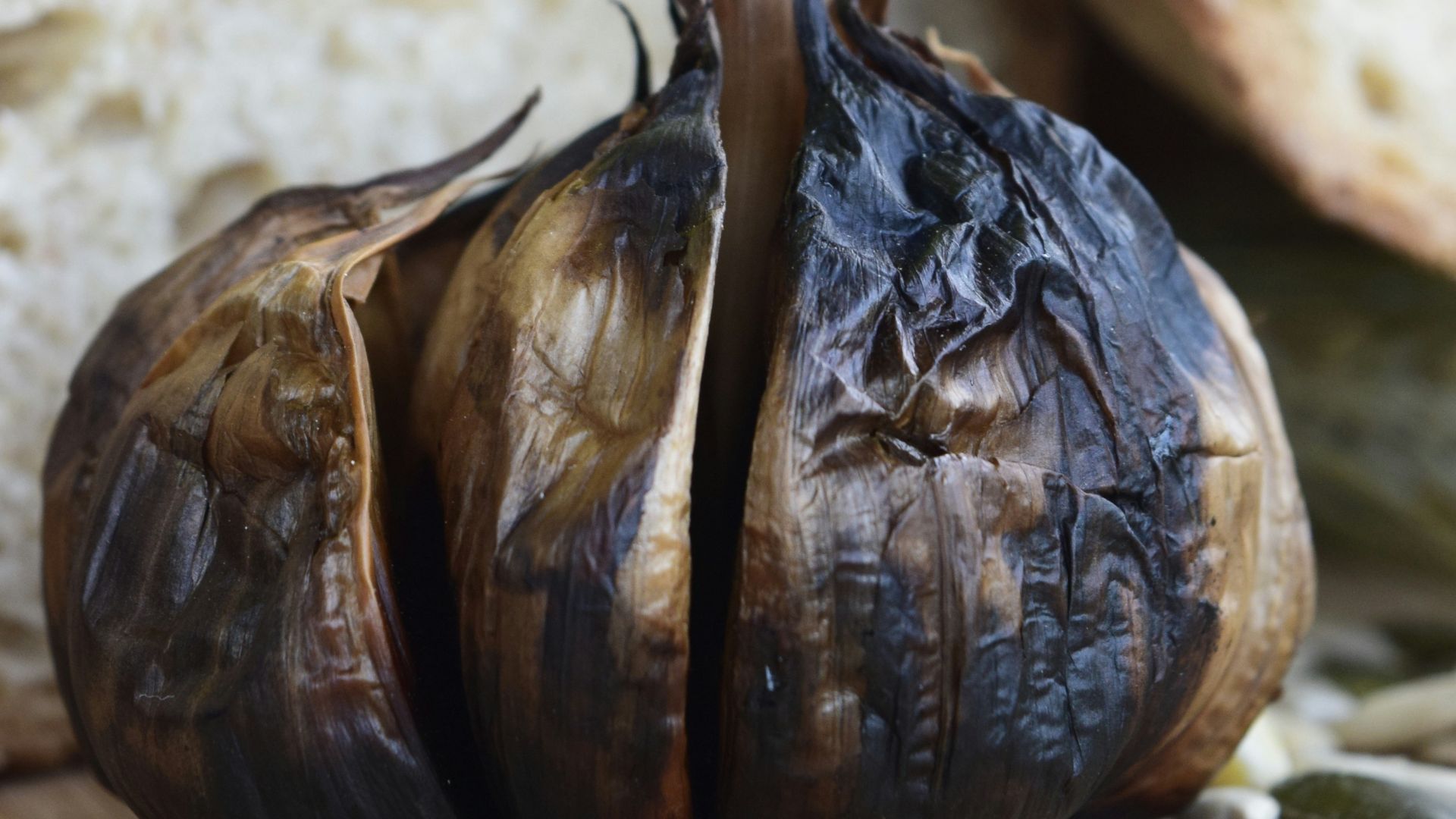
3. Burnt Garlic
Garlic cooks quickly, and once it burns, it develops a bitter flavor that spreads through the entire pan. A few seconds too long over high heat can turn pasta sauces, stir-fries, and sautés unpleasantly harsh. Instead of adding depth, burnt garlic creates a flavor that most people immediately recognize as off-putting.
4. Old Cooking Oil
Rancid oil doesn't always smell terrible at first, which is why people sometimes use it without realizing the damage it causes. Oils exposed to heat, light, and air slowly break down and develop stale flavors that transfer directly into fried or roasted foods.

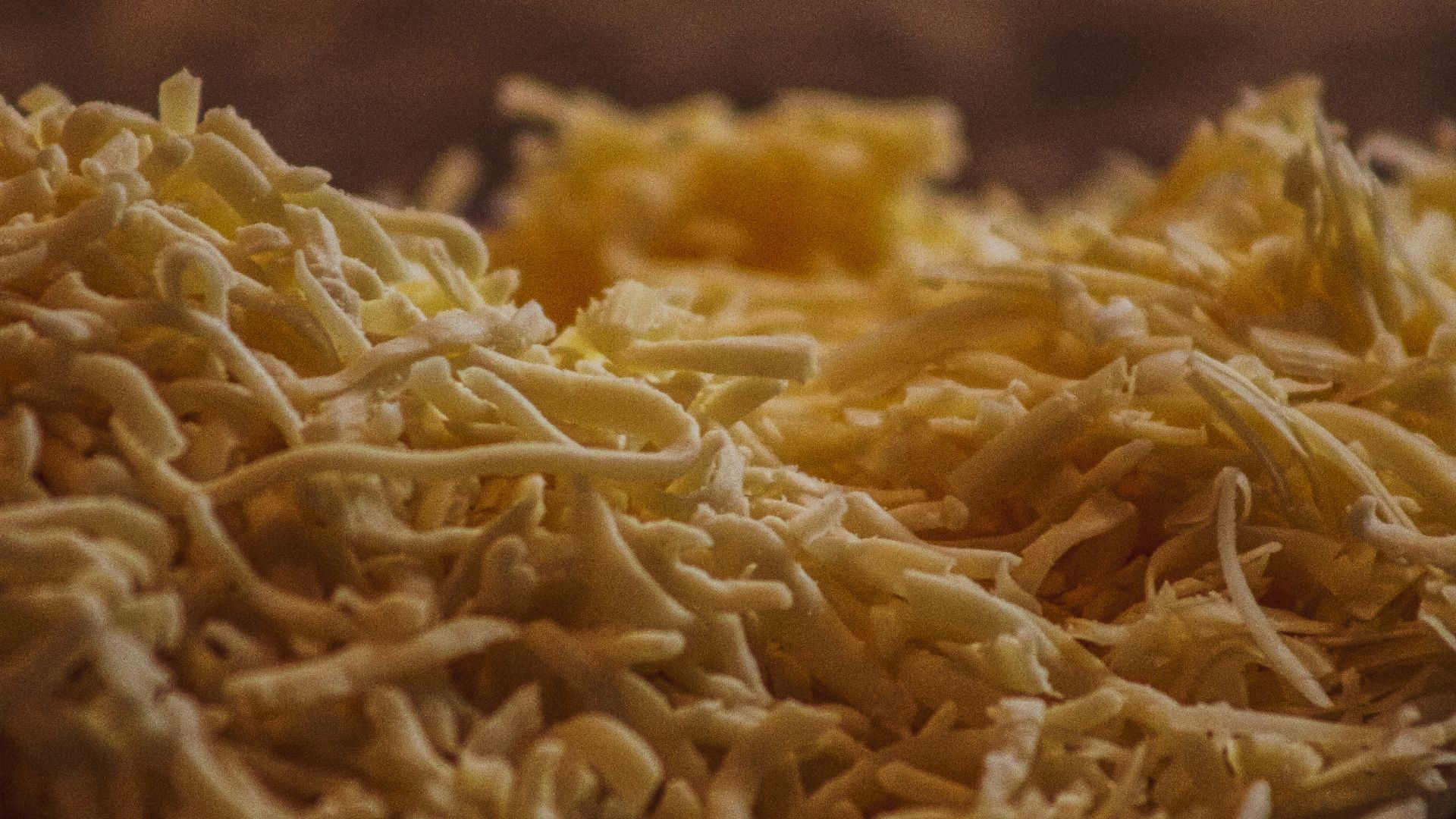
5. Pre-Shredded Cheese
Packaged shredded cheese contains anti-caking agents that prevent the strands from sticking together, but those additives also affect texture when melted. Instead of becoming smooth and creamy, sauces can turn grainy or oily during cooking.
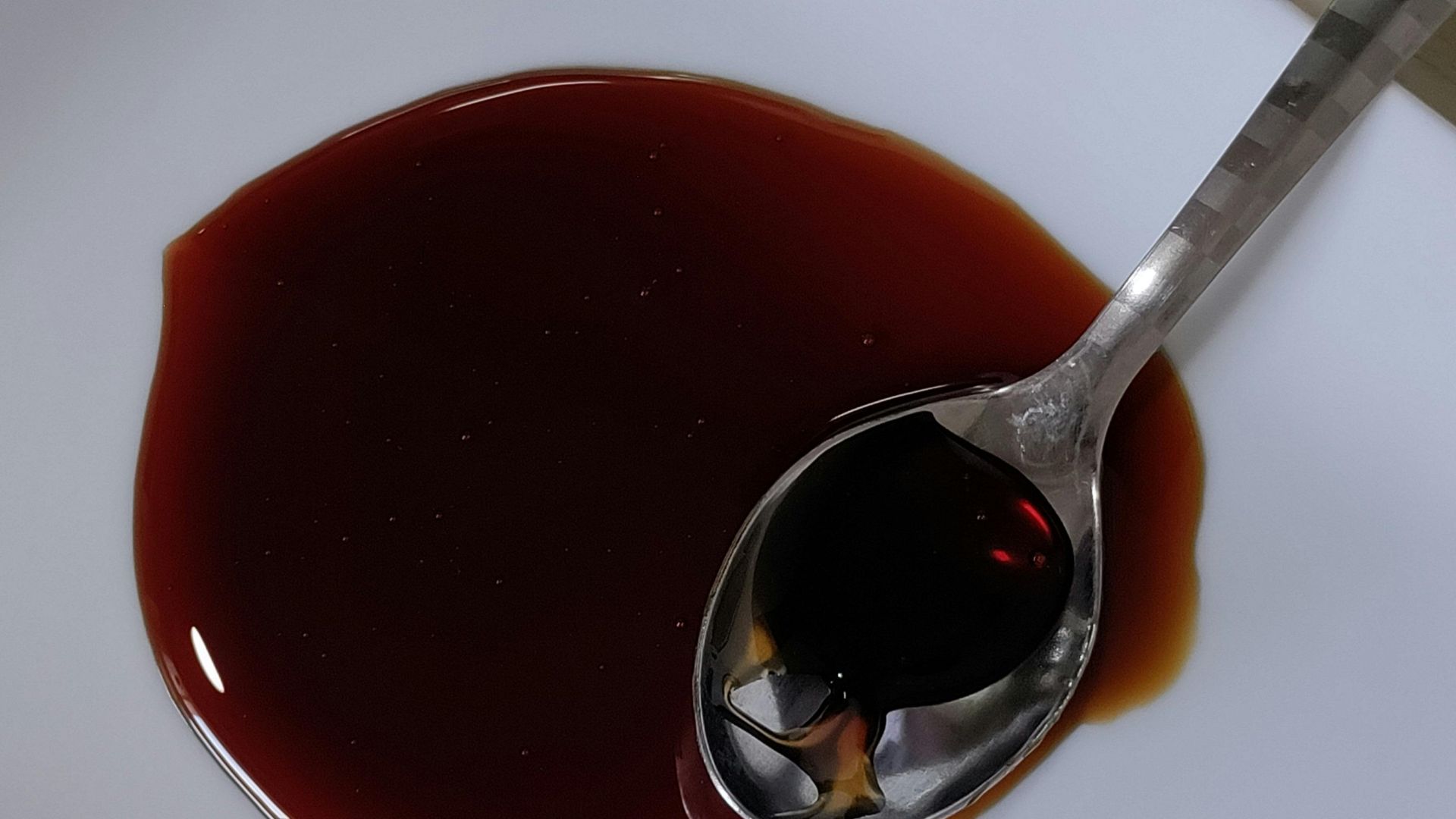
6. Too Much Liquid Smoke
Liquid smoke is powerful, and even a small excess can make food taste artificial instead of smoky. Barbecue sauces, marinades, and chili recipes become especially overwhelming when this ingredient dominates every bite. Since it's so concentrated, adding extra rarely improves the dish the way people expect it to.
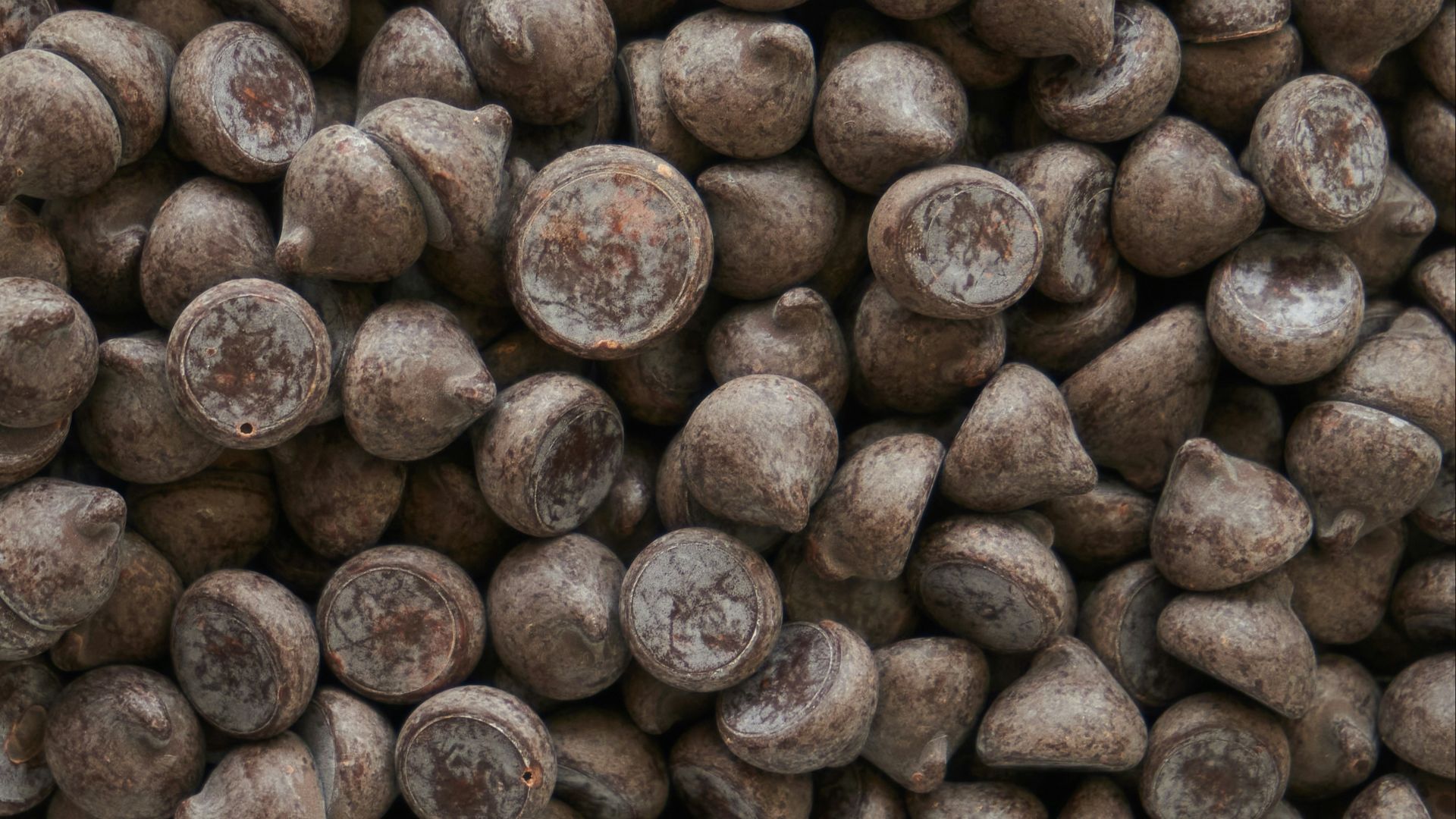
7. Low-Quality Chocolate Chips
Cheap chocolate often contains more stabilizers and sugar than actual cocoa flavor, which changes how desserts bake and taste. Cookies can end up overly sweet without the richer bitterness that good chocolate naturally provides.
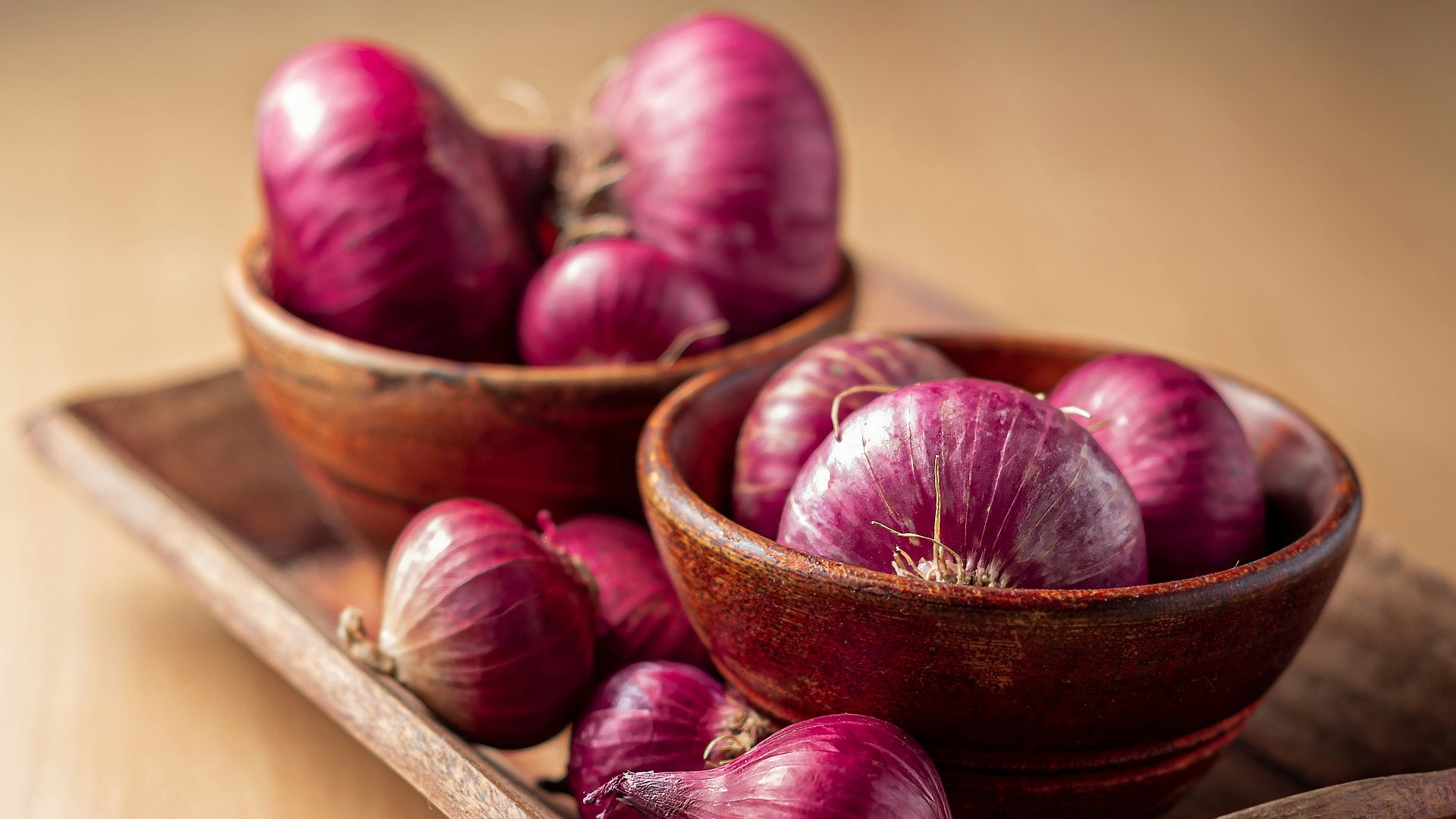
8. Excess Raw Onion
Raw onion adds freshness and crunch when balanced correctly, but too much can overpower everything else in the bowl or sandwich. Strong varieties like white onion can leave a lingering sharpness that masks herbs, dressings, and proteins. This becomes even more noticeable when the onion hasn't been soaked or mellowed beforehand.
9. Overripe Avocados
An avocado that looks acceptable from the outside can still taste unpleasantly mushy and slightly bitter inside. Once overripening begins, the texture becomes watery rather than creamy, which affects guacamole, salads, and sandwiches alike.

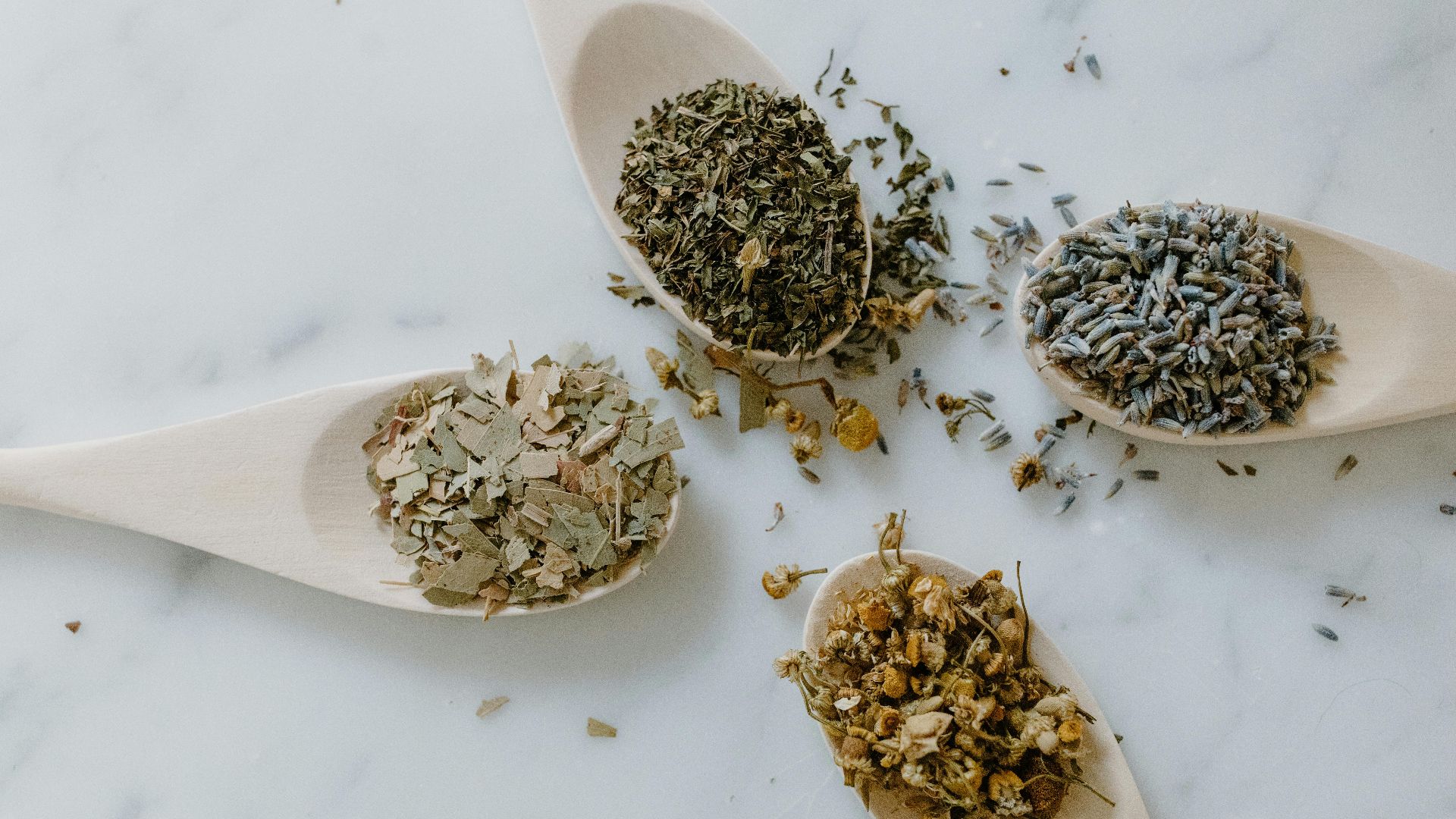
10. Cheap Dried Herbs
Dried herbs lose potency over time, especially when they've been sitting near heat or sunlight for months. Instead of adding fragrance and complexity, older herbs often contribute dusty flavors with very little aroma.
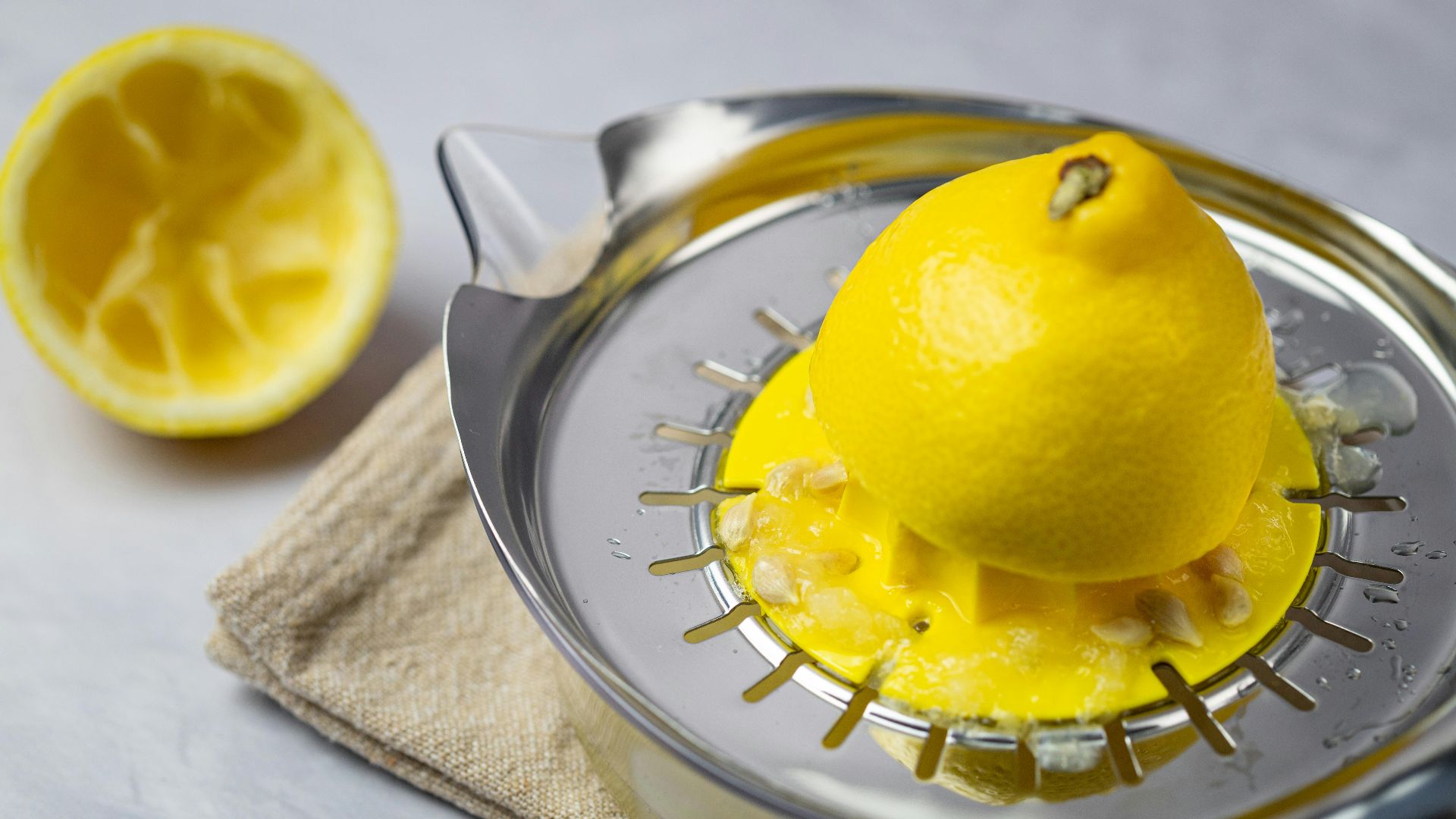
1. Fresh Lemon Juice
A squeeze of lemon juice can immediately brighten flavors that taste flat or overly heavy. Acidity helps balance rich dishes like creamy pasta, roasted vegetables, and seafood without making them sour when used carefully. Even soups and stews often taste more complete after a small amount is stirred in right before serving.
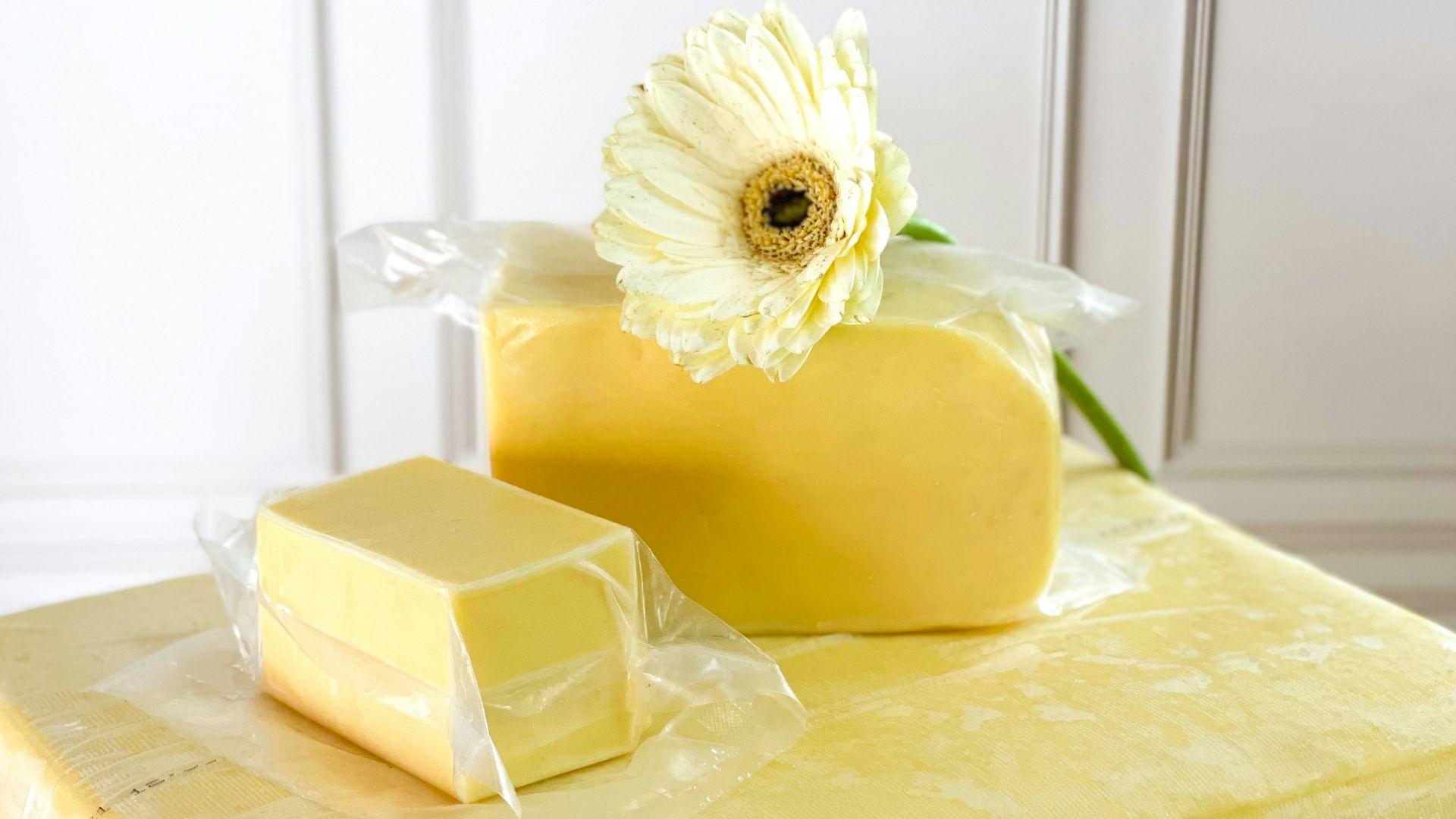
2. Unsalted Butter
Butter adds richness, softness, and a smoother mouthfeel to countless savory and sweet recipes. Using unsalted butter gives you better control over seasoning while still delivering the creamy flavor people expect.
 gentilesco. ─ karolina ferretis on Unsplash
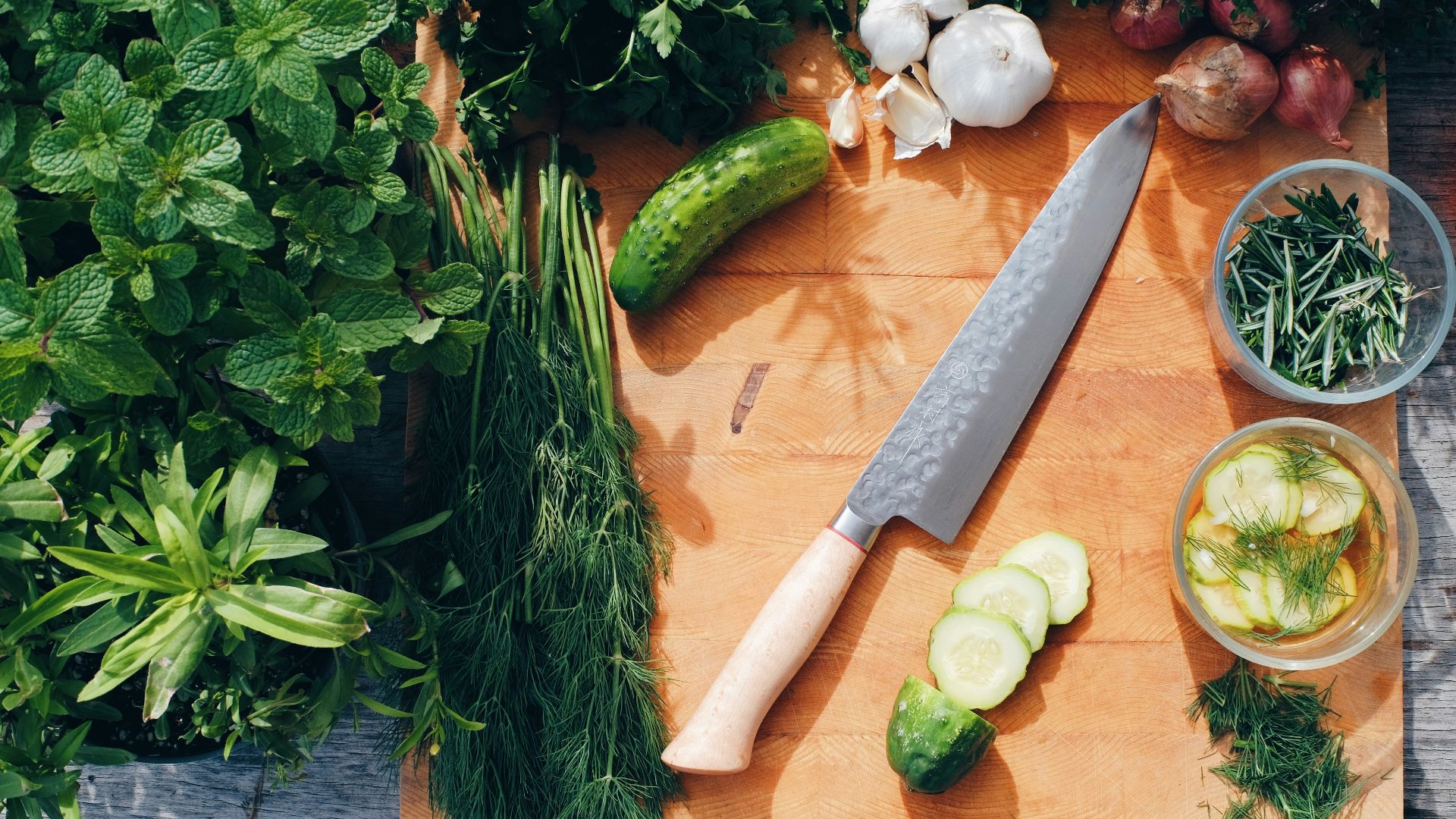
3. Fresh Herbs
Parsley, basil, cilantro, and dill can instantly wake up a dish that feels dull or overly cooked. Fresh herbs provide aroma and brightness that dried seasonings usually can't match at the end of cooking. Since heat weakens delicate herbs quickly, adding them near serving time keeps their flavor much more noticeable.
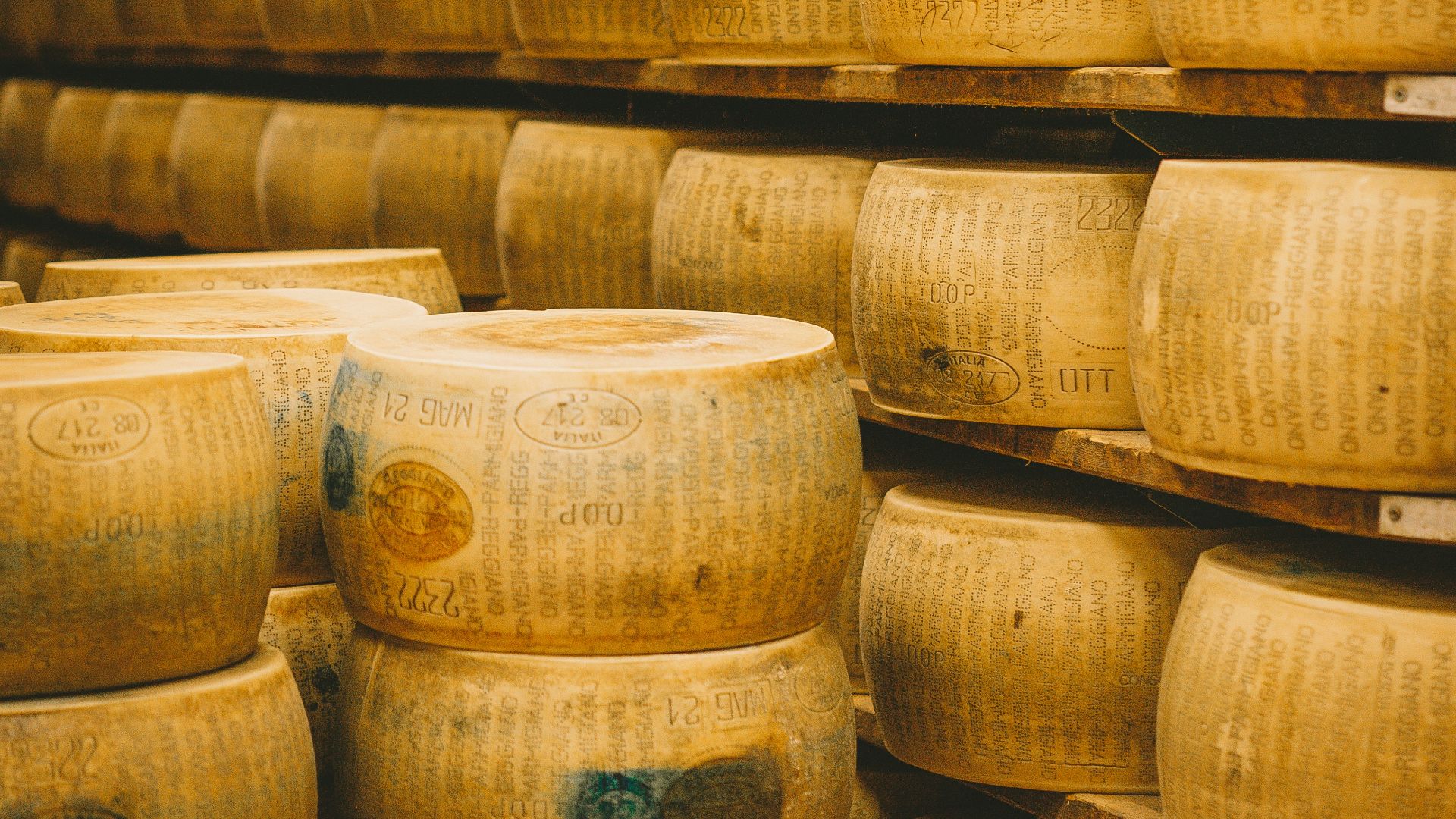
4. Parmesan Cheese
A little freshly grated Parmesan adds saltiness, nuttiness, and depth to sauces, soups, and roasted vegetables. Because it contains naturally occurring glutamates, it enhances savory flavors without requiring large amounts.
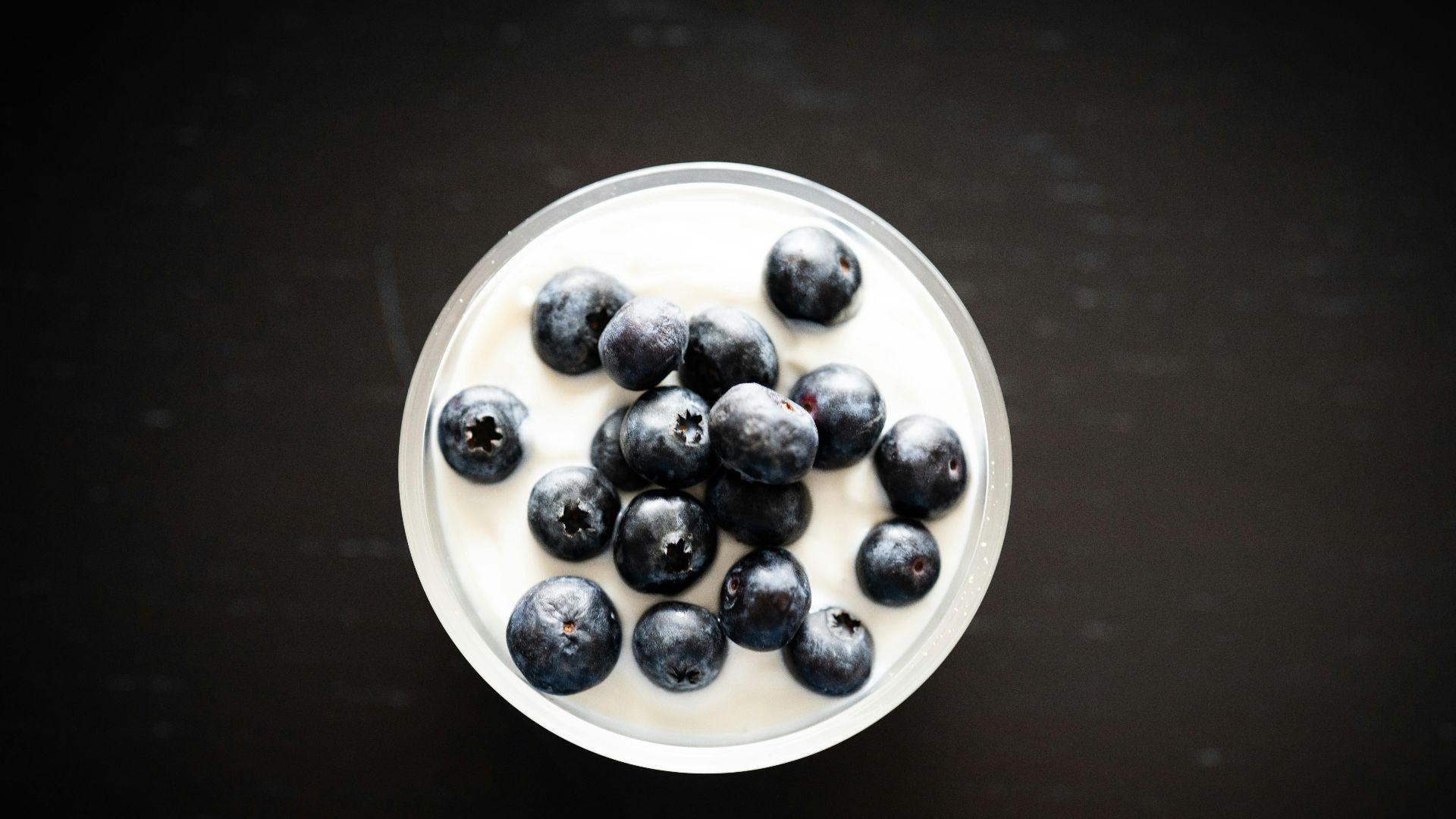
5. Greek Yogurt
Greek yogurt can rescue recipes that need creaminess without becoming overly heavy. It works especially well in dips, marinades, baked goods, and sauces because the tangy flavor adds balance at the same time.
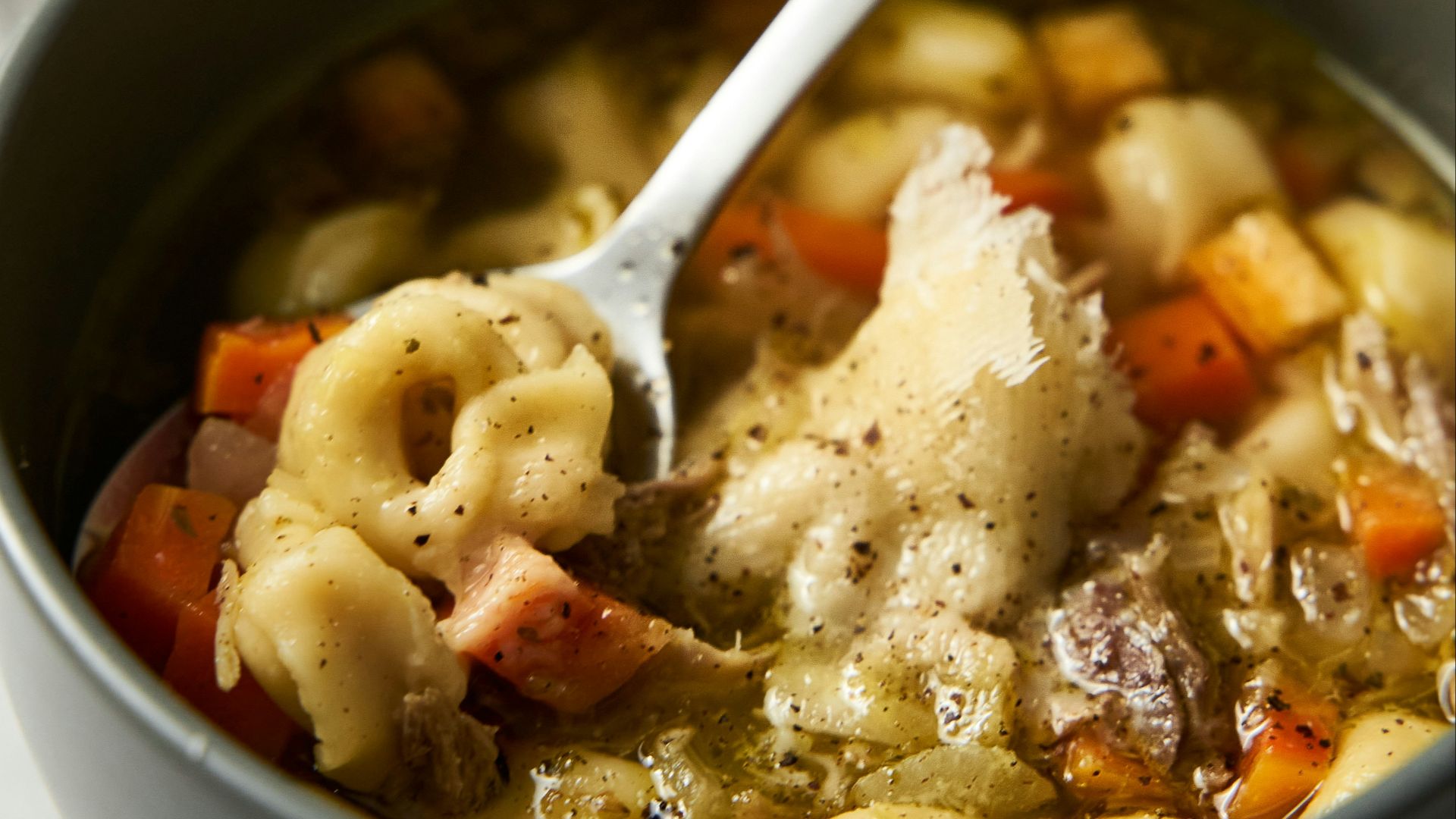
6. Good Chicken Stock
A quality stock provides body and savory flavor that plain water simply can't offer in soups, grains, and sauces. Homemade or well-made store-bought versions contain gelatin and concentrated flavor compounds that improve texture naturally. When a dish tastes thin or bland, stock is often the fastest way to strengthen it.
7. Honey
Honey softens bitterness and rounds out acidity more gently than refined sugar in many recipes. Salad dressings, marinades, and tomato sauces often benefit from just a small drizzle because it blends sweetness with floral complexity.

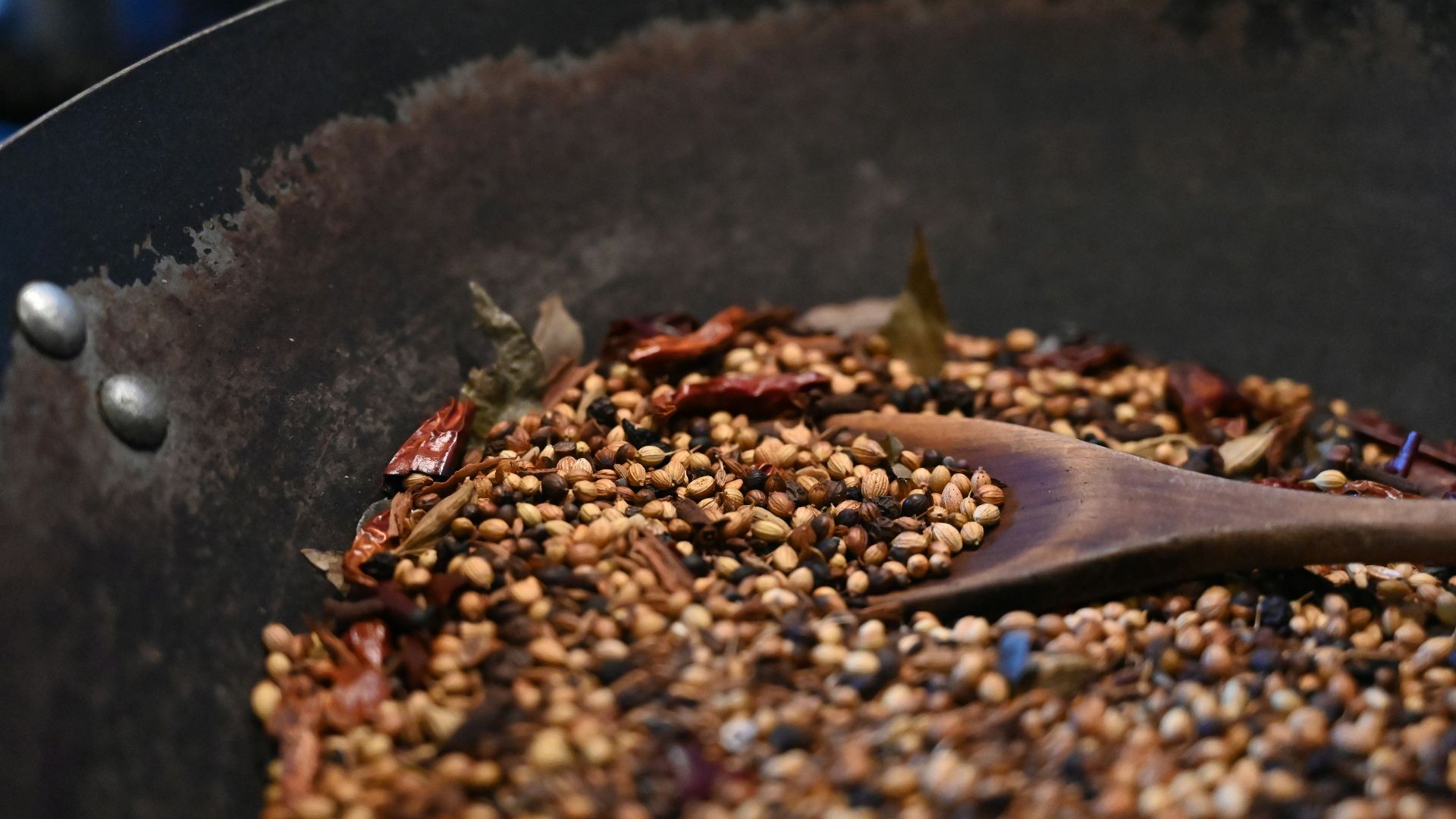
8. Toasted Spices
Heating spices briefly in a dry pan releases aromatic oils that become much more noticeable during cooking. Cumin, coriander, fennel, and black pepper all gain deeper flavor once toasted properly.
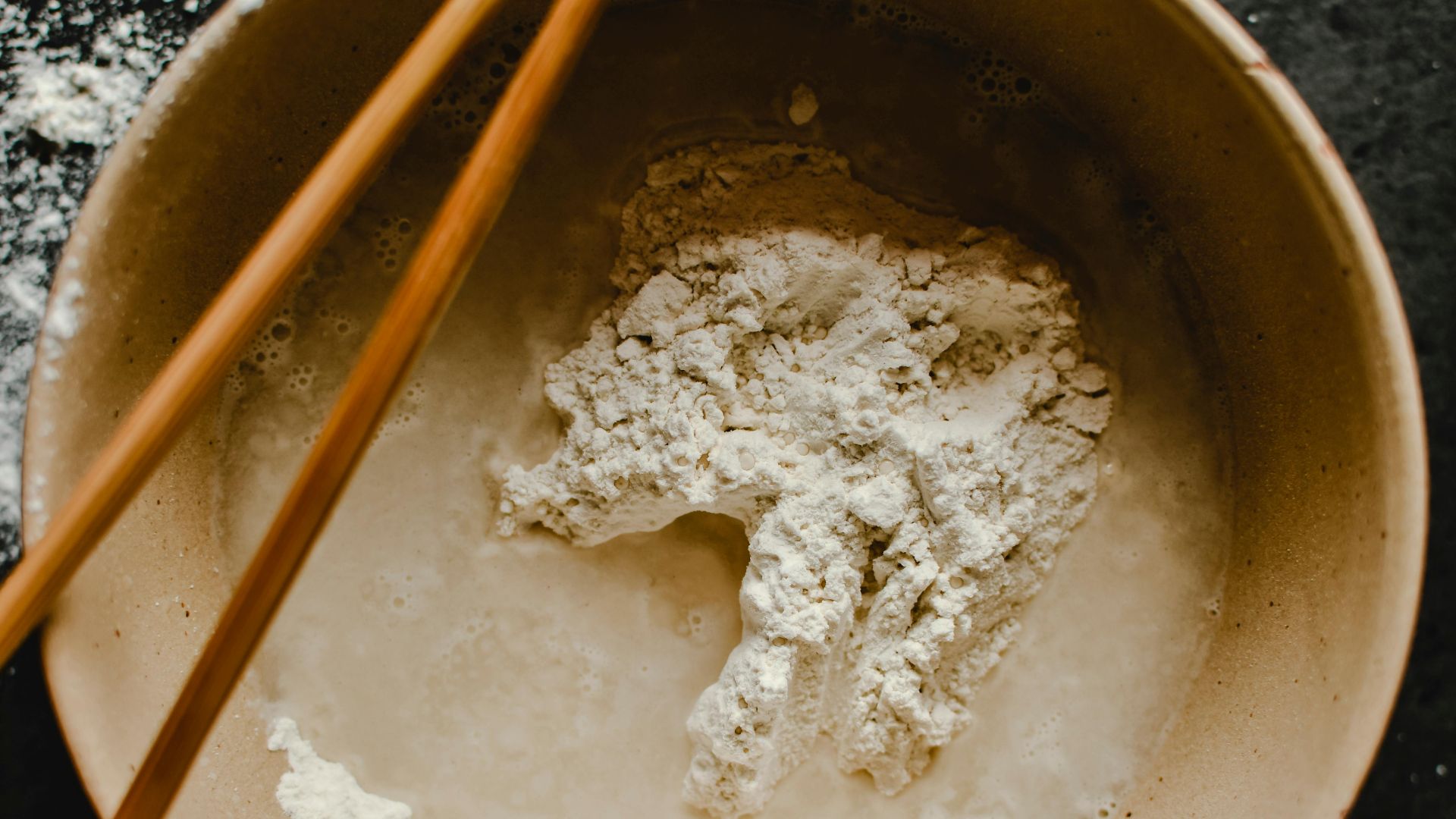
9. Cornstarch Slurry
A cornstarch slurry can quickly save soups, gravies, and sauces that turned out thinner than intended. Mixing cornstarch with cold water first prevents clumping and helps it blend smoothly into hot liquids.
10. Kosher Salt
Kosher salt is easier to control during cooking because the larger flakes distribute more evenly across food. Many professional cooks prefer it since it dissolves predictably and reduces the risk of oversalting.
KEEP ON READING