When Clean Eating Gets Complicated
Clean eating, as a trend, started as a fairly simple idea: eat more whole foods, cook at home when you can, and pay closer attention to what’s in the cart. That’s still a reasonable goal, especially if you’re not particularly good at consistently cooking for yourself. The problem started when clean eating picked up too many rules and turned normal meals into something people could feel proud of, guilty about, or weirdly anxious over. In reality, food and healthy eating as a whole don’t need to be overthought. These 20 clean eating ideas started with decent intentions, then got pushed far past the point of being useful.
1. Good Food, Bad Food
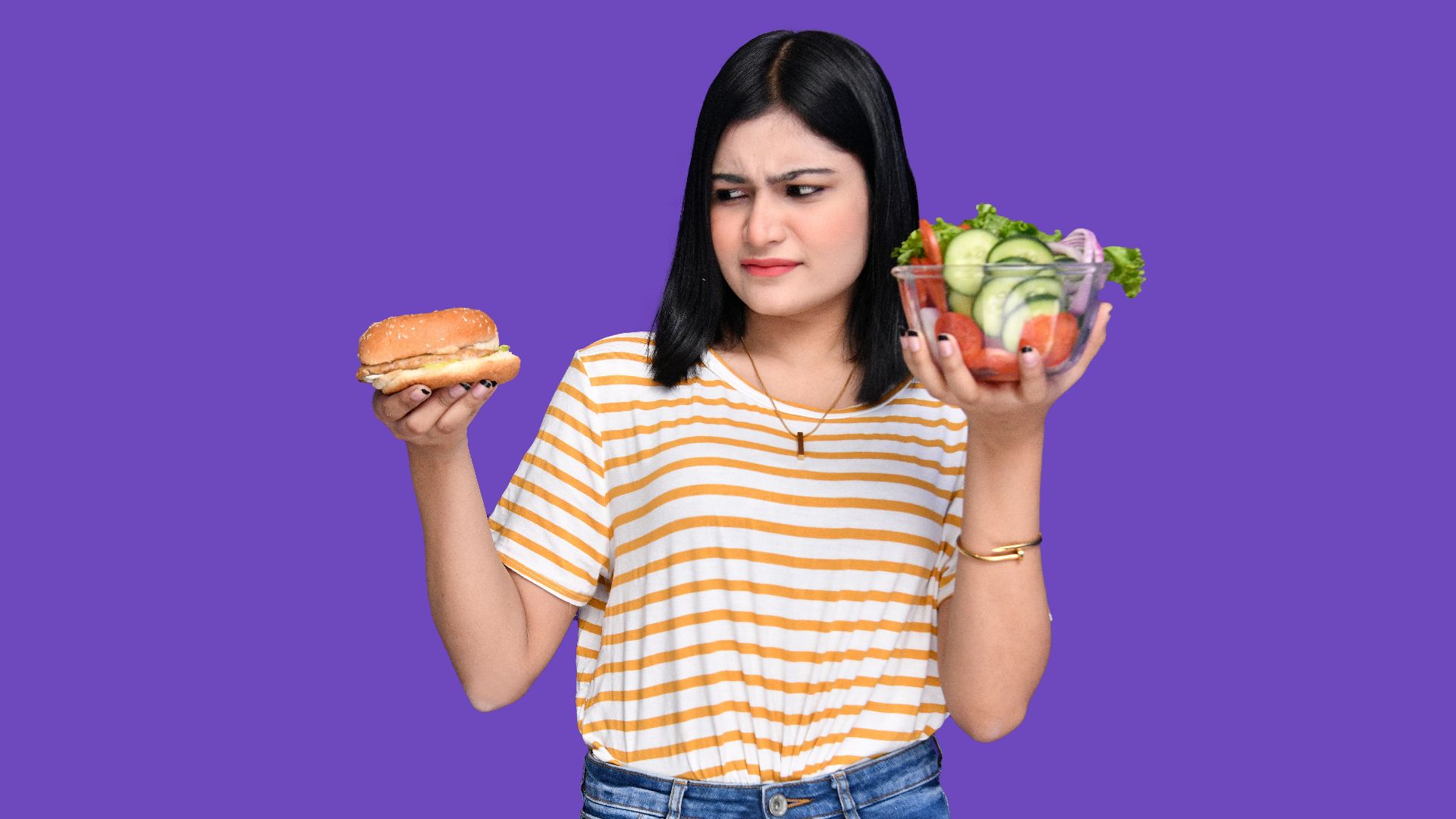
Clean eating made a lot of people talk about food like every choice is only “good” or “bad.” Once foods become good, bad, clean, or dirty, it feels like every meal is a test of your determination and discipline.
2. Processed Panic
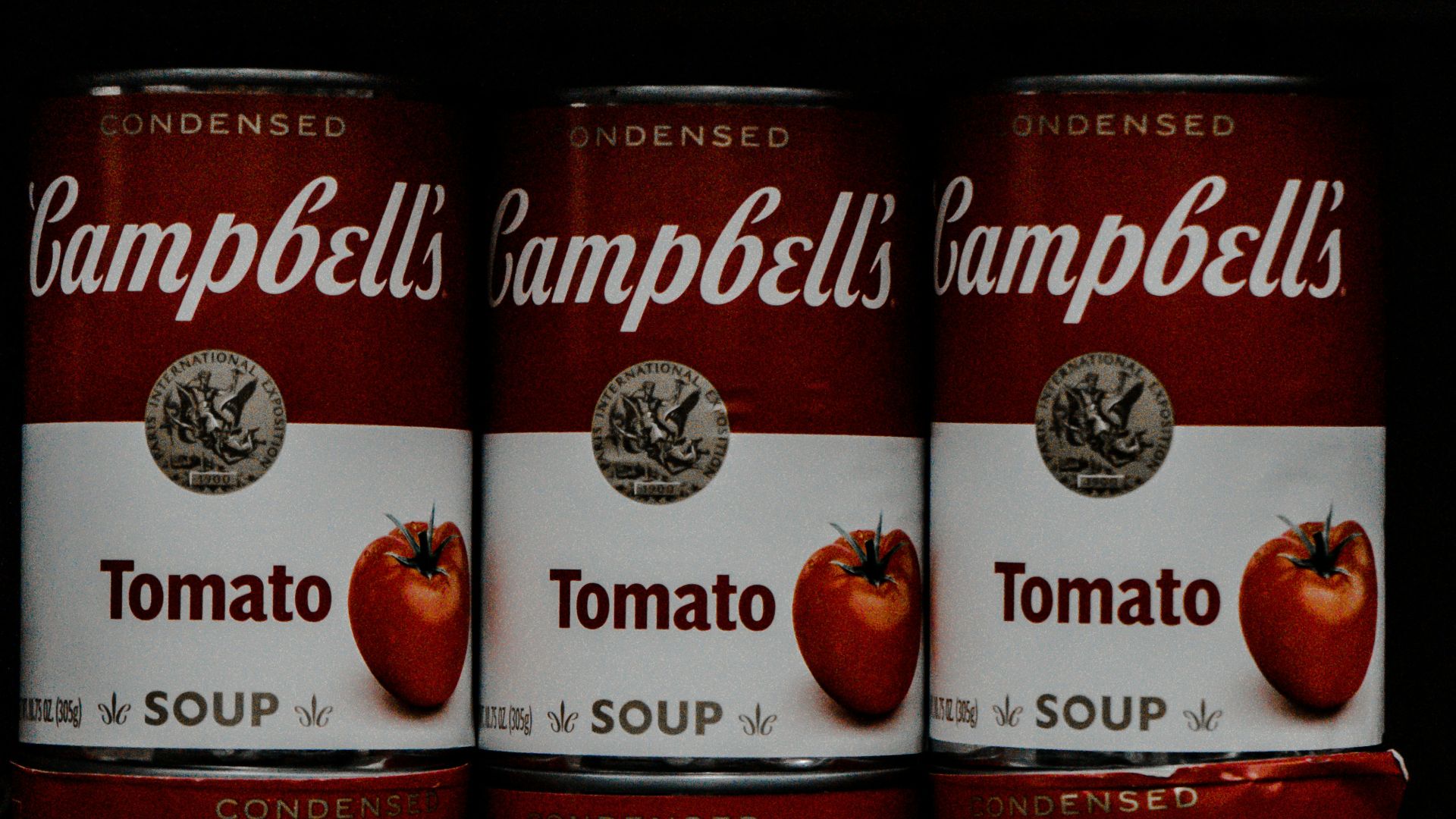
Some highly processed foods are worth limiting, and no one needs to pretend a pack of frosted snack cakes is healthy for you. Still, processing includes freezing peas, canning tomatoes, pasteurizing milk, and making whole-grain bread, all of which are normally considered good for you to eat.
3. Food Group Bans
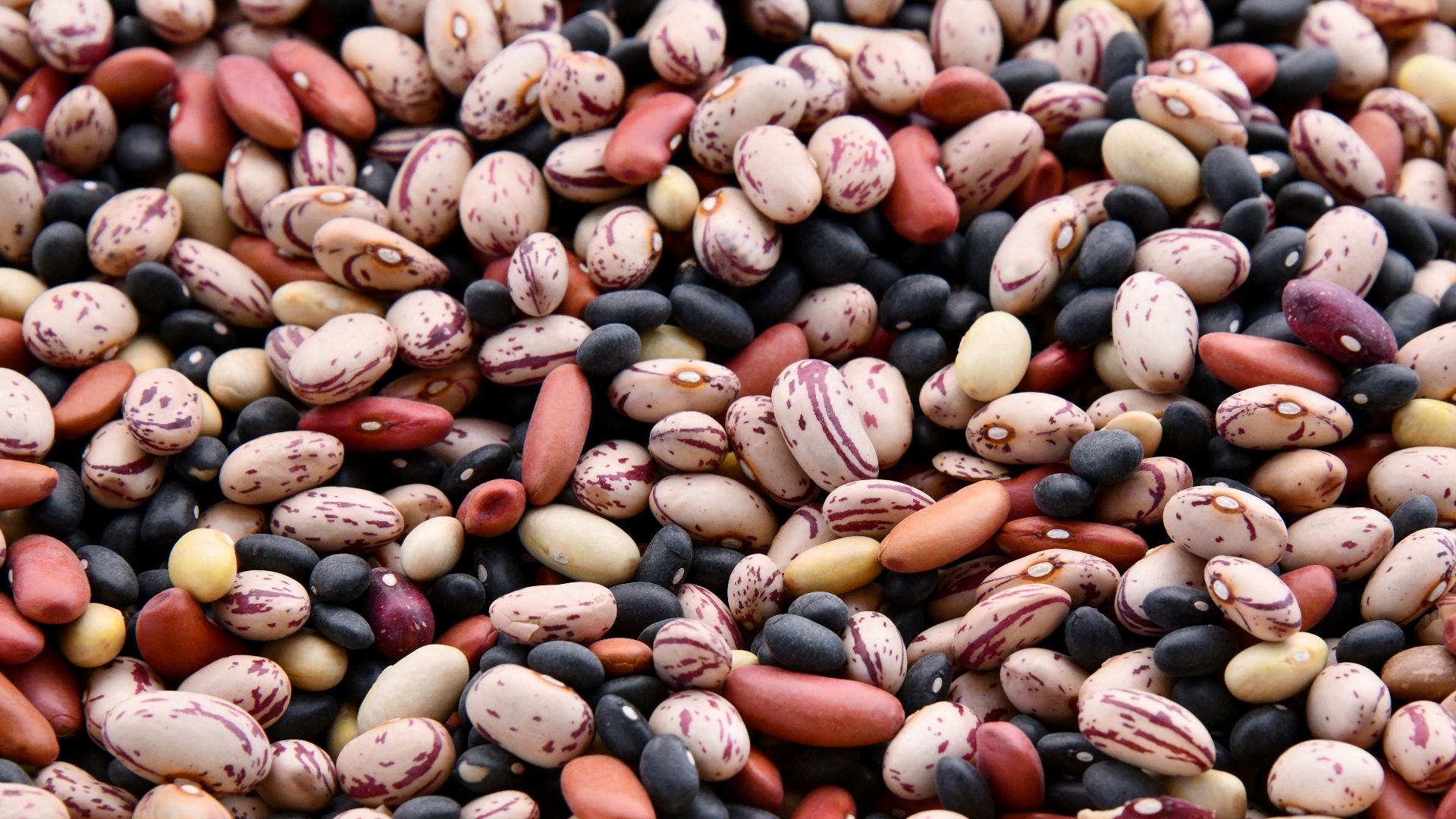
A basic push toward more whole foods somehow turned into cutting out grains, dairy, legumes, or carbs altogether. Unless there’s a medical reason or clear personal need, removing entire food groups can make eating harder, less flexible, and more stressful than it has to be. It also means you’re cutting out essential vitamins and nutrients that are essential for everyday function.
4. Ingredient Anxiety
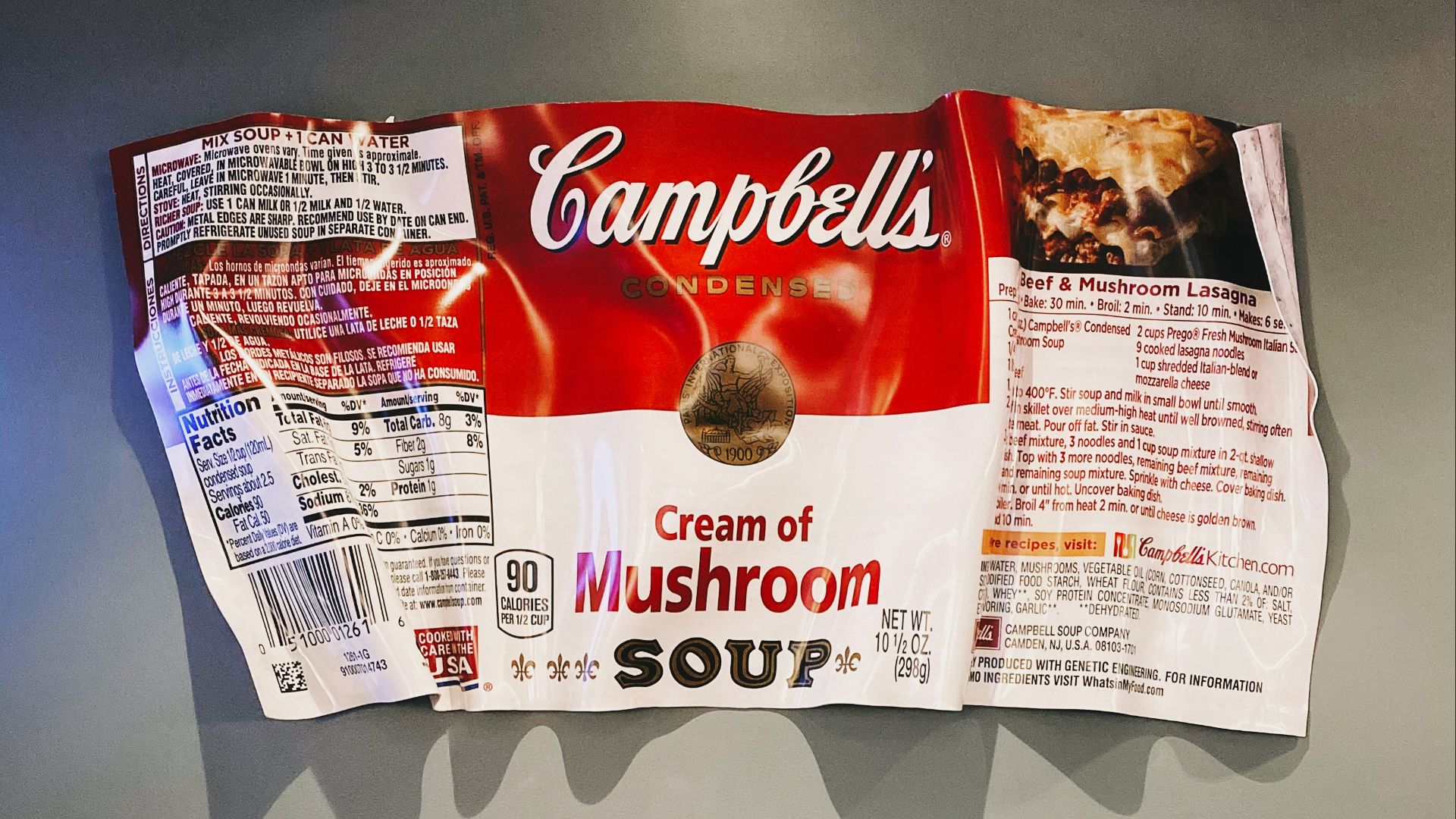
The old rule about avoiding anything you can’t pronounce sounds neat until you remember that food labels aren’t written like family recipes. Plenty of safe ingredients have long names, while familiar foods can still be high in added sugar, sodium, or saturated fat.
5. Organic Or Nothing
Organic strawberries, spinach, or eggs can be a fine choice when they fit your budget. The problem starts when conventional produce gets treated like a failure, especially when plenty of people are just trying to get apples, carrots, and bagged salad into the fridge.
6. Salad Worship
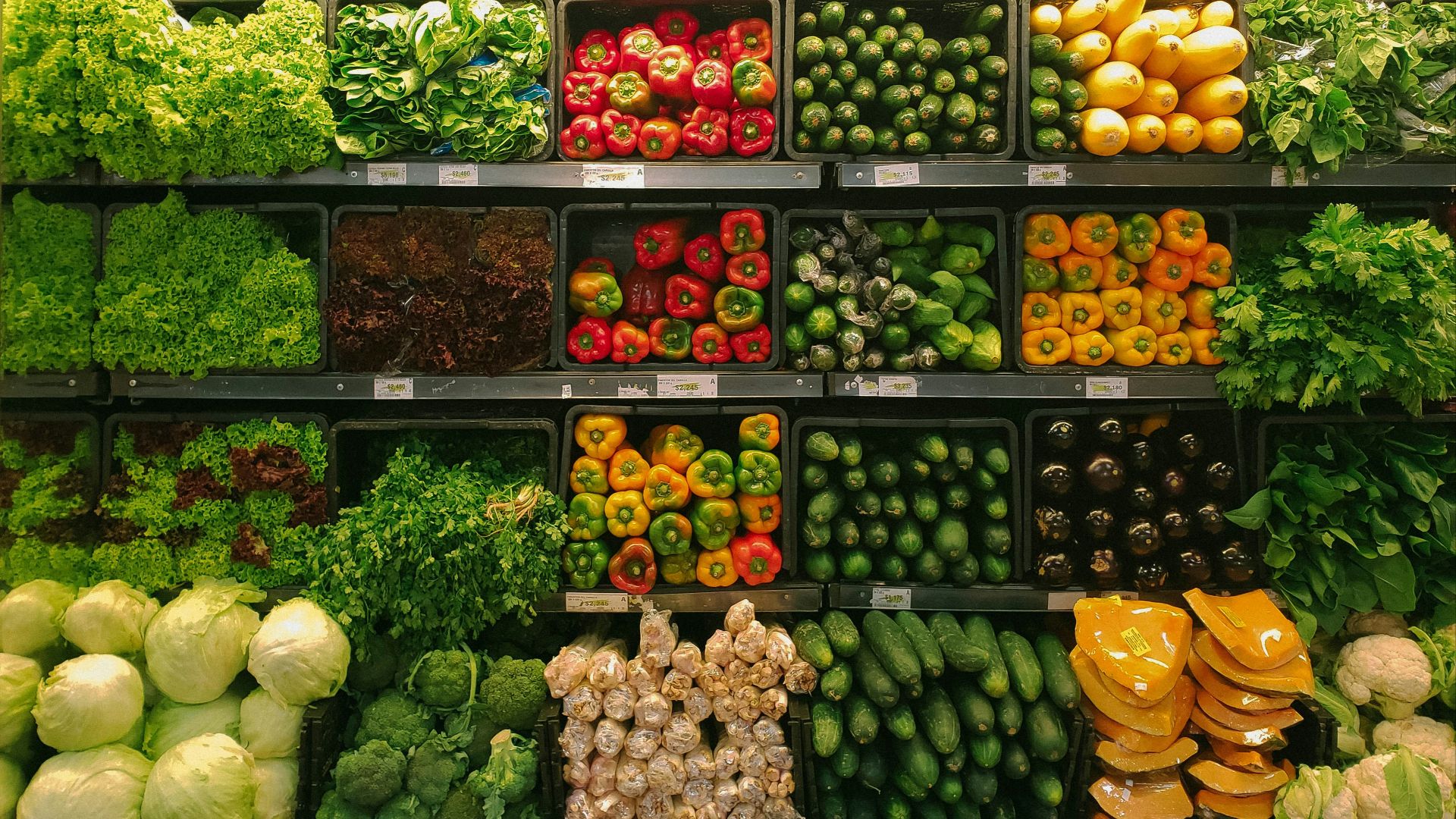
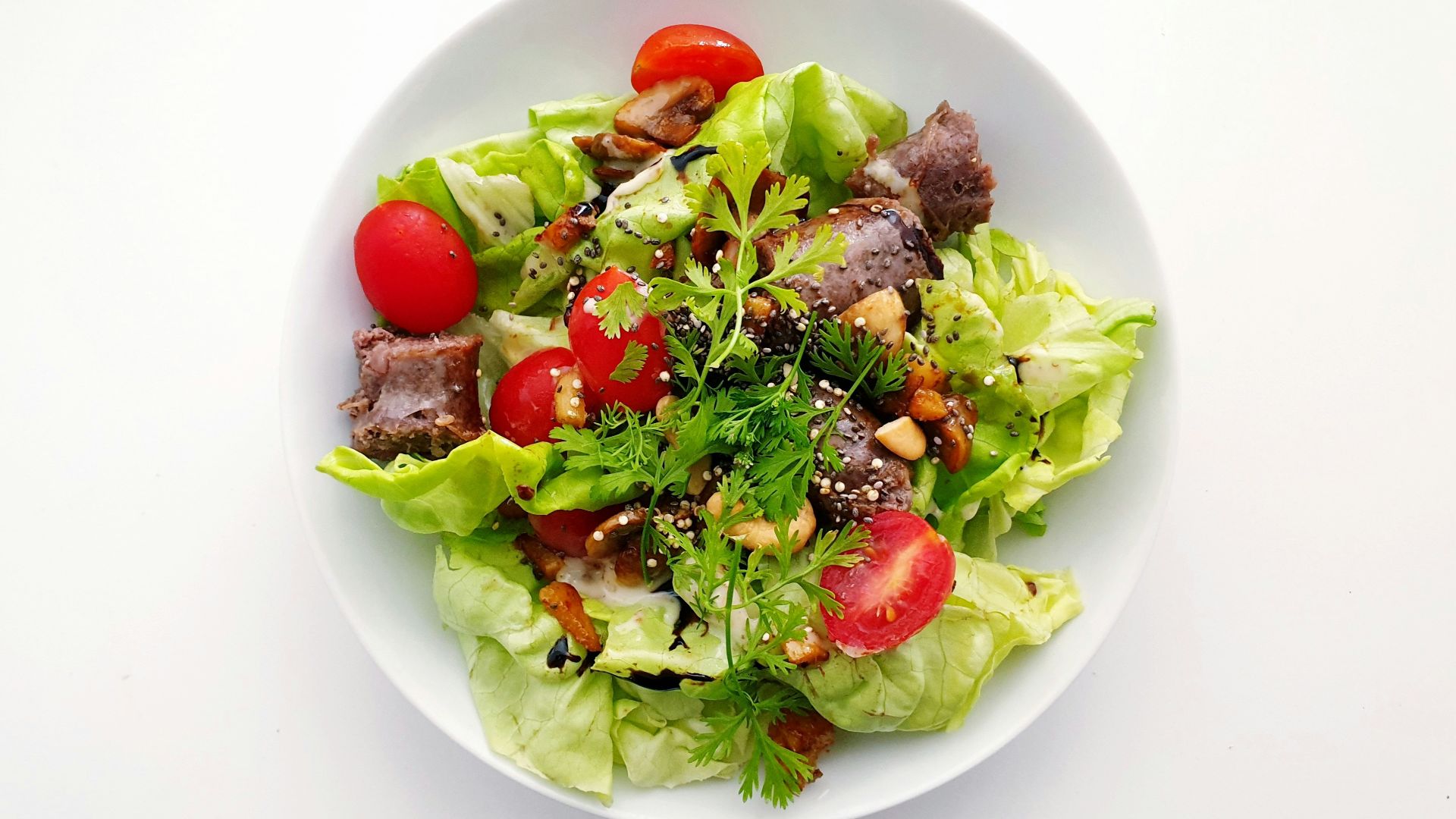
A good salad can absolutely be a meal when it has enough protein, fat, flavor, and texture. Clean eating got bleak when lunch became dry greens, cucumber slices, seeds, and a tiny squeeze of lemon, then everyone had to pretend that was satisfying. We know it's not satisfying.
7. Carb Fear
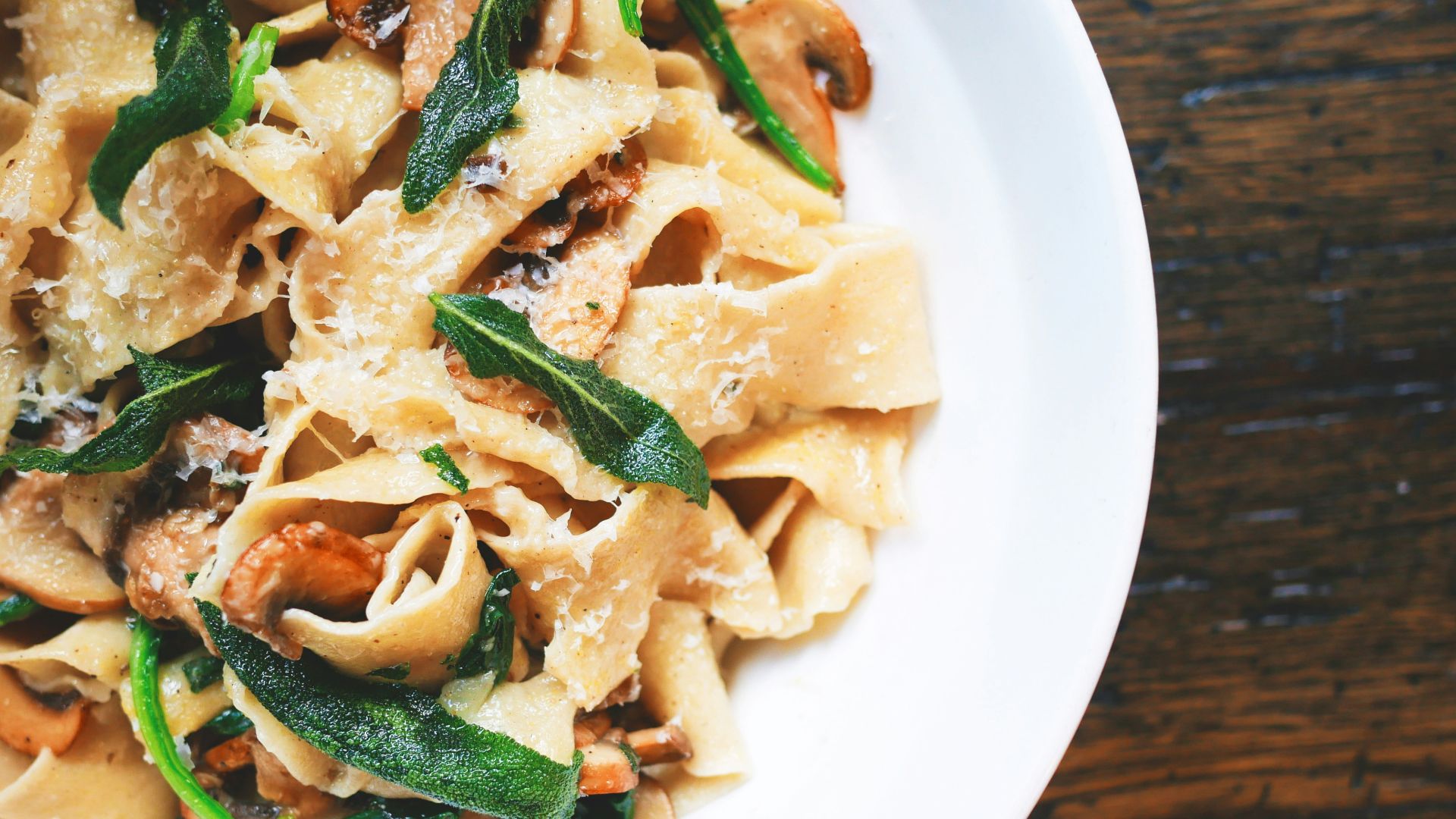
Carbs took a lot of blame during the clean eating boom, especially bread, pasta, potatoes, and rice. Whole grains, fruit, beans, potatoes, and other carb-rich foods can fit into a healthy eating pattern, particularly when they’re part of real meals.
8. Detox Everything
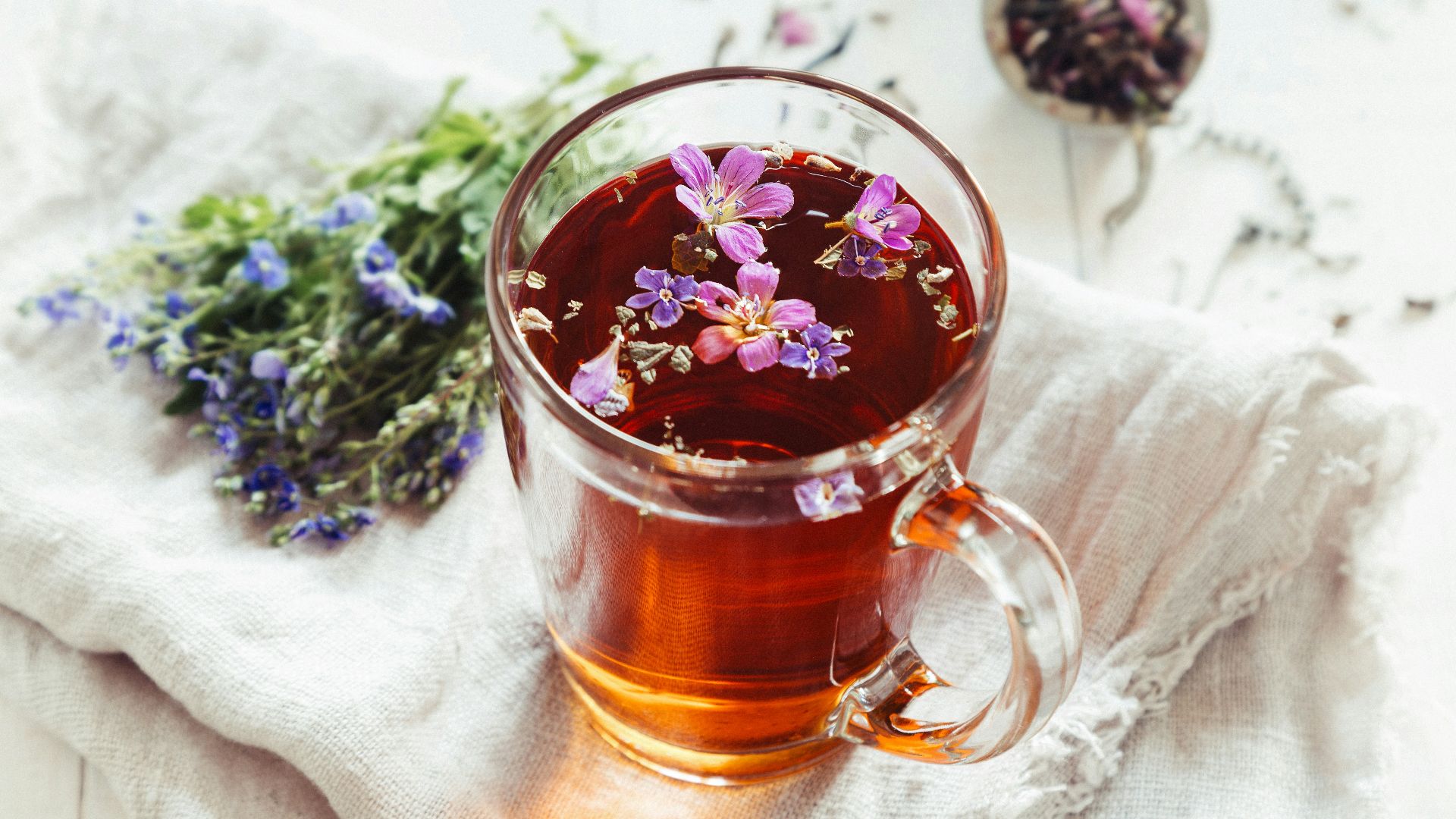
Detox teas, detox waters, detox soups, and multi-day plans became common clean eating extras. The body already has systems that process and remove waste, so most trendy detox products don’t need to be treated like a necessary health step.
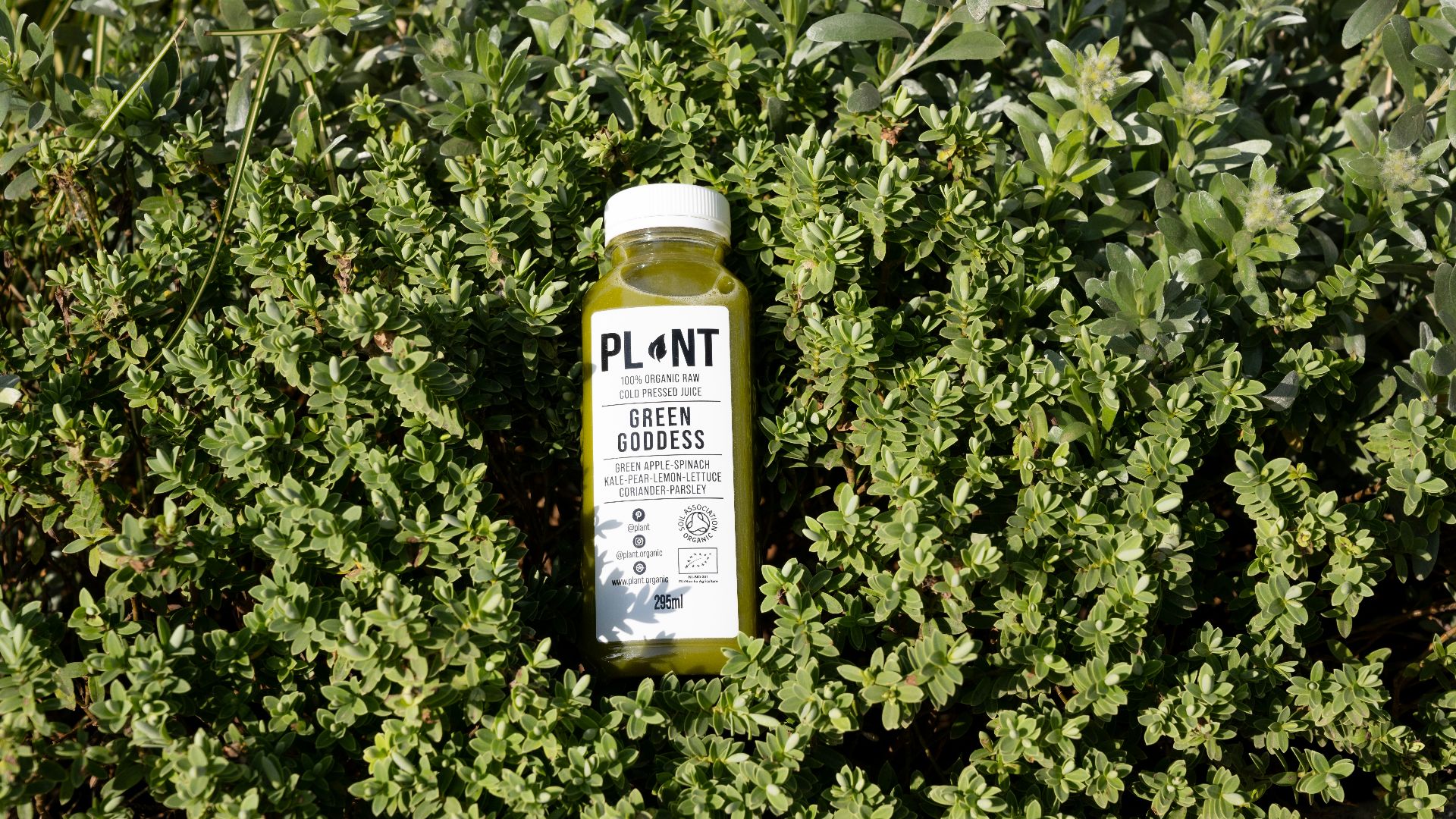
9. Juice Cleanse Logic
Juice cleanses were often sold as a way to recover from holidays, vacations, weddings, or a long weekend with too much takeout. In real life, swapping meals for juice is usually a short-term restriction, and it doesn’t teach anyone how to eat healthy for a prolonged period of time.
10. Snack Shame
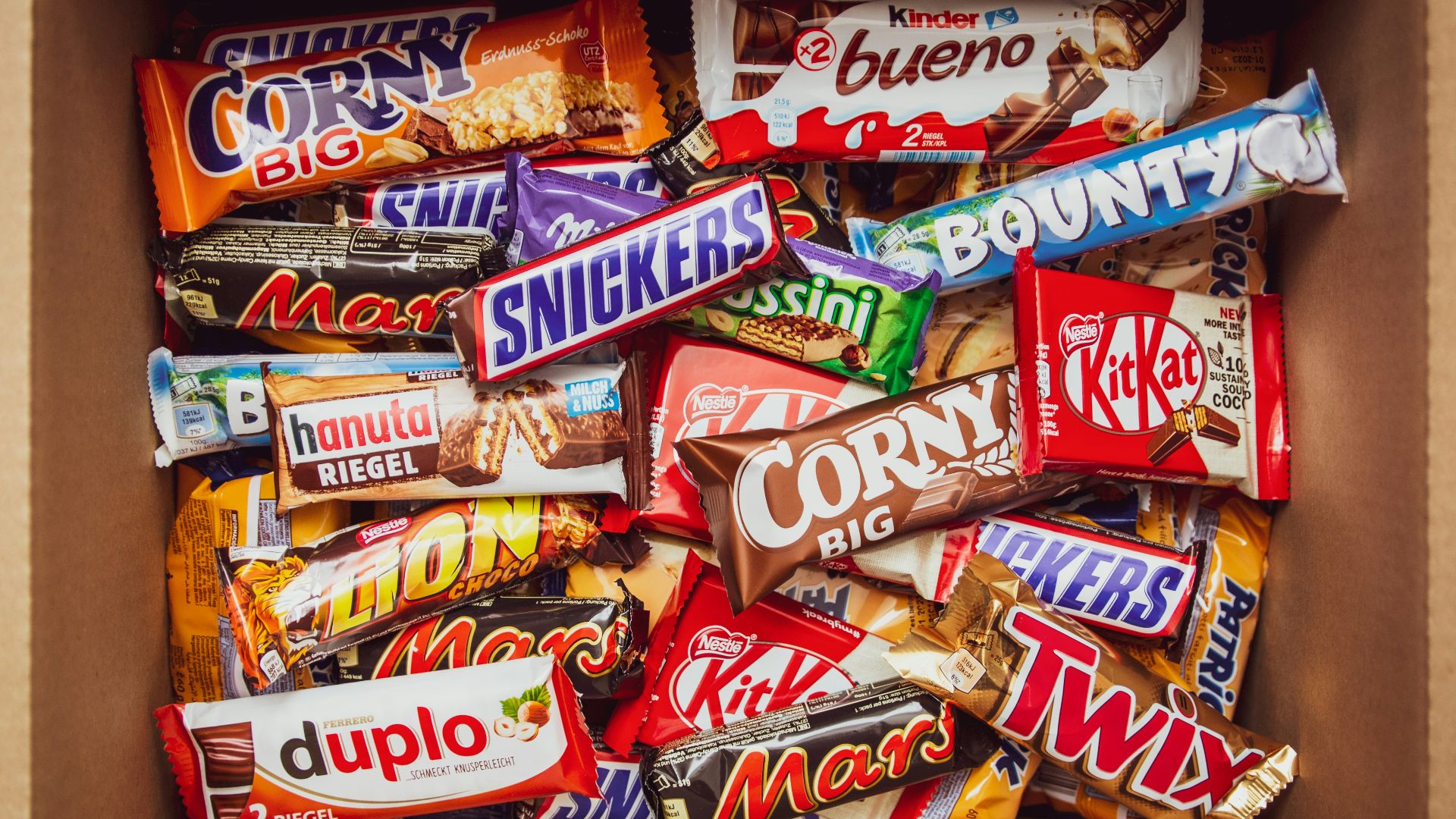
Some clean eating advice made snacks feel like proof that someone lacked discipline. A planned snack can be completely normal, especially during a long workday, after a workout, or simply because you’re hungry. It’s more important to listen to your body than to avoid hunger altogether.
11. Ingredient Counting
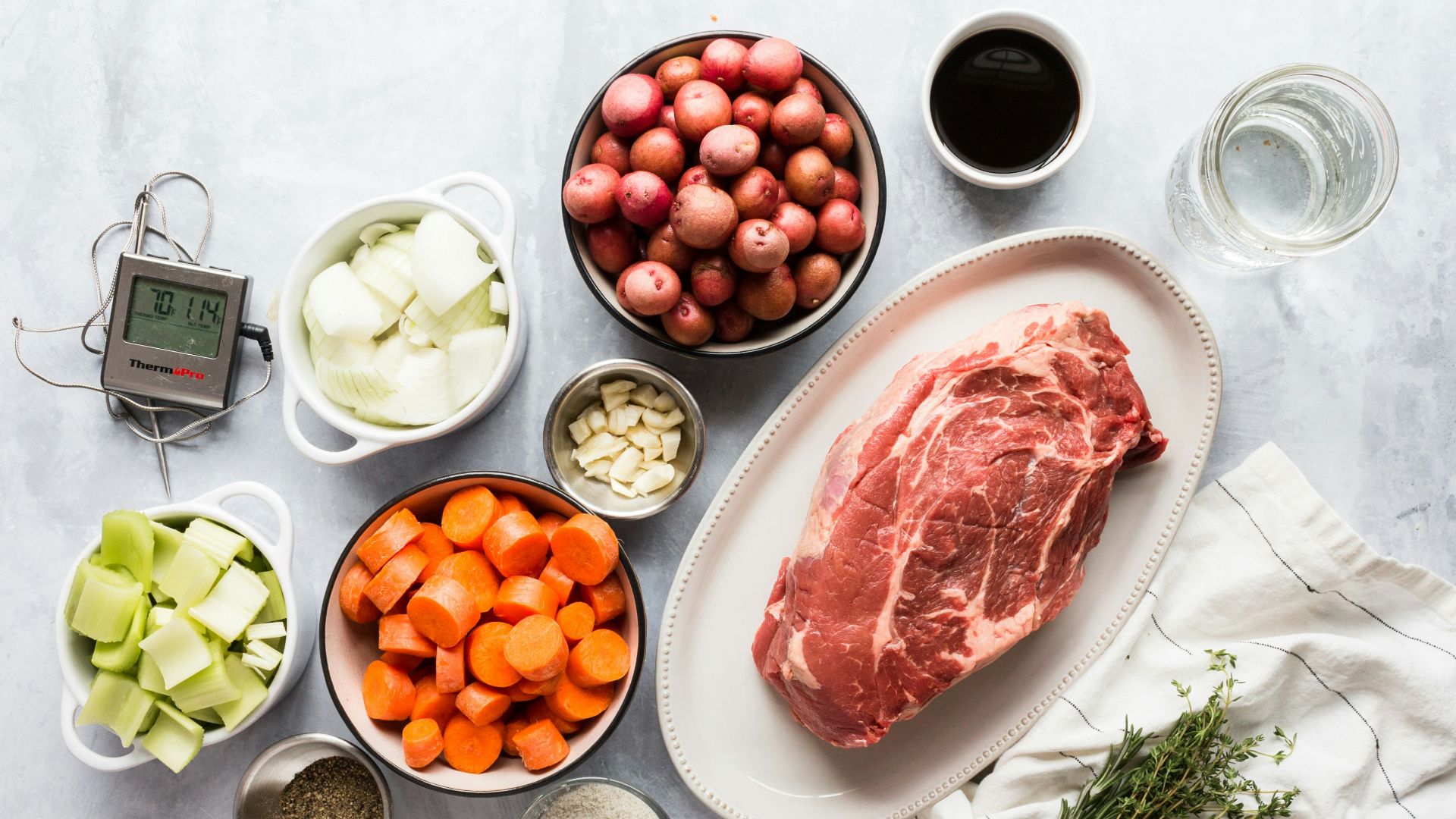
When health influencers started marketing “five ingredient meals” as the ultimate healthy lifestyle, we listened. Sure, they can still be healthy, but they’re not the only things you should eat. Not to mention that healthy five-ingredient foods may still be packed with sugar, salt, or saturated fat.
12. Bar And Shake Meals
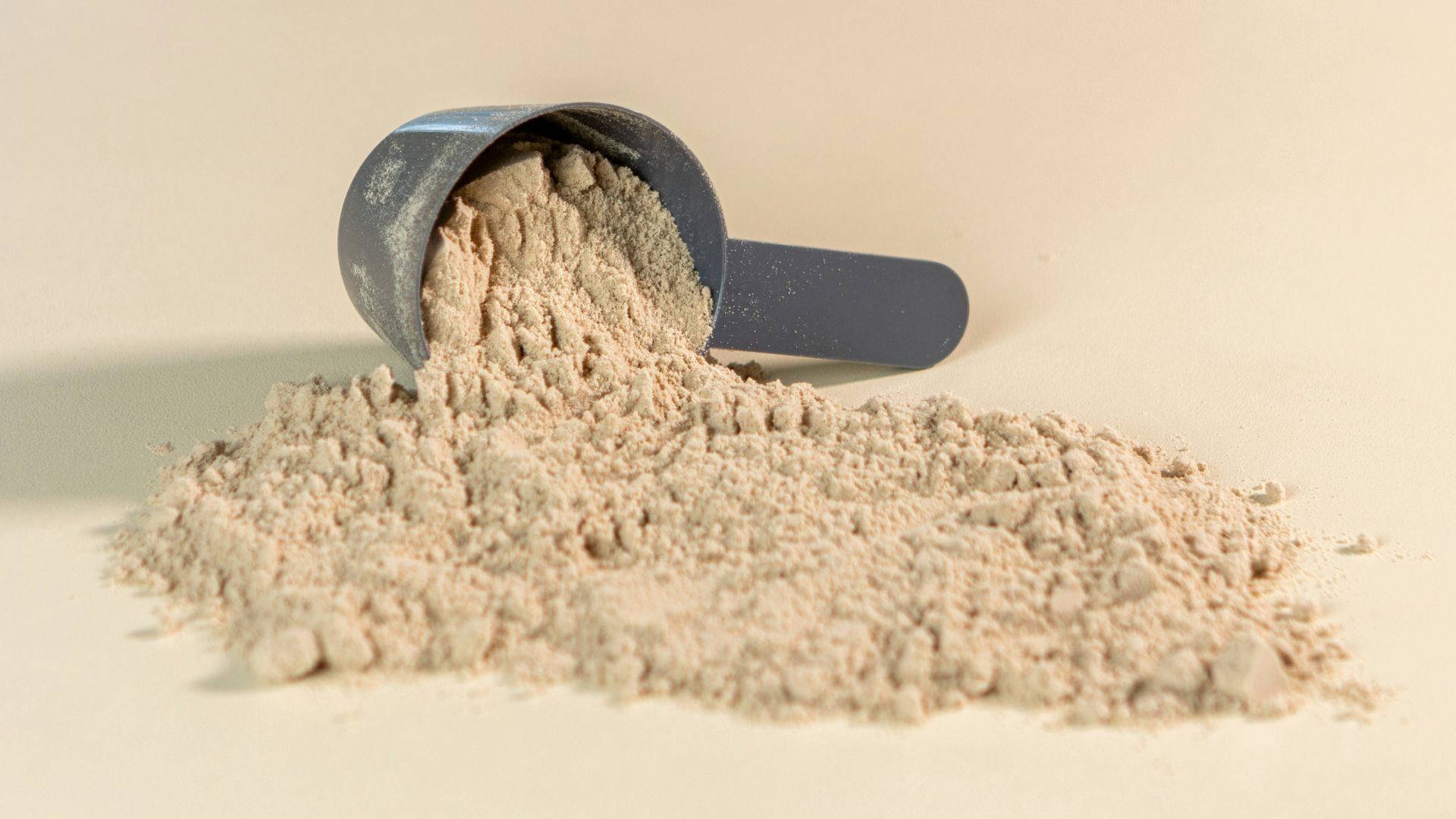
Protein bars, powders, and shakes can help when life gets chaotic or after a workout. They’re less helpful when they nearly fully replace regular meals. The problem with a lot of these health fads is that it takes the joy out of eating.
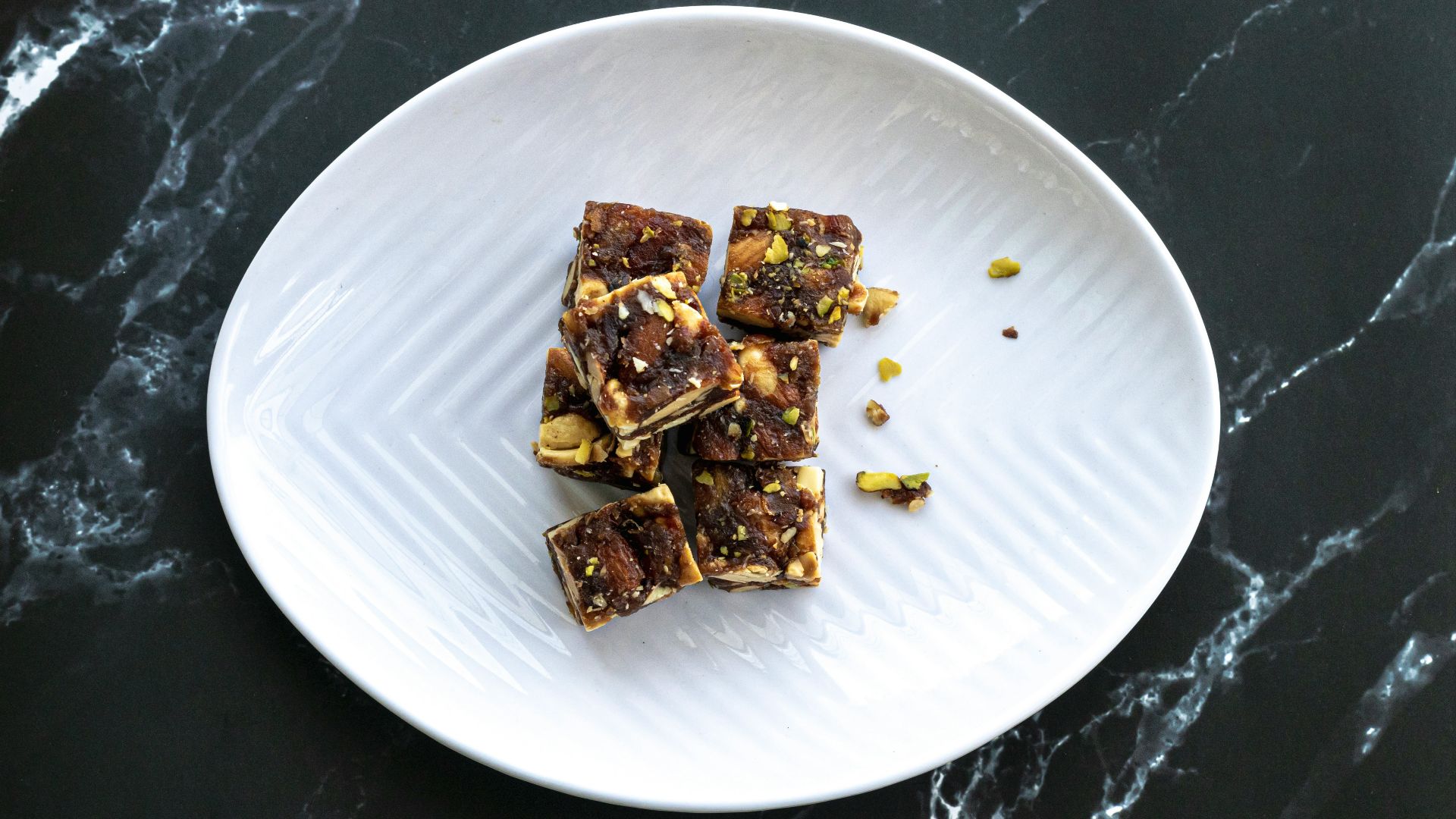
13. Sugar-Free Halo
Clean eating often treats sugar as something that has to disappear completely. Sugar-free products aren’t automatically more nourishing, and some make up for reduced sugar with extra starches, salt, or other ingredients that don’t make them especially helpful.
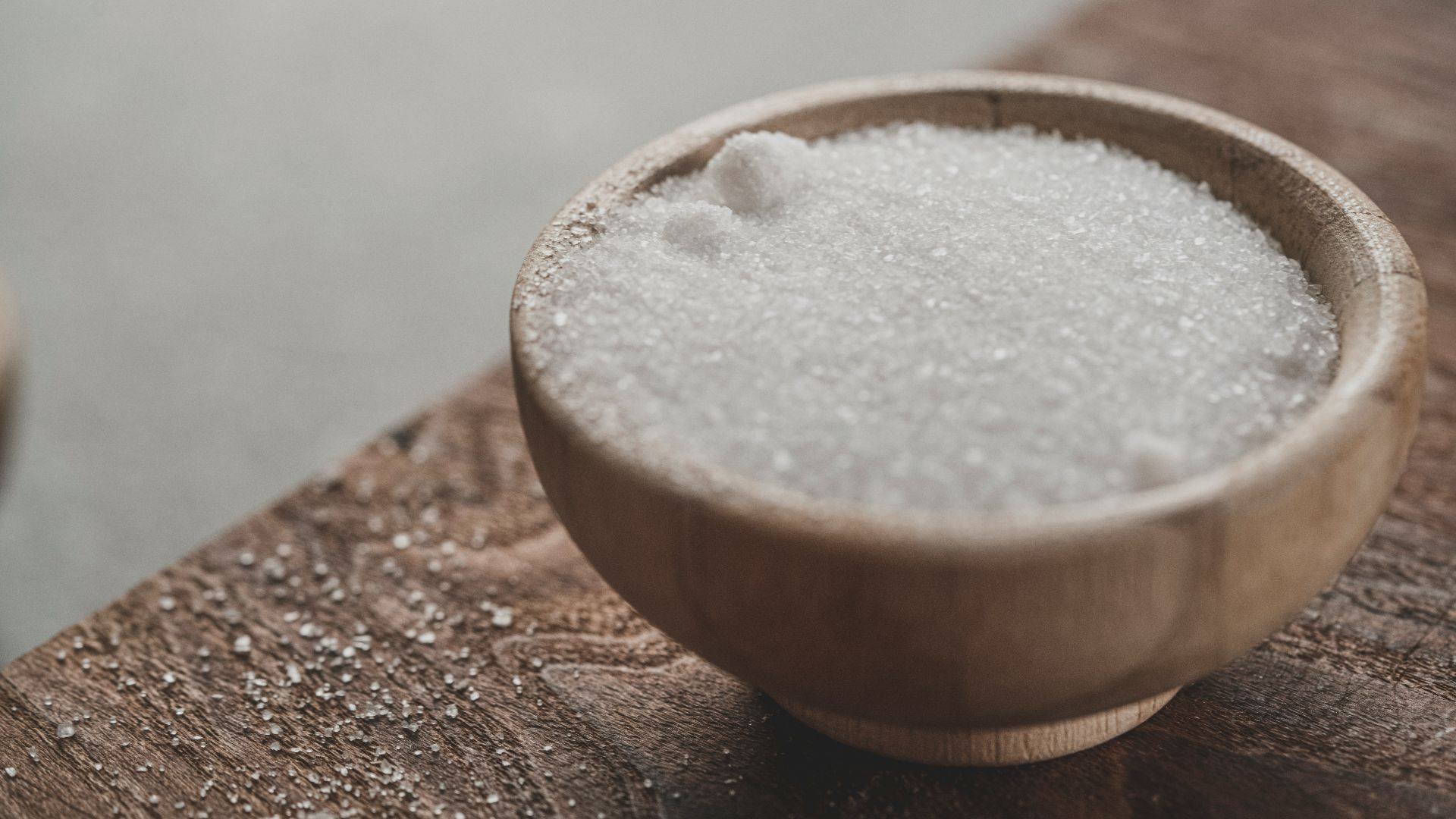
14. Salt Fear
Watching sodium can be useful, especially when someone eats a lot of packaged or restaurant food. Still, cutting salt until food tastes flat can make home cooking feel miserable, which isn’t exactly a great setup for eating well in the long-term.
15. Package Suspicion
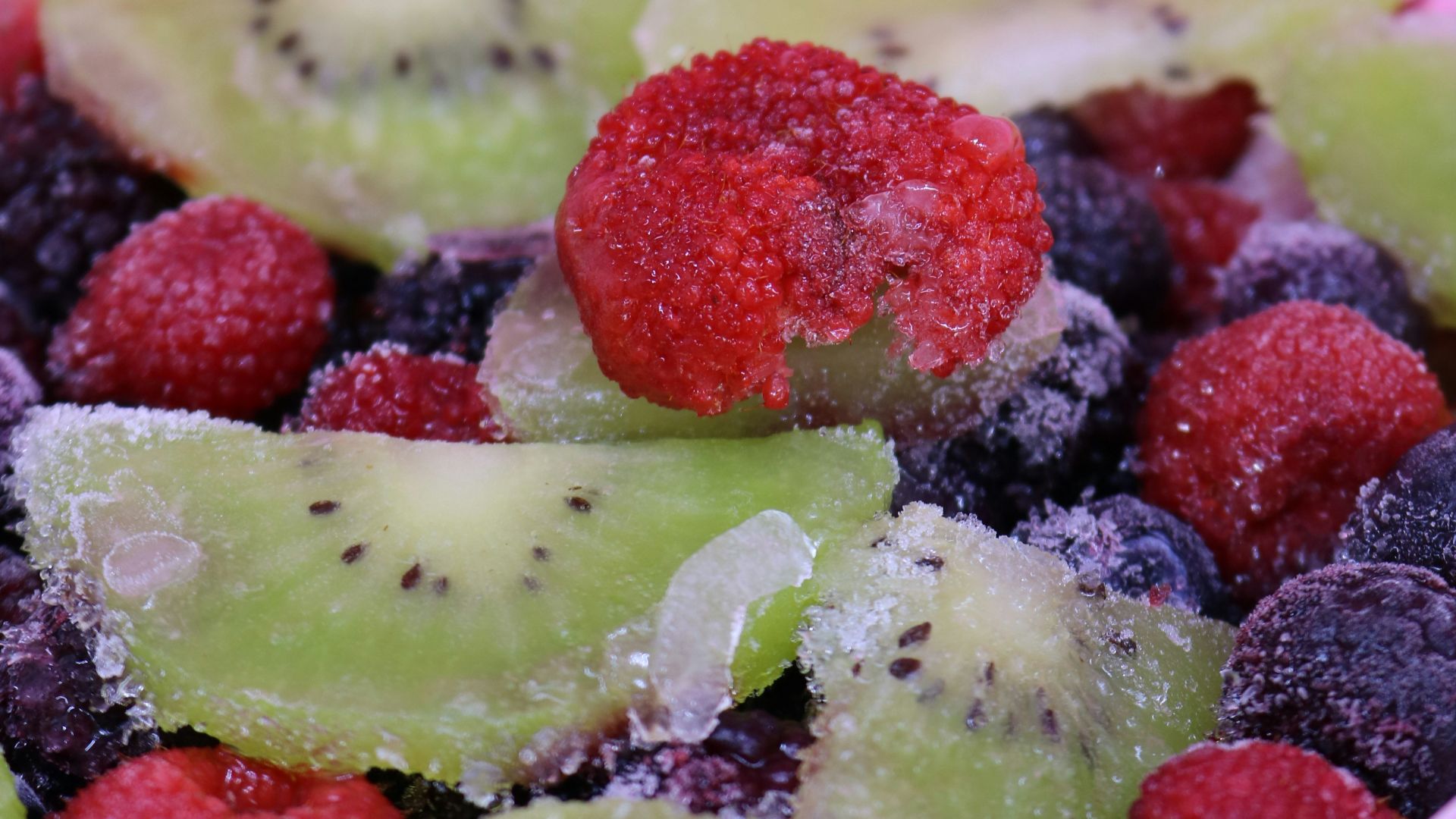
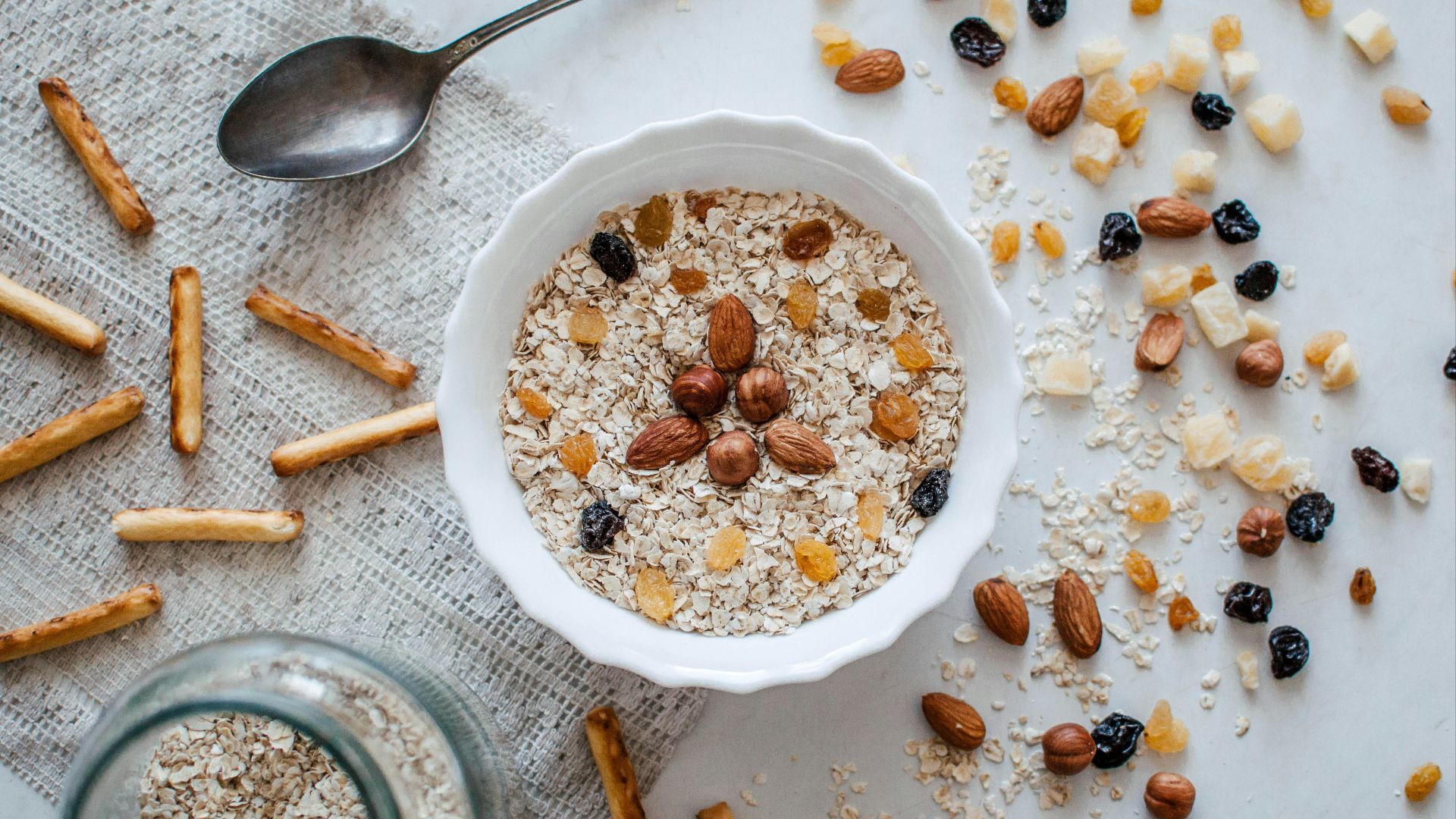
Packaged food gets treated as suspicious by default, as if a box, bag, or can could ruin your carefully made health plans. That leaves out useful staples like oats, frozen berries, canned beans, canned tomatoes, plain yogurt, nut butter, and whole-grain pasta.
 Tuti Fruti Cahyadi on Unsplash
16. Natural Myths
“Natural” sounds comforting on a label, which is exactly why it gets used so often. The word doesn’t automatically mean a food is safer, better, or more nutritious, so it shouldn’t do all the work when someone’s choosing what to buy.
17. Meal Prep Pressure
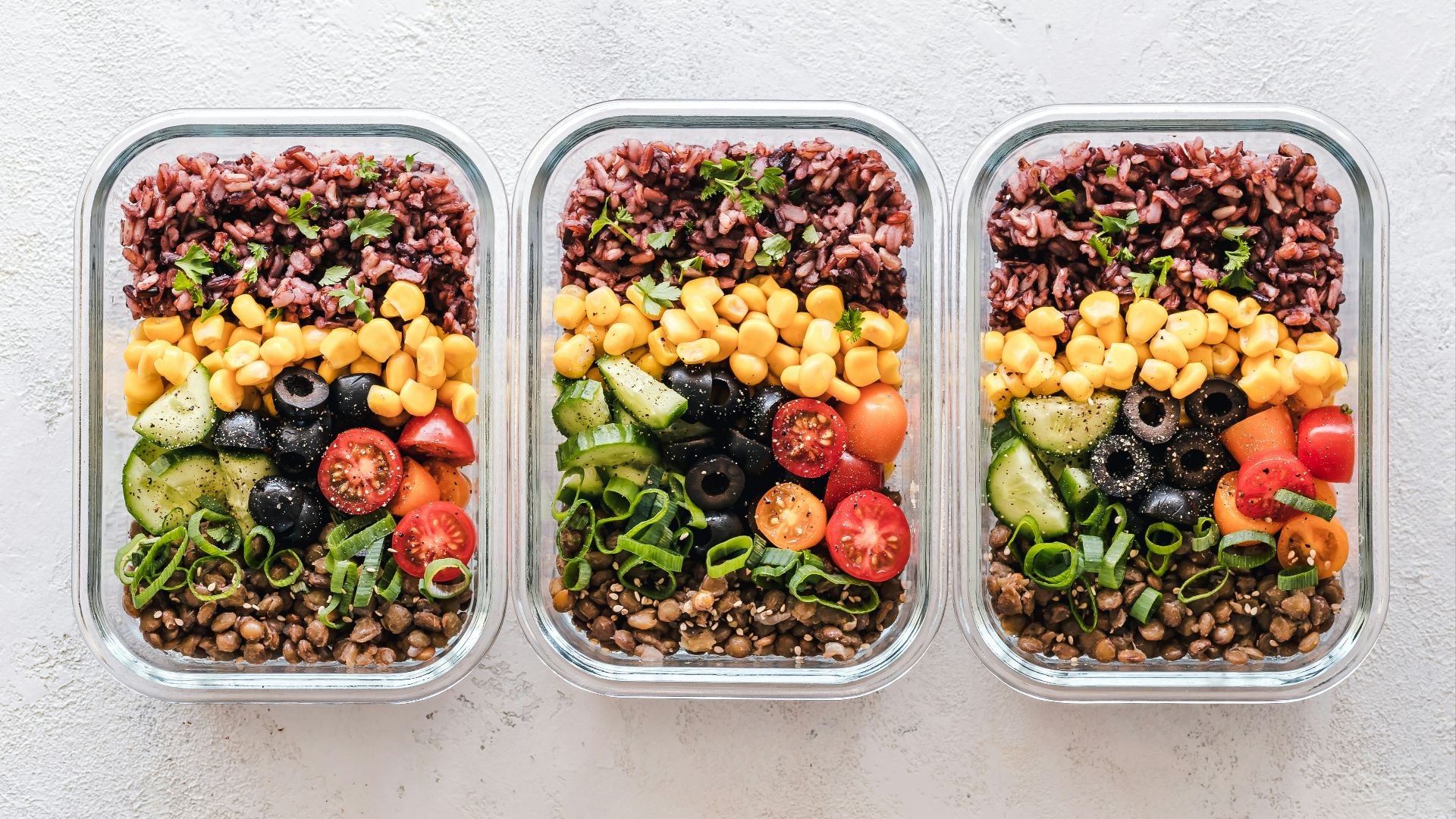
Meal prep can make the week easier, especially when future-you gets home tired and doesn't want to chop onions at 7 p.m. It gets out of hand when every container has to be perfectly portioned, and every meal has to be controlled in advance.
18. Restaurant Avoidance
Some clean eating rules made restaurants feel too risky because the ingredients weren’t fully under your control. Avoiding restaurants completely can make birthdays, work lunches, date nights, and family visits more complicated, and take some fun out of celebration as well.

19. Perfect Eating
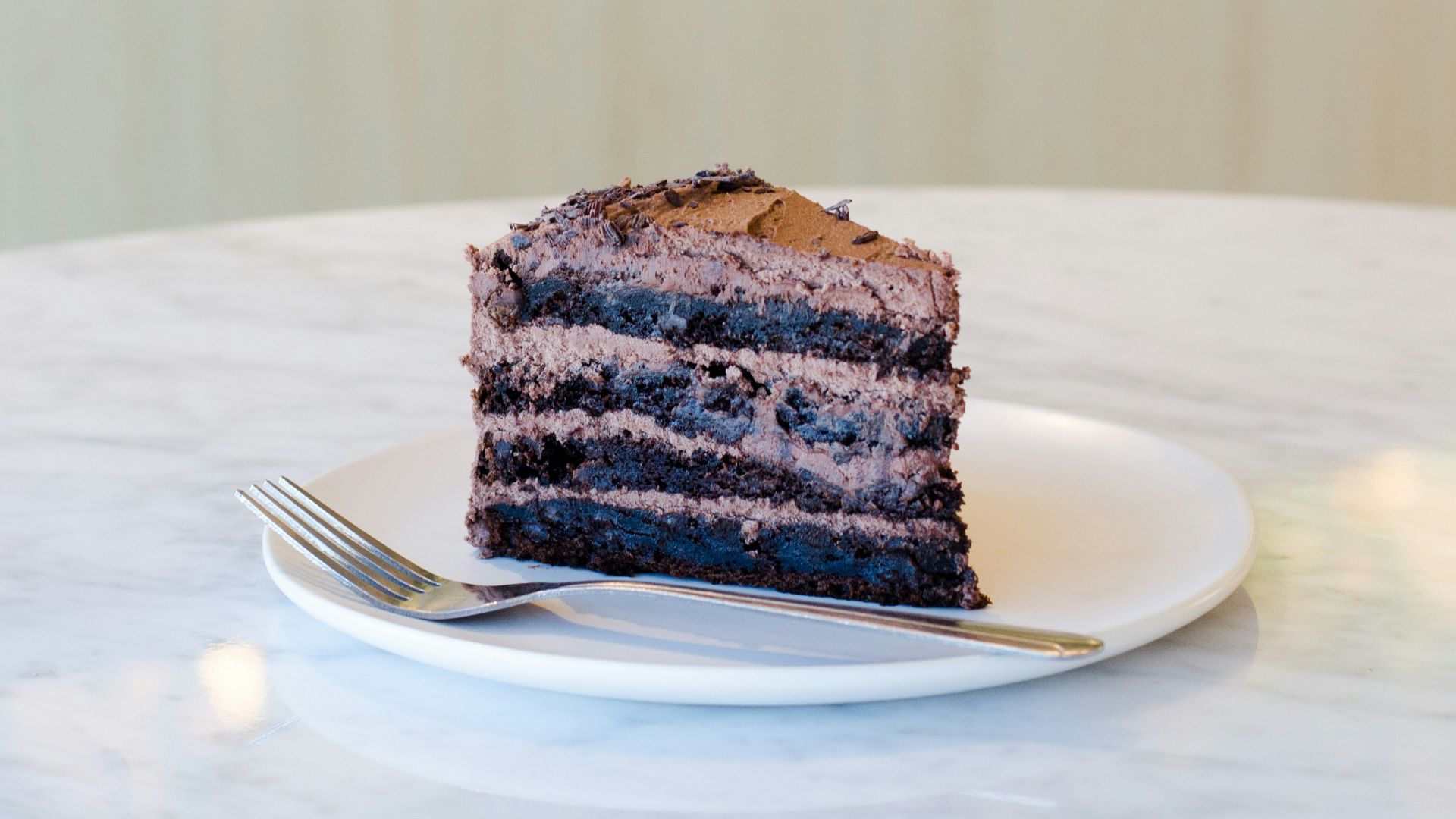
Healthy eating works better as a usual pattern than as something people have to get right at every meal. Clean eating went too far when one slice of cake, one burger, or one rushed airport sandwich started feeling like a personal failure.
20. Clean Eating Obsession
At the far end, clean eating can turn into a fixation on only eating foods seen as pure, healthy, or acceptable. That’s the point where a wellness habit stops helping and starts creating fear, guilt, rigidity, or distress around everyday food.
KEEP ON READING

20 Dishes That Built Modern American Cuisine