Fast Food Nostalgia Only Goes So Far
KFC was once one of the most recognizable and widely loved fast-food chains in America, with a reputation built around comfort food, family meals, and a flavor that stood out from competitors. For decades, the brand felt consistent and dependable, especially during a time when fried chicken restaurants were far less ordinary than they are now. While KFC still operates globally on a massive scale, many longtime customers feel the chain has lost some of the charm, quality, and cultural popularity that once made it feel special. Here are 10 reasons KFC was once more beloved and 10 reasons it's fallen from grace.
1. The Original Recipe Felt Unique
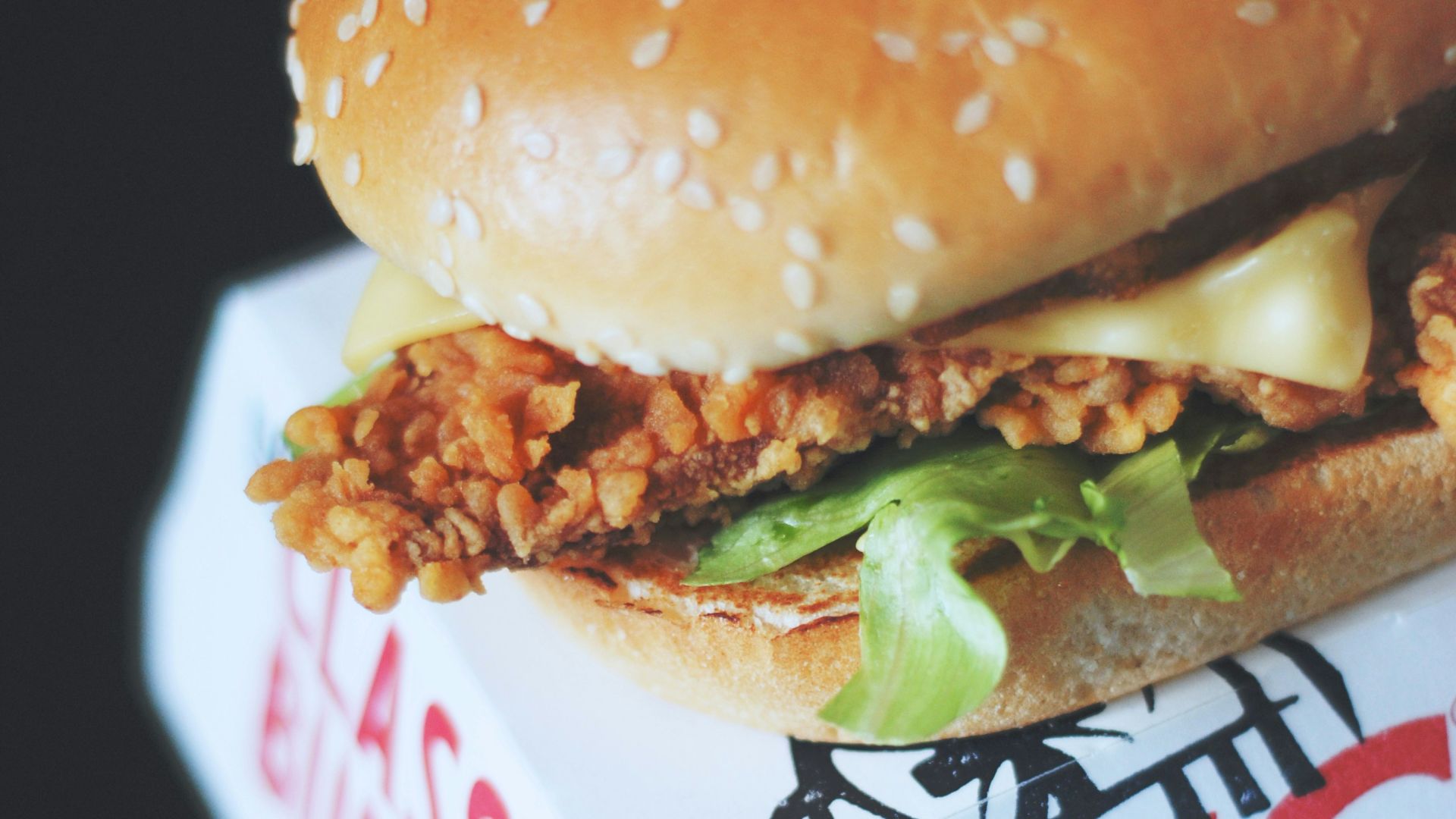
When KFC became nationally popular, its blend of herbs and spices gave the chicken a flavor people couldn’t easily find elsewhere. Fast-food competition was also far less crowded during the chain’s early growth years, so the seasoning helped KFC stand out in a way that felt memorable and different from burgers or pizza.
2. Family Buckets Became a Tradition
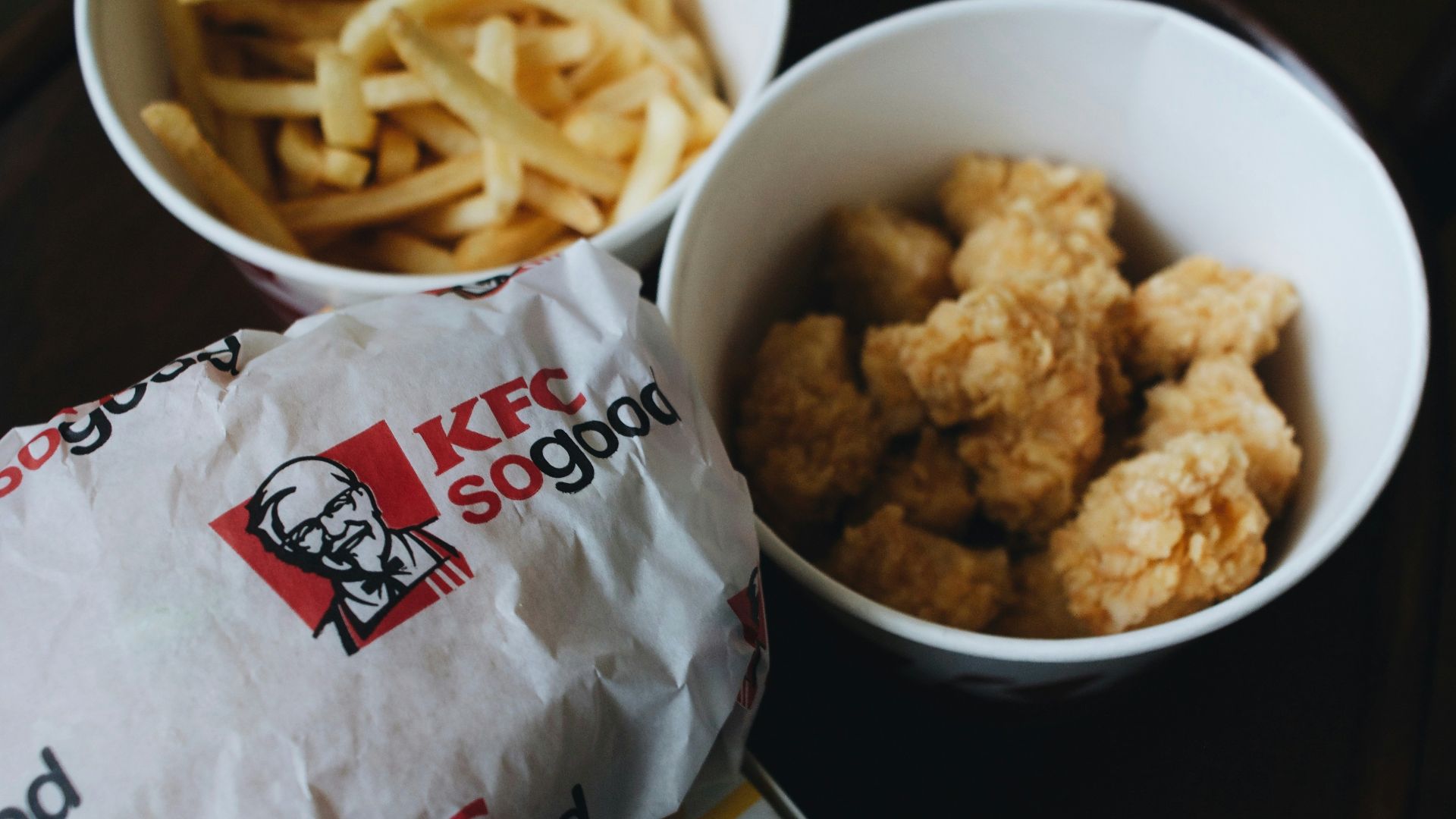
KFC helped popularize the idea of large shared family meals from a fast-food restaurant. Buckets of fried chicken were marketed as convenient dinners that brought people together around the table. For many families during the 1970s, 1980s, and 1990s, KFC became tied to weekend routines and special occasions.
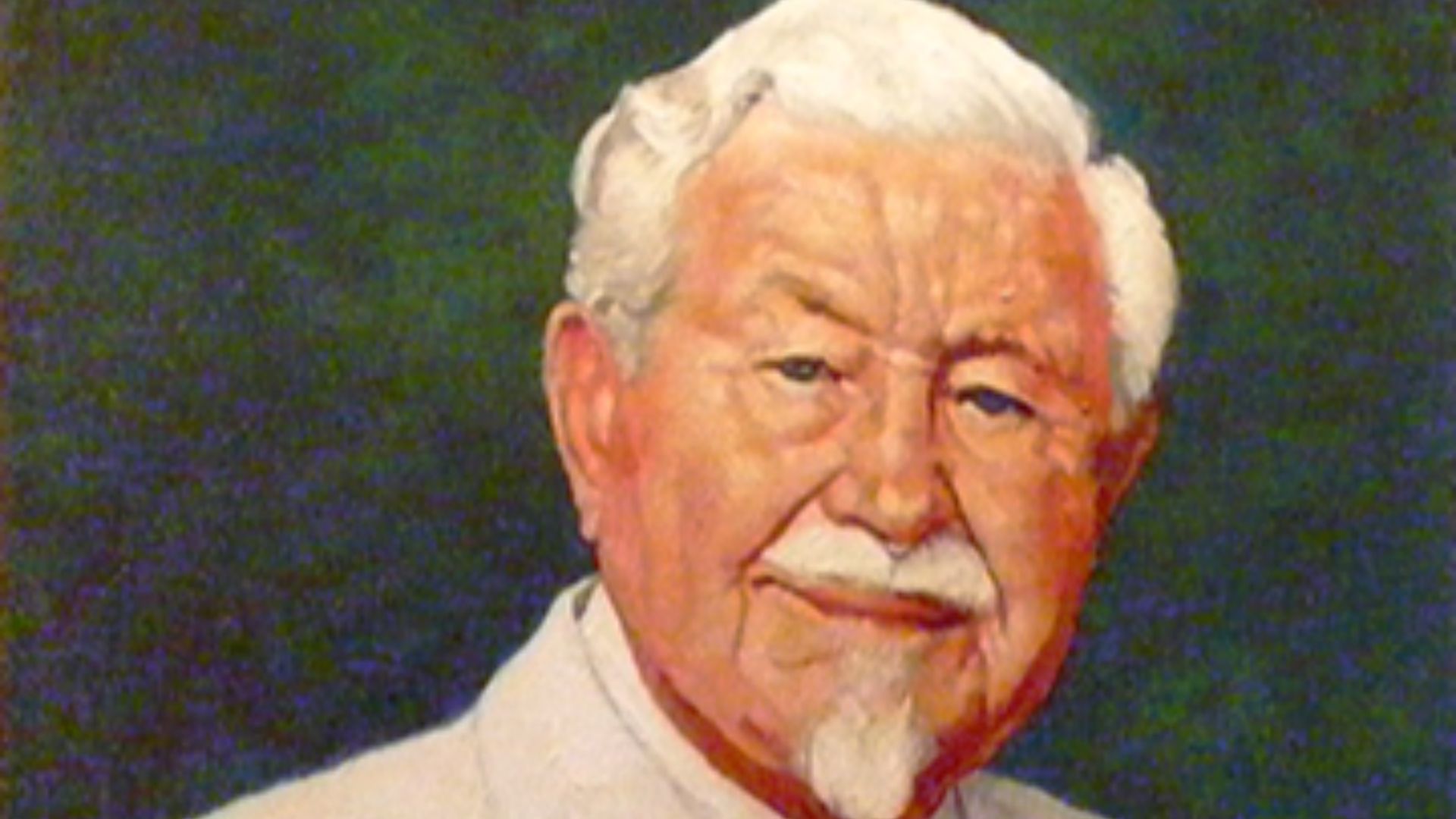
3. Colonel Sanders Was a Strong Brand Figure
Colonel Harland Sanders gave the company a recognizable face that customers associated with authenticity and consistency. His image made the brand feel more personal compared to many corporate fast-food chains. People often trusted KFC partly because the founder himself remained so closely tied to the company’s identity.
4. Fried Chicken Was Less Common
Fewer major fried chicken chains were competing nationally during KFC’s rise to popularity. That limited competition helped the restaurant dominate its category for years. Customers looking specifically for fried chicken often viewed KFC as the obvious choice.
5. The Restaurants Felt More Distinctive
Older KFC locations often had a stronger Southern-inspired identity through their decor, menus, and branding. The restaurants felt different from generic fast-food chains because they leaned heavily into comfort-food presentation. That atmosphere helped customers connect emotionally with the brand.
 Spencer Scott Pugh on Unsplash
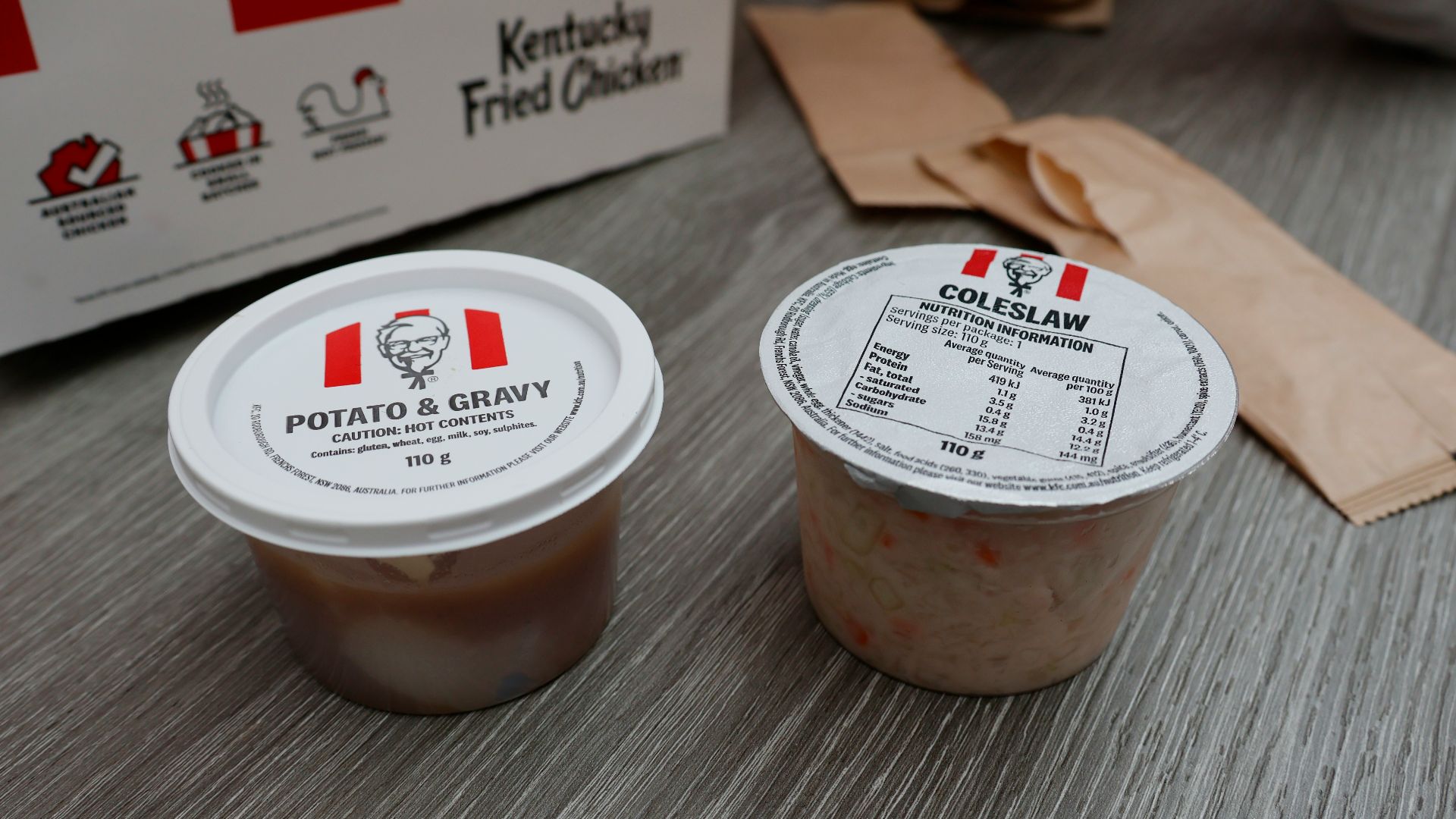
6. Side Dishes Helped Build Loyalty
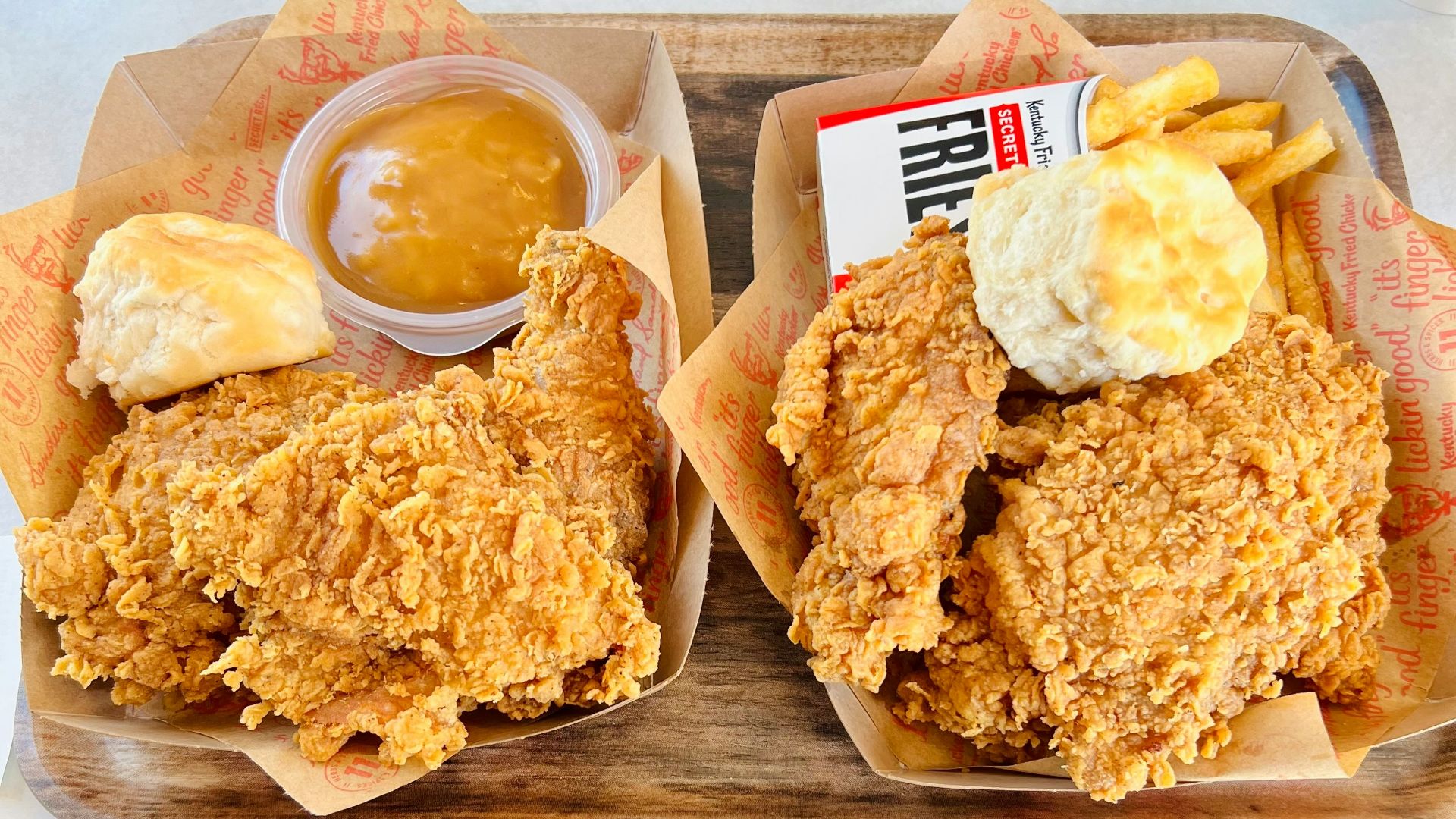
Mashed potatoes, biscuits, gravy, and coleslaw became major parts of the KFC experience rather than forgettable extras. Many customers considered the side dishes nearly as important as the chicken itself. That variety made family meals feel larger and more satisfying overall.
7. The Brand Benefited From Simpler Menus
Earlier KFC menus focused heavily on core items instead of constantly introducing limited-time experiments. Customers knew exactly what they were getting whenever they visited the restaurant. That consistency helped build trust and repeat business over time.
8. Fast Food Competition Was Less Aggressive
KFC expanded during an era before fast-food marketing became as intense and crowded as it is today. Chains now compete constantly through apps, delivery services, celebrity meals, and viral promotions. During KFC’s strongest years, it didn’t face the same nonstop pressure from dozens of rivals.
9. Fried Chicken Felt More Like a Treat
Many families viewed fried chicken as an occasional comfort meal rather than an everyday convenience item. That made KFC feel slightly more special compared to routine fast-food purchases.
10. KFC Had Stronger Cultural Popularity
At its peak, KFC was deeply connected to American pop culture and family dining habits. The chain felt iconic in a way younger generations may not fully recognize today. Its branding, commercials, and food created a level of familiarity that lasted for decades.
1. Food Quality Feels Less Consistent
Many customers today complain that KFC's quality varies heavily depending on the location they visit. Chicken can sometimes feel overly greasy, dry, or poorly seasoned compared to older expectations. Inconsistent experiences make it harder for customers to stay loyal to the brand.
2. Competitors Offer Better Chicken
Chains specializing in fried chicken have expanded dramatically over the last two decades. Restaurants like Popeyes, Chick-fil-A, and regional competitors now attract customers who once defaulted to KFC automatically.
3. Constant Menu Changes Hurt the Brand
KFC has experimented heavily with unusual menu items and limited-time promotions in recent years. While some gimmicks generate attention online, they can also make the brand feel unfocused.
4. Locations Often Feel Outdated
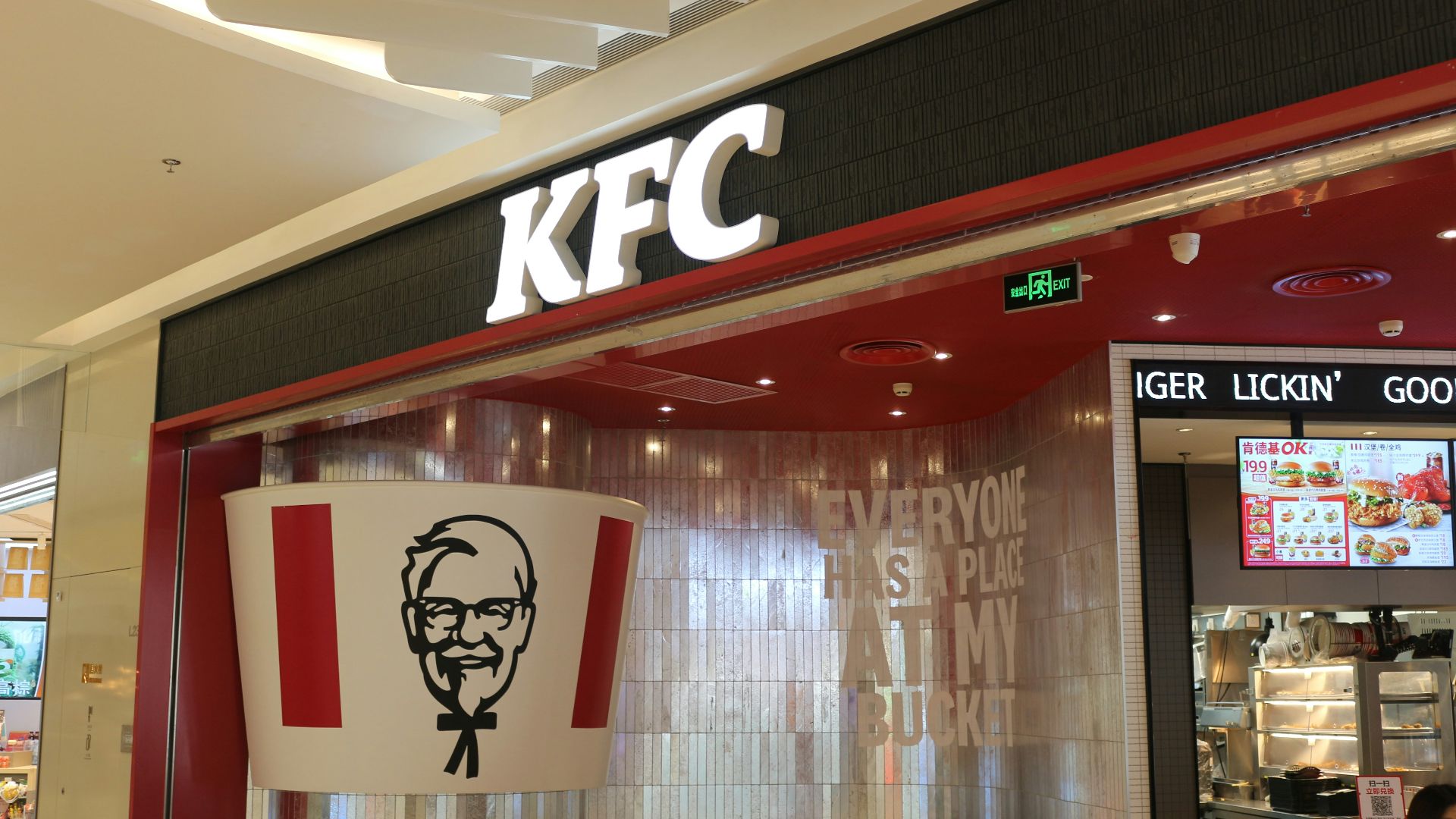
Some KFC locations appear older and less modern compared to newer fast-food competitors. Dining rooms and drive-thrus at certain locations haven’t kept pace with updated customer expectations.
5. Health Concerns Changed Eating Habits
Public awareness surrounding nutrition and fried foods has increased significantly over time. Many customers now pay closer attention to calories, sodium, and cooking methods when choosing meals.
6. Service Complaints Became More Common
KFC has struggled at times with customer complaints involving slow service, incorrect orders, or understaffed locations. Negative experiences spread quickly online through reviews and social media posts.
7. The Brand Lost Some Identity
Modern KFC marketing sometimes feels less connected to the traditional image that originally made the chain popular. Frequent rebranding efforts and changing promotions can make the company seem uncertain about its direction. Older customers, especially, may feel less emotionally attached to the brand today.
8. Delivery Changed Customer Expectations
The rise of food delivery apps created stronger competition among fast-food restaurants. Customers now compare speed, packaging quality, and convenience across dozens of options instantly.
9. Younger Customers Have More Options
Younger generations grew up with far more restaurant choices than previous generations ever had. Chicken sandwiches, tenders, and fast-casual dining now dominate large parts of the market.
10. Nostalgia Can’t Fully Carry the Chain
Older customers may still remember KFC fondly because of childhood experiences and family traditions. Nostalgia creates goodwill, but it can’t completely overcome concerns about quality or competition.
KEEP ON READING


20 Food Requests Only Spoiled People Ask For
20 Hardest Foods on Earth To Eat

Do Vitamin Supplements Actually Make You Healthier?