The Stories We Don’t Always See on the Plate
Some foods are so comforting and familiar that we rarely stop to think about where they came from, what made them popular, or what had to happen before they landed on our shelves and menus. But as you'll see, the everyday snacks and drinks you enjoy may actually have dark or questionable origins. From Oreo, America's favorite cookie, to PEZ candy and even tomatoes, you might be surprised what stories lurk behind them. Here are 20 popular foods with backstories that are more murky than their cheerful packaging suggests.
1. Kellogg’s Corn Flakes
Kellogg’s Corn Flakes may look like the most innocent breakfast imaginable (well, other than their high-sugar content), but their early purpose was actually tied to strict Victorian ideas about morality and self-control. Dr. John Harvey Kellogg believed bland foods could help suppress arousal, which he saw as harmful and sinful. The cereal eventually became a mainstream breakfast staple, far removed from the medical and moral theories that helped inspire it. It’s strange to think that such a plain bowl of cereal started with such intense beliefs about the body and behavior.
2. Graham Crackers
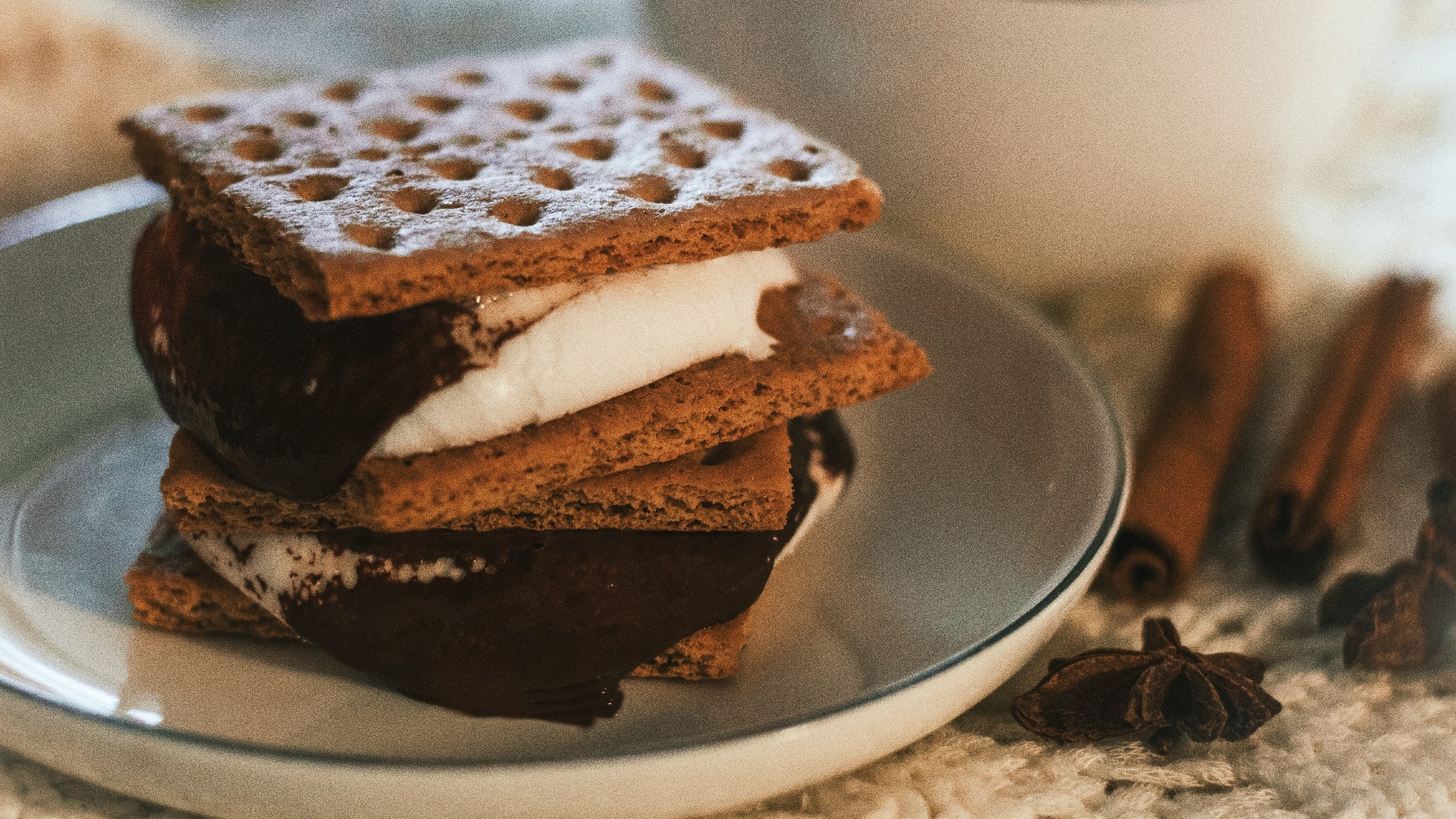
Graham crackers are now linked with s’mores, cheesecake crusts, and lunchbox snacks, but Sylvester Graham had a very different vision for them. He promoted a bland, whole-wheat diet because he believed rich foods, meat, alcohol, and arousal were damaging to health and morality. The original graham cracker wasn’t meant to be sweet, fun, or dessert-friendly at all. Over time, companies turned Graham’s severe dietary idea into the sugary cracker most people know today.
3. Coca-Cola
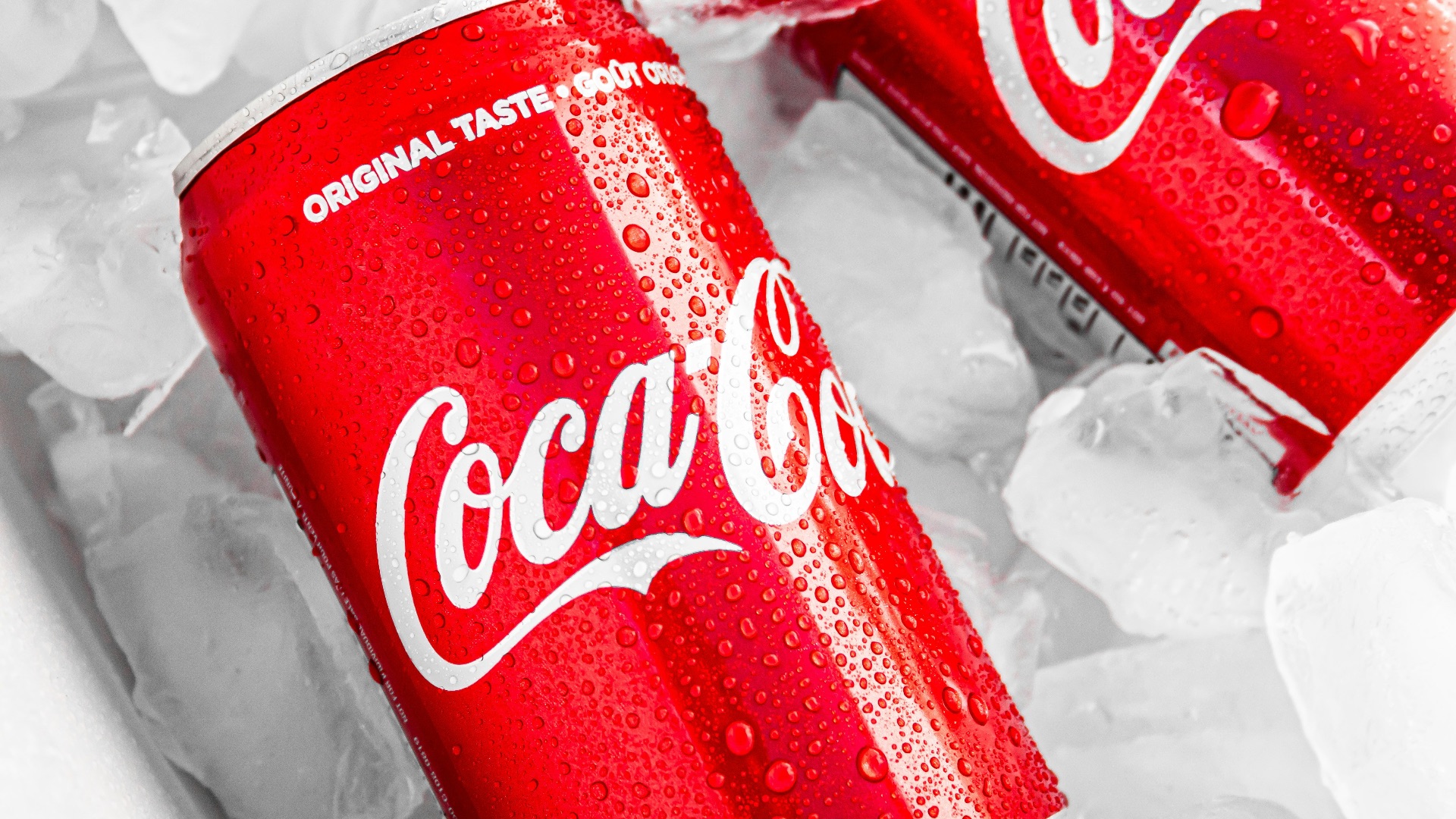
Coca-Cola began as a medicinal tonic created by John Pemberton, a pharmacist and Civil War veteran who had struggled with morphine dependence. Early versions of his drink used coca leaf extract, which came from the same plant associated with cocaine. The beverage was later reformulated, marketed widely, and transformed into one of the most famous brands in the world. Behind the red label is a history shaped by addiction, patent medicines, and changing attitudes toward drugs.
4. 7Up
Before it became a simple lemon-lime soda, 7Up had a name that sounds more like a chemistry label than a soft drink. Its original formula contained lithium citrate, a compound associated with mood-stabilizing medication. At the time, beverages with medicinal claims weren’t as unusual as they sound today, but it’s still startling to imagine a popular soda containing a psychiatric drug ingredient. The lithium was eventually removed, leaving behind the familiar brand without its original pharmaceutical twist.

5. Fanta
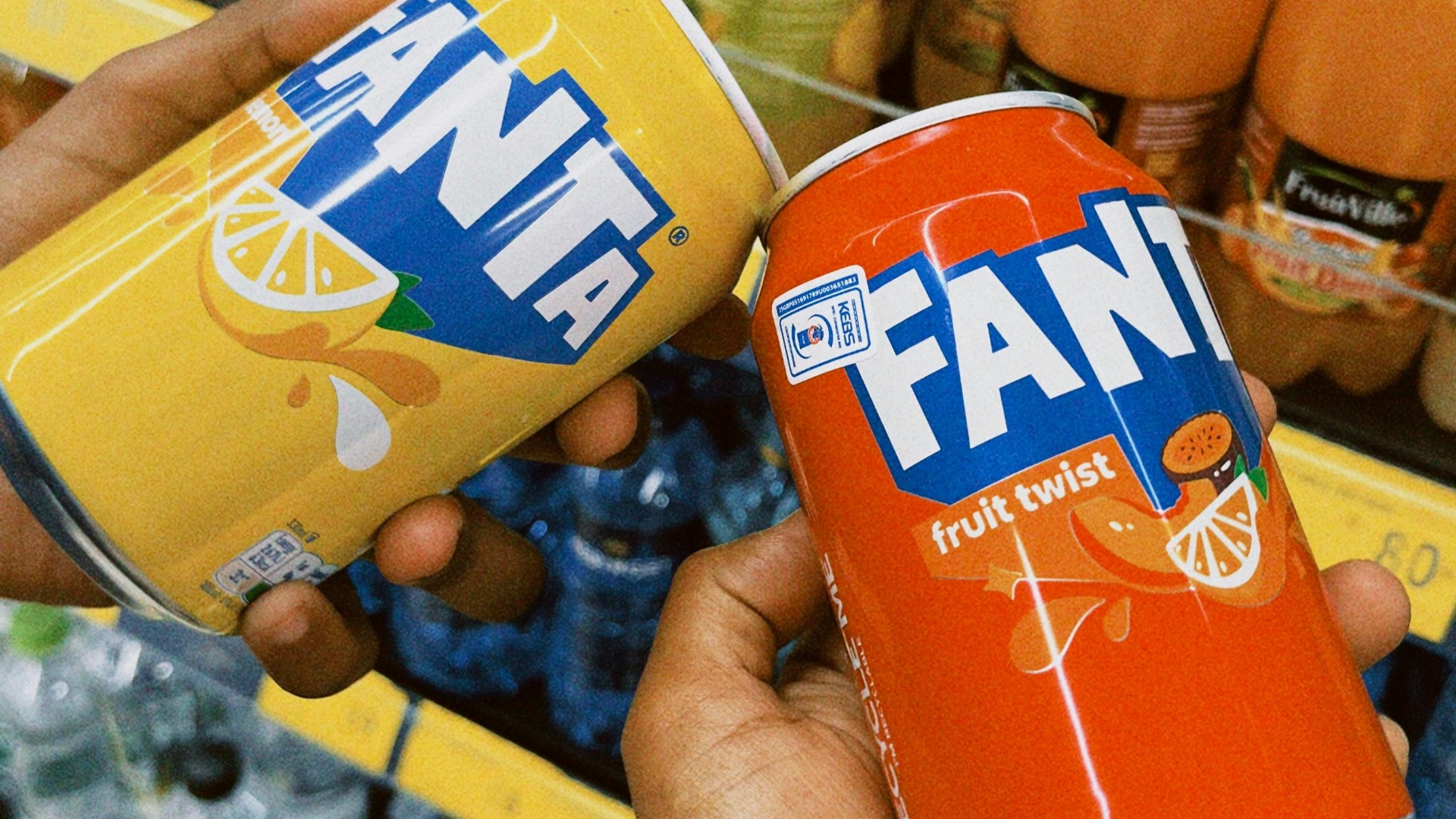
Fanta’s bright, fruity image hides a wartime origin story. The drink was created in Nazi Germany after Coca-Cola’s German branch could no longer receive the usual syrup ingredients during World War II. With rationing in place, the company used available leftovers such as fruit scraps, apple pulp, beet sugar, and whey to create a new soda. The brand later became a global soft drink, but its beginnings were rooted in conflict, corporate survival, and wartime scarcity.
6. Taco Bell
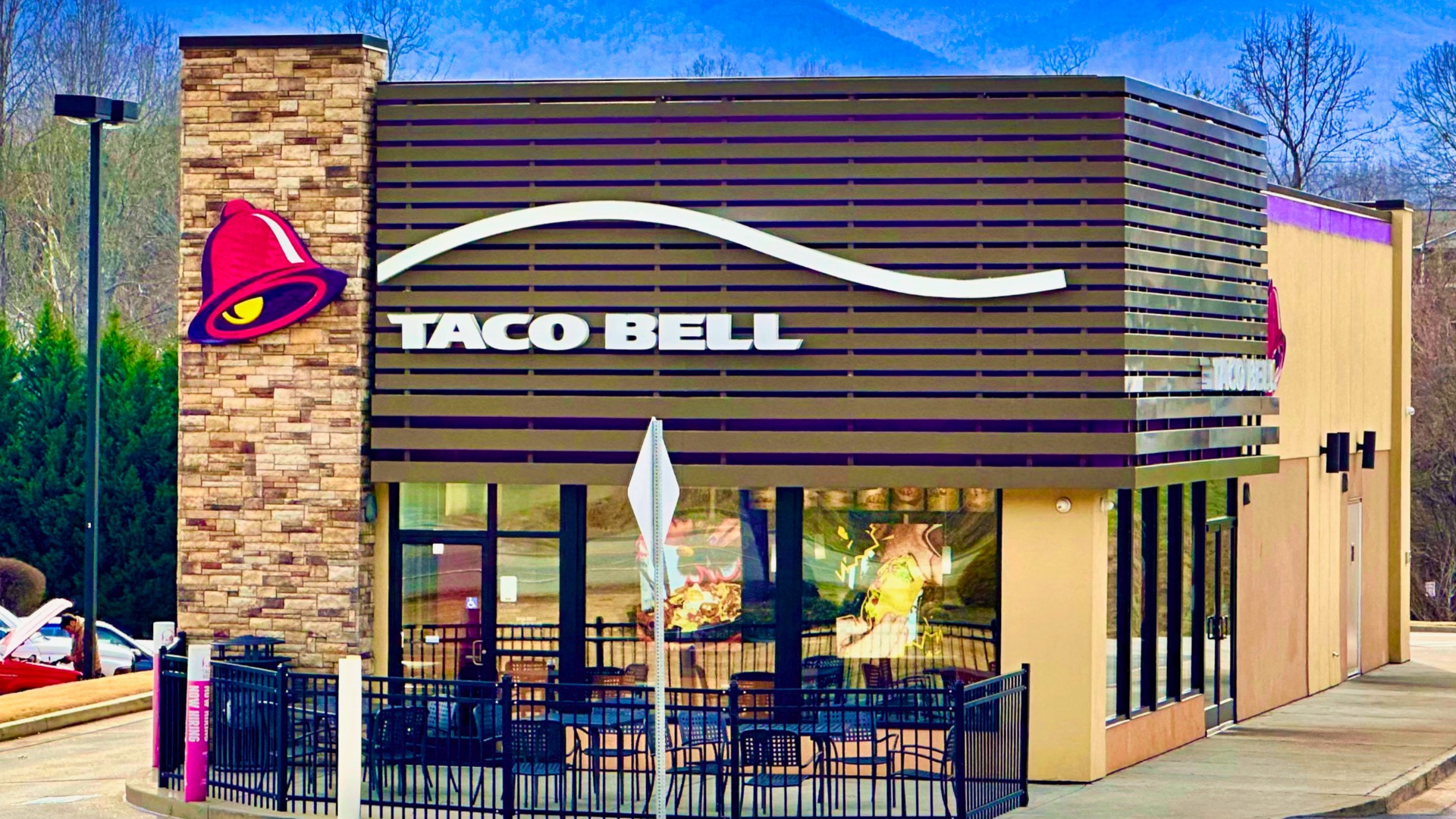
Taco Bell is now one of the most recognizable fast-food chains in America, but its early success is tied to a less flattering story of borrowed ideas. Founder Glen Bell learned about tacos from Mitla Cafe, a Mexican American restaurant in San Bernardino, California, that had already built a loyal following. Bell took and adapted the concept for a faster, more scalable restaurant model and turned it into a national chain. The Rodriguez family behind Mitla Cafe didn’t become a household name, even though their food helped shape what millions of people came to know as fast-food tacos.
7. Oreo Cookies
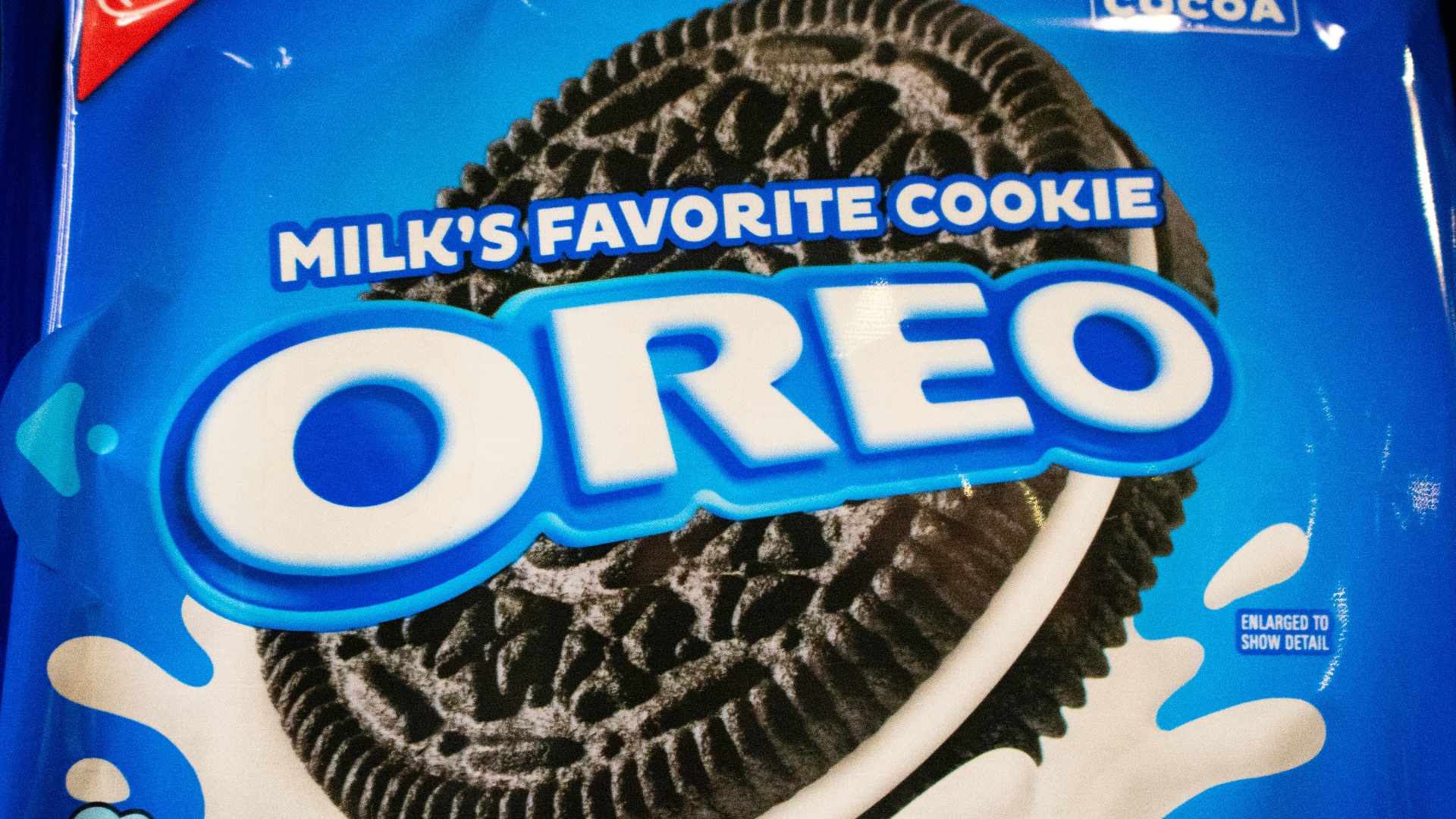
Oreos are often called America’s favorite cookie, but they weren’t the original chocolate sandwich cookie. Hydrox, made by Sunshine Biscuits, came first in 1908, several years before Nabisco introduced Oreo in 1912. Nabisco’s version had a stronger name, a sweeter profile, and much better marketing, which helped it dominate the category. The result is that many people now assume Hydrox copied Oreo, when the timeline actually runs the other way.
8. Pop-Tarts
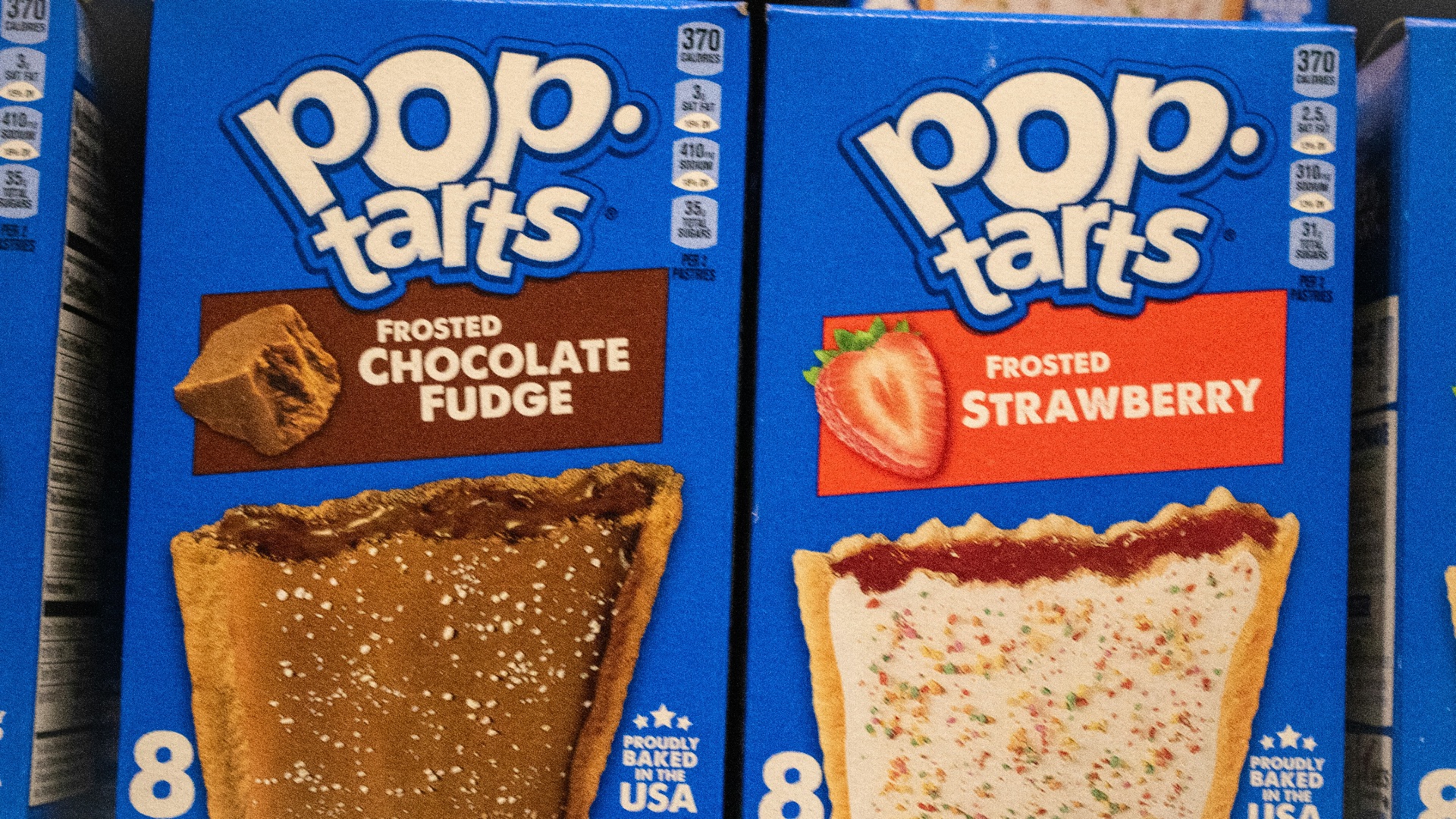
Pop-Tarts became a breakfast icon partly because Kellogg’s moved faster than its competitor. Post had developed a shelf-stable fruit-filled pastry called Country Squares and announced the idea before the product was ready for stores. Kellogg’s used the opening to rush its own version to market with a stronger launch and a catchier name. Pop-Tarts won the race, while the product that helped inspire them was left behind almost immediately.
9. M&M’s
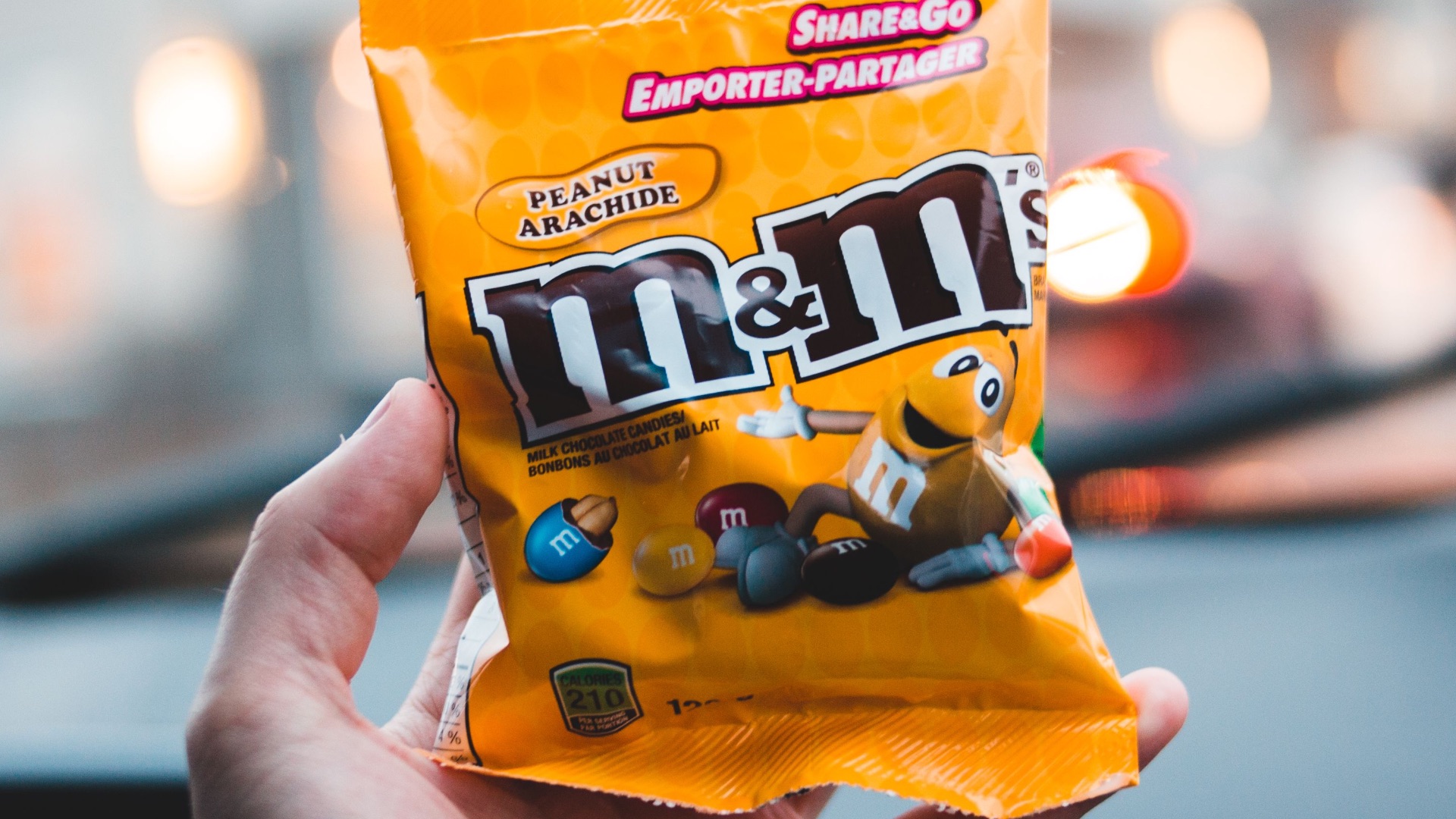
M&M’s became famous as a candy that could survive heat better than ordinary chocolate, which made it useful for military rations during World War II. The idea, however, closely resembled British Smarties, a candy Forrest Mars had seen being eaten by soldiers during the Spanish Civil War. He brought the concept back to the United States and developed his own version with a candy shell. The brand became massive, but its origin includes a heavy dose of imitation.
10. PEZ
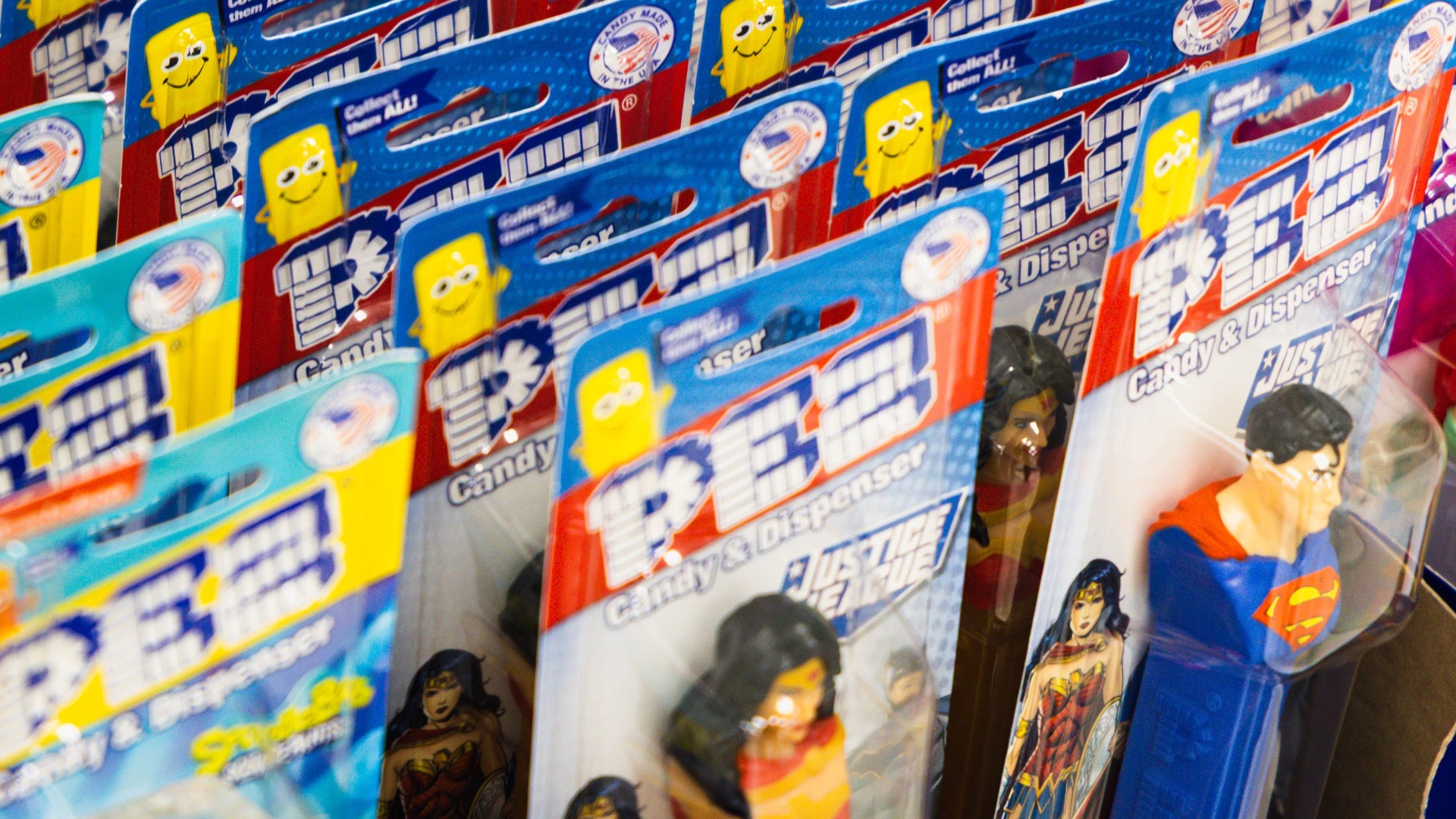
PEZ dispensers are now associated with cartoon characters, collectibles, and kids, but the candy wasn’t originally aimed at children. It began in Austria as a peppermint product for adults, especially people trying to stop smoking. Early PEZ dispensers were even designed to resemble cigarette lighters, which makes the brand’s later child-focused identity feel especially unexpected. The candy’s history shifted from smoking culture to playful pop culture in just a few decades.
11. Chocolate
Chocolate has ancient roots in Mesoamerica, where cacao carried cultural, ceremonial, and economic importance long before it became a global candy ingredient. European colonization turned cacao into a plantation crop, and its growth was tied to forced labor and exploitation. In the modern era, cocoa supply chains have continued to face serious concerns over poverty, child labor, and unsafe conditions. The sweetness of chocolate has always existed beside a much harsher story about who produces it.

12. Sugar
Sugar helped change the way people ate, drank, and baked, but its rise depended heavily on slavery. European demand for sweetened tea, desserts, and preserves fueled brutal sugar plantations in the Caribbean and the Americas. Enslaved Africans were forced to cut cane, work mills, and process sugar under deadly conditions. What became an everyday kitchen staple was once one of the most profitable products of the Atlantic slave economy.

13. Rum
Rum’s history is closely connected to sugar, molasses, and the transatlantic slave trade. Molasses, a byproduct of sugar production, was fermented and distilled into rum, which then became part of wider colonial trade networks. In some trading systems, rum was exchanged in ways that helped sustain the buying and selling of enslaved people. The drink’s modern association with vacations and cocktails leaves out the violence built into its early commercial success.

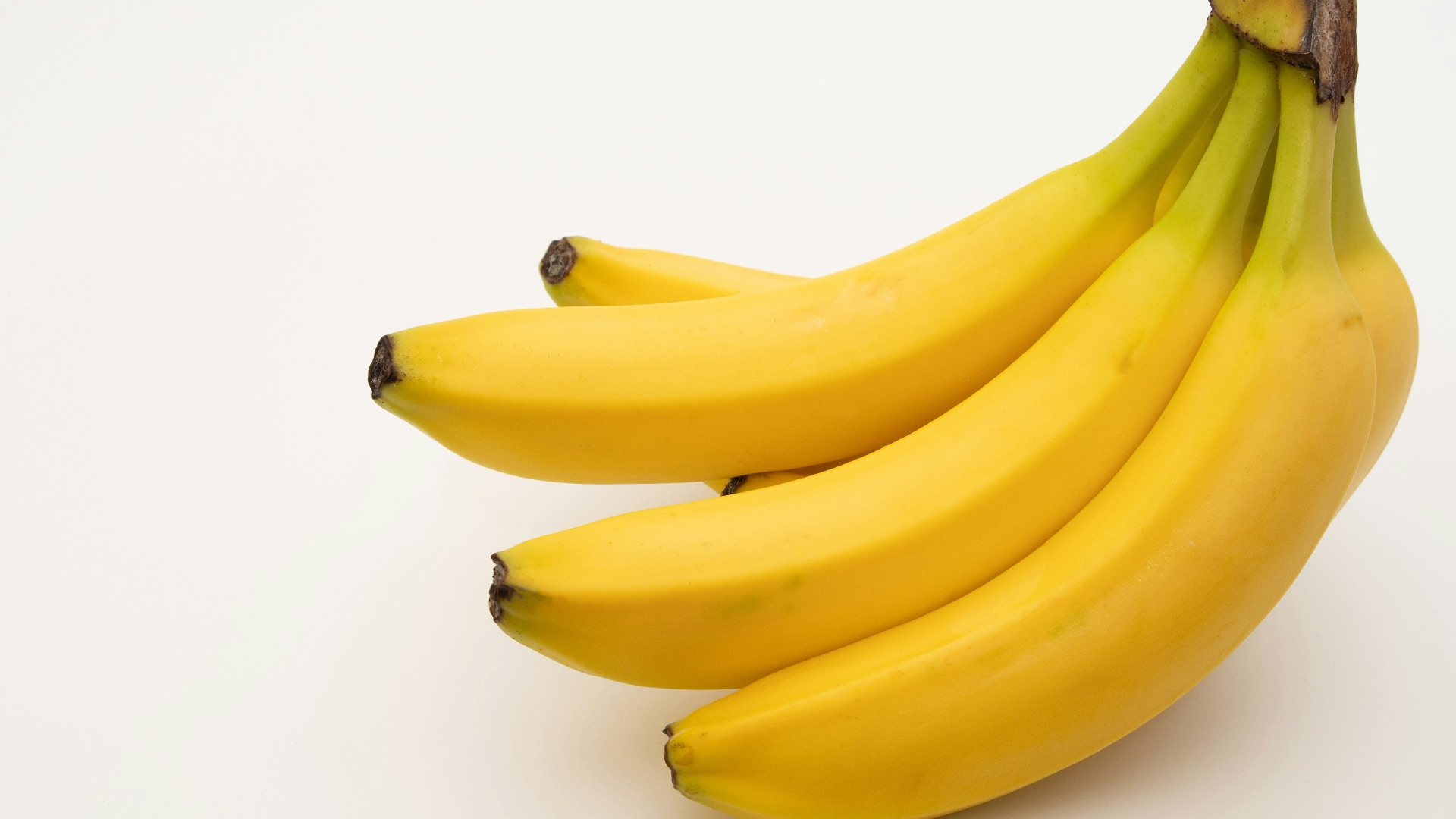
14. Bananas
Bananas became cheap and common in the United States because powerful companies built huge supply networks across Latin America. Those companies controlled land, transportation, and labor in ways that gave them major political influence. In some countries, banana workers faced low pay, harsh treatment, and violent crackdowns when they organized for better conditions. The fruit’s friendly reputation sits beside a history of corporate power and labor abuse.
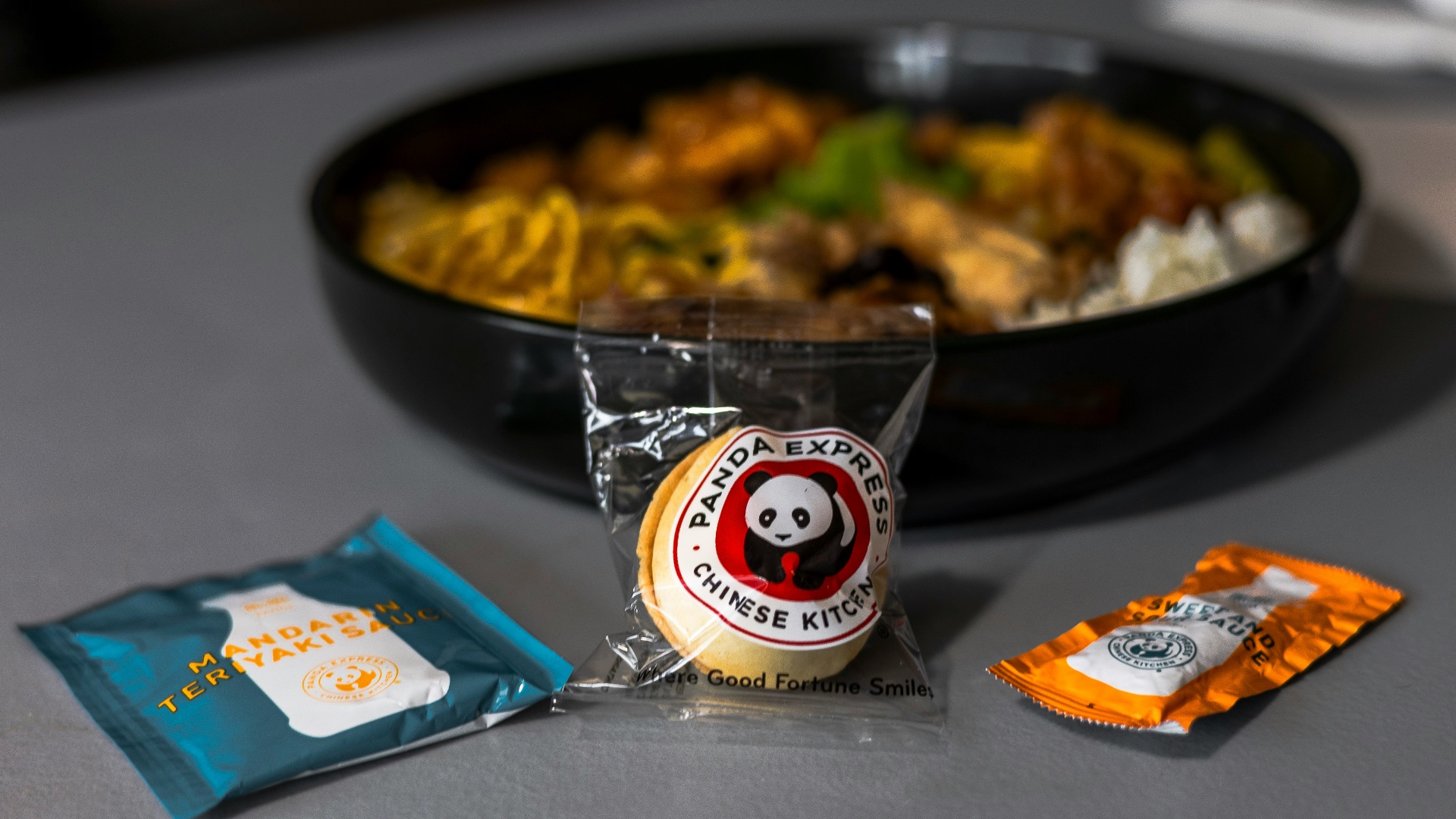
15. Chinese-American Takeout
Chinese-American food is beloved across the United States, but the spread of Chinese restaurants was shaped partly by racist immigration laws. The Chinese Exclusion Act restricted Chinese laborers from entering the country, while some business owners had legal pathways that workers did not. Restaurants became one of the few routes through which Chinese immigrants could build livelihoods and bring over employees. Dishes like chop suey and sweetened takeout favorites grew within a system that forced people to adapt under discrimination.
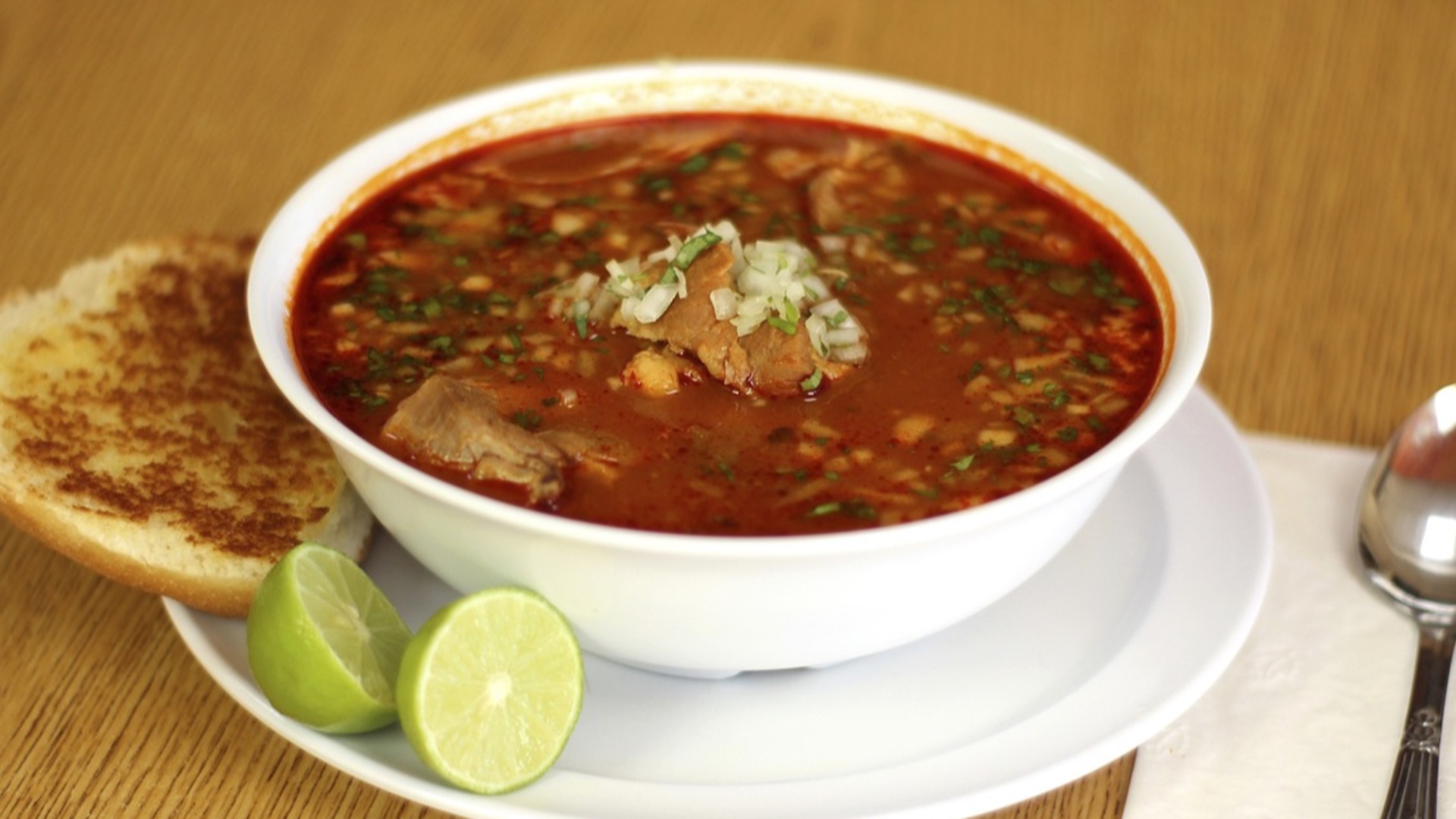
16. Pozole
Pozole is a beloved Mexican soup today, often made with hominy, pork or chicken, chiles, and fresh toppings. Its precolonial history, though, includes ritual use among the Aztecs, where some versions were connected to human sacrifice and even ceremonial cannibalism. After Spanish colonization, those practices were ended, and the dish evolved into the pork-based pozole known today. The modern bowl is comforting and festive, but its distant origins are much more unsettling.
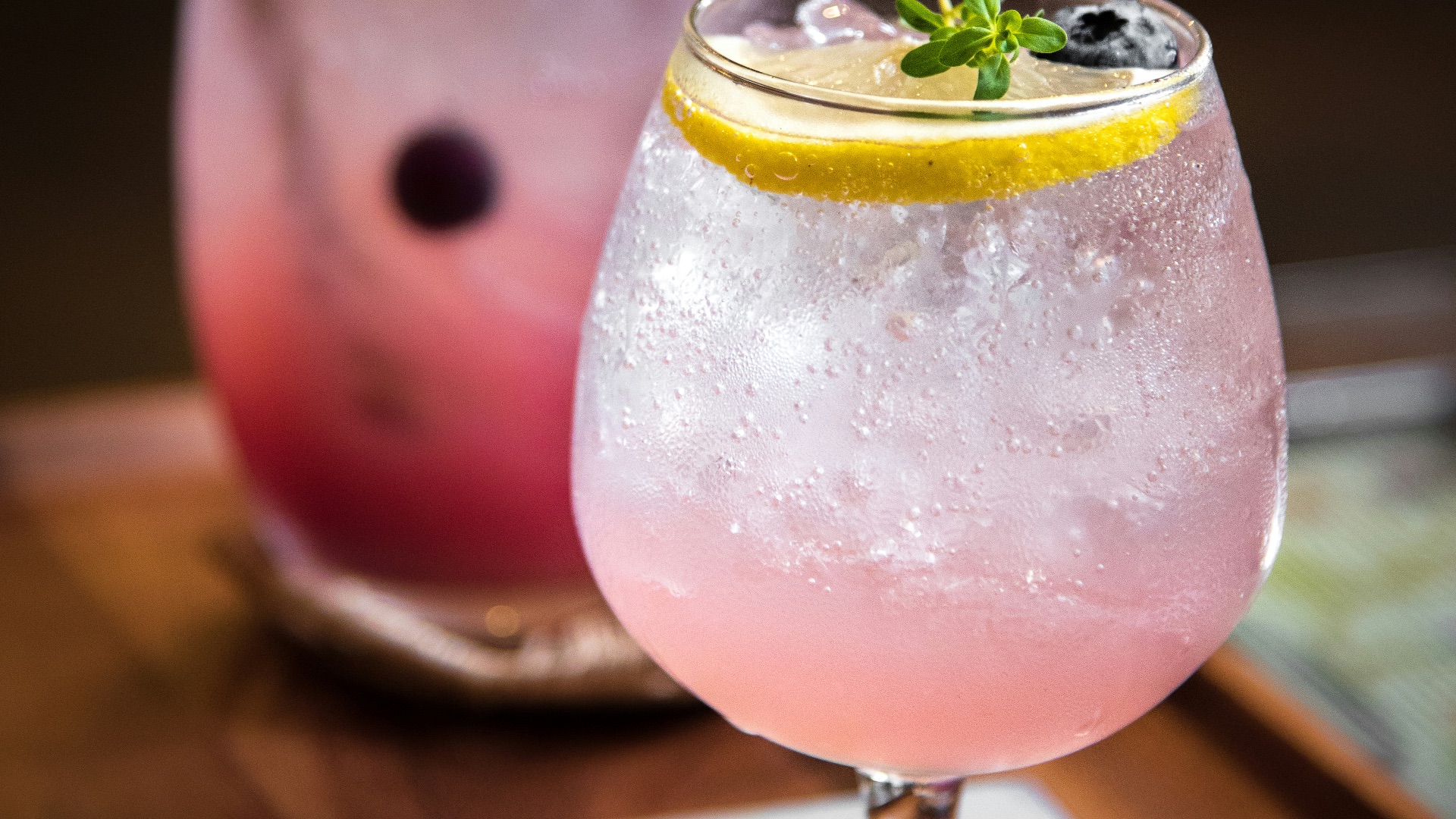
17. Pink Lemonade
Pink lemonade has a cheerful color, but its origin stories are surprisingly unappetizing. One popular account traces it to a circus vendor who used water that had been tinted by a performer’s red or pink clothing. Another version claims the color came from cinnamon candies accidentally dropped into lemonade. Either way, the drink’s early reputation seems to have been built less on careful recipe development and more on circus improvisation.
18. Potatoes
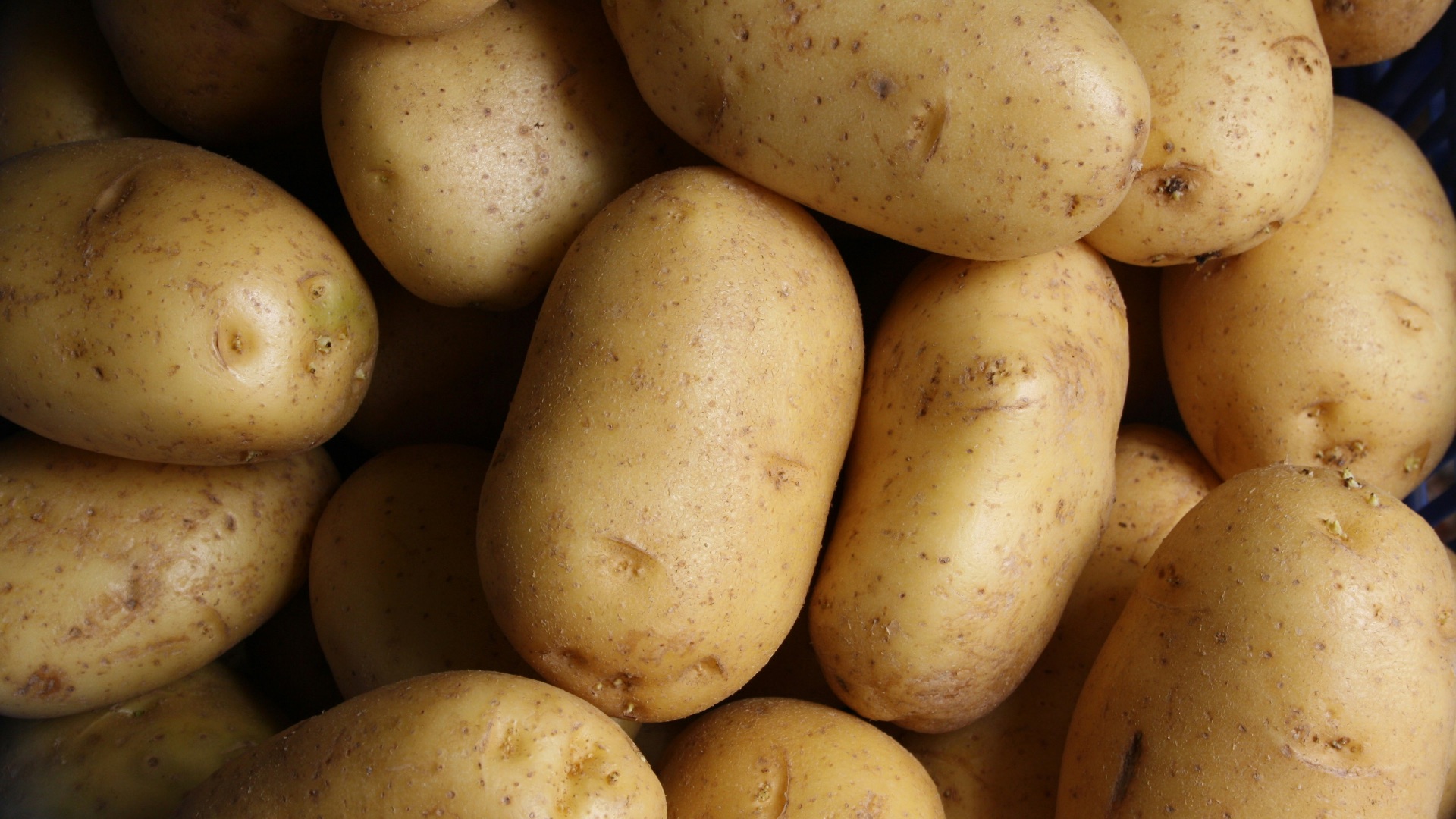
Potatoes helped feed large populations in Europe, but they also became central to one of the most devastating famines in modern history. In Ireland, heavy dependence on the potato left poor communities vulnerable when blight destroyed crops in the 1840s. Mass starvation, disease, eviction, and emigration followed, while British policy decisions worsened the suffering. A food now seen as cheap and comforting is tied to a catastrophe that reshaped an entire country.
19. Tomatoes
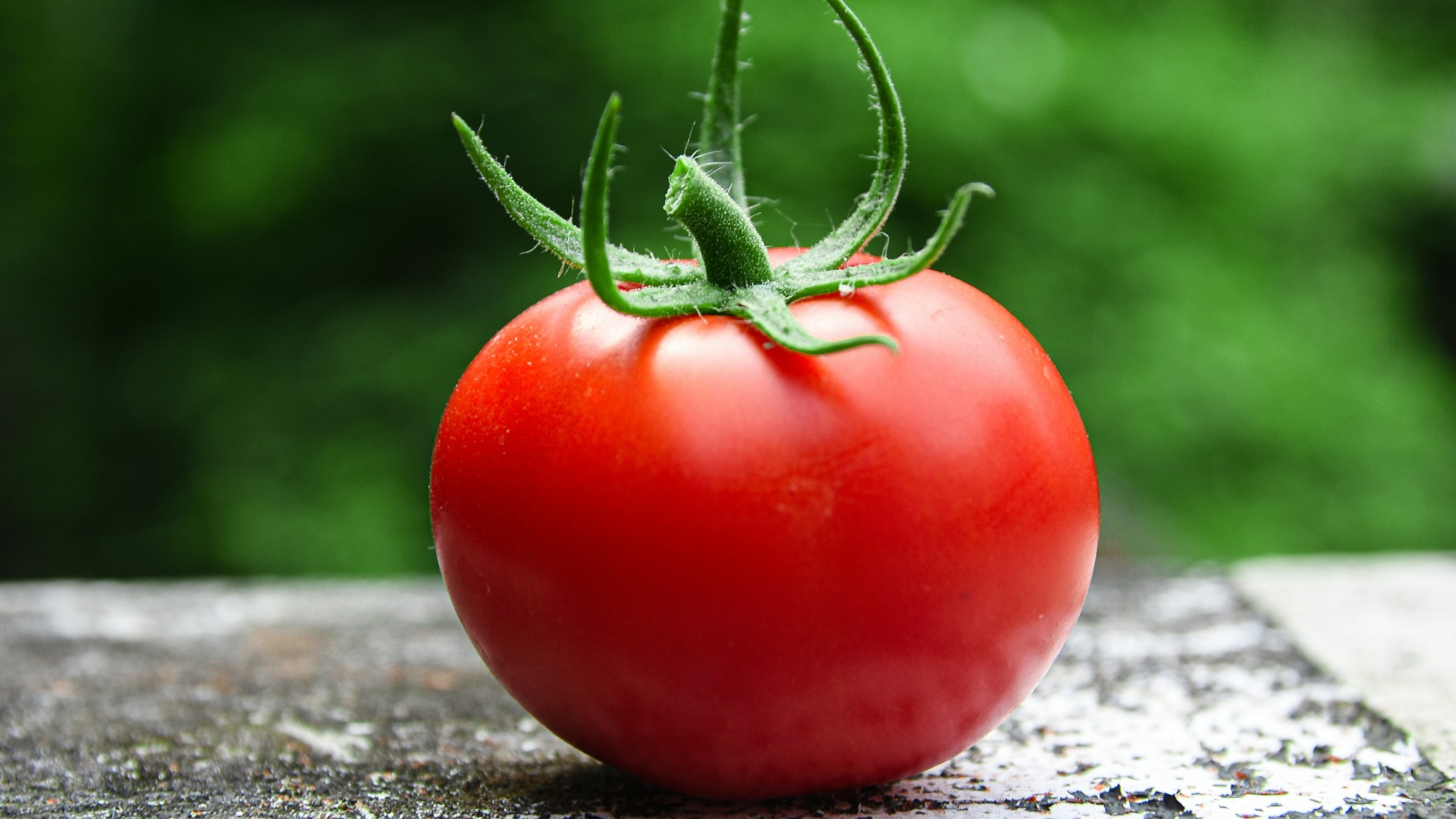
Tomatoes were once feared in parts of Europe and America because people believed they could be poisonous. The problem wasn’t usually the tomato itself, but the way wealthy people served it on pewter plates that could leach lead when touched by acidic tomato juice. That association gave tomatoes a deadly reputation that took years to fade. It’s odd to think that an ingredient now essential to pizza, pasta sauce, salsa, and ketchup once made people nervous.
20. Okra
Okra’s place in Southern, Creole, and soul food carries a history shaped by the transatlantic slave trade. The plant came from Africa and likely reached the Americas through forced migration, carried by enslaved people who preserved seeds, food traditions, and knowledge under horrific circumstances. Over time, okra became central to dishes such as gumbo, where African, Indigenous, Caribbean, and European influences mixed under unequal conditions. Its history is a reminder that survival and creativity often existed alongside violence and displacement.