Sometimes One Ingredient Changes Everything
Recipes often seem simple on paper, but a single ingredient can dramatically alter the flavor, texture, and overall experience of a dish. In some cases, one substitution creates something that feels entirely different from the original recipe. In others, the core character of the food remains surprisingly intact, proving that some dishes are defined by technique, structure, or a combination of ingredients rather than any single component. Here are 10 foods that change completely with one ingredient swap and 10 that don't.

1. Mashed Potatoes
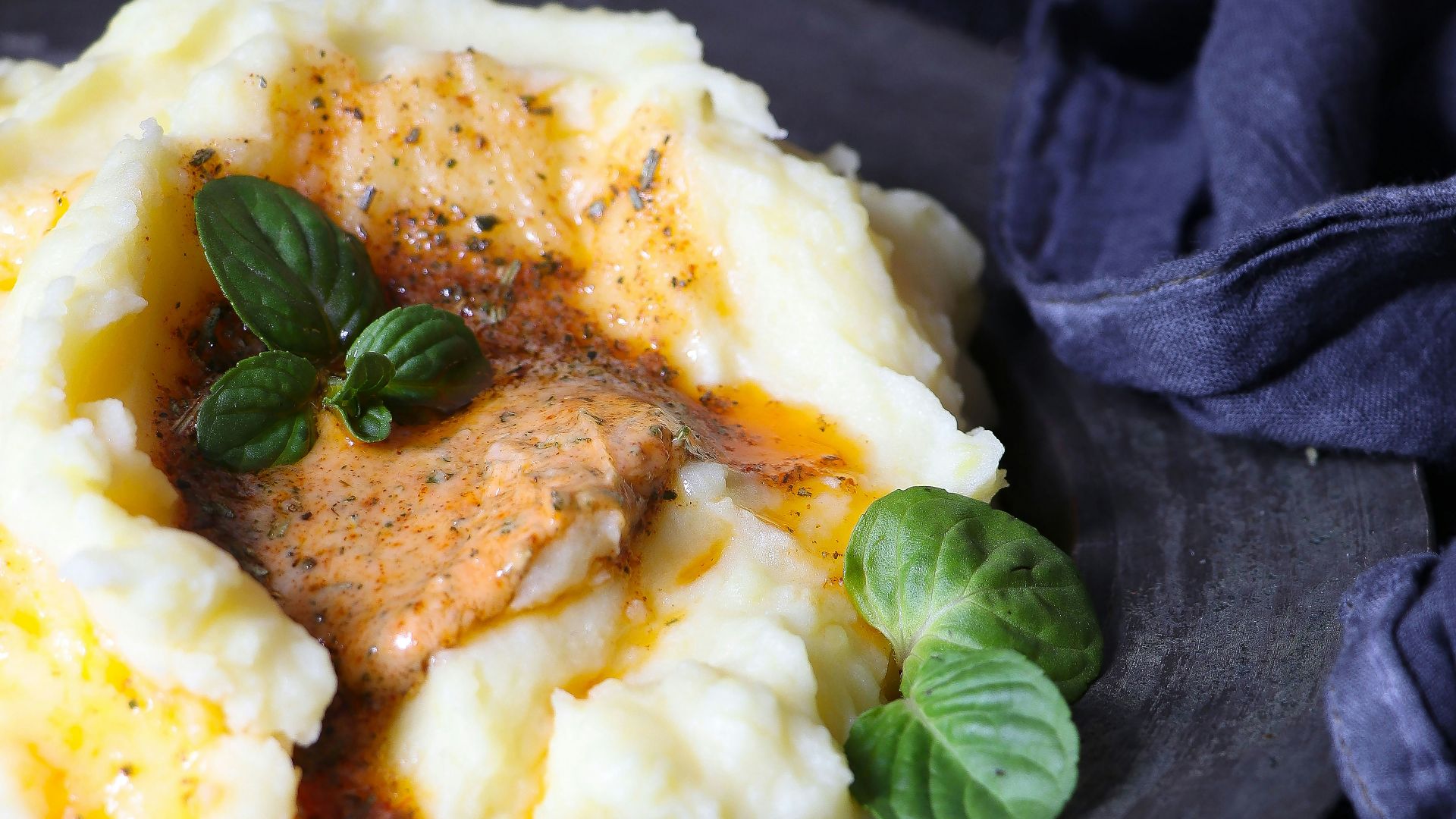
Swapping butter for olive oil creates a noticeably different dish. The richness becomes lighter, and the flavor shifts from creamy comfort food toward something more savory and earthy. The texture can also feel less indulgent despite using a similar amount of fat.
2. Grilled Cheese Sandwiches
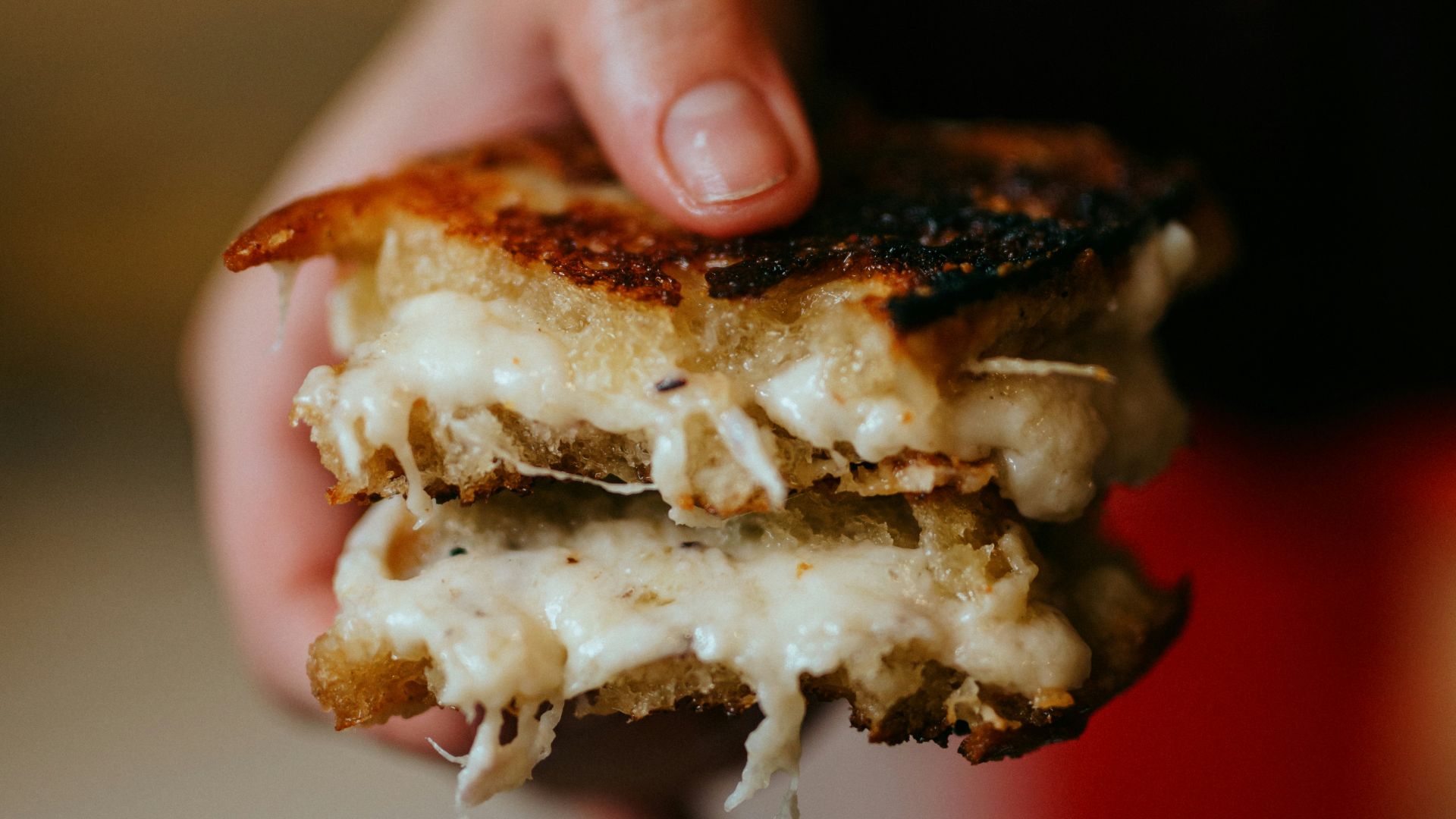
Replacing cheddar with blue cheese transforms the sandwich from familiar and mild to bold and tangy. The overall texture remains similar, but the flavor profile changes dramatically. It's hard to mistake one version for the other.
3. Chili
Switching ground beef for chorizo alters both the taste and spice level immediately. The smoky seasoning found in many chorizo varieties changes the entire character of the dish. Even longtime chili fans often view the two versions as completely separate recipes.

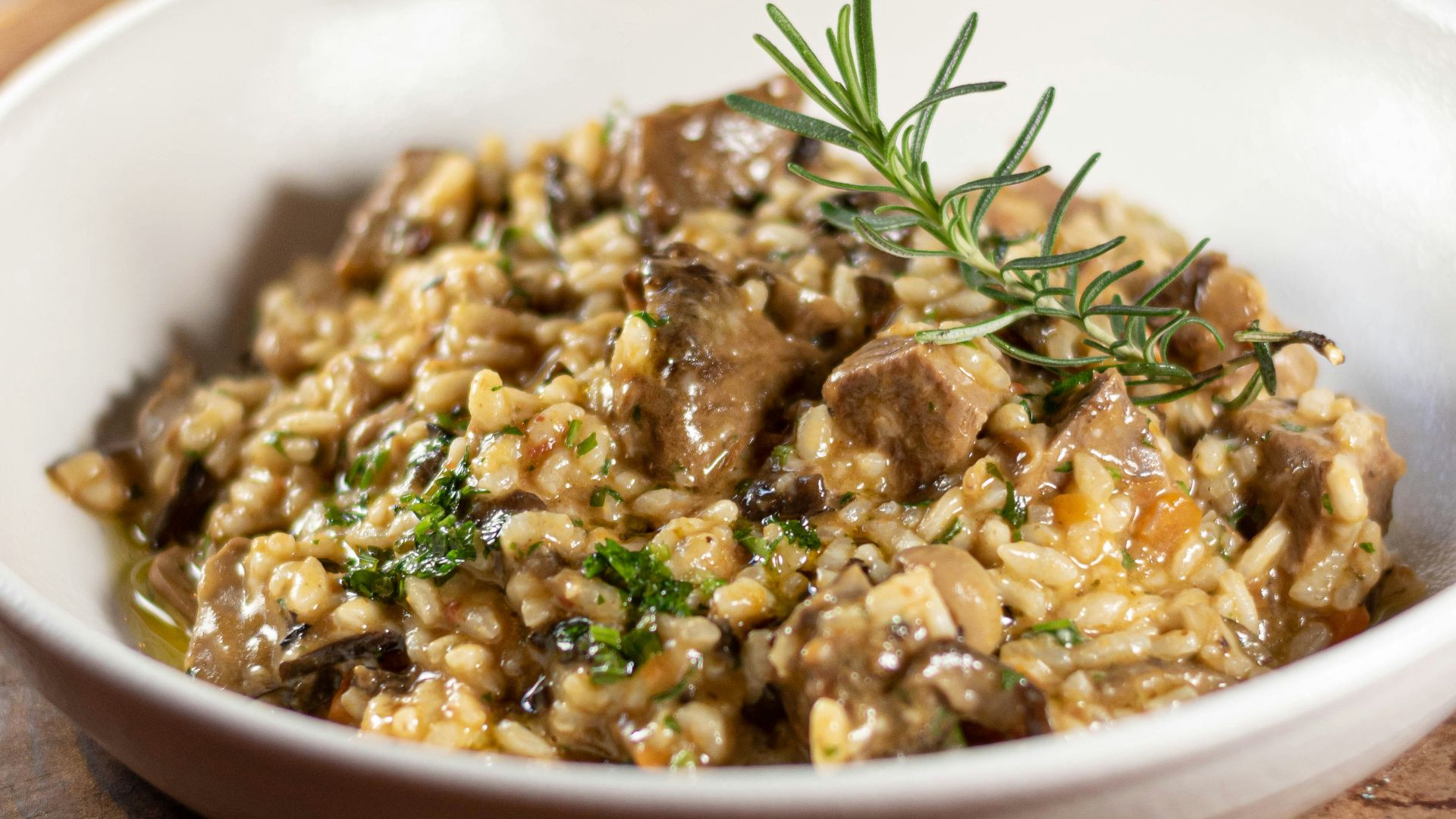
4. Risotto
Changing Parmesan to goat cheese produces a very different result. Instead of a nutty, savory finish, the dish develops a creamy tanginess that dominates every bite. The rice may be the same, but the experience is not.
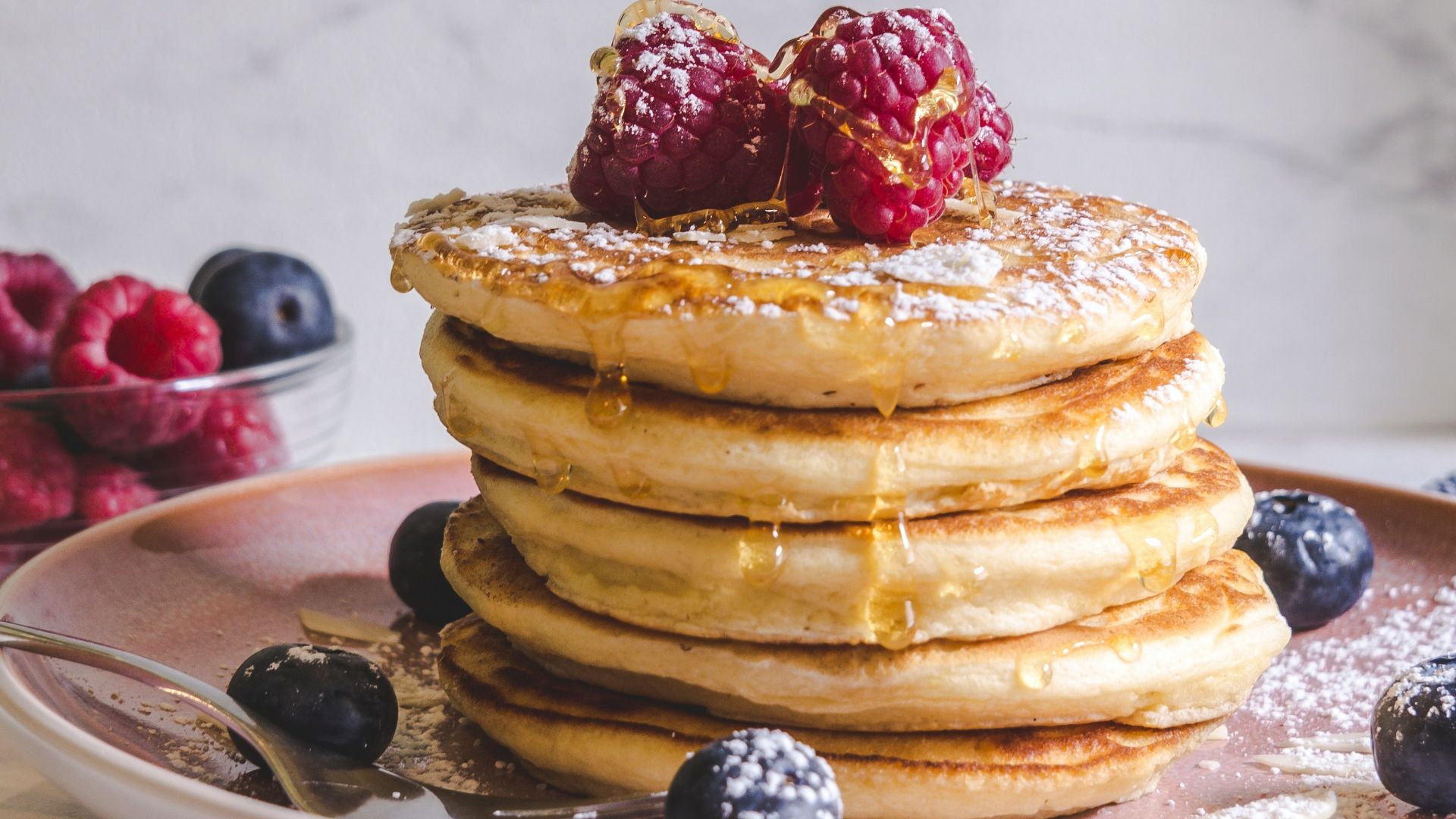
5. Pancakes
Substituting buttermilk for regular milk significantly affects both flavor and texture. The finished stack tends to be tangier and often fluffier as well. It's one of the most noticeable ingredient swaps in breakfast cooking.
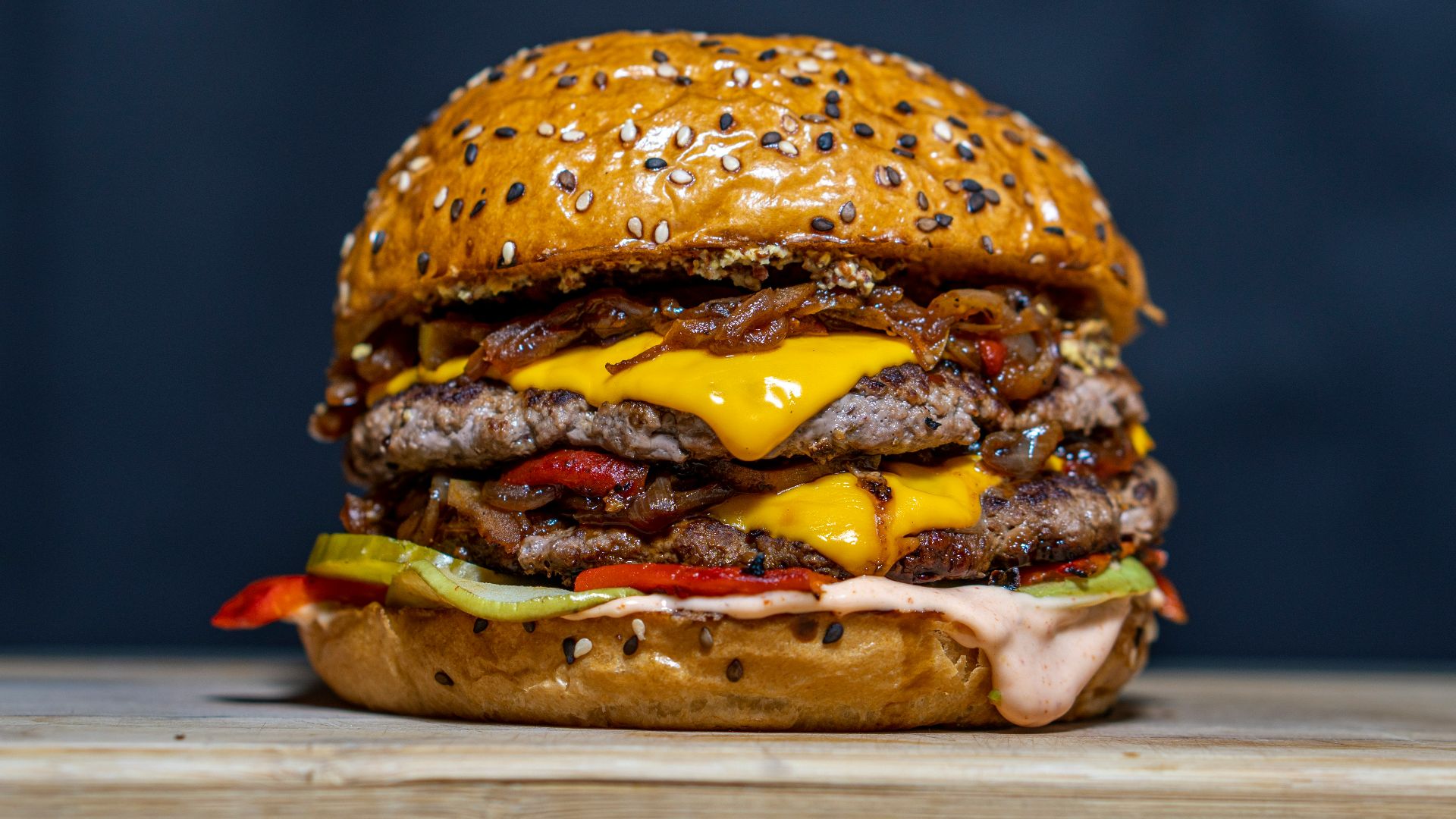
6. Burgers
Replacing beef with lamb creates a completely different flavor profile. The texture remains familiar, but the meat brings a richer and more distinctive taste. Many people enjoy both versions for entirely different reasons.
 amirali mirhashemian on Unsplash
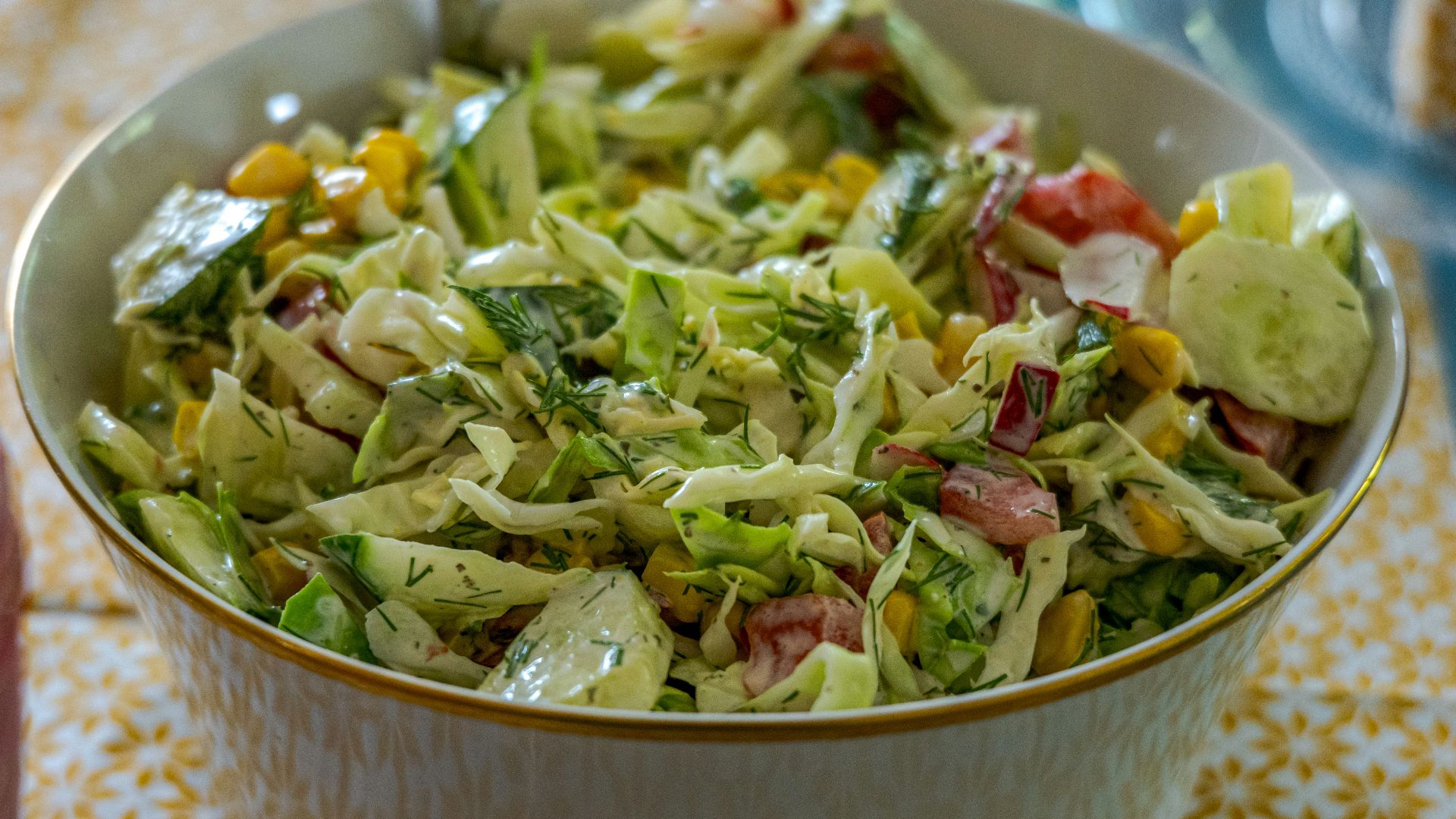
7. Coleslaw
Switching mayonnaise for a vinegar-based dressing changes the dish from creamy to crisp and refreshing. The vegetables suddenly become the main focus instead of the dressing. It almost feels like a different side dish altogether.
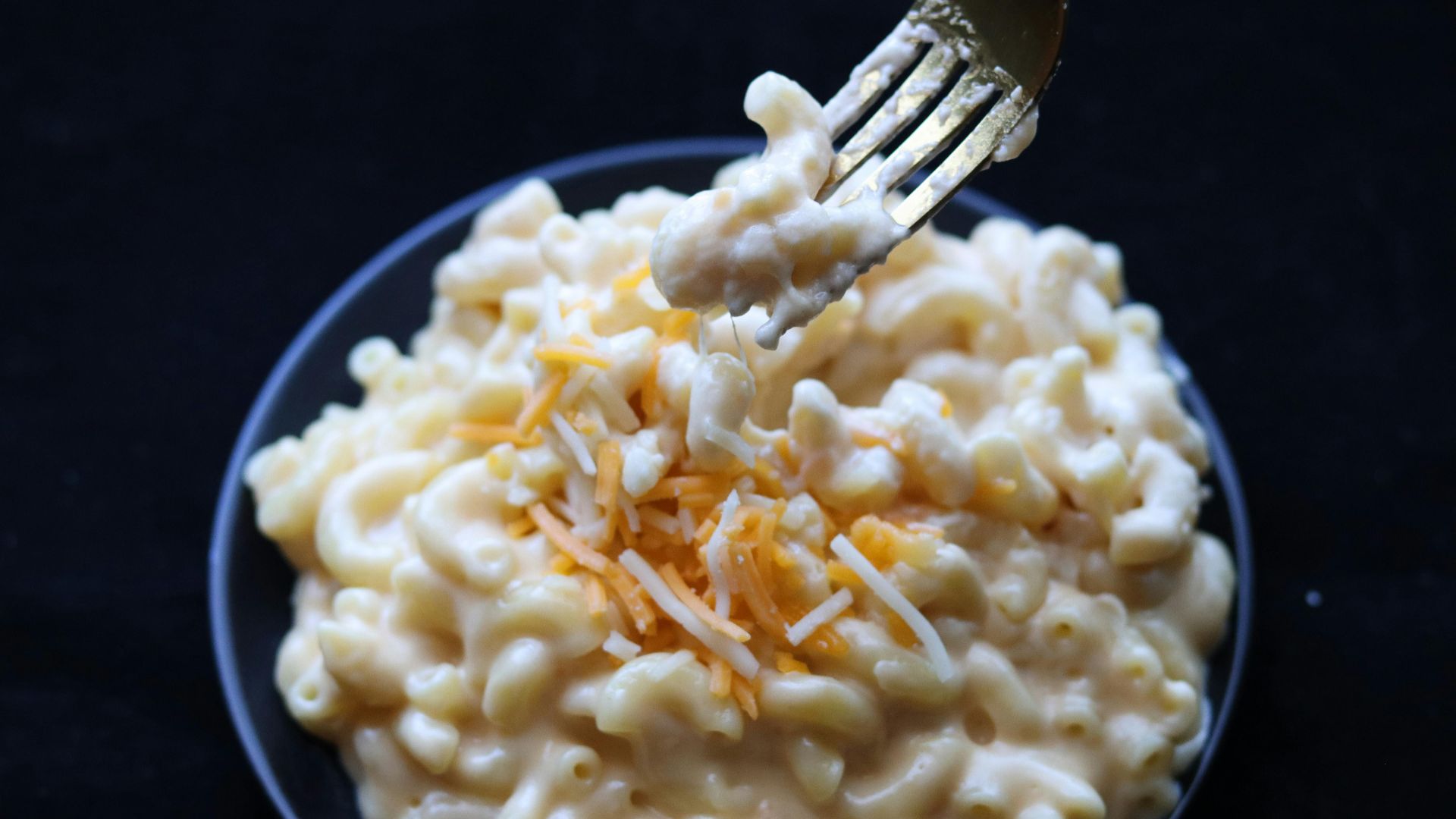
8. Mac and Cheese
Using smoked cheese instead of standard cheddar introduces an entirely new layer of flavor. The familiar comfort food suddenly develops a deeper and more complex character. One ingredient creates a surprisingly dramatic difference.
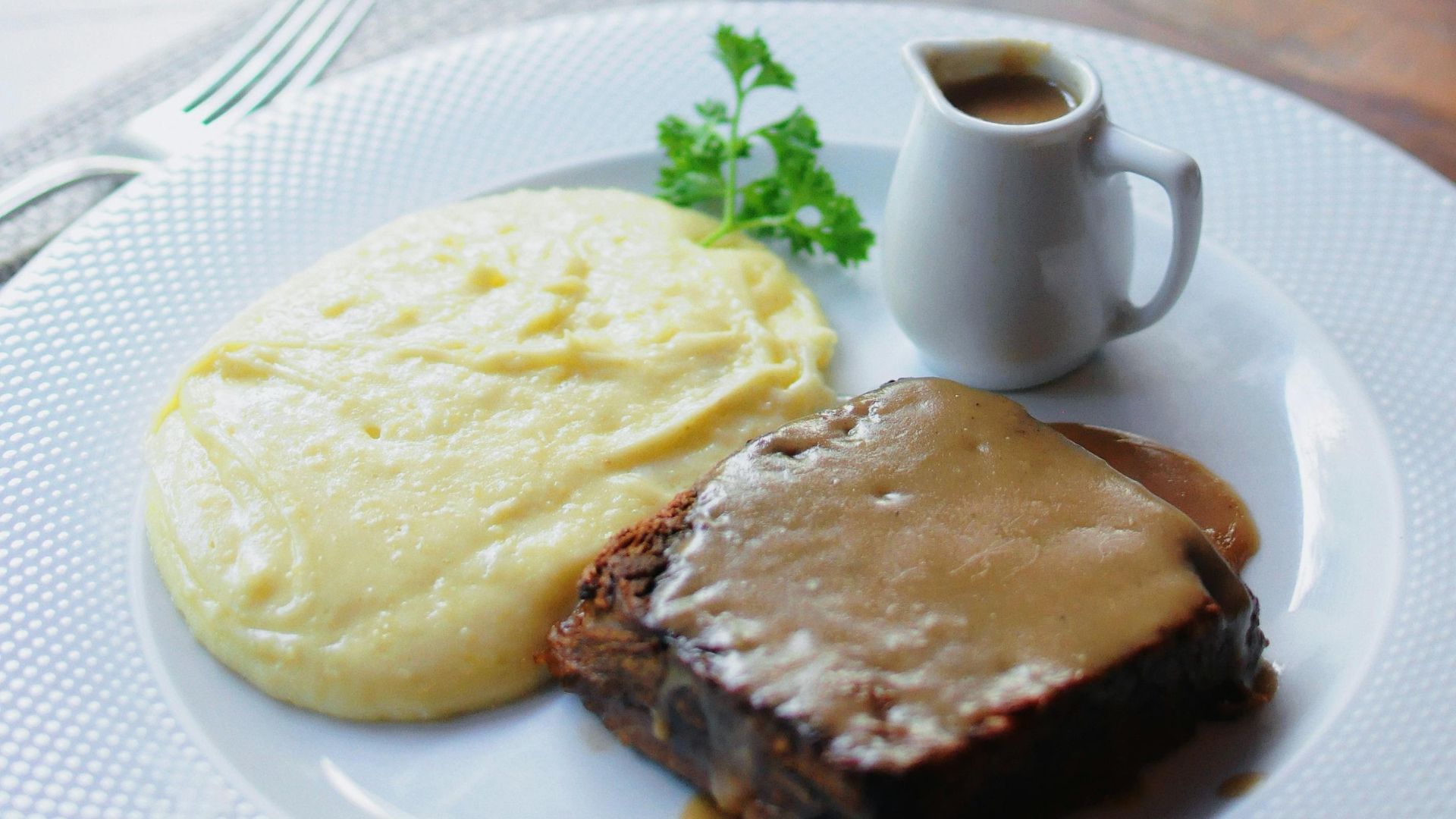
9. Meatloaf
Replacing breadcrumbs with crushed crackers affects both texture and taste. The finished loaf often becomes richer and slightly saltier. Small changes in binding ingredients can have a larger impact than many cooks expect.
10. Ice Cream
Switching vanilla extract for peppermint extract transforms the dessert instantly. The base remains the same, but the flavor experience changes completely. Few ingredients have as much power in such small quantities.

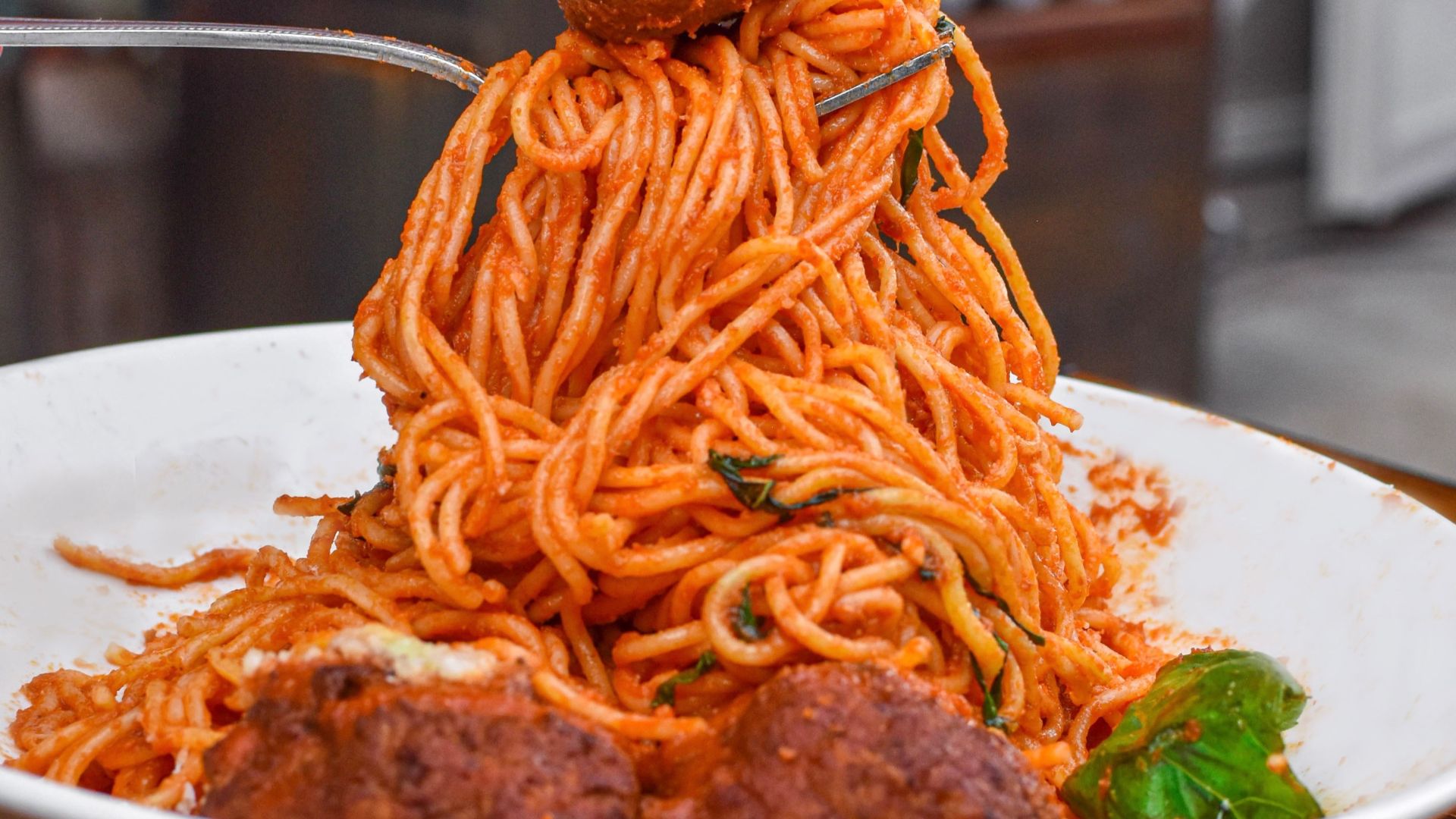
1. Spaghetti and Meatballs
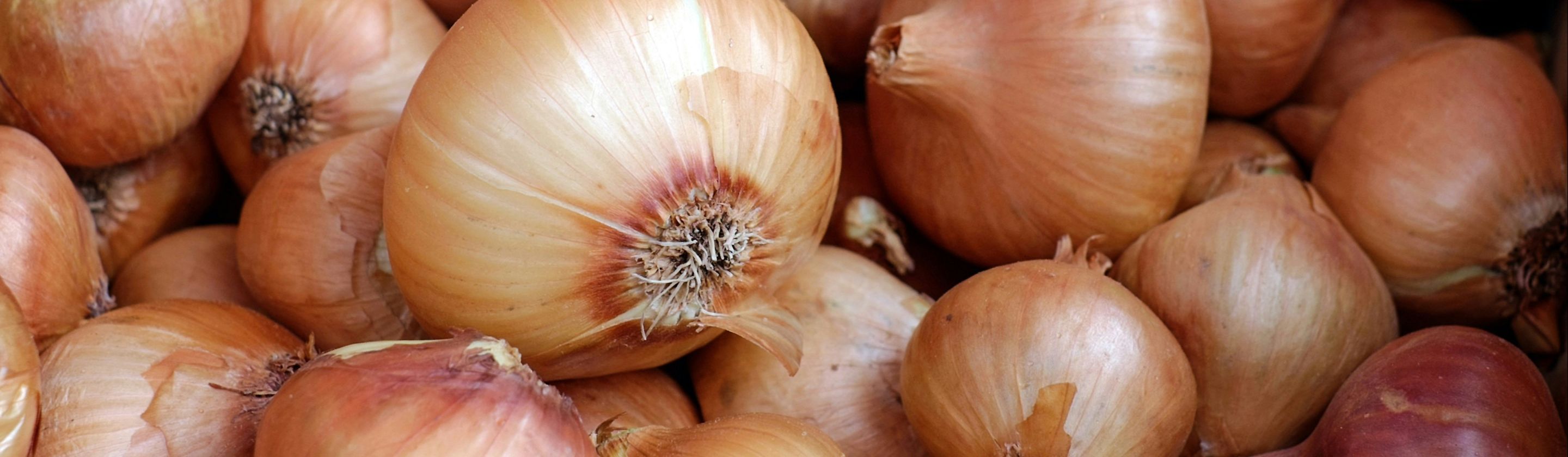
Changing the type of onion used in the sauce rarely transforms the overall dish. Sweet, yellow, or white onions each contribute slightly different flavors, but the meal remains recognizable. The tomatoes, pasta, and meat still dominate the experience.
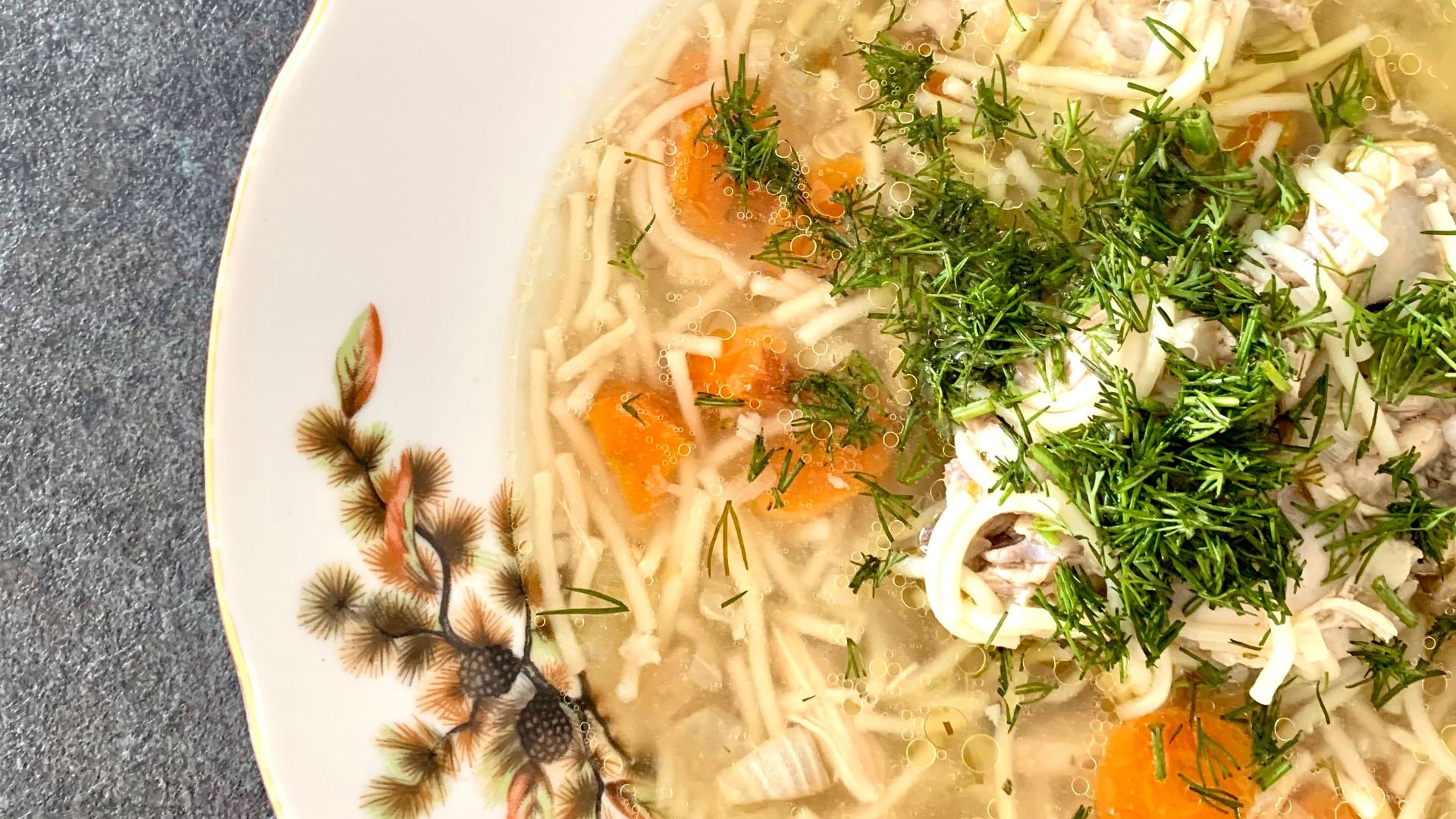
2. Chicken Noodle Soup
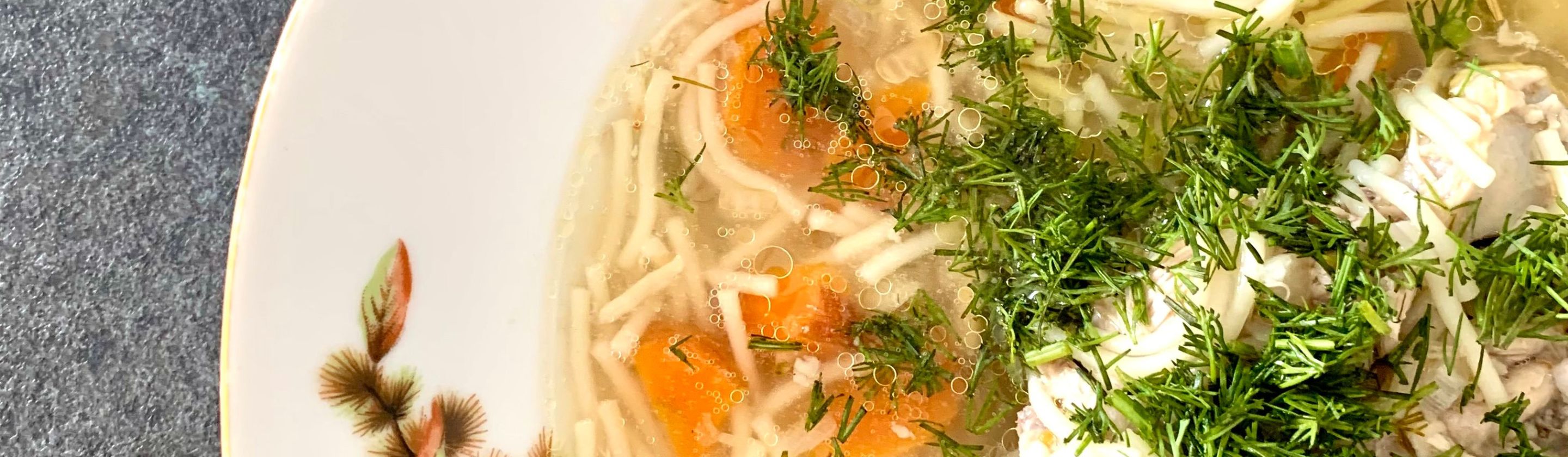
Swapping parsley for dill changes the seasoning but not the identity of the soup. The broth, noodles, and chicken remain the defining elements. Most people would still recognize it immediately.
3. Oatmeal Cookies
Changing raisins to dried cranberries creates a different flavor accent without fundamentally altering the recipe. The chewy texture and oat-based structure stay the same. It's still unmistakably an oatmeal cookie.
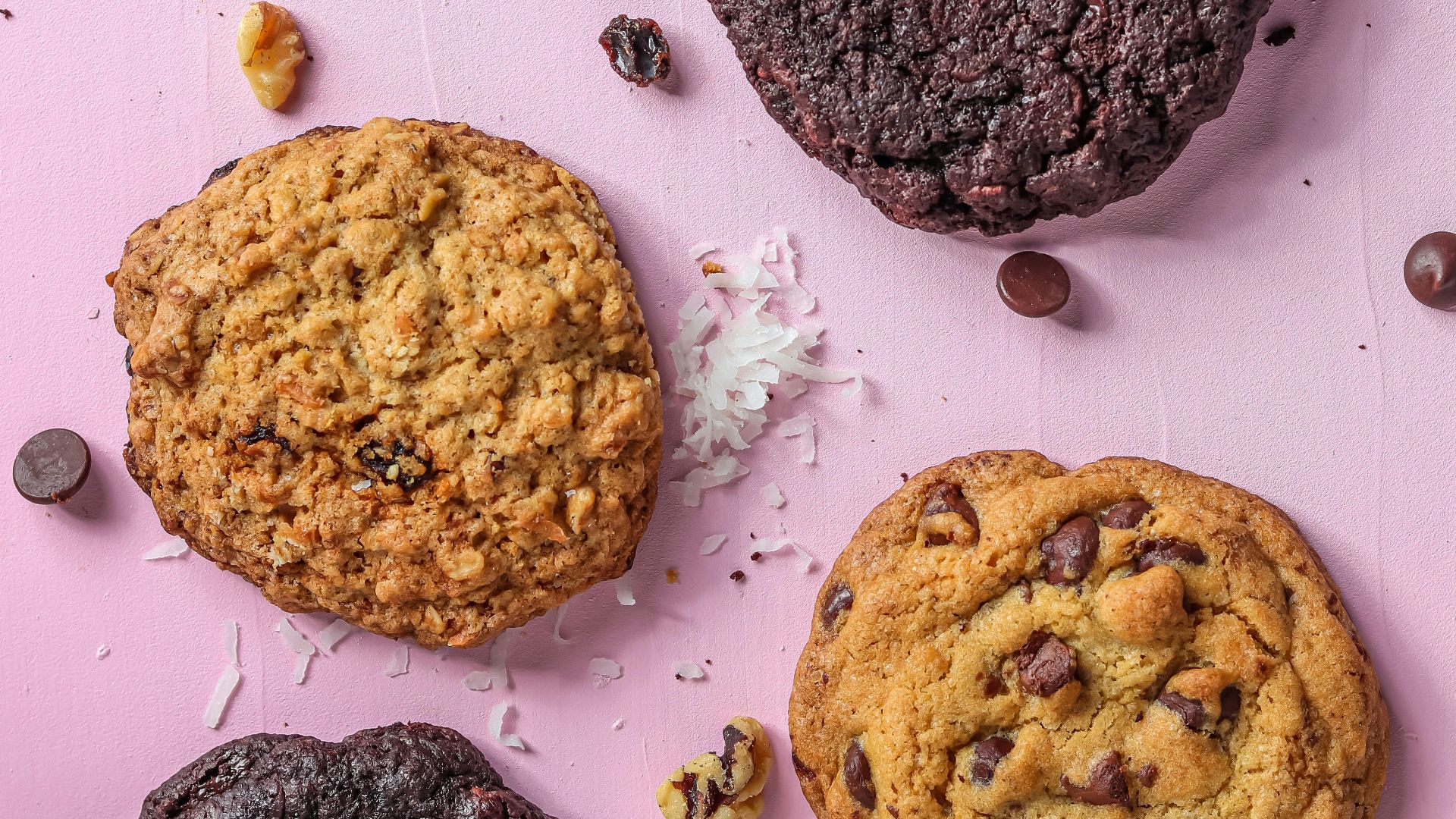 Julissa Capdevilla on Unsplash
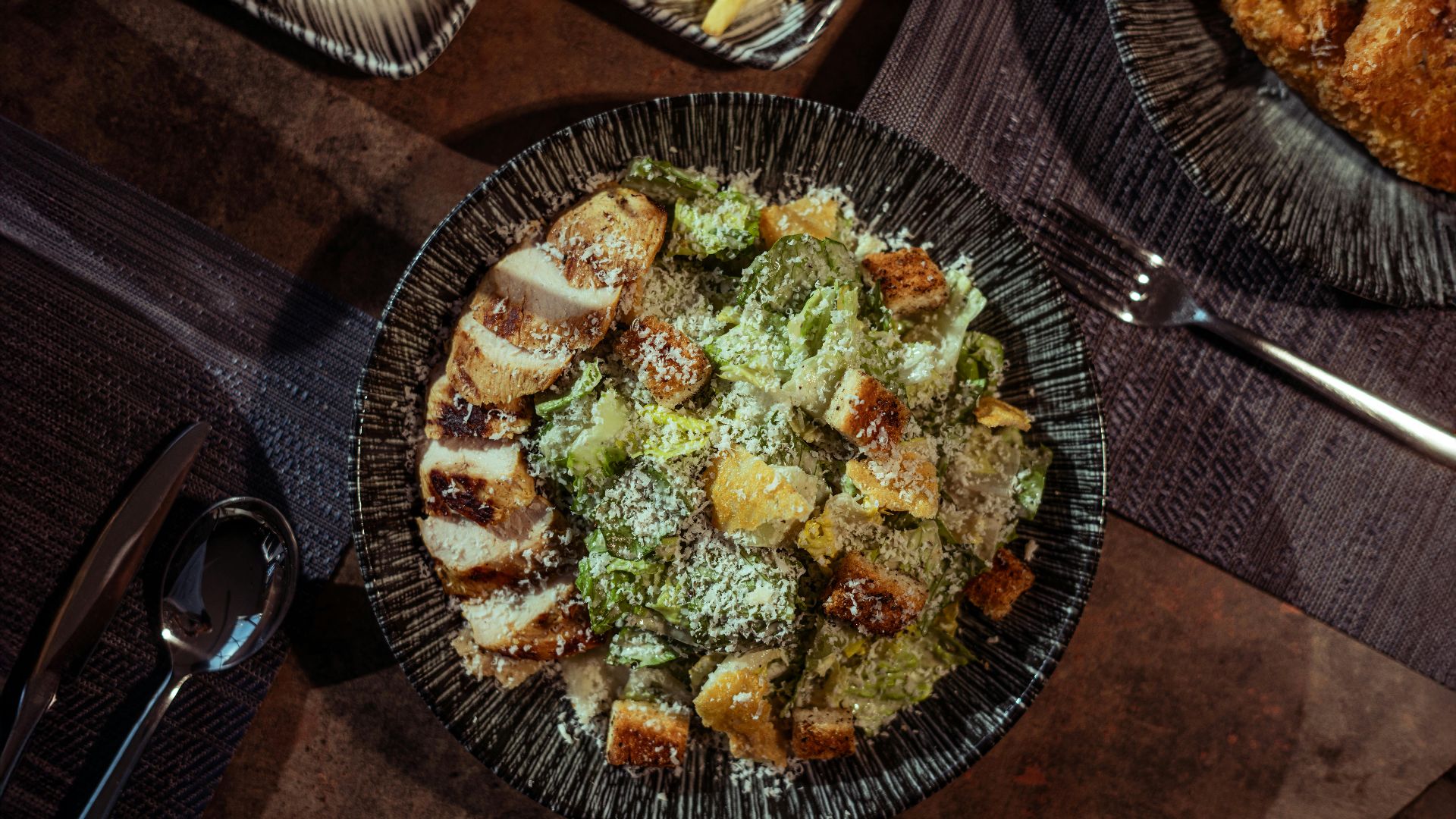
4. Caesar Salad
Using romaine hearts instead of standard romaine lettuce doesn't dramatically change the result. The dressing, cheese, and croutons continue to define the dish. Most diners would barely notice the substitution.
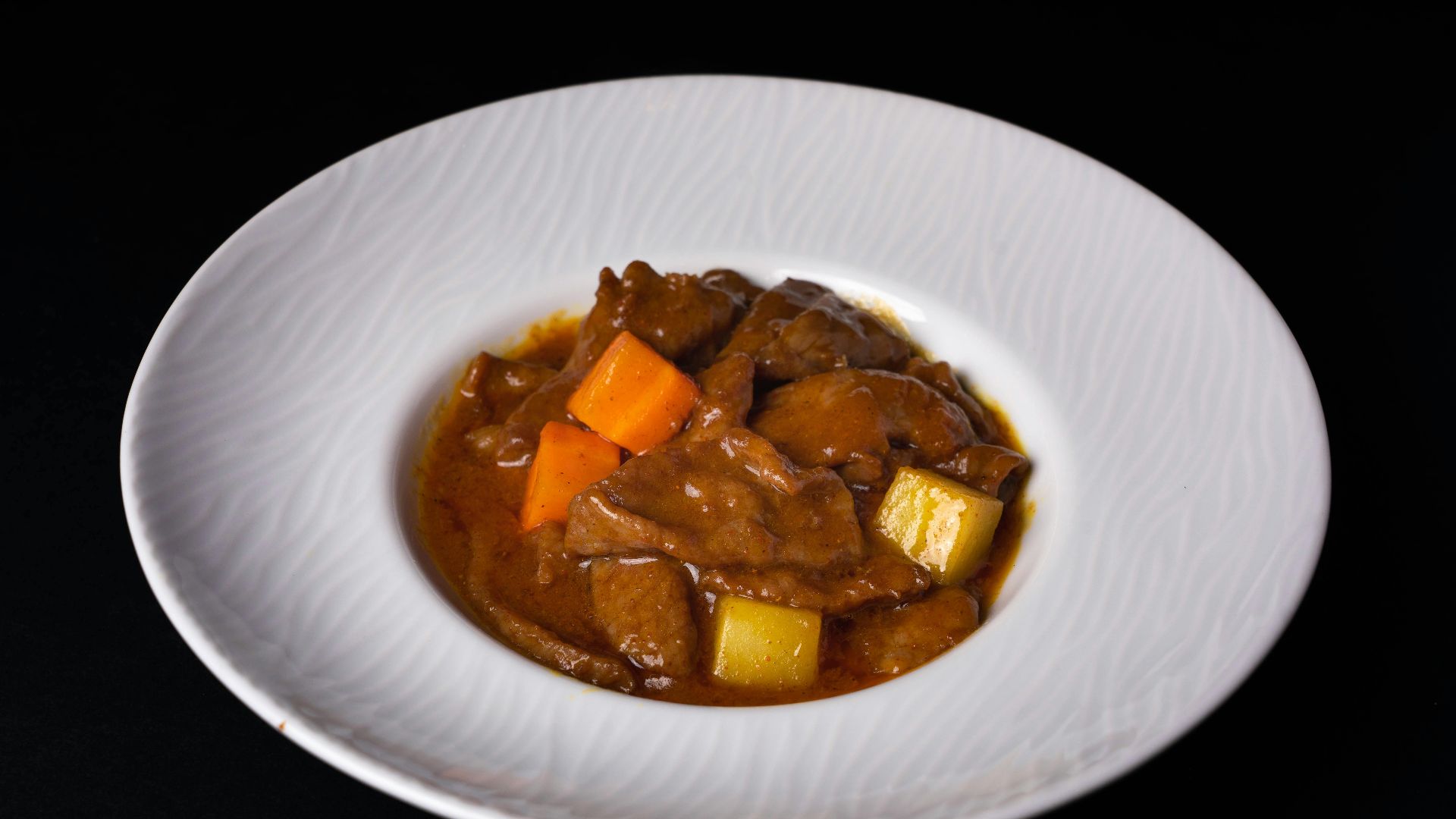
5. Beef Stew
Swapping peas for green beans introduces variety but doesn't reinvent the meal. The slow-cooked beef and rich broth remain the stars. The overall character stays largely unchanged.
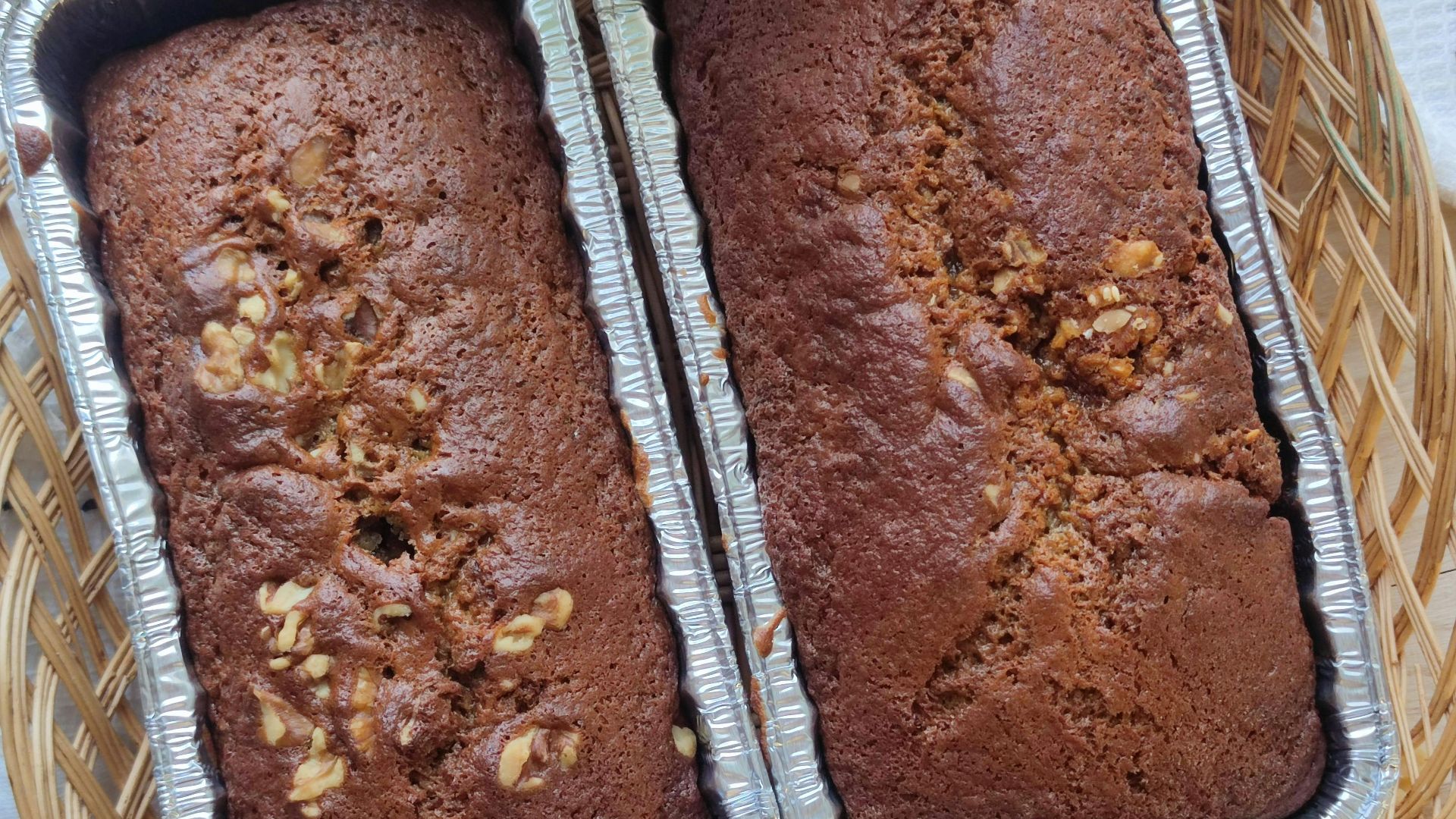
6. Banana Bread
Replacing walnuts with pecans slightly alters the texture and flavor. However, the banana remains the dominant ingredient from the first bite to the last. The loaf still tastes exactly like banana bread should.
7. Shepherd's Pie
Using cheddar instead of mozzarella on top creates only a minor difference. The mashed potatoes and savory filling continue to carry the dish. Most of its identity remains untouched.
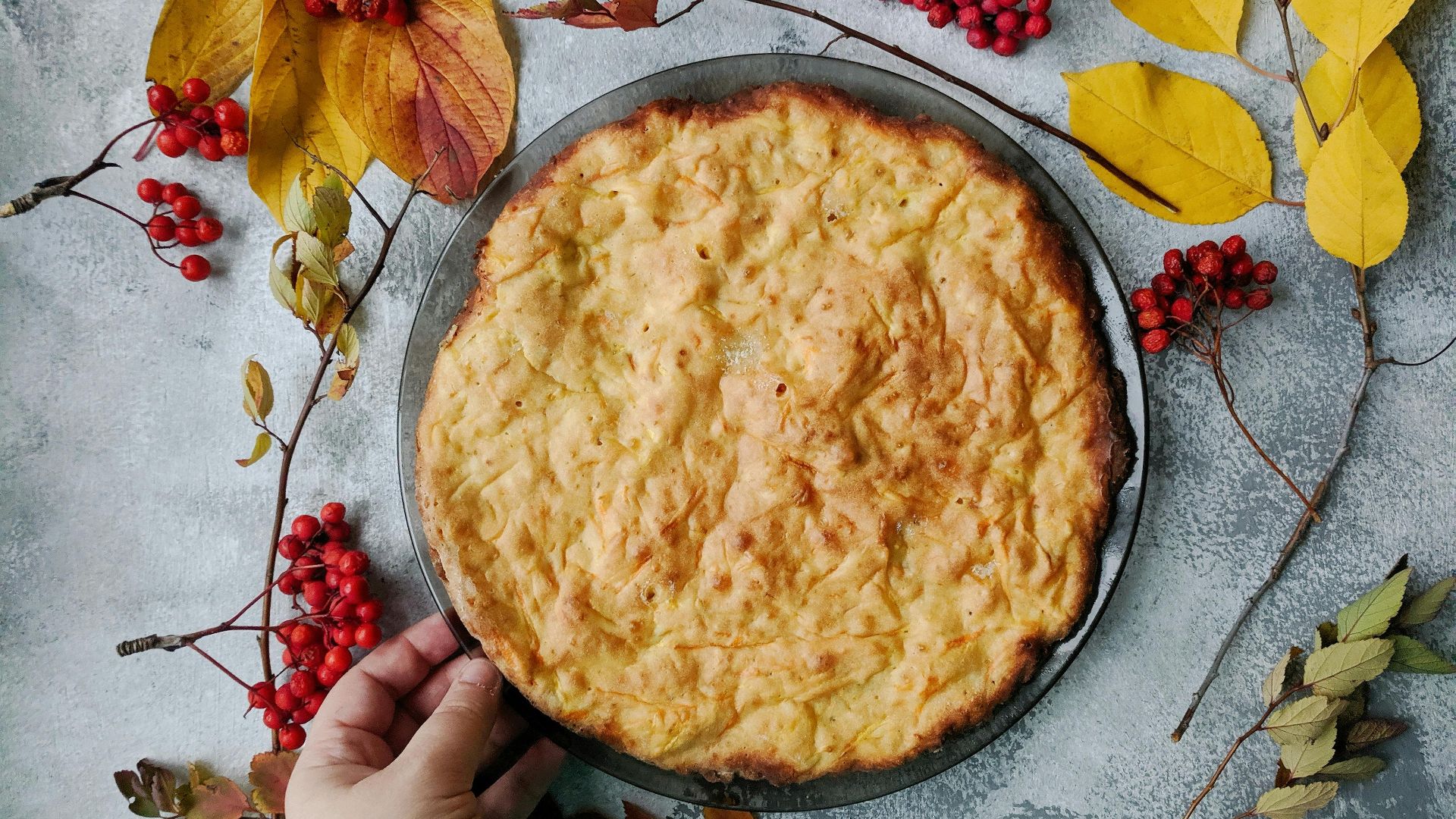
8. Tuna Salad
Switching celery for cucumber changes the crunch factor but not the overall flavor profile. The tuna and dressing still define the recipe. The substitution feels more like a variation than a transformation.
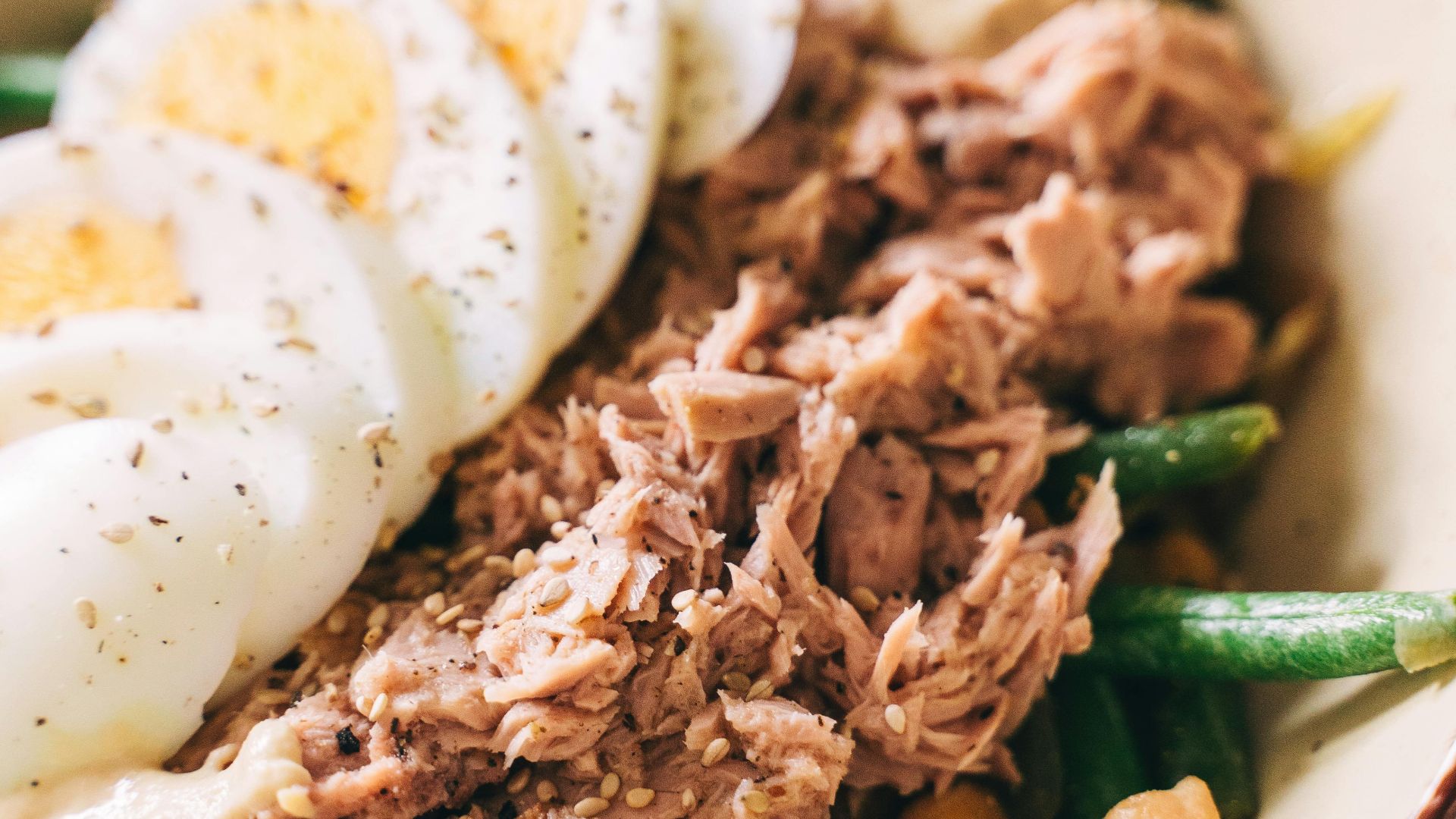
9. Chocolate Chip Cookies
Replacing milk chocolate chips with semi-sweet chips affects sweetness levels but doesn't fundamentally change the cookie. The dough itself remains the primary source of flavor and texture. Most people would consider both versions the same dessert.
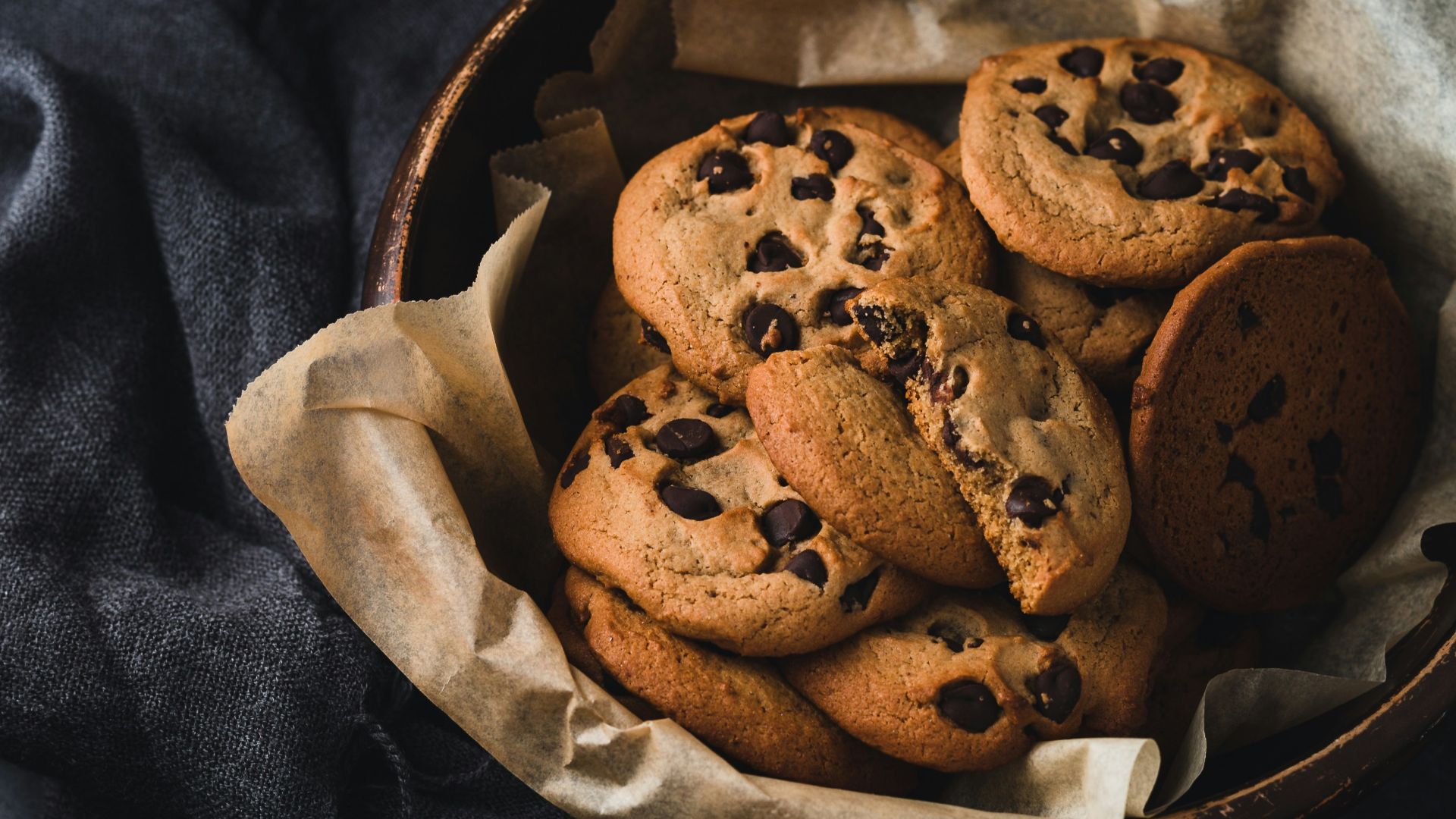
10. Vegetable Stir-Fry
Swapping broccoli for snap peas changes one component without altering the overall concept. The sauce, cooking method, and mix of vegetables continue to shape the dish. The result may taste different, but it still feels like the same meal.
KEEP ON READING
You’re Storing Tomatoes Wrong in This Heat
You’re Storing Potatoes Wrong in This Heat
You’re Storing Peppers Wrong in This Heat