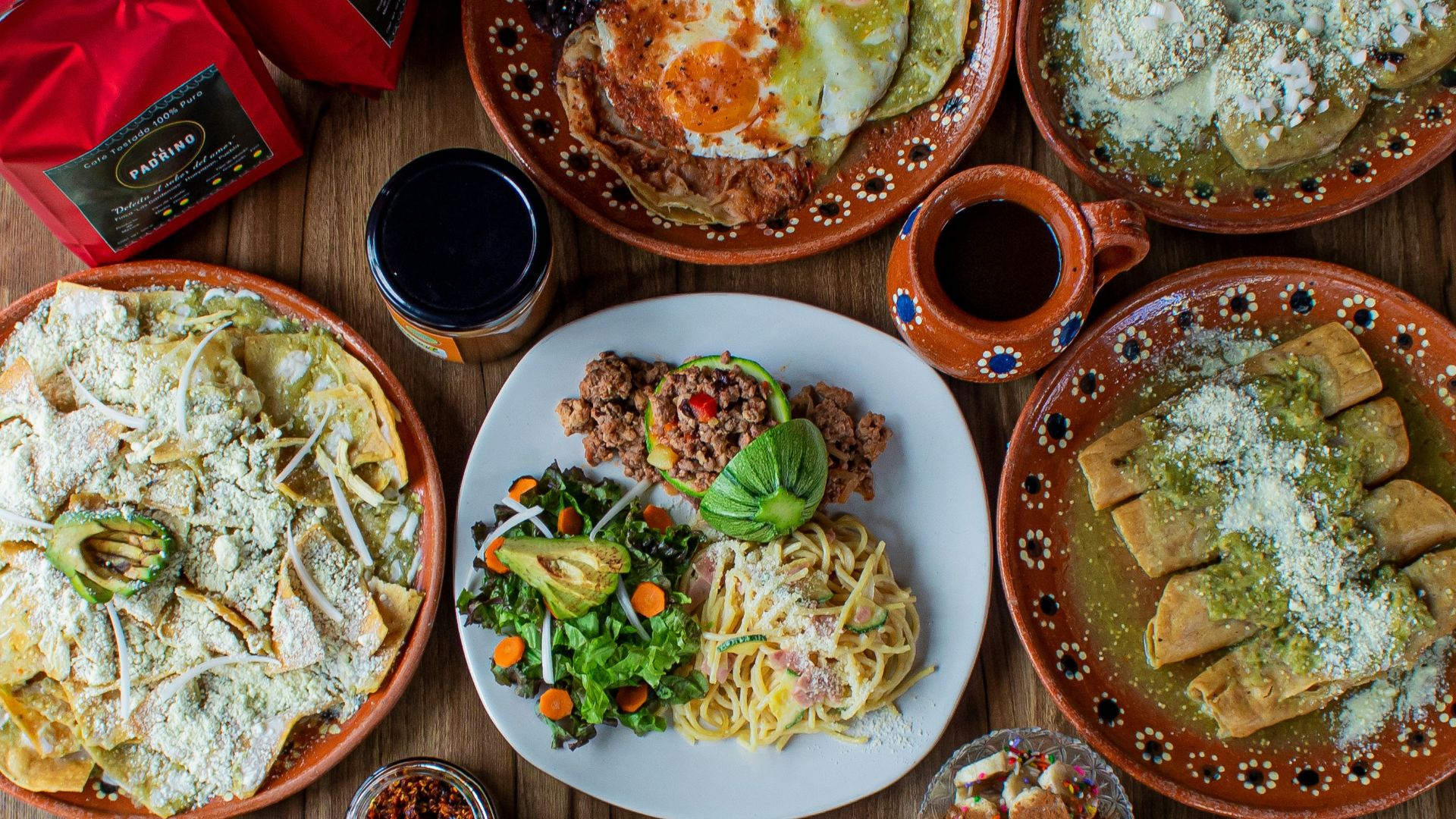
People often use the word “authentic” when talking about food, but the meaning is rarely as simple as it sounds. One person may think authenticity comes from following a traditional recipe exactly, while someone else believes it’s more connected to culture, family history, or cooking methods passed down over generations. The conversation becomes even more complicated because recipes naturally change as ingredients, migration, and local tastes influence how dishes evolve. What feels authentic in one region may seem completely unfamiliar somewhere else, even within the same country.
Food historians generally agree that cuisines constantly adapt rather than remain frozen in one perfect original form. Many dishes people now consider traditional were once new inventions shaped by trade routes, colonization, immigration, economic conditions, or ingredient shortages. Tomatoes, for example, became central to Italian cooking only after they arrived from the Americas centuries ago. Understanding that history helps explain why authenticity often involves cultural connection and intention more than strict culinary rules.
Tradition Often Shapes Authenticity
For many people, authenticity begins with tradition and shared cultural memory. Recipes passed through families or communities often carry emotional significance because they represent history, identity, and everyday life rather than restaurant trends. The exact measurements may vary from household to household, but the techniques, flavors, and preparation methods usually stay recognizable over time. That consistency helps preserve a sense of connection between generations even as the world around them changes.
Regional differences also play a major role in defining authentic food. A dish prepared in northern Mexico may differ significantly from the same dish made in southern regions, just as Italian pasta recipes vary across cities and provinces. These differences don’t necessarily make one version more “real” than another because local ingredients and customs naturally shape cuisine.
Cooking methods can matter just as much as ingredients themselves. Traditional techniques like slow smoking, wood-fire cooking, hand-rolling dough, or fermenting foods over time often contribute to the character of a dish in ways modern shortcuts can’t fully recreate. Many cooks view these methods as important because they preserve textures and flavors tied closely to cultural experience. At the same time, modern kitchens sometimes adapt older techniques out of practicality without completely losing the spirit of the original meal.
Immigration And Adaptation Change Food Naturally
As people move from one country to another, their cooking changes along with them. Immigrant communities often adapt recipes based on ingredient availability, local tastes, budget limitations, and access to traditional cooking equipment. Some dishes become milder, sweeter, or more heavily portioned because restaurants are trying to appeal to new customers in unfamiliar markets.
Many foods now considered classics were actually created through cultural blending. Tex-Mex cuisine, for example, combines Mexican culinary traditions with American ingredients and regional influences from Texas. Similar patterns appear throughout global food history as trade and migration introduced new spices, grains, vegetables, and cooking techniques across continents. Cultural exchange has shaped nearly every major cuisine in the world in one way or another.
People sometimes treat adaptation as if it automatically destroys authenticity, but history doesn’t fully support that idea. Food has always evolved alongside economics, agriculture, transportation, and changing social habits. Even within one family, recipes may shift slightly from generation to generation depending on preference or convenience.
Respect And Understanding Matter More Than Perfection
Discussions about authentic food can sometimes become unnecessarily rigid or competitive. While preserving culinary traditions is important, food experts generally recognize that no single person or restaurant can represent an entire culture perfectly. Countries contain enormous regional diversity, and personal family recipes often differ even among neighbors.
Respectful curiosity usually leads to a better understanding of food traditions than strict gatekeeping does. Learning where dishes come from, how they developed, and why certain ingredients matter can deepen appreciation without turning meals into arguments about purity. Many chefs and historians encourage people to explore traditional cooking while also recognizing that adaptation has always existed.
At its core, authenticity often comes down to honesty and cultural connection rather than performance. A dish usually feels more authentic when it reflects genuine understanding, care, and respect for its origins instead of relying on stereotypes or marketing language. People may disagree about exact ingredients or preparation styles, but most can recognize when food is made with real knowledge and intention.
Food will continue evolving as cultures interact, ingredients change, and younger generations reinterpret older recipes in new ways. That process doesn’t necessarily erase authenticity because culinary traditions have always adapted alongside human history. What matters most is understanding the roots of a dish while appreciating the people and experiences that shaped it over time.