10 Not-So-Fun Facts About Your Favorite Soda Brands & 10 Facts You'll Love
The Bitter Bits And The Bright Spots
Soda has a sneaky way of making itself part of everyday life. It’s the cold can with lunch, the fountain drink on a road trip, the Diet Coke that gets you through your shift, and the Sprite people keep around for takeout nights and off-stomach days. That’s probably why soda inspires such messy conversation, because people either treat it like a tiny harmless treat or talk about it like one sip ruins your week. The reality is a lot more mixed: here’s why.
1. Coca-Cola’s Sugar Load
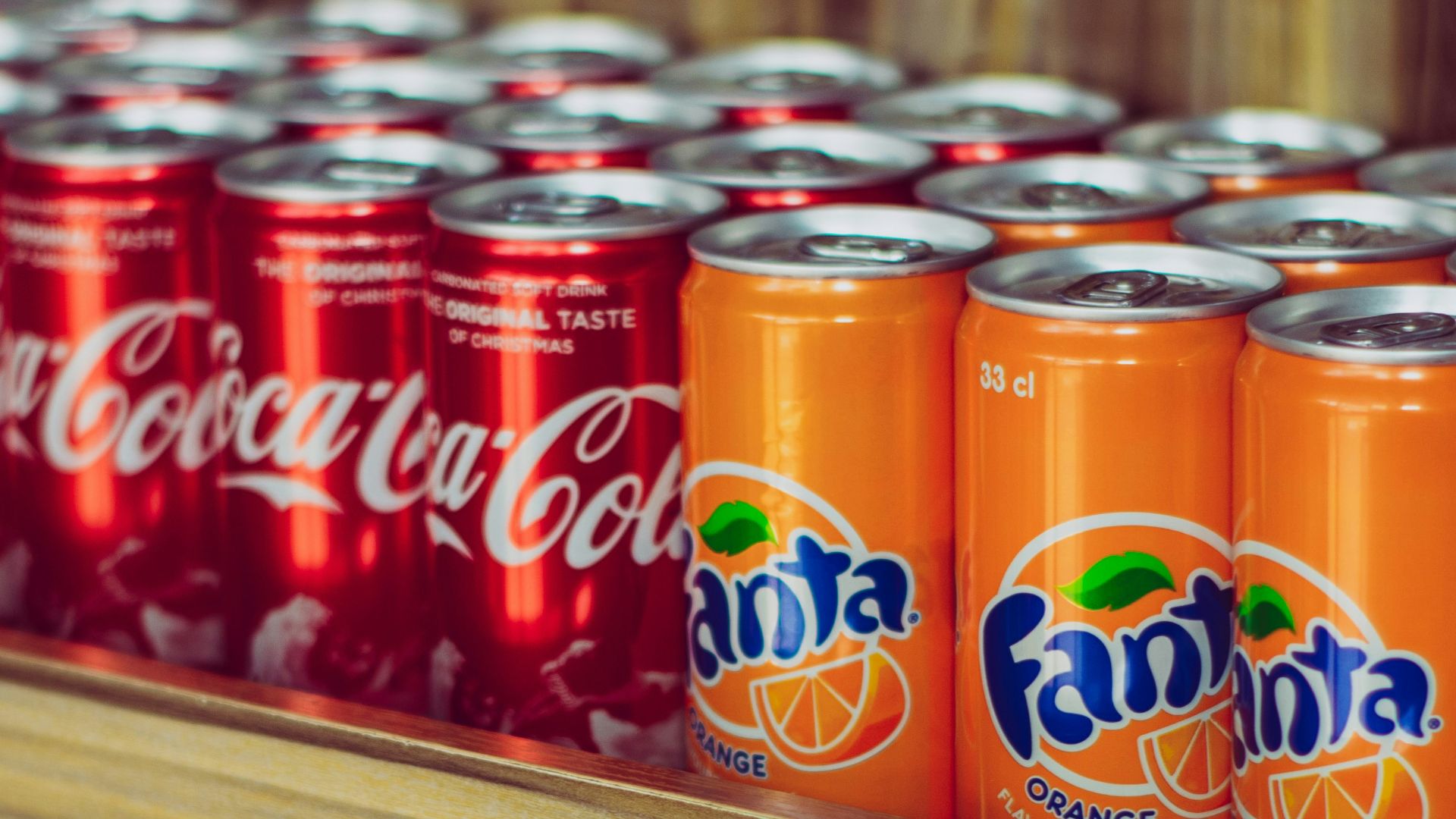
A standard 12-ounce can of Coca-Cola contains 39 grams of sugar, packing quite a punch for something so small. Even the tinier, 7.5-ounce mini, still contains 25 grams. Tiny, but mighty.
2. Pepsi Isn’t Much Different
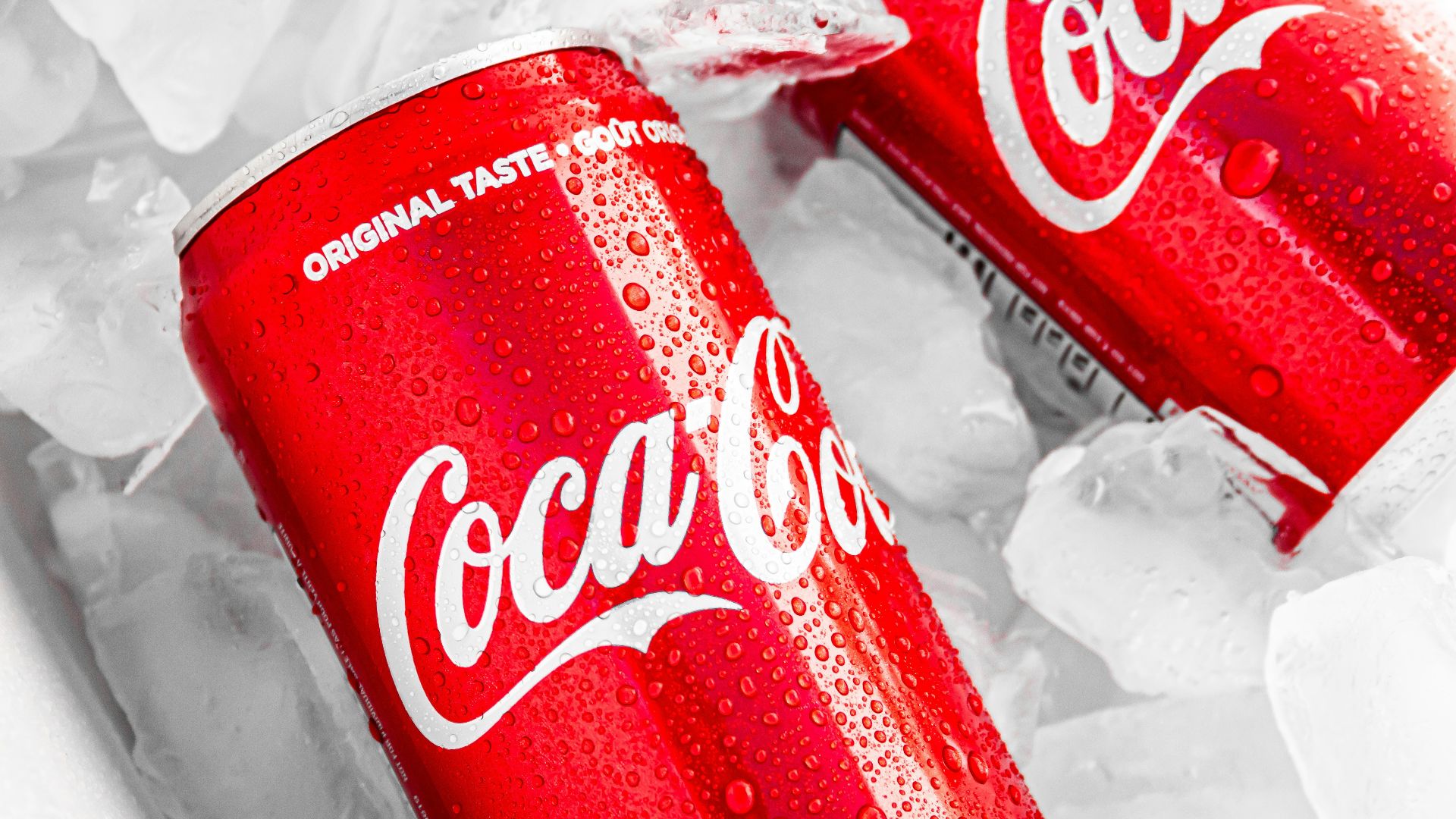
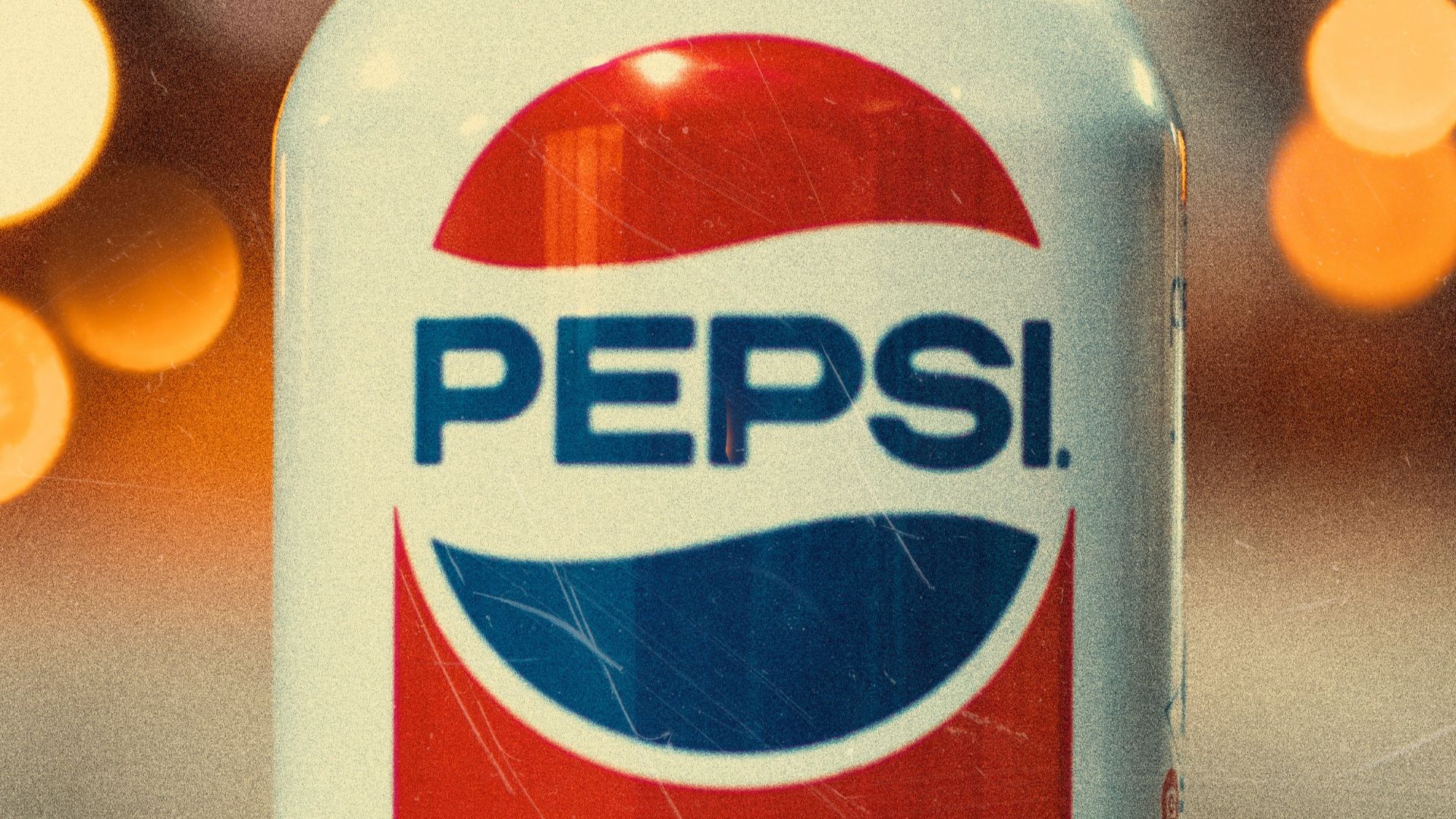
A 12-ounce Pepsi has about 41 grams of sugar and around 150 calories, so it falls into almost the same zone as Coke. Plenty of people grow up treating one like the sweeter splurge and the other like the everyday cola, though the label doesn’t really support these ideas.
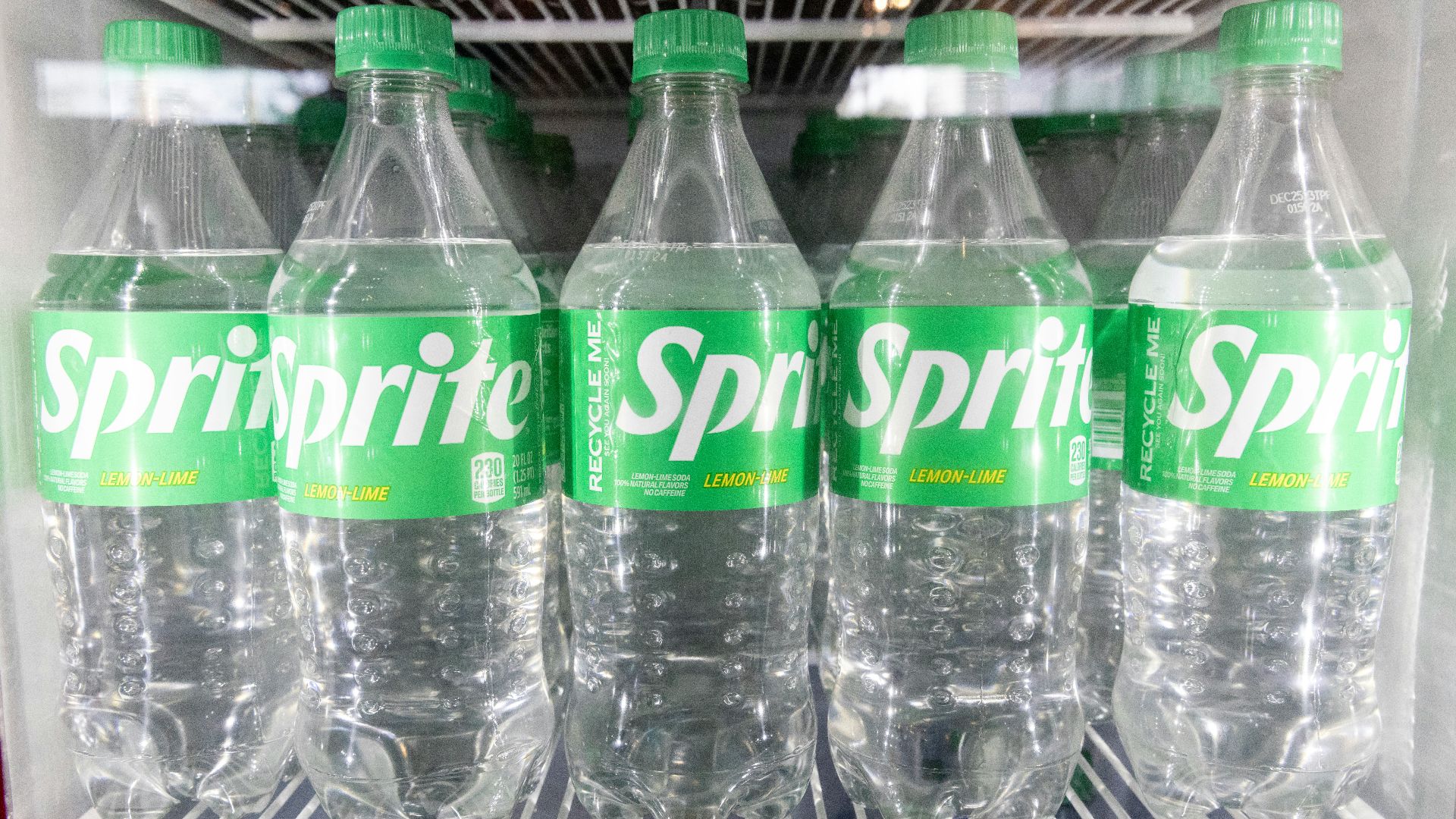
3. Sprite’s Clarity
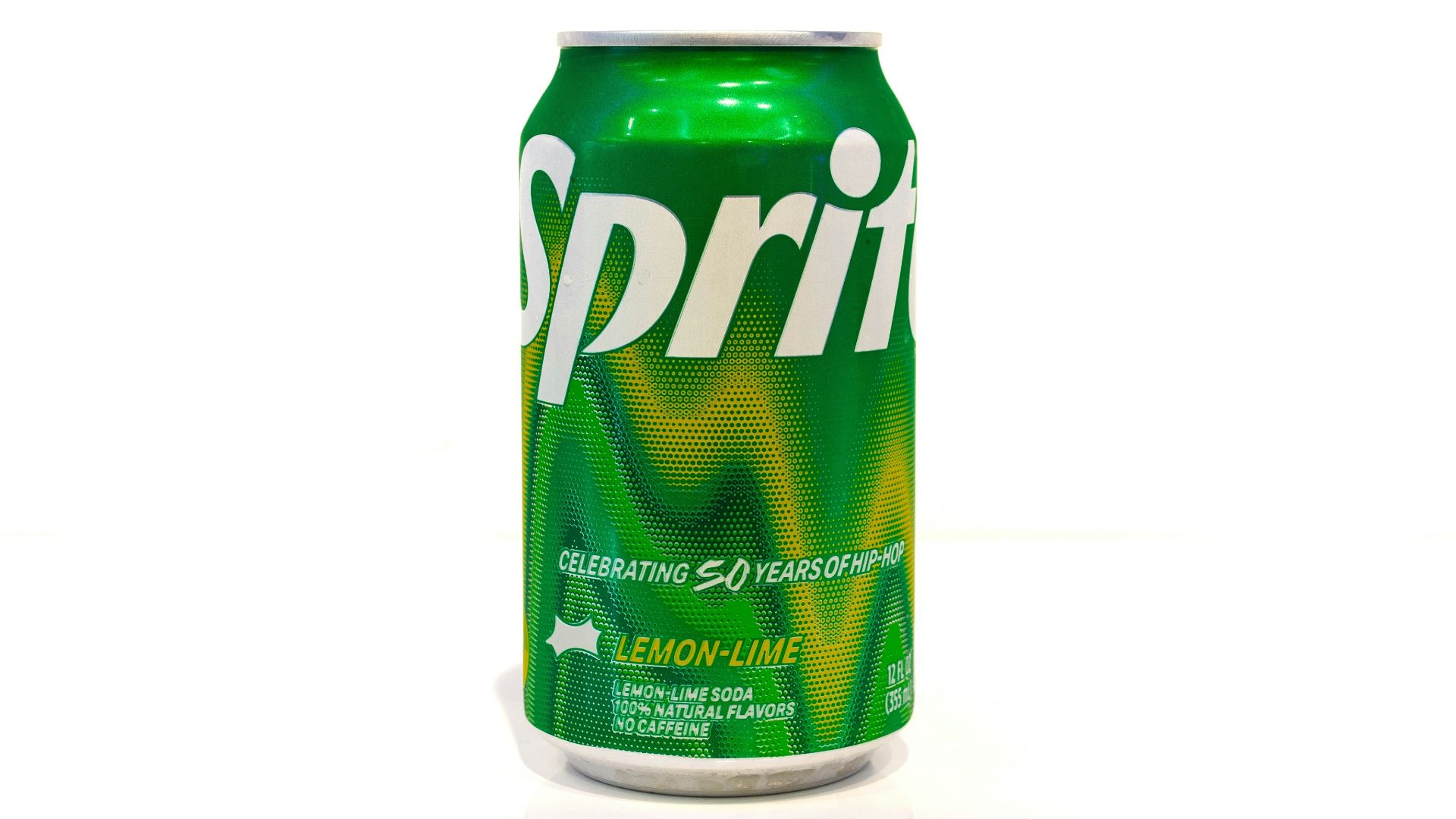
Sprite still gets cast as the softer soda because it’s clear, caffeine-free, and tied to that clean lemon-lime taste. A 12-ounce can still brings 38 grams of sugar, which makes it a lot less breezy than its reputation suggests.
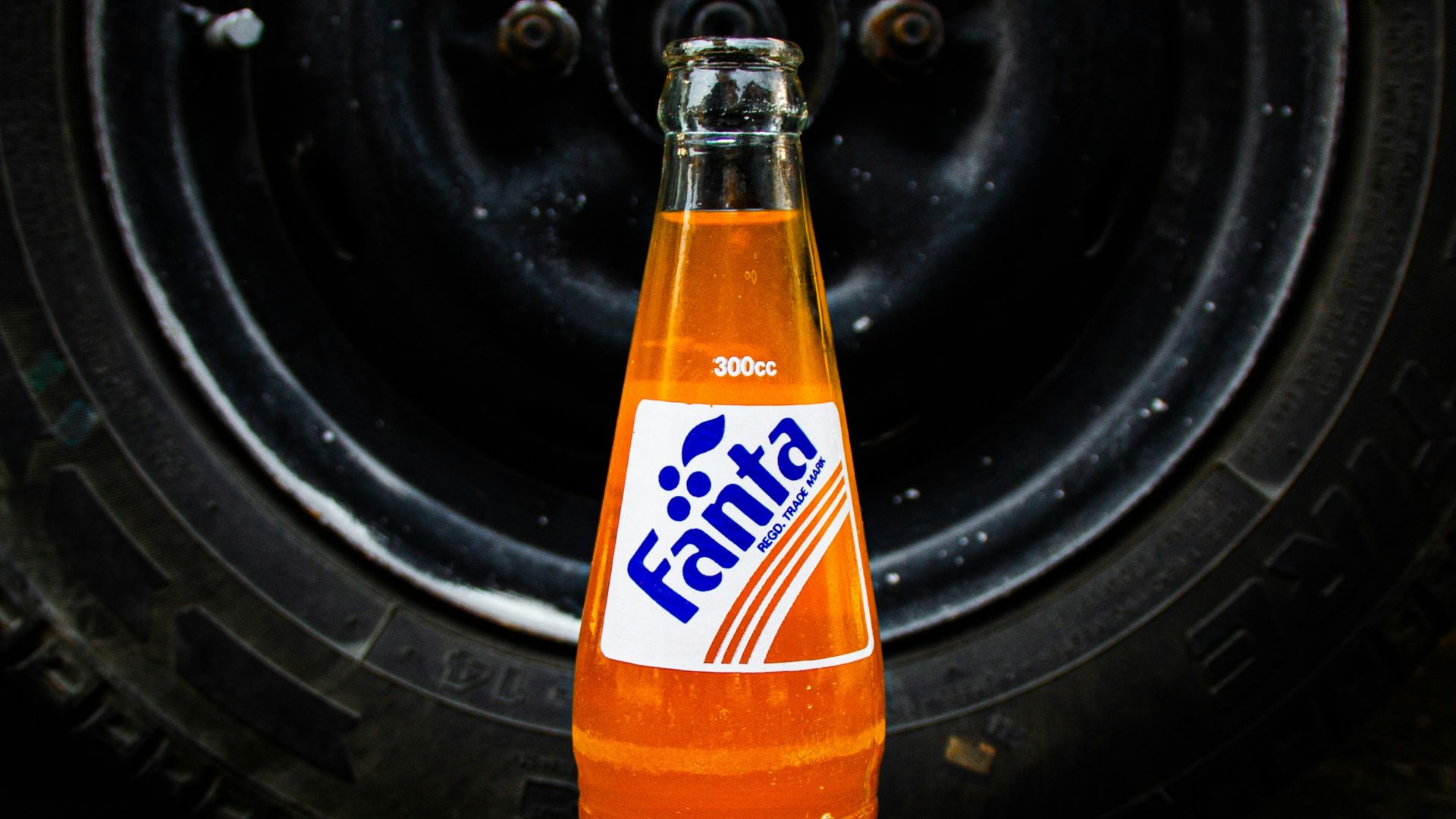
4. The Bright Fanta Orange
A 20-ounce bottle of Fanta Orange in the U.S. lists 73 grams of sugar and includes added color. That’s a heavy amount in one bottle, and it turns a cheerful orange soda into something a little bit more serious.
 Khashayar Kouchpeydeh on Unsplash
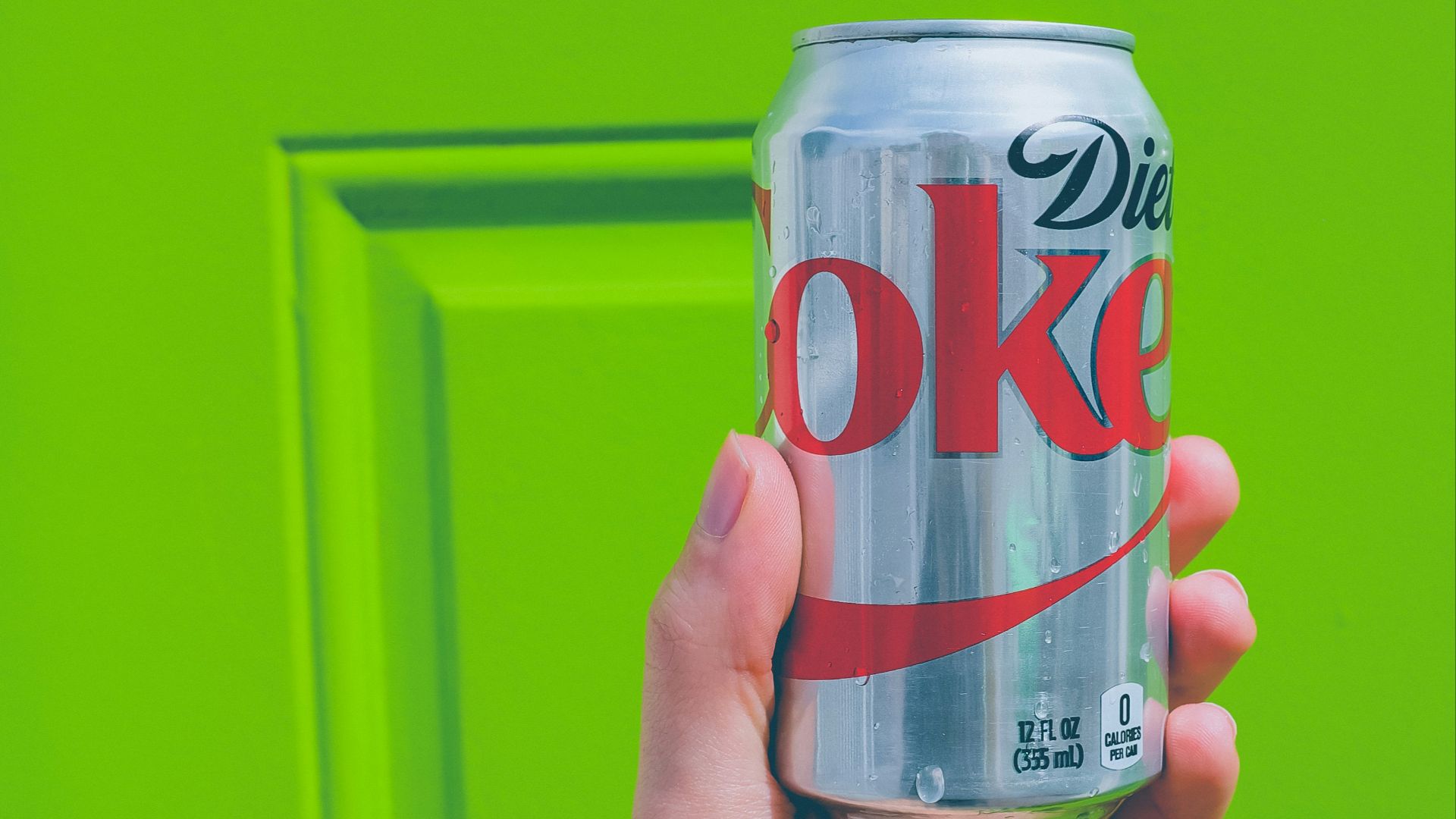
5. The Diet Coke Debate
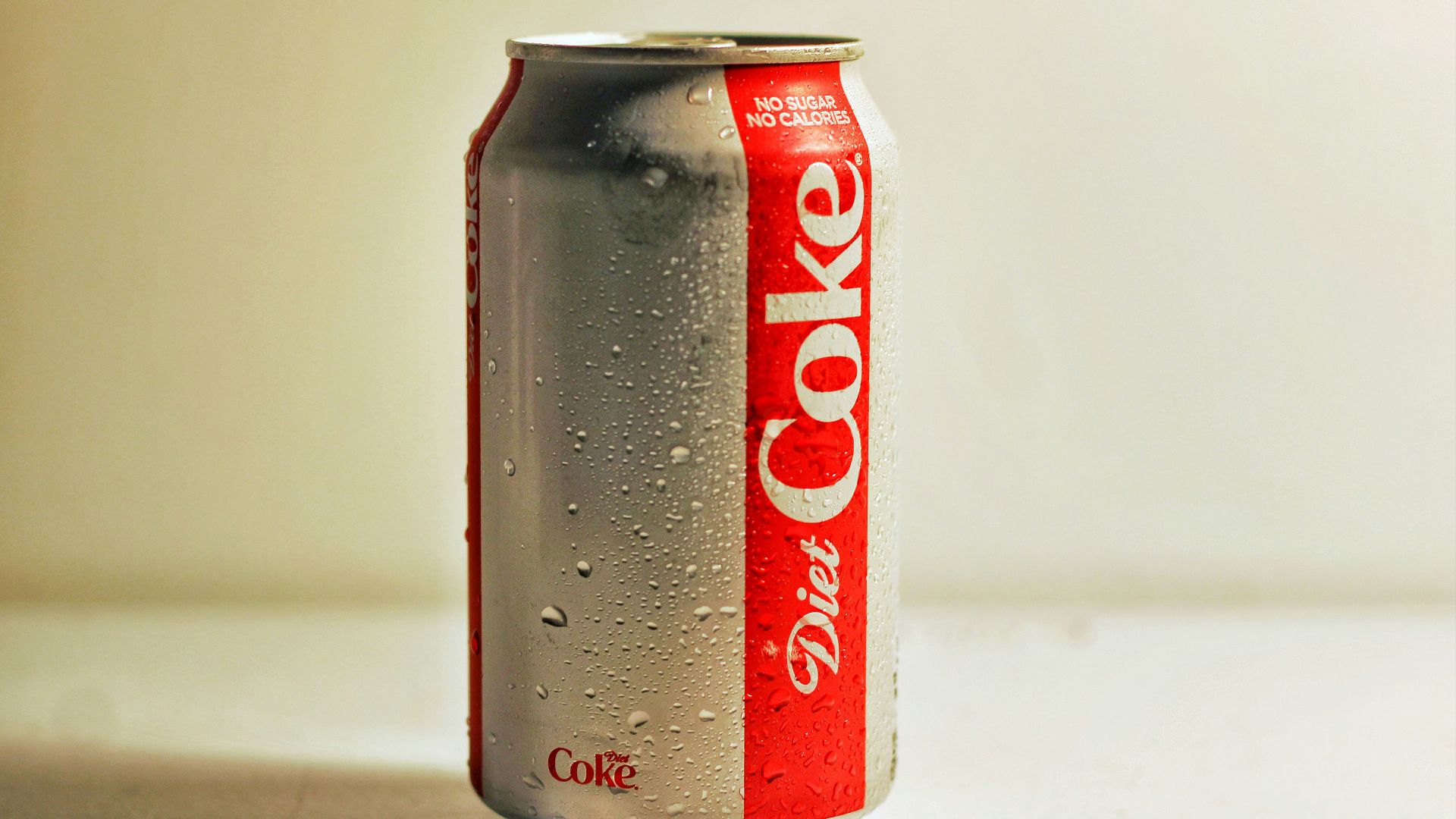
Diet Coke has zero sugar and zero calories, which is exactly why so many people keep their fridges well stocked with it. However, it also contains aspartame, a widely-debated chemical that has become quite popular for its low-calorie, high-sweetener makeup. While nothing has been confirmed, scientists are working to determine if aspartame is carcinogenic.
6. Pepsi Zero Sugar
Pepsi Zero Sugar skips the sugar, though, like Diet Coke, it still relies on sweeteners like aspartame and acesulfame potassium. A lot of folks don’t love the taste of aspartame, but still prefer to drink diet sodas for the sake of weight loss.
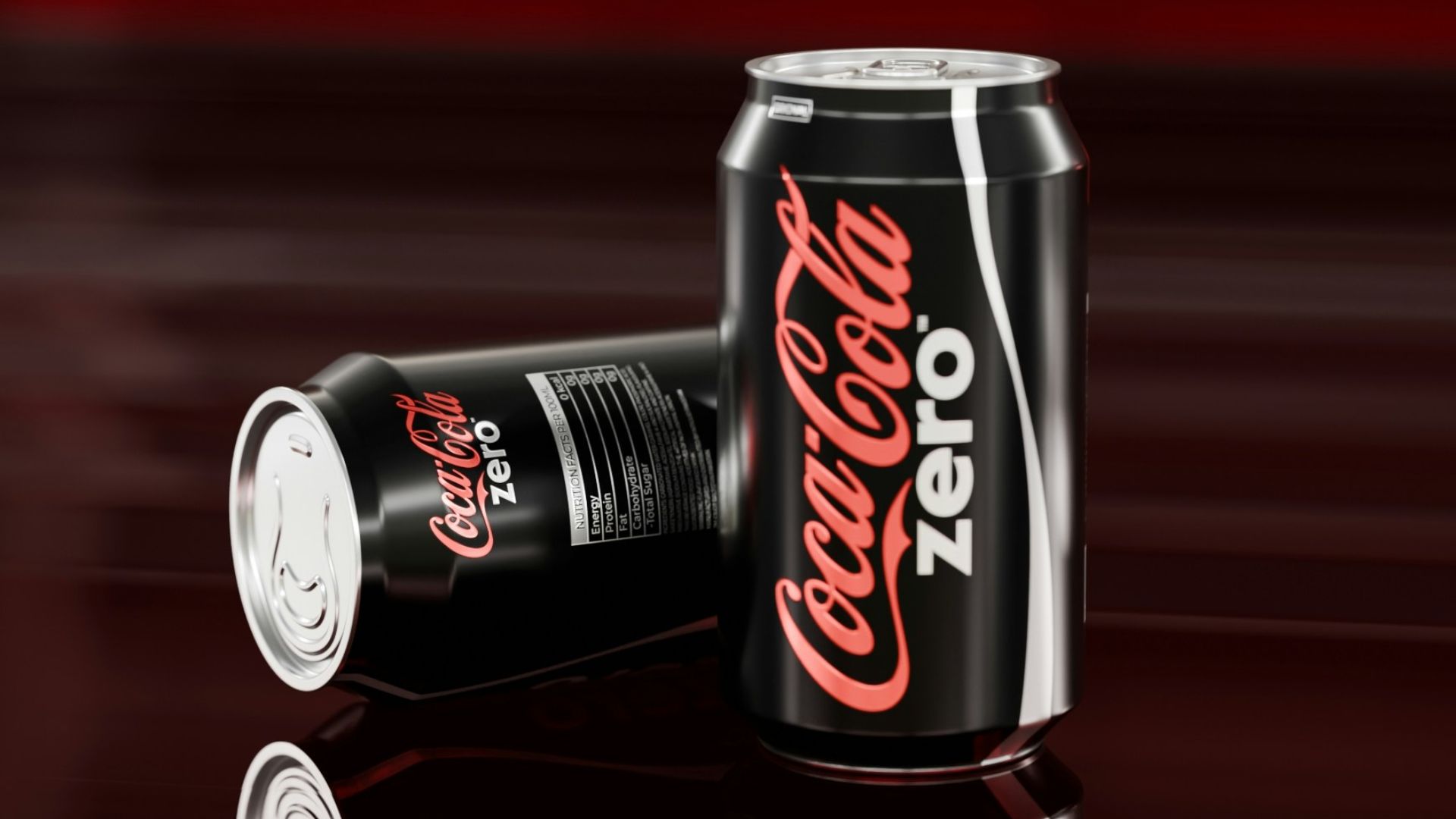
7. Coke Zero Caffeination
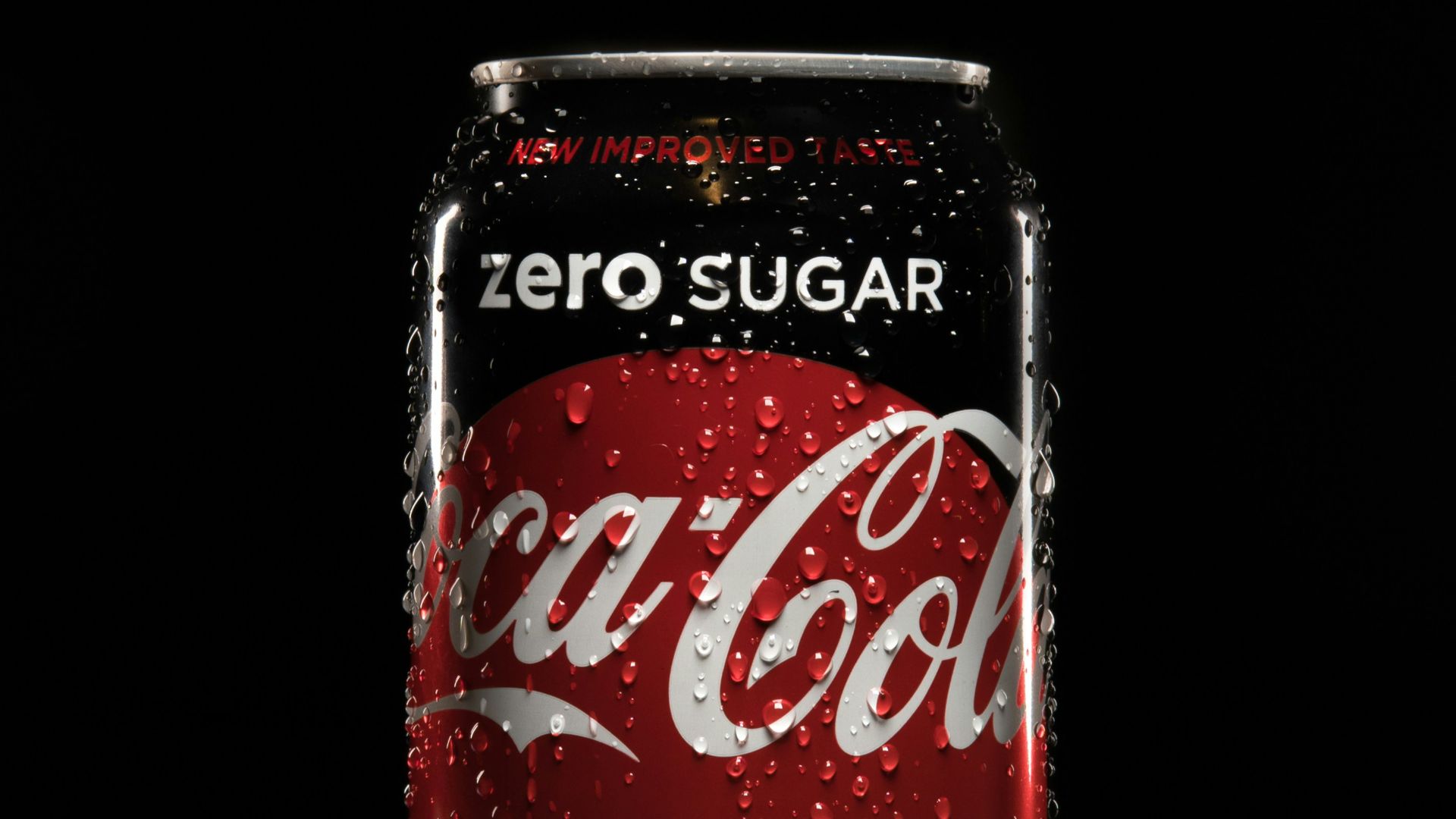
Coke Zero Sugar is often treated like the easier cola swap, especially by people trying to cut sugar without giving up the taste they actually want. However, a 12-ounce serving still contains caffeine, so it's definitely best to avoid drinking a can before bedtime.
8. The History of Mountain Dew
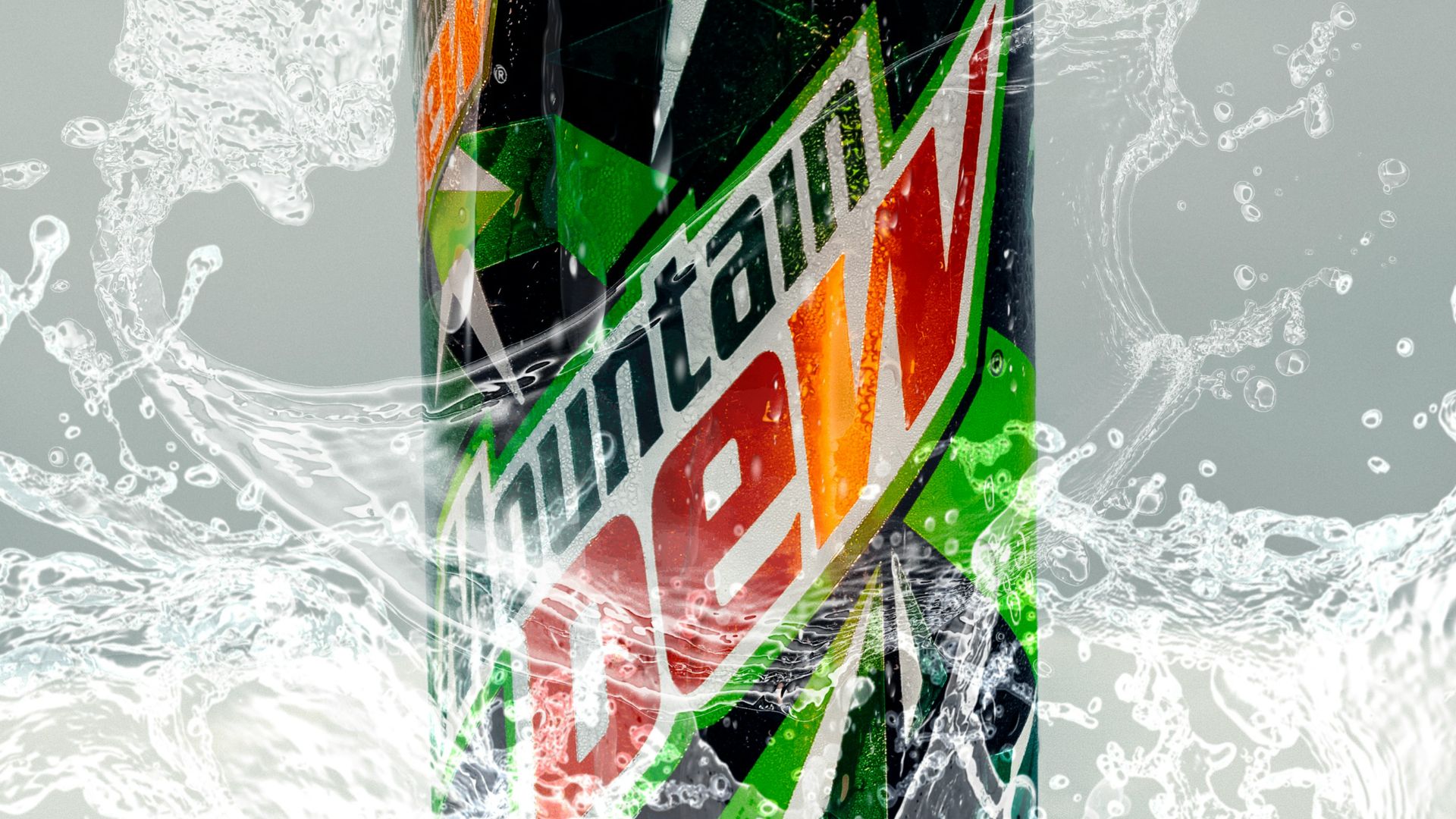
Mountain Dew has become quite popular in the gaming circles, but it’s also well-known for something more sinister: incorporating brominated vegetable oil into its drinks.
The ingredient was only formally pulled from approved food use in the United States in 2024, citing concerns around its effects on the thyroid and nervous system.
9. Health Warnings
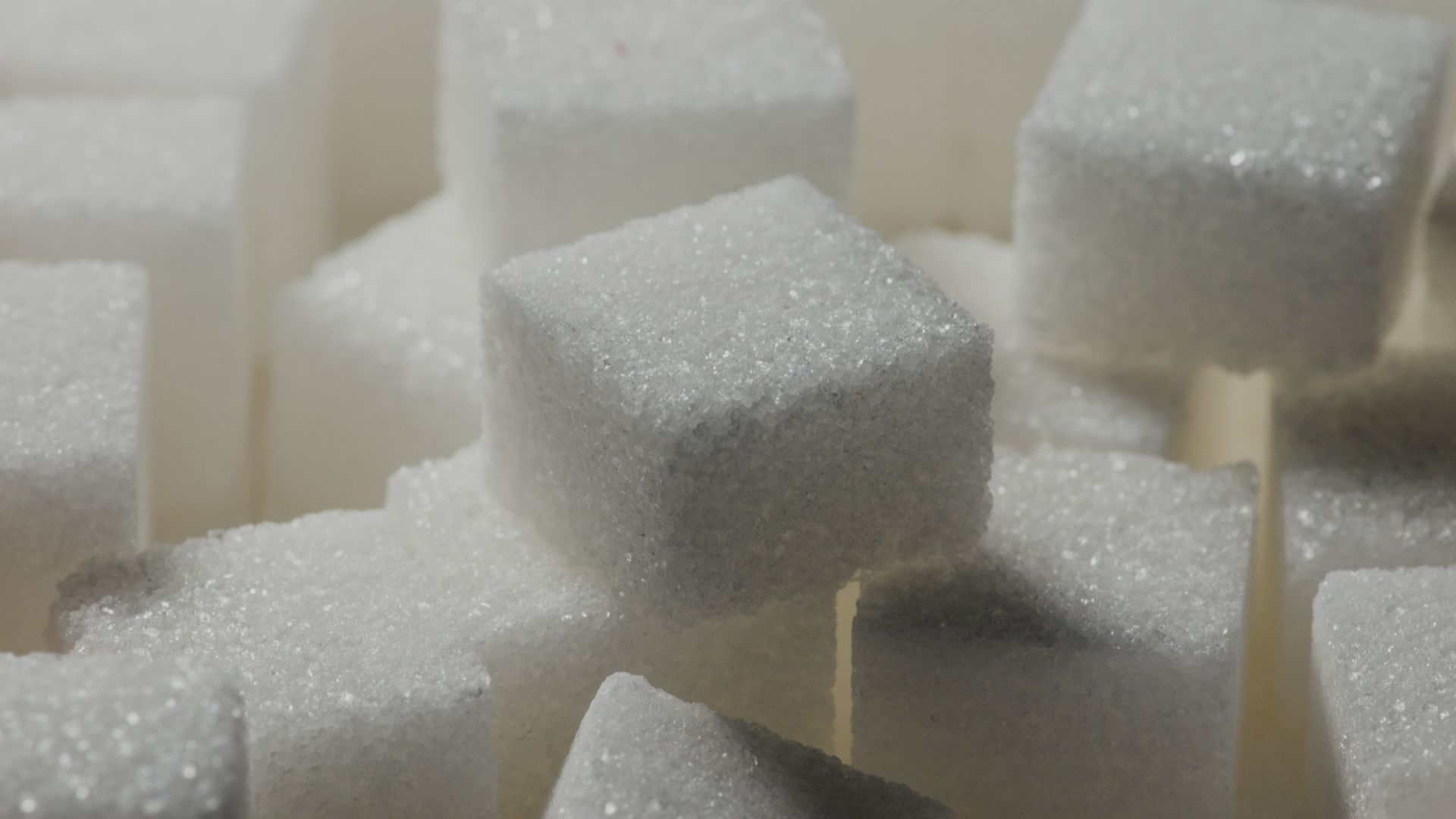
Sugar-sweetened beverages continue to be one of the biggest sources of added sugar in many diets, and the same health concerns keep showing up right alongside them. Weight gain, type 2 diabetes, tooth decay, and heart-related issues are not especially fun company for such common beverages.
10. The Environmental Downsides
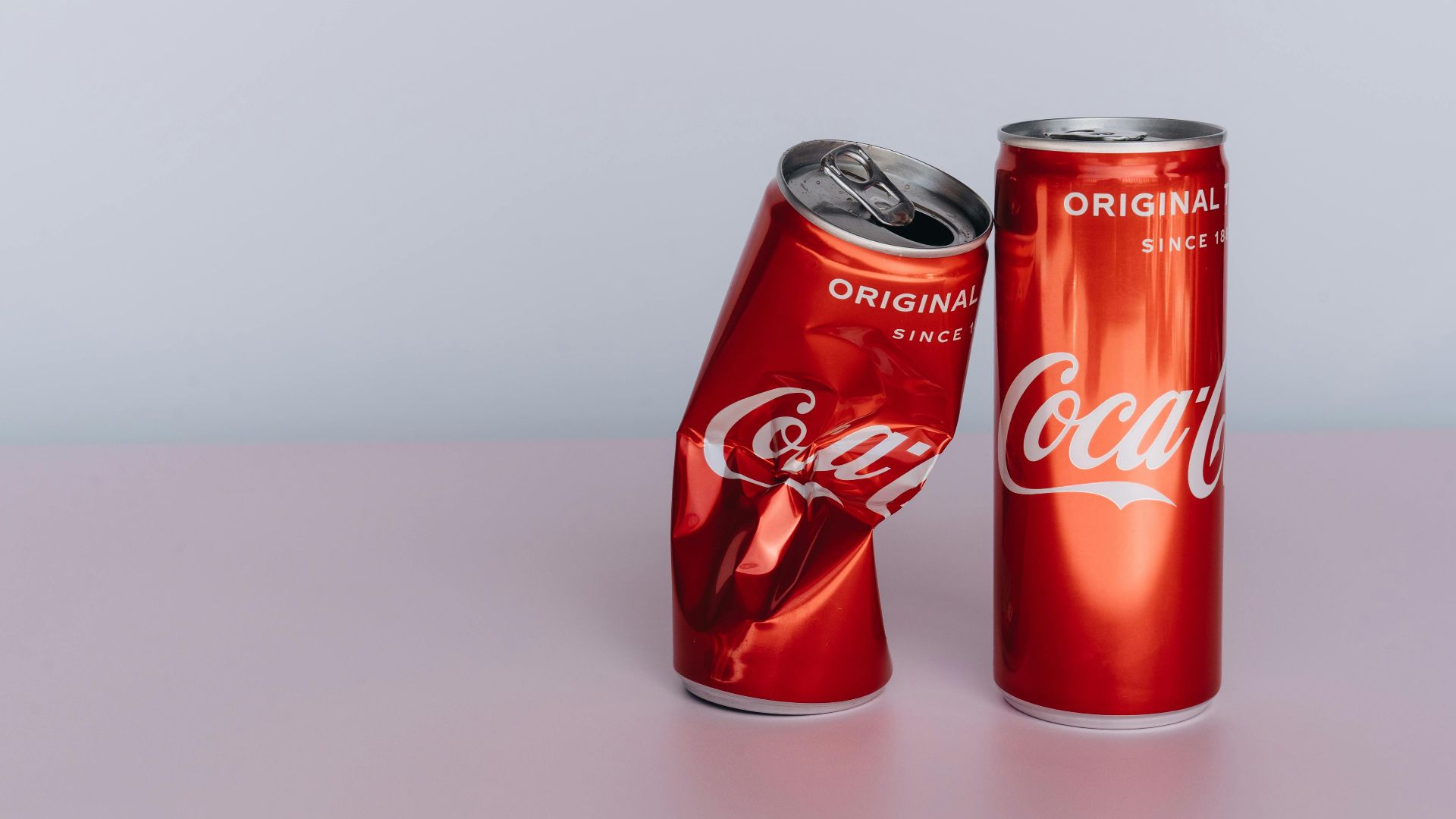
The environmental side of soda is still messy, even when a bottle or can is technically recyclable. These brands move huge amounts of plastic, aluminum, water, and packaging through the system every year, and that scale starts to feel a lot bigger once you look at the big picture.
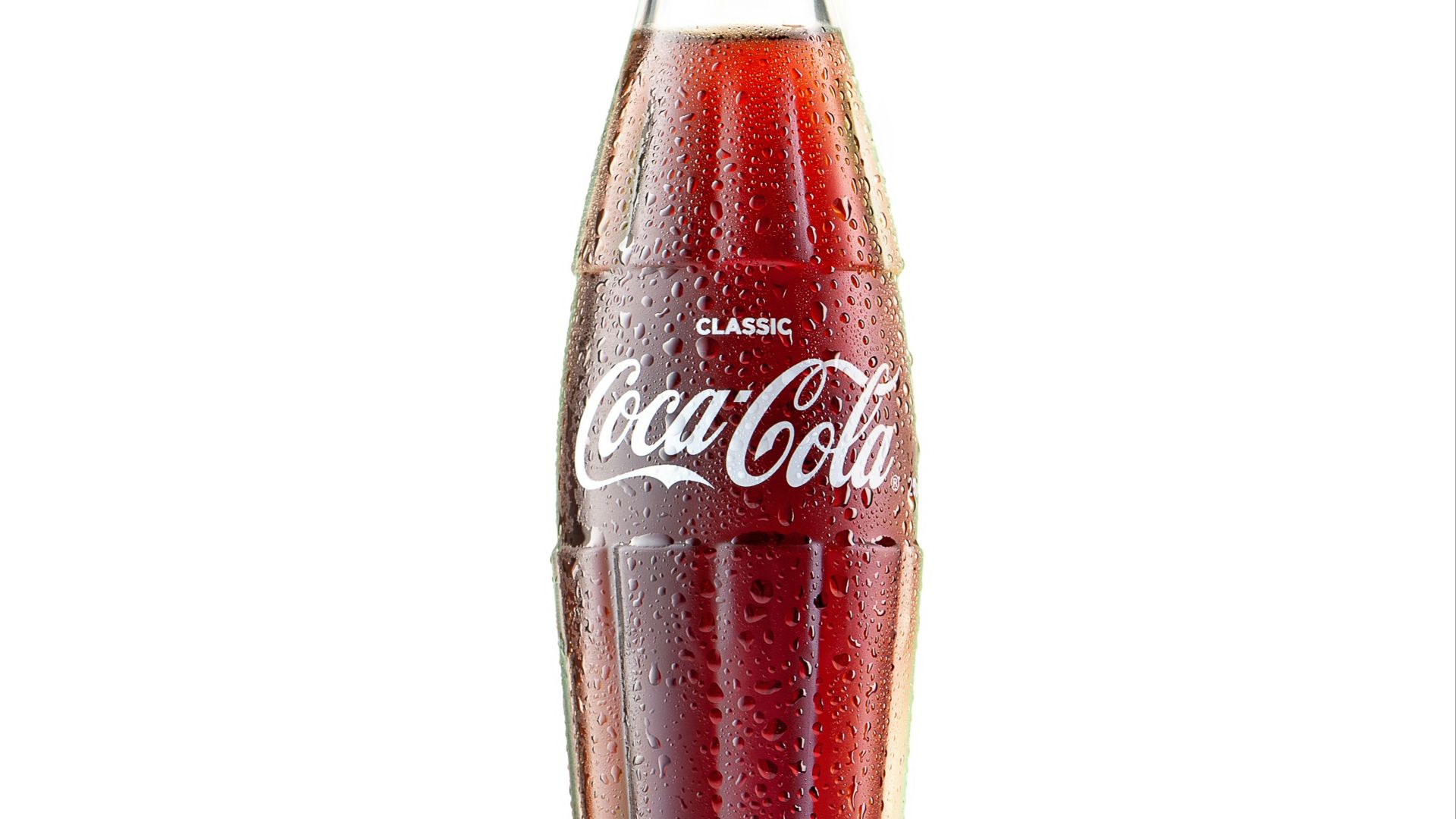
1. The Iconic Coke Bottle Design
The contour Coca-Cola bottle was patented in 1915, and people can still recognize it almost instantly. That kind of brand memory doesn’t happen by accident, and it says a lot about how completely Coke settled into American life, from diners and vending machines to backyard coolers and convenience-store fridges.
2. Pepsi’s Origins
Pepsi-Cola got its name in 1898, when Caleb Bradham renamed Brad’s Drink in New Bern, North Carolina. That’s a pretty old beginning for a brand that still shows up with such polished modern marketing, and it gives Pepsi more history than people usually expect.
3. The Doctor Is Quite Old
Dr. Pepper was first created in Waco, Texas, in 1885, which makes it one year older than Coca-Cola. Its long history helps explain why the brand still feels oddly personal to its fans, especially in Texas and across the South, where people don’t just drink Dr. Pepper, they live it.
 Vladislav Glukhotko on Unsplash
4. Fanta’s Beginnings
Fanta feels younger than it is, most likely due to its younger, more neon-colored branding. The brand actually dates back to 1940, which gives it a much longer place in soda history than originally believed.
5. Sprite Becoming A Staple
Sprite launched nationally in the United States in 1961 and has kept the same basic identity ever since. Caffeine-free, lemon-lime, cold, easy, done. That’s part of why it still ends up in so many takeout bags and fast-food cup holders. If it ain’t broke, don’t fix it.
6. Diet Coke Followers
Diet Coke launched in 1982, and it didn’t take long for it to become more than a backup option for people avoiding sugar. This particular offshoot of the classic red can has built its own loyal crowd, its own dedicated fridge space, and its own little place in office kitchens, airport kiosks, and drive-thru orders everywhere.
7. The Copycat: Coke Zero
Coke Zero Sugar was built for people who wanted something closer to the original Coca-Cola, as Diet Coke didn’t tend to cut it. That difference sounds tiny on paper, though it clearly matters in real life, because soda drinkers tend to know exactly which version they want and can get very attached to that preference.
8. Caffeine-Free Pepsi
Pepsi sells both Pepsi Caffeine Free and Diet Pepsi Caffeine Free, which gives people an easier switch if they want the same familiar taste without the late-night jitters.
9. Freestyle Machines
Coca-Cola Freestyle machines offer more than 100 drink choices, and they turned a basic fountain order into something much more personal. Cherry Vanilla Sprite, Lime Coke Zero, and orange cream experiments that sounded smart for about 30 seconds, it all made soda ordering feel a little more fun and a little less automatic.
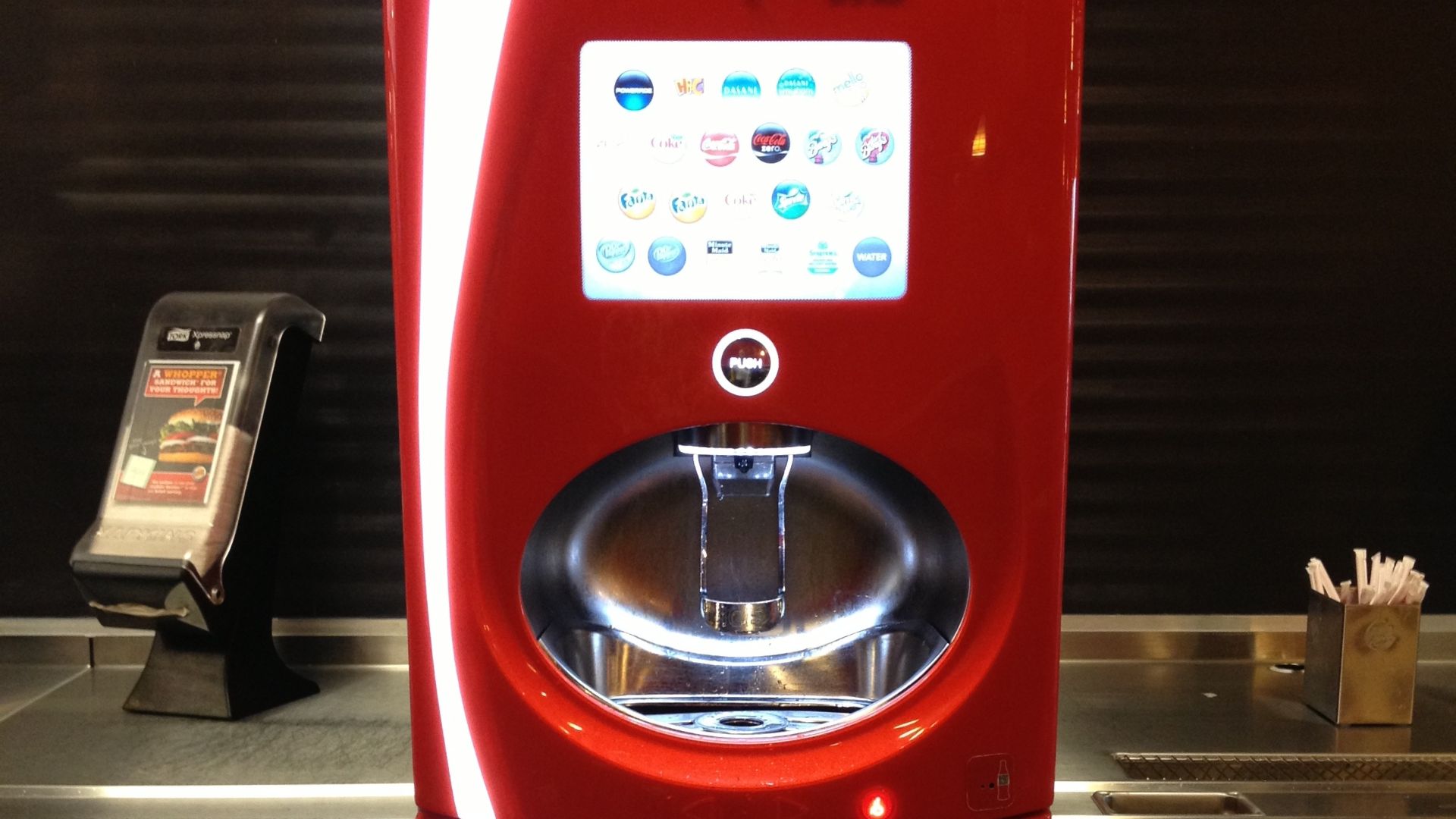 Phillip from Miami, USA on Wikimedia
10. The Progress Of Big Soda
Some of the biggest soda companies can point to measurable work on recyclable packaging, collection, and water replenishment. That doesn’t erase the category’s larger environmental problems, but it does give us hope that we can work toward a brighter environmental future.
KEEP ON READING

Happy Hour: The 20 Best Foods For Social Snacking