When Familiar Foods Quietly Shift
Most people assume favorite foods stay basically the same unless a company makes a big show of changing them. The box looks the same, the logo stays put, and the product keeps its place on the shelf, so the flavor is supposed to feel fixed, too. But 2026 has made that assumption a lot shakier, with recent reporting linking recipe changes, ingredient substitutions, color removals, cocoa shortages, olive oil fraud, and citrus supply problems to foods people thought were stable. Some of those shifts are direct and public, like Coca-Cola planning a U.S. cane-sugar product, while others show up reformulated blends or cleaner labels that still promise the same taste while quietly rebuilding the formula underneath. Here are twenty familiar foods that may taste different this year.
 Gabriel Oppenheimer on Unsplash
1. Coca-Cola
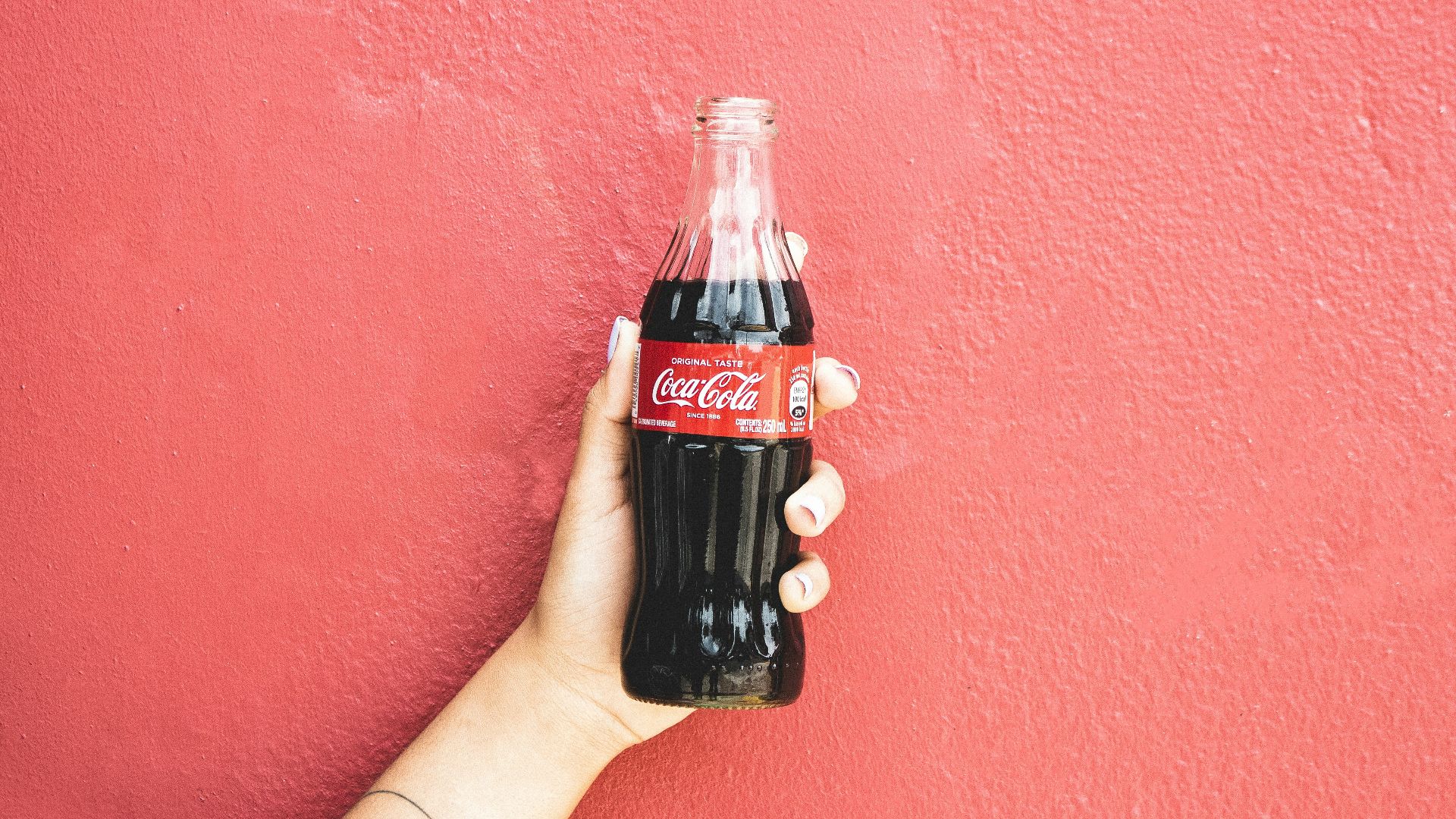
This is one of the clearest examples because it was actually reported, not just inferred. Reuters reported that Coca-Cola planned a cane-sugar version in the U.S., which means some drinkers really are going to notice a cleaner, slightly less syrupy sweetness than the standard formula they are used to.
2. Instant Noodles
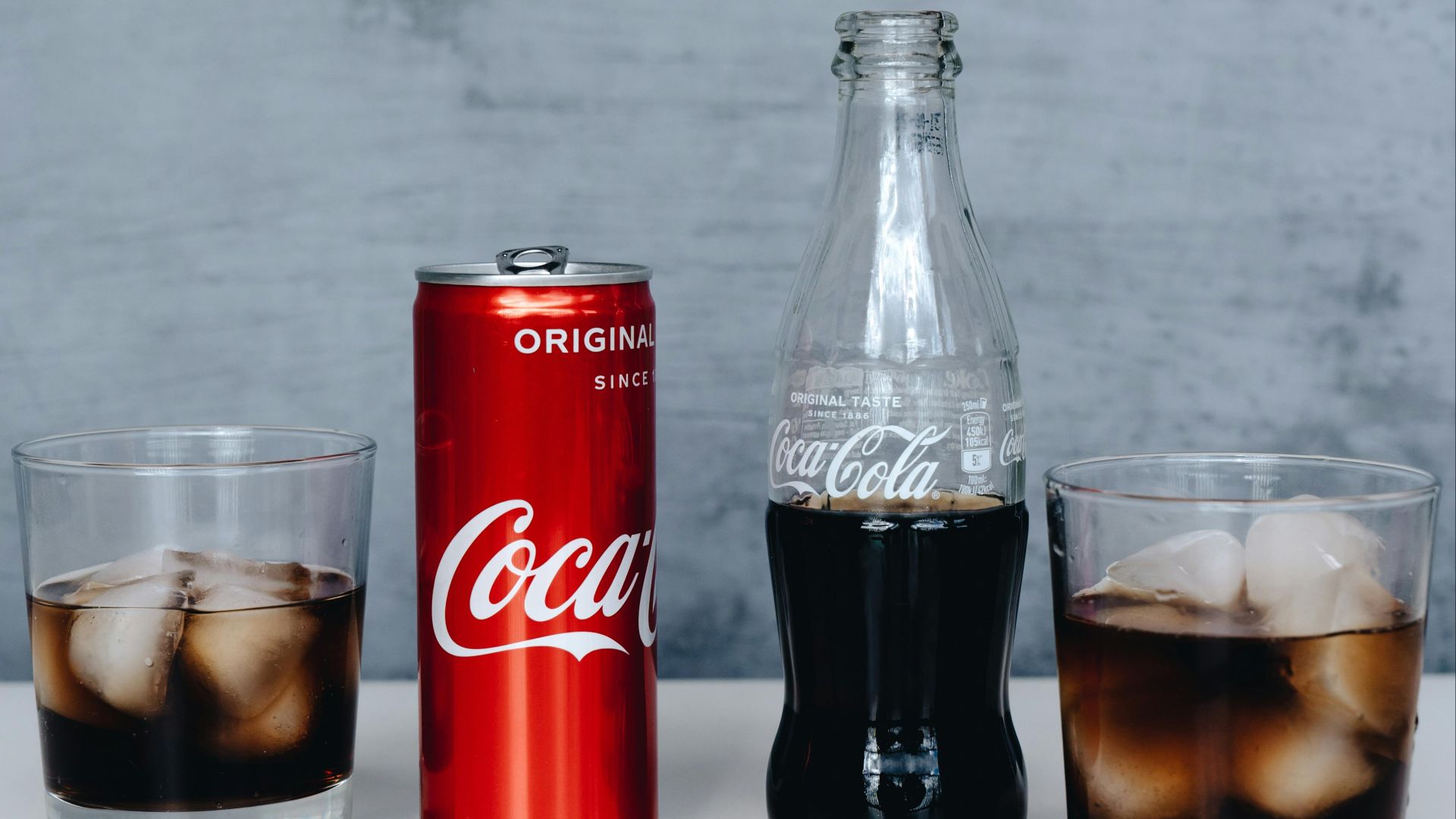
Instant noodles are one of those foods people expect to be almost unnervingly consistent, which is exactly why even a small change stands out. In 2026, ingredient swaps tied to oil costs, seasoning adjustments, and broader reformulation pressure have made some familiar brands taste a little flatter, saltier, or less rich than people remember.
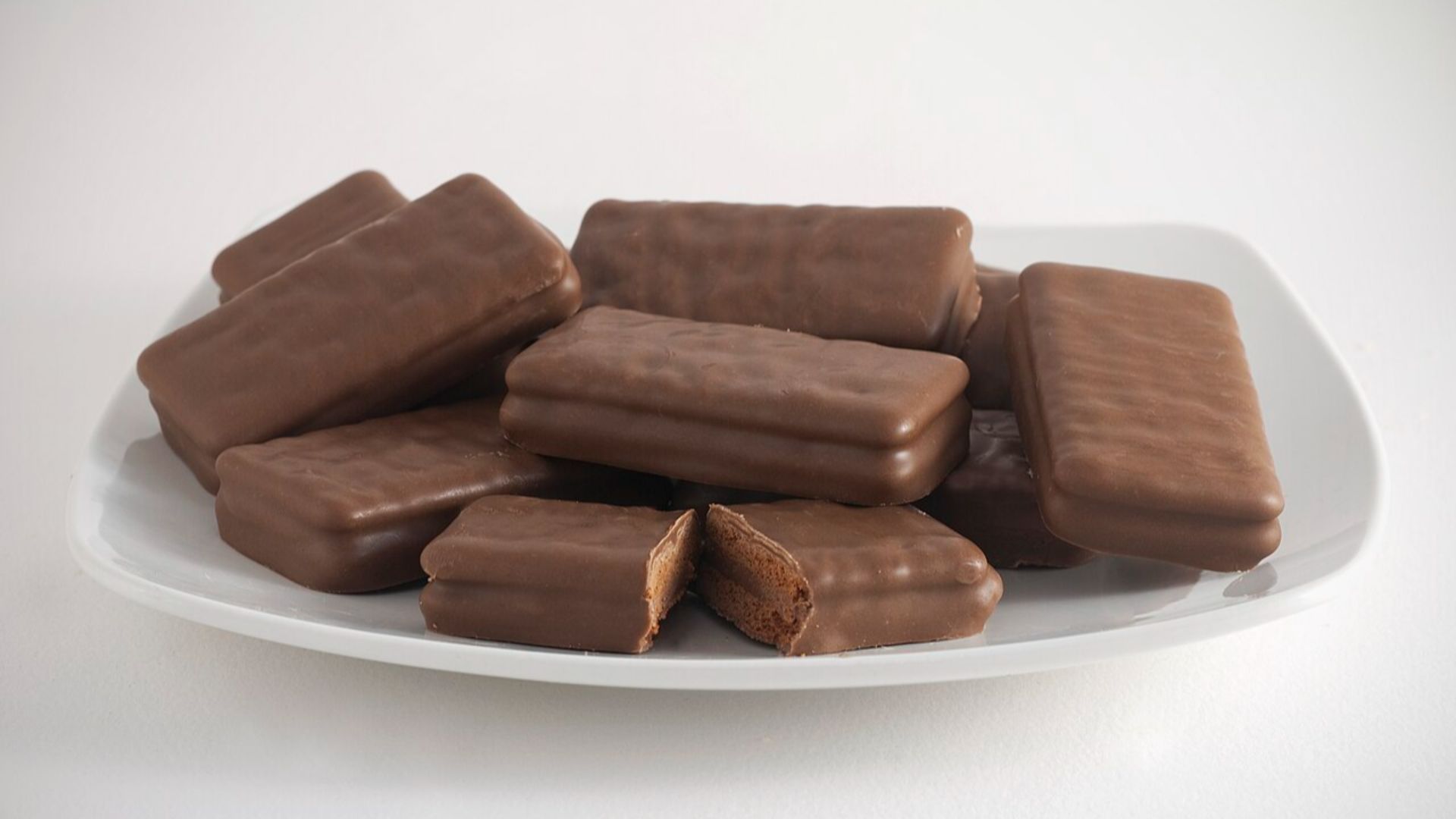
3. Penguin Bars
This one moved beyond subtle. Reporting on cocoa shortages noted that McVitie’s Penguin bars shifted to a “chocolate flavour coating with cocoa mass,” which is exactly the kind of label language that tells you the product may still resemble the old one, but no longer tastes quite the same.
 commons.wikimedia.org on Google
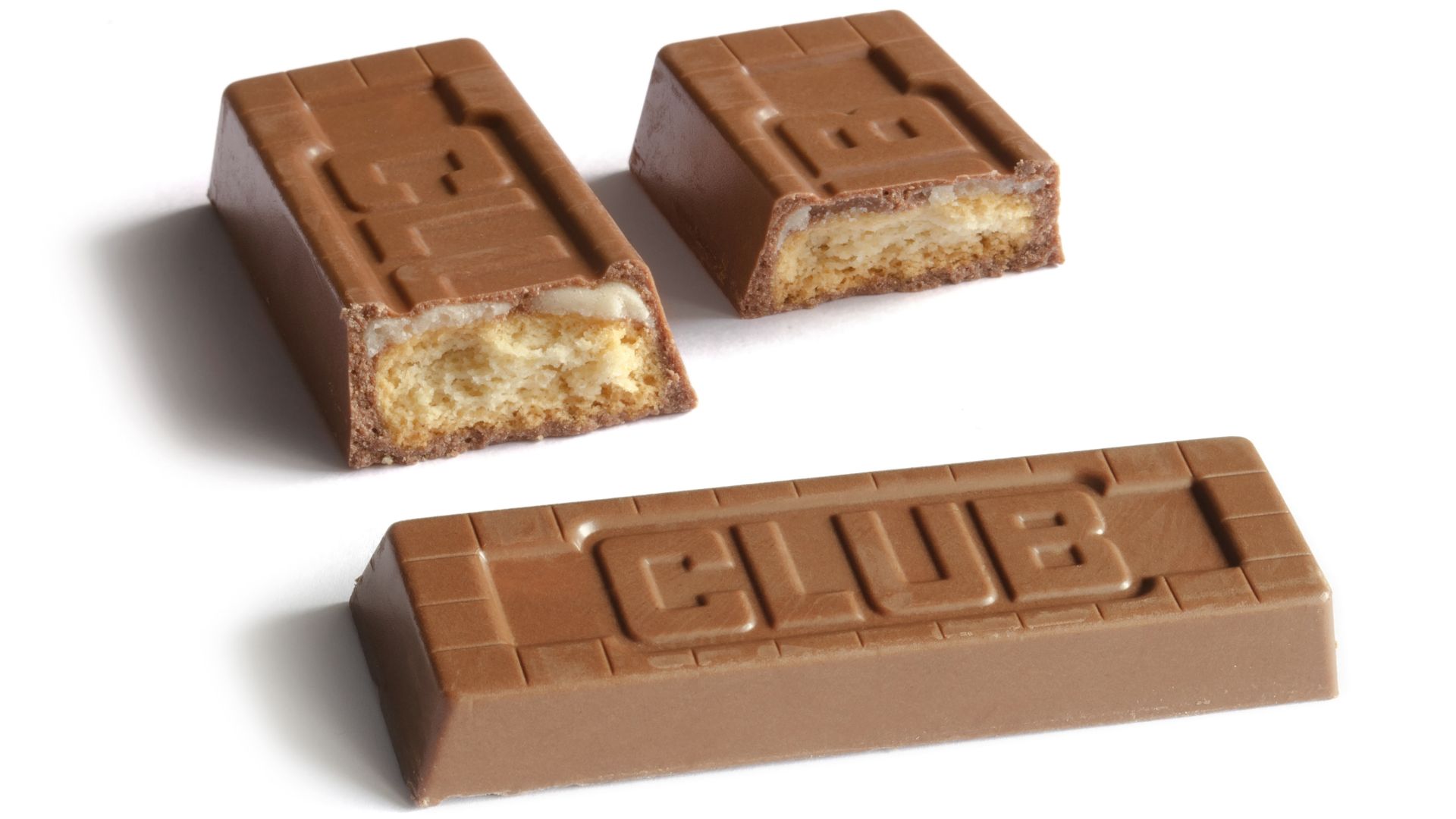
4. Club Bars
Club bars were pulled into the same cocoa squeeze. Once a product built around a chocolate coating starts changing how it describes that coating, you are no longer talking about a purely technical wording update—you are talking about a snack whose flavor likely moved, even if only a little.
 commons.wikimedia.org on Google
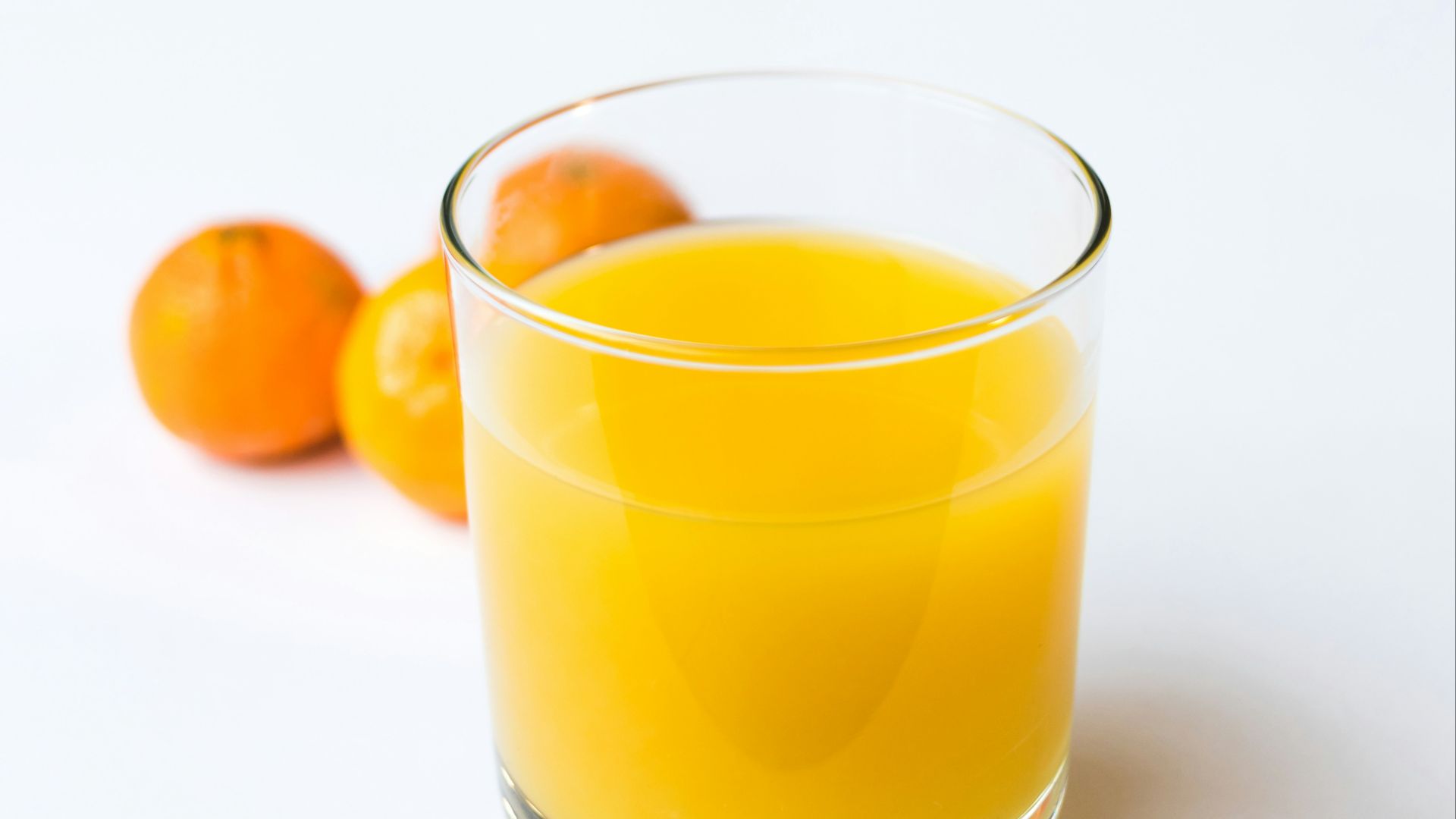
5. Orange Juice
Orange juice has been under severe pressure because of poor harvests, especially in Brazil. Recent reporting has shown producers exploring reformulation with alternative fruits, which means the clean, familiar expectation of a single ingredient is getting harder for the category to maintain.
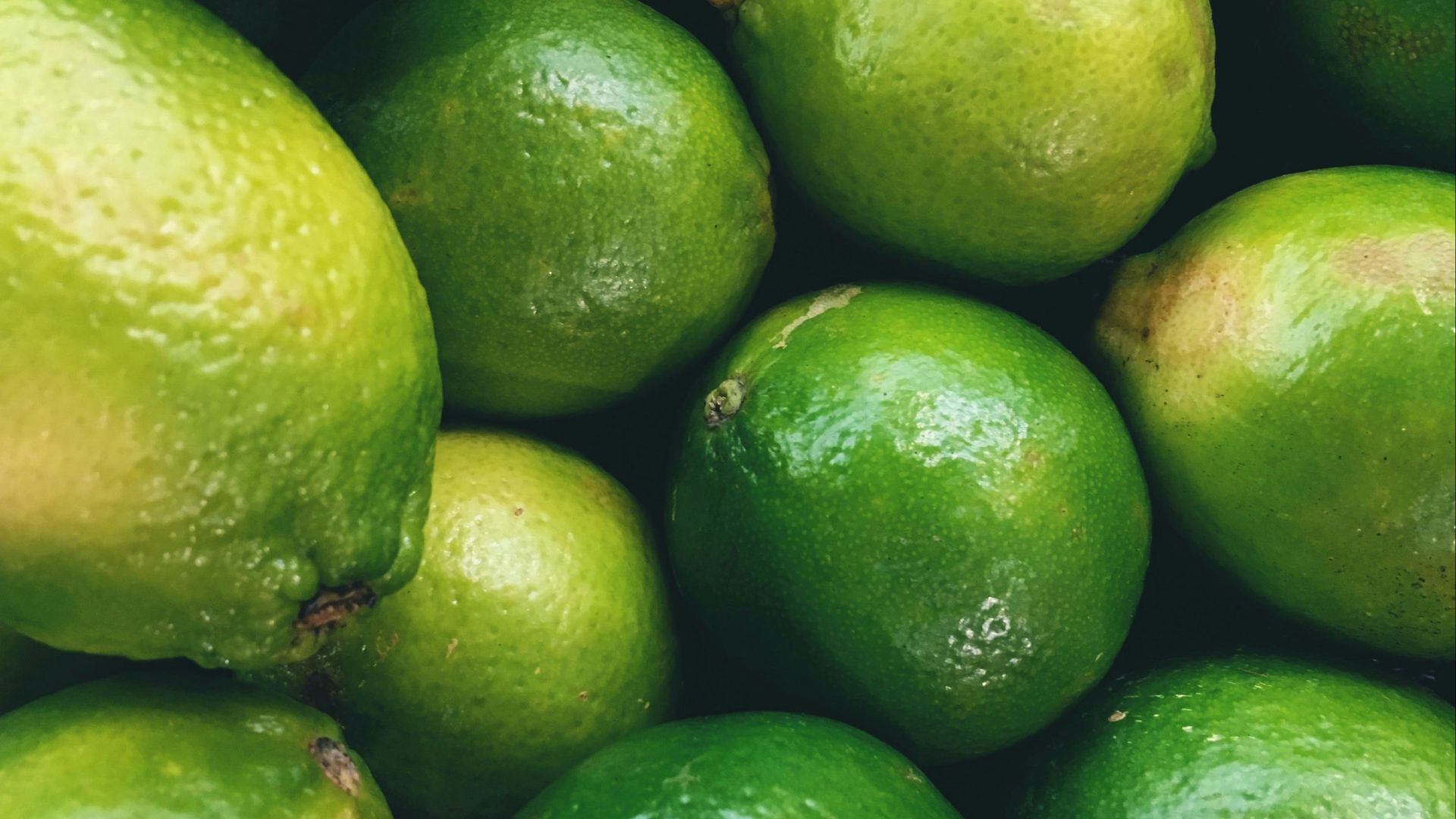
6. Bottled Citrus Drinks
As citrus shortages keep dragging on, manufacturers are looking at blends and substitutions that can keep products moving without relying on the same old orange-heavy formula, so even citrus drinks that look familiar may land a little differently this year.
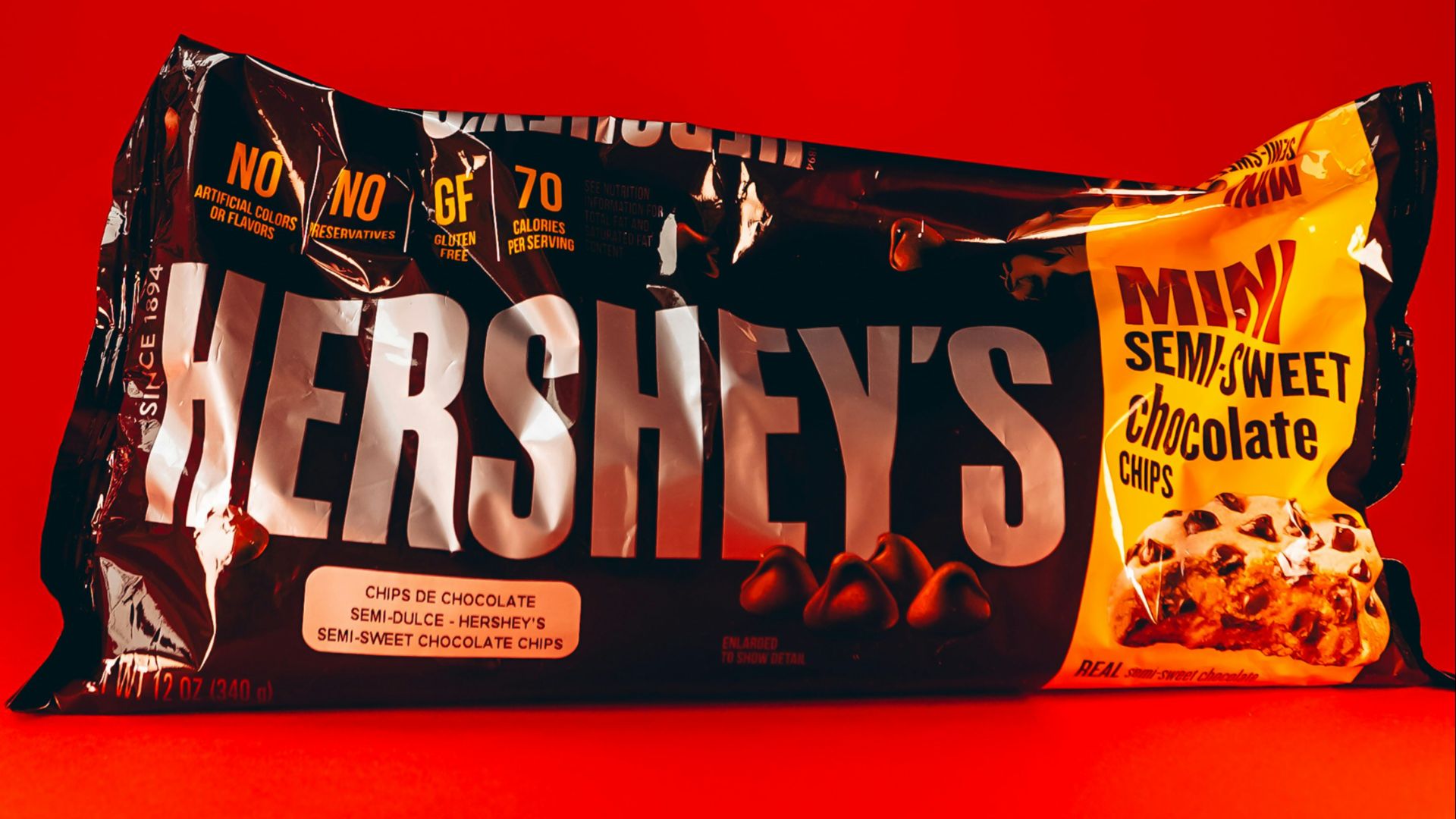
7. Hershey’s Chocolate
With Hershey, the reporting is stronger on cocoa cost pressure than on a confirmed public recipe rewrite. Still, Reuters-linked coverage makes clear that cocoa costs remain a major issue for the company, and that kind of sustained pressure is exactly what makes shoppers start noticing when a familiar bar feels sweeter, flatter, or less cocoa-forward than they remember.
8. Frozen Waffles
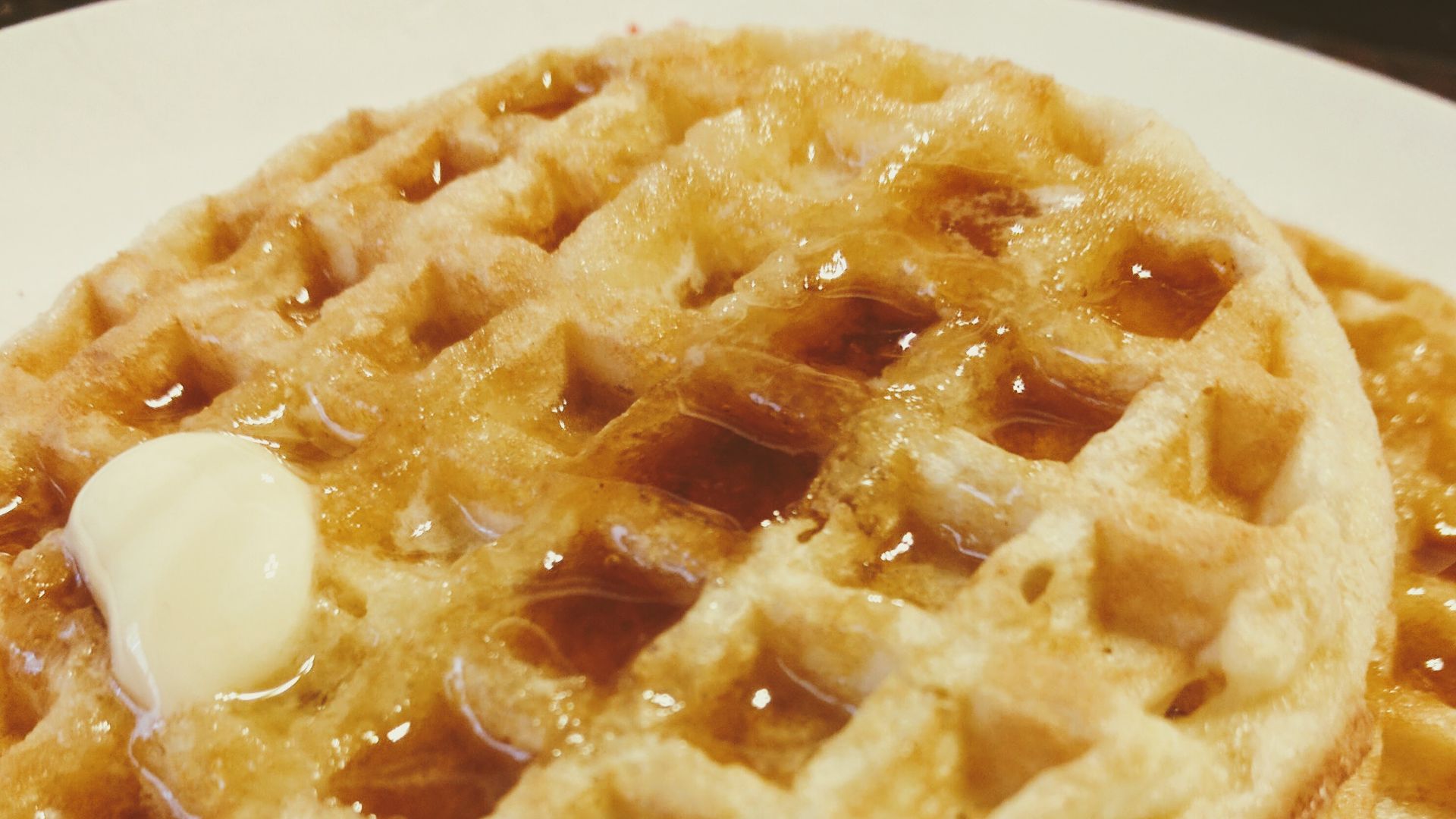
Frozen waffles are exactly the kind of food people expect to taste frozen in time, which is why small changes stand out so quickly. As brands keep adjusting formulas around oils, sweeteners, and cleaner-label goals, some longtime buyers are noticing waffles that toast up a little differently, taste less buttery, or lose some of that overly familiar artificial warmth.
9. Lay’s Potato Chips
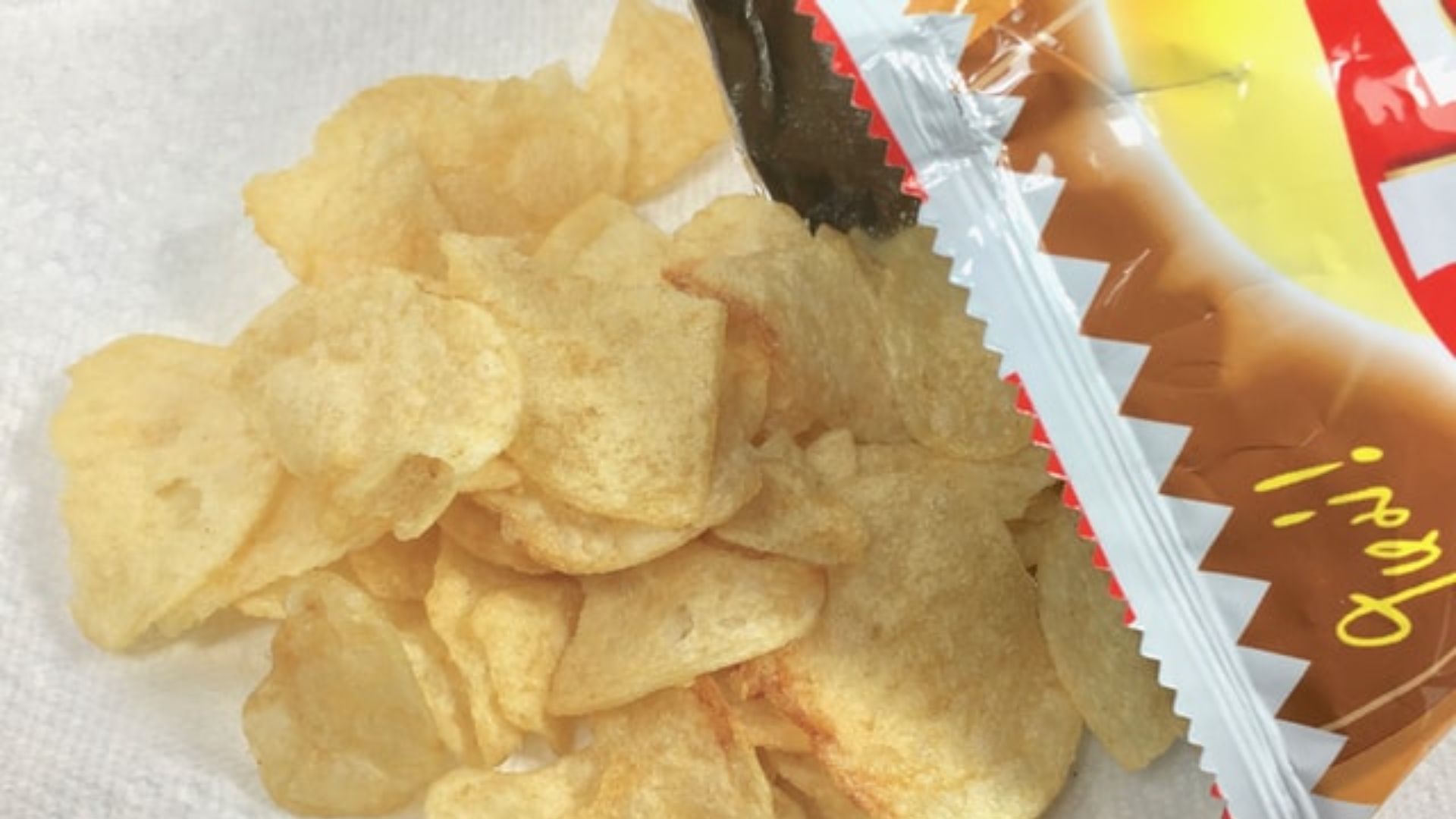
PepsiCo said all core Lay’s products in the U.S. would move away from artificial flavors and colors from artificial sources by the end of 2025. That means 2026 is exactly when regular buyers may start noticing that a supposedly familiar chip has a slightly different taste profile, even if the bag still looks comfortably unchanged.
10. Tostitos
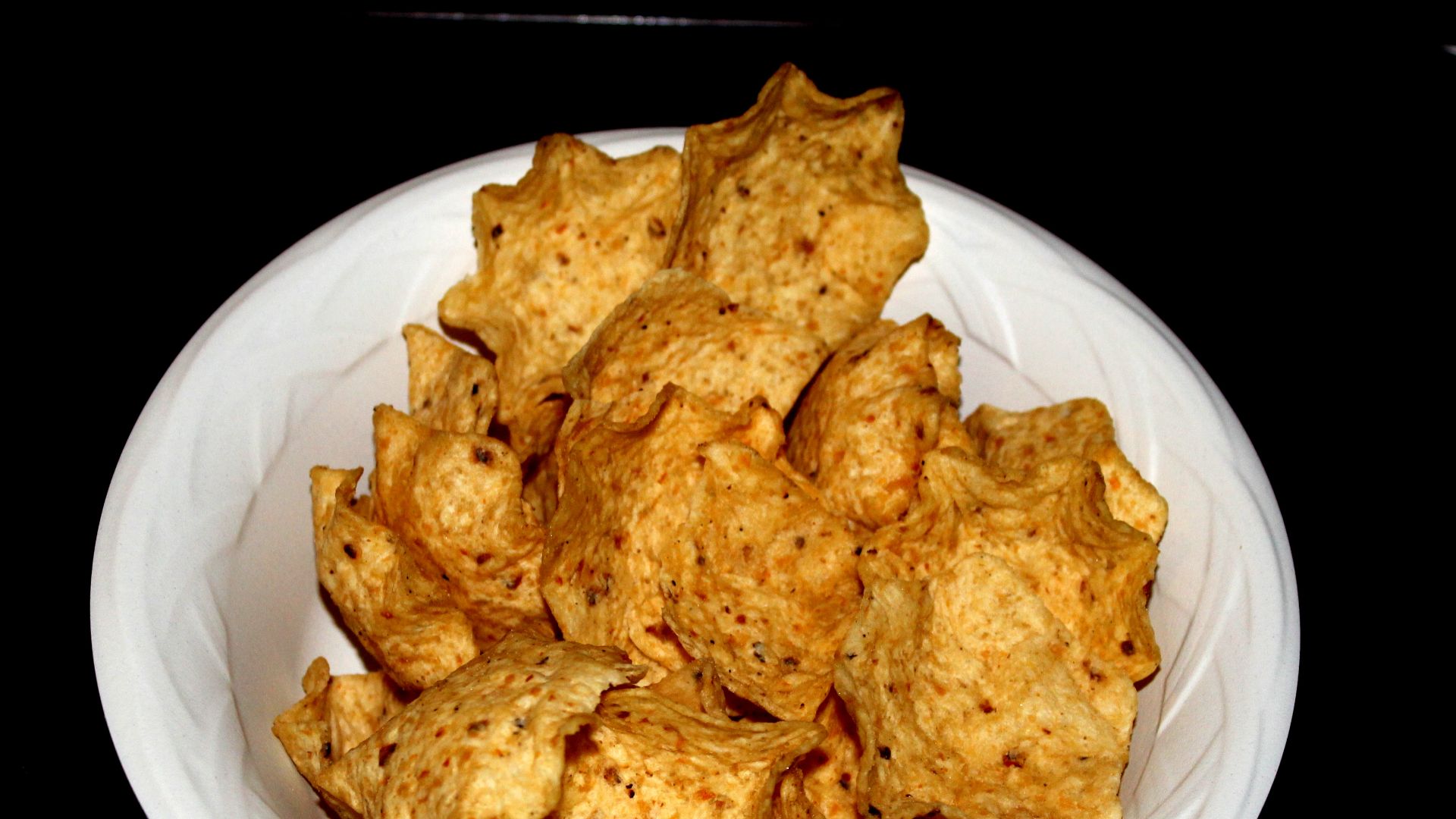
Once artificial colors and flavors start coming out of a long-established product line, brands work hard to preserve the old identity, but seasoned snacks especially can end up tasting a little less sharp, a little less engineered, and a little different than what people have memorized.
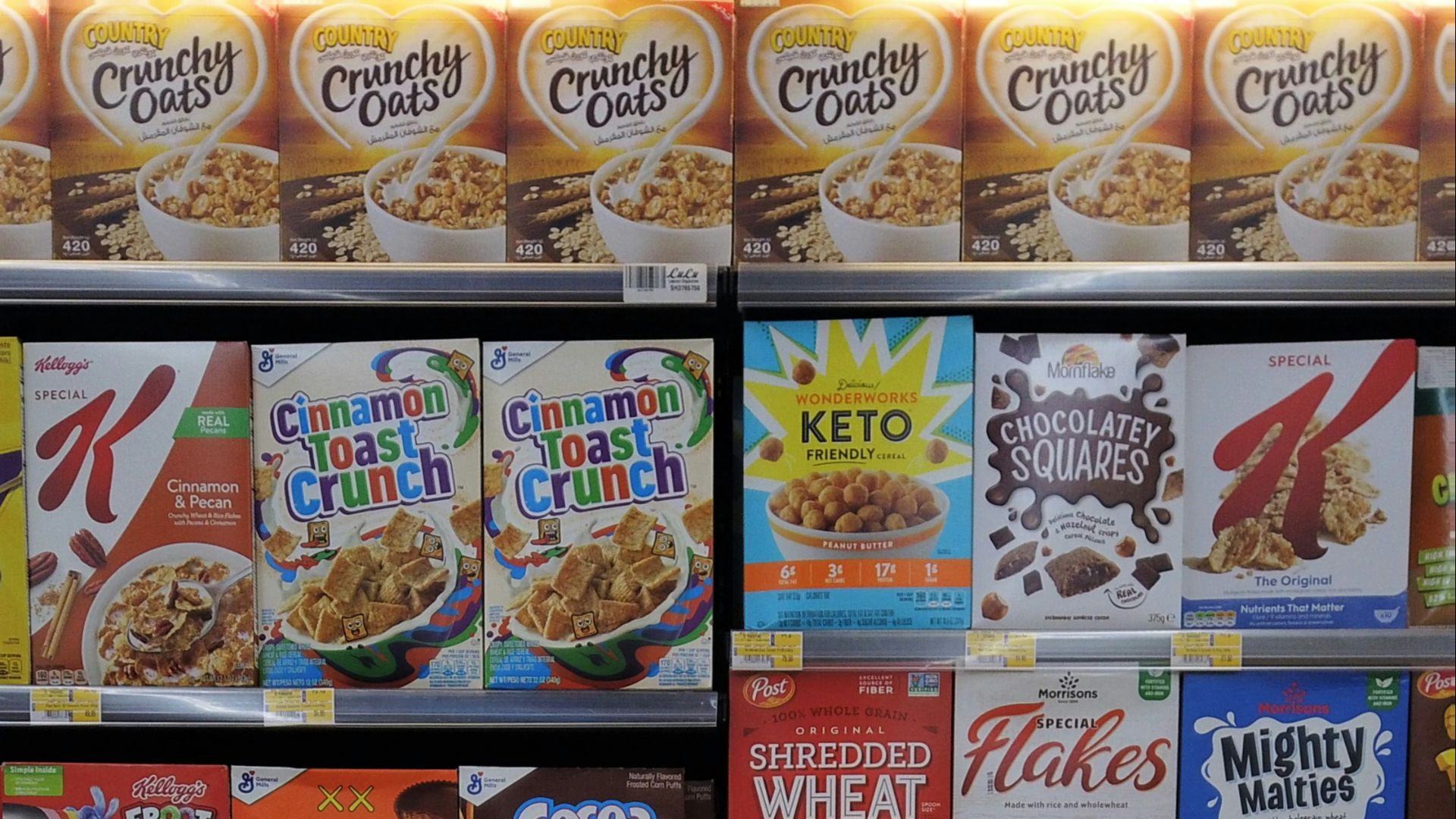
11. Breakfast Cereals
General Mills announced plans to remove certified colors from all U.S. cereals by summer 2026. That sounds cosmetic at first, but anyone who has eaten brightly colored cereal for years knows those products are built as total sensory systems, not separate buckets of taste, texture, and color.
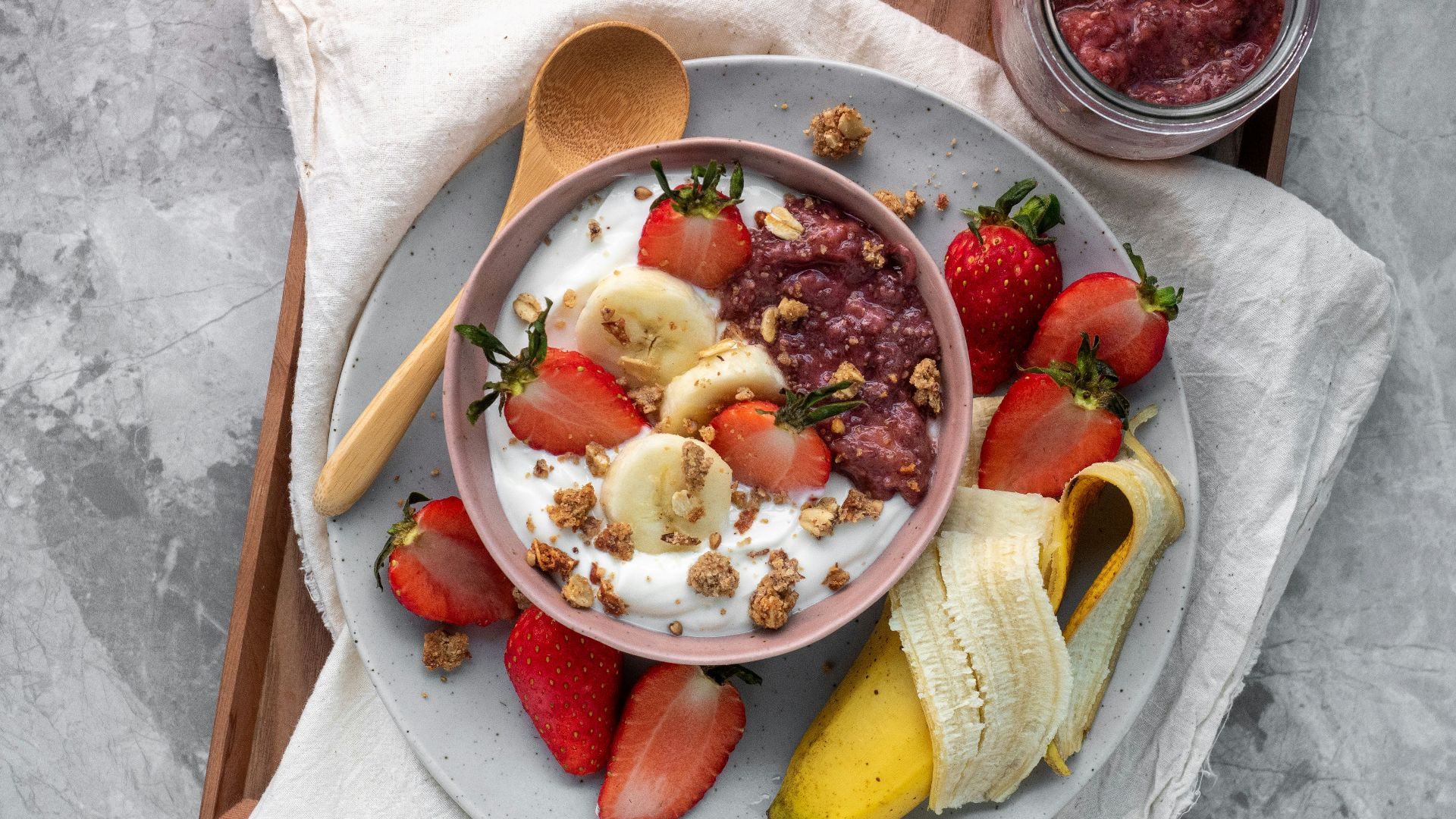
12. Yogurt
Yogurt is one of those foods where small formula changes show up fast, even when brands insist the overall product is the same. As companies keep adjusting sweeteners, stabilizers, fruit preparations, and protein balances, some cups taste tangier, thinner, or less creamy than people remember.
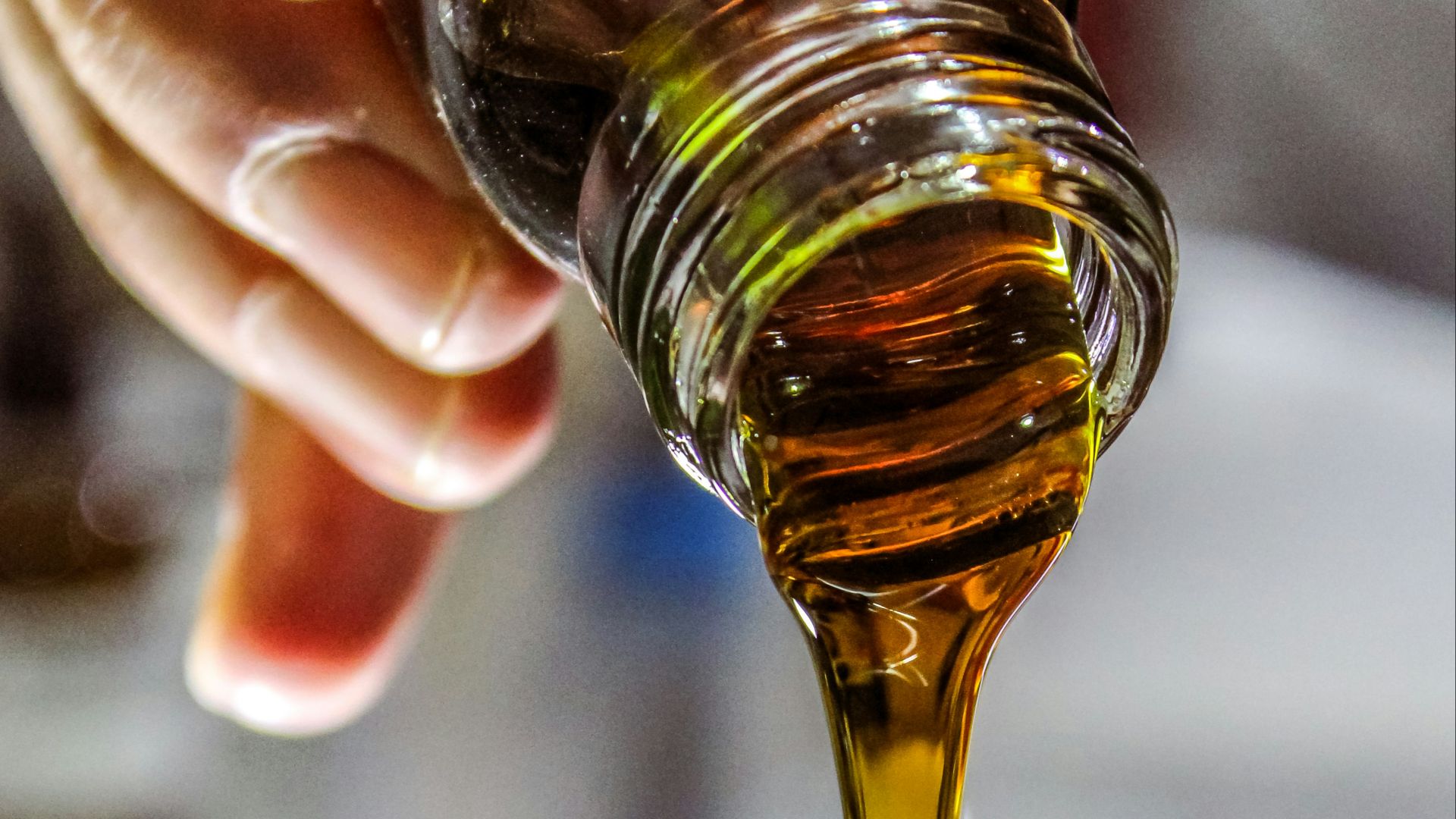
13. Olive Oil
Olive oil belongs on this list for a different reason: authenticity problems. Reporting in 2025 and 2026 tied poor harvests, high prices, and fraud concerns together, which means some bottles sold as premium olive oil may literally not taste as expected because they are diluted, blended, or mislabeled.
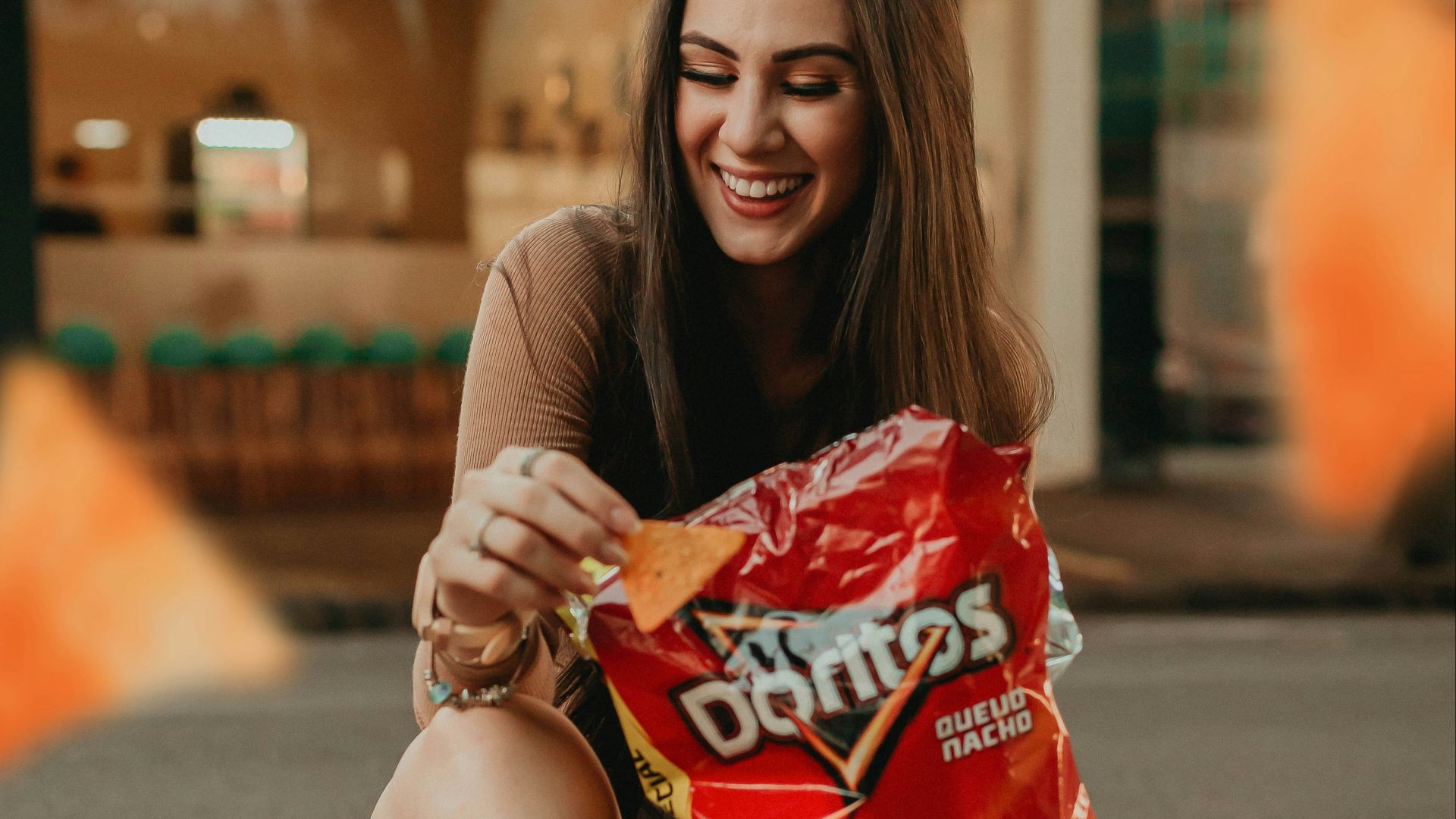
14. Doritos
PepsiCo said Doritos would be reworked without artificial colors or flavors, which matters because Doritos has never really been a subtle food. When a snack built on that aggressively engineered, neon-orange identity gets cleaned up, even a brand trying to preserve the old hit can end up tasting a little less sharp and a little less loud than people remember.
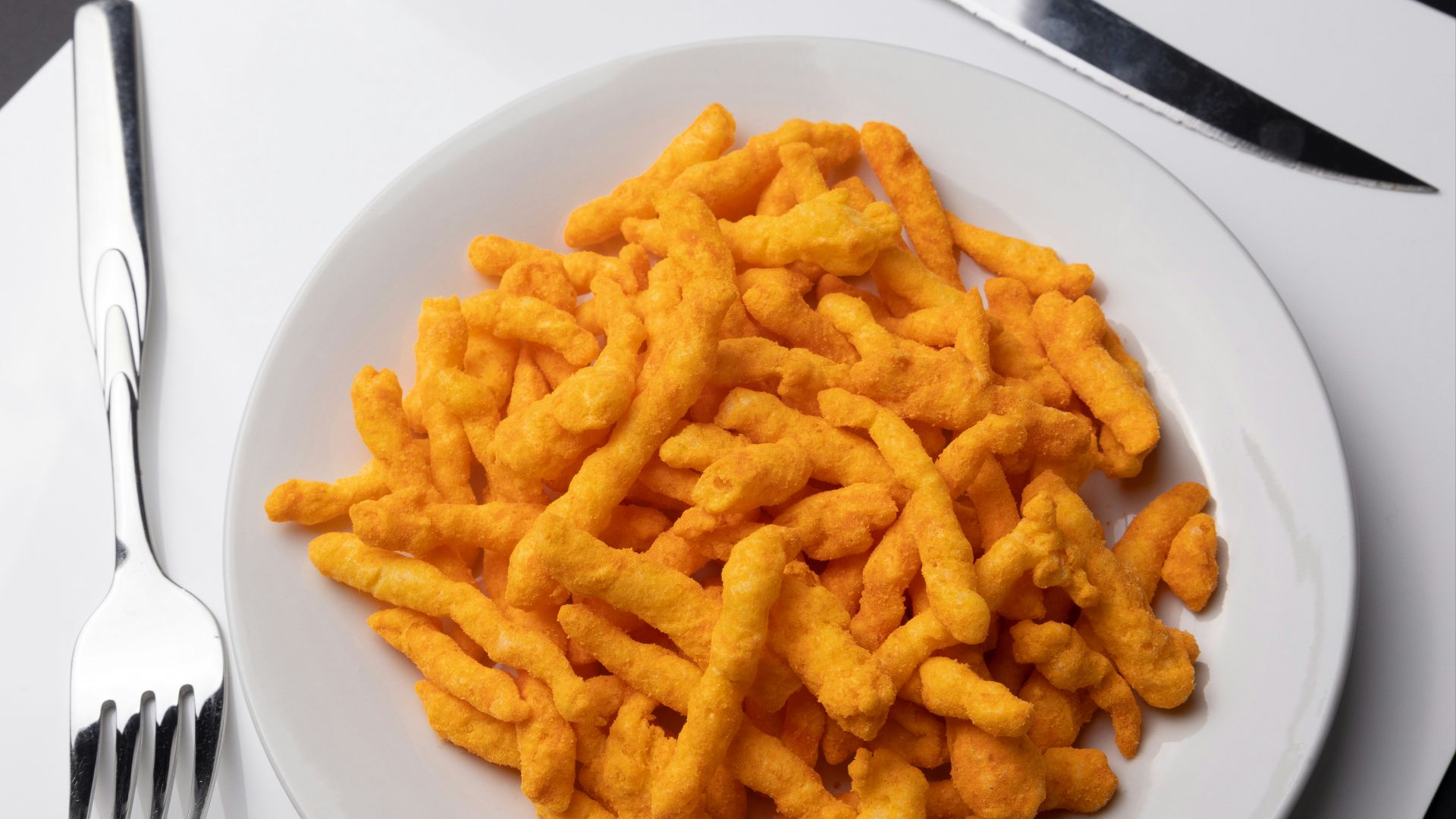
15. Cheetos
Cheetos is part of the same PepsiCo push, but it lands a little differently here because the product is so dependent on its coating. Once you start changing the color and flavor system in a snack like that, the difference can show up not just in taste, but in the nostalgia effect people expect from it.
16. Lucky Charms
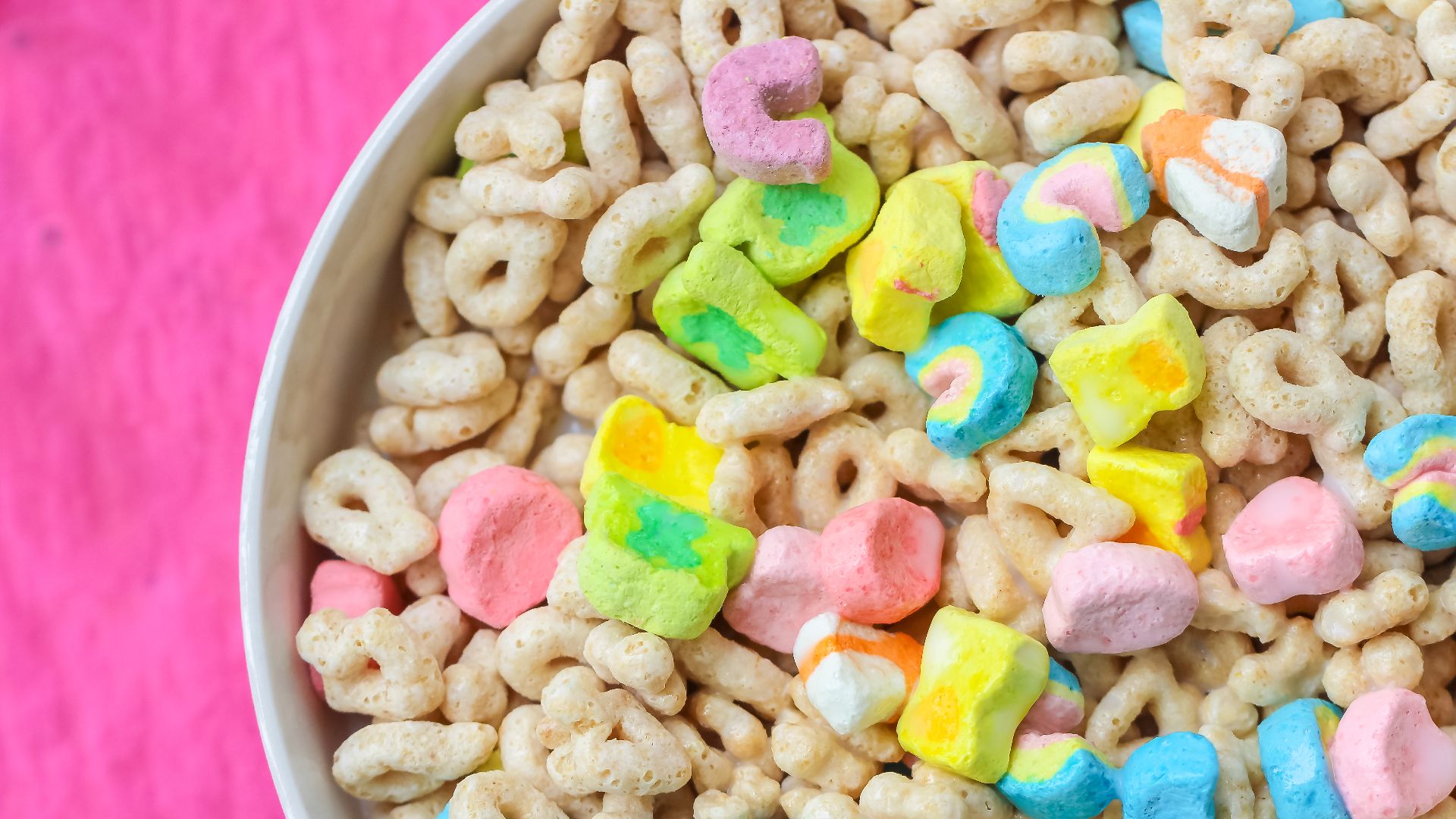
General Mills said its K-12 school foods lineup is now free of certified colors, including a reformulated Lucky Charms 25% Less Sugar cereal. That makes this a much more specific example than cereal in general, because it points to a named product where both sweetness and color cues were adjusted at the same time.
 Sarah Mahala Photography & Makeup Artistry from Oshkosh, WI, United States on Wikimedia
17. Kraft Heinz Products With Synthetic Dyes
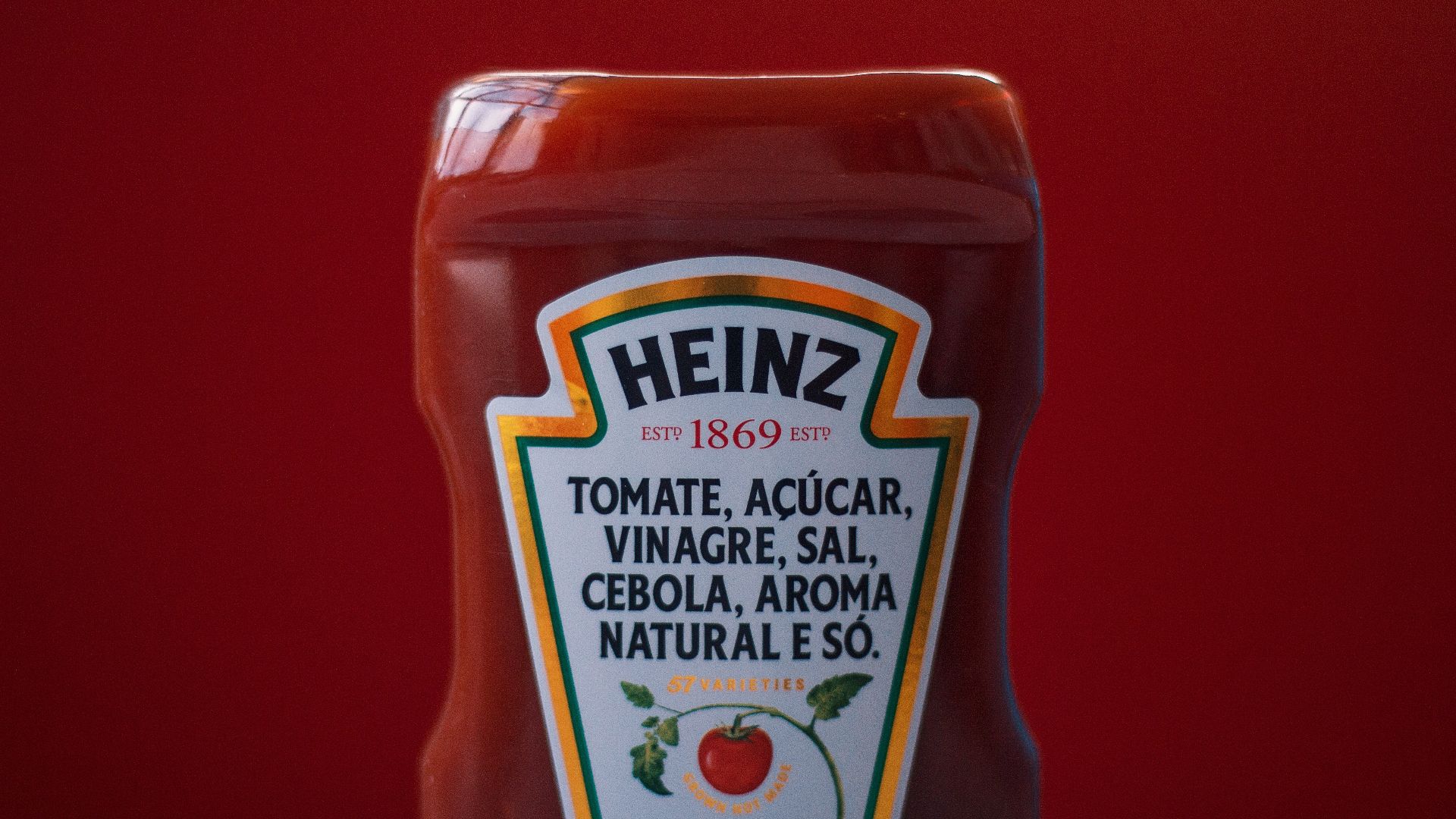
Kraft Heinz said it plans to remove synthetic FD&C colors from its U.S. portfolio by the end of 2027, which puts 2026 right in the middle of that transition. The important part is not one single product, but the fact that a huge packaged-food company is actively changing the ingredient systems behind foods people assume are fixed.
18. Beanless Coffee Drinks
Coffee is no longer just a crop story this year; it is becoming a formulation story, too. Recent reporting has highlighted active development of beanless coffee alternatives meant to mimic traditional coffee flavor, which means some “coffee” products are moving closer to being engineered reproductions than direct expressions of the bean.

19. Gatorade Lower Sugar
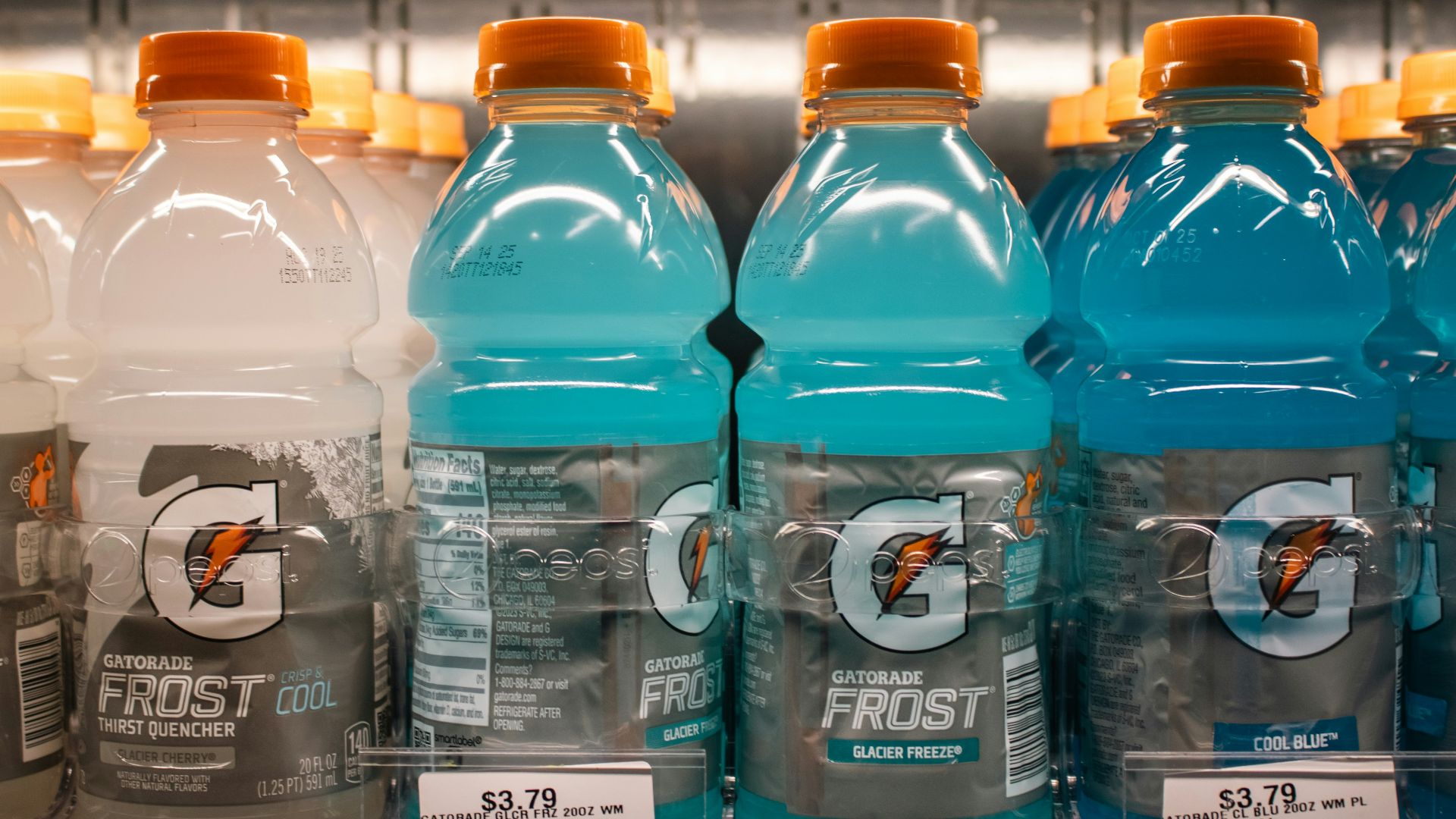
Gatorade is one of those products people expect to taste exactly the way it always has, which is why a lower-sugar version stands out so quickly. With Gatorade Lower Sugar, PepsiCo kept the branding familiar while changing the formula in a way that makes the drink land differently—less syrupy, less intense, and a little lighter than the standard version people already know.
20. Clean-Label Reformulations Across the Aisle
The broader pattern is now strong enough to stand on its own. Ingredient changes are becoming a real brand-trust issue because companies are reformulating more often under pressure from regulation, consumer expectations, cost volatility, and supply constraints, which is exactly why so many familiar foods can taste just slightly different at the same time.
 Provincial Archives of Alberta on Unsplash
KEEP ON READING

20 Worst Foods for Your Liver

_(UK_version).jpg)