When Rations Ruined Everything
Cooking dinner in the 1940s was less about following your heart and more about following your ration book. With staples like sugar, meat, and butter being sent overseas to support the troops, American home cooks had to get incredibly resourceful with whatever was left on the grocery store shelves. With that in mind, here are 20 historical meals from the American home front during the war.
1. Victory Garden Salad
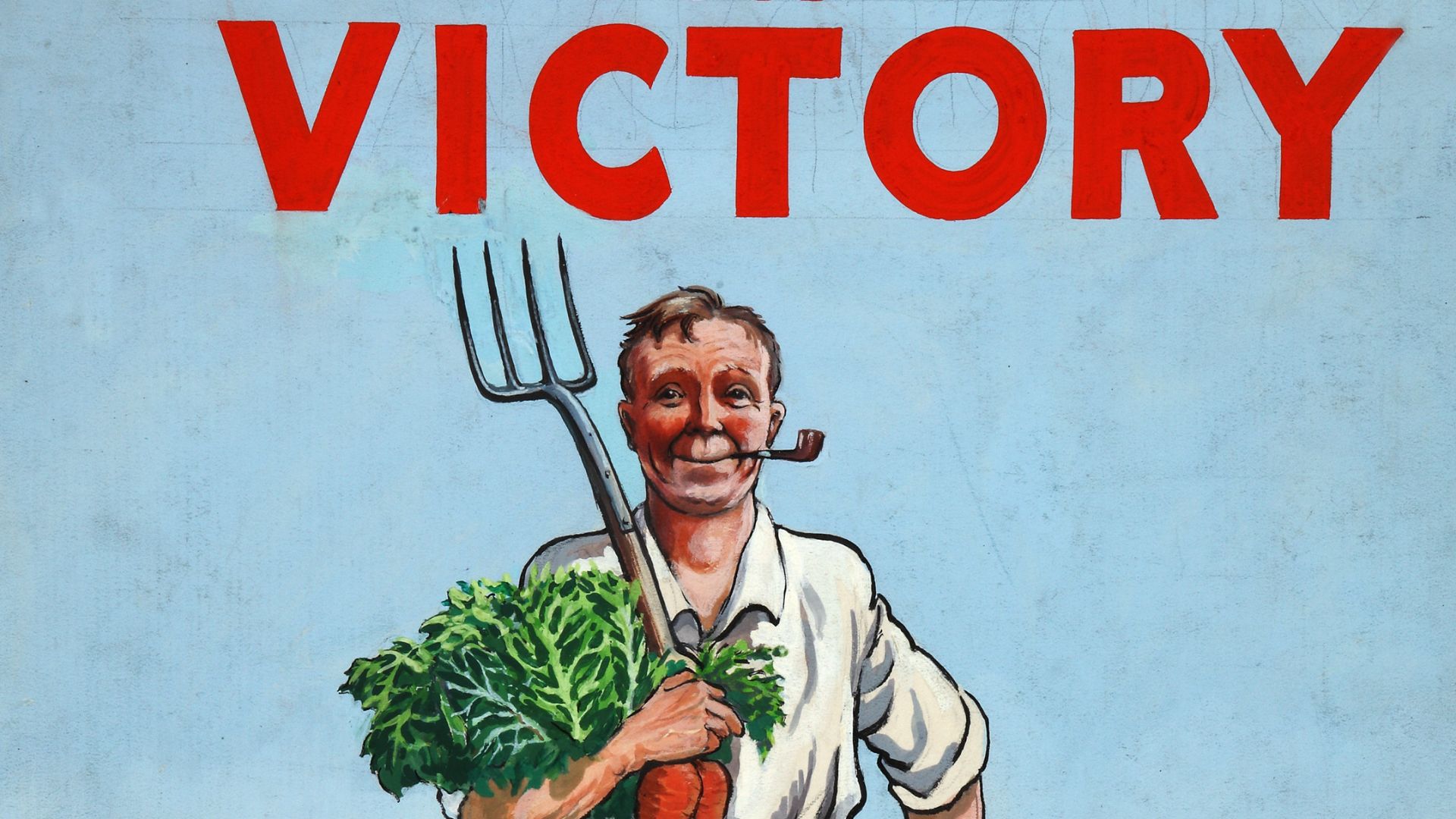
The government encouraged everyone to tear up their front lawns and plant vegetables to ease the pressure on the national food supply. Toss together a fresh bowl of lettuce, radishes, and carrots grown right in the backyard. These gardens became a point of patriotic pride.
2. Lord Woolton Pie
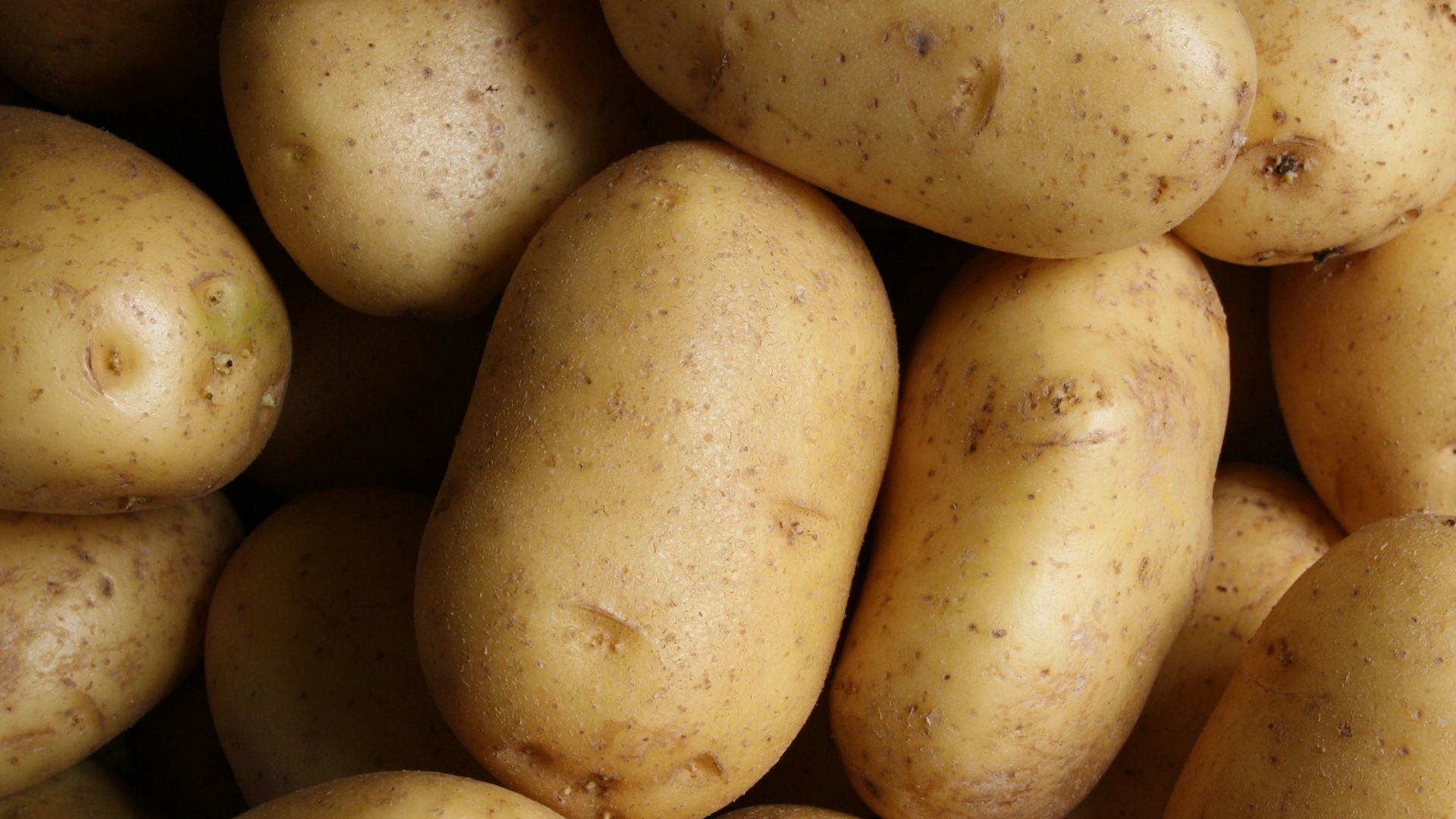
This vegetable-heavy dish was named after the British Minister of Food, but quickly gained popularity in American kitchens looking for meatless alternatives. It’s essentially a hearty mix of potatoes, parsnips, and onions baked under a crust of mashed potatoes or whole wheat pastry. You’d find this on the table during "Meatless Tuesdays."
3. Creamed Chipped Beef on Toast
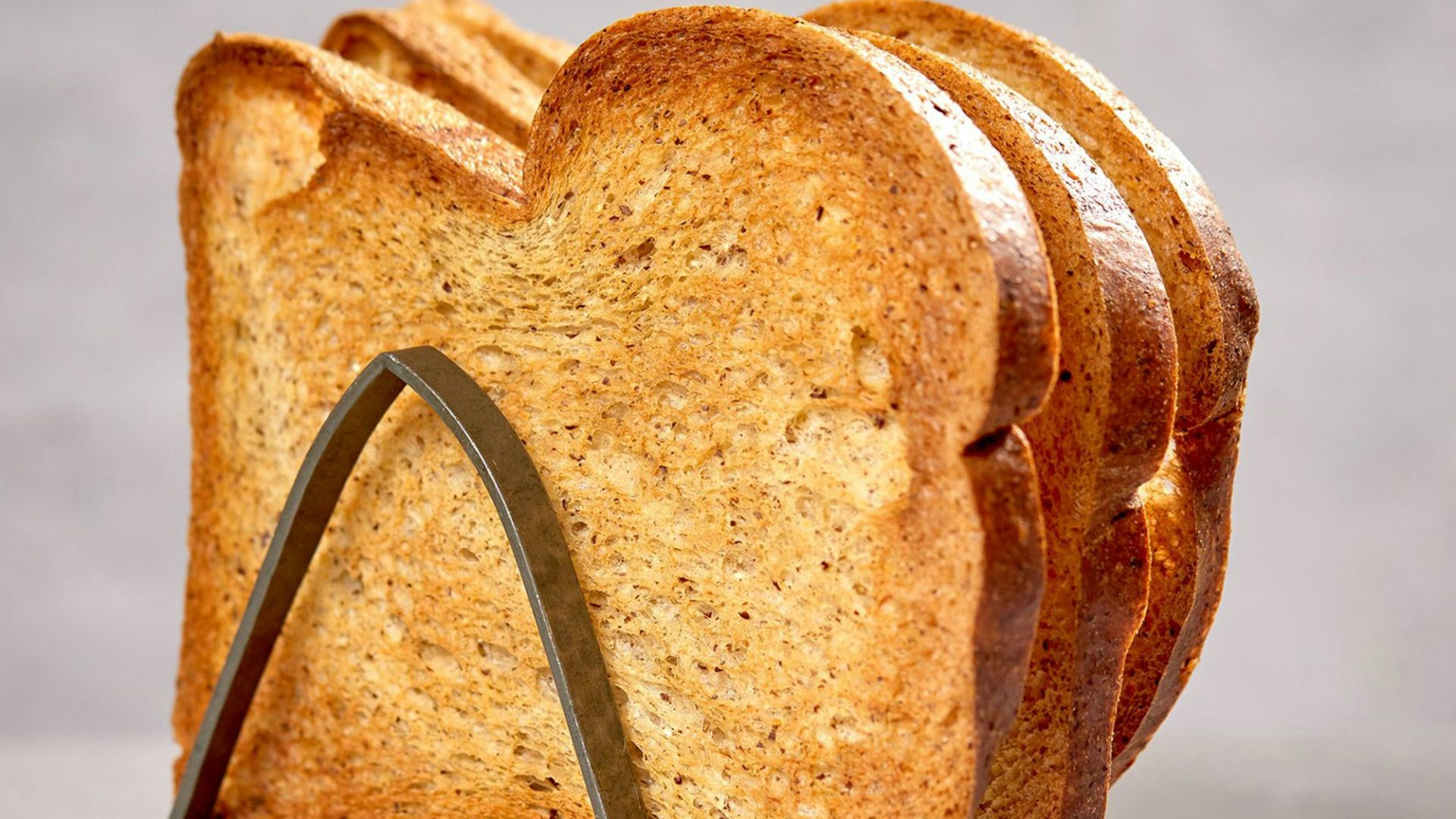
This salty dish was sometimes nicknamed “S.O.S.” by derisive GIs, but it was loved by housewives and hungry service members alike. Essentially, canned beef is dehydrated into little sheets that are rehydrated with milk and a pat of fat, perfect for breakfast or dinner when trying to stretch food dollars.
 Seriously Low Carb on Unsplash
4. Mock Apple Pie
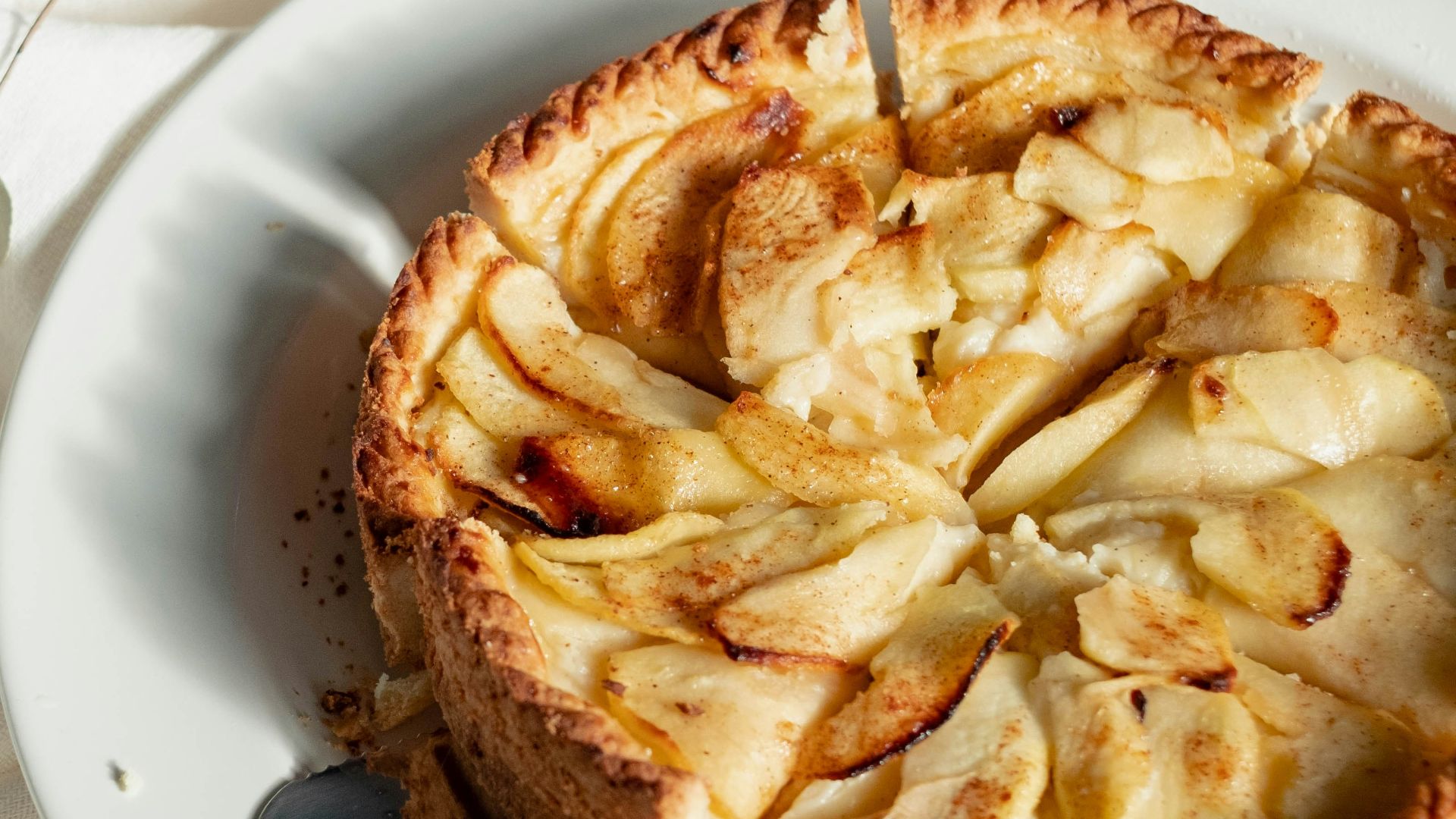
It tastes so much like the real thing that you’d swear there were apples in it. This nostalgic dessert is the champion of WWII recipes that could “fake it till they made it.” Simply soak some Ritz crackers in a sugary lemon-water and cinnamon solution, and voilà!
 Diliara Garifullina on Unsplash
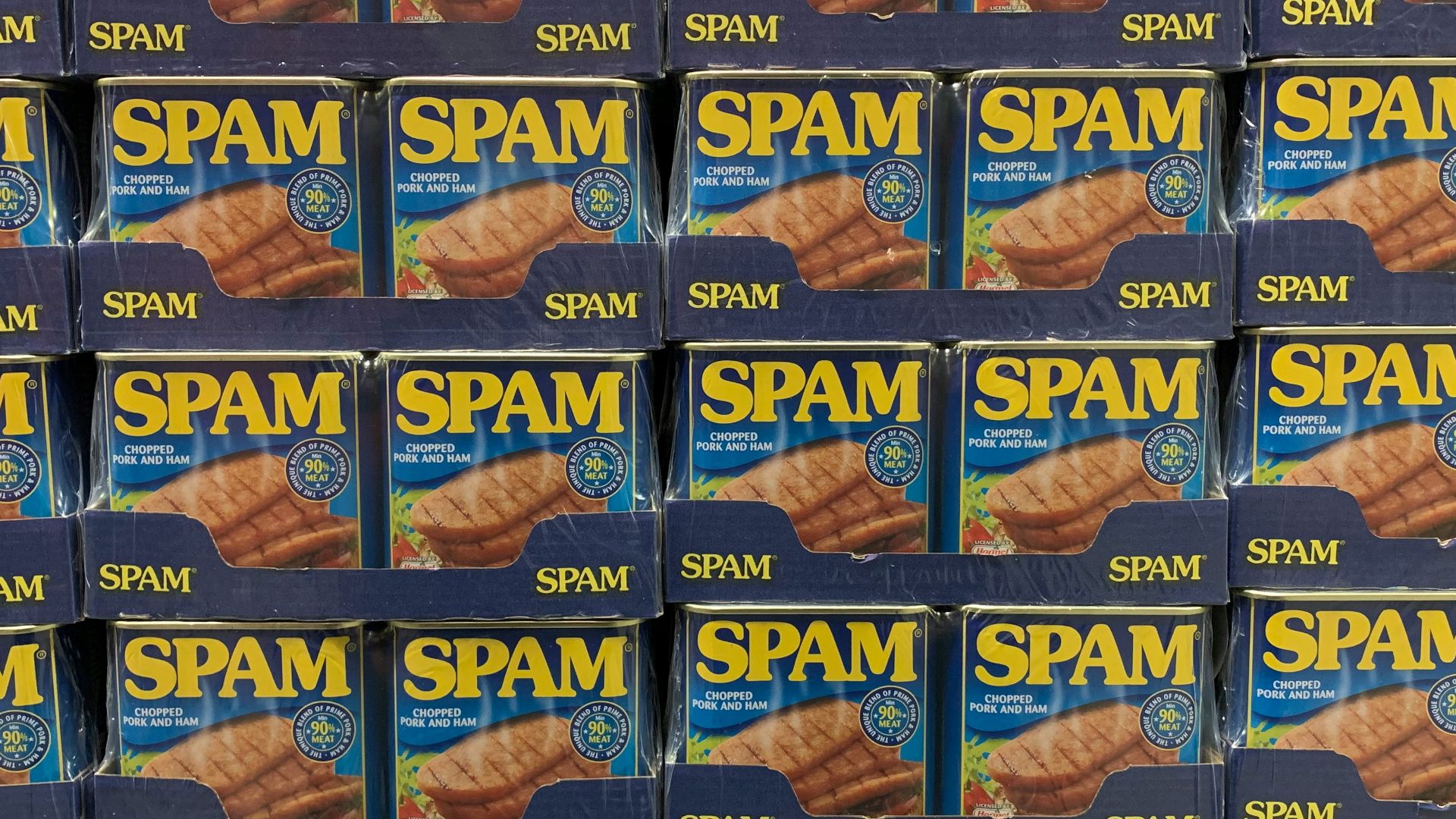
5. Spam Musubi and Sliders
Canned meats became the undisputed kings of the pantry because they didn’t require refrigeration and lasted almost forever. Spam was fried for breakfast, sliced into sandwiches for school lunches, or even glazed with a bit of precious jelly for a "fancy" Sunday dinner.
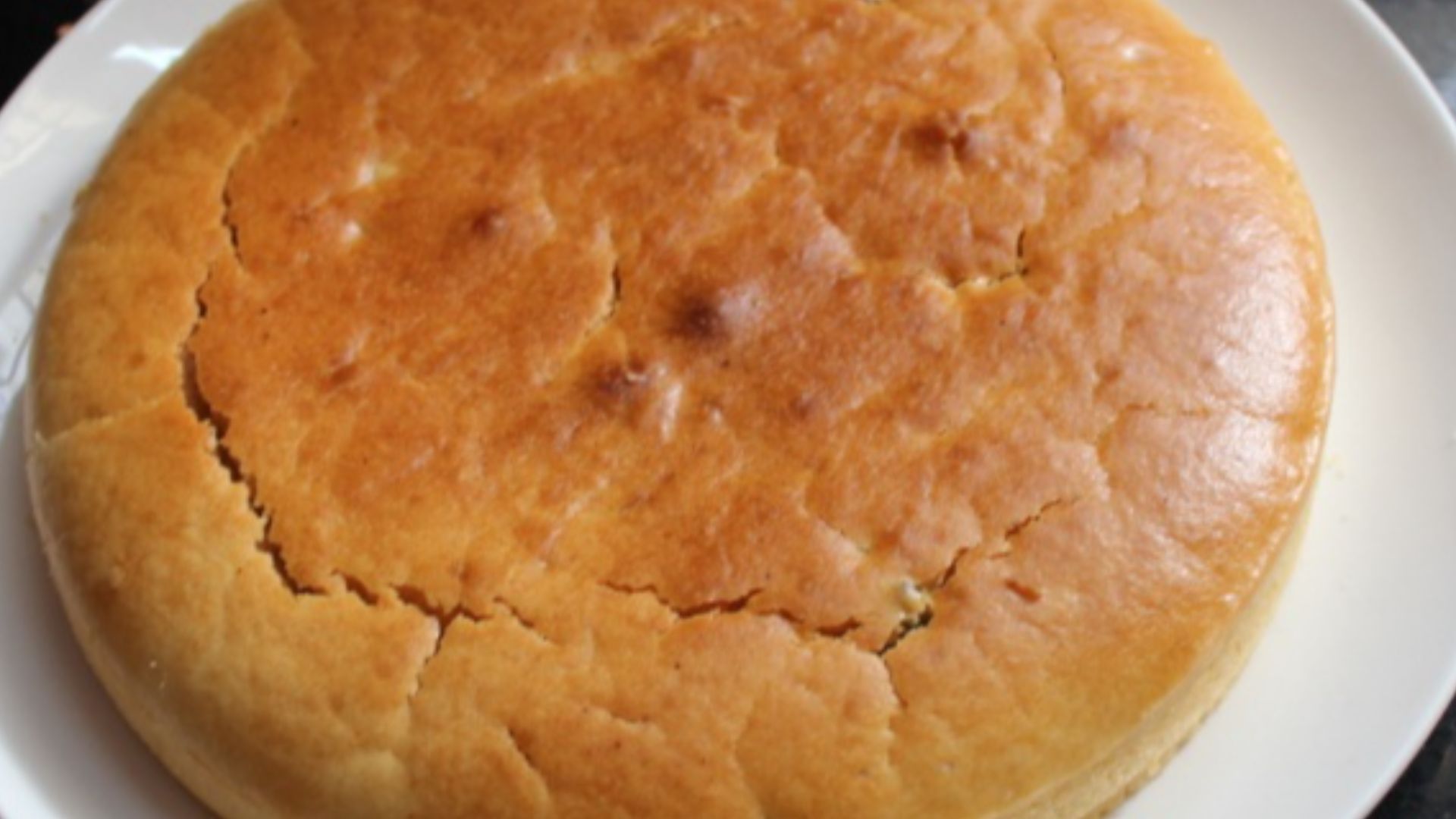
6. Eggless, Milkless, Butterless Cake
Also known as "Wacky Cake" or "Depression Cake," this recipe relies on a chemical reaction between vinegar and baking soda to help it rise. No dairy or eggs are needed, a huge relief for bakers who had run out of weekly rations. Despite the lack of traditional ingredients, it turns out incredibly moist and chocolatey.
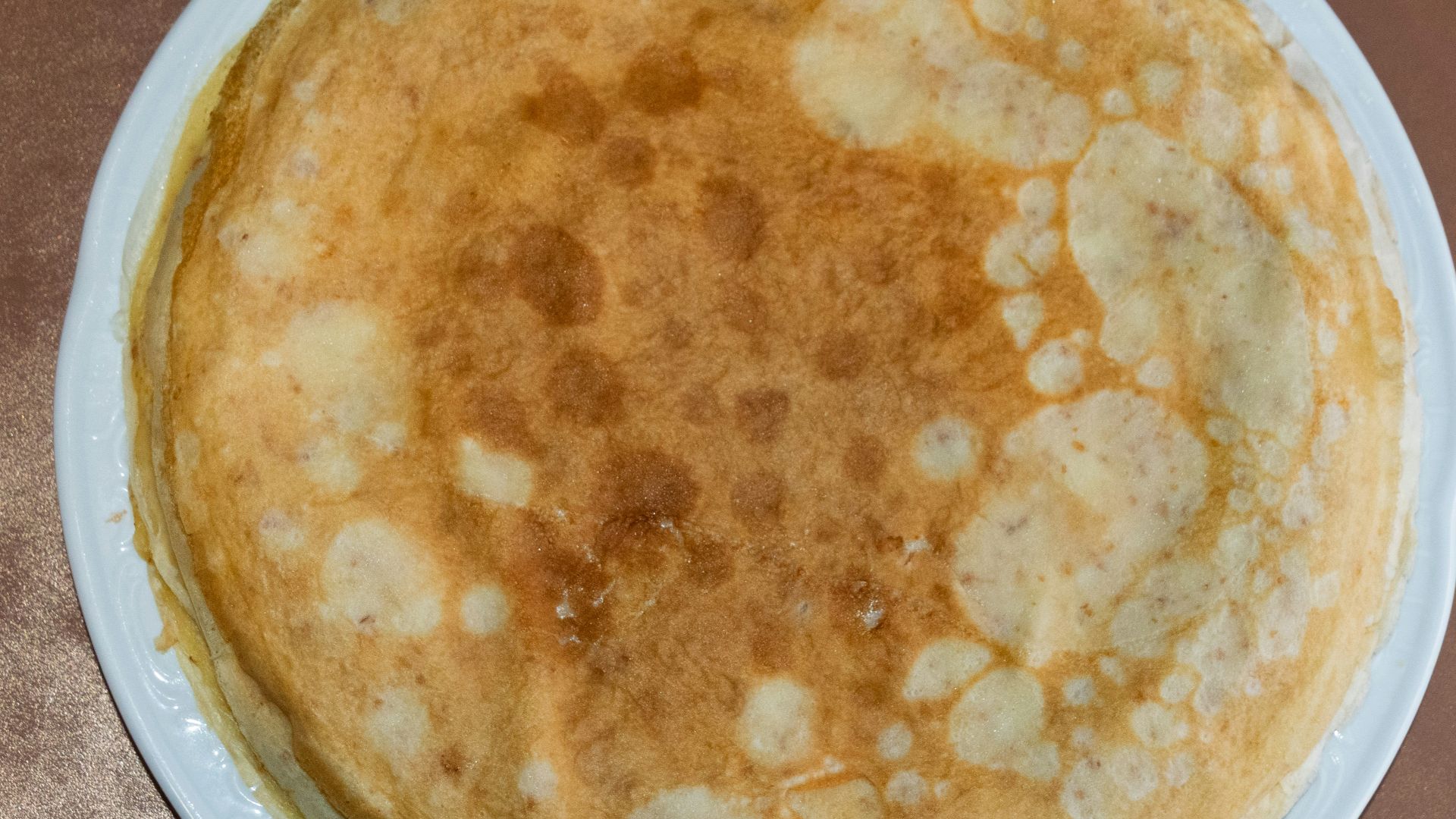
7. Potato Pancakes
Potatoes were one of the few items rarely rationed, so they appeared in almost every meal. Grate them with a little onion and a bit of flour, then fry them into crispy, golden pancakes. They served as a wonderful side dish or a main course.
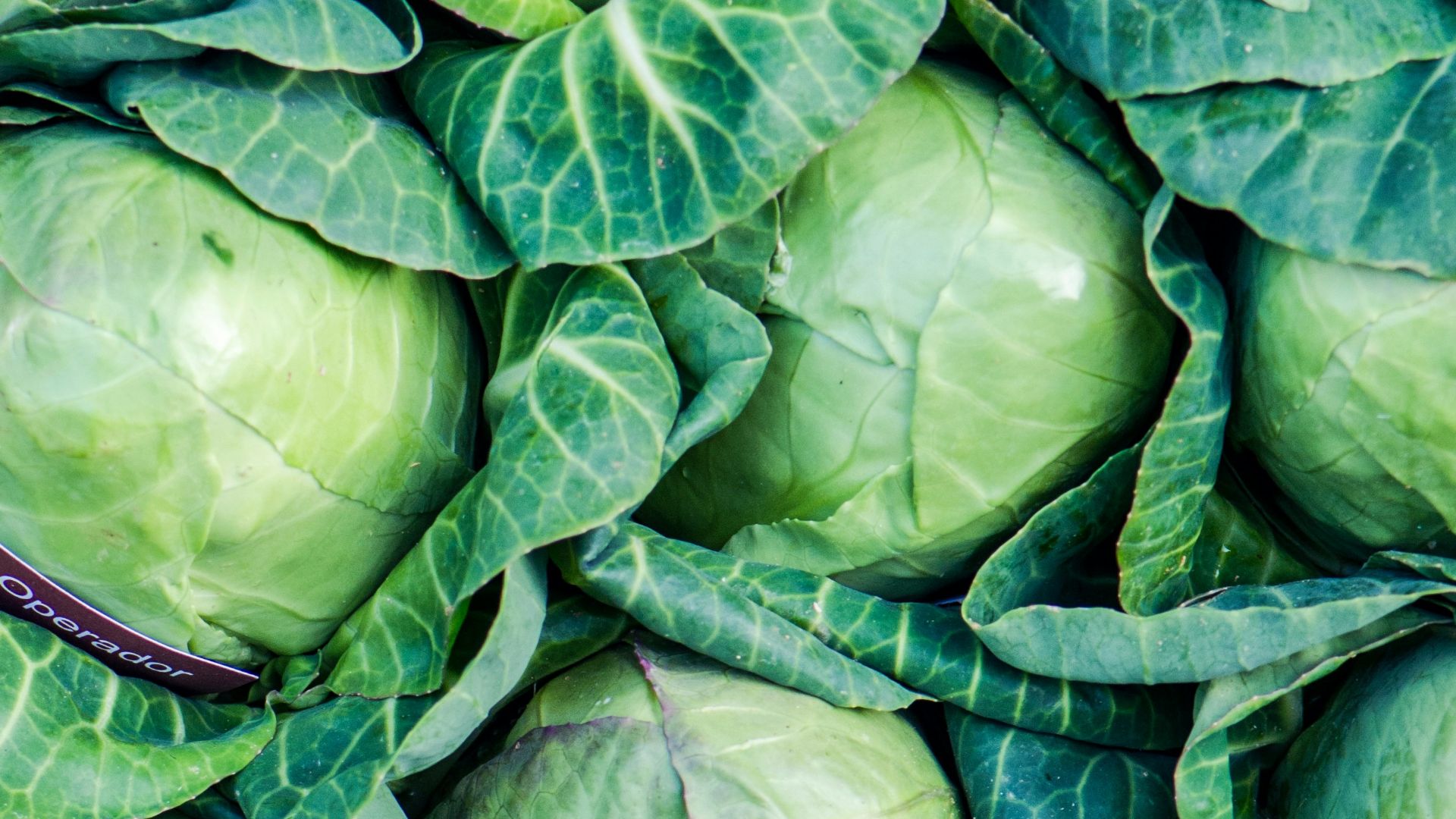
8. Stuffed Cabbage Leaves
Since meat allotments were small, cooks got creative by rolling large cabbage leaves with a tomato and rice stuffing. The meat was hidden inside with just a few tablespoons mixed into the rice to add flavor. Another way Italians and resourceful homemakers stretched the food budget.
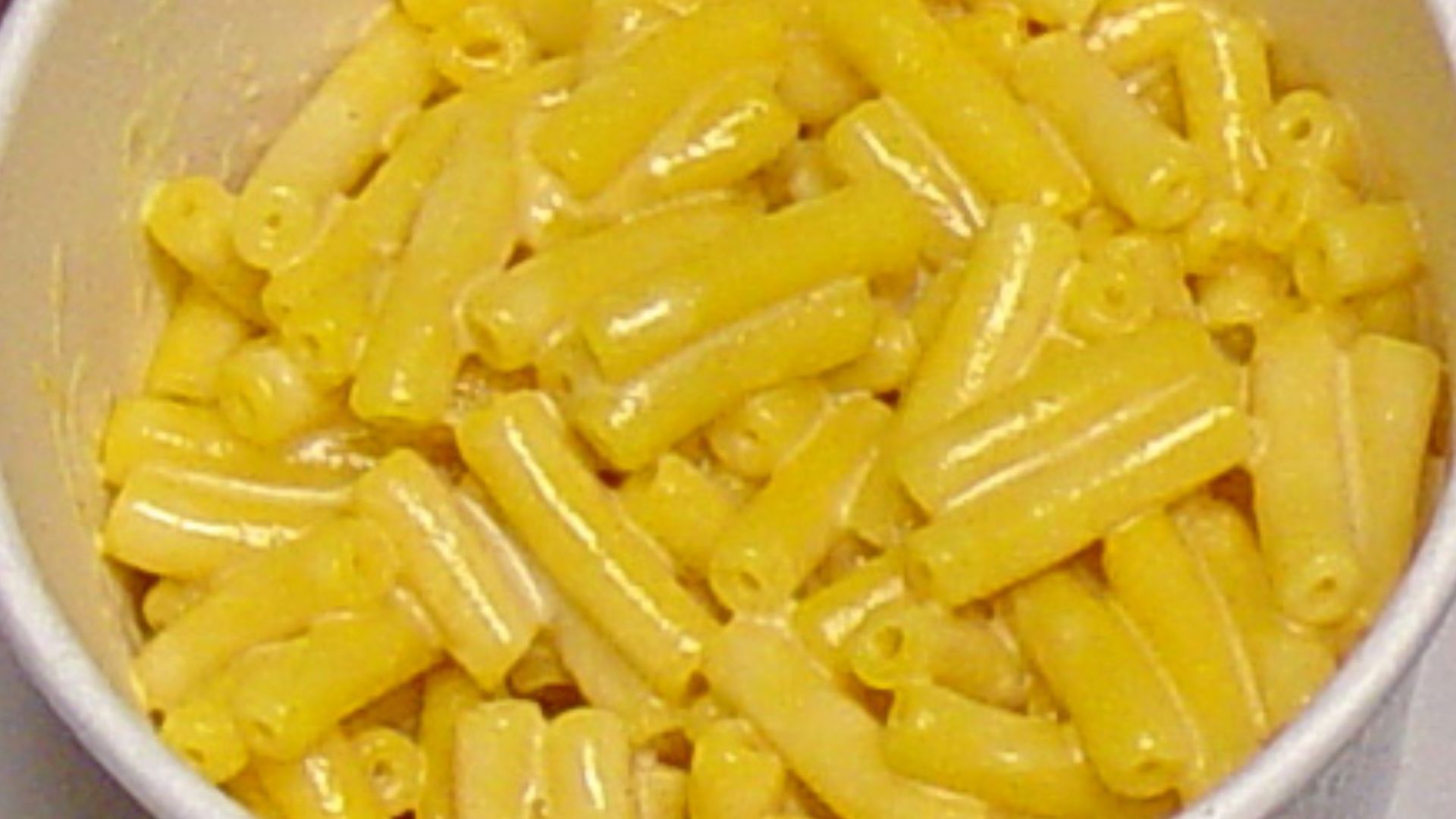
9. Kraft Macaroni and Cheese
This boxed classic exploded in popularity during the war years because two boxes could be obtained for just one ration stamp. It was a quick, cheesy, and filling meal that even children ate without fuss—a lifesaver for mothers working long factory shifts.
10. Corned Beef Hash
A can of corned beef, diced with plenty of potatoes and onions, created a salty, crispy meal suitable for any time of day. Fry it in a heavy skillet until the edges are browned and crunchy, which helps mask the canned taste of the meat.
11. Whale Meat Steaks
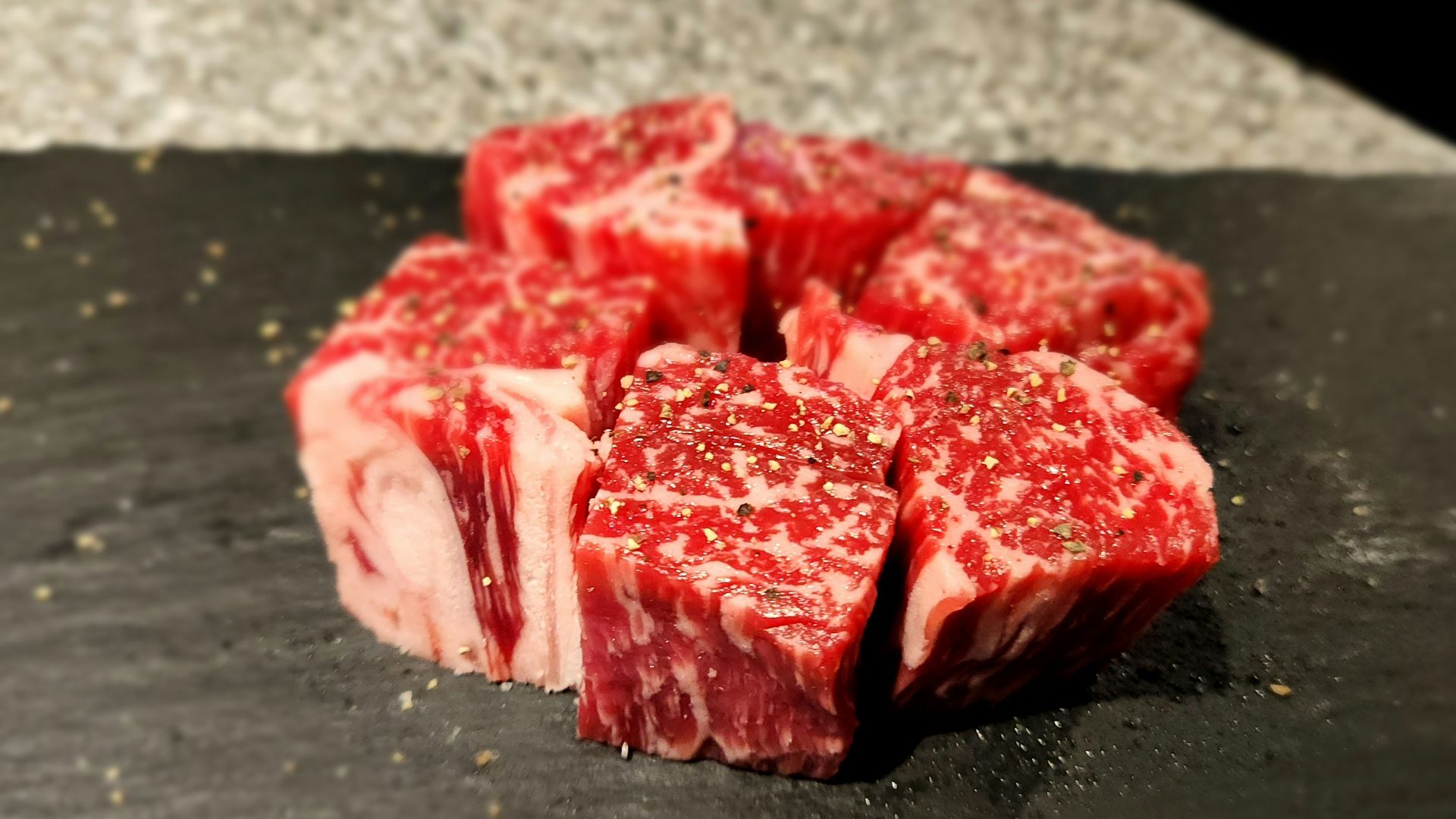
In an effort to find new protein sources, the government briefly marketed whale meat as a patriotic alternative to beef. It didn’t require any ration points, which made it attractive on paper. However, many found the oily and fishy taste difficult to handle.

12. Baked Beans and Brown Bread
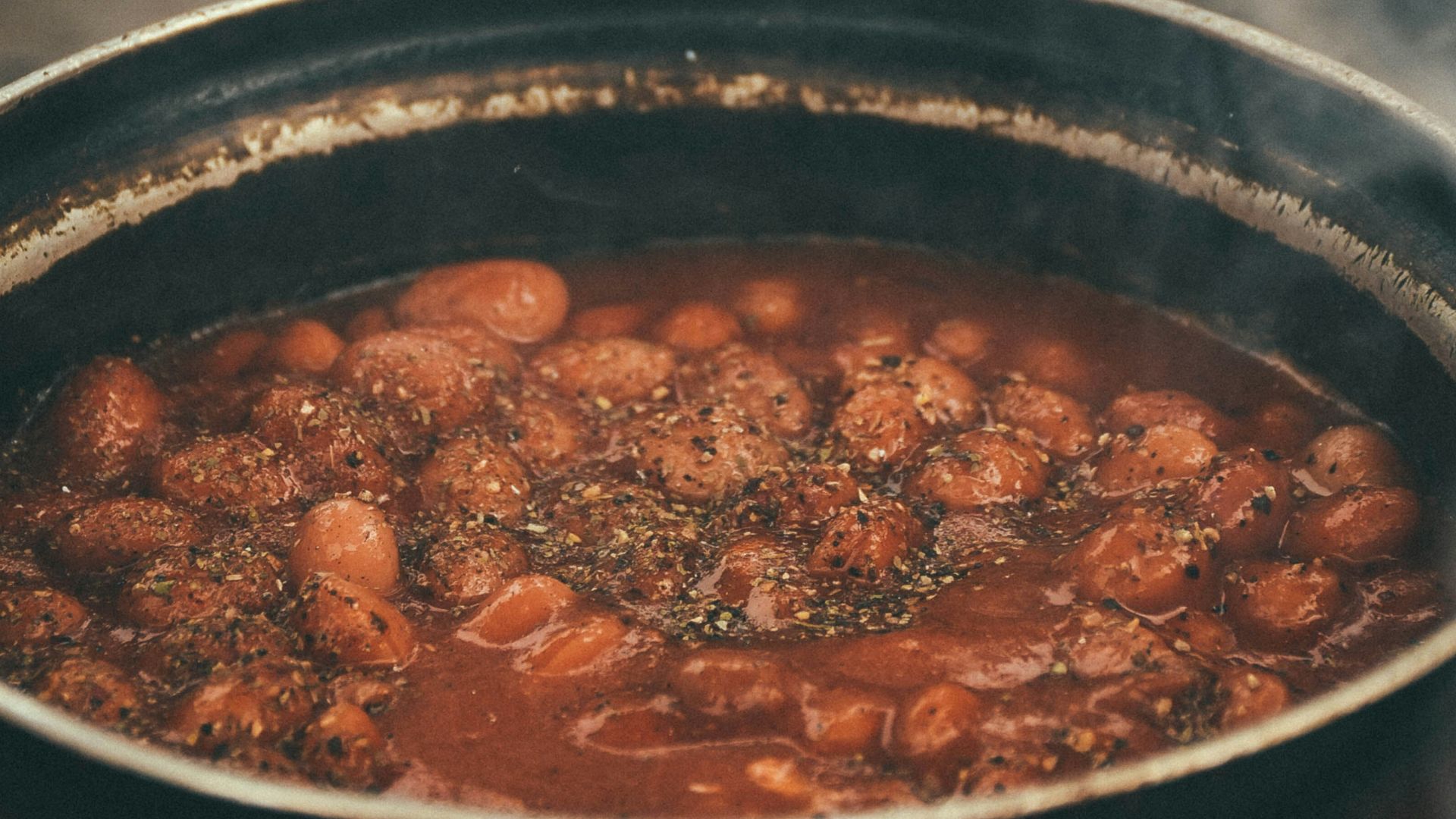
Molasses was used in place of white sugar, making baked beans a sweet staple. Serve with brown bread, often baked in a tin can. This classic New England dish became popular nationwide because it was cheap, filling, and required very little refrigeration.
 P.O.sitive Negative on Unsplash
13. Homemade Vegetable Soup
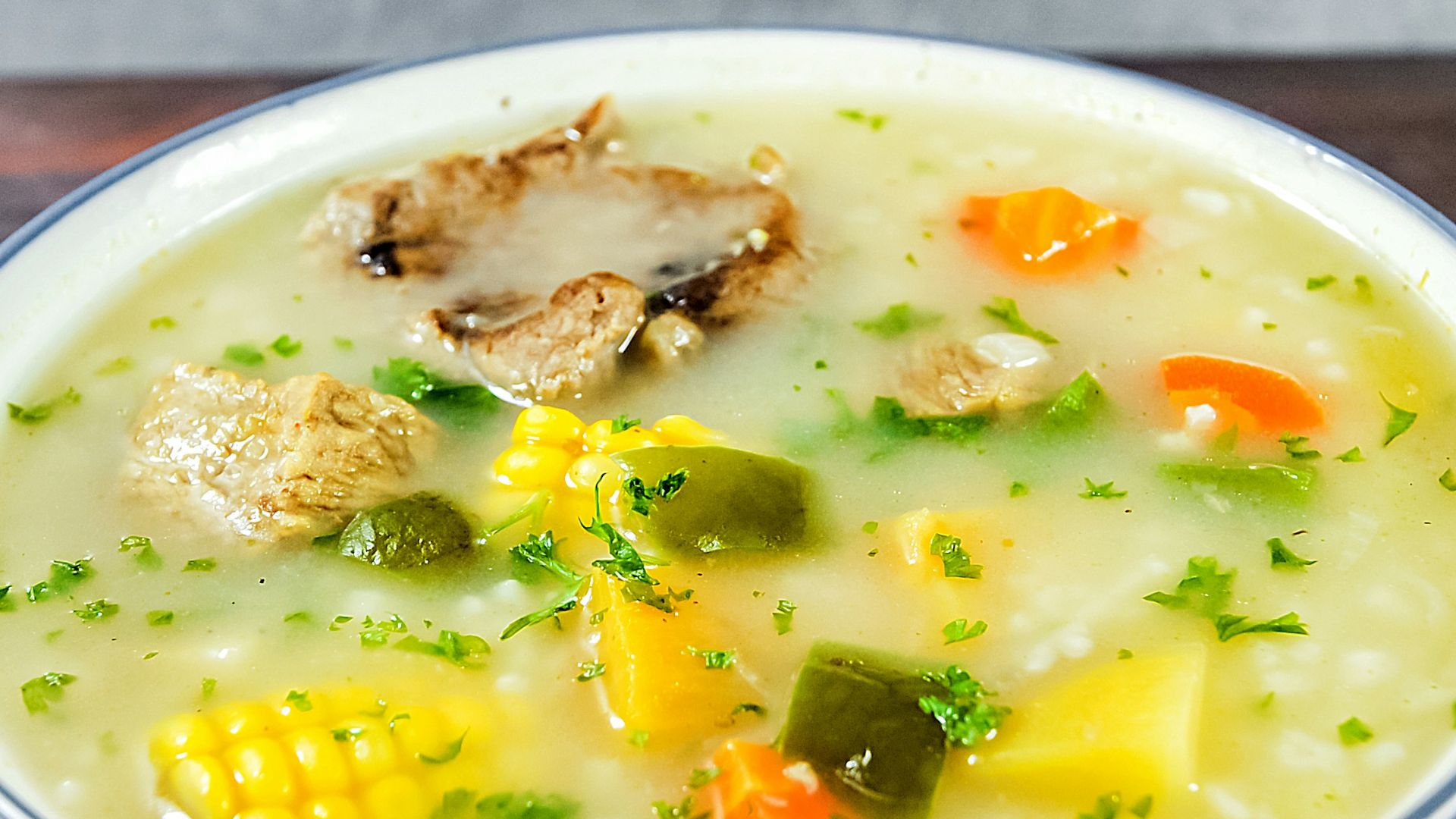
Use every leftover scrap in the fridge to make a hearty soup. Save the water from boiling vegetables as a soup base, then add leftovers from previous meals. Throw in barley or tiny pasta to make it thicker.
14. Gelatin Salads with Canned Fruit
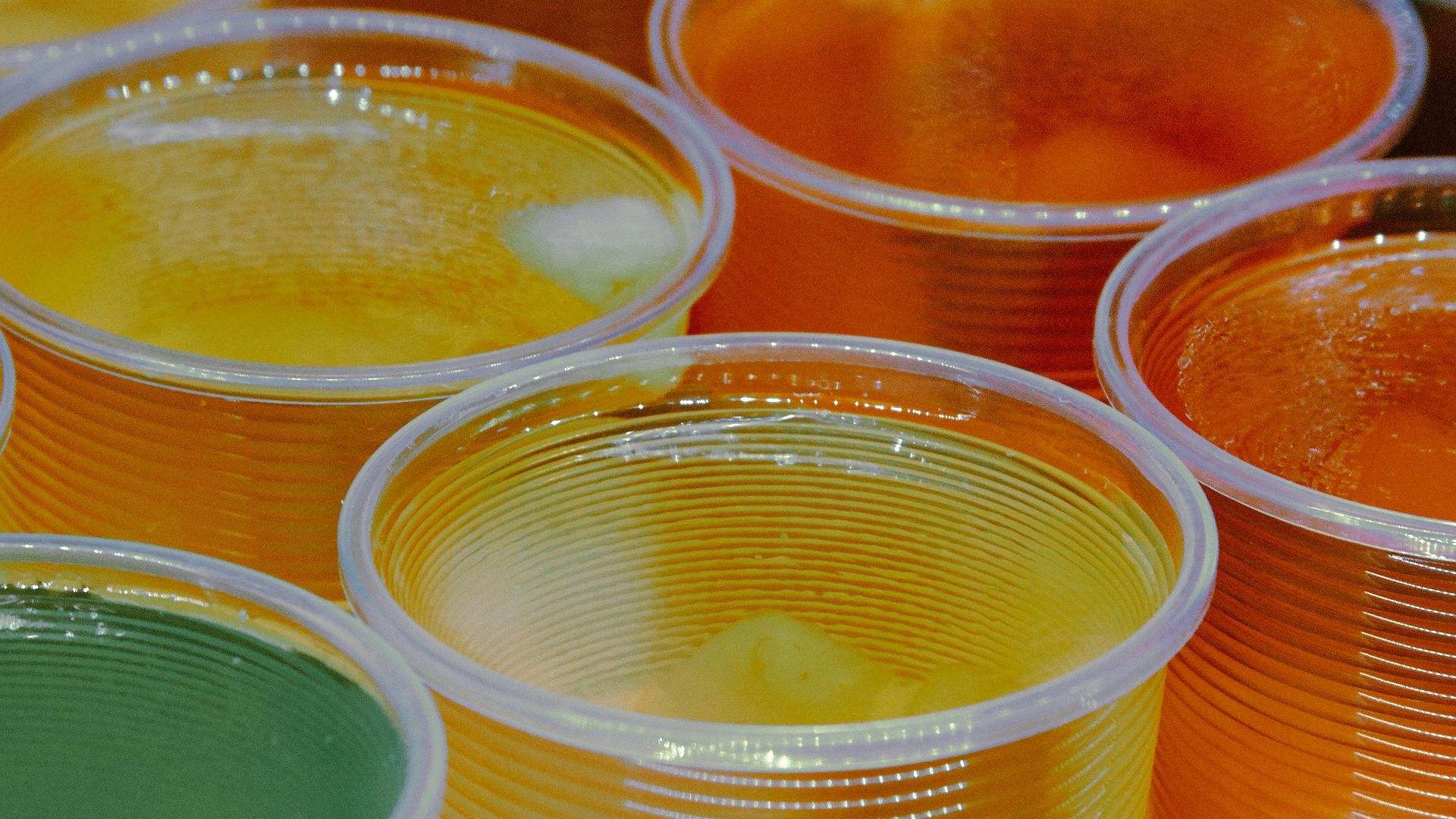
Jell-O was revolutionary for wartime cooks because it could stretch a small amount of fruit into a large, impressive dessert. Bright red or green molds were often filled with suspended slices of canned peaches or pears at community potlucks. These wobbling creations added color and fun.
15. Hominy Grits
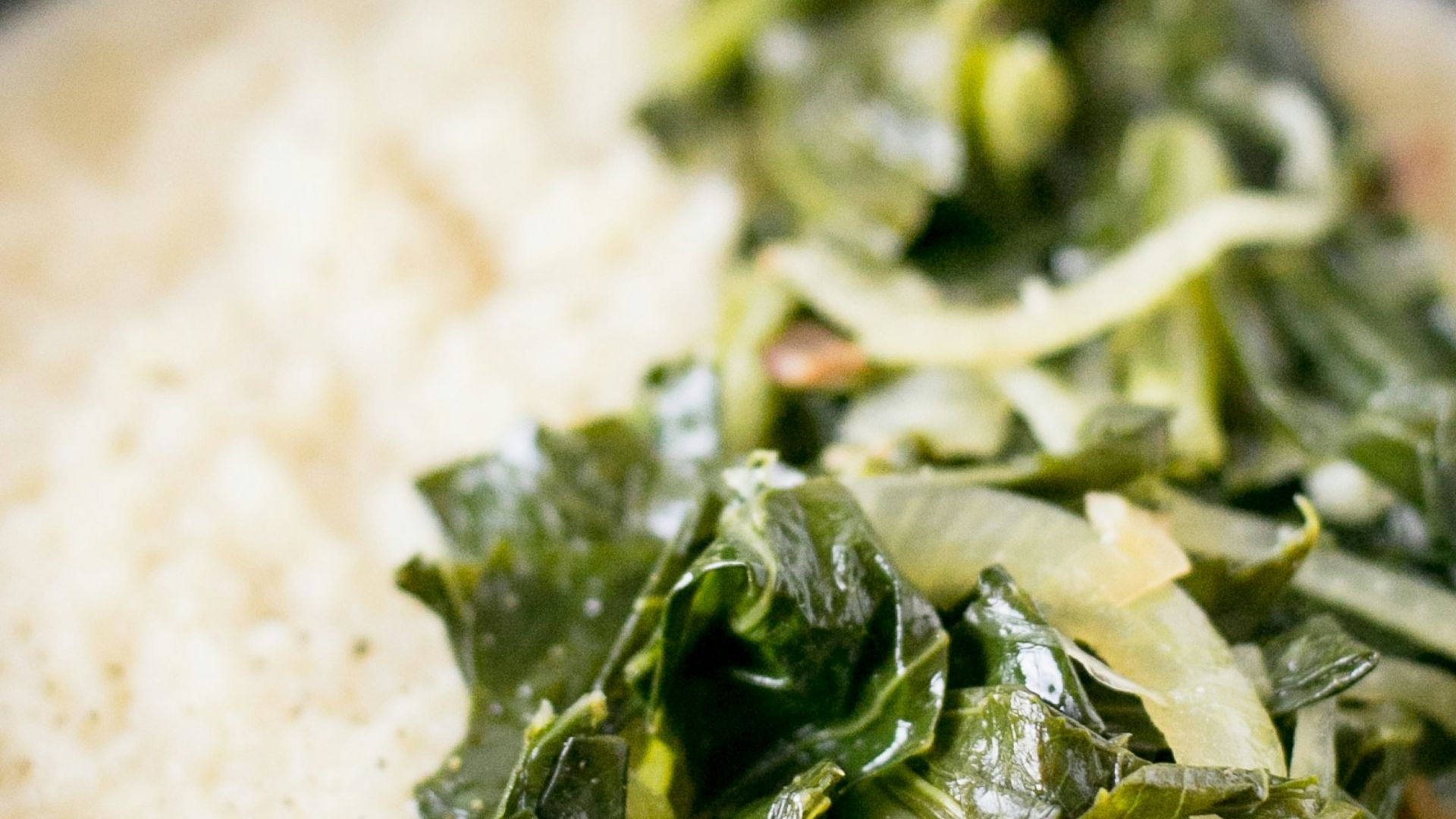
Grits were another food that Southerners could eat without using up precious ration points. Spoon some onto a plate with a little bacon grease or milk if available. Eat it for breakfast before a long day.
16. Rabbit Stew
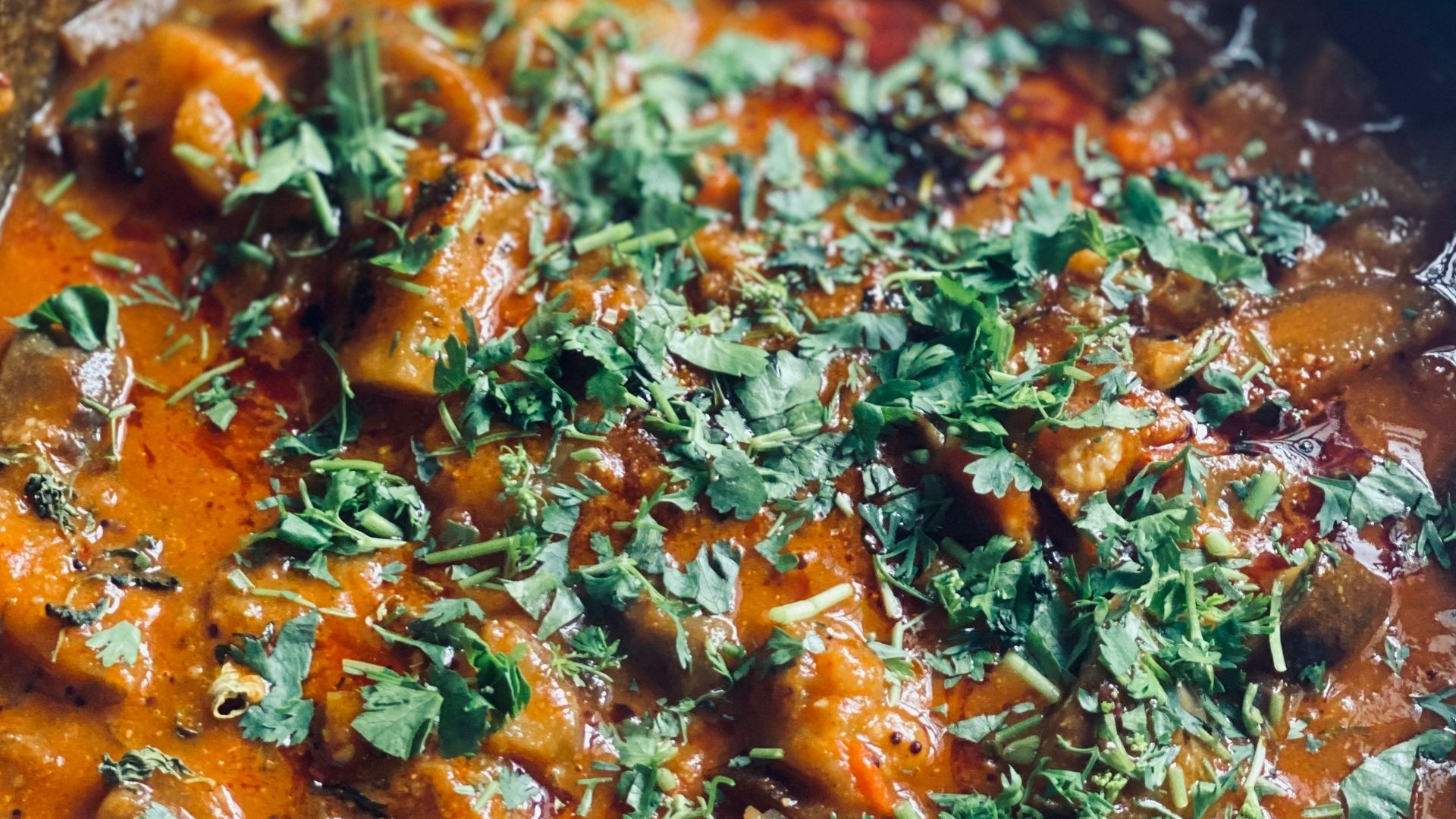
Americans were encouraged to raise rabbits to eat instead of beef or pork. Slow-cook the rabbit with carrots and leeks to create a delicious stew. Cooked long enough, the meat falls right off the bone and tastes a lot like chicken.
17. Peanut Butter and Onion Sandwiches
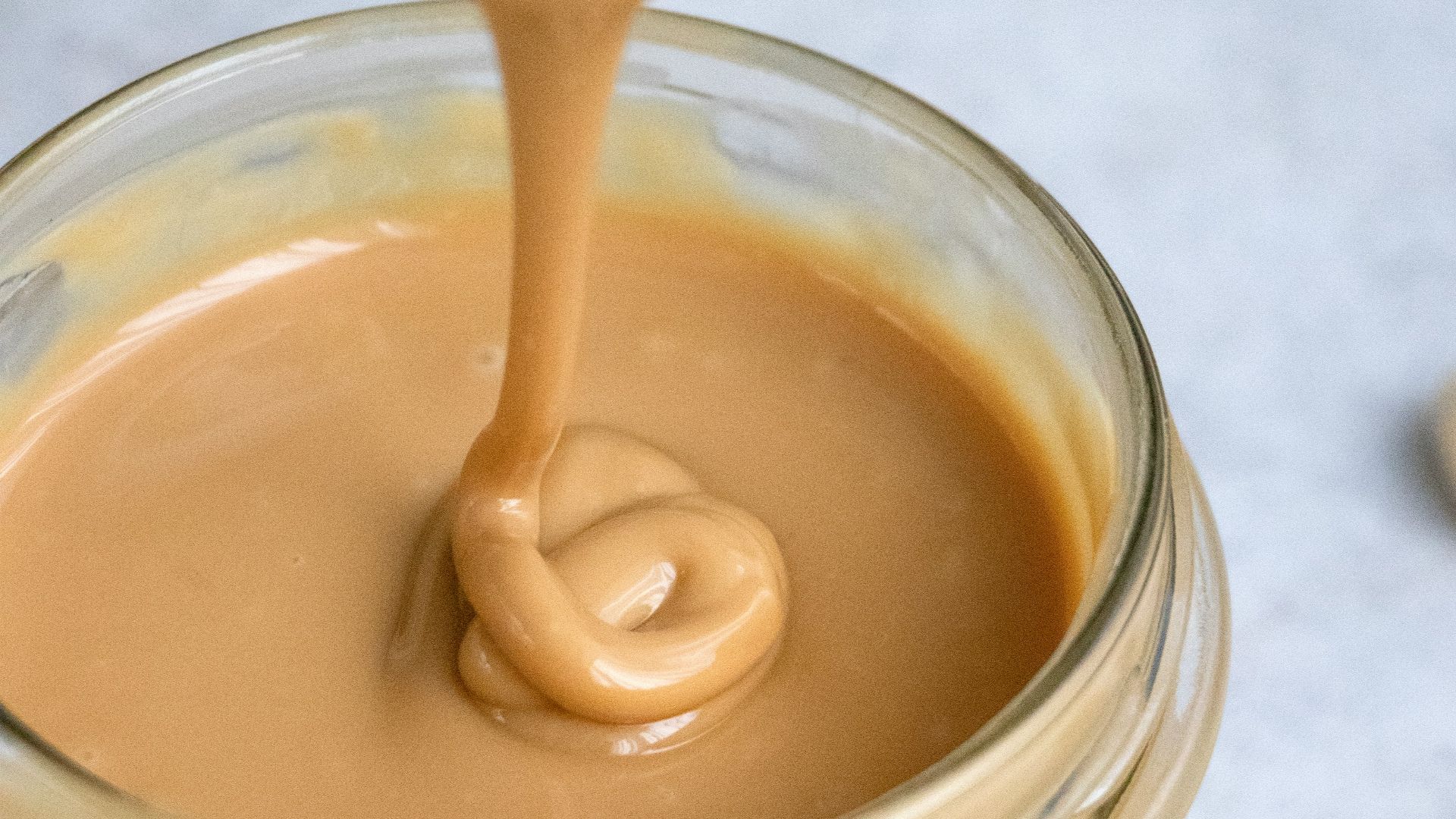
It might sound bizarre today, but this combination was recommended by the Bureau of Home Economics as a nutritious lunch. Peanut butter provided fats and proteins, while the raw onion added a sharp crunch and a boost of vitamin C.
18. Succotash
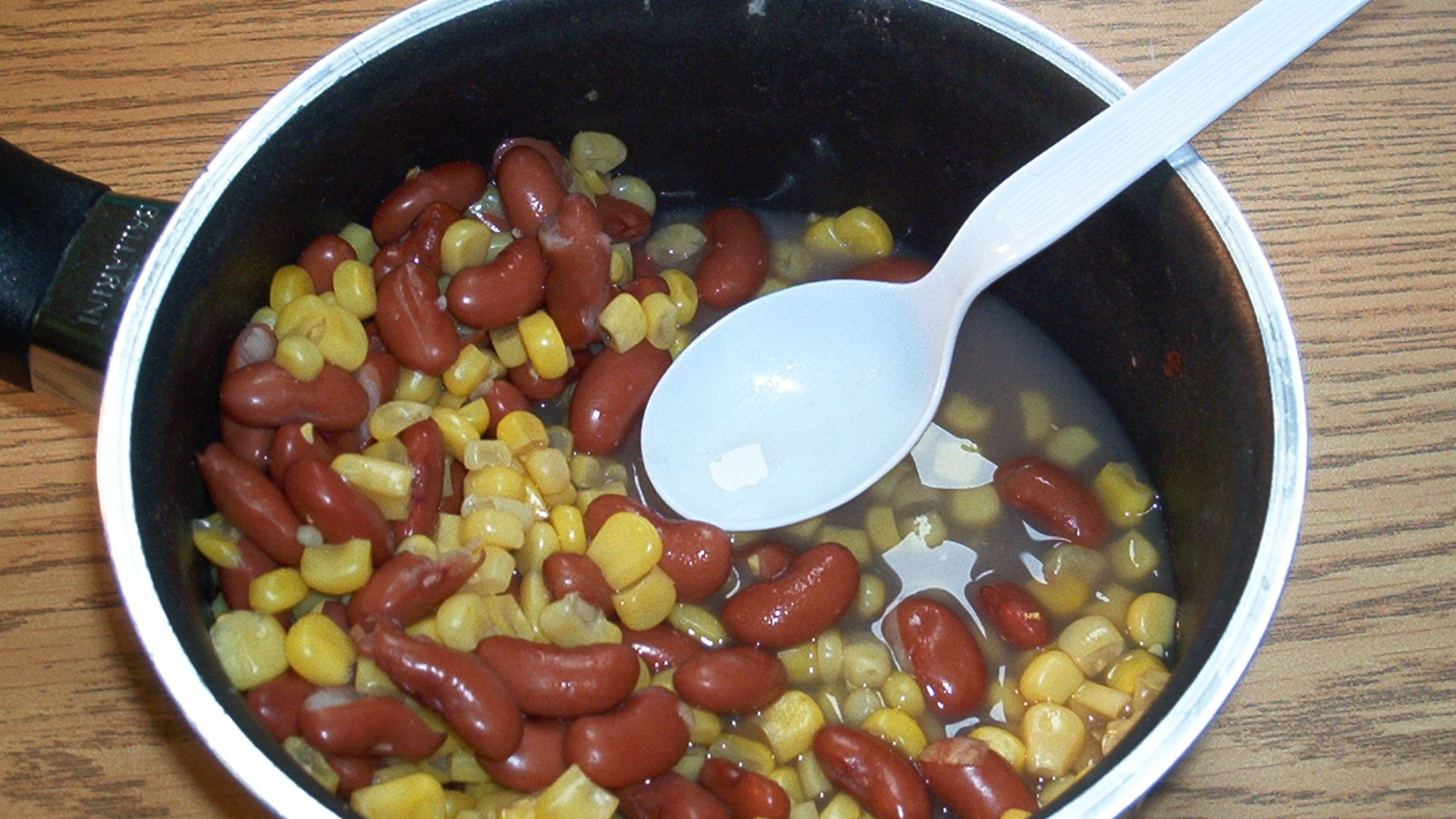
A delicious way to serve lima beans and corn together, succotash was a common WWII side dish. Red bell pepper or cream could be added to enhance flavor. This easy recipe allowed homesteaders to grow twice as much food in their gardens.
19. Swiss Steak
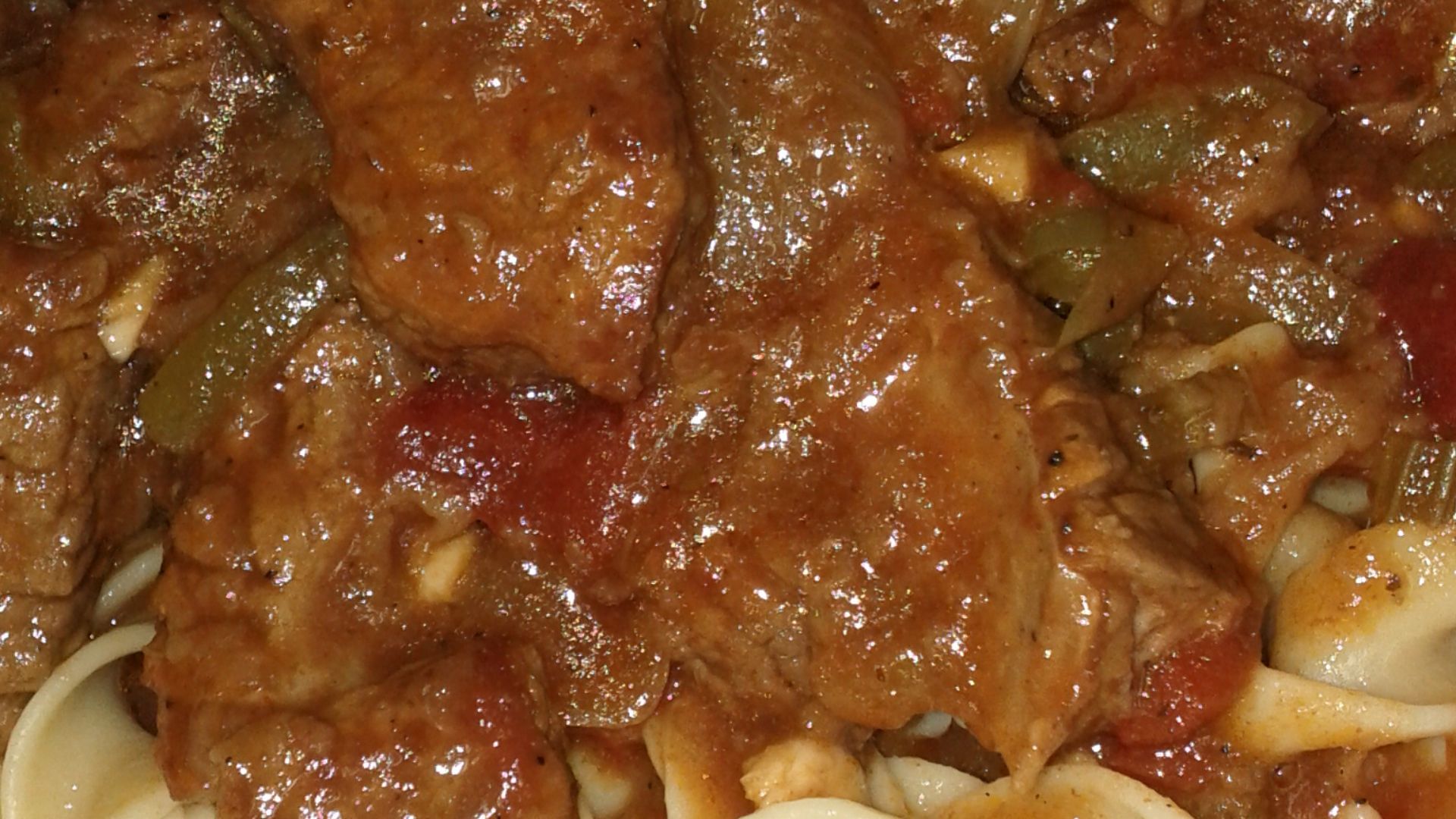
If meat was found at the grocery store, it was likely a tough cut of beef or pork. Swiss steak involves pounding the meat flat with a meat tenderizer, then cooking it in gravy. The long braising process breaks down the fibers, resulting in a tender and delicious meal.
 RBerteig from Monrovia, California, USA on Wikimedia
20. Carrot Cookies
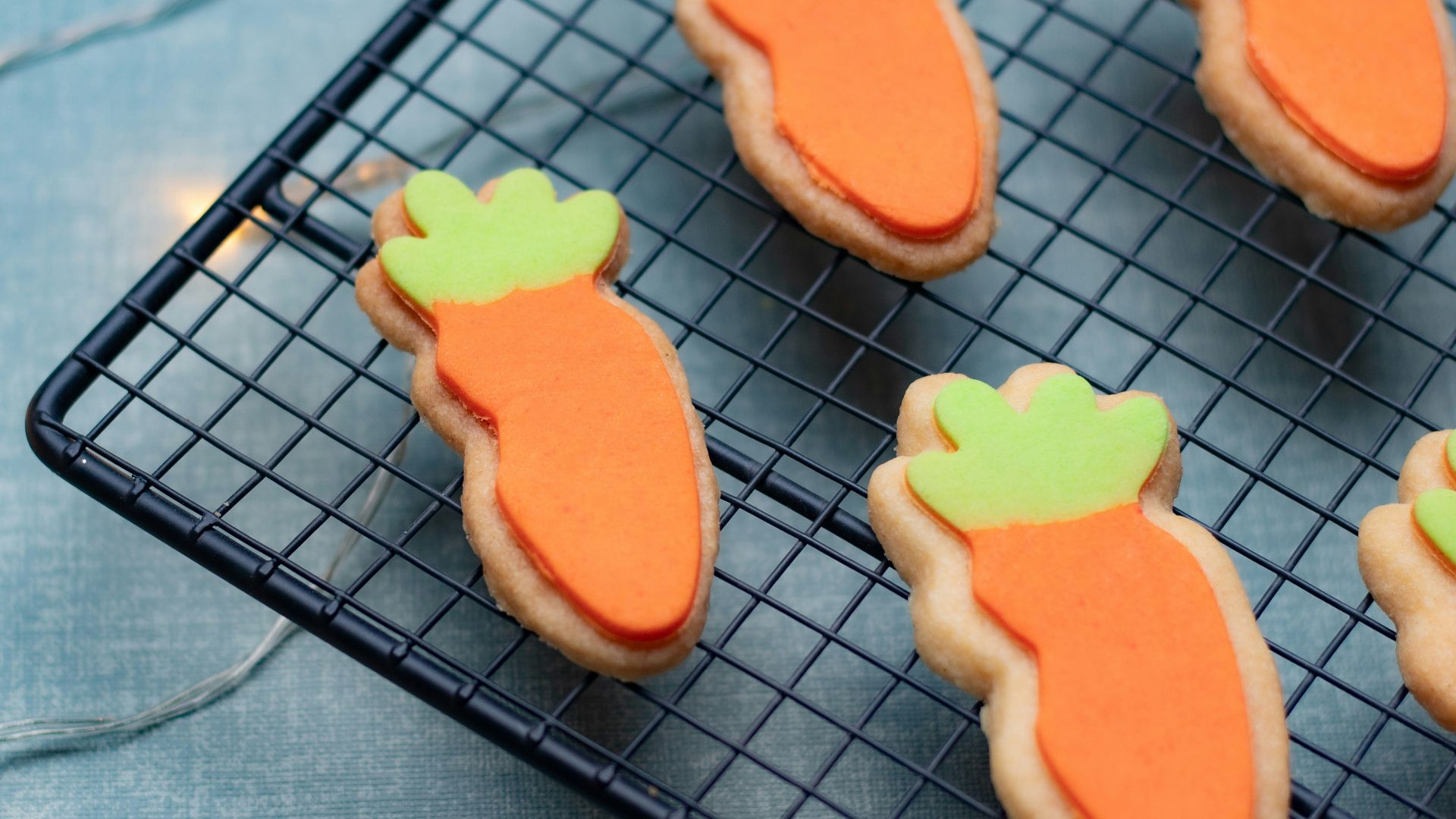
When sugar was running low, the natural sweetness of grated carrots could satisfy dessert cravings. Mix them into a basic dough to create a soft, cake-like cookie. While not as decadent as a pre-war chocolate chip cookie, they were a sweet reminder that life could still be a little tasty even during a global conflict.
 Wouter Supardi Salari on Unsplash
KEEP ON READING