10 Signs a Restaurant Is Worth Waiting Two Hours For & 10 Red Flags to Walk Away From
10 Signs a Restaurant Is Worth Waiting Two Hours For & 10 Red Flags to Walk Away From
Is the Wait Actually Worth It?
Even if you're a certified foodie, how long is too long a wait for a restaurant? Most people would probably be okay with up to a 30-minute-long line, but once that stretches any more, you're likely to walk off. Whether you're visiting a hyped new spot or returning to an old favorite that suddenly has people wrapped around the block, knowing what to look for can save you from a frustrating dinner. Here are 10 signs a restaurant is worth waiting for, and 10 red flags you shouldn't ignore.

1. The Crowd Outside Is Actually Enjoying Themselves
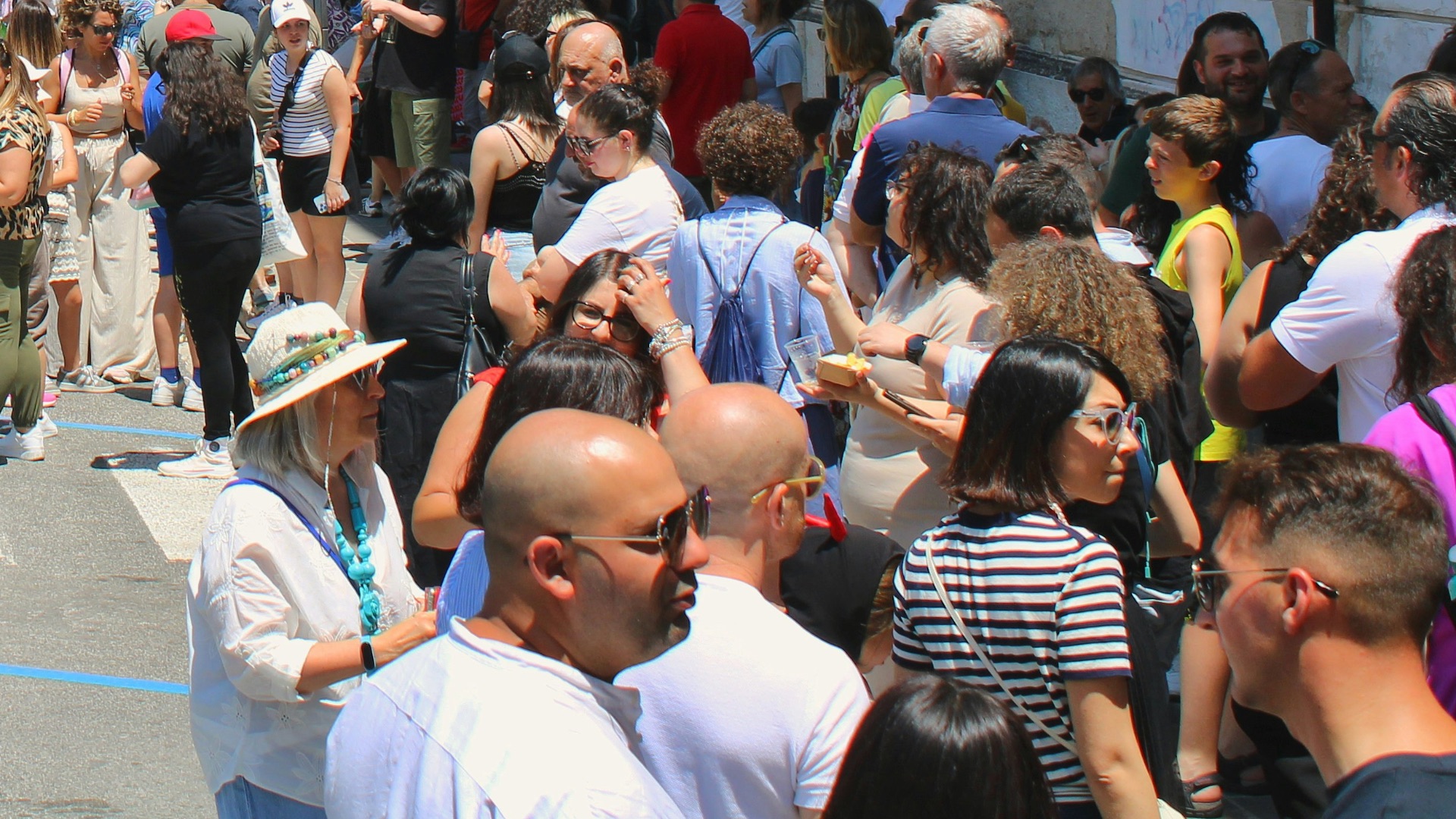
When the people waiting seem happy rather than visibly annoyed, that's a strong indicator that the restaurant is managing the experience well. A good venue understands that the wait is part of the overall impression it makes, so it treats guests accordingly even before they're seated. If you spot people chatting, sipping complimentary drinks, or scrolling through the menu with anticipation rather than resignation, you're probably in good hands.
2. The Staff Is Attentive and Communicative
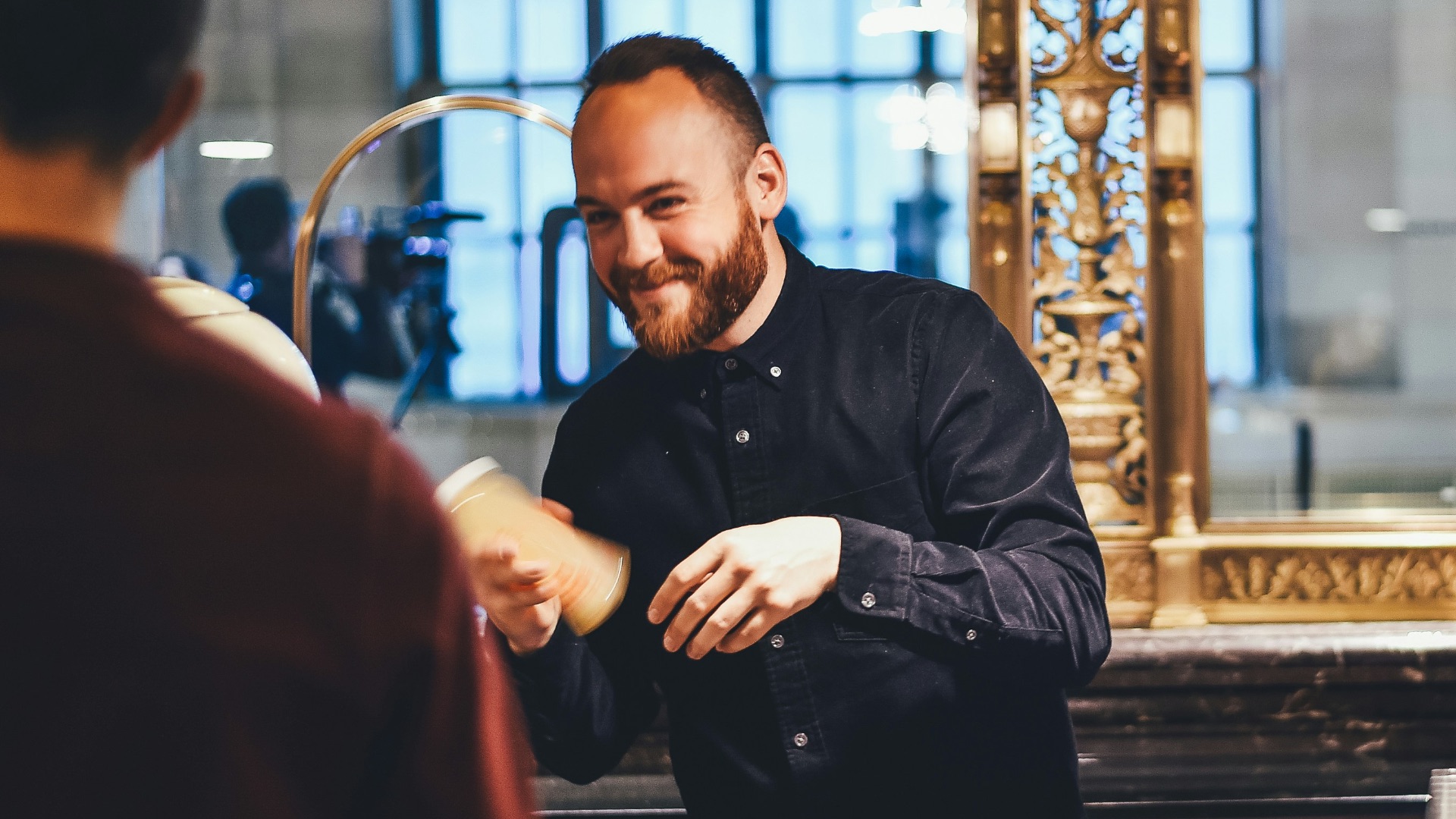
A restaurant worth its reputation will have someone checking on waiting guests regularly, offering realistic time estimates and updates without you having to chase anyone down. Attentive service before you're even a paying customer signals that the team takes hospitality seriously as a whole. Pay attention to whether the host makes eye contact, addresses you by name if they've taken it, and follows through on the timeline they promised.
3. Online Reviews Consistently Praise the Food Itself
It's worth doing a quick scan of recent reviews before committing to a long wait, and what you're looking for specifically is whether people rave about the actual dishes rather than just the atmosphere or the novelty of getting in. A restaurant with sustained, enthusiastic praise for its cooking across multiple platforms and over a period of time has earned that reputation through consistent effort. If the reviews skew more toward the vibe than the food, temper your expectations accordingly.

4. You Can See the Kitchen or Watch the Food Coming Out
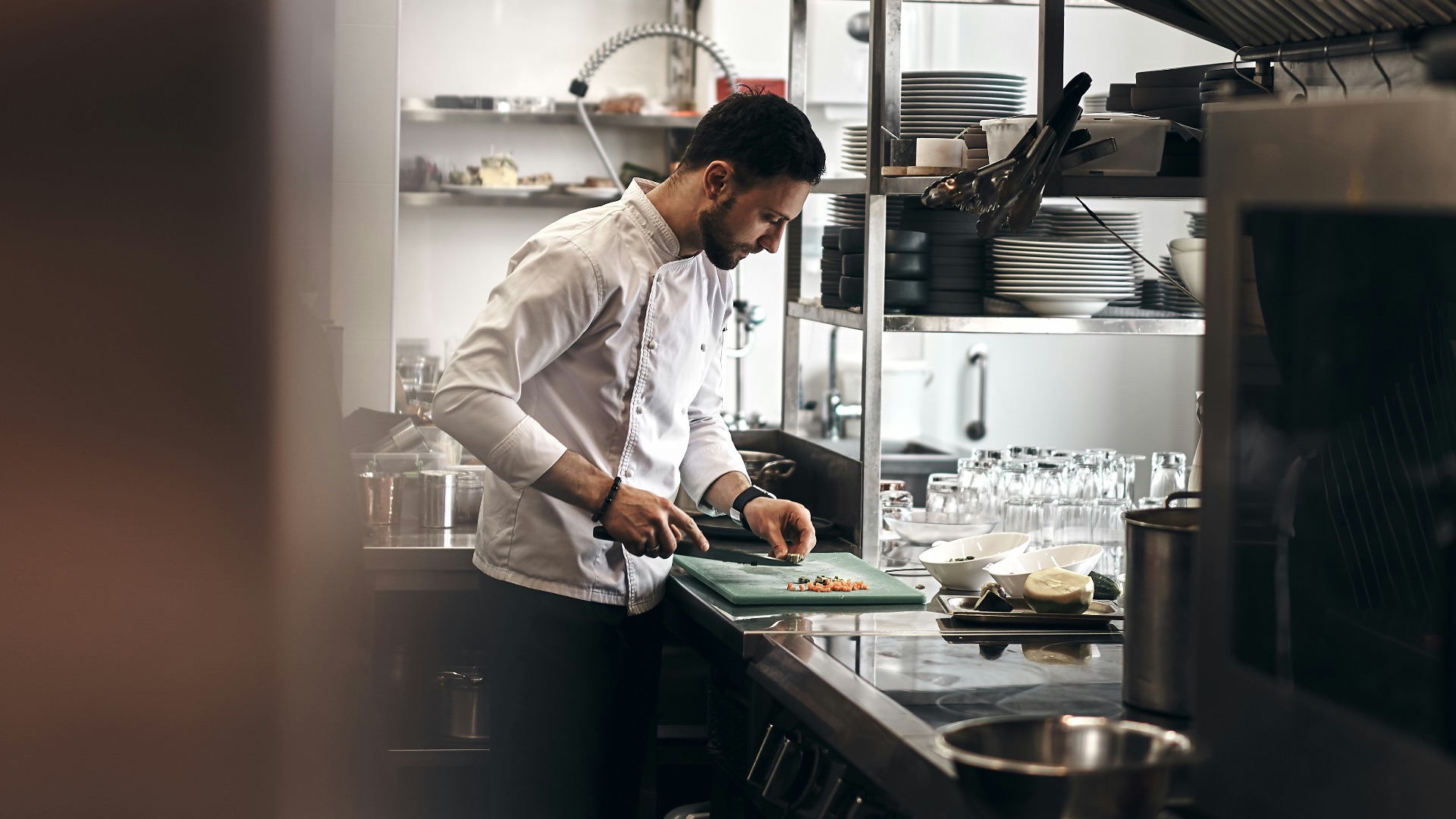
When plates are coming through the pass at a steady rhythm and you can catch glimpses of an organized, focused kitchen team, that's a reliable sign that the operation runs smoothly under pressure. Restaurants with open kitchens or visible pass-throughs tend to take pride in the craft, since they know they're always on display.
5. The Menu Is Focused and Intentional
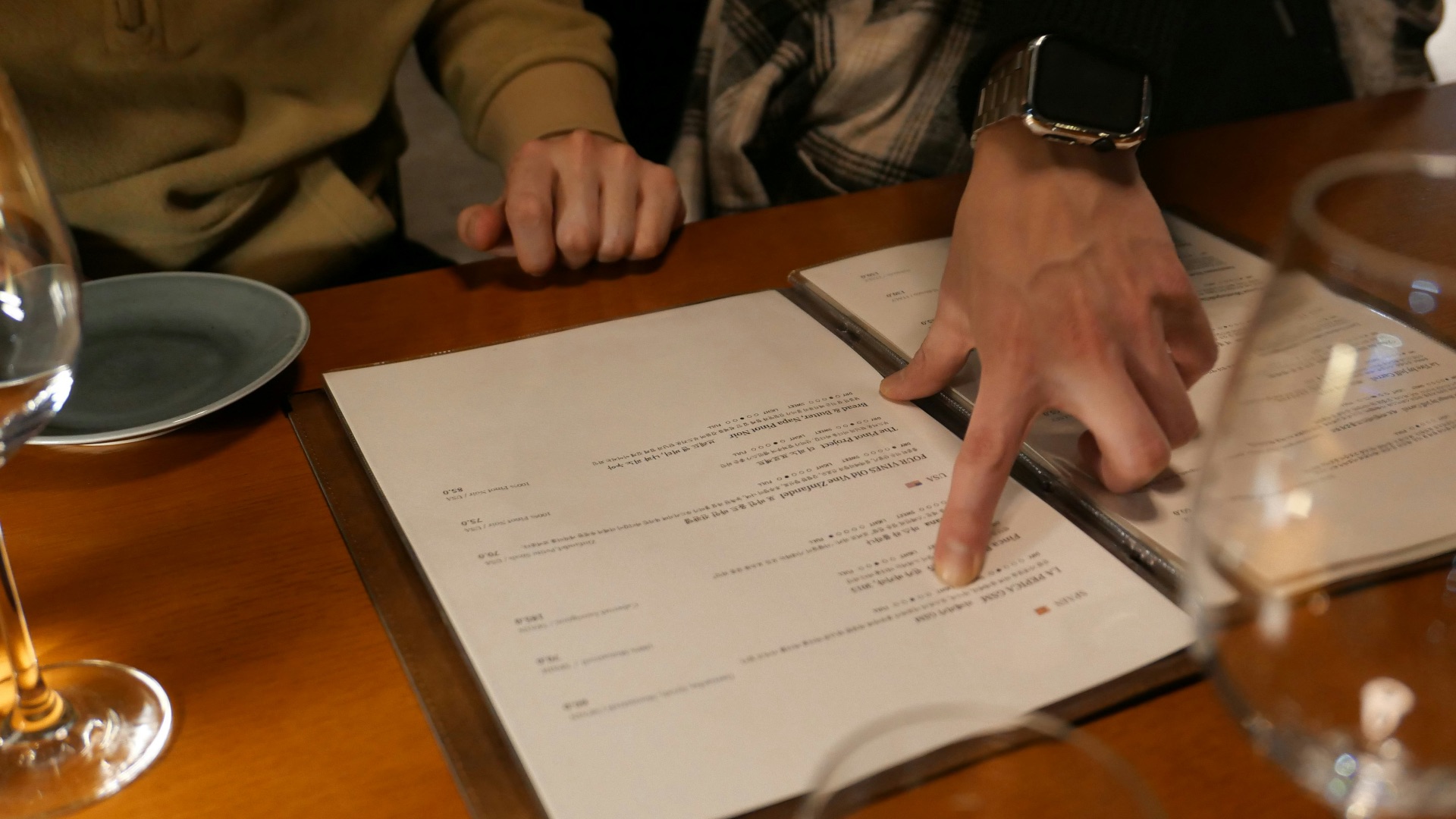
A shorter, more deliberate menu is usually a sign that the kitchen has mastered what it's doing rather than spreading itself thin across dozens of dishes. When everything on the list seems purposeful and well-considered, the chef is likely putting real thought and skill into each preparation. Menus that read like a highlight reel of a few excellent ideas tend to deliver a much stronger dining experience than ones designed to please absolutely everyone.
6. The Restaurant Has Been Around for a While
We're not saying you should never try new spots, but longevity in the restaurant industry is hard to come by, and a place that has maintained a loyal following for years has clearly figured out how to deliver something worth coming back for. The hype around newer spots can be exciting, but something is reassuring about a restaurant that didn't need a social media moment to build its reputation. If the two-hour wait isn't driven by a recent opening or a viral post but by years of word-of-mouth, that's a very meaningful distinction.
7. Regulars Are Among the People Waiting
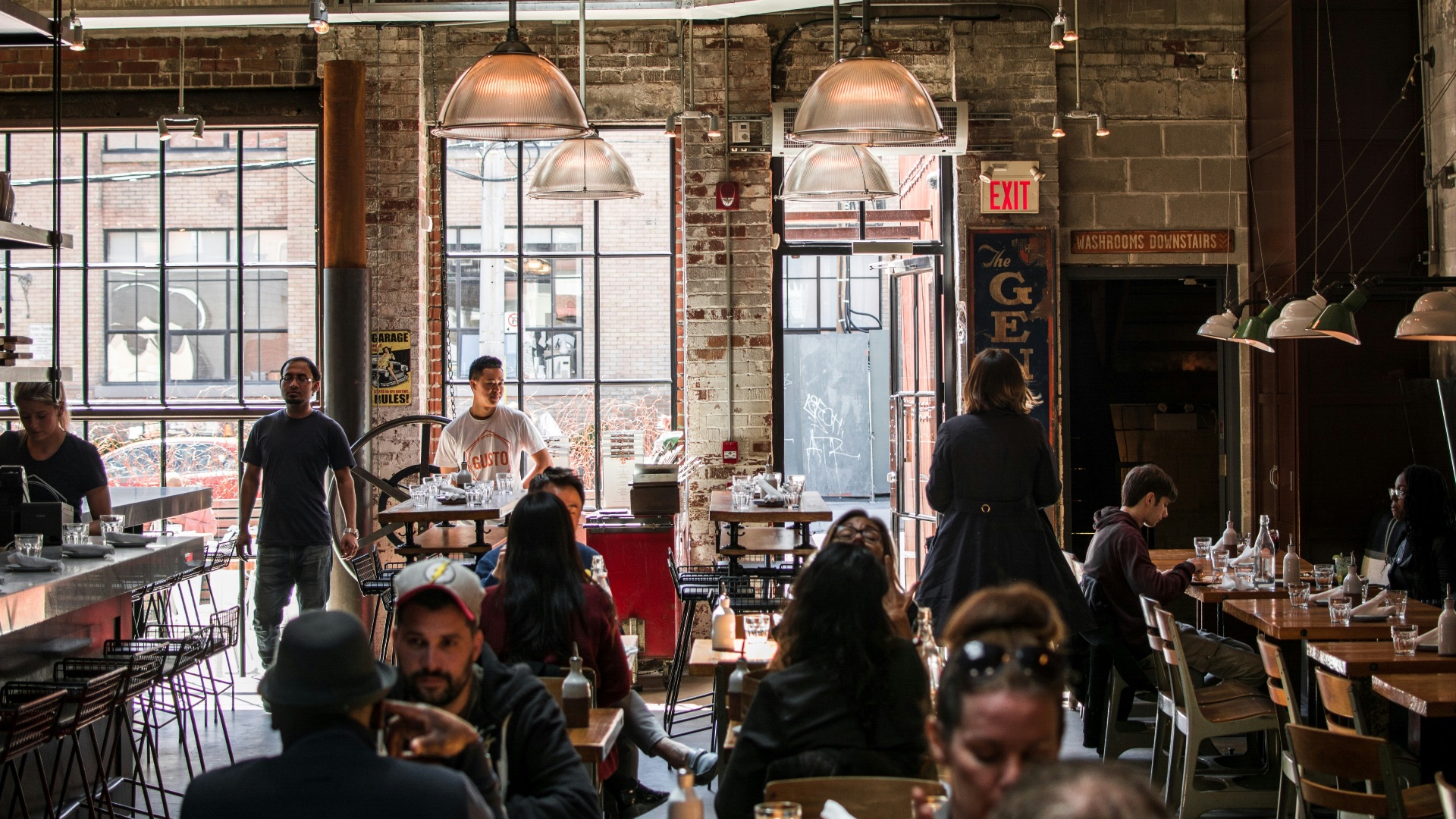
It's usually pretty easy to spot regulars: they tend to greet the staff by name, know exactly what they're ordering before they sit down, and seem comfortable rather than curious. The fact that people who've eaten there before are still willing to wait says something that no marketing campaign can replicate. Loyal repeat customers are the most honest endorsement a restaurant can have, and if they're standing in the same line as you, they've decided the experience is worth it.
8. The Tables Are Turning at a Reasonable Rate
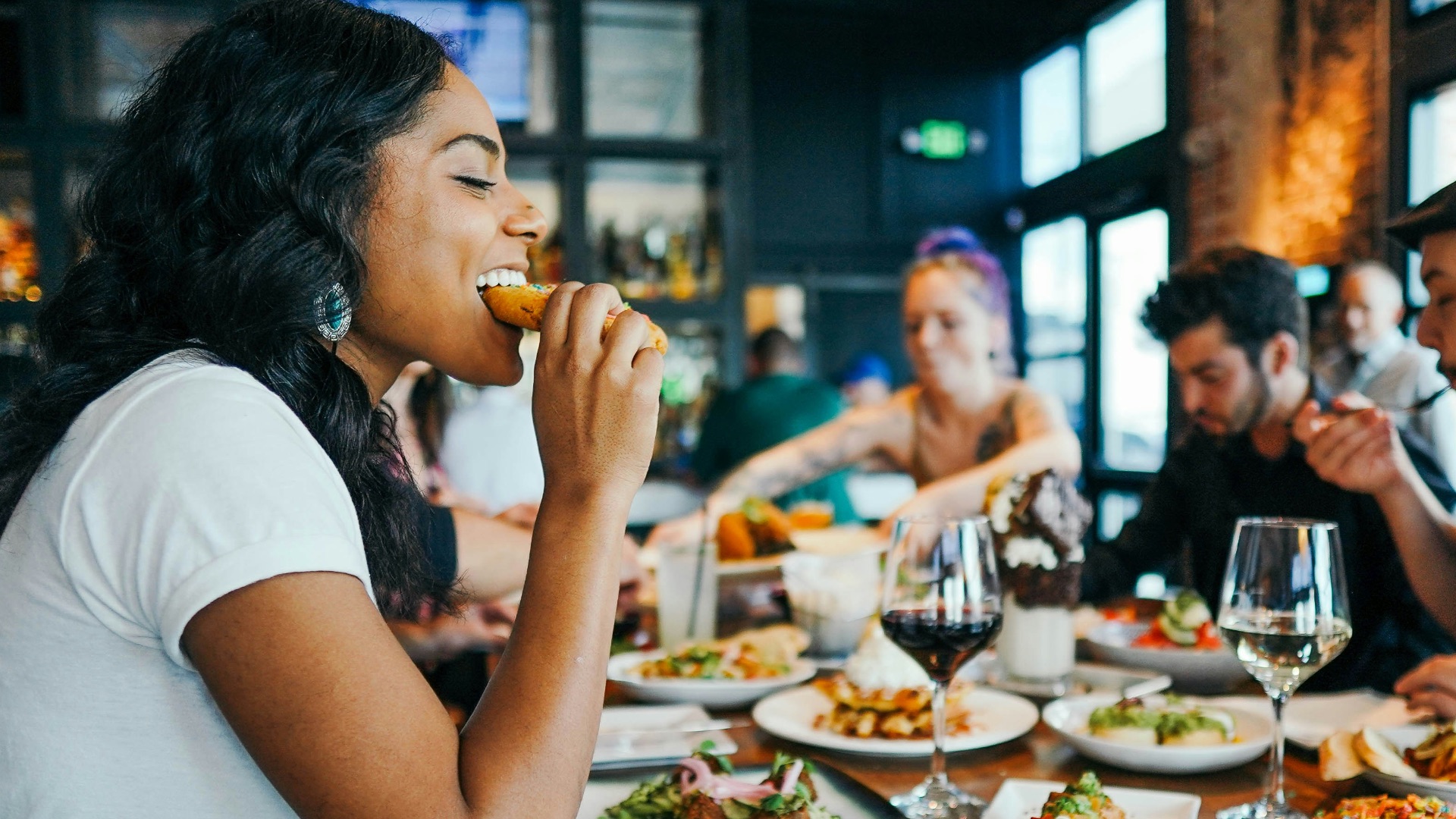
Watching the rhythm of a dining room tells you a lot about how efficiently the restaurant runs service, and tables that are filling and clearing without long gaps in between is a positive sign. A slow turnover rate isn't always a problem, since some restaurants want guests to linger, but it becomes one if it suggests the kitchen is overwhelmed or the service is disorganized. If you can see that people are finishing meals and moving along at a pace that makes the posted wait time plausible, it's a good sign.
9. The Place Has a Specialty or Signature Item People Won't Stop Talking About
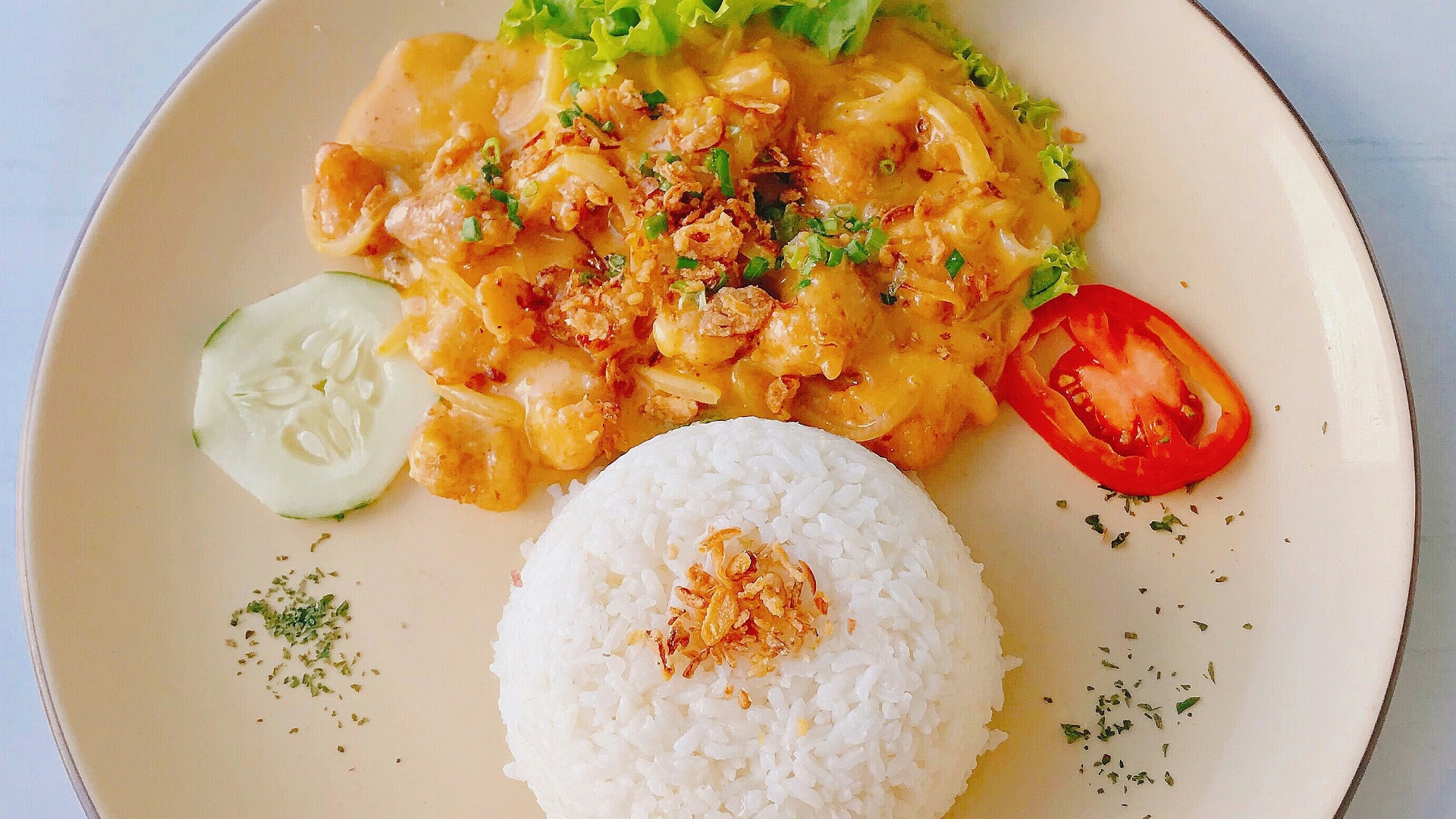
Restaurants that have developed something truly distinctive, whether it's a dish, a technique, or a flavor profile that no one else in town is doing quite the same way, have usually put in serious work to get there. If you've heard people specifically reference a single item or the restaurant is widely known for one standout offering, that level of recognition tends to indicate real culinary investment. Traveling specifically to try a beloved signature dish is a different kind of motivation than chasing a trend, and it usually results in a more satisfying experience.
10. Your Gut Tells You the Energy Is Right
There's something to be said for the overall feeling a restaurant gives off before you walk through the door: the sound of a lively, engaged dining room, the smell of something delicious coming from the kitchen, and the visible energy of a staff that seems to care. These are hard things to quantify, but they add up to an impression that's worth taking seriously. If a place feels exciting rather than chaotic, and inviting rather than pretentious, trust that instinct.
Of course, not every long wait leads to a table worth sitting at. There are plenty of restaurants that have mastered the art of looking popular without delivering a dining experience to match. Before you commit your evening to the sidewalk, here are 10 red flags that should send you somewhere else entirely.

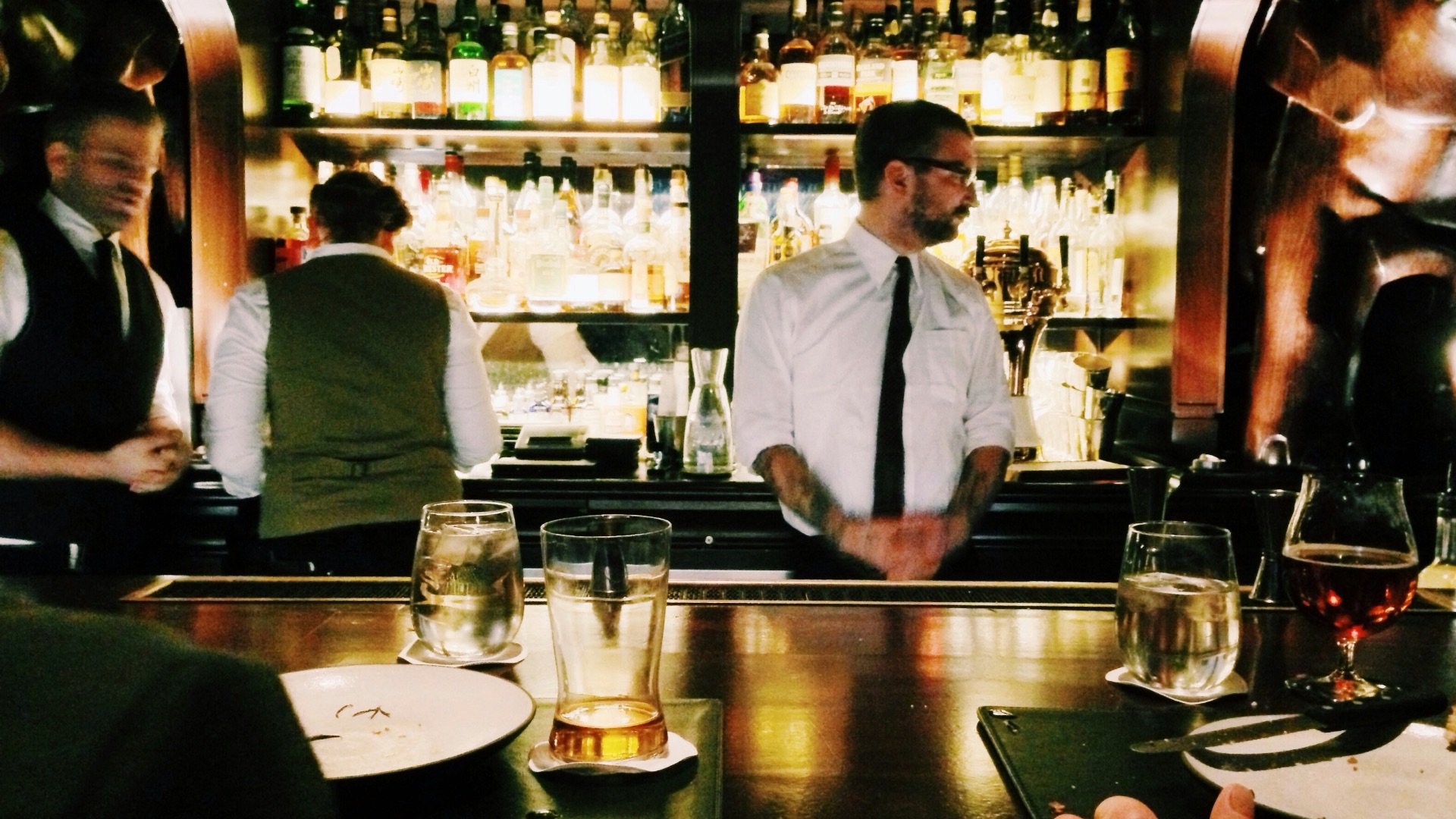
1. The Staff Seems Indifferent or Hard to Track Down
If the host or front-of-house team is difficult to find, slow to acknowledge you, or visibly disorganized, that behavior rarely improves once you're actually seated. A restaurant that treats you like an inconvenience while you're waiting is unlikely to shift gears when you become a paying customer. Poor communication at the door is one of the clearest early indicators that the service culture isn't what it should be.
2. Wait Times Keep Getting Extended Without Explanation
Being told the table will be ready in thirty minutes is understandable; being told that same thing three times in a row without any acknowledgment or apology is a different matter entirely. Restaurants that can't give you an honest estimate either don't have a reliable system in place or simply don't value your time enough to be straight with you. Repeated and unexplained delays before you've even sat down should make you wonder what the rest of the evening will look like.
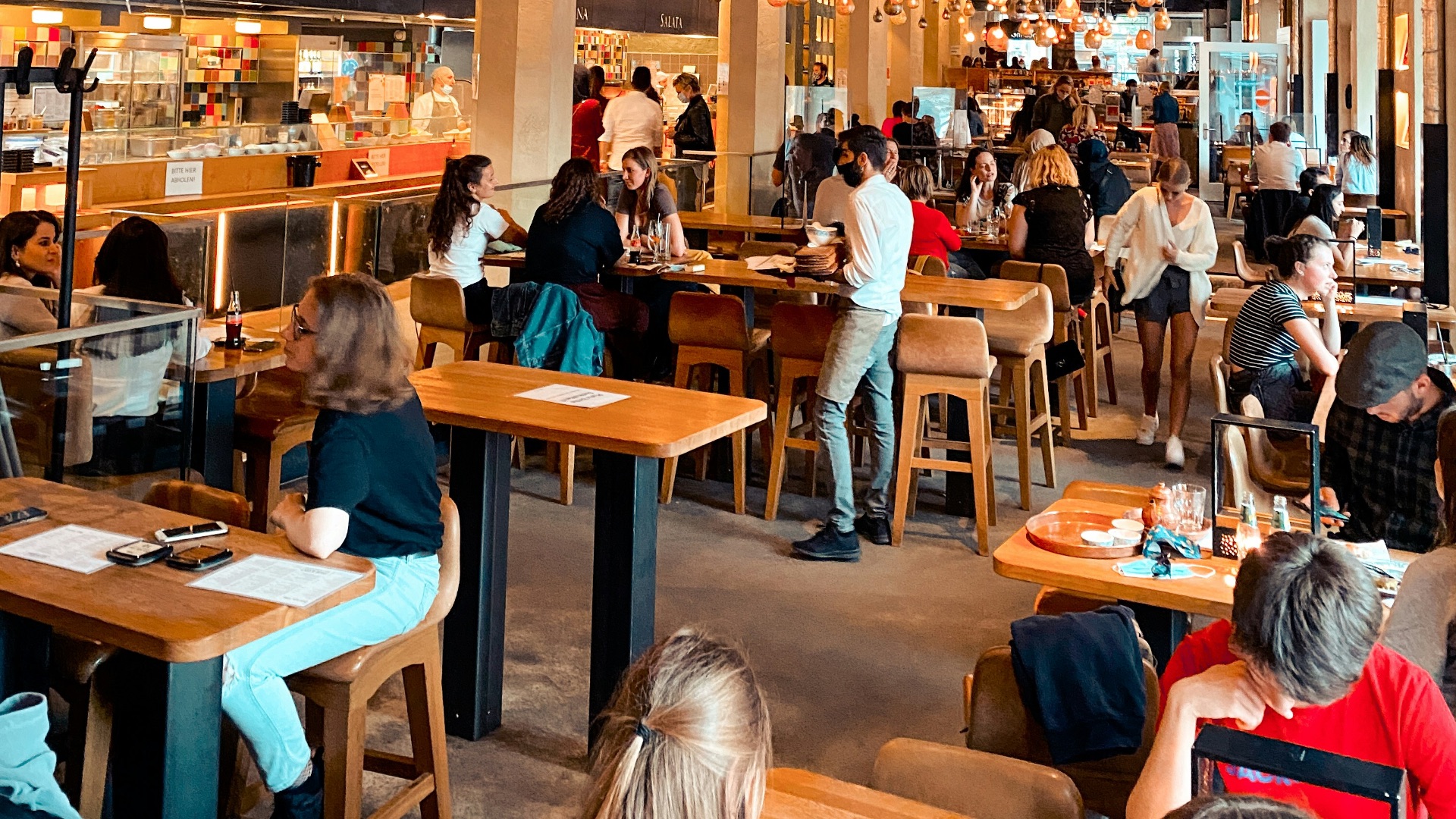
3. The Dining Room Looks Visibly Chaotic
A busy restaurant and a disorganized one aren't the same thing, and it's worth taking a moment to look through the window or into the dining area if you can. Stacked dishes sitting on tables that haven't been cleared, servers looking flustered, and guests craning their necks for attention are all signs of a kitchen and floor team that's struggling to keep up. High volume is manageable for a well-run operation; a dining room in visible distress is a warning worth heeding.
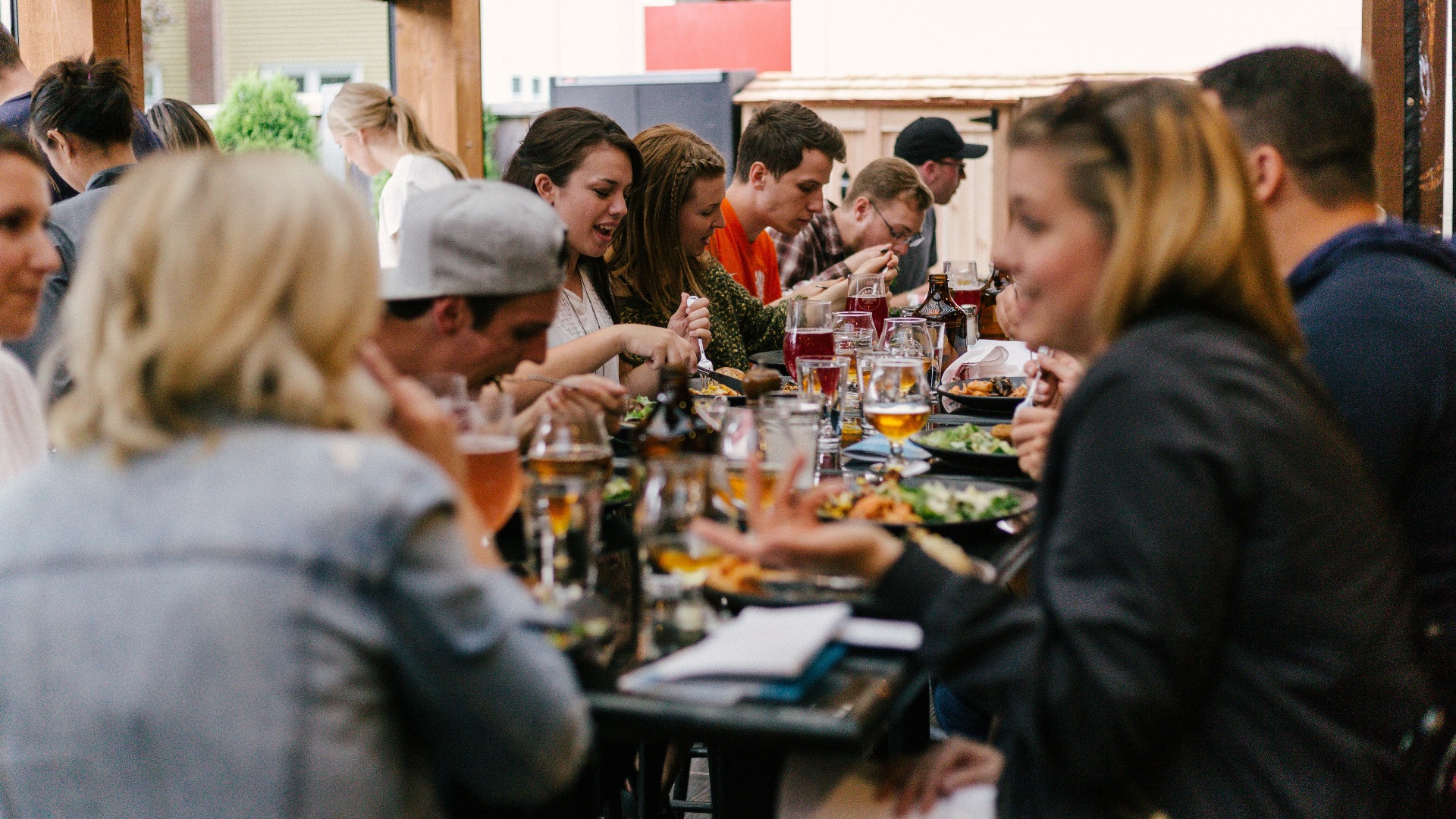 Priscilla Du Preez 🇨🇦 on Unsplash
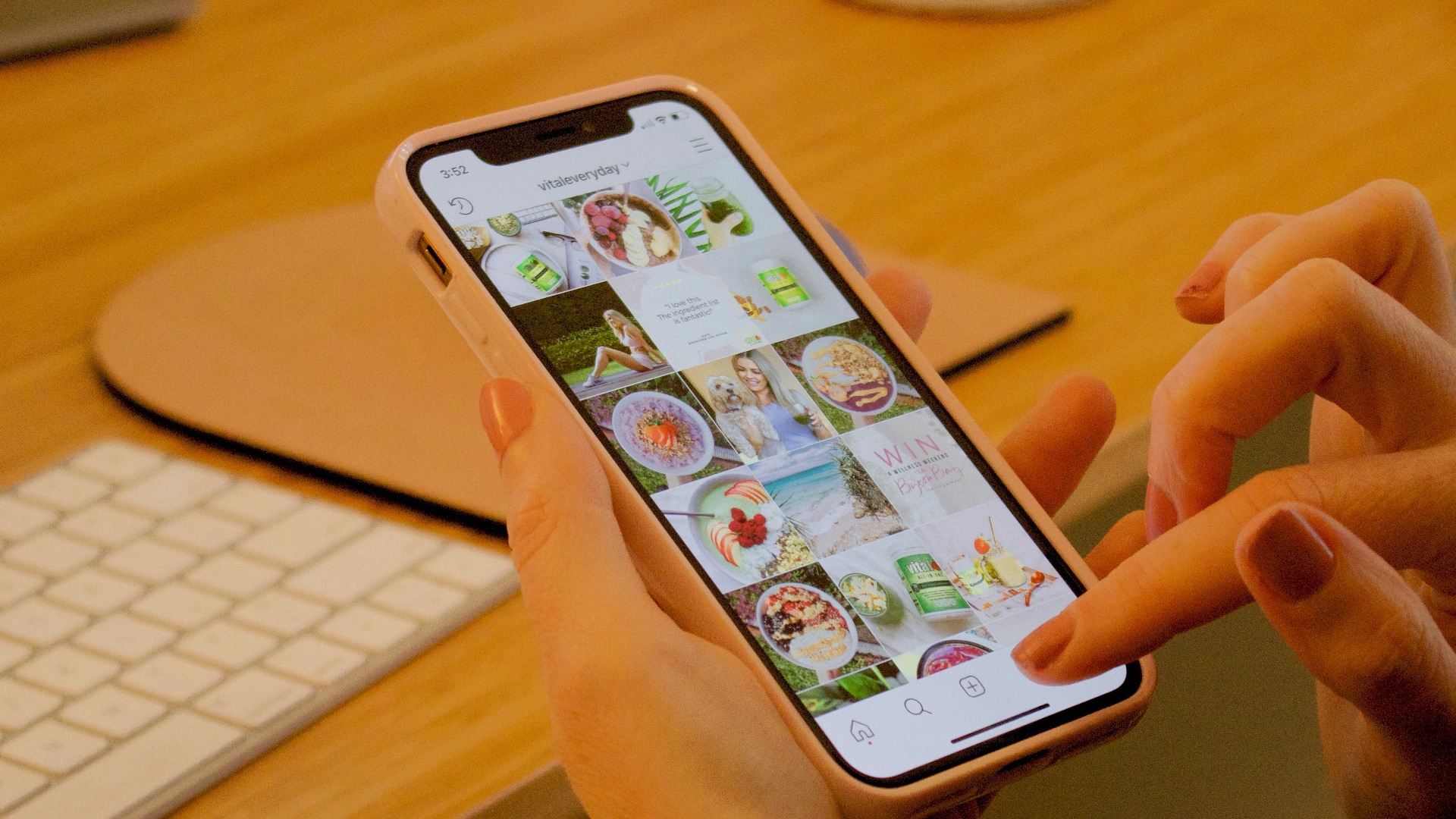
4. The Hype Is Entirely Social Media-Driven
There's a particular category of restaurant that exists primarily to be photographed, and the experience it actually delivers can be a distant second to the aesthetic it projects online. If the buzz around a place seems to be entirely about how it looks rather than how it tastes, that's worth factoring into your decision to spend hours waiting for a table. Viral moments have a short shelf life, and a restaurant without a strong culinary foundation tends to disappoint once the novelty wears off.
 Gabrielle Henderson on Unsplash
5. Recent Reviews Have Taken a Noticeable Dip
A place might have a long-standing reputation that earned it a loyal following, but restaurants can change quickly; new ownership, staff turnover, and supply chain issues can all affect quality in ways that older reviews won't reflect. Checking the most recent feedback and filtering for patterns is more useful than looking at an overall star rating that might be buoyed by reviews from two years ago. A consistent downward trend in recent commentary is a red flag that something has shifted.

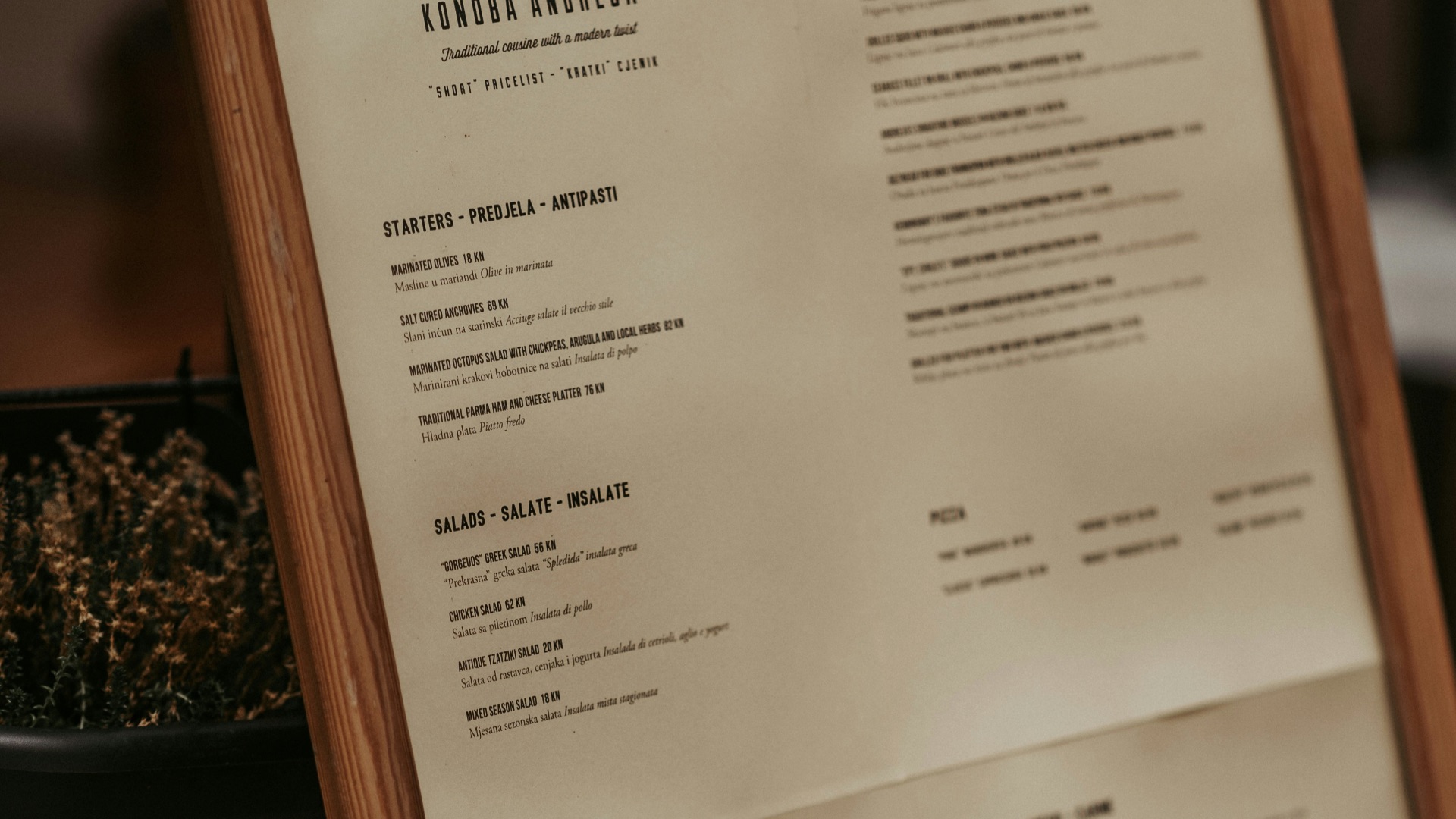
6. The Menu Feels Unfocused or Overstuffed
A menu that tries to cover every possible craving—pasta next to pad thai next to barbecue—usually signals that the kitchen is more interested in offering volume than mastering anything in particular. This kind of sprawl can also mean that ingredients aren't as fresh as they should be, since keeping that many components stocked and rotating is logistically difficult to do well. When you can't identify what the restaurant actually does best, it's often because there isn't a clear answer.
7. Other Diners Coming Out Don't Look Impressed
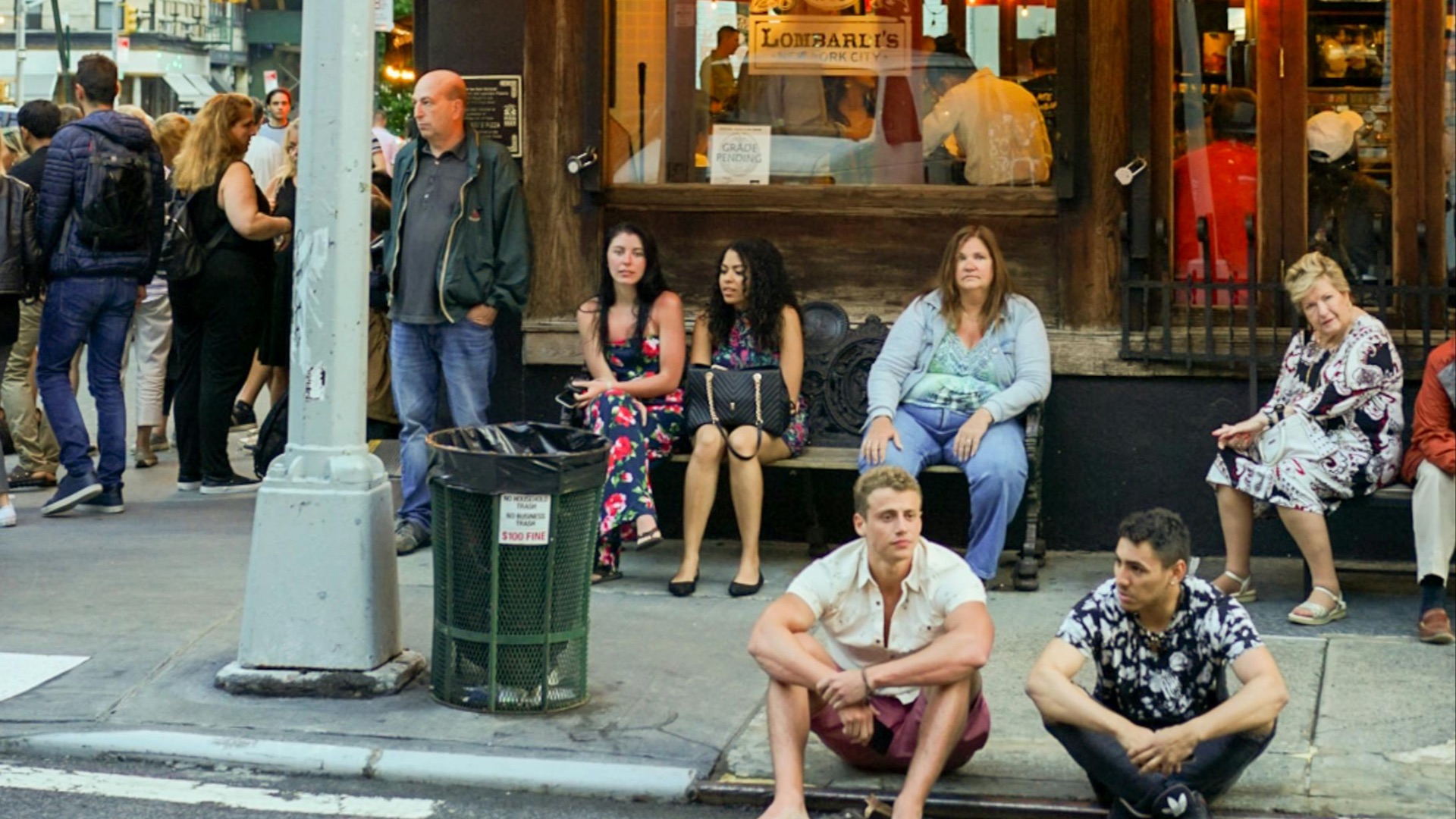
People leaving a great meal tend to look relaxed and satisfied, often still talking about what they just ate. If the guests exiting the restaurant look underwhelmed, annoyed, or simply neutral, that feedback is more reliable than any review you'll find online. You're watching real-time responses from people who just had the exact experience you're considering waiting for, and their body language is worth paying attention to.

8. There's No Clear System for Managing the Wait
A restaurant that handles demand well will have a defined process, whether it's a waitlist app, a host who takes your name and number, or a clear policy for how tables are assigned. When there's no visible system and it seems like seating is happening randomly or on the basis of who's most persistent, that suggests a management team that hasn't thought through the guest experience carefully.
 Megan (Markham) Bucknall on Pexels
9. The Price-to-Value Ratio Doesn't Add Up
It's worth looking at the menu pricing before you commit to the wait, and not just to see whether it fits your budget but to consider whether it aligns with what you're likely to actually receive. A casual spot with high-end pricing and no particular culinary identity is a combination that rarely delivers satisfaction, especially when you factor in the time investment of a long queue. The wait should feel like a reasonable trade-off for what you're getting; if the numbers don't support that equation, there's no shame in walking away.
10. You're Only There Because of FOMO
This one is worth being honest with yourself about: if the primary reason you're standing in line is that everyone seems to be talking about the restaurant rather than because you've done any research or have a specific reason to believe it'll be exceptional, that motivation tends not to hold up over the course of a long wait. Excitement about a place is most rewarding when it's grounded in something concrete: a dish you've been wanting to try, a recommendation from someone whose taste you trust, or a cuisine you actually love. If it's purely about being able to say you went, that's a valid choice, sure, but just know you might not get the experience you're looking for.
KEEP ON READING