How a Fried Chicken Giant Lost Some of Its Advantage
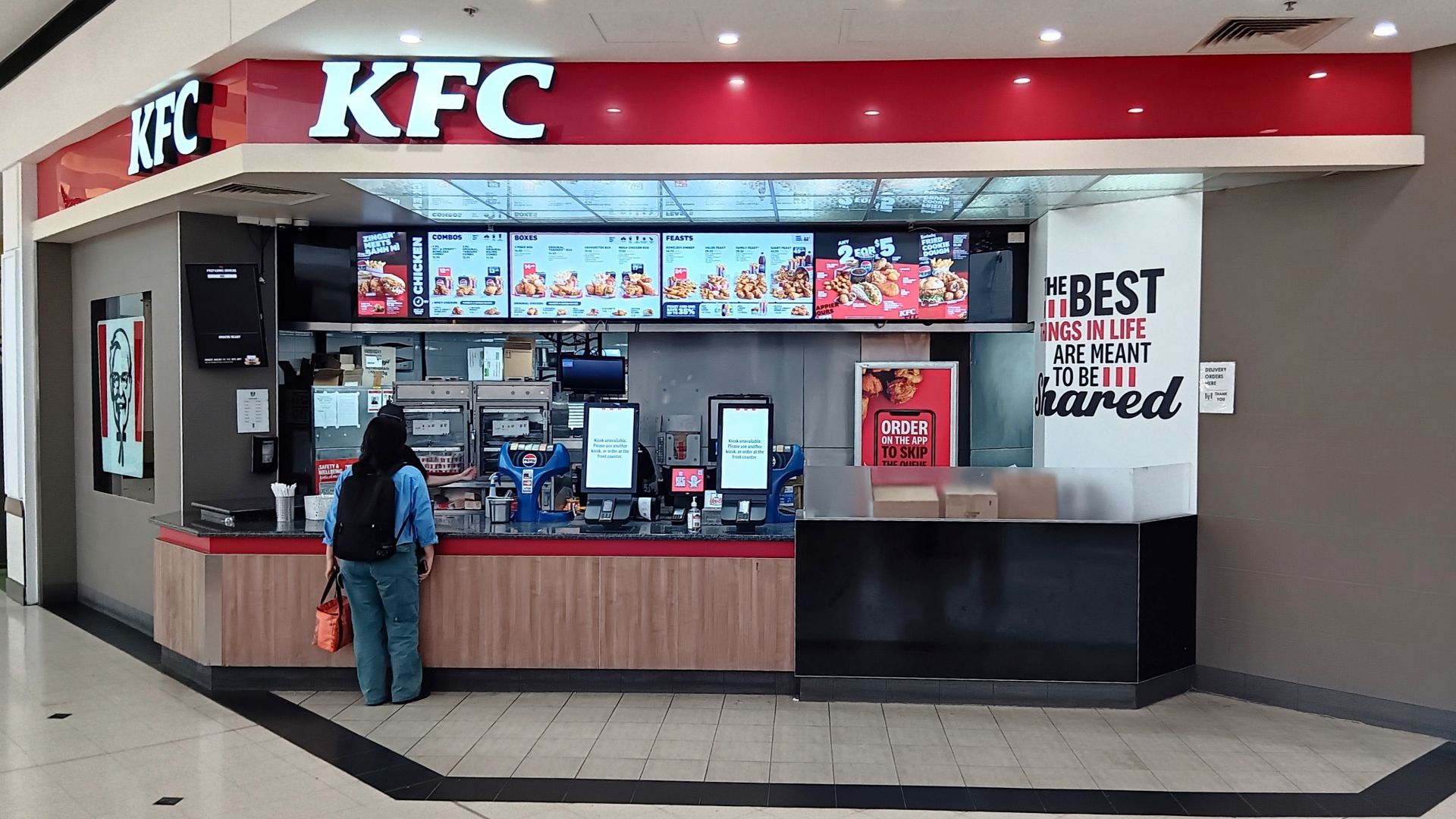
KFC remains one of the world’s largest restaurant chains, so its popularity hasn’t disappeared everywhere or declined in a perfectly straight line. However, the brand has lost ground in the highly competitive U.S. chicken market, where newer chains have attracted customers with focused menus, modern restaurants, stronger service reputations, and products designed for today’s preference for quick, portable meals. Here are 10 reasons KFC has dropped in popularity & 10 why it was once beloved.
1. New Chicken Chains Became Serious Competitors
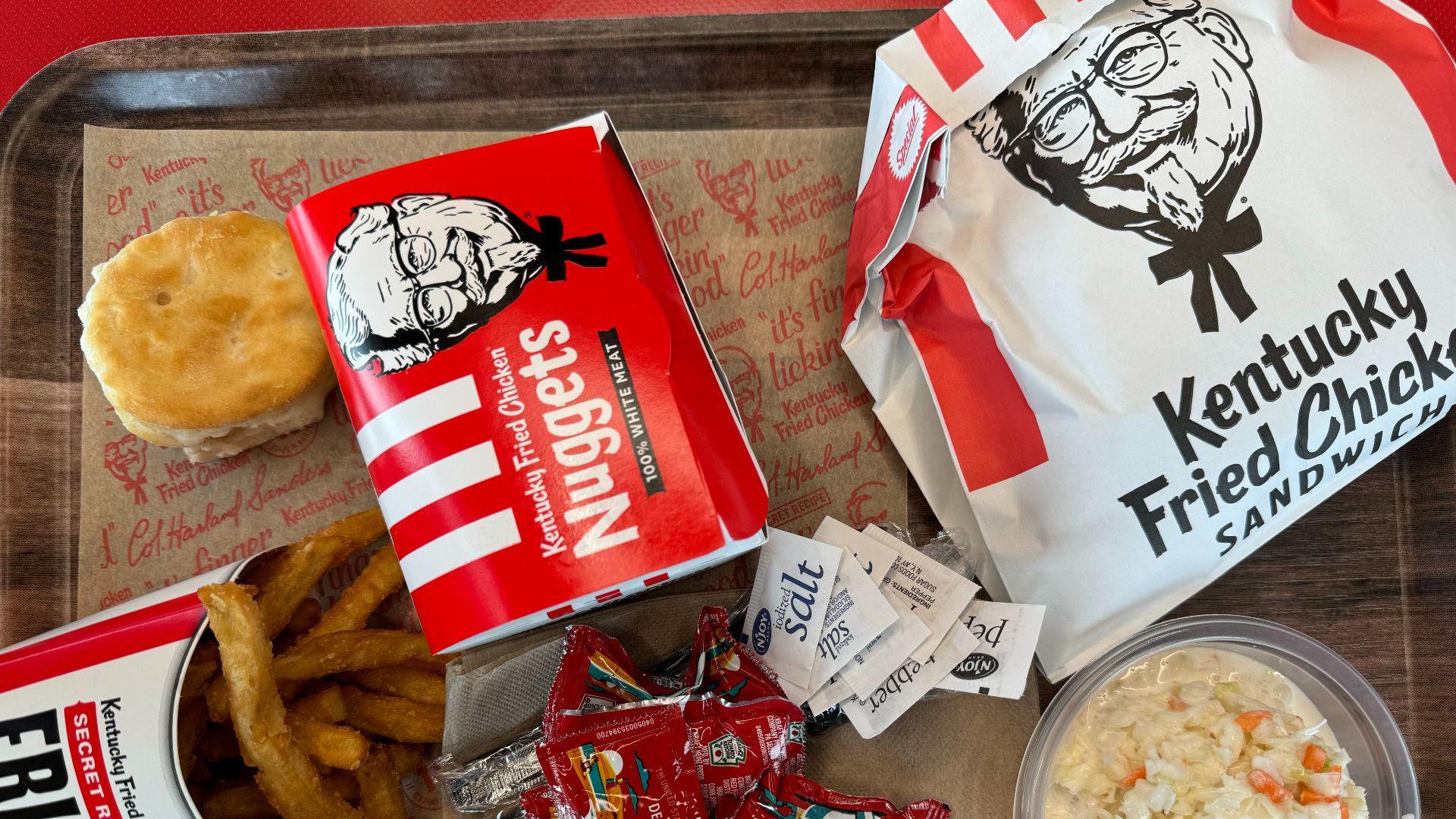
KFC once faced far fewer national rivals specializing primarily in chicken, but that category has become crowded. Chick-fil-A, Raising Cane’s, Popeyes, Wingstop, and regional chains now compete for many of the same meals.
2. Customers Increasingly Prefer Boneless Chicken
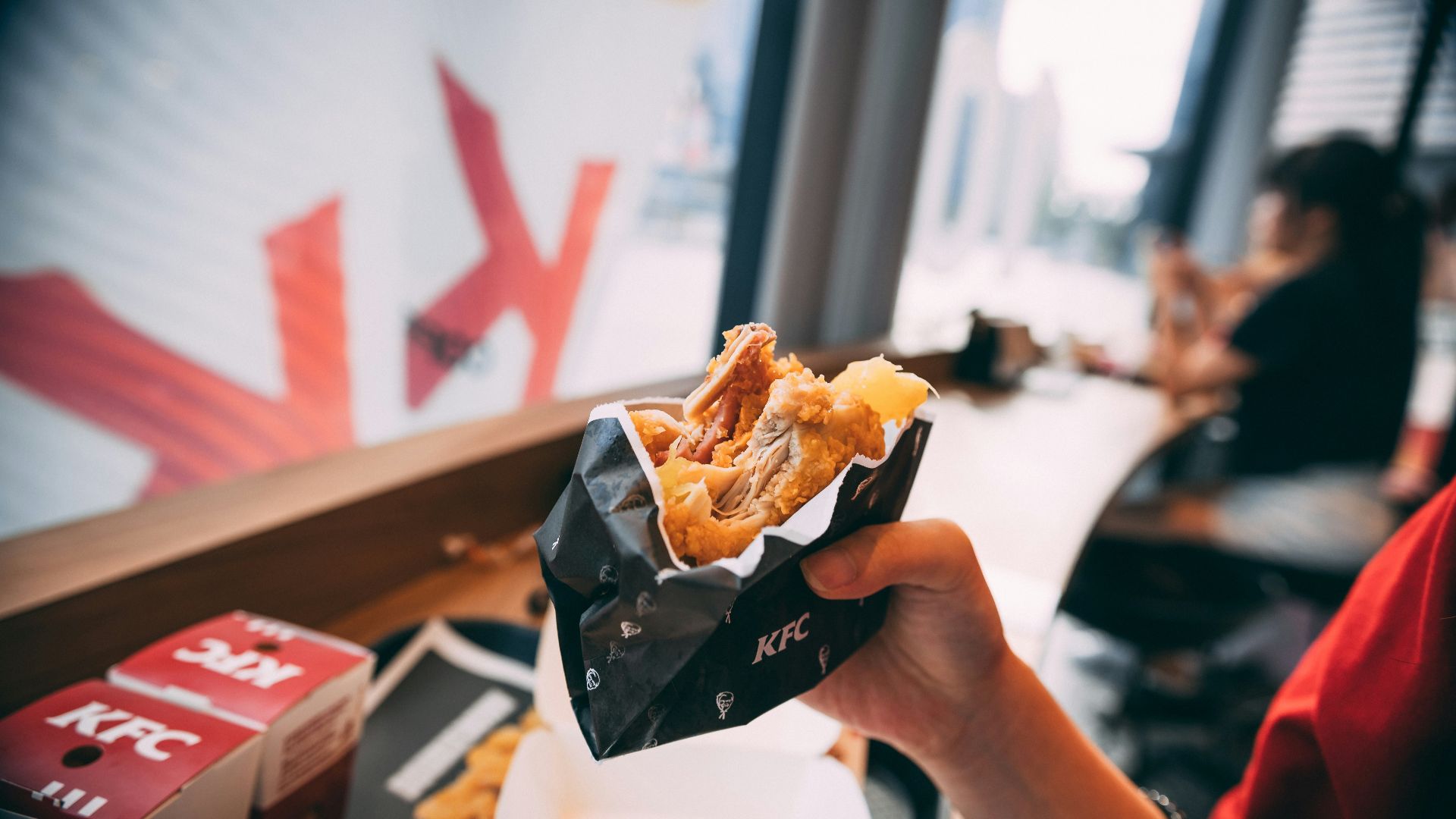
Traditional bone-in chicken remains important to the brand, yet many modern customers prefer food they can eat easily while driving, working, or traveling. Tenders and sandwiches are less messy and offer more predictable portions.
3. The Value Proposition Became Less Obvious
A bucket once offered a convenient and relatively affordable way to feed several people without ordering separate meals. Rising restaurant prices have made customers more careful about comparing packages, portions, and promotional offers.
4. Food Quality Can Seem Inconsistent
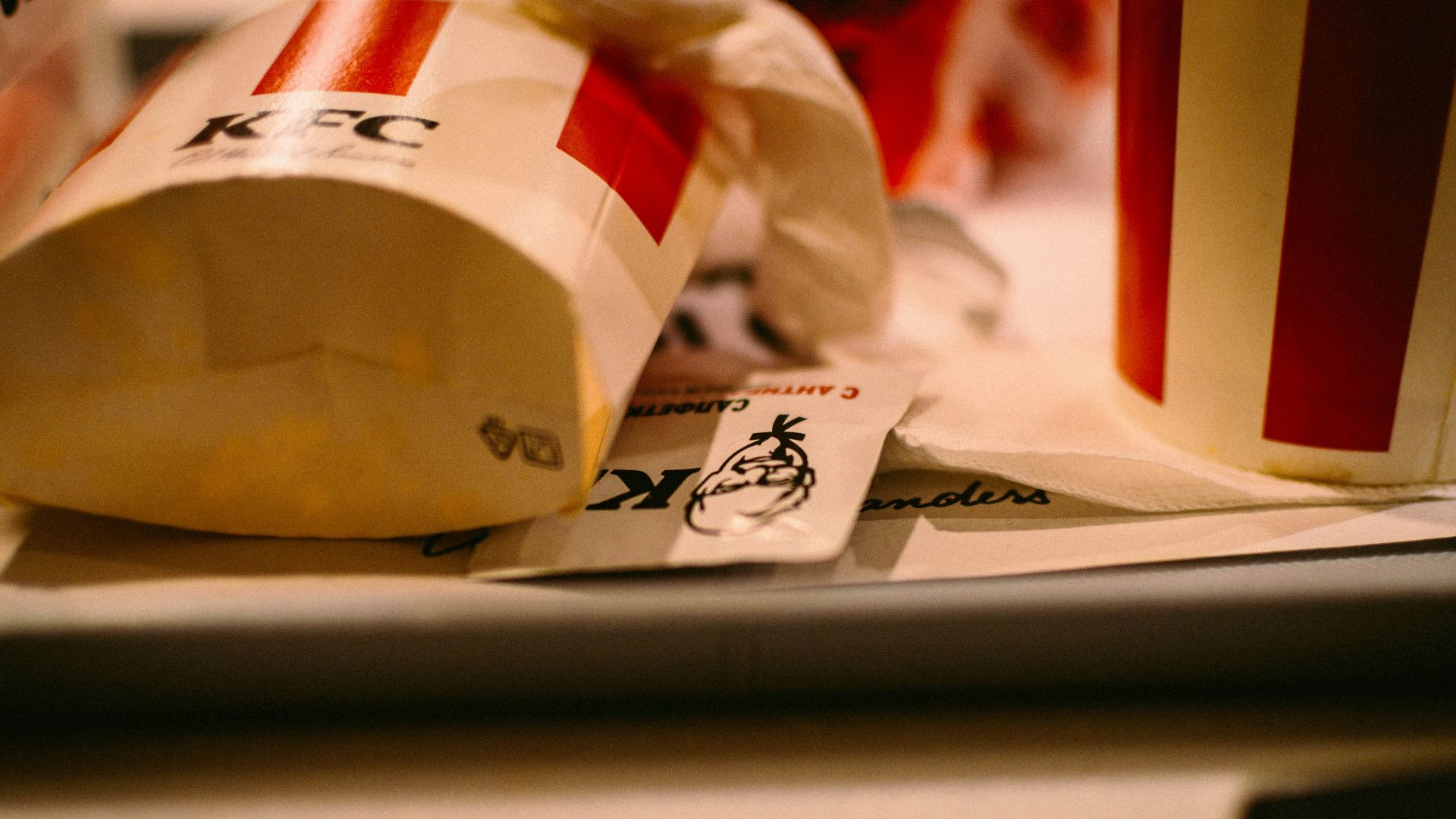
Bone-in fried chicken is more difficult to prepare consistently than many standardized fast-food items. Cooking times, holding periods, breading, oil condition, and the size of individual pieces can all affect the final meal.
5. Some Restaurants Have Felt Outdated
Fast-food competitors have invested heavily in updated dining rooms, efficient drive-thrus, digital ordering, and recognizable modern designs. Older KFC locations can appear less inviting when they haven’t received comparable renovations.
6. Menu Changes Have Frustrated Regular Customers
Removing a familiar product can create more resentment than introducing a new one creates excitement. Popular items, sauces, sides, and limited-time offers have sometimes disappeared despite having devoted followings.
7. Fried Food Faces Greater Health Scrutiny
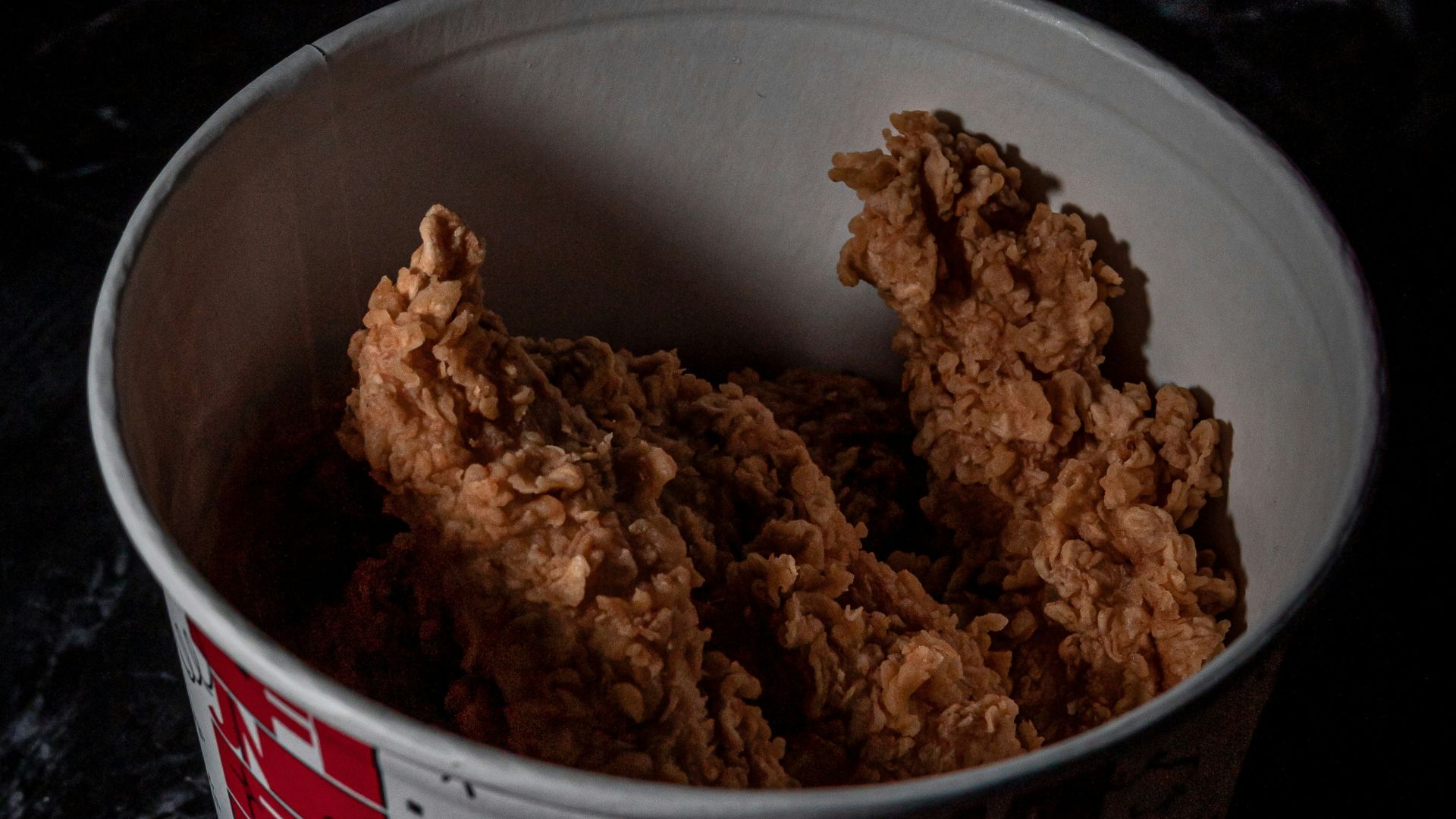
Fried chicken has always been an indulgent meal, but consumers now have more nutritional information and more restaurant choices than earlier generations did. Some diners actively limit sodium, saturated fat, or heavily fried foods.
8. Its Advertising Became Less Distinctive
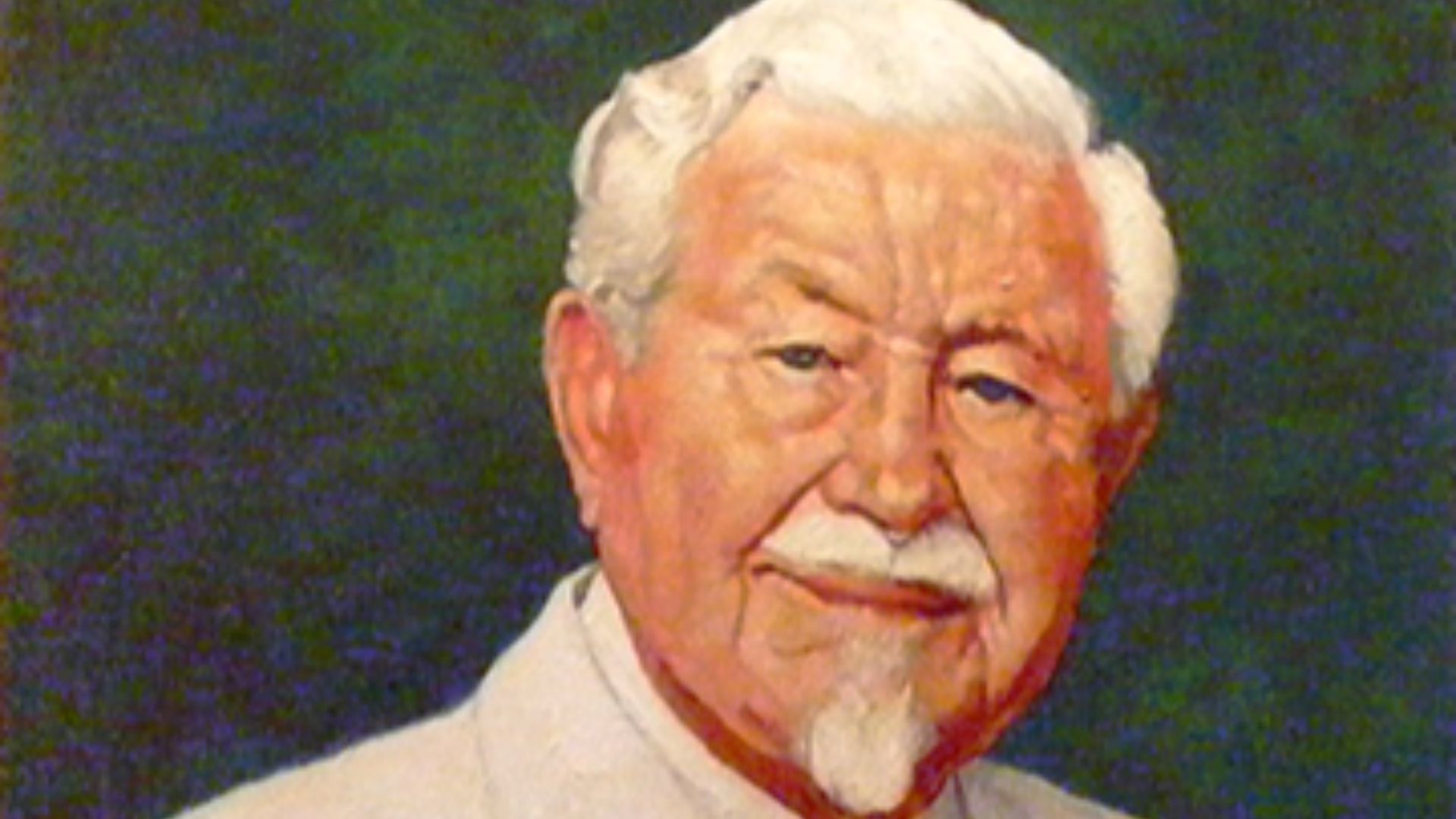
Colonel Sanders once provided the company with a highly recognizable founder, spokesperson, and visual identity. Later campaigns used different actors, jokes, promotions, and interpretations of the character, producing mixed reactions.
9. Service Expectations Have Risen
Customers now compare fast-food chains on mobile ordering, delivery accuracy, drive-thru speed, loyalty rewards, and complaint resolution as much as taste. A restaurant designed around preparing larger batches of bone-in chicken can struggle during sudden demand or product shortages. Delays become more damaging when competitors have trained customers to expect rapid, highly predictable service.
10. Younger Diners Have More Exciting Options
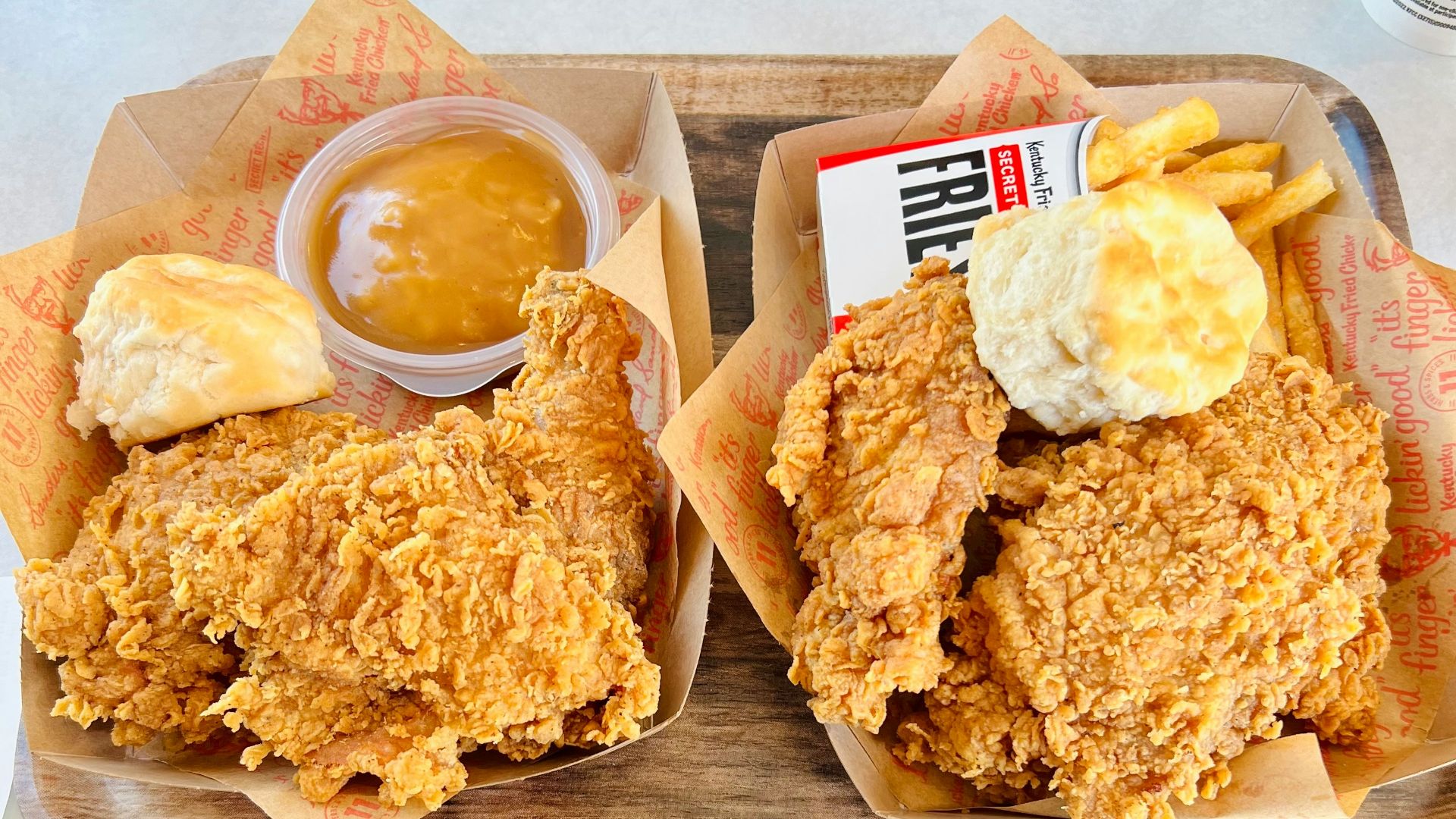
Newer chicken brands often emphasize spicy flavors, large sauce selections, social media promotions, and streamlined menus built around one signature item. KFC must appeal to younger customers without abandoning the products that older customers expect.
1. It Offered Something Different From Hamburgers
When the chain expanded nationally, fast food was strongly associated with hamburgers and roadside drive-ins. A restaurant built around seasoned fried chicken gave families a distinctive alternative that still felt familiar. The company helped turn chicken into a major fast-food category rather than a meal that usually had to be prepared at home.
2. Colonel Sanders Seemed Personally Invested
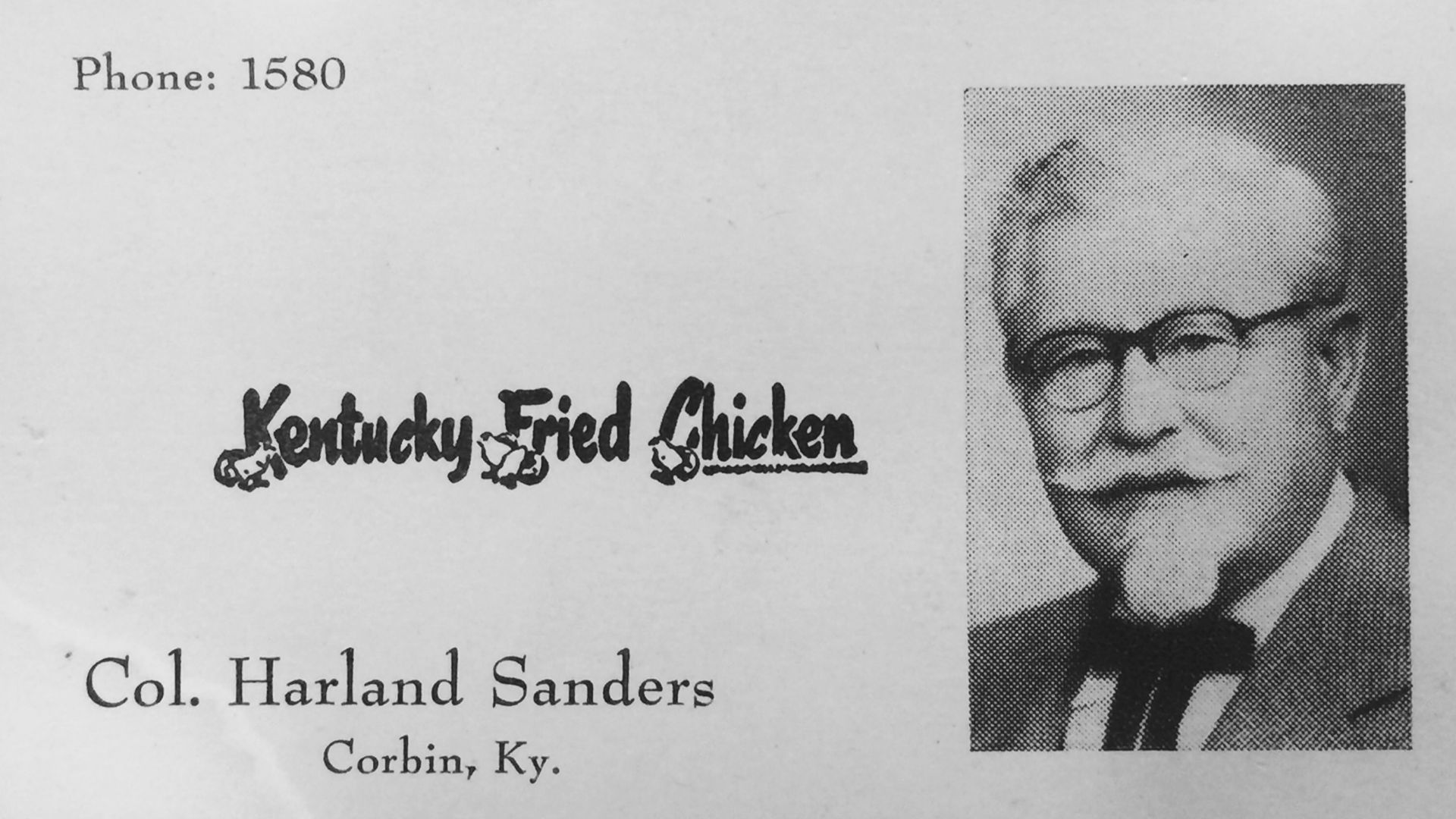
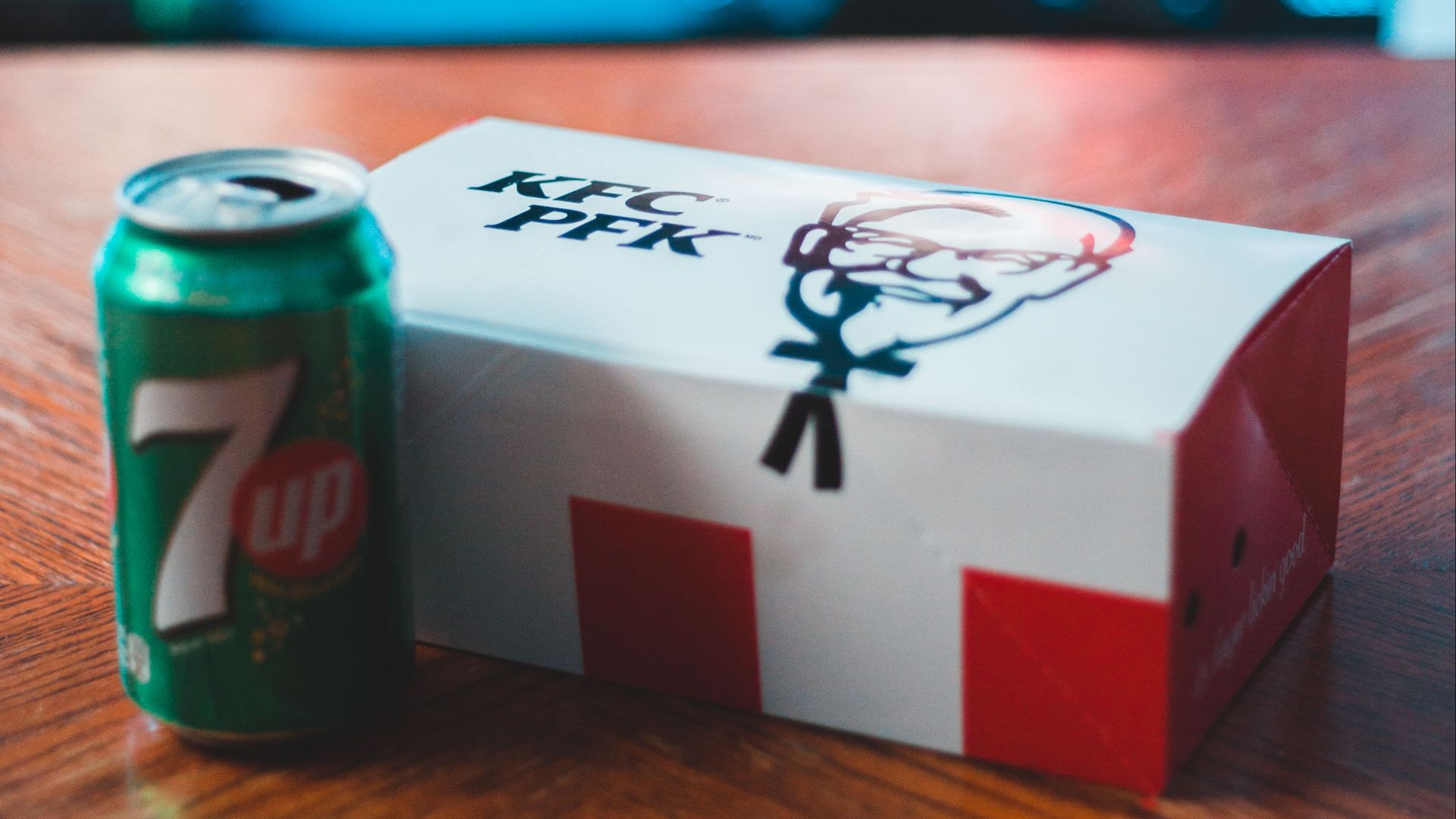
Harland Sanders wasn’t simply a mascot invented by an advertising agency because he had developed, cooked, demonstrated, and franchised the product himself. His white suit, goatee, glasses, and direct manner made him immediately recognizable.
3. The Secret Recipe Created Curiosity
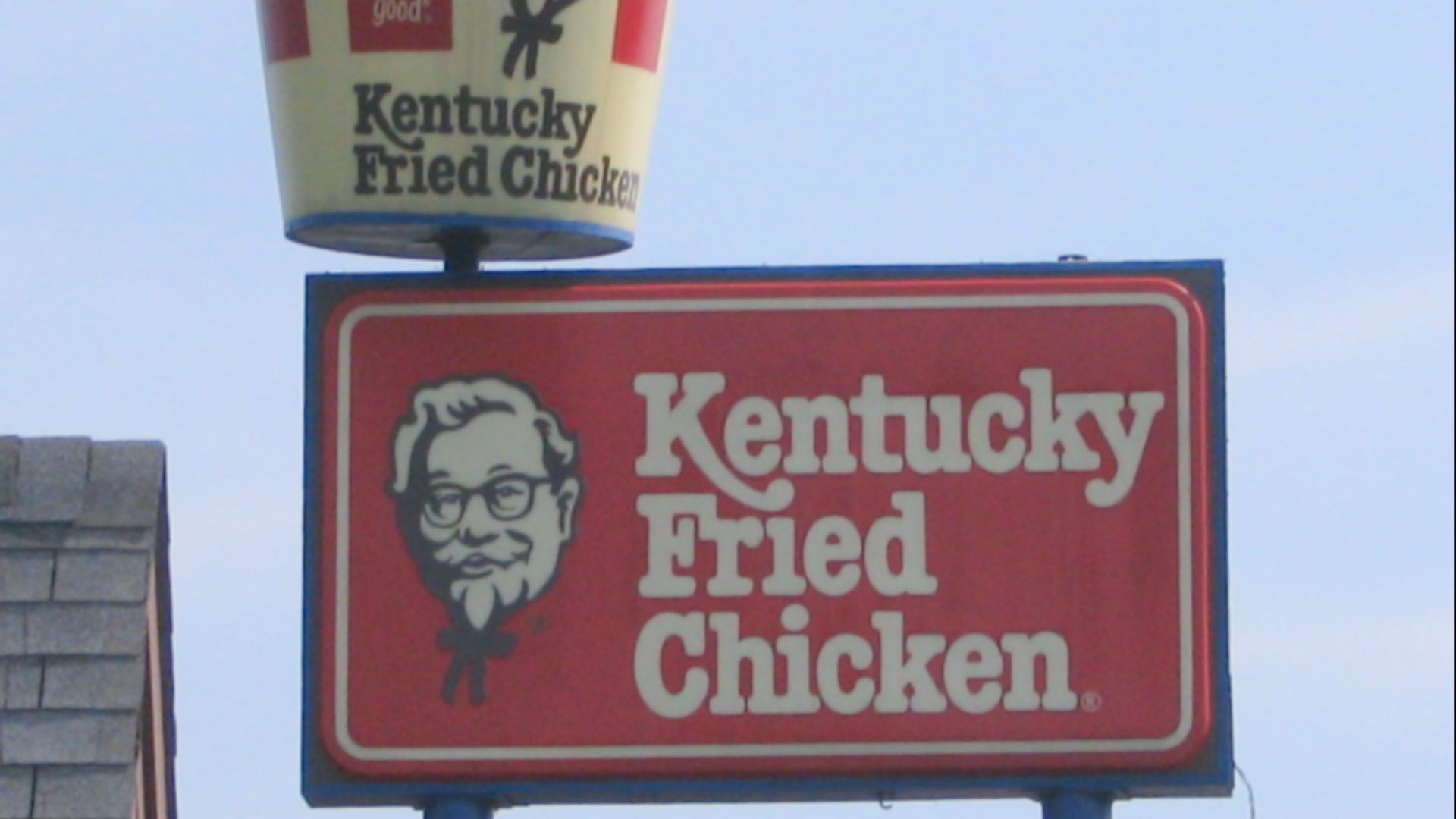
The promise of 11 herbs and spices gave ordinary fried chicken an element of exclusivity without making it unfamiliar. Customers knew broadly what they were ordering, yet the undisclosed seasoning blend made the product difficult to duplicate exactly.
 Brent Moore from Smyrna, TN, USA on Wikimedia
4. Pressure Frying Produced Quick, Moist Chicken
Sanders promoted pressure frying because it cooked chicken faster than traditional pan-frying while helping the meat retain moisture. The method supported restaurant service without reducing the product to thin, quickly cooked pieces.
5. The Bucket Made Family Dinner Simple
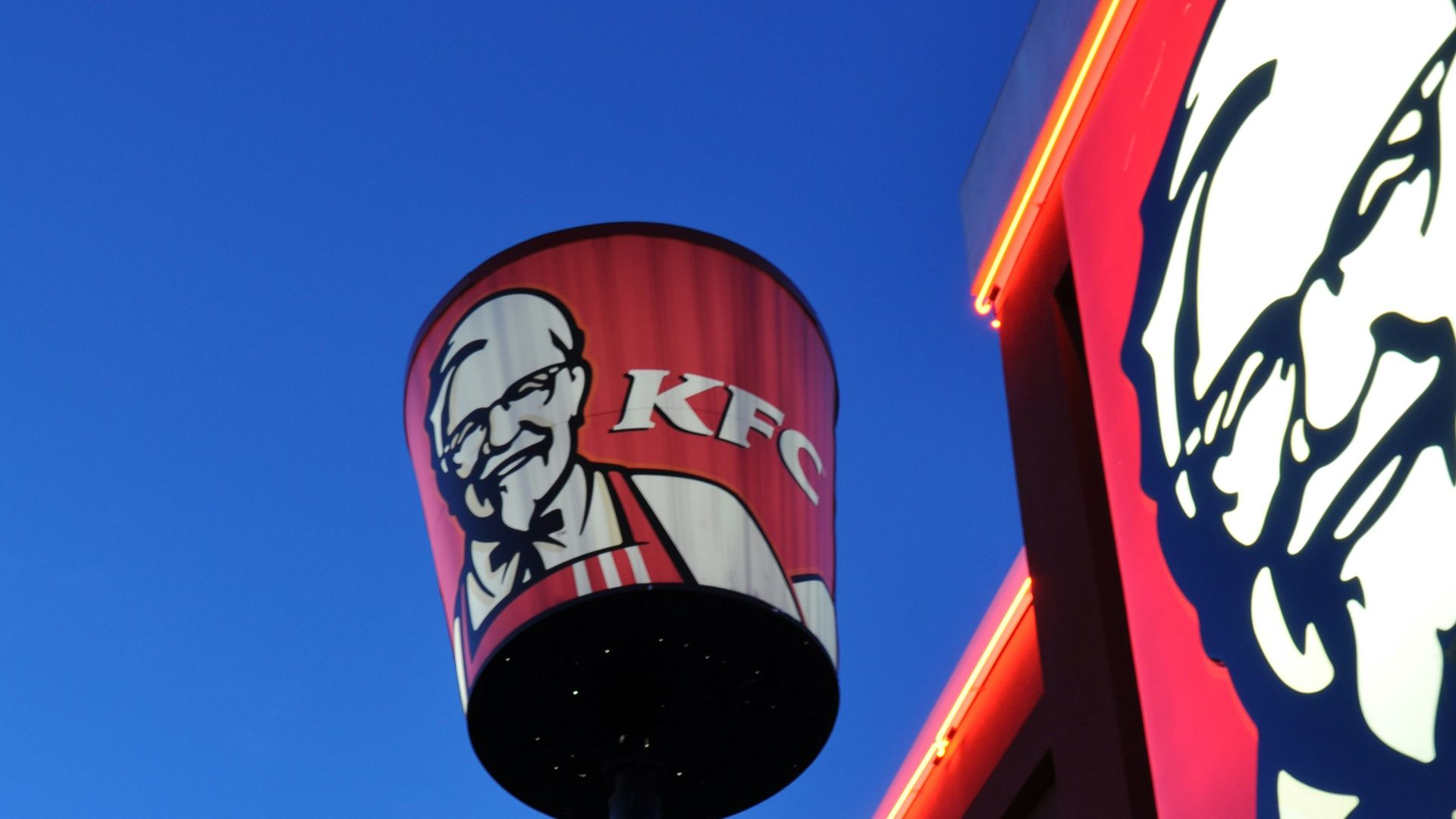
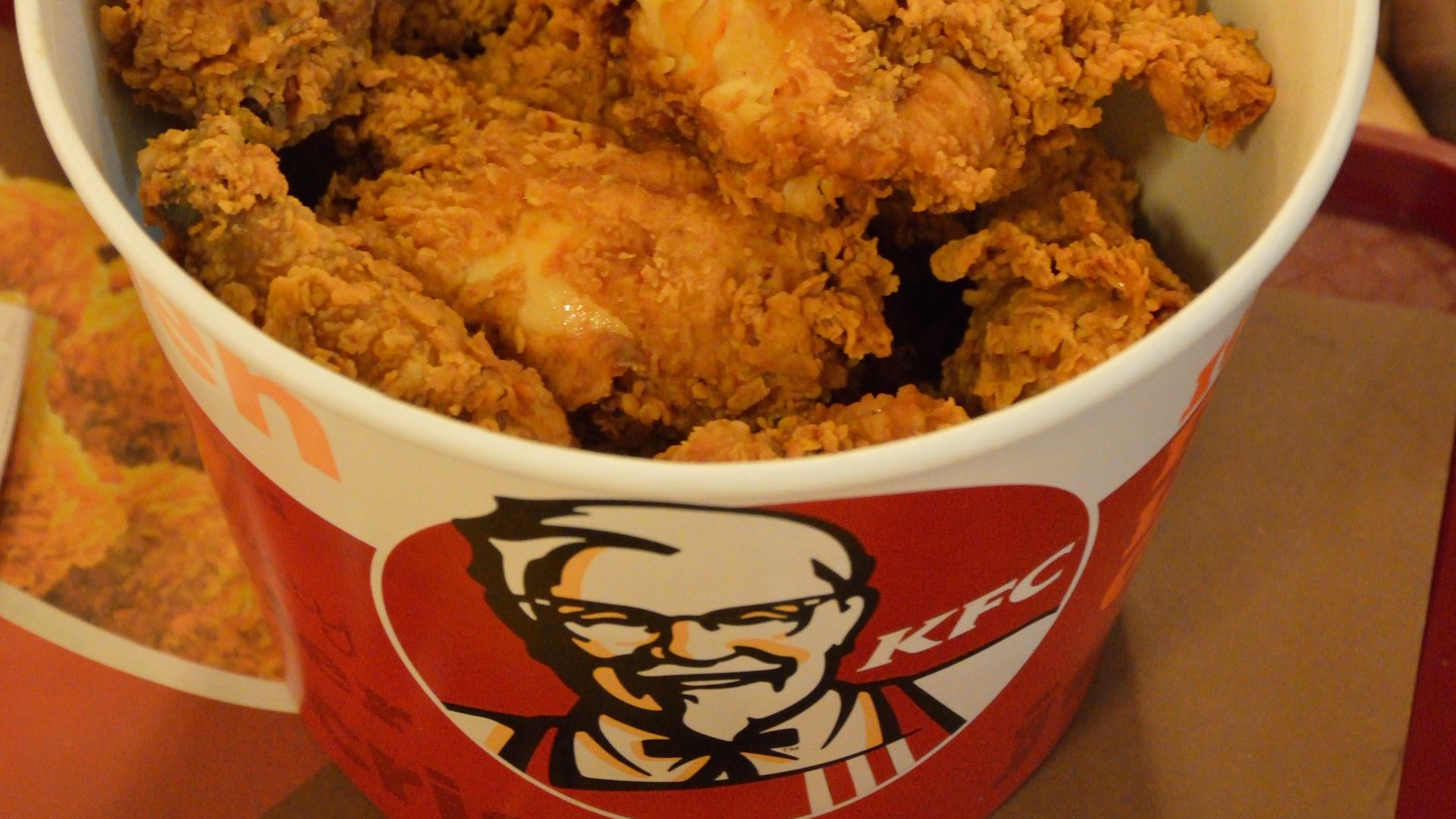
The cardboard bucket turned multiple pieces of chicken into a recognizable takeout meal that could be carried home easily. Families could share the main dish and sides without placing several individual orders.
6. The Menu Worked for Group Meals
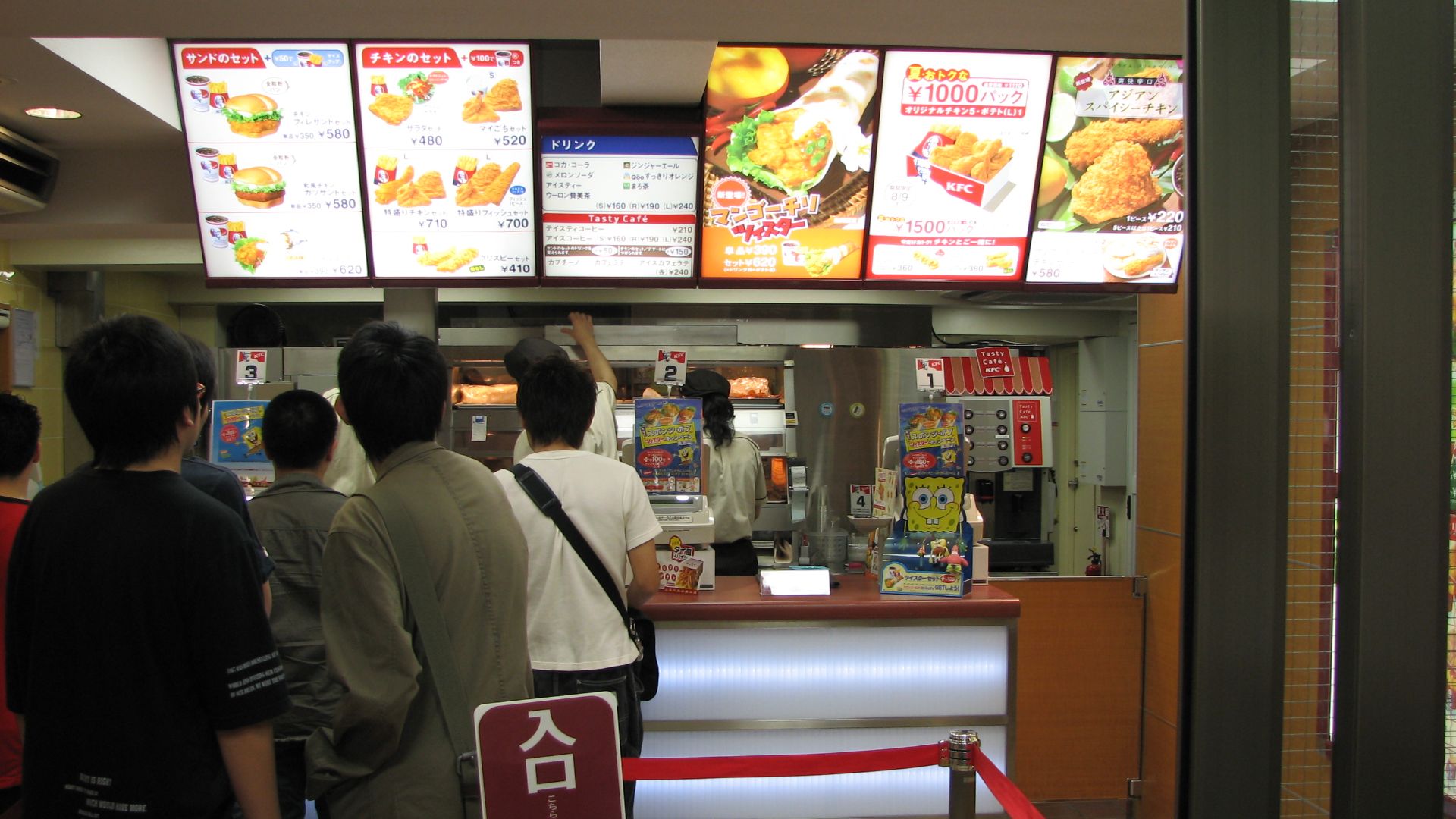
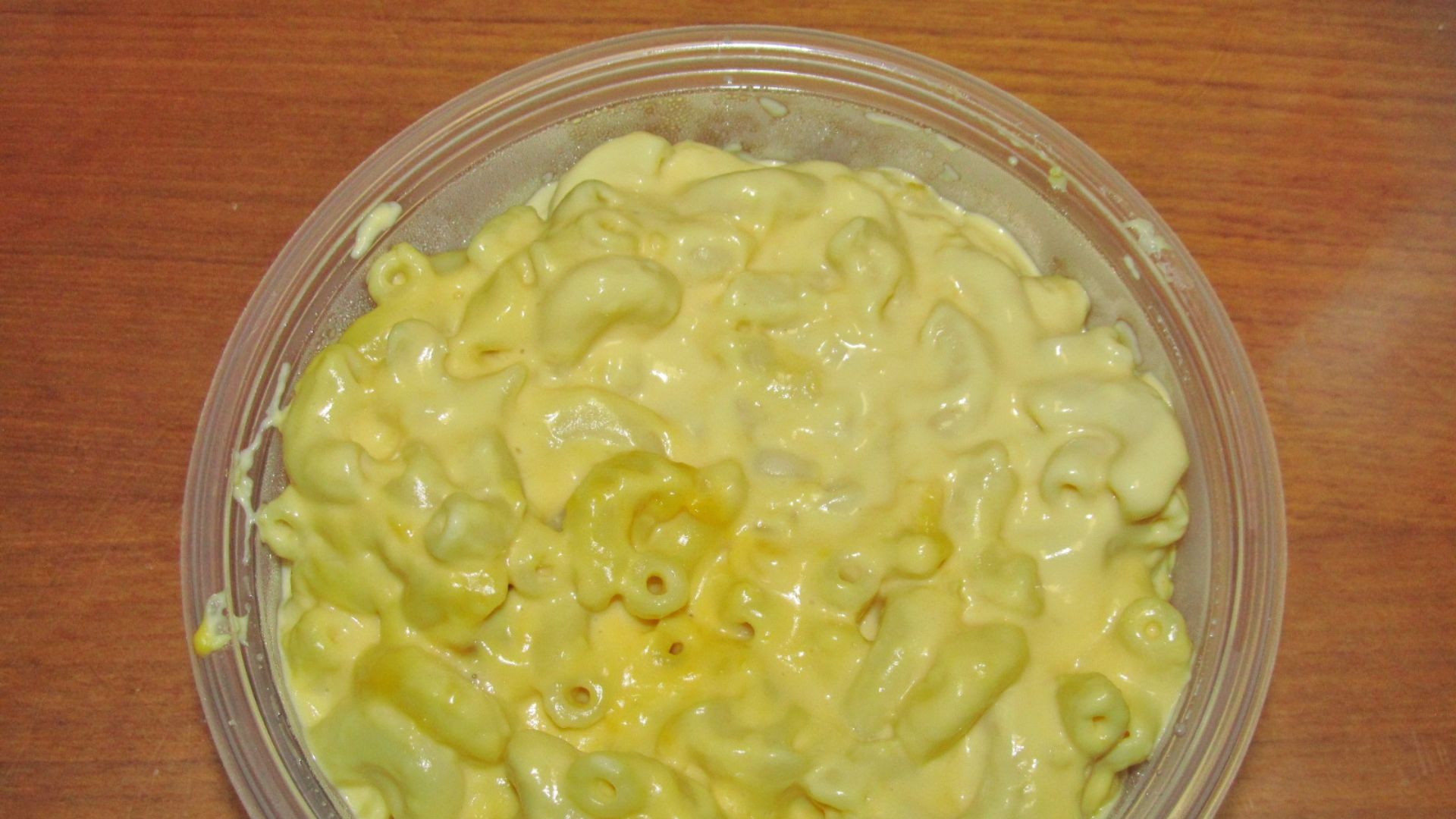
Different chicken pieces allowed several people to choose according to their preferences while sharing one order. Biscuits, mashed potatoes, gravy, coleslaw, and other sides made the meal feel more complete than a collection of sandwiches.
 Ian Muttoo from Mississauga, Canada on Wikimedia
7. Its Flavor Was Easy to Recognize
Successful chains need consistency, but they also need a product customers can identify without seeing the packaging. The seasoned coating gave KFC a recognizable taste that differed from plain fried chicken.
8. It Made Takeout Feel Like a Treat
Bringing home a bucket could turn an ordinary evening into a small family event without requiring formal dining or extensive preparation. The meal was casual enough for children but substantial enough for adults.

9. Its Slogans Were Exceptionally Memorable
“Finger lickin’ good” communicated taste, informality, and enjoyment in only a few words. The phrase acknowledged that fried chicken was messy while presenting that messiness as evidence that the meal was worth eating.
10. Nostalgia Strengthened the Brand
For many customers, the restaurant became connected to childhood dinners, road trips, family gatherings, and meals shared with relatives. Those memories helped the brand retain affection even when individual experiences weren’t perfect.
KEEP ON READING
The 10 Best Fried Chicken Sandwiches & The 10 Worst


20 Iconic Cereal Mascots You'll Never Forget