Twenty Dishes With A Paper Trail
Pop-Tarts make plenty of lists of iconic American foods, though that says as much about their marketing as their place at the table. You can buy the same box in almost any state, but the foods Americans get really worked up about tend to be harder to find. Some barely exist outside their hometowns, while others came with immigrants and became local institutions. Here are 20 dishes that tell a much better story about American food.
1. Hominy Grits
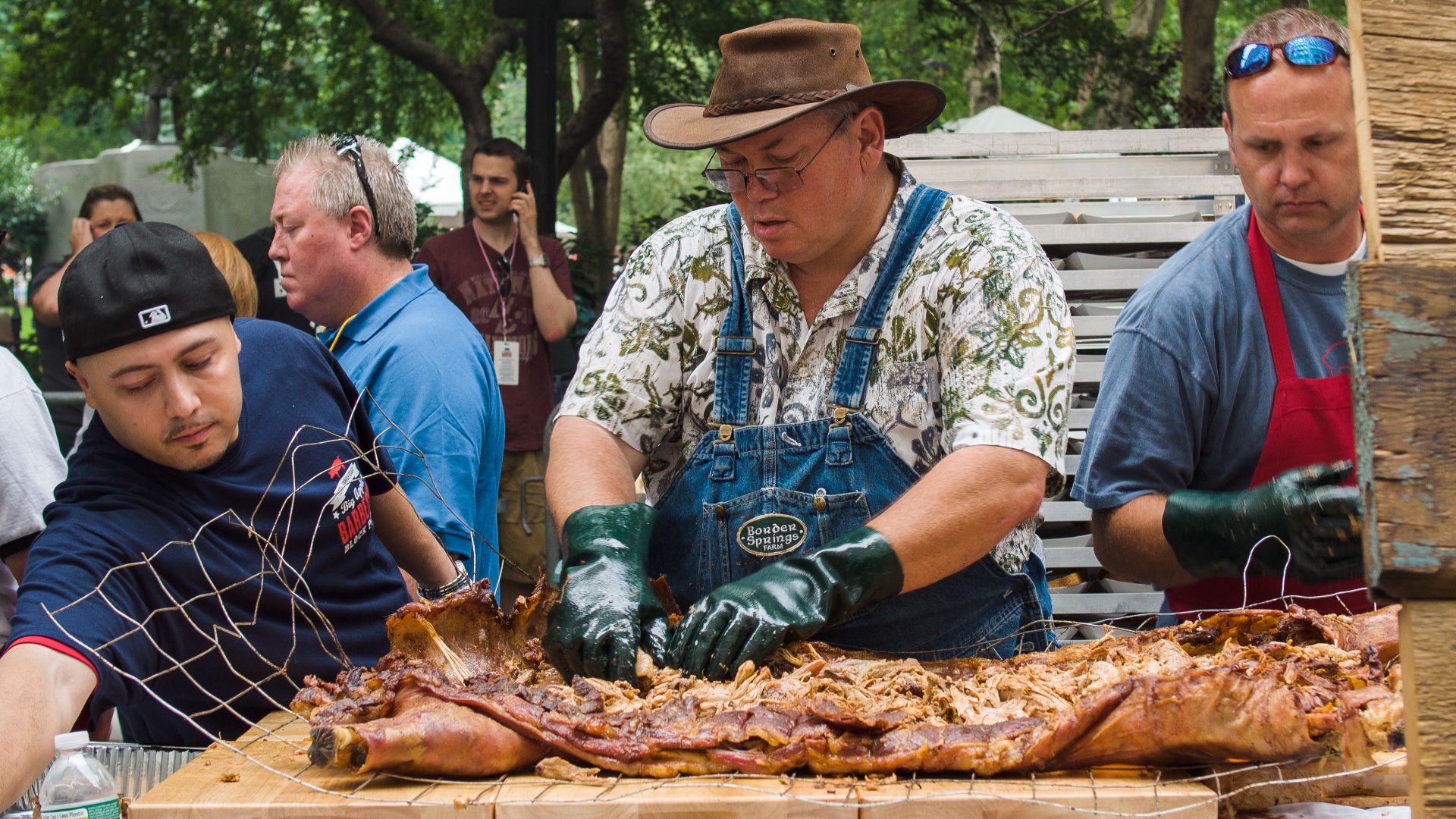
Corn fed a lot of people, but living on untreated corn alone could leave you with a serious niacin deficiency. Indigenous cooks had figured out the solution centuries earlier: soak the kernels in an alkaline solution to make the vitamin easier to absorb. English colonists learned the method from Powhatan-speaking communities and borrowed the word hominy along with it. Grind that hominy coarse, and you've got grits.
2. Eastern North Carolina Whole Hog
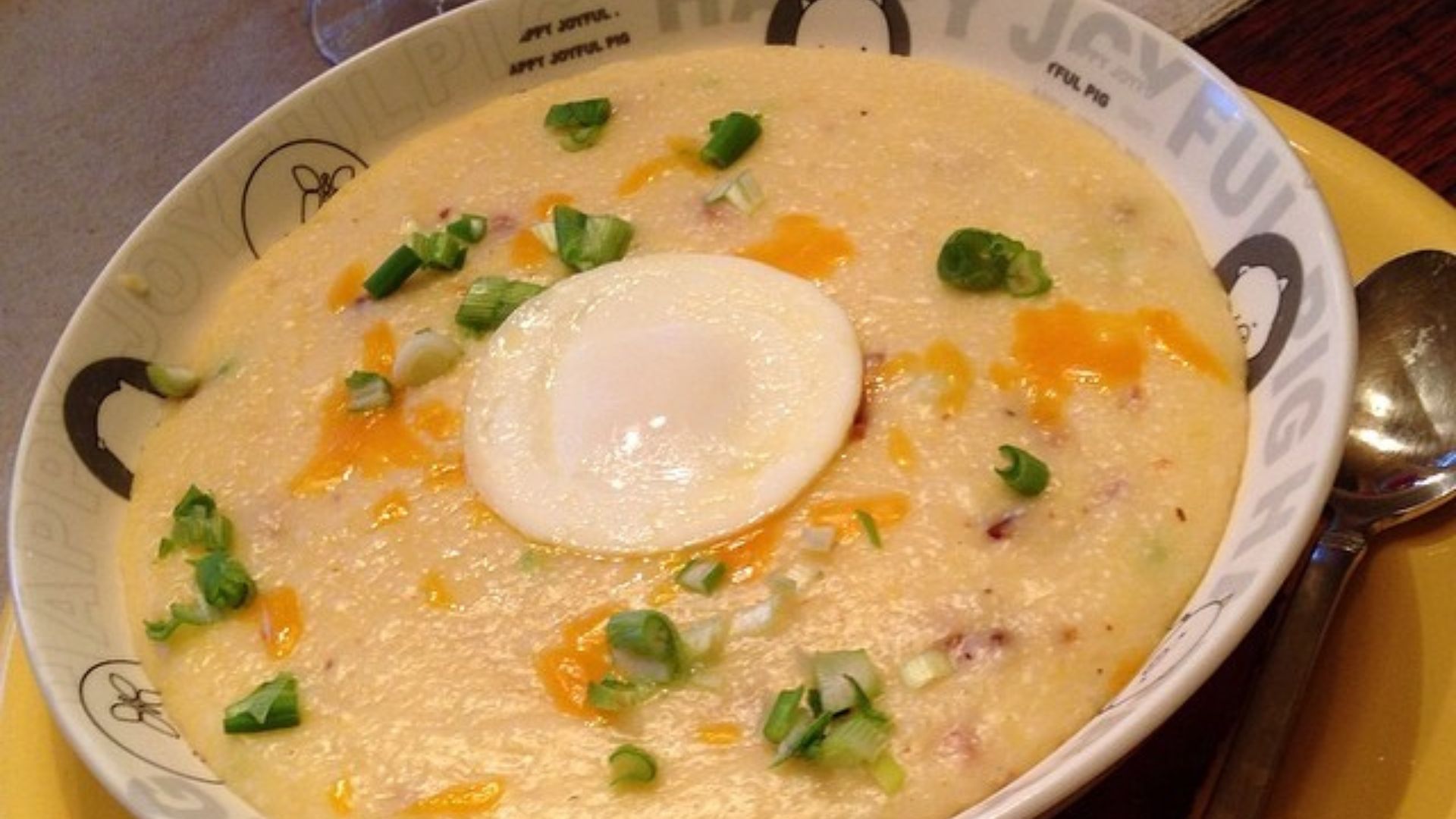
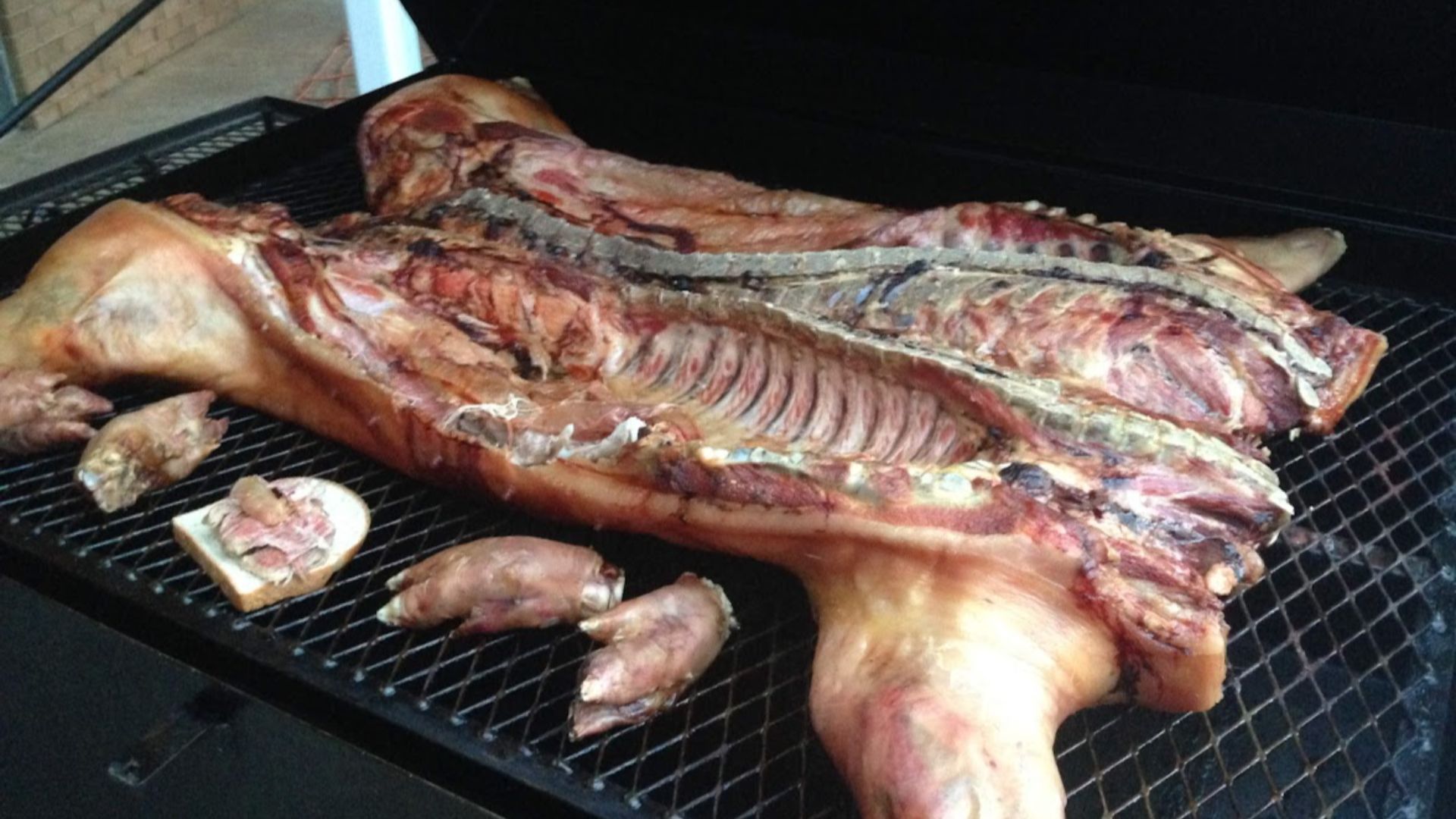
In eastern North Carolina, barbecue means the whole hog. Pitmasters cook it over oak or hickory for most of a day, then chop everything together, crispy skin included. The vinegar-and-pepper dressing goes back to when cider vinegar was a farmhouse staple, while enslaved cooks did much of the work that shaped the tradition.
 IReallyLikeYorhshirePuddding on Wikimedia
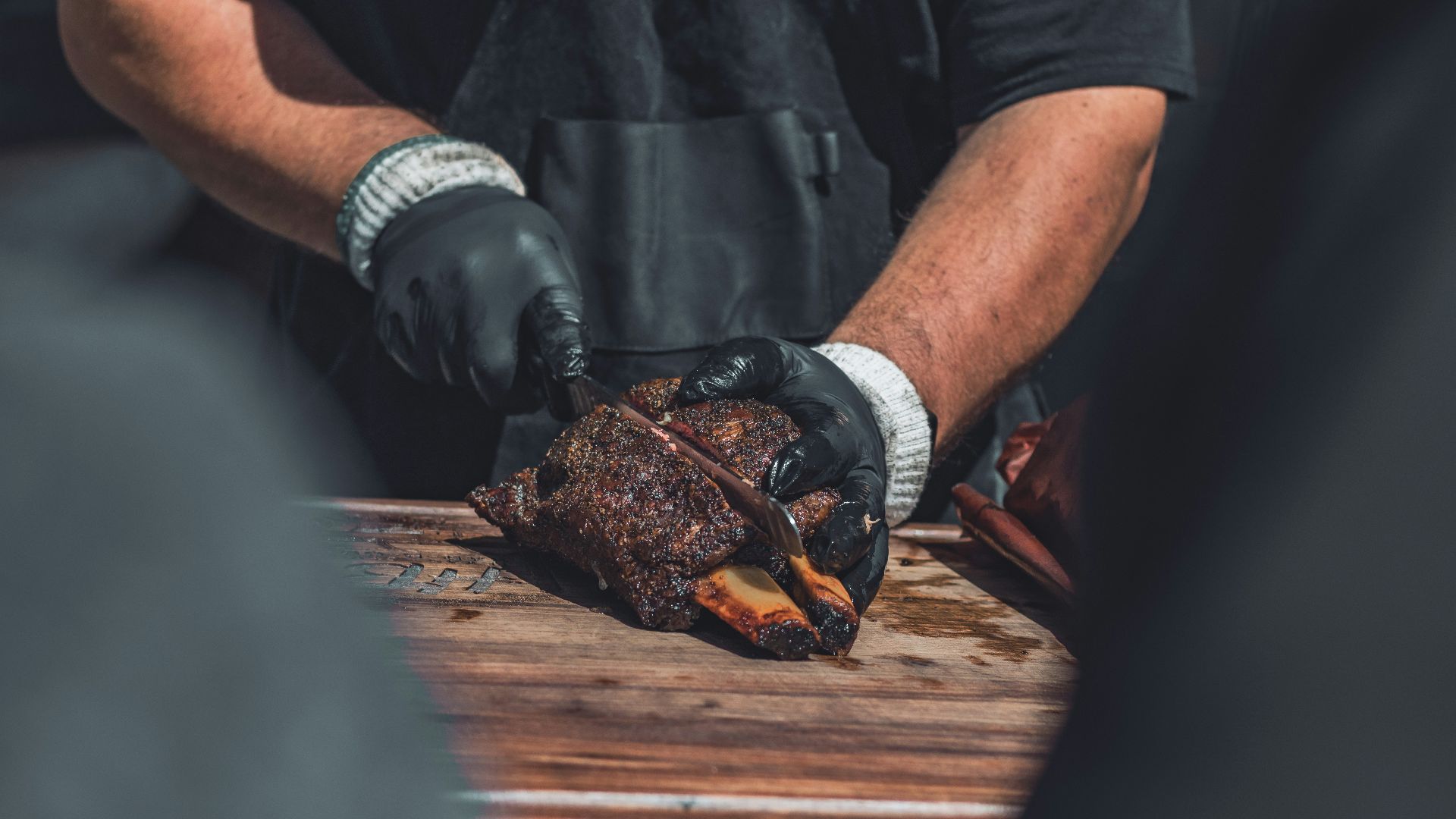
3. Central Texas Brisket
German and Czech butchers opened meat markets in the towns between Austin and Houston. At the end of the week, unsold cuts went into the smoker, with cheap brisket getting the longest cook. A Bastrop newspaper ran what's believed to be America's oldest barbecue ad in 1878.
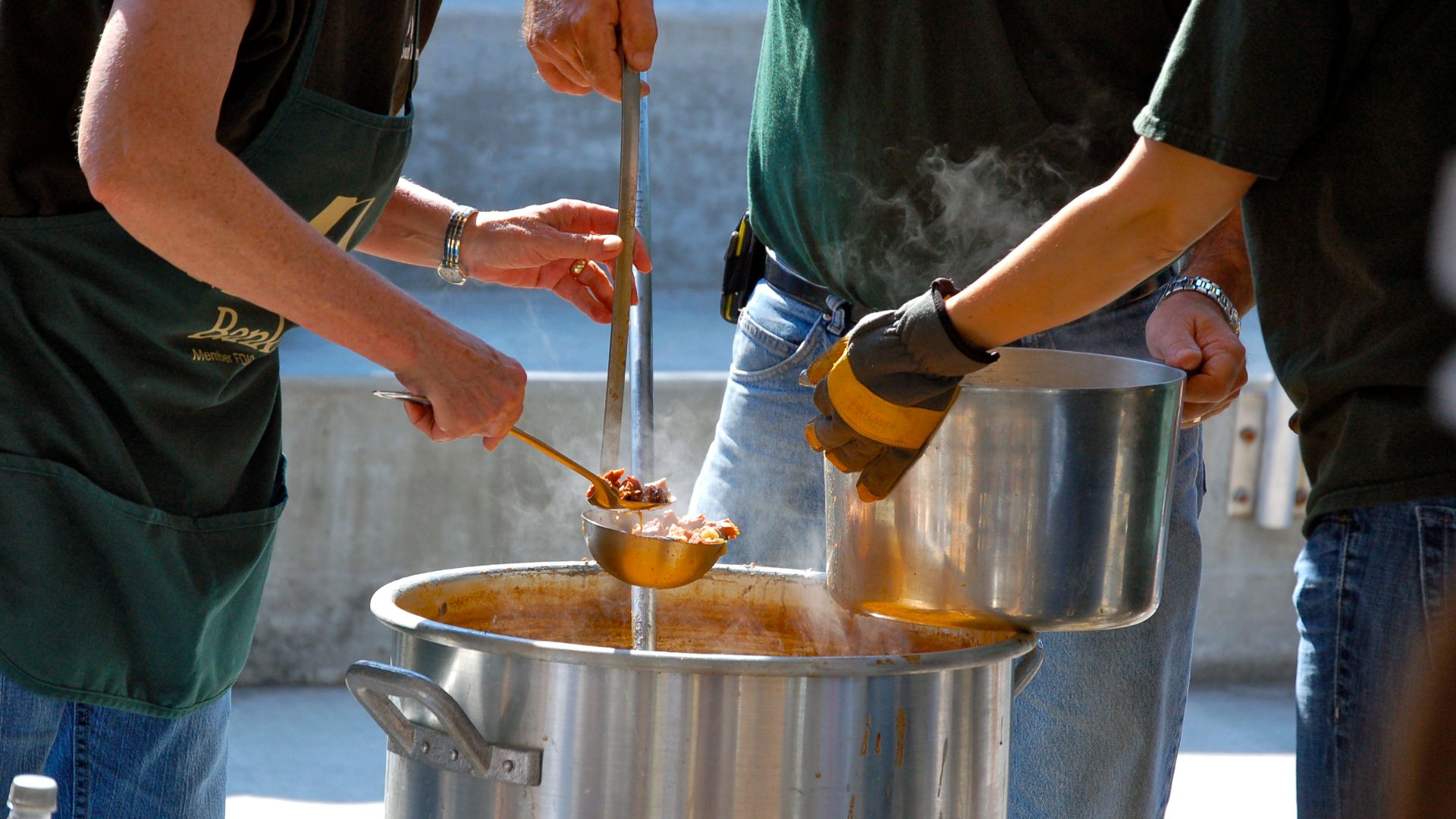
4. Louisiana Gumbo
Gumbo may get its name from ki ngombo, a Bantu word for okra, or kombo, the Choctaw word for ground sassafras. Both thicken the stew, with okra coming from enslaved West Africans and filé from the Choctaw. Nobody has settled which word came first, and both have a good claim.
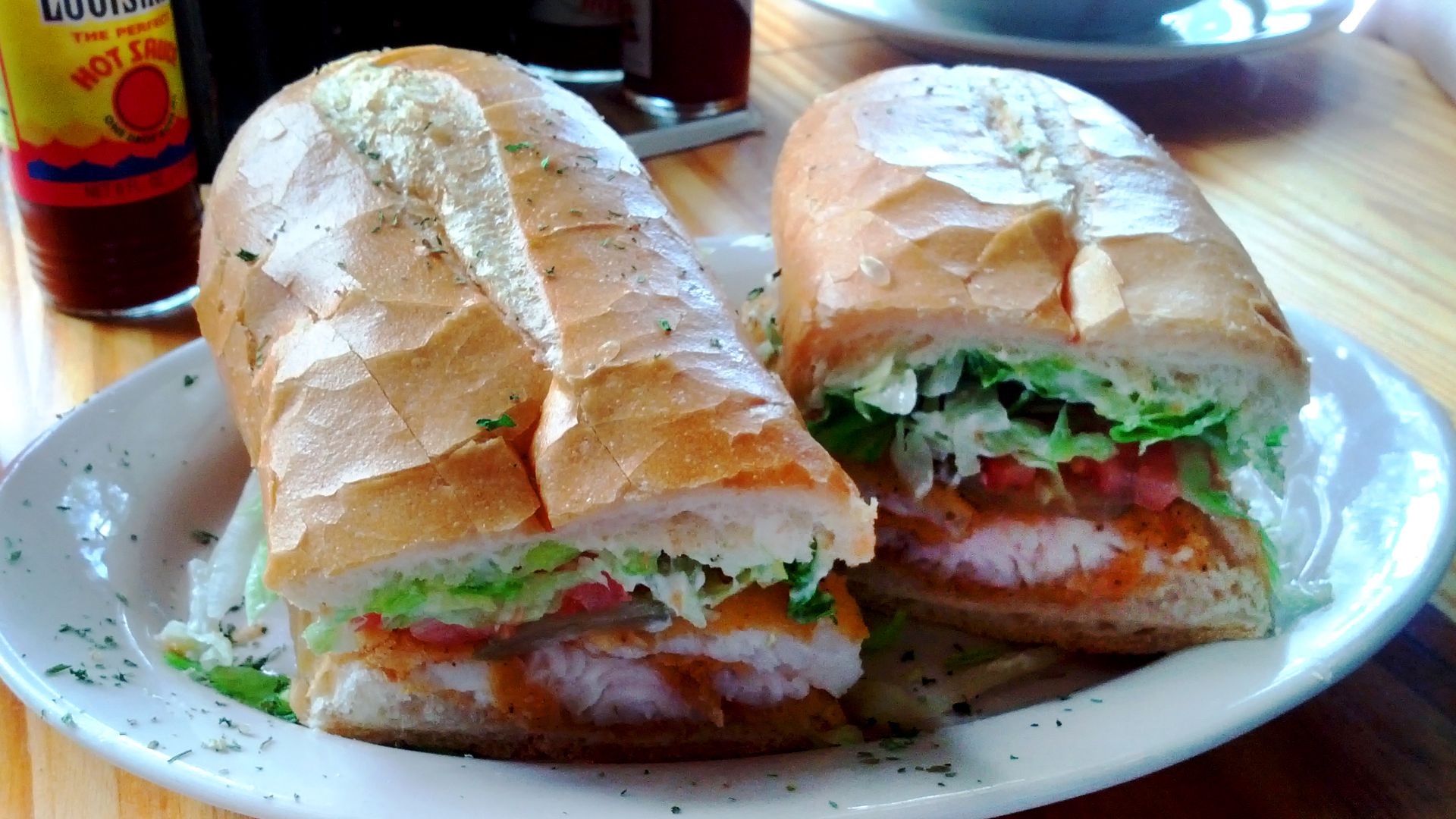
5. New Orleans Po'Boy
Before selling sandwiches, Benny and Clovis Martin drove streetcars. They opened a French Market coffee stand in 1922 and promised free meals to striking streetcar workers in July 1929. The sandwiches became "poor boys," at least according to a story newspapers didn't report until 40 years later. Not every historian buys it.
 Coastal Elite from Halifax, Canada on Wikimedia
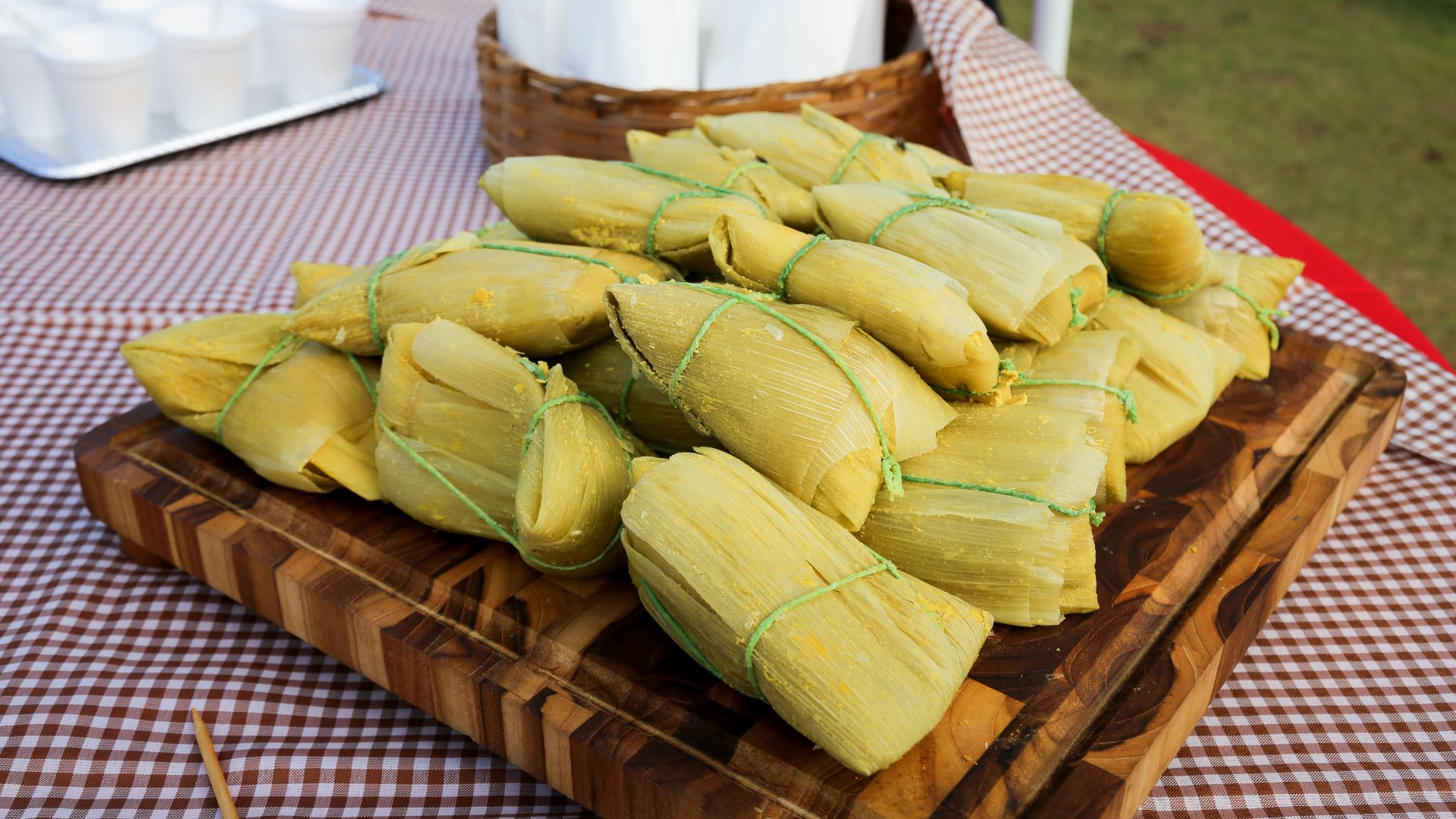
6. Delta Hot Tamales
Mexican laborers worked Mississippi cotton fields alongside Black sharecroppers in the early 1900s, and tamales caught on. The Delta version is smaller, made with cornmeal instead of masa, and simmered in spicy brine. Robert Johnson had already recorded a song about them by 1936.
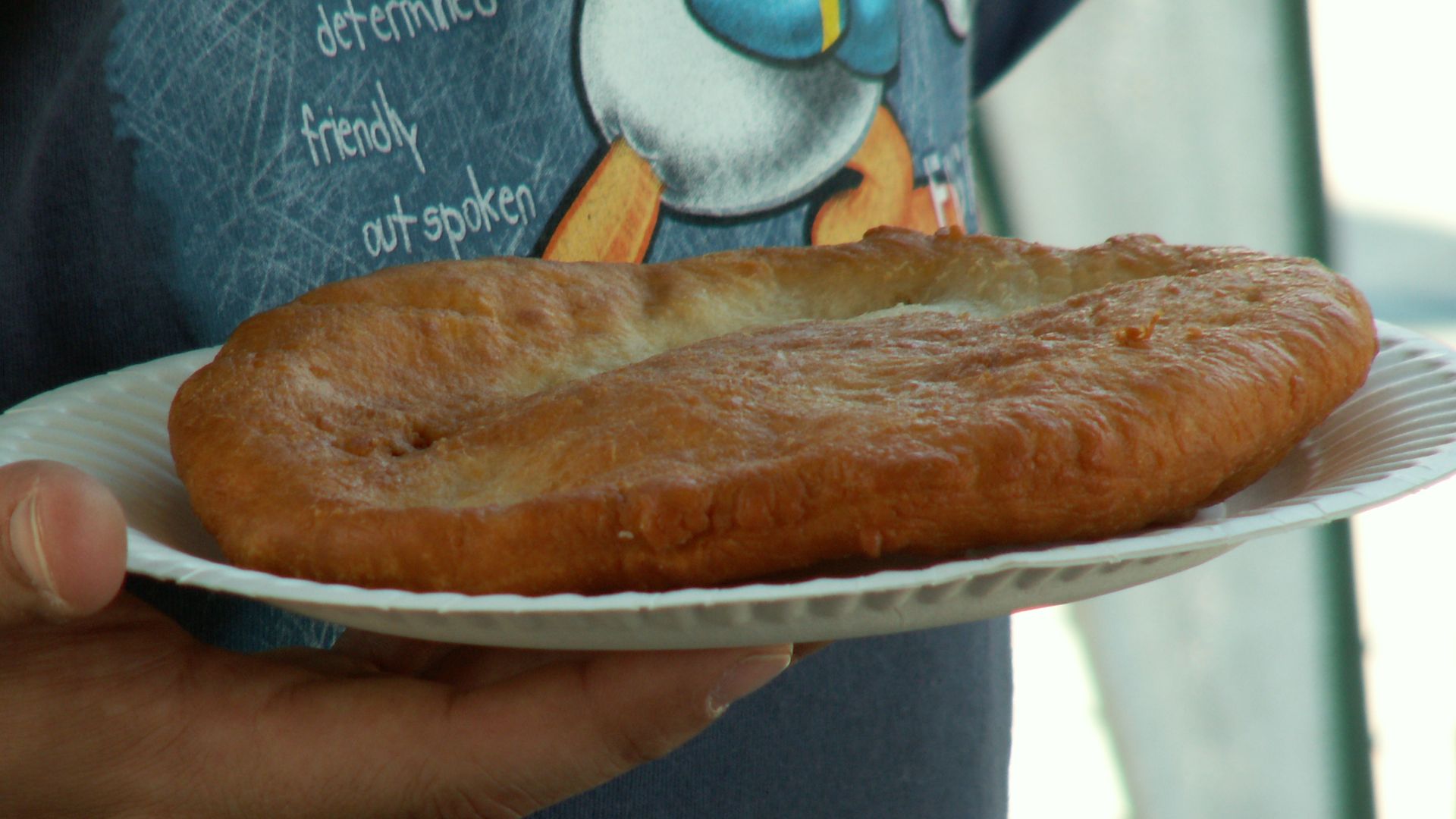
7. Frybread
When the U.S. Army forced thousands of Navajo people 300 miles to Bosque Redondo in 1864, their crops wouldn't grow. The rations were white flour, lard, salt, and sugar, ingredients the Diné hadn't traditionally used. Frybread came from making do with those supplies. That history is why some Native chefs object to celebrating it as a symbol of pride.
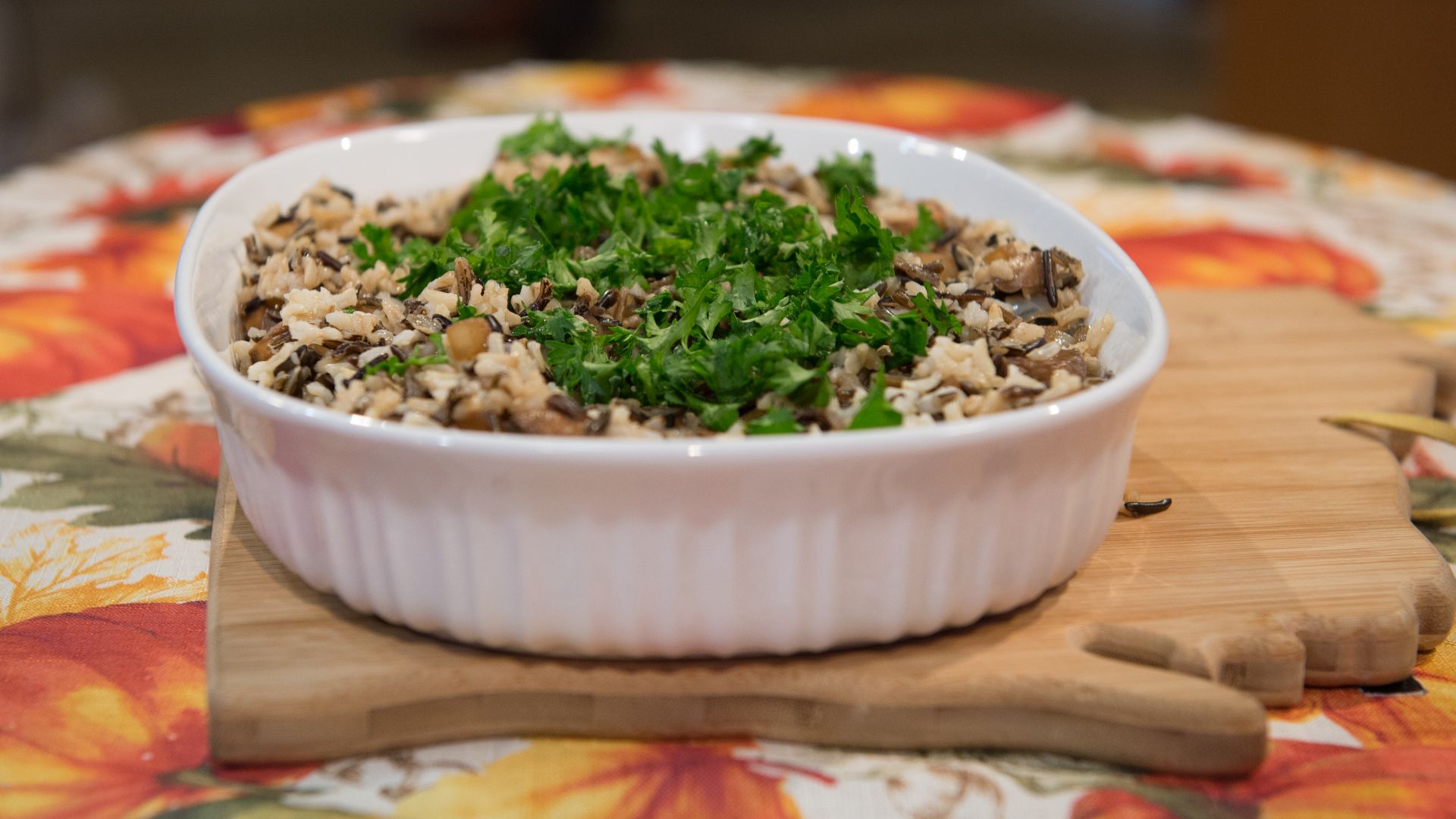
8. Manoomin
Ojibwe harvesters still pole canoes through wild rice beds, tapping the grains into the hull with sticks as generations before them did. Manoomin means "good berry," though it's actually an aquatic grass rather than rice. The wild, lake-harvested grain tastes quite different from the boxed, paddy-grown version.
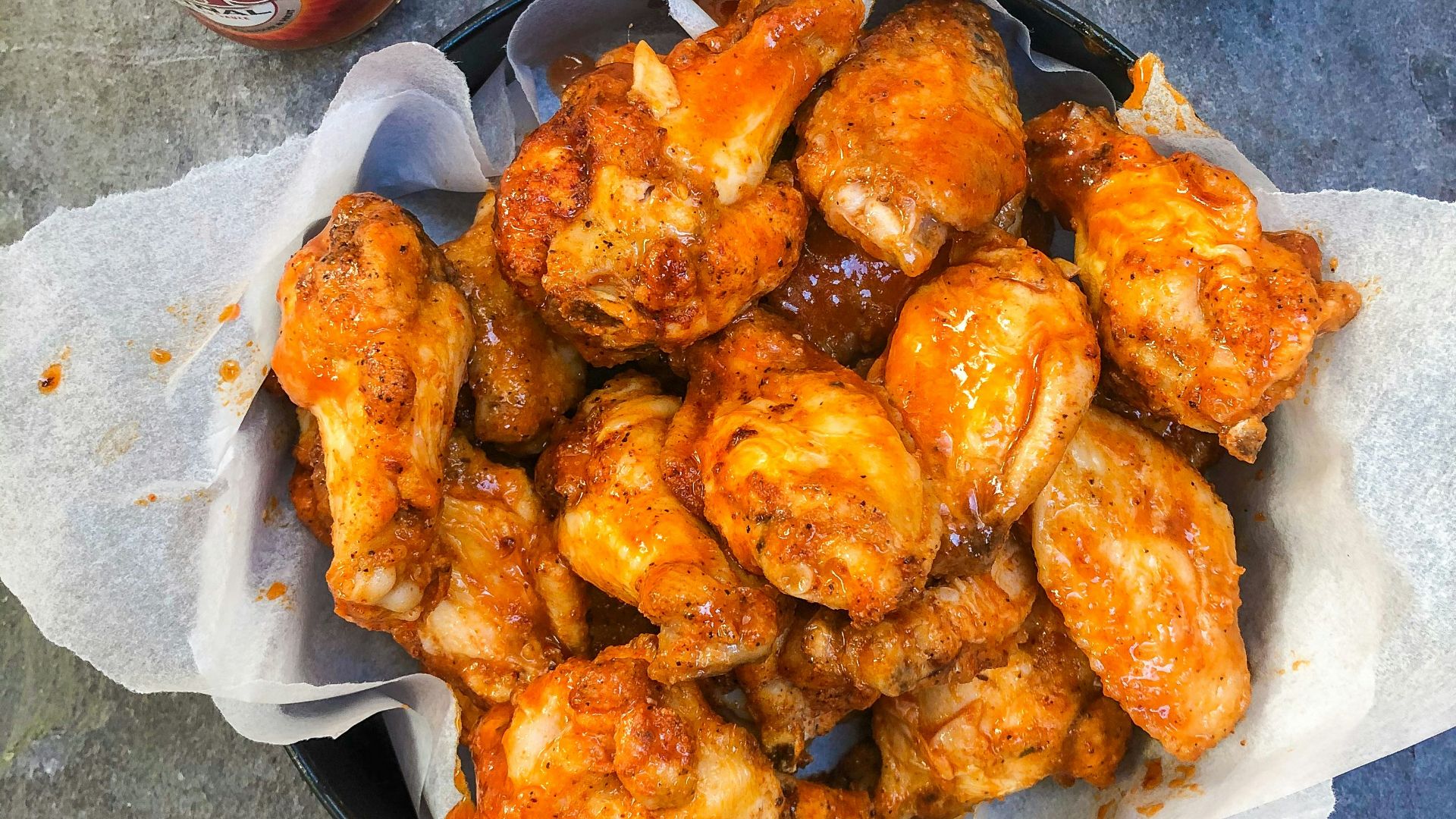
9. Buffalo Wings
In 1964, Teressa Bellissimo fried wings at Buffalo's Anchor Bar and tossed them in hot sauce. A cut usually headed for the stockpot became the city's most famous food. But she wasn't the only one making wings in Buffalo. John Young served breaded ones with his own "mambo" sauce and has supporters of his own.
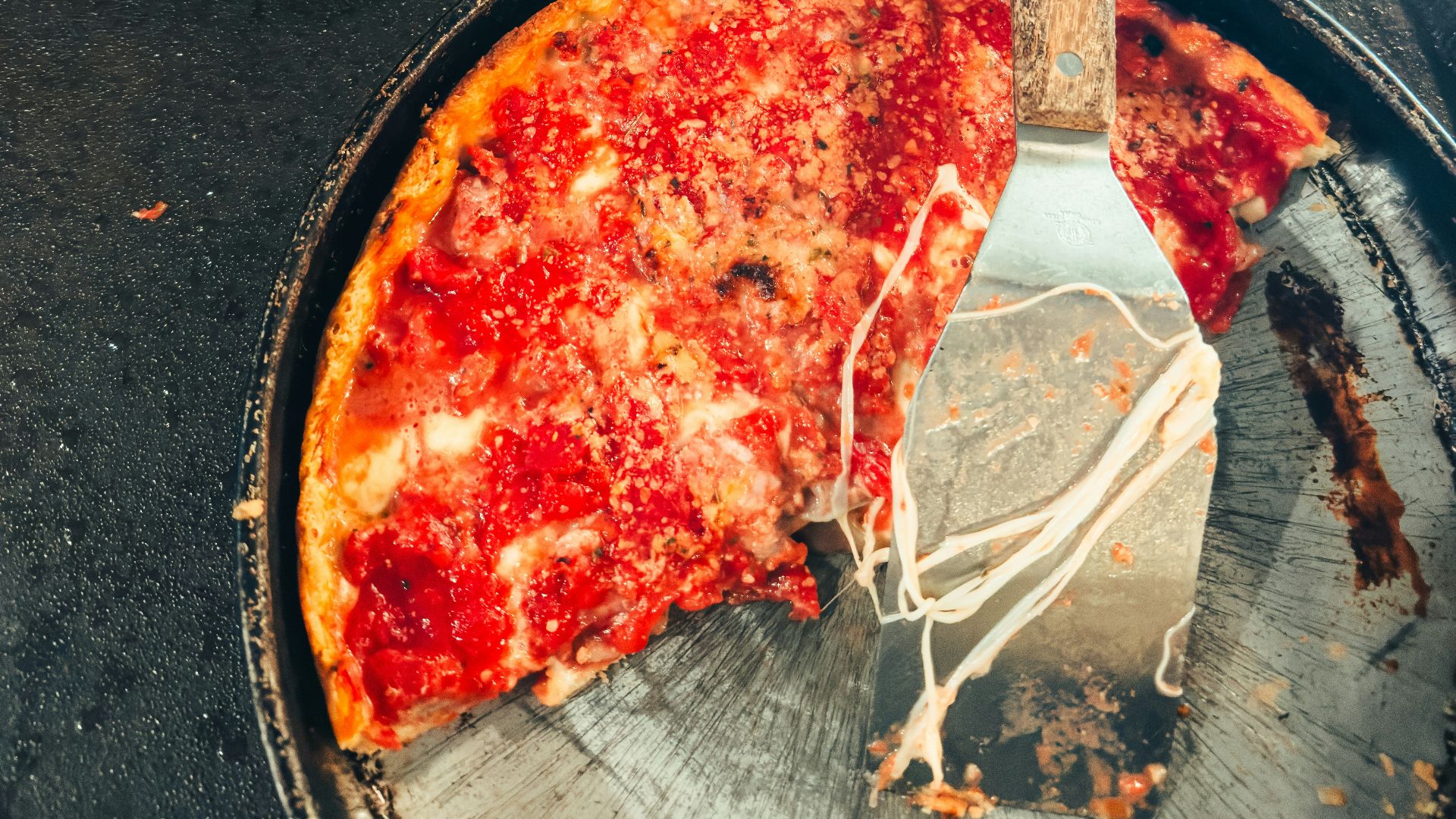
10. Chicago Deep Dish
Chicago deep dish first came out of a kitchen at 29 East Ohio Street in 1943. Exactly whose idea it was remains an argument. The restaurant's plaque gives Ike Sewell credit, while historians point to his partner, Ric Riccardo. Ask locals what pizza they actually eat, though, and many will say thin, tavern-style crust.
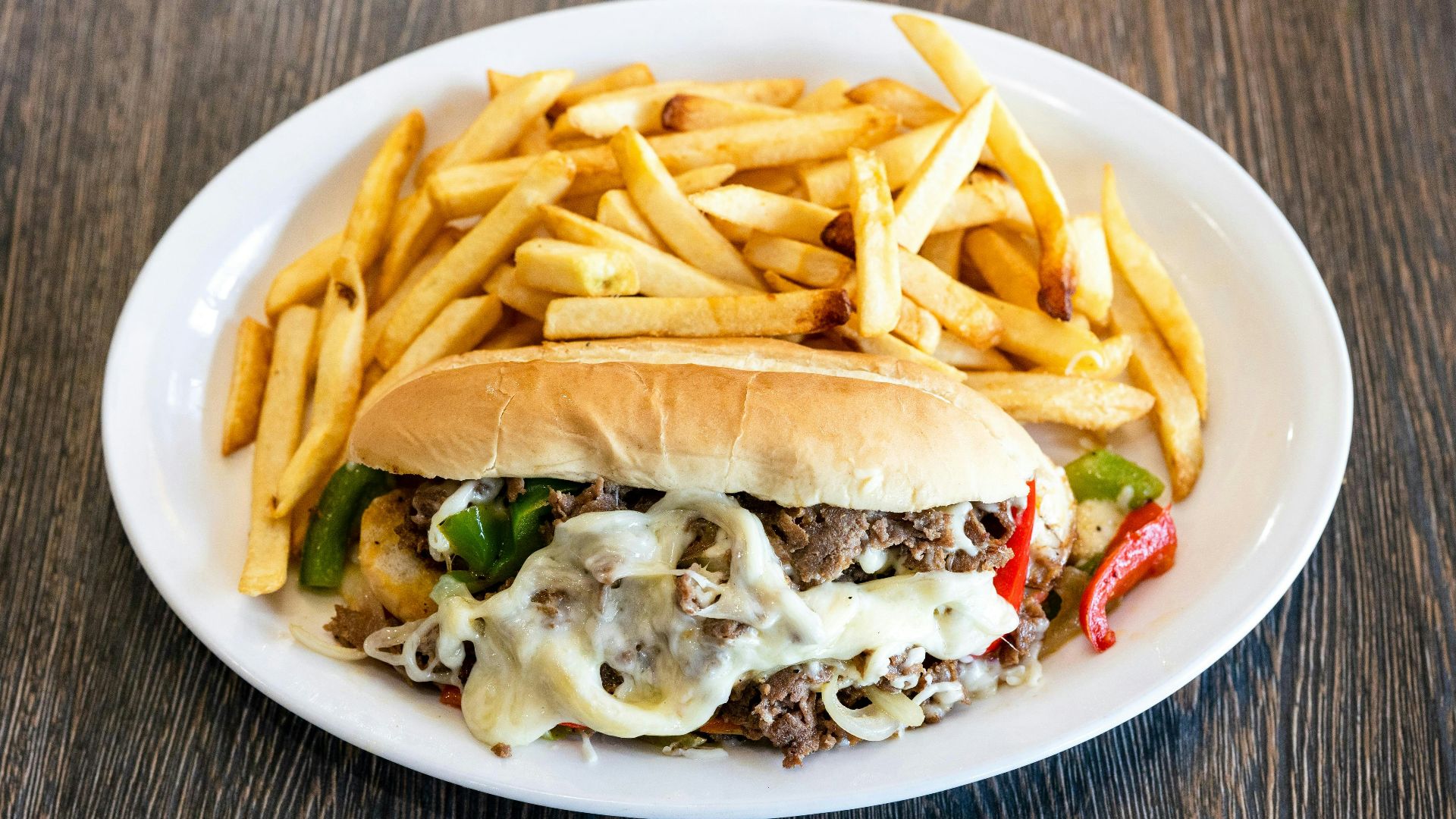
11. Philly Cheesesteak
Pat and Harry Olivieri sold hot dogs near the Italian Market until they got tired of eating them. In 1930, one threw some butcher's beef scraps on the griddle, and a cab driver who smelled it wanted one. Cheese came later, along with the argument over provolone versus Whiz that Philadelphia still hasn't settled.
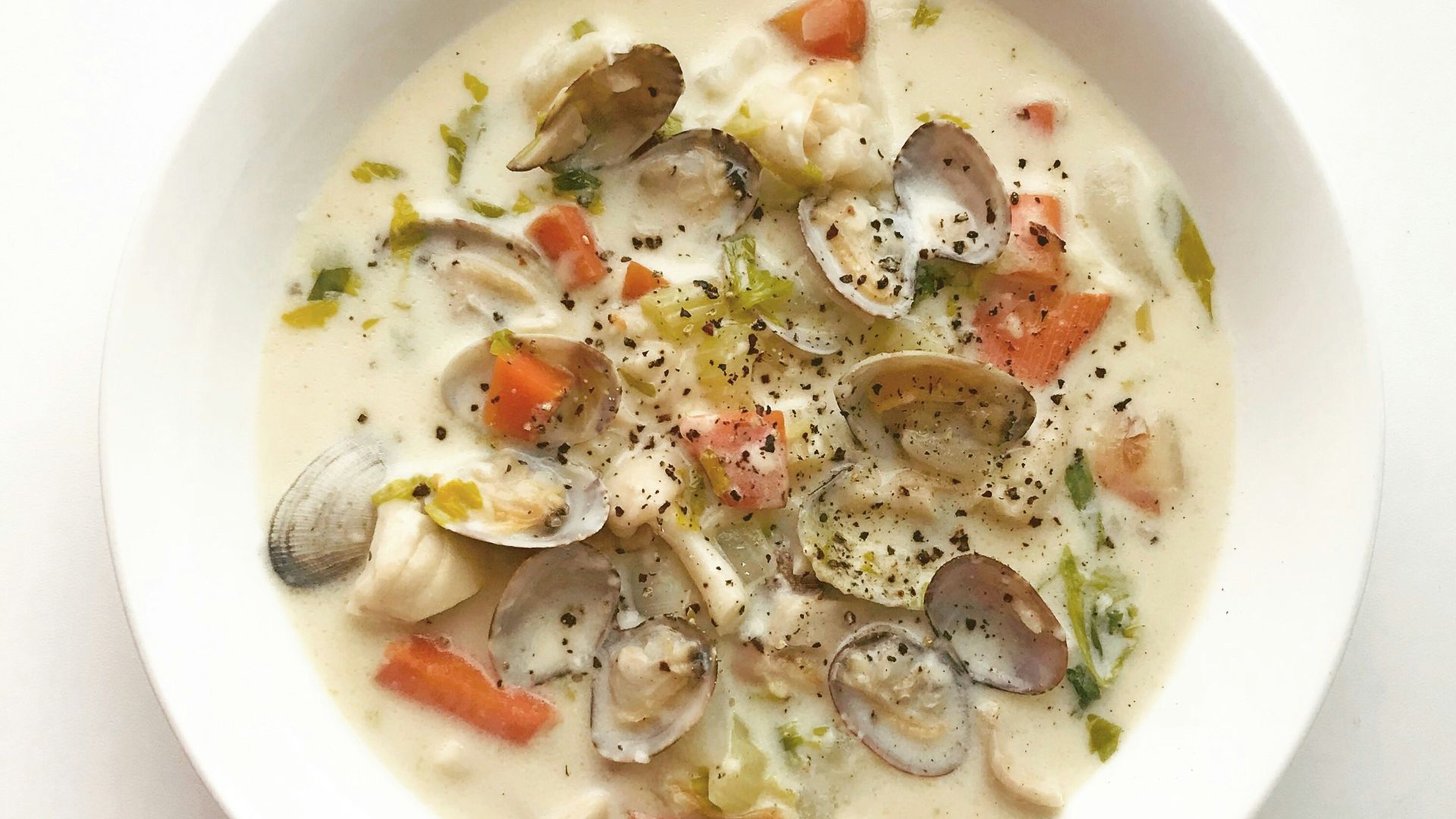
12. New England Clam Chowder
In 1939, Maine lawmaker Cleveland Sleeper tried to make tomatoes in clam chowder illegal. His bill never reached the floor, but a cook-off followed, with the governor and the inventor of the Toll House cookie among the judges. Manhattan-style chowder still has a hard time finding friends north of Boston.
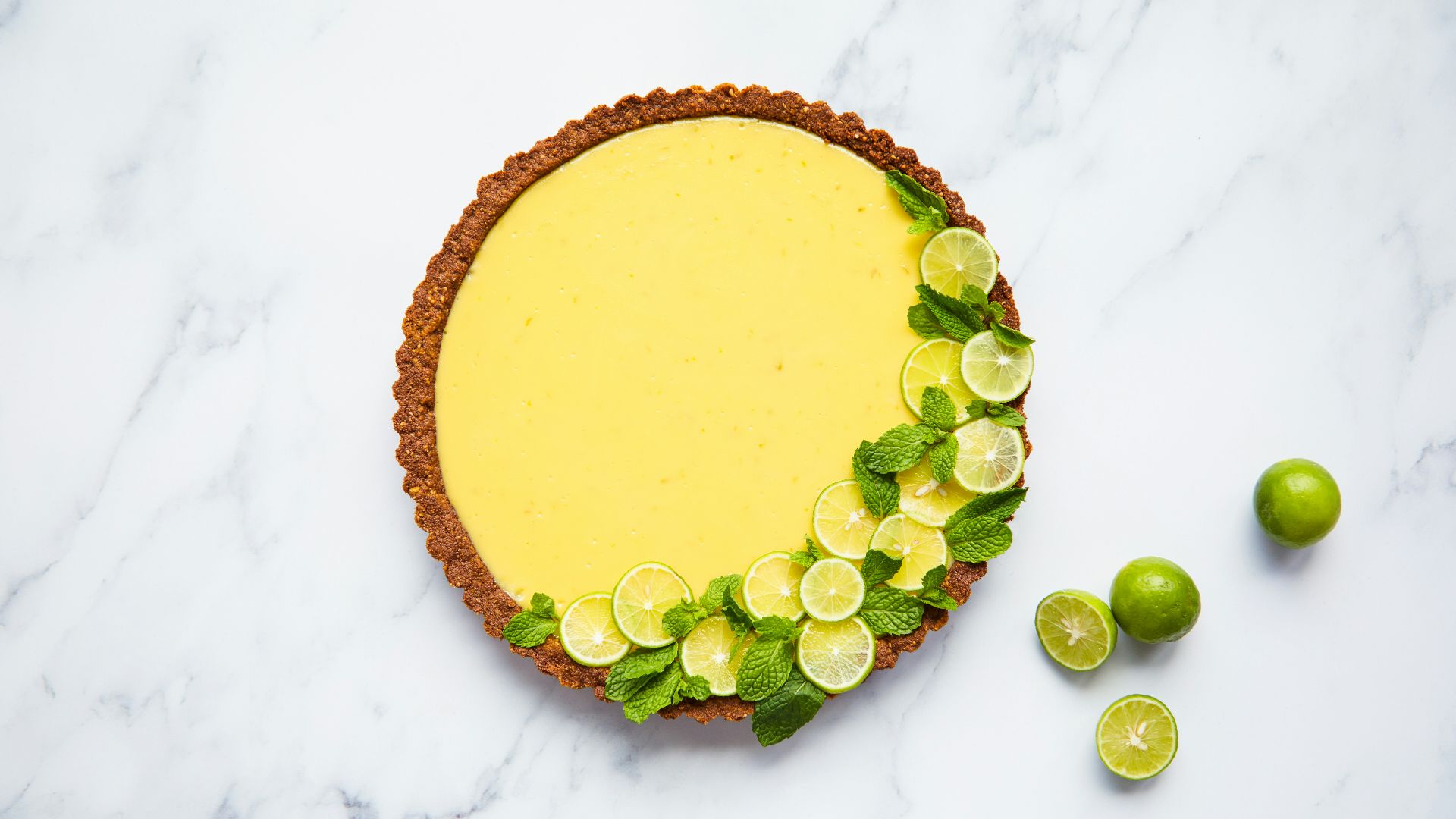
13. Key Lime Pie
Before the Overseas Highway opened in 1930, fresh milk was hard to get in the Florida Keys. Sweetened condensed milk was easier, and local cooks found that Key lime juice could set it into a pie filling without baking. The limes grew wild around Key West, so the ingredients were already there.
 American Heritage Chocolate on Unsplash
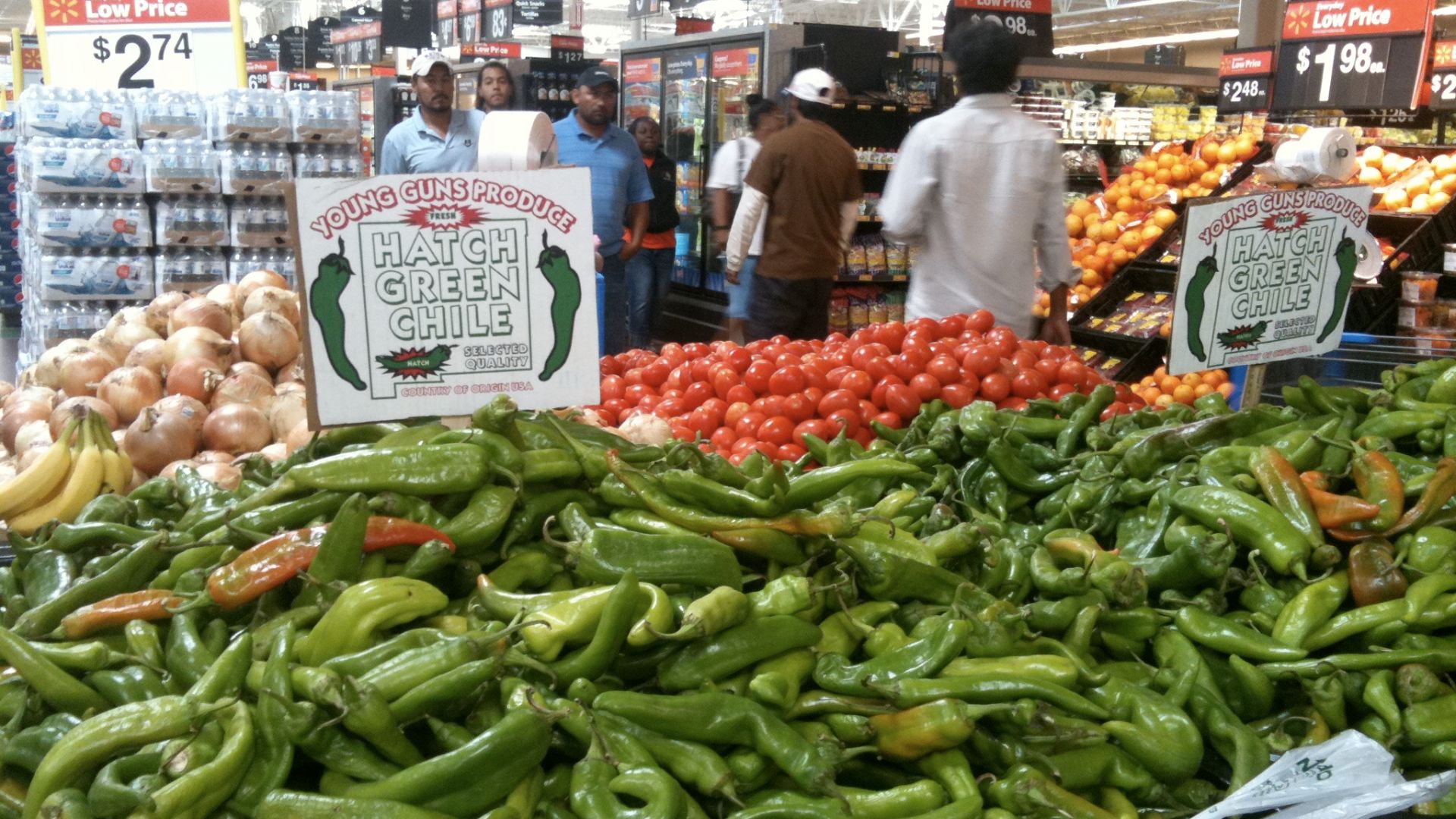
14. New Mexico Green Chile
New Mexico made "red or green?" its official state question in the 1990s. It's what you get asked when ordering chile, and during roasting season, the smell hangs over towns along the Rio Grande. Chile is also one of the state's biggest cash crops, so the question doubles as pretty good advertising.
15. Spam Musubi
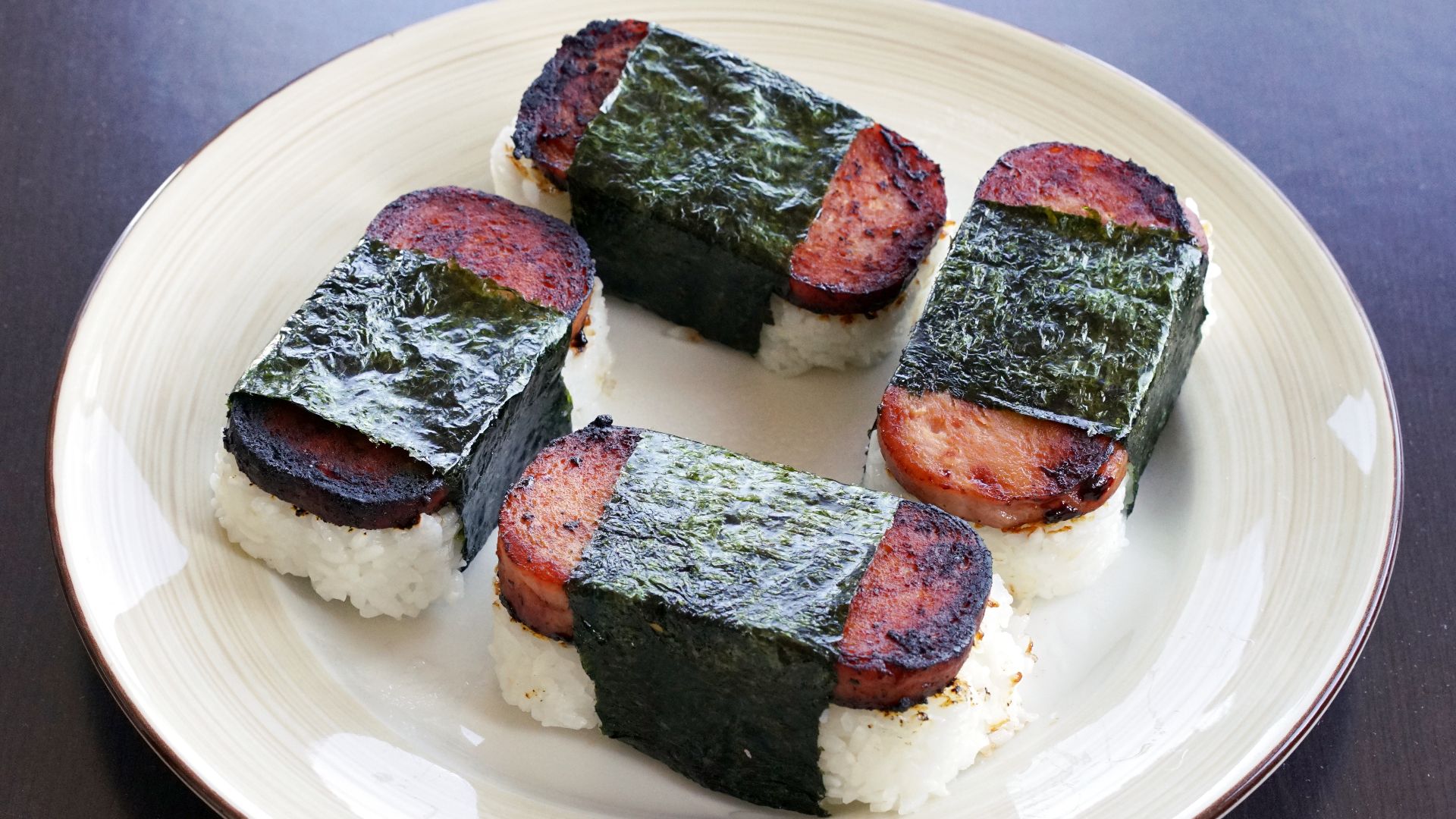
Hawaii eats about seven million cans of Spam a year, roughly five per person, more than any other state. It arrived with wartime rations and stayed because the islands already depended on imported meat. Spam musubi pairs a fried slice with rice and nori, a natural fit for Japanese-Hawaiian kitchens. Guam, for the record, eats even more per person.
16. General Tso's Chicken
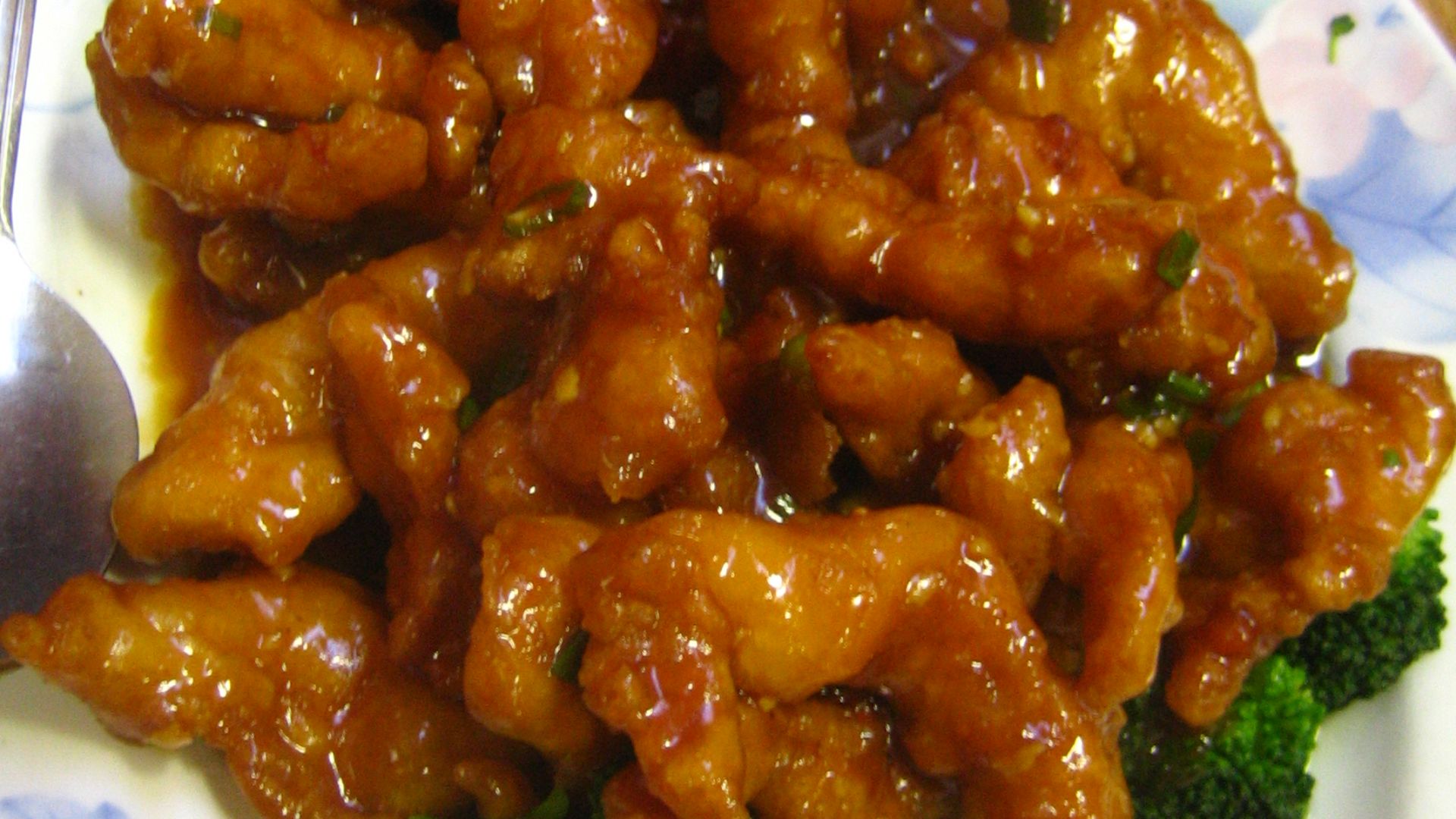
Peng Chang-kuei invented General Tso's chicken in Taiwan in the 1950s after following the Nationalist government there. His original wasn't sweet. When he opened a restaurant near the United Nations in 1973, he added sugar for New York diners. That version took off, leaving the dish on nearly every Chinese-American menu and surprisingly rare in Taiwan.
 Rick Audet from Holyoke, Massachusetts, USA on Wikimedia
17. Pastrami On Rye
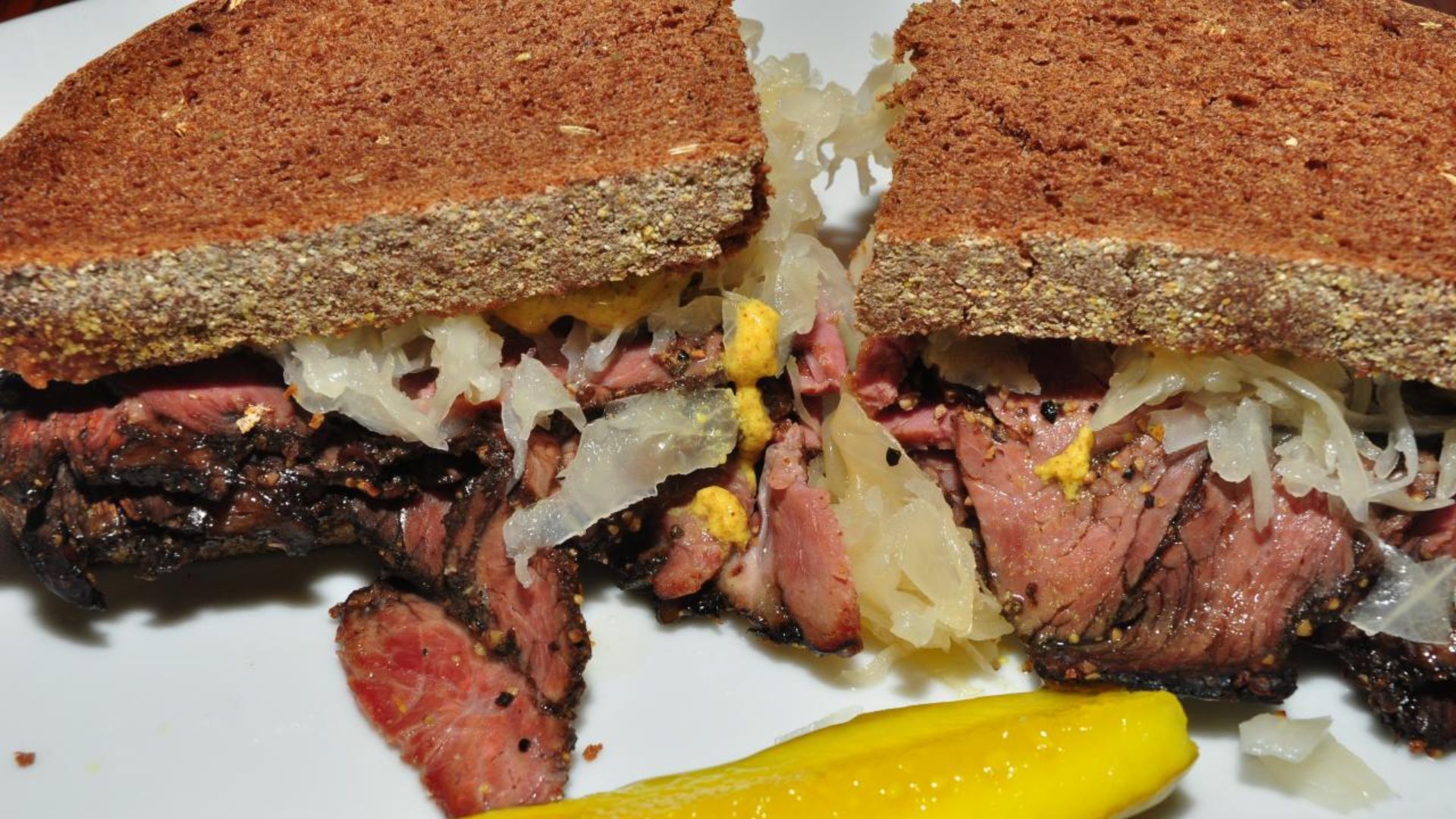
Romanian Jewish immigrants brought pastrama, traditionally made with goose breast, to the Lower East Side in the 1870s. Beef navel was cheaper here, so they switched meats. In 1887, Lithuanian butcher Sussman Volk reportedly got the recipe in exchange for storing someone's luggage, then sold what is credited as the first pastrami sandwich.
18. Detroit Coney Dog
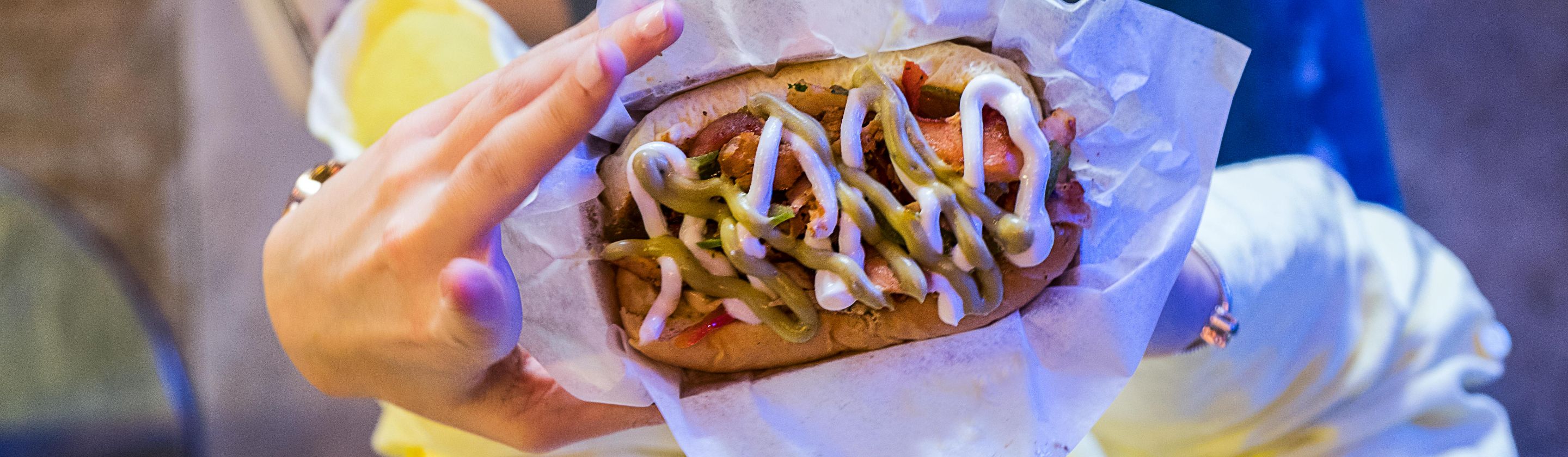
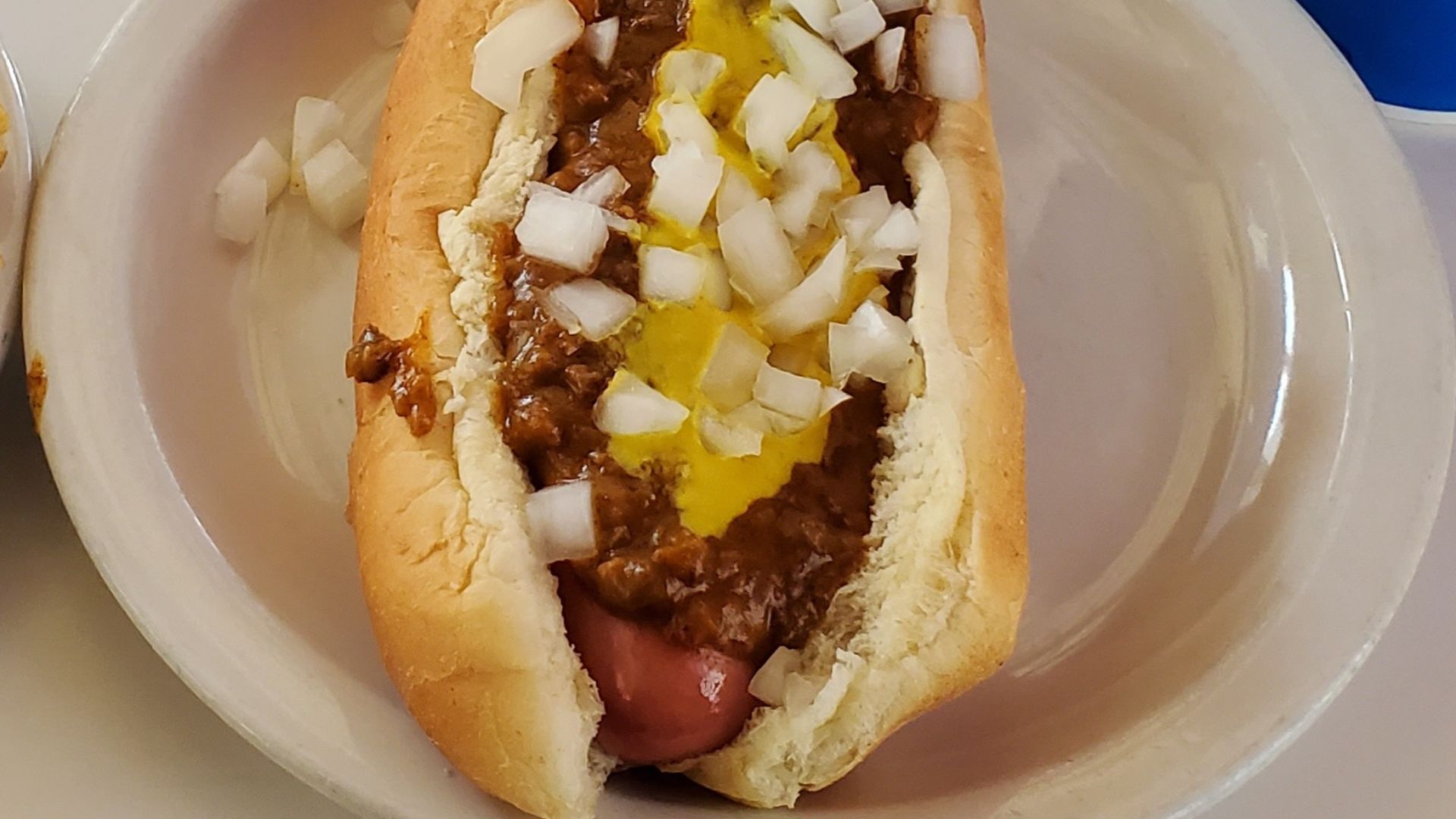
Gust Keros came from Greece and opened Detroit's American Coney Island in 1917, serving autoworkers hot dogs topped with a spiced beef sauce closer to Greek saltsa kima than chili. His brother opened a rival counter next door. Macedonian immigrants made their own versions in Jackson and Flint, each with a different sauce. The name came from New York's Coney Island amusement park.
19. Vermont Maple Syrup
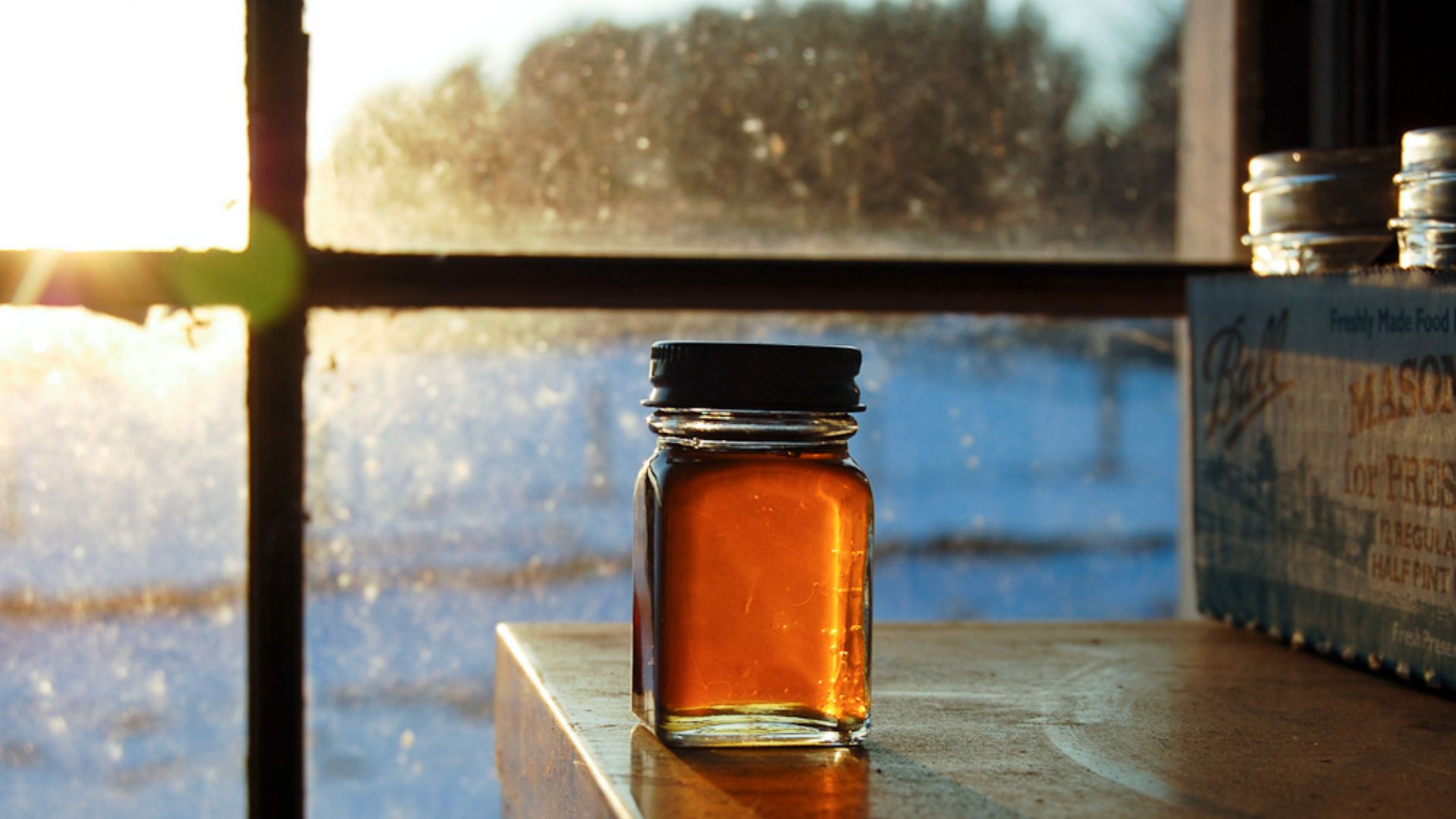
Vermont makes more than half of America's maple syrup, roughly three million gallons a year, from over eight million taps. That's a lot of syrup for a season that lasts only a few weeks. The sap runs when nights dip below freezing and days warm back up, so producers have a narrow window to collect it.
 Sterling College from Craftsbury Common, VT, USA on Wikimedia
20. San Francisco Sourdough
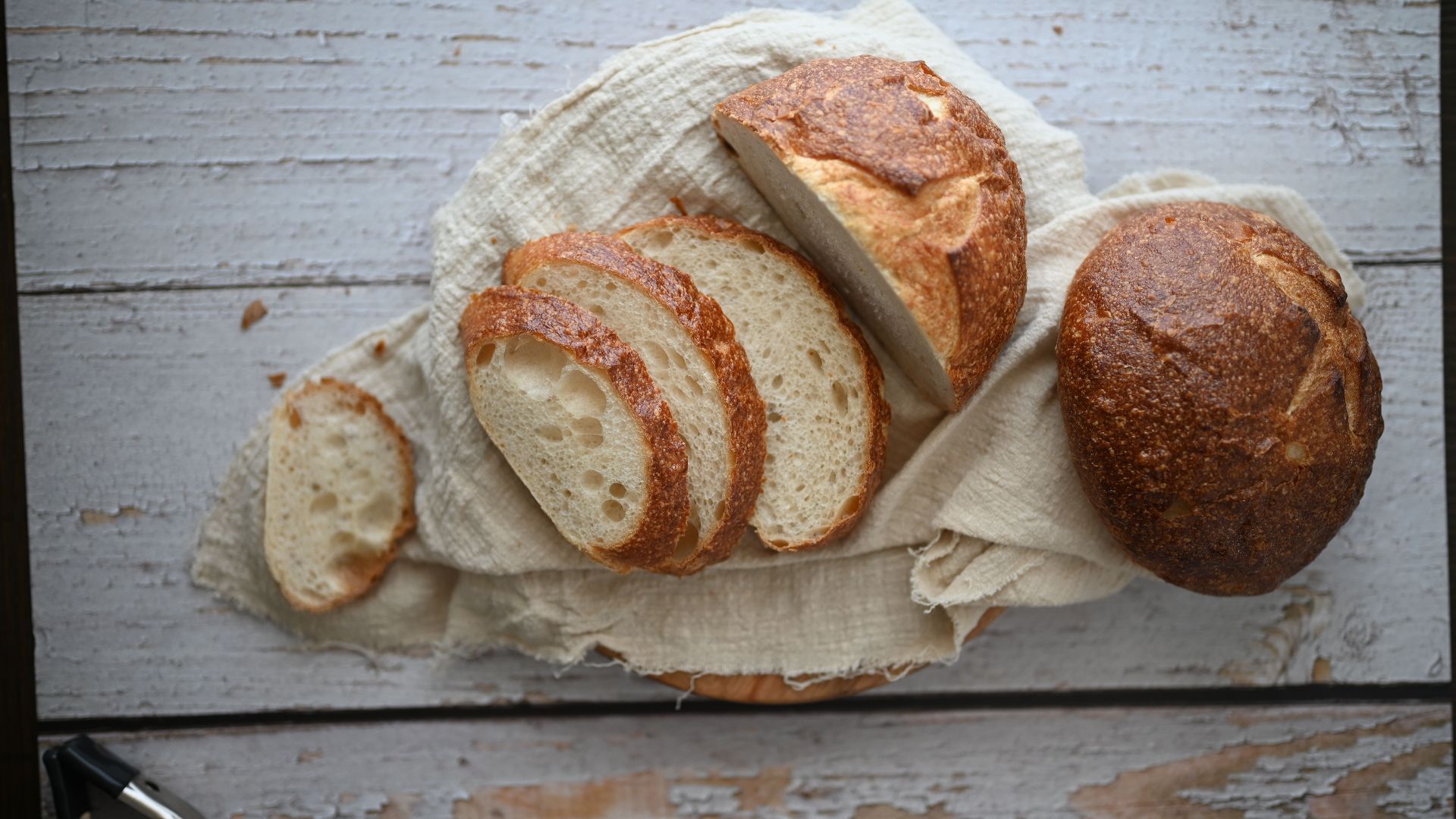
San Francisco bakers have kept sourdough starters alive since the Gold Rush. In 1971, researchers isolated a bacterium from a local starter and named it for the city, though it's since turned up in sourdoughs around the world. Even the 49ers' mascot is named Sourdough Sam.