Enset looks like a banana tree and even grows banana-shaped fruit, but peel one open and all you'll find are hard black seeds. There's nothing worth eating. Ethiopians have been growing it for thousands of years anyway, and in much of the south, it's a big part of what people eat every day. The good stuff is hidden in the trunk and underground stem, and getting it onto a plate means scraping out the pulp with bamboo and leaving it to ferment underground for months.
Around 20 million people rely on enset as a staple food, yet the cultivated plant is found only in Ethiopia. Turning it into something edible takes a remarkable amount of work. The result is kocho, a dense, slightly sour flatbread made from fermented material that can be stored for years. Long associated with rural kitchens, it's now turning up on restaurant menus in Addis Ababa, too.
The Fruit Is The One Part Nobody Eats
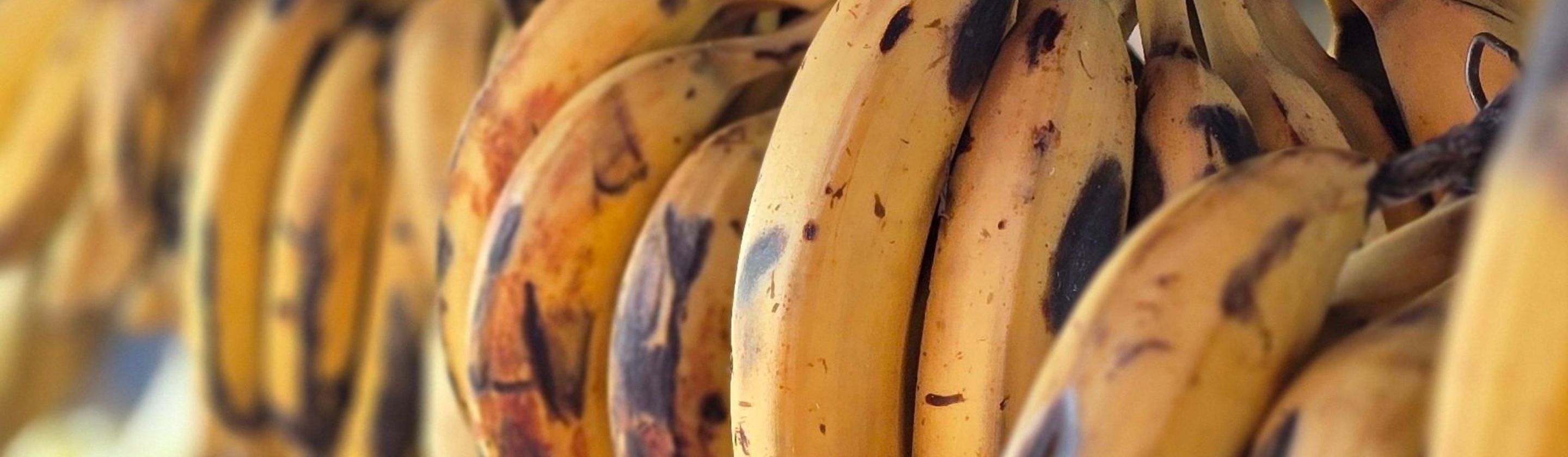
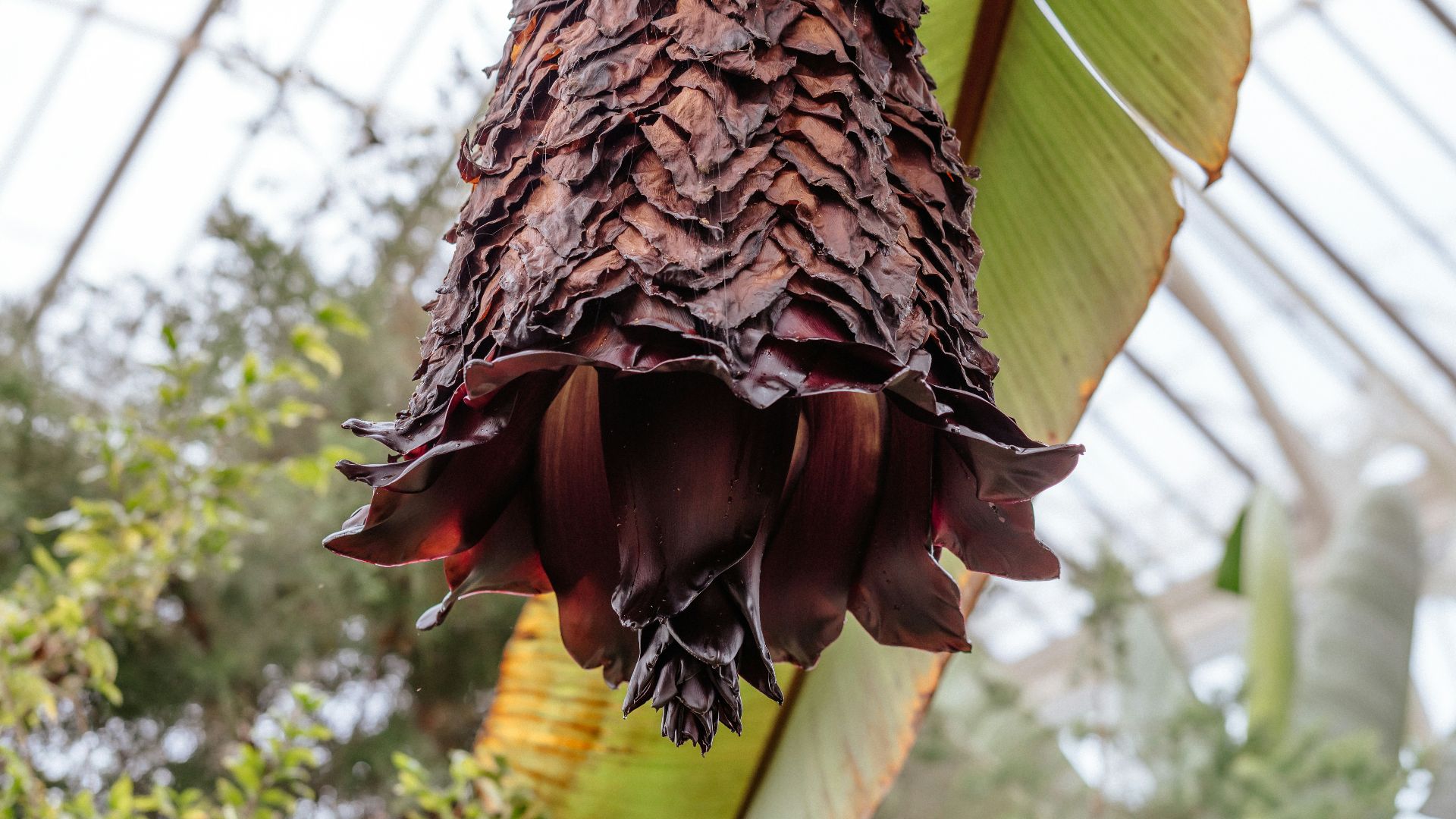
Enset belongs to the banana family, and it's easy to see why people confuse the two. It has the same huge leaves and thick, trunk-like stem, and it even produces little orange fruits. Cut one open, though, and you'll find mostly hard black seeds. There's a reason it's called the false banana. Ethiopian farmers aren't interested in the fruit anyway. The parts they want are much harder to get at.
Most of the food comes from the pseudostem, which looks like a trunk but is actually made of tightly packed leaf bases, and the starchy corm buried underneath. Neither is something you can eat raw. Farmers wait four to seven years for a plant to mature, often until it's towering over them, before cutting it down and pulling it apart. Even then, there's plenty of work to do before any of it becomes dinner.
Ethiopian farmers have been growing enset for thousands of years, and they've developed more than 600 named varieties along the way. Today, over 20 million Ethiopians depend on it for food. More than 150,000 hectares are planted with enset, much of it on small farms in the south where families have little land to spare.
Fermentation Happens In A Pit In The Ground
The work starts with scraping, and women do nearly all of it. They press the thick leaf sheaths against a board and use a bamboo blade to scrape out the starchy pulp, then grate the corm separately. Getting through just five plants can take three or four women an entire day. No wonder Ethiopian agricultural researchers have spent decades trying to build a machine that can do the job faster.
Next, the pulp goes into a pit lined with enset leaves. More leaves go on top, along with stones to weigh everything down. Kocho needs at least three months underground, though people often leave it much longer because the flavor is supposed to get better with age. The mixture slowly turns from green to white and develops a smell somewhere between sourdough and a strong cheese.
While all this is happening, bacteria are doing most of the work. At first, the pit contains all sorts of microbes, including some you wouldn't want in your food. As the weeks pass, lactic acid bacteria take over and make the mixture increasingly acidic, pushing many of the others out. That sourness is a sign the fermentation is working. It's much the same idea as making sauerkraut, only with considerably more effort involved.
Why Anyone Would Do It This Way
A pit full of kocho is a bit like having food savings buried in the backyard. Farmers can harvest enset any time of year, and once the pulp is fermented, it can keep for years without needing any special storage. If the grain harvest goes badly, a family can dig into its kocho supply and get through the lean months. When the next harvest is better, there's less need to touch it.
Enset is also remarkably good at surviving drought. Its deep roots help it get through stretches of up to five months without rain, which is how it earned the nickname "tree against hunger." Even the leaves and fibers come in handy for feeding livestock and making rope. Farmers in enset-growing regions told researchers that they made it through the devastating cereal famines of the 1980s without suffering the same shortages themselves.
The biggest drawback is still all that scraping, especially for the women who have traditionally done most of the work. New projects are bringing grating machines, better storage containers, and starter cultures to farming communities. One initiative even cut fermentation time from two months to just one week. Women and younger workers are running cooperatives that use the equipment, while kocho is finding a new audience in Addis Ababa restaurants. Something that once rarely left village kitchens is now turning up on tasting menus.