20 Foods That Tell the Story of American Immigration
America’s History Is Written on the Dinner Table
American food has never been one single thing, and that’s exactly what makes it interesting. Every wave of immigration brought ingredients, techniques, traditions, and comfort foods that changed what people cooked at home, sold on street corners, and ordered in restaurants. Some dishes stayed close to their roots, while others adapted to new ingredients, new customers, and a new country. Here are 20 foods whose stories are tied to immigration.
 Leah Lepillez-Shockley on Unsplash
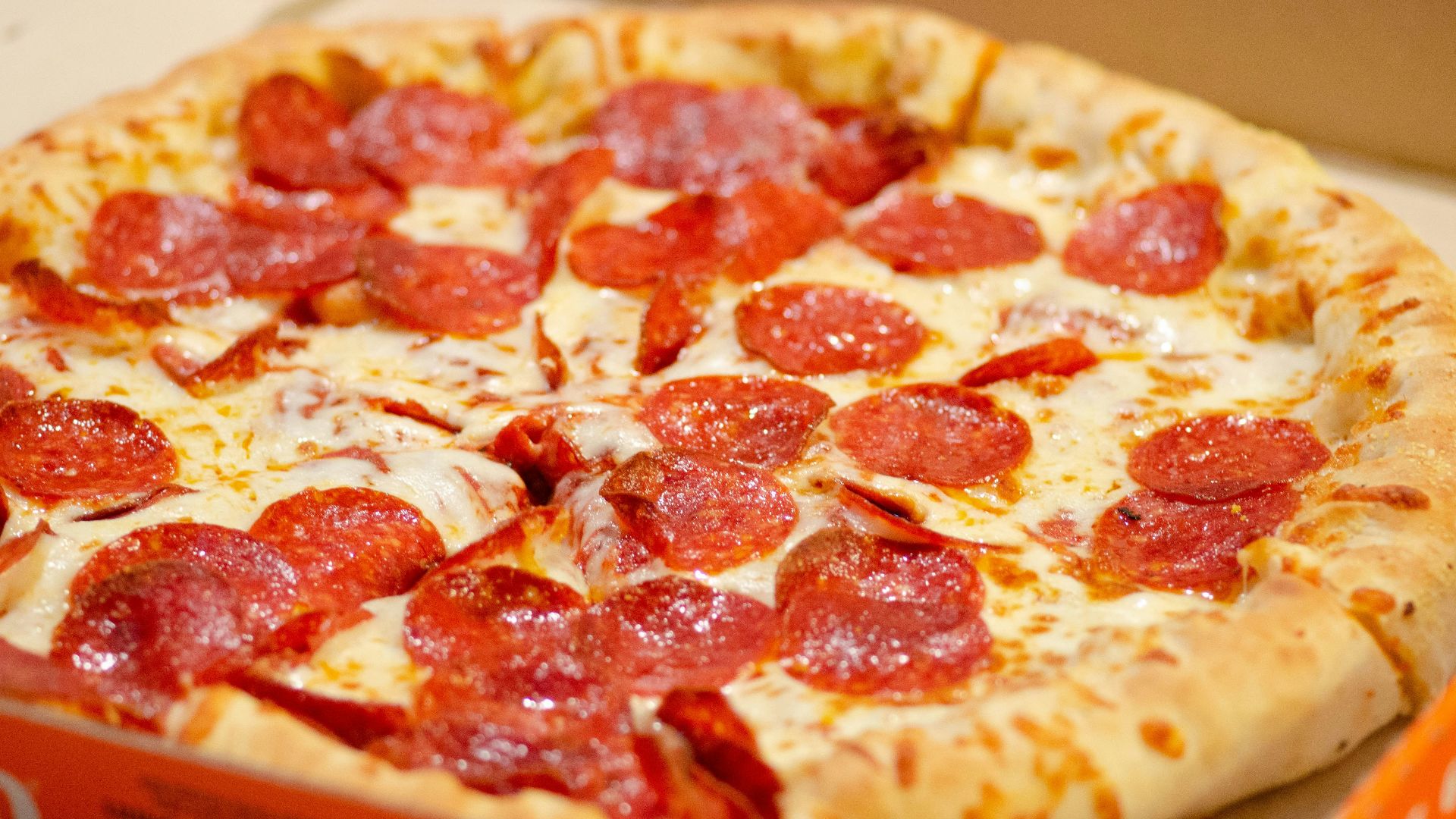
1. Pizza
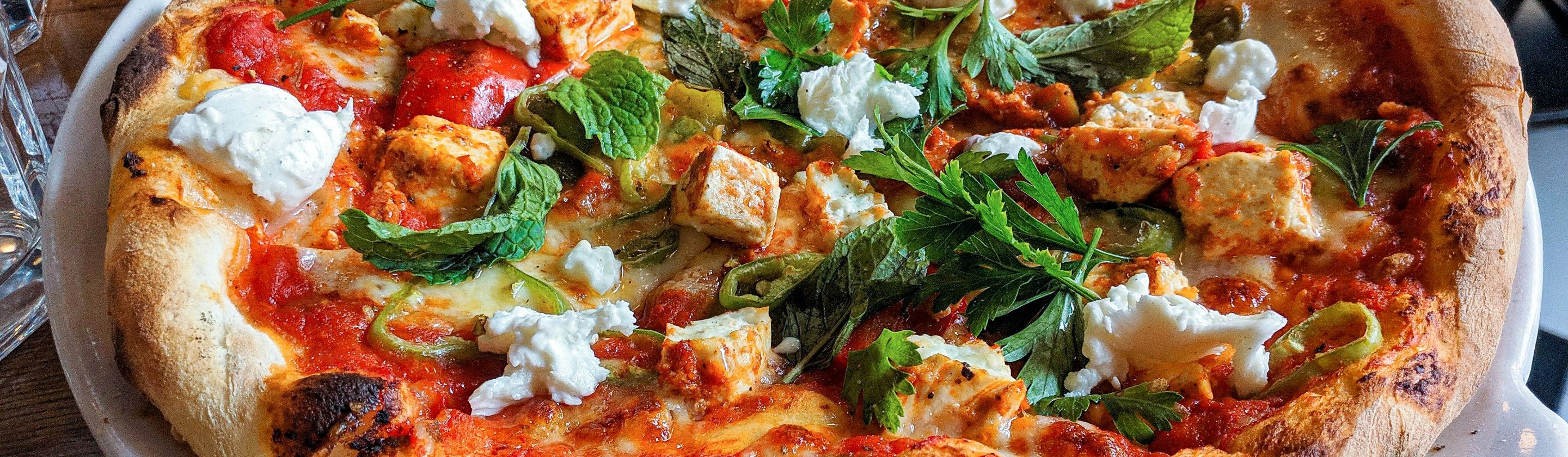
Pizza came to the United States with Italian immigrants, especially those settling in cities like New York, New Haven, and Chicago. At first, it was mostly a working-class food eaten within Italian American communities, but over time, it spread far beyond those neighborhoods and became one of the most recognizable foods in the country. The American versions don't usually look like what you’d find in Naples, but that’s part of the story.
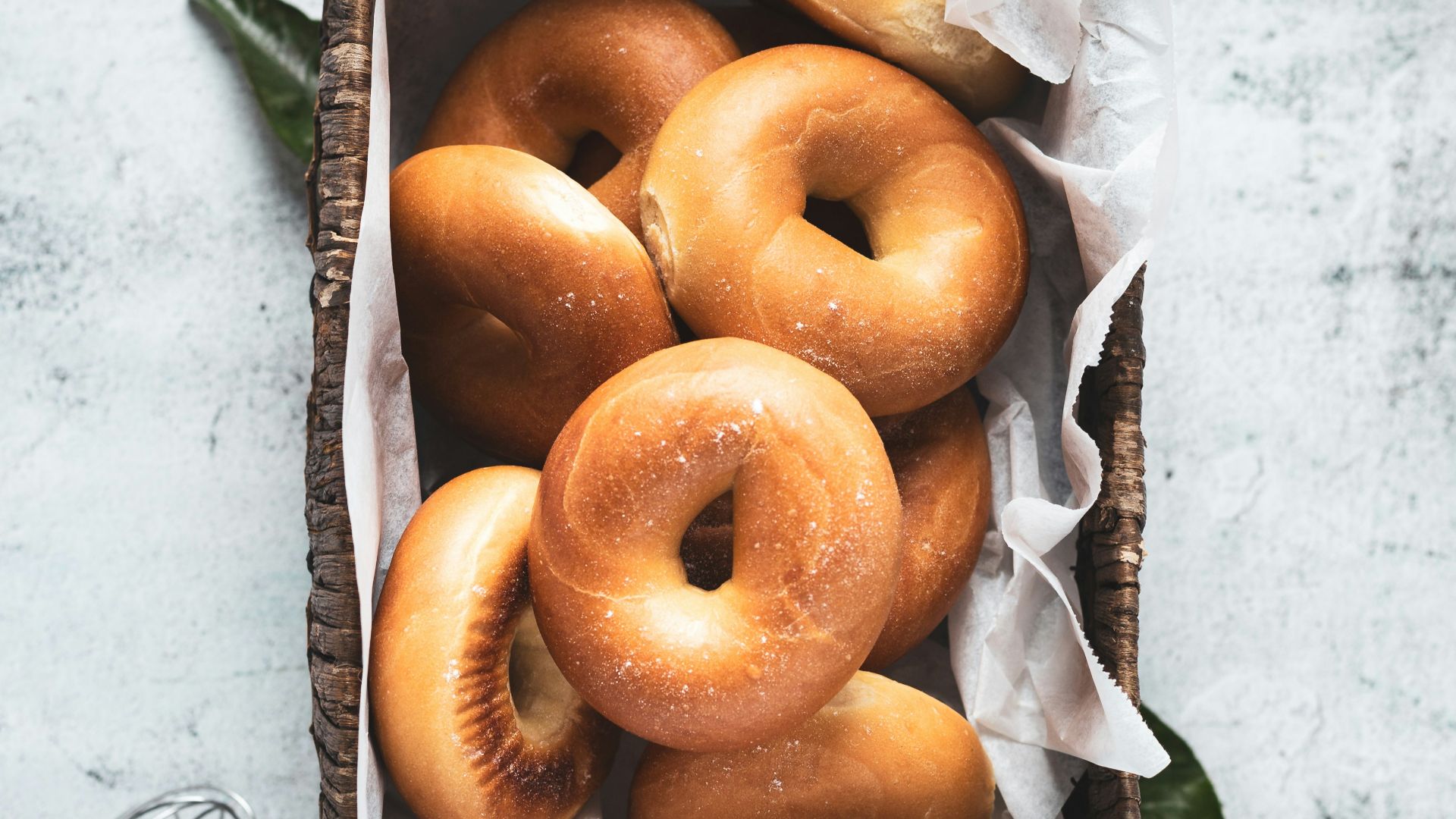
2. Bagels
Bagels arrived with Jewish immigrants from Eastern Europe, particularly in cities with large Jewish communities. The bagel transformed from a dense, small, and locally produced Jewish staple into a larger, softer, mass-market breakfast item available nationwide. Today, a bagel can feel completely American while still carrying its immigrant history in every bite.
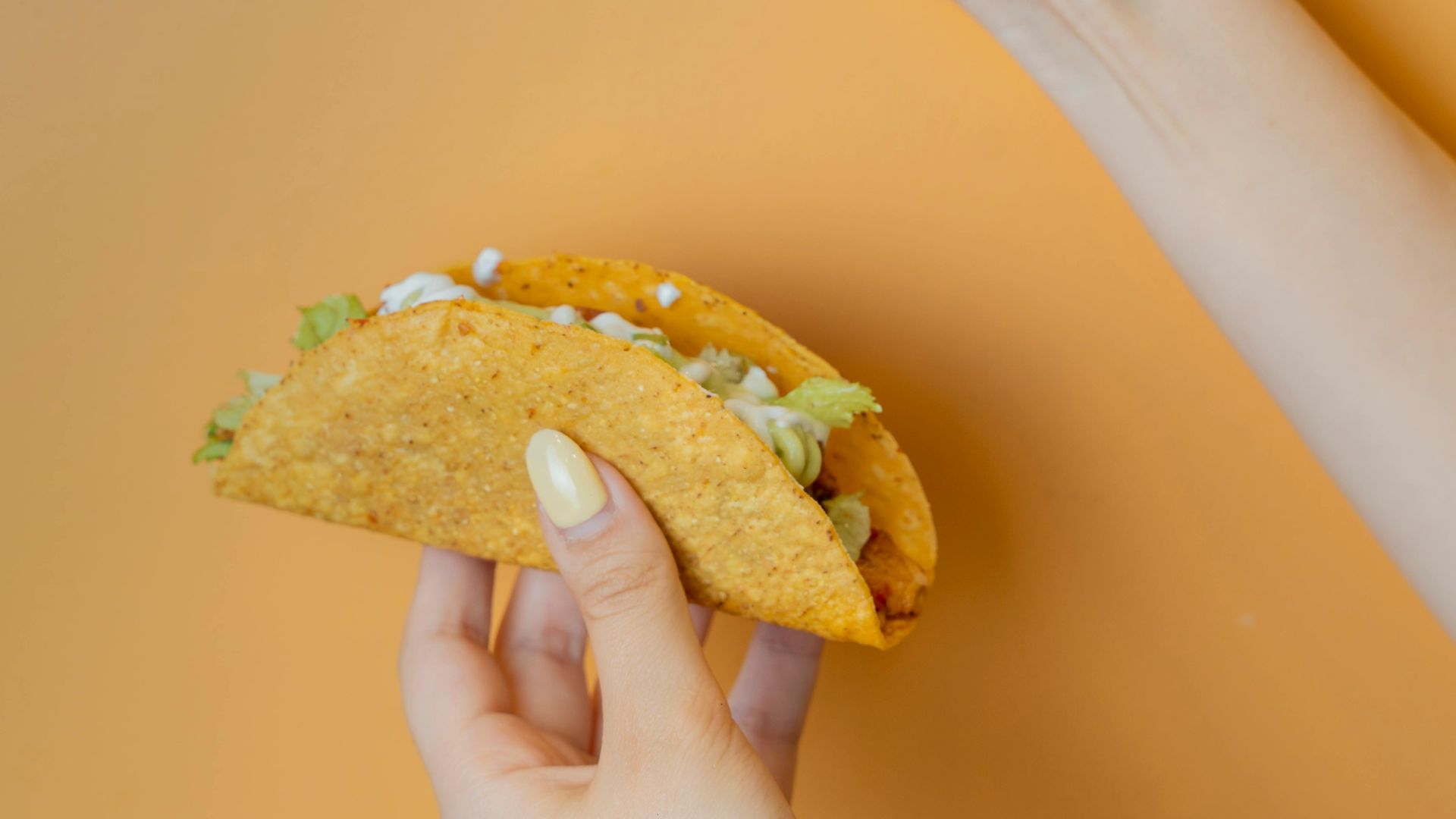
3. Hard-Shell Tacos
Tacos are fiercely Mexican, but the hardshell variety is uniquely Gringo. They're strongly associated with American-style Mexican food. While fried tacos exist in Mexican cooking, the pre-formed crunchy taco shell became a mass-market American convenience food, which fast-food chains helped turn into a national default.
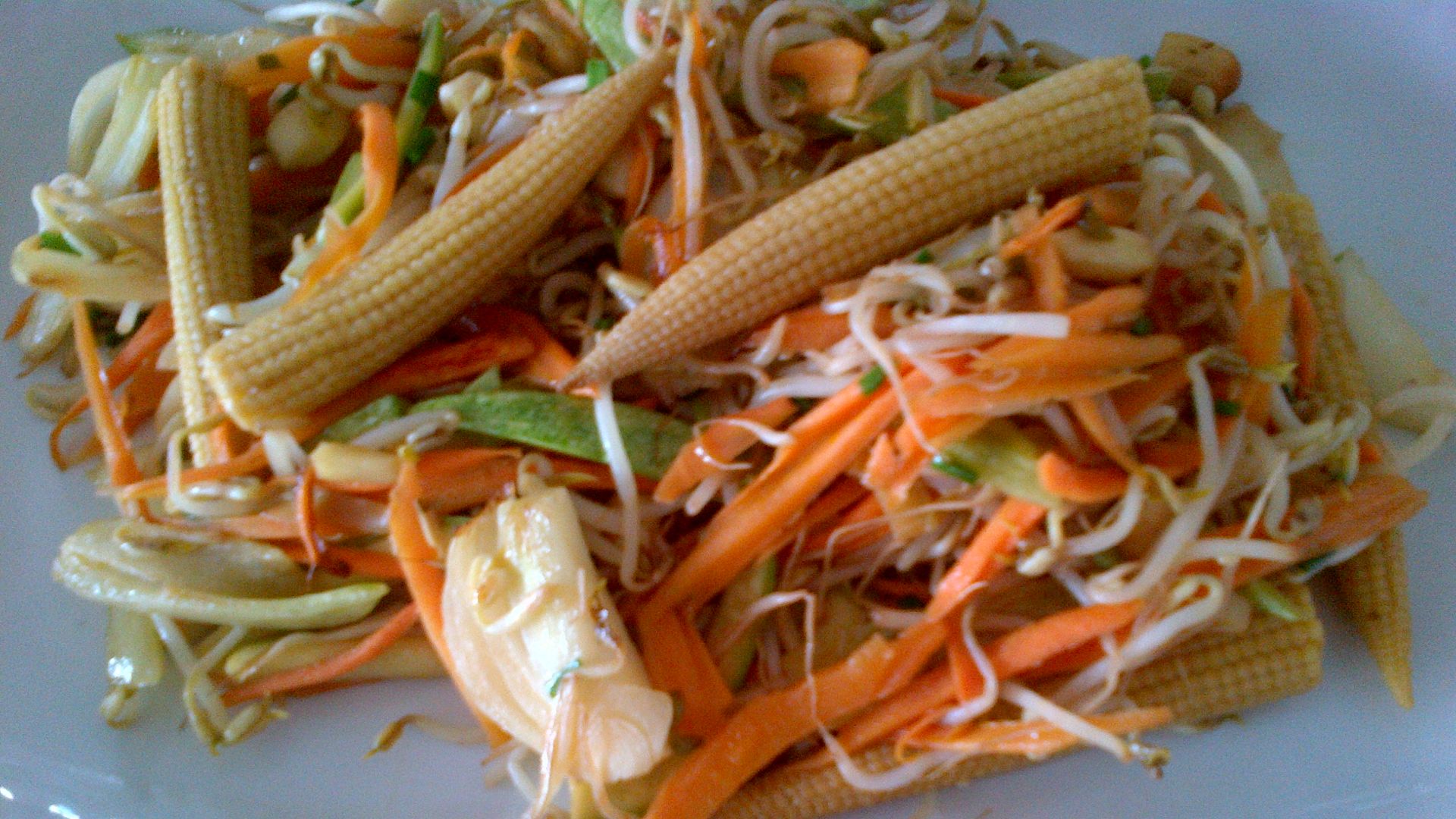
4. Chop Suey
Chop suey became one of the first Chinese American dishes to gain mainstream popularity. Its exact origins are debated, but it grew from Chinese immigrant restaurants adapting to American tastes and available ingredients. For many non-Chinese diners, it became an early entry point into Chinese food in the United States.
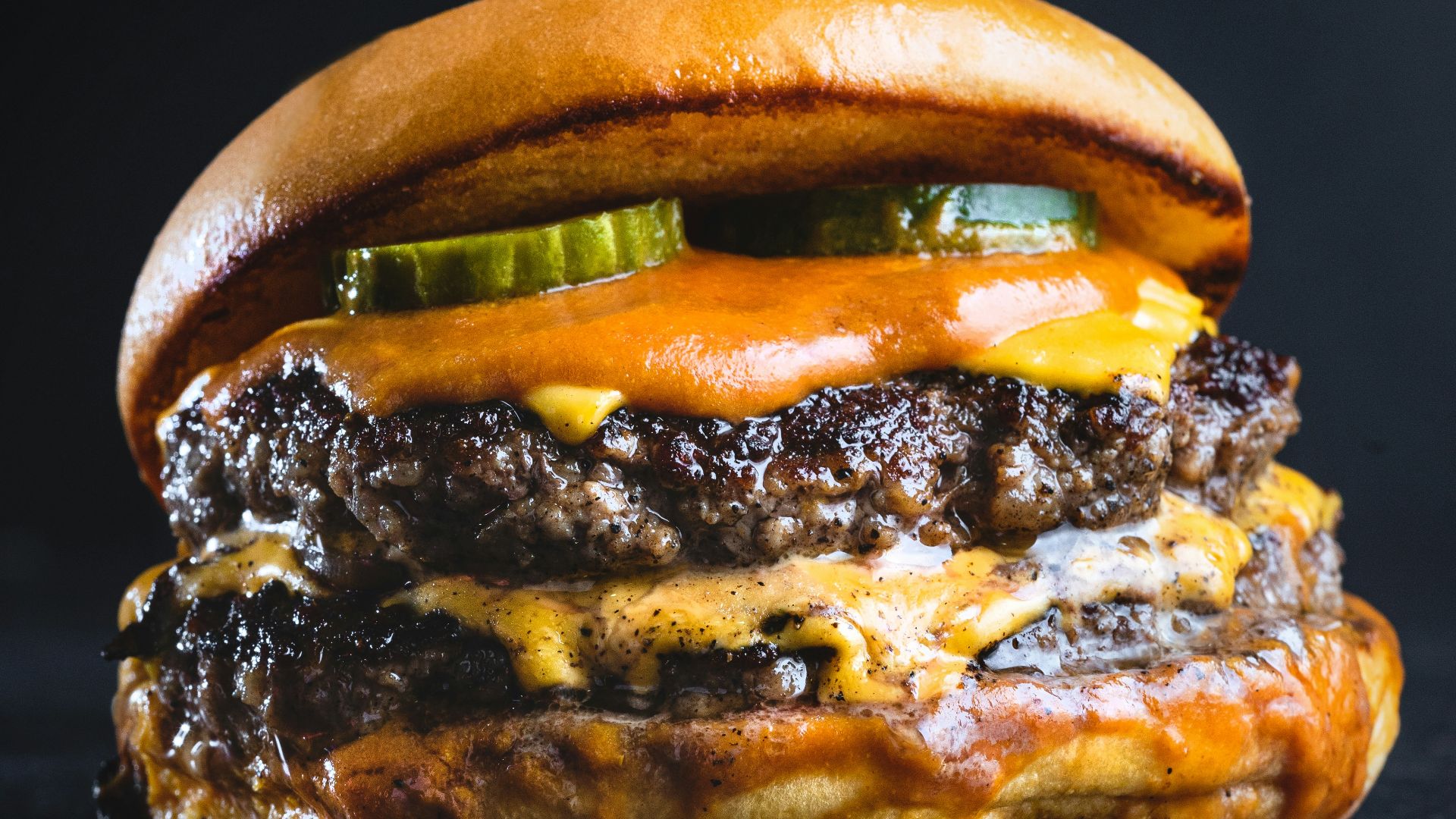
5. Hamburgers
The hamburger has roots connected to German immigration, especially through the idea of Hamburg-style chopped beef. Once in America, it transformed into a portable, affordable sandwich that fit diners, fairs, lunch counters, and eventually fast food. The dish became so quintessentially American that people often forget it has immigrant roots.
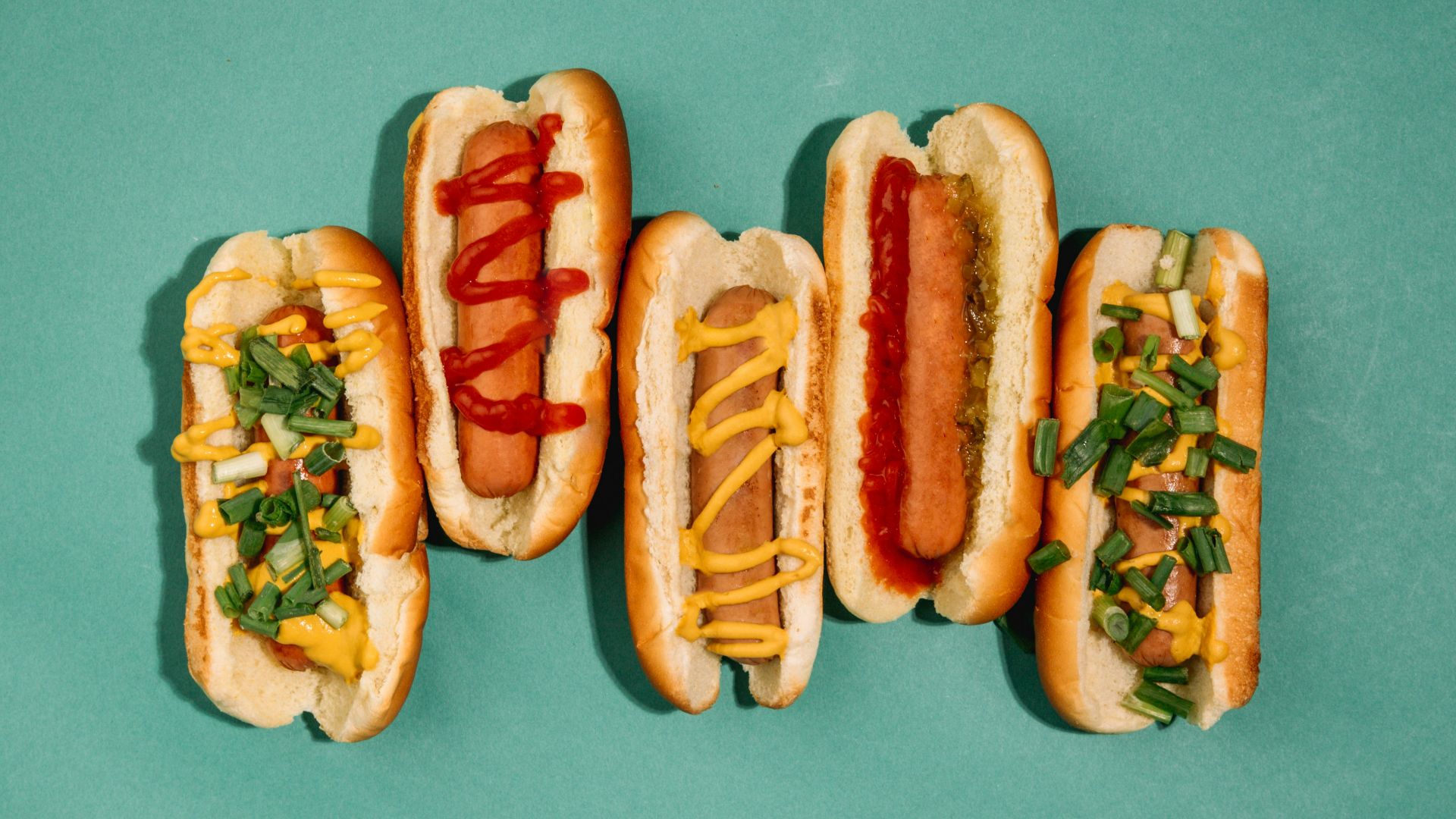
6. Hot Dogs
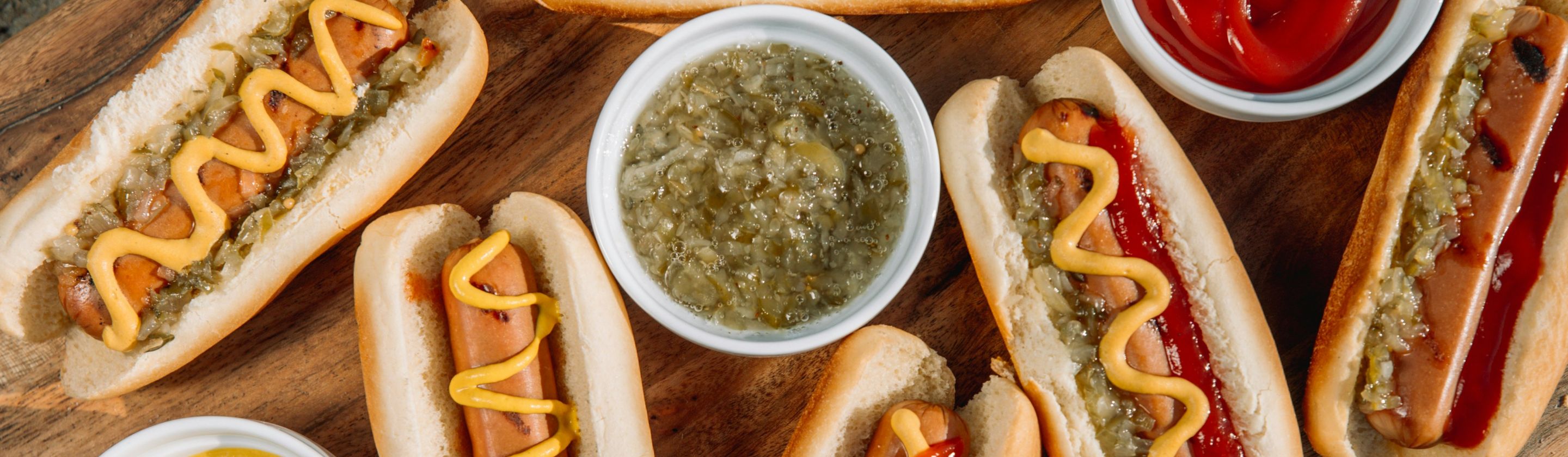
Hot dogs came from German sausage traditions, brought and reshaped by immigrants in American cities. They became especially popular as cheap street food, served from carts, stands, and ballparks. The bun made them easy to eat while walking, which helped them fit the pace of city life. You can still see the immigrant story in every frankfurter, even when it’s covered in mustard at a baseball game.
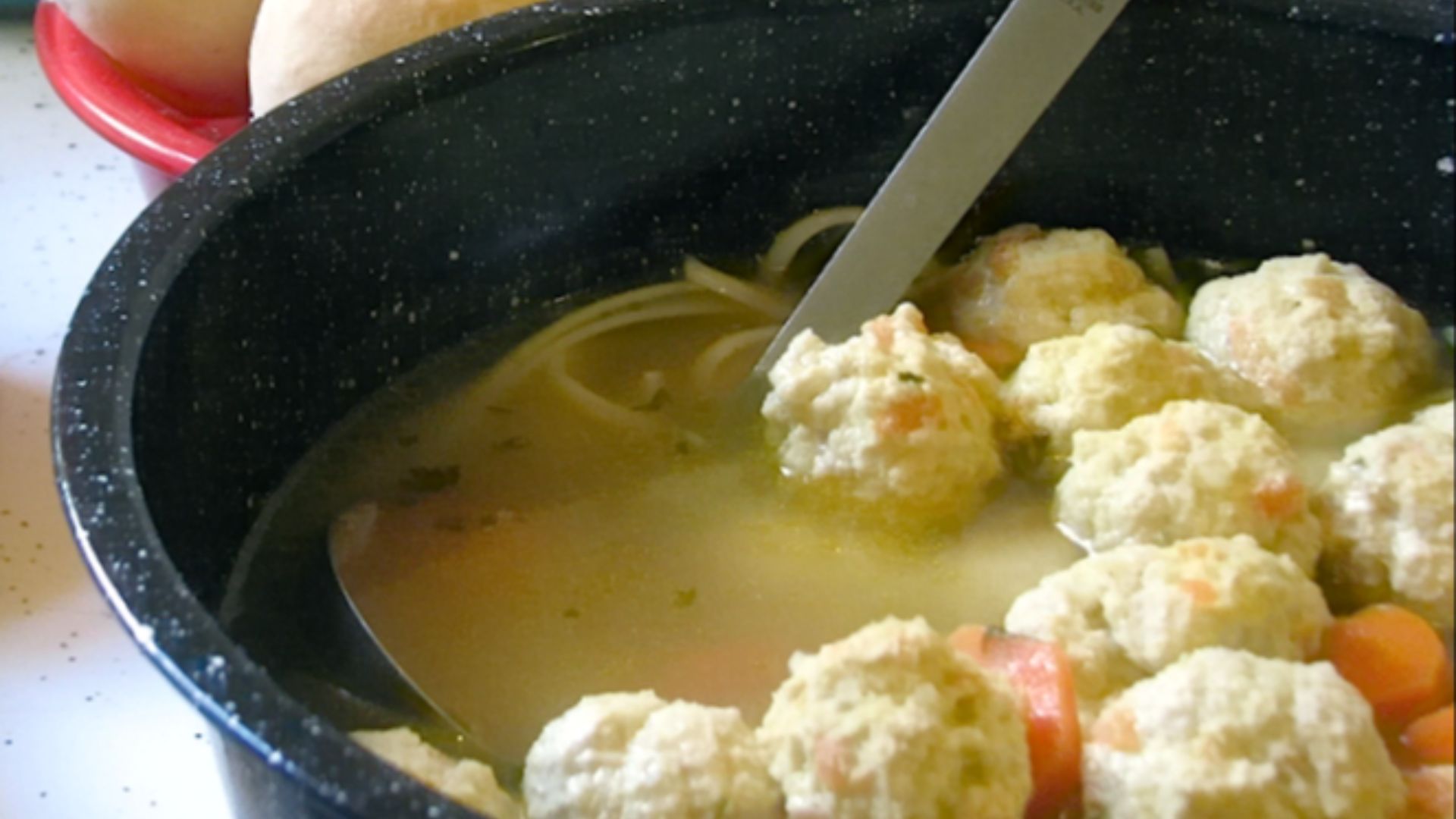
7. Italian Wedding Soup
Italian wedding soup came to the United States through Italian immigrant communities. It comes from the Italian phrase minestra maritata, meaning “married soup,” which refers to the way the greens and meat “marry” together in the bowl. In America, it became especially associated with Italian American cooking, often made with tiny meatballs, leafy greens, and small pasta.
8. Budae-Jjigae
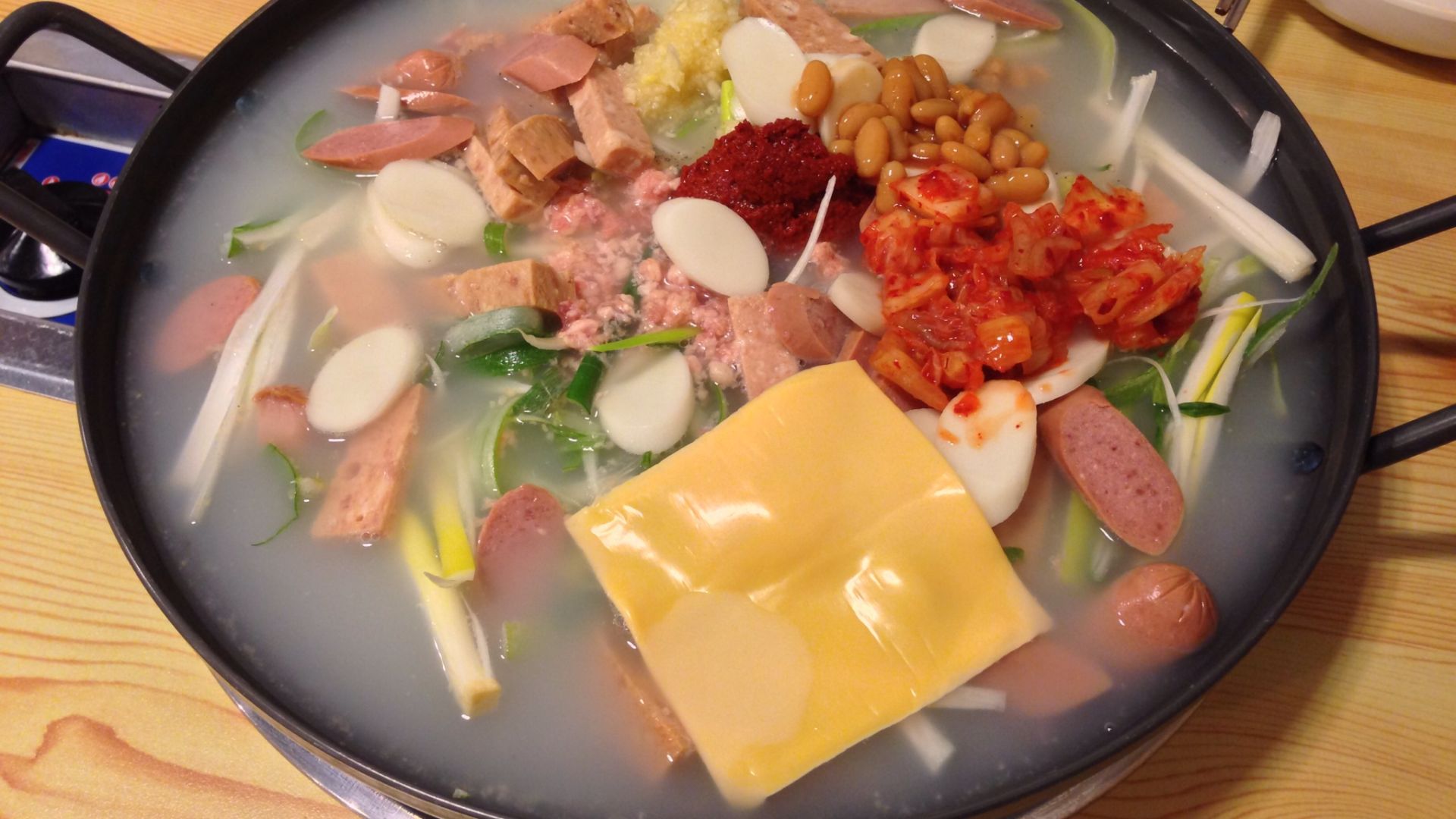
Budae-jjigae, or Korean “army base stew,” tells a very specific story of war, scarcity, and adaptation. After the Korean War, people used surplus foods from U.S. military bases, such as Spam, hot dogs, baked beans, and processed cheese, and combined them with Korean ingredients like kimchi, gochujang, ramen noodles, and tofu. In the United States, the dish has become more familiar through Korean restaurants and Korean American food culture.
9. General Tso’s Chicken
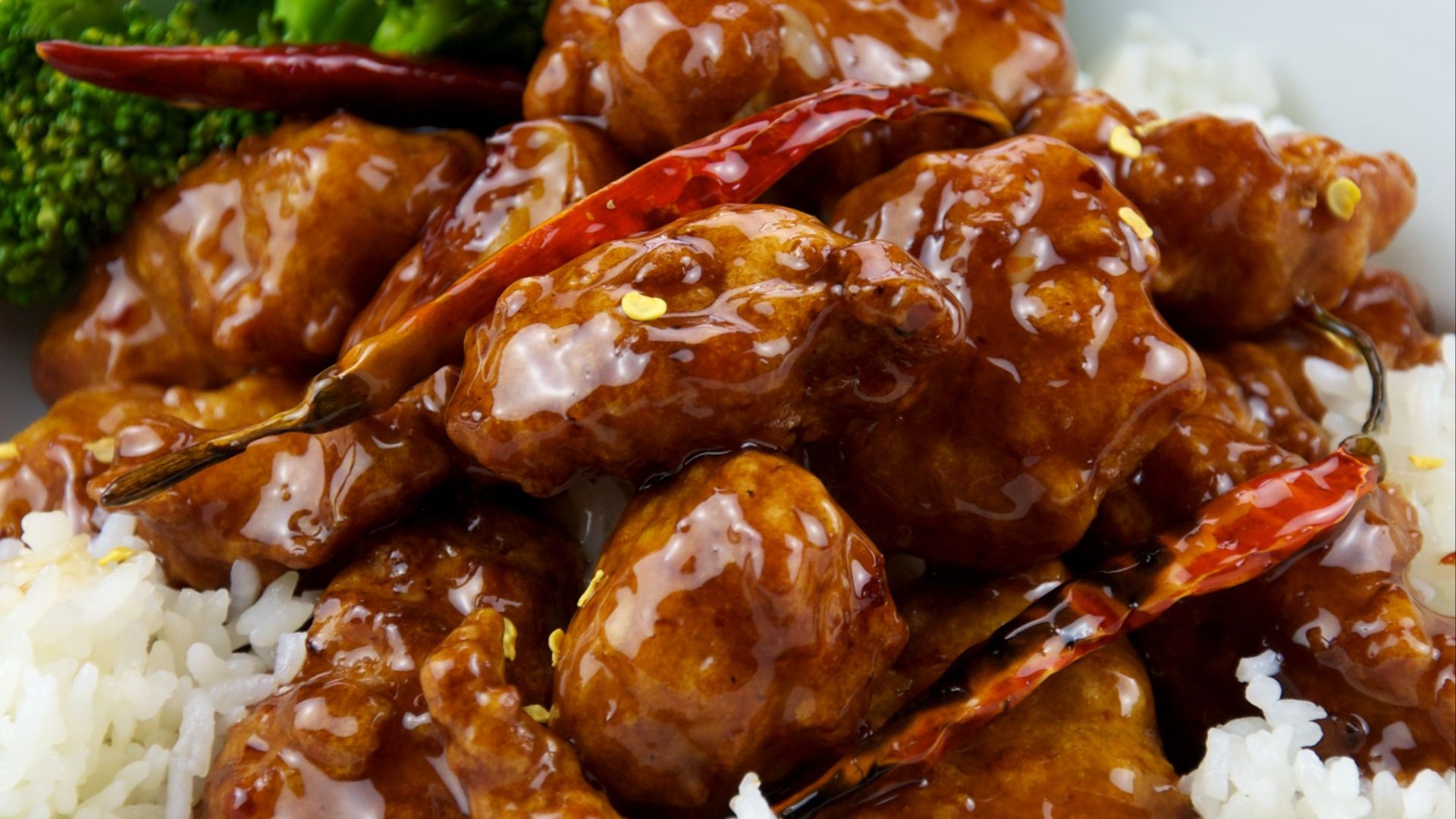
General Tso’s chicken is often treated as a Chinese takeout classic, but the sticky-sweet version most Americans know was shaped in the U.S. The dish is usually linked to chef Peng Chang-kuei, who created an earlier version in Taiwan before it was adapted for American diners in New York. Over time, it became sweeter, crispier, and saucier than its original form.
 Evan Joshua Swigart on Wikimedia
10. California Roll
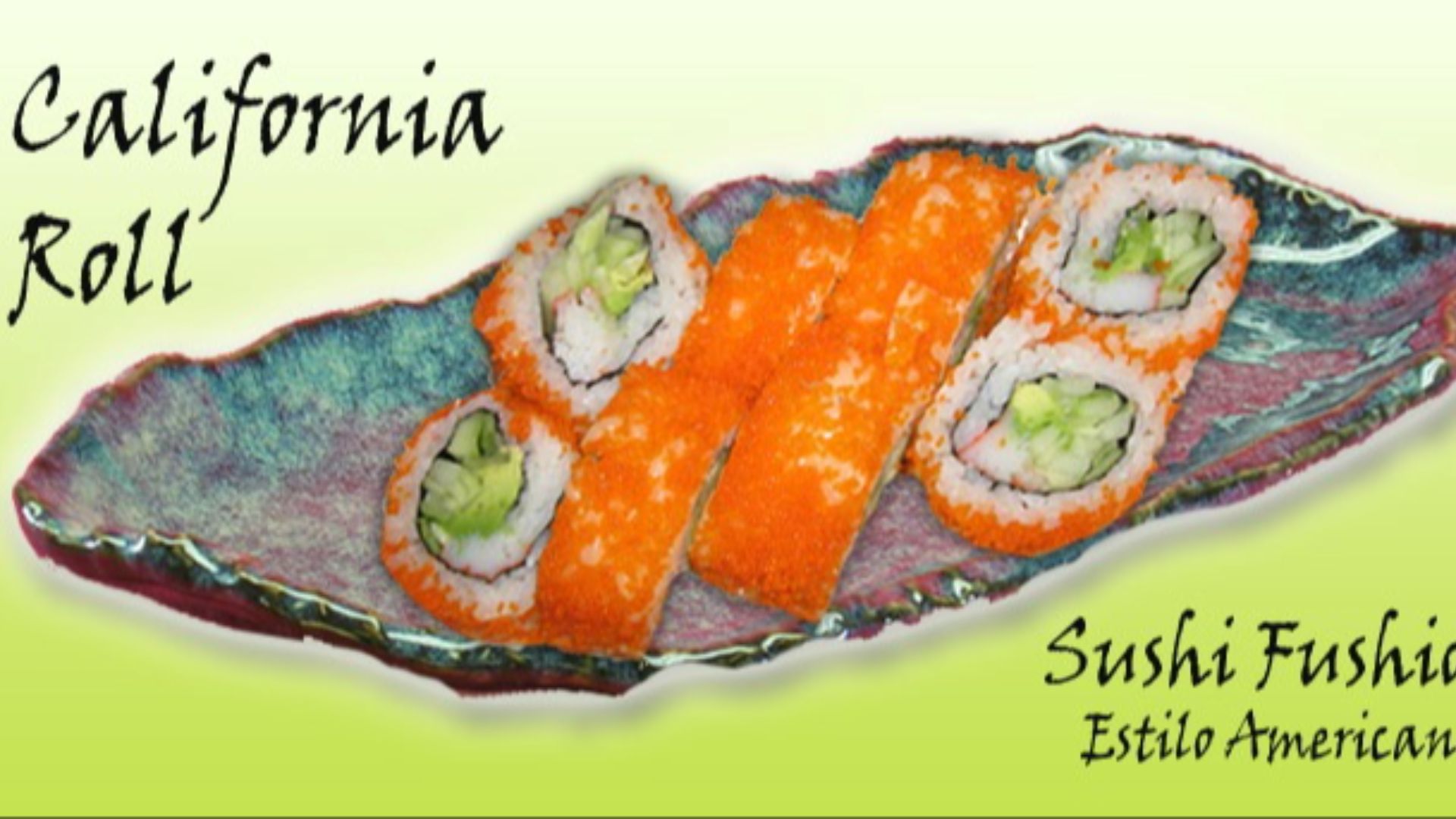
The California roll helped introduce sushi to Americans who weren’t ready for raw fish and seaweed. It typically uses crab or imitation crab, avocado, and cucumber, with the rice on the outside to make the seaweed less intimidating. Its exact origin is debated, but it clearly became famous in North America rather than Japan. Today, it feels like a sushi staple, even though it was built for the American palate.
11. Crab Rangoon
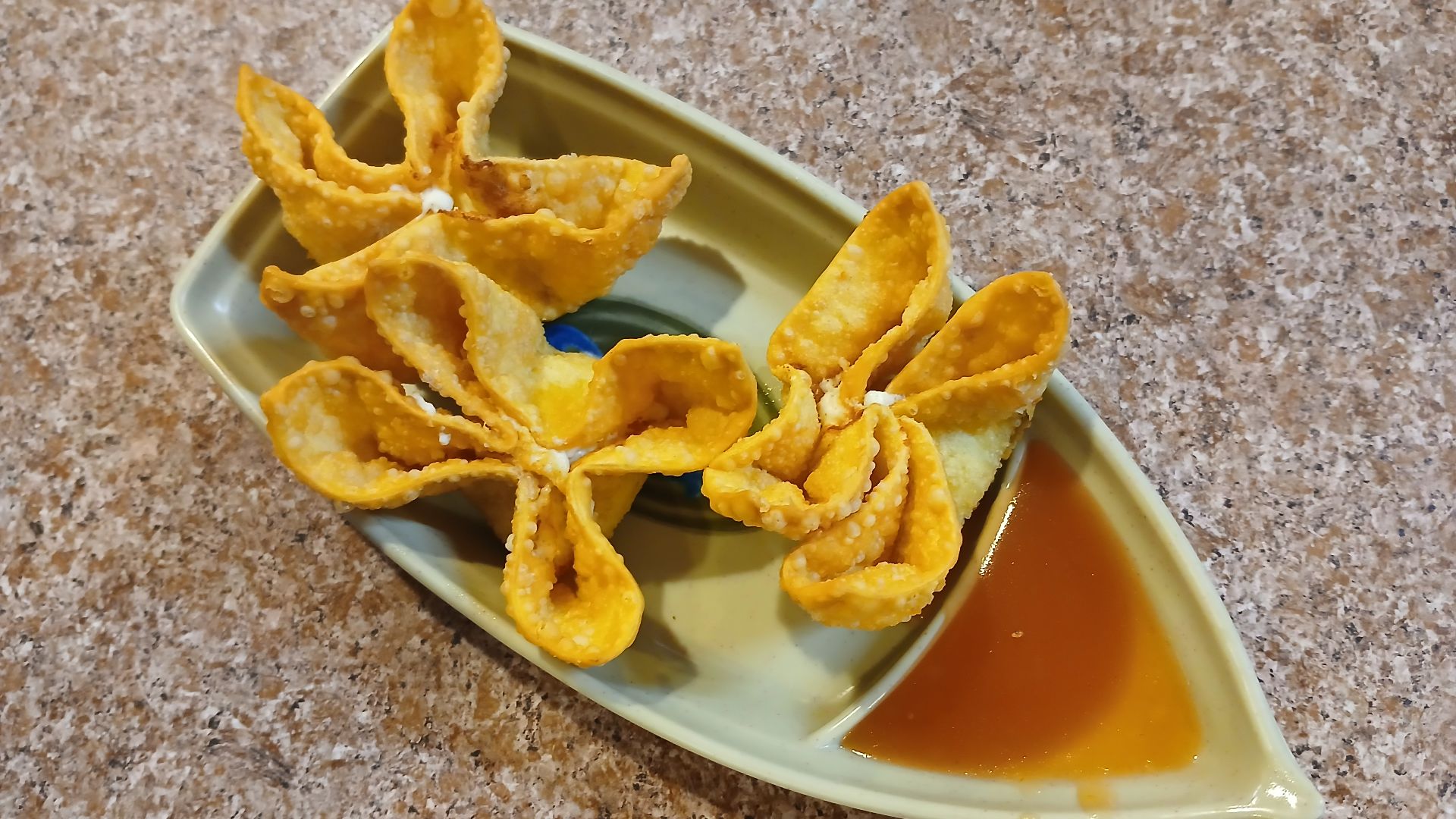
Crab Rangoon sounds vaguely Southeast Asian because of the name, but it’s strongly associated with American tiki and Chinese American restaurant culture. The filling usually combines cream cheese with crab or imitation crab, which isn’t exactly a traditional Chinese ingredient combination. It became popular because it’s crispy, creamy, and easy to love.
 Ser Amantio di Nicolao on Wikimedia
12. Fortune Cookies
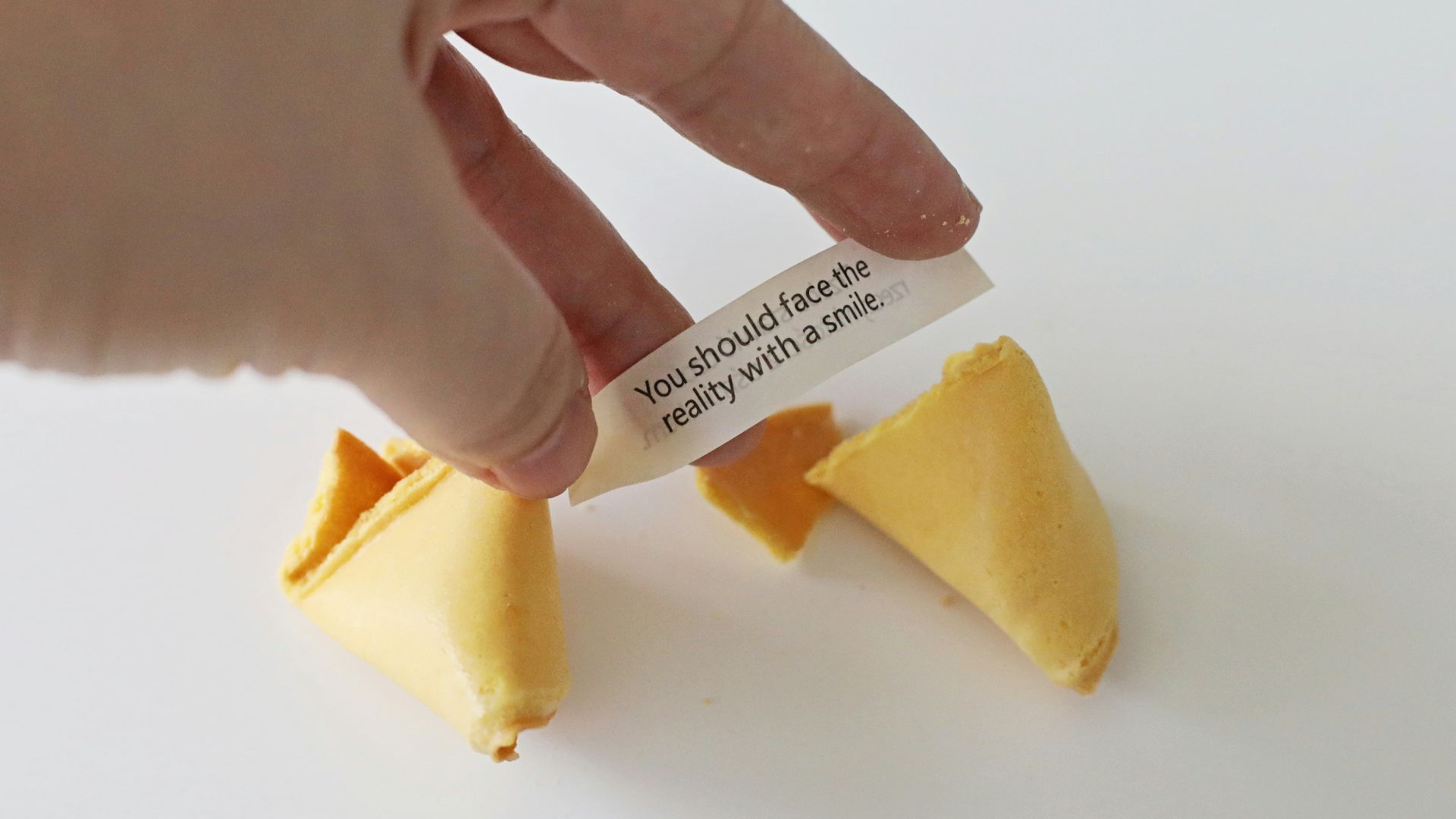
Fortune cookies are deeply associated with Chinese restaurants in the United States, but they didn’t come from China in the way many people assume. They likely developed from Japanese American food traditions before becoming a fixture in Chinese American restaurants. During World War II, when Japanese-Americans were forced into internment camps and their businesses were closed, Chinese entrepreneurs took over production to meet demand, after which they became almost inseparable from the American Chinese dining experience.
13. Spaghetti & Meatballs
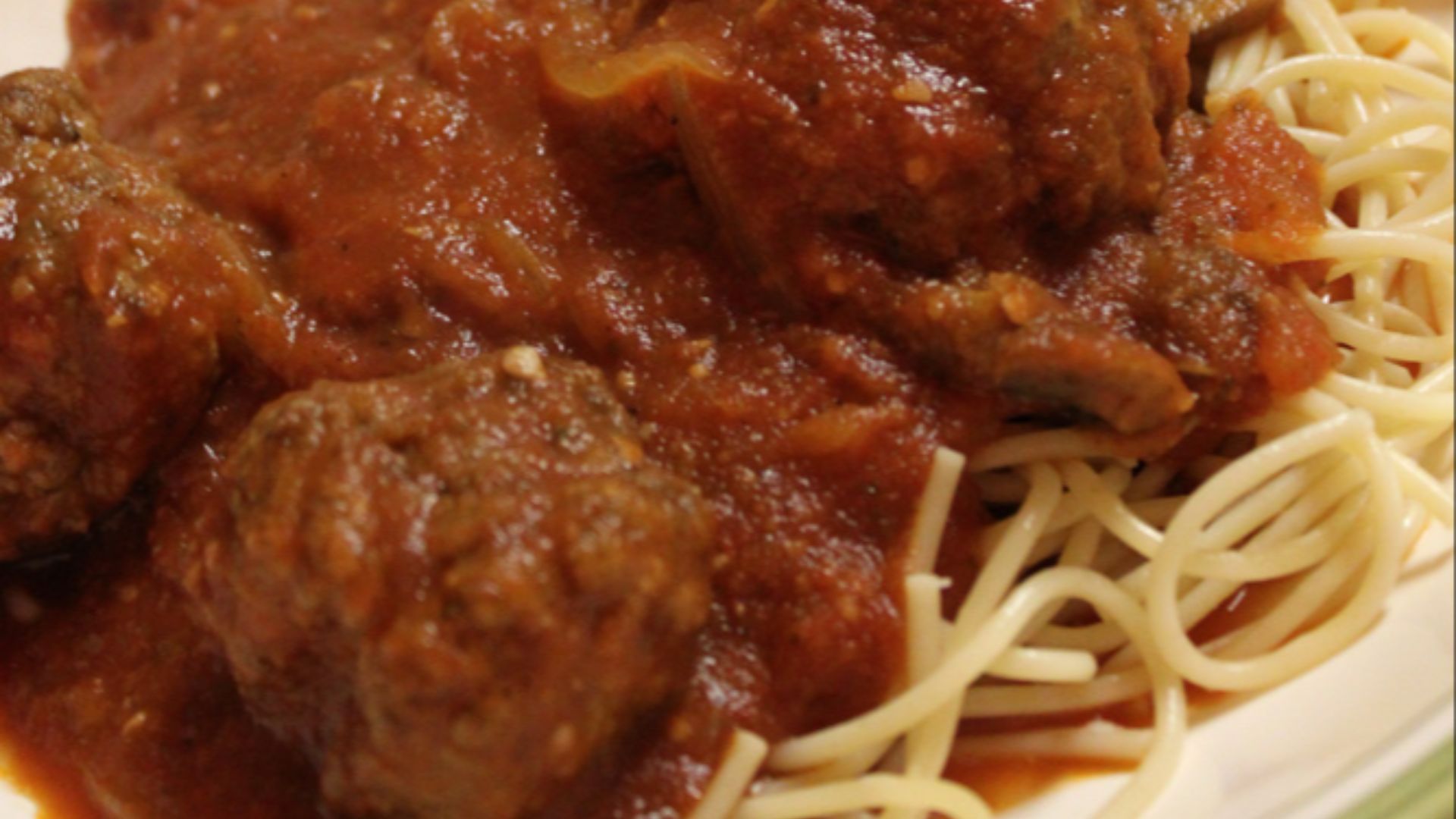
Spaghetti and meatballs feel Italian to many Americans, but the giant meatball-heavy version is really an Italian American development. In Italy, where dishes tend to be more refined and delicate, pasta and meatballs were usually not served together in the same way. Italian immigrants in the United States had greater access to meat, and the dish grew richer and heartier.
14. Chicken Parmesan
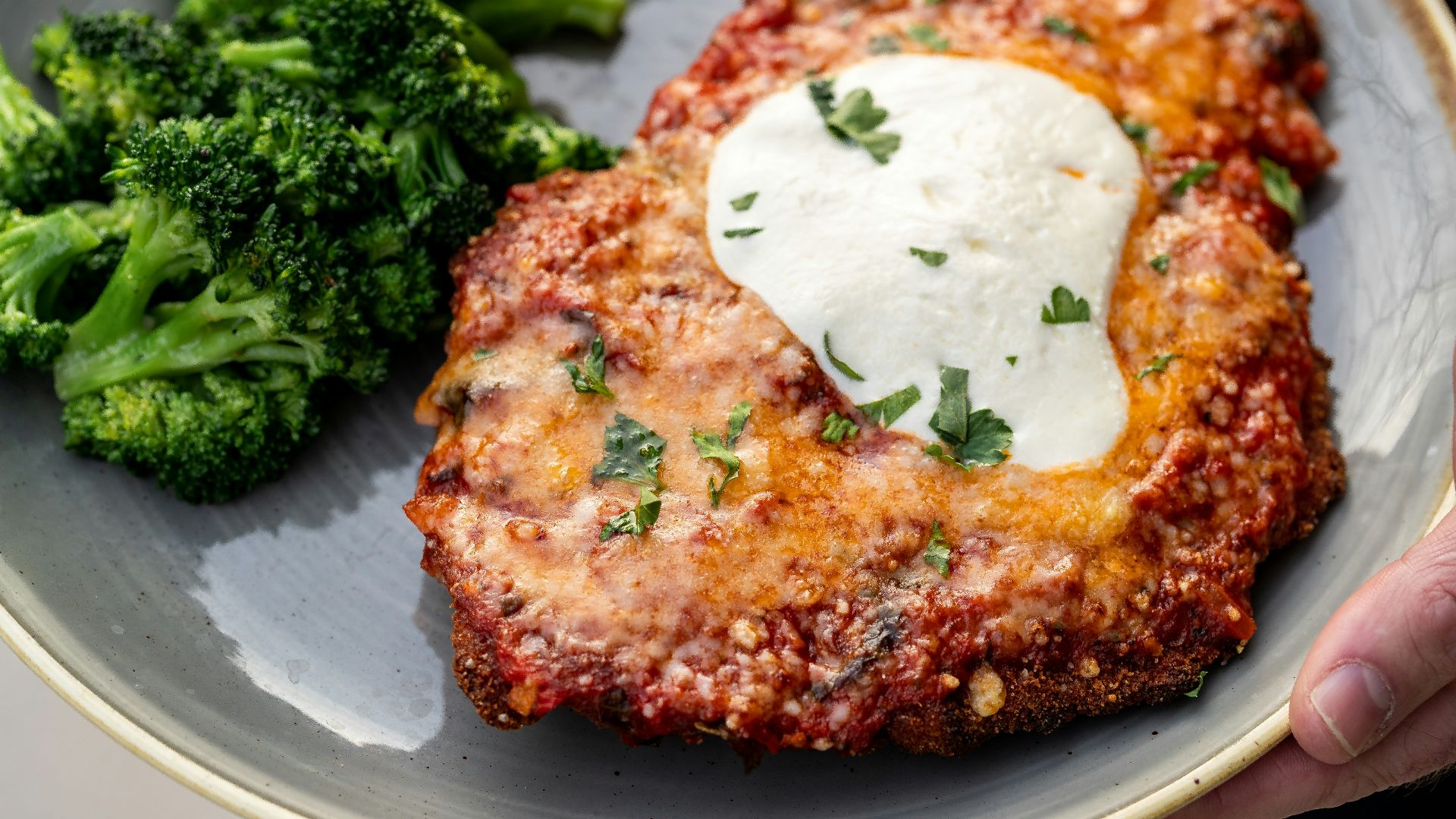
Chicken Parmesan is beloved in Italian American restaurants, but it’s not a straight import from Italy. It likely grew from dishes like eggplant Parmesan and veal Parmesan, then adapted to America’s love of chicken cutlets, melted cheese, and red sauce. The result is hearty, familiar, and very restaurant-friendly.
15. Chimichanga
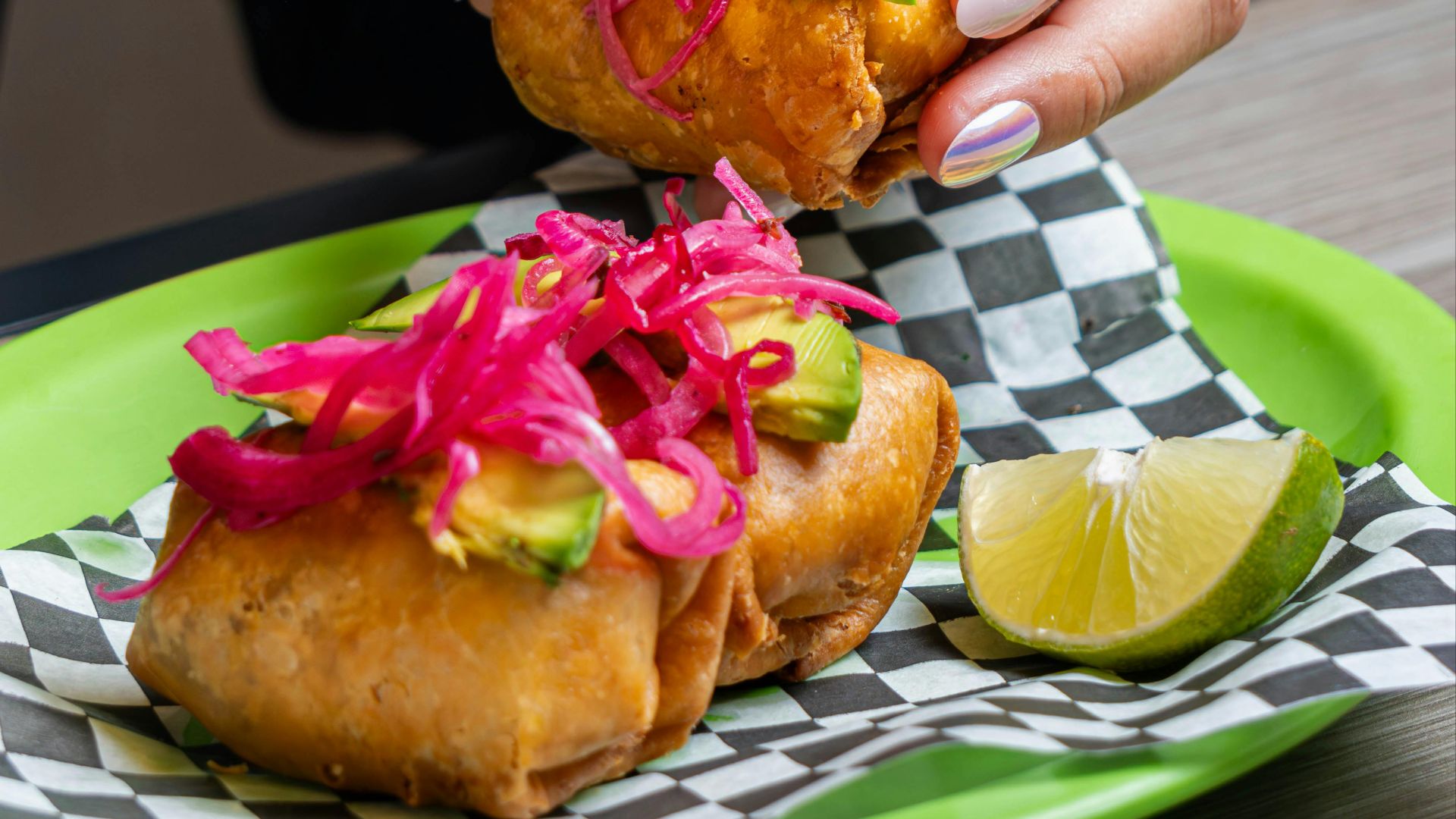
While the burrito is definitely Mexican, its deep-fried cousin, the chimichanga, is the result of Mexican American and Tex-Mex cooking in the Southwest. Its exact origin is debated, with Arizona often claiming it. It’s a perfect example of a borderlands dish becoming a restaurant favorite.
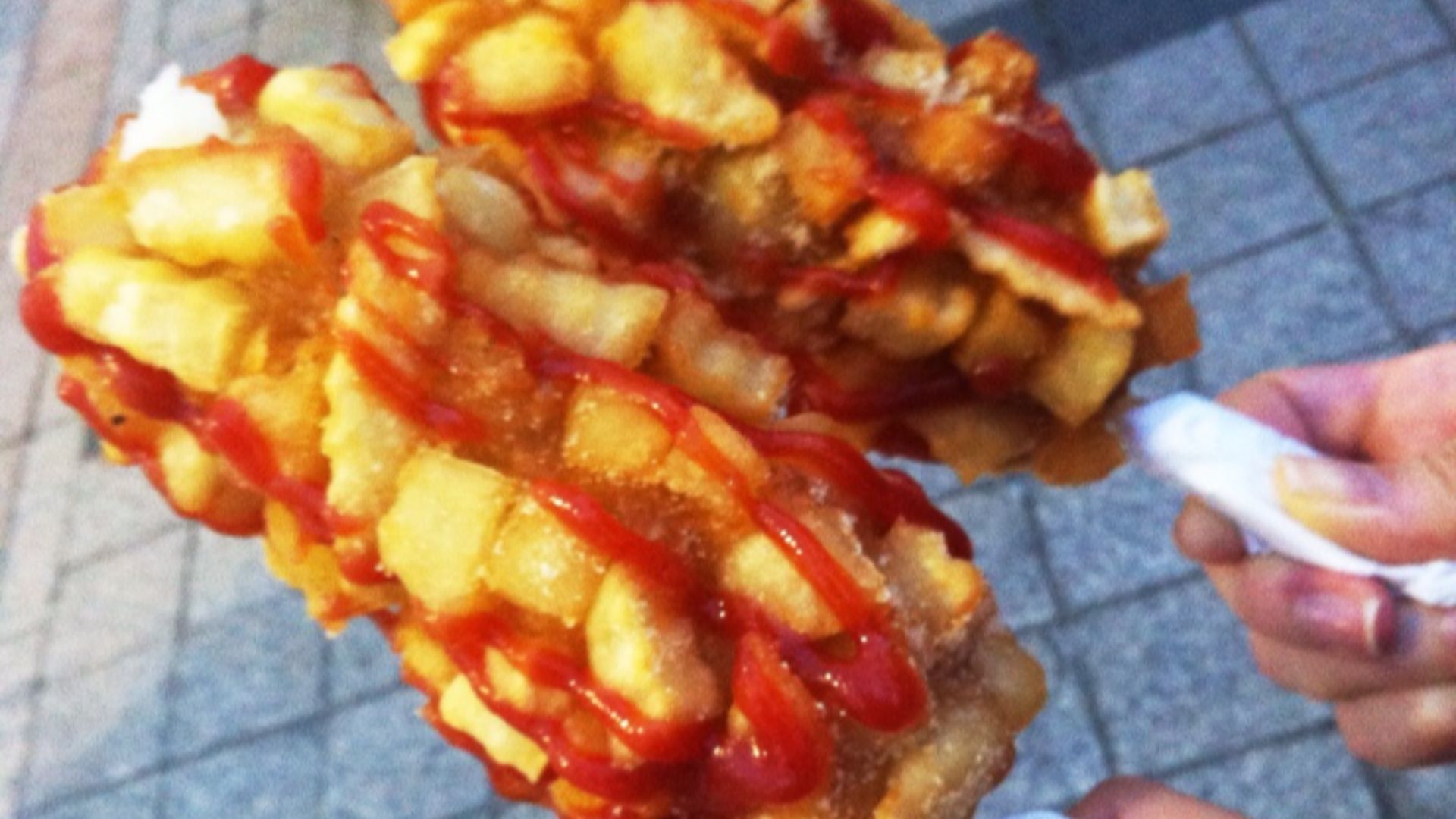
16. Korean Corn Dog
Korean corn dogs, which blew up on social media, are associated with South Korean street food, but the version gaining popularity in the United States has become its own hybrid trend. They often include mozzarella, sausage, sugar, panko, potatoes, or sauces that go far beyond the American fairground corn dog. The dish borrows the idea of food on a stick and turns it into something more dramatic and customizable.
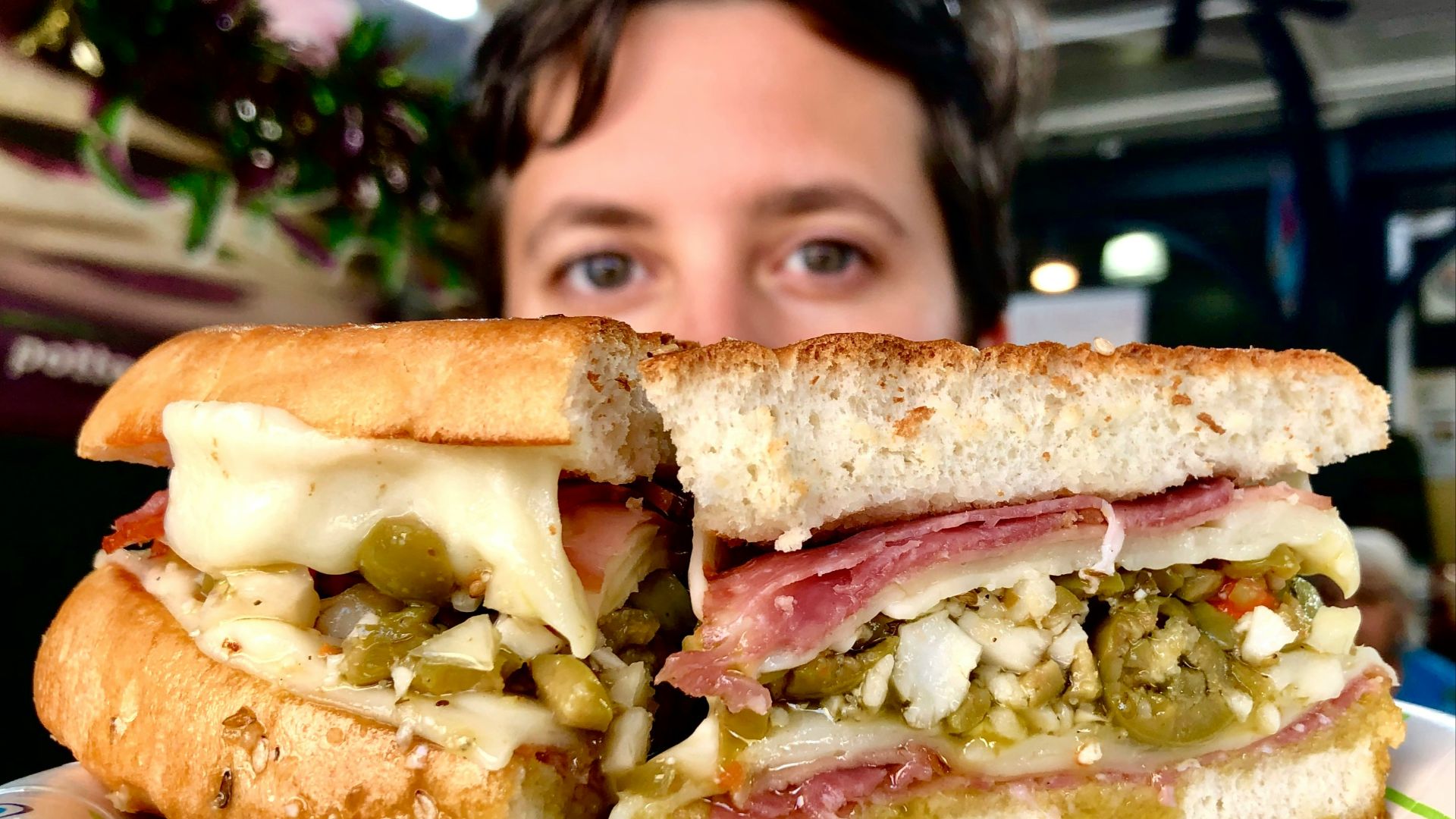
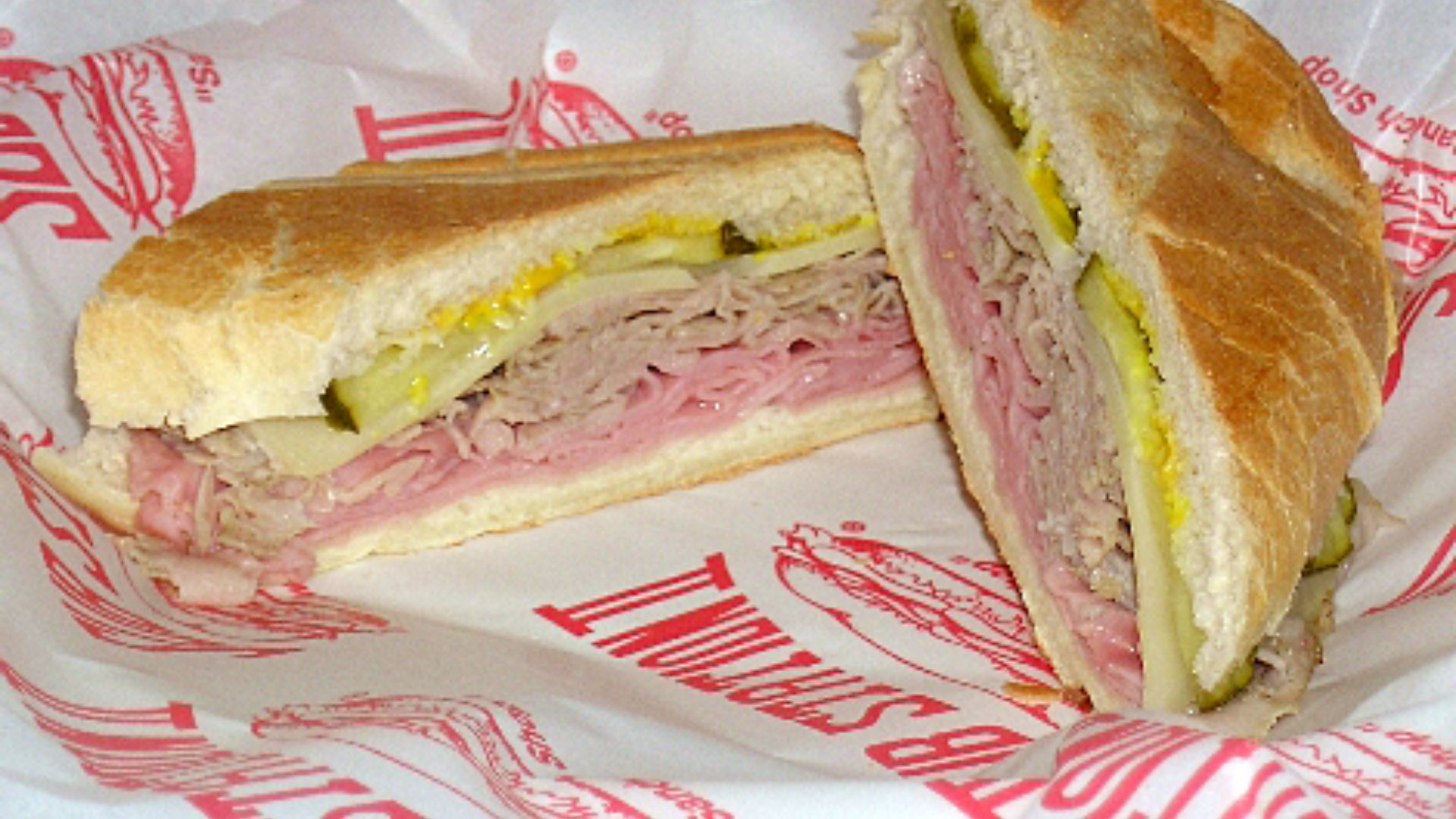
17. Cuban Sandwich
The Cuban sandwich has Cuban roots, but the version known across the United States was shaped heavily in Florida, especially Tampa and Miami. Cuban immigrants, Spanish workers, Italian influences, and local ingredients all helped form the sandwich. Tampa versions often include salami, while Miami versions usually don’t. It’s not just Cuban food; it’s Cuban American history pressed between bread.
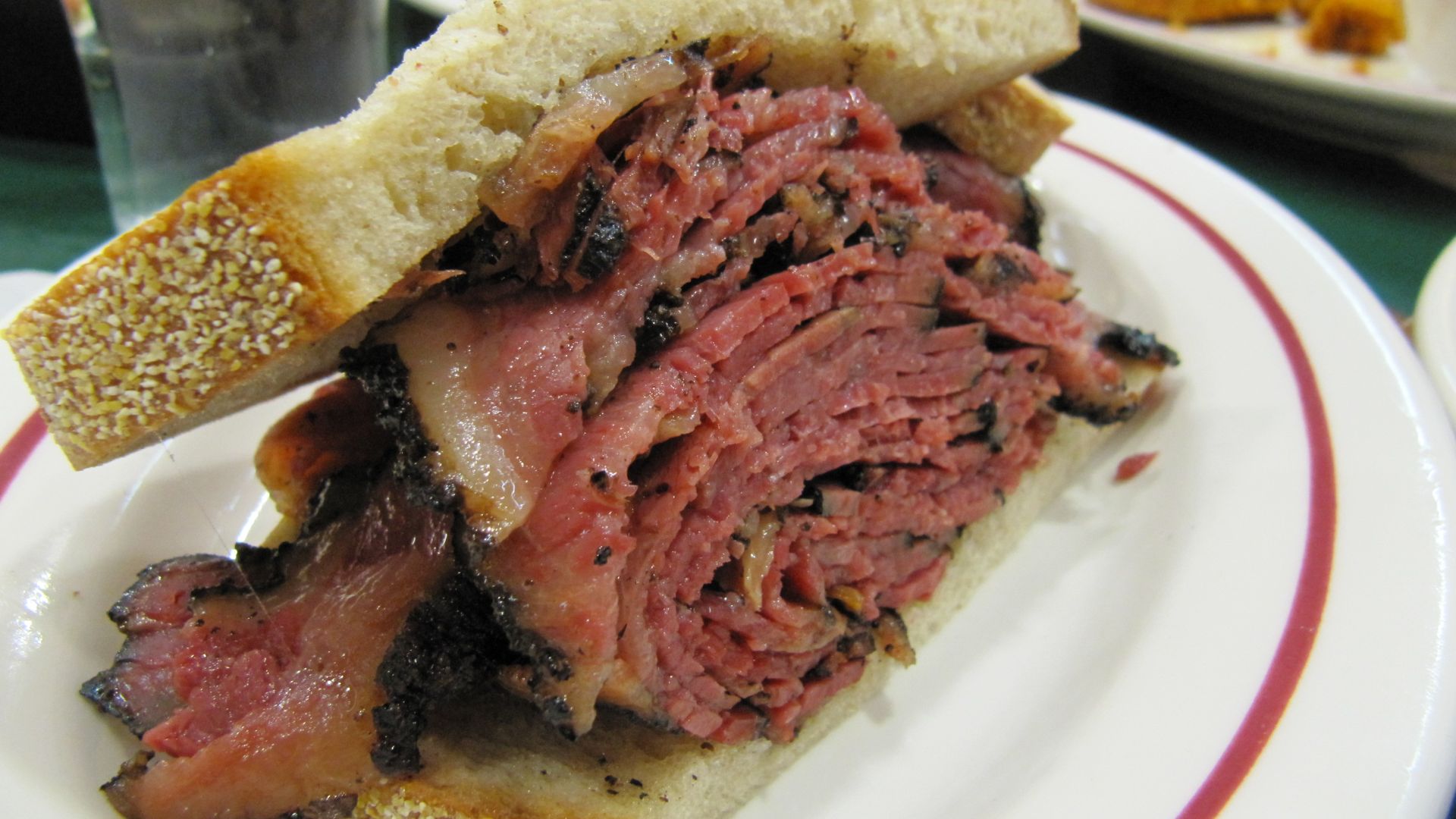
18. Pastrami on Rye
Pastrami on rye became famous through Jewish delis in New York, but the story runs through Eastern European Jewish immigration and American abundance. Pastrami itself has connections to preservation traditions, but in the U.S., it became stacked high on rye with mustard. The sandwich grew into a symbol of deli culture.
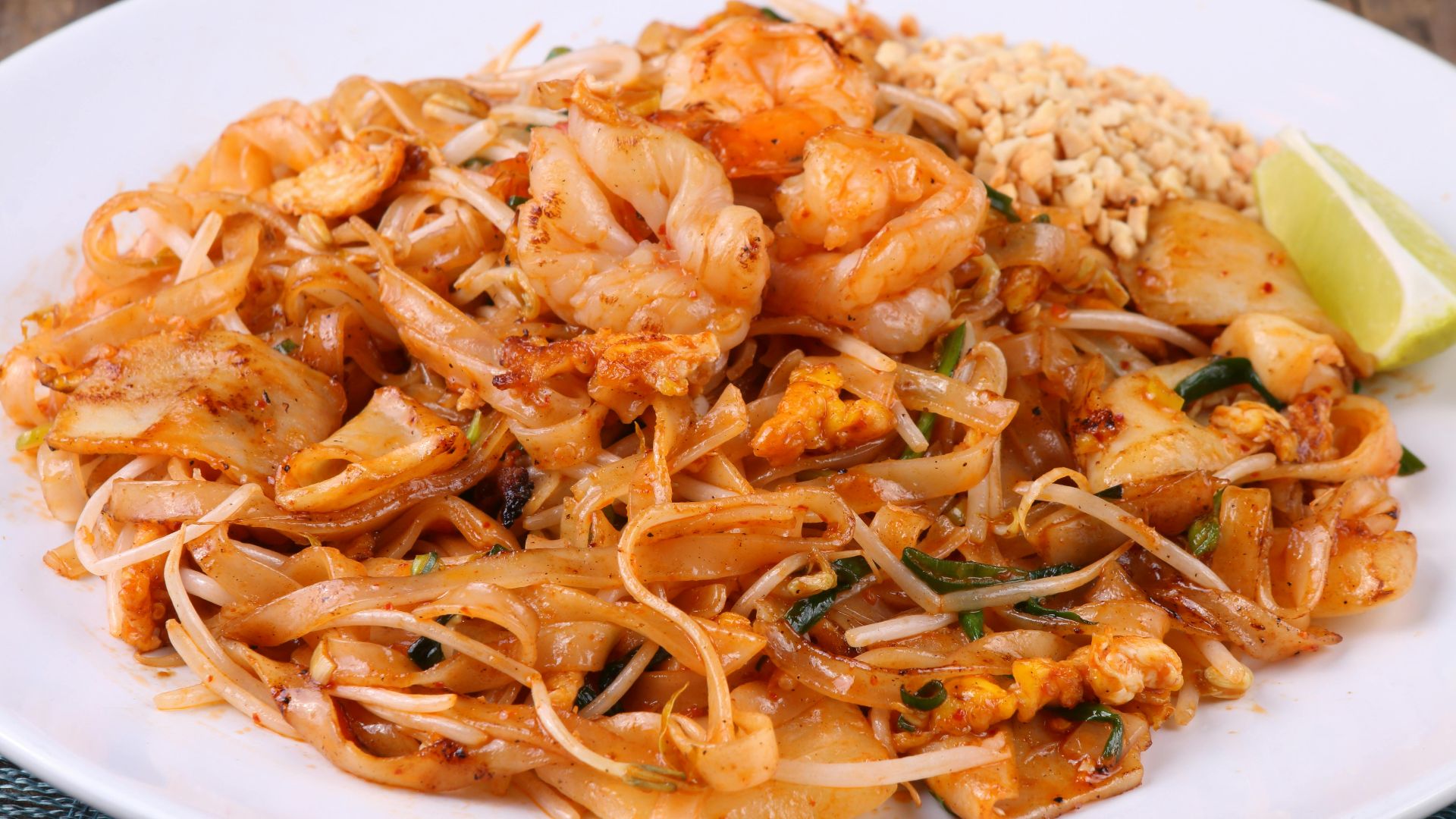
19. Pad Thai
Pad Thai is arguably the dish that put Thai food on the map in the U.S. It became familiar to many Americans through Thai restaurants, which grew in number as Thai immigration and global interest in Thai cuisine increased. The dish’s sweet, sour, salty, and savory flavors made it an approachable entry-level Thai dish. While popular in Thailand, it's seen more as a convenient, readily available street food snack rather than a top-tier culinary choice.
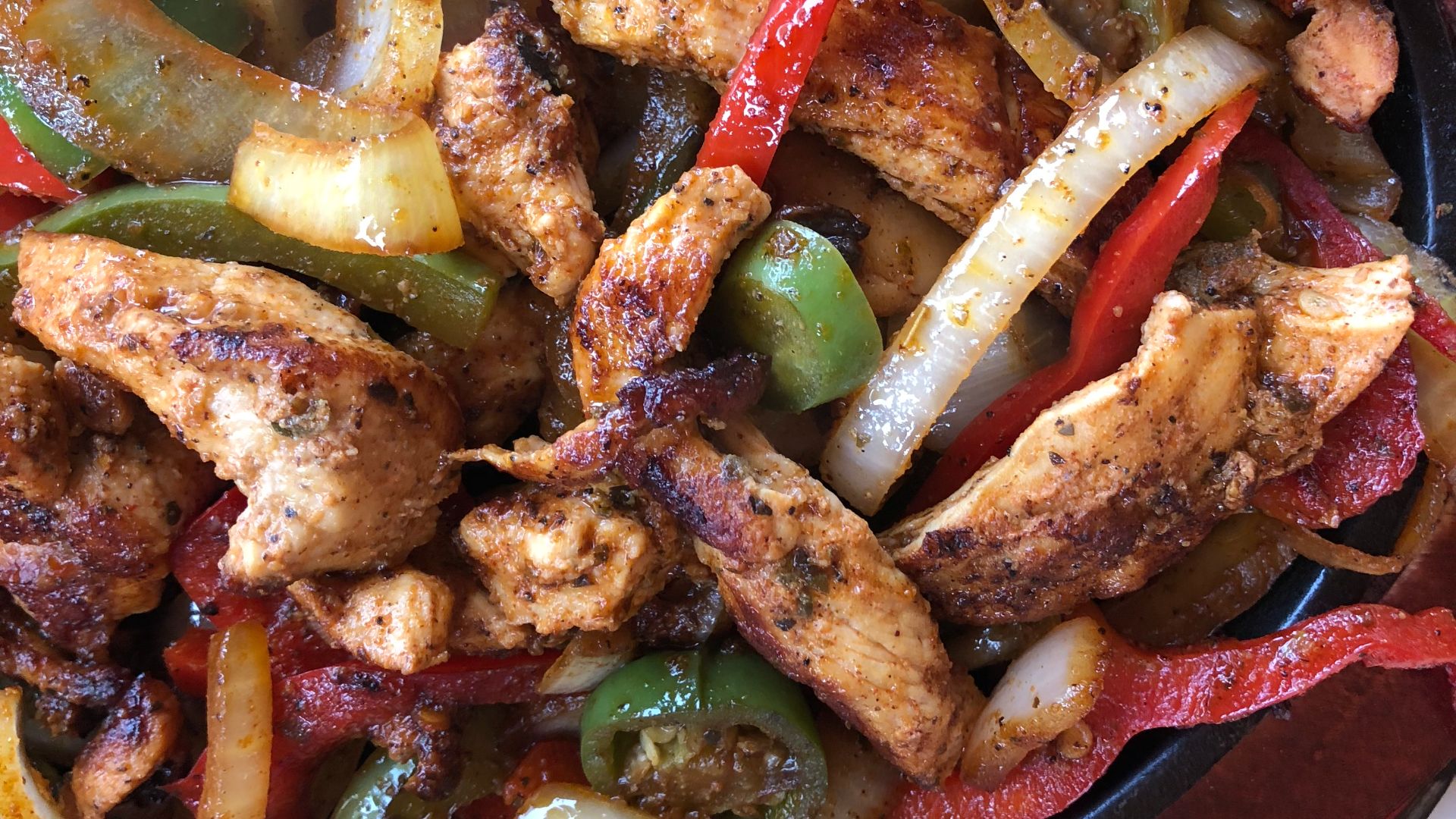
20. Fajitas
Contrary to popular belief, fajitas are not traditional Mexican fare. They come from Mexican American ranching culture in Texas, where skirt steak was once a cheaper cut often given to workers (Mexican ranch hands). Over time, the dish moved from practical food to sizzling restaurant spectacle.
KEEP ON READING


10 Most Hated Foods in the Entire World