The Little Tells That Separate Reheated Food From Real Cooking
Everyone has had that meal that lands on the table suspiciously fast, in the same shape it had in a plastic tray. The funny part is that microwaved food rarely fails in a dramatic way. It usually fails in small, specific ways that feel off before anyone can explain why. Texture gives it away first, then temperature, then the weirdly uniform flavor that tastes like it was designed to survive shipping. Once you notice a few patterns, you start spotting the tells everywhere, so this list is a cheat sheet for the moments when a plate looks restaurant-ready but eats like it came from a back-of-house box.
1. The Center Is Lava While The Edges Are Lukewarm
Microwaves heat unevenly, so the middle can scorch while the perimeter stays timid, especially in thicker foods like pasta bakes or rice bowls. You can watch steam jump from one spot while another bite feels like it never left the fridge. Even with stirring, that hot-cold contrast often sticks around.
2. Sauce Looks Split Or Glossy In A Strange Way
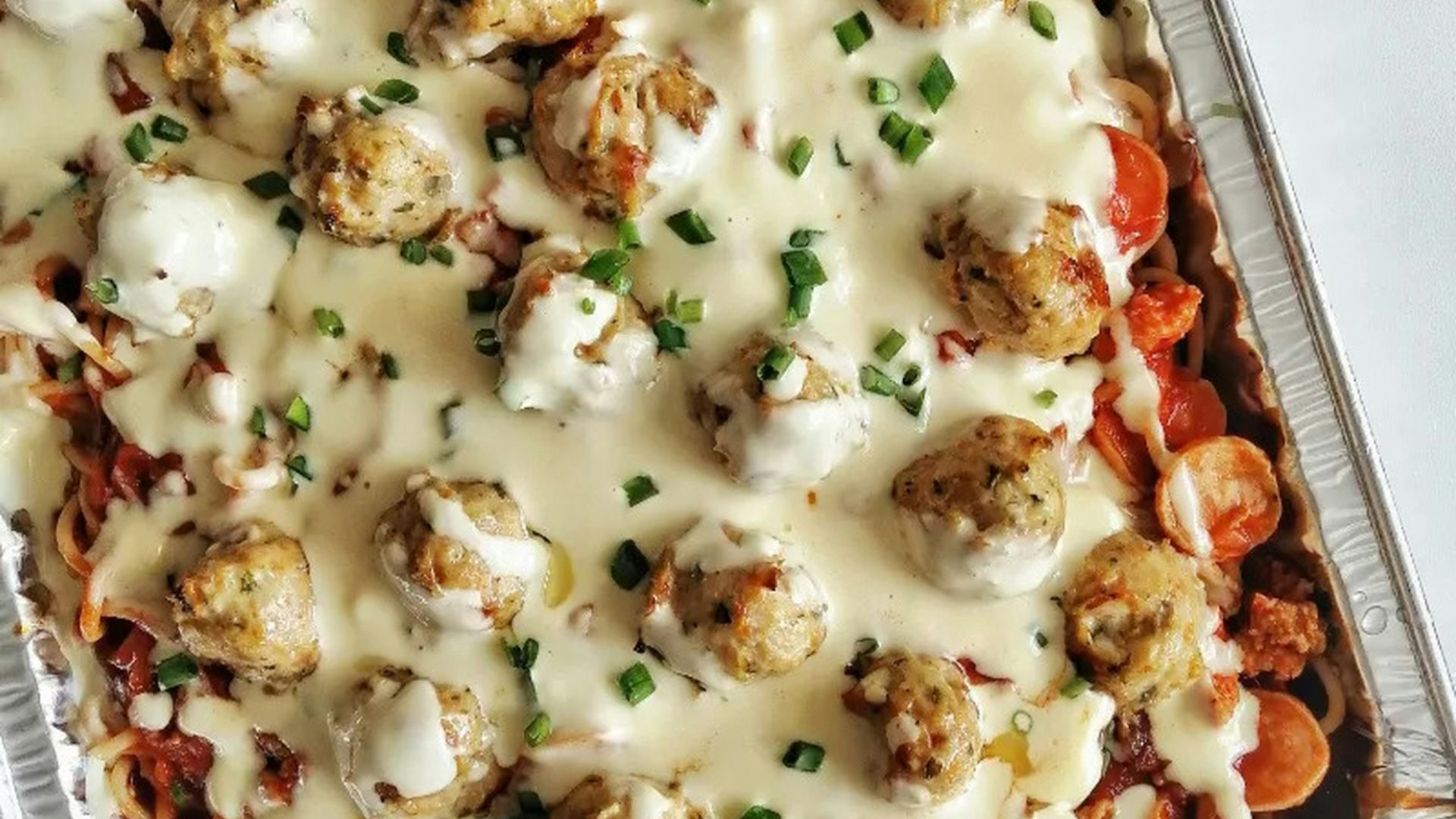
Cream sauces can break when blasted, leaving a slick shine or tiny fat beads on top that never quite rejoin. You see it on Alfredo, queso, and any dairy-heavy gravy that should cling smoothly. Scratch sauce usually looks cohesive, even when it is rich.
3. Vegetables Are Sad In A Very Specific Texture
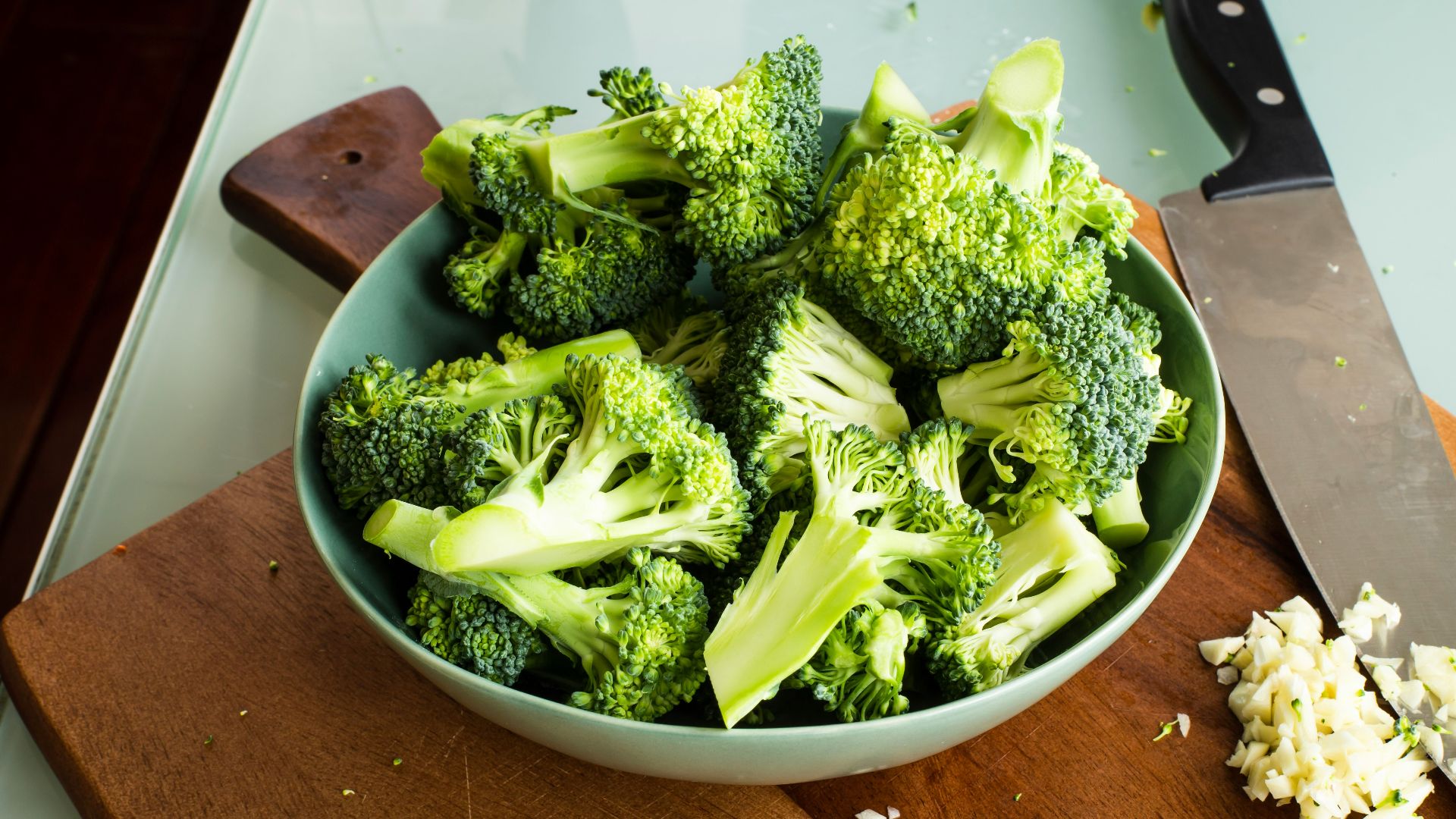
Microwaved vegetables often turn from crisp to rubbery, with skins that wrinkle and interiors that feel watery. Broccoli gets that squeaky chew, green beans lose their snap, and peppers go limp without picking up any real sweetness. A pan or oven usually gives at least a little browning and a more deliberate bite.
4. The Dish Arrives Too Fast For What It Claims To Be
A lasagna, pot pie, or thick braise landing in minutes can be a giveaway, since those foods usually demand time or at least a finishing step. Restaurants can move quickly, yet there are limits when a dish needs heat to travel through layers. Fast is not always suspicious, though fast plus other tells often is.

5. The Top Is Pale When It Should Be Brown
If a dish is supposed to be baked, gratinéed, or roasted, the surface should show some actual color. Browning comes from dry heat and the Maillard reaction, which is why seared meats and toasted crusts smell so good. A microwave can warm and soften, yet it struggles to create that kind of browned finish without a separate step.
6. Meat Has A Spongy, Recompressed Bite
Microwaved chicken can feel oddly springy, as if the fibers tightened and then gave up. Sliced beef can go from tender to chewy in a hurry, especially when it was cooked earlier and reheated hard. You get the sense that the protein structure changed twice, and neither change happened in a flattering way.
7. The Plate Is Burning Hot Even When The Food Is Not
Ceramic and thick bowls can soak up microwave energy, so the dish itself comes out scorching while the food sits at an awkward temperature. Your fingers learn the lesson before your mouth does. Food warmed on a stove tends to heat the food first, not the plate.

8. The Texture Feels Uniform
Breaded items lose their crunch and turn soft all the way through, not just on the surface. Rice can feel both dry and gummy, and pasta can get that slightly swollen chew that suggests it was reheated in a closed container. Fresh cooking usually gives more contrast, even in comfort food.
9. There Is A Faint Storage Smell That Clings To The Steam
Some reheated dishes carry a subtle fridge note, especially when they were stored covered and warmed quickly. It shows up as a dull aroma that sits on top of the food rather than rising from it. A pan, oven, or grill tends to wake aromas up instead of flattening them.
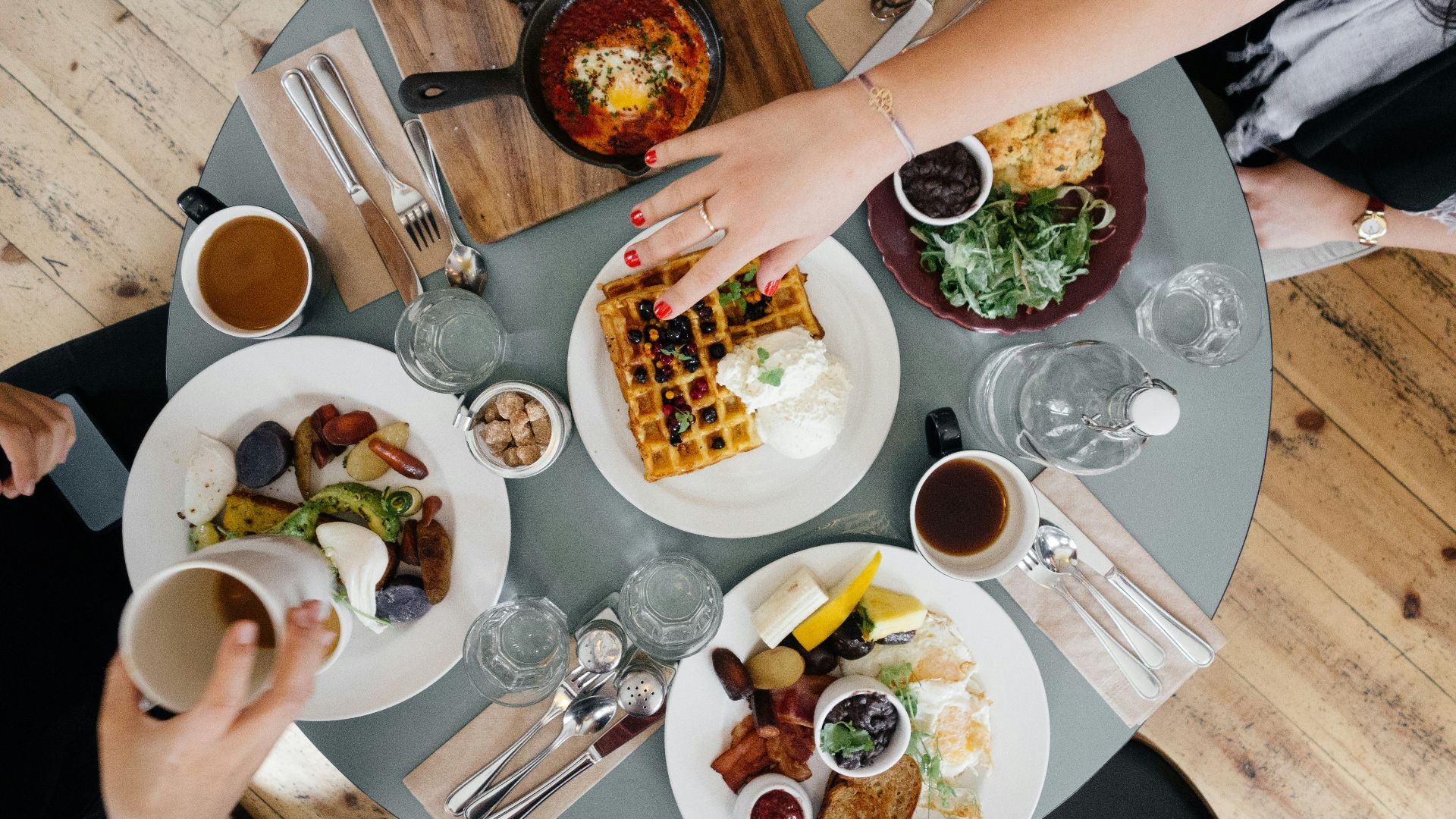
10. It Tastes Like It Was Seasoned A While Ago
Microwaved food can taste under-seasoned at the surface and overly salty in pockets, because nothing had a chance to mingle. You notice it in soups and sauces that seem bland until one bite hits a concentrated patch. Scratch cooking usually includes tasting along the way, which builds a more even flavor.
And now, here are ten signs the dish was made from scratch.
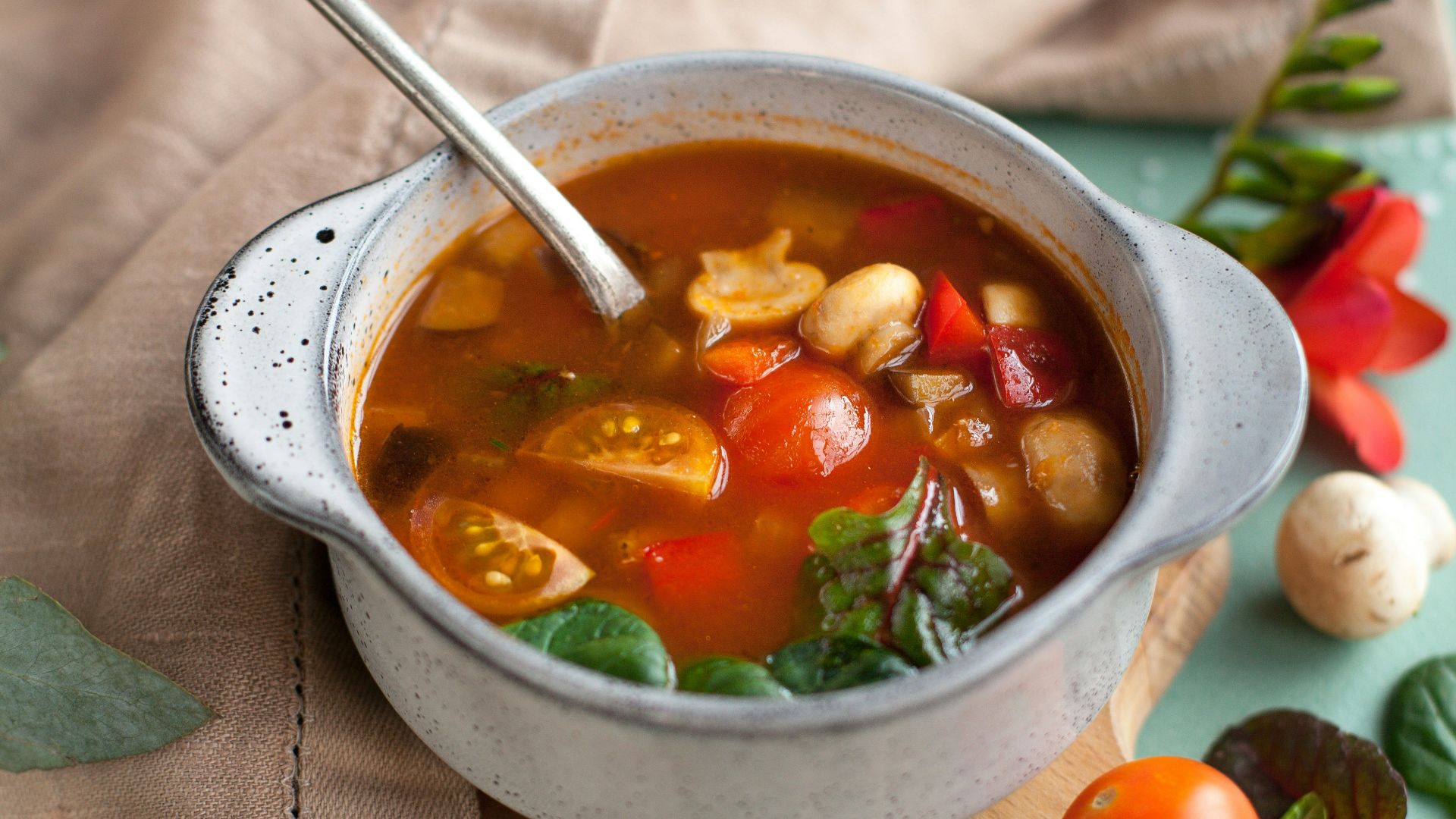
1. The Dish Shows Evidence Of Last-Second Cooking
You can tell when something was finished to order because it has movement, like a sauce that still looks lively or a protein that rests and settles on the plate. The kitchen timing feels real, not just fast. Even simple food looks more intentional when it was cooked right before it hits the pass.
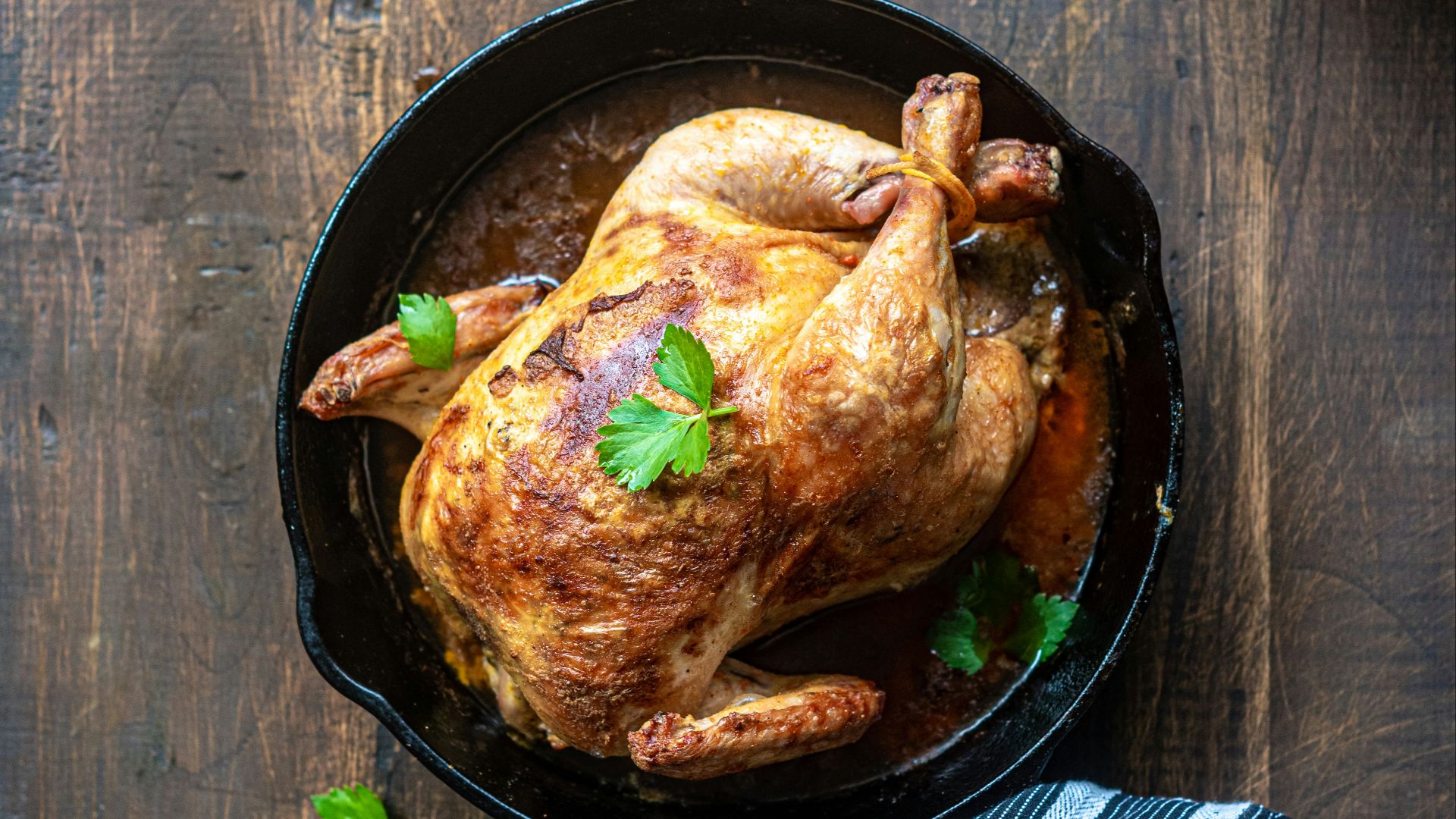
2. There Is Real Browning Where Browning Should Be
A roasted chicken has crisped skin, a grilled sandwich has a toasted exterior, and sautéed mushrooms show caramelized edges. Those changes happen with dry heat, time, and contact, not just warming. Even institutions like the USDA talk about reheating as a safety step, while browning is a cooking step, and the results look different.
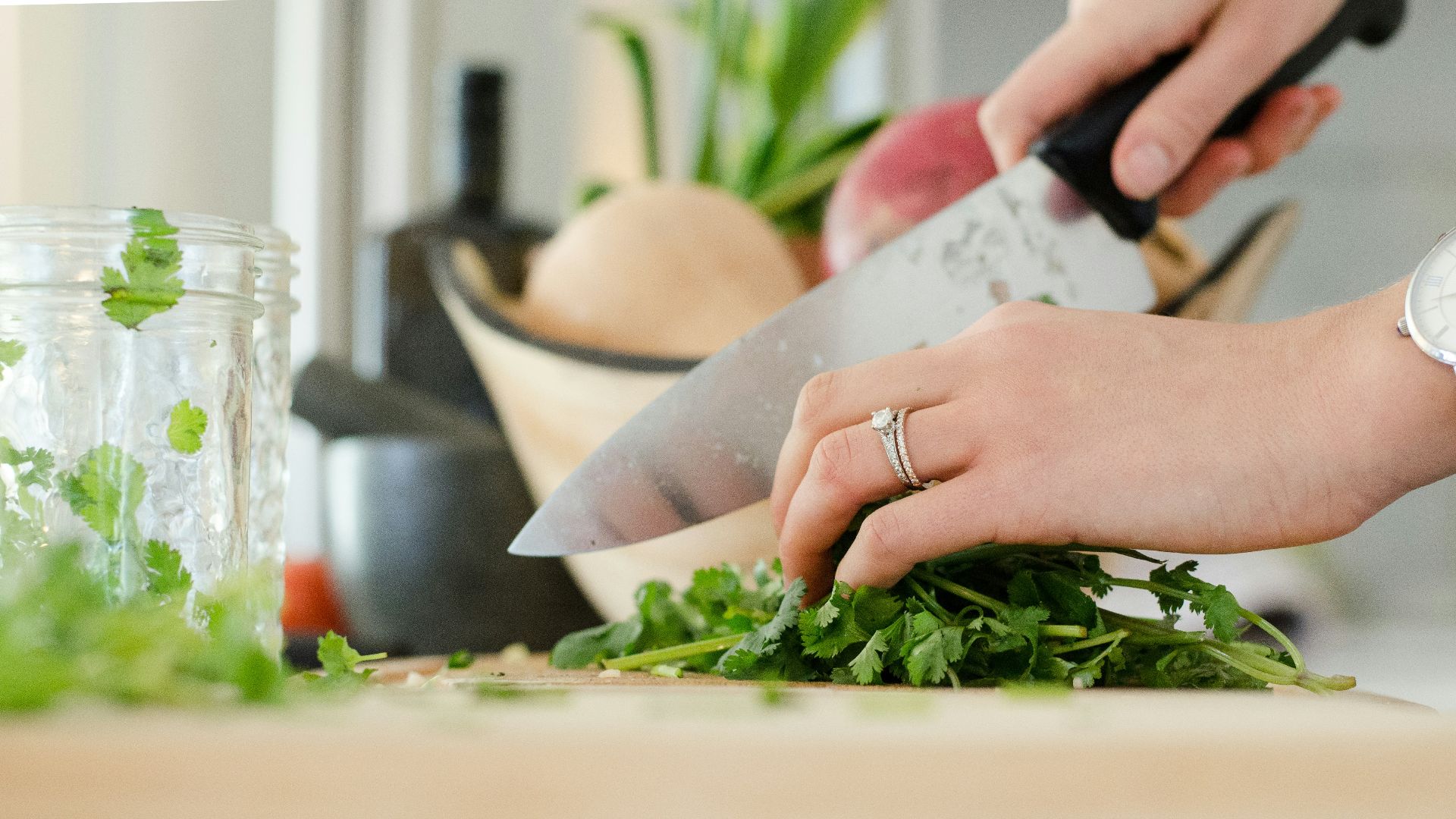
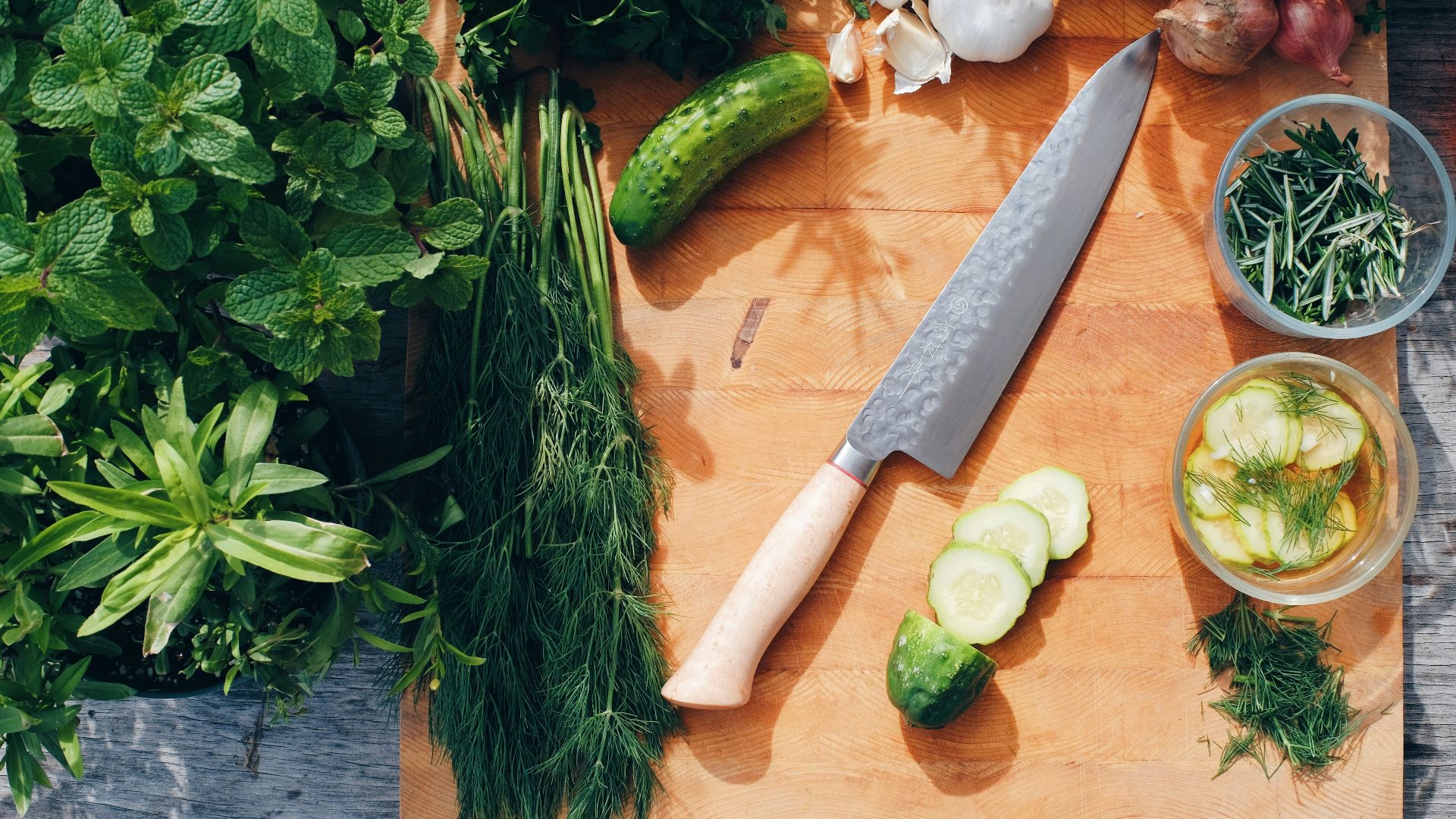
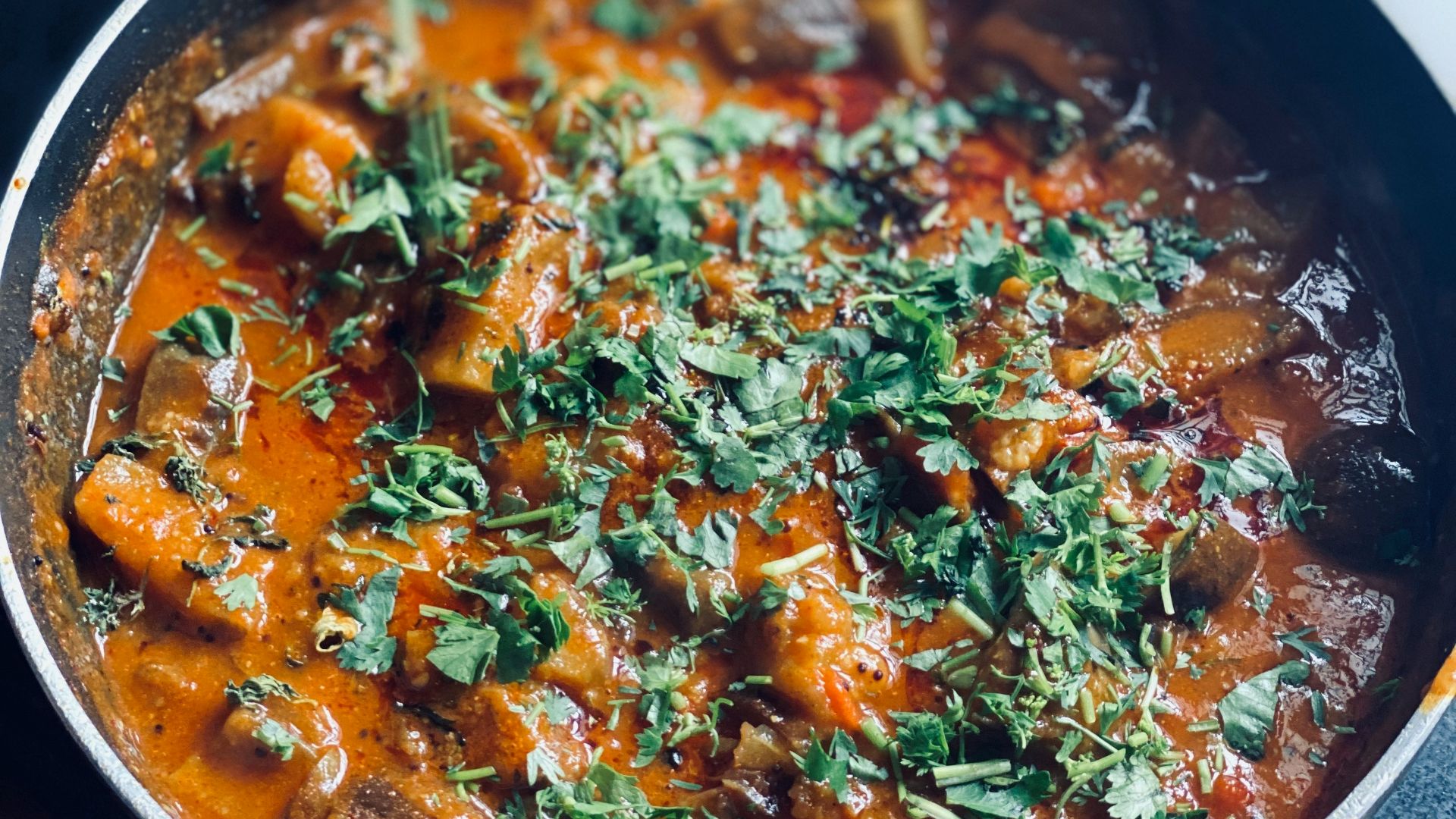
3. Herbs Look And Smell Fresh, Not Tired
Fresh herbs have color and lift, and they announce themselves the second the plate lands. Basil stays fragrant, cilantro still smells green, and parsley looks like it was chopped recently instead of turning dark. Microwaved dishes often wilt herbs into the food, which mutes their impact.
4. The Seasoning Feels Layered, Not Just Loud
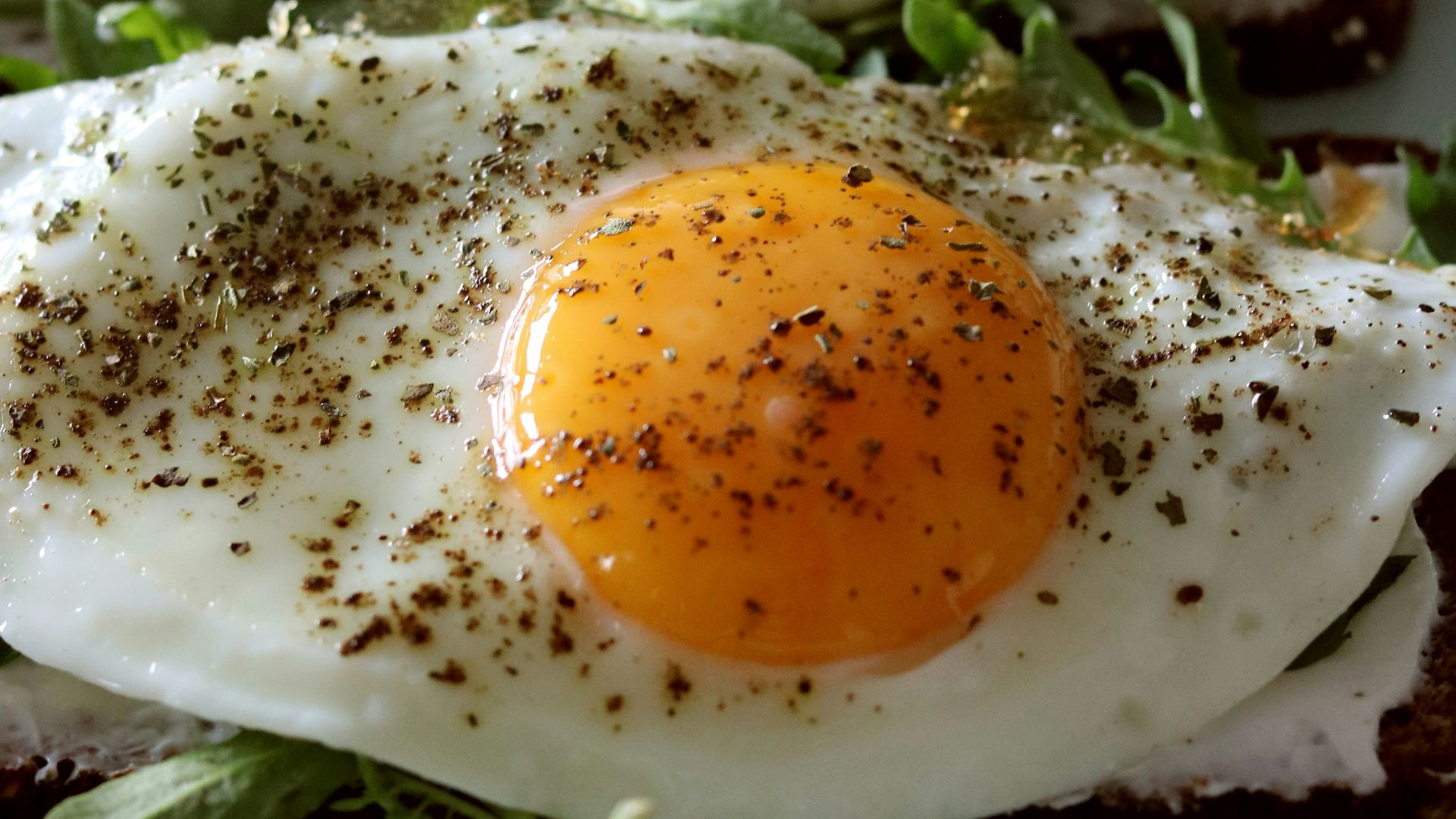
Scratch food often tastes seasoned in stages, with salt, acid, and aromatics showing up in a balanced way. You notice a squeeze of citrus, a splash of vinegar, or a peppery finish that feels placed on purpose. It reads like someone tasted, adjusted, and tasted again.
5. The Texture Has Contrast That Makes Sense
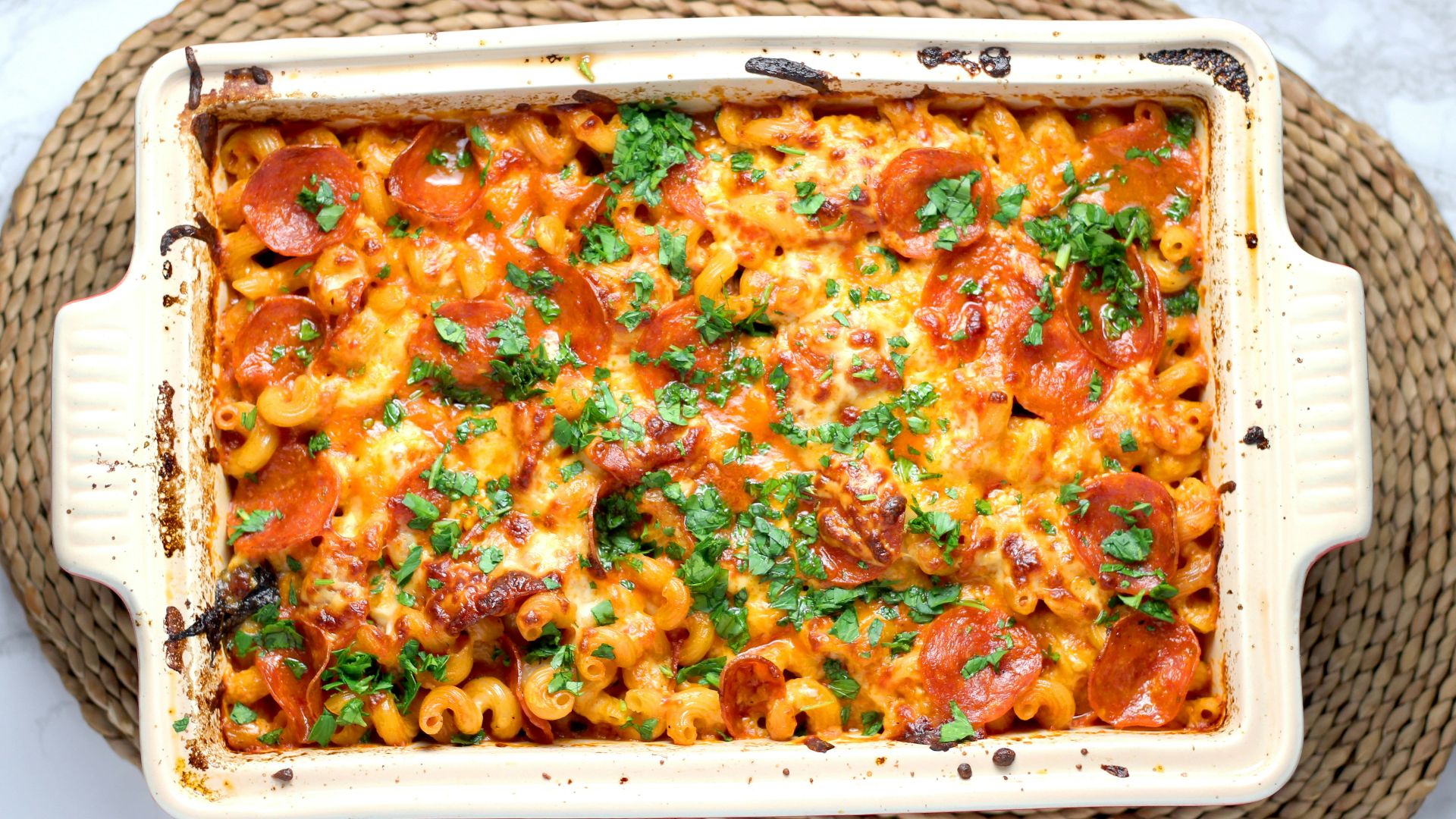
A good casserole can be creamy under a browned top, and a noodle dish can be saucy without turning mushy. Scratch cooking tends to protect textures, keeping crisp things crisp and tender things tender. When texture shifts are there, they feel designed, not accidental.
6. The Sauce Clings Naturally
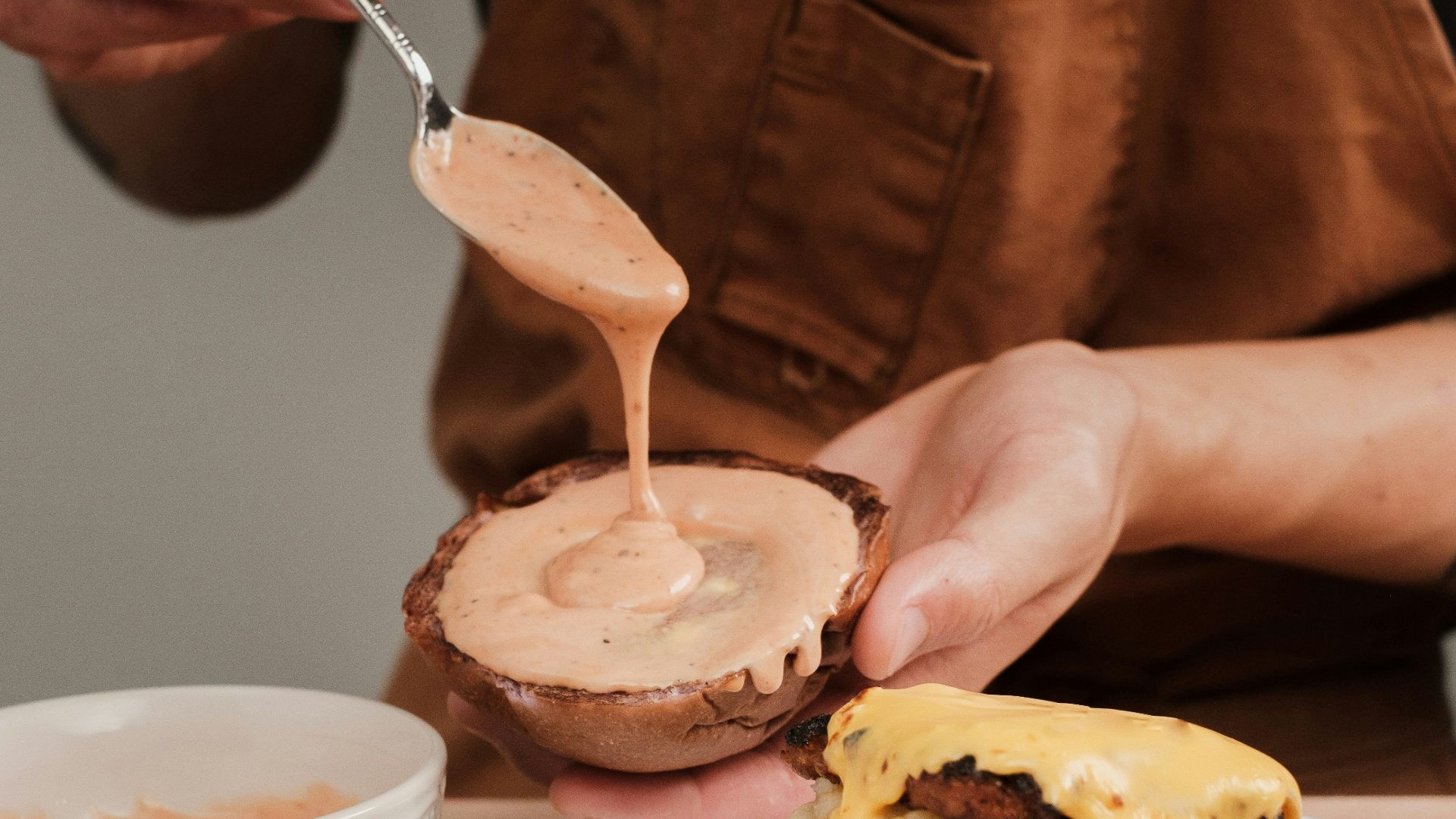
A scratch sauce usually coats food evenly, whether it is a reduction, a pan sauce, or a slow-simmered ragù. It does not puddle with watery separation, and it does not sit on top like a shiny layer. You can often see tiny particles from onions, garlic, or spices that were actually cooked into it.
7. You Can Taste A Real Base Beneath The Main Flavor
Soups and stews made from scratch often carry the depth of a stock or a long simmer, even when they are not heavy. There is a roundness that comes from bones, vegetables, or browned bits, the kind of foundation classic kitchens build into their food. That depth is hard to fake with a quick reheat.
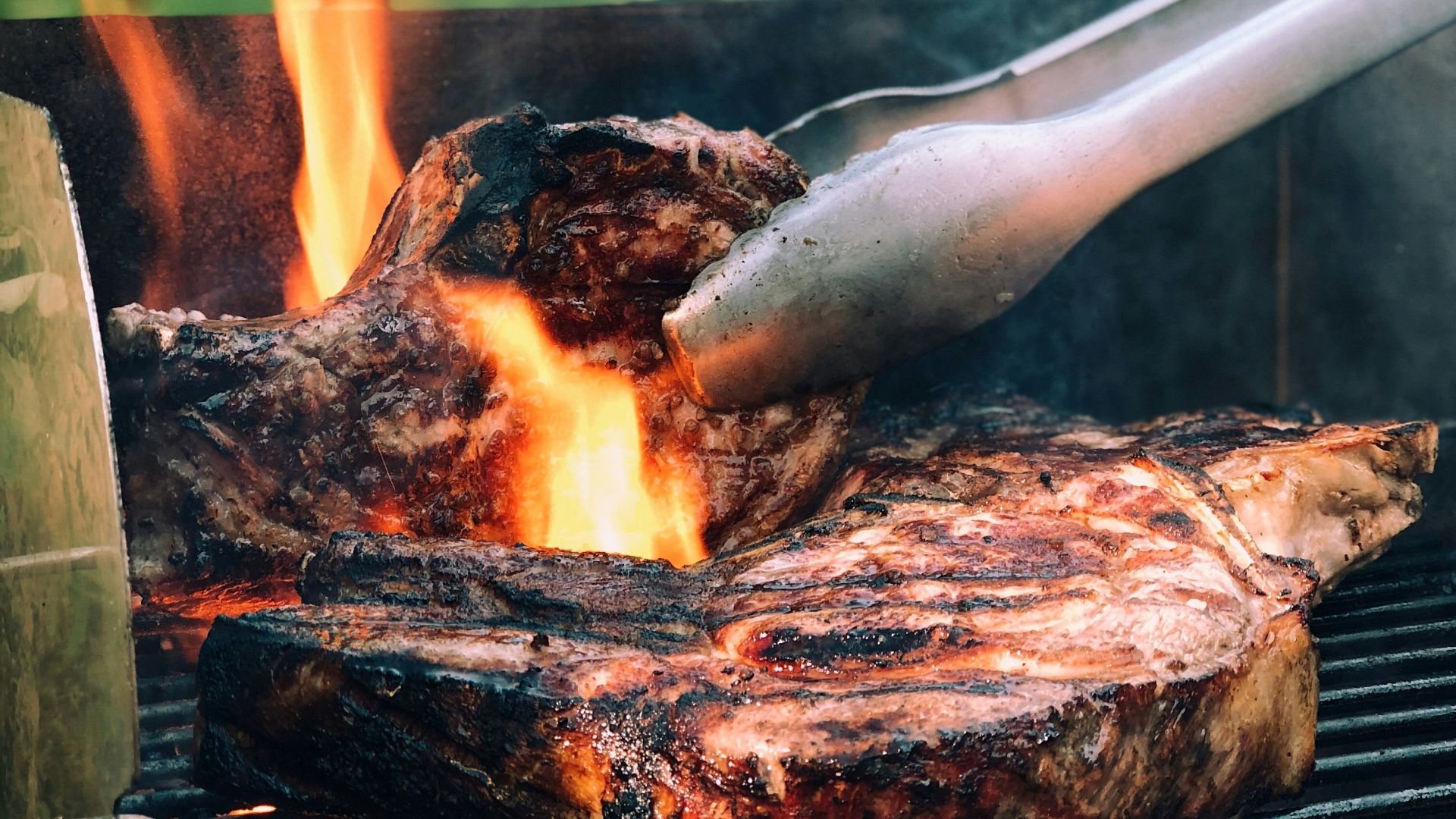
8. Proteins Have A Clean, Juicy Bite
Freshly cooked meat tends to feel relaxed, with juices that make sense for the cut and doneness. Even when a kitchen uses sous vide, the finishing sear usually gives a fresh edge and a just-cooked feel. Reheated proteins more often feel tightened and a little dry at the edges.
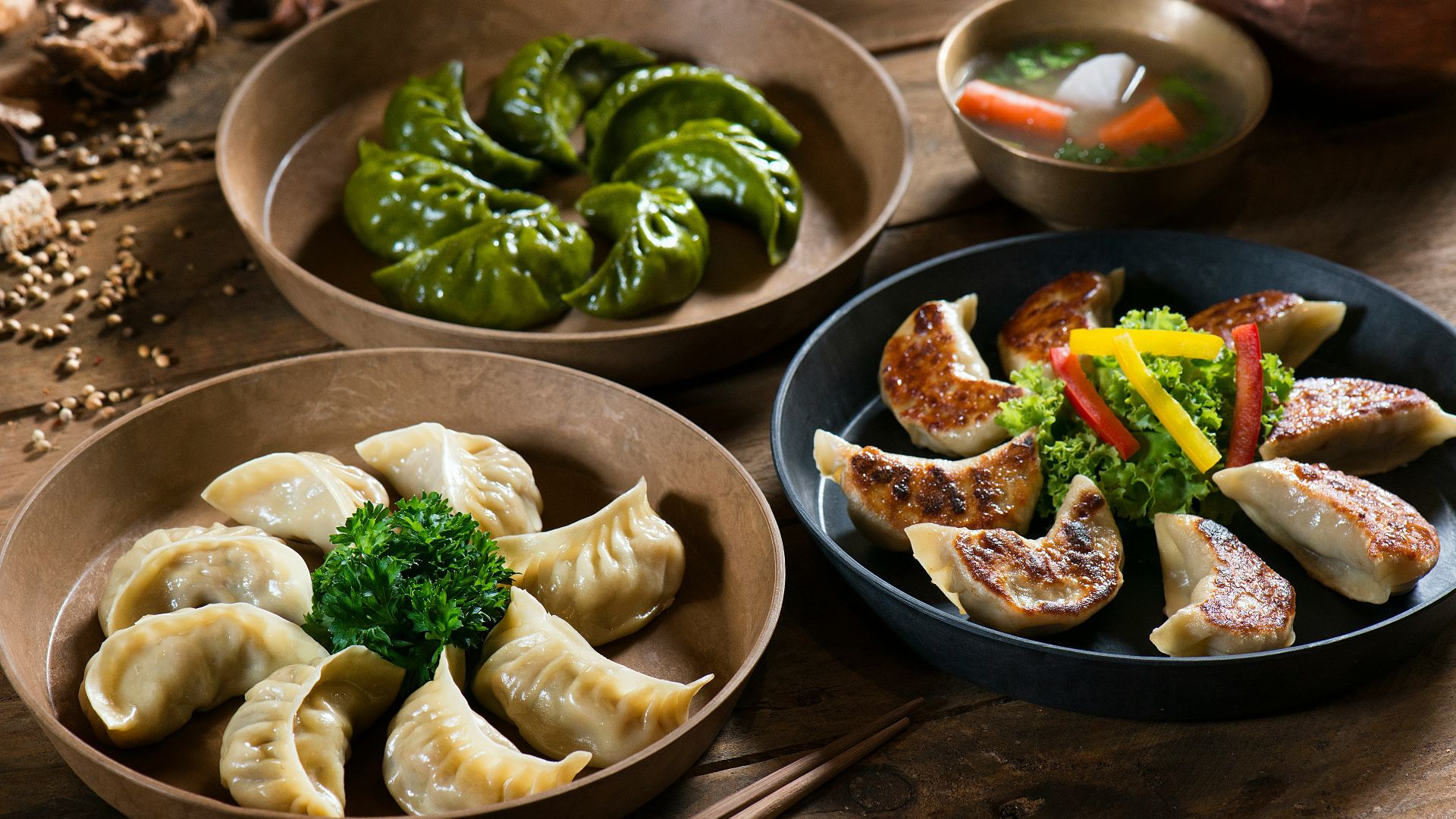
9. The Dish Has Small Imperfections That Feel Human
Handmade dumplings vary slightly, pancakes have uneven bubbles, and hand-torn herbs land where they land. It looks like real hands moved fast, not like a factory designed identical portions. Those tiny differences usually travel with scratch cooking.
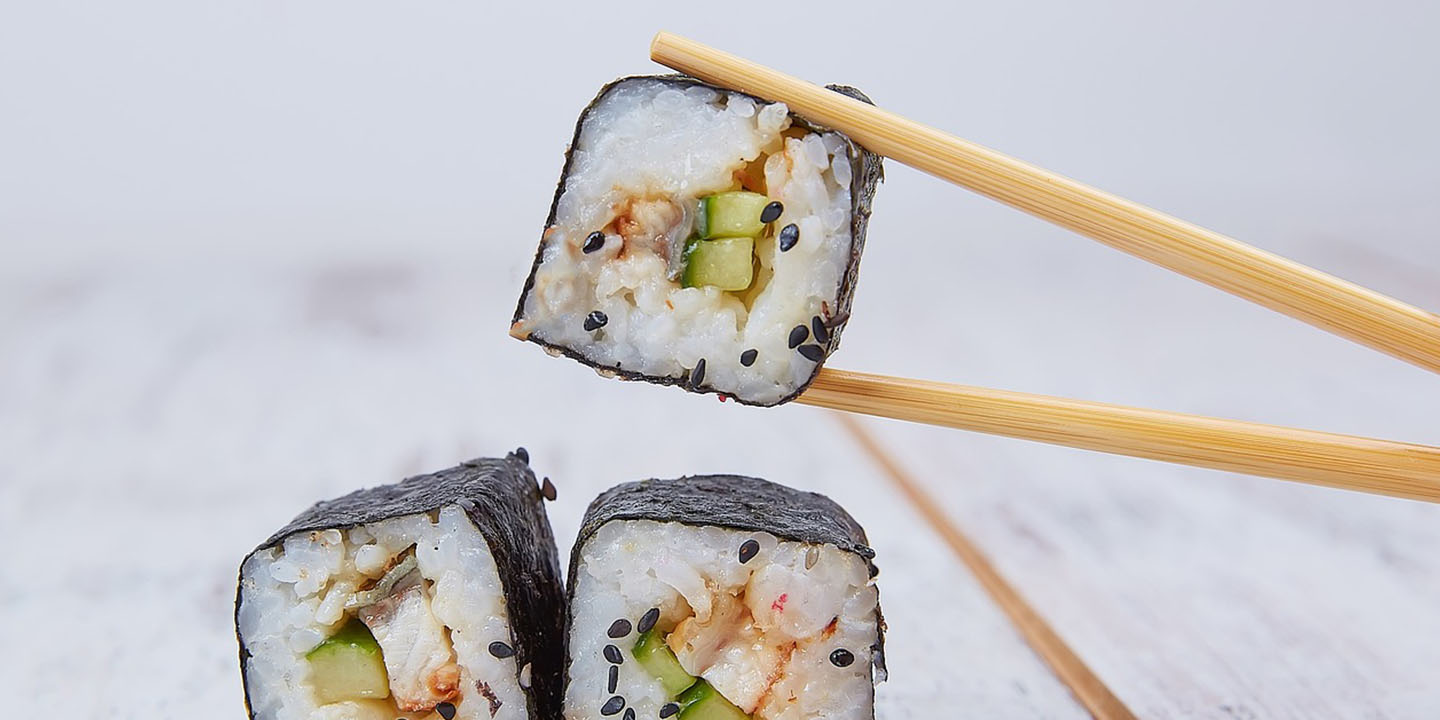
 Abhishek Sanwa Limbu on Unsplash
10. The Heat Is Even And Comfortably Controlled
When something is cooked on a stove or in an oven, the warmth tends to spread predictably from bite to bite. Hot dishes stay hot without surprise cold spots, and chilled dishes stay properly cold. Food safety agencies like the FDA and USDA focus on reaching safe internal temperatures, and kitchens that cook from scratch tend to hit that goal with consistency rather than patches of extreme heat.
KEEP ON READING

The 5 Most Consumed Foods in the Entire World