Small Sweets Meant For Sharing
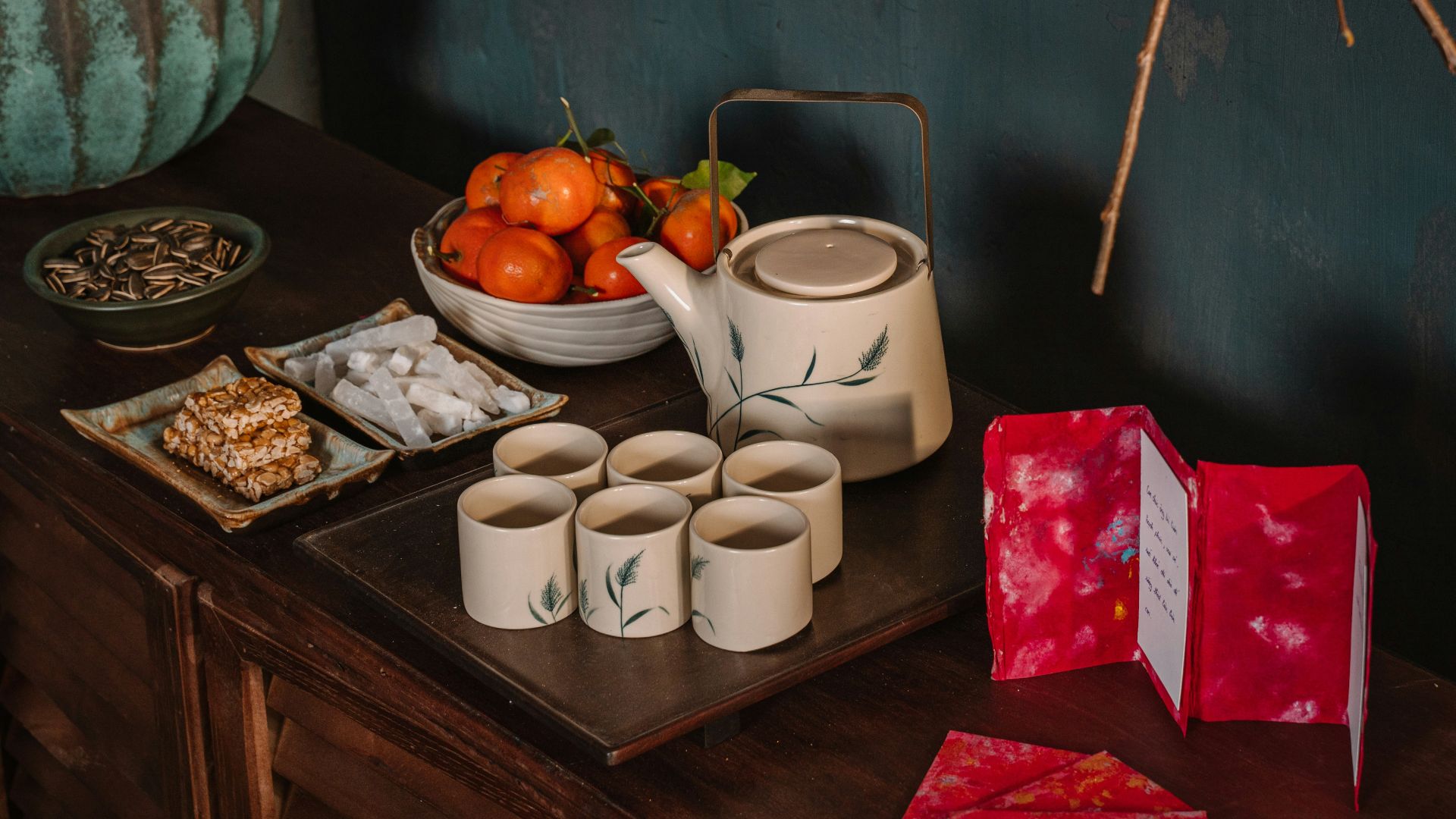
Lunar New Year tea-time treats are often the kind of sweets you can pick up with your fingers, set on a small plate, and enjoy while the kettle stays busy. They tend to carry a little extra meaning, too, since New Year tables across many Chinese and Southeast Asian communities love wordplay, lucky shapes, and foods that signal prosperity or togetherness. A modern spread can easily mix tradition with bakery favorites and a few newer creations that show up in hotel teas or family snack tins. If you want a tea-time lineup that feels festive and approachable, these 20 treats are a great place to start.
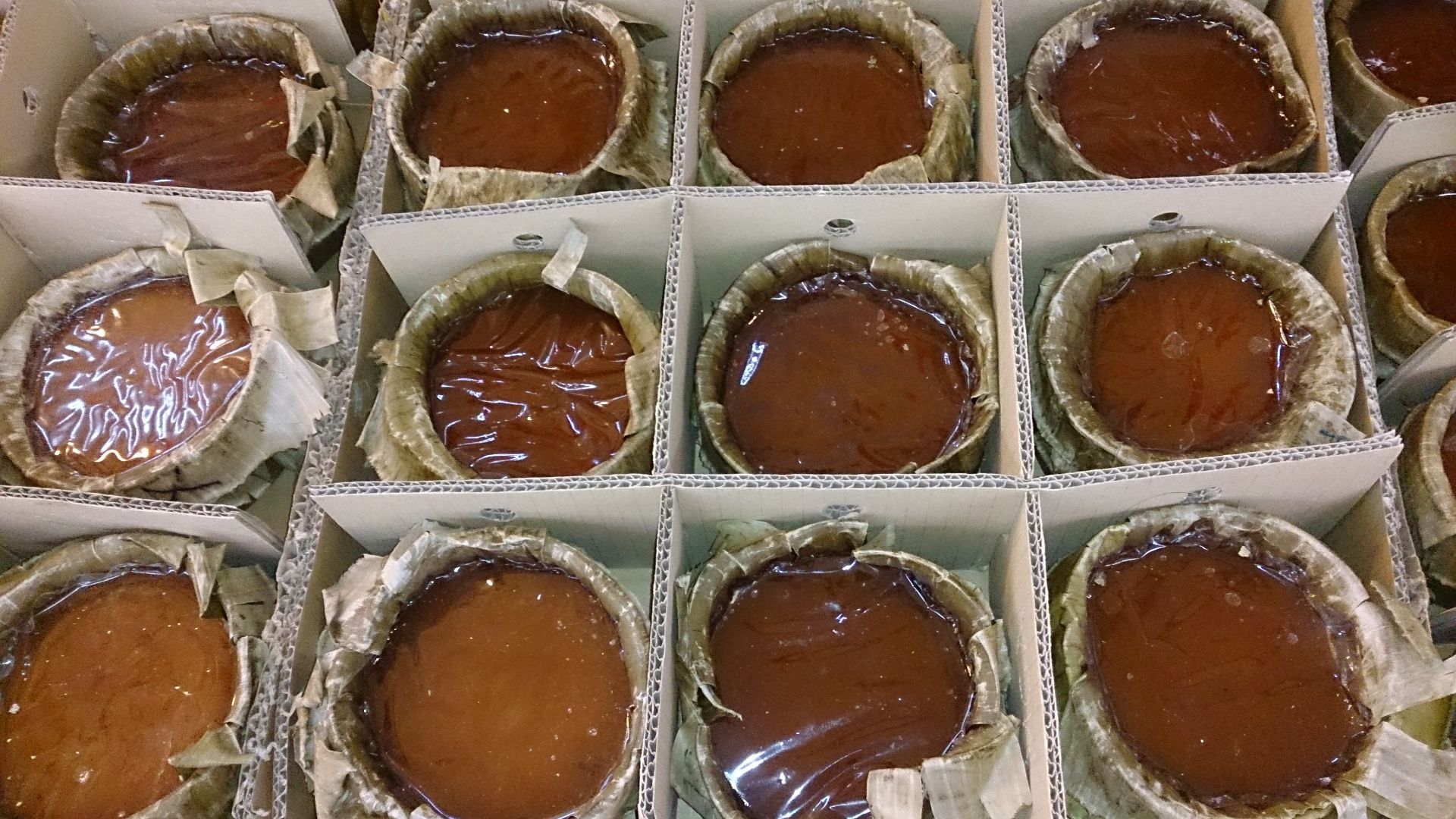
1. Nian Gao Sticky Rice Cake
Nian gao has been traced back well over a thousand years, with early records tied to the Northern and Southern Dynasties (420–589 CE). The name sounds like “year high,” so it’s often served with hopes for progress and a smoother climb in the months ahead. Thin slices pan-fried until golden give you a chewy center and caramelized edges that taste especially nice alongside a bold black tea.
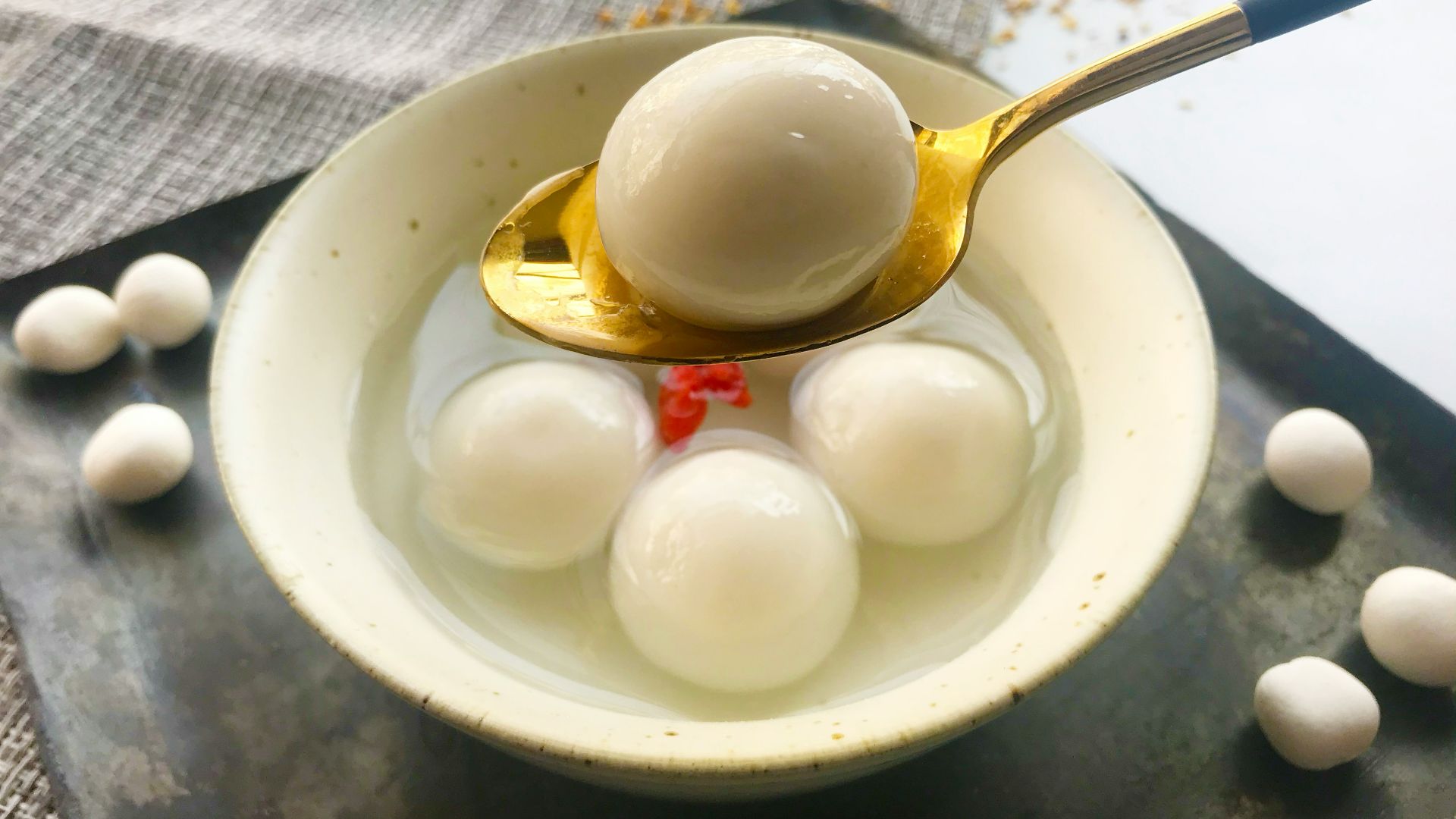
2. Tangyuan Black Sesame Rice Balls
Tangyuan are glutinous rice balls often filled with black sesame paste, then served warm in a lightly sweet soup. Their name echoes the word for reunion, which is why they show up so often at gatherings centered on family togetherness.
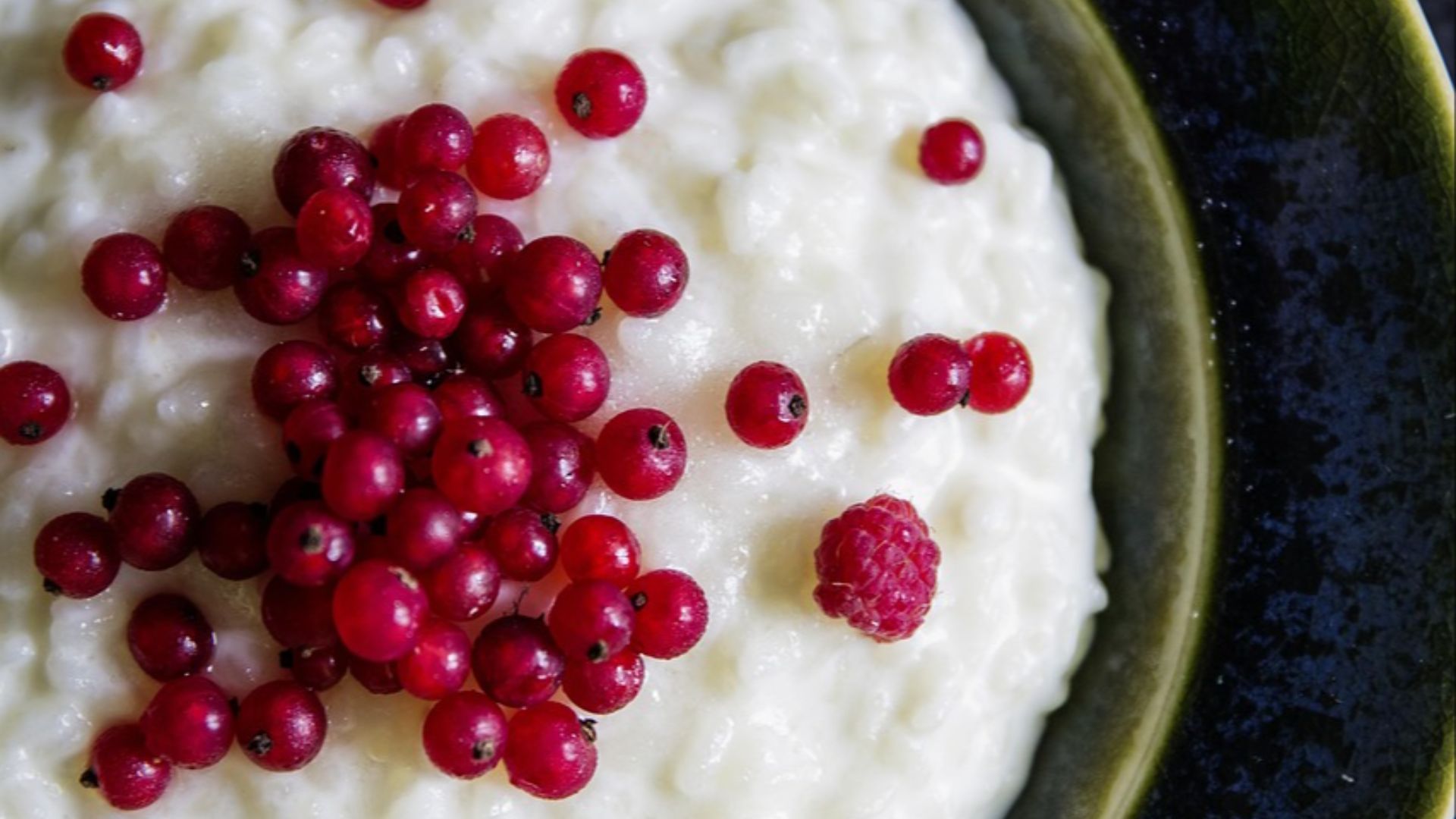
3. Eight Treasure Rice Pudding
Eight treasure rice is a sweet glutinous rice dessert topped with “treasures” like red dates or lotus seeds, chosen as much for meaning as for taste. The number eight is traditionally linked with luck and prosperity, so the dessert usually comes out when someone wishes for abundance.
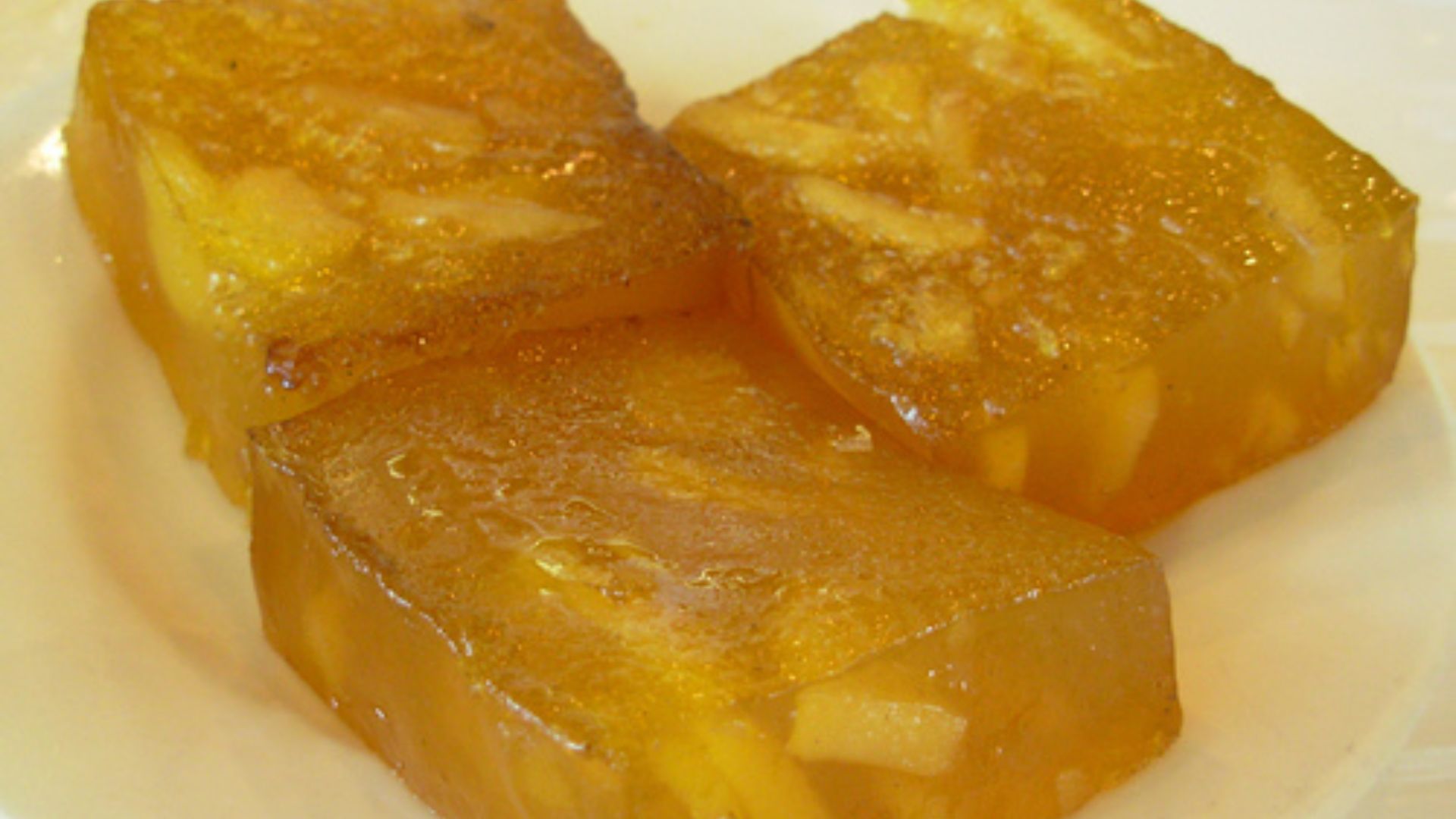
4. Water Chestnut Cake
This Cantonese favorite is lightly sweet, translucent, and pleasantly bouncy, with little pieces of water chestnut that add crunch. It’s especially popular in Hong Kong around Lunar New Year, where cake desserts often connect to ideas of growth and rising fortune.
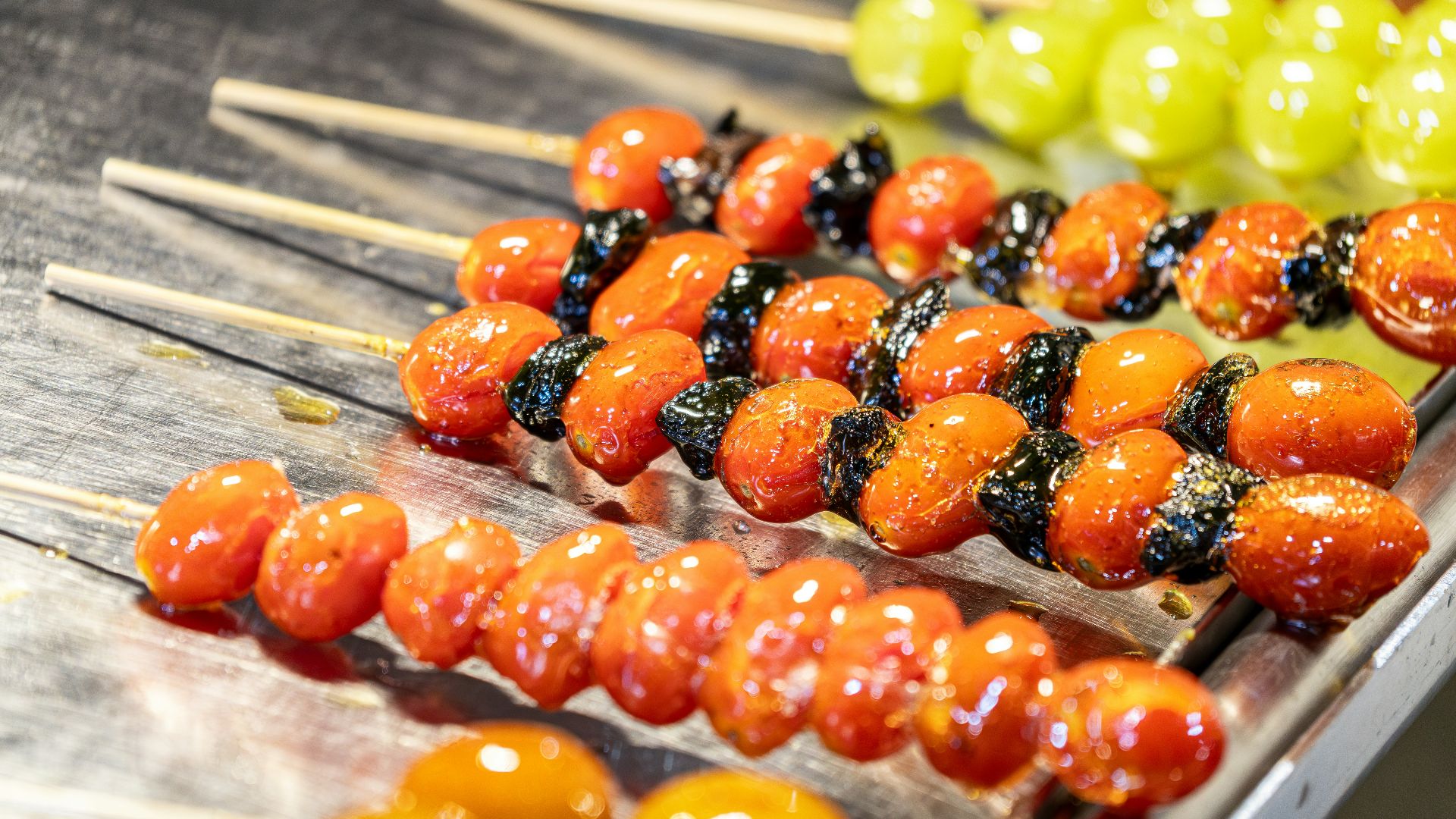
5. Tanghulu Candied Fruit Skewers
Tanghulu is a northern Chinese street snack made by coating fruit in a hard, glassy sugar shell. The glossy finish almost makes the candy look like jewels.
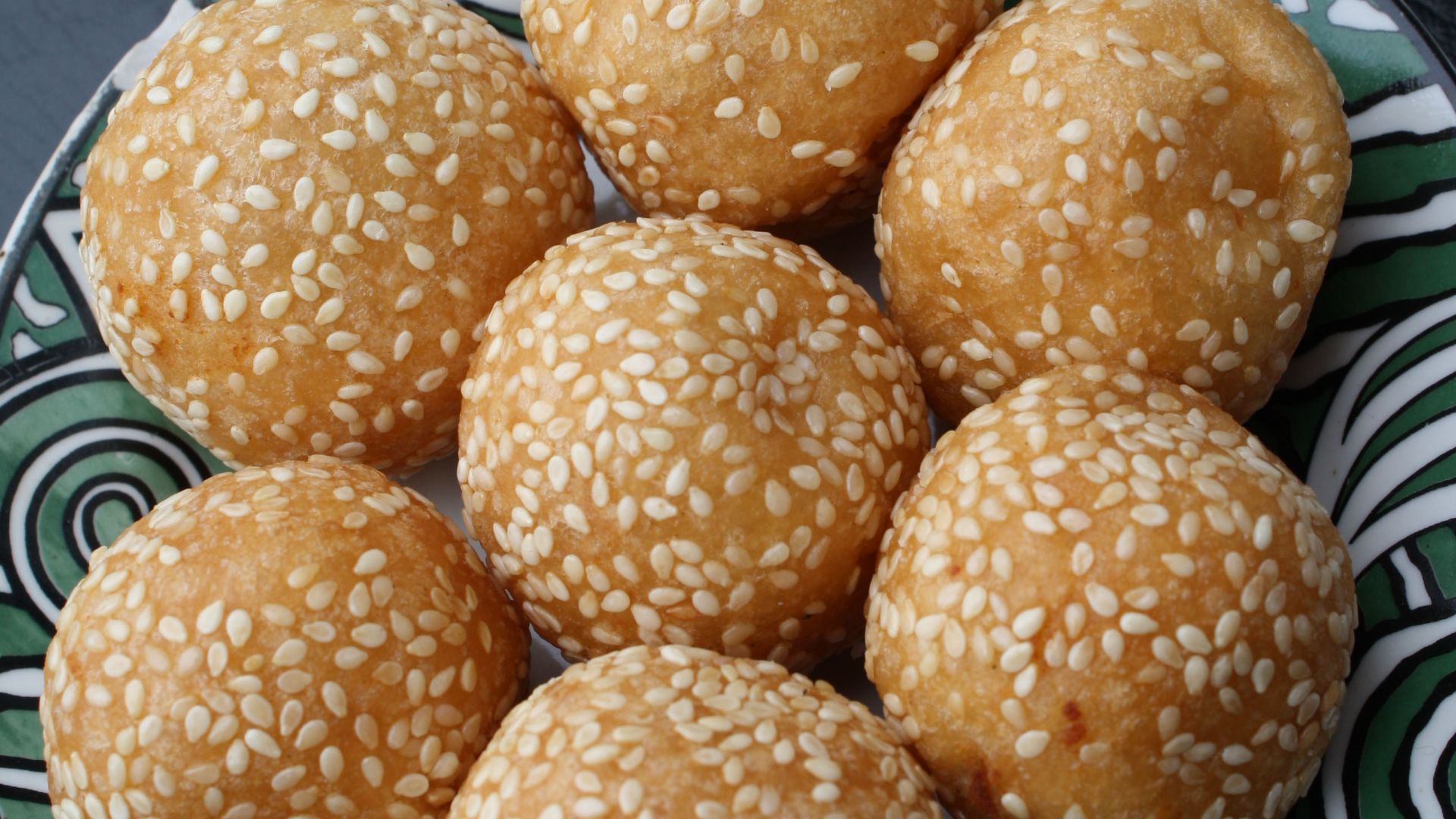
6. Sesame Balls Jian Dui
Jian dui are deep-fried glutinous rice balls rolled in sesame seeds, often filled with sweet red bean or lotus seed paste. Their puffed, round shape and golden color are commonly tied to growing and expanding wealth.
7. Almond Cookies
Almond cookies are a classic addition to Lunar New Year gift tins, especially in Chinese-American and Cantonese bakery traditions. They’re often shaped like coins, leaning into the symbolism of good fortune.
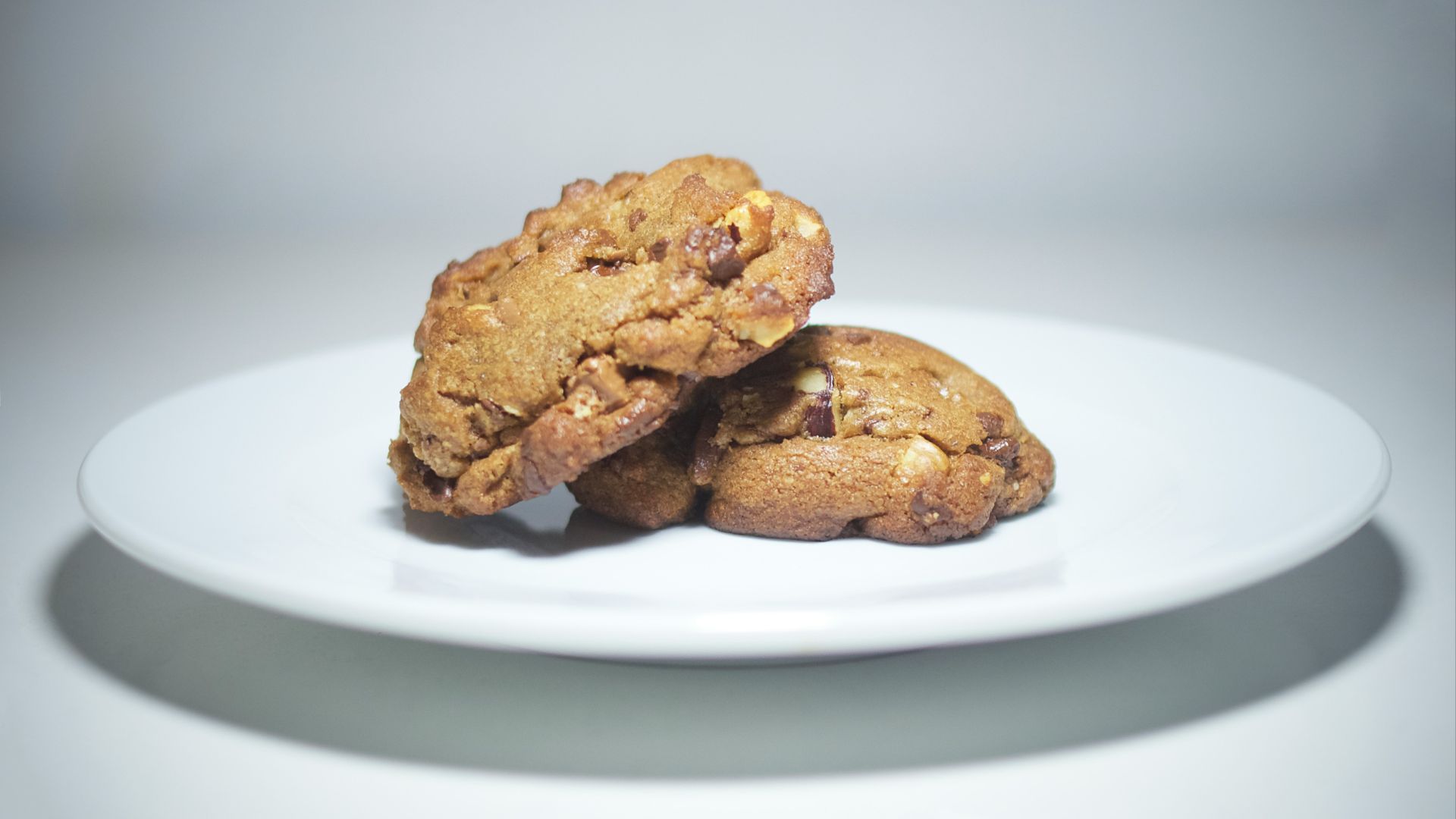
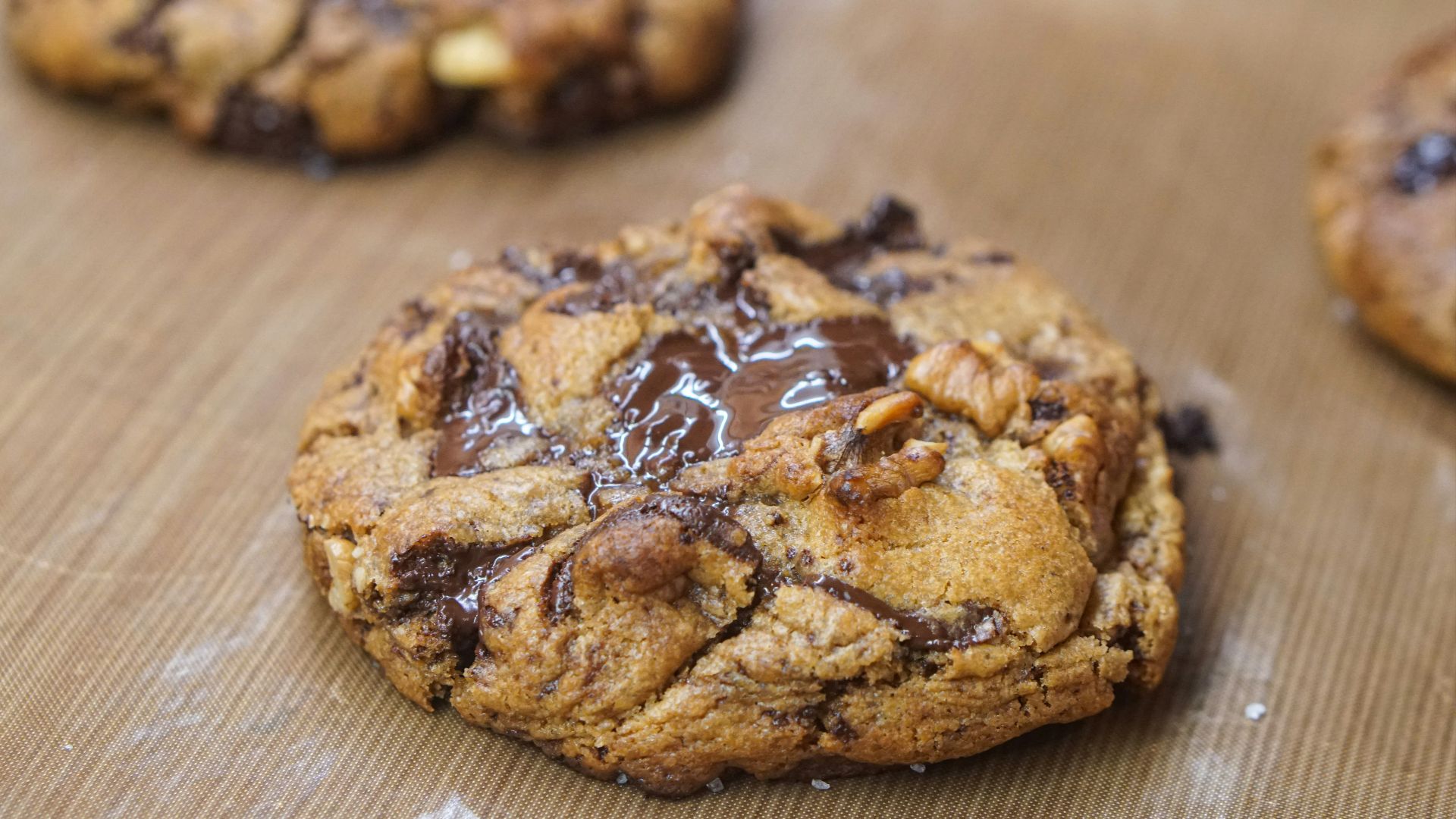
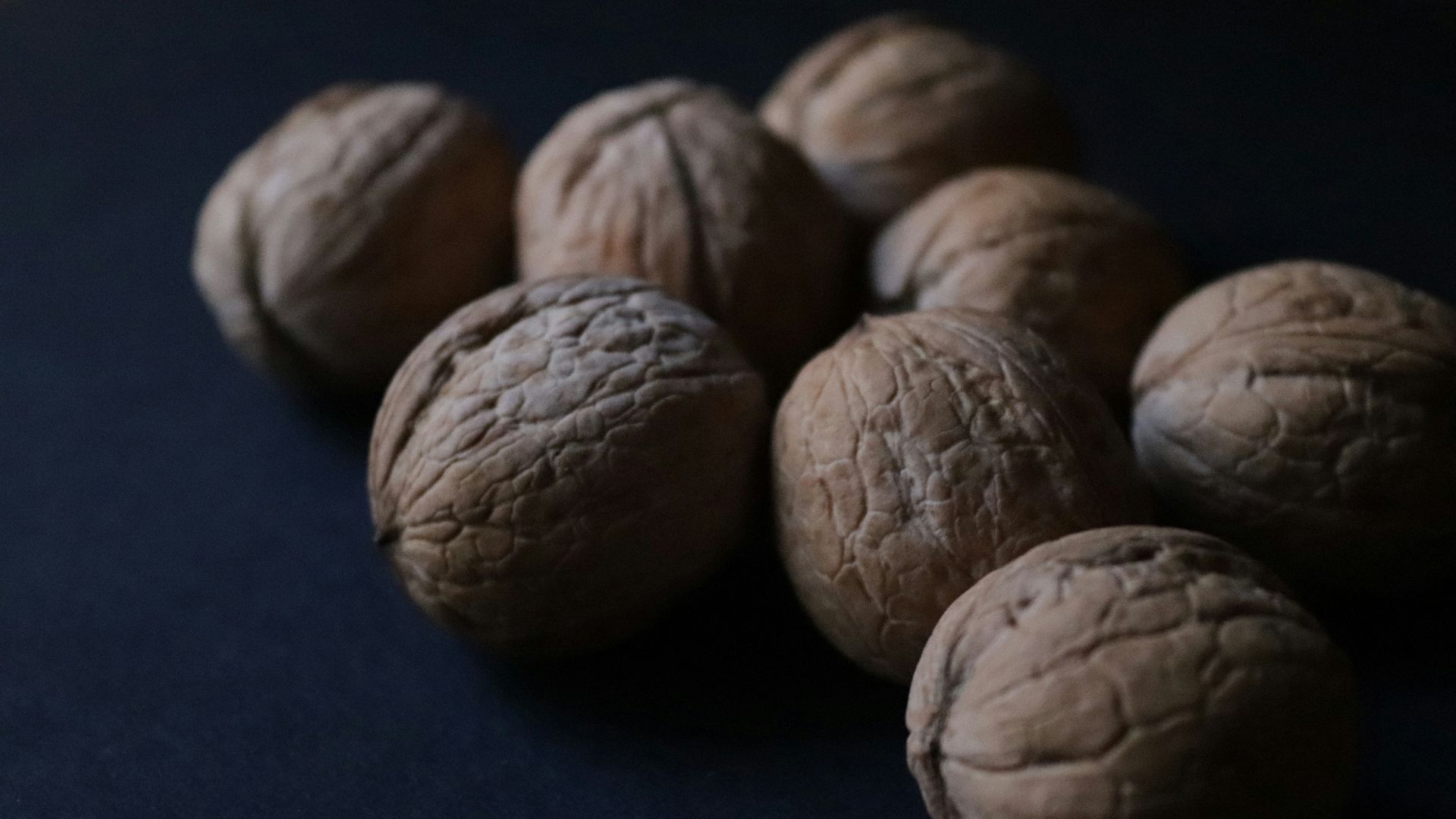
8. Walnut Cookies
Walnut cookies are tender and slightly crumbly, and usually have a mild sweetness to them. While they often show up in New Year snack assortments, they’ve also been added to afternoon tea menus.
 amirali mirhashemian on Unsplash
9. Pineapple Tarts
Pineapple tarts are beloved in Peranakan communities in Malaysia and Singapore, where pastry techniques merged with local pineapple into a tidy, buttery treat. In Hokkien and Cantonese, pineapple is often linked with fortune, so these little pastries carry strong lucky-day energy.
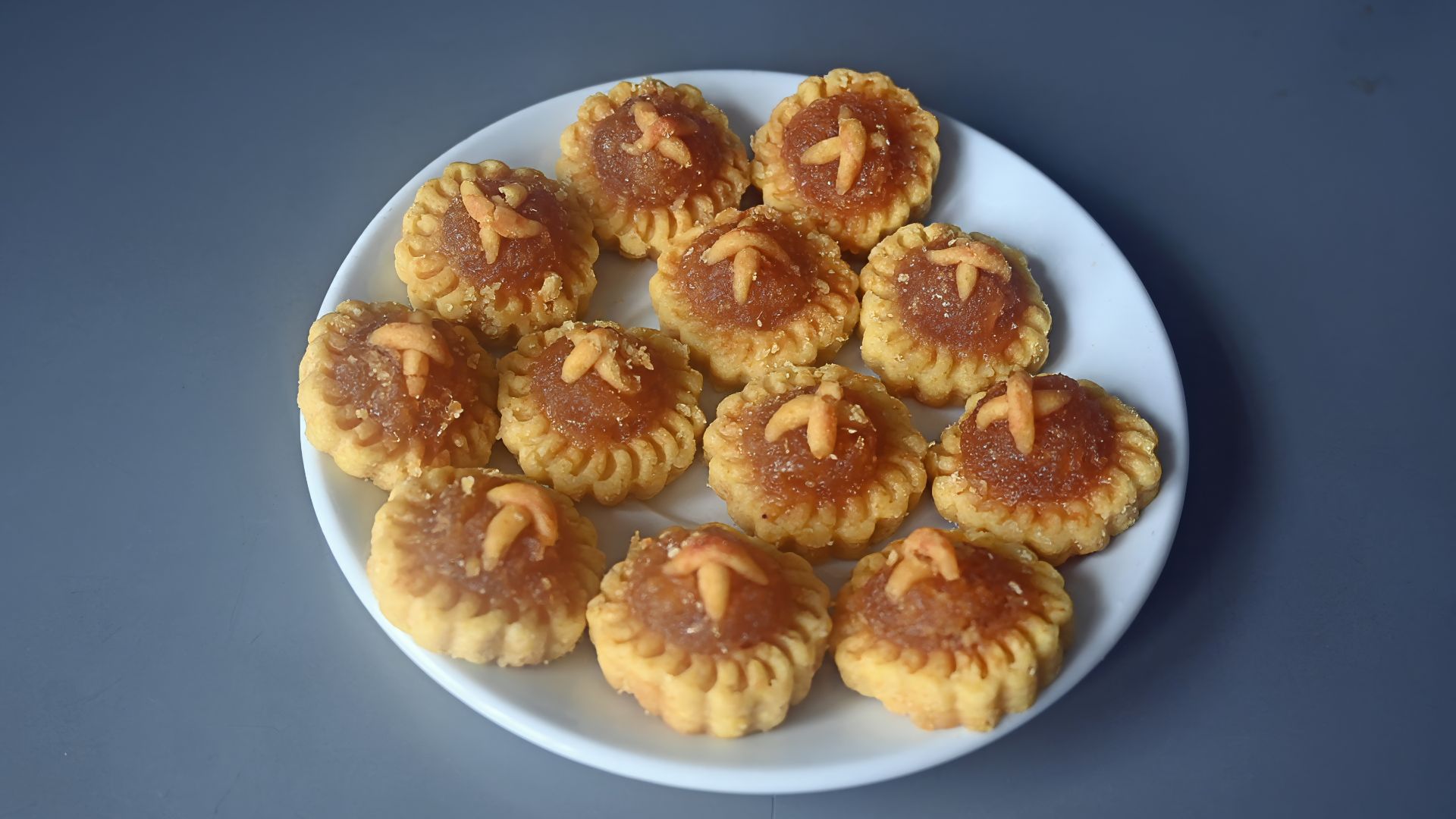 Choo Yut Shing from Singapore, Singapore on Wikimedia
10. Kuih Bangkit Coconut Tapioca Cookies
Kuih bangkit are airy cookies made with tapioca flour and coconut, known for dissolving quickly on the tongue. The name is tied to the word “rising,” which fits the New Year theme of improving fortunes and upward movement.
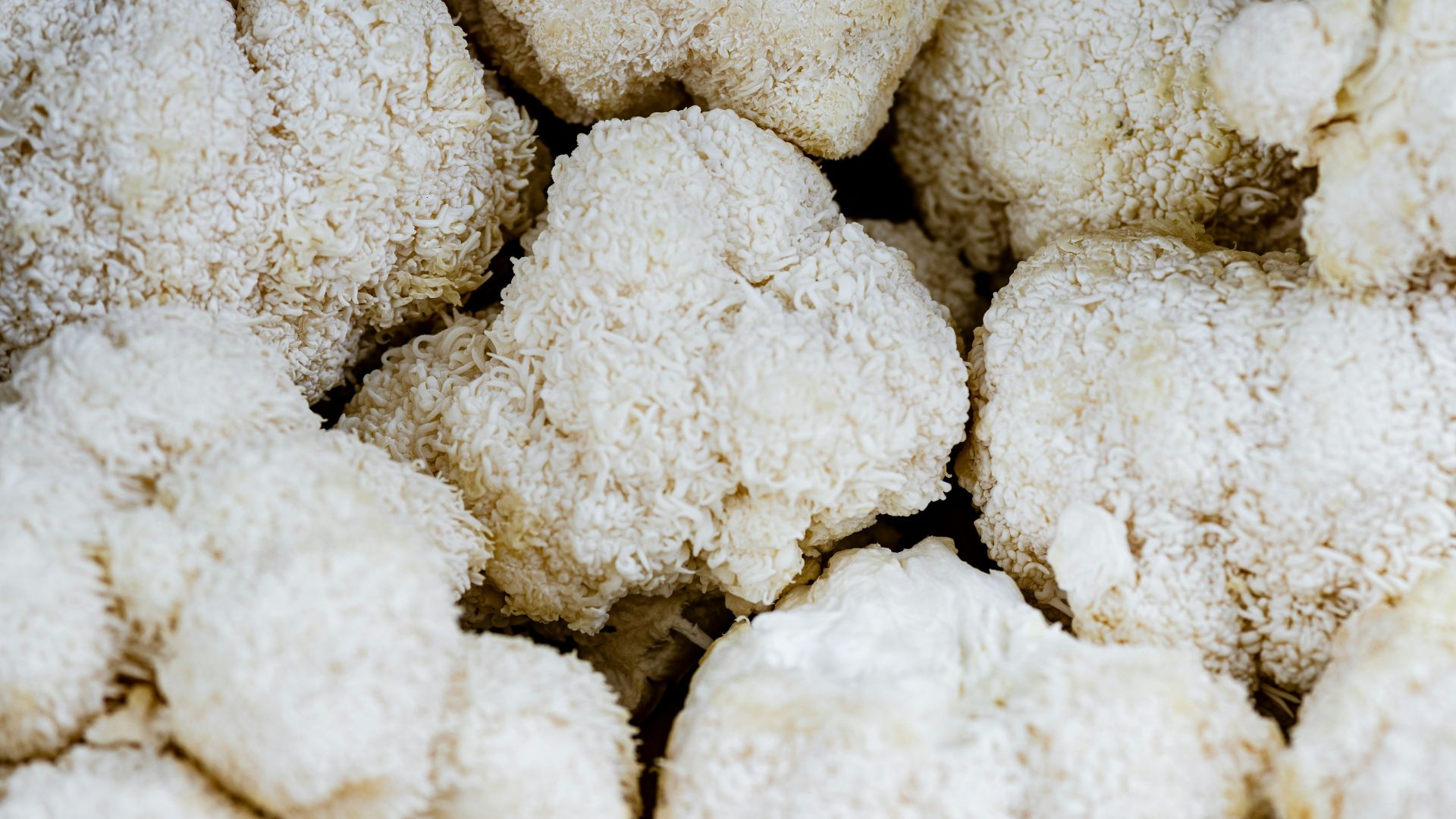 Kier in Sight Archives on Unsplash
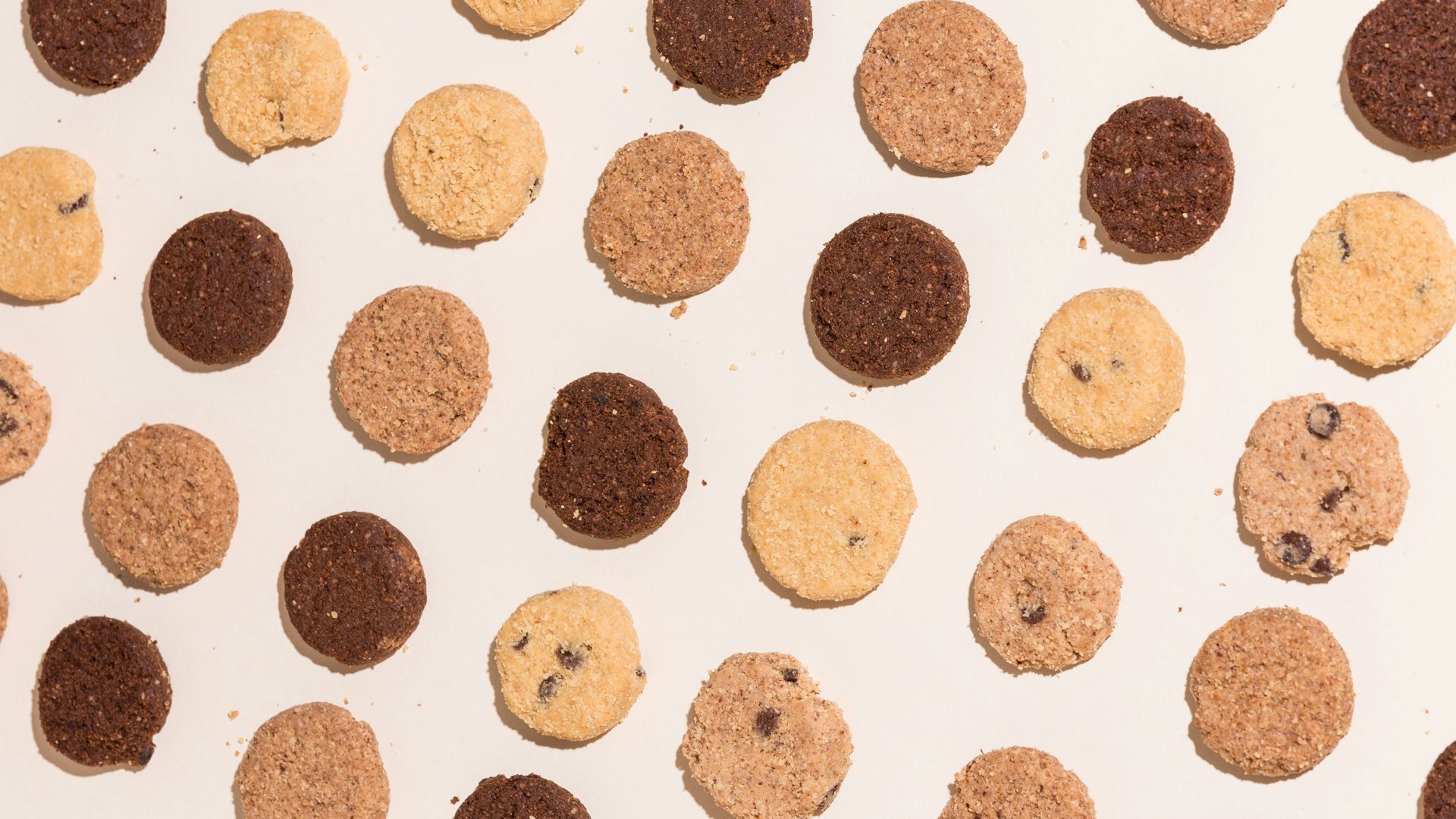
11. Assorted Nut Cookies
A mixed plate of nut cookies is a common sight on Southeast Asian and southern Chinese New Year tables. Peanuts, in particular, are often associated with longevity.
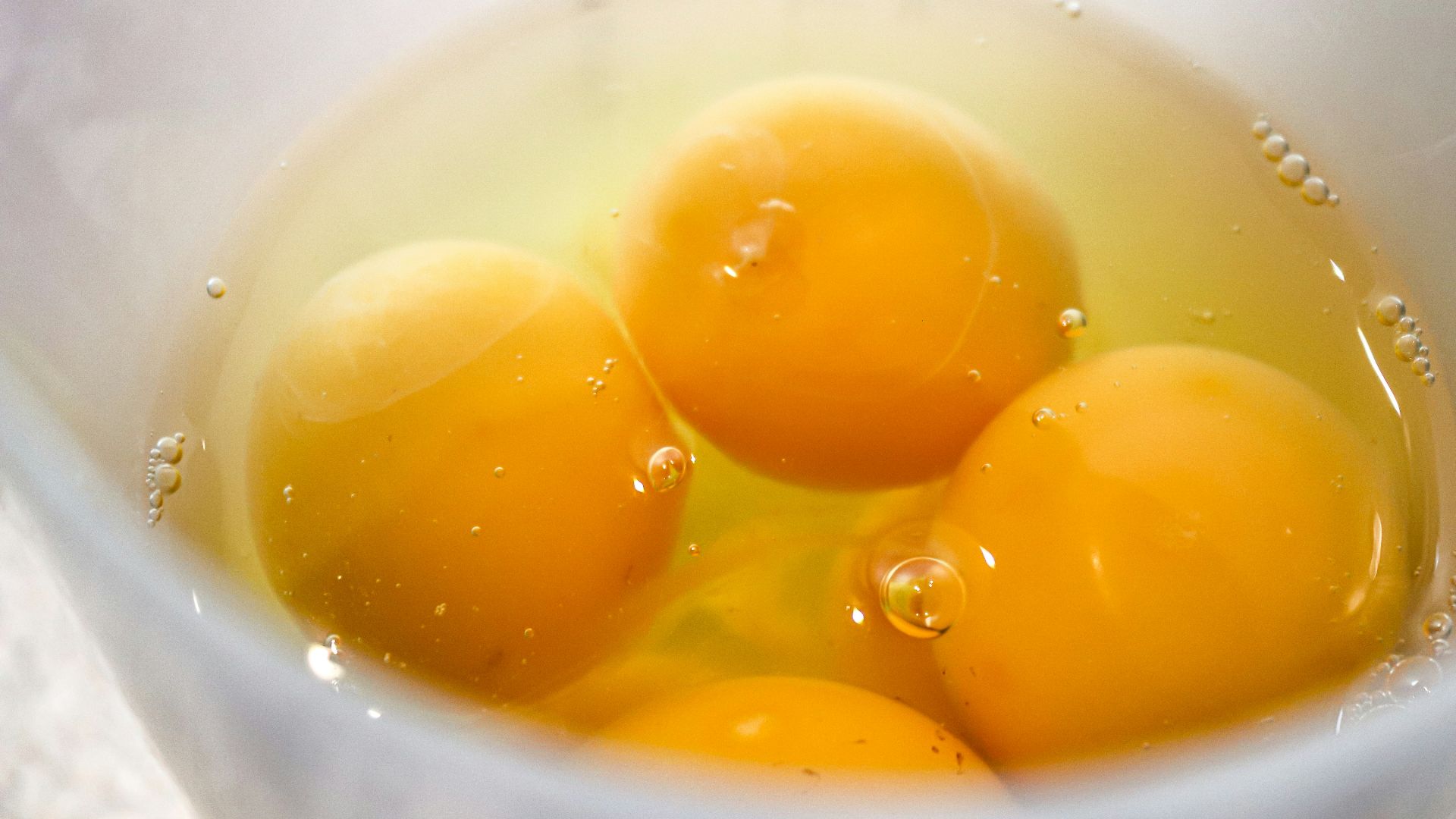
12. Salted Egg Yolk Cookies
Salted egg yolk cookies have a savory-sweet richness that everyone can enjoy, thanks to the broader salted yolk trend across East and Southeast Asia. The crumbly texture and golden color make them feel indulgent without being sugary. They’re especially good when paired with plain green tea.
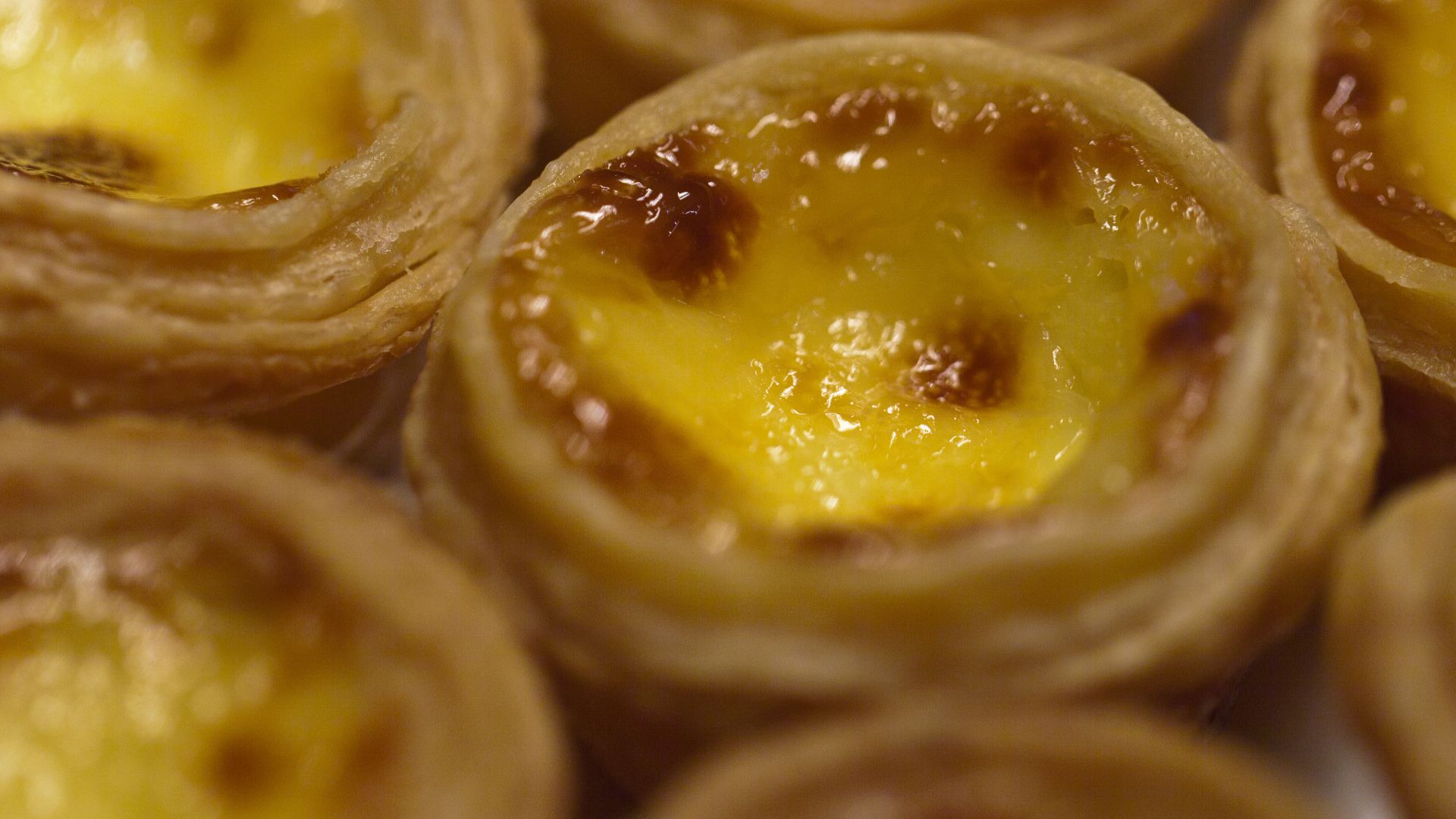
13. Hong Kong–Style Egg Tarts
Egg tarts are a bakery staple that evolved from European custard tarts and found a lasting home in Cantonese baking. Their glossy, golden tops fit the New Year palette, and they feel naturally suited to tea service. Serve them slightly warm if you can.
 Dennis Wong from Hong Kong, Hong Kong on Wikimedia
14. Mango And Coconut Mini Cakes
These modern patisserie-style treats are a delicious and fruity addition to any snack plate. The mango brings a bright golden color that ties into themes of prosperity, while the coconut keeps the texture soft and fragrant.
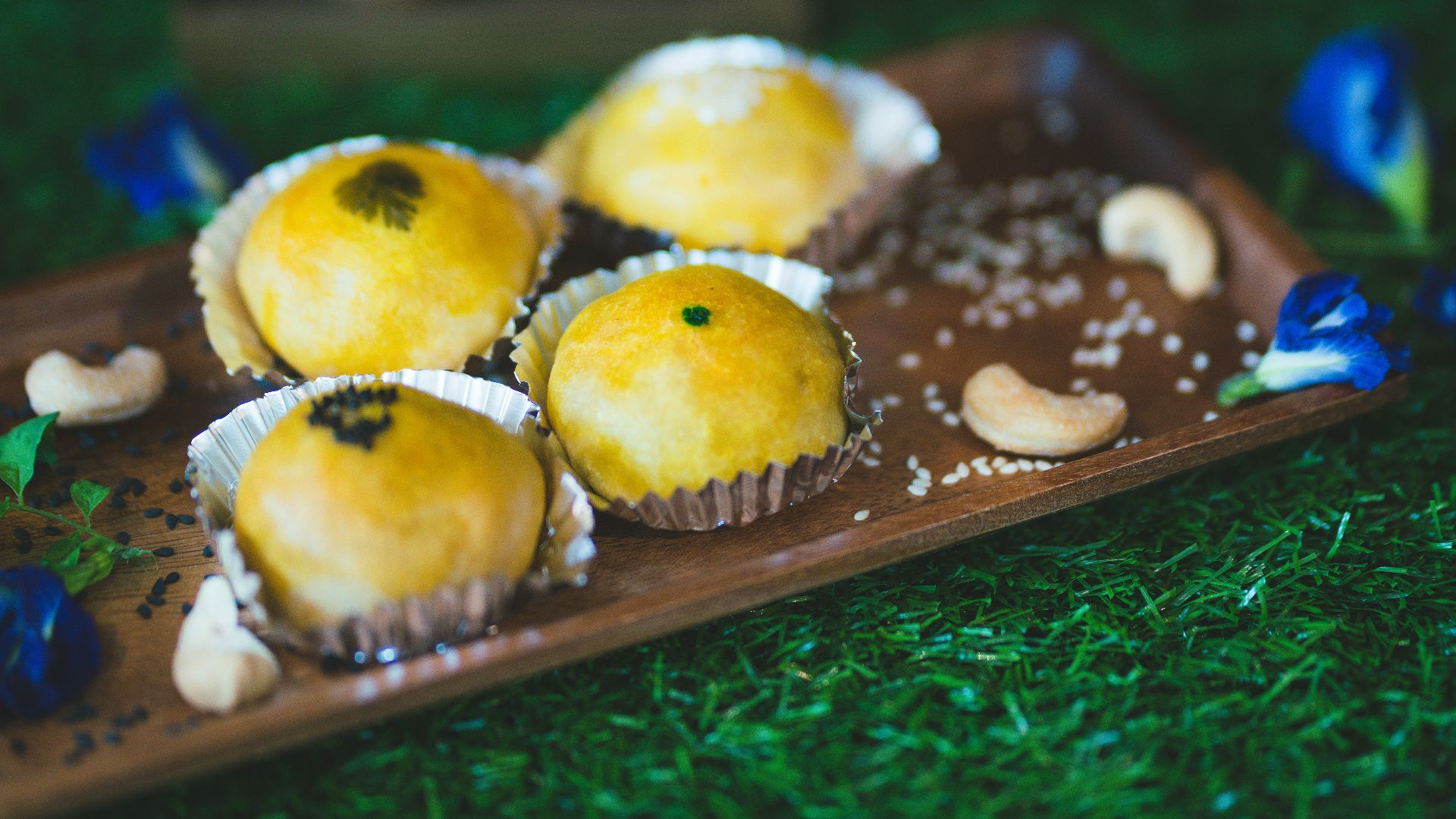
15. Lychee And Almond Tartlets
Lychee and almond tartlets borrow European pastry structure while leaning on an ingredient many people recognize from Asian desserts. Almond cream gives warmth and richness, and lychee adds a juicy sweetness. These two ingredients are a match made in heaven.
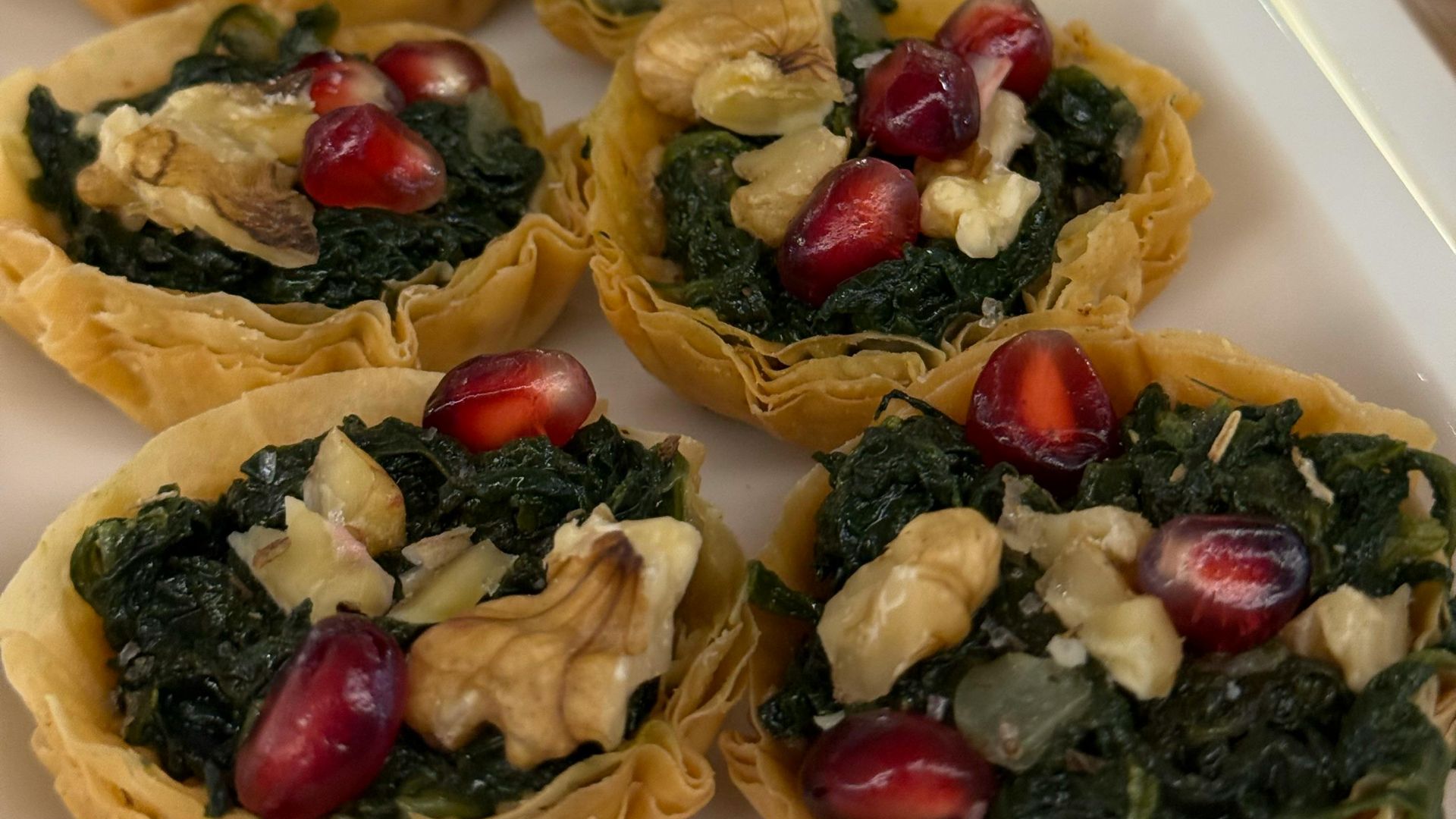
16. Sweet Tea With Candied Fruits
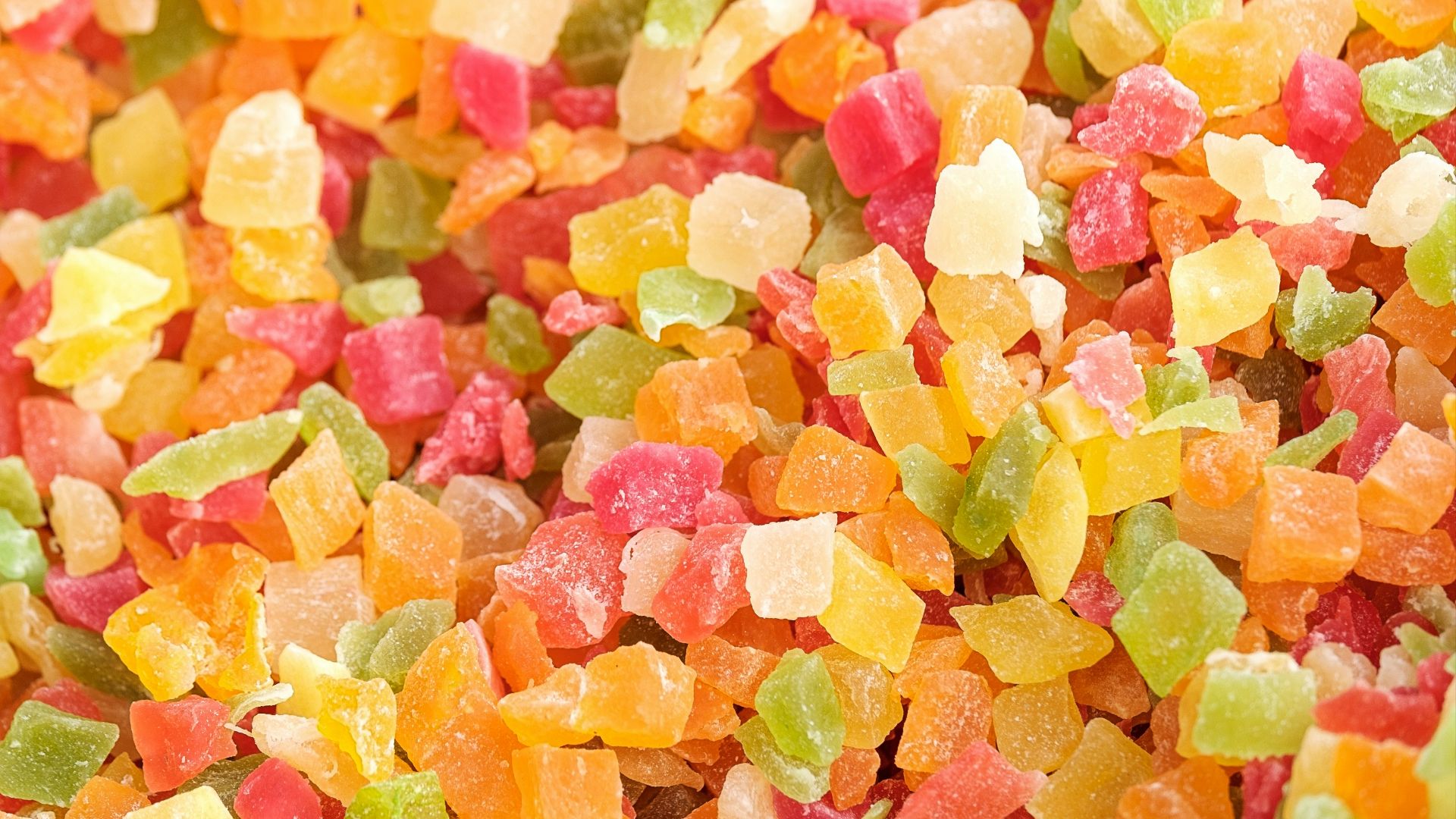
Some Lunar New Year traditions serve a sweet tea alongside candied fruits, with each ingredient tied to a blessing that varies by region. Lotus seeds are often linked with family hopes, while candied citrus tends to signal prosperity and good luck.
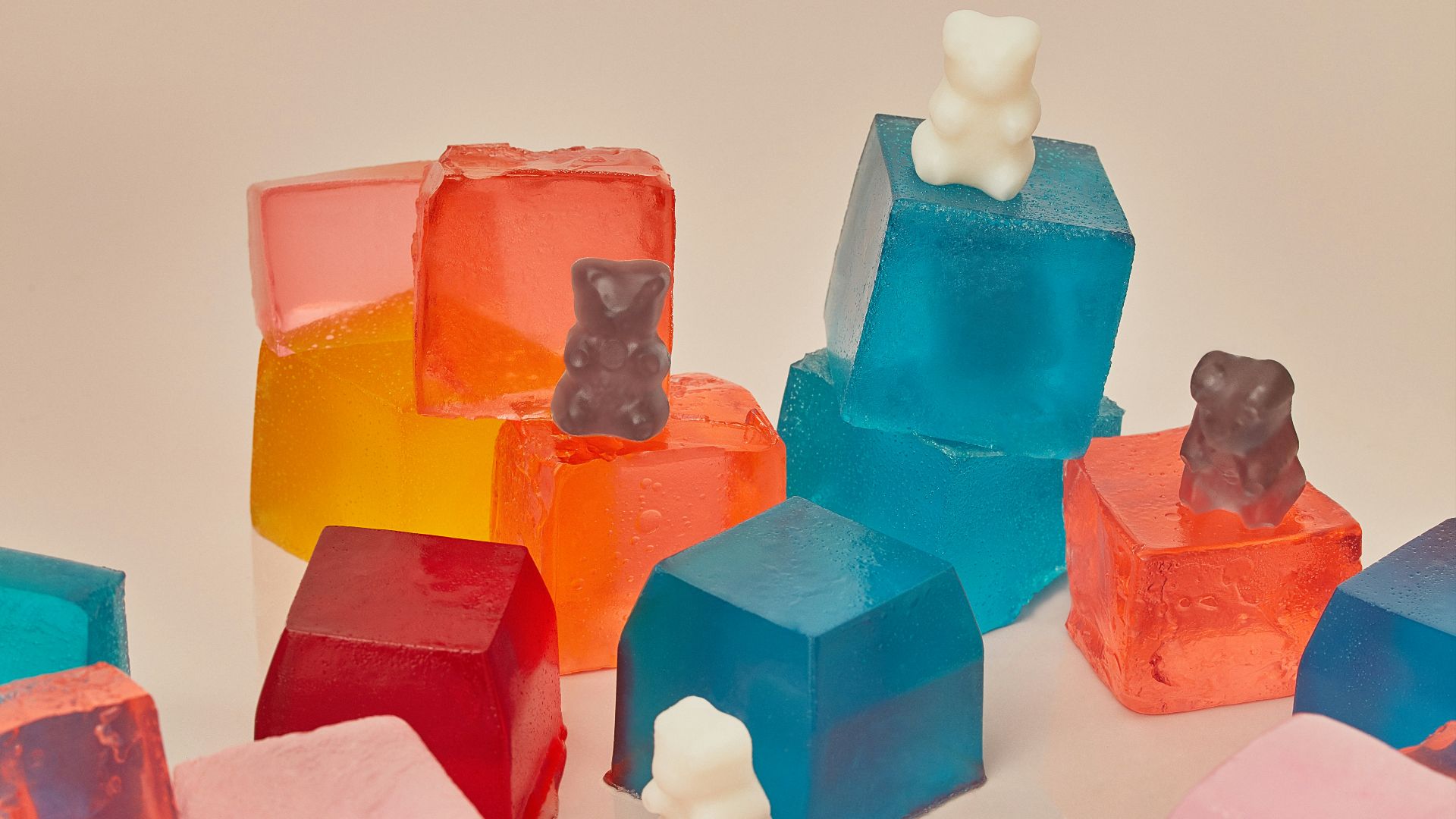
17. Osmanthus Jelly Cubes
Osmanthus jelly is a banquet-style dessert that can act as a palate cleanser after some of the richer pastries. Osmanthus is often associated with success and honor, and is usually molded into shapes like coins or fish.
18. Peanut-Coated Mochi Balls
This chewy rice sweet is an incredibly popular dessert, only elevated with a peanut coating. The sticky texture is often connected to cohesion and family unity, which fits the holiday mood easily. Roll them in peanut powder for a nutty finish that works nicely with roasted teas.
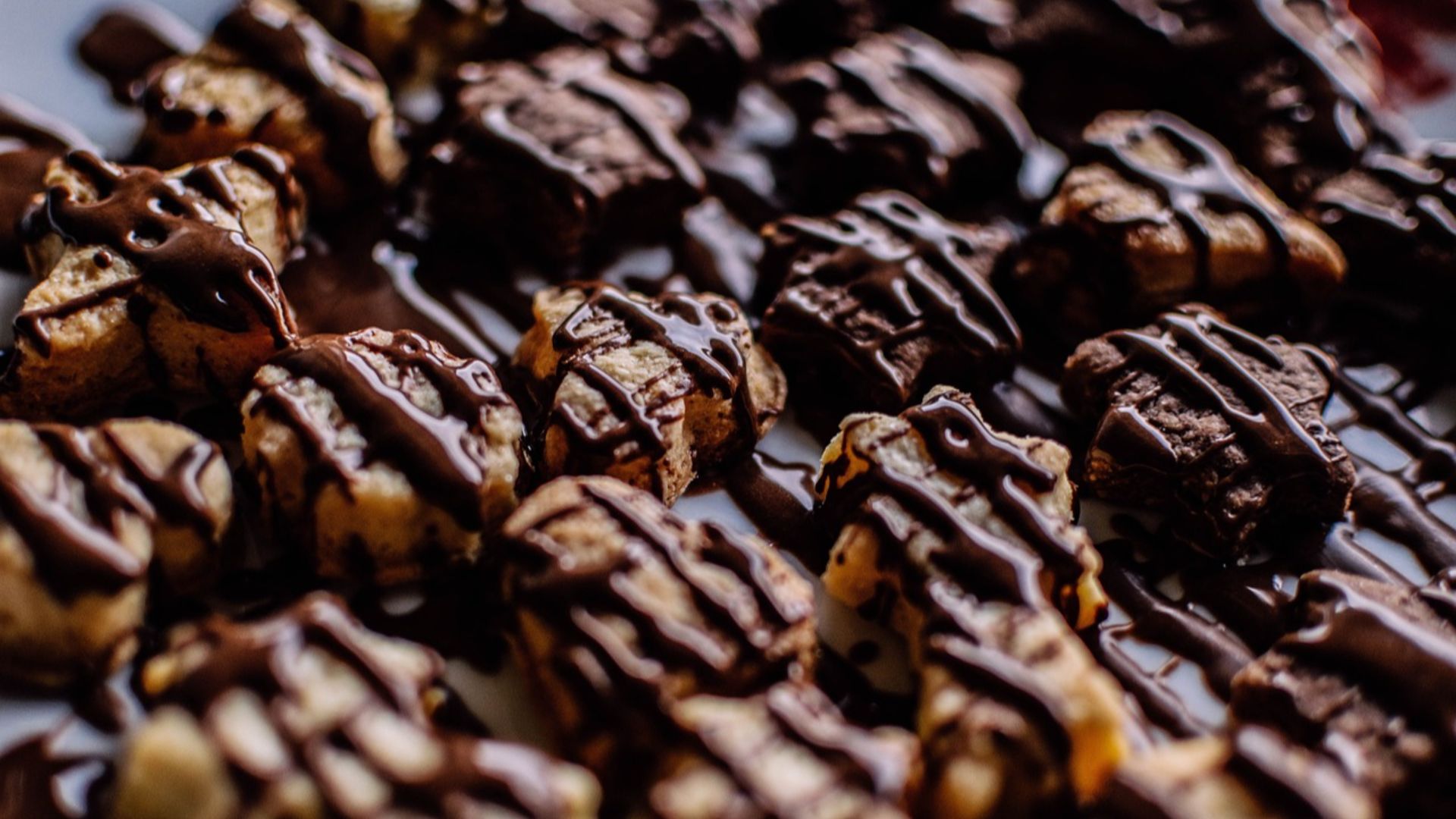
19. New Year Cookie Clusters
Home-baker New Year treats sometimes borrow pantry staples for easy, playful results, like crunchy clusters made with chow mein noodles and a sweet binder. The sweet can even have associations with good fortune, especially when red and gold candies show up on top.
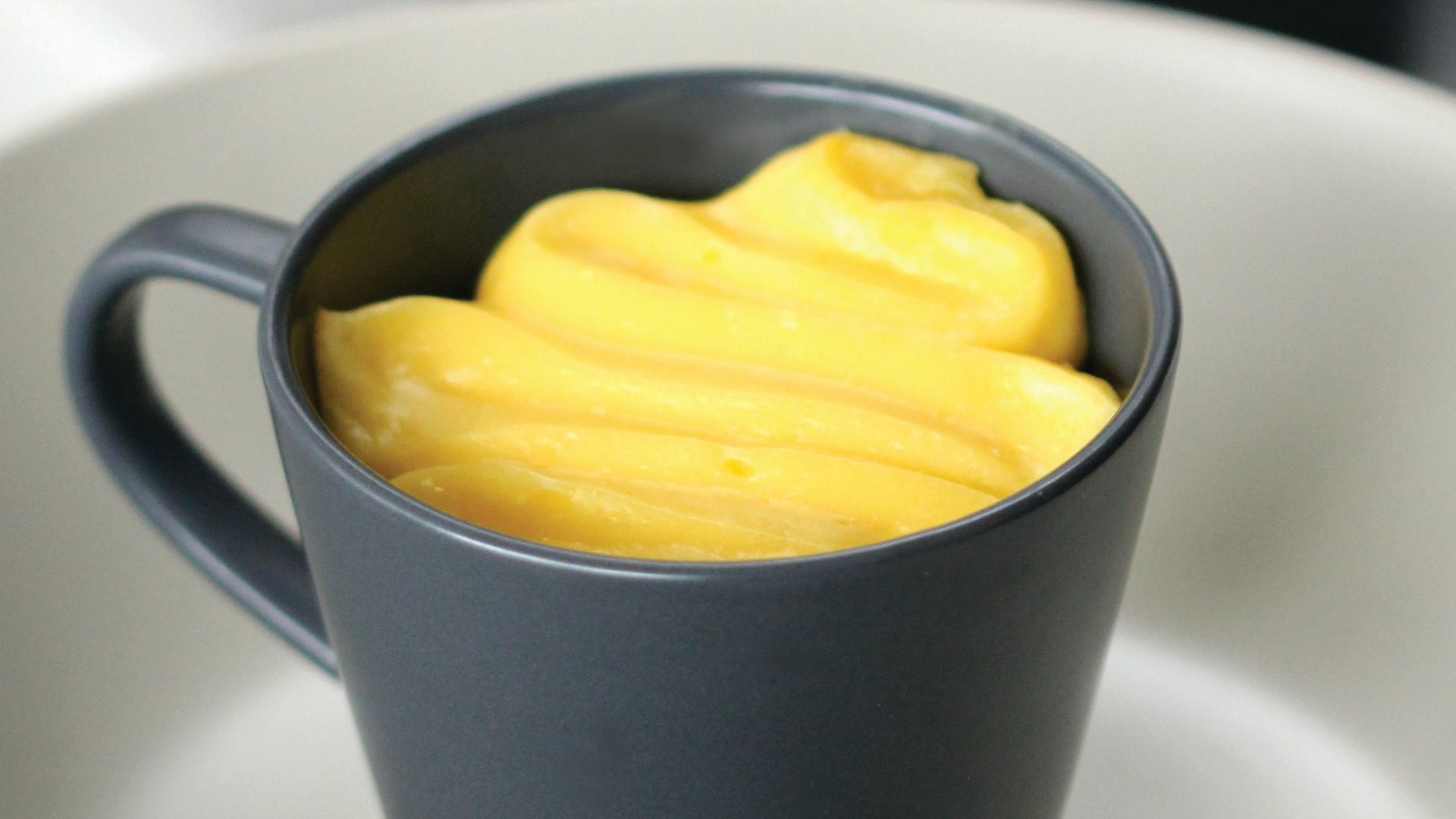
20. Mango Pudding Cups
Mango pudding shows up repeatedly as a crowd favorite in casual community conversations about what people actually bring to Lunar New Year gatherings. Served chilled in small cups, it feels smooth and light, with a bright fruit finish that tops off a heavier meal.
KEEP ON READING
20 Dishes That Built Modern American Cuisine