Here's How You Can Eat Smaller Meals Without Starving Yourself
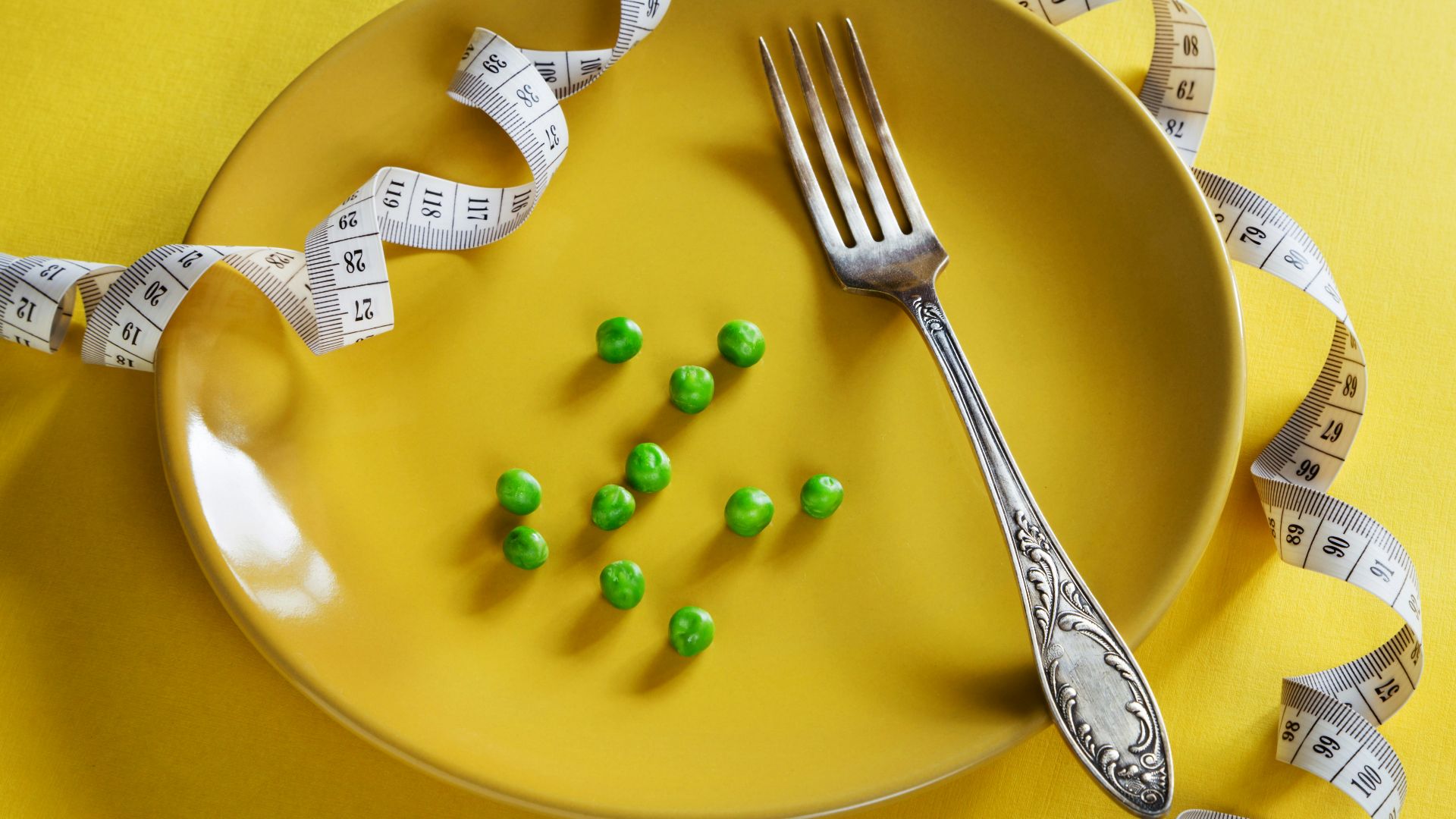
Cutting down your portion sizes seems simple enough, but it doesn’t seem to stop the in-between snacking. The good news is that eating less doesn't have to mean suffering through hunger pangs or white-knuckling your way to the next meal. With the right approach, smaller meals can actually leave you feeling just as satisfied as the larger ones you're used to.
The secret lies in understanding how your body signals fullness and using that knowledge to your advantage. Nutrition science has come a long way in explaining why certain foods, eating rhythms, and even plate sizes affect how hungry you feel throughout the day. Once you understand the mechanics, you can start working with your body rather than against it.
Building Satiety
Protein is one of the most powerful tools you have when it comes to feeling full on less food. Lean proteins like chicken, eggs, Greek yogurt, fish, tofu, and beans have been shown to boost fullness hormones more effectively than carbohydrates or fats alone. Aiming for roughly 20 to 30 grams of protein per mini-meal can help you stay satisfied longer and reduce the urge to graze between meals, according to research on meal composition covered by Second Medic.
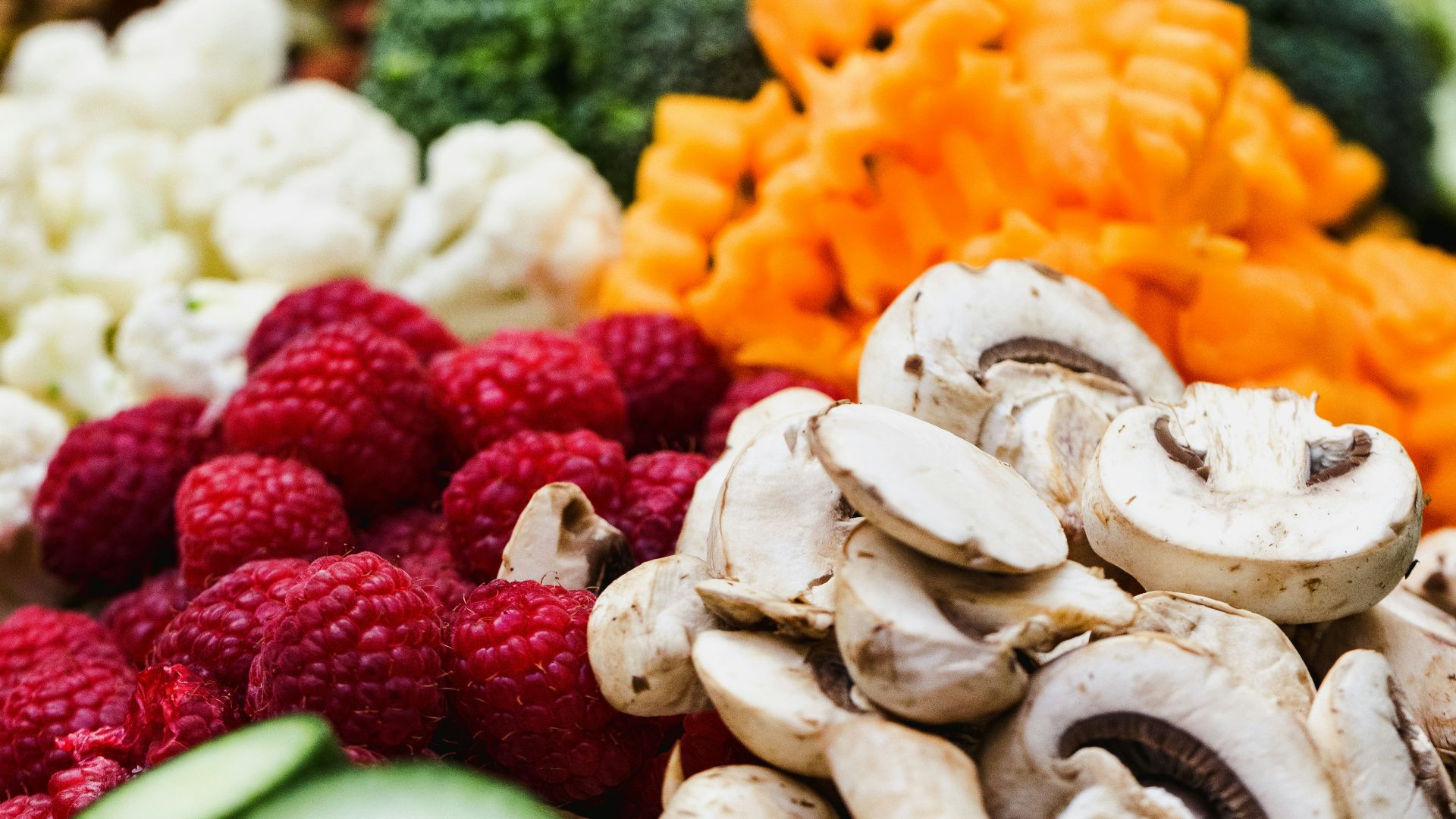
Vegetables are another major player in the fullness game, and they work through a different mechanism. High-water, high-fiber options like leafy greens, broccoli, cucumbers, and celery add significant physical volume to your plate without loading you up with calories. Healthline notes that filling roughly half your plate with non-starchy vegetables is one of the most reliable ways to feel full while actually eating less overall.
Healthy fats and fiber-rich whole grains round out the picture by providing slow-burning energy that keeps blood sugar steady between meals. Foods like avocados, nuts, seeds, quinoa, and brown rice take longer to digest than simple carbs, which means you're less likely to hit that mid-afternoon wall that sends people straight to the vending machine. Pairing these with something like a broth-based soup or a piece of fruit adds even more volume.
Optimize Meal Timing
One of the most effective shifts you can make is spreading your food intake across four to six smaller meals or snacks throughout the day instead of eating two or three large ones. WebMD explains that spacing meals every three to four hours prevents the kind of ravenous hunger that makes it nearly impossible to exercise any portion control at all.
Slowing down while you eat is equally important, and it's something most people seriously underestimate. It takes approximately 20 minutes for fullness signals to travel from your stomach to your brain, which means that eating quickly almost guarantees you'll overshoot your actual hunger before you realize it. Putting your utensils down between bites, chewing thoroughly, and sipping water throughout the meal are practical ways to extend that window and give your body time to catch up, according to MedicineNet.
Visual cues play a bigger role than most people expect, too. Switching to a smaller plate makes the same portion of food look more generous, which can psychologically affect how satisfied you feel at the end of a meal. A simple hand-size guide works well as a starting point: use your palm to estimate protein portions, a fist for vegetables, and a cupped hand for starches, as suggested by Strength Made Simple.
Smart Snacking
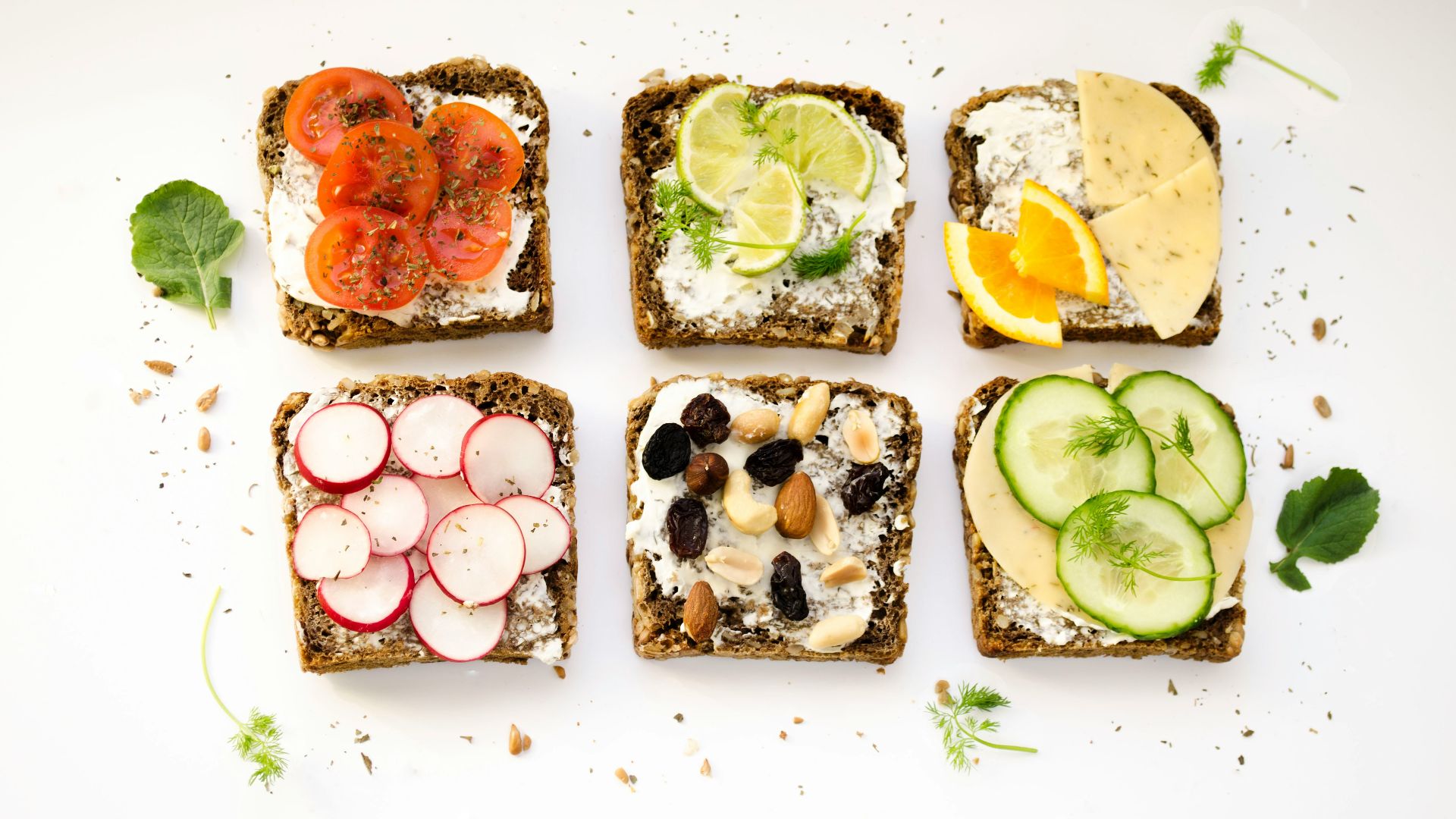
Having the right snacks on hand makes the difference between a smoothly managed day and a desperate raid of whatever happens to be nearby. Protein-packed options like Greek yogurt with berries, hard-boiled eggs, apple slices with peanut butter, or veggie sticks with hummus bridge the gap between meals without triggering an energy crash. Iris Oncology highlights that these kinds of balanced snacks support steady energy levels far better than sugary alternatives that spike and crash blood sugar.
Water is a surprisingly effective appetite management tool that often gets overlooked. Drinking six to eight ounces of water before, during, and after meals can noticeably reduce how much you eat, partly because thirst and hunger signals can be difficult for the body to distinguish from one another. Staying consistently hydrated throughout the day also supports proper digestion.
Starting a meal with a low-calorie, high-volume food is another practical trick worth building into your routine. A bowl of vegetable soup or even a whole apple eaten before the main course takes up space in your stomach, naturally leading to consuming less of everything that follows.
Pulling these strategies together doesn't require a dramatic overhaul of the way you eat. Small adjustments, like adding more protein to breakfast, drinking a glass of water before lunch, or swapping a large dinner plate for a medium one, add up over time. Your hunger cues will gradually recalibrate as your body adapts to the new rhythm, and what felt like too little food a few weeks ago will start to feel like exactly enough.
KEEP ON READING