10 Skills You’ll Need To Be A Professional Baker & 10 Things To Know About The Job
10 Skills You’ll Need To Be A Professional Baker & 10 Things To Know About The Job
Inside The Life Of A Baker
Those perfect bakery displays with flaky pastries and decorated cakes make professional baking look like the coolest job ever. The reality is way more complex than following your grandma's recipe, though. Success requires developing abilities that go far beyond basic cooking skills or a passion for baked goods. We'll also explore what the baker's job is actually like day-to-day and what you'll need to get into the industry. Let's first start with the essential skills every aspiring baker needs to master.
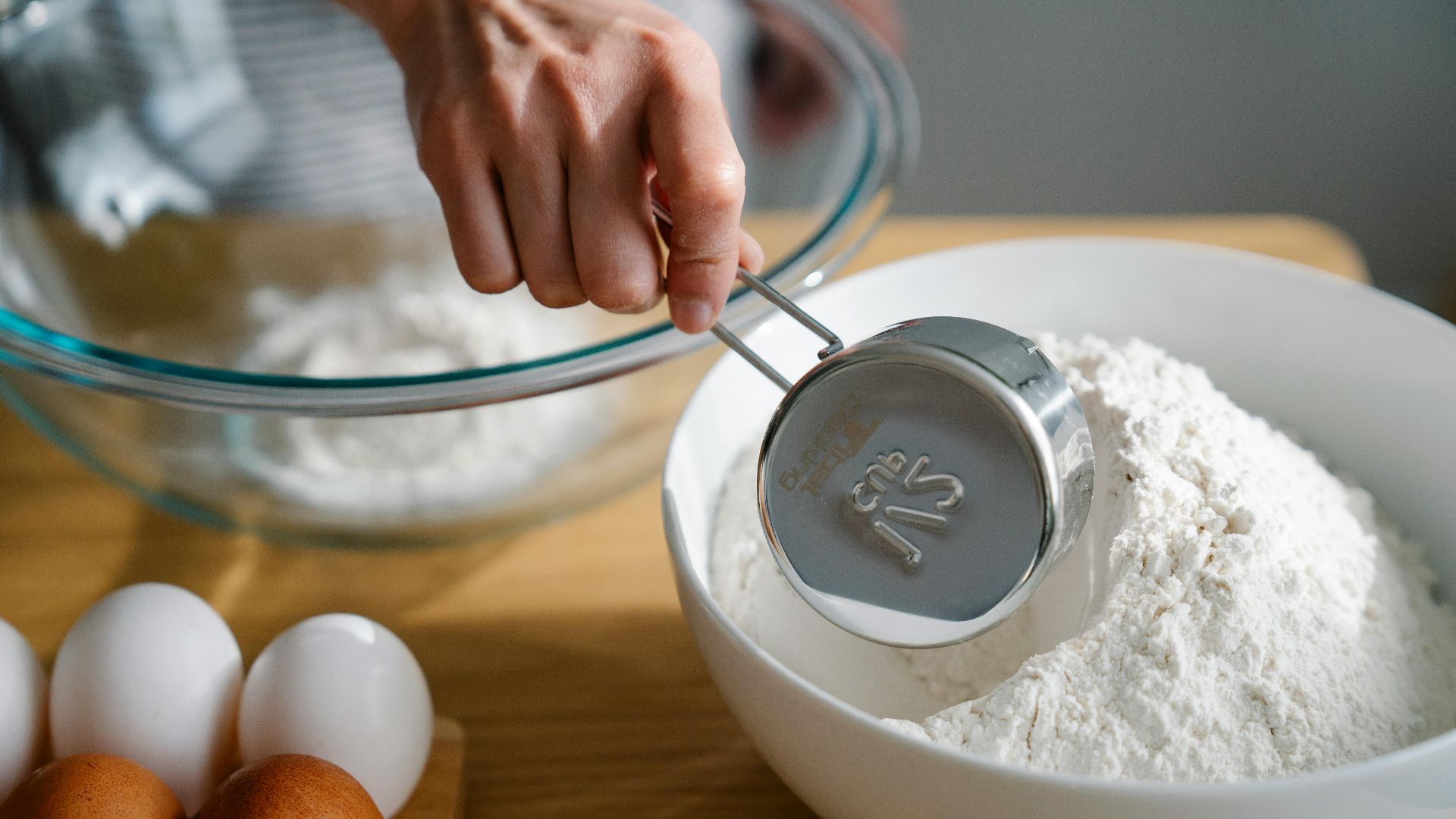
1. Precision Measuring
The science of baking demands unwavering precision in measurements. A digital scale becomes your trusted companion in professional kitchens to ensure repeatable results. Small measuring errors can alter texture and flavor significantly, so accurate ingredient portions remain critical.
2. Dough Handling
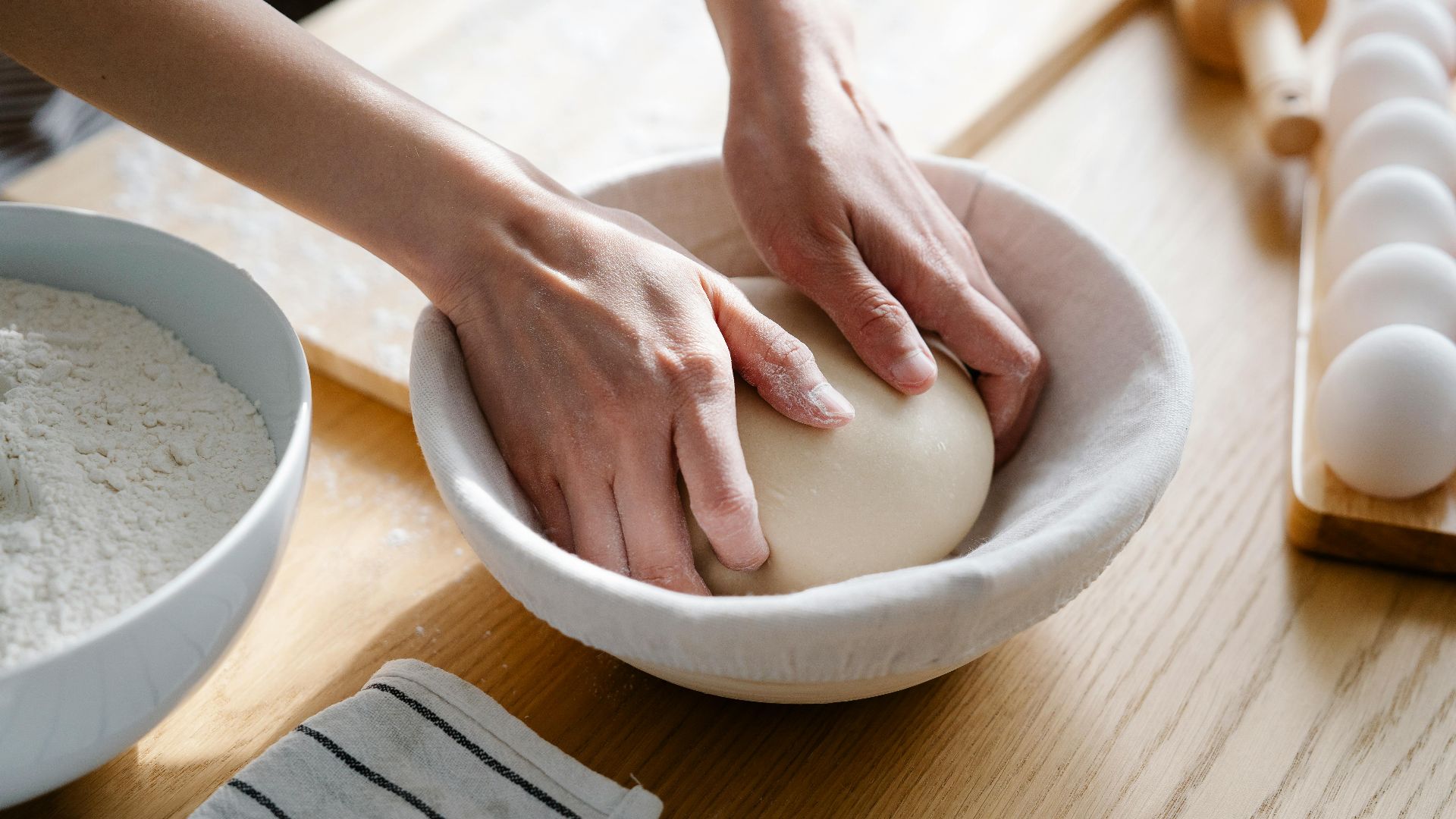
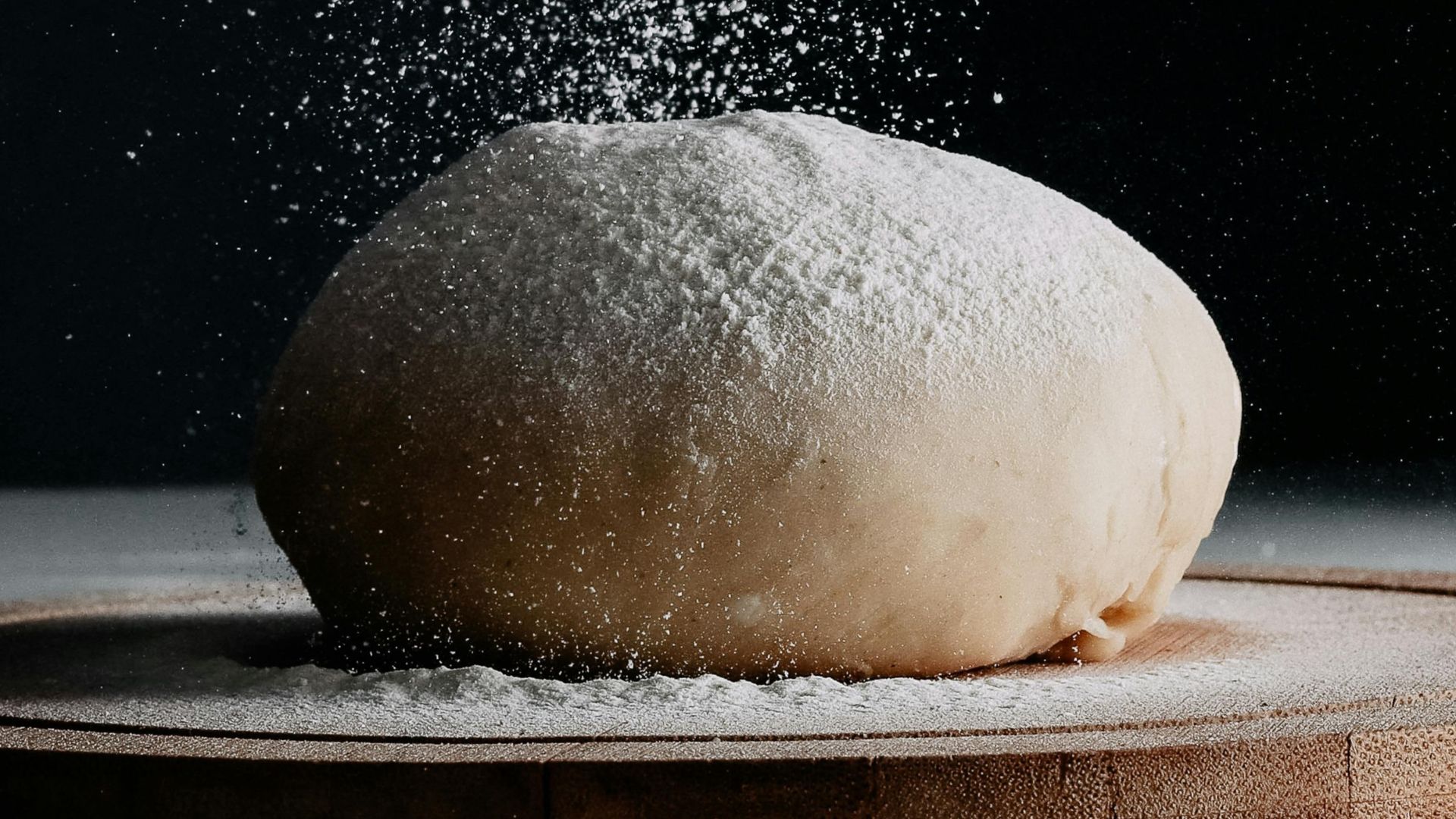
Great bread depends on how well the dough is handled. Bakers often stretch it thin enough to see light through for checking elasticity. Techniques shift between wheat-based and gluten-free recipes to help ensure consistent results in everything from chewy sourdough to tender flatbreads.
3. Pastry Techniques
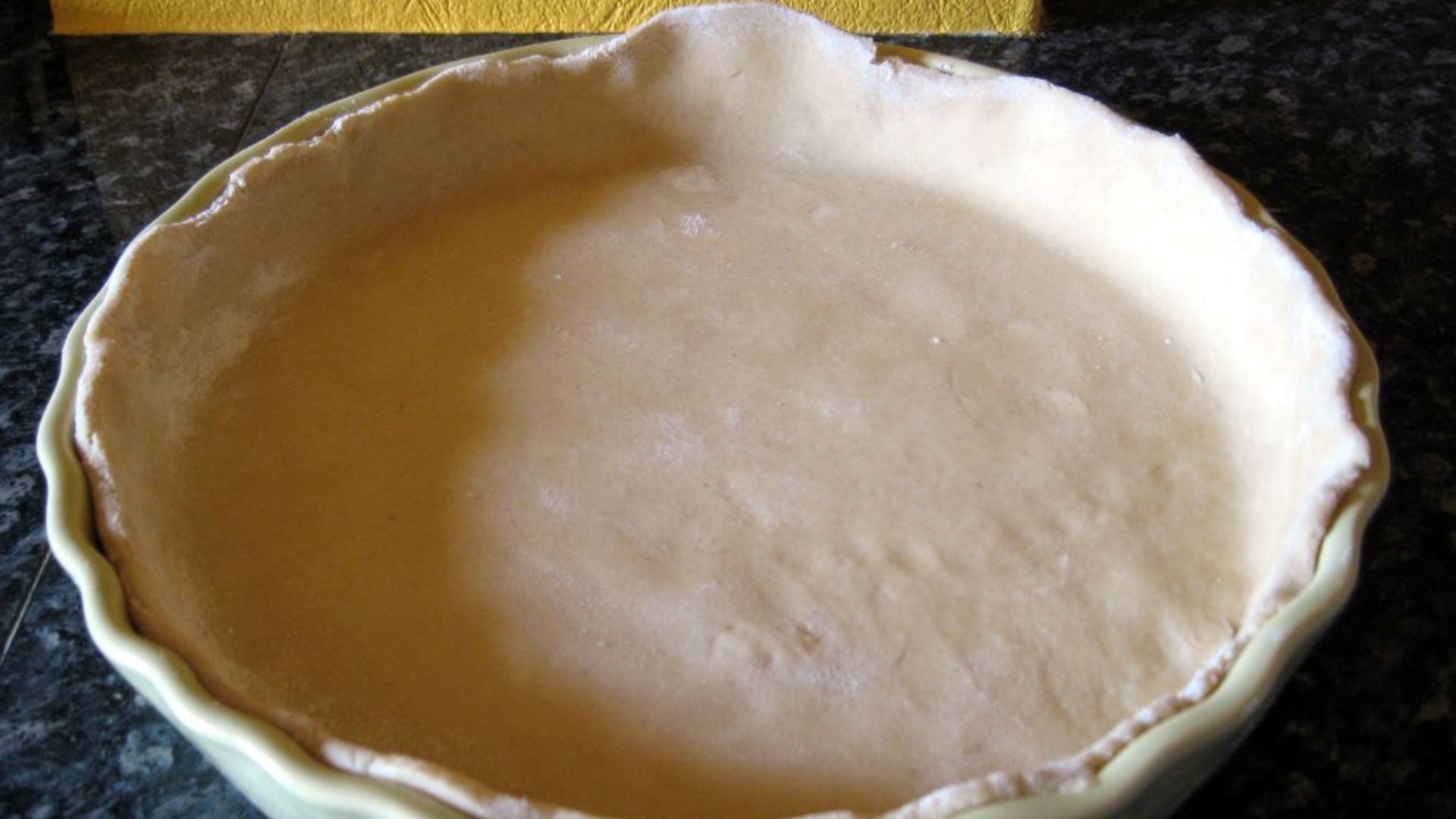
A pastry chef's expertise shines through perfectly balanced textures and flavors in every creation. The rapid handling of filo, which dries within seconds, shows advanced skill. Their mastery extends to various doughs like shortcrust and choux, essential for classics such as éclairs.
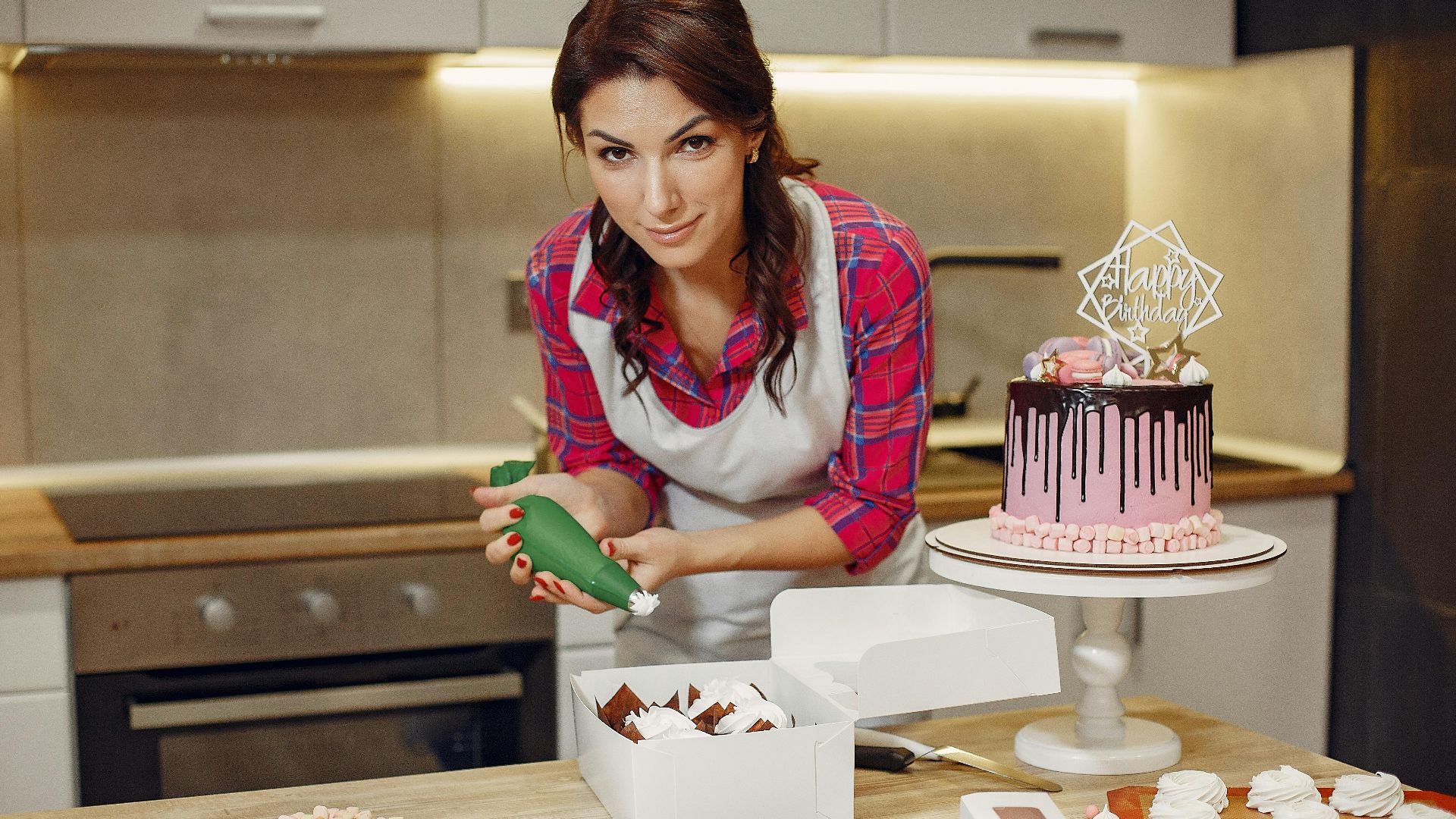
4. Cake Decorating
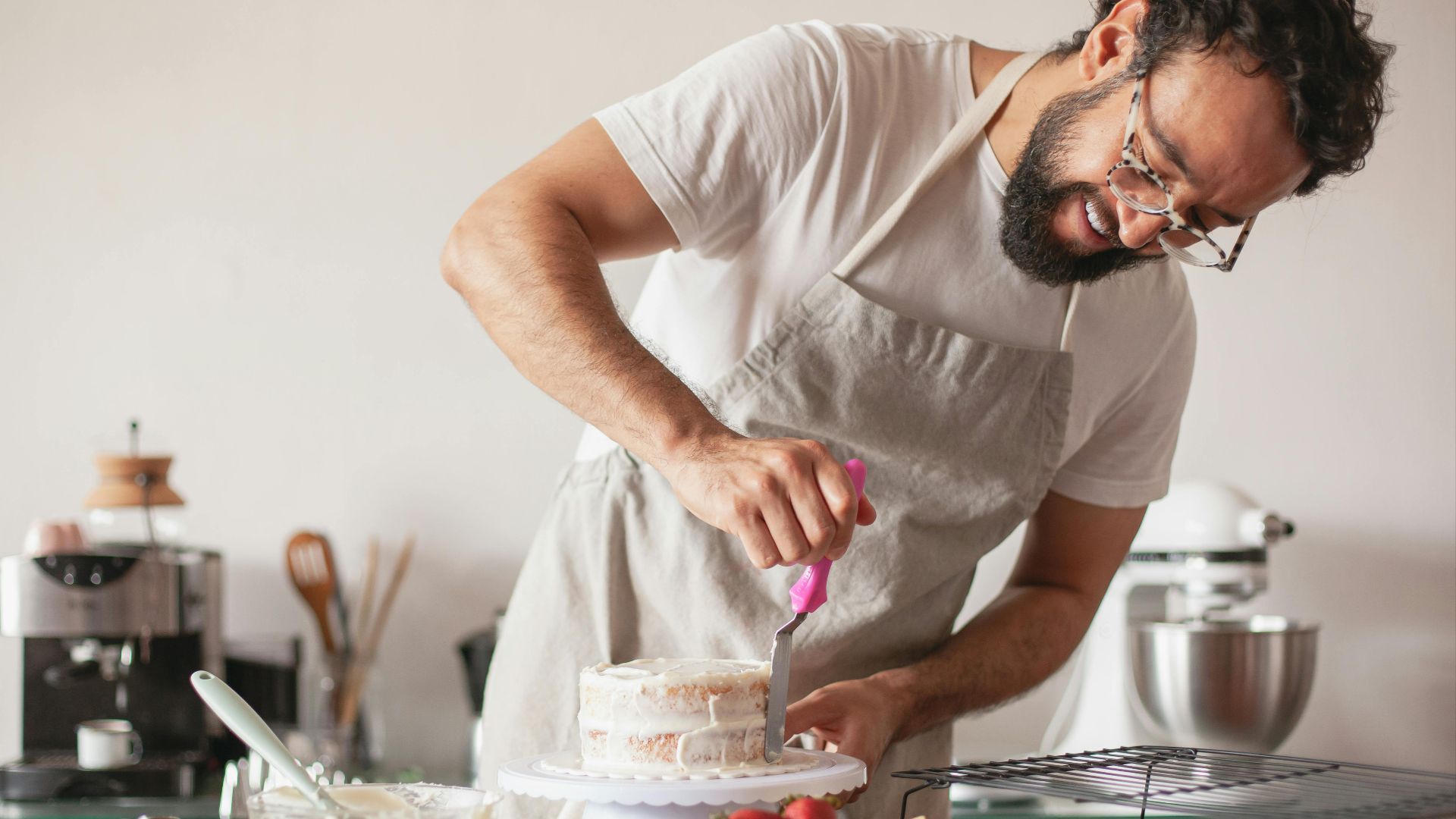
Decorative skill defines the difference between casual and professional cakes. By controlling piping tools and nozzles, bakers shape designs that transform desserts into displays. Celebratory cakes for weddings and birthdays often reveal this artistry, occasionally accented with shimmering details of edible gold.
5. Time Management
Bakers start their day at 2 a.m. to coordinate multiple tasks from dough preparation to final decorations. Their schedules demand precision timing since bakeries must meet strict deadlines to deliver fresh morning goods to customers on schedule.
 Bake Off: Discover the winning temperature for the best homemade bread! by Gluten Morgen
6. Knife Skills
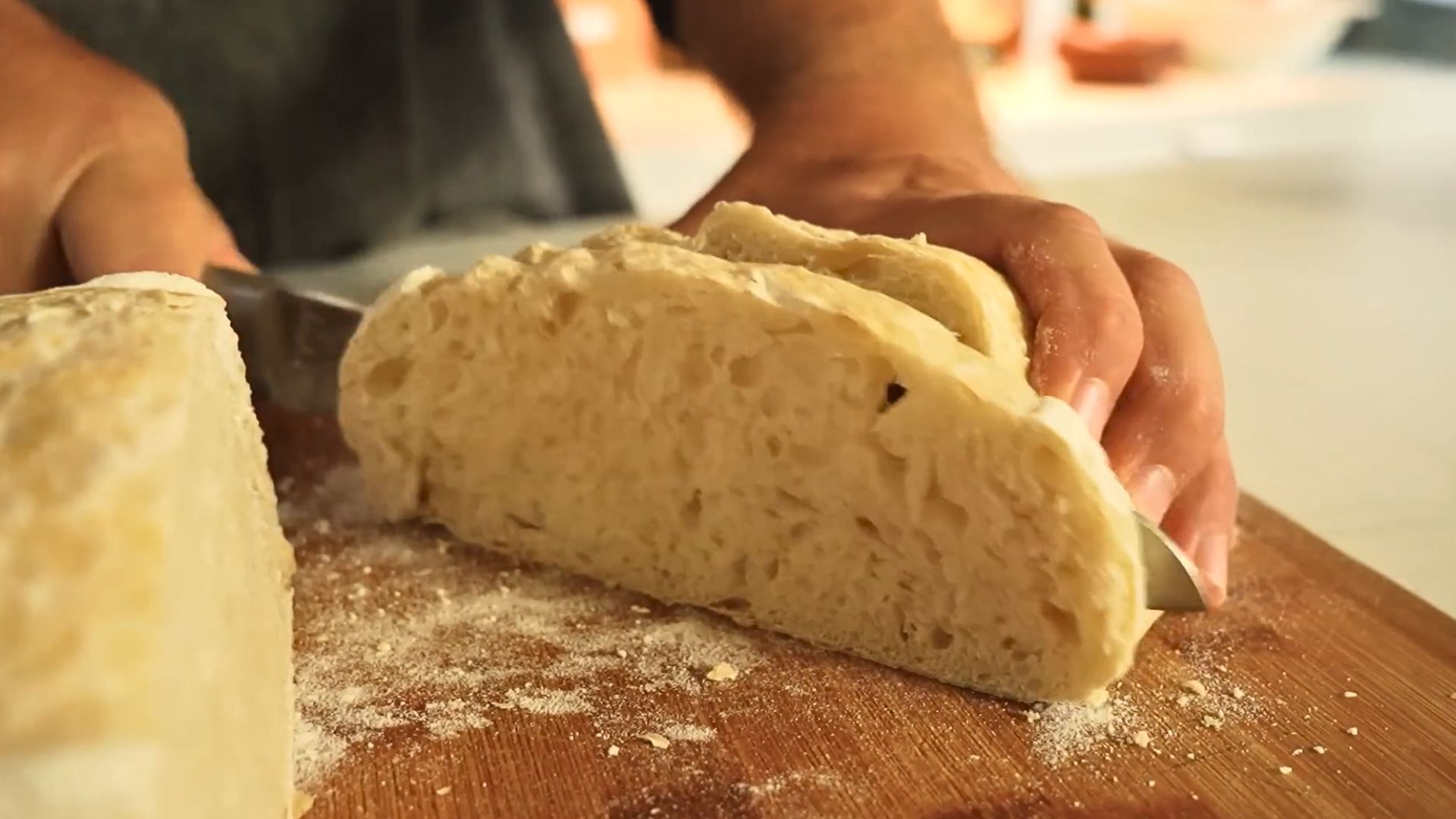
A serrated knife is a baker’s best friend for neat slices. With proper technique, cakes and breads cut cleanly. The same skill also supports even fruit portions and controlled chocolate shavings, ensuring pastries and decorations look precise rather than messy.
 Bake Off: Discover the winning temperature for the best homemade bread! by Gluten Morgen
7. Flavor Pairing
The best bakers understand how different ingredients interact on the palate. By mastering classic pairings like citrus with berries, they create memorable desserts. Their refined sense of taste helps balance textures and flavors, which results in treats that keep customers coming back.
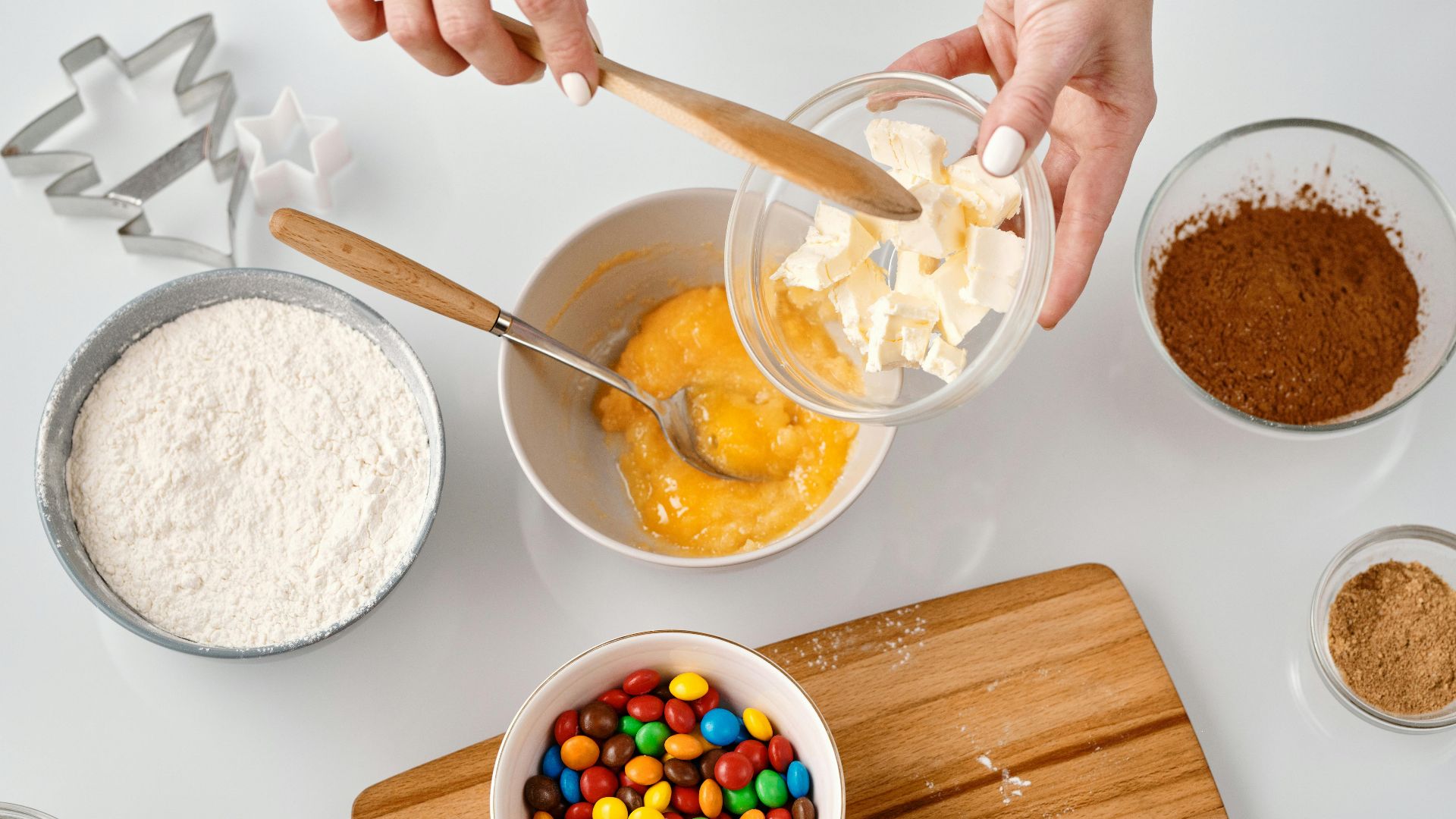
8. Temperature Control
Accurate temperature control can determine the difference between success and failure in baking. Soufflés demonstrate this perfectly as they require precise heat to rise. Professional bakers use calibrated thermometers because oven temperature directly influences texture and doneness.
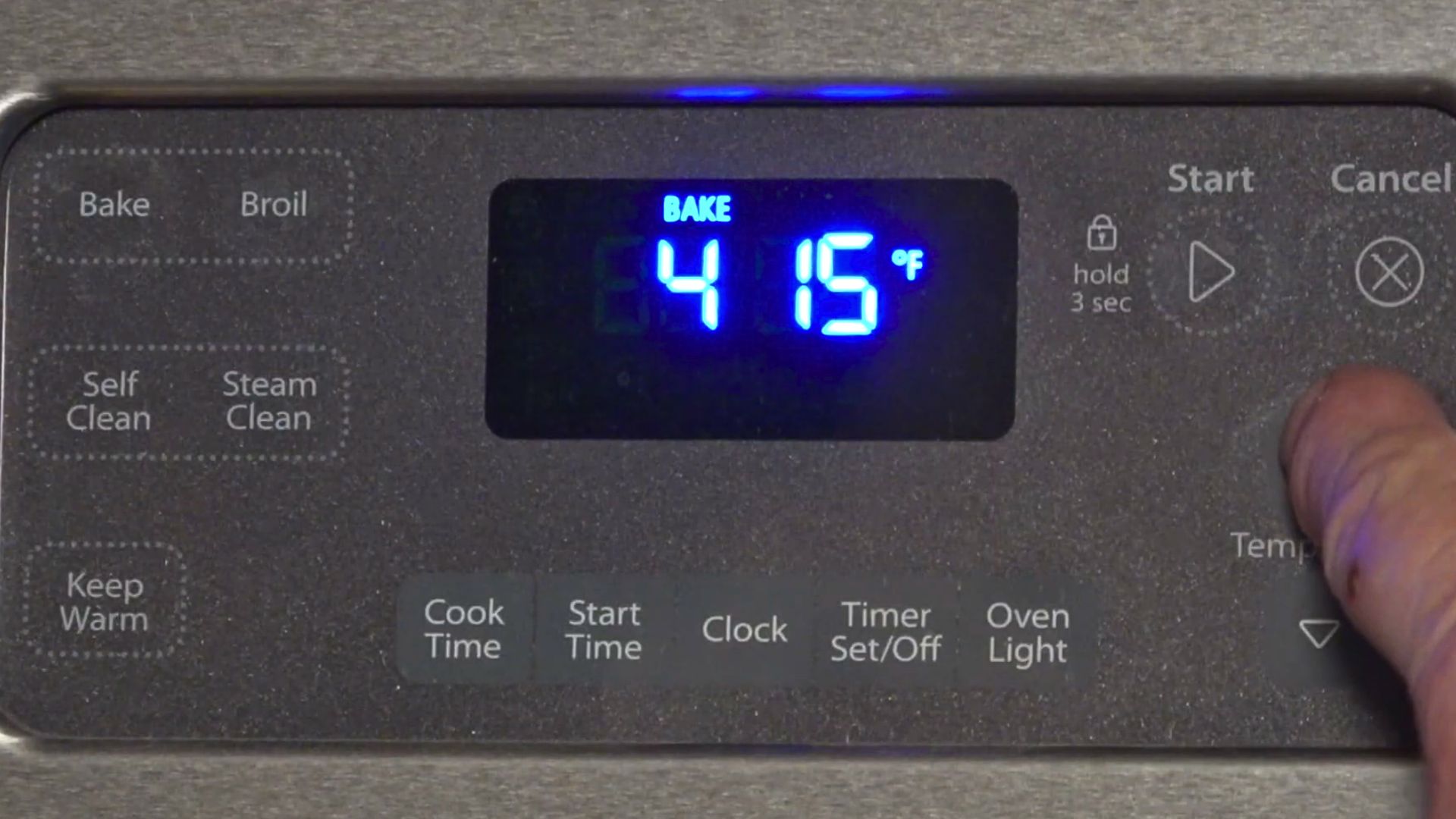 Oven Rack Placement for the Best Baking Results by Sears PartsDirect
9. Equipment Familiarity
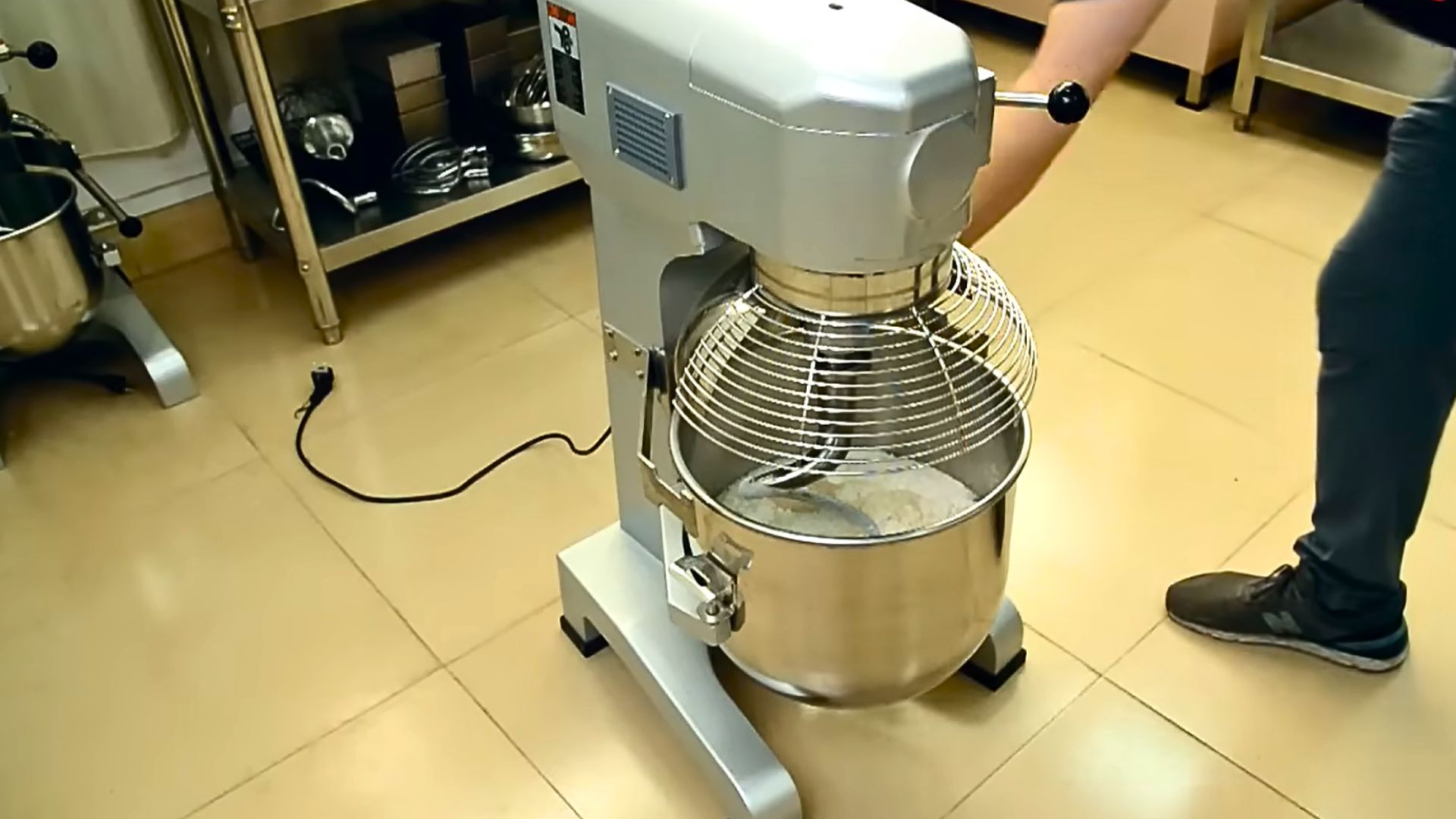
Professional bakers rely on specialized equipment like dough sheeters and planetary mixers every day. Mastering operation and basic troubleshooting keeps production running smoothly and prevents costly delays during the hectic pace of a busy kitchen.
10. Ingredient Substitution Knowledge
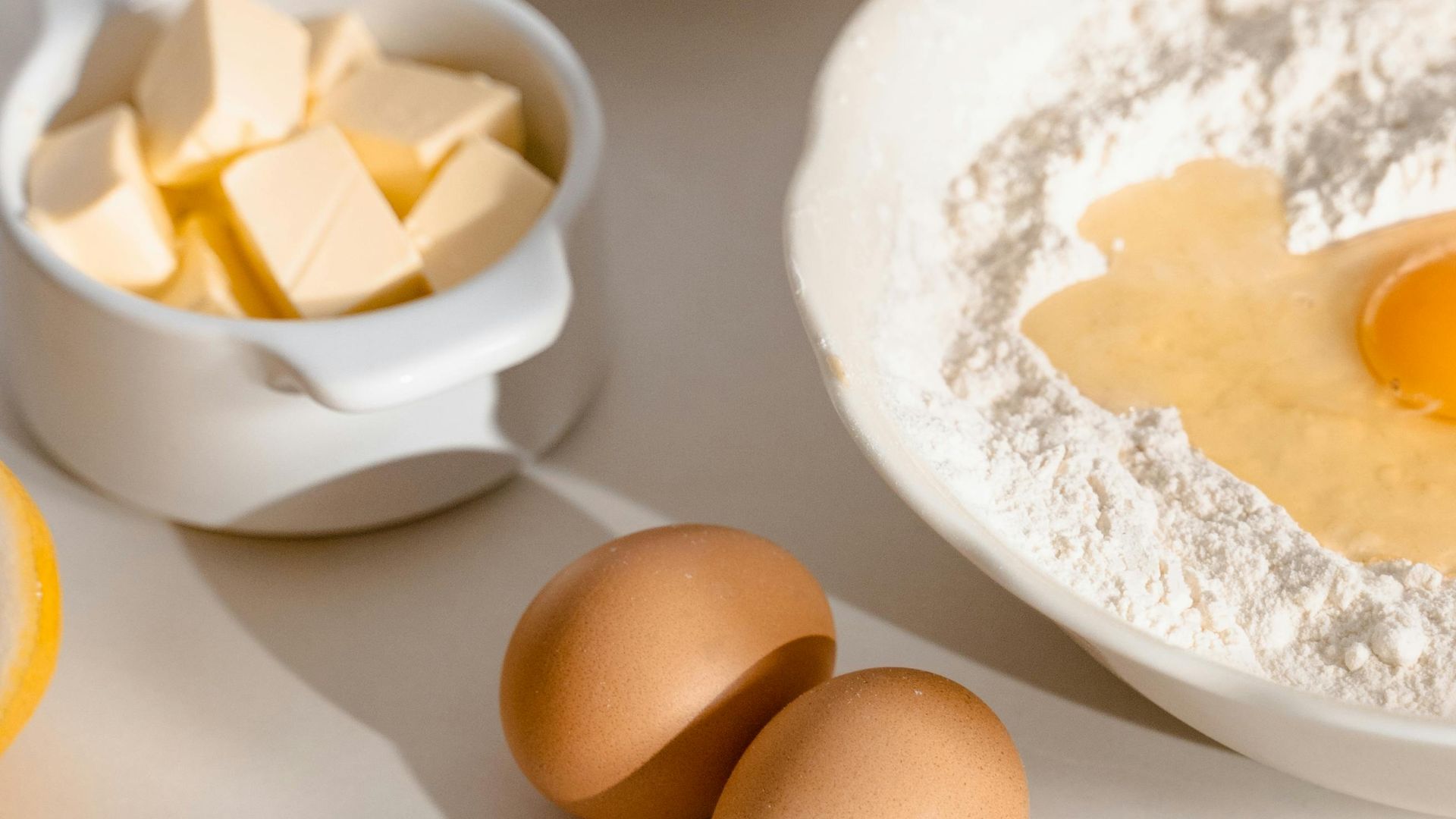
When allergies or empty shelves strike, bakers don’t panic. They trade eggs or dairy for smart stand-ins that keep doughs rising and cakes tender. Success depends on knowing the chemistry and turning challenges into desserts that still impress.
Now that we’ve covered the must-have skills, let’s peek into what the day-to-day life of a baker really looks like.
1. Inventory Management Matters
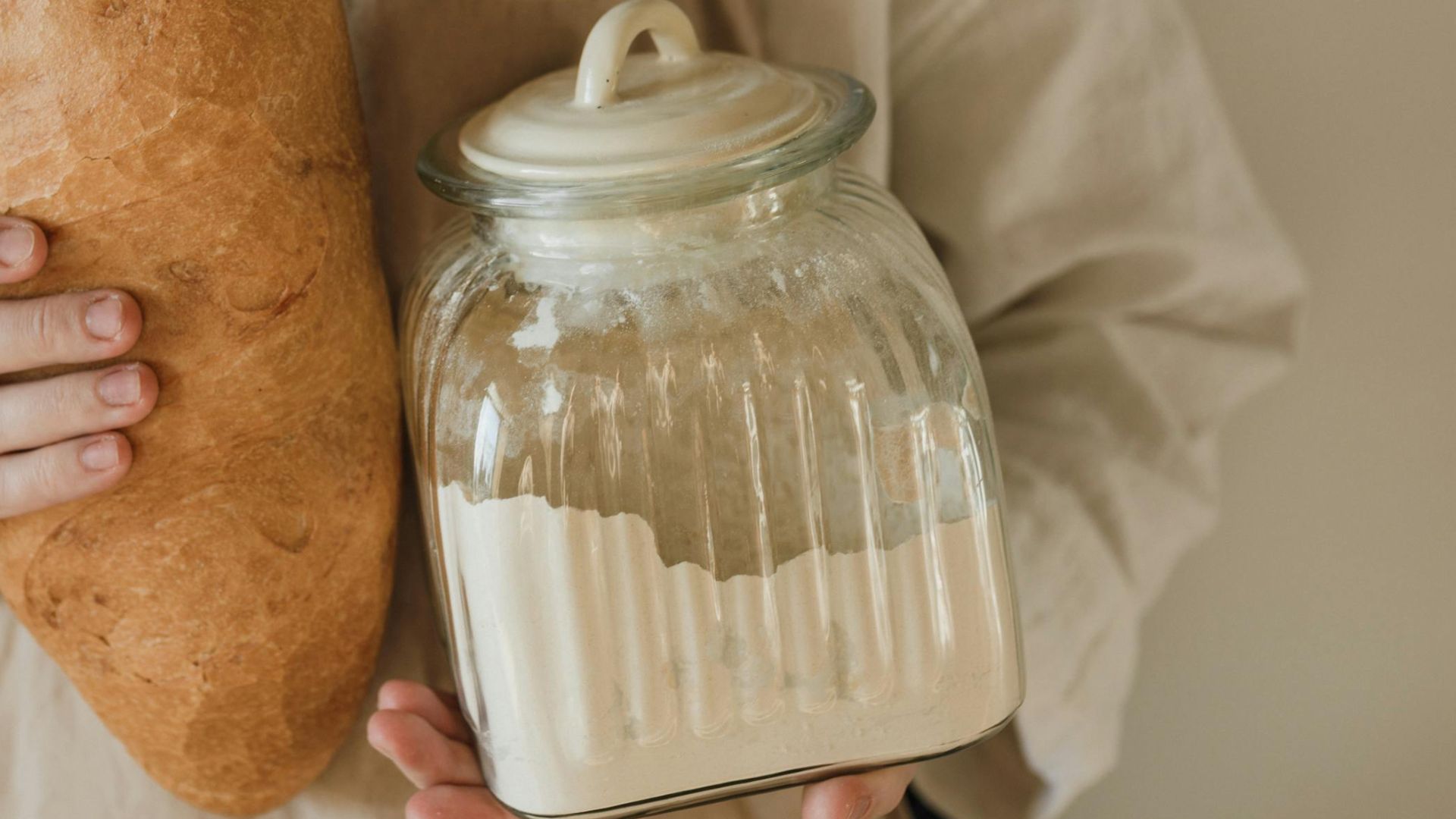
Few things sink a baker’s day faster than an empty yeast bin. Keeping shelves checked and deliveries timed right keeps the ovens busy. When holidays arrive, smart planning protects against the panic of pausing production.
2. Long Standing Shifts
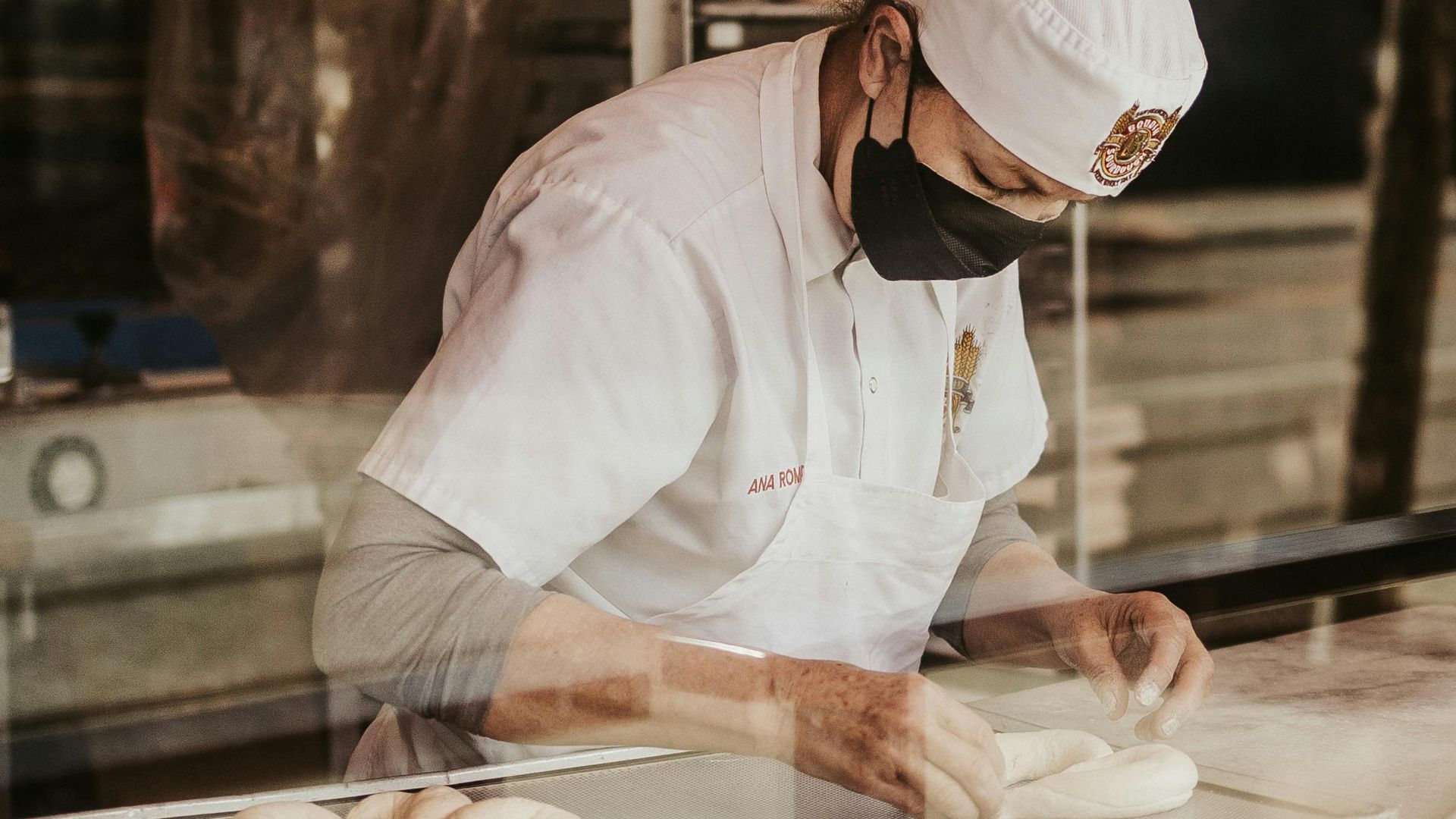
Physical endurance defines the baker's profession, with hours of standing as a daily reality. Supportive shoes become a vital tool when spending extended periods on their feet. The constant walking and bending during shifts add extra challenges, which makes comfort a top priority.
3. Heat-Intensive Kitchens
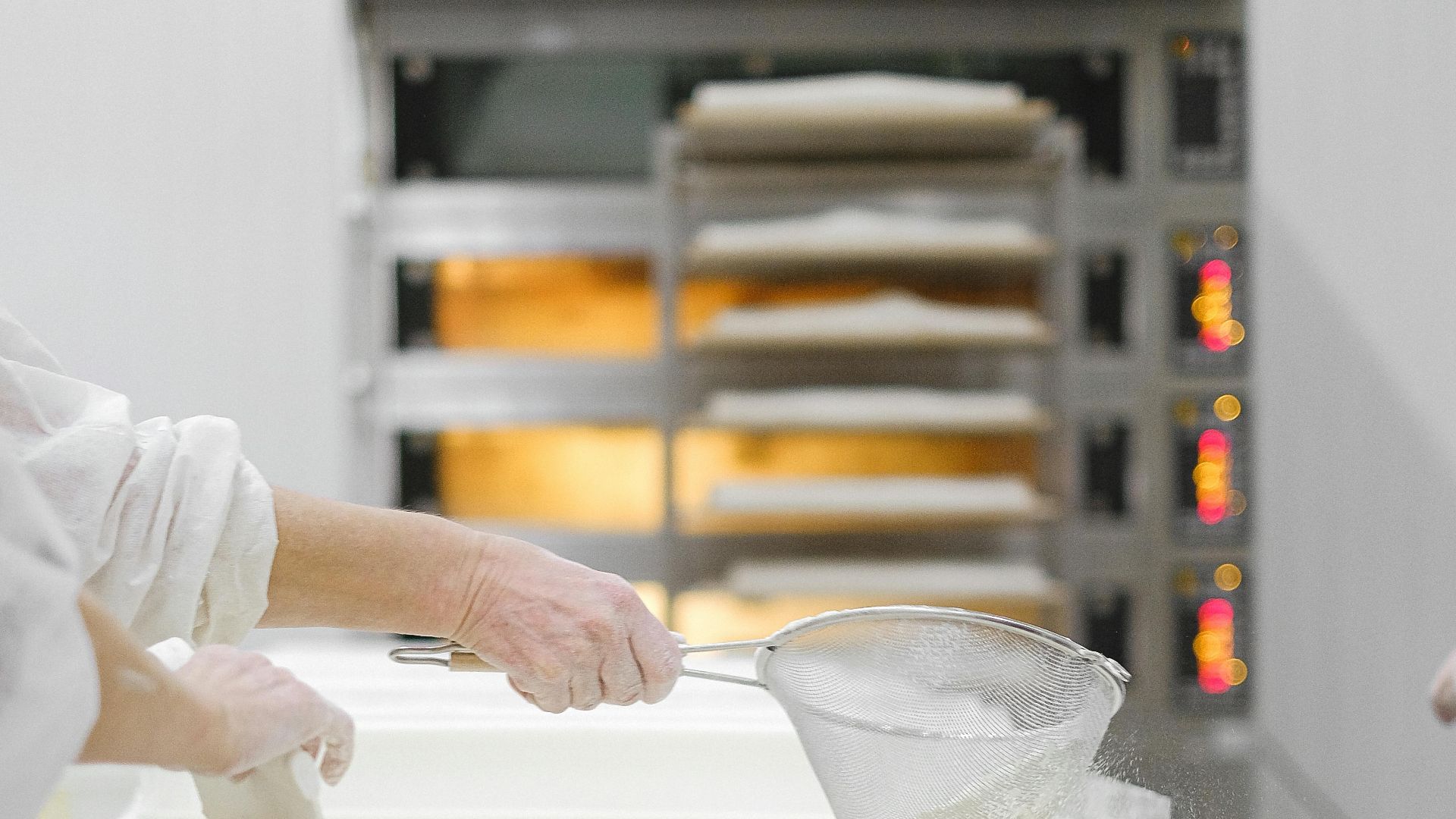
The continuous use of industrial ovens creates intense heat in bakery kitchens, often pushing temperatures well above normal room levels. Professional cooling systems help manage this challenge, yet bakers still work in hot, hectic environments while adjusting temperatures for proper baking results.
4. Constant Cleaning Is Part Of The Job
Professional baking involves constant cleaning alongside actual food preparation. Counters, equipment, mixers, and ovens require regular scrubbing to maintain hygiene standards. Keeping workspaces spotless becomes an automatic habit that's essential for any successful bakery operation.

5. Seasonal Demand Spikes
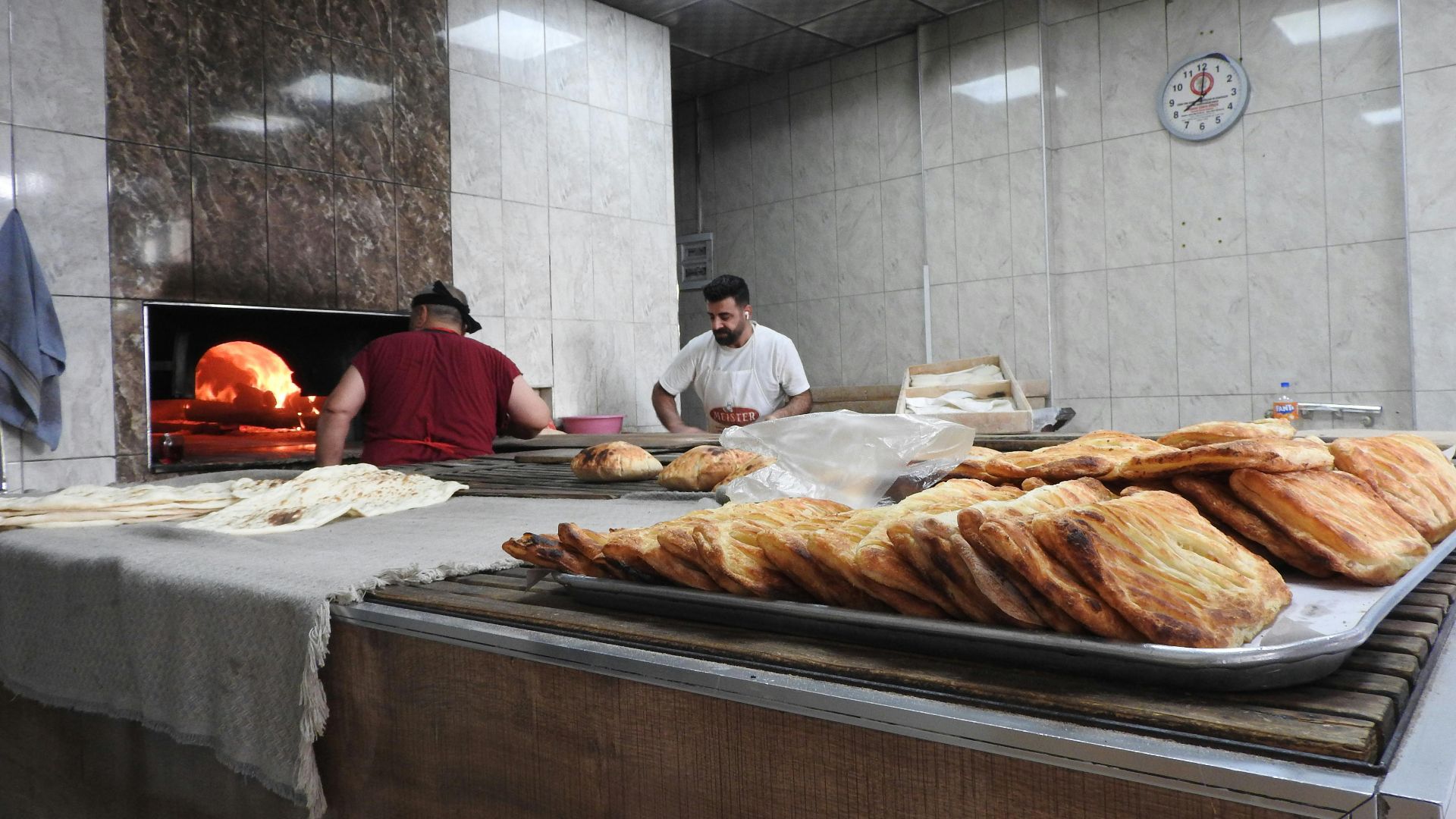
Major holidays like Thanksgiving and Christmas bring surges of bakery orders. Professional bakers have to adjust their schedules accordingly by taking on nights and weekend shifts. These seasonal spikes necessitate that bakeries substantially increase production to meet customer demand.
6. Weather Affects Results
Baking doesn’t happen in a vacuum. Heat or even damp air can alter how dough behaves. Professionals account for these changes by modifying hydration or adjusting proofing schedules so the product turns out consistent despite the day’s conditions.
7. Teamwork Is Important
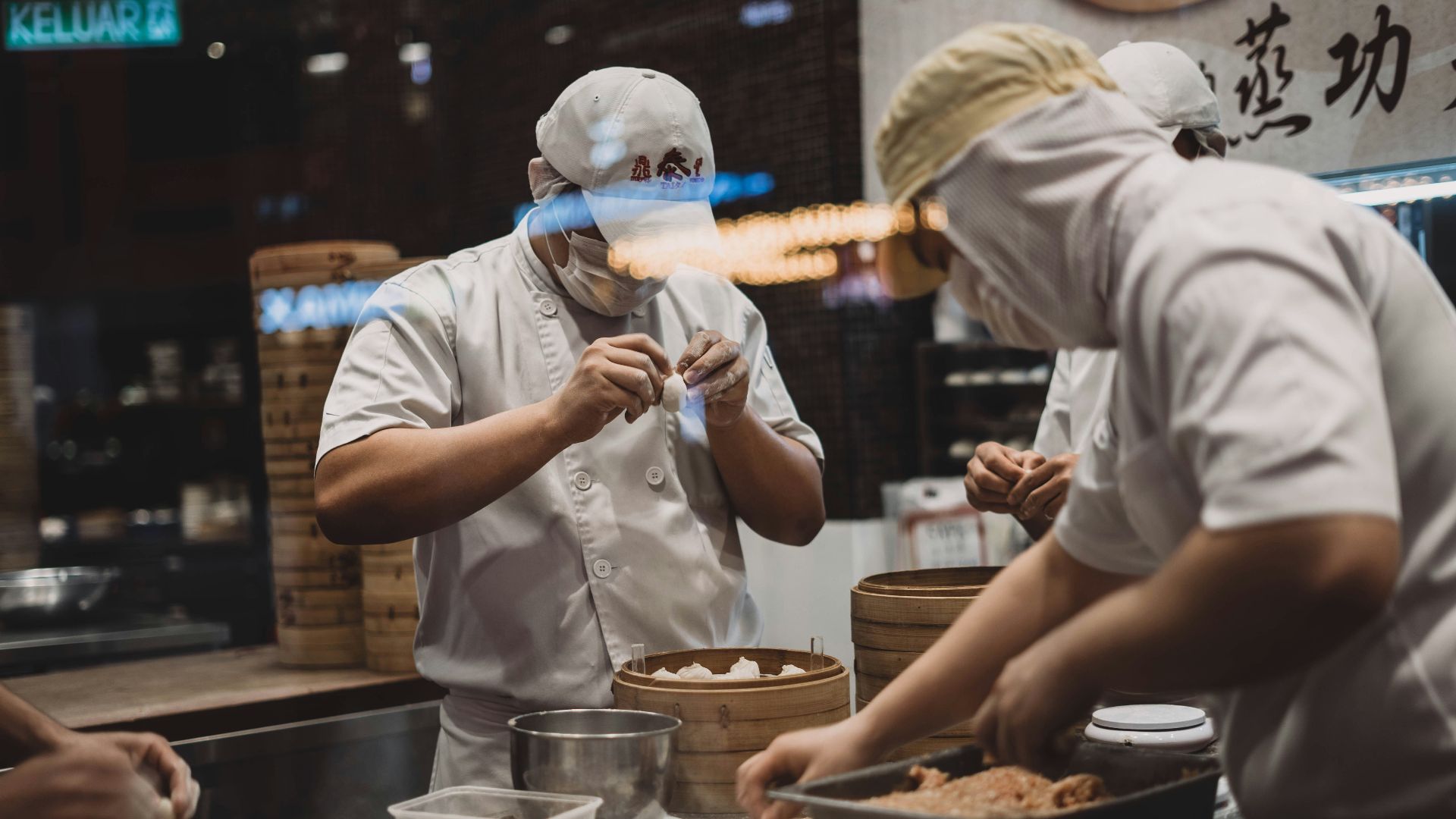
Strong communication and team spirit are fundamental in bakery operations. Daily team huddles coordinate busy shifts, as bakers collaborate to complete large orders efficiently. The entire staff works in unison to maintain smooth operations and address challenges promptly.
8. Handling Customer Feedback
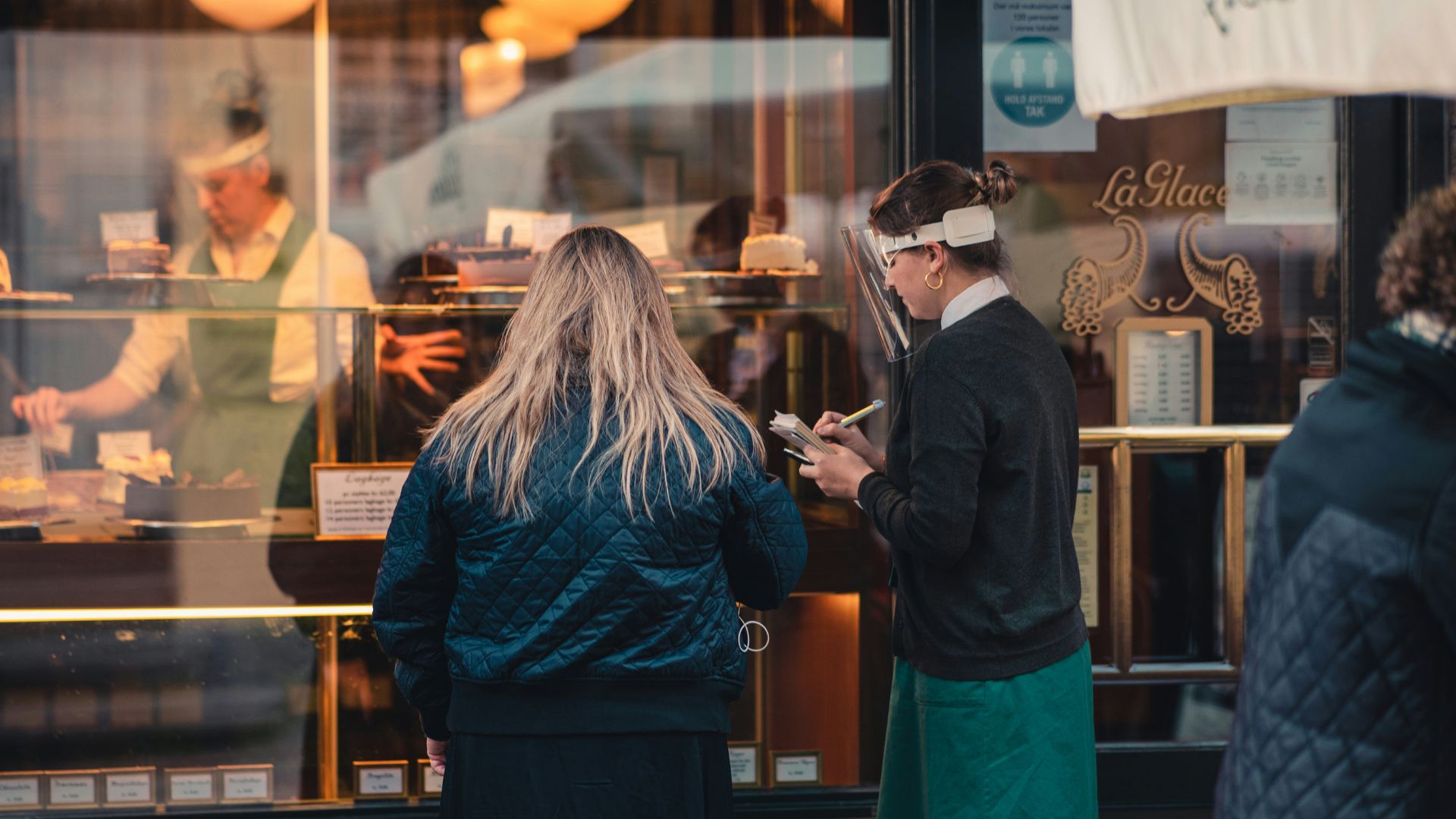
Professional bakers regularly receive direct feedback, from compliments to complaints. Responding gracefully while adjusting recipes or processes helps maintain reputation and satisfaction. This means communication skills are as important for a baker as technical baking expertise.
9. Tight Profit Margins
Bakers face tight profit margins daily, carefully balancing ingredient costs, labor, and energy expenses. Every loaf and pastry must be planned to maximize sales and ensure quality, making financial vigilance a constant part of their routine.
10. Learning Never Stops
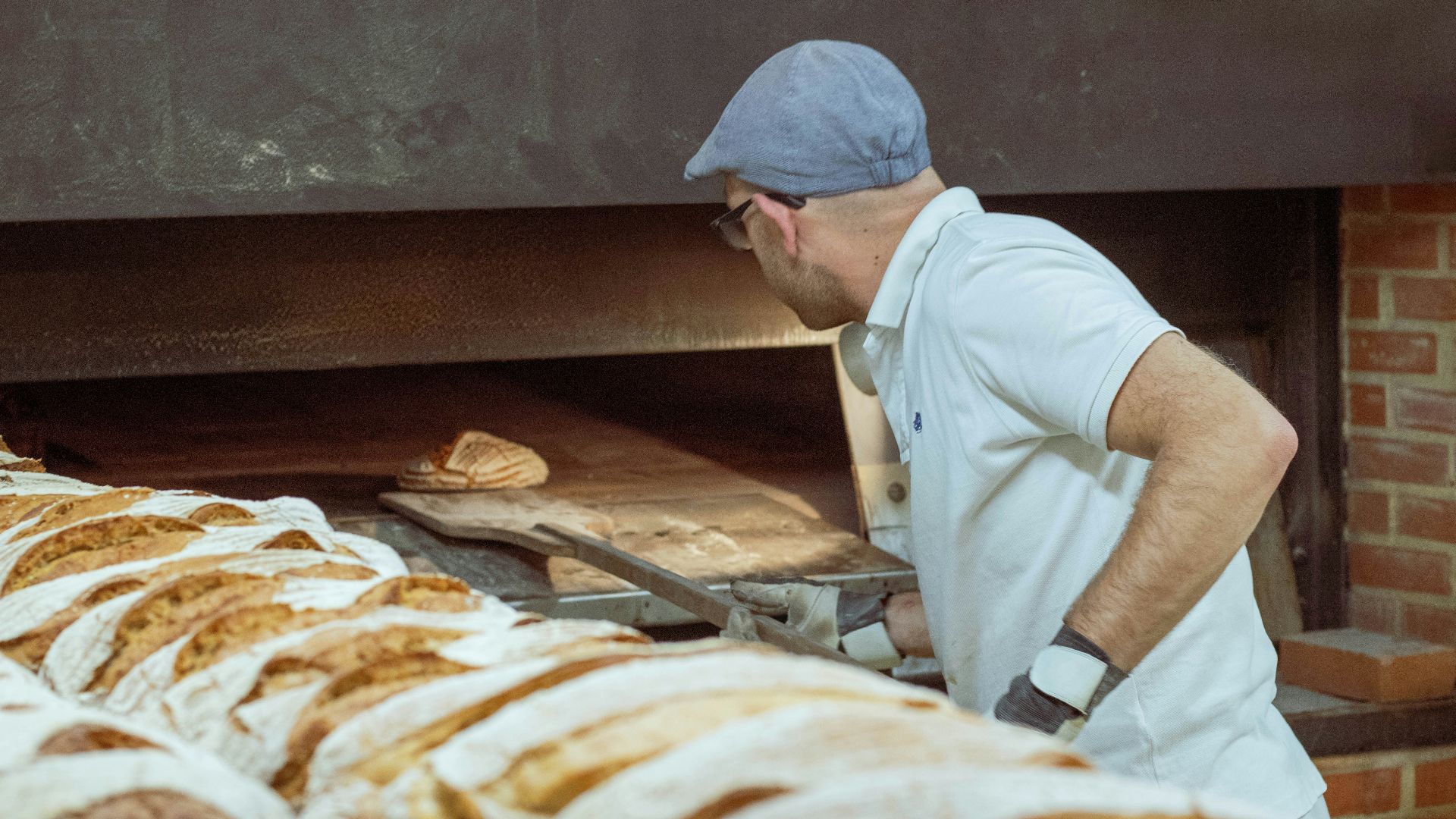
Recipe improvement and innovation shape a baker's daily work. They continually learn new techniques to improve their craft, plus attend culinary workshops for trend updates. The creative process of experimenting with flavors and decorations adds excitement to their journey.

KEEP ON READING
The Most Popular Chocolate Bars in the USA

The Most Popular Candies in the USA

20 Annoying Foods That Get Stuck In Your Teeth