The Dinner Table Dilemma
We all have that one friend who is a picky eater. They’re the reason your group chat spirals when someone says, “Let’s grab dinner.” Somehow, a simple meal turns into a negotiation and a masterclass in diplomacy. Food brings people together—but throw in strong preferences, and suddenly, it’s a full-blown social experiment waiting to happen. So, first, let’s take a look at ten things that make everyone secretly groan when a picky eater shows up at the table.

1. Rejecting Cuisines Without Tasting It
Sharing a meal has long united people across cultures, yet picky eaters often undo that harmony by refusing entire cuisines before even tasting them. Their instant aversion to unfamiliar dishes narrows their culinary world and creates distance where shared dining could spark connection and understanding.

2. Ruining Group Dining Decisions
Group dining can quickly turn stressful when a picky eater joins the mix. Their limited preferences shrink the list of restaurant options, turning a fun outing into a drawn-out debate. Frustration grows as others crave variety, and some selective eaters avoid group meals altogether to dodge discomfort.

3. Complaining About Unfamiliar Ingredients
Constant complaints drain the joy from the table and test everyone’s patience. Instead of sparking curiosity or conversation, the negativity leaves others regretting the effort that went into cooking or choosing the meal with those ingredients.

4. Avoiding Friends’ Meals Without Custom Menus
Hosts often feel pressured when guests refuse to attend unless the menu caters to their preferences. Planning a meal turns into a stressful guessing game, and the joy of hospitality fades. Such behavior can come across as entitled, leaving friends reluctant to extend future invitations.

5. Ordering The Same Bland Meal
While others eagerly explore each restaurant's unique offerings, these cautious diners retreat to their safe haven of familiar, plain dishes. Their loyalty to a single meal not only limits their own culinary horizons but also dampens the shared excitement of dining out with more adventurous companions.

6. Mocking Others’ Food Choices
Mealtime harmony collapses when picky eaters mock what others enjoy. Exaggerated reactions—gagging, grimacing, or making dramatic comments—turn shared dining into a spectacle instead of a bonding experience. Soon, what should be a lighthearted conversation becomes awkward tension.

7. Derailing Potlucks With Selfish Habits
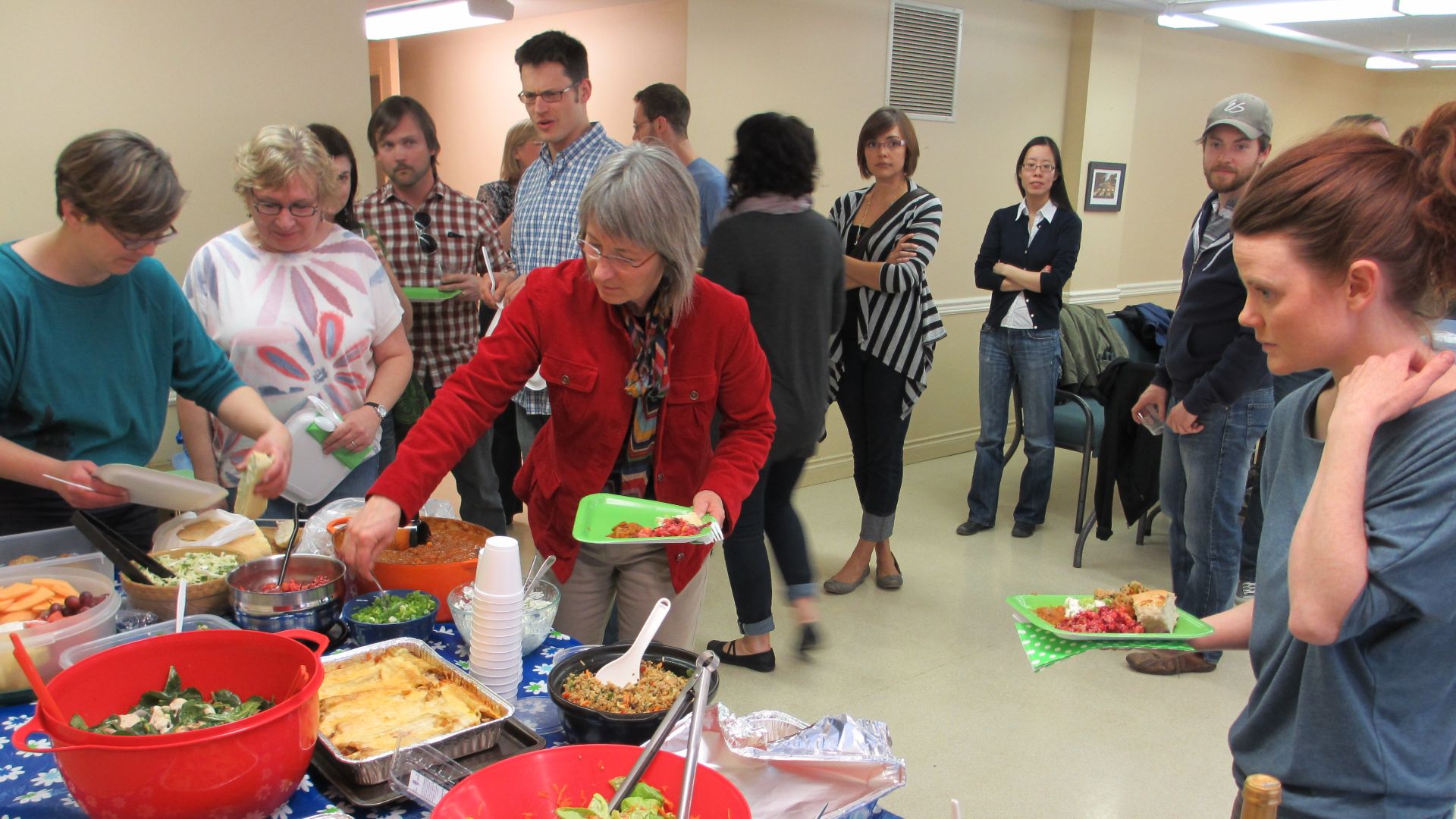
The communal spirit of potlucks faces a growing challenge when picky eaters either arrive empty-handed or create self-imposed boundaries around their single dish. This selective participation fractures the fundamental exchange of shared dining.
 Mack Male from Edmonton, AB, Canada on Wikimedia
8. Turning Meals Into Texture Debates
What should be a relaxed dinner turns tense once picky eaters start dissecting textures and smells. Complaints about food being “too mushy” or “too weird” can take over the table. And that’s how everyone ends up trapped in a conversation no one wants to have.

9. Only Eating Food Their Way
Mealtime conflicts frequently erupt when picky eaters reject dishes that don't meet their exacting preparation standards. Whether insisting on perfectly al dente pasta or toast with precise browning, their rigid requirements for specific textures and cooking methods can significantly complicate dining situations.
10. Refusing Cultural Or Travel Foods
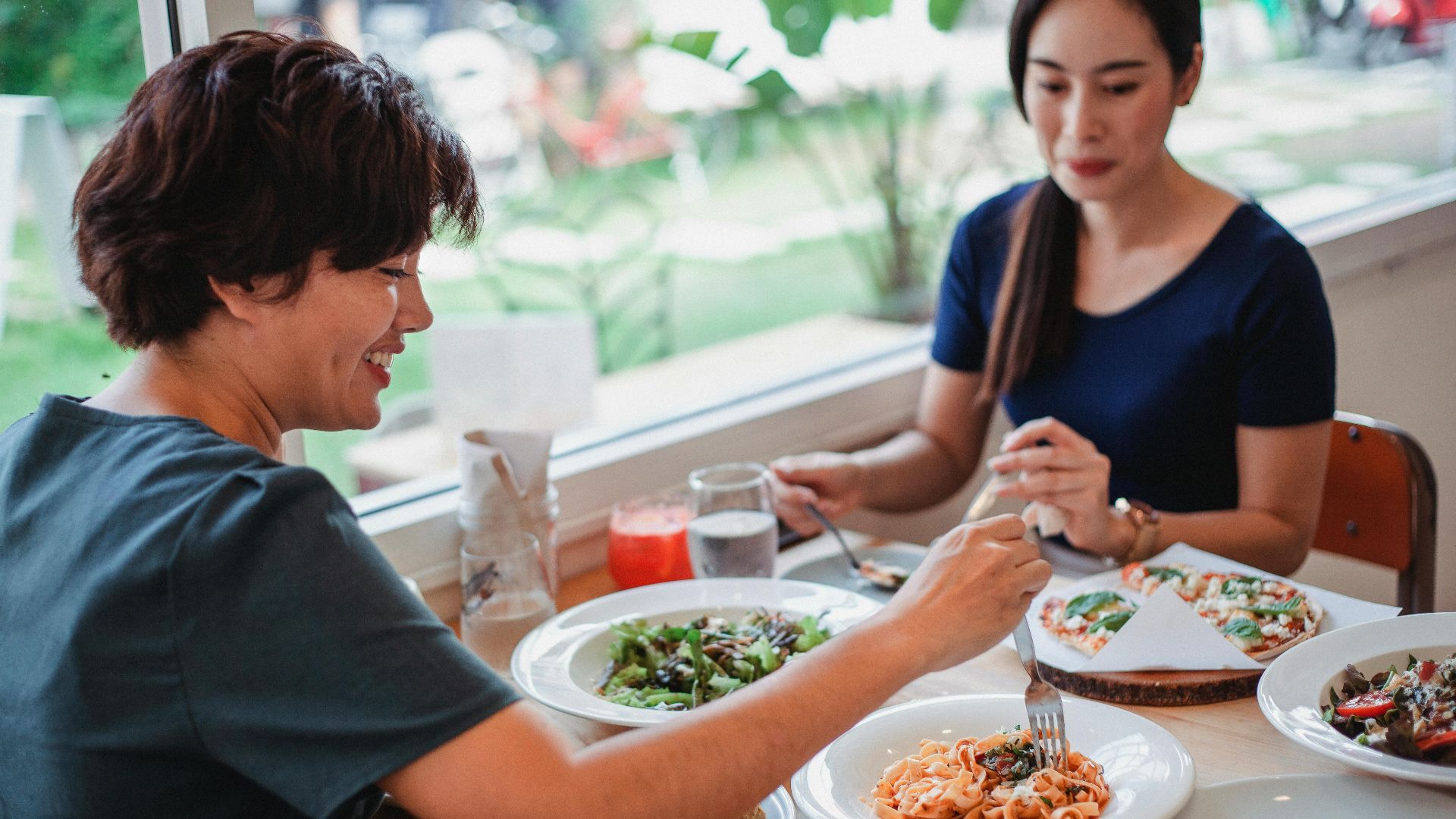
Imagine exploring a new country with friends, only to have one person refuse every local dish. Picky eaters can turn exciting food adventures into frustrating compromises, forcing the group to skip authentic experiences. What could’ve been a shared discovery ends up feeling limited and less memorable for everyone.
Now, let’s see why picky eaters might actually deserve a little more understanding than they usually get.
1. Textures Feel Overwhelmingly Unbearable
For children with sensory processing disorder, food textures can feel drastically amplified—turning simple meals into intense experiences. And what most people find tolerable, such as mushy, slimy, crunchy, or lumpy consistencies, can cause extreme discomfort.

2. Trauma Turns Meals Into Triggers
The tenacious grip of food-related emotional memories can shadow eating habits well into adulthood, often originating from traumatic childhood experiences like force-feeding or choking incidents. These aversions typically manifest with remarkable specificity toward particular foods rather than broad categories.

3. Culture Shapes Comfort Zones
When children grow up in households with limited culinary diversity, their food horizons remain narrow, perpetuated by generational patterns of traditional preferences. Yet this cultural conditioning represents just one thread alongside more significant sensory and neurological influences.

4. Anxiety Fuels Rigid Eating Habits
Many assume anxious eating simply means avoiding certain foods, but the reality reveals a more complex pattern. While sufferers do gravitate toward "safe" foods, they also develop strict, inflexible eating routines that extend beyond mere food choices, making social dining particularly challenging.

5. Undiagnosed Allergies Fuel The Fussiness
Picky eating relates to sensory or emotional preferences, yet consistent avoidance of certain foods can point to hidden allergies. The behaviors may appear identical, but allergy testing can uncover that a child’s selectiveness is actually a protective signal—an instinctive response to discomfort or danger.
 National Institutes of Health (NIH) on Wikimedia
6. Neurodivergent Senses Intensify Flavors
Neurodivergent individuals, particularly those with autism, process taste and smell with heightened intensity. This sensory sensitivity can make cafeteria environments overwhelming and lead to specific food preferences based on color or presentation.

7. Memories Influence Food Reactions
A single scent can awaken vivid memories, showing how strongly food and emotion intertwine in the brain. And that’s why, for picky eaters, these emotional imprints usually dictate comfort or resistance toward certain foods.

8. Need For Control Dictates Eating Choices
For many picky eaters, refusing food isn’t just about taste—it’s about control. Choosing what to eat gives them a sense of power in a world that feels unpredictable. That small act of saying “no” can help them feel safe, understood, and in charge of their own comfort.

9. Social Pressure Deepens Discomfort
Telling a picky eater to “just try it” might sound supportive, but it usually does more harm than good. It is a simple push that can spike anxiety and make food feel like the enemy. Before long, dinner stops being fun and starts feeling like an emotional battlefield.
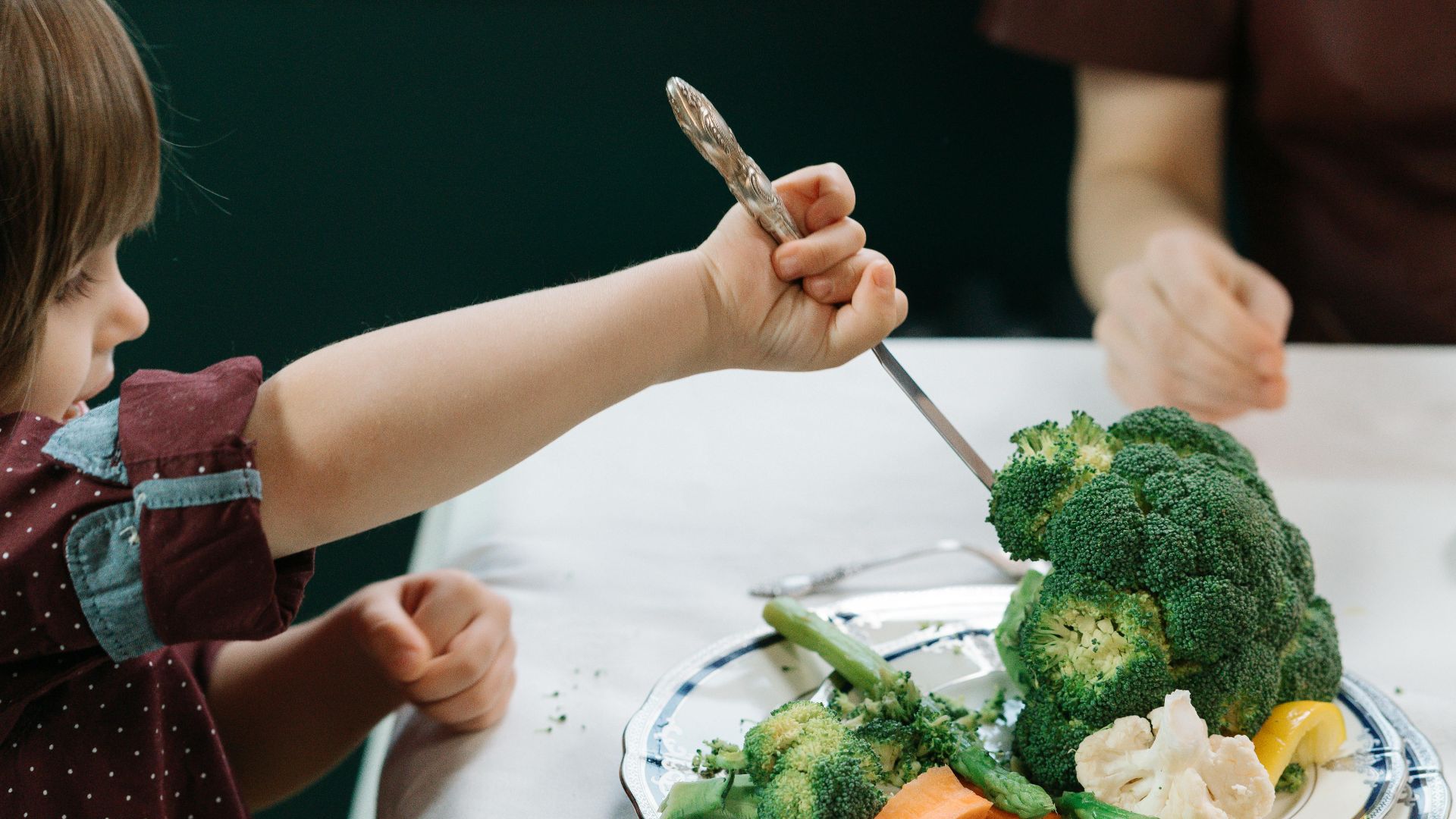
 Photo By: Kaboompics.com on Pexels
10. Supertasters Sense Extreme Bitterness
Some picky eaters are supertasters. Their taste buds pick up flavors most people barely notice, especially bitterness. Foods like broccoli, kale, or grapefruit can taste unbearably harsh to them. What others find mildly bitter can hit supertasters like a strong, lingering punch of flavor.
KEEP ON READING
You’re Storing Tomatoes Wrong in This Heat
You’re Storing Potatoes Wrong in This Heat
You’re Storing Peppers Wrong in This Heat
You’re Storing Carrots Wrong in This Heat