Same Logo, Totally Different Menu
American food brands don't always take the American recipe overseas. They keep the name and change what's inside to suit local tastes. Lay's sells cucumber-flavored chips in China, while Pringles offers nori seaweed in Japan. Some of these overseas variations have become popular enough to stay on shelves for years, even though most Americans have never seen them. Here are 20 American foods that would look out of place in an American supermarket.
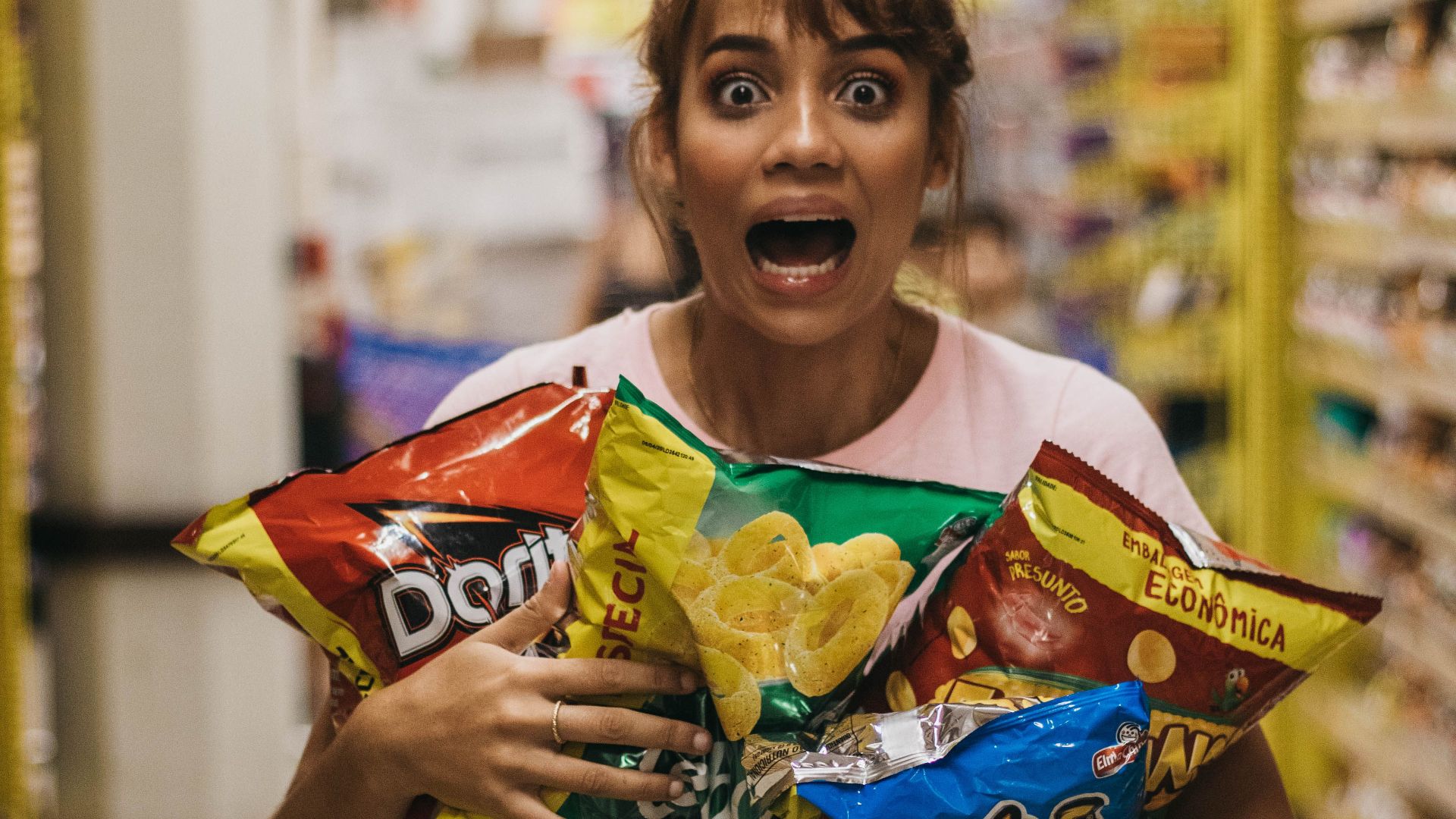
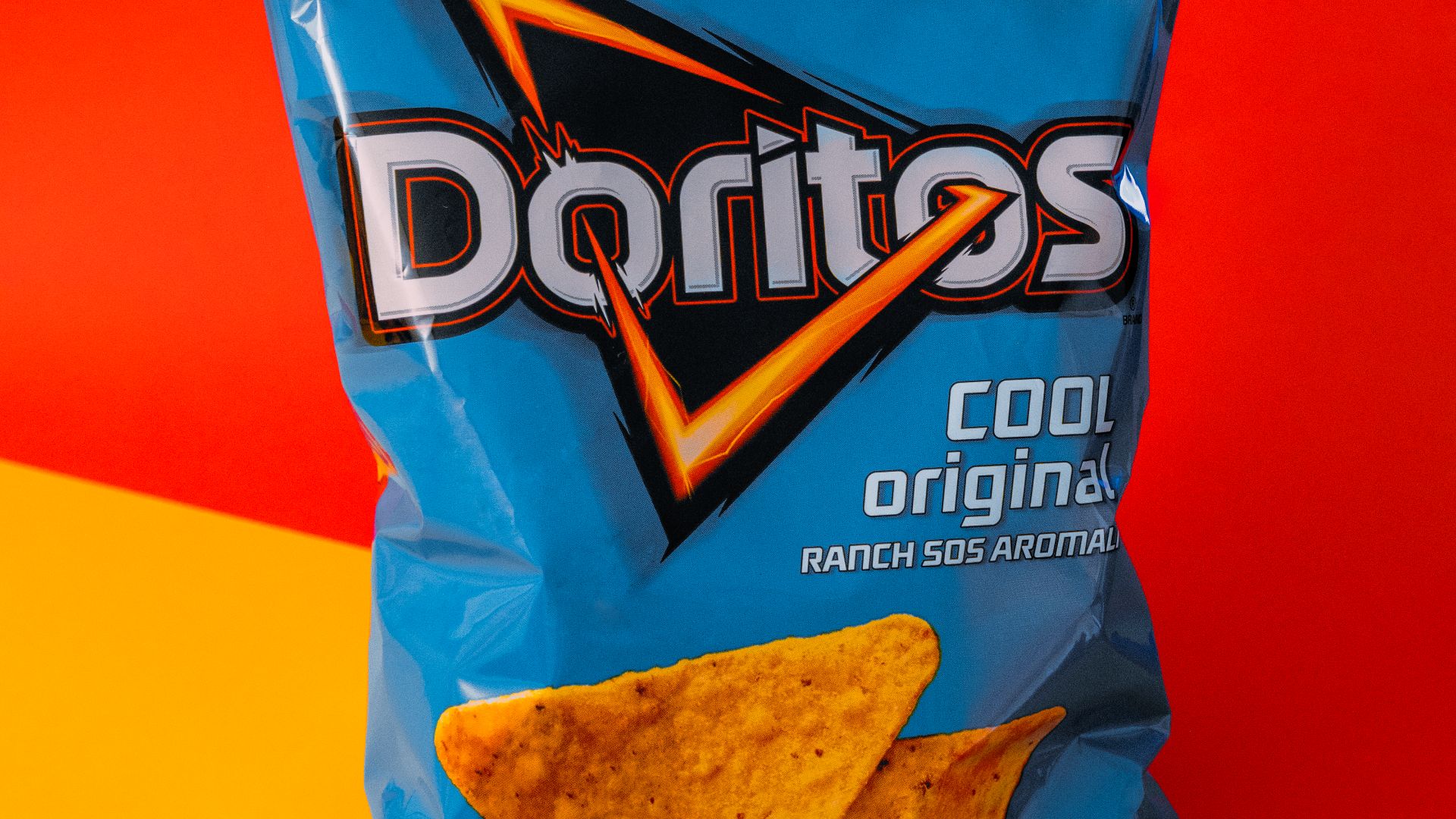
1. Cool Ranch Doritos Became Cool American
Ranch dressing barely registers as a reference point across much of Europe, so the flavor arrived under a new name. Swedish and Dutch shoppers pick up bags labeled Cool American, while British bags carry the same seasoning as Cool Original.
2. KFC Is Japan's Christmas Dinner
December 24 is the single biggest sales day of the year for KFC in Japan The chain opened in Nagoya in 1970 and took its Kentucky for Christmas campaign national in 1974, in a country where Christmas isn't even a public holiday. Families reserve party barrels weeks ahead, and the premium boxes come with cake.
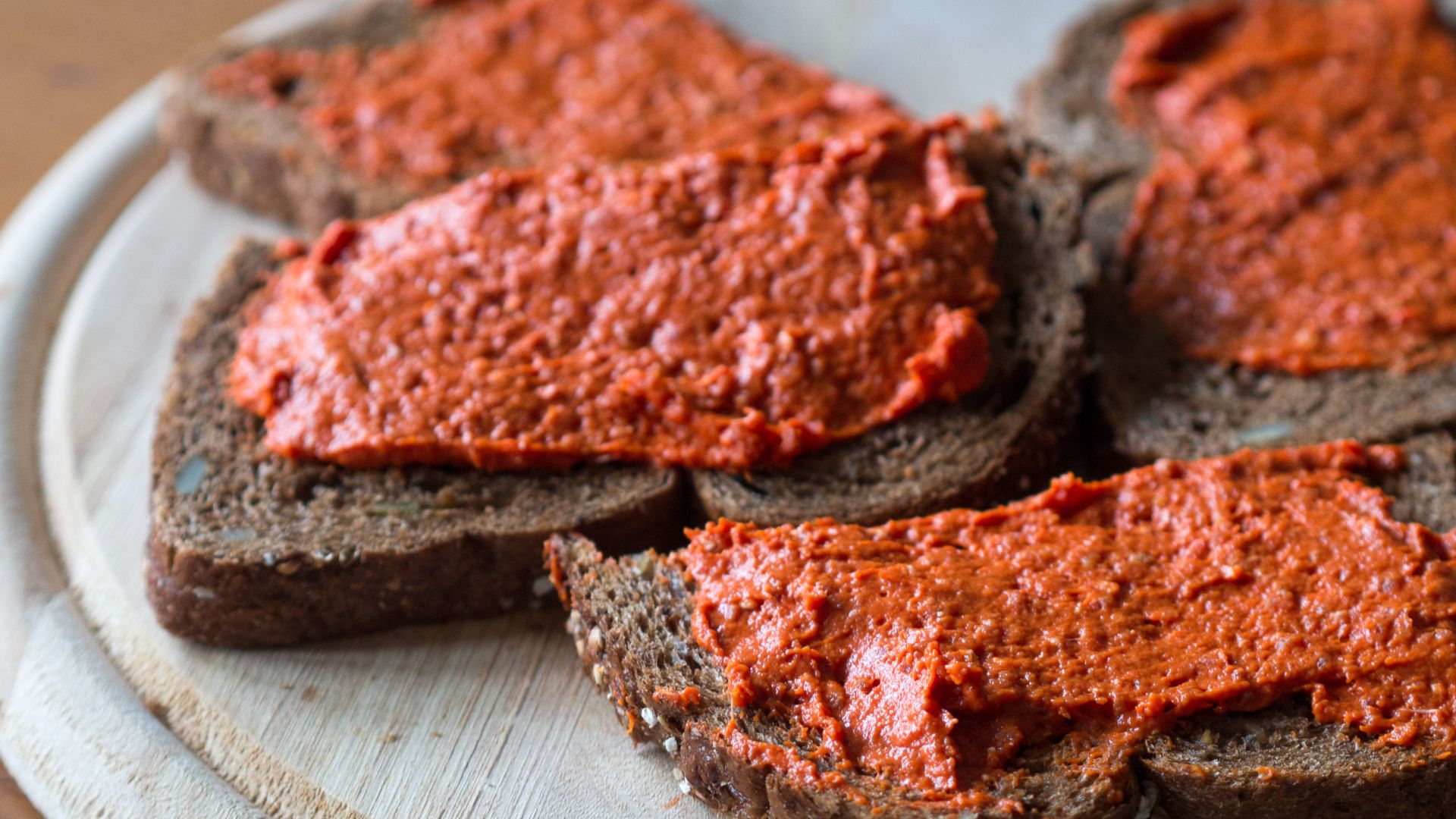
3. Filet Américain Means Raw Ground Beef
Belgian delis sell a spread called filet américain, and it's uncooked minced beef worked into a paste with mustard and egg yolk. Shoppers buy it by the tub and put it on bread for lunch, following a Brussels recipe that goes back about a century.
4. Durian Outsells Every Other Pizza In China
One in every four pizzas sold at Pizza Hut in China is a durian pie, according to the company's chief executive. The chain put the spiky fruit on menus in 2016 using imports from Malaysia, and it sometimes stuffs the pulp into the crust. Nearly 30 million durian pizzas moved over the course of a single year.
5. Heinz Baked Beans Became British
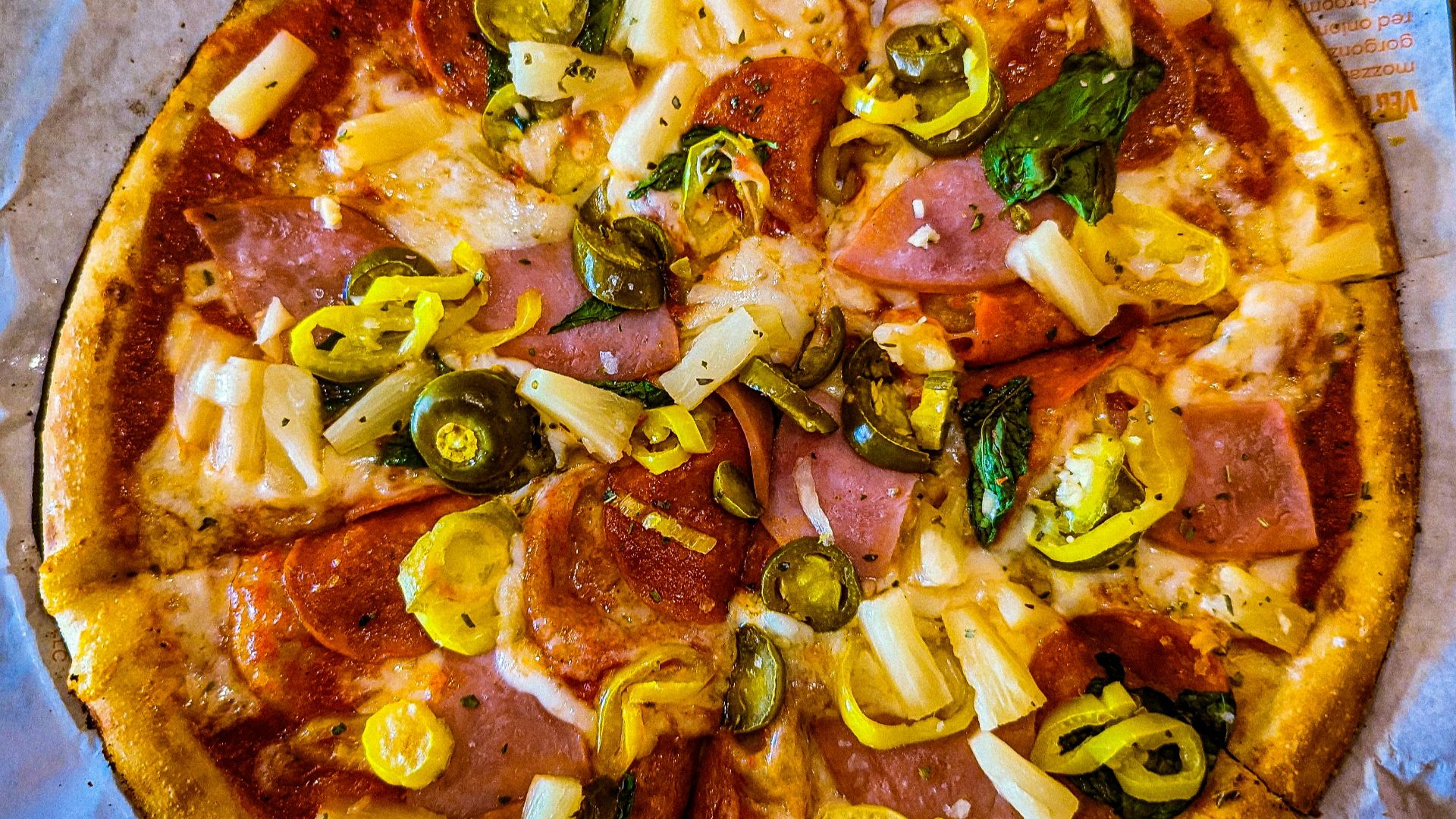
The most British thing on a full English breakfast plate comes from Pittsburgh. Heinz began canning baked beans there in 1895 and shipped them to Britain as a luxury import a few years later. Britain's wartime Ministry of Food classified them as an essential food, and the thin tomato sauce tastes nothing like the molasses and pork beans on American shelves.
6. South Koreans Give Spam As A Holiday Gift
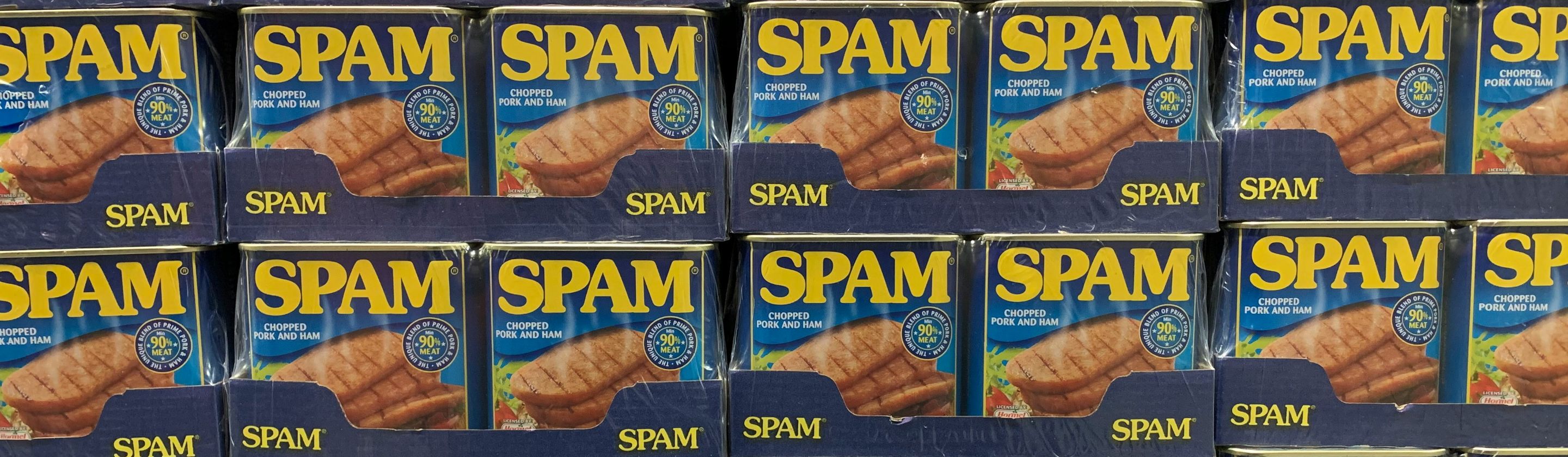
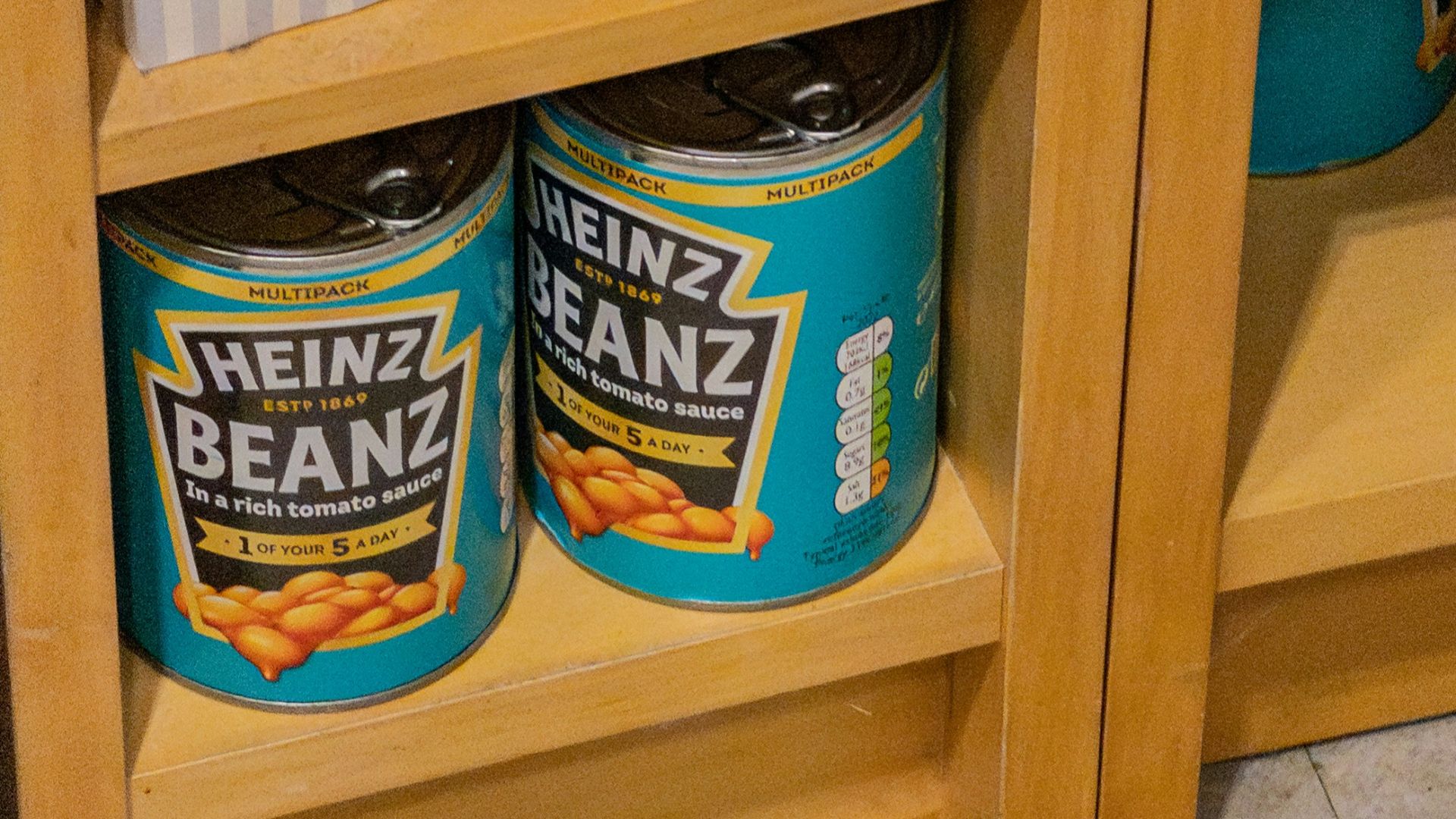
Gift boxes of Spam go out for Chuseok and Lunar New Year, stacked in supermarkets beside tuna sets and dried fish. Those boxes account for more than half of the brand's annual Korean sales, and the country ranks second worldwide for Spam consumption. Hormel's own brand managers call it a premium product there.
7. Pizza Americana Comes With Hot Dogs And Fries
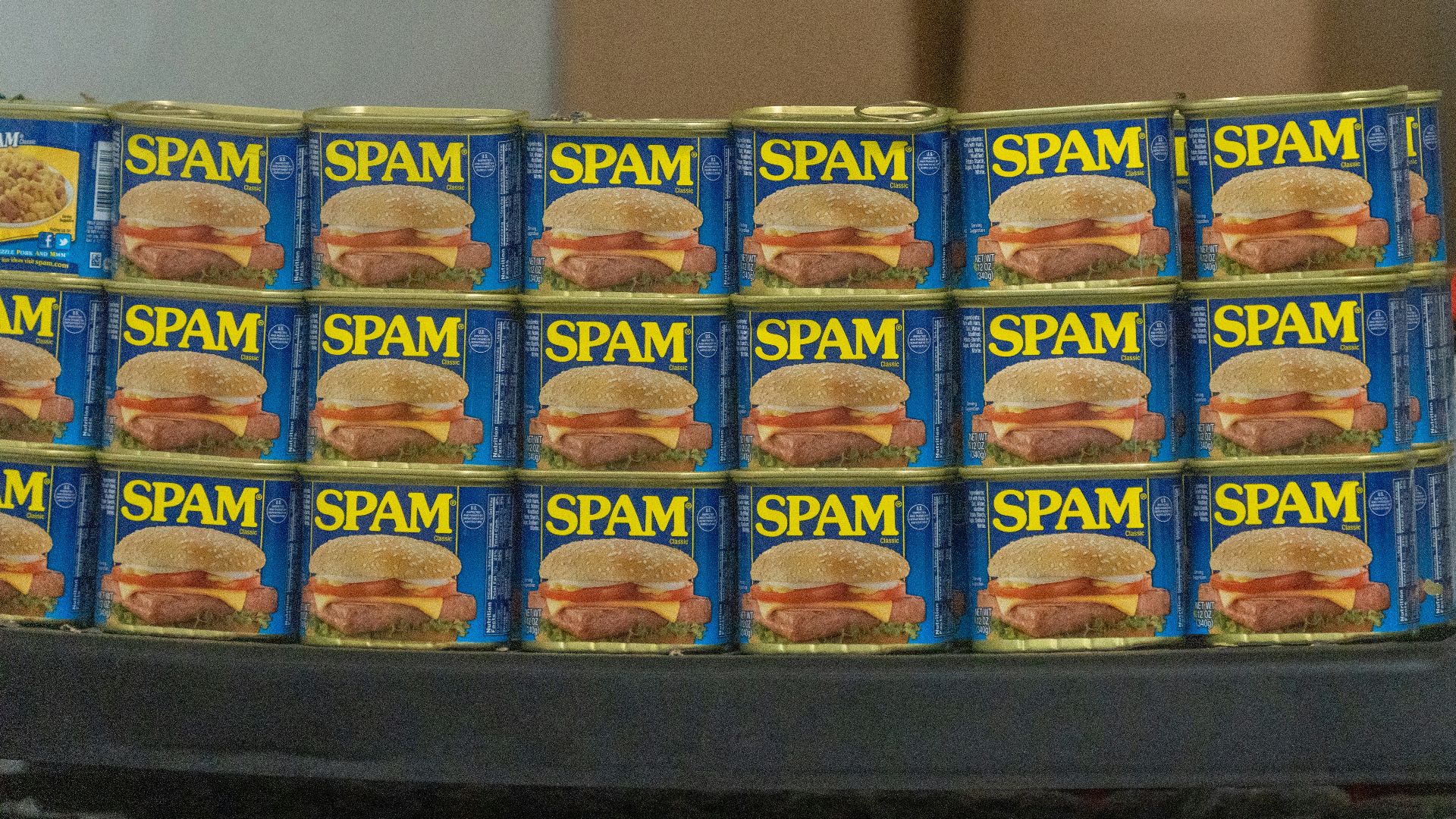
Italian pizzerias list an americana topped with sliced wurstel and a scatter of french fries. Menus from Milan down to Bari carry it, usually as the pie kids ask for. Some places sell the same thing as pizza tedesca, which translates to German.
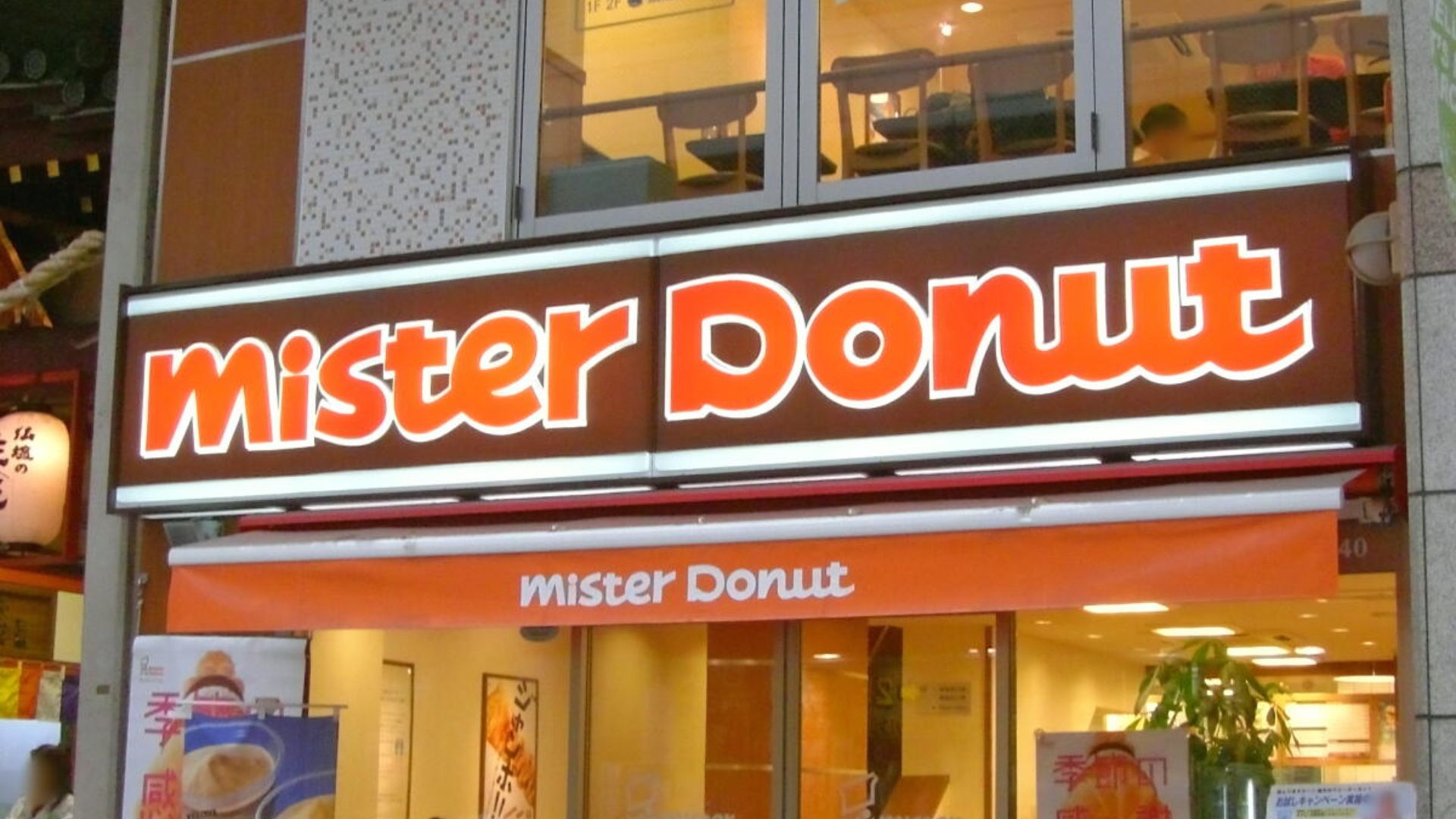
8. Mister Donut Is A Japanese Chain Now
Harry Winokur founded Mister Donut in 1956 as a rival to Dunkin', and a 1990 acquisition turned most of its North American stores into Dunkin' shops. A single American outlet held on, in Godfrey, Illinois. The chain operates 1,300-plus stores in Japan under the operator Duskin, where it goes by Misudo.
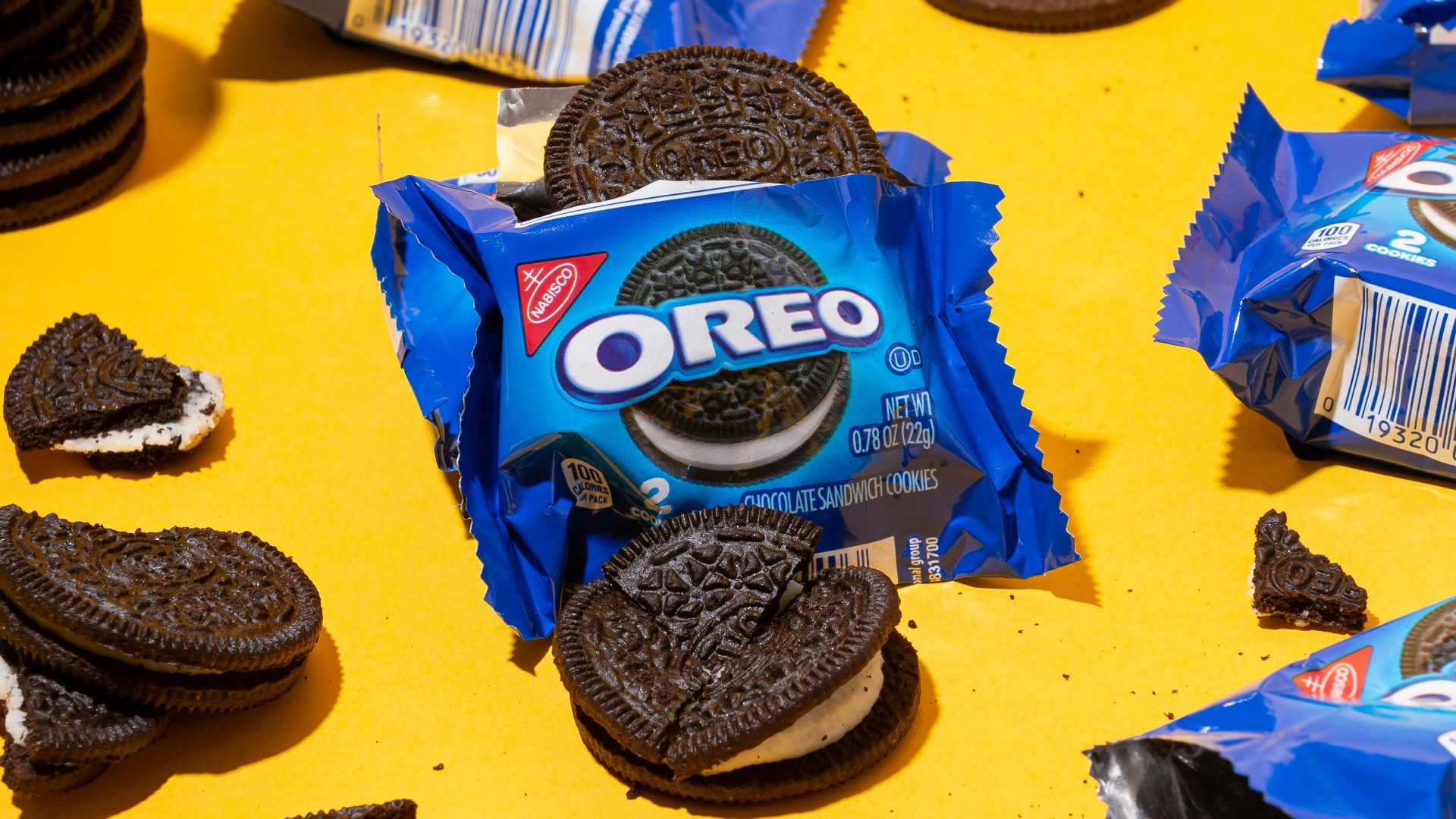
9. Oreo Changed Its Recipe For China
Chinese shoppers found the Oreo too sweet and the packages too large, and by 2005 Kraft was losing money on every cookie it sold there. The company worked through roughly twenty less-sweet formulations and altered the cookie's recipe for the first time in its history. The local range now includes four-layer wafer bars and chocolate-coated wafer rolls that can't be twisted apart.
10. Tang Sells A Billion Dollars Abroad
Tang faded from American kitchens after its space-program years, and its owner shifted marketing toward Latin America and the Philippines. Global sales nearly doubled from 2006 onward, and Kraft announced in 2011 that the brand had passed a billion dollars. The flavor lineup overseas runs well past the orange and grape Americans remember.
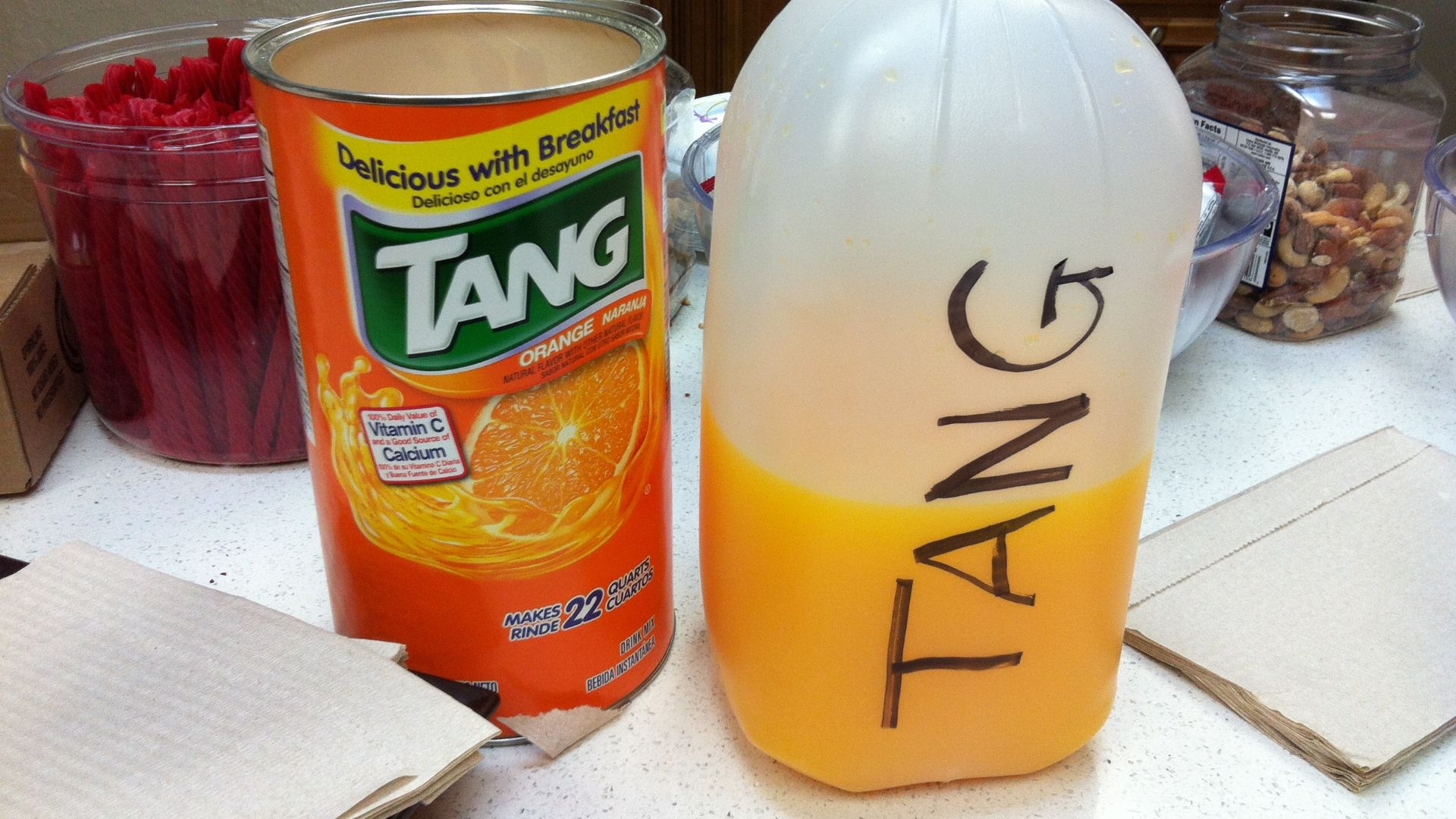 Chris Radcliff from San Diego, CA, USA on Wikimedia
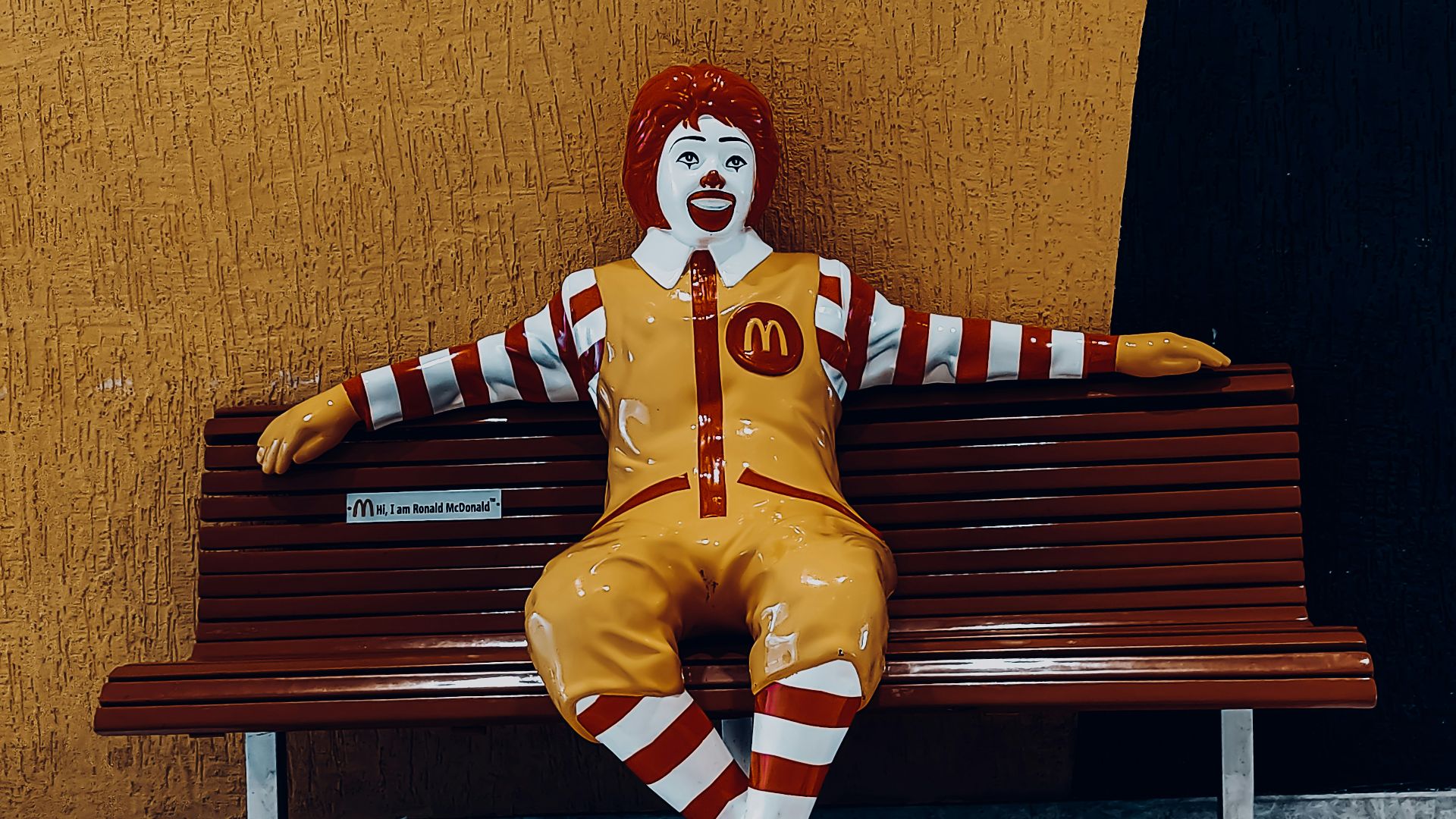
11. McDonald's India Doesn't Sell Beef
No Indian McDonald's has ever served a beef patty, since cows are sacred to most Hindus, and pork stays off the menu for Muslim customers. The McAloo Tikki, a breaded potato and pea patty in a bun, is the bestseller there. McDonald's has also opened vegetarian-only restaurants near pilgrimage sites, including one close to the Golden Temple in Amritsar.
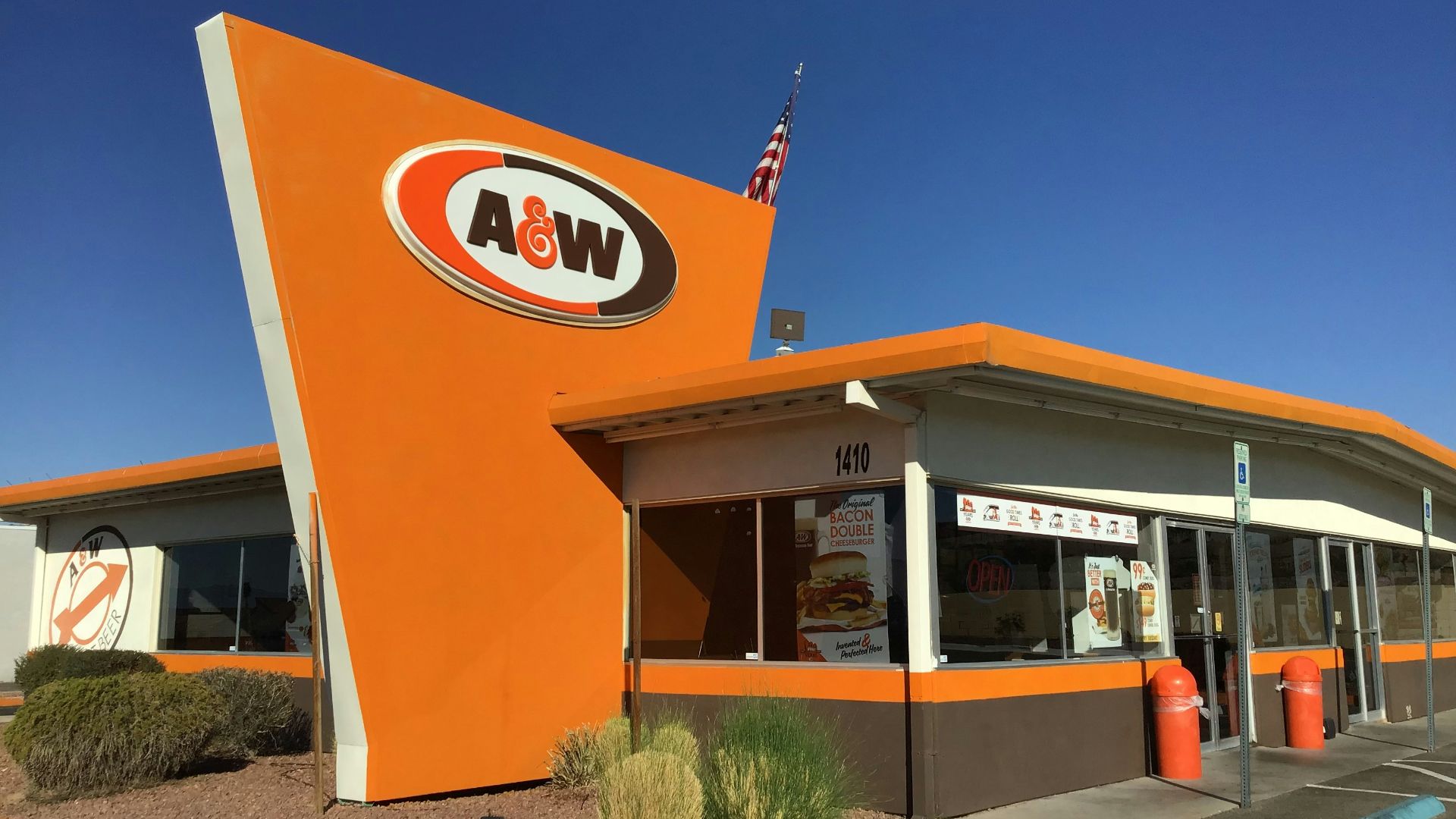
12. A&W Still Runs Drive-Ins In Malaysia
Root beer floats arrive in frosted mugs at A&W Malaysia, which opened its first drive-in restaurant in Petaling Jaya in 1965. The brand reached the country in 1963, and it revived drive-in service at that same site in 2026, its 62nd year there. A&W makes its own soft drink, so the root beer can't be bought at a convenience store.
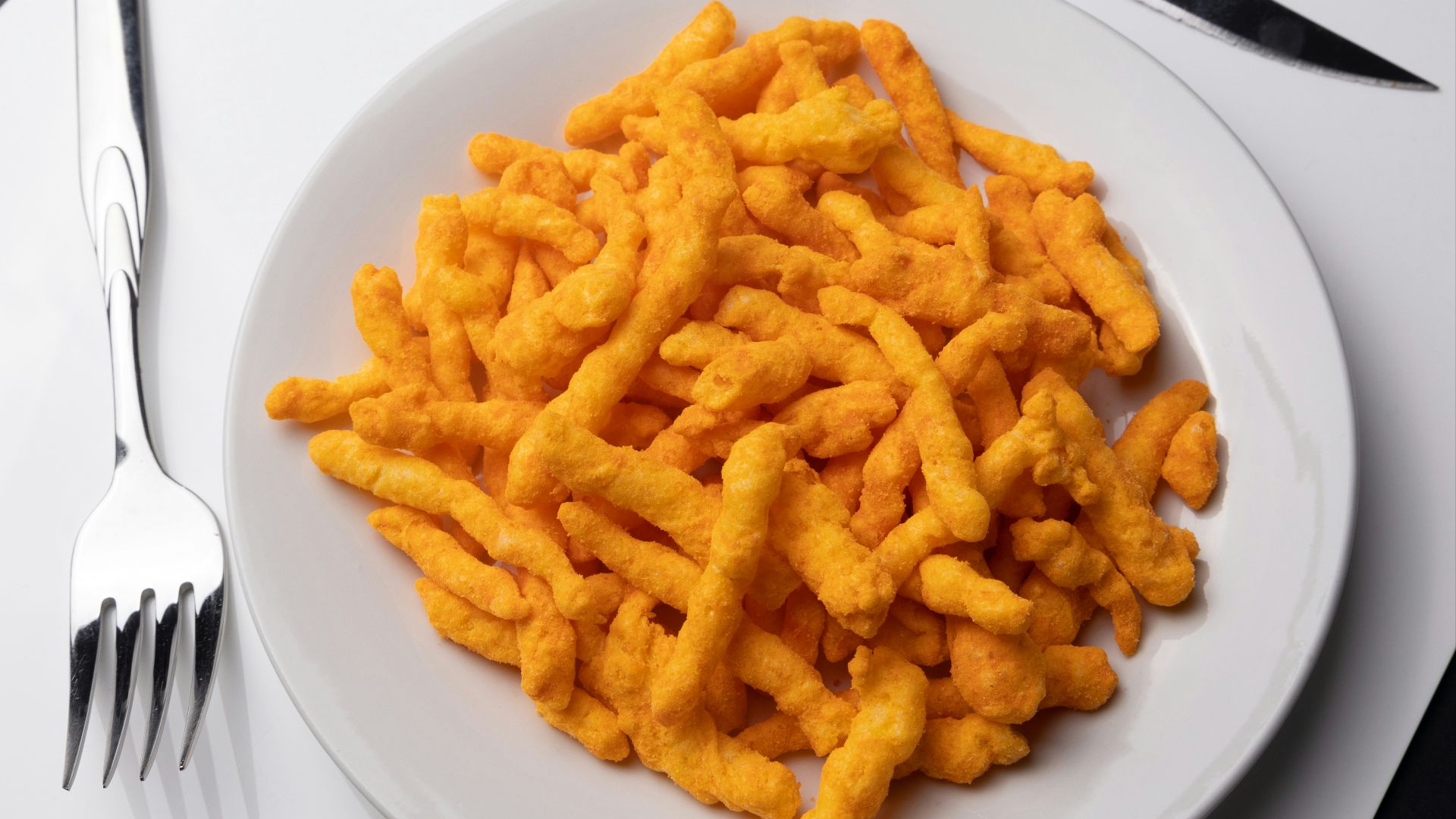
13. Cheetos Launched In China Without Cheese
The version that reached Guangdong province carried no cheese powder at all, after local testers rejected the cheesy taste. PepsiCo went to market with two flavors instead, Savory American Cream and Zesty Japanese Steak. The steak version stuck, and it's still sold in Chinese stores.
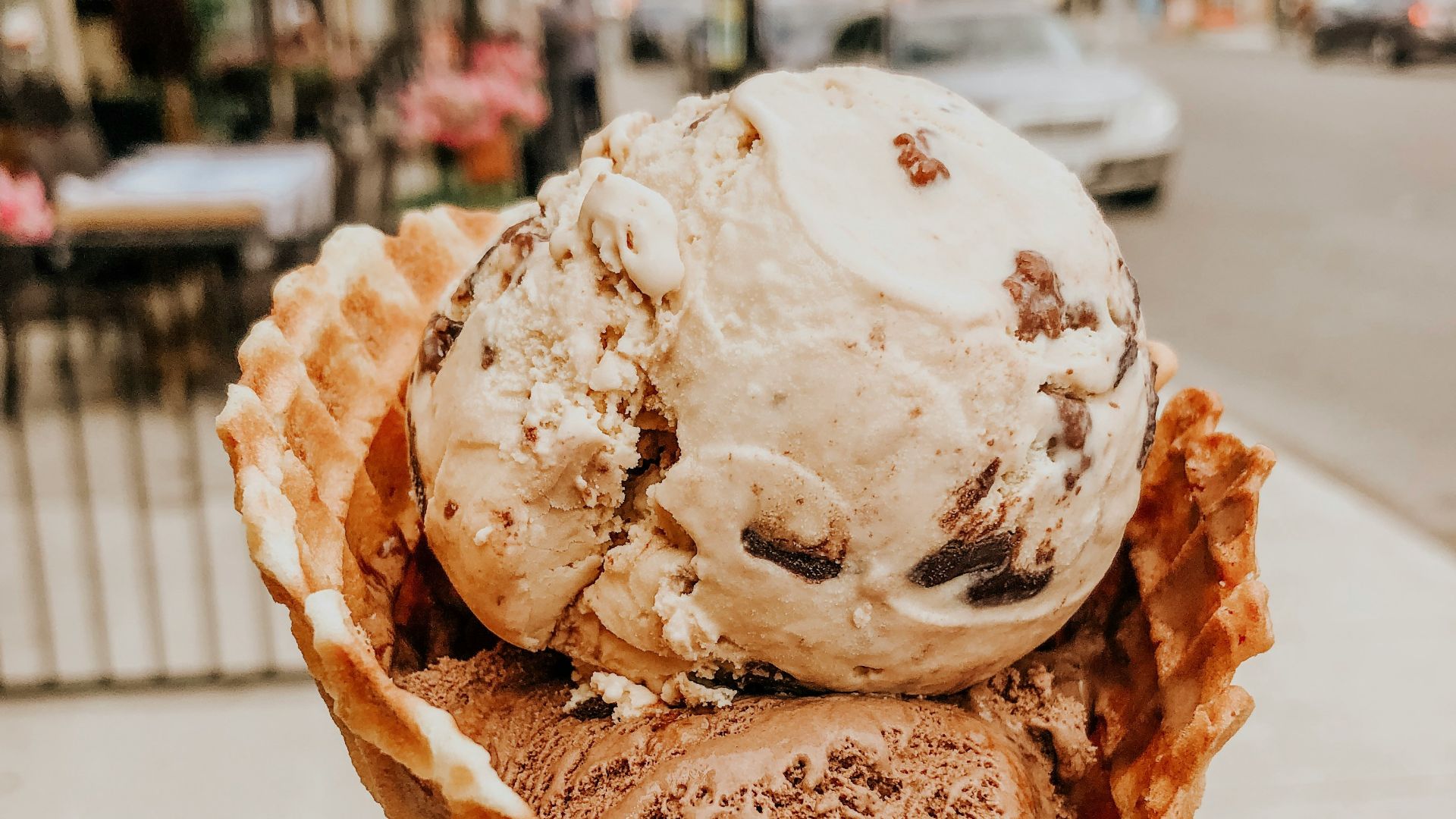
14. Baskin-Robbins Goes By 31 In Japan
Japanese customers call the chain 31, after its original count of flavors, and that name carries far better locally than Baskin-Robbins. The brand arrived in 1973 and now counts around 1,000 locations across the country. Those stores hold an annual Flavor Election to crown the national favorite, and a flavor called Popping Shower keeps winning it.
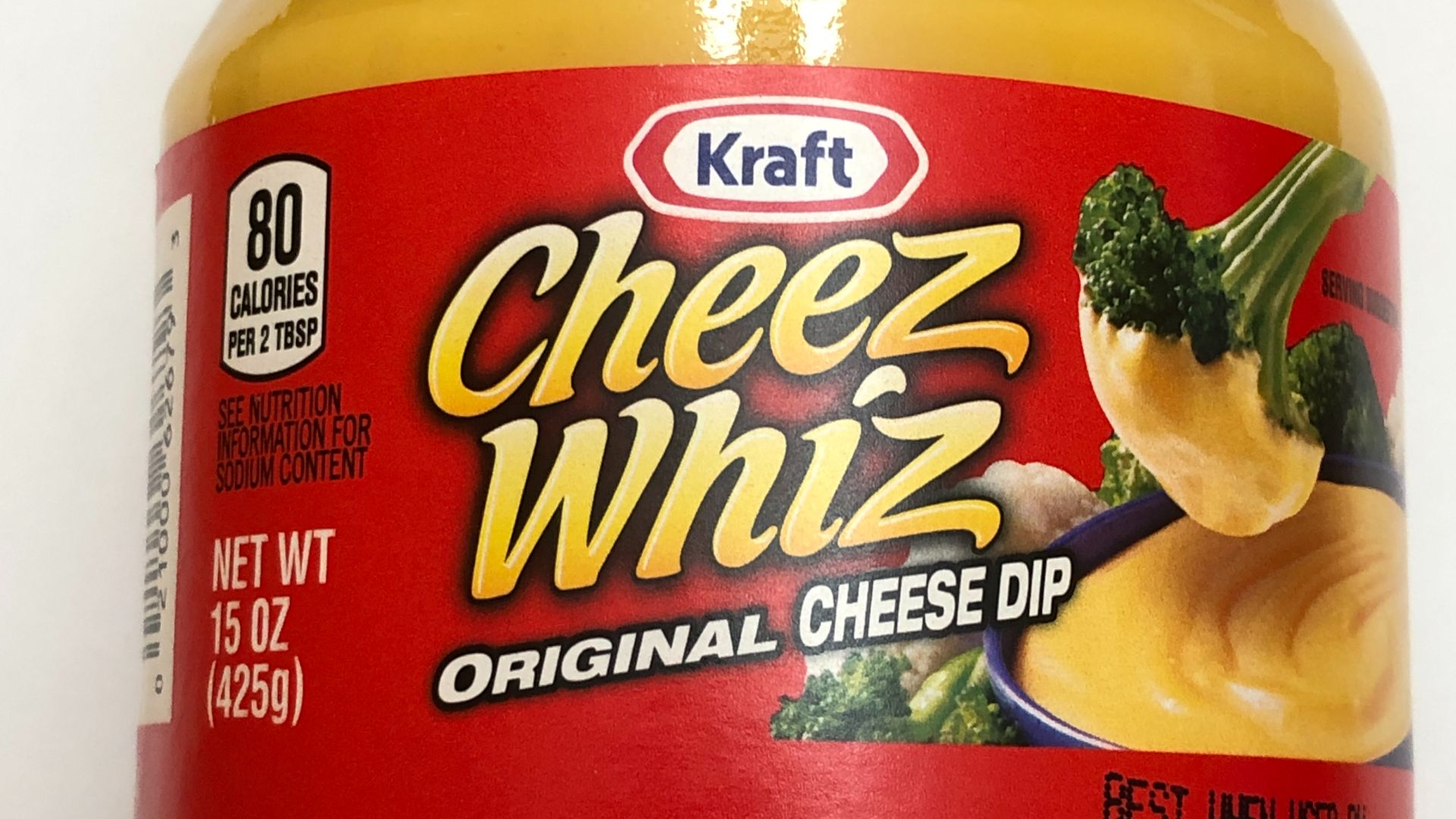
15. Filipinos Spread Cheez Whiz On Breakfast Rolls
Households across the Philippines use Cheez Whiz as palaman on pandesal, the soft rolls eaten at breakfast and at merienda. The local formulation is fortified with calcium and iron. Mondelez also sells a sweet variant called Milky Delight, pitched at children and spooned onto desserts like turon.
16. Burger King Japan Dyes The Whole Burger Black
Bamboo charcoal colors the bun and the cheese slices on the Kuro Burger, and squid ink darkens the onion and garlic sauce. The sandwich first appeared in 2012 and came back in later years. Extra black pepper in the patty does most of the actual flavoring.
17. Dunkin' China Tops Doughnuts With Dried Pork
Dunkin' built a savory doughnut menu for China, including a ring covered in pork floss and another finished with seaweed and sesame. Pork floss is shredded dried pork with a texture close to cotton candy, common on breakfast breads there.
18. A Tokyo Company Owns 7-Eleven
The first store opened in Dallas in 1927 as an ice house that sold milk and bread on the side. Japanese licensee Ito-Yokado bought 70 percent of the parent company in 1991, and Seven & i Holdings took full ownership in 2005. Japan has more 7-Eleven stores than any other country, and fresh prepared food drives the business there.
19. McDonald's France Sells Macarons And Beer
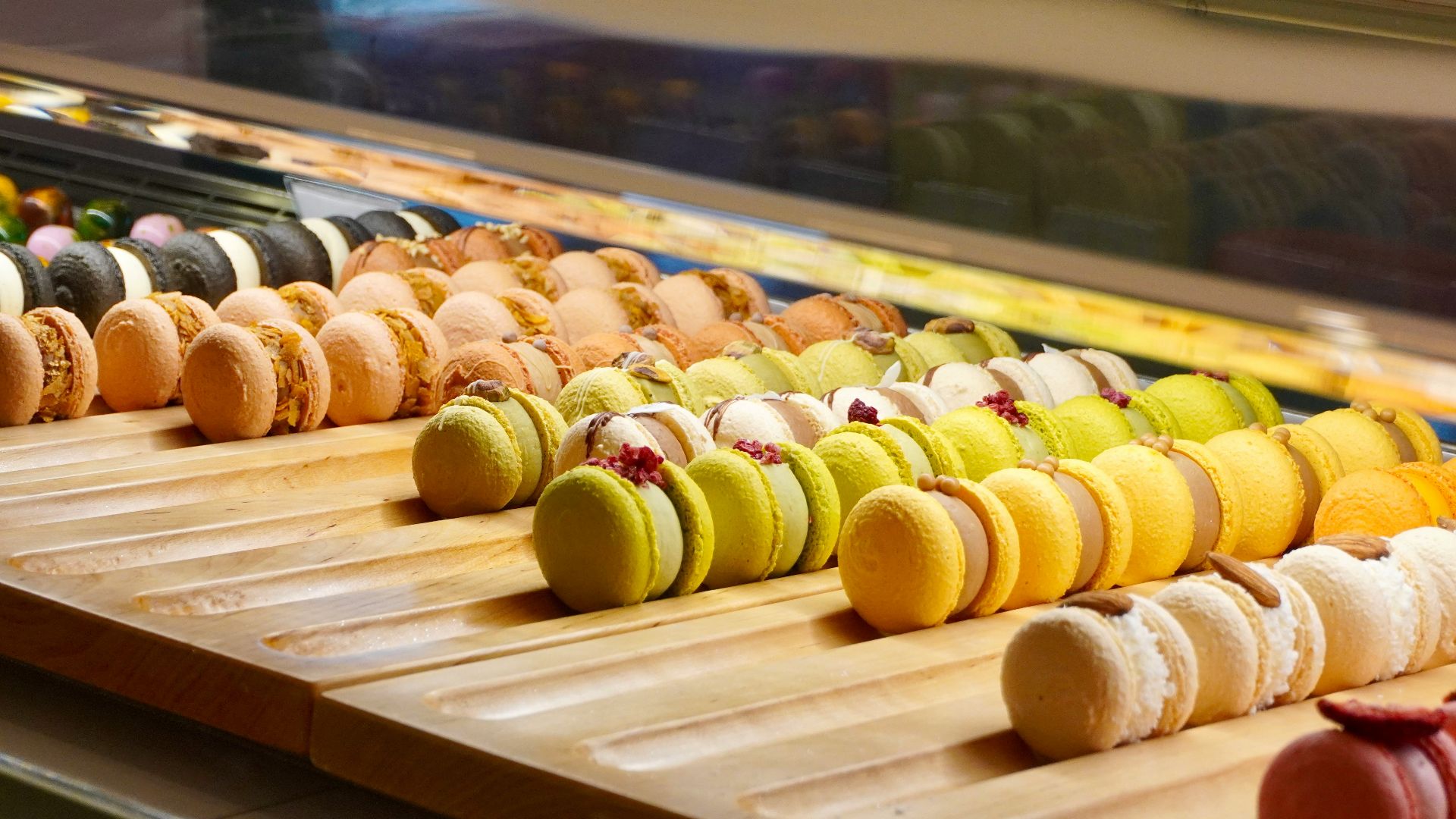
McCafé counters in France display macarons and croissants next to the coffee. The McBaguette arrived in 2012, a burger in French bread with Emmental and mustard, and it has returned several times since. Beer appears on French menus, and one Paris location opened as a café with no burgers or fries at all.
20. Wendy's Japan Served Foie Gras Burgers
A foie gras and truffle burger sold for about $16 on the Japan Premium menu Wendy's launched in 2011, next to a Truffle and Porcini Grilled Chicken sandwich. The following year brought an Ocean Premium line of lobster and caviar sandwiches, with a salad built on the same ingredients.
KEEP ON READING